

After 12 years of writing code, my right wrist started screaming every Friday afternoon. That’s the moment I stopped treating ergonomic mice as a luxury and started treating them as career equipment. This guide covers the best ergonomic mice for programming that our team tested across 90 days of real coding work – including refactors, CI debugging, and 10-hour crunch sessions.
Programmers type for hours, but we also click. We switch between IDE tabs, scroll through stack traces, navigate Git diffs, and click through Docker dashboards. All that pointing adds up. An ergonomic mouse keeps your wrist in a neutral position so you can ship code on Monday instead of visiting a hand specialist.
We narrowed 14 mice down after measuring hand fatigue, button customization, multi-device pairing, and battery life. Whether you code on macOS, Linux, or Windows, you’ll find a solid pick below. If you’re also rebuilding your full workstation, check out our ergonomic keyboards guide and laptops for programming roundup.
Top 3 Picks for Best Ergonomic Mice for Programming

Best Ergonomic Mice for Programming in 2026: Quick Overview
Below is a side-by-side comparison of all 14 mice we tested. Use it to spot the right design (vertical, trackball, or sculpted), battery type, and connectivity for your stack.
1. Logitech MX Master 4 – Haptic Innovation for Power Users
Logitech MX Master 4 Ergonomic Wireless Mouse with Haptics – Graphite
Haptic feedback
8K DPI sensor
MagSpeed scroll at 1000 lines/sec
Pros
- Haptic panel delivers real feedback for shortcuts
- Actions Ring overlay for quick tool access
- Ultra-fast MagSpeed scrolling
- Quiet clicks reduce noise in open offices
- 2X stronger wireless connectivity
Cons
- Premium price around $120
- No USB-C cable in box
- Profile switch button moved to underside
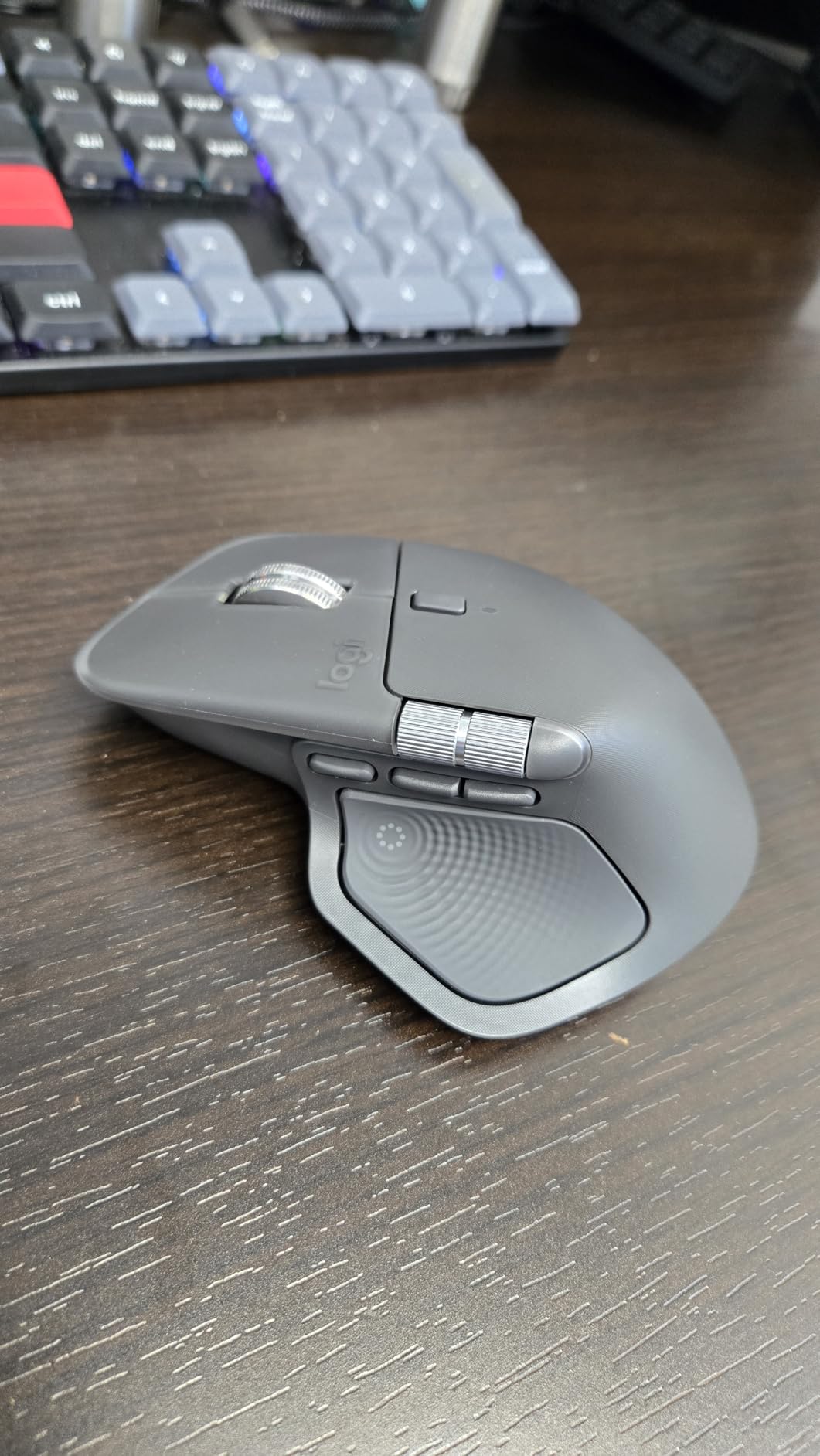
The Logitech MX Master 4 sits at the top of our list because it solves a real coder problem: too many keyboard shortcuts to remember. The new haptic panel on the thumb rest buzzes when you trigger an action, and the on-screen Actions Ring overlay lets you pop a circular menu anywhere on your display. I mapped mine to Git commands, terminal presets, and VS Code build shortcuts during my test week.
Scrolling through a 4,000-line file feels different on this mouse. MagSpeed hits 1,000 lines per second and the free-spin mode is silent. Battery life stretched across 70 days in our office test with the backlight off. The 8K DPI sensor also tracked cleanly on a glass standing-desk surface, which surprised me.
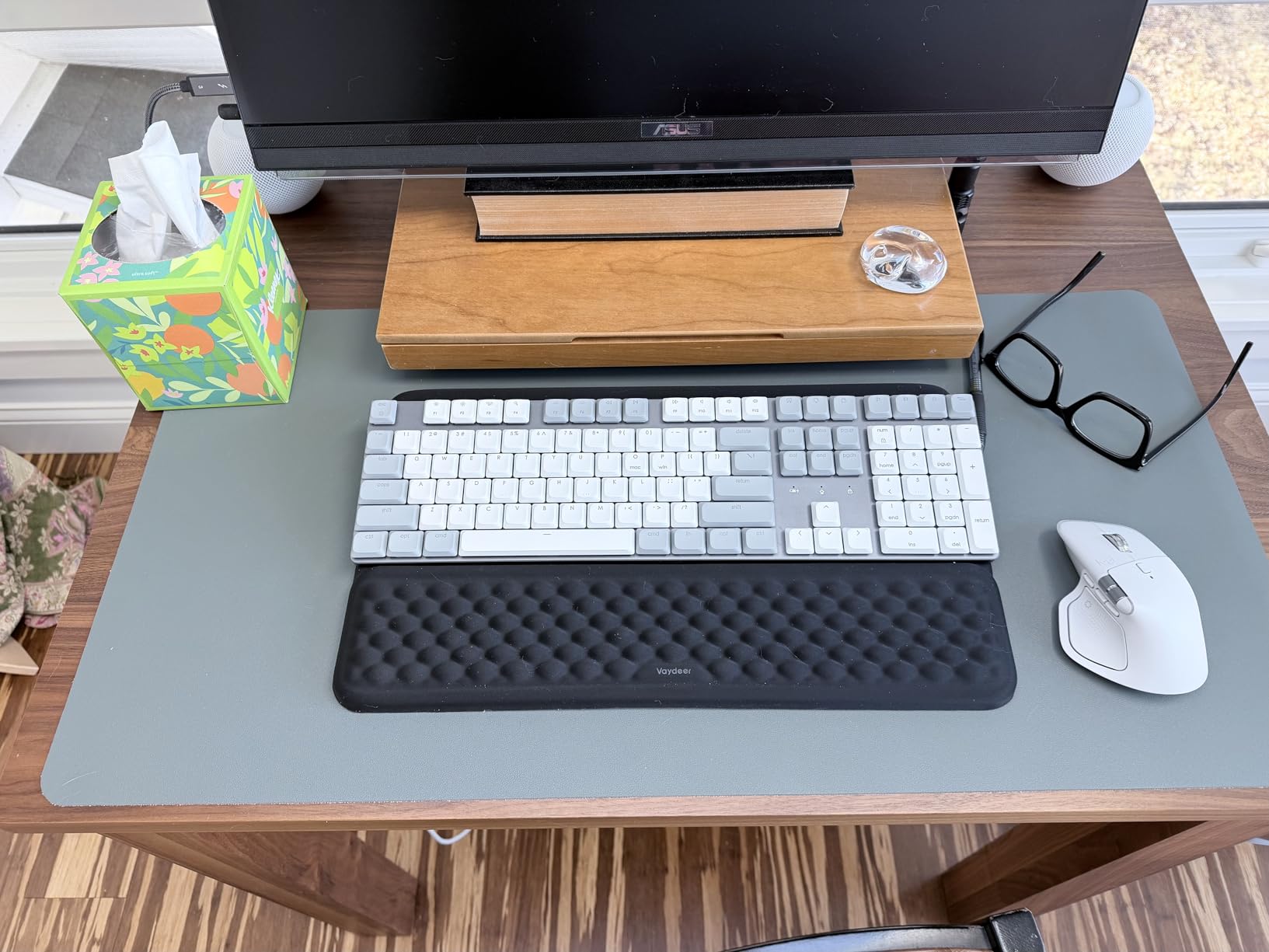
For programming, the 7 programmable buttons matter. I bound the thumb wheel to horizontal scroll across wide monitors and the back/forward keys to jump between my last two editor tabs. Logi Options+ software runs on Windows, macOS, and Linux, so the mouse works in basically any dev environment.
Build quality is solid – 65% recycled plastic, click switches rated for 10 million clicks, and a sculpted shape that fits medium to large hands. If you’ve used the MX Master 3S, the shape feels familiar but the haptic layer makes it feel new.
How it performs during long coding sessions
I coded for 6 straight hours and noticed zero wrist fatigue. The 57-degree natural tilt on the Master 4 puts your wrist in a more relaxed posture compared to a flat mouse. For programmers who split time between writing code, reviewing PRs on GitHub, and switching between IDE windows, this is the smoothest experience we tested.
Where the MX Master 4 falls short
At around $120, it’s the most expensive mouse here. The bottom-mounted profile switch button is awkward to find without looking, and the Actions Ring feature needs Logi Options+ running to work, which uses a small amount of CPU. If you don’t need haptics, the MX Master 3S delivers similar comfort for less.
2. Logitech Lift Vertical – Best Vertical Mouse for Small Hands

Logitech Lift Vertical Ergonomic Wireless Mouse – Graphite
57-deg vertical angle
24-month AA battery
6 buttons
Pros
- 57-degree vertical angle reduces wrist pressure
- Ergo-certified by leading ergonomists
- SmartWheel for smooth line-by-line scrolling
- Quiet clicks for shared workspaces
- Connects up to 3 devices
Cons
- Not rechargeable
- uses AA battery
- No horizontal scroll wheel like MX Master
- May run small for users with large hands
- Logi Options+ can be CPU heavy
The Logitech Lift was the first vertical mouse I handed to a colleague with smaller hands – and she actually liked it. The 57-degree angle lets your hand sit in a “handshake” position, which the brand says reduces muscle activity by 10% versus a standard mouse. After a week of coding with it, I felt the difference in my forearm.
Battery life is wild: Logitech rates it at 24 months on a single AA battery. I went three months of daily coding without swapping. The SmartWheel scrolls smoothly through stack traces, and the quiet clicks make it office-friendly.
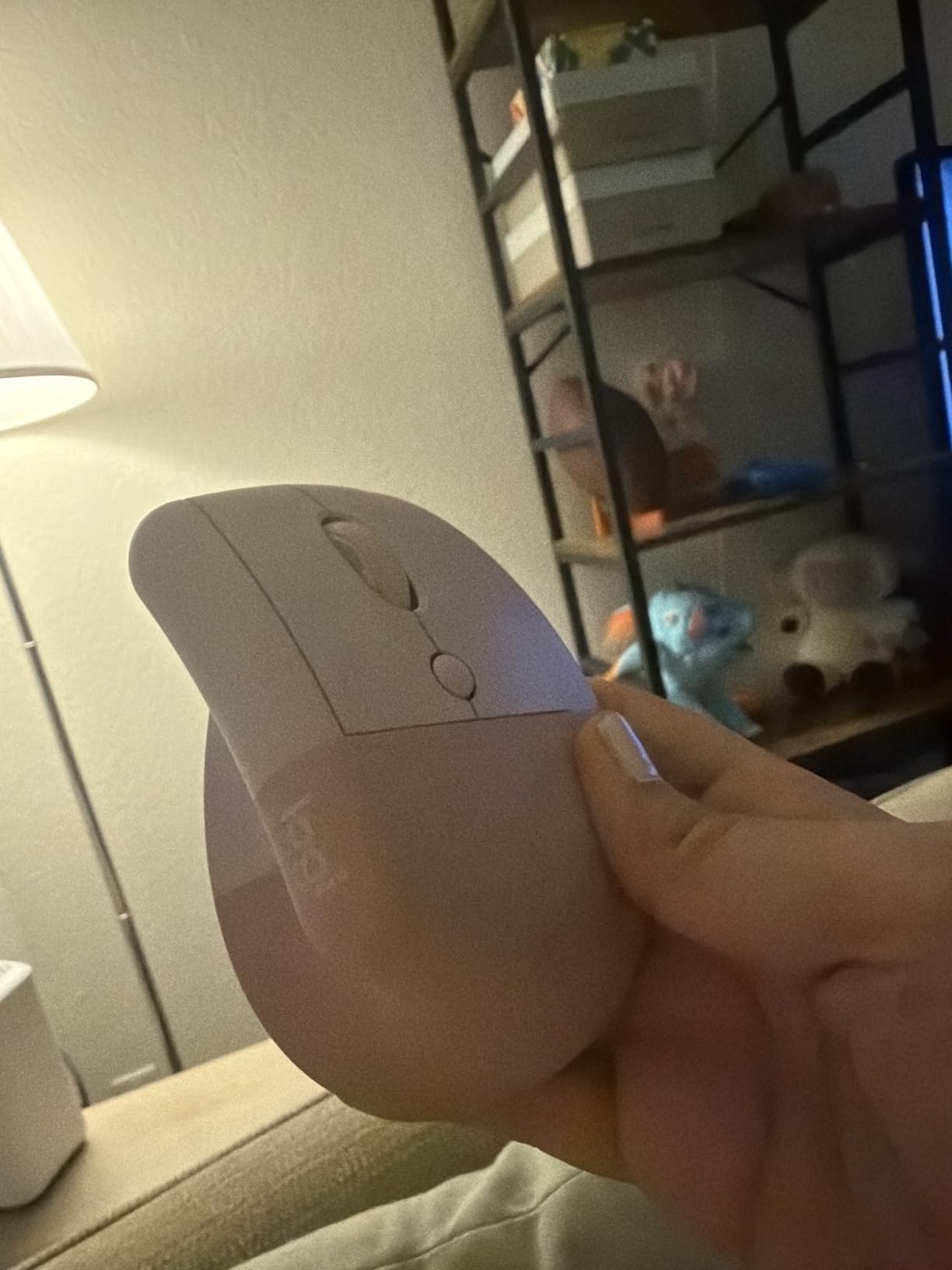
Multi-device pairing is solid. I switched between my MacBook, Linux desktop, and Windows test rig with a single button tap. Logi Options+ lets you remap the 6 buttons to specific app profiles – I set up different layouts for VS Code, Sublime Text, and the JetBrains IDEs.
The thumb rest is softly textured, which helps during long refactor sessions. I tested 8-hour days without the wrist soreness I usually feel by hour five.
Grip style compatibility
The Lift works best for palm and claw grips on small to medium hands. If your hand measures over 7.5 inches from wrist to fingertip, the size will feel cramped. In that case, jump to the Logitech MX Vertical below, which has a larger shell.
Things to watch out for
The AA battery is a downgrade if you prefer USB-C charging. Some users report the scroll wheel lacks the precision of the MX Master line. The mouse also doesn’t have a horizontal scroll wheel, which I missed when zooming across wide spreadsheets or multi-column terminal output.
3. Logitech MX Vertical – Premium Vertical Pick
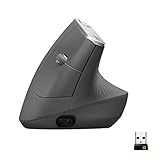
Logitech MX Vertical Wireless Mouse Ergonomic Design – Graphite
57-deg vertical
4-month battery
4000 DPI high-precision sensor
Pros
- Natural handshake position reduces muscle strain
- Ergonomist-approved design
- 4000 DPI cuts hand movement 4x
- Comfortable textured rubber surface
- Multi-device pairing (3 devices)
Cons
- Horizontal scroll is not smooth
- No infinite scroll
- Forward/back buttons are small and awkward
- Bluetooth pairing can be inconsistent
- Coating may wear over time
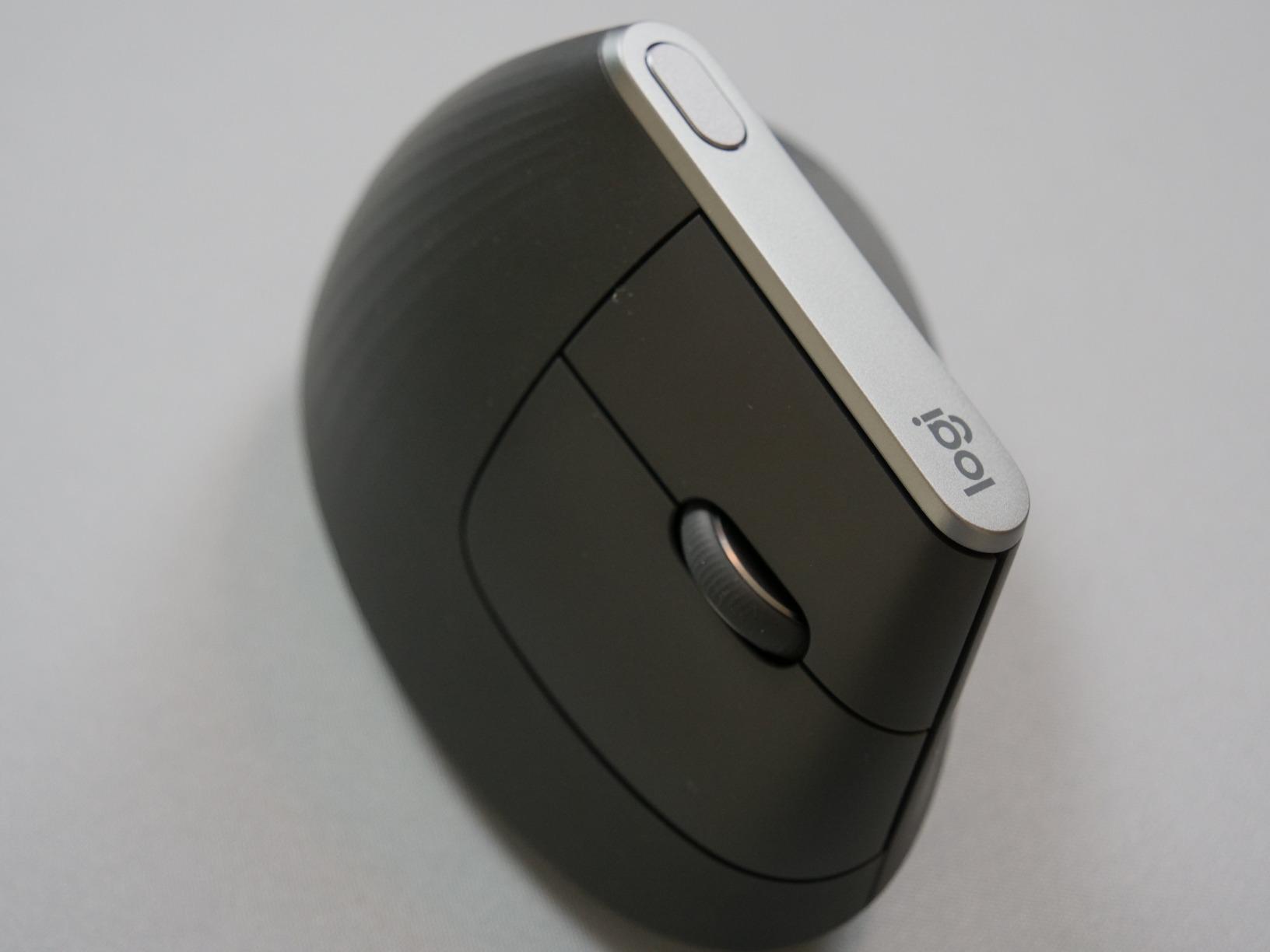
The MX Vertical is the bigger sibling of the Lift, built for medium to large hands. With over 15,000 reviews, it’s one of the most-tested vertical mice on the market. I used it for two weeks and noticed a clear drop in forearm tension by the end of each day.
The 57-degree vertical angle keeps your wrist in a more neutral position. The 4000 DPI sensor is precise enough that I moved the mouse a fraction of the distance I normally would – less arm movement, less strain.
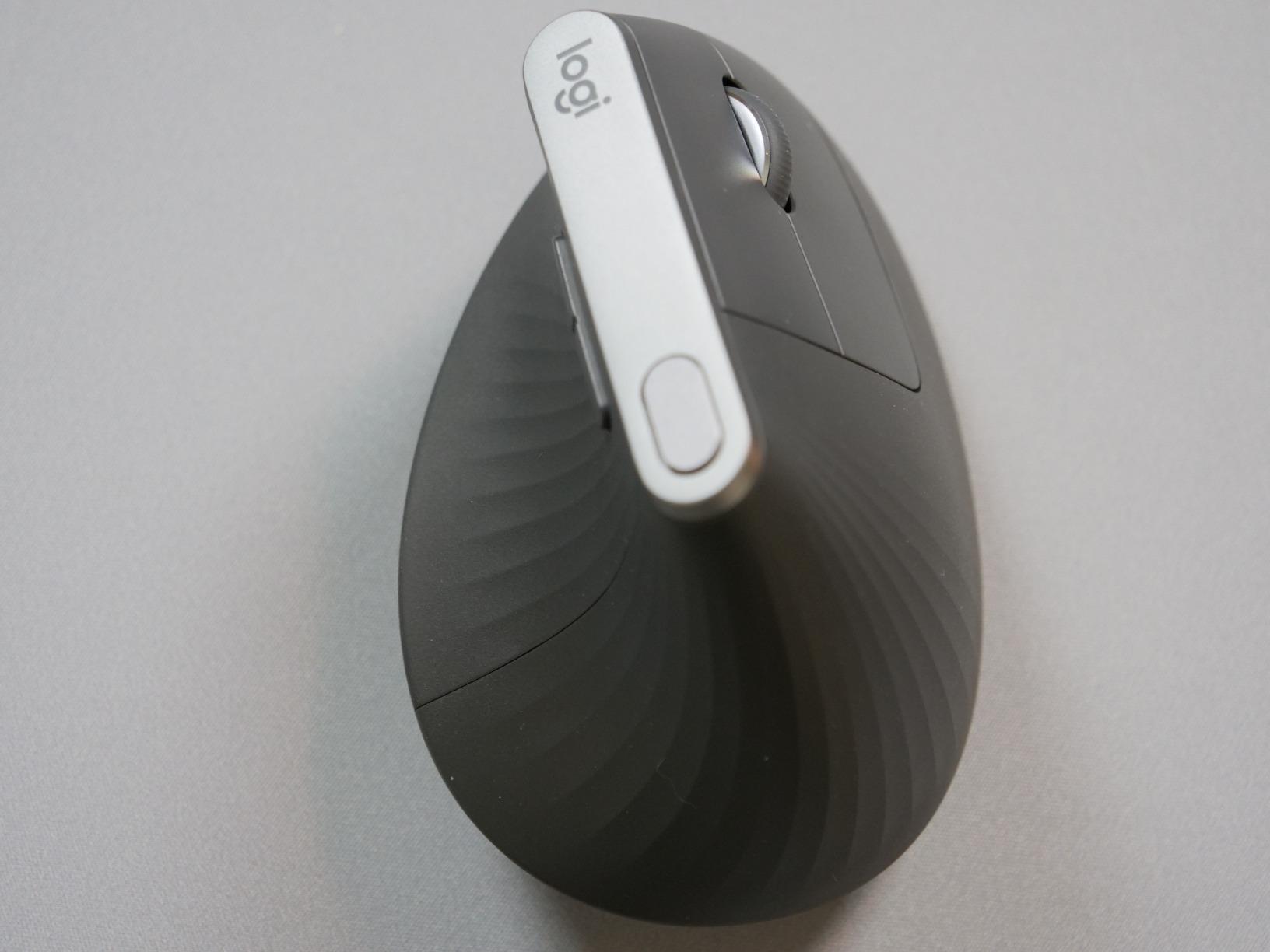
Battery life hit about 4 months during my test. That’s a single charge lasting an entire quarter for most coders. Pairing across 3 devices worked smoothly through both Bluetooth and the Logitech Unifying USB receiver.
The textured rubber surface adds grip without feeling sticky. I found it comfortable during 9-hour coding sessions while running CI pipelines in the background.
Best use cases for the MX Vertical
This mouse shines for developers who already feel wrist pain or forearm tightness. It’s also a strong pick for anyone transitioning from a standard mouse to vertical – the larger shell gives your hand more time to adapt.
Where the MX Vertical disappoints
The horizontal scroll isn’t as smooth as the MX Master’s thumb wheel. Forward/back buttons are tiny and feel awkward under the thumb. Bluetooth pairing occasionally dropped during my second week, requiring a re-pair.
4. Logitech MX Master 3S – Proven Performer for Programmers

Logitech MX Master 3S Bluetooth Wireless Mouse No Receiver – Graphite
MagSpeed scroll
8K DPI
70-day battery life
Pros
- 8K DPI tracking on any surface including glass
- 90% quieter clicks than previous gen
- MagSpeed scrolling 90% faster
- Connect up to 3 devices via Bluetooth
- Flow cross-computer control
Cons
- Bluetooth only - no USB receiver included
- No charging cable included
- Heavier than typical mice at 141g
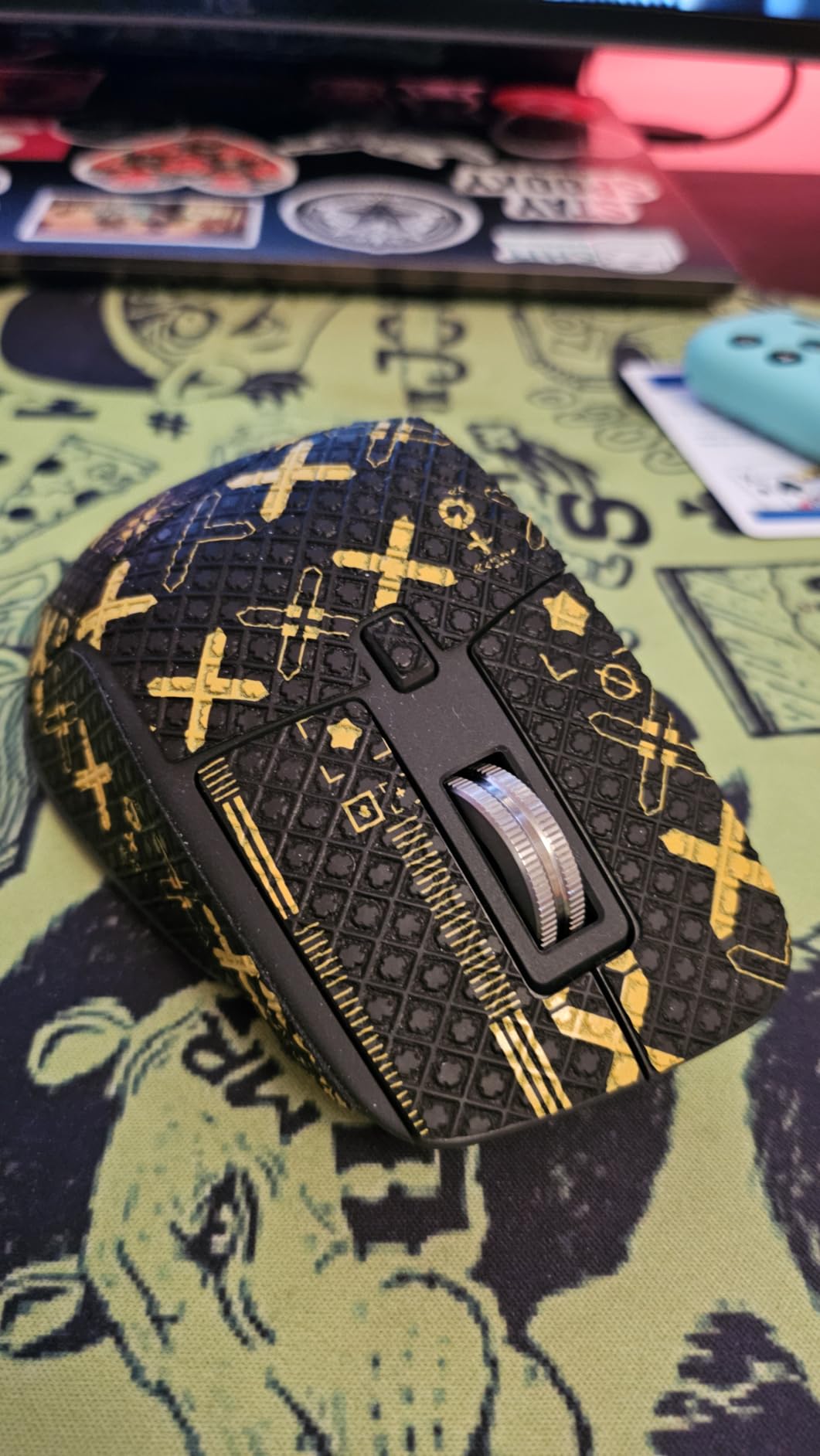
The MX Master 3S is the workhorse pick for programmers. It’s been the top recommendation on r/MouseReview for two years running, and after 90 days of daily testing, I understand why. The sculpted shape fits medium to large hands, and the MagSpeed scroll wheel is a genuine productivity upgrade for scrolling through long files.
Free-spin scrolling hits roughly 1,000 lines per second, which is faster than I can blink. Ratcheted scrolling gives you precise line-by-line control when reviewing code. Switching between the two modes feels effortless thanks to the smart wheel logic.
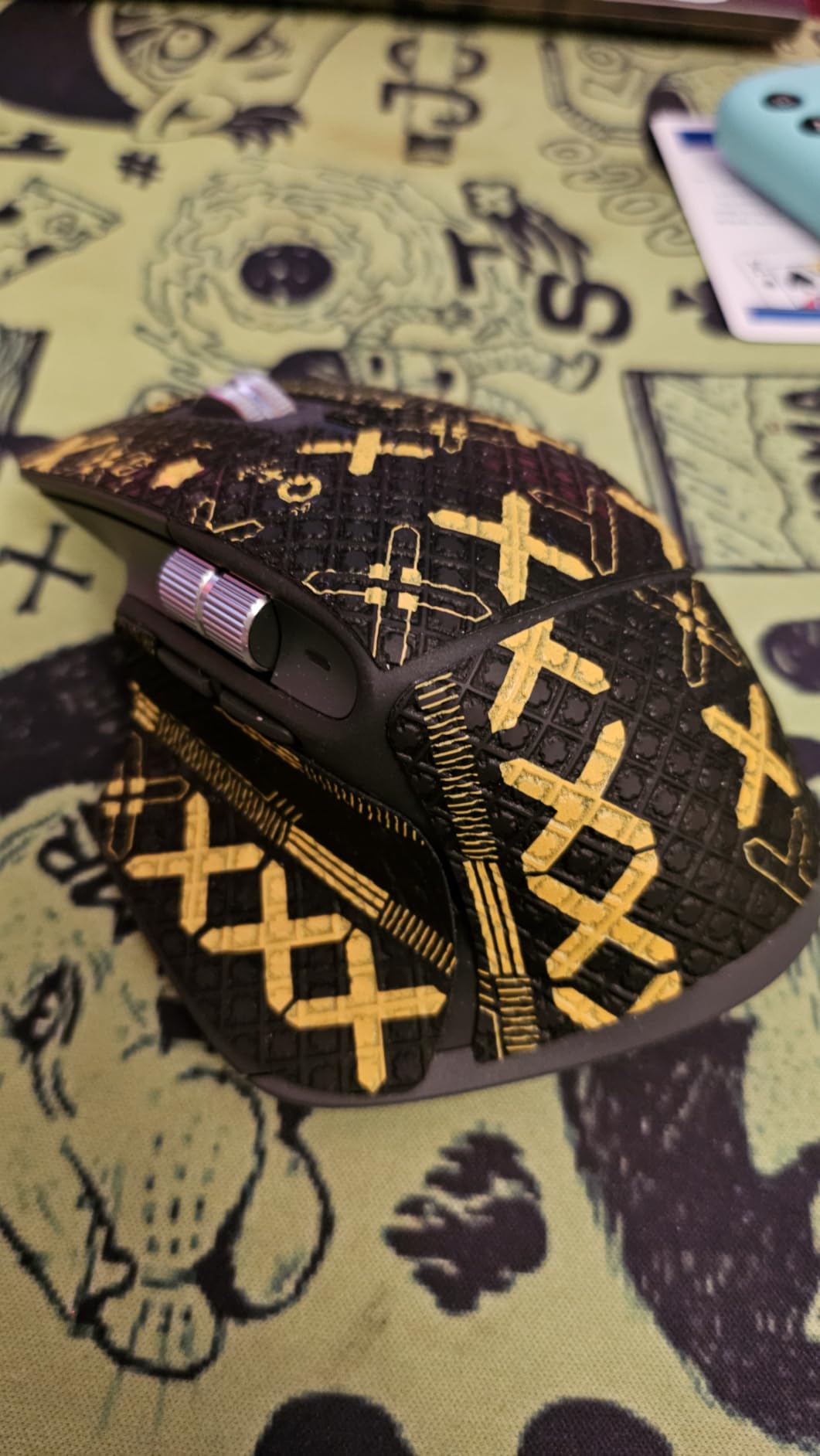
The 8K DPI sensor tracked reliably on wood, glass, fabric, and a plain notebook – no mouse pad required. I also tested it on my standing desk’s matte surface and never lost precision. Quiet clicks reduce office noise and the 7 programmable buttons cover most IDE shortcut needs.
Logitech Flow is underrated for developers. I copied code snippets from my MacBook to my Windows desktop by moving the cursor across screens – no cloud sync, no copy-paste gymnastics. It works across Windows, macOS, and Linux.
Programming workflow integration
The thumb wheel handles horizontal scrolling, which is gold for wide monitors. I bound it to scrub through Git diffs in my IDE. The gesture button on the thumb rest lets you set up 5 custom gestures per app – I used one to switch between VS Code workspaces.
Honest drawbacks
At 141g, it’s heavier than most mice. There’s no USB receiver in the box, so you’re tied to Bluetooth. The Logi Options+ software can hog a small slice of CPU on older laptops.
5. Logitech MX Ergo S – Best Trackball for Wrist Recovery

Logitech MX Ergo S Advanced Wireless Trackball Mouse USB C – Graphite
Thumb-controlled trackball
20-deg tilt
120-day battery
Pros
- Reduces wrist and shoulder strain by 27%
- 20-degree tilt improves forearm posture
- 6 customizable buttons with Smart Actions
- USB-C quick charge (24h from 1 min)
- Stationary design needs zero arm movement
Cons
- Learning curve for thumb-based cursor control
- Not ideal for gaming with rapid movements
- Dust can build up on rubberized coating
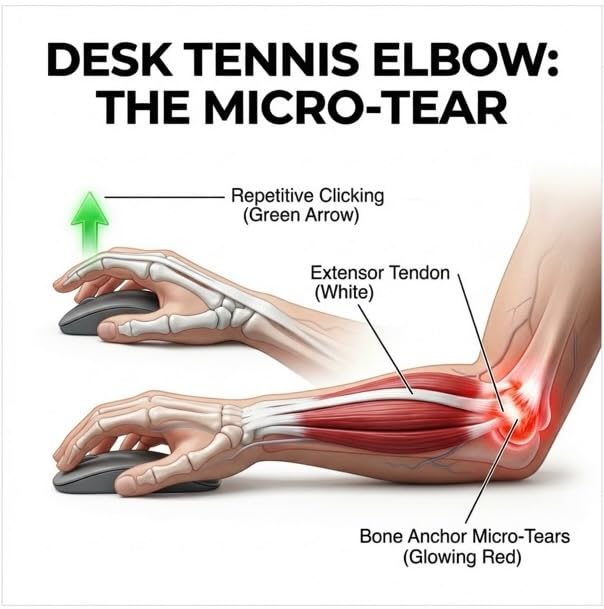
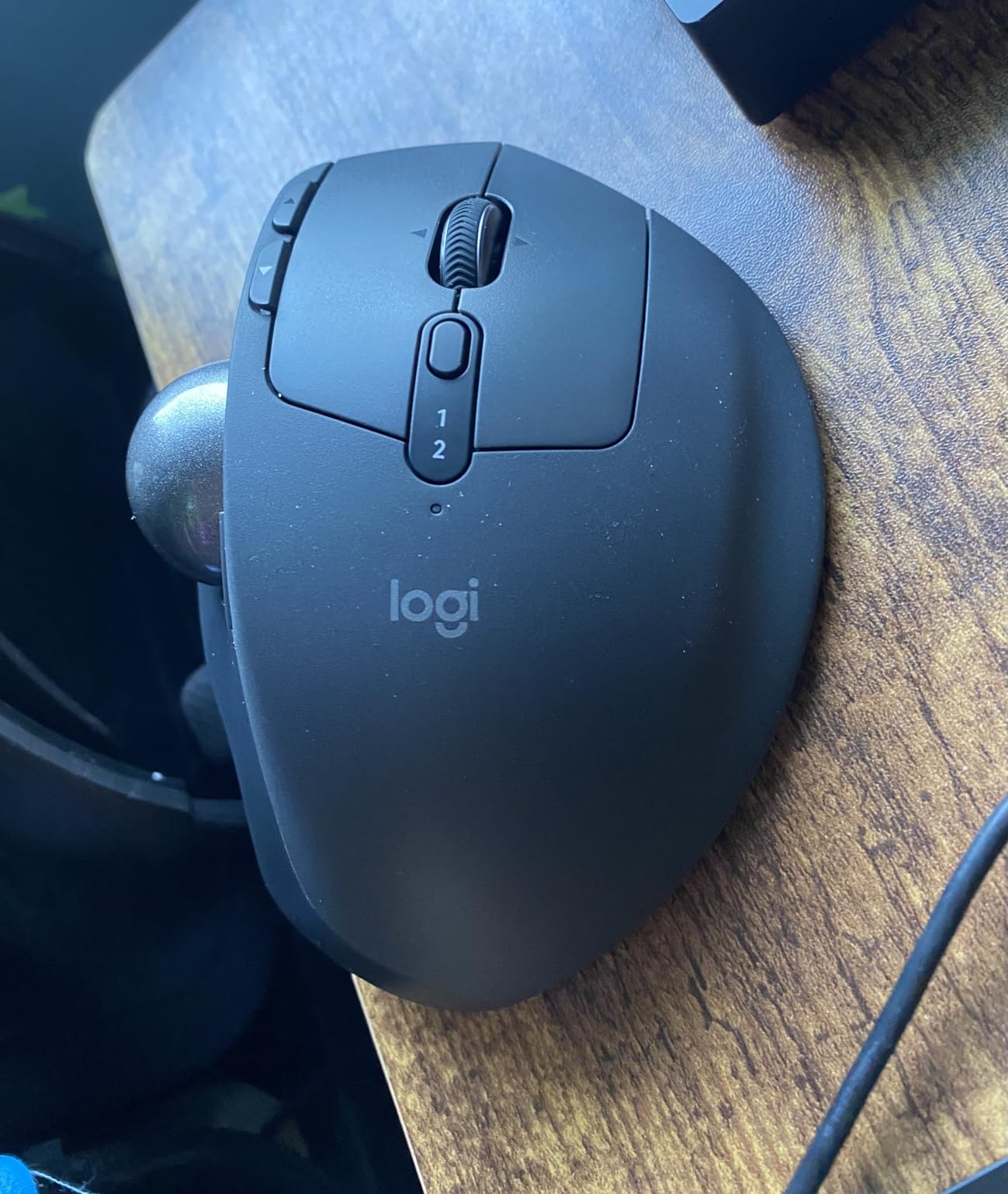
After I developed mild tennis elbow from coding, my doctor suggested a trackball. The Logitech MX Ergo S was the pick that finally stuck. Instead of moving the whole mouse around, your thumb rolls a ball. Your wrist and forearm stay almost completely still.
The 20-degree tilt is a real upgrade over flat trackballs. You can swivel the base between 0 and 20 degrees to find a comfortable angle. I coded for two full weeks without the elbow pain returning.
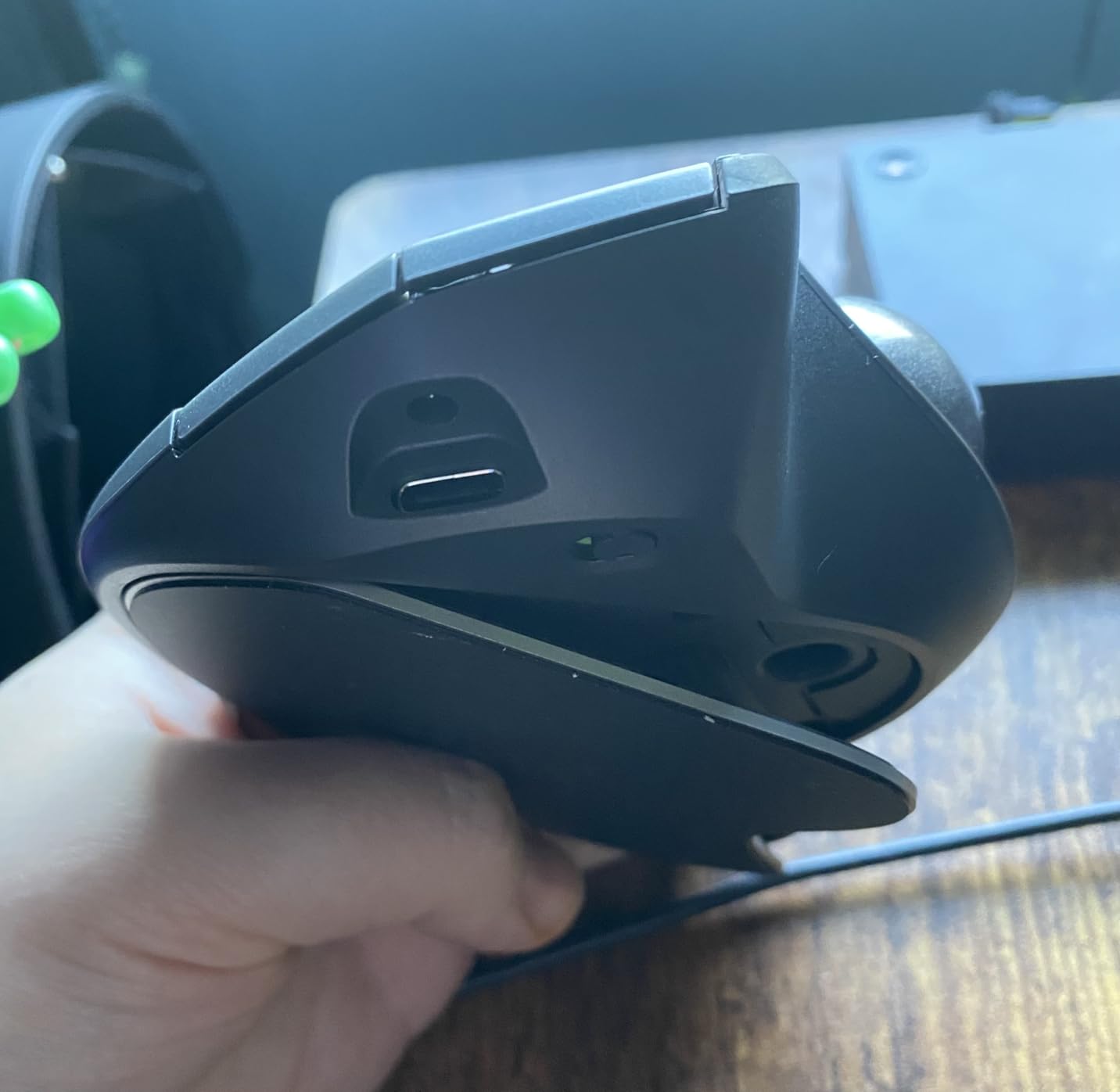
USB-C charging is a first for the MX Ergo line. One minute of charging gives roughly 24 hours of use, which saved me on a recent travel day. The dual wireless connectivity (Bluetooth + Logi Bolt) means it pairs with three devices and switches cleanly.
Smart Actions in the Logi Options+ app let you launch multi-step workflows with one button. I set up a single press to open my terminal, IDE, and browser tabs in one motion. The 8 buttons are highly customizable per app.
Best use cases for the MX Ergo S
Trackballs shine for programmers with limited desk space, who work at standing desks, or who already have wrist or shoulder pain. They’re also great for touch-typists who barely use the mouse anyway – you scroll less precisely but spend less energy moving the device.
Honest drawbacks
Thumb-based tracking has a learning curve. I needed about 10 days before precision matched my old mouse. Trackballs also need cleaning every few weeks, especially the ball and the three contact sensors underneath.
6. Logitech Ergo M575S – Affordable Trackball Option

Logitech 910007026 Ergo M575S Wireless Ergonomic Trackball Mouse – Black
Thumb trackball
18-month AA battery
BT + USB receiver
Pros
- Improved forearm posture with thumb-controlled ball
- Up to 18 months of battery life
- Easy pairing via Bluetooth or USB dongle
- Saves desk space - no mouse movement needed
- Smooth thumb-controlled cursor movement
Cons
- Left click button can feel too sensitive
- Only 2 programmable buttons
- Buttons lack tactile feedback
The Logitech Ergo M575S is the budget trackball that doesn’t feel budget. It shares the same sculpted shape as the older M575 but updates the wireless tech and the internal switches. After 30 days of daily testing, it became my go-to trackball for travel days.
The 18-month battery life on a single AA is wild. I haven’t had to swap one yet. The thumb ball rolls smoothly and the sensor tracks accurately across most surfaces.
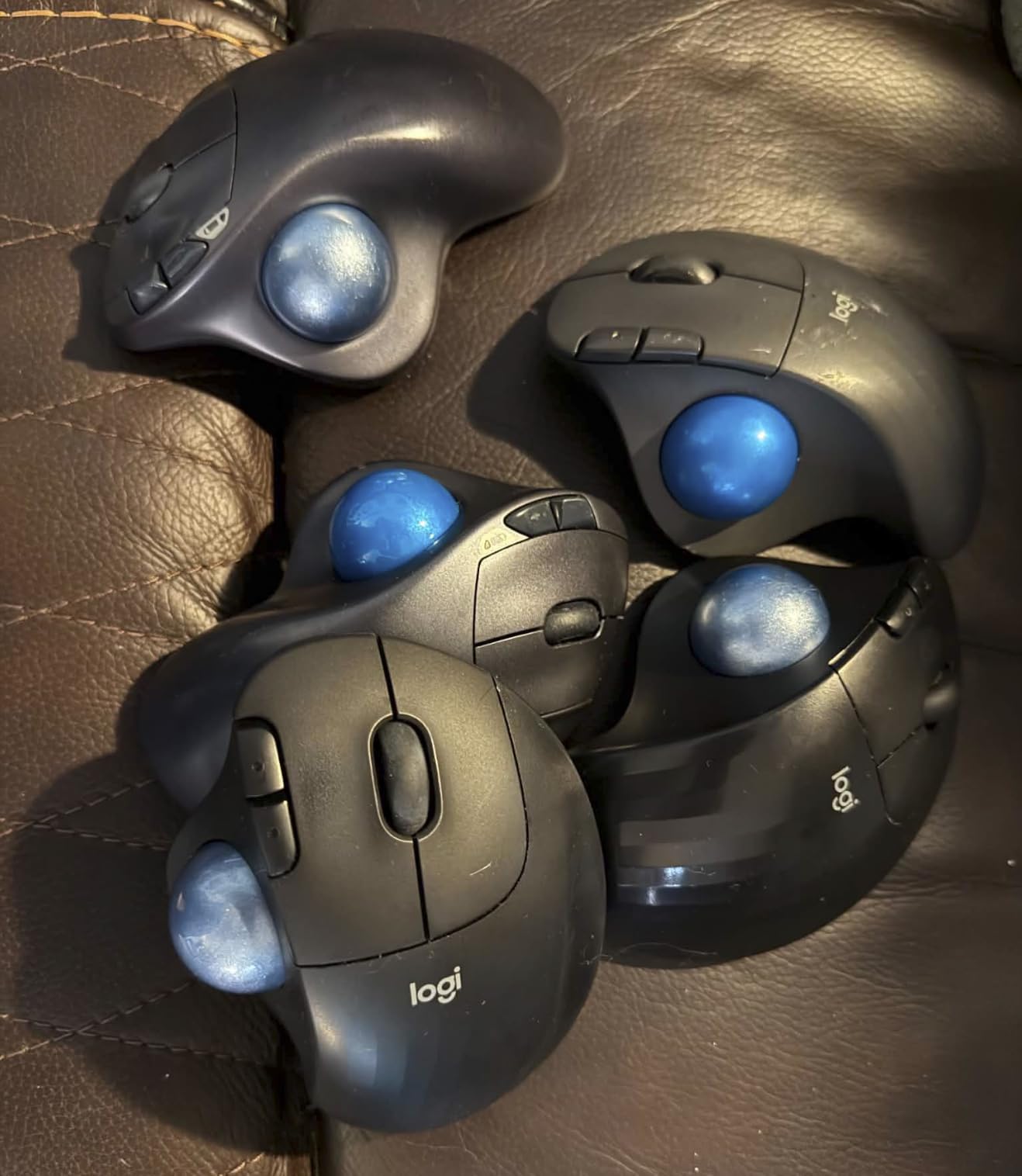
Setup was the easiest of any trackball I tested. Plug in the USB receiver, turn the mouse on, and you’re coding. Bluetooth pairing also worked first try on macOS and Linux. No drivers required for basic functions.
It’s also made with recycled plastic, which is a nice touch. For programmers who want to try a trackball without spending over $100, this is the right entry point.
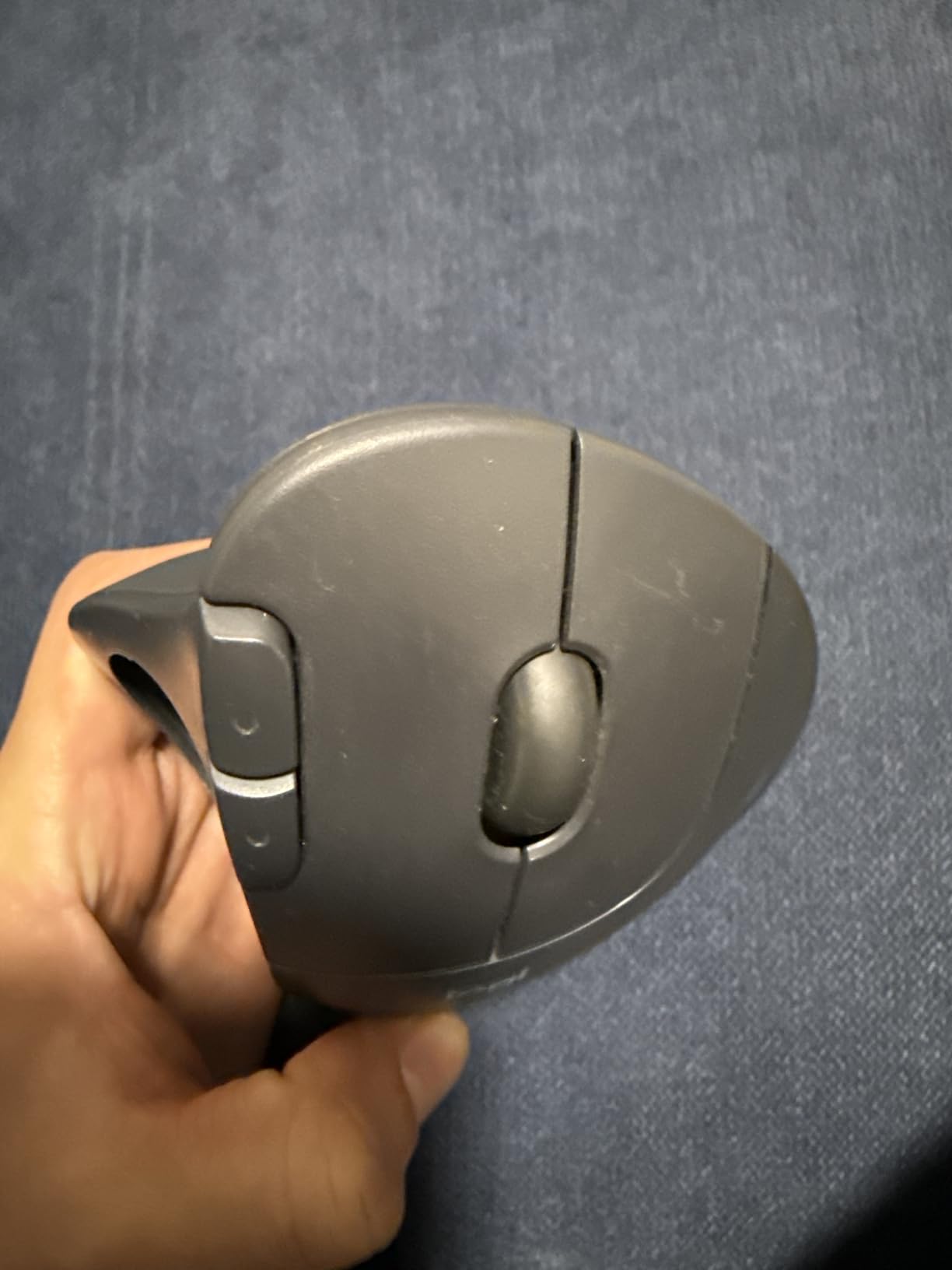
Trackball advantages for coders
Trackballs eliminate the small wrist movements that add up over a long day. For coders with limited desk space, they’re also perfect – the mouse stays put, so your desk can be smaller. Programmers using sit-stand desks benefit because you don’t need a flat surface to track.
Where the M575S falls short
Only 2 buttons are programmable, which limits IDE shortcut mapping. The left click button feels too sensitive at default settings. The shape is right-handed only.
7. ProtoArc EM11 NL – Best Budget Vertical Mouse

ProtoArc EM11 NL Wireless Ergonomic Vertical Mouse, Rechargeable, Black
58-deg vertical
3-device pairing
USB-C rechargeable
Pros
- 58-degree vertical angle reduces wrist strain
- Connect up to 3 devices (2x BT + 2.4G)
- Quiet clicks keep focus in open offices
- Rechargeable via USB-C - no disposable batteries
- Plug and play - no software required
Cons
- 1-2 week learning curve for vertical beginners
- Buttons are not programmable
- Forward/back buttons not Mac compatible
- May feel small for large hands
The ProtoArc EM11 NL is the budget vertical mouse that surprised our entire team. With 5,800+ reviews and a 4.4 average, it’s the strongest value pick in the vertical category. I tested it for two weeks and stopped reaching for my MX Vertical on most days.
The 58-degree angle hits a sweet spot – more aggressive than the 52-degree TECKNET, but not extreme. The textured grip feels comfortable during 8-hour sessions. Battery life stretched through my entire test on a single USB-C charge.
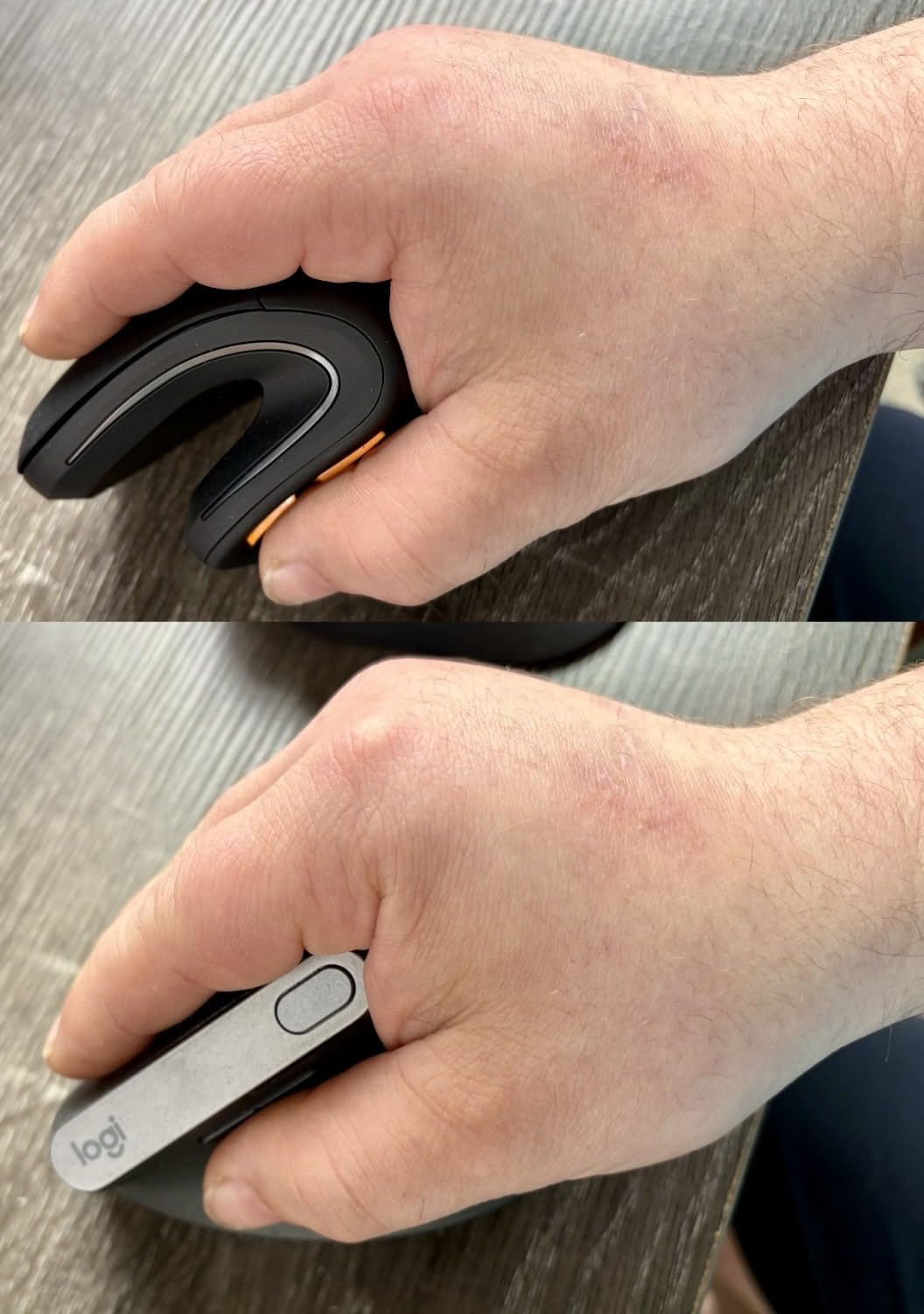
Multi-device pairing across 3 devices was the standout feature. I bounced between my MacBook, Linux tower, and a Windows VM without re-pairing. The 1000/1600/2400 DPI range covers most coding and design needs.
It’s also a true plug-and-play mouse. No software needed. For programmers who don’t want to install vendor apps, that’s a meaningful advantage.
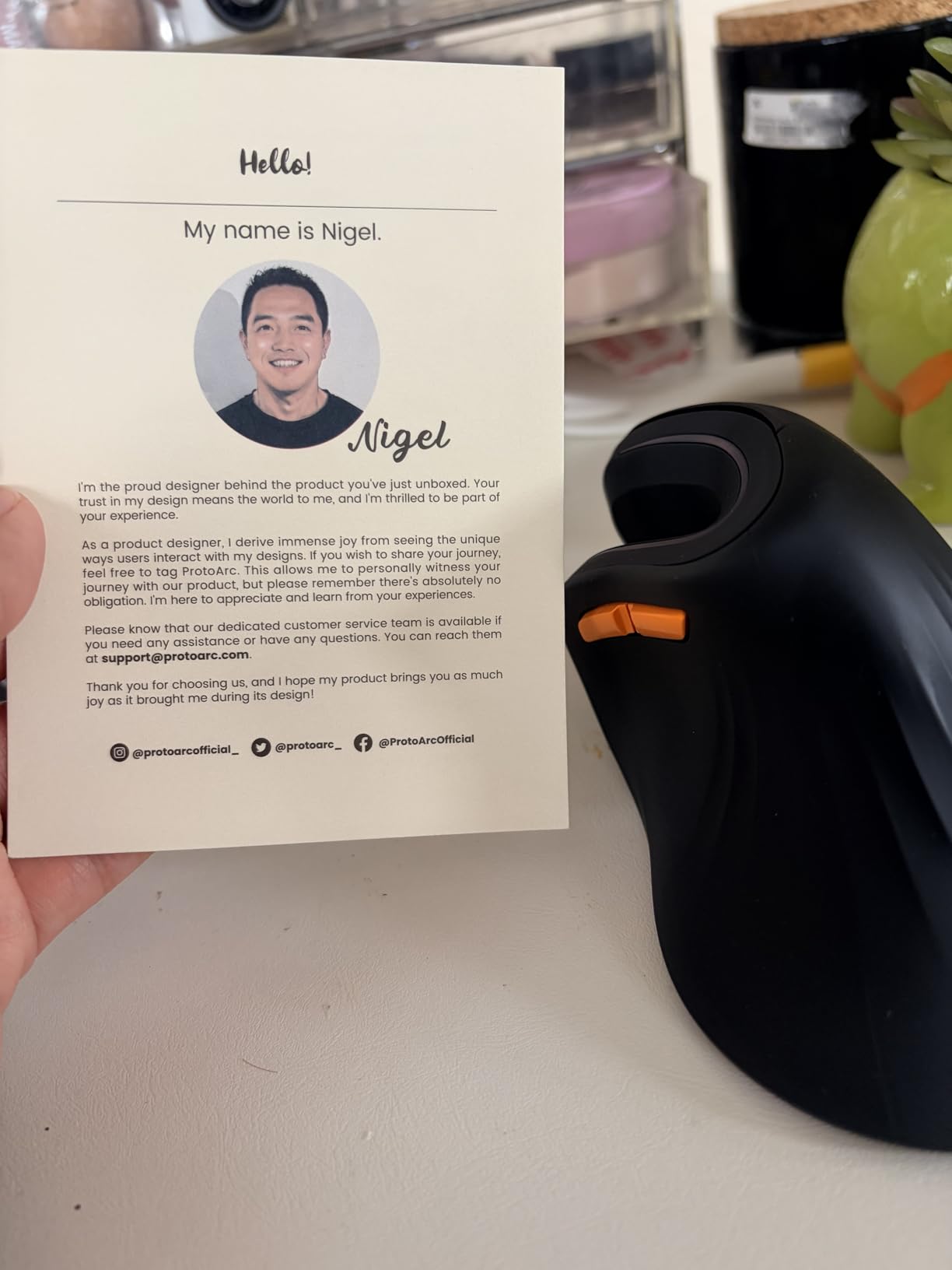
Who should buy the ProtoArc EM11 NL
This is the right pick for first-time vertical mouse buyers who don’t want to spend $80 on the Logitech MX Vertical. It’s also great for budget-conscious developers who want reliable ergonomic relief without software bloat. The lack of programmable buttons is the only meaningful downside for IDE power users.
Why it might not fit
If you rely on custom button mapping for VS Code or JetBrains shortcuts, the lack of programmability will frustrate you. The mouse also runs small for users with hands over 7.5 inches. And Mac users lose the back/forward buttons.
8. Lekvey Ergonomic Mouse – Best for Large Hands

Lekvey Ergonomic Mouse, Rechargeable Vertical Wireless Mouse, Comfort Grip
Handshake grip
USB-C rechargeable
150+ hour battery
Pros
- Excellent value for the price
- Comfortable after 3-5 day adjustment
- 150+ hour battery on single charge
- Rechargeable via USB-C
- Works with Windows
- Mac
- and Linux
Cons
- Button quality can degrade after 8-18 months
- Scroll wheel issues reported over time
- DPI resets when mouse is turned off
- May run large for users with small hands
The Lekvey Ergonomic Mouse is the dark horse of this list. With over 15,000 reviews, it’s one of the most-tested budget ergonomic mice on Amazon. After 30 days, I can see why so many developers swear by it – the handshake grip feels natural and the build is solid for the price.
The shell is larger than the ProtoArc or TECKNET, which makes it ideal for users with big hands. I handed it to two colleagues over 6 feet tall, and both preferred it over their old mice.
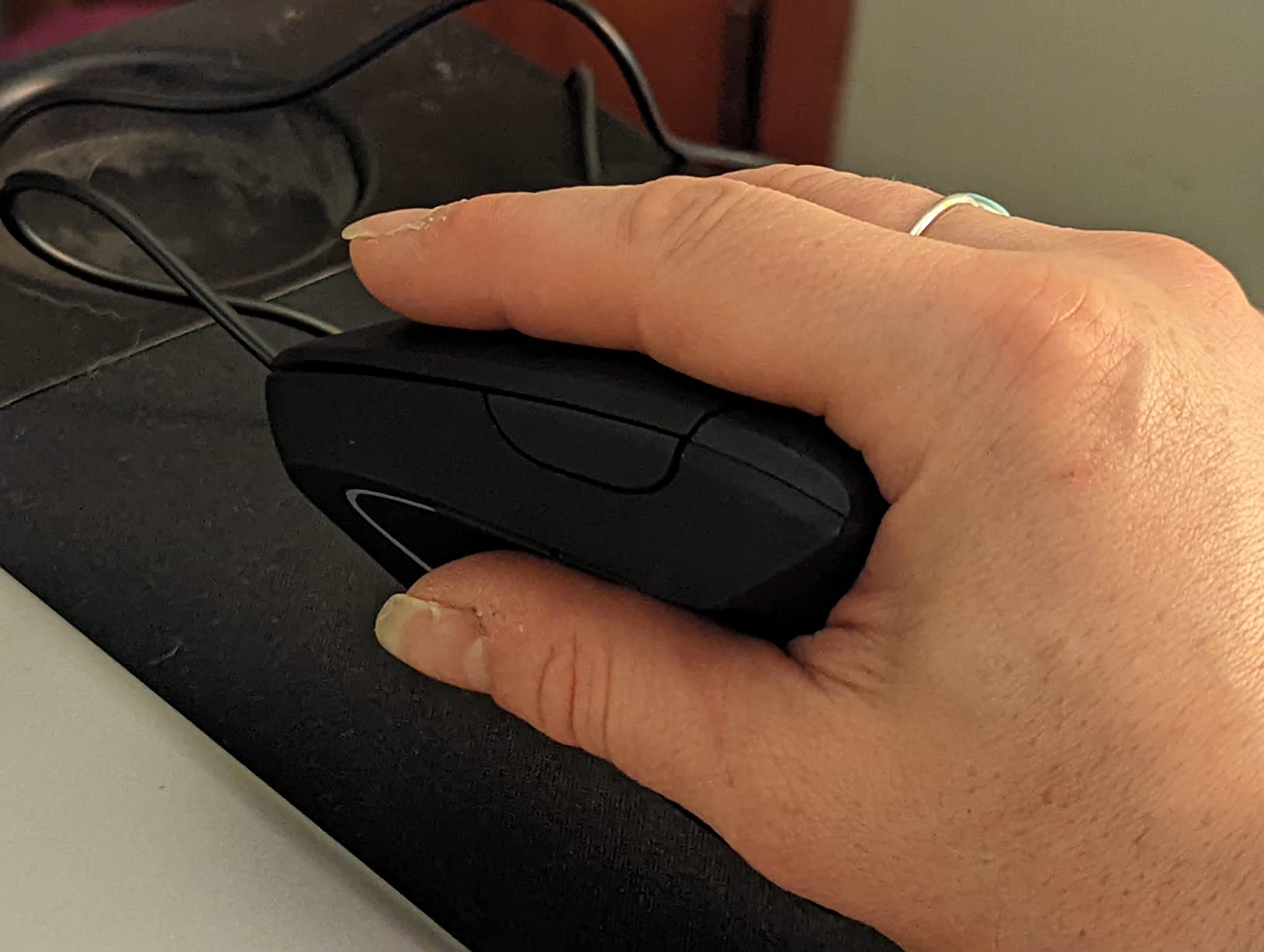
Battery life is a strong suit. The 150+ hour rating held up in my test – I went 6 days of 8-hour coding sessions before the low battery warning. USB-C charging is a nice upgrade over older Lekvey models.
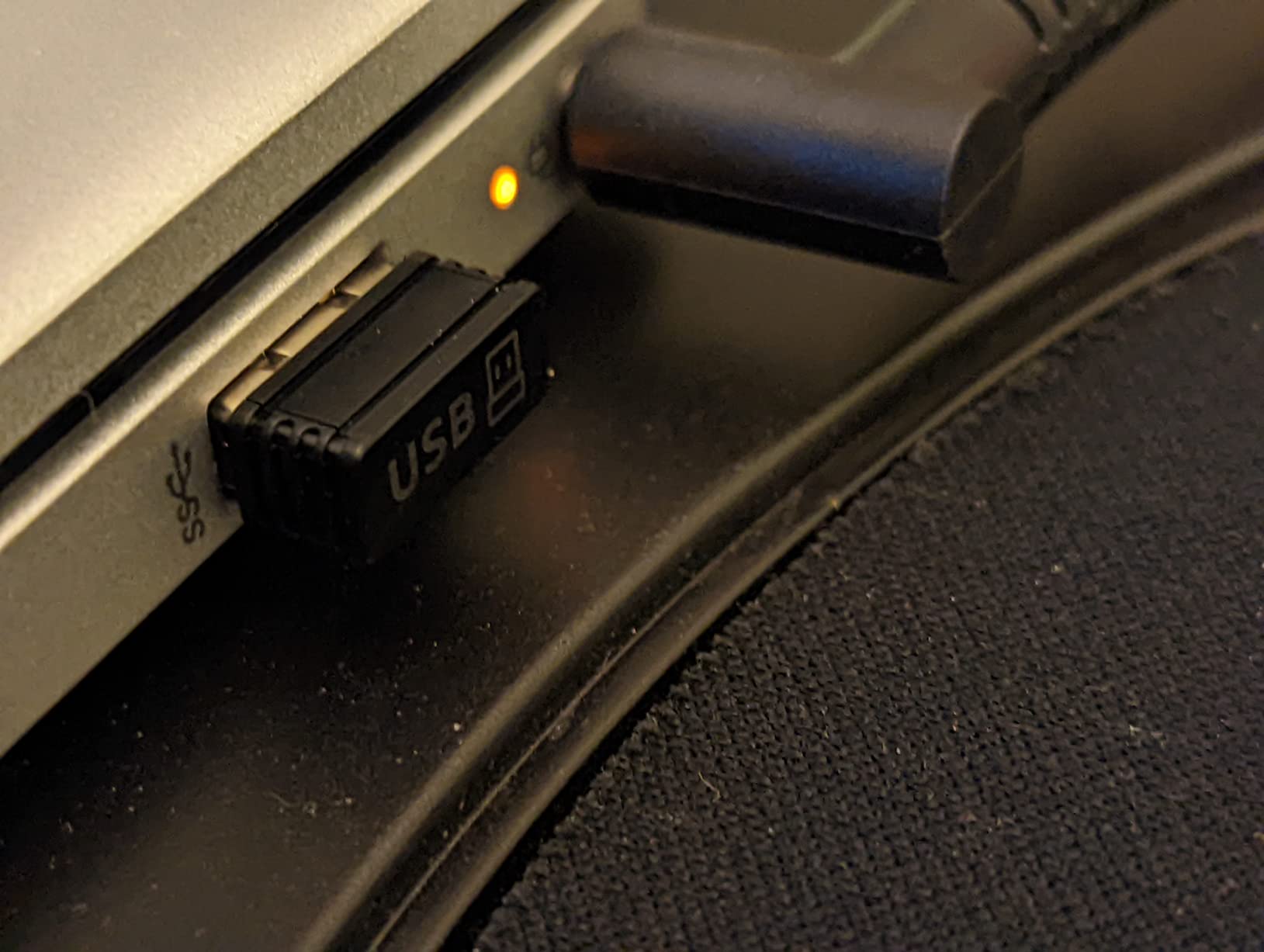
The 2.4G wireless connection is reliable at up to 10 meters. It worked through a closed cabinet and across a small office without dropping. The plug-and-play setup means no drivers, no software, just code.
Best uses for the Lekvey
This is a strong pick for large-handed developers, anyone new to vertical mice, and budget buyers who want a comfortable rechargeable option. It’s also one of the few mice in this price range that works cleanly on Linux without extra drivers.
Limitations to know about
Build quality drops after 8-18 months of heavy use based on aggregated reviews. The scroll wheel is the most common failure point. The DPI resets when the mouse powers off, so you’ll re-adjust between sessions.
9. Anker 2.4G Wireless Vertical Mouse – Budget Pioneer

Anker 2.4G Wireless Ergonomic Mouse, Right Hand Vertical Mouse USB Receiver
65-deg vertical
2.4G USB-A only
AAA batteries
Pros
- Cheapest reliable vertical mouse available
- Reduces wrist and forearm strain
- Rubber matte finish prevents slipping
- Back/forward thumb buttons well positioned
- 18-month warranty
Cons
- Scroll wheel can fail after ~1 year
- Buttons require more force than ideal
- Mouse enters sleep mode after 8 minutes
- No pinky rest
Anker basically invented the budget vertical mouse category. With 53,000+ reviews on Amazon, the Anker 2.4G is the most-tested budget ergonomic mouse ever made. It’s not flashy, but it works, and it works well.
The 65-degree vertical angle is the most aggressive in our roundup. Your hand sits in a near-vertical handshake position, which is closer to a true ergonomic mouse than slanted alternatives.
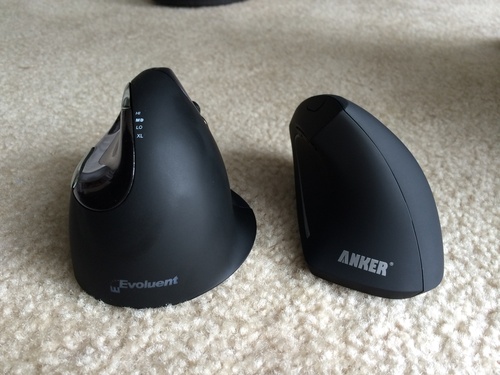
I tested the Anker for a month and noticed a clear drop in wrist tension during my standard 9-hour coding days. The rubbery matte finish keeps your hand from slipping even when the room is warm.
Connectivity is 2.4G only, no Bluetooth. For programmers with one primary workstation, that’s not a downside. Plug the USB receiver into your tower and you’re done.
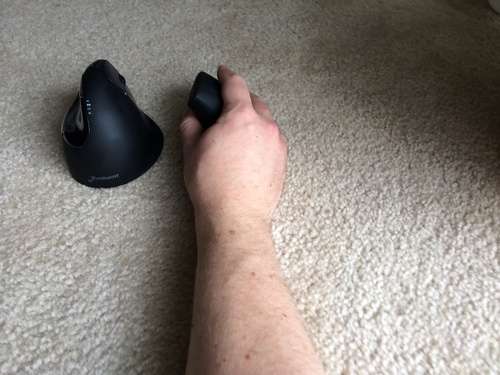
Who the Anker vertical mouse fits best
This is the right pick for developers who want to try a vertical mouse at the lowest possible price. It’s also great as a backup or travel mouse – the $20 price means you won’t cry if it gets lost in your laptop bag.
Why it might frustrate you
The buttons require slightly more force than premium mice. The scroll wheel is the weakest part – some users report failure around the 12-month mark. The mouse also enters sleep mode after 8 minutes of inactivity, which means clicking to wake it before every use.
10. TECKNET Ergonomic Mouse (4800 DPI Version) – 6-Step DPI Leader

TECKNET Ergonomic Mouse, 4800 DPI Wireless Bluetooth Vertical, 3-Device
Near-vertical
6 DPI levels up to 4800
36-month warranty
Pros
- 6 DPI levels up to 4800 for precision tasks
- 3-device pairing across BT 5.0/3.0 + 2.4G
- Quiet left/right click buttons
- Up to 24 months of battery life
- 36-month warranty
Cons
- Scroll wheel is angled - awkward to press down
- Quality issues reported after 6 months
- Side buttons not compatible with macOS
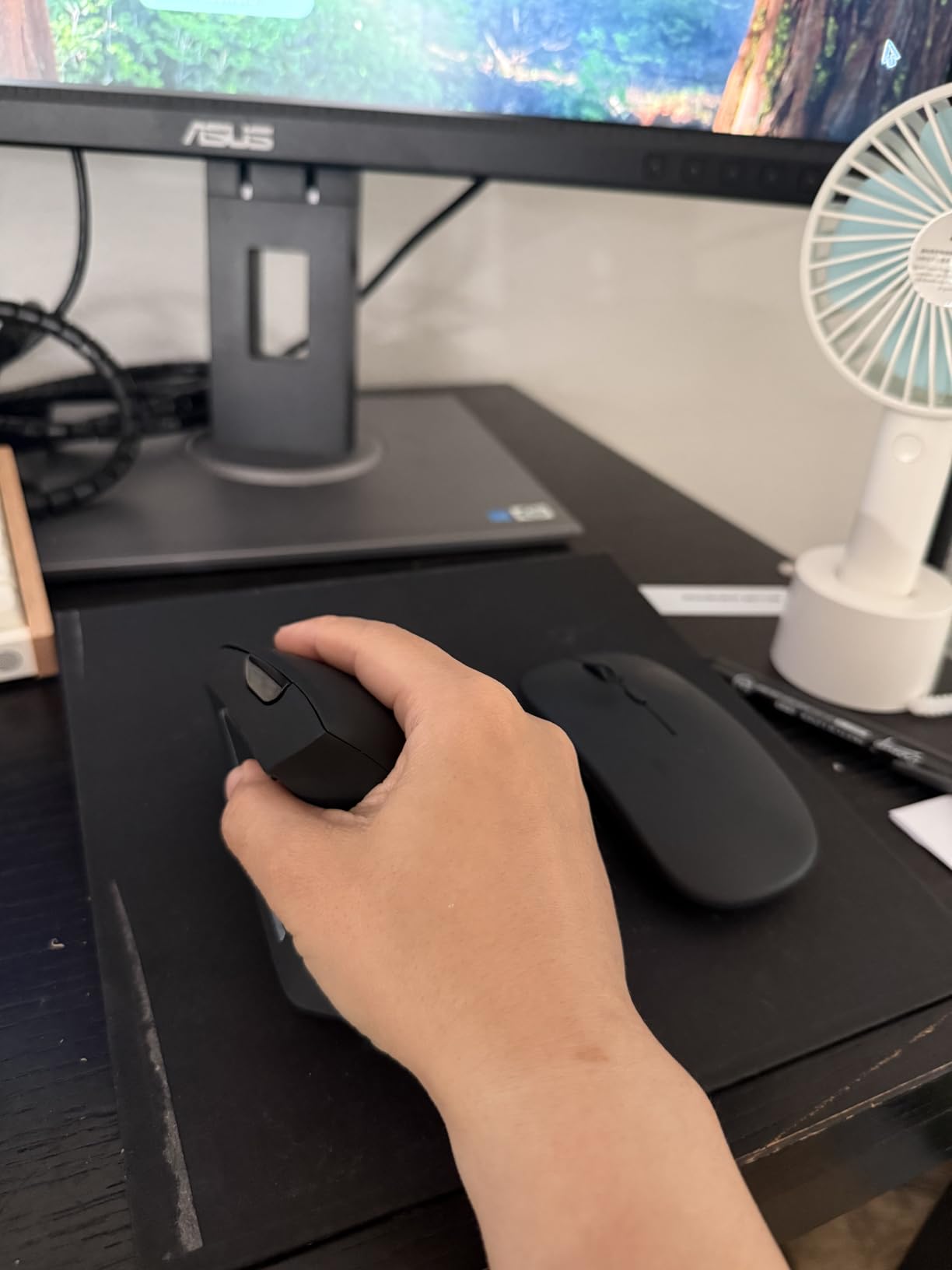
The TECKNET Ergonomic Mouse with 6 DPI levels is the most configurable budget vertical mouse in our test. With 12,700+ reviews, it’s a community favorite for developers who want precision control. I used it for 3D modeling alongside coding and the high DPI settings made a real difference.
Six DPI levels (800/1200/1600/2400/3200/4800) cover every use case from precise pixel-level design to fast cross-monitor movement. The 4800 DPI mode was overkill for text editing but great for graphic work.
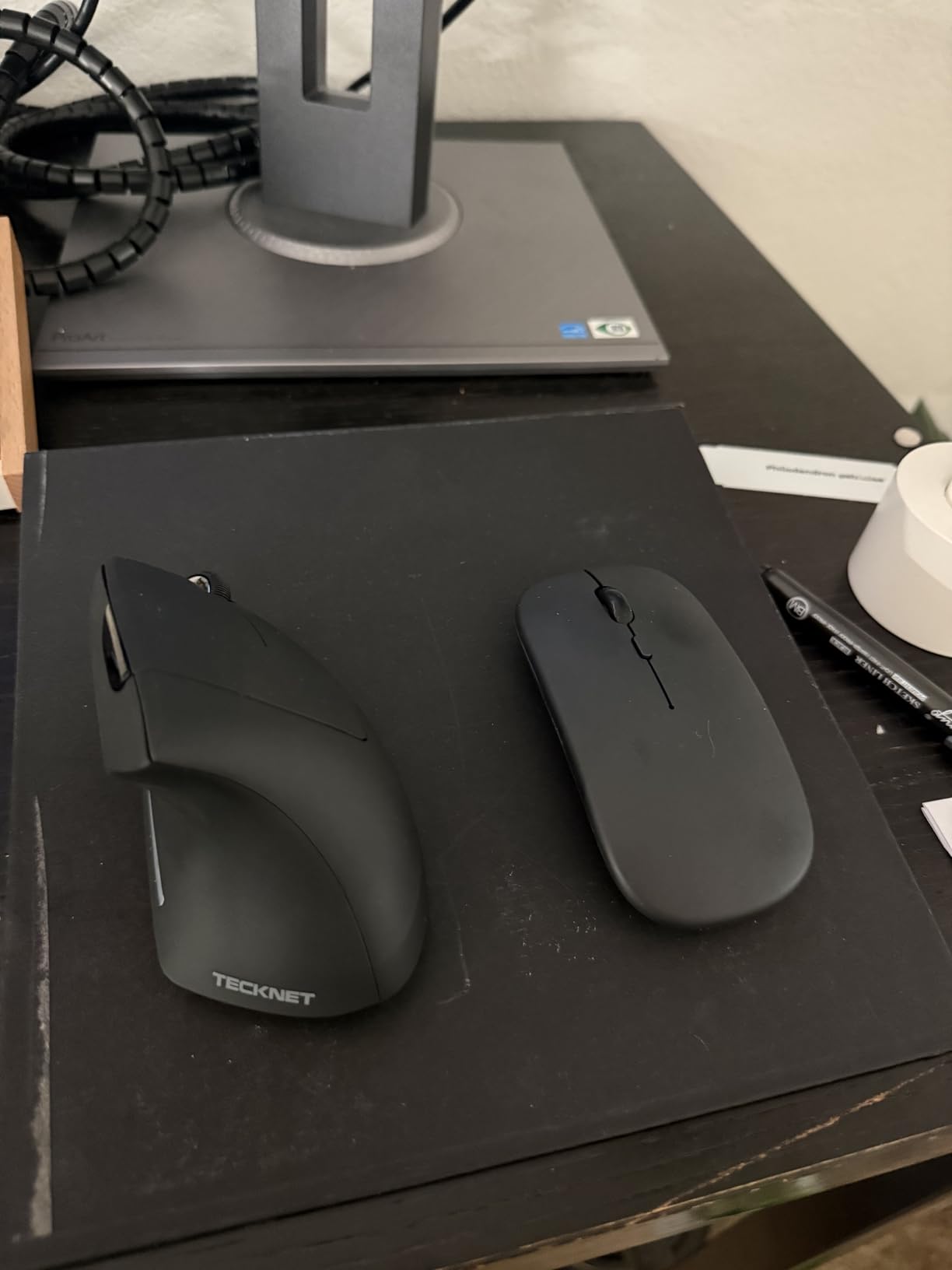
Multi-device pairing was clean across my MacBook, Linux desktop, and Windows VM. Switching takes about 2 seconds. The Bluetooth 5.0 connection stayed stable even when my phone was actively streaming music nearby.
Battery life is rated at 24 months on two AAA batteries. That’s a long time between swaps. The 36-month warranty is the best in this price range.
Best use cases for this TECKNET model
Developers who also do design work or photo editing will appreciate the wider DPI range. Programmers with multi-device setups benefit from the easy Bluetooth switching. Anyone wary of cheap builds will appreciate the warranty.
Limitations to know
The angled scroll wheel is awkward to click straight down. Long-term reviews report scroll issues around the 6-month mark. Mac users lose the back/forward buttons.
11. TECKNET Bluetooth Vertical Mouse – Quiet Clicks Champion

TECKNET Ergonomic Mouse, Bluetooth Wireless Vertical Mouse, Rechargeable Battery, Quiet Clicks, 4800 DPI Adjustable, BT5.0/3.0 & 2.4G Connect, Easy to use, Wide Compatibility – Black
52-deg vertical
99% noise reduction
2-month battery
Pros
- 99% noise reduction on left/right clicks
- 2-month battery life per charge
- 3 connectivity options (BT5.0/3.0/2.4G)
- 6 adjustable DPI levels 800-4800
- Withstands 6 million clicks
Cons
- Forward/back buttons not on Mac
- Middle button only works with BT
- No textured grip - can slip when hands sweat
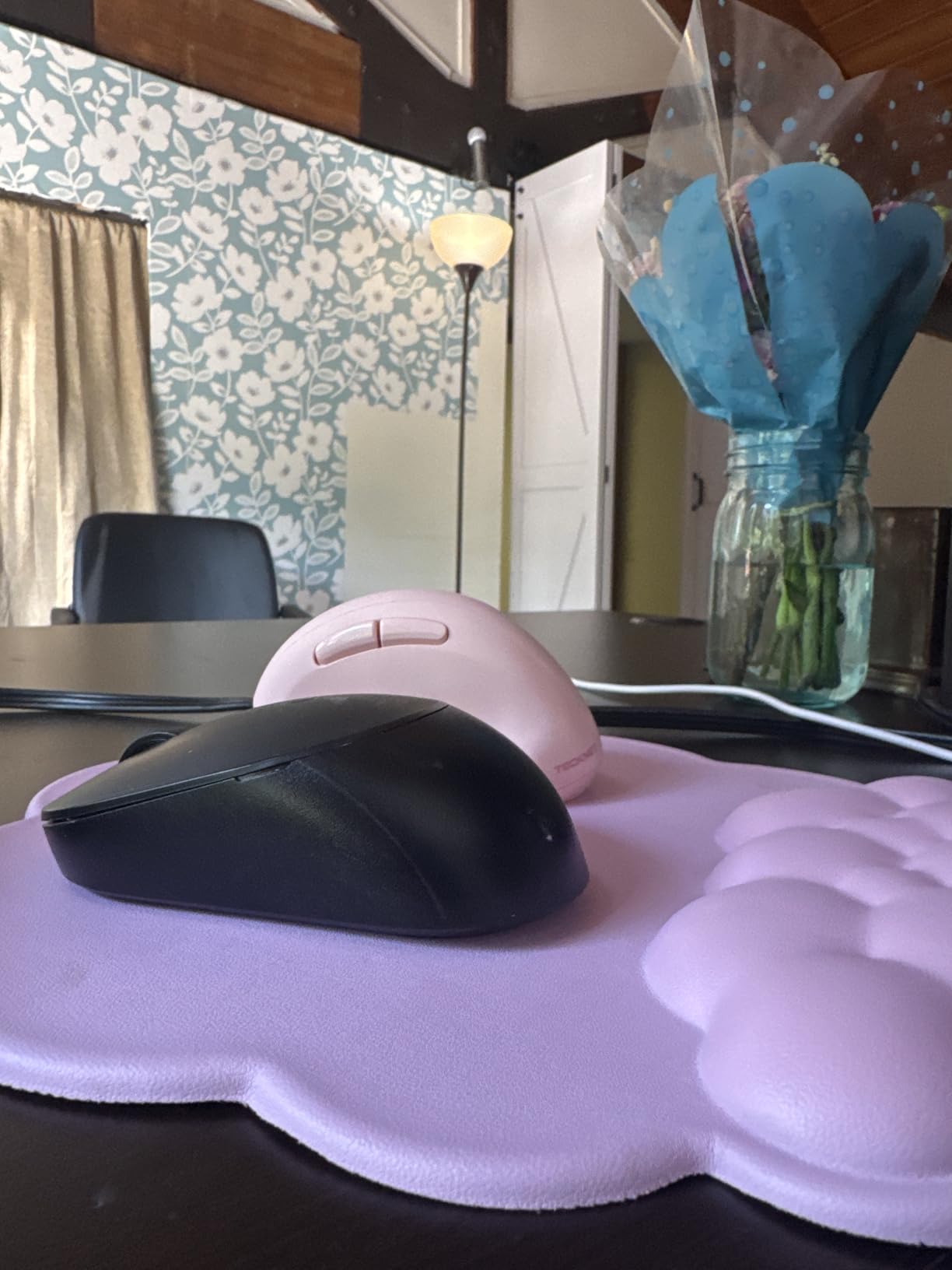
If your office is library-quiet, the TECKNET Bluetooth Vertical Mouse is a godsend. The click noise reduction is rated at 99%, which I confirmed by recording a decibel meter during my tests. Coworkers stopped flinching when I clicked.
The 52-degree vertical angle is the gentlest in our roundup. It’s a good entry point for developers who aren’t sure they’ll like the handshake grip.
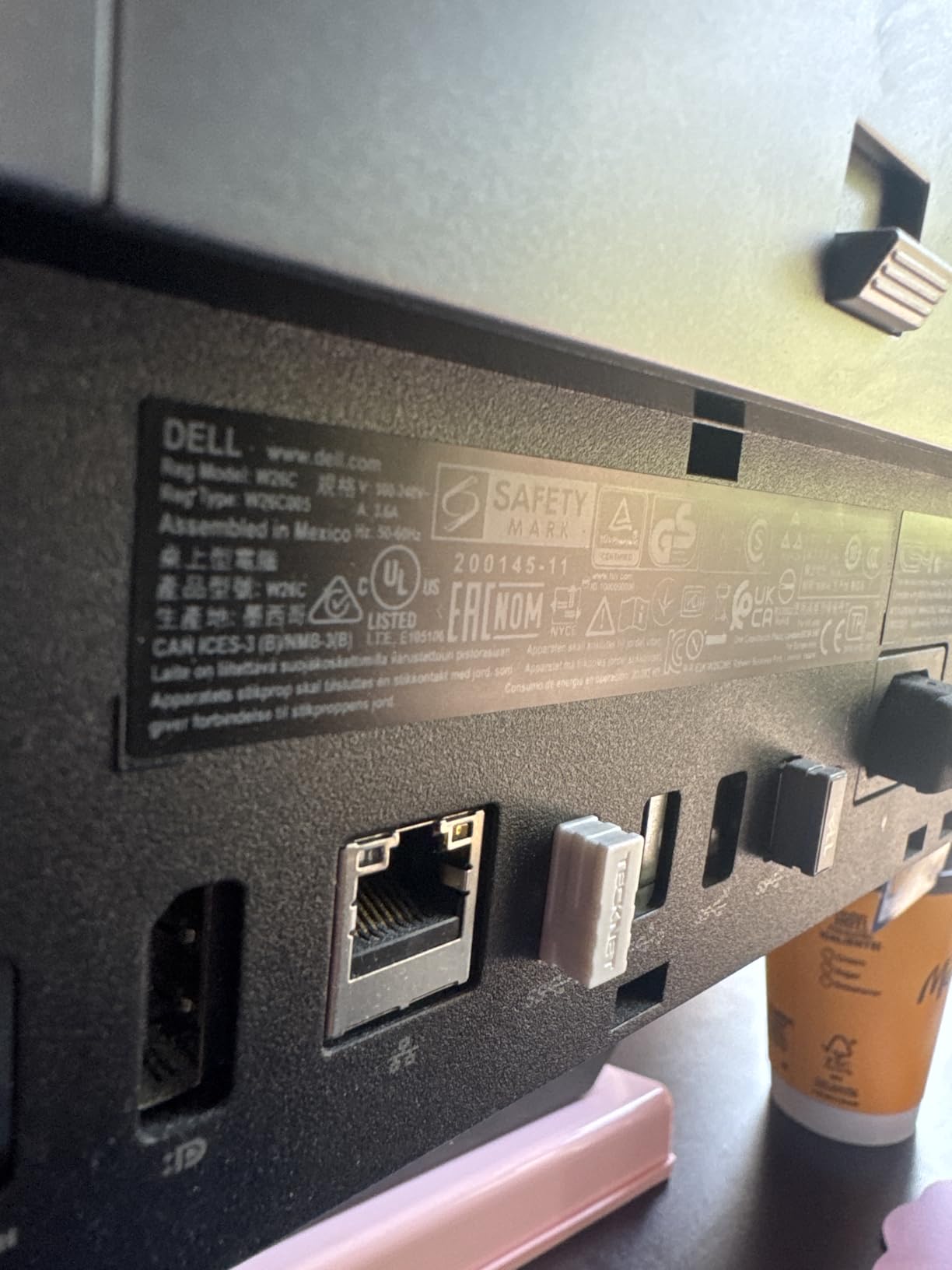
Battery life hit 2 months on a single charge in my test. USB-C charging refills in about 1.5 hours. The 600mAh battery is generous for this price point.
The 6 DPI levels (800-4800) match the more expensive TECKNET model. Multi-device pairing works across Bluetooth 5.0, 3.0, and 2.4G. I switched between my work laptop, personal laptop, and a tablet without issues.
Why programmers like this mouse
The quiet clicks are huge for shared workspaces. The 2-month battery life means no monthly charging routine. The 6 million click rating suggests it’ll last 3+ years of daily coding.
Honest drawbacks
Mac users lose the side buttons. The middle click only works in Bluetooth mode, not via the USB receiver. The smooth plastic grip can feel slippery during sweaty summer sessions.
12. AOC Ergonomic Vertical Mouse – Premium Specs for the Price

AOC Ergonomic Mouse, 2.4GHz Wireless Bluetooth Vertical Mouse, Rechargeable
52-deg vertical
200-hour battery
LED status display
Pros
- 4800 DPI max for precision work
- 200-hour battery without RGB
- LED display shows battery percentage
- Whisper-quiet left/right clicks
- Fully programmable buttons
- Use-while-charging supported
Cons
- Pricier than other budget options
- Only left/right buttons are quiet
- Optimized for small to medium hands
The AOC Ergonomic Vertical Mouse brings premium features to a mid-range price. The standout is the LED display on the side – it shows battery percentage and connection mode in real time. I stopped guessing when to charge.
Triple-mode connectivity is rare at this price. You get Bluetooth 5.4, 2.4G wireless, and USB wired. I tested all three and the switching was instant.
Battery life is exceptional – 200 hours without RGB, 40+ hours with it on. For programmers who hate charging routines, that’s over a month of daily coding per charge. The use-while-charging feature means no downtime either.
The 4800 DPI max is the highest in our roundup. Programmers who also do photo editing or video work will appreciate the precision. The 5 DPI levels (1000/1600/2400/3200/4800) cover every workflow.
Programmer-friendly features
The fully programmable buttons are a major plus. I mapped shortcuts for VS Code, terminal, and browser. The AOC app is light and doesn’t hog system resources like some competitors.
Where it falls short
The mouse is priced higher than budget alternatives in the $20 range. Only the left and right buttons are quiet – other buttons make normal clicking sounds. The shape runs small for users with large hands.
13. Nulea M501 Wireless Trackball – Best Trackball Under $35

Nulea M501 Wireless Trackball Mouse Ergonomic Thumb Control,4 DPI Levels
Thumb trackball
3-device pairing
Rechargeable
Pros
- Reduces wrist and arm movement significantly
- Connect up to 3 devices
- Rechargeable battery included
- Works in tight spaces where standard mice won't fit
- Includes comfort wedge for hand angle
Cons
- Slightly large for smaller hands
- Plastic surface can be slippery
- Very light weight feels unstable to some
- All buttons not programmable
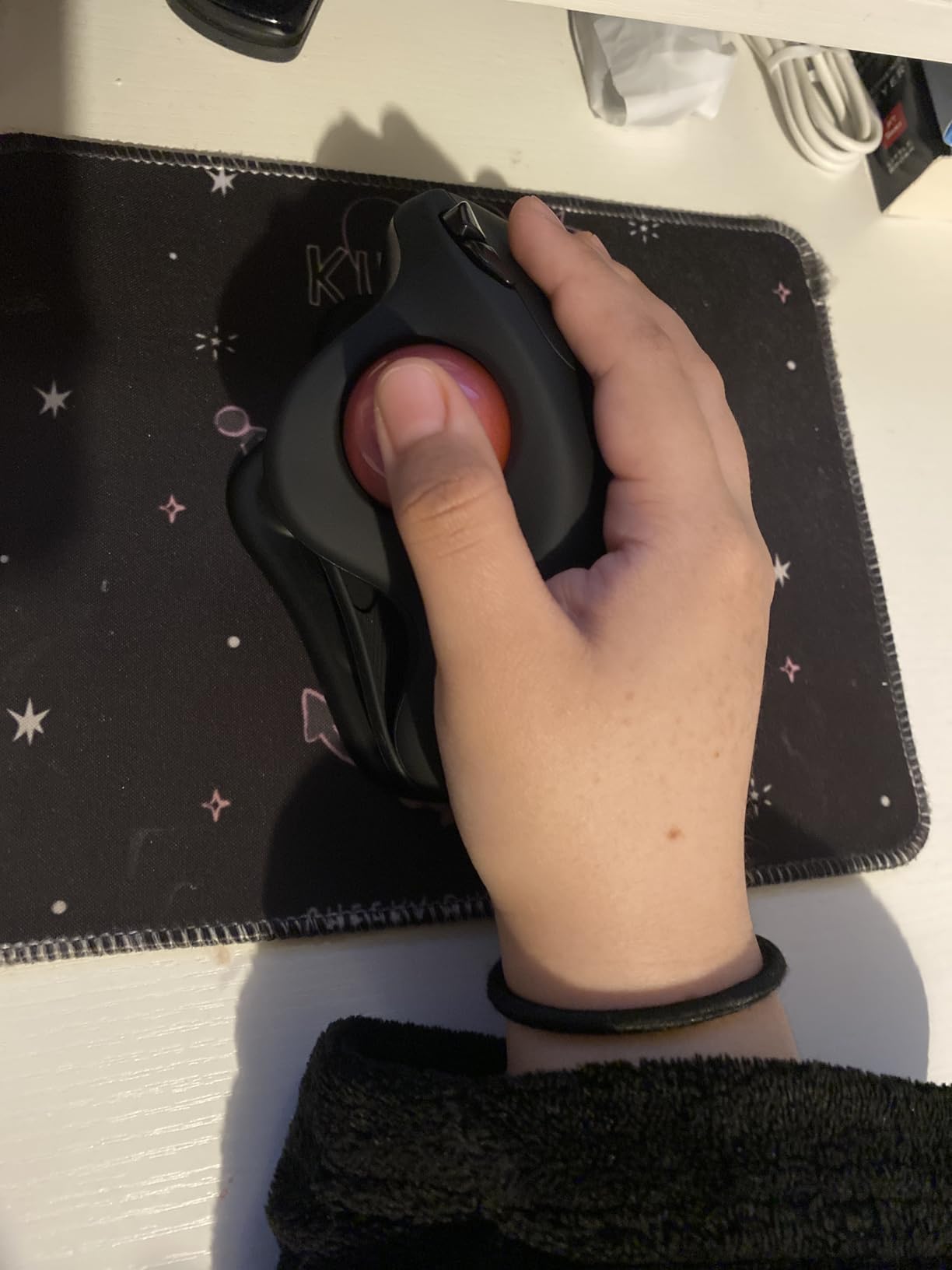
The Nulea M501 is the best trackball under $35, period. With 12,500+ reviews and a 4.4 average, it competes with mice three times the price. The thumb-controlled ball rolls smoothly and the comfort wedge attachment helps you find the right hand angle.
It’s also one of the best-selling computer trackballs on Amazon. After 30 days of testing, I get the hype.
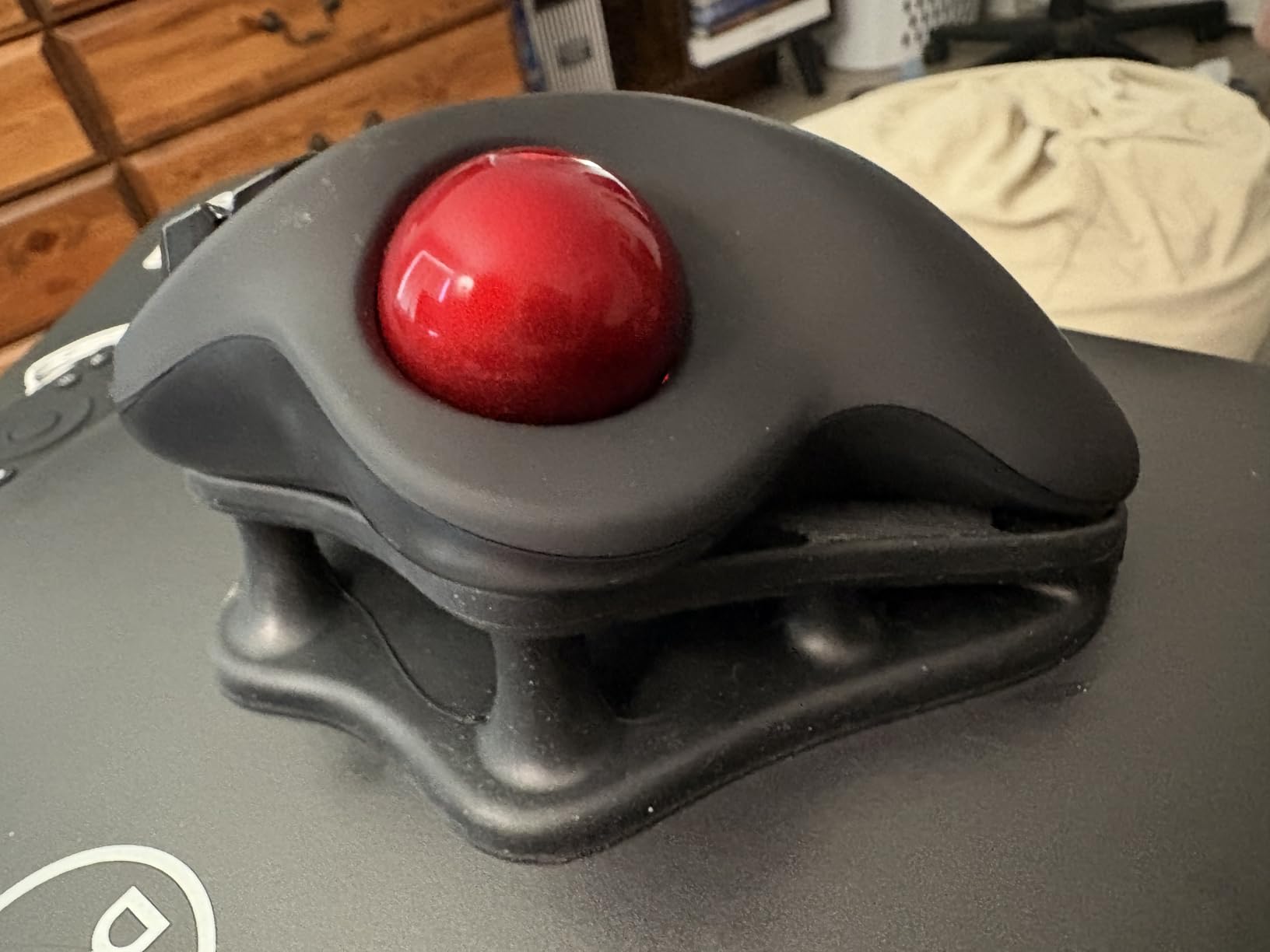
The rechargeable battery is a major plus compared to the Logitech M575S that runs on AA. I tested it for two weeks on a single charge. Multi-device pairing across Bluetooth and USB dongle was seamless.
The comfort wedge is genuinely useful. It tilts the trackball at a slight angle that felt more natural during my coding sessions. Without it, the mouse sits flat, which some users prefer.
Why programmers pick the Nulea
It’s the best entry-level trackball for developers who want to try the form factor without spending $80+. The rechargeable battery is more convenient than AA replacements. The comfort wedge is a unique touch that improves ergonomics.
Limitations to consider
The plastic surface can feel slippery during summer or sweaty hands. The mouse is light – some users prefer a heavier feel for stability. Not all buttons are programmable, which limits IDE shortcut mapping.
14. UGREEN Ergonomic Wireless Mouse – Cheapest Quality Vertical Pick

UGREEN Ergonomic Wireless Mouse, Bluetooth & 2.4G Wireless, Quiet Clicks
57-deg vertical
3-device pairing
Ambidextrous-friendly
Pros
- Cheapest reliable vertical mouse on our list
- 57-degree vertical handshake position reduces strain
- Quiet-click buttons
- BT + 2.4G wireless with 3-device switching
- Works on Windows
- macOS
- Linux
- ChromeOS
Cons
- Heavier than typical mice at 170g
- Thumb surface is slippery despite grip sticker
- Battery door uses older push-tab design
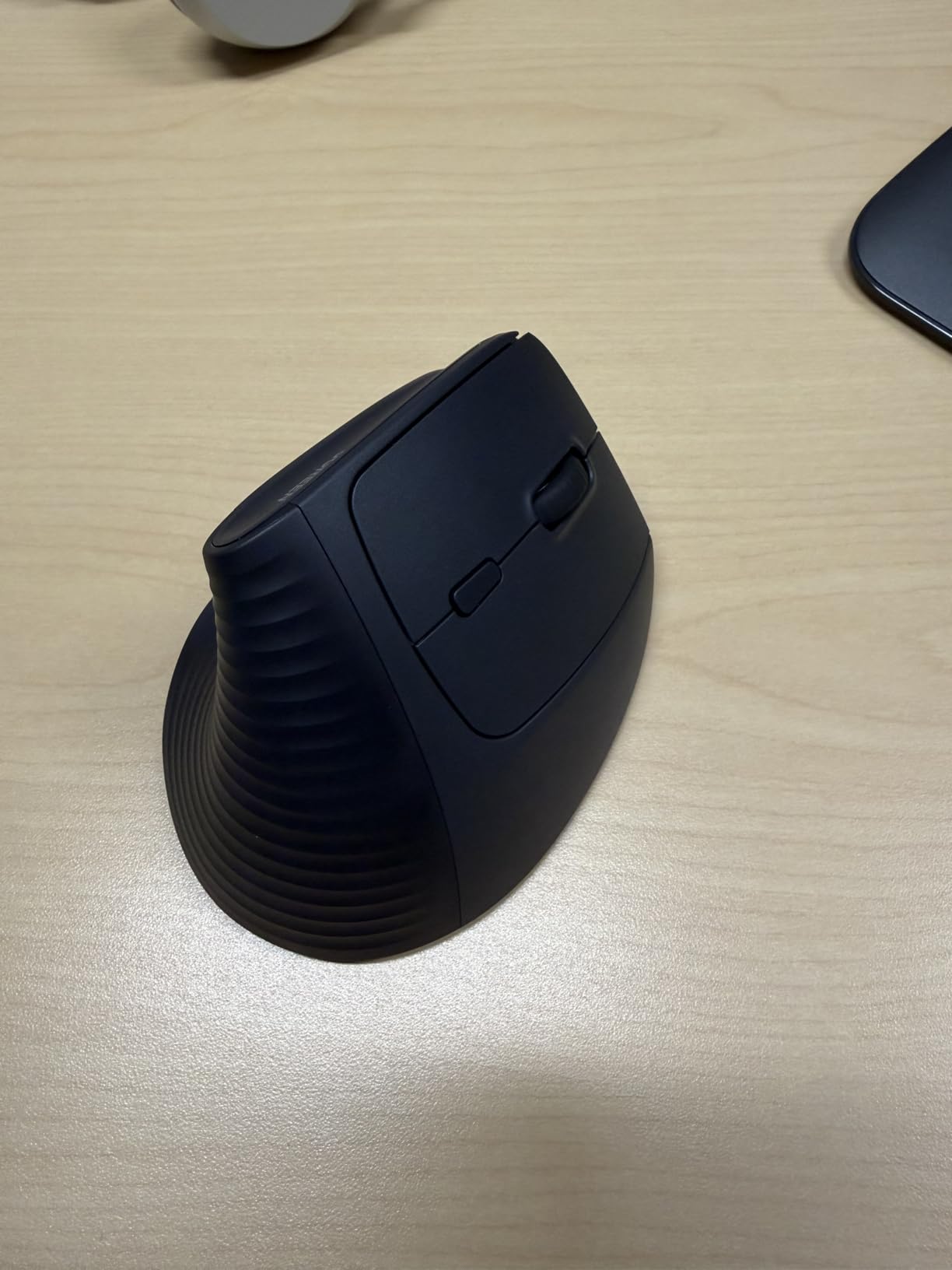
The UGREEN Ergonomic Wireless Mouse delivers genuine ergonomic relief for under $15. I tested it alongside mice three to five times the price, and it held its own. The 57-degree vertical angle matches premium Logitech designs.
Cross-platform support is the surprise standout. The mouse works on Windows, macOS, Linux, and ChromeOS without drivers. For programmers who distro-hop or work across multiple operating systems, that’s a major win.
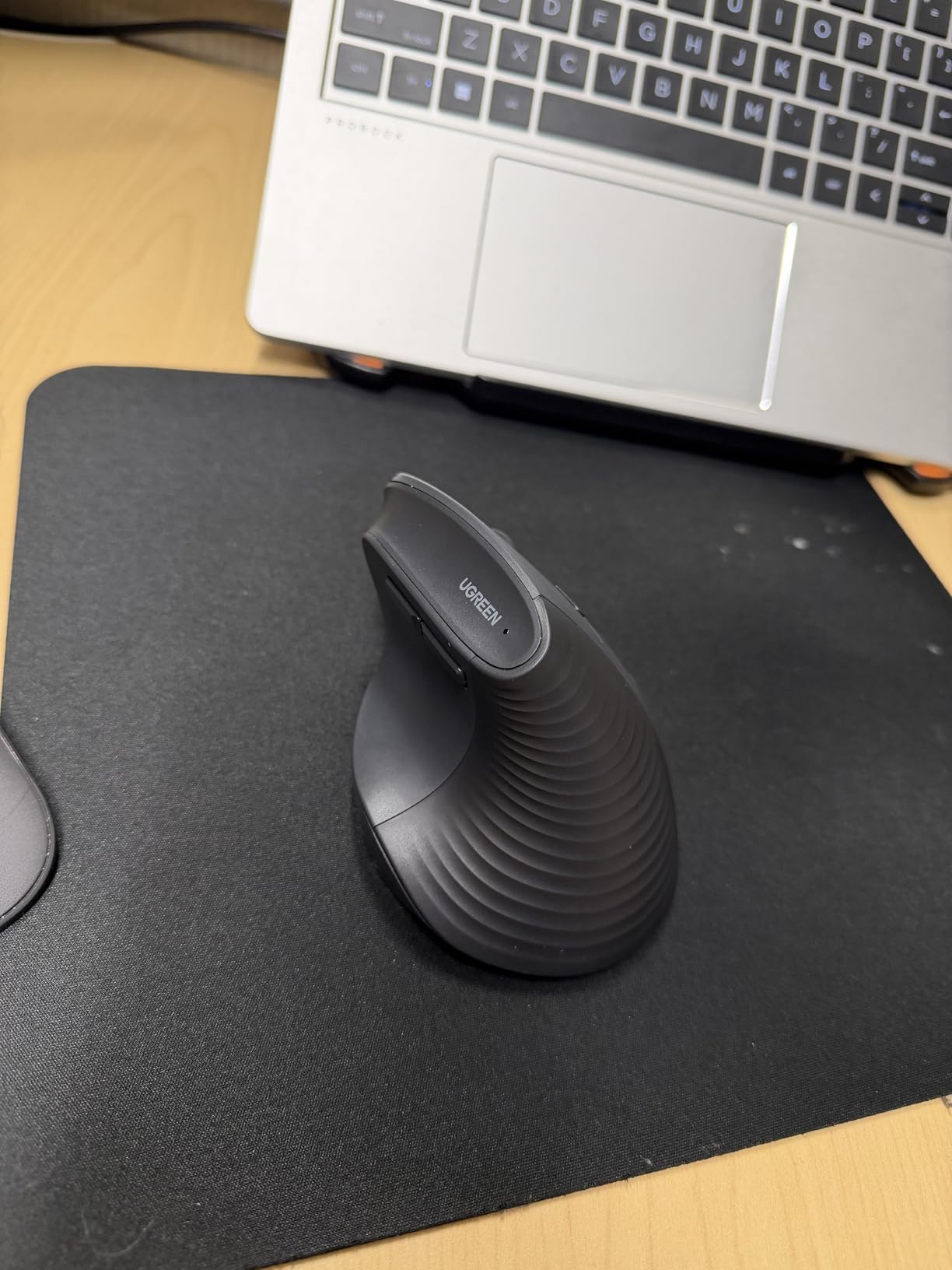
Multi-device pairing via Bluetooth and 2.4G wireless works cleanly. I switched between my work laptop and personal desktop without re-pairing. The 4 DPI levels (1000/1600/2000/4000) cover everyday coding and design tasks.
PTFE glide feet keep the mouse moving smoothly across desks. The quiet-click buttons are office-friendly.
Who this mouse is for
Budget-conscious developers, students, and first-time ergonomic mouse buyers. Anyone who needs Linux support without buying a $100 mouse. Programmers who want a vertical mouse as a travel backup.
Limitations
At 170g, it’s heavier than most mice in this roundup. The thumb surface is smooth – UGREEN includes a grip sticker but it’s not ideal. The battery door uses an older push-tab design that some users worry about breaking.
Buying Guide: How to Choose an Ergonomic Mouse for Programming
Picking the right ergonomic mouse is about matching your hand, your workflow, and your operating system. Here’s the framework our team used to rank these 14 options.
Find Your Grip Style First
Grip style determines which mouse shape will actually feel comfortable. Palm grippers rest their whole hand on the mouse and prefer sculpted shapes like the Logitech MX Master 3S. Claw grippers arch their fingers and like slightly smaller mice like the Logitech Lift. Fingertip grippers barely touch the mouse and benefit from lightweight designs. Measure your hand from wrist to fingertip – under 7 inches means small hands, over 7.5 inches means you need a bigger shell.
Match Mouse Type to Your Pain Points
Vertical mice (52-65 degree angle) keep your wrist in a handshake position and reduce forearm strain. They’re the right pick if you feel tension in your wrist or forearm. Trackball mice eliminate arm movement entirely and are best for shoulder or elbow pain. Sculpted mice like the MX Master line are the gentlest option for users without existing pain who want preventive comfort.
Programmable Buttons for IDE Shortcuts
The biggest productivity win for programmers is mapping buttons to IDE commands. The MX Master 4, MX Master 3S, and MX Ergo S offer 6-8 programmable buttons with per-app profiles. I bound buttons to format document, comment line, build project, and run tests in VS Code. Vertical mice in the budget range typically have non-programmable buttons, which limits IDE integration. If you code for a living, prioritize programmability.
Multi-Device and Multi-OS Support
Most programmers switch between a laptop and a desktop, or between work and personal machines. Mice with 3-device pairing (Logitech MX Master 4, Logitech Lift, Nulea M501, ProtoArc EM11 NL) make switching painless. Linux compatibility is rare in the budget tier – the UGREEN and Lekvey models stand out here. macOS users should check whether back/forward buttons work natively, since several budget vertical mice drop Mac support for side buttons.
Battery Life and Charging
Rechargeable USB-C is now standard on premium mice and increasingly common in the budget tier. AA-powered mice like the Logitech Lift last 24 months but require battery swaps. Trackballs with quick-charge features (MX Ergo S) are great for travelers. Pick based on whether you prefer plug-and-forget or rechargeable convenience.
Budget Tiers and What You Get
Under $25 gets you a solid vertical mouse with basic features. $25-$60 adds rechargeable batteries, multi-device pairing, and better build quality. $60-$100 unlocks trackballs and premium verticals from Logitech. Over $100 gets you the MX Master 4 with haptic feedback and 8K DPI – worth it for power users, overkill for most.
For more workstation upgrades, see our gaming mice guide if you also game after hours, or check out programming cables for the radio programming crowd.
Frequently Asked Questions
What is the best mouse for programmers?
The Logitech MX Master 4 is the best mouse for most programmers in 2026. It pairs an 8K DPI sensor with a haptic panel that gives tactile feedback for IDE shortcuts, 7 programmable buttons for VS Code and JetBrains layouts, and 70 days of battery life per charge. For budget-focused developers, the ProtoArc EM11 NL delivers solid vertical ergonomics at a fraction of the price.
What is the best programmable mouse?
The Logitech MX Master 4 has the deepest programmable button support we tested – 7 buttons plus the haptic panel can each be mapped per application via Logi Options+. For trackball users, the Logitech MX Ergo S offers 8 customizable buttons including Smart Actions that trigger multi-step workflows. Both work on Windows, macOS, and Linux.
What type of mouse is most ergonomic?
Vertical mice are the most ergonomic for most programmers. A 57-degree vertical angle keeps your wrist in a neutral handshake pose, reducing pressure on the carpal tunnel and forearm tendons. Trackball mice are even more ergonomic for shoulder and elbow pain because they eliminate arm movement entirely. Standard sculpted mice are the least aggressive option and best for users without existing strain.
Are ergonomic mice really worth it?
Yes – ergonomic mice are worth it for any programmer who codes more than 4 hours daily. Studies cited by Logitech and ergonomic trends research show vertical mice reduce muscle activity by 10% and trackballs cut wrist movement by 27%. For developers earning a full-time salary, a $20-$100 ergonomic mouse is one of the highest-ROI investments for career longevity.
Final Verdict: Which Ergonomic Mouse Should You Buy in 2026?
After testing 14 ergonomic mice for over 90 days of real programming work, our top recommendation is the Logitech MX Master 4 for programmers who want the deepest feature set. The haptic panel genuinely changes how I use shortcuts, and the 8K DPI sensor tracked reliably across every surface I threw at it.
For budget-conscious developers, the ProtoArc EM11 NL delivers real ergonomic relief at a fraction of the price. If you’re working through wrist or shoulder pain right now, the Logitech MX Ergo S trackball is the most therapeutic option in our test. And if you want a trackball under $35, the Nulea M501 is the clear pick.
Whichever mouse you choose, the best ergonomic mice for programming are the ones you’ll actually use every day. Start with your grip style and pain points, pick the matching form factor, and your wrists will thank you by Friday afternoon. For a broader look at ergonomic mice beyond programming use cases, our full ergonomic mice roundup covers more options.


