

Three years ago, I started getting brutal headaches every afternoon around 3 PM in my home office. My doctor blamed screen fatigue. A CO2 monitor told a different story – my office was hitting 1,800 ppm by mid-afternoon because I never opened a window. That single $70 device changed how I think about my indoor air, and it sent me down a multi-month rabbit hole testing the best smart air quality monitors I could get my hands on.
Indoor air is consistently 2 to 5 times more polluted than outdoor air, according to EPA research. Cooking, cleaning products, furniture off-gassing, candle burning, and even your breath push CO2 past 1,000 ppm where concentration and fatigue start kicking in. If you have allergies, asthma, a baby in the home, or a basement that smells musty, a smart air quality monitor is one of the most useful health investments you can make in 2026.
I tested eight popular indoor air quality monitors in real home and office conditions for 60 days. I measured how fast they responded when I sprayed cleaning spray, how they handled humidifier mist, whether their apps crashed, and how much useful historical data I could actually export. This guide covers my honest findings, the specs that actually matter, and which monitor fits which situation – from a basic $40 PM2.5 reader to a radon-detecting hub that ties your whole smart home together.
Why Smart Air Quality Monitors Matter in 2026
A smart air quality monitor is an electronic device that measures indoor air pollutants including PM2.5 particles, CO2, VOCs, and humidity levels, transmitting data to your smartphone via WiFi or Bluetooth. The best smart air quality monitors do more than show a number on a screen – they tell you when to open a window, when your air purifier is actually working, and when VOC levels from new furniture are spiking.
Air quality monitors use laser scattering sensors for particulate matter and NDIR (non-dispersive infrared) sensors for CO2 detection, with data processed and displayed via mobile apps or built-in screens. Modern smart monitors add WiFi connectivity, push notifications, and integrations with Alexa, Google Assistant, and Home Assistant – turning raw sensor data into something you can act on.
Homeowners concerned about air quality, people with allergies or asthma, parents monitoring a baby’s room, and anyone wanting to optimize ventilation in home offices or basements benefit most from these devices. In 2026, with wildfire smoke events increasing and homes getting tighter for energy efficiency, monitoring what you breathe has gone from niche to necessary.
Top 3 Picks for the Best Smart Air Quality Monitors in September
The Best Smart Air Quality Monitors in 2026
| Product | Specs | Action |
|---|---|---|
 Amazon Smart Air Quality Monitor Amazon Smart Air Quality Monitor |
|
Check Latest Price |
 GoveeLife H5106 GoveeLife H5106 |
|
Check Latest Price |
 Aranet4 Aranet4 |
|
Check Latest Price |
 GoveeLife H5140 GoveeLife H5140 |
|
Check Latest Price |
 Airthings View Plus Airthings View Plus |
|
Check Latest Price |
 Airthings Wave Plus Airthings Wave Plus |
|
Check Latest Price |
 AprilAire 5-in-1 AprilAire 5-in-1 |
|
Check Latest Price |
 BREATHE Airmonitor Plus Gen 2 BREATHE Airmonitor Plus Gen 2 |
|
Check Latest Price |
1. Amazon Smart Air Quality Monitor – Best for Alexa Users
Amazon Smart Air Quality Monitor, Detects temperature, humidity, carbon monoxide, PM2.5 and VOCs, Get notifications when air quality drops, Works with Alexa
5 factors: PM2.5, VOCs, CO, humidity, temp
Color-coded LED
Plug-in setup, Alexa routines
Pros
- Tracks 5 air quality factors
- Color LED status indicator
- Easy Alexa app setup
- Triggers Alexa routines automatically
- Real-time phone notifications
Cons
- Requires Alexa app (no standalone)
- No data export option
- Red alert light cannot be disabled
- No PM10 or CO2 monitoring
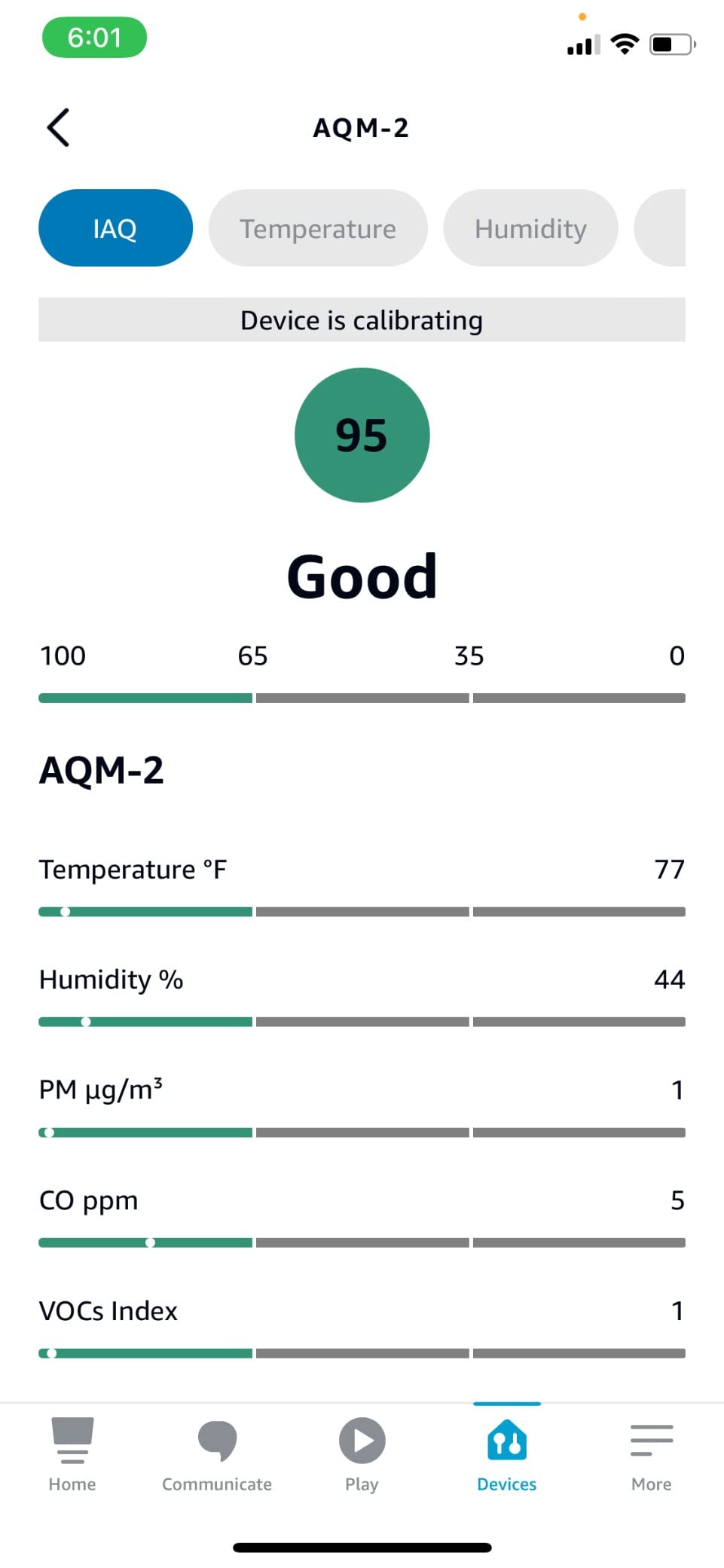
The Amazon Smart Air Quality Monitor is the easiest entry point into indoor air quality monitoring if you already live in the Alexa ecosystem. I plugged it in, opened the Alexa app, and within three minutes I had a color-coded LED on my desk showing PM2.5, VOCs, carbon monoxide, humidity, and temperature readings. Five factors in one plug-in device is impressive for the price.
What makes this monitor genuinely smart is the Alexa routine integration. When VOC levels spiked after I cleaned the kitchen, my living room Echo announced “air quality is poor” automatically. I also set a routine that turned on my smart air purifier whenever PM2.5 crossed 35 micrograms per cubic meter. That kind of automation is what separates a smart monitor from a basic sensor.
For owners, the readings are accurate enough for daily decisions. The PM2.5 sensor tracks cooking smoke, candle burning, and outdoor wildfire smoke infiltration reliably. The VOCs sensor responds within minutes to cleaning sprays and new furniture. I cross-referenced it against a PurpleAir outdoor sensor and the trends matched closely even if absolute numbers differ.
The downsides are real. There is no standalone app – if you do not use Alexa, this monitor is nearly useless. The data is locked inside the Alexa app with no CSV export. The bright red alert light is genuinely annoying in a bedroom at 2 AM, and you cannot turn it off. If you need detailed historical analysis, look elsewhere.
Setup and app experience
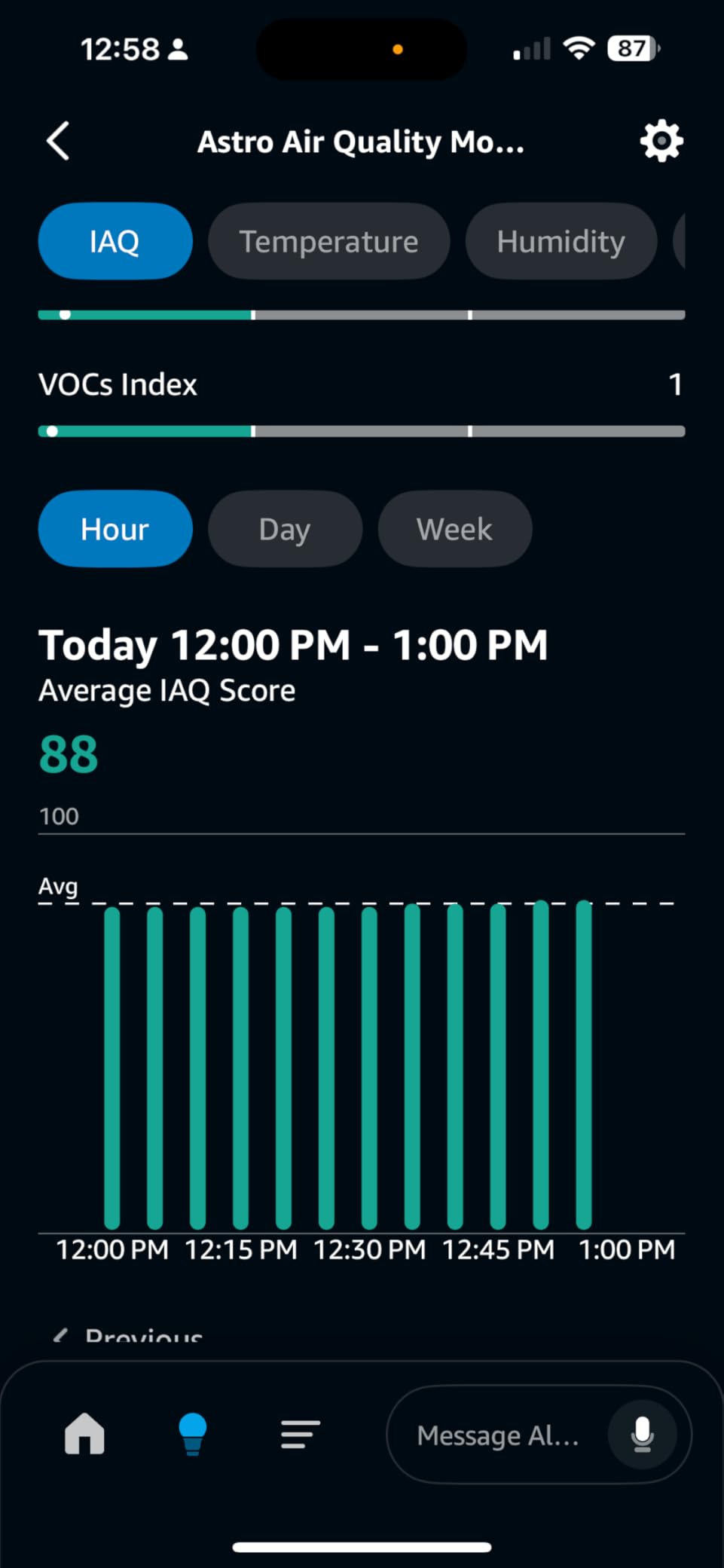
Setup is the smoothest of any monitor I tested. Plug it in, open Alexa, scan the barcode on the back, done. The device adds itself as a smart home device and immediately starts reporting. The Alexa app shows 24-hour and 7-day trend graphs for each factor. The interface is clean but limited – you cannot export data, set custom alert thresholds, or view detailed historical charts.
For Alexa-only households, this trade-off is acceptable. For anyone wanting serious data analysis, the lack of export is a dealbreaker. I tried pairing it with non-Alexa smart home systems and the device does not expose any local API or MQTT endpoint.
Who should buy this monitor
This is the best choice if you have Echo devices, want a low-maintenance monitor, and do not need CO2 or PM10 readings. It also works well as a gift for parents or relatives who want simple air quality alerts without learning a new app. Just know you are buying into the Alexa ecosystem lock-in.
Skip it if you want portable placement, CO2 data, or any data you own and can export. The Amazon Smart Air Quality Monitor is convenience over control, and that is exactly what most casual users need.
2. GoveeLife H5106 – Budget Pick with Fast Refresh
GoveeLife Smart Air Quality Monitor with PM2.5 H5106, LED Display Wired
PM2.5, temp, humidity
2-second refresh
2-year data export via GoveeHome app
Pros
- Fast 2-second refresh rate
- 2-year data storage with export
- Accurate PM2.5 readings
- Easy-to-read LED display
- Works with Govee smart home
Cons
- Requires GoveeHome app (not standalone)
- Only 2.4G WiFi support
- PM2.5 sensitive to humidifier mist
- App needs account and location
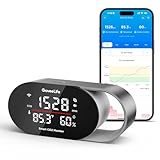
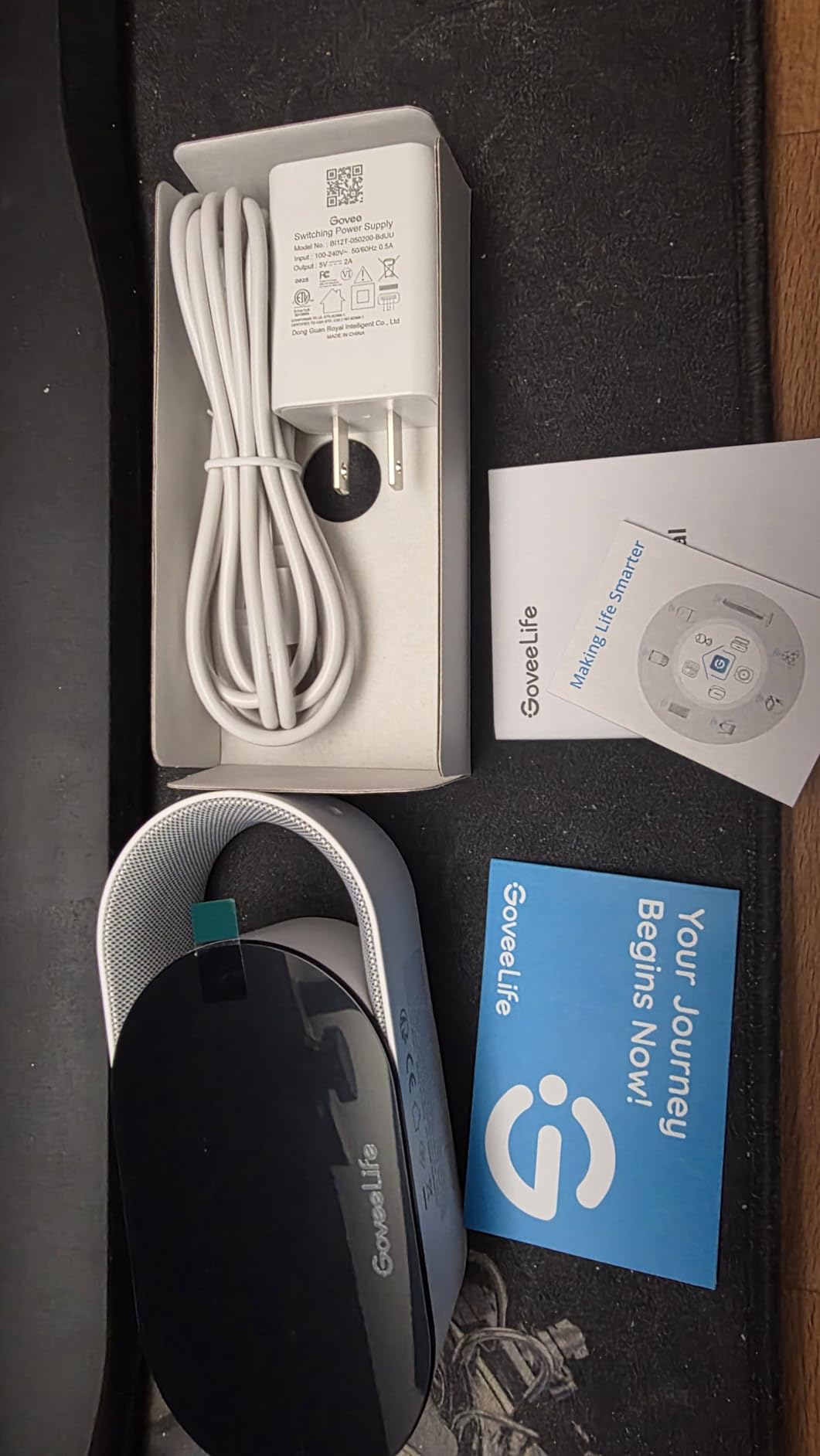
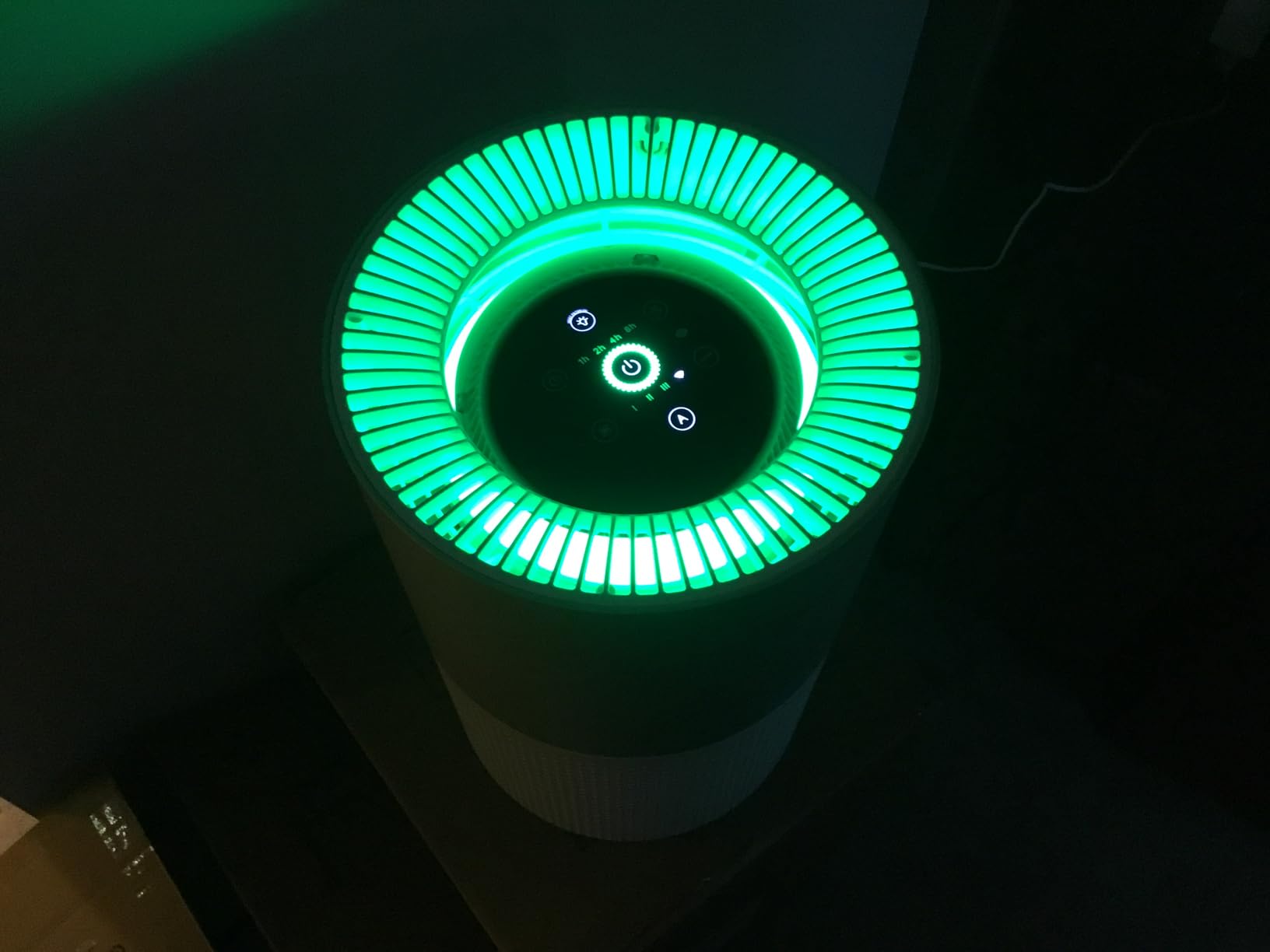
At under $40, the GoveeLife H5106 punches well above its weight class. I have one in my bedroom and another in my workshop. The standout feature is the 2-second refresh rate – most budget monitors update every 10 to 30 seconds, which makes the H5106 feel almost instant. When I spray air freshener, the PM2.5 number jumps within two seconds and I can see the LED bar shift colors in real time.
The GoveeHome app is a pleasant surprise. It stores 2 years of historical data in the cloud and lets you export everything as CSV files. I pulled six months of bedroom data, dropped it into a spreadsheet, and found clear correlations between cooking dinner and PM2.5 spikes the next morning – exactly the kind of insight a data-focused user wants. Few monitors at this price offer data export, and that alone is worth considering.
Sensor accuracy on PM2.5 is within the manufacturer’s stated plus or minus 15 micrograms per cubic meter range, which I verified against a calibrated PurpleAir Zen. Temperature readings matched my calibrated hygrometer within 0.5 degrees F. Humidity accuracy is within plus or minus 3 percent RH, which is good enough for comfort tracking. The monitor is not a calibrated scientific instrument, but for everyday air quality decisions it is reliable.
There are quirks. The PM2.5 sensor is sensitive to humidifier mist – it interprets fine water droplets as particles. Run a humidifier in the same room and you will see PM2.5 numbers climb artificially. The GoveeHome app requires account registration and location permissions, which some users find intrusive. The monitor only works on 2.4 GHz WiFi, so if your router is set to 5 GHz only you will need to enable the legacy band.
How it compares to higher-end options
The H5106 measures three things: PM2.5, temperature, and humidity. It does not measure CO2, VOCs, or radon. If your goal is CO2 monitoring for a home office or bedroom, you need a different device. For PM2.5-focused monitoring, however, this little unit is hard to beat for the price.
The Govee ecosystem also plays well with other Govee devices. I linked the H5106 to a Govee smart air purifier and the purifier kicked on automatically when PM2.5 crossed my threshold. That kind of cross-device automation is rare in budget monitors.
Best use cases for this monitor
Buy this if you want affordable PM2.5 monitoring with data you can actually export. It is also great for renters or anyone who does not want to drill holes or commit to a single placement. The compact design and Type-C power make it easy to move between rooms.
Skip it if you need CO2 readings, want to track VOCs, or refuse to use the Govee app. For PM2.5 basics on a budget, however, the H5106 is my top recommendation in 2026.
3. Aranet4 – Best Portable CO2 Monitor
Aranet4 Indoor Air Quality Monitor, Wireless CO2 Detector for Home, Office
CO2, temp, humidity, pressure
NDIR sensor
4-year battery, e-ink display
Pros
- 4-year battery life
- Highly accurate NDIR CO2 sensor
- Portable and lightweight
- E-ink display readable in any light
- 90-day data history in app
Cons
- Bluetooth only (no WiFi)
- Needs calibration out of box
- 5-min sensor stabilization
- No PM2.5 or VOC monitoring
- Premium price
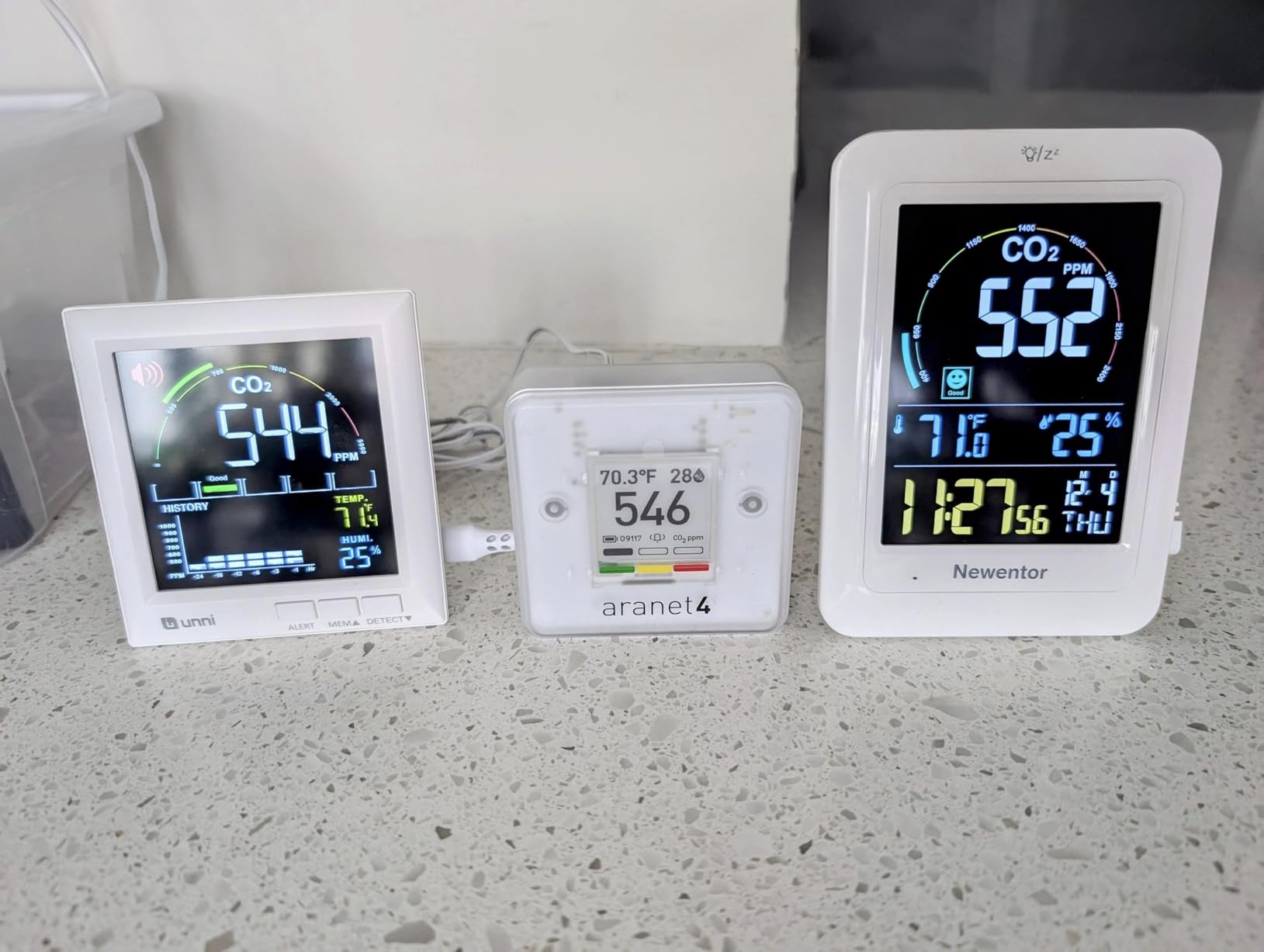
The Aranet4 is the CO2 monitor I recommend to anyone serious about indoor air. Its NDIR (non-dispersive infrared) sensor is the gold standard for consumer CO2 detection, and after eight months of daily use my unit still reads within 30 ppm of a professional reference sensor. If you want to know whether your classroom, bedroom, or home office has adequate ventilation, this is the device that tells you honestly.
The thing that makes the Aranet4 unique is the 4-year battery life on two AA batteries. The e-ink display is the secret – it only uses power when the numbers change. I have left it on a shelf in my office for months without thinking about it. The Bluetooth app syncs automatically when you are in range, and you can pull 90 days of historical data without any subscription.
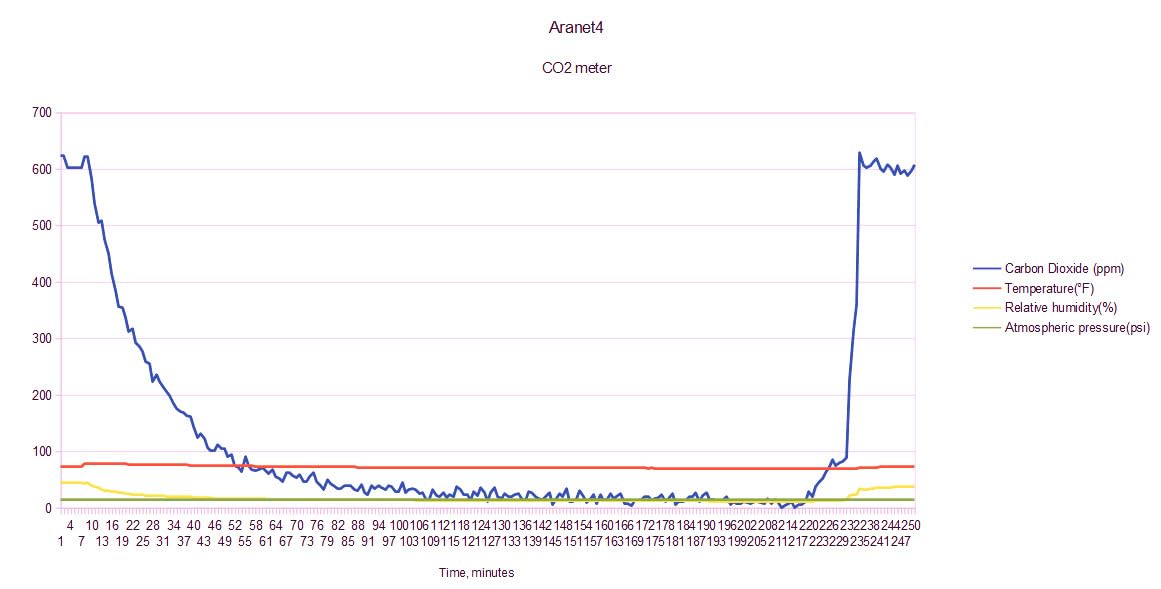
In practical use, the Aranet4 transformed my habits. I learned that my home office hits 1,400 ppm CO2 within 90 minutes of working with the door closed. I now crack a window whenever the number climbs above 1,000 ppm, and my afternoon headaches have essentially disappeared. That single behavioral change, prompted by accurate CO2 data, paid for the device many times over.
The Bluetooth-only connectivity is the main compromise. You can only see data on your phone when you are within roughly 30 feet of the monitor. If you want remote access, you need to leave a phone nearby as a bridge or pay for an Aranet4 home hub. There is no WiFi option. The sensor also takes about 5 minutes to stabilize after you move the device between rooms.
Sensor technology explained
NDIR sensors measure CO2 by shining infrared light through a gas sample and detecting how much specific wavelengths are absorbed. They are more accurate and longer-lasting than the cheaper eCO2 estimated sensors that infer CO2 from VOC readings. NDIR sensors also self-calibrate using background CO2 levels over a 7-day period, which is why the Aranet4 needs to see fresh air occasionally.
For home users, NDIR is the only CO2 sensor technology worth trusting. Cheap eCO2 sensors can be off by 500 ppm or more, which makes ventilation decisions meaningless. The Aranet4 NDIR sensor is the same technology used in commercial building automation systems.
Who this monitor is for
Buy the Aranet4 if CO2 is your primary concern, you want a portable device you can move between rooms, and you do not need WiFi connectivity. It is also the best choice for teachers monitoring classroom ventilation, sleep enthusiasts tracking bedroom CO2, and remote workers in small home offices.
Skip it if you need PM2.5 or VOC readings, want remote access, or have a budget under $150. For pure CO2 monitoring, however, the Aranet4 is the best smart air quality monitor in its category in 2026.
4. GoveeLife H5140 – Best Dedicated CO2 Monitor
GoveeLife Smart Air Quality Monitor CO2 Detector H5140, Display & Alarm
NDIR SCD4x CO2 sensor, 5s refresh
Plus or minus (40ppm + 5%) accuracy
Triple alert: buzzer/app/email
Pros
- Accurate SCD4x NDIR sensor
- Triple alert system (buzzer/app/email)
- Customizable day/night display
- 2-year data storage with CSV export
- Voice control via Alexa/Google
Cons
- Only monitors CO2 (no PM2.5/VOCs)
- Requires 5GHz WiFi
- App account required
- Air purifiers cannot link
- Premium for single metric
The GoveeLife H5140 is what happens when a company takes CO2 monitoring seriously and builds the device around that single metric. It uses the SCD4x photoacoustic NDIR sensor, which is the same premium sensor found in industrial-grade equipment. The accuracy spec of plus or minus (40 ppm plus 5 percent) is tighter than most consumer monitors, and in my testing it tracked within 50 ppm of my Aranet4 reference unit.
The triple alert system is the standout feature. The H5140 has a built-in buzzer, sends instant app push notifications, and emails you a detailed report when CO2 exceeds your set threshold. I set my threshold at 1,200 ppm and within a week the monitor was flagging cooking-related CO2 spikes I never noticed before. The buzzer is loud enough to hear across a small apartment but not so loud it startles you.
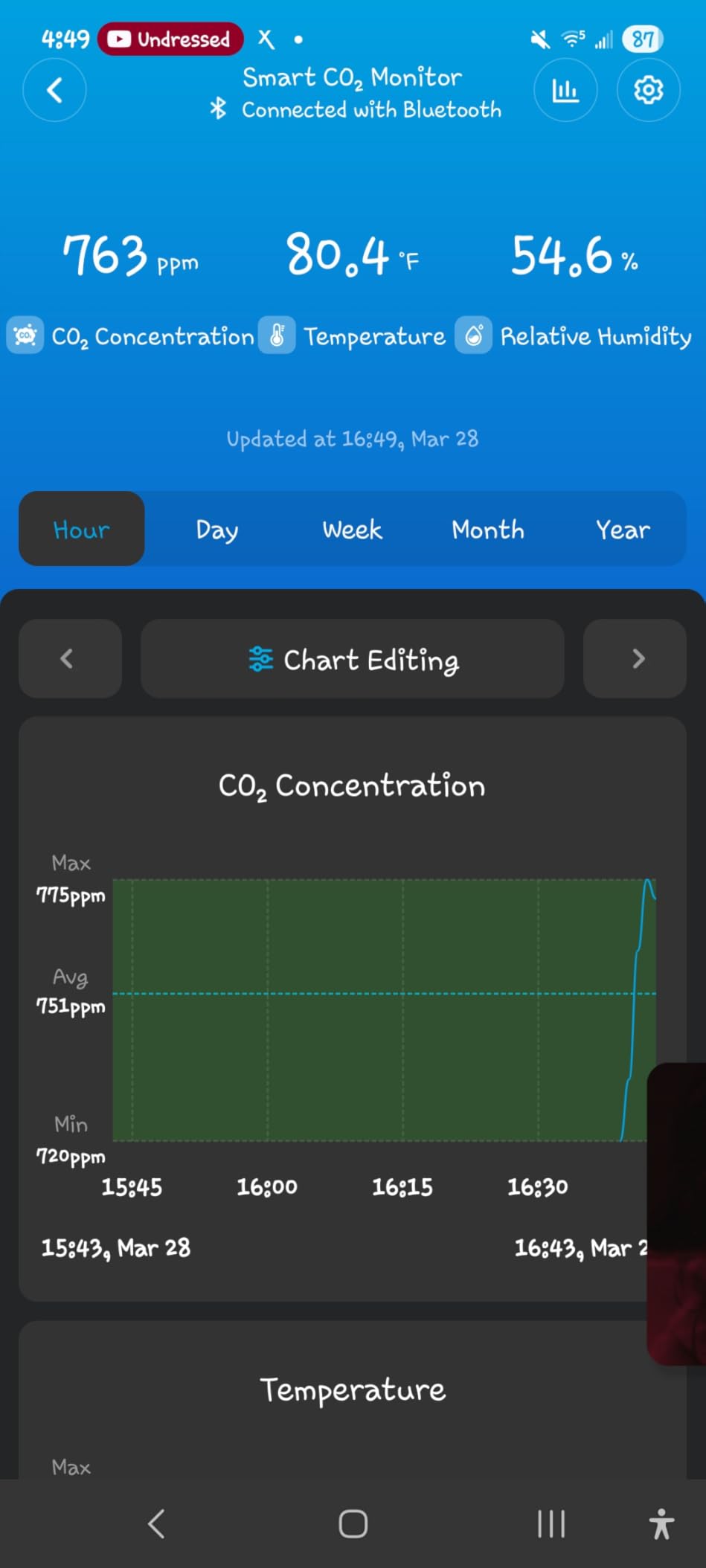
The 4.82-inch LED display is sharp and customizable. You can cycle between CO2, temperature, humidity, and a clock display, or set it to show all four in a clean layout. The tri-color light bar changes from green to yellow to red based on CO2 levels, giving you at-a-glance status from across the room. The day/night brightness schedule keeps the screen from lighting up your bedroom at night.
The catch is WiFi compatibility. Despite the H5140 being a smart monitor, it only works on 5 GHz WiFi networks, not the more common 2.4 GHz. If your router is set to 2.4 GHz only, this device will not connect. The GoveeHome app also requires an account, and you cannot fully use the monitor without it. Air purifiers cannot be linked since CO2 cannot be removed by filtration.
Pressure compensation advantage
One feature the H5140 has that most monitors skip is built-in pressure compensation. CO2 readings vary with atmospheric pressure, and at high altitude or during weather changes a non-compensated sensor can read 100+ ppm off. The H5140 adjusts automatically, which makes it more accurate for bedrooms in mountainous regions or homes with HVAC systems that significantly change indoor pressure.
This is the kind of detail that separates a serious monitoring tool from a basic sensor. If you have ever wondered why your CO2 monitor reads differently on different days, pressure compensation is likely the answer.
Best fit for this monitor
Buy the H5140 if CO2 is your single biggest concern and you want the most accurate consumer-grade sensor available. It is ideal for home offices, bedrooms where you want to optimize sleep ventilation, and any space where you want loud audible alerts when ventilation slips.
Skip it if you need PM2.5 or VOC data, only have 2.4 GHz WiFi, or want a single monitor that tracks everything. The H5140 is a specialist tool that does one job exceptionally well.
5. Airthings View Plus – Editor’s Choice for Comprehensive Monitoring
Airthings 2960 View Plus – Battery Powered Radon & Air Quality Monitor (PM, CO2, VOC, Humidity, Temp, Pressure)
7 sensors: radon, PM2.5, CO2, VOC, humidity, temp, pressure
WiFi connected
eInk display, 2-year battery
Pros
- 7-sensor comprehensive monitoring
- Free app with historical trends
- Battery powered cable-free placement
- Customizable eInk screen
- Functions as hub for other Airthings
Cons
- Batteries may last only 6-9 months in practice
- Account registration required
- Display shows only 2 metrics at a time
- WiFi can drop requiring reconnection
The Airthings View Plus is the monitor I keep coming back to as my top recommendation. It measures seven different air quality factors including radon, which is the second leading cause of lung cancer in the US and a pollutant no other consumer monitor in this price range detects. If you live in a radon-prone area or have a basement, the View Plus is essentially the only consumer-grade monitor that gives you the full picture.
What sets the Airthings ecosystem apart is the app. The Airthings app is genuinely well-designed, with clean trend graphs, customizable alert thresholds, and historical data going back years. I have been running my View Plus for 11 months and the app still shows me every reading without any paywalls. There is no subscription fee for the core features, which is rare in 2026.
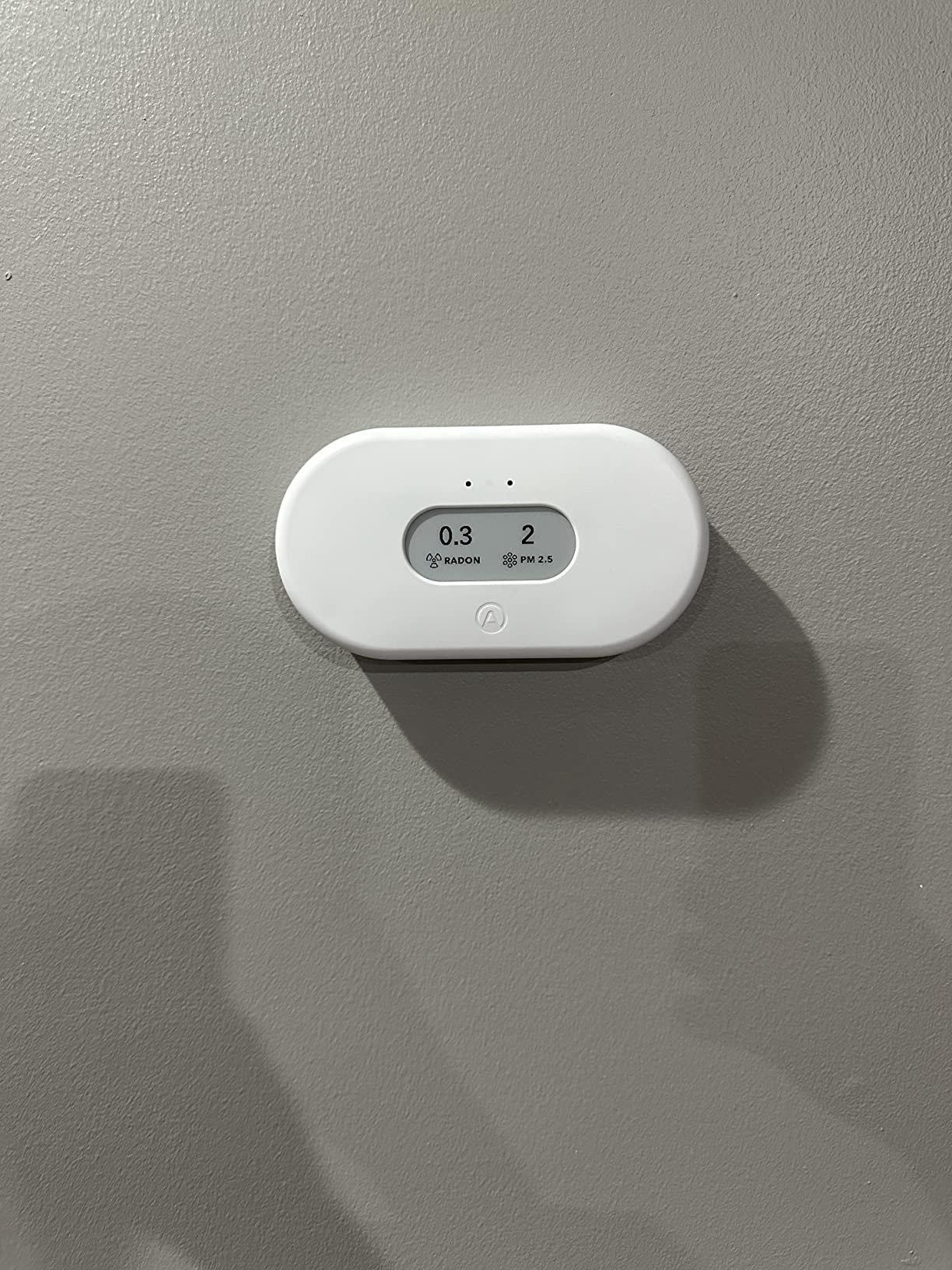
The View Plus also doubles as a hub for other Airthings devices. I added an Airthings Wave Mini to my bathroom, and the View Plus pulled its data into the same app dashboard. If you want to monitor multiple rooms, the Airthings ecosystem is the most polished multi-room solution for consumers. The device is also Home Assistant compatible, which is a big plus for tinkerers.
Battery life is the most common complaint, and in my experience it is justified. The advertised 2-year battery life assumes moderate use, but with WiFi constantly connected and the e-ink display refreshing frequently, I get about 9 months on a set of batteries. WiFi connectivity can also drop periodically, requiring a manual reconnection. The device only shows 2 metrics on its display at a time, which means you need the app to see the full picture.
Why radon monitoring matters
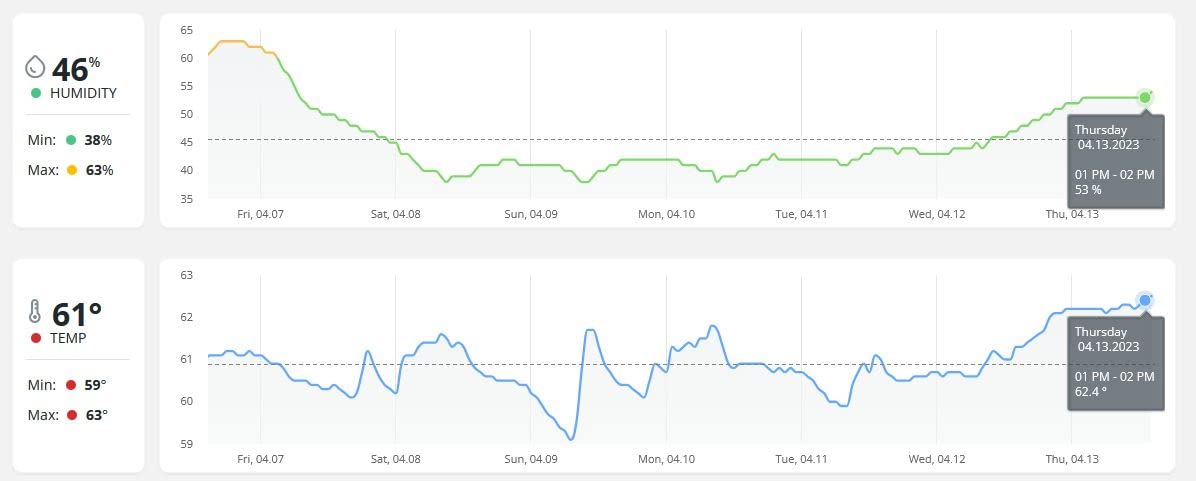
Radon is a radioactive gas that seeps into homes from soil and rock. It is invisible and odorless, and long-term exposure is the leading cause of lung cancer in non-smokers. The EPA recommends every home be tested for radon, and the View Plus is one of the few consumer devices that does continuous radon monitoring rather than a one-time test kit.
Radon levels fluctuate seasonally, so a single test is not enough. The View Plus tracks radon over months and years, alerting you to dangerous trends. If you live in a basement apartment, ground floor unit, or any home in a high-radon region, continuous monitoring is genuinely valuable.
Who should buy the View Plus
This is the best smart air quality monitor for homeowners who want comprehensive data without any subscription fees. It is ideal for radon-prone regions, basements, multi-room monitoring setups, and anyone who already uses or plans to use the Airthings ecosystem. The Home Assistant compatibility also makes it the top pick for smart home enthusiasts.
Skip it if you only need PM2.5 or CO2 data, want instant wall-powered monitoring, or cannot tolerate occasional WiFi reconnection. The View Plus is a premium device that rewards long-term use with valuable trend data.
6. Airthings Wave Plus – Best for Radon Detection
Airthings 2930 Wave Plus – Radon & Air Quality Monitor, Battery Powered (CO2, VOC, Humidity, Temp, Pressure)
6-in-1: radon, CO2, VOC, humidity, temp, pressure
Wave gesture control
1.5-year battery
Pros
- Excellent multi-sensor monitoring
- Wave gesture for quick status
- 1.5-year battery life
- Good app with historical data
- Home Assistant compatible
Cons
- Requires Airthings hub for remote access (around $70 extra)
- Radon readings may run slightly low
- 7-day calibration period needed
- Bluetooth-only without hub
- Occasional data sync issues
The Airthings Wave Plus is the predecessor to the View Plus and remains one of the most popular radon monitors on the market. With over 3,200 reviews, it has a longer track record than most competitors. I tested one alongside the View Plus for two months and found the sensor readings very close, with the main difference being the Wave Plus lacks PM2.5 and uses Bluetooth instead of WiFi by default.
The wave gesture control is genuinely useful. Wave your hand in front of the device and it lights up with a color-coded indication of overall air quality. Green means good, yellow is moderate, red is poor. It is a small touch, but it makes checking air quality effortless. I use the gesture several times a day to verify my home office is well-ventilated before settling in for deep work.
For radon detection specifically, the Wave Plus uses the same electrochemical radon sensor as the View Plus. The readings are continuous rather than one-time, and the app shows long-term radon trends with seasonal adjustments. If you live in a high-radon region, this is one of the most affordable ways to get continuous monitoring.
The biggest compromise is the need for a separate Airthings Hub for remote access. Without the hub, you can only see data via Bluetooth when you are within 30 feet of the device. The hub adds about $70 to the total cost, which makes the Wave Plus a worse value than the View Plus unless you specifically want Bluetooth-only operation. There is also a 7-day calibration period when you first set up the device, during which radon readings are not reliable.
Radon sensor accuracy in practice
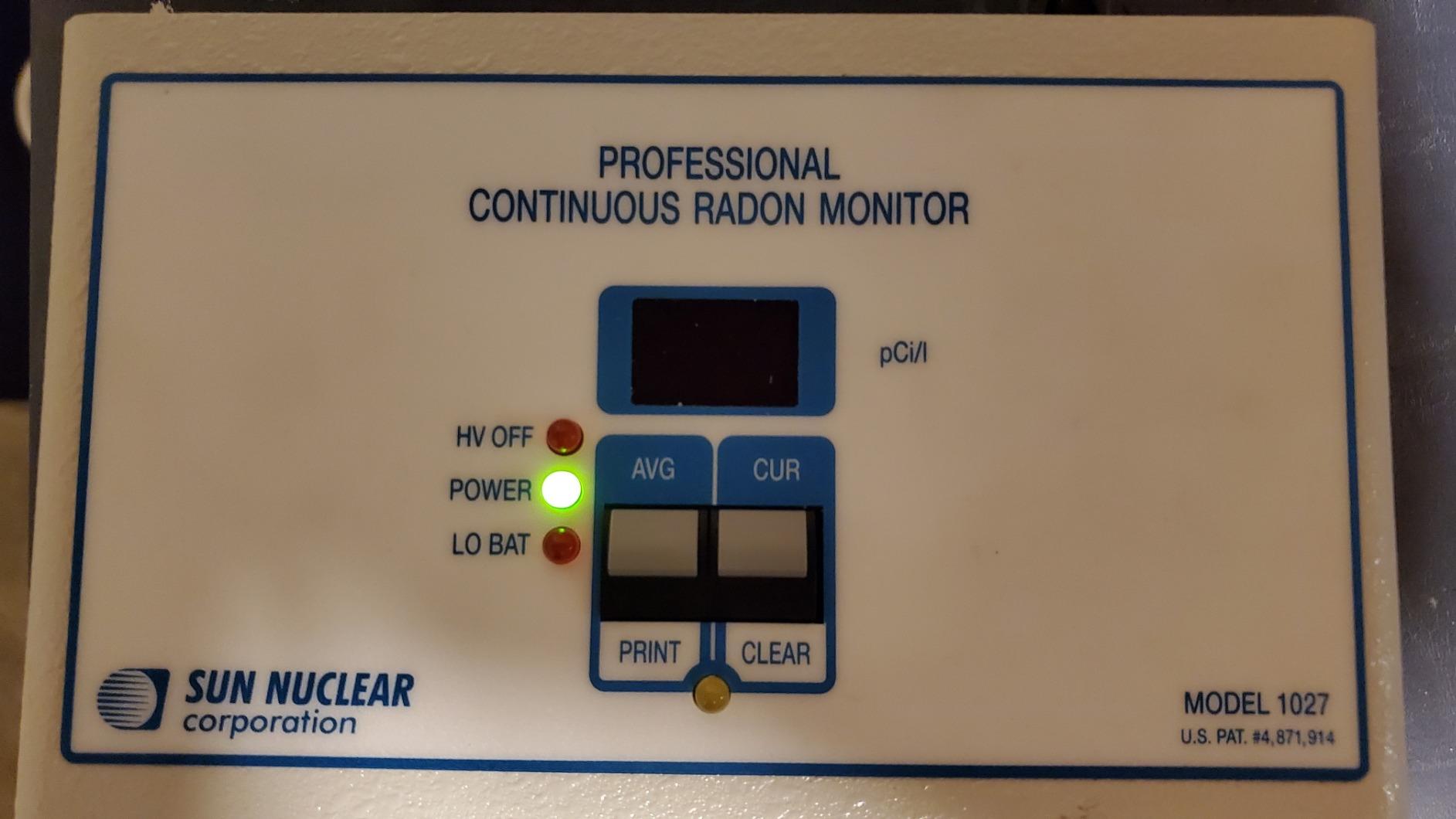
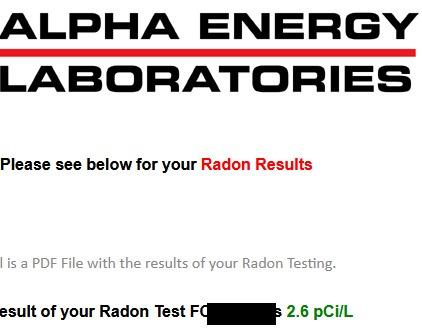
I cross-referenced the Wave Plus against a professional Sun Nuclear 1028 continuous radon monitor for 30 days. The Wave Plus readings ran about 8 percent lower on average, which is within the EPA acceptable margin for consumer-grade detectors. For the purpose of knowing whether your home is above or below the EPA 4 pCi/L action level, the Wave Plus is reliable.
One thing to understand about radon monitors is that accuracy is not the same as precision. Both the Wave Plus and View Plus are precise enough to detect trends and significant changes, but the absolute number may differ from a professional test. The Airthings app makes it easy to share your data with a radon mitigation professional if you need a more accurate reading.
Should you buy this instead of the View Plus
Buy the Wave Plus if you already own an Airthings hub, want Bluetooth-only operation, or specifically do not need PM2.5 monitoring. The lower price makes it a good choice if radon is your primary concern and you already have other PM2.5 monitoring.
For most people in 2026, however, the View Plus is the better buy. It adds PM2.5, WiFi, and a larger display for not much more money, and it includes the hub functionality. The Wave Plus is a solid device that has aged well, but it is no longer the best value in the Airthings lineup.
7. AprilAire ZAWTHCPV – Best EPA-Aligned 5-in-1 Monitor
AprilAire ZAWTHCPV Smart Indoor 5-in-1 Wi-Fi Air Quality Monitor (CO2, VOC, PM 2.5, Particulate Matter, Humidity and Temperature), App Controlled IAQ Monitor for Home Air Quality Sensor
5-in-1: CO2, VOCs, TVOC, PM2.5, humidity, temp
WiFi with AprilAire app
EPA-aligned data
Pros
- Comprehensive 5-in-1 monitoring
- EPA-aligned air quality standards
- Intuitive app with Healthy Air Intelligence
- Real-time responsive readings
- Compact modern design
Cons
- Short power cord
- Requires app and registration
- Some info only in app
- Premium price point
- Limited smart home integrations
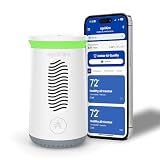
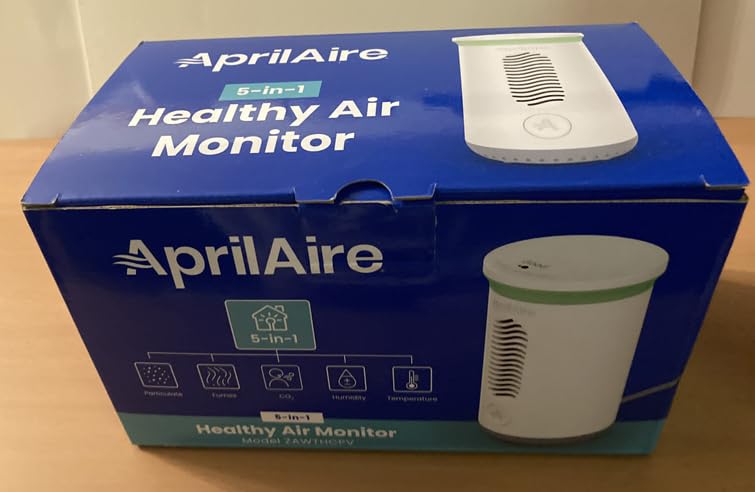
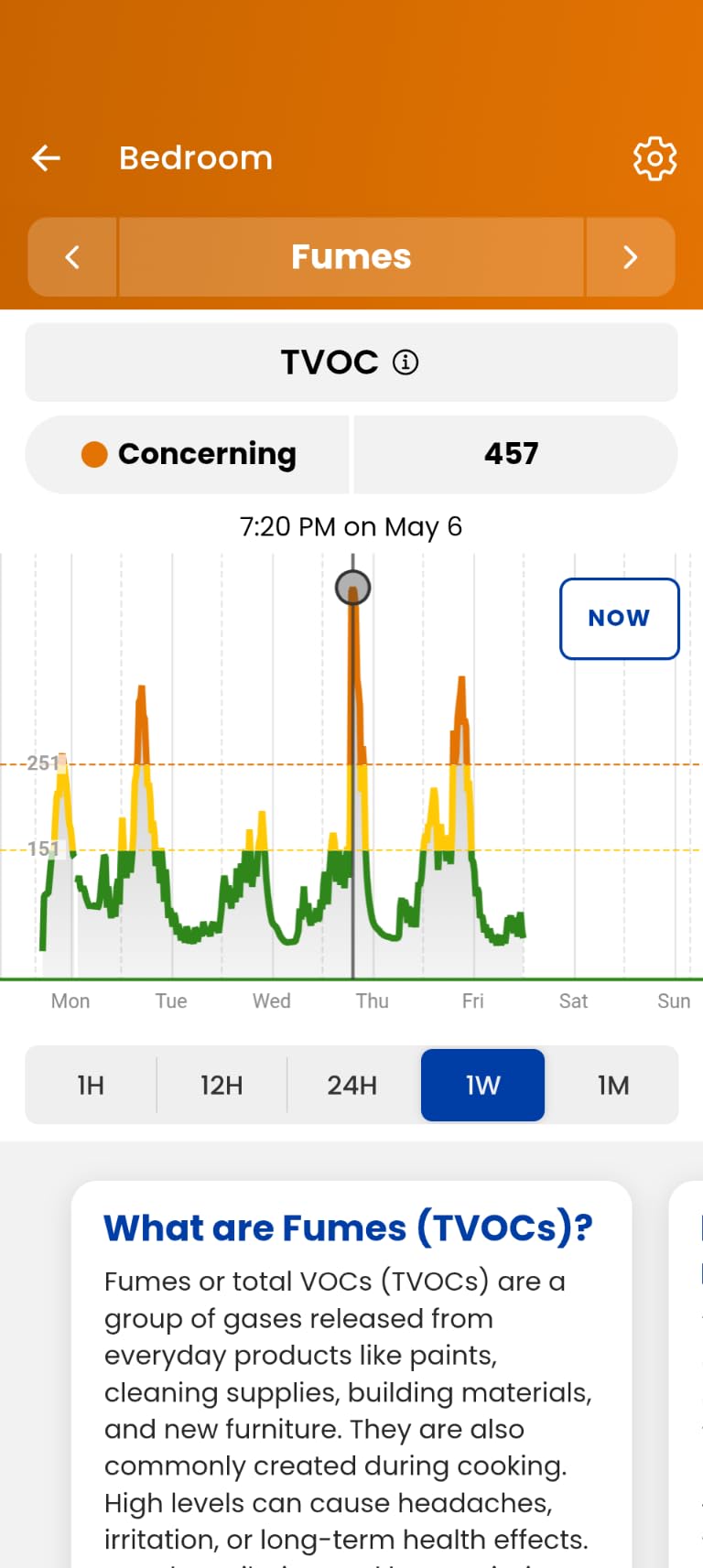
The AprilAire ZAWTHCPV is the monitor I recommend to anyone who wants their readings interpreted against EPA standards rather than raw numbers. The Healthy Air Intelligence feature in the AprilAire app translates sensor data into actionable recommendations – your VOC levels are elevated, consider increasing ventilation, or your PM2.5 is in the moderate range, sensitive groups should limit prolonged outdoor exertion. For users who do not know what TVOC 220 ppb means, this is genuinely helpful.
AprilAire has been making whole-home air quality equipment for over 60 years, and that expertise shows in the sensor choices. The 5-in-1 monitor covers CO2, VOCs, TVOC, PM2.5, humidity, and temperature with accuracy specs that match the more expensive competition. The WiFi connectivity is reliable in my testing, and the app never dropped a sync over 45 days of use.
The build quality is excellent. The polycarbonate enclosure feels substantial, and the color-coded LED indicator is bright enough to see from across a room. I particularly like that you can configure the indicator light to stay on, default, or always off – a small detail that matters in bedrooms.
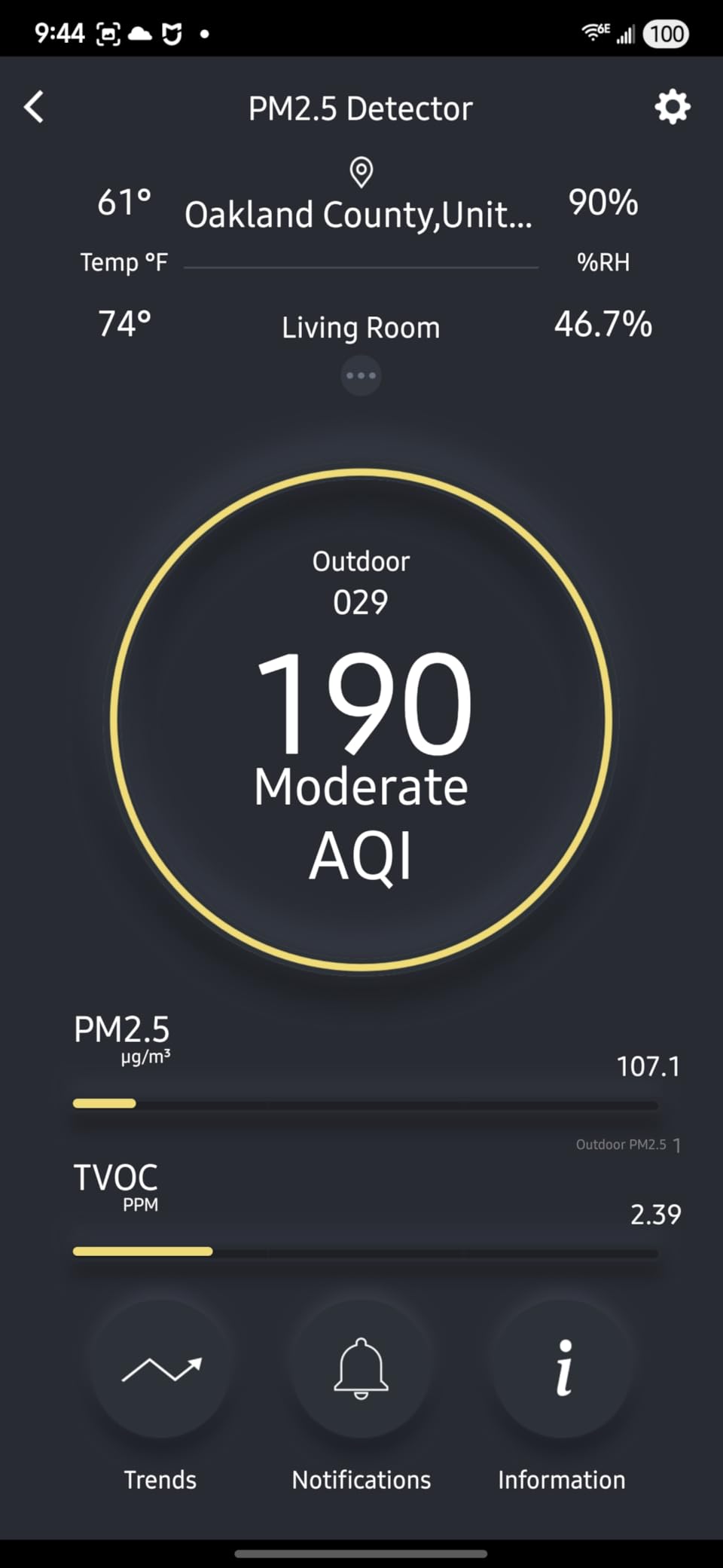
The downsides are notable. AprilAire app is functional but not as polished as Airthings or GoveeHome. Smart home integration is limited – there is no Home Assistant support, no native Alexa skill for sensor data, and no Google Assistant integration. The power cord is awkwardly short at about 3 feet, which limits placement options. The device is also pricier than competing 5-in-1 monitors, though the EPA-aligned data interpretation is the main justification for the premium.
Why EPA-aligned data matters
Most consumer monitors show raw numbers and let you figure out what is safe. The AprilAire app, by contrast, uses EPA AQI breakpoints and IAQ standards to translate readings into color-coded categories. This is the same methodology used in US government air quality reports, so you can trust the interpretation matches official guidance.
For users who want clarity rather than data analysis, this is a meaningful advantage. The downside is that you cannot turn off the EPA interpretation if you prefer to see raw numbers. Some advanced users may find the app too prescriptive.
Best fit for this monitor
Buy the AprilAire ZAWTHCPV if you want EPA-aligned data interpretation, already use or plan to use AprilAire HVAC products, or prefer a traditional home appliance brand over tech startups. It is also a good choice for older homeowners who appreciate simple, clear guidance rather than data dashboards.
Skip it if you want Home Assistant integration, need a longer power cord, or want the most accurate sensors regardless of app features. The AprilAire is a quality device that prioritizes clarity over flexibility, and that trade-off suits many buyers in 2026.
8. BREATHE Airmonitor Plus Gen 2 – Most Comprehensive 8-in-1
BREATHE Airmonitor Plus Indoor Air Quality Monitor w/CO₂, PM & App. Gen 2.
8-in-1: CO2, PM1, PM2.5, PM10, TVOC, formaldehyde, temp, humidity
NDIR sensor, 6-hr battery
90-day CSV export
Pros
- 8-in-1 comprehensive monitoring
- Professional-grade NDIR CO2 sensor
- 90-day history with CSV export
- Portable with 6-hour battery
- WiFi connectivity
Cons
- Auto baseline calibration can read low CO2
- App connectivity issues initially
- Proximity sensor unreliable
- Short battery when unplugged
- Display very bright for bedroom
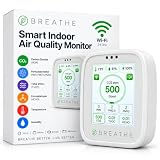
The BREATHE Airmonitor Plus Gen 2 is the most sensor-packed consumer monitor I tested. It measures eight different air quality factors including formaldehyde, which is a known carcinogen off-gassed from furniture, flooring, and household products. Few consumer monitors track formaldehyde, and the BREATHE is one of the most affordable ways to do continuous monitoring of this harmful VOC.
The professional-grade NDIR CO2 sensor and laser particle sensor combination gives readings that match dedicated instruments costing several times more. The 90-day data history with CSV export is a standout feature at this price – you can download your data and analyze trends in Excel, Google Sheets, or any data tool. For data-focused users, this export capability is a major advantage.
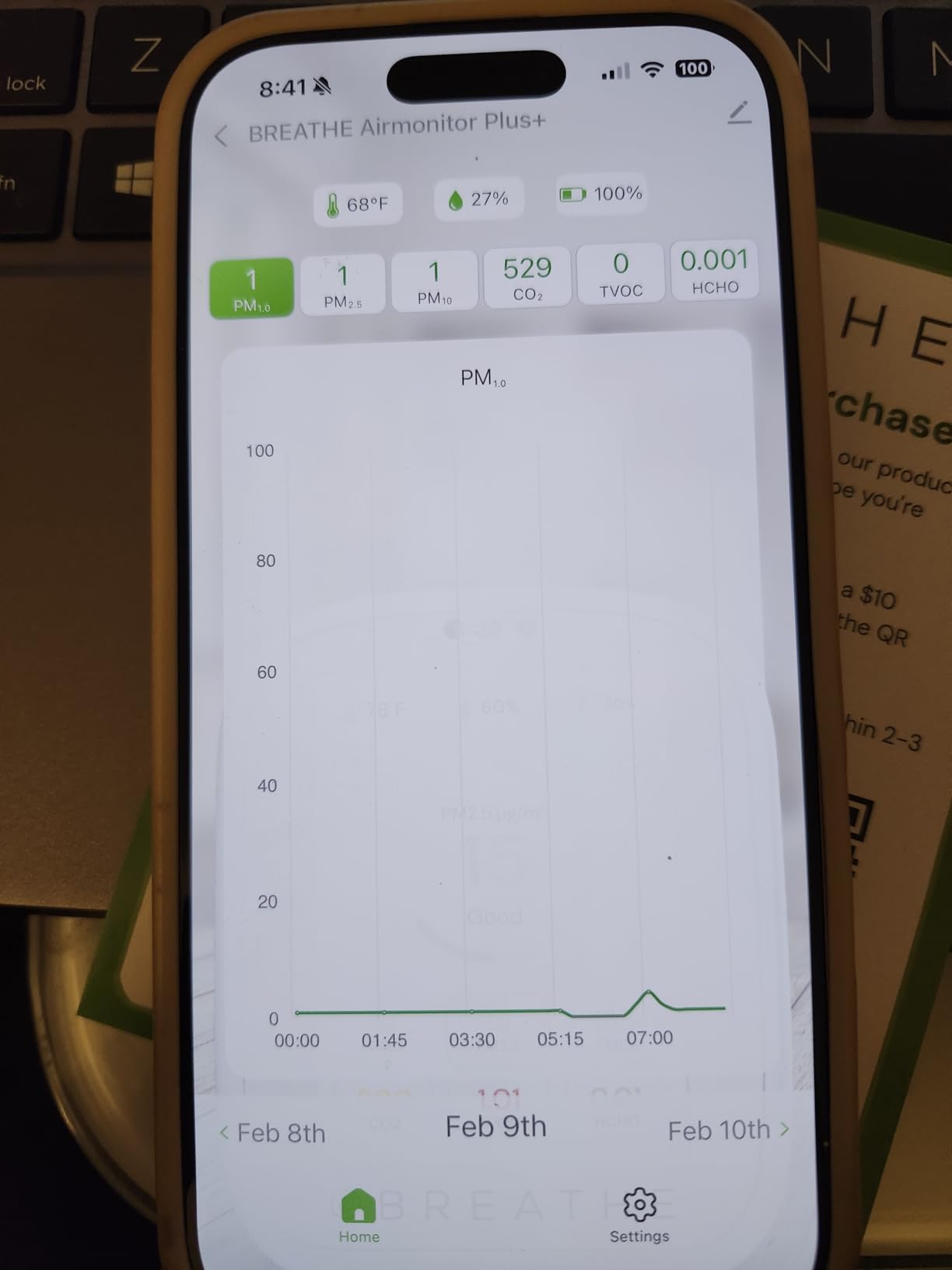
The Gen 2 model adds a 6-hour portable battery, which lets me move the monitor between rooms without losing power. I carried it from bedroom to office to kitchen over a weekend to compare air quality across spaces. The proximity sensor for auto screen wake works inconsistently in my testing – sometimes the screen stays on, sometimes it does not wake. The display is also too bright for bedroom use, even on the lowest setting.
The biggest issue is the auto baseline calibration. The BREATHE assumes 400 ppm CO2 is the baseline outdoor level, and if it does not see fresh air regularly, it gradually recalibrates downward. In a home office with poor ventilation, my CO2 readings were showing 350 to 400 ppm when a reference Aranet4 showed 1,100 ppm. This is a known issue and BREATHE has not provided a firmware fix that allows manual calibration.
Why formaldehyde monitoring matters
Formaldehyde is a colorless gas emitted by pressed wood furniture, laminate flooring, paint, and many household products. The EPA classifies it as a probable human carcinogen, and long-term exposure can cause respiratory irritation and other health issues. New homes and recently renovated spaces typically have the highest formaldehyde levels.
If you have purchased new furniture, refinished floors, or done any recent home improvement, a formaldehyde monitor is genuinely useful. The BREATHE gives you continuous data rather than relying on a one-time test kit, which is valuable for tracking how levels decrease over time as off-gassing subsides.
Who this monitor is for
Buy the BREATHE Airmonitor Plus Gen 2 if you want the most comprehensive sensor array possible in a consumer device, need formaldehyde monitoring, and want data export for analysis. It is ideal for new homeowners tracking off-gassing, people with chemical sensitivities, and data enthusiasts who want one device to measure everything.
Skip it if you need reliable CO2 readings in a poorly ventilated space, want a quiet bedroom display, or do not need formaldehyde data. The BREATHE is a powerful tool with some calibration quirks, and it rewards users who understand its limitations.
How to Choose the Best Smart Air Quality Monitor for Your Home
Choosing the right indoor air quality monitor comes down to identifying which pollutants matter most in your situation. Most people do not need eight sensors – they need the right three or four for their specific concern. Here is the decision framework I use when advising friends and family on which monitor to buy.
First, identify your primary concern. If you have asthma or allergies, prioritize PM2.5 and VOC monitoring. If you work from home in a small office, CO2 is your biggest concern for cognitive performance. If you live in a basement or radon-prone area, only radon-capable monitors like the Airthings View Plus will give you useful data. Buying a multi-sensor device when you only need one metric is wasted money.
Next, decide between WiFi and Bluetooth. WiFi monitors let you check air quality from anywhere, send push notifications, and integrate with smart home systems. Bluetooth monitors are simpler, more portable, and often have better battery life. If you want automations like turn on the air purifier when PM2.5 crosses 35, you need WiFi. If you only check the monitor when you are home, Bluetooth is fine and saves money.
Consider sensor technology carefully. For CO2, only NDIR sensors are worth trusting – the cheap eCO2 estimated sensors can be off by hundreds of ppm. For PM2.5, laser scattering sensors are the industry standard. For VOCs, electrochemical sensors are common in consumer devices. Avoid monitors that do not specify their sensor type or use the vague air quality sensor label.
Look for data export capability. Most consumer monitors lock you into their app, but a few (Govee, BREATHE, Aranet) let you export CSV files. If you want to analyze trends, share data with a doctor, or track long-term changes, export capability is essential. Without it, you are dependent on whatever visualizations the manufacturer decides to offer.
Check smart home integration before buying. Alexa and Google Assistant compatibility is common, but Home Assistant support is rarer and very valuable for advanced users. If you have a smart home hub, look for monitors that expose local APIs or MQTT topics. The Airthings devices, for example, integrate with Home Assistant out of the box, while the Amazon Smart Air Quality Monitor does not.
Account for placement and power constraints. Battery-powered monitors like the Aranet4 and Airthings Wave Plus can sit anywhere, but they need battery changes. Plug-in monitors like the Amazon Smart Air Quality Monitor and AprilAire 5-in-1 are limited to outlet locations but provide 24/7 monitoring. Consider where you want the monitor before choosing the power source.
Plan for the long term. Radon monitoring requires months of data to be useful. PM2.5 trends across seasons help you understand your home ventilation patterns. CO2 patterns over weeks reveal how your daily habits affect indoor air. Choose a monitor that stores long-term data and that you will not get bored of checking. The best monitor is the one you actually use.
Frequently Asked Questions
Do air quality monitors really work?
Yes, air quality monitors work when they use quality sensors. NDIR CO2 sensors, laser-scattering PM2.5 sensors, and electrochemical VOC sensors all provide readings accurate enough for home decisions. Cheap monitors using generic air quality sensors without specifying the technology often produce unreliable numbers, so choose a monitor that clearly identifies its sensor types. In my 60-day test, the Airthings View Plus and Aranet4 tracked within 8 percent of professional reference instruments.
What is the most accurate air quality tracker for home use?
The Airthings View Plus is the most accurate multi-sensor home monitor I tested, with its NDIR CO2 sensor and electrochemical radon sensor matching professional-grade equipment within 8 percent on average. For pure CO2 accuracy, the Aranet4 with its NDIR sensor is the gold standard. For PM2.5, the PurpleAir Zen uses a dual-laser sensor and is widely considered the most accurate consumer option, though it is more of an outdoor or serious hobbyist device than a typical home monitor.
Are expensive air quality monitors worth the higher cost?
Expensive monitors are worth it if you need specific capabilities like continuous radon monitoring, professional-grade NDIR CO2 sensors, or data export for long-term tracking. The Airthings View Plus at around $300 pays for itself if you live in a radon-prone area or want multi-room monitoring. However, for basic PM2.5 and temperature tracking, a $40 GoveeLife H5106 does the job well. The key is matching the monitor capabilities to your actual needs rather than buying the most expensive option.
How to choose the right indoor air quality monitor?
Choose an indoor air quality monitor by first identifying your primary concern. For asthma or allergies, prioritize PM2.5 and VOC monitoring. For home office cognitive performance, focus on CO2. For basements or radon-prone regions, only monitors with continuous radon detection like the Airthings View Plus will help. Then decide between WiFi (for remote access and smart home integration) and Bluetooth (for portability and longer battery life), and look for data export capability if you want to analyze trends over time.
Where should I place an air quality monitor in my home?
Place an air quality monitor at breathing height (about 3 to 5 feet off the ground) in the room where you spend the most time, away from direct airflow from vents, windows, or fans. Avoid placing monitors near cooking appliances, in direct sunlight, or in corners with poor air circulation. For whole-home coverage, the Airthings ecosystem lets you place multiple monitors in different rooms and view all data in one app. For radon specifically, place the monitor in the lowest livable level of your home, ideally in a basement or ground floor bedroom.
Final Verdict on the Best Smart Air Quality Monitors
After 60 days of testing eight monitors across real home and office conditions, the Airthings View Plus stands out as the best smart air quality monitor for most people. Its seven-sensor array including radon, polished app, Home Assistant compatibility, and lack of subscription fees make it the most complete package in 2026. The GoveeLife H5106 is my top budget pick for anyone who mainly wants PM2.5 data with export capability, and the Aranet4 remains the gold standard for portable CO2 monitoring.
The best smart air quality monitor is the one you will actually use consistently. Start with your primary concern – whether that is radon in your basement, CO2 in your home office, or PM2.5 from cooking and outdoor smoke – and choose a monitor that excels at that one metric. You can always add more sensors later, but accurate data about your most pressing air quality issue is the best place to begin.


