

The fastest way to pick a nailer for trim is to decide on gauge first, then match the battery to what you already own. An 18-gauge brad nailer handles delicate casing, small molding and picture frames with almost no visible damage, while a 16-gauge finish nailer has the holding power for baseboards, crown and door casing.
That single split explains most of the confusion in this category. Manufacturers throw 15, 16, 18 and 23 gauge at you like they are interchangeable, and they are not. Our team spent weeks with these tools on baseboards, casing and crown in both softwood and hardwood, and compared the ten cordless nail guns below on nail consistency, how they handle, whether they jam, and what they weigh with a battery installed.
Every pick here is cordless, which is the point. A pneumatic gun still hits nails harder, but a cordless gun removes the compressor, the hose and the setup time, and that changes what jobs you can do at all. A remodeler working alone on a finished interior, up a ladder on casing, or in a tight stud bay cannot drag a compressor into the room. If you are still deciding on a compressor for other shop tools, our pancake air compressor picks are worth a look, but a nailer is one tool where cordless has genuinely caught up.
One more thing before we get into the list. Forum consensus, and our own experience, comes down to this: if you already own batteries from a platform, buy into that platform. Nearly every nailer below is sold as a bare tool, and a first-time buyer who assumes the battery is in the box learns that lesson twice. Lowe’s reviews of the Metabo HPT kit mention it “greatly reduced my need for an air compressor and a pneumatic 18g nailer,” which is the argument for going cordless in one sentence.
Top 3 Best Cordless Jigsaws for Curved Cuts in October


Metabo HPT NT1850DG 18-Gaug…
- 5.5 lb
- 700 nails per charge
- Battery and charger included
- No-mar tip
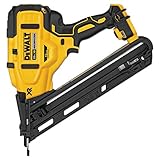
DEWALT DCN650B 15-Gauge Nailer
- 15-gauge angled finish nails
- Bronze driver
- Micro nose
- 6.6 lb
Those three cover the realistic use cases: the DEWALT DCN680B as the all-round brad nailer, the Metabo HPT kit as the only nailer that arrives ready to work, and the DCN650B when you need 15-gauge holding power for heavier molding. The rest of the lineup fills in the platform gaps, with a 16-gauge angled finish nailer, a straight 16-gauge, and lighter options for anyone who does not want to commit to a pro platform on day one.
We also wrote up the best trim saws, which get used on the same day of a baseboard job as the nailer.
All 10 Best Cordless Nail Guns for Trim Side by Side in 2026
| Product | Specs | Action |
|---|---|---|
| DEWALT DCN680B 18-Gauge Brad Nailer |
|
Check Latest Price |
 DEWALT DCN660B 16-Gauge Angled Finish Nailer DEWALT DCN660B 16-Gauge Angled Finish Nailer |
|
Check Latest Price |
 Makita XNB01Z 18V LXT 18-Gauge Brad Nailer Makita XNB01Z 18V LXT 18-Gauge Brad Nailer |
|
Check Latest Price |
 Makita XNB02Z 18V LXT 16-Gauge Finish Nailer Makita XNB02Z 18V LXT 16-Gauge Finish Nailer |
|
Check Latest Price |
| Metabo HPT NT1850DG 18-Gauge Brad Nailer Kit |
|
Check Latest Price |
 CRAFTSMAN V20 18-Gauge Brad Nailer CRAFTSMAN V20 18-Gauge Brad Nailer |
|
Check Latest Price |
| DEWALT DCN650B 15-Gauge Angled Finish Nailer |
|
Check Latest Price |
 Ryobi 18V ONE+ P321 Airstrike Brad Nailer Ryobi 18V ONE+ P321 Airstrike Brad Nailer |
|
Check Latest Price |
 Milwaukee M18 FUEL 18-Gauge Brad Nailer Milwaukee M18 FUEL 18-Gauge Brad Nailer |
|
Check Latest Price |
 WORX WX842L 20V 18-Gauge Brad Nailer WORX WX842L 20V 18-Gauge Brad Nailer |
|
Check Latest Price |
1. DEWALT DCN680B 18-Gauge Brad Nailer – Best Overall
DEWALT DCN680B 20V MAX* XR® 18 GA Cordless Brad Nailer (Tool Only)
20V MAX
18-gauge brad nailer
Brushless motor
Tool-free jam release
6.2 lb
Pros
- Brushless motor for runtime and durability
- Tool-free depth adjustment and jam release
- Multi-functional LED work light
- Low nail lockout stops dry firing
Cons
- Tool only so battery and charger cost extra
- Heavier than several compact brad nailers
This is the nailer we kept reaching for. It drives 18-gauge brad nails, and across a full day of casing, baseboard cap and small trim it placed every nail at the same depth without a single jam. The micro nose is the feature that matters most in practice, because you can actually see where the nail is going instead of guessing with a fat nose blocking the view.
The brushless motor is where the durability comes from. There is no gas cartridge to swap, no hose to trip over, and no compressor to keep in the truck. Reviewers consistently call out consistent depth control and hassle-free operation, and at 4.8 stars from more than 3700 reviews it has the widest and most enthusiastic owner base of any 18-gauge brad nailer we looked at.
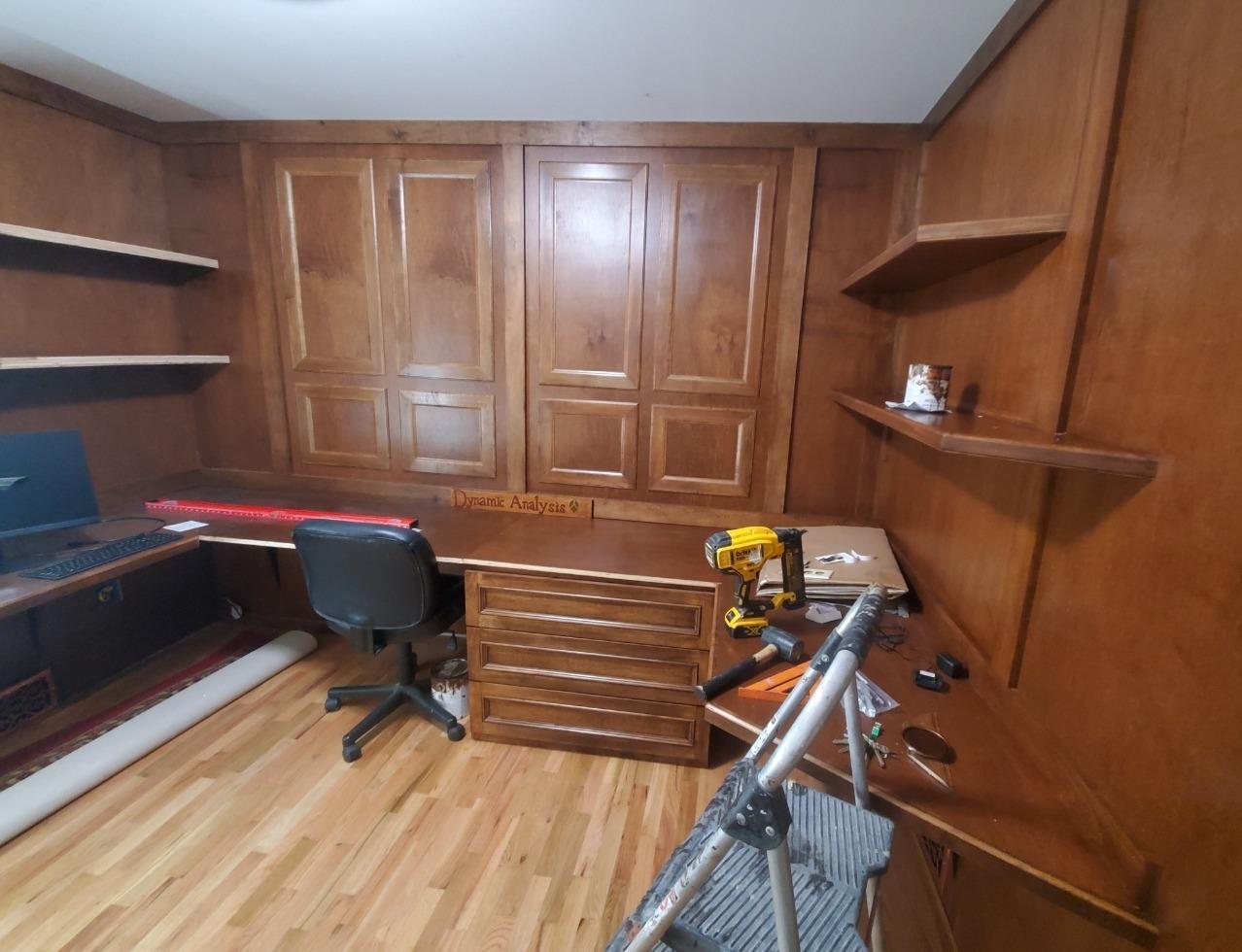
The tool-free depth adjustment dial is the other thing you will use constantly. Switch from pine baseboard to painted casing and you can change the countersink depth without hunting for a hex key in a stud bay, which is exactly the frustration trim carpenters complain about most. A low nail lockout stops the gun when the magazine runs dry, so a dead battery will not punch holes in a finished wall.
Battery and charger are not included, and that is the only real complaint we hear repeatedly. At 6.2 pounds the tool is also on the heavy side for long overhead casing runs, so if your trim is mostly above shoulder height, weigh the Metabo HPT below first.
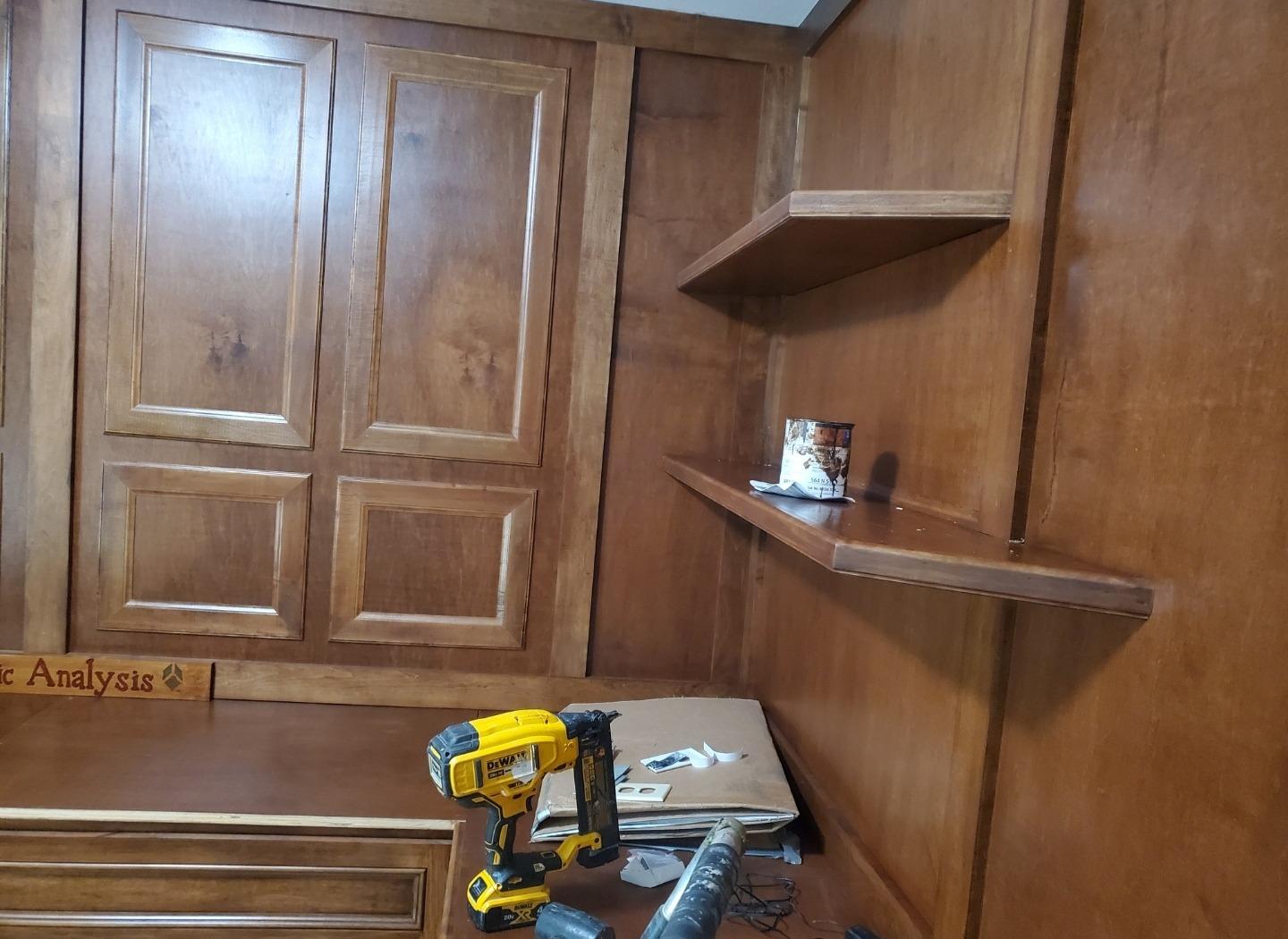
What the DCN680B handles better than the rest
Visibility and adjustability. The micro nose and the tool-free controls together mean fewer mistakes, less rework and less time kneeling on a ladder with a driver bit in your mouth. The LED work light doubles as a diagnostic, which is genuinely useful when the gun will not fire and you have no idea why.
For picture frames, cabinet trim and door casing, this is the one I would buy first. It is also the one most people should end up owning as their single nailer, because 18-gauge brads cover more trim profiles than the marketing suggests.
Where it disappoints
If your work is baseboard and crown in hardwood, 18-gauge brads are light on holding power and you will want a 16-gauge finish nailer alongside it. Forum users also warn that lighter brads can feel insecure in thick, dense baseboard material if you are relying on nails alone with no adhesive.
It ships as a bare tool. If you do not already own 20V MAX batteries, budget for a starter battery and charger before you unbox it.
2. DEWALT DCN660B 16-Gauge Angled Finish Nailer – Best for Baseboards and Crown
DEWALT 20V MAX* Finish Nailer, Angled, 16GA, Tool Only (DCN660B)
20V MAX
16-gauge angled finish nailer
Inline magazine
Tool-free depth adjust
Pros
- 16-gauge holding power for thicker trim
- Inline magazine works in tight orientations
- Tool-free jam release and stall reset
- Works with all DEWALT 20V MAX batteries
Cons
- Tool only so battery and charger cost extra
- Costs more than most 16-gauge finish nailers
When the trim is thick, this is the tool that will not let you down. 16-gauge finish nails have the mass to hold baseboard, crown and door casing against a wall, and the DCN660B is the strongest of the 16-gauge options we tested. Angled nails are the point here, because you want to set the casing and hide the nail head in the molding profile rather than in the flat of the board.
The inline magazine is the design detail we appreciated most. Because the magazine sits in line with the driver, you can hold the gun straight, at an angle, or almost upside down without fighting it, which matters constantly when you are fitting crown in a room or nailing into a tight corner.
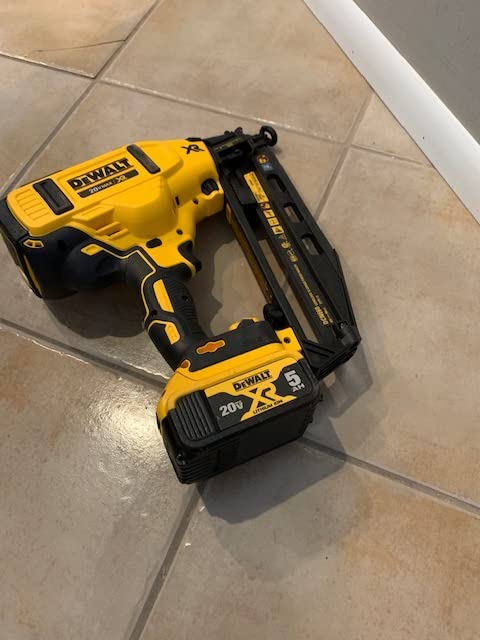
At 4.6 stars across roughly 1900 reviews, with 84 percent five-star ratings, the pattern in owner feedback is consistent: people like the inline magazine, the tool-free adjustments, and the fact that every 20V MAX battery they already own fits it. The brushless motor keeps runtime respectable through a full day of baseboard work.
It is a bare tool as well, and it sits at the top of the price range for cordless finish nailers. Forum advice from Festool Owners Group members is worth repeating: 15-gauge for door jambs, 16-gauge angled for larger moldings. If you are running heavier profiles than that, look at the DCN650B in position four.
When this is the right pick
Any job where the trim is more than a quarter inch of solid wood. Baseboards, crown molding in a living room, door and window casing, and wainscoting panels all benefit from the extra bite of 16-gauge nails, especially in hardwood. One Reddit commenter described a 16-gauge finish nailer as the most versatile tool in the shop, able to handle baseboard work as well as anything else.
If you already own 20V MAX batteries, this is the least painful upgrade in the list because nothing else has to be bought.
When to skip it
For small casing, thin baseboard cap, or any delicate interior trim, 16-gauge nails can blow out the face of the wood and leave a hole that needs filling. That is exactly the profile an 18-gauge brad nailer was designed for.
It is also the heaviest price in the group. If a compressor is not part of your plan and you are only doing light interior trim, the lighter brad nailers below cover it for less.
3. Metabo HPT NT1850DG 18-Gauge Brad Nailer Kit – Best Value Complete Package
Metabo HPT Brad Nailer, 18 Gauge Cordless, 18V Kit, NT1850DG
18V kit
18-gauge brad
5/8 to 2 inch nails
5.5 lb
Battery and charger included
Pros
- Only 5.5 lb with a low center of gravity
- Battery and charger included in the kit
- 700 nails per charge with no-mar nose caps
- Consistent driving with no jams
Cons
- Included charger is US voltage only
- Some owners report the included charger failed
This is the kit we hand to anyone starting from nothing. It arrives with the nailer, a 2.0Ah battery, a charger, no-mar nose caps, a hook and safety glasses, so the total cost of getting into cordless trim work is one purchase rather than three. That is the whole reason it earns the value slot.
At 5.5 pounds it is the lightest nailer in this roundup, and the low center of gravity makes it easy to hold one-handed in a stud bay. The mechanical spring drive delivers 700 nails per charge, which is roughly a full afternoon of interior trim on a single battery, and there is no ramp-up time between shots.
The no-mar nose caps are a small touch that matters more than they sound. On painted casing or a finished baseboard face they keep a visible dimple from turning into a cosmetic defect, and forum buyers consistently single them out as a reason to like this tool. Reviewers rate it 4.7 stars from 930 reviews with 86 percent five-star, praising weight, balance and precision.
The mechanical spring design does differ from the brushless motors used by DEWALT and Milwaukee, and some carpenters in r/Carpentry who switched from a Hitachi to this tool prefer the ergonomics enough that they moved on rather than back. That is a real endorsement from people who use these tools for a living.
Why it beats the bare tools for a first-time buyer
Every other nailer in this lineup is sold without a battery, and a 20V MAX or M18 starter pack can rival the price of this entire kit. If you are not already committed to a platform, the math is not close. You also get a charger that works, which is the part people forget to budget for.
It fits 5/8 inch to 2 inch 18-gauge brad nails, which covers casing, baseboard cap, cabinet trim, wainscoting and picture frames, and the tool-less depth of drive adjustment is precise enough to countersink consistently.
Where it falls short
18-gauge brads are light for thick hardwood baseboard or crown. Contractors on Festool Owners Group and Contractor Talk note that dense hardwood needs a heavier 16-gauge or 15-gauge nail to sink reliably, and a 16-gauge cordless can struggle in oak without a spot-weld technique.
The included charger is US voltage only, and a small number of owners report the charger failing. Metabo HPT’s lifetime tool warranty is cited as a plus by long-time owners, which partly offsets that.
4. DEWALT DCN650B 15-Gauge Angled Finish Nailer – Best for Exterior and Heavy Molding
20V MAX XR Lithium-Ion Cordless 15-Gauge Angled Finish Nailer (Tool Only)
20V MAX
15-gauge angled finish nailer
Micro nose
Tool-free depth adjust
6.6 lb
Pros
- 15-gauge nails hold heavy molding and exterior trim
- Micro nose for accurate placement
- Tool-free depth
- jam release and stall reset
- Inline magazine for multiple orientations
Cons
- Tool only so battery and charger cost extra
- 15-gauge nails overkill for delicate interior trim
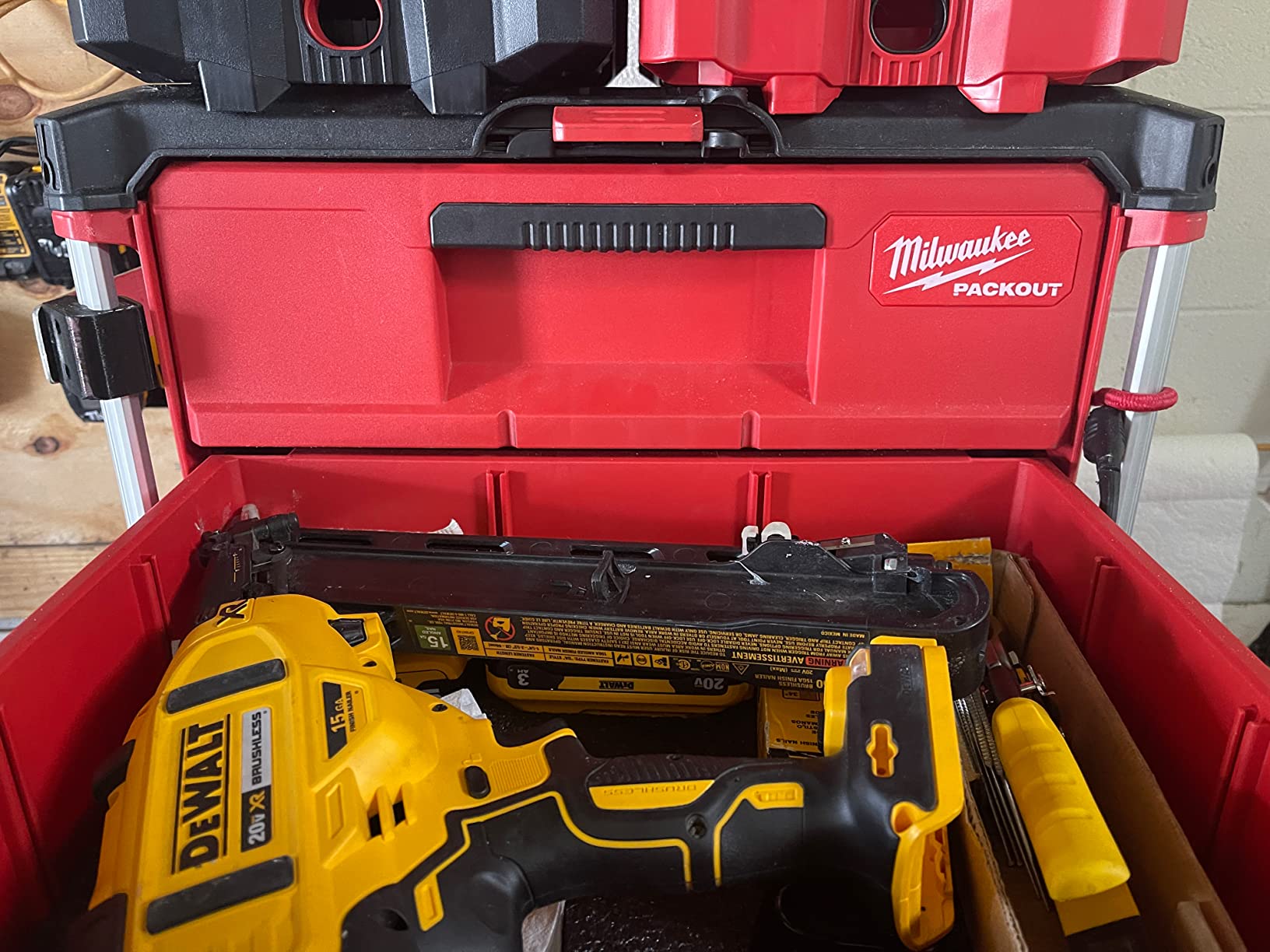
Step up a gauge and everything gets heavier but nothing gets weaker. The DCN650B drives 15-gauge angled finish nails, which is the holding power you want for large crown, exterior trim, and hardwood that would split around a lighter nail. If you install pressure-treated or painted exterior casing, this is the tool that will not let you down.
Everything you liked about the DCN680B carries over: brushless motor, micro nose for line of sight, tool-free depth adjustment, tool-free jam release, integrated stall release, and multi-functional LED lights for both lighting and diagnostics. At 4.5 stars from 853 reviews with 77 percent five-star, the feedback centers on crown molding, casing, baseboards and hardwood floor installation.
The inline magazine lets you orient the gun in tight spots without fighting the tool, and the adjustable belt hook attaches either way you prefer, which sounds minor until you are working alone on a ladder for hours.
At 6.6 pounds this is one of the heavier guns here, and it is the wrong choice for a homeowner who only needs to hang a door casing in a bedroom. It is the right choice if you do trim professionally or if your list includes anything larger than a 5/8 inch baseboard.
What you gain by going to 15-gauge
Holding power on thick profiles and dense hardwood, plus the confidence that the nail will seat fully instead of stopping partway. 15-gauge finish nails are the standard where an 18-gauge would be visibly inadequate, which is why trim pros reach for a second gun of this class.
Forum users describe the two-nailer kit as one 16-gauge for large molding and exterior trim plus one 18-gauge for delicate work, and this is the tool that fills the first half of that pairing if you already own a brad nailer.
When it is too much tool
For picture frames, thin casing, cabinet trim and anything with a narrow face that you do not want dimpled, 15-gauge nails are heavy-handed. They also cost more per nail and take up more magazine space, so you carry more weight for fewer shots.
It is a bare tool. Buying this alongside the DCN680B means committing to one platform, which is fine if you are all in on 20V MAX.
5. Milwaukee M18 FUEL 18-Gauge Brad Nailer – Best for Pro Contractors
Milwaukee Electric – M18 Fuel 18 Gauge Brad Nailer
M18 FUEL
18-gauge brad nailer
Nitrogen air spring
Zero ramp-up time
6.5 lb
Pros
- Zero ramp-up time for a high fire rate
- Nitrogen air spring sinks nails evenly in hard and soft wood
- Leaves clean nail holes that match the nail head
- Sequential and contact firing modes
Cons
- Tool only so battery and charger cost extra
- Bigger body than compact brad nailers
- LED work light is dim
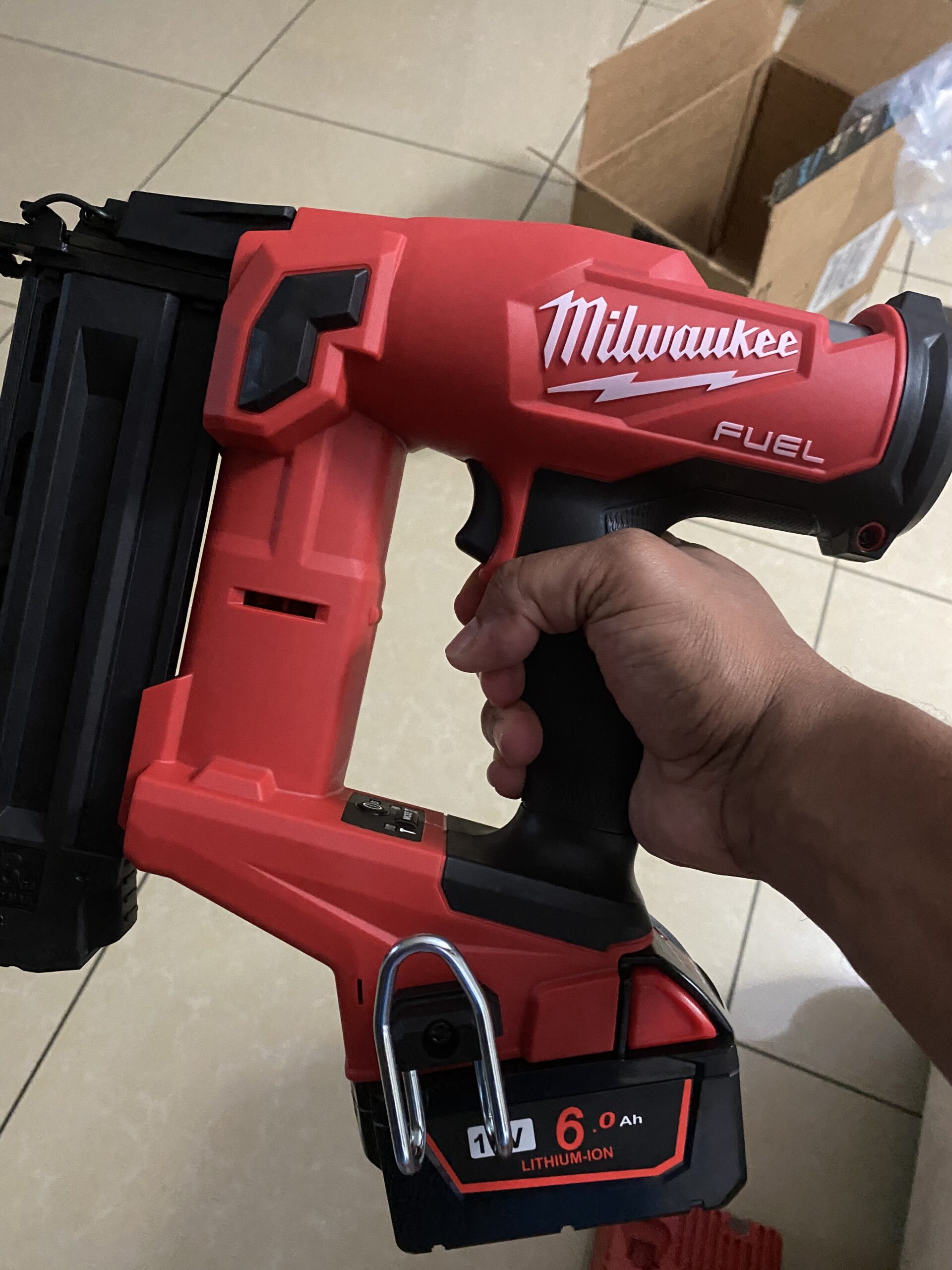
The M18 FUEL 2746-20 is the durability benchmark in this category, and pros know it. A nitrogen air spring mechanism pushes nails to consistent depth in both hard and soft wood and leaves a nail hole that matches the head, so a fired nail reads like a countersink rather than a crater. The POWERSTATE brushless motor with REDLINK PLUS intelligence has zero ramp-up time, so the first nail of the day fires exactly like the five hundredth.
At 4.6 stars from 811 reviews with 85 percent five-star, the praise is remarkably uniform: flawless firing, clean nail holes, and the simple fact that it removed the compressor from a trim job. If your week is filled with casing and baseboard, that consistency is the whole job.
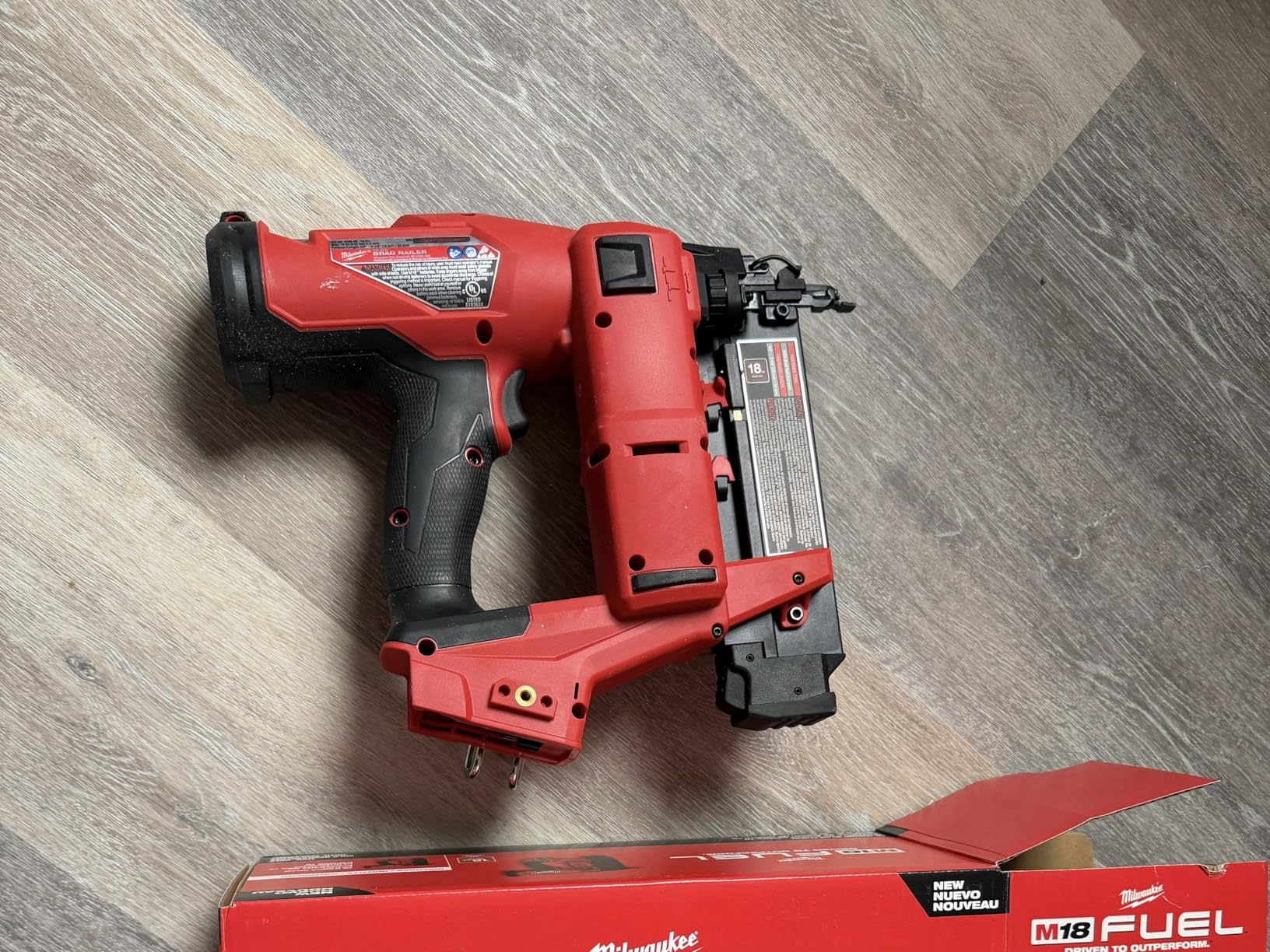
In r/Carpentry the verdict on this tool is blunt: without a doubt the M18 is far superior, and owners say to stay away from the alternative they left behind. That is a strong endorsement from people who own several nailers and still reach for this one.
Sequential and contact actuation are both available, tool-free drive depth adjustment handles the switching between materials, and no gas cartridge is required at any point. If you already own M18 batteries this is close to a no-brainer.
Where it outperforms the field
Hardwood. The air spring drive has enough energy to sink 18-gauge brads into dense stock without a half-hearted drive, and depth stays consistent as the battery drains. Clean nail holes also mean less filling and sanding before paint, which is where the real time savings show up on a trim day.
It is also quiet and frugal with battery per charge, two qualities that matter when you are working in an occupied house on a weekday.
Where it does not win
Size and weight. At 6.5 pounds with a noticeably larger body than the compact brad nailers, it is less pleasant in a tight stud bay and tiring overhead. Owners also mention the LED work light is dim compared with the DEWALT, which is a small thing you notice in a dark closet at night.
It is a bare tool, so if M18 is not your platform, the battery cost changes the math completely.
6. CRAFTSMAN V20 18-Gauge Brad Nailer – Most Versatile
CRAFTSMAN V20 Brad Nailer, 18GA, Cordless, Bare Tool Only (CMCN618B)
V20
18-gauge brad
420 nails per charge
Tool-free jam release
Battery separate
Pros
- Lightweight with a balanced center of gravity
- Tool-free jam release and stall reset
- No-mar tip protects finished surfaces
- Works with existing CRAFTSMAN V20 batteries
Cons
- Battery
- charger and nails sold separately
- Slower cycle rate than pneumatic brad guns
- Long 2 inch brads may need a fully charged battery
The CRAFTSMAN V20 CMCN618B is the straightest path to cordless trim work if you want to keep the cost down and you are not precious about a pro platform. It drives up to 2 inch brad nails, and reviewers rate it 4.6 stars from 890 reviews with 81 percent five-star, citing easy setup, no jams and the cordless convenience.
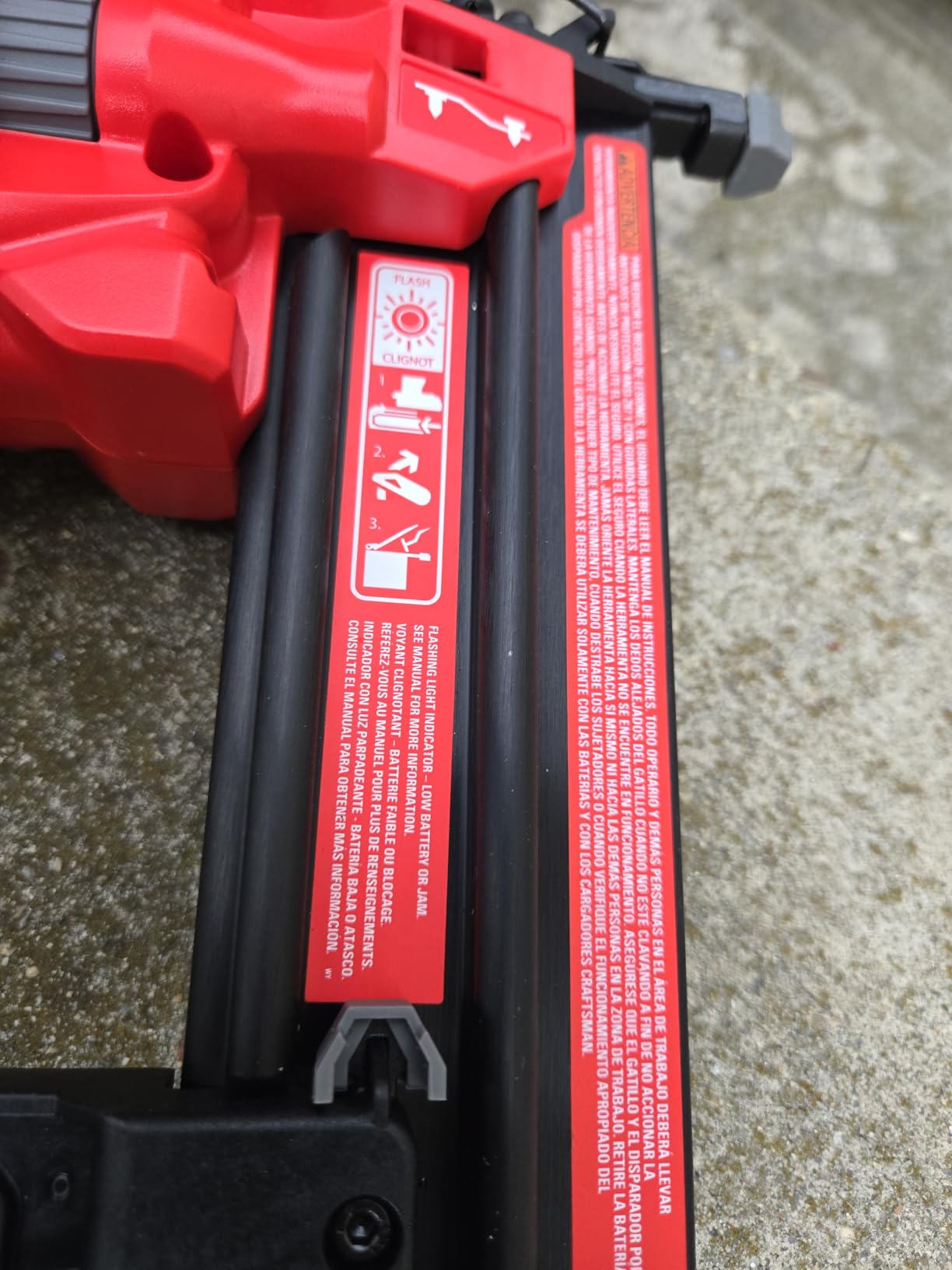
The tool-free jam and stall release settings are the detail that stands out, since trim work is exactly where you hit a nail at an angle into end grain and stall the driver. Being able to clear it mid-job without tools is worth more than it sounds on a long baseboard run.
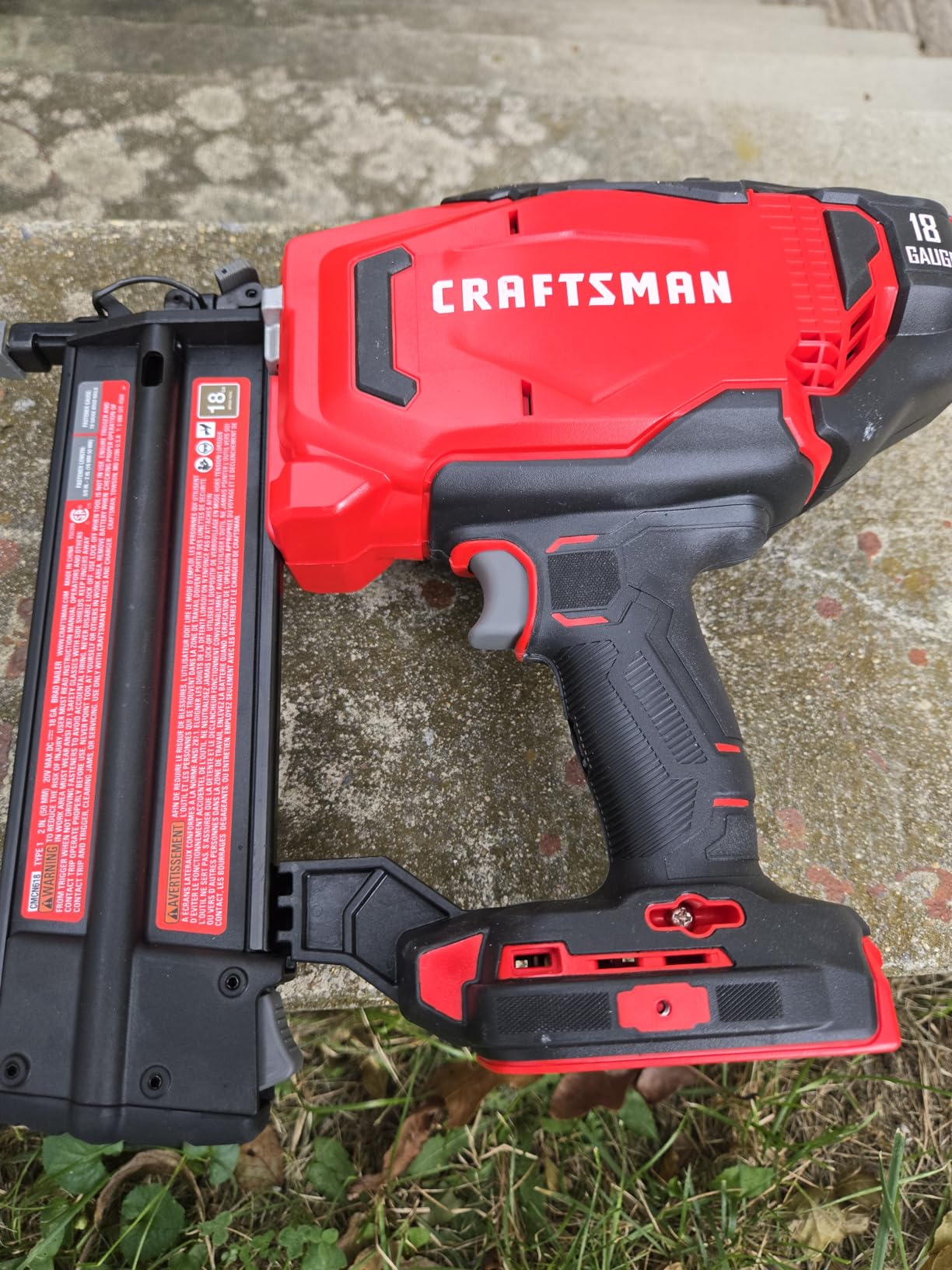
Owners also like the balanced center of gravity, which reduces the wrist fatigue that comes from lighter, tip-forward tools, and the no-mar tip for protecting finished work. The motor is specified to fire in various climate conditions and materials, which matters for anyone doing exterior trim in a garage or a cold shop.
At 420 nails per charge, runtime is the shortest figure in this list. That is fine for interior casing and cabinet trim, less fine for a full day of baseboard.
Who should buy this one
Someone whose trim work is mostly interior and moderate: door casing, baseboard cap, cabinet trim, wainscoting panels, furniture assembly. If you already own CRAFTSMAN V20 batteries and a charger, this is close to an impulse purchase and the total cost to own is the nailer itself.
It is also a sensible second or third nailer for a homeowner who needs something for the occasional project without building a whole platform.
Where the economy shows
The cycle rate is slower than a pneumatic brad gun, so on a production trim day a contractor with a compressor will outpace you. Owners also note that the longest 2 inch brads may need a fully charged battery to drive completely, which is a real limitation in dense hardwood.
Battery, charger and nails are all sold separately, so plan for all three when you add up the cost.
7. Makita XNB01Z 18V LXT 18-Gauge Brad Nailer – Best for Makita LXT Owners
Makita XNB01Z 18V LXT Lithium-Ion Cordless 2″ Brad Nailer
18V LXT
18-gauge brad
5/8 to 2 inch nails
110 nail magazine
7.7 lb with battery
Pros
- Consistent nails with no visible tear-out or marring
- Up to 1660 nails per 5.0Ah battery
- Tool-less depth dial
- Anti-dry drive mechanism
Cons
- Heavy and back-weighted with a battery
- Depth dial is stiff to operate
- Some owners report misfires after months of use
The Makita XNB01Z sinks nails cleanly and leaves no visible tear-out or marring on the face of the trim, which is the specific thing you are looking for in an 18-gauge brad nailer. It drives 5/8 inch to 2 inch brad nails with a magazine that holds up to 110, and a 5.0Ah 18V LXT battery gets you up to 1660 finish nails, the highest runtime figure we saw in this group.
The narrow nose is easy to position precisely, the anti-dry drive mechanism prevents it from punching blanks into a finished surface when the magazine runs out, and a battery gauge tells you what is left. Loading is quick, which matters more than it sounds when you are cycling through stud bays.
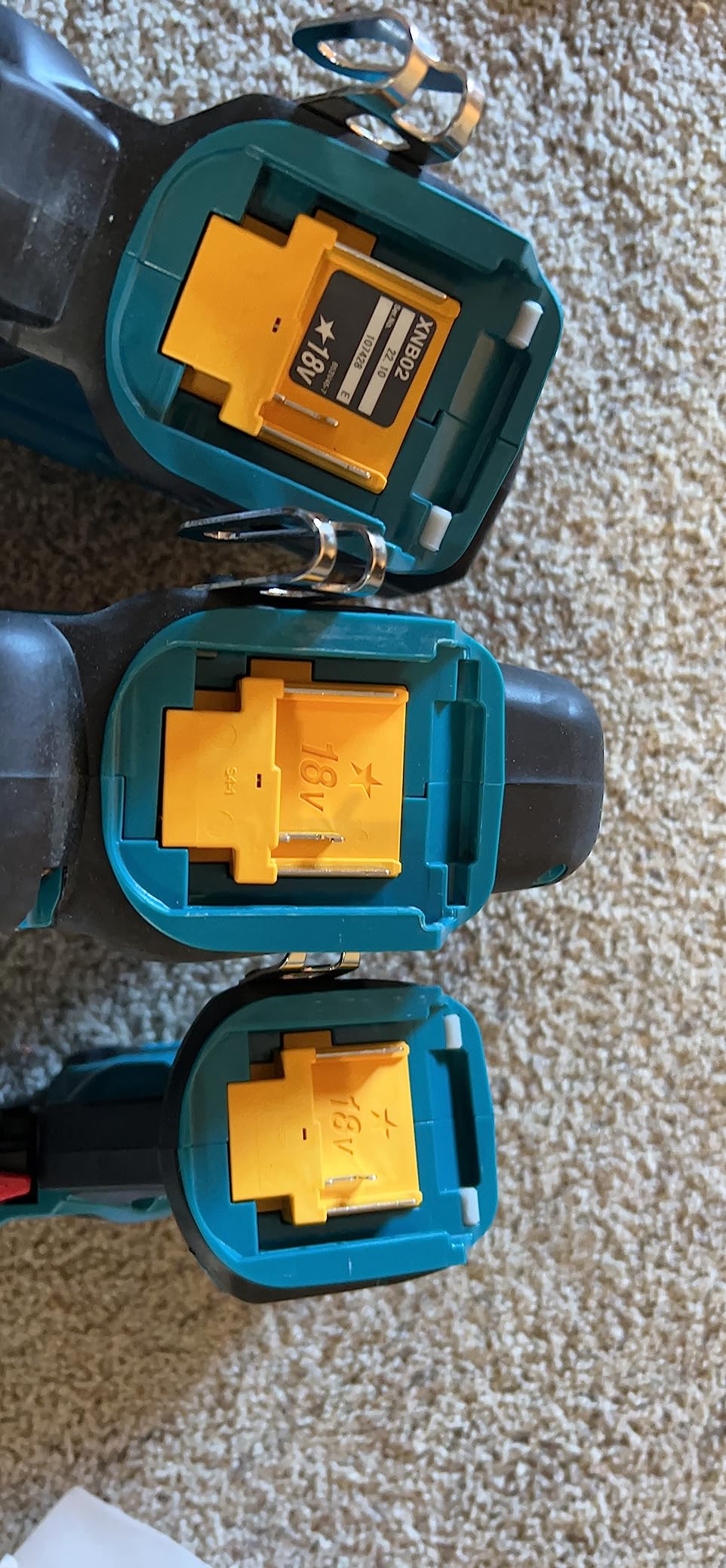
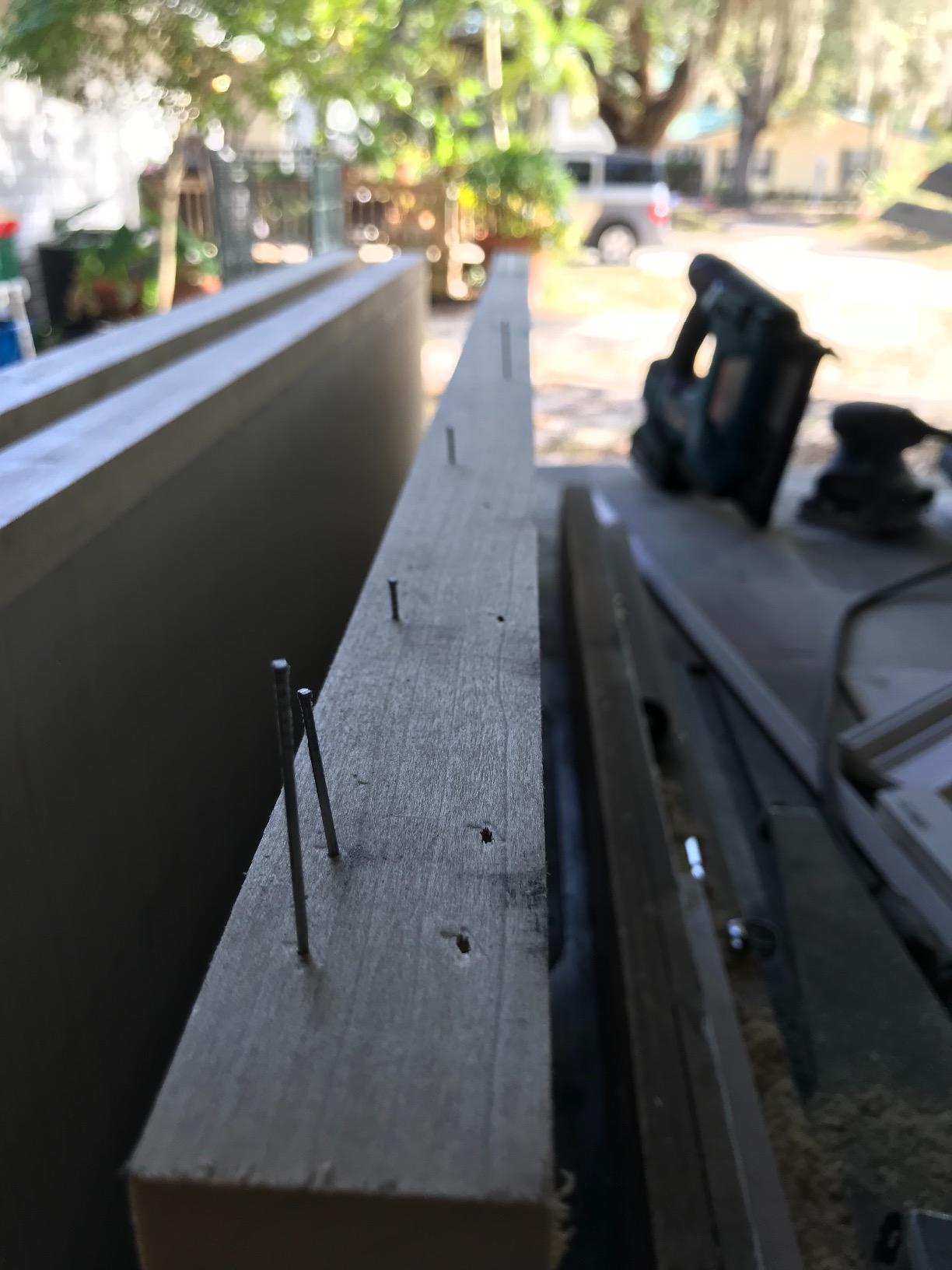
It is also the honest weak link in this roundup. At 4.0 stars from 1171 reviews with 15 percent one-star ratings, it has the lowest aggregate rating of the ten. Reviewers split cleanly between praise for nail consistency and complaints about weight, balance and reliability after sustained use, including reports of misfires and jamming after months of ownership.
At 7.7 pounds with a battery installed, it is the heaviest brad nailer here and back-weighted even without one, which is a real endurance issue on overhead casing.
When it still makes sense
If your shop is already Makita 18V LXT, this is a no-contest decision because you are buying with batteries you own. The 1660 nails per charge figure means you can forget the charger for a full interior trim day, and the 3-year limited warranty is solid.
The tool-less depth dial covers a wide variety of finish applications, and the 2-mode selector switches between sequential and contact nailing depending on how consistent your trigger discipline is.
When to pick something else
If you do not own LXT batteries, the weight and the durability complaints make this the one we would steer a new buyer away from. The depth dial is stiff to operate with gloves on, and the back-weighted balance gets uncomfortable fast on a ladder.
For LXT owners who need heavier holding, the Makita XNB02Z below is the companion piece.
8. Makita XNB02Z 18V LXT 16-Gauge Finish Nailer – Best for Long Nails
Makita XNB02Z 18V LXT Straight Finish Nailer, 16 Gauge, 2-1/2″
18V LXT
16-gauge straight nails
1 to 2-1/2 inch
No-mar tip
8.12 lb
Pros
- Longest nail capacity at 2-1/2 inch for 16-gauge
- Compact center height for viewing in tight spots
- Includes no-mar tip
- belt clip and safety glasses
- 1000 finish nails per 5.0Ah charge
Cons
- Tool only so battery and charger cost extra
- Heavier than most competing cordless finish nailers
The XNB02Z is the long-nail specialist. It drives 16-gauge straight finish nails from 1 inch to 2-1/2 inch, which is the deepest bite of any 16-gauge cordless nailer in this group, and that length is what you want when you are fastening into thick hardwood or heavy built-up molding.
The compact center height is the design feature that separates it from the pack. Because the body is slim, you can see around the nose tip in tight spots, which is exactly the situation in a stud bay or behind a fitted wardrobe. The no-mar tip, reversible belt clip and safety glasses all come in the box, which is unusual for a bare tool.
A 5.0Ah 18V LXT battery drives up to 1000 finish nails, and the anti-dry fire mechanism helps prevent driving blanks into the work surface. At 4.3 stars from 978 reviews with 72 percent five-star, the feedback is generally positive about driving long 16-gauge nails in tight spaces, with weight and the separate battery purchase as the recurring notes.
The straight magazine is the tradeoff for the extra reach. Angled 16-gauge nailers fit into odd corners more easily, but a straight magazine gives you better access at an angle and works in more orientations around a molding profile.
Where this tool earns its place
Thick baseboard, large profile casing, and hardwood work where a 2 inch nail would not reach. If your trim is solid oak, maple or a dense manufactured hardwood, the 2-1/2 inch capacity is the difference between a solid fastening and a nail that stops short.
Pairing it with the XNB01Z gives an LXT owner the two-nailer kit pros recommend, and both share the same batteries.
When it is the wrong choice
At 8.12 pounds this is the heaviest tool in the roundup. Overhead work and all-day carry will show that weight, and if you are only doing light interior casing, the brad nailers above are far more comfortable.
For small trim, a 16-gauge straight nail is overkill and can blow out the face of a narrow board. Battery and charger are sold separately.
9. Ryobi 18V ONE+ P321 Airstrike Brad Nailer – Best for ONE+ Owners
Ryobi 18V ONE+ 18-Gauge Cordless Airstrike Brad Nailer (Tool Only) P321
18V ONE+
18-gauge Airstrike brad
6 lb
30-day limited warranty
Tool only
Pros
- Well-balanced grip with a textured non-slip handle
- Delivers nails smoothly with no jams
- Tool-free depth adjustment between wood types
- Shares batteries with the 18V ONE+ platform
Cons
- Tool only so battery
- charger and nails cost extra
- Some owners report freezing mid-shot
- 30-day limited warranty
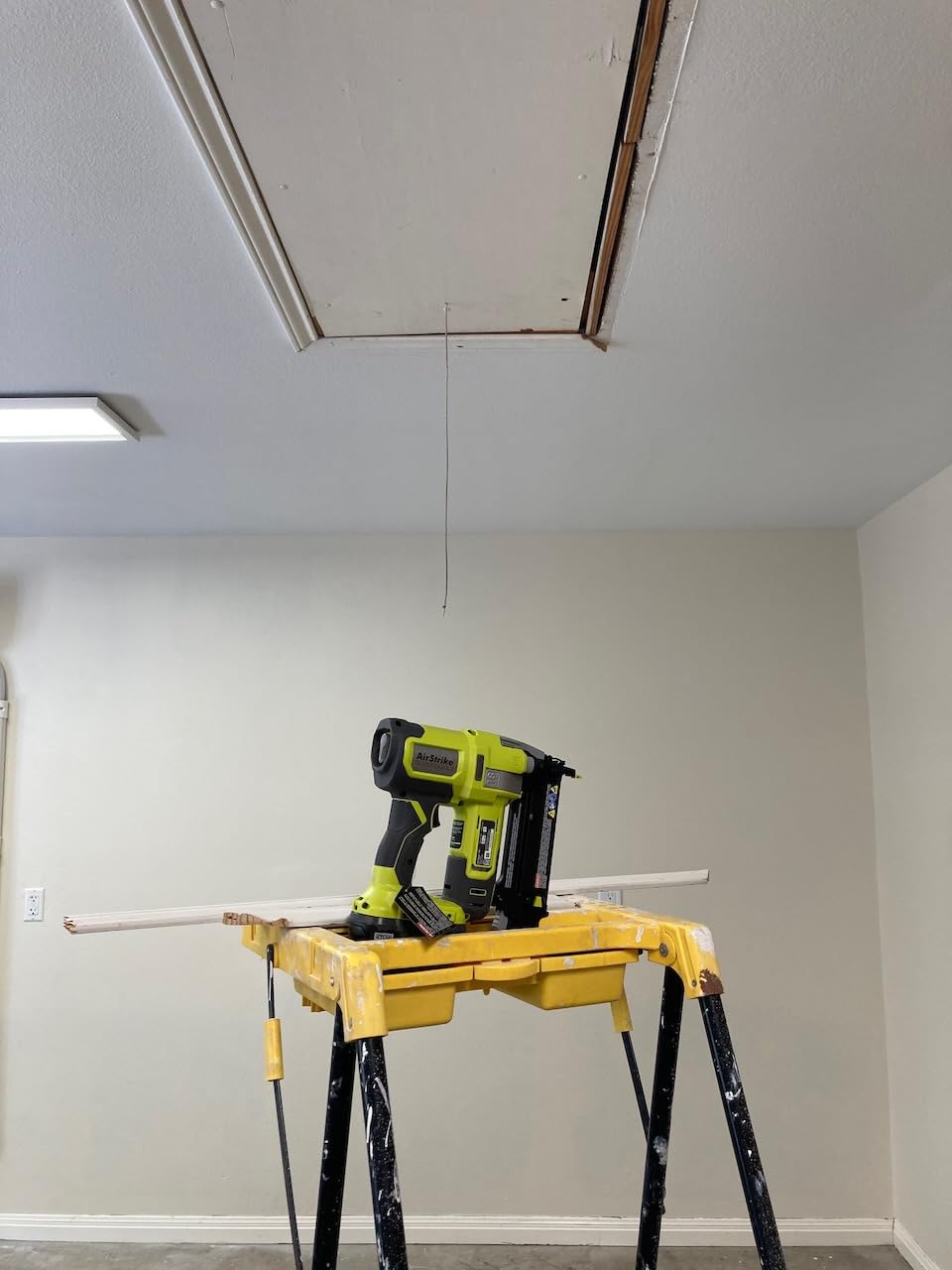
The ONE+ platform is the widest cheap battery ecosystem going, and the P321 makes that ecosystem useful for trim. The textured non-slip handle gives a secure grip with gloves on, the weight sits at 6 pounds, and the depth adjustment is straightforward to switch when you move from trim to framing lumber.
Owners rate it 4.4 stars from 838 reviews with 76 percent five-star, and the most common positives are balance, ease of loading and battery value. One owner reports running an entire afternoon of trim work on a single 4.0Ah battery, which lines up with what the platform delivers at this tool size.
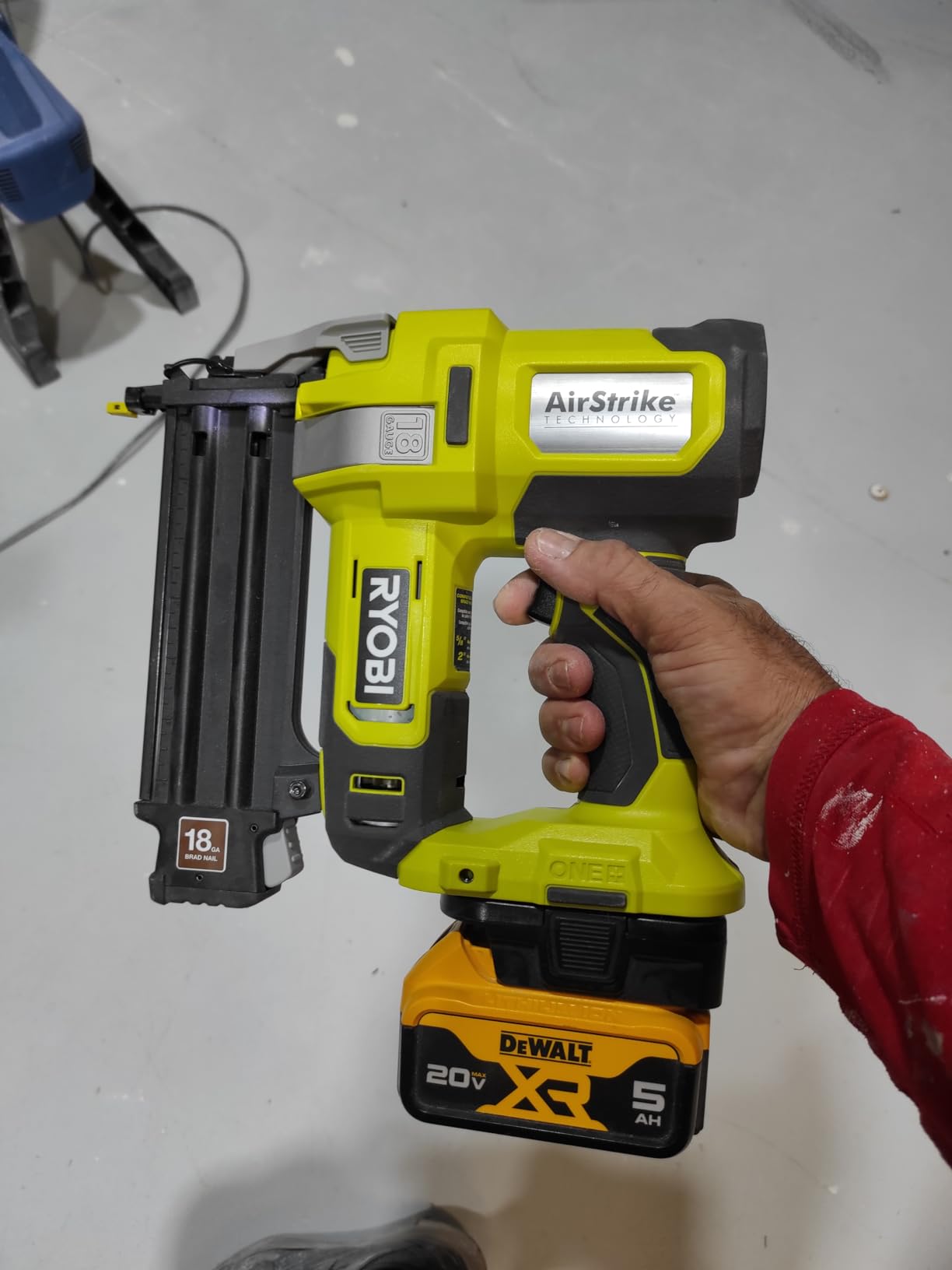
Airstrike driving technology is the Ryobi name for its impact drive system, and reviews generally report nails delivered smoothly with no jams. The tool is a bare tool, so the battery and charger come out of the ONE+ ecosystem you probably already have or are about to buy anyway.
Worth knowing: the warranty here is 30 days, which is far shorter than anything else in this roundup, and a small number of owners report the tool freezing mid-shot that they resolve by lubricating the driver tab.
When it makes the most sense
You own ONE+ batteries, or you plan to build a ONE+ platform for yard and shop work and want the nailer in the same ecosystem. The 18V ONE+ packs are among the cheapest batteries in this article, which makes the platform cost very hard to argue with for a trim hobbyist.
In r/Carpentry the recurring view is that Ryobi cordless guns are some of the best available and absolutely kill it for the price, which is a strong endorsement for a tool this affordable.
Where it disappoints
The 30-day limited warranty is the biggest gap. If a tool fails in month two, you are back at the counter, and no amount of good balance makes that acceptable for a daily driver.
It is not the lightest tool here for extended overhead work, and battery, charger and nails are all sold separately.
10. WORX WX842L 20V 18-Gauge Brad Nailer – Best for a First Nailer
WORX Cordless Brad Nailer, 20V 18GA Nail Gun, WX842L
20V Power Share
18-gauge brad
up to 2 inch nails
80 nails per minute
Battery included
Pros
- Drives brad nails up to 2 inch into hardwood
- Fires up to 80 nails per minute
- Battery included and works with 140 plus platform tools
- Tool-free jam release and anti-ejection magazine
Cons
- Battery and charger not both included
- Heavier at 7.06 lb than most compact brad nailers
- Own platform that does not cross over with other brands
The WORX WX842L is the one to look at if you want a cordless nailer for panel molding, window trim and small baseboards without committing to a major brand ecosystem. NailForce Air Impact Technology drives brad nails up to 2 inch into hardwood, and at up to 80 nails per minute it moves faster than most tools at this level.
It is rated 4.5 stars from 733 reviews with 78 percent five-star, and users point to ease of use, quiet cordless operation and good results on panel molding, window trim and small baseboards. Quiet is genuinely underrated in a house with people in it.
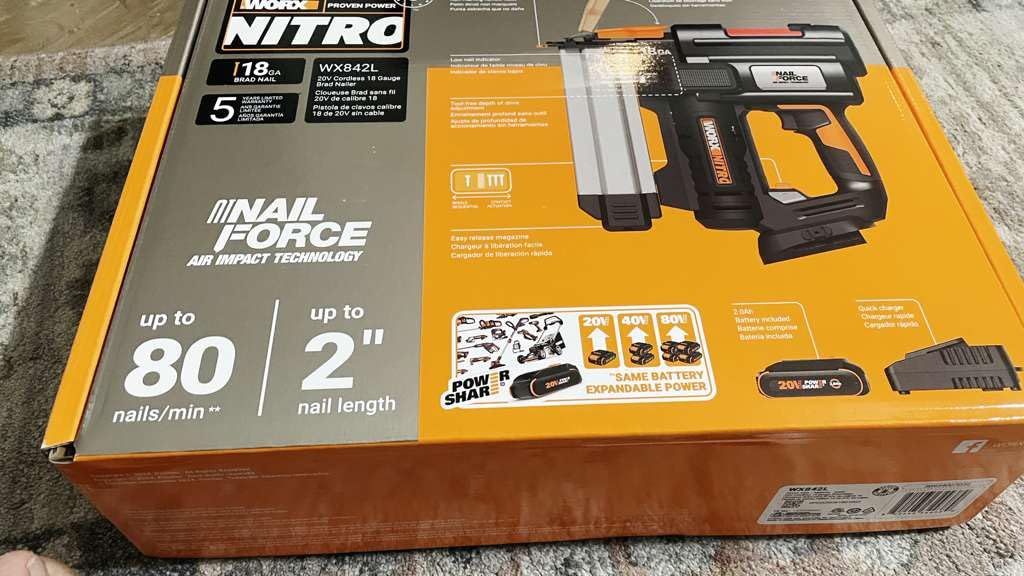
The anti-ejection magazine design is a safety feature that stands out. Nails do not fly when you open the magazine or clear a jam, which is a real concern if you are working in a room with anyone else in it. The tool-free jam release lets you clear a stuck nail without interrupting the job.
A battery is included, which is rare, and the same Power Share pack runs 140 plus tools in the WORX range, so if you are starting a small platform it is a reasonable entry point.
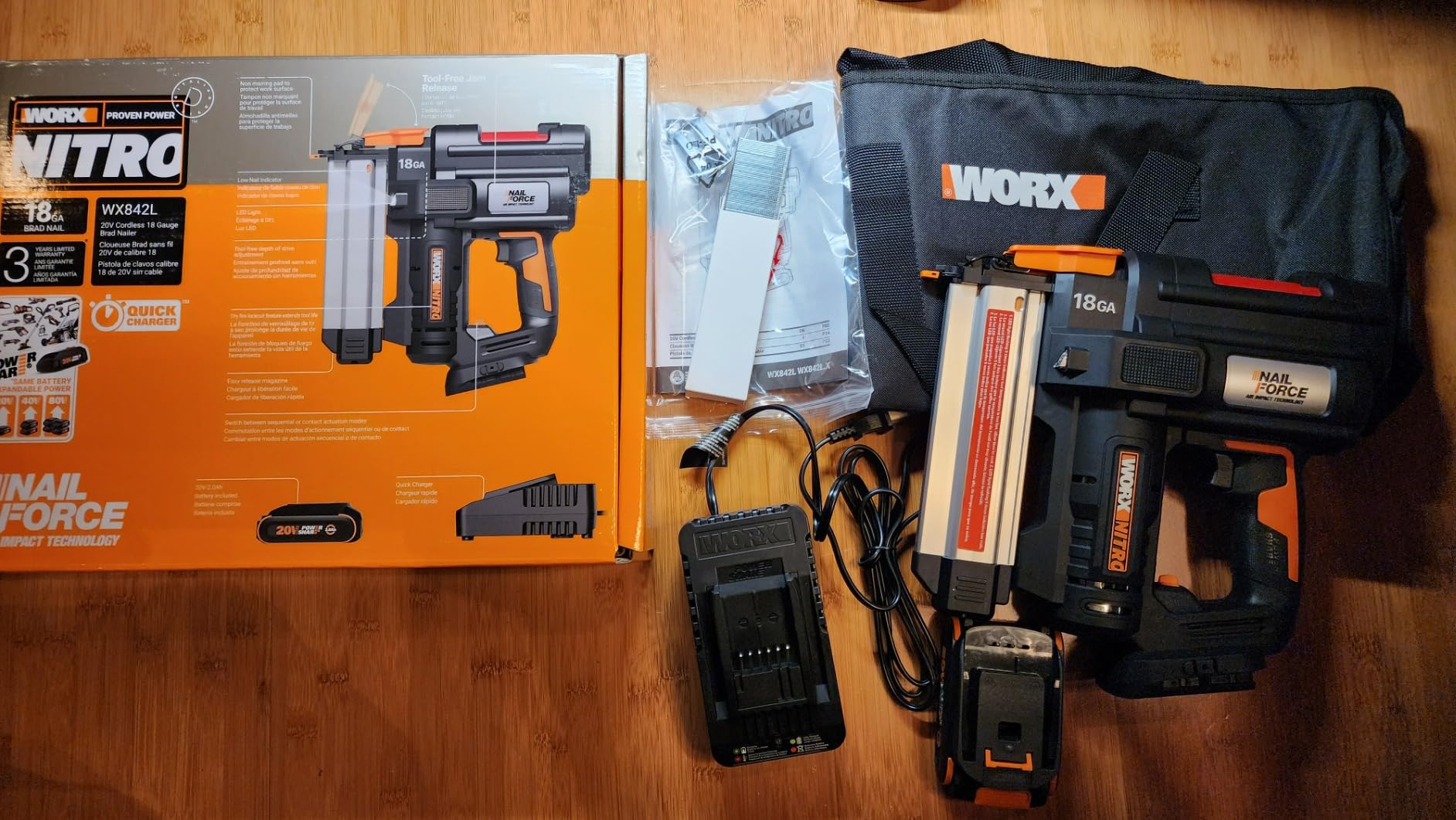
Why it sits in this lineup
It covers the light interior trim profile, which is the most common first project for someone buying their first nailer. Window trim, small baseboard, panel molding and picture frames all fall inside its comfort zone, and the firing rate keeps a small job quick.
The cordless approach means no compressor, no hose and no gas cartridge, which is the main purchase driver for most first-time buyers.
Where it disappoints
At 7.06 pounds it is heavier than most compact brad nailers here, and that weight is spread across a body that is not optimized for balance. Overhead work will tire you faster than the Metabo HPT or the DEWALT will.
The Power Share platform does not cross over with DEWALT, Makita, Milwaukee or Ryobi, so if you later decide to buy a pro nailer you will own two battery systems. The charger is not included with the kit.
How to Choose a Cordless Nailer for Trim
Before you compare gauges, it is worth deciding how much of your work is interior finish work versus exterior edging and yard cleanup. If a good part of it is the latter, our best cordless string trimmers cover that side of the job, and the battery ecosystems overlap more often than the brand names suggest.
Start with gauge, not brand
Almost every trim decision follows from nail weight. The gauge number runs backwards: a higher number means a thinner nail, and a thinner nail means a smaller hole. That is the only fact you need to match a nailer to your trim.
An 18-gauge brad nailer is for delicate, detailed, or thin work. It handles door and window casing, cabinet trim, wainscoting panels, picture frames, thin baseboard cap and small molding with almost no visible damage. A 16-gauge finish nailer is for thicker profiles and structural holding. Baseboards, crown molding, heavier casing and door jambs belong here.
15-gauge angled finish nails are the step beyond that, used for large crown, exterior trim, and dense hardwood where lighter nails will not seat fully. 23-gauge pin nails are the smallest category, for picture frames and very fine decorative trim.
For a quick rule: if the trim face is wider than a quarter inch, or the material is hardwood, use 16-gauge. If the face is narrow, painted, or the material is soft pine, 18-gauge will look better and hold fine.
Battery platform: what you already own matters most
This is the single biggest real-world factor and it is skipped by almost every roundup we found. The nailers in this article span five separate ecosystems: DEWALT 20V MAX, Makita 18V LXT, Metabo HPT 18V, CRAFTSMAN V20, Ryobi 18V ONE+, and WORX Power Share.
Nine of these ten products are sold as bare tools. If you already have 20V MAX batteries, the DEWALT DCN680B and DCN660B cost you the price of a nailer. If your batteries are Ryobi ONE+, the P321 is the only sensible 18-gauge option here, and the same logic applies across every brand.
Buy into the platform you own. That advice shows up in nearly every forum thread we read, because the cost of a starter battery and charger can exceed the price of the nailer itself. The exception is the Metabo HPT NT1850DG, which is the one kit here that includes both a battery and a charger.
Brad, finish, or pin: a quick glossary
A brad nailer drives thin straight-head nails, most often 18-gauge, for delicate and detailed work. A finish nailer drives thicker nails with small heads, in 15- or 16-gauge, for heavier trim where holding power matters. A pin nailer drives tiny 23-gauge pins for picture frames, mirror molding and delicate inlays, with a head so small it usually disappears.
Brad versus finish is the most common question we see. If your trim is thin or you care about the face of the molding, use a brad nailer. If the trim is thick, or it is holding something against gravity, use a finish nailer.
Angled versus straight magazine is a separate choice. An angled magazine holds the nails at an angle, which is more compact and easier to reach into corners, and it is the traditional choice for baseboards and casing. A straight magazine gives you better access at an angle and better visibility around the nose. Both work; pick based on the trim profiles you run most.
Weight matters more than specs for overhead work
Trim carpenters spend a real share of the day with arms above shoulder height. In this roundup the tools range from 5.5 pounds for the Metabo HPT kit to 8.12 pounds for the Makita XNB02Z, and the added weight of a battery on top. That 2.6 pound spread is the difference between finishing an afternoon of casing comfortably and putting the gun down every twenty minutes.
If your trim is mostly overhead or in tight corners, weight belongs near the top of your decision list. If you are working at waist height on baseboards, it matters much less.
Clearing a jam and fixing a misfire
Any nailer will stall when a nail hits end grain at an angle, which happens constantly in trim. The tools above either have a tool-free jam release, a tool-free stall reset, or both, and that single feature saves more time on a trim job than any other. If a gun in your price range needs a hex key to clear a jam, keep looking.
When a cordless nailer misfires repeatedly, the first checks are simple. Confirm the magazine is fully seated and the follower is set for the nail length you loaded. Check the depth adjustment has not been wound to the bottom, and confirm the driver blade is not stuck partway out after a stall. On Ryobi tools, owners report that lubricating the driver tab clears a freeze-up. Keep an eye on the low nail or dry fire lockout, which is a safety feature and not a fault.
If nails are stopping short in hardwood, the cause is usually energy, not a fault. Either move to a heavier gauge, start the nail on a wasted edge, or spot-weld the two trim pieces together with a bead of glue before nailing so the split cannot open up.
Cordless or pneumatic?
For a remodeler working alone, cordless wins. There is no compressor to move, no hose across the job, and no setup time. It is the only realistic option on a finished interior, on a ladder, or in a stud bay nobody can reach with a hose.
A pneumatic gun still fires faster and drives harder with less effort, and pros running a compressor will outpace a cordless tool on a production day. The 20V MAX XR DEWALT nailers are commonly noted for shipping as bare tools, and that is exactly the setup where a compressor-based shop already has the infrastructure to make the pneumatic option cheap.
If you do need an air compressor for other reasons, we covered the small-tank options in our pancake air compressor guide. Everything else on this list is built for the no-compressor life.
Frequently Asked Questions
What are some good cordless nail guns for baseboards?
For baseboards, a 16-gauge finish nailer is the safer choice because the thicker nail holds against the wall and hides in an angled nail hole. The DEWALT DCN660B is our pick, with an inline magazine that works in tight orientations. If your baseboard is thin or you are working in soft pine, an 18-gauge brad nailer such as the DEWALT DCN680B or the Metabo HPT NT1850DG will leave a smaller, cleaner hole and is lighter overhead.
Should I use a 16 or 18 gauge nailer for trim?
Use 18-gauge for thin, delicate or painted trim such as door casing, cabinet trim, wainscoting and picture frames, because the small nail leaves almost no visible mark. Use 16-gauge for thicker profiles such as baseboards, crown molding and door jambs, where the extra holding power matters. As a rule of thumb, if the trim face is wider than a quarter inch or the material is hardwood, move up to 16-gauge.
What type of nail gun is best for installing trim?
A cordless 18-gauge brad nailer is the best general tool for interior trim, and a cordless 16-gauge angled finish nailer covers baseboards and crown. Most homeowners need only the 18-gauge. Professionals typically carry both, one 18-gauge for delicate casing and one 16-gauge for heavier profiles. A 23-gauge pin nailer is only needed for picture frames and very fine decorative molding.
Which is better for hanging trim, a brad nailer or a finish nailer?
A brad nailer is better for thin, delicate or painted trim because the small nail head barely shows on the face of the molding. A finish nailer is better for thick trim and anything holding weight, such as baseboards, crown and door jambs, because the heavier nail resists pullout. If you are unsure, an 18-gauge brad nailer will not damage delicate work, while a 16-gauge can blow out a narrow board face.
Why does my cordless nailer misfire and jam?
Most misfires come from a partially seated magazine, a follower set for the wrong nail length, a depth adjustment wound to the bottom, or a driver blade left partway extended after a stall. Check those four first, and look for a tool-free jam release or stall reset so you can clear it without a hex key. If nails stop short in hardwood, that is an energy problem rather than a fault, so move to a heavier gauge or spot-weld the joint with glue.
Should I buy a nailer from the brand of tools I already own?
Almost always yes. Nine of the ten cordless nailers in this roundup are sold as bare tools, so a starter battery and charger can cost more than the nailer itself. Buying into the platform you already own means your existing batteries and chargers work immediately. The main exception is the Metabo HPT NT1850DG, which is one of the few kits that includes both a battery and a charger out of the box.
Which Cordless Nail Gun for Trim Should You Buy?
After all of this, the decision is simpler than it looks. The DEWALT DCN680B is the best cordless nail gun for trim overall: the highest rating in the group, the most owner feedback, a micro nose that actually lets you see your nail, and tool-free everything. Buy it if you own 20V MAX batteries, and if you do not, buy it with a battery.
Pick the Metabo HPT NT1850DG if you are starting from zero and want the shortest path to a working nailer, since it is the only kit here that includes a battery and a charger. Pick the DEWALT DCN660B when your trim is thick, since 16-gauge holding power is not optional for baseboard and crown. Pick the Milwaukee M18 FUEL if you run trim professionally and already live in the M18 platform.
Trim pros repeatedly describe the ideal two-tool kit as one 18-gauge brad nailer for delicate casing plus one 16-gauge finish nailer for heavy profiles. That pairing, on a single platform, covers everything from a picture frame to a room of crown with no compressor anywhere on site. As we head into 2026, that two-nailer setup is still the answer.
Related reading before you start cutting: our picks for the automotive trim removal kits cover vehicle work, and if you are trimming a boat, the nail drills for technicians guide covers the fasteners side.


