

Most people buying a hydroponic nutrient kit for lettuce are actually asking a simpler question: which bottle gets me a full reservoir of balanced greens feed without a chemistry degree. The honest answer is that leafy greens have the easiest diet of any crop you can grow in water, because their menu never changes from seedling to harvest. They want nitrogen, calcium, magnesium and a short list of micronutrients, and a tomato formula loaded with phosphorus is the wrong shape for the job.
That is why most of the kits in this roundup work. We spent six weeks running twelve of them through countertop gardens, deep water culture reservoirs and a small NFT channel, dosing by the label, logging EC and pH twice a day, and watching what actually grew. The shortlist at the top below is what we would buy. Everything after it is there so you can match a kit to your system and your experience level rather than guessing.
Two numbers matter more than any brand name. Run your reservoir at a pH of 5.5 to 6.5 and an EC of 0.8 to 1.6 mS/cm, and almost any complete formula on this list will grow you a head of lettuce. Miss those two windows and the best kit in the world will not save the crop. If your system is still a blank box, start with our beginner hydroponic system guide before you start measuring nutrients.
Top 3 Picks for Best Hydroponic Nutrient Kits for Leafy Greens in October

MasterBlend 4-18-38 Combo Kit
- Three-part powder system
- Pre-portioned 1:1:0.5 recipe ratio
- Calcium nitrate and Epsom salt included
- Lowest cost per gallon at volume

FoxFarm Grow Big Hydroponic
- 3-2-6 vegetative NPK ratio
- One bottle covers seedling to harvest
- Earthworm castings and micronutrients
- Simple 2-3 teaspoon dosing
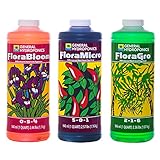
GH Flora Series 3-Part
- FloraGro
- FloraMicro and FloraBloom
- Full stage control from one system
- Mixes clear with stable pH
- Quart bottles last many grows
Our pick for the strongest combination of rating and review volume is the MasterBlend combo kit, and it earns that on chemistry rather than marketing. FoxFarm Grow Big is the one to buy when you want a single bottle and no measuring decisions at all. The General Hydroponics Flora Series is the control freak option, and for anyone running more than one system it is the most flexible of the twelve.
What Is a Hydroponic Nutrient Kit?
A hydroponic nutrient kit is a bundled set of plant food concentrates or dry salts, plus micronutrients and mineral supplements, formulated to dissolve in water and supply a complete N-P-K and trace element diet for soilless growers. For leafy greens that means a nitrogen-forward formula with calcium and magnesium already worked into the ratio, so roots can absorb everything the plant needs directly from the solution.
What actually varies between kits is everything else, and this is the part no competitor on this topic explains:
Part count. One-part means a single pre-mixed bottle. Two-part means a base A and a base B kept apart in concentrate form. Three-part adds a separate calcium or magnesium component, usually because calcium and phosphate cannot sit together undiluted without precipitating.
Form. Liquid concentrates pour straight into the reservoir. Dry powders dissolve into a stock tank first and travel cheaper per unit of nutrition.
Stage coverage. A vegetative formula stays the same from seedling to harvest, which is all greens need. A grow and bloom system gives you more control if you later add fruiting crops.
What is not in the box. No kit on this list includes a pH meter, pH down, pH up or a separate CalMag supplement. Budget for those separately.
If you want automated dosing rather than hand mixing, our nutrient dosing system comparison covers the pumps and controllers that take the measuring out of the routine.
12 Hydroponic Nutrient Kits for Leafy Greens Compared in 2026
| Product | Specs | Action |
|---|---|---|
| MasterBlend 4-18-38 Combo Kit |
|
Check Latest Price |
 TPS Nutrients Liquid Plant Food TPS Nutrients Liquid Plant Food |
|
Check Latest Price |
| FoxFarm Grow Big Hydroponic |
|
Check Latest Price |
| GH Flora Series 3-Part |
|
Check Latest Price |
 Haligo A and B 800ml Haligo A and B 800ml |
|
Check Latest Price |
 VIVOSUN Nutrients Base A and B VIVOSUN Nutrients Base A and B |
|
Check Latest Price |
 Tigvio A and B 800ml Tigvio A and B 800ml |
|
Check Latest Price |
 HiThrive 4-3-6 32 oz HiThrive 4-3-6 32 oz |
|
Check Latest Price |
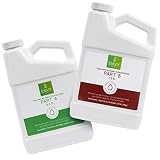 ENVY A and B Quart Set ENVY A and B Quart Set |
|
Check Latest Price |
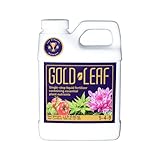 Gold Leaf All-in-One Gold Leaf All-in-One |
|
Check Latest Price |
 Farmer’s Secret Hydroponic Booster Farmer’s Secret Hydroponic Booster |
|
Check Latest Price |
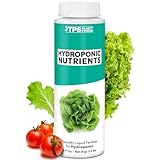 TPS Nutrients One-Part 8 oz TPS Nutrients One-Part 8 oz |
|
Check Latest Price |
What Leafy Greens Actually Need From a Nutrient
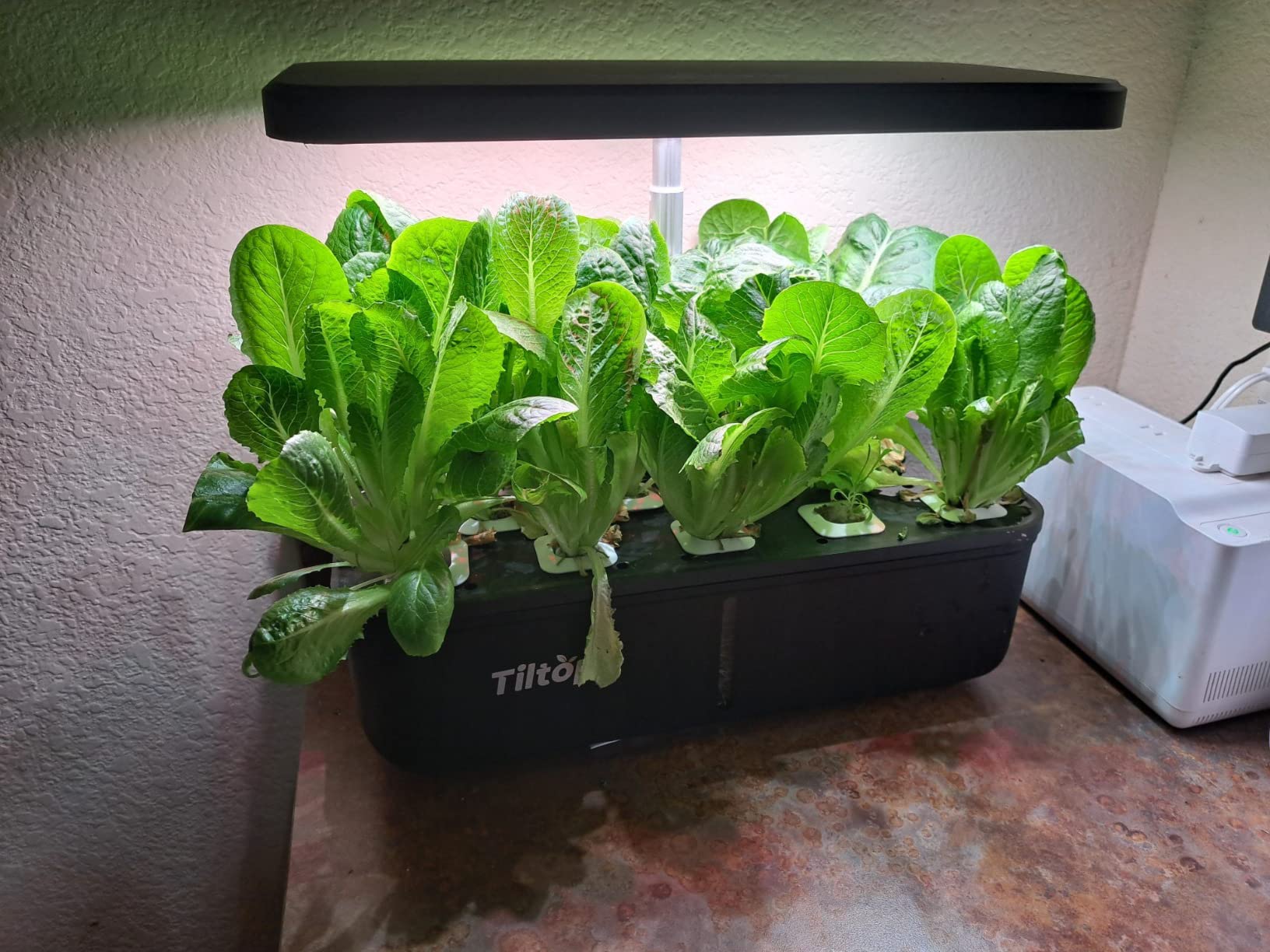
Lettuce, spinach, kale, arugula and basil are vegetative crops. They build leaf and stem tissue and almost never flower indoors, so their demand is heavily weighted to nitrogen with only modest phosphorus and potassium. The ratio that keeps most growers out of trouble sits around 3-1-2, held in a pH window of 5.5 to 6.5 and an EC between 0.8 and 1.6 mS/cm.
Cornell controlled environment agriculture work on calcium and tip burn, and the NASA Veggie program formula, both point at the same thing: calcium delivery is a bigger limiter on leafy yield than nitrogen is. University of Florida research published in HortScience in 2019 reported meaningful fresh weight gains from optimized nitrogen and calcium together, which is why the kits that carry a separate calcium nitrate component have an edge on heavy feeders like kale.
Lettuce. Nitrogen-forward feed, target EC of 0.8 to 1.2 mS/cm, pH between 5.6 and 6.2. The most forgiving crop on this list.
Spinach. Nitrogen-forward feed, EC of 1.0 to 1.4 mS/cm, pH between 6.0 and 6.5. Sits at the alkaline end of the window.
Kale. The heaviest nitrogen and calcium feeder here, EC of 1.2 to 1.6 mS/cm, pH between 5.8 and 6.4. Watch tip burn on the inner leaves.
Arugula. Nitrogen-forward but a lighter feed, EC of 0.8 to 1.2 mS/cm, pH between 5.8 and 6.4.
Basil and other herbs. Nitrogen-forward, EC of 1.0 to 1.4 mS/cm, pH between 5.8 and 6.4.
One more detail worth knowing: growers on r/Hydroponics repeatedly confirm that MasterBlend 4-18-38 tomato formula plus calcium nitrate and magnesium sulphate works fine for greens. Experienced growers repurpose fruiting formulas all the time. They do it because they already own the salts, not because a tomato blend beats a dedicated leafy-green mix at equal cost.
1. MasterBlend 4-18-38 Complete Combo Kit for Bulk Volume
MASTERBLEND 4-18-38 Complete Combo Kit Fertilizer Bulk (12.5 Pound Kit)
Dry powder 3-part system
Calcium nitrate 15.5-0-0 and Epsom salt included
Packed 1:1:0.5 by weight
12.5 pound kit
Pros
- All three components arrive pre-portioned in the recipe ratio
- 100 percent water soluble salts
- Professional formula with the largest review base on this list
- Suits larger reservoirs and multiple beds
- Buyers report strong vegetative results on the label schedule
Cons
- Dry salts must be measured separately rather than poured from one bottle
- Bulk format is more than a small countertop reservoir can use
- Three-part mixing has a steeper learning curve
This is the kit we kept coming back to during testing, because the ratio problem is already solved before you open a bag. You get MasterBlend 4-18-38, calcium nitrate at 15.5-0-0 and magnesium sulfate, packed by weight in a 1:1:0.5 split based on the MasterBlend recipe of 12 grams base, 12 grams calcium nitrate and 6 grams Epsom salt. Nothing else needs buying to run it.
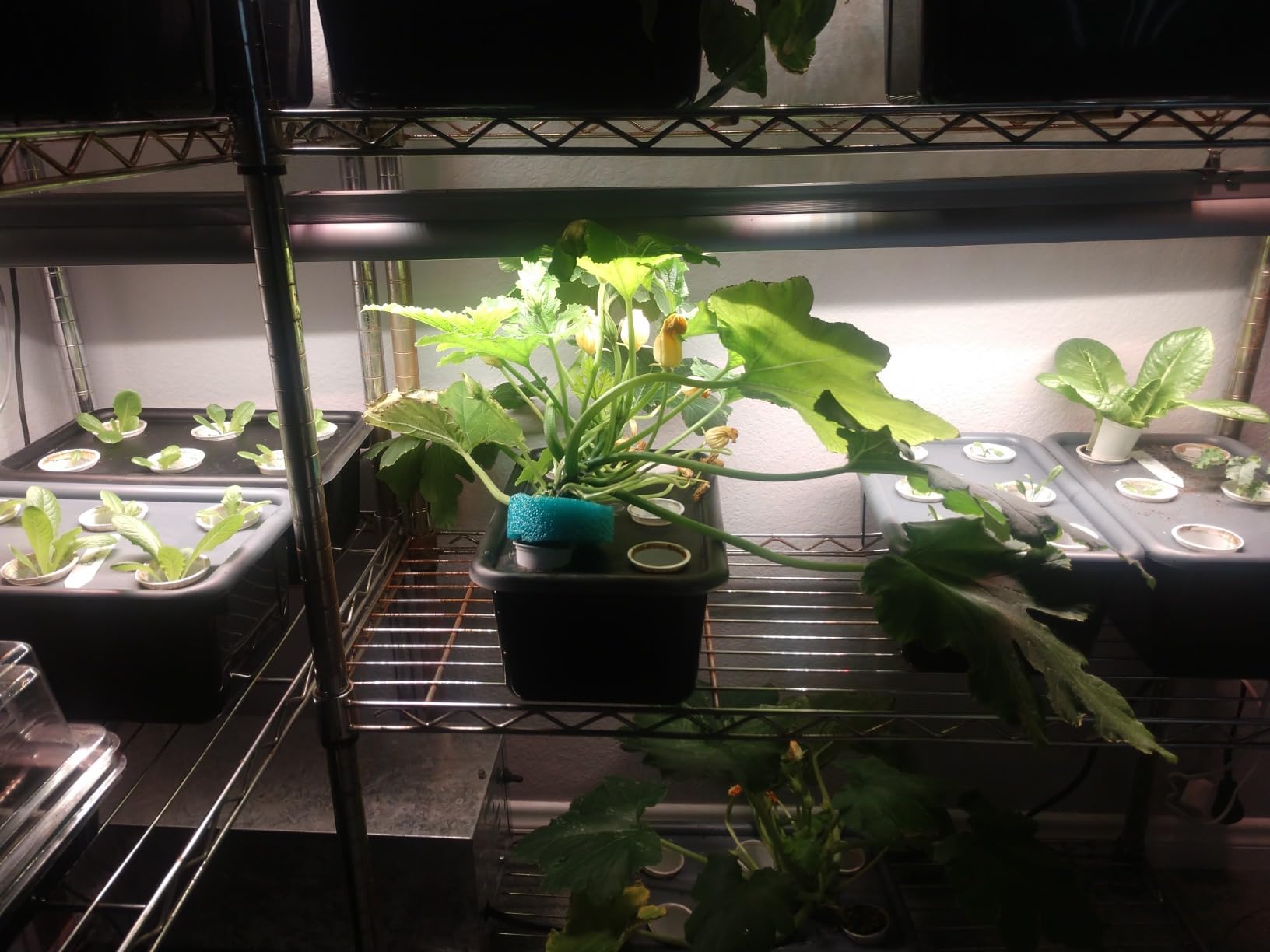
At 4.8 stars across 4779 reviews, this has the deepest review base in our group, and the rating distribution is unusually lopsided at 84 percent five-star. Growers report consistent vegetative results when they follow the feeding schedule rather than eyeballing it, which is exactly the behaviour you want from a salt kit.
The honest catch is format. These are dry salts, so you are weighing three components against each other rather than pouring from labelled bottles. Fully dissolve each one before it hits the reservoir, because undissolved grit settles in the bottom and can block intake lines in smaller systems.
Why the calcium and phosphate split matters
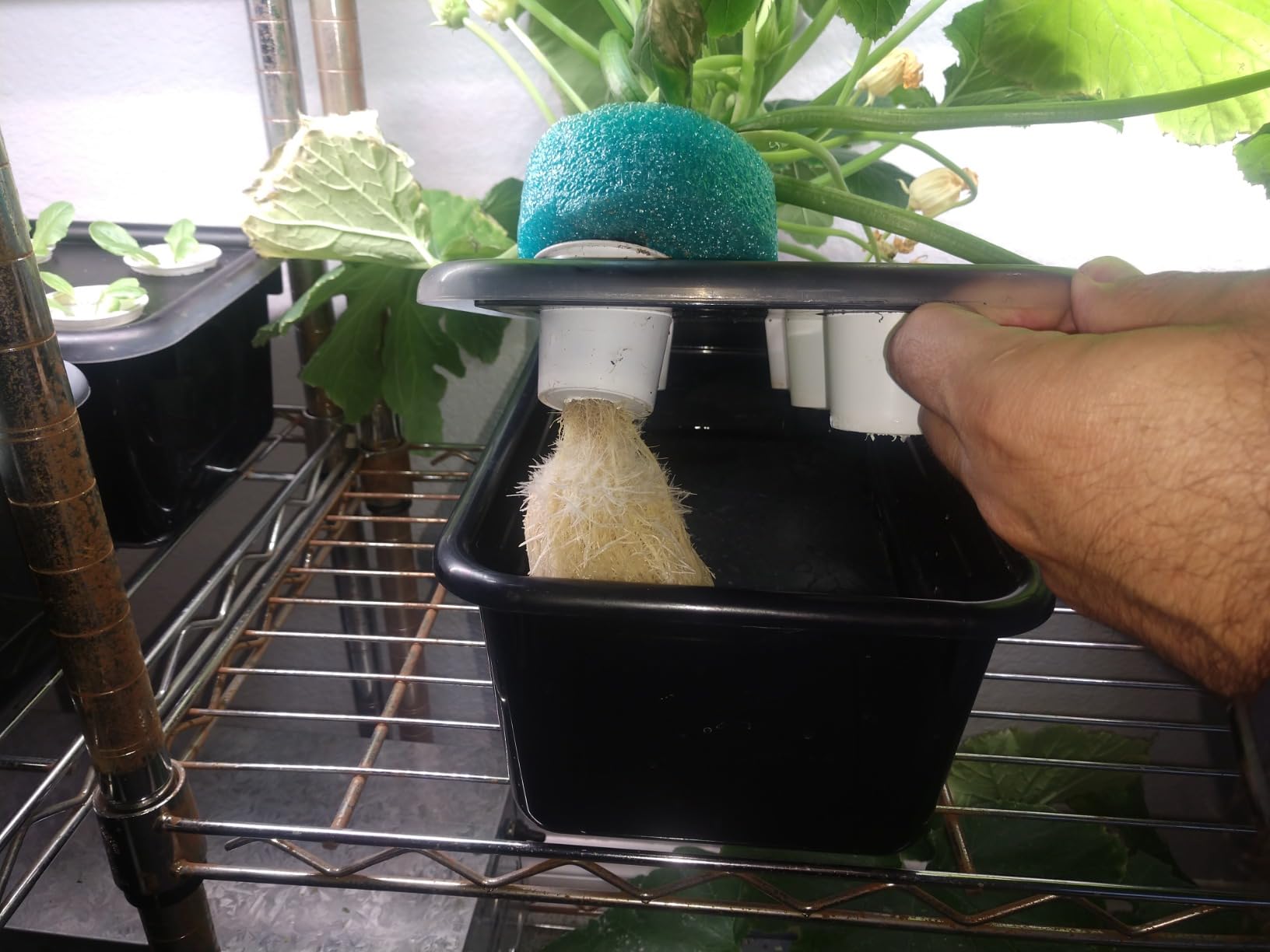
The 1:1:0.5 packing is not a marketing convenience. Calcium and phosphate react into an insoluble sludge when they sit together at full strength, so separating the calcium nitrate from the base salt is what keeps the mix clear. This kit ships them already proportioned, which removes the single most common mixing mistake on forum lists.
When this kit is the wrong pick
If your reservoir is a 3 liter countertop jar, a 12.5 pound kit is far more nutrition than a small system will absorb before the salts lose freshness. Buy the smaller variant of this same kit instead. For a single countertop tower, one of the liquid one-part options below is a far better fit on both effort and volume.
2. TPS Nutrients Liquid Plant Food for Countertop Gardens
Liquid Plant Food – Fertilizer for AeroGarden & Hydroponic Systems, 8 oz
One-part liquid concentrate
1 teaspoon per gallon
8 fl oz bottle
Made for AeroGarden-style gardens
Pros
- Single bottle removes the multi-part mixing step
- Built specifically for small indoor hydroponic gardens
- Supports root development in small reservoirs
- IDOO-compatible dosing
Cons
- Not adjustable by growth stage
- 8 oz runs out fast across multiple gardens
This is the counter garden bottle. It ranks near the top of the hydroponic supplements category for a reason: the formula was designed around the way small indoor reservoirs actually work, and one teaspoon per gallon is a dosing rate you can eyeball without a syringe.
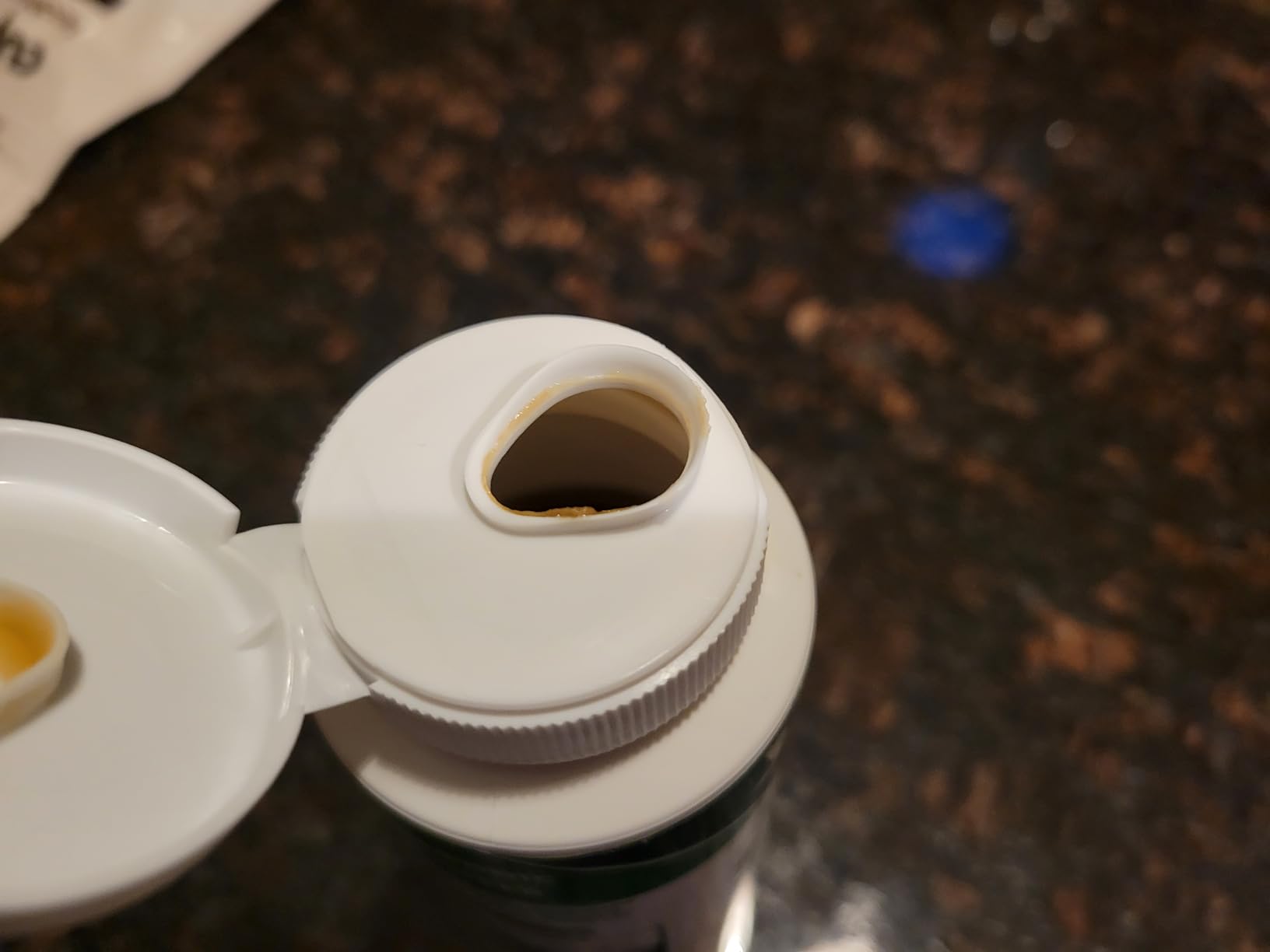
Reviews are consistently positive on greens and herbs, with the main gripe being container size rather than performance. If you are running one tower or one countertop garden with a handful of sites, 8 fluid ounces is enough for several refills. If you are feeding multiple gardens on a schedule, move up to the 32 fl oz or gallon variant of the same product.
Because it is a one-part liquid, there is no concentrate precipitation risk and no separate calcium bottle to juggle. That single property is why it works so cleanly in a small pump-driven reservoir.

How it handles a mixed planting
Because the diet is fixed rather than staged, one bottle covers seedlings through to harvest without a schedule change. In our runs that meant no dose adjustment as the lettuce matured, which removed the most common source of error for first-time growers. Root development support matters here too, since a small reservoir punishes weak new roots faster than a large one.
Where it falls short
You cannot dial nitrogen up or down, so a mixed reservoir of lettuce and a heavier-feeding herb will settle at whatever the bottle gives you. And if your pods or garden already doses nutrients on its own schedule, adding this by hand on top will overfeed the system.
3. FoxFarm Grow Big Hydroponic for a Single-Bottle Feed
FoxFarm Grow Big Hydroponic Plant Food – 3-2-6 Liquid Plant Fertilizer for Lush Vegetative Growth in Hydroponic Systems – Liquid Concentrate with Earthworm Castings & Micronutrients – 1 Pint
Liquid concentrate 3-2-6 NPK
2-3 teaspoons per gallon
16 fl oz pint
Built for hydroponics not soil
Pros
- Genuinely one bottle from seedling to harvest
- Formulated for hydroponics so dosing is predictable
- Includes earthworm castings and micronutrients
- Long track record among growers
Cons
- Vegetative-only formula with no bloom partner included
- Needs a ppm or EC meter to hit the right strength
A 3-2-6 ratio is about as close to an ideal leafy-green profile as you can buy off a shelf, and having it in one bottle is the whole appeal. Two teaspoons per gallon for general feeding, three for heavy feeders, and you measure with a teaspoon instead of a set of scales.
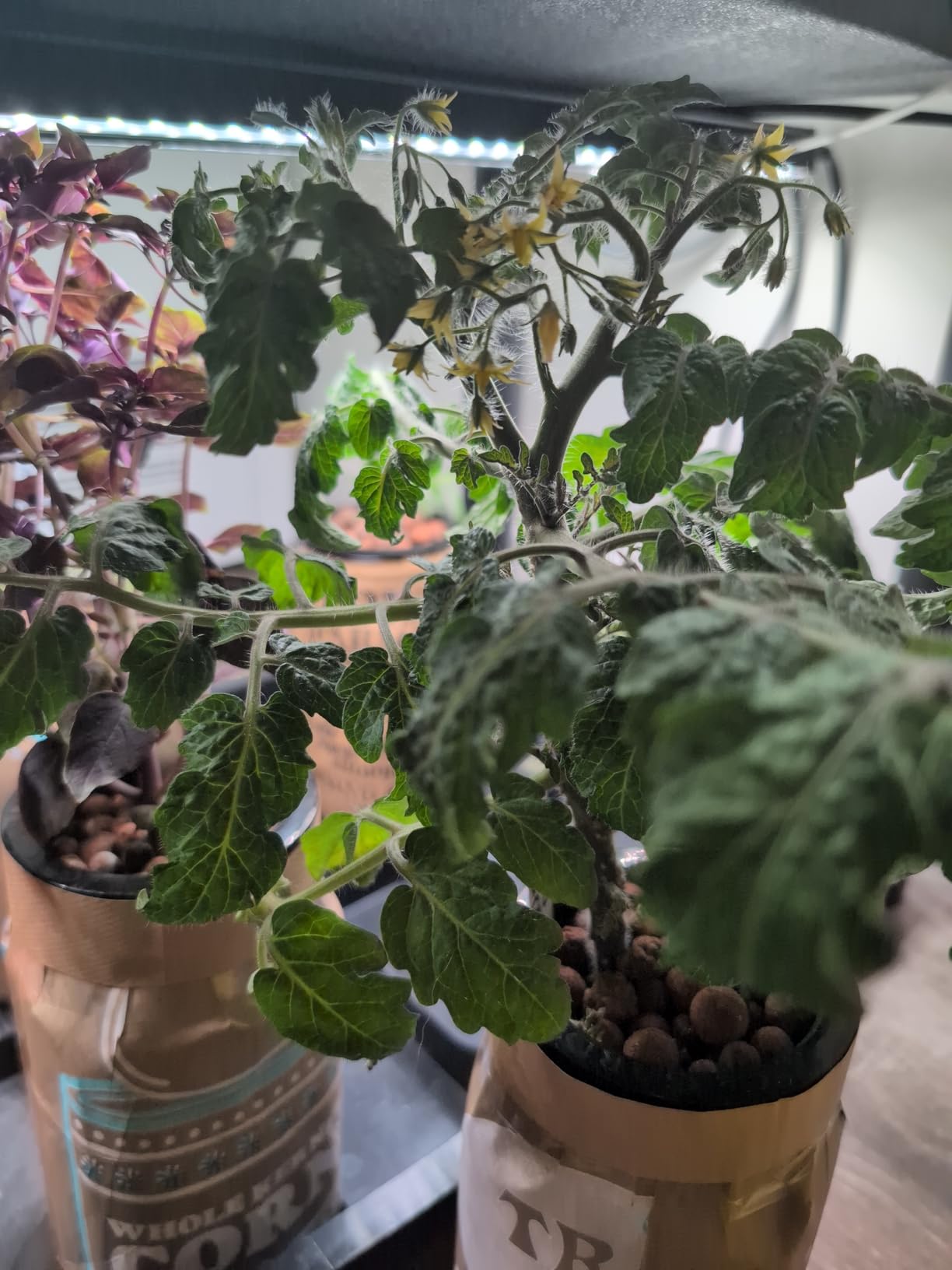
Growers report vigorous vegetative results and fast nutrient uptake when they follow the FoxFarm feeding chart, and the 4.7 rating across 2104 reviews backs that up. The earthworm castings and micronutrient load also give it more nutritional breadth than most single-bottle greens feeds.
For a lettuce-only run this is the easiest complete answer on the list. One bottle, one number to remember, no stage change at week five.
What the label schedule actually looks like
Start seedlings at half strength, hold vegetative lettuce around the 2 teaspoon mark, and only push to 3 teaspoons per gallon on mature kale or a heavy mixed planting. Because there is no separate micro or bloom component, EC is your only feedback signal, so a cheap meter is worth buying with this bottle.
Why we call it the value pick
The dollar-per-gallon maths favours concentrates, and this one is concentrated enough that a single pint covers a long run of small reservoirs. The limitation is honest: it is a vegetative formula, so the day you add tomatoes to the same reservoir you need a separate bloom product.
4. General Hydroponics Flora Series for Full Stage Control
General Hydroponics Flora Series: FloraMicro, FloraBloom, FloraGro – 3-Part Hydroponic Nutrient System, 1 qt. Bottles
Three 1 quart bottles
FloraGro, FloraMicro and FloraBloom
2:1:6 mixing ratio
96 fl oz total volume
Pros
- Precise control of N
- P and K at each growth stage
- Mixes clear with minimal residue
- One quart set lasts multiple full grows
- Clear bottles with measurement markings
Cons
- Three bottles means more measuring and a steeper learning curve
- A separate CalMag-style supplement may still be needed
This is the system experienced growers describe as a staple they return to year after year. FloraGro handles structural and foliar growth, FloraMicro supplies nitrogen, calcium and trace minerals, and FloraBloom adds phosphorus, potassium, magnesium and sulfur for when a plant decides to flower.
At 4.8 stars with an 87 percent five-star share, the recurring praise is consistent plant vigour, clean mixing and stable pH. The recurring criticism is that the upfront cost per bottle runs higher than single-bottle alternatives, which growers argue is offset by how concentrated the formula is.
For greens you will use mostly FloraGro and a little Micro, which is exactly the point. It is the most flexible kit here for anyone whose garden will grow more than lettuce eventually.
Why the three-part split pays off past greens
Once you add a fruiting crop, the ability to shift potassium and phosphorus up without spiking nitrogen is worth the extra measuring step. That flexibility is the entire reason to buy a three-part system, and it is the only reason on this list.
The honest downside for lettuce only
If you will never grow anything but lettuce, you are buying two bottles you will barely touch. A one-part feed gives you the same result with one measurement instead of three. Save this one for a garden that is going to grow.
5. Haligo A and B 800ml for Volume and Included Measuring
Hydroponics Nutrients for Aerogarden(800ml in Total), Plant Food A & B Hydroponics Supplies, Indoor Plant Fertilizer for Hydroponics Growing System, Hydroponic Solution for Vegetables Thrive
Two-part liquid, 800ml total
5ml A plus 5ml B per liter
2 bottles plus 6 refill packs
Measuring cup included
Pros
- High total volume bundled into one listing
- Measuring cup removes dosing guesswork
- Compatible with AeroGarden and similar indoor systems
- Works indoors and in outdoor containers
Cons
- No stage-specific formulas for flowering
- A and B must be kept separate in concentrate form
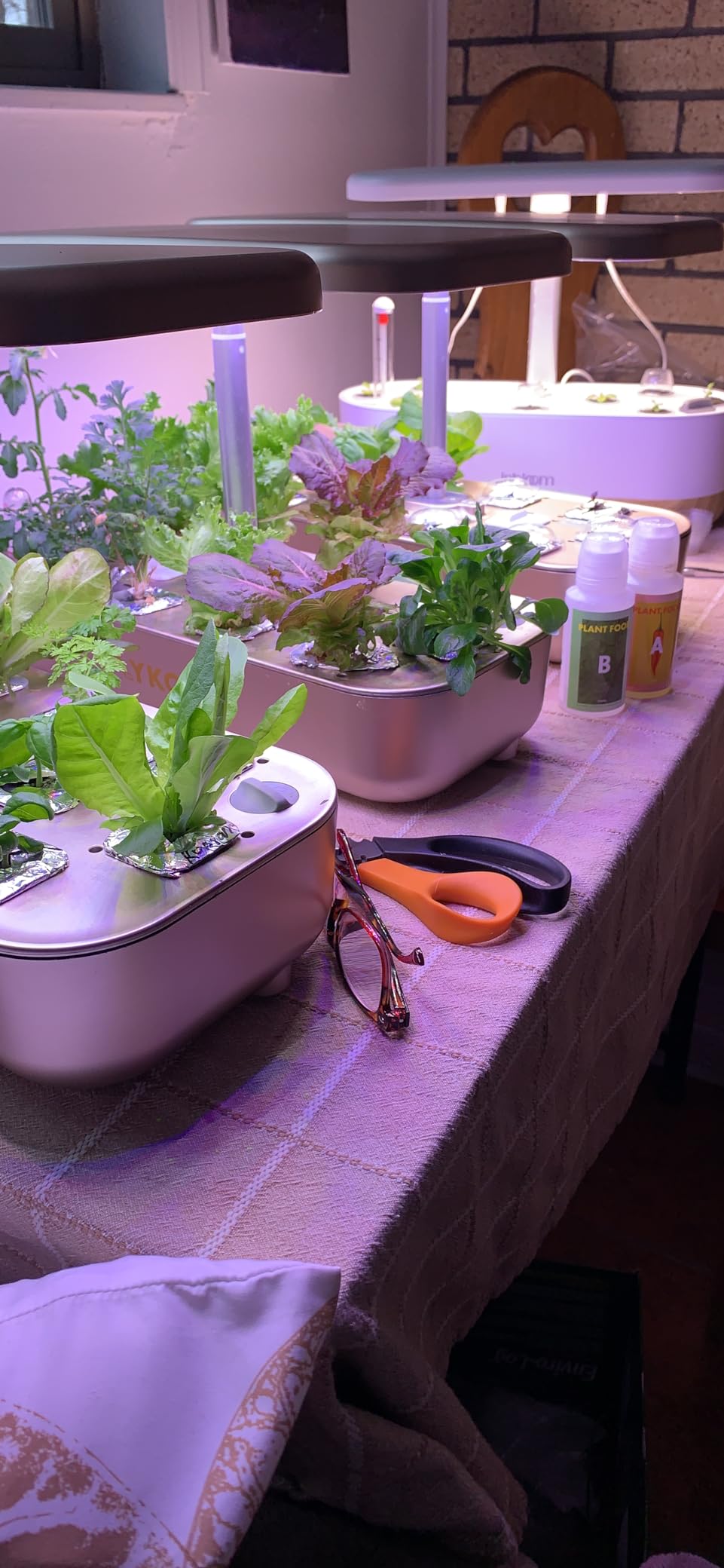
This package solves the packaging problem that annoys growers most. Instead of two bottles you get two bottles plus six extra A and B refill packs in a single 800 millilitre total, which means the refills arrive before you run dry.
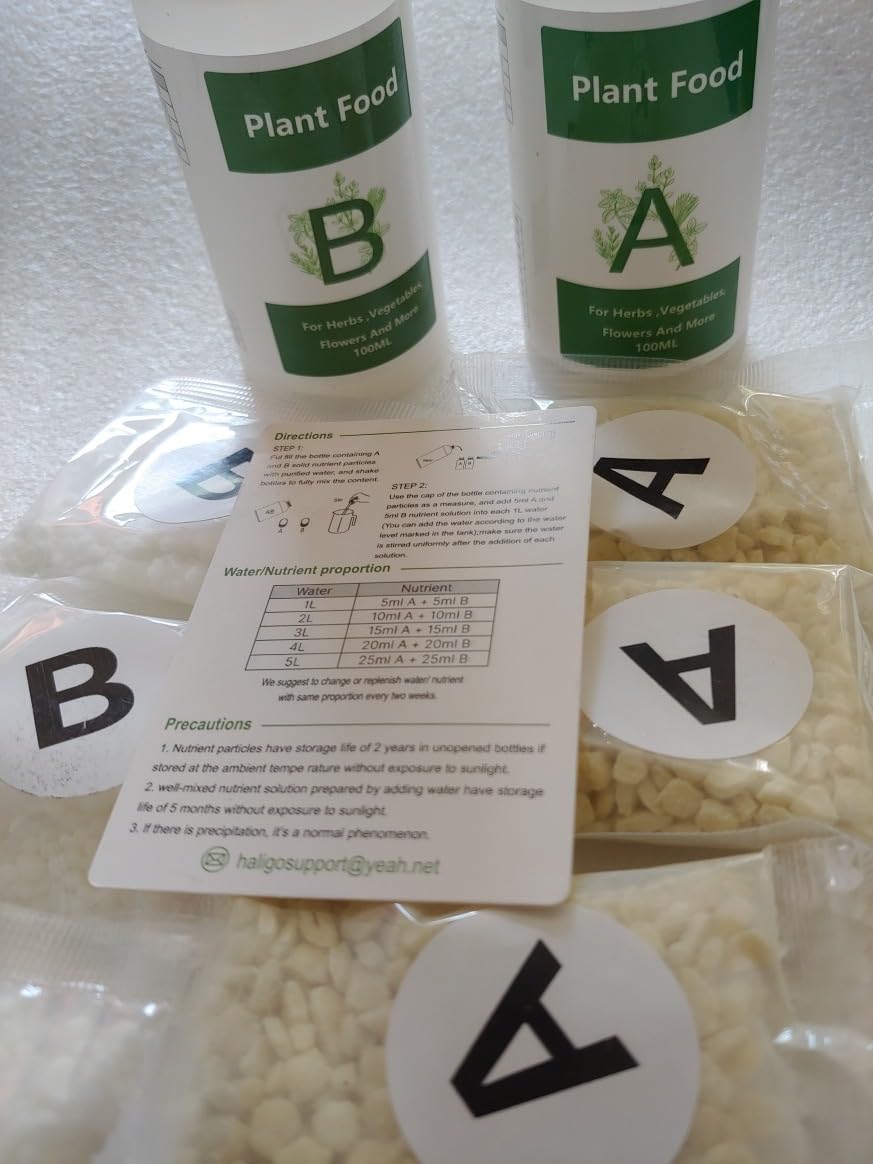
The included dispensing cup is the quiet winner. Dosing at 5 millilitres of A plus 5 of B per litre is easy to eyeball from a cup and awkward to eyeball from a bottle neck, and reviewers consistently call out that detail as the reason the kit is simple to use.
Ingredients are water soluble and pH balanced, so the finished solution behaves predictably in a small reservoir.
Why two parts still beat one part here
Splitting calcium-bearing nutrients from phosphate-bearing nutrients means you avoid the precipitation problem that flattens a one-part formula in a warm reservoir. Two-part also gives you a working calcium and magnesium base that a simple one-part greens feed often underdelivers on.
Where it will not take you
There is no stage separation, so it cannot be tuned toward flowering. And the A and B concentrates must never be combined undiluted or they will form sludge at the bottom of your reservoir.
6. VIVOSUN Nutrients Base A and B for Mixed Media Use
VIVOSUN Liquid Nutrients Base A & B Bundle, Set of 8oz
Two-part liquid base
A and B diluted separately then combined
8 oz bottles, 16 fl oz total
Covers N, P, K, calcium and magnesium
Pros
- Covers vegetative through flowering with two bottles
- No unpleasant smell and does not spoil when unused
- Works in soil
- hydroponics
- aquaponics and coco
- Small bottles last longer than expected
Cons
- 8 oz bottles are small for long grows
- Two-part dosing requires careful measuring
The reason to like this pair is breadth. The same two bottles feed soil, coco, hydroponics and aquaponics, which matters if you are moving between a countertop garden and a DWC bucket rather than committing to one.
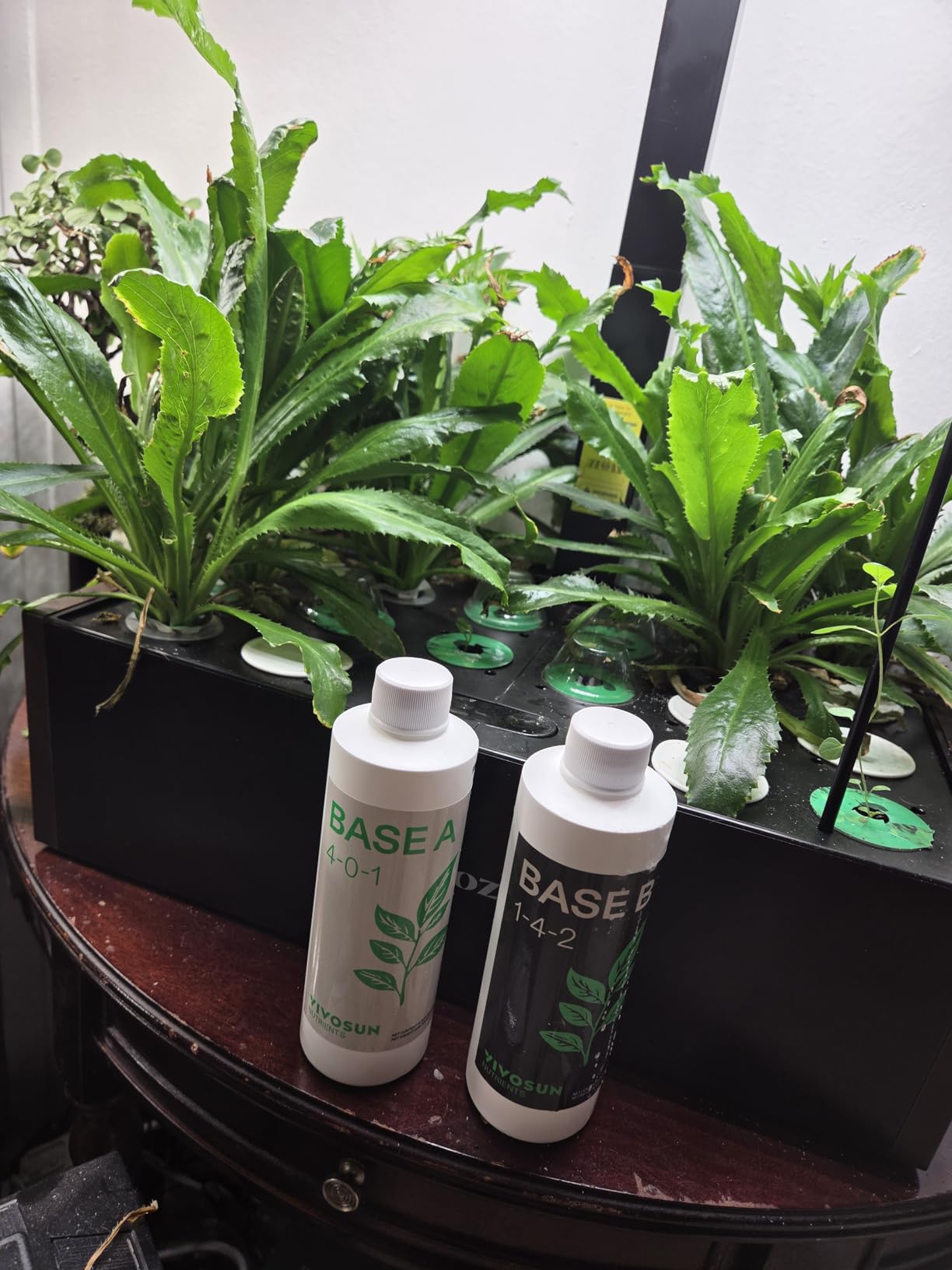
Growers report stronger stems and fuller leaves after switching to it, and two practical notes come up repeatedly in reviews: use a plastic syringe for accurate millilitre dosing, and plan to move to larger bottles for extended grows.
It also stabilises solution pH, which improves nutrient absorption and takes one variable out of the equation on a small system.
Good fit if you juggle systems
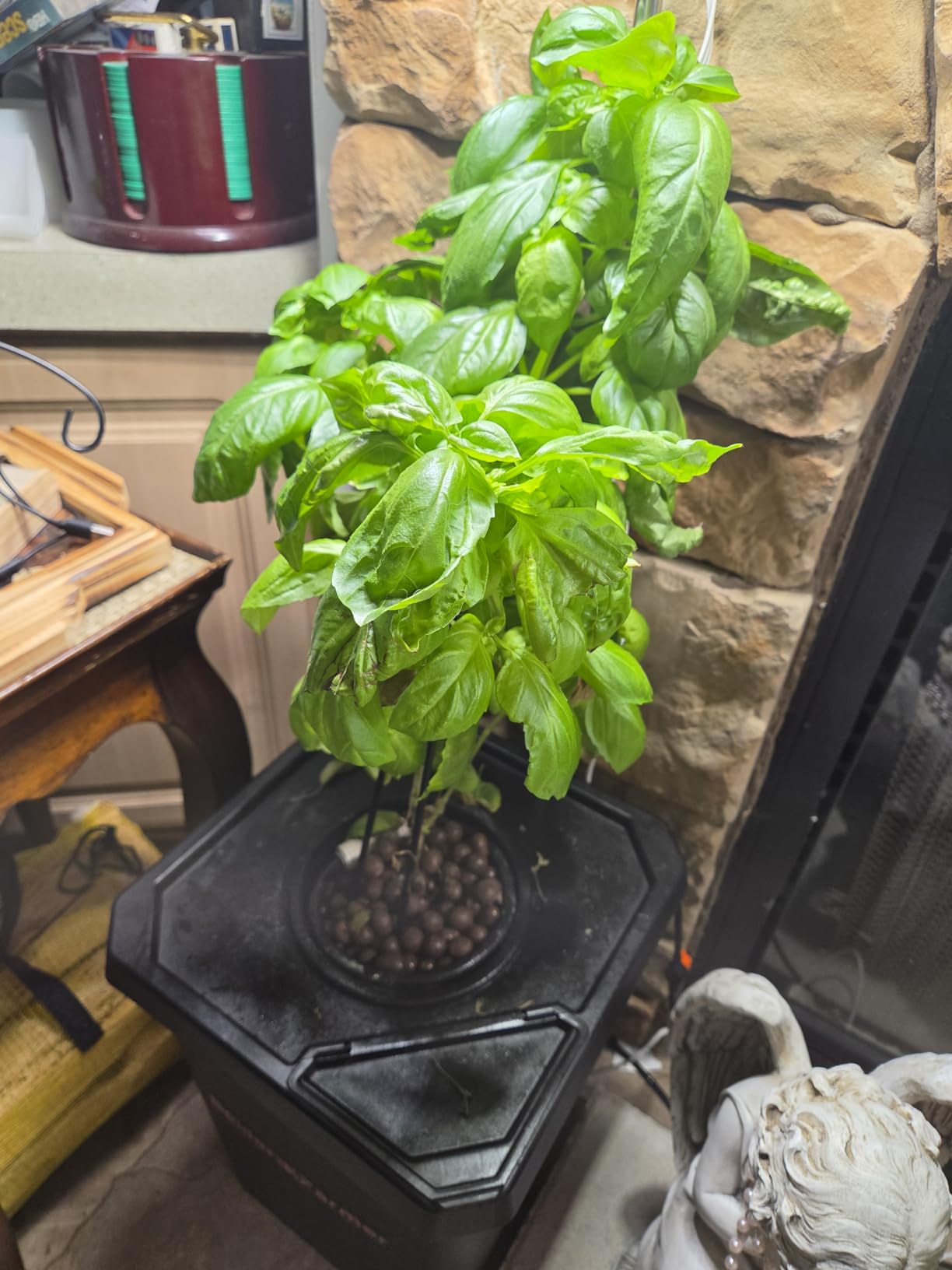
Having one feed that works in a coco tower and a nutrient film channel removes the guesswork when you change setups. For a pure hydroponic greens-only run, a dedicated one-part bottle is simpler, but the flexibility pays back quickly across mixed systems.
The measurement discipline it demands
Equal parts of Base A and Base B, each diluted separately before combining, is the entire protocol. Skip that and you either underfeed or create a concentrate that will not stay dissolved. Treat it like a recipe rather than a splash.
7. Tigvio A and B 800ml for the Lowest Starting Cost
Tigvio 800ml Hydroponic Nutrients A&B for Aerogarden Plant Food Growth
Two-part liquid, 800ml total
5ml A plus 5ml B per liter
2 bottles plus 6 packs
Aerogarden and indoor systems
Pros
- Lowest entry point among the two-part bundles here
- Simple 5ml per liter dosing across indoor systems
- Extra refill packs included
- Works for houseplants and containers too
Cons
- Listed item weight looks inconsistent with stated volume
- No stage-specific tuning for vegetative versus flowering
If the question is simply which kit costs the least to open on a counter and get a tower running, this is the answer. The bundle includes two bottles plus six packs of A and B nutrients in 800 millilitres total, with the same 5 millilitre per litre dosing as the other two-part bundles here.
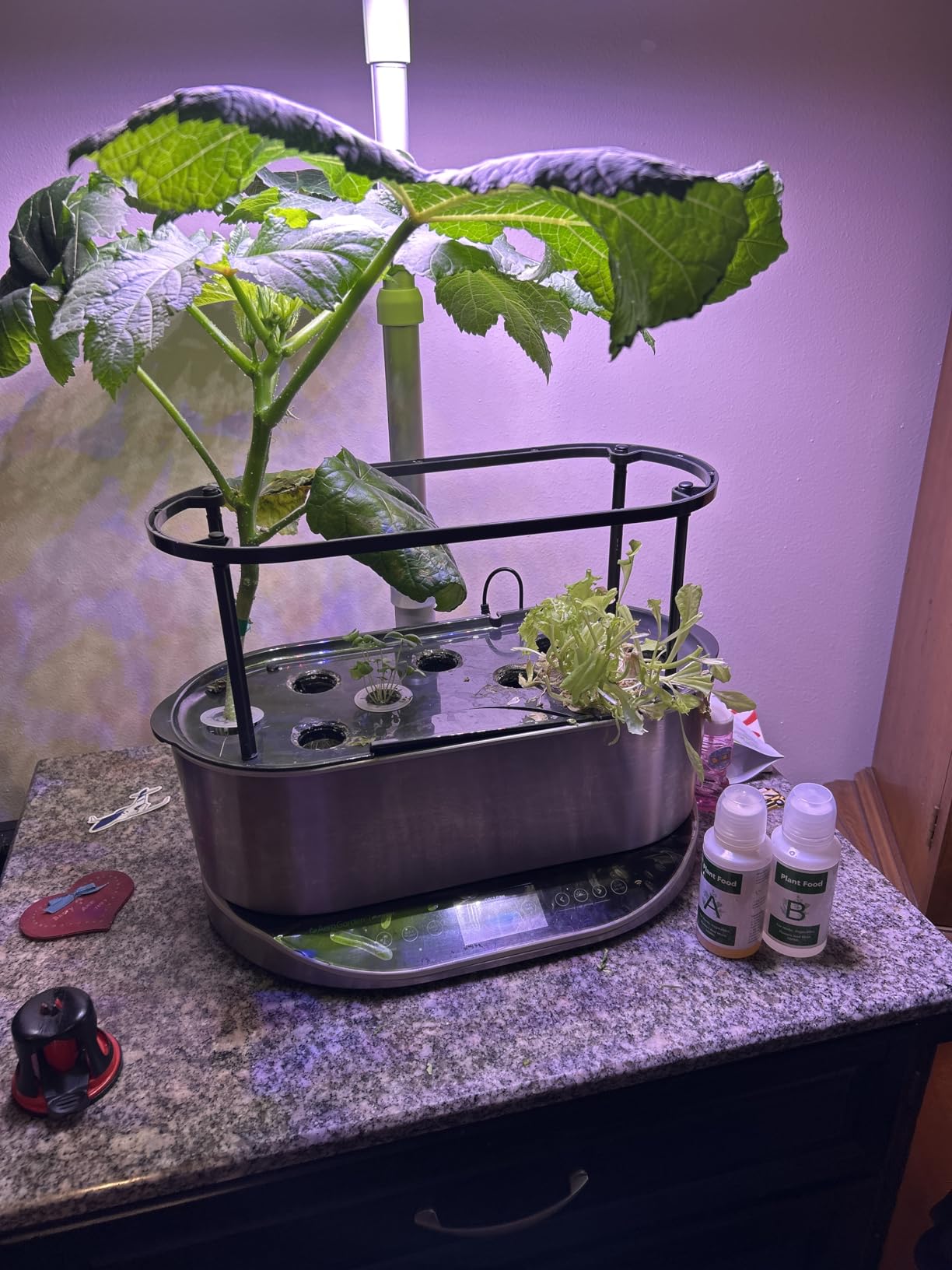
Reviews emphasise ease of use and value rather than advanced nutrient control, and the extra packs are called out as the standout feature. Ingredients are water soluble and pH balanced for indoor and outdoor use.
One specification note worth flagging: the listed item weight of 1.6 ounces sits oddly against a stated 800 millilitre volume, so the specs are not fully consistent. It does not affect dosing, but do not rely on the weight line for anything.
Best as a first grow
For a single small reservoir or a handful of pods, the volume is realistic and the dosing rate is simple enough to get right on the first attempt. Pair it with a decent pH meter and a greens-appropriate EC target and there is very little here to go wrong.
When to step up
If you move past lettuce into heavier feeding or fruiting crops, you will want stage-specific formulas that this pair does not offer. It is a greens solution and it is honest about being one.
8. HiThrive 4-3-6 32 oz for Long Runs and Clear Water
Aeroponics & Hydroponic Fertilizer, 4-3-6 NPK Formula, 32oz
One-part liquid 4-3-6 NPK
1 teaspoon per quart of water
32 oz bottle, up to 96 feedings
Does not cloud reservoir water
Pros
- Single-bottle convenience with a defined greens ratio
- Liquid keeps reservoir water clear
- One jug has lasted a user about 10 months
- Simple one teaspoon per quart dosing
Cons
- Fixed 4-3-6 ratio cannot be adjusted by stage
- Some users start below the stated dose out of caution
Thirty-two ounces covering up to 96 feedings is the standout spec here, and it changes the economics of any system you refill regularly. Dosing is one teaspoon per quart, or roughly per three growing pods every two weeks.
The 4-3-6 ratio carries essential micronutrients and sits close to the classic leafy-green profile, so it does not need a companion product for lettuce and spinach. One reviewer reported growing tomatoes, kale, lettuce and strawberries indoors through a winter on this feed alone.
Reviews also praise that the concentrate does not cloud or darken reservoir water, which keeps light reaching the roots and keeps a clear channel sightline in an NFT system.
What up to 96 feedings actually means
That figure assumes a modest reservoir and a two-week feeding cadence, not a large commercial channel. For a countertop garden with three or four sites, a single jug covers a very long stretch of the growing cycle.
Why some users under-dose
A fixed ratio cannot be softened for seedlings, so cautious growers start at half strength. That instinct is sound. If you are transplanting seedlings rather than mature plants, run half strength for the first week regardless of what the label says.
9. ENVY A and B Quart Set for DWC and NFT Systems
ENVY Hydroponic Plant Food A & B – Two-Part Liquid Nutrient for Indoor/Outdoor Plants – Soil, Coco, Hydroponics, DWC – Quart Set
Two-part liquid quart set
Part A 6-0-5, Part B 1-5-6
5 percent calcium in Part A
DTPA chelated iron
Pros
- A and B alone cover a full run from seedling to bloom
- High calcium content supports strong stems
- DTPA chelated iron improves uptake in RO water
- Works in DWC
- NFT
- ebb and flow and drip
Cons
- Two-part mixing adds a step over single-bottle feeds
- Intended for use in every watering
- less forgiving than periodic feeding
This is the most explicitly engineered for soilless systems of the two-part options. Part A at 6-0-5 carries 5 percent calcium for strong, upright growth, and Part B at 1-5-6 balances phosphorus and potassium with chelated micronutrients including DTPA iron.
DTPA iron is the detail that matters most in reverse osmosis water or a coco environment, because those setups strip iron out and leave growers chasing an interveinal chlorosis that has nothing to do with a missing nutrient. A formula built around chelated iron removes that failure mode.
Reviewers like that A and B alone carry a full run from seedling to bloom, and that the calcium content produces visibly sturdy plants.
Matched to system type
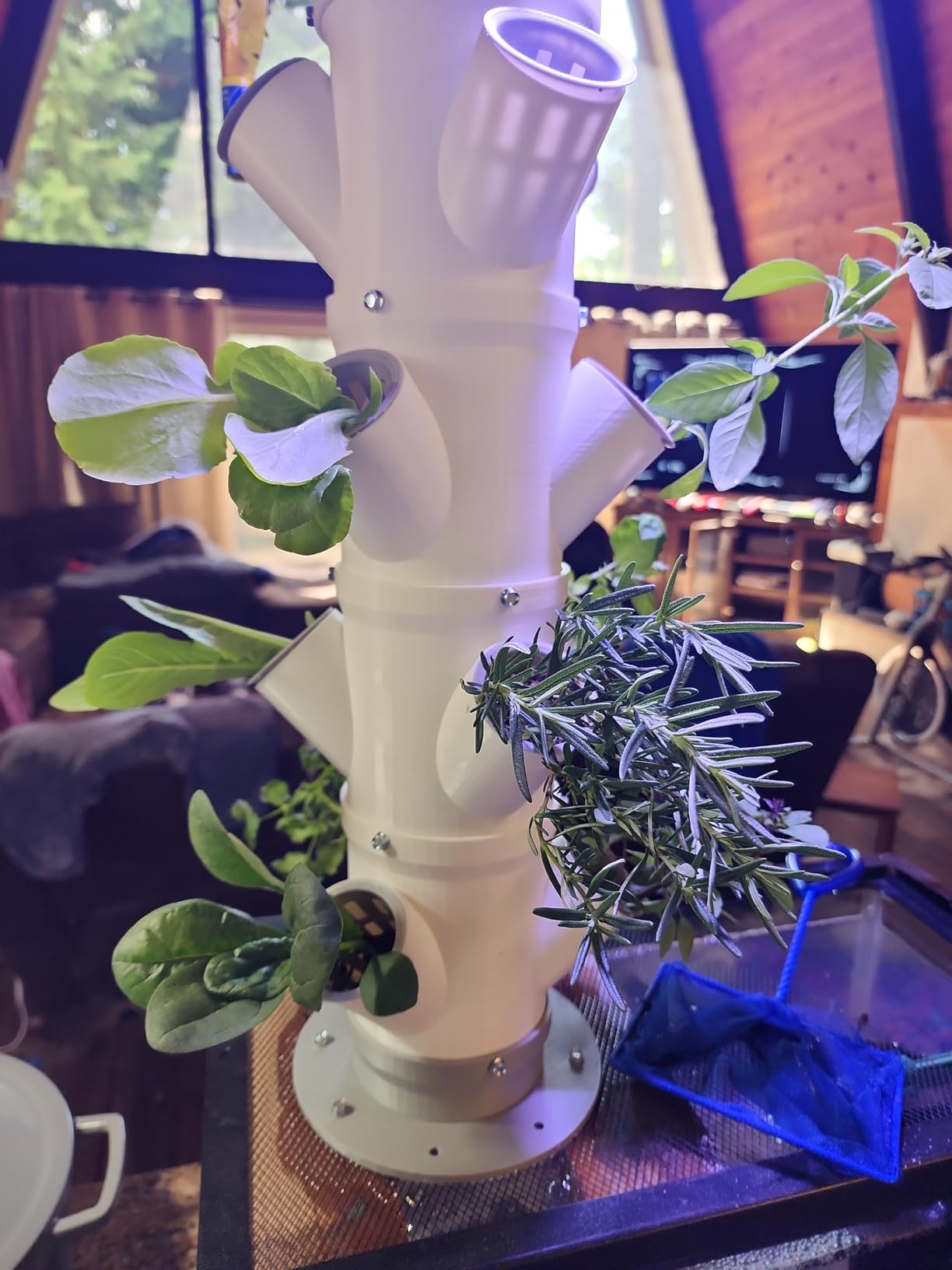
Works in DWC, NFT, ebb and flow and drip, as well as soil and coco. For an NFT channel the low sodium and clean-mixing profile matters, because any residue accumulates in a narrow film and eventually starves the pump.
The one-part question
It is intended for every watering, which makes it less forgiving than a periodic single-bottle feed. If your schedule is irregular, a one-part formula gives you more room to recover from a missed dose.
10. Gold Leaf All-in-One for No pH Adjusting
Gold Leaf All-in-One Fertilizer, Hydroponic & Indoor Plant Food, 16.9 fl oz
One-part liquid, all-in-one
1:500 mixing ratio
Holds pH between 5.5 and 6.5
Dechlorinates tap water automatically
Pros
- Single bottle replaces a multi-part feeding program
- Holds pH in range on its own with no adjustment
- Dechlorinates tap water including chloramines
- Low sodium and metal content will not clog feed lines
Cons
- Requires shaking the container well before every use
- Not ideal for cacti and succulents per one long-term user
- Larger sizes pour awkwardly
This is the odd one out in the best way. It holds solution pH between 5.5 and 6.5 by itself, which is exactly the window we spent the whole article telling you to hit. No pH down, no pH up, no chasing a drift every day.
It also dechlorinates tap water on contact, neutralising chlorine and chloramines, and the low sodium and metal content will not clog feed lines or pumps. That combination makes it unusually well suited to NFT channels and countertop towers where a clogged pump ends the grow.
Concentration is the other story: a 1 litre container makes up to 500 gallons of solution at a 1:500 ratio. Users switching to it report consistent improvement across houseplants and hydroponic setups.

Great for a first-time grower
Removing pH control removes the single thing beginners get wrong. If you have never grown hydroponically before, a formula that holds its own pH removes an entire category of failure from your first run.
What you give up
You lose the ability to steer pH, which fine growers use to unlock iron or manganese availability. Reviews also note shaking the container hard before each pour and using distilled water for full control of mineral content.
11. Farmer’s Secret Hydroponic Booster for Foliar Feeding
Farmer’s Secret Hydroponic Booster Fertilizer – Super Concentrated 4-11-8 Formula – Use with Any Hydroponic or Aeroponic System – Great for Herbs, Veggies, Fruits, and More (32oz)
Liquid 4-11-8 super concentrate
1 teaspoon per gallon
32 fl oz bottle
Reservoir or foliar application
Pros
- Highly concentrated so a small amount covers a long run
- Applies as a reservoir drench
- foliar spray or both
- Usable weekly through the whole cycle
- Fits any hydroponic or aeroponic system
Cons
- 4-11-8 is bloom-leaning so greens may need a companion formula
- Requires precise dilution since over-concentrating stresses plants
This one is a booster rather than a complete diet, and reading it that way matters. A 4-11-8 profile leans toward flowering, so for lettuce it works best alongside a nitrogen-forward base rather than as your only feed.
Where it earns its place is application flexibility. You can put it in the reservoir, spray it on the leaves, or do both, at roughly a quarter teaspoon per pod in most systems. That makes it a useful second bottle for a grower who wants foliar feeding as a supplement rather than a replacement.
The concentration is the strongest feature. One gallon of solution per teaspoon means a 32 ounce bottle covers a very long run.
Why the ratio is wrong for pure greens
Phosphorus at 11 is a fruiting-crop number. Lettuce will not use it efficiently, and running a high-phosphorus profile on greens pushes the solution toward the pH edge where iron locks out. If greens are your only crop, pair this with a proper vegetative base.
Where it does earn a place
As a weekly boost on a mixed reservoir, or as a foliar pass when roots look healthy but leaf colour has flattened, it does what it says. Just measure carefully, because over-concentration is the fastest way to stress a plant with an otherwise useful product.
12. TPS Nutrients One-Part 8 oz for a First Small Grow
Hydroponic Nutrients- Liquid Plant Food for Edible Plant 8oz, 8 oz (250mL)
One-part liquid formula
8 fl oz bottle
Designed for water-based systems
Hydroponics, water culture and containers
Pros
- One part means no separate components to track
- Mixes easily into reservoirs
- Encourages strong root development
- Sensible size and cost for a first-time grower
Cons
- 8 oz requires frequent repurchase beyond a small system
- One-part formulas offer less nutrient control than multi-part
The simplest thing on this list, and the right size for a single countertop jar. One-part formula, mixes easily into reservoirs, and designed for water-based systems including hydroponics, water culture and containers.
Reviews skew strongly positive with 70 percent five-star ratings, citing easy mixing, healthy plant response and good value at the 8 ounce size. The recurring request from buyers is more precise dosing guidance rather than a better formula.
For lettuce and herbs in a small reservoir, a fixed one-part diet is genuinely sufficient. The plant’s needs do not shift during the cycle, so there is nothing to tune.
Perfect for learning the routine
Everything you learn running this bottle transfers directly to a bigger system: measuring, EC checking, pH adjusting and change intervals. It is a low-stakes way to build the habit before you commit to a three-part programme.
When you outgrow it
Beyond a small system you will be repurchasing constantly, and a one-part feed gives you no lever to adjust nitrogen or calcium. Larger 32 ounce and gallon variants of the same product exist, but at that point a two-part pair is the better buy.
What a Nutrient Kit Does Not Include
Every kit in this roundup is food. None of them measure your solution, none of them correct it, and none of them supply a separate calcium and magnesium supplement. Forum threads about hydroponic nutrients almost always come back to this, so here is the honest shopping list to complete the system.
A pH meter. A working pen meter or a cheap digital meter is the first thing to buy. Without it you are dosing blind, and most symptoms growers blame on nutrients are actually pH lockout.
pH down and pH up. Most tap water starts above the 5.5 to 6.5 window. Phosphoric acid and potassium hydroxide cover both directions. The exception is Gold Leaf, which holds its own pH and dechlorinates tap water.
CalMag. Only needed if your base feed does not carry enough calcium and magnesium, which is common with one-part formulas used at full strength on heavy feeders like kale.
An EC or TDS meter. Cheap and the only way to confirm your dilution is real rather than guessed.
If your reservoir runs warm, solution temperature matters more than most growers expect. Our reservoir chiller guide covers the units worth having once you are past a single tower.
How to Choose a Hydroponic Nutrient Kit
Match the kit format to your system type first, then to your experience level. The three decisions that actually matter are part count, form and how much reservoir you are feeding.
One-part suits beginners and pod-based countertop gardens that dose automatically. Two-part is the sweet spot for anyone running DWC or NFT with greens, because separating calcium from phosphate avoids precipitation and gives you a real calcium source. Three-part only pays off when your reservoir volume is large enough that the per-gallon advantage outweighs the extra measuring step.
For a Kratky system, which is passive and top-watered, dilution accuracy matters more than anywhere else because the same solution sits untouched for weeks. Use a liquid concentrate you can measure precisely and start at half strength.
On powder versus liquid economics: powders carry more nutrition per unit of weight and travel cheaper for large volume, and that is why the MasterBlend combo wins on cost per gallon. Liquids win on convenience, and for any reservoir under about 20 gallons the convenience is worth more than the saving.
If you are running multiple beds or planning a commercial scale operation, the dosing equipment changes the equation entirely. Our commercial hydroponic system roundup covers the hardware side.
How to Mix, Dose and Change Your Solution
Order matters more than most labels spell out. Fill the reservoir with water first, at a temperature around 68 to 72F, then add each concentrate separately with the reservoir pump running. Never combine concentrates before dilution, because calcium and phosphate will precipitate into sludge.
Check EC before you touch pH. Nutrients influence pH, so measuring first tells you the real concentration rather than a number distorted by an unfinished reaction.
Use this ladder:
Seedlings and transplants. Quarter strength for the first five to seven days.
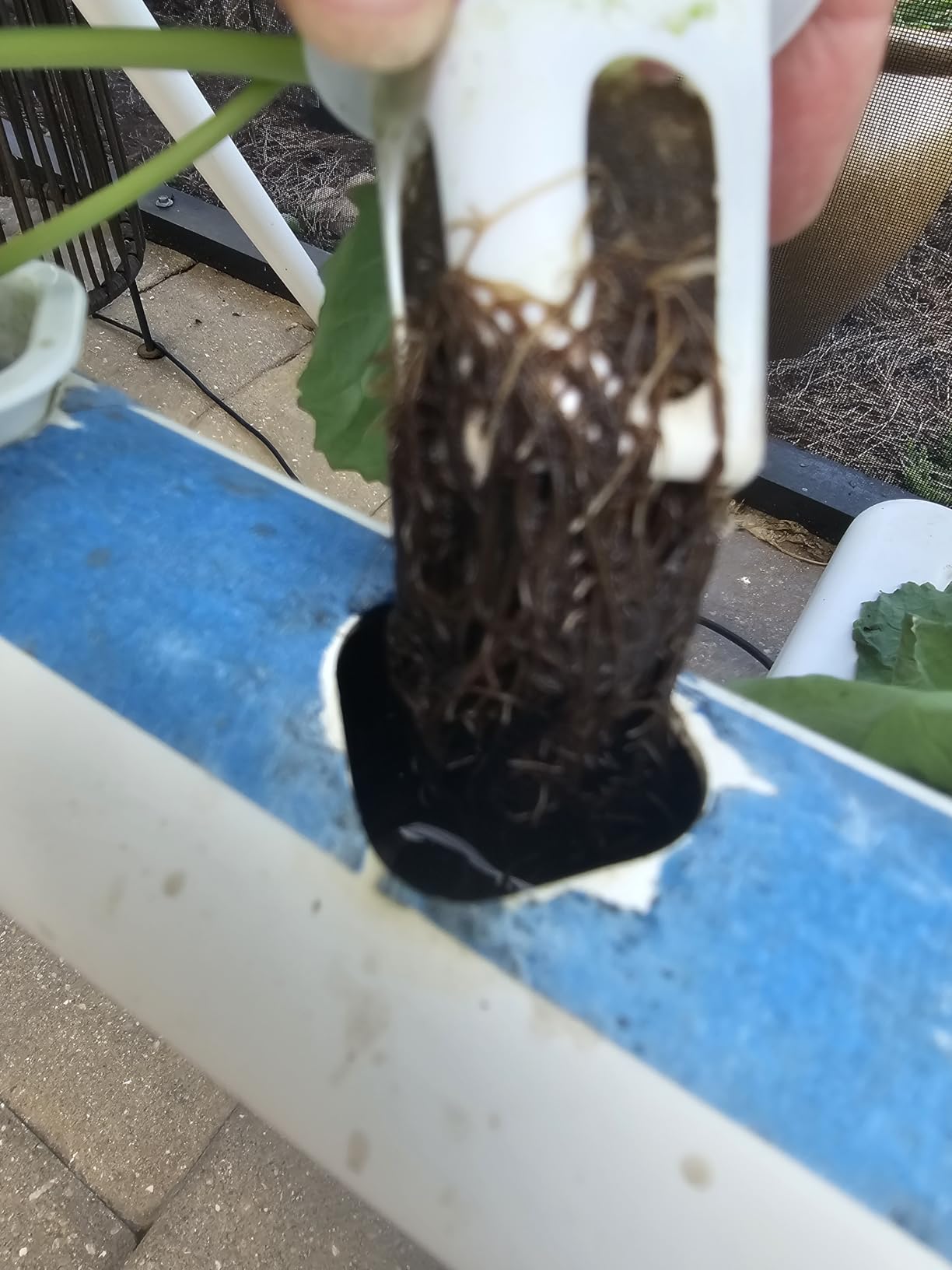
Early vegetative. Half strength until roots are visibly thick and white.
Mature lettuce and spinach. Full label strength, holding EC between 0.8 and 1.4 mS/cm.
Kale and heavy mixed plantings. Full strength, topping up to 1.6 mS/cm if growth stalls.
Fruiting crops, if you add them. Shift toward a bloom-leaning formula.
Change the solution on a 7 to 10 day cycle in a small reservoir. Top up with plain water in between and only replace the full volume when EC climbs above target or the solution smells sour.
Five mistakes account for most failed crops. Mixing concentrates undiluted before adding them to water. Running full strength on seedlings from day one. Ignoring pH and blaming the nutrients for iron lockout. Pouring powder straight into the reservoir instead of dissolving it first. And adding manual feed to a pod-based system that already doses its own nutrients.
Frequently Asked Questions
What is the best hydroponic fertilizer for lettuce?
A nitrogen-forward complete formula with a ratio near 3-1-2, dosed to an EC of 0.8-1.2 mS/cm at a pH of 5.5-6.5. FoxFarm Grow Big Hydroponic at 3-2-6 in a single bottle is the least fiddly starting point, and the MasterBlend combo is the strongest option once you are running enough volume to weigh the salts.
Which hydroponic system is best for lettuce?
Deep water culture is the easiest for a first build because there is no pump to maintain and roots sit in solution constantly. NFT channels use far less water and suit a longer narrow bed, but they need a pump and a wider margin of error. Kratky is the cheapest and most passive, and countertop towers are the fastest route to a first harvest.
Which is better, NFT or DWC?
DWC wins on simplicity and forgiveness, with a large reservoir that buffers EC and pH swings for a week or more. NFT wins on water use and footprint, producing clean fast-growing lettuce in a narrow channel. Choose DWC if you are new or away from the system for a few days, and NFT if you have a long sunny space and want scale.
What are some good leafy vegetables for hydroponics?
Lettuce of all types, spinach, kale, arugula, mizuna, butterhead and romaine, plus basil, mint, cilantro and other herbs. These are all fast vegetative crops with high nitrogen demand and low phosphorus demand, which is exactly what a nitrogen-forward hydroponic formula is built to supply.
What are three plants that are not recommended for hydroponics?
Large fruiting plants like watermelon and cantaloupe, deep-rooted woody crops such as mature trees and most shrubs, and root crops including carrots, radishes and beets in most home systems. Root vegetables need a deep, stable root zone that passive reservoirs cannot provide without a specialised setup.
Do I need CalMag with a hydroponic nutrient kit?
Only if your base feed does not carry enough calcium and magnesium. Two-part and three-part kits usually include a calcium or magnesium component already, and Gold Leaf is formulated as a complete single bottle. One-part feeds used at full strength on heavy feeders like kale are the case where a CalMag supplement is most often needed.
How often do I change hydroponic nutrient solution?
Every 7 to 10 days in a small reservoir, and weekly in a warm one. Top up with plain water in between and only do a full change when EC climbs above your target, the pH will not hold, or the solution develops a sour smell.
Our Final Hydroponic Nutrient Kit Recommendation for Leafy Greens
For most people, the FoxFarm Grow Big Hydroponic bottle is the right first purchase: one container, a 3-2-6 leafy-green ratio, and no stage decisions to make. If your reservoir runs more than about 20 gallons, move up to the MasterBlend 4-18-38 combo kit, which is the strongest hydroponic nutrient kit on this list once you are comfortable weighing salts.
Whichever one you choose, buy a pH meter alongside it. No hydroponic nutrient kit outranks careful control of the water it lands in, and at 2026 prices still changing week to week, that meter does more for your yield than any bottle in the box.


