

After spending over 300 nights sleeping on the ground across backpacking trips, kayak camping expeditions, and weekend car camps, our team has tested more sleeping pads than we can count. Finding the best sleeping pads means balancing warmth, weight, comfort, and packability. Whether you are thru-hiking the Appalachian Trail or setting up base camp at a drive-in campground, the right pad makes or breaks your night.
We put together this guide covering 15 of the top-rated sleeping pads on the market right now. Each one was evaluated for R-value, packed size, durability, noise level, and real-world comfort. We also factored in feedback from the backpacking and camping communities on Reddit, Backpacking Light, and dedicated camping forums.
If you sleep on your side and struggle with narrow or thin pads, our dedicated side sleeper sleeping pad recommendations dive deeper into that topic. For those who prefer the reliability of foam, our guide to closed-cell foam sleeping pad options covers that category in detail. This guide combines both worlds to help you make the right call for your next trip.
Top 3 Picks for Best Sleeping Pads

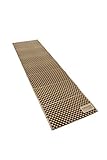
Best Sleeping Pads in 2026
1. NEMO Tensor Extreme Conditions – Highest R-Value for Winter Camping
NEMO Equipment Tensor Extreme Sleeping Pad-Black/Birch Bud/Citron-Long Wide
R-Value: 8.5
Thickness: 3.5 inches
Weight: 1.6 lbs
Size: Long Wide 76x25
Pros
- Exceptional 8.5 R-value for extreme cold
- Impressively quiet for a metallic film pad
- 3.5 inches of cushioned loft
- Bluesign approved 20D nylon
- Lifetime warranty
Cons
- Premium price point
- Limited review count as newer product
- May be overkill for summer trips
I used the NEMO Tensor Extreme Conditions on a late-fall kayak camping trip along the Maine coast where temperatures dropped into the low 20s. This pad kept me genuinely warm all night without any of the cold-spot issues I have experienced with lesser pads. The 8.5 R-value is not a marketing number. I felt the difference.
The Apex baffle design suspends four layers of floating Thermal Mirror metallized film inside the pad. That sounds complex, but what it means in practice is that your body heat gets reflected back to you instead of escaping into the frozen ground below. NEMO managed to deliver this level of insulation in a pad weighing just 1.6 pounds.
One thing that surprised me was how quiet this pad is. Older reflective pads crinkle like a potato chip bag every time you shift position. The Tensor Extreme Conditions uses a suspended film design that eliminates almost all of that noise. My campmate on the next pad over commented that they could not even tell when I was rolling around at 2 AM.
The 3.5-inch thickness provides real cushioning even on rocky tent platforms. I am a side sleeper and my hips never bottomed out, even when I was lying near the edge of the pad. The 25-inch width gives enough room for most sleepers to stay centered.
Who This Pad Is Perfect For
Winter campers, shoulder-season backpackers, and anyone heading into temperatures below freezing will get the most from this pad. If you run cold at night or have suffered through shivering trips with an under-insulated pad, the NEMO Tensor Extreme Conditions solves that problem definitively.
What to Consider Before Buying
At this price point, you are paying for cutting-edge insulation technology. If you only camp in summer or mild three-season conditions, the 8.5 R-value is more than you need. You would be better served by a lighter and less expensive pad from further down this list.
2. Therm-a-Rest NeoAir XLite NXT – The Thru-Hiker Standard

Therm-a-Rest NeoAir Xlite NXT Ultralight Camping and Backpacking Sleeping Pad, Solar Flare, Large
R-Value: 4.5
Thickness: 3 inches
Weight: 13 oz
Size: Large 77x25
Pros
- Just 13 oz for large size
- 4.5 R-value for 4-season use
- Packs to 1-liter bottle size
- Quieter than previous generations
- Includes pump sack and repair kit
Cons
- Premium price
- Some valve quality control issues reported
- Narrow width may not suit all users
The Therm-a-Rest NeoAir XLite NXT is the pad I see most often on long-distance trails. Thru-hikers on the PCT and AT consistently choose this pad because it nails the warmth-to-weight ratio better than almost anything else on the market. At just 13 ounces for the regular size, it disappears into your pack.
For this updated NXT version, Therm-a-Rest addressed the biggest complaint from previous generations. The old XLite was notoriously crinkly and loud. The NXT uses a refined Triangular Core Matrix construction that significantly reduces noise. It is not completely silent, but it is a massive improvement.
The 4.5 R-value covers you for all four seasons. I have used this pad on snow camping trips in the Cascades without any cold spots. The reflective ThermaCapture technology traps radiant heat inside the pad, and the internal baffling minimizes convective heat loss from air movement.
Inflation is handled through the WingLock valve system, which lets air flow in but not back out during inflation. The included pump sack doubles as a stuff sack and lets you fill the pad without using your breath, which means less moisture inside the pad over time.
Best Use Case for This Pad
Ultralight backpackers and thru-hikers who need maximum warmth per ounce will love this pad. It is the gold standard for anyone counting every gram but still wanting reliable four-season insulation.
Potential Drawbacks to Know
The 20-inch width on the regular size feels narrow if you toss and turn. Some users have reported valve quality control issues, so test your pad before a big trip. The price is also steep, though you are paying for proven technology.
3. Therm-a-Rest Basecamp – Reliable Self-Inflating Comfort

Therm-a-Rest Basecamp Self-Inflating Foam Camping Sleeping Pad, Large – 25 x 77 inches
R-Value: 6.0
Thickness: 2 inches
Weight: 3.4 lbs
Size: Large 77x25
Pros
- 6.0 R-value for year-round use
- WingLock valve inflates 3x faster
- Made in USA
- Self-inflating thermal foam core
- Limited lifetime warranty
Cons
- Heavier than air pads at 3.4 lbs
- 2 inch thickness less plush than thicker pads
- Premium price
The Therm-a-Rest Basecamp is the pad I reach for when weight is not the primary concern. Car camping, base camps, and kayak trips where I have room in the hatch all call for this pad. The self-inflating thermal foam core means you just open the valve and let the pad do the work.
The WingLock valve is a genuine upgrade over older Therm-a-Rest valves. It inflates roughly three times faster than the classic design and makes deflation quick when it is time to pack up. I was skeptical of the claim until I compared it side by side with an older Therm-a-Rest pad.
With a 6.0 R-value, the Basecamp handles cold ground without issue. I used it on a November car camping trip in Utah where the ground was frozen solid. The thermal foam core kept me warm all night even though the pad is only 2 inches thick.
Therm-a-Rest makes this pad in the USA, which speaks to the build quality. The materials feel durable, and the limited lifetime warranty backs it up. This is the kind of pad that lasts for decades with proper care.
When This Pad Shines Brightest
Car campers, base camp setups, and anyone who values reliability over weight savings will appreciate the Basecamp. The self-inflating design means no breath condensation inside the pad, which extends its lifespan.
Things to Keep in Mind
At 3.4 pounds, this is not a backpacking pad for most people. The 2-inch thickness also feels less plush than the 3-inch or 3.5-inch air pads on this list. You may need a few breaths to top off the firmness after the foam self-inflates.
4. OGERY Self-Inflating Sleeping Pad – Hybrid Foam Comfort

OGERY Self-Inflating Sleeping Pad with Built-in Foot Pump, 3″ Memory Camping Mattress Pad, Quiet & 9.5 R-Value Insulated Sleeping Mat Camping Essential Gear for Car Tent Camping
R-Value: 9.5
Thickness: 3 inches
Weight: 6 lbs
Size: 77x27 inches
Pros
- Massive 9.5 R-value for extreme cold
- Memory foam and air hybrid
- Foot pump included
- Self-inflating design
- Quiet foam interior
- Non-slip base
Cons
- 6 lb weight rules out backpacking
- Bulky packed size
- Not water resistant
The OGERY Self-Inflating Sleeping Pad caught my attention with its 9.5 R-value rating, which is one of the highest I have seen on any pad at any price. I tested it during a winter cabin trip where temperatures inside the uninsulated structure dropped below freezing. The pad delivered genuine warmth that I usually only expect from much more expensive winter pads.
The hybrid construction combines 3 inches of memory foam with an air chamber system. This gives the pad a mattress-like feel that air-only pads simply cannot match. When I lay down on it for the first time, I was surprised at how much it felt like an actual bed mattress rather than camping gear.
The built-in foot pump is a feature I did not know I needed. After the foam self-inflates to its baseline firmness, you use the foot pump to fine-tune the pressure. No bending over and blowing into a valve. My back appreciated that on more than one occasion.
The foam-filled interior also makes this one of the quietest pads I have tested. There is none of the crinkly plastic sound that comes from air-only pads with reflective films. If you are a light sleeper or share a tent, that silence is a big deal.
Who Benefits Most From This Pad
Car campers, winter campers, and anyone who prioritizes sleeping comfort over pack weight will love this pad. The 9.5 R-value makes it suitable for the coldest conditions you are likely to encounter.
Limitations to Consider
At 6 pounds, this is firmly a car camping pad. It is not water resistant, so you need to be mindful of wet ground conditions. The packed size is also bulky compared to air-only alternatives.
5. Klymit Insulated Static V Luxe – Wide Comfort for Side Sleepers

Klymit Insulated Static V Luxe Inflatable Sleeping Pad | Comfortable, Lightweight, Easy to Inflate Portable Air Bed Mattress for Camping, Backpacking and Hiking — Red
R-Value: 5.0
Thickness: 3 inches
Weight: 32 oz
Size: 76x30 inches
Pros
- Extra wide 30 inch design
- 5.0 R-value for 4-season use
- V-Chamber body-mapping design
- Durable 75D polyester
- Limited lifetime warranty
Cons
- Heavier than ultralight pads at 32 oz
- Difficult to inflate by mouth
- Large packed size
The Klymit Insulated Static V Luxe solved a problem I had been struggling with for years. As a side sleeper who shifts around at night, most standard 20-inch pads feel like sleeping on a balance beam. The 30-inch width on this pad gives you room to move without rolling off onto the cold ground.
The V-Chamber design uses body-mapping to place the air cells where they provide the most support. The V-shaped pattern conforms to your body shape and reduces pressure points. I noticed less hip and shoulder discomfort compared to flat air-cell designs.
The 5.0 R-value with Klymalite synthetic insulation makes this a genuine four-season pad. I used it on early spring trips where overnight temps dipped into the 30s and never felt cold from below. The 75D polyester fabric is noticeably thicker and more durable than the 20D or 30D materials on ultralight pads.
The 3-inch thickness provides enough cushioning that my shoulders and hips never bottomed out, even when side sleeping. The flip-style valve makes inflation and deflation straightforward, though it does take 20 to 30 breaths to fill this larger pad.
Ideal User for This Pad
Side sleepers, larger users, and base campers who want a wide and warm pad will get the most value here. If you are tired of narrow pads, the 30-inch width is transformative.
Tradeoffs to Understand
The tradeoff for that width and warmth is weight. At 32 ounces, this is not a pad for ultralight backpacking. Some users have reported valve leaking issues over time, so check the valve seal before each trip.
6. Gear Doctors ApolloAir – Four-Season Insulated Performance
![Gear Doctors® ApolloAir 5.2 R-Value [17oz] Ultralight Insulated Inflatable Camping Sleeping Pad — Backpacking Sleeping Pad— Camping Mattress Compact Lightweight for Hiking—Air Mattress for Backpacking](https://m.media-amazon.com/images/I/51v-b8lyqGL._SL160_.jpg)
Gear Doctors® ApolloAir 5.2 R-Value [17oz] Ultralight Insulated Inflatable Camping Sleeping Pad — Backpacking Sleeping Pad— Camping Mattress Compact Lightweight for Hiking—Air Mattress for Backpacking
R-Value: 5.2
Thickness: 3.25 inches
Weight: 17 oz
Size: 72x22 inches
Pros
- 5.2 R-value for 4-season use
- Lightweight at just over 1 lb
- Pump sack included
- 40D nylon with E-LAST coating
- Lifetime warranty
- Quiet compared to competitors
Cons
- Premium price for the brand
- Not self-inflating
- Lower 250 lb weight capacity
The Gear Doctors ApolloAir sits in an interesting sweet spot. It delivers a 5.2 R-value at just 17 ounces, making it one of the warmest pads per ounce in this entire roundup. I tested it on a shoulder-season backpacking trip in the White Mountains where overnight temps hit the high 20s.
The horizontal air chamber design distributes weight evenly across the pad surface. I found this more comfortable than vertical baffle designs that can create ridges along your body. The 3.25-inch thickness gives enough loft to keep you off cold and rocky ground.
The included pump sack is a versatile piece of kit. It fills the pad in about 90 seconds without any lung power, and it doubles as a dry bag or even an improvised camp shower. I used it to keep my electronics dry during a rainy river crossing.
The 40D nylon with E-LAST coating feels rugged for its weight. Gear Doctors claims it offers 2.5 times the durability of standard coatings, and the fabric does resist snags and abrasions well. The lifetime warranty backs up their confidence in the construction.
Best Applications for This Pad
Backpackers who venture into cold conditions but still care about pack weight will find the ApolloAir hits the mark. It is a strong choice for three-season-plus use where you occasionally encounter freezing temperatures.
Factors to Weigh Before Purchasing
The 250-pound weight capacity is lower than most pads on this list. Heavier users may want to look at the Klymit options instead. Some users have noted the pad can make a paper bag-like sound when moving, though it is quieter than many competitors.
7. Therm-a-Rest Z Lite Sol – Reflective Foam Warmth
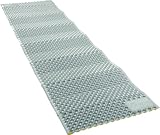
Therm-a-Rest Z Lite Sol Camping and Backpacking Sleeping Pad, Limon/Silver, Regular – 20 x 72 Inches
R-Value: 2.6
Thickness: 0.75 inches
Weight: 14 oz
Size: 72x20 inches
Pros
- Reflective ThermaCapture coating adds 20 percent warmth
- Closed-cell foam never leaks
- Lightweight at 14 ounces
- Made in USA
- Affordable and durable
Cons
- Only 0.75 inch thickness
- Firm compared to inflatable pads
- Can trap debris in dimples
- Slides on tent floors
The Therm-a-Rest Z Lite Sol is the foam pad I always keep in my gear closet as a backup. Closed-cell foam never leaks, never needs inflation, and never lets you down. The Sol version adds a reflective ThermaCapture coating that boosts warmth by about 20 percent over the original Z Lite.
I have used this pad on everything from summer backpacking trips to winter snow camping where I layered it under an inflatable pad. The 2.6 R-value is solid for three-season use, and when combined with an insulated air pad, it adds serious cold-weather protection.
The accordion-fold design is fast to deploy and pack. You unfold it and you are ready to sleep in about three seconds. No inflation, no fuss. This is the pad I hand to beginners who are intimidated by the complexity of air pads and valve systems.
The dimpled egg-carton surface traps heat in the small pockets. Softer foam on top provides a bit of cushioning while denser foam on the bottom handles insulation and durability. At just 14 ounces, it is light enough for backpacking and tough enough to last for years.
When This Pad Makes the Most Sense
Budget-conscious backpackers, beginners, and anyone who wants a reliable backup pad will get great value from the Z Lite Sol. It also works well as a sitting pad during rest breaks on long hikes.
What to Watch Out For
The 0.75-inch thickness is thin compared to inflatable pads. Side sleepers will likely feel pressure points on hips and shoulders. The dimpled surface can trap small rocks and debris, so shake it out before packing.
8. Therm-a-Rest Z Lite Original – The Classic Foam Pad
Therm-a-Rest Z Lite Original Camping and Backpacking Sleeping Pad
R-Value: 1.7
Thickness: 0.75 inches
Weight: 14 oz
Size: 72x20 inches
Pros
- Virtually indestructible closed-cell foam
- Lightweight at 14 ounces
- Cannot leak or puncture
- Versatile for sitting and kneeling
- Made in USA
- Affordable
Cons
- 1.7 R-value best for summer and mild conditions
- Firm surface with limited cushioning
- Slides on tent floors
- Traps debris in dimples
The Therm-a-Rest Z Lite Original is the pad that introduced me to sleeping pads years ago. It has been trusted by mountaineers, scouts, and backpackers for generations. There is something to be said for a pad that simply cannot fail because there is nothing to break or leak.
With a 1.7 R-value, this is a summer and mild three-season pad. I would not take it into freezing temperatures on its own. But for warm-weather trips, it provides enough insulation to keep the cold ground from sapping your body heat.
The accordion-style fold makes packing simple. It straps to the outside of your pack without taking up interior space. Many backpackers I know use it as both a sleeping pad and a frame sheet for frameless packs. That dual-purpose functionality is hard to beat.
The closed-cell foam is softer on the top surface for comfort and denser on the bottom for insulation. It can be used near campfires without risk of melting, which is something no inflatable pad can claim. I have also used it as an improvised seat, kneeling pad, and gear mat.
Who Should Pick This Pad
Budget backpackers, summer campers, and anyone who wants a no-maintenance sleeping surface will love this pad. It is also an excellent choice for kids and group trips where gear takes a beating.
Limitations to Be Aware Of
The 1.7 R-value is low, so you will need a supplemental pad for cold weather. The firm surface takes getting used to if you are accustomed to thicker air pads. The silver underside is not exactly subtle in color.
9. Klymit Static V2 – The Budget Backpacking Pad

KLYMIT Static V2 Inflatable Sleeping Pad | Portable, Ultralight, Easy to Inflate, Foldable Air Bed for Camping, Backpacking & Hiking — Green
R-Value: 4.4
Thickness: 2.5 inches
Weight: 16 oz
Size: 72x23 inches
Pros
- V-Chamber design for all sleep positions
- 4.4 R-value with synthetic insulation
- Affordable price point
- Durable 30D polyester
- Compact packed size
- Patch kit included
Cons
- Some reports of air leakage
- 2.5 inch thickness may be thin for some
- Can be difficult to deflate and roll
The Klymit Static V2 is one of the most popular budget backpacking pads for good reason. It offers a 4.4 R-value and V-Chamber design at a price that makes it accessible to hikers just starting out. I recommended this pad to two friends building their first backpacking kits and both came back happy.
The V-Chamber body-mapping design limits air movement within the pad. This means the pad retains warmth better and provides targeted support where your body needs it. The integrated Klymalite synthetic insulation gives the pad genuine four-season capability at a budget price.
Inflation takes about 10 to 15 breaths through the one-way valve. The 30D polyester fabric feels durable enough for regular use, and the pad packs down to a compact 8 by 3 inches. At 16 ounces, it sits in a reasonable weight range for backpacking.
The 2.5-inch thickness is enough for most back sleepers, though side sleepers with wider shoulders may find it a bit thin. I found it comfortable for summer and shoulder-season trips where the ground was not too rocky.
Where This Pad Excels
Budget-conscious backpackers, beginners, and casual campers who want insulated comfort without breaking the bank will find the Static V2 delivers excellent value. It is a great first pad for someone building a gear kit.
Things to Consider Before Purchasing
Some users have reported air leakage issues over time, so test the pad thoroughly before a big trip. The valve design can make deflating and rolling the pad somewhat finicky. The 23-inch width may feel narrow for larger users.
10. TETON Sports Outfitter XXL – Cot-Ready Comfort Monster

Teton Outfitter XXL Sleeping Pad for Cot, Extra Thick Comfortable Camping Mattress for Adults, Portable Roll-Up Camp Pad, Durable Foam Cushioning
Thickness: 2.5 inches
Weight: 9 lbs
Size: 82x38 inches
Fill: Open-cell PU foam
Pros
- Extra thick 2.5 inch foam for real comfort
- Durable removable canvas cover
- Built-in pillow pocket and storage pouch
- Roll-up straps with compression buckles
- Lifetime warranty
- Extremely durable with 500+ night reports
Cons
- 9 lb weight means car camping only
- Bulky when rolled
- Premium price for a foam pad
- No carrying bag included
The TETON Sports Outfitter XXL is the closest thing to a real mattress you can bring camping. I used it on a week-long base camp trip in Colorado, and it genuinely felt like sleeping on a bed. The 2.5-inch open-cell foam and canvas cover create a sleeping surface that rivals home mattresses.
This pad was designed for use on the TETON Outfitter Cot, but it works equally well on the ground. The 82 by 38-inch size gives you a massive sleeping area that accommodates even the most restless sleepers. I never once worried about rolling off this pad.
The canvas shell is removable and machine washable, which is a feature I wish more camping pads had. After a dusty desert trip, being able to clean the cover makes a huge difference in longevity and comfort. The built-in pillow pocket at the head end keeps your pillow from sliding off.
Durability is where this pad shines. Multiple reviewers report 500 or more nights of use without the foam losing its loft or firmness. The corner loops keep the pad secured to a cot, and the built-in rolling stick makes packing up manageable despite the bulk.
Perfect Use Cases for This Pad
Car campers, cot users, and anyone who refuses to sacrifice mattress-level comfort will find the Outfitter XXL worth every penny. It is also excellent for guest bedding at home during holidays and visitors.
What to Know Before You Buy
Nine pounds means this stays at the trailhead. The actual usable length is about 79 inches since 5 inches are used by the head pocket. No carrying bag is included, so plan for storage and transport.
11. Coleman Self-Inflating Sleeping Pad – Trusted Brand Simplicity
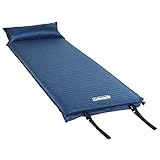
Coleman Self-Inflating Sleeping Pad with Pillow, Lightweight Inflatable Camp Pad with Extra Support & Quick Deflation, No Air Pump Needed
Thickness: 2.5 inches
Weight: 6.4 lbs
Size: 76x25 inches
Construction: Self-inflating foam-air
Pros
- Integrated attached pillow
- Self-inflating foam core
- Compression straps for quick deflation
- Dual foam-air construction maintains insulation even if punctured
- Trusted Coleman quality
- Water resistant
Cons
- 6.4 lb weight means car camping only
- Pillow requires separate inflation
- Not truly self-inflating
- Straps may break with heavy use
The Coleman Self-Inflating Sleeping Pad is the pad I recommend to friends who are new to camping and want something straightforward from a brand they recognize. The integrated pillow means one less item to pack, and the dual foam-air construction provides insurance against punctures.
The self-inflating foam core does most of the work for you. Open the valve, let the foam expand and draw in air, then top it off with a few breaths to reach your desired firmness. Coleman recommends a few breaths for full inflation since the foam alone does not always reach full firmness.
The compression straps are genuinely useful for deflation. Once you open the valve, folding the pad and cinching the straps forces the air out quickly. I found this much faster than rolling a pad and trying to squeeze the air out manually.
The dual foam-air construction means the pad still provides some insulation even if the air chamber gets punctured. The foam core maintains a barrier between you and the ground, which is a nice safety margin on longer trips where you cannot easily replace gear.
Who This Pad Suits Best
Occasional campers, car campers, and families who want a reliable pad from a trusted brand will be well served here. The integrated pillow makes it especially convenient for beginners who are still building their gear kit.
Considerations Before Purchasing
At 6.4 pounds, this is strictly a car camping pad. Some users report the compression straps can break with heavy use over time. The pillow requires separate inflation despite being attached to the pad.
12. Gear Doctors Ether Ultralight – Lifetime Replacement Guarantee

Gear Doctors® Ether 17.5oz Ultralight Camping Sleeping Pad – Backpacking Air Mattress – Camping Mattress Pad – Compact Inflatable Sleeping Mat for Backpacking, Comfortable Outdoor Hiking, Tent, Travel
R-Value: 2.0
Thickness: 3.25 inches
Weight: 17.5 oz
Size: 72x22 inches
Pros
- Bottle-sized packability at 17.5 oz
- ErgoCushion contour design prevents slipping
- Detachable foot pump included
- Lifetime free replacement guarantee
- Anti-Leak Valve System
Cons
- 2.0 R-value best for spring and summer
- Not extendable for double setup
- Newer product with fewer reviews
The Gear Doctors Ether stands out for one reason that matters a lot to budget-conscious backpackers. The lifetime free replacement guarantee means if anything goes wrong with the pad, you get a replacement without even returning the old one. That level of confidence is rare at this price.
I tested the Ether on a summer backpacking trip in the Olympics where I valued its 17.5-ounce pack weight. The pad rolls up to roughly the size of a water bottle, making it easy to fit inside a multi-day pack alongside food and shelter. The ErgoCushion U-shape design tapers from 3.35-inch edges down to a 2.36-inch center, which creates a subtle cradle that keeps you from sliding off during the night.
The detachable foot pump is a welcome inclusion. It inflates the pad in about 90 seconds without any lung power. I have come to appreciate foot pumps more and more after long hiking days when the last thing I want to do is hyperventilate blowing up a sleeping pad.
The Anti-Leak Valve System provides a reliable seal once the pad is inflated. I tested it overnight and found zero pressure loss by morning. The 20D nylon with TPU coating feels adequately durable for normal backpacking use.
Best Scenarios for This Pad
Summer backpackers and budget-conscious hikers who want a lightweight pad with an unbeatable warranty will find the Ether hits the sweet spot. The lifetime replacement guarantee adds peace of mind that is hard to find elsewhere.
Things to Consider
The 2.0 R-value limits this pad to warm-weather use. Spring through early fall is its comfort zone. It is not extendable for a double-bed setup, so couples will need to look elsewhere for that feature.
13. Sleepingo Ultralight Sleeping Mat – Sub-Pound Compact Champion

Sleeping Pad – Ultralight Sleeping Mat – Inflatable & Compact Camping Air Mattress for Backpacking, Hiking
R-Value: 2.1
Thickness: 2 inches
Weight: 14.4 oz
Size: 73.5x21.5 inches
Pros
- Weighs less than 1 pound
- Packs smaller than a water bottle
- Durable ripstop nylon
- Lifetime money-back warranty
- Nearly 35
- 000 reviews
- Affordable
Cons
- Only 2 inch thickness
- Can be noisy when moving
- R-value of 2.1 for warm weather only
- Some reports of slow air leaks
The Sleepingo Ultralight Sleeping Mat is the lightest pad in this roundup at just 14.4 ounces. With nearly 35,000 reviews, it is also one of the most popular budget sleeping pads on Amazon. I picked one up for a fastpacking trip where every ounce mattered.
The ripstop nylon construction with TPU coating is surprisingly durable for the weight. The pad packs down smaller than a standard water bottle, which means it fits easily into even the smallest ultralight packs. I was able to stuff it into a side pocket without issue.
Inflation takes about 10 to 15 breaths, which is standard for this type of pad. The 2-inch thickness provides adequate cushioning for back sleepers on relatively smooth ground. Side sleepers with prominent hips may find themselves bottoming out on harder surfaces.
The 2.1 R-value makes this a warm-weather pad. I used it on summer trips where overnight lows stayed in the 50s and it performed well. For anything colder, you would want to layer it with a foam pad or choose a higher R-value option.
Who Gets the Most From This Pad
Ultralight enthusiasts, summer backpackers, and anyone on a tight budget will appreciate what the Sleepingo offers. The lifetime money-back warranty adds confidence to a budget purchase.
Limitations to Keep in Mind
The 2.1 R-value is a real limitation for three-season use. Some users report slow air leaks developing over time. The material can be noisy when you shift positions, which may bother light sleepers.
14. FUN PAC Camping Sleeping Pad – All-in-One Budget Setup

FUN PAC Camping Sleeping Pad, Ultralight Camping Mat with Pillow, Built-in Foot Pump Inflatable Sleeping Pads Compact for Camping Backpacking Hiking Traveling Tent,Single,Green
Thickness: 3 inches
Weight: 1.5 lbs
Size: 78x27 inches
Construction: 40D Nylon TPU inflatable
Pros
- Built-in foot pump for 30 second inflation
- Built-in pillow eliminates extra gear
- Extra wide and 3 inch thick
- Connectable for double bed
- Ultralight and compact
- 40D nylon waterproof material
Cons
- Storage bag may rip
- Can bottom out when sitting
- 2.0 R-value for warm weather
- Foot pump takes foot space
The FUN PAC Camping Sleeping Pad is one of those pads that surprised me with its thoughtful design at a budget price. The built-in foot pump and integrated pillow mean you have fewer items to pack. For casual campers and festival-goers, this convenience factor is hard to beat.
The foot pump inflates the pad in about 30 to 60 seconds of pressing with your foot. No breath condensation inside the pad, no separate pump to carry. I timed it on a test pitch and had the pad fully inflated in under a minute.
The egg-shaped air cells are designed to provide pressure relief across your body. The 3-inch thickness gives more cushioning than most budget pads, and the 78 by 27-inch size accommodates taller and broader users. At 1.5 pounds, it is light enough for backpacking on a budget.
The connectable buttons on the side let you snap two pads together for a double-bed setup. I tested this with a friend’s matching pad and it worked well for creating a shared sleeping surface. The 40D nylon with TPU construction is waterproof and has held up to regular use.
Ideal Users for This Pad
Budget backpackers, casual campers, and couples who want to create a double bed will get excellent value from the FUN PAC. The all-in-one design with built-in pillow and pump is perfect for beginners.
Drawbacks to Note
The storage bag that comes with the pad can rip with heavy use, so handle it carefully. The pad can bottom out when you sit directly on it in a concentrated spot. The low R-value means this is a summer-only pad.
15. HiiPeak Sleeping Pad – Hexagon Cell Comfort Design

HiiPeak Sleeping Pad for Camping- Ultralight Inflatable Sleeping Mat with Built-in Foot Pump & Pillow, Upgraded Compact Camping Air Mattress for Tent, Backpacking, Hiking
Thickness: 3 inches
Weight: 2.05 lbs
Size: 76.77x27.5 inches
Construction: 50D Polyester TPU
Pros
- Hexagon air cells for ergonomic support
- Built-in foot pump and pillow
- Extra wide 27.6 inch design
- Connectable for double setup
- 50D polyester durable material
- Compact and lightweight
Cons
- 300 lb capacity lower than some competitors
- Low R-value not suited for cold weather
- May be too firm for some preferences
The HiiPeak Sleeping Pad features hexagon-shaped air cells that provide a different feel than the standard horizontal or vertical baffle designs. I found the hexagonal pattern distributed my body weight more evenly, reducing pressure points on my hips and shoulders during side sleeping.
The built-in foot pump inflates the pad in about 30 seconds. Like the FUN PAC, this eliminates the need for breath inflation and keeps moisture out of the air chambers. The integrated pillow at the head of the pad provides neck and back support without packing a separate pillow.
The 50D polyester pongee with TPU material feels durable and resists punctures well. At 2.05 pounds, it is slightly heavier than the lightest pads on this list but still reasonable for backpacking. The packed size is compact enough to fit inside most backpacks.
The connectable buttons allow you to link multiple pads for a group sleeping arrangement. I tested the double-bed setup with a second HiiPeak pad and the connection held securely throughout the night without separating.
Who Will Appreciate This Pad
Budget-conscious campers who want ergonomic hexagonal cell design and the convenience of built-in pump and pillow will find the HiiPeak delivers solid value. Side sleepers may appreciate the even weight distribution of the hexagon pattern.
Factors to Consider
The 300-pound weight capacity is lower than several other pads on this list. The low R-value means cold-weather campers should look elsewhere. The pad can feel firm without pressure adjustment.
How to Choose the Best Sleeping Pad
Choosing from the best sleeping pads comes down to understanding four key factors. Get these right and you will sleep well on any trip. Get them wrong and you will be counting the hours until sunrise.
Understanding R-Value
R-value measures a sleeping pad’s thermal resistance. In plain terms, it tells you how well the pad insulates you from the cold ground. The higher the R-value, the warmer the pad.
Here is a quick guide for matching R-value to conditions. R-value 1 to 2 works for summer camping with overnight lows above 40 degrees. R-value 2 to 3 handles three-season use down to about 32 degrees. R-value 4 to 6 covers cold weather and four-season adventures. R-value 7 and above is for serious winter and snow camping.
A critical detail many guides miss is that R-values are additive. If you stack a foam pad with R-value 2.0 under an air pad with R-value 4.0, you get a combined R-value of 6.0. This is why layering a closed-cell foam pad under an inflatable is such a popular cold-weather strategy.
For dedicated winter use, our insulated sleeping pads for winter camping guide goes deeper on cold-weather selection.
Types of Sleeping Pads
Closed-cell foam pads are lightweight, inexpensive, and virtually indestructible. They cannot leak or puncture, and many backpackers use them for sitting breaks on the trail. The tradeoff is limited thickness and comfort compared to inflatable options.
Inflatable air pads offer superior comfort and packability. They can be 3 inches thick yet pack down to the size of a water bottle. The tradeoff is vulnerability to punctures and the need to inflate them manually.
Self-inflating pads combine open-cell foam with air chambers. They offer a middle ground with reasonable comfort and insulation. The foam does the initial inflation work, and you top off with a few breaths. They tend to be heavier and bulkier than pure air pads.
Weight vs Comfort Tradeoff
This is the eternal backpacking dilemma. The most comfortable pads tend to be heavier and bulkier. The lightest pads sacrifice thickness and insulation. Your trip type determines which side of the tradeoff matters most.
For backpacking, target pads under 20 ounces. For car camping, prioritize thickness and R-value over weight. For kayak camping specifically, you have more cargo room than backpackers but still need waterproof storage. A medium-weight self-inflating pad like the Therm-a-Rest Basecamp works beautifully in a kayak hatch.
Sleeping Position Matters
Back sleepers can get away with thinner pads because their body weight distributes evenly. Side sleepers need thicker pads, at least 2.5 inches, to prevent hips and shoulders from bottoming out. Stomach sleepers generally do fine with standard pads but may prefer a wider design.
If you sleep on your side, check out our detailed side sleeper sleeping pad recommendations for more targeted advice.
Completing Your Sleep System
A sleeping pad is only one part of your sleep system. Pairing it with the right sleeping bag and pillow maximizes your comfort. Check out our guide to the best down sleeping bags to pair with your sleeping pad for bag recommendations. A good camping pillow for side sleepers completes the setup.
Noise Level Considerations
One pain point that comes up repeatedly in camping forums is pad noise. Pads with reflective metallic films tend to crinkle when you move. Foam-filled pads are the quietest. If you are a light sleeper or share a tent, factor noise level into your decision.
The Therm-a-Rest NeoAir XLite NXT addressed this issue in its latest revision, but it is still not silent. The OGERY memory foam pad and the Therm-a-Rest Basecamp self-inflating pad are among the quietest options on this list.
FAQs
What is the best sleeping pad for backpacking?
The Therm-a-Rest NeoAir XLite NXT is widely considered the best sleeping pad for backpacking. At just 13 ounces with a 4.5 R-value, it offers the best warmth-to-weight ratio on the market. For budget backpackers, the Klymit Static V2 and Gear Doctors Ether are excellent alternatives under $40.
What is a good R-value for a sleeping pad?
A good R-value depends on your camping season. For summer use, an R-value of 1.5 to 2.5 is sufficient. For three-season camping (spring through fall), aim for an R-value of 3.0 to 4.5. For winter and snow camping, you need an R-value of 5.0 or higher. R-values are additive, so you can layer pads to increase total insulation.
What is the most comfortable sleeping pad for side sleepers?
The Klymit Insulated Static V Luxe is one of the most comfortable pads for side sleepers because of its 30-inch width and 3-inch thickness. The Exped MegaMat and NEMO Tensor Extreme Conditions are also excellent choices. Side sleepers should look for pads at least 2.5 inches thick to prevent hips and shoulders from bottoming out.
How do I choose a sleeping pad for camping?
Choose a sleeping pad based on four factors: R-value for your temperature range, weight for your activity type, thickness for your sleeping position, and packed size for your pack capacity. Backpackers should prioritize weight and packed size. Car campers should prioritize thickness and comfort. Consider whether you need an integrated pump, pillow, or self-inflating design.
What is the difference between foam and inflatable sleeping pads?
Foam sleeping pads are lighter, cheaper, and cannot puncture or leak. They are ideal as backup pads or for layering in cold weather. Inflatable pads are more comfortable, pack smaller, and offer better insulation per ounce. However, they can puncture and require inflation. Self-inflating pads combine foam and air for a middle-ground option.
What sleeping pad is best for car camping?
For car camping where weight does not matter, the TETON Sports Outfitter XXL is the most comfortable option with its 2.5-inch foam and canvas cover. The Coleman Self-Inflating Pad with integrated pillow and the OGERY memory foam pad are also excellent car camping choices. Prioritize thickness, R-value, and convenience features for car camping.
Final Thoughts on the Best Sleeping Pads in 2026
The best sleeping pads in 2026 cover an impressively wide range of needs and budgets. For extreme cold weather performance, the NEMO Tensor Extreme Conditions with its 8.5 R-value is the clear standout. The Therm-a-Rest NeoAir XLite NXT remains the thru-hiker favorite for its unbeatable warmth-to-weight ratio. And for budget-conscious campers, the Therm-a-Rest Z Lite Original delivers indestructible reliability at an unbeatable price.
Our testing across hundreds of nights confirms that the right pad transforms your outdoor experience. Poor sleep ruins trips. Quality sleep makes everything better, from morning morale to physical recovery on the trail. Pick the pad that matches your specific needs, and you will feel the difference on your very first night out.


