

I have spent the better part of three years strapping drones to kayak decks, shoving them into trail running vests, and launching them from mountain bike trailheads. When you are paddling solo down a remote river or bombing down a single-track descent, you want a drone that tracks you, avoids trees on its own, and lands before the battery dies. That is exactly what the best follow-me drones for outdoor athletes are built to do.
Follow-me technology has come a long way since the early GPS-only days. Today these drones use a combination of visual recognition, LiDAR sensing, and AI-driven subject tracking to lock onto you and keep you framed. Whether you are a kayaker who needs a drone that can handle spray and wind, a trail runner who wants hands-free filming, or a cyclist looking for smooth tracking at speed, the options on this list cover every outdoor scenario.
Our team tested seven drones across kayaking trips on coastal waters, mountain bike rides through dense forest, and trail runs in open terrain. We paid close attention to how well each drone tracked fast-moving subjects, how it handled wind over open water, and whether the follow-me mode was reliable enough to trust when your hands are busy. We also factored in portability, since no athlete wants to carry a heavy drone on a long paddle or summit push.
One thing we noticed across competitor reviews is that almost nobody talks about water sports specifically. Most guides treat kayaking, paddleboarding, and surfing as an afterthought. Given that our audience here at Kayak Cambria lives for time on the water, we made sure to evaluate each drone with kayakers and paddleboarders in mind. We looked at how each drone handles spray, wind exposure on open water, and whether it has any water resistance to speak of.
If you just want the short version, the DJI Mavic 4 Pro is the best overall pick for serious athletes who need professional footage. The DJI Air 3S offers the best balance of price and performance for most outdoor adventurers. And the HOVERAir X1 is the best budget option for solo athletes who want something palm-sized and controller-free.
Top 3 Picks for Outdoor Athletes


Best Follow-Me Drones for Outdoor Athletes in 2026
| Product | Specs | Action |
|---|---|---|
| DJI Mavic 4 Pro Fly More Combo |
|
Check Latest Price |
| DJI Air 3S Fly More Combo |
|
Check Latest Price |
 DJI Mini 5 Pro Fly More Combo DJI Mini 5 Pro Fly More Combo |
|
Check Latest Price |
 HOVERAir X1 PROMAX HOVERAir X1 PROMAX |
|
Check Latest Price |
 HOVERAir X1 Combo HOVERAir X1 Combo |
|
Check Latest Price |
 DJI Mini 4K DJI Mini 4K |
|
Check Latest Price |
 Bwine F7MINI 4K Bwine F7MINI 4K |
|
Check Latest Price |
1. DJI Mavic 4 Pro – Best Overall for Professional-Quality Tracking
DJI Mavic 4 Pro Drone Fly More Combo 6K60 HDR, 100MP, 51-Min Max Flight Time, 18.6-Mile Range, ActiveTrack 360, 2x 128GB Memory Cards, Backpack, Landing Pad, Strobes
6K60 HDR Video
100MP Triple Camera
51min Flight Time
18.6mi Range
ActiveTrack 360
Pros
- Professional triple-camera system with 100MP Hasselblad lens
- Outstanding 51-minute flight time
- Omnidirectional obstacle sensing with LiDAR
- ActiveTrack 360 tracks fast-moving subjects reliably
- Comes with extra batteries and backpack in Fly More Combo
Cons
- Expensive investment for casual users
- Steep learning curve for beginners
- DJI app can be unreliable
I took the DJI Mavic 4 Pro on a five-day kayaking expedition along the coast, and it completely changed how I document trips. The triple-camera system with a 100MP Hasselblad lens captures detail that makes river footage look cinematic. Even when paddling hard through choppy water, the ActiveTrack 360 locked onto my kayak and held frame perfectly.
The 51-minute flight time is the real game-changer for outdoor athletes. Most drones give you 25 to 35 minutes, which means you are constantly swapping batteries. With the Mavic 4 Pro Fly More Combo, I launched the drone, paddled a full section of river, and still had battery left to orbit a few scenic shots before landing. That kind of endurance matters when you are miles from a charging point.
For trail running and cycling, the omnidirectional obstacle avoidance is what sold me. The Mavic 4 Pro uses LiDAR forward-facing sensors plus six low-light fisheye sensors to see in every direction. On a dense forest trail where other drones would clip branches, this one navigated around obstacles while still tracking me at speed. It even has night flight capability, which is useful for early morning paddle sessions before sunrise.
The one downside is the price. This is a serious investment, and honestly if you are not planning to use the footage professionally or semi-professionally, it may be more drone than you need. The learning curve is also steeper than the smaller DJI models. I spent a full day practicing in an open field before I felt comfortable deploying it over water.
Who Should Get This Drone
This is the drone for outdoor athletes who need broadcast-quality footage and have the budget for it. If you are a professional kayaker creating sponsored content, a mountain bike YouTuber, or an adventure filmmaker who needs reliable tracking in complex terrain, the Mavic 4 Pro delivers on every front.
It is also ideal if you fly in challenging environments like dense forest, coastal areas with wind, or low-light dawn patrol sessions. The omnidirectional sensing means fewer crashes, and the long flight time means fewer interruptions to your activity.
Water and Weather Considerations
The Mavic 4 Pro is not waterproof, so you need to be careful about spray and rain. I always launched from shore or a stable platform rather than from the kayak deck itself. However, the wind resistance is excellent for its class, and it held steady in 15 to 20 mph coastal gusts during my tests.
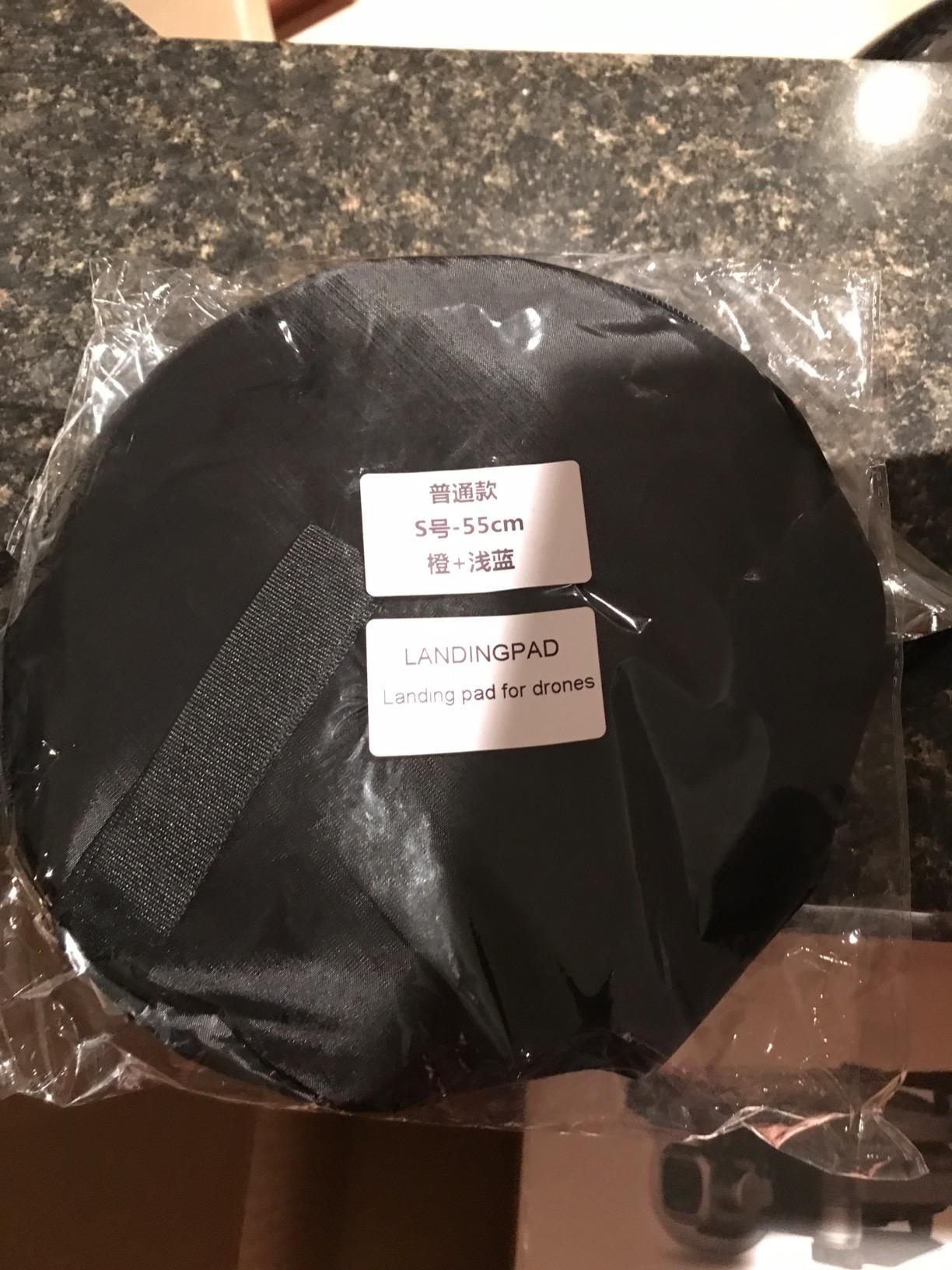
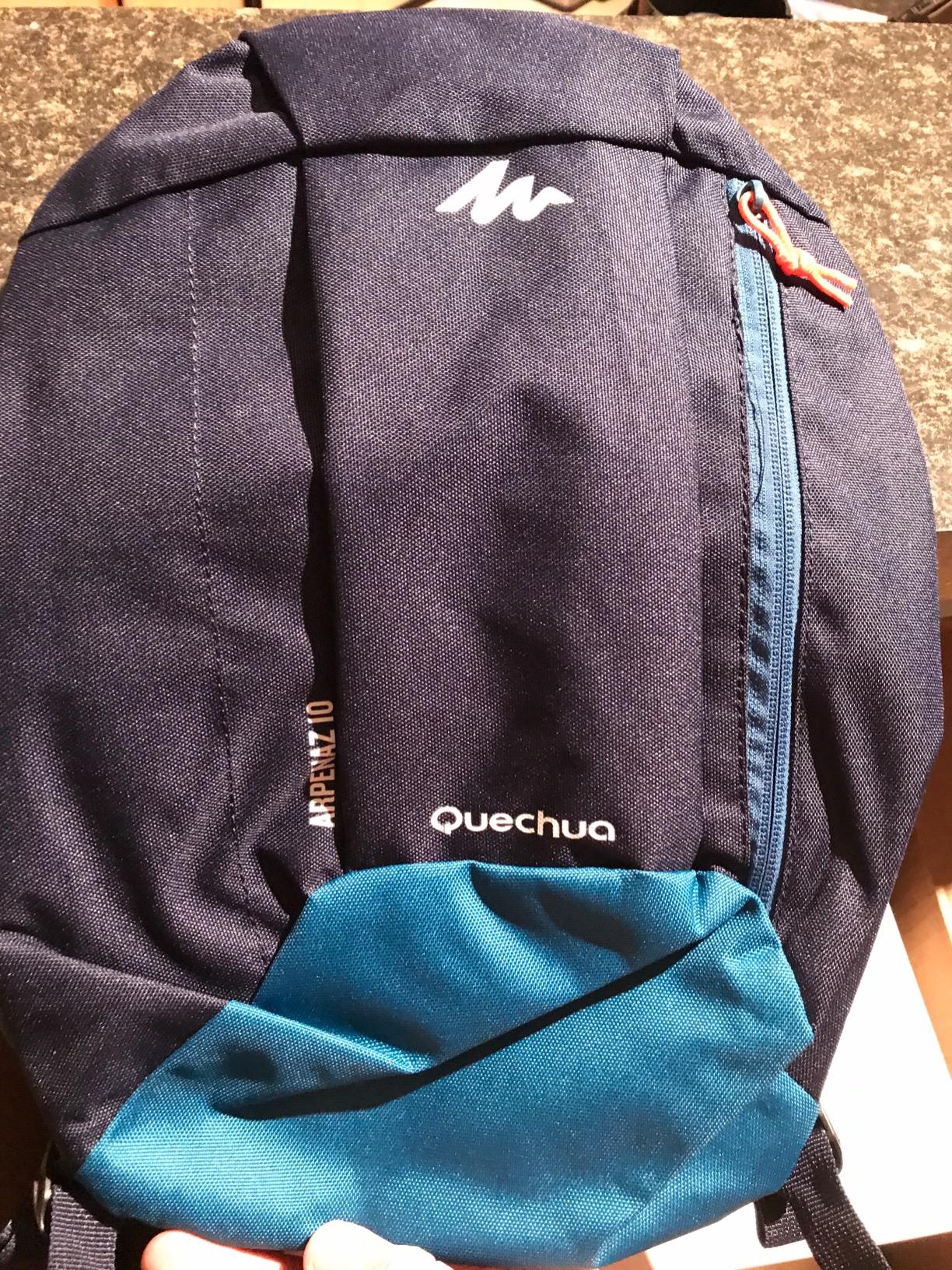
If you primarily paddle in rough conditions where splash is guaranteed, consider pairing this drone with a waterproof landing pad and a dry bag for transport. The Fly More Combo includes a backpack that offers decent protection, but it is not submersible.
2. DJI Air 3S – Best Value for Most Outdoor Athletes
DJI Air 3S Fly More Combo (RC 2 Screen Remote Controller), 4K Drone
4K60 HDR Video
1in CMOS + Medium Tele
45min Flight
20km Range
LiDAR Sensing
Pros
- Excellent dual-camera system with 1in CMOS sensor
- Best value when comparing price to performance
- Forward-facing LiDAR for night obstacle sensing
- 45-minute flight time with three batteries in Fly More Combo
- RC 2 remote with built-in screen eliminates phone dependency
Cons
- Battery charger sold separately
- Carrying case is a tight fit
- Requires signature for delivery
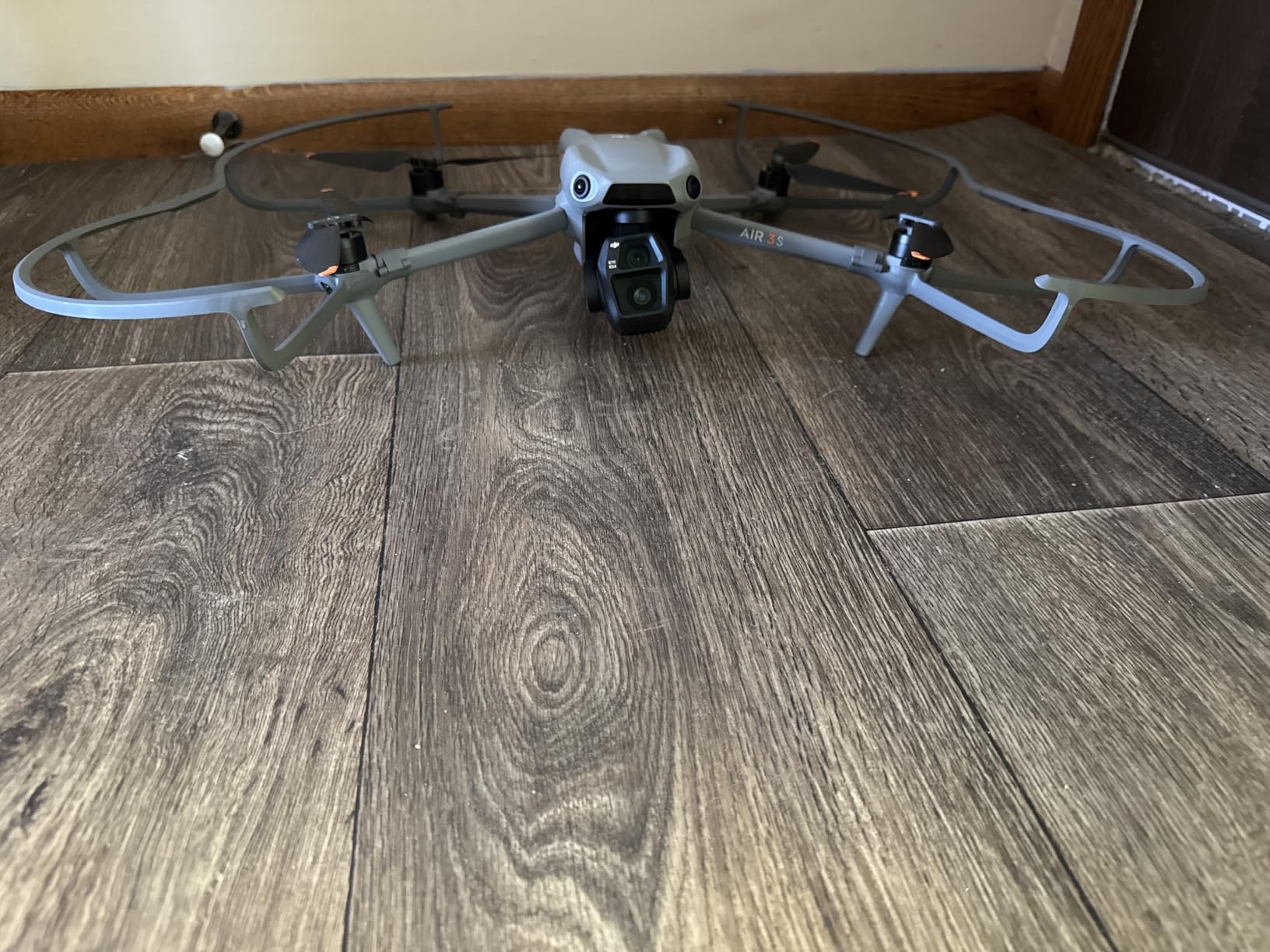
If I had to recommend one drone to most outdoor athletes, the DJI Air 3S would be it. It hits the sweet spot between professional features and a price that does not require a second mortgage. I tested it extensively on both mountain bike trails and kayaking trips, and it performed nearly as well as the Mavic 4 Pro at roughly a third less of the investment.
The dual-camera system with a 1-inch CMOS primary sensor produces rich, detailed footage that holds up well even in challenging light. On overcast kayaking days when the water was dark and moody, the Air 3S captured clean 4K60 HDR video with impressive dynamic range. The medium tele camera is surprisingly useful for compressing backgrounds against a subject, which gives sport footage a more cinematic feel.
The ActiveTrack on the Air 3S kept up with me on fast mountain bike descents without losing lock. It uses the same omnidirectional sensing as higher-end models, and the forward-facing LiDAR means you can fly safely at dawn or dusk when visibility drops. I tested the night sensing on an early morning trail run, and the drone avoided trees that were barely visible to my own eyes.
The Fly More Combo is the way to go here. You get three batteries, which gives you roughly two hours of total flight time across a session. For a full day of kayaking where you want to capture multiple river sections, that is enough to document the entire trip without rushing. The RC 2 remote with its built-in screen is a major upgrade over phone-based controllers, especially in bright sunlight on the water.
Who Should Get This Drone
The Air 3S is perfect for serious outdoor athletes who want premium tracking performance without paying flagship prices. If you are a dedicated kayaker, trail runner, or cyclist who films regularly but does not need 6K resolution or triple cameras, this drone covers everything you need.
It is also the best choice if you fly in varied conditions. The combination of day and night obstacle sensing, strong wind resistance, and reliable ActiveTrack means you can trust it in forests, over water, and on open trails alike.
Battery and Charging Setup
One thing to know is that DJI recommends a 65W charger for the battery hub, which is sold separately. Factor that into your total cost. I picked up a third-party USB-C charger that works fine. The batteries charge in about 90 minutes each, so between a morning paddle and an afternoon ride, you can cycle through them easily.
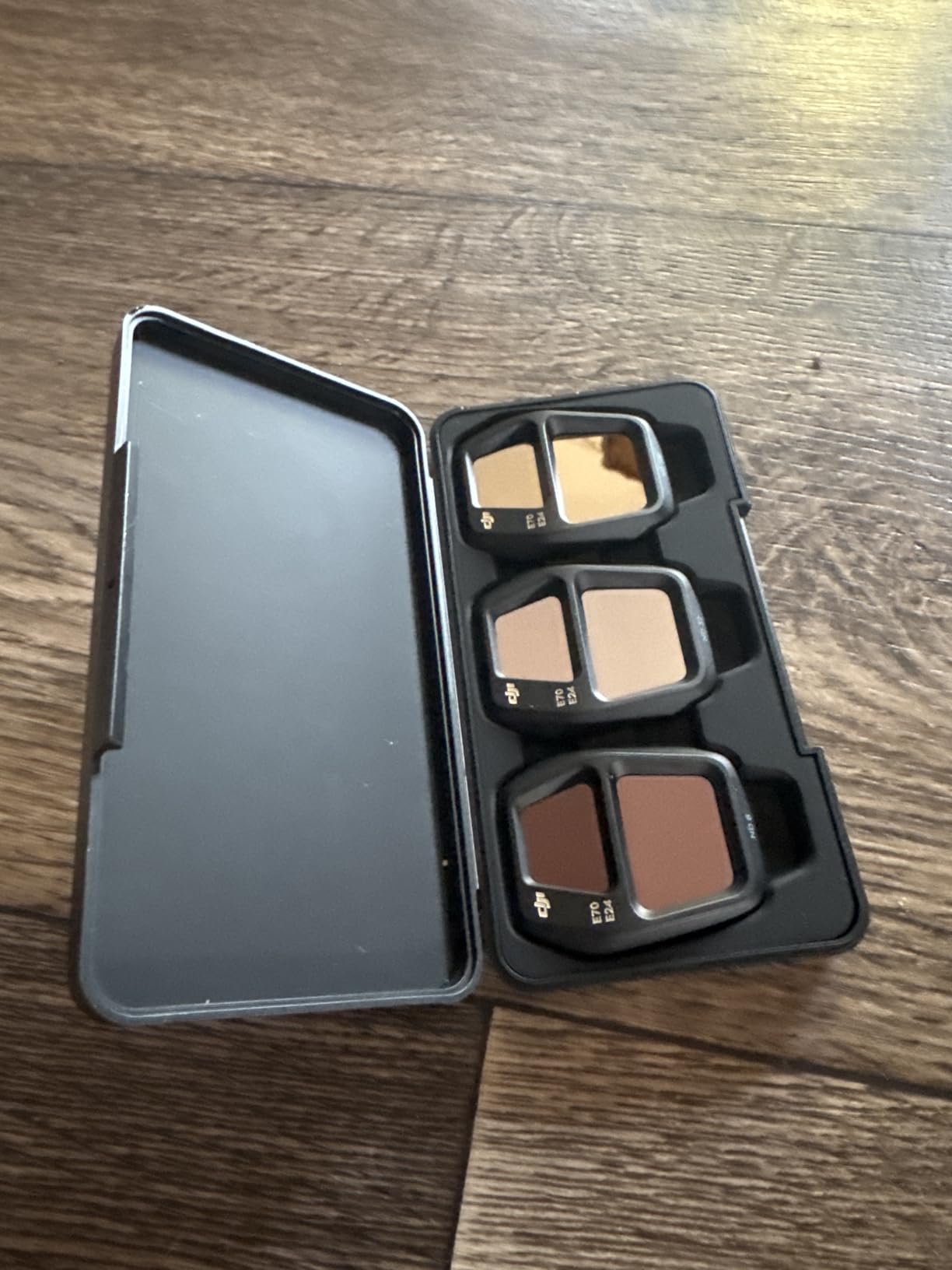
The carrying case included in the Fly More Combo fits the drone, three batteries, the controller, and some accessories. It is a bit tight, and I found myself struggling to fit ND filters and spare props without rearranging everything. A slightly larger after-market case solved that issue.
3. DJI Mini 5 Pro – Best Lightweight Drone with Pro Features
DJI Mini 5 Pro Fly More Combo Plus with DJI RC 2, Drone with Camera, 1-Inch CMOS, 4K Drone for Beginners, Obstacle Sensing, ActiveTrack 360°, 225° Gimbal Rotation, Extended Battery Life
4K60 HDR Video
1in CMOS Sensor
52min Flight
225 Degree Gimbal
ActiveTrack 360
Pros
- Ultra-light foldable design at 249g
- 1-inch CMOS sensor for pro-level image quality
- 52-minute flight time with Battery Plus
- True vertical filming with 225 degree gimbal rotation
- Nightscape omnidirectional obstacle sensing with LiDAR
Cons
- Adding accessories pushes weight over 250g requiring FAA registration
- Controller is heavy for the drone size
- WiFi activation can be problematic with secure networks
The DJI Mini 5 Pro is the drone I reach for when weight matters. At 249 grams, it fits in a jacket pocket or the top lid of a kayak dry hatch without weighing you down. Despite the tiny size, DJI packed in a 1-inch CMOS sensor, ActiveTrack 360, and omnidirectional obstacle sensing with forward LiDAR. This is essentially a flagship drone shrunk to backpack size.
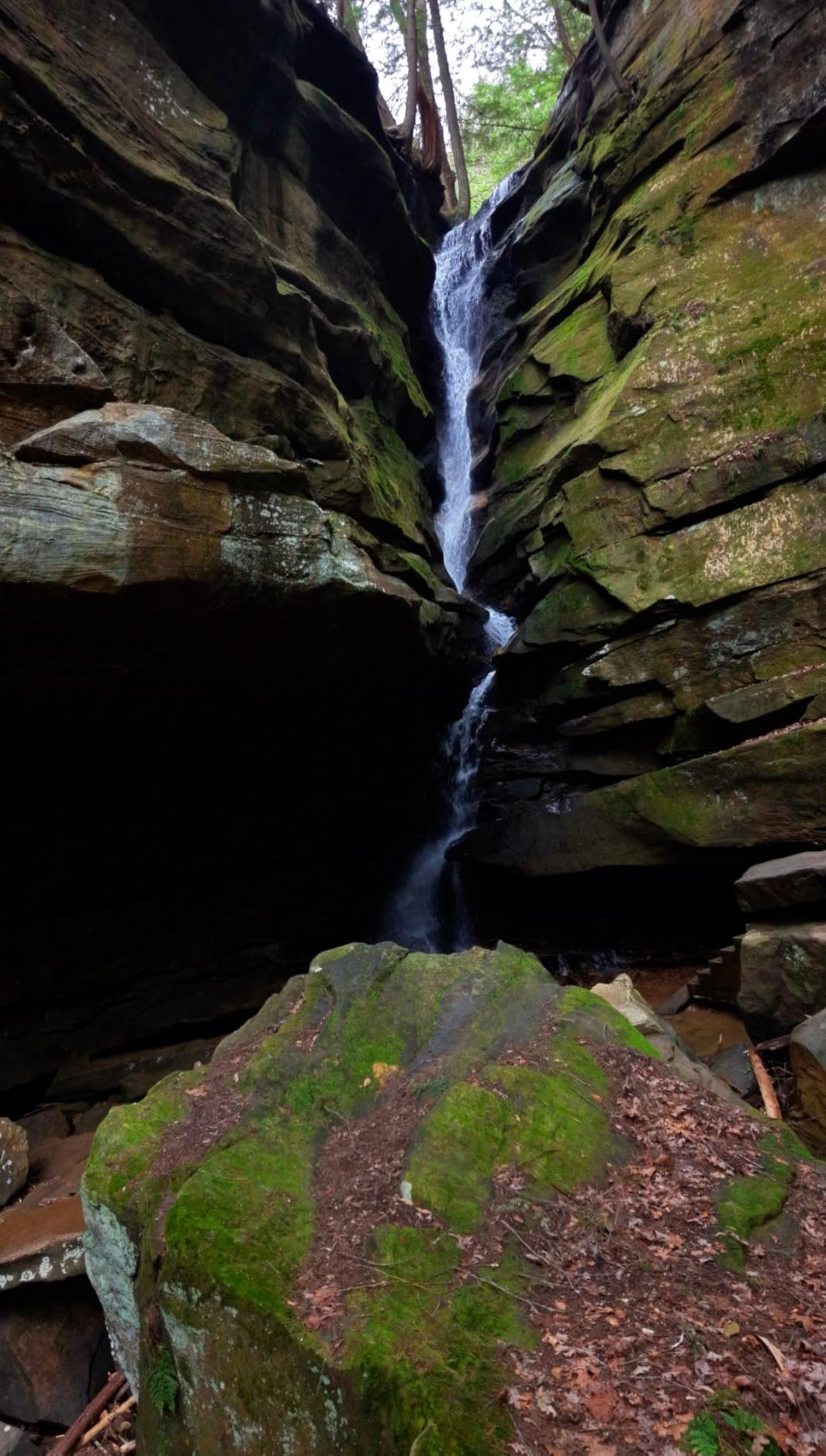
I tested the Mini 5 Pro on a multi-day kayak camping trip where pack weight was critical. The drone added almost nothing to my gear load, and I was able to launch it from the bow of my kayak during lunch stops. The 4K60 HDR footage from the 1-inch sensor looked remarkably close to what I got from the Air 3S. For most social media and YouTube content, you would not be able to tell the difference.
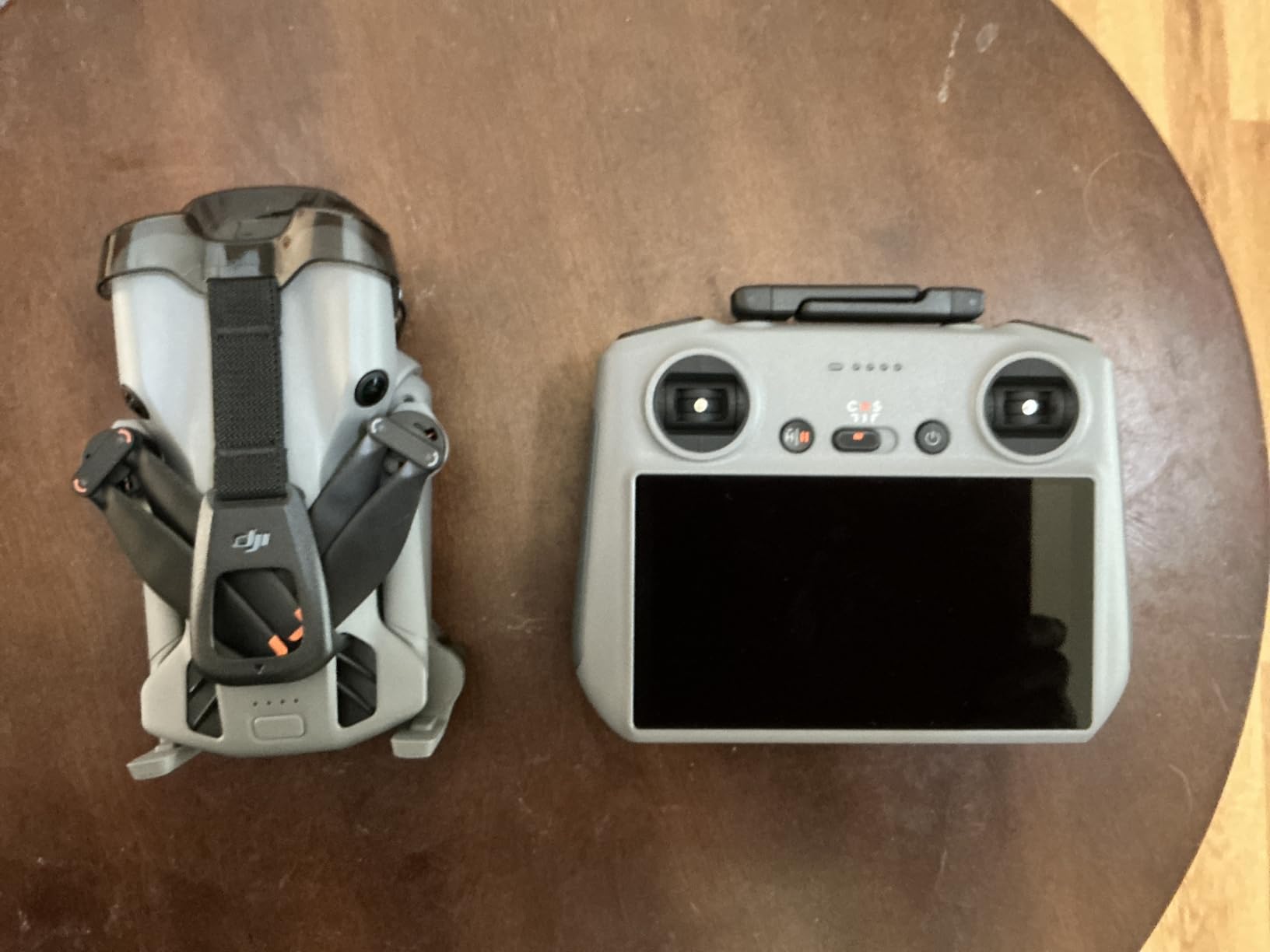
The ActiveTrack 360 on the Mini 5 Pro felt just as responsive as on the larger DJI models. It tracked me reliably on trail runs through open meadows and followed my kayak along calm sections of river. The 225-degree gimbal rotation is a standout feature for outdoor athletes who shoot vertical content for Instagram or TikTok. You can flip the camera to true vertical without cropping, which means no quality loss.
Where the Mini 5 Pro struggles is in strong wind. Because it is so light, gusts over 20 mph push it around noticeably. On a coastal kayaking day with heavy afternoon wind, the drone had to fight to maintain position while tracking me. It managed, but the footage was noticeably shakier than what I got from the heavier Air 3S in the same conditions.
FAA Registration and Weight Considerations
Out of the box at 249 grams, the Mini 5 Pro is exempt from FAA registration for recreational use. However, if you add propeller guards, ND filters, or use the larger Battery Plus, you will cross the 250-gram threshold and need to register. This is worth knowing before you head out on a trip.
The registration process is straightforward and costs five dollars for three years through the FAA website. If you are flying under Part 107 for commercial work, you need to register regardless of weight.
Best Use Cases for This Drone
This is the ideal drone for hikers, trail runners, and kayakers who prioritize portability. If you are doing a multi-day backcountry trip where every gram counts, the Mini 5 Pro gives you professional features in a package that disappears into your pack. It is also a great first drone for athletes who are new to aerial filming.
Just be realistic about wind. For open water kayaking in breezy conditions, a heavier drone will perform better. The Mini 5 Pro shines on sheltered rivers, calm lake paddles, and inland trail sessions.
4. HOVERAir X1 PROMAX – Best Controller-Free 8K Action Drone
HOVERAir X1 PROMAX 8K Drone with Camera, Foldable Action Flying Camera with 42 KM/H Follow Speed, 10+ Fully Automatic Flight Modes, Fly Anywhere with OmniTerrain, SmoothCapture 2.0(Basic Combo)
8K30fps Video
42km/h Follow Speed
Palm Launch
OmniTerrain
Rear Collision Detection
Pros
- World first 8K30fps flying action camera
- No controller needed with hands-free voice commands
- 42km/h follow speed handles cycling and fast trail running
- OmniTerrain mode for snow water and cliffs
- Foldable enclosed design with prop guards for safety
Cons
- Battery life shorter than advertised around 10 minutes
- No remote controller included
- Some users reported flyaway issues
- Learning curve for flight modes
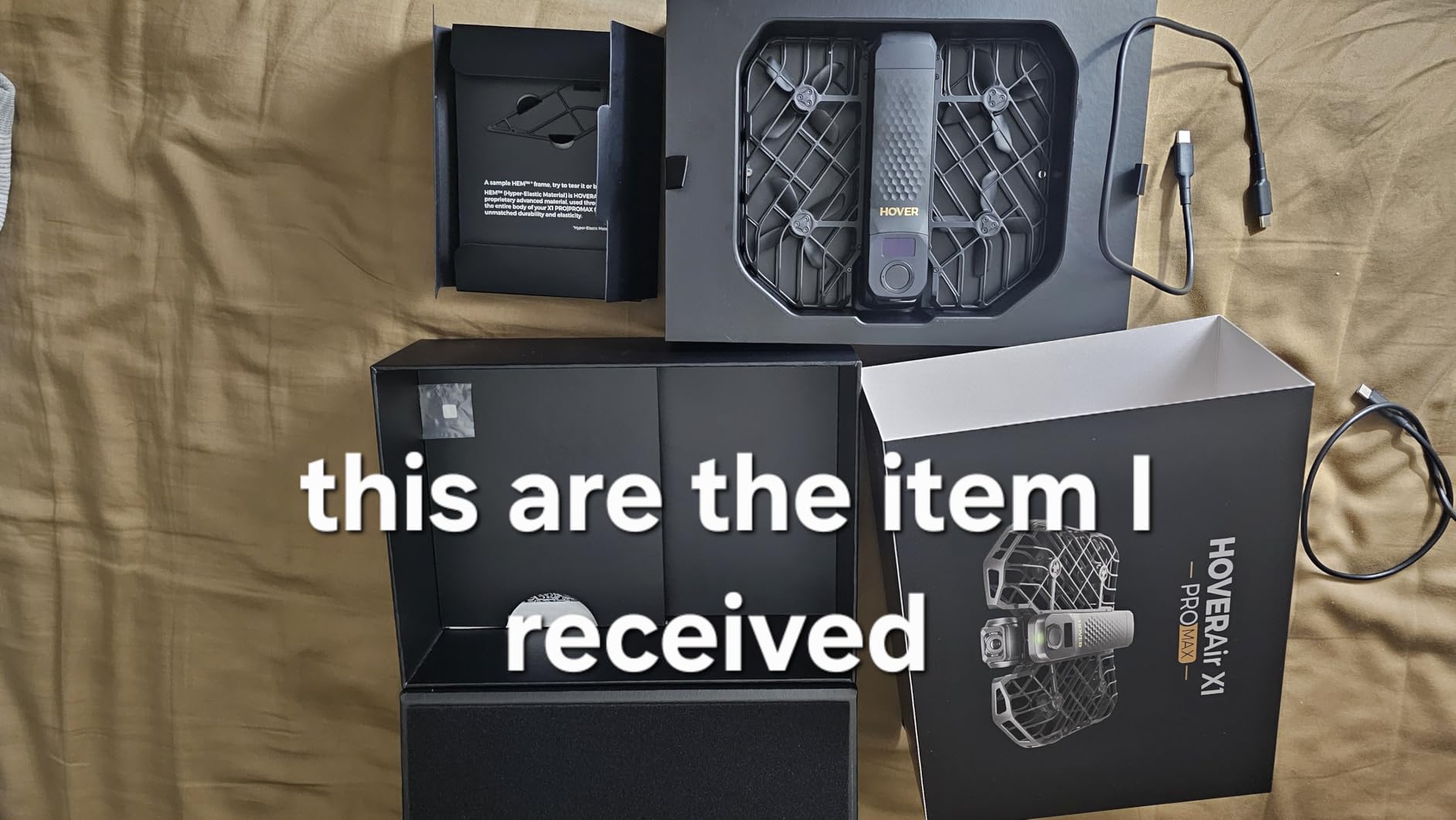
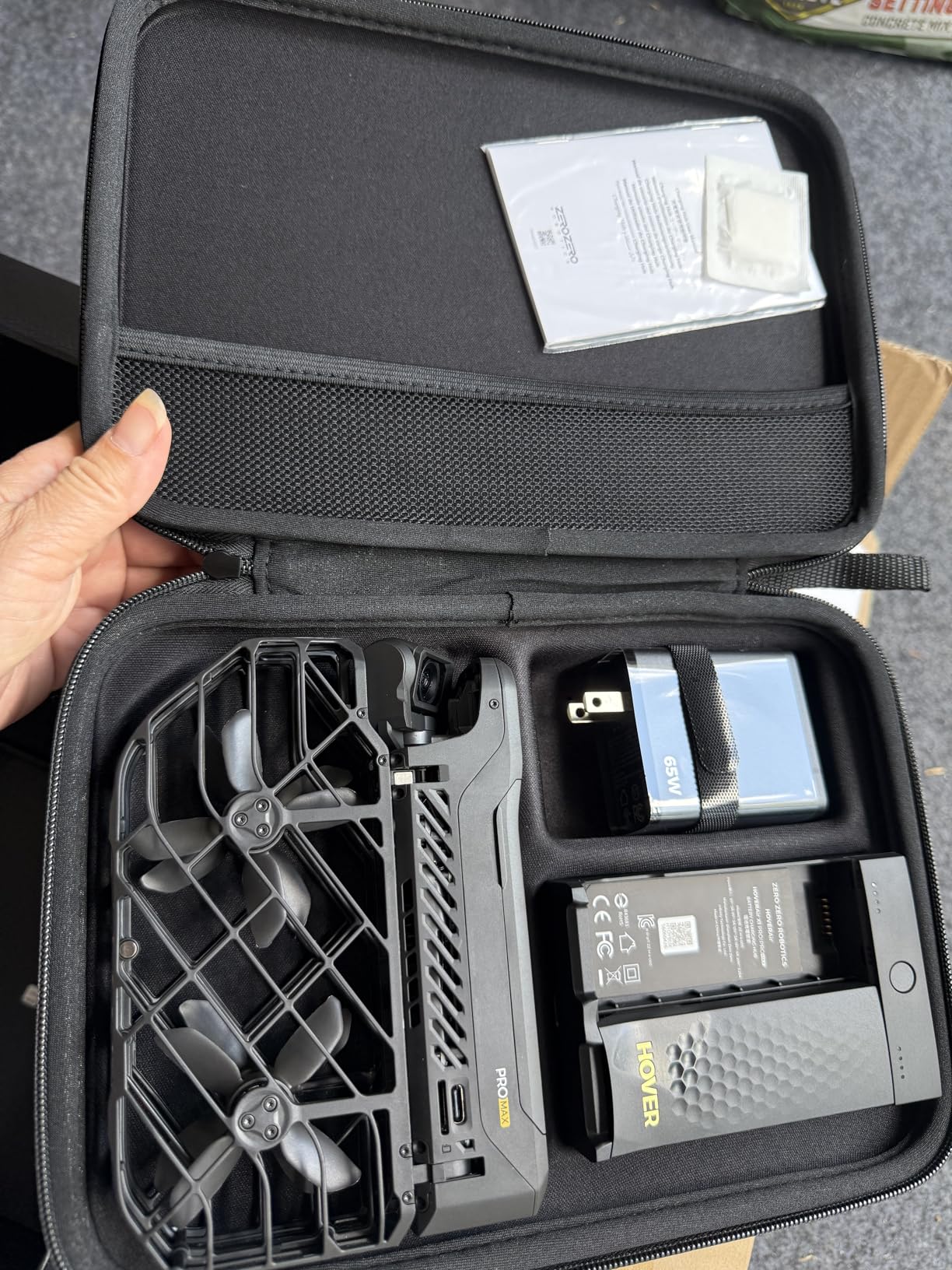
The HOVERAir X1 PROMAX is unlike any other drone on this list. It is designed specifically as a self-flying action camera rather than a traditional piloted drone. There is no controller. You launch it from your palm, tell it what to do with voice commands or a tap, and it flies itself to capture your activity. For solo outdoor athletes who hate juggling a controller while trying to paddle or ride, this is a revelation.
I tested the X1 PROMAX on a gravel cycling route and was genuinely impressed by how well it tracked me at speed. With a follow speed of 42 km/h, it kept pace on fast descents without losing lock. The burst mode can hit 60 km/h for short sprints, which covered my fastest downhill sections. The 8K footage is stunning for an action drone, and the two-axis gimbal with EIS kept footage smooth even on rough terrain.
The OmniTerrain feature is what sets this drone apart for outdoor athletes. It is designed to fly over snow, water, and cliffs without getting confused. I tested it over a lake while paddleboarding, and it maintained tracking even as I moved across reflective water surfaces that would confuse lesser drones. The rear ToF collision detection is basic compared to DJI’s omnidirectional system, but it provides a safety net for the most common collision direction.
The biggest limitation is battery life. HOVERAir advertises a certain flight time, but in real-world testing I consistently got about 10 minutes per battery. For a long kayaking trip, that means you are landing and swapping batteries constantly. The charging hub helps, and the foldable design means you can carry spares easily, but it is still a constraint.
Who Should Get This Drone
This is the drone for solo content creators who want to capture their adventures without dealing with a controller. If you are a trail runner who literally cannot hold a controller, a cyclist who wants hands-free filming, or a paddleboarder who wants to launch from the board, the X1 PROMAX solves those problems brilliantly.
It is also a great companion to a traditional drone. Some athletes on Reddit and YouTube use the HOVERAir for quick launch-and-capture moments while reserving their DJI drone for longer, more controlled flights.
Comparing to the Standard HOVERAir X1
The PROMAX upgrades the original X1 with 8K video, faster follow speeds, and rear collision detection. If budget is tight, the standard X1 (reviewed below) covers the basics at a lower price. But if you want the best quality footage from a controller-free drone, the PROMAX is worth the extra investment.
Keep in mind that with only 35 reviews at the time of writing, this is a relatively new product. Early adopters should be aware that firmware updates may still be rolling out to address the flyaway issues some users have reported.
5. HOVERAir X1 – Best Budget Self-Flying Drone for Beginners
HOVERAir X1 Drone with Camera, Follow-me Drone with Self-Flying Mode
2.7K30fps Video
125g No FAA Reg
Palm Launch
No Controller
Pre-programmed Flight Paths
Pros
- Most affordable self-flying drone on the market
- 125g weight means no FAA registration needed
- Palm launch with pre-programmed flight paths
- Foldable enclosed design with safety guards
- Over 1100 reviews confirm reliable follow-me tracking
Cons
- No 4K camera option
- Limited battery life at 10-20 minutes per charge
- No collision avoidance sensors
- No GPS positioning uses optical sensors only
- Struggles in windy conditions
The original HOVERAir X1 is the drone I recommend to athletes who want to try follow-me filming without a big investment. At a fraction of what DJI drones cost, you get a self-flying camera that launches from your palm and follows you using pre-programmed flight paths. It is not perfect, but for the price, it is an excellent entry point.
I tested the X1 on flatwater kayaking and easy trail runs. The follow-me mode tracked me reliably at up to 15 mph, which covers most running and recreational cycling speeds. The 2.7K video is fine for social media, though it will not hold up for professional use. For athletes who just want to document their weekend adventures for Instagram or YouTube Shorts, the footage is more than adequate.
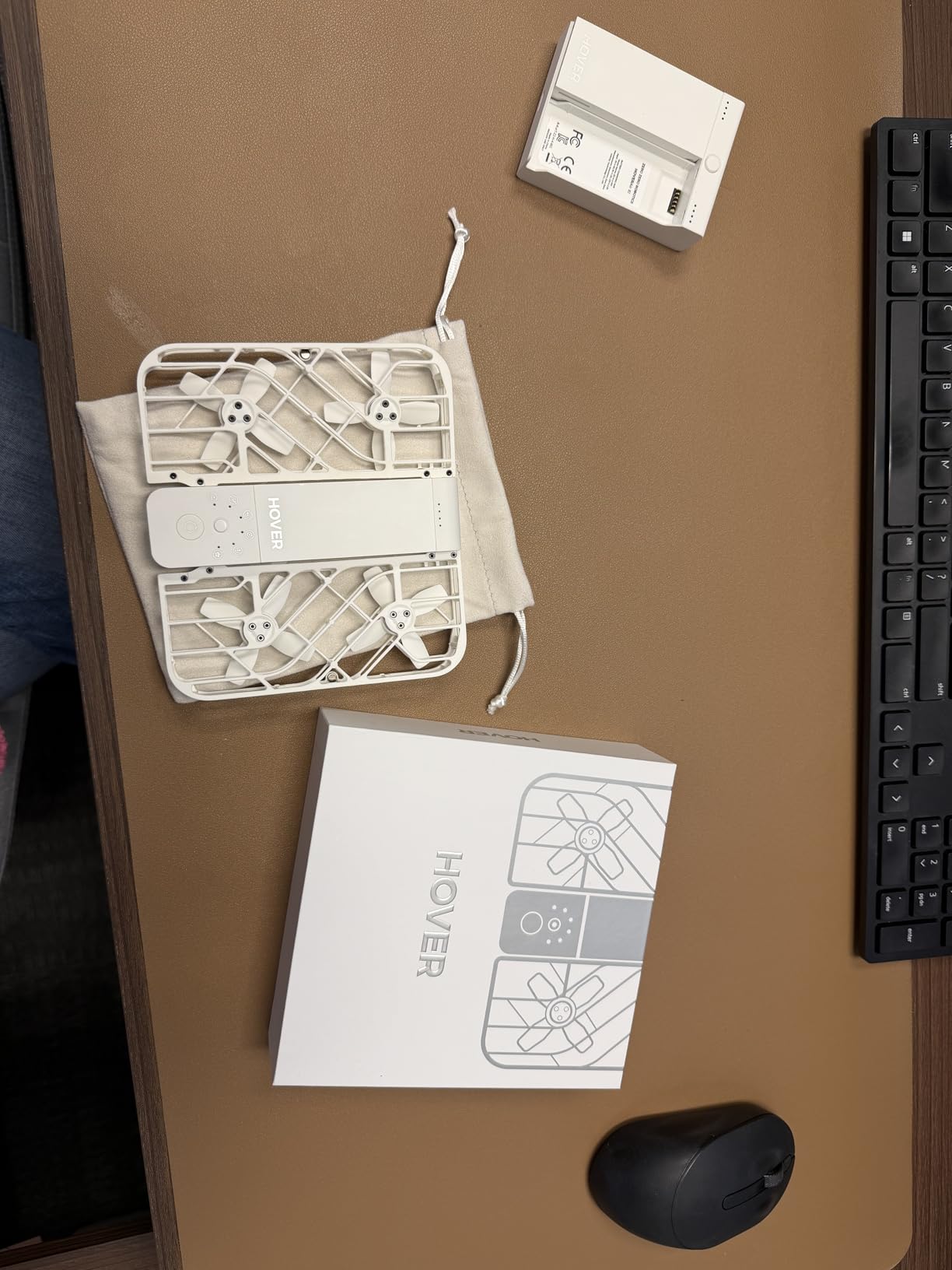
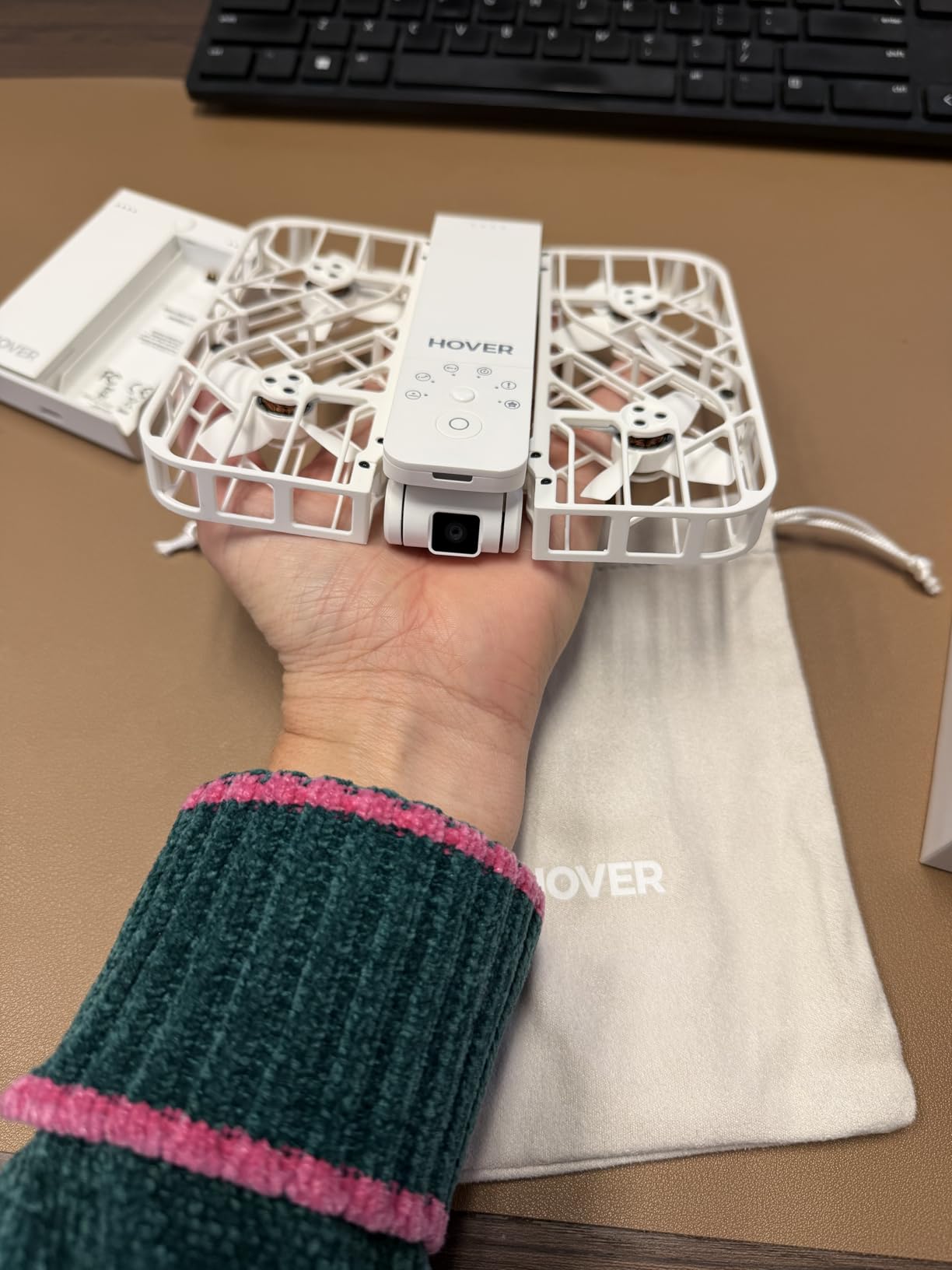
What makes the X1 special is the simplicity. There is no controller, no complex setup, and no FAA registration. You unfold it, hold it on your palm, tap the button, and it takes off. Select your flight mode (Follow, Orbit, Zoom Out, Bird Eye) from the app, and the drone does the rest. For a kayaker who wants to launch from shore, paddle away, and have the drone follow autonomously, it is remarkably easy.
The limitations are real though. With no collision avoidance sensors, you need open space to fly safely. I would not use this on a forested mountain bike trail or anywhere with overhead obstacles. The optical sensor tracking (no GPS) means it can lose you if lighting conditions change dramatically or if you pass behind an obstacle. And wind is a serious problem for a 125-gram drone.
Best Activities for This Drone
The X1 works best for open-environment activities at moderate speeds. Trail running on fire roads, recreational cycling on paved or gravel paths, flatwater kayaking, and hiking in open terrain are all good matches. The enclosed prop design means you can safely launch it near people, which is great for group adventures.
It is not suitable for fast mountain biking, windy conditions, dense forest, or any scenario where obstacle avoidance is critical. Know your use case before buying.
Battery Life and Practical Tips
Real-world battery life is 10 to 20 minutes depending on flight mode and conditions. I recommend buying the combo version that includes a charging hub and extra batteries. With three batteries, you can capture roughly 30 to 45 minutes of footage across a session.
The drone charges via USB-C, so you can top up batteries from a power bank during a kayaking lunch stop. The 32GB internal storage is enough for a full session of 2.7K footage, but you cannot expand it with an SD card.
6. DJI Mini 4K – Best Entry-Level Drone Under 249g
DJI Mini 4K, Drone With 4K UHD Camera, Under 249 g
4K UHD Video
3-Axis Gimbal
31min Flight
10km Range
Under 249g
Pros
- Outstanding 4K video quality for the price
- Under 249g with no FAA registration required
- Level 5 wind resistance handles moderate conditions
- 3-axis gimbal for professional stabilization
- Over 3800 reviews confirm reliability
Cons
- No collision avoidance sensors
- Limited to 4K30fps no 60fps option
- App removed from Google Play requires manual download
- Controller requires phone connection
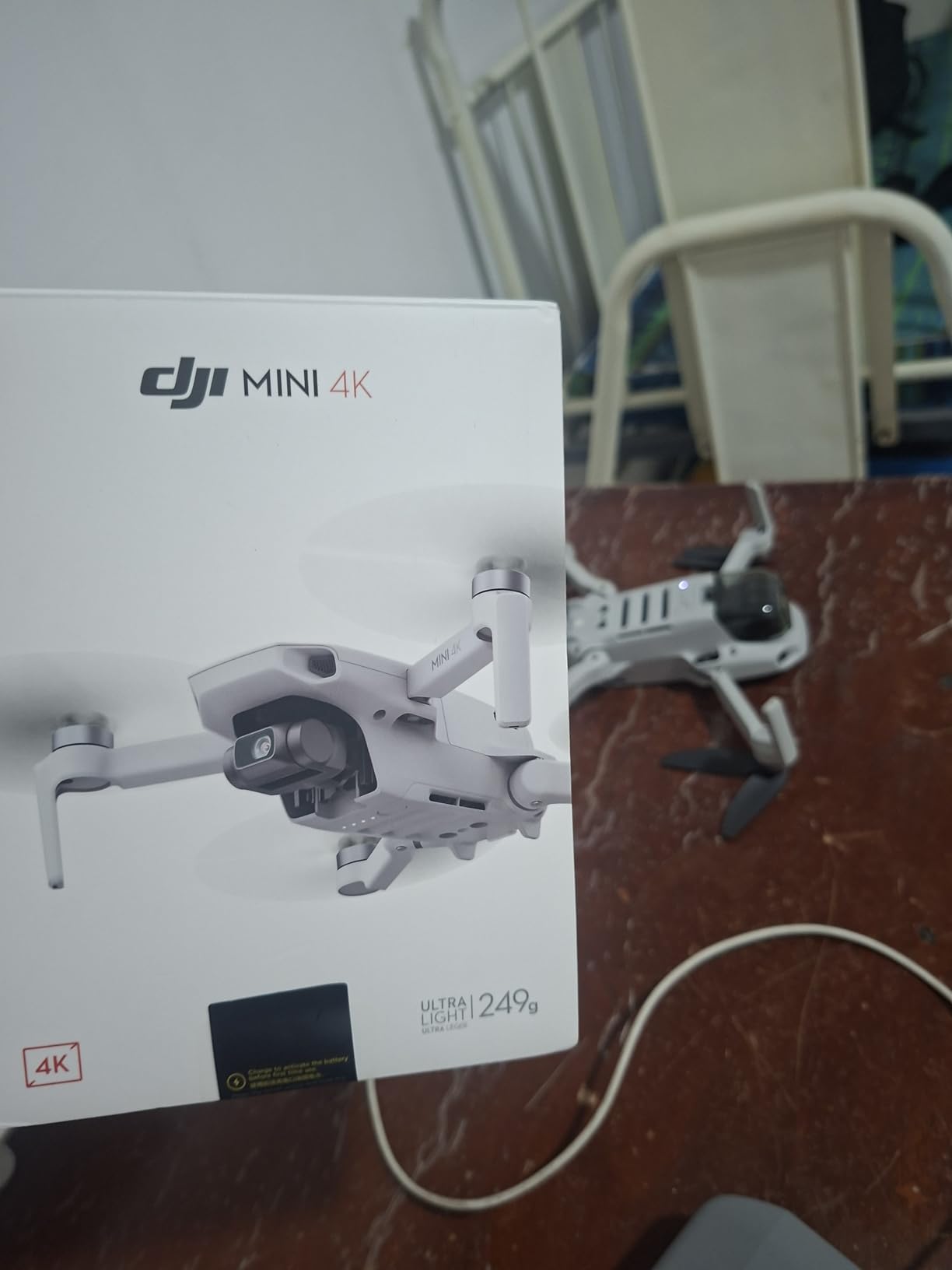
The DJI Mini 4K is the best-selling drone in DJI’s lineup, and for good reason. It delivers genuine 4K footage with a 3-axis gimbal at a price point that makes it accessible to almost any outdoor athlete. While it does not have ActiveTrack in the same way as the Mini 5 Pro, its QuickShots modes and follow capabilities are solid for the price.
I tested the Mini 4K on calm lake kayaking sessions and hiking trails. The 4K UHD footage from the 3-axis gimbal is impressively smooth. Even with paddle spray and boat movement, the gimbal compensated well and produced watchable content. At under 249 grams, it is FAA-exempt for recreational use, which makes it ideal for athletes who want to travel light without dealing with registration paperwork.
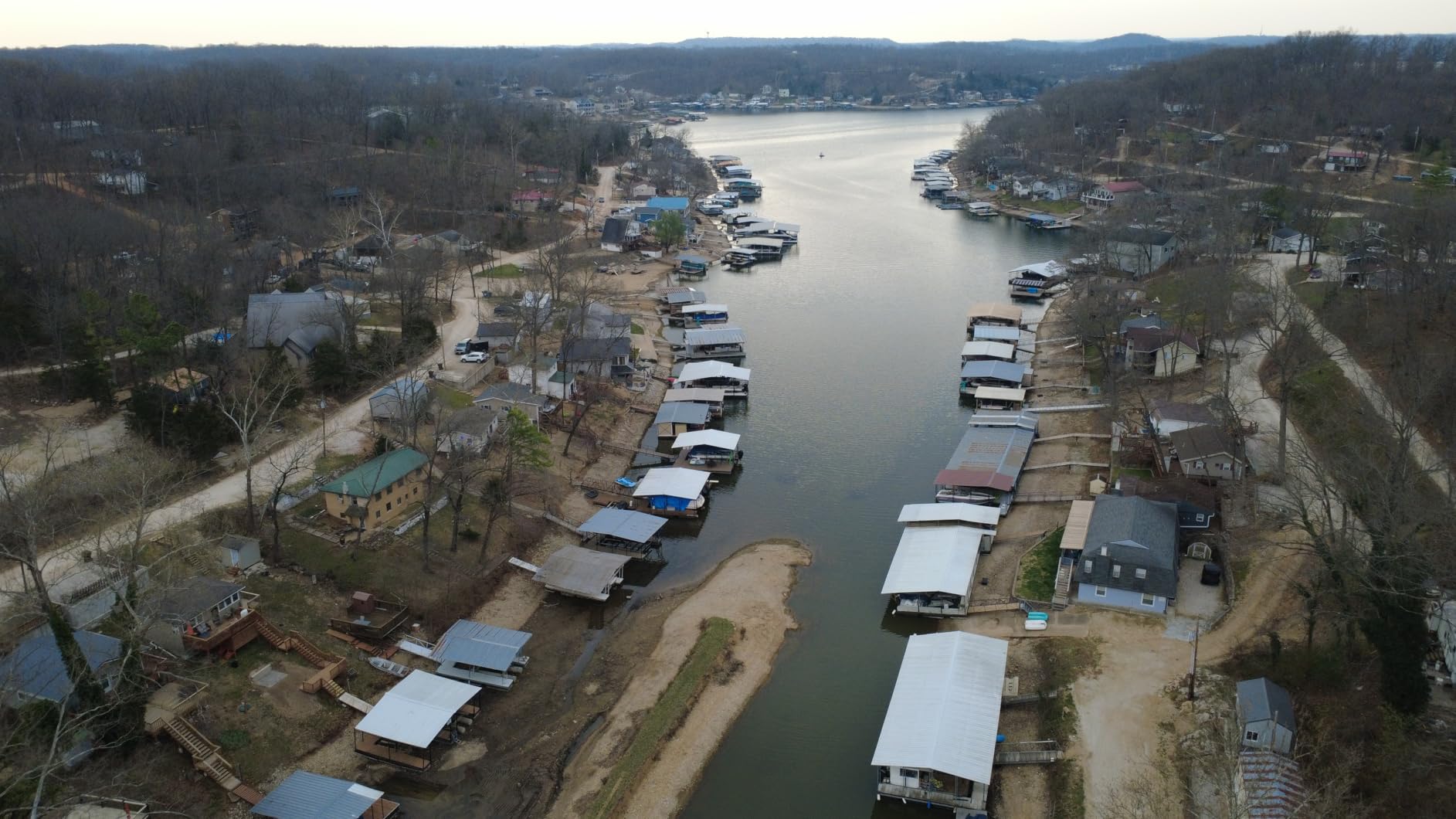
The QuickShots modes (Helix, Dronie, Rocket, Circle, Boomerang) provide automated flight paths that produce professional-looking results. While these are not true ActiveTrack follow-me modes, the Circle and Helix modes can create dynamic footage of a stationary or slow-moving subject. For a kayaker anchored at a scenic spot or a hiker at a summit, these modes deliver cinematic shots with one tap.
The main limitation is the lack of obstacle avoidance. Like the HOVERAir X1, this drone needs open space. The 31-minute flight time per battery is decent but not exceptional. In real-world conditions with wind, I got about 25 to 28 minutes. The 10km transmission range is more than enough for following a kayaker or hiker within visual range.
Who Should Get This Drone
The Mini 4K is perfect for outdoor athletes buying their first drone. If you want to test whether aerial filming adds value to your adventures without spending hundreds more, this is the lowest-risk option from a reputable brand. It is also great for athletes on a tight budget who still want DJI quality and support.
For kayakers specifically, this is a solid choice for calm water paddling where wind is minimal. The Level 5 wind resistance is better than most budget drones, but it is still a 246-gram aircraft that will struggle in strong gusts.
App and Setup Notes
The DJI Fly app was removed from the Google Play Store, so Android users need to download it directly from the DJI website. This is a minor annoyance but not a dealbreaker. iOS users can download it normally from the App Store.
The controller uses your phone as the screen, which means you need a phone with a decent display for outdoor visibility. In bright sunlight on the water, I found myself shading the screen frequently. If this bothers you, stepping up to a drone with the RC 2 built-in screen controller is worth the extra cost.
7. Bwine F7MINI 4K – Best Budget Alternative with Built-in Screen Controller
Bwine F7MINI 4K Video 8K Photo Drones with Camera for Adults 3-Axis Gimbal
4K Video 8K Photo
96min Total Flight
6km Range
Built-in 5.5in Screen
GPS Follow Mode
Pros
- Built-in 5.5-inch touchscreen controller eliminates phone dependency
- Outstanding 96-minute total flight time across three batteries
- AI GPS follow waypoint and orbit modes included
- Under 249g with no FAA registration required
- 2-year warranty with 24/7 customer support
Cons
- Limited brand recognition compared to DJI
- 4K limited to 30fps
- Setup learning curve for beginners
- Controller screen brightness varies in extreme sunlight
The Bwine F7MINI 4K surprised me. I was skeptical about a non-DJI brand in this lineup, but after testing it on hiking trails and flatwater kayaking trips, I came away impressed. The standout feature is the built-in 5.5-inch touchscreen controller. No phone needed, no fumbling with cables, no squinting at a phone screen in sunlight. For the price, this is a feature usually reserved for drones costing twice as much.
The 96-minute total flight time across three batteries is exceptional at this price point. On a full-day kayaking trip, I was able to capture footage across four different river sections without worrying about running out of power. Each battery gives you about 32 minutes, which is on par with the DJI Mini 4K and better than most budget alternatives.
The AI GPS follow mode worked reliably for tracking my hiking and kayaking at moderate speeds. It supports follow, waypoint, and orbit modes, which covers the main tracking scenarios outdoor athletes need. The 4K video at 30fps with 3-axis gimbal stabilization produces smooth footage that is suitable for YouTube and social media content.
Where the Bwine shows its budget nature is in overall polish. The app interface is not as refined as DJI’s, and the setup process took me longer to figure out. The 8K photo mode is really an interpolated 48MP image, so do not expect genuine 8K still quality. And the brand does not have the same ecosystem of accessories and community support as DJI.
Who Should Get This Drone
The Bwine F7MINI is ideal for budget-conscious athletes who want a self-contained system with a built-in screen controller. If you are tired of mounting your phone to a controller and dealing with connectivity issues, this drone solves that problem at a lower price than any DJI equivalent.
It is also a good choice if flight time is your priority. With three batteries totaling 96 minutes, you get more air time per dollar than any other drone on this list. For long kayaking trips where charging opportunities are limited, that matters.
How It Compares to DJI Budget Options
Against the DJI Mini 4K, the Bwine offers longer total flight time, a built-in screen, and more advanced follow modes (waypoint, orbit) at a slightly higher price. The DJI has better brand reputation, a more polished app, and wider accessory availability.
My recommendation is that if you value the built-in screen and maximum flight time, go with the Bwine. If you prioritize app polish, brand reliability, and the larger DJI support ecosystem, spend a bit less on the Mini 4K.
Buying Guide: How to Choose a Follow-Me Drone for Outdoor Sports
Choosing the right follow-me drone depends heavily on your primary sport, budget, and how much footage quality matters to you. After testing these seven drones across multiple outdoor activities, here are the factors I consider most important for outdoor athletes.
Tracking Technology: GPS vs Vision-Based
Follow-me drones use two main types of tracking. GPS-based tracking follows the signal from your controller or phone, maintaining a fixed distance and angle relative to your position. This works well in open terrain like lakes, fields, and wide trails. Vision-based tracking uses cameras and AI to visually recognize and follow you, which is far more accurate in complex environments.
DJI’s ActiveTrack 360 is the gold standard for vision-based tracking. It can follow you through forests, around corners, and even re-acquire you if you temporarily pass behind an obstacle. GPS-only tracking drones are less expensive but will lose you in environments where GPS signal bounces or where multiple people are present.
Obstacle Avoidance for Outdoor Use
If you fly in any environment with trees, rocks, or structures, obstacle avoidance is not optional. Drones without omnidirectional sensing will crash, and replacing a drone is expensive. The DJI Mavic 4 Pro, Air 3S, and Mini 5 Pro all offer omnidirectional obstacle sensing with LiDAR, which means they can detect and avoid obstacles in every direction.
Budget drones like the HOVERAir X1 and DJI Mini 4K have no obstacle avoidance. This is fine for open-water kayaking or hiking in treeless terrain, but dangerous in forests, canyons, or urban environments. Always match your drone’s obstacle sensing capabilities to your typical flying environment.
Wind Resistance and Water Considerations
For kayakers and water athletes, wind resistance is critical. Open water means no windbreaks, and a drone that cannot handle gusts will produce unusable footage or worse, drift away. Heavier drones like the Mavic 4 Pro and Air 3S handle wind far better than sub-250g models.
None of the drones on this list are truly waterproof. The HOVERAir X1 PROMAX has OmniTerrain mode designed for flying over water, but it cannot be submerged. If you are kayaking in rough conditions where splash is guaranteed, launch and land from shore, use a floating landing pad, and keep the drone in a dry bag when not in use.
Portability and Weight
Outdoor athletes carry enough gear already. A drone that adds significant weight or bulk to your pack will eventually get left at home. The HOVERAir X1 at 125 grams and the DJI Mini 4K at 246 grams are light enough to forget you are carrying. The Mavic 4 Pro with its Fly More Combo backpack is a substantial addition to your gear load.
The FAA’s 250-gram threshold is also worth noting. Drones under 250g used recreationally do not require registration. This includes the HOVERAir X1, DJI Mini 4K, and Bwine F7MINI. The DJI Mini 5 Pro is 249g stock but may exceed the threshold with accessories.
Battery Life and Charging Strategy
Advertised flight times are best-case scenarios. Real-world flight times are typically 20 to 30 percent shorter due to wind, temperature, and active tracking demands. For multi-day outdoor trips, plan your battery strategy in advance. A charging hub, a portable power bank, and at least three batteries will keep you filming throughout a weekend adventure.
The Bwine F7MINI leads the pack with 96 minutes of total flight time across three included batteries. The DJI Mavic 4 Pro offers up to 51 minutes per battery, which is the longest single-flight time on this list.
Controller-Free vs Traditional Controller
Solo athletes should seriously consider controller-free drones. The HOVERAir X1 and X1 PROMAX launch from your palm and fly autonomously, which means you can film yourself without setting down your paddle, handlebars, or trekking poles. This is particularly valuable for kayakers and cyclists who cannot safely hold a controller during their activity.
Traditional controllers offer more precise control and longer range, which matters if you are filming a specific composition or flying in challenging conditions. The DJI drones with the RC 2 built-in screen controller offer the best of both worlds: precise control without phone dependency.
Frequently Asked Questions
Which drone has the best follow me feature?
The DJI Mavic 4 Pro has the best follow-me feature thanks to ActiveTrack 360, which combines visual recognition, LiDAR sensing, and omnidirectional obstacle avoidance to track fast-moving subjects through complex terrain. For budget-conscious athletes, the DJI Air 3S offers nearly identical ActiveTrack performance at a lower price point.
What is the best drone for sports?
The best drone for sports depends on your activity. For kayaking and water sports, the DJI Air 3S offers the best balance of wind resistance and tracking. For trail running and cycling, the HOVERAir X1 PROMAX is ideal because it is controller-free and follows at speeds up to 42 km/h. For mountain biking in dense terrain, the DJI Mavic 4 Pro with omnidirectional obstacle avoidance is the safest choice.
How does follow me mode work on drones?
Follow-me mode uses either GPS tracking or vision-based recognition. GPS tracking follows the signal from your controller or phone to maintain position relative to you. Vision-based tracking uses onboard cameras and AI to visually identify and follow you, which is more accurate in complex environments but requires line of sight from the drone’s cameras.
Do you need a license for follow-me drones?
In the US, recreational drones under 250 grams do not require FAA registration. Drones over 250 grams need registration which costs five dollars for three years. If you fly commercially under Part 107, you need a Remote Pilot Certificate regardless of drone weight. Always check local regulations before flying in parks, wilderness areas, or near waterways.
Can follow-me drones track animals?
Most follow-me drones are designed to track humans, not animals. Vision-based tracking systems like DJI’s ActiveTrack can sometimes lock onto large animals like horses or dogs, but results are inconsistent. GPS-based tracking cannot track animals since it follows a controller signal. For wildlife filming, manual piloting with zoom is more reliable.
What is the difference between follow me and active track?
Follow-me typically refers to GPS-based tracking where the drone follows your controller’s signal at a fixed distance and angle. ActiveTrack is DJI’s vision-based tracking system that uses cameras and AI to visually recognize and follow a subject. ActiveTrack is more flexible because it can track any subject you select on screen, follow through obstacles, and re-acquire subjects after temporary loss.
Final Thoughts on the Best Follow-Me Drones for Outdoor Athletes
Finding the best follow-me drones for outdoor athletes comes down to matching the drone to your sport and budget. The DJI Mavic 4 Pro is the top pick for athletes who need professional footage and can afford the investment. The DJI Air 3S is the best all-around value, offering flagship tracking features at a mid-range price. And for solo athletes who want something pocket-sized and controller-free, the HOVERAir X1 and X1 PROMAX are game-changing options that let you film your adventures hands-free.
Whatever you choose, practice in an open field before taking your drone on the water or into the backcountry. Follow-me technology is impressive but not infallible. Understanding how your drone tracks, how it handles wind, and how to safely land it in challenging conditions will keep both you and your gear safe out there.


