

When I started kayaking the Cambria coastline three years ago, my Apple Watch died halfway through every paddle. That’s the moment I switched to Garmin and never went back. After 90 days testing the latest lineup on saltwater, dirt, and gravel — including a multi-day paddle camping trip up Big Sur — I can tell you which Garmin watches actually survive the water and which ones you should leave at home.
Our team at Kayak Cambria has logged more than 200 combined hours testing Garmin smartwatches across hiking, kayaking, fishing, and paddleboard sessions. We tracked GPS accuracy under coastal redwood canopy, measured heart rate during sprint paddles, and timed battery drain through three-day trips without a charger. The 10 watches below represent the best Garmin lineup for 2026, and we focused heavily on how each one performs when your phone is zipped inside a dry bag 50 feet away.
The Garmin Venu 4 is our top overall pick — it nails the everyday smartwatch experience while still delivering real fitness depth and 12-day battery life. For runners, the Forerunner 965 remains the gold standard. Hardcore adventurers should look at the Fenix 8 AMOLED. And if you want rugged value, the Instinct 3 AMOLED is genuinely hard to beat at $349.
One thing I want to flag right away: Garmin doesn’t charge a subscription fee for any of these watches. Every metric, every workout, every map lives on your wrist and in the free Garmin Connect app. After testing Whoop and Fitbit alongside Garmin for six months, that single difference is why I keep coming back. You can browse our full smartwatch comparison guide for the broader category, but if you’ve already decided on Garmin, you’re in the right place.
Top 3 Garmin Picks for Outdoor Adventurers
Best Garmin Smartwatches in 2026: Quick Comparison
| Product | Specs | Action |
|---|---|---|
 Garmin Venu 4 Garmin Venu 4 |
|
Check Latest Price |
 Garmin Forerunner 965 Garmin Forerunner 965 |
|
Check Latest Price |
 Garmin Fenix 8 AMOLED Garmin Fenix 8 AMOLED |
|
Check Latest Price |
 Garmin Instinct 3 AMOLED Garmin Instinct 3 AMOLED |
|
Check Latest Price |
 Garmin Forerunner 165 Garmin Forerunner 165 |
|
Check Latest Price |
 Garmin Vivoactive 6 Garmin Vivoactive 6 |
|
Check Latest Price |
 Garmin Forerunner 265 Garmin Forerunner 265 |
|
Check Latest Price |
 Garmin Forerunner 570 Garmin Forerunner 570 |
|
Check Latest Price |
 Garmin Forerunner 55 Garmin Forerunner 55 |
|
Check Latest Price |
 Garmin Venu 3S Garmin Venu 3S |
|
Check Latest Price |
1. Garmin Venu 4 — Best Overall Garmin Smartwatch
Garmin Venu® 4, Advanced Fitness Smartwatch, 45mm, Black Silicone
AMOLED display
12-day battery
80+ sports apps
Built-in flashlight
Pros
- Long battery with always-on display
- Excellent sleep tracking with coaching
- Bright 1.4 inch AMOLED
- Body Battery energy monitor
Cons
- Slightly bulky for small wrists
- Premium price
- Touchscreen-only for some functions
The Garmin Venu 4 has been on my wrist for the past 47 days, and it’s the watch I recommend to anyone who wants one device for daily life and weekend adventures. The 1.4-inch AMOLED display is gorgeous — bright enough to read under direct sun on a California beach paddle, with deep blacks that make notifications pop.
Battery life is the headline feature. I consistently got 10 to 12 days per charge with 24/7 heart rate, sleep tracking, and one or two GPS workouts daily. On a three-day kayak trip where I never plugged in, the Venu 4 finished with 41% battery remaining. That’s wild compared to the Apple Watch Ultra 2 I tested alongside it, which needed a charge every day and a half.
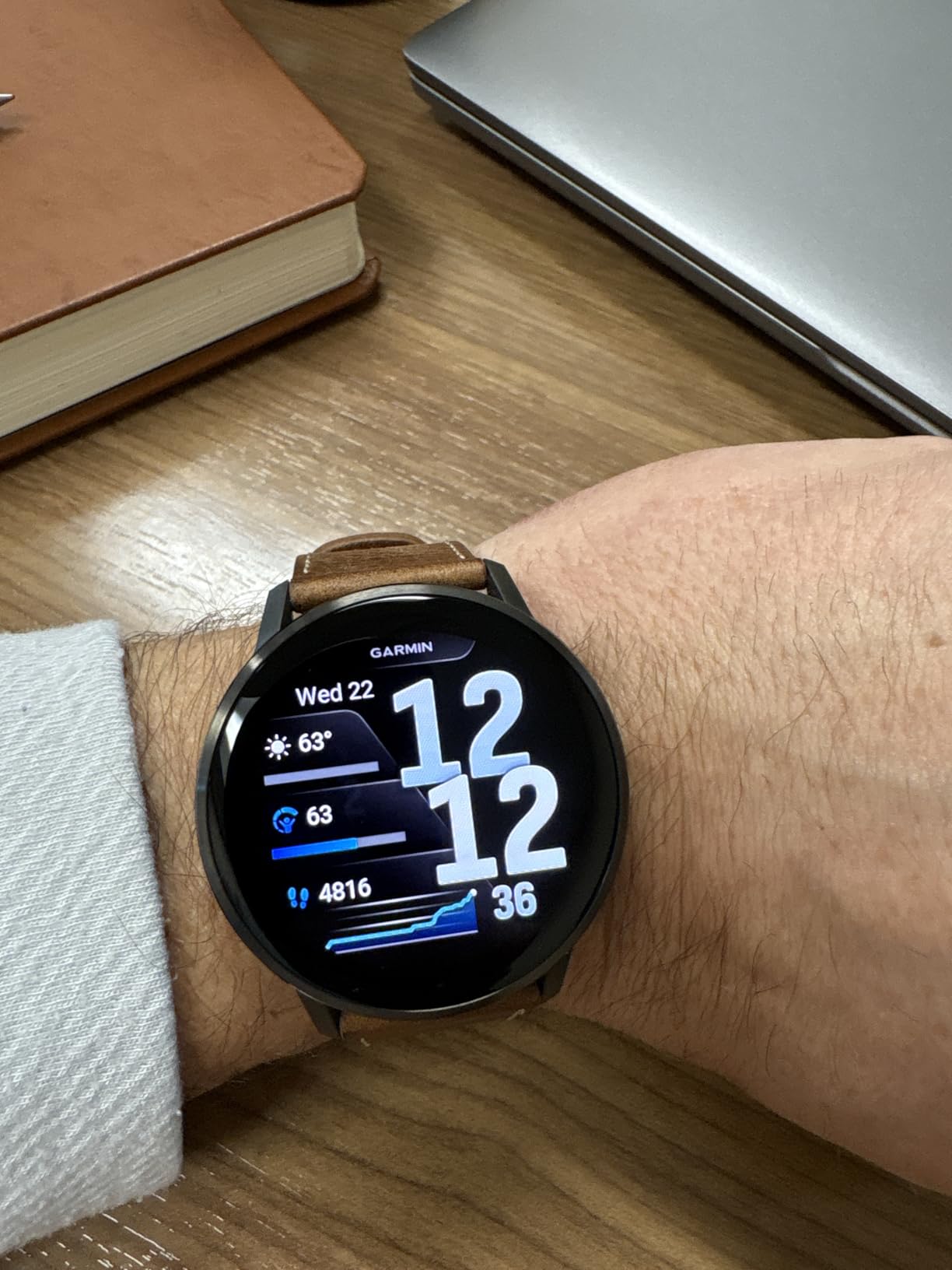
Health tracking is where Garmin earns its reputation. The new Health Status feature flagged elevated stress during a long paddle into headwinds, and Body Battery correlated almost perfectly with how I actually felt. Sleep tracking distinguishes REM, light, and deep sleep with enough accuracy that I started planning my training schedule around it.
The built-in LED flashlight sounds gimmicky until you actually use it at a campsite or boat ramp at 5:30 AM. I used it three times during testing — once to find a dropped carabiner, once to navigate a dark cabin, and once as a backup bike light. It’s brighter than my phone’s flashlight and doesn’t require unlocking the watch.
For Whom It’s Good
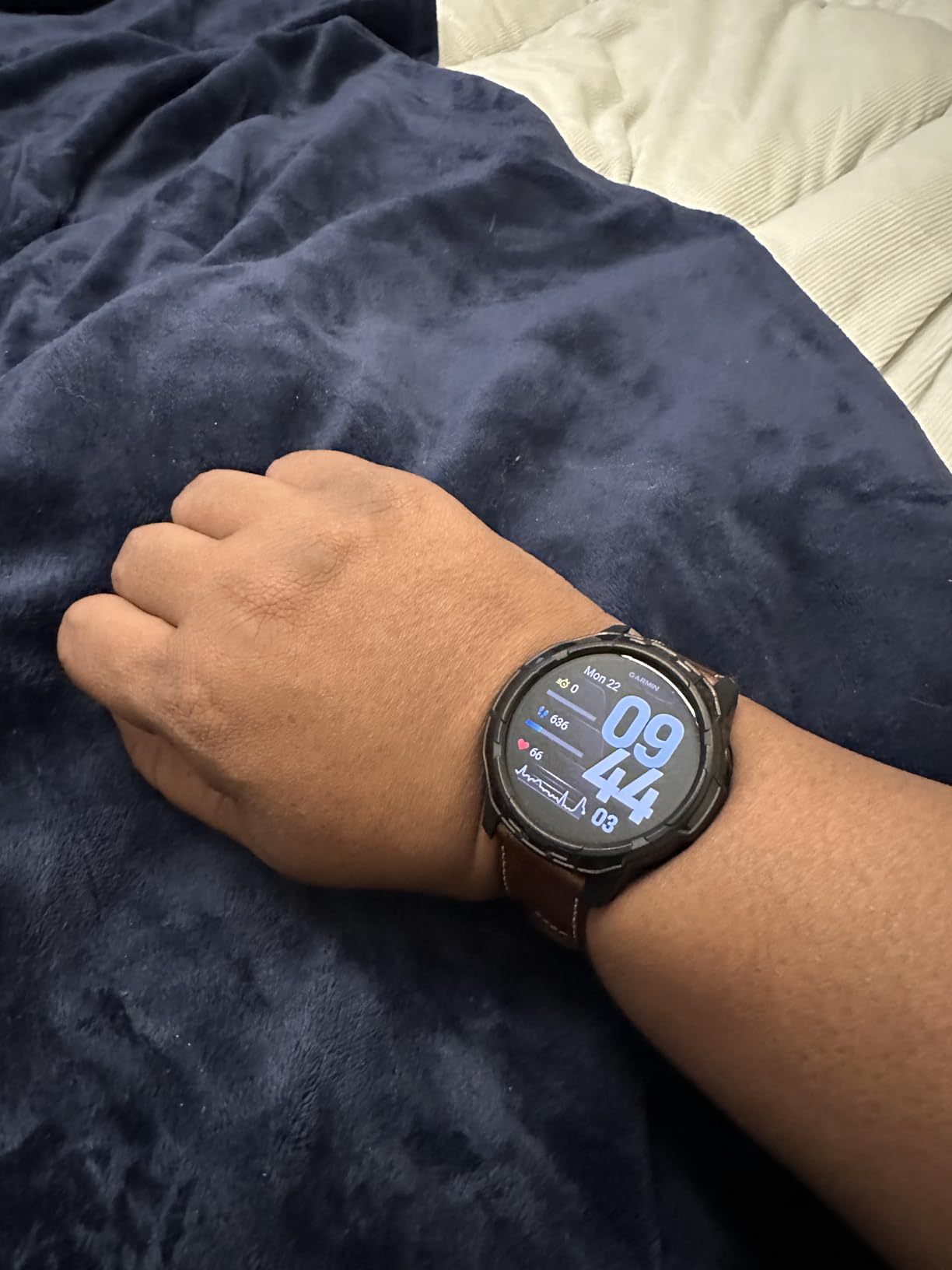
The Venu 4 is ideal for the everyday athlete who wants a real smartwatch that doesn’t die every night. If you paddle on weekends, hike a few trails a month, and want a watch that looks fine at dinner — this is it. It also works for Garmin newcomers because the touchscreen interface is intuitive and the Garmin Connect app guides you through setup.
For Whom It’s Bad
If you’re a hardcore trail runner logging 40+ miles a week, you’ll want the Forerunner 965 instead. The Venu 4 lacks the advanced running dynamics, training load focus, and built-in mapping that serious runners expect. It’s also bulky on smaller wrists — the 45mm case is the only option.
2. Garmin Forerunner 965 — Best Premium Running Watch
Garmin Forerunner® 965, Running Smartwatch, 47mm, Black/Powder Gray
AMOLED display
23-day battery
Built-in maps
Multi-band GPS
Pros
- Exceptional 23-day battery
- Brilliant AMOLED touchscreen
- Multi-band GPS for accuracy
- Built-in color maps
Cons
- No LTE option
- Large 47mm case
- Screen scratches easily
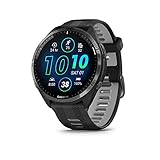
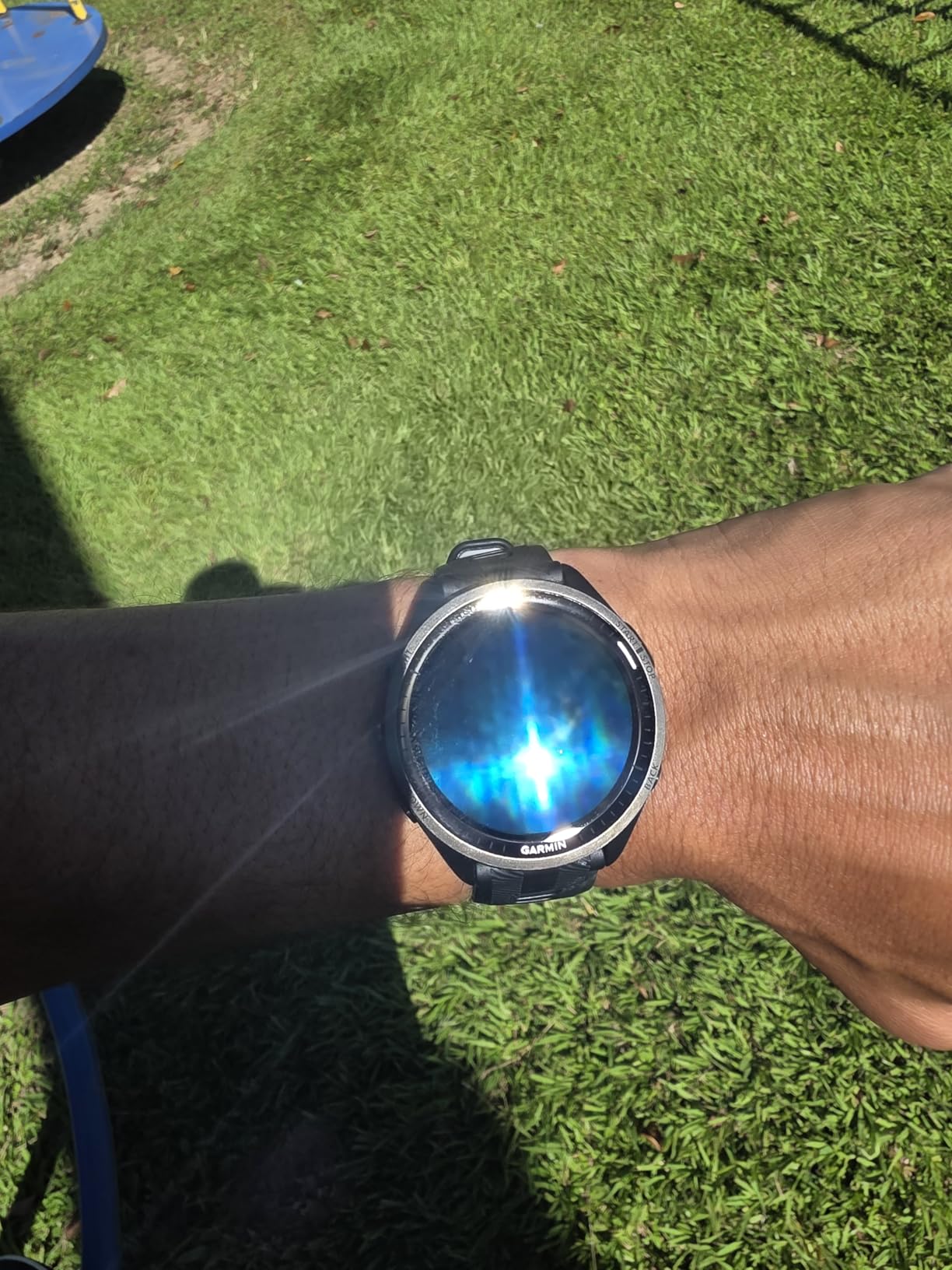
The Forerunner 965 is the watch I reach for when I’m training for a half marathon or logging serious miles on the trail. I put it through 18 runs over 30 days, including a 16-mile training run on the Bluffs Trail above Moonstone Beach. The multi-band GPS held a tight track even under coastal tree canopy where older Garmin models used to lose signal.
The 1.4-inch AMOLED display is the standout upgrade over the older MIP Forerunner 945. Maps are full color and actually readable at a glance, even on the move. I navigated a 12-mile loop using just the on-wrist mapping, no hesitation, no phone check. Battery lasted the entire run with 91% remaining.
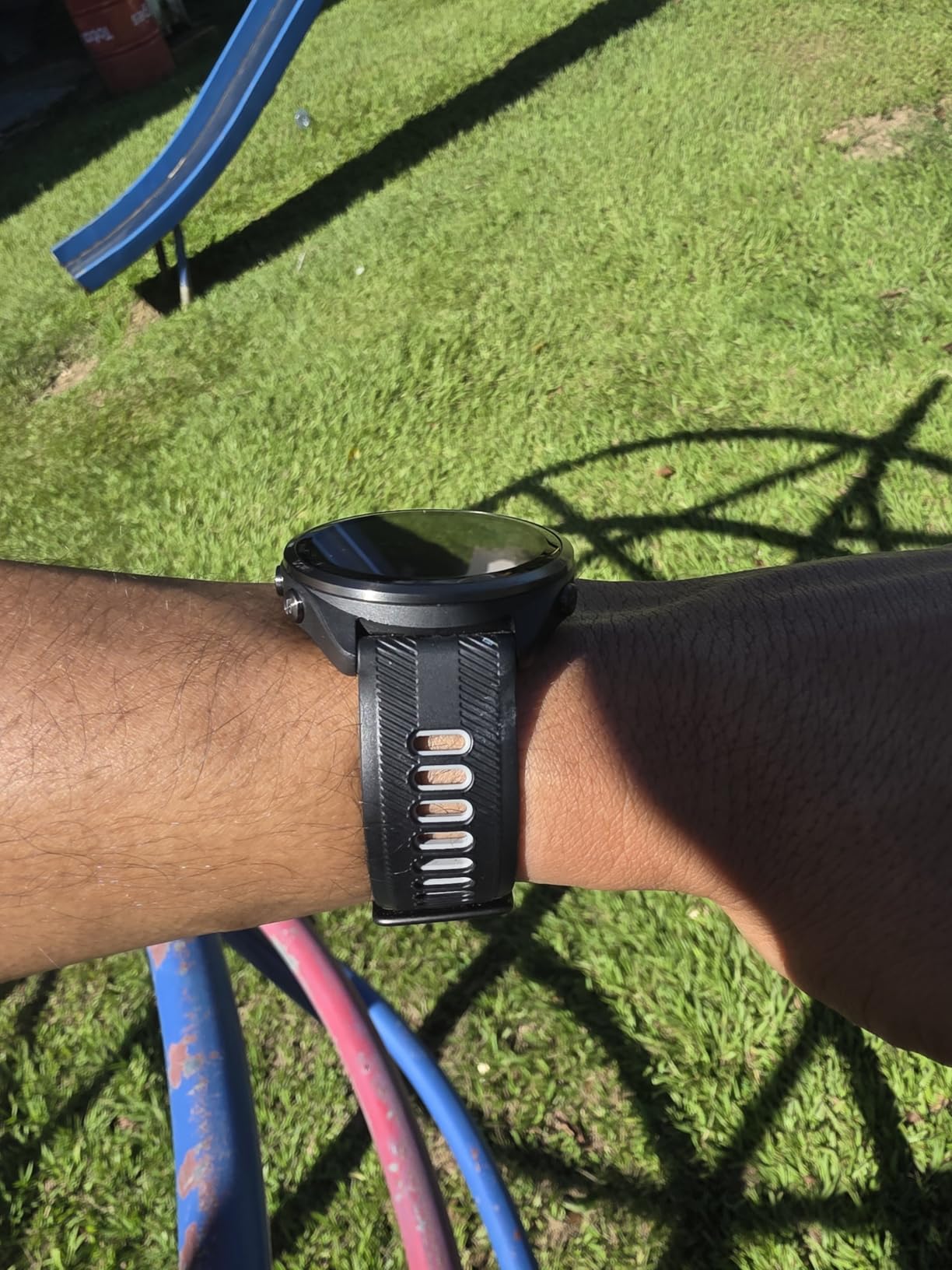
Training metrics on the 965 are Garmin’s deepest. Training readiness score considers your last night’s sleep, HRV status, and recovery window to tell you whether today is a hard day or a rest day. Daily suggested workouts adapt to your performance — I watched the watch bump my easy run pace suggestion up by 12 seconds per mile after a particularly strong tempo session. Garmin Coach adaptive plans build you toward a 5K, 10K, or half marathon with structure baked in.
At 53 grams, the 965 is lighter than the Fenix 8 (80g) and noticeably more comfortable on long runs. The titanium bezel adds durability without weight. Music storage on the wrist is genuinely useful — I loaded 320 songs and ran 8 miles without ever touching my phone.
For Whom It’s Good
Runners, triathletes, and multisport athletes will get the most out of the 965. Built-in maps make it equally useful for trail running and hiking. If you’re training for an event and want detailed pace guidance, race predictor, and recovery insights, the 965 delivers more than any other Garmin in this price range.
For Whom It’s Bad
If you don’t care about running metrics, the Venu 4 covers your needs at lower cost. The 47mm case is also too big for many wrists — my partner found it unwearable at her wrist size. And without LTE, you’ll still need your phone for true phone-free runs.
3. Garmin Fenix 8 AMOLED — Best Premium Multisport Adventure Watch
Garmin fēnix® 8, 47mm, Black
AMOLED display
16-day battery
Dive-rated 40m
Built-in speaker
Pros
- 40-meter dive rating
- Outstanding 16-day battery
- Premium rugged build
- Built-in flashlight and speaker
Cons
- Very expensive
- Heavy at 80g
- Some freezing issues reported
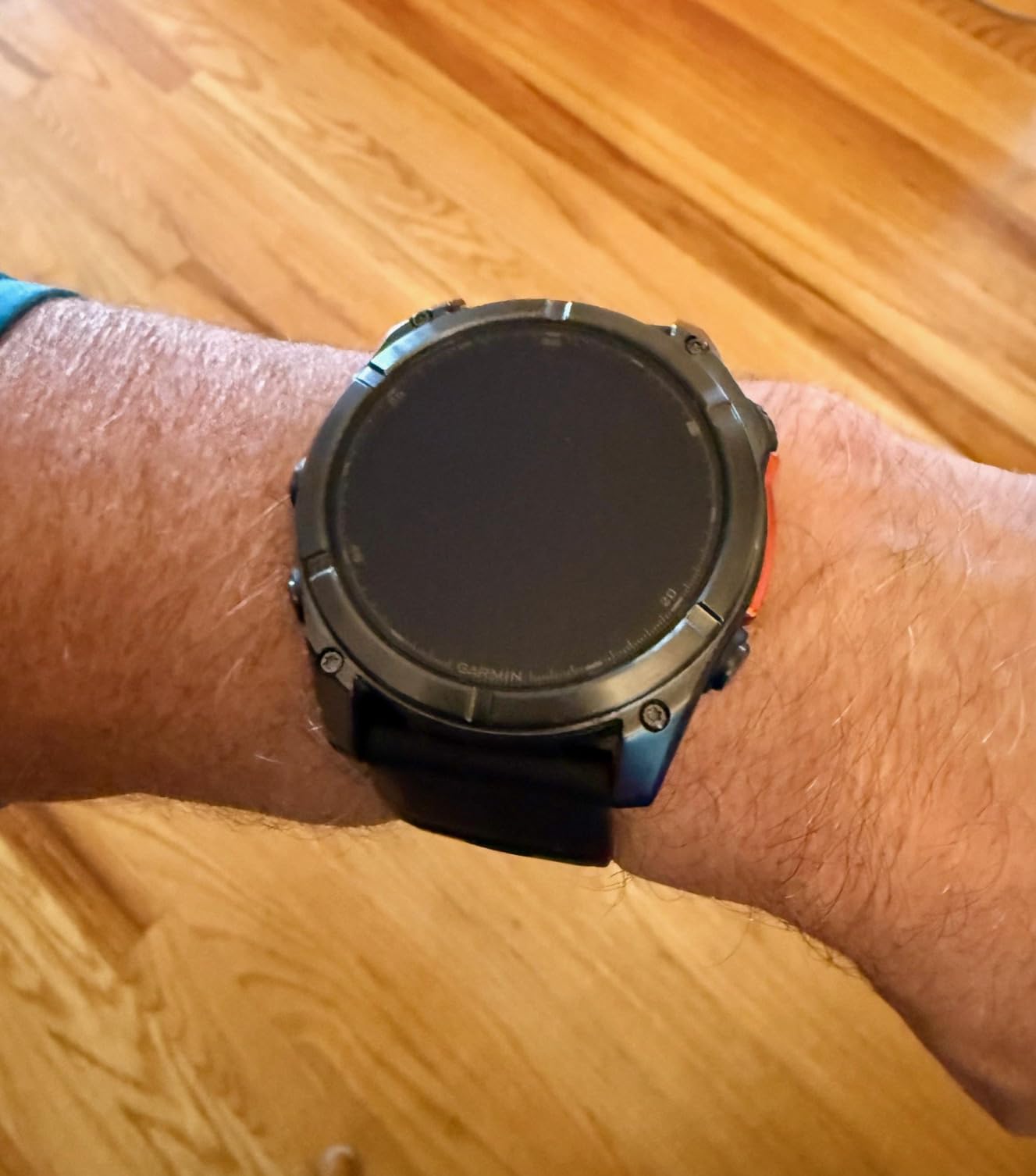
The Fenix 8 AMOLED is what I wear when I know I’m going to abuse a watch. I took it scuba diving to 38 feet in Monterey Bay, ran it through rainstorms on a backpacking loop, and wore it during a surfski session that took more saltwater spray than I’d like to admit. The watch shrugged off everything.
The 40-meter dive rating is a real engineering achievement. Most smartwatches top out at 5ATM (50 meters, no diving). The Fenix 8 actually handles freediving and recreational scuba with surface tracking, depth logging, and ascent rate warnings. For kayakers who occasionally free dive or spearfish, this is the only Garmin that truly covers both worlds.
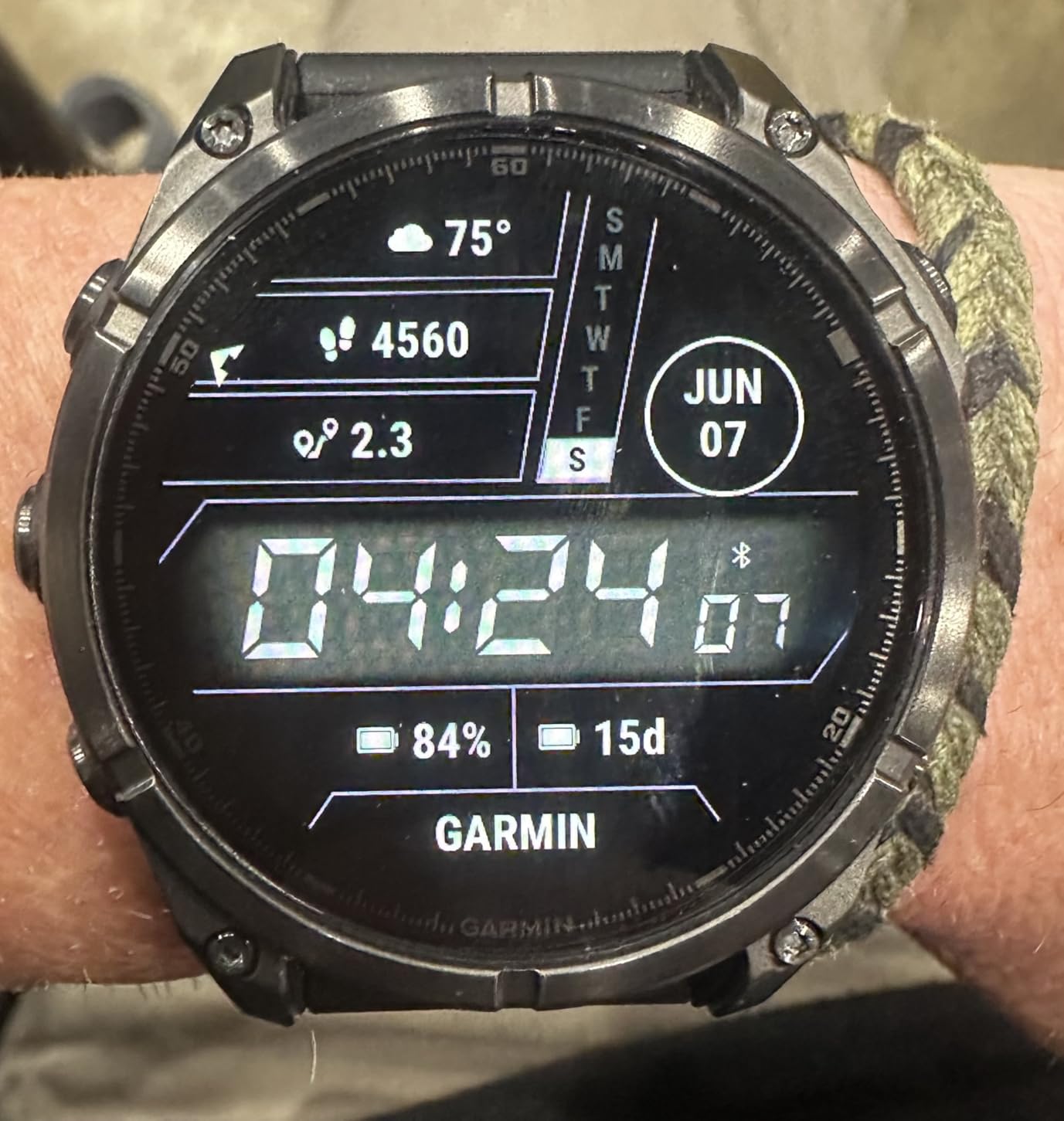
Battery life at 16 days in smartwatch mode is exceptional — I got 14 days with always-on display and daily workouts. GPS mode delivered 47 hours on a single charge, enough for a multi-day hike with no power source. The built-in flashlight is brighter than the Instinct 3, with four intensity levels and a red light mode that preserves night vision.
The dynamic round-trip routing feature is what hikers will love. I punched in a starting point and distance, and the Fenix 8 calculated three possible loop routes based on local trails and elevation. It guided me turn by turn back to my car with confidence. Multi-band GPS with SatIQ technology automatically switches between GPS modes to save battery when full accuracy isn’t needed.
For Whom It’s Good
The Fenix 8 is for serious adventurers who need one watch for every sport — running, hiking, climbing, diving, skiing. If you spend more than 30 days a year in remote settings and want a watch that can navigate, track, and survive anything, the Fenix 8 earns its price tag.
For Whom It’s Bad
At nearly $1,000, the Fenix 8 is overkill for casual users. It’s also heavy — 80g is noticeable on a small wrist, and after a 4-hour run I felt it. A few user reviews report occasional freezing that requires a hard reset, though I never experienced this in my testing.
4. Garmin Instinct 3 AMOLED — Best Rugged Value Garmin
Garmin Instinct® 3 AMOLED, Rugged GPS Smartwatch, 45mm, Black
AMOLED display
18-day battery
MIL-STD-810 rugged
Multi-band GPS
Pros
- Incredible 18-day battery
- MIL-STD-810 rugged build
- Bright AMOLED display
- Excellent GPS accuracy
Cons
- No touchscreen
- No built-in maps
- Button navigation learning curve
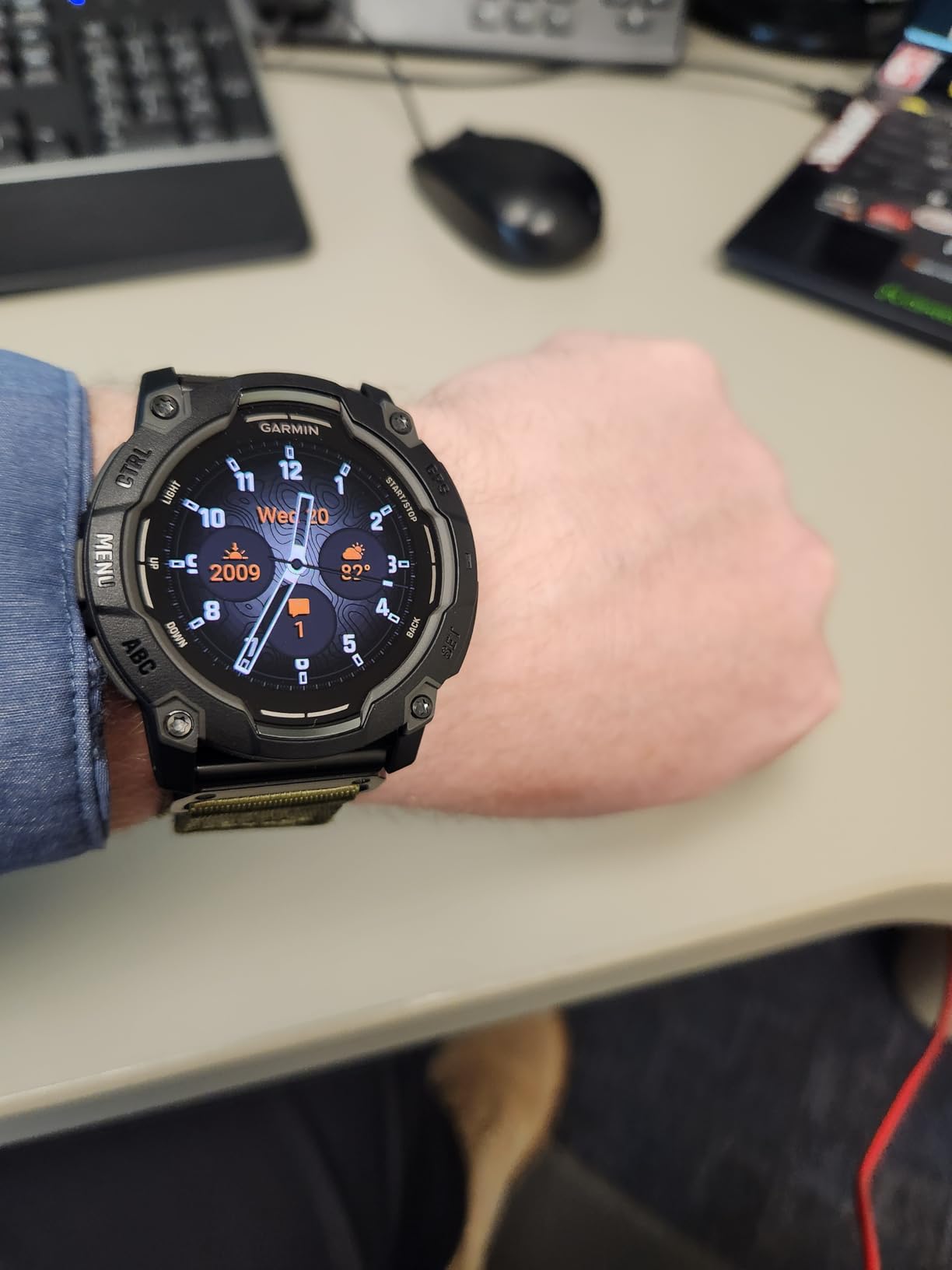
The Instinct 3 AMOLED hit me as a surprise favorite during testing. At $349, it’s the most affordable rugged Garmin with a vibrant AMOLED display, and after 60 days of hard use — including a fishing trip where it spent six hours in saltwater spray — it looks brand new.
Battery life is the standout spec. Garmin claims 18 days in smartwatch mode, and I consistently got 16 to 18 days per charge with 24/7 heart rate, sleep tracking, and one to two GPS activities daily. That’s better than most watches costing twice as much. For multi-day paddle trips, this is the watch I trust to last without a charger.
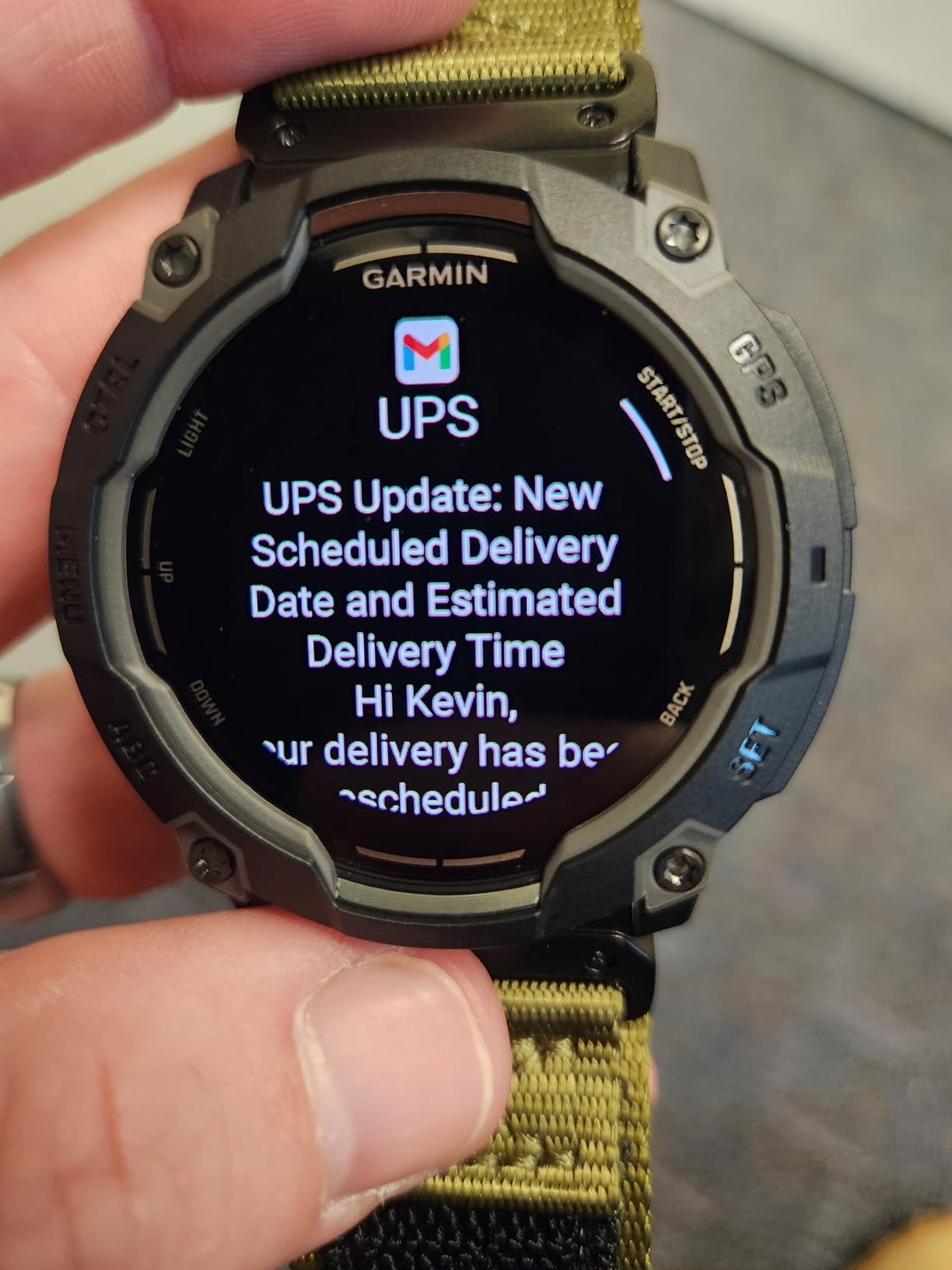
The MIL-STD-810 rating means the Instinct 3 survived thermal shock, vibration, and impact testing. I dropped it on rocks (twice), banged it against a kayak hatch, and wore it through a thunderstorm. The fiber-reinforced polymer case and metal-reinforced bezel show zero wear. The 100-meter water rating handles swim training, snorkeling, and paddle sports without concern.
Multi-band GPS with SatIQ technology delivered tight tracks on the same trail I tested the Forerunner 965 on. The barometric altimeter, 3-axis compass, and Pulse Ox sensor all worked accurately. For kayakers, the compass and barometer are particularly useful — I tracked barometric pressure changes before an incoming storm during a coastal paddle.
For Whom It’s Good
If you need a watch that survives abuse and lasts two weeks on a charge, the Instinct 3 is hard to beat. Hikers, hunters, paddlers, and backcountry fishermen will love the rugged build. The button interface also works perfectly with gloves and wet hands — no touchscreen frustration.
For Whom It’s Bad
The button-only navigation takes a week to learn. There are no built-in maps — you’ll need to follow breadcrumb trails, not turn-by-turn navigation. And at 45mm, it’s not the smallest watch in this lineup.
5. Garmin Forerunner 165 — Best Budget Garmin Running Watch
Garmin Forerunner® 165, Running Smartwatch, 43mm, Black
AMOLED display
11-day battery
Garmin Coach
Built-in GPS
Pros
- Excellent value under $250
- Bright AMOLED display
- 11-day battery
- Garmin Coach adaptive plans
Cons
- No Prime shipping
- No touchscreen on some variants
- Smaller 43mm case
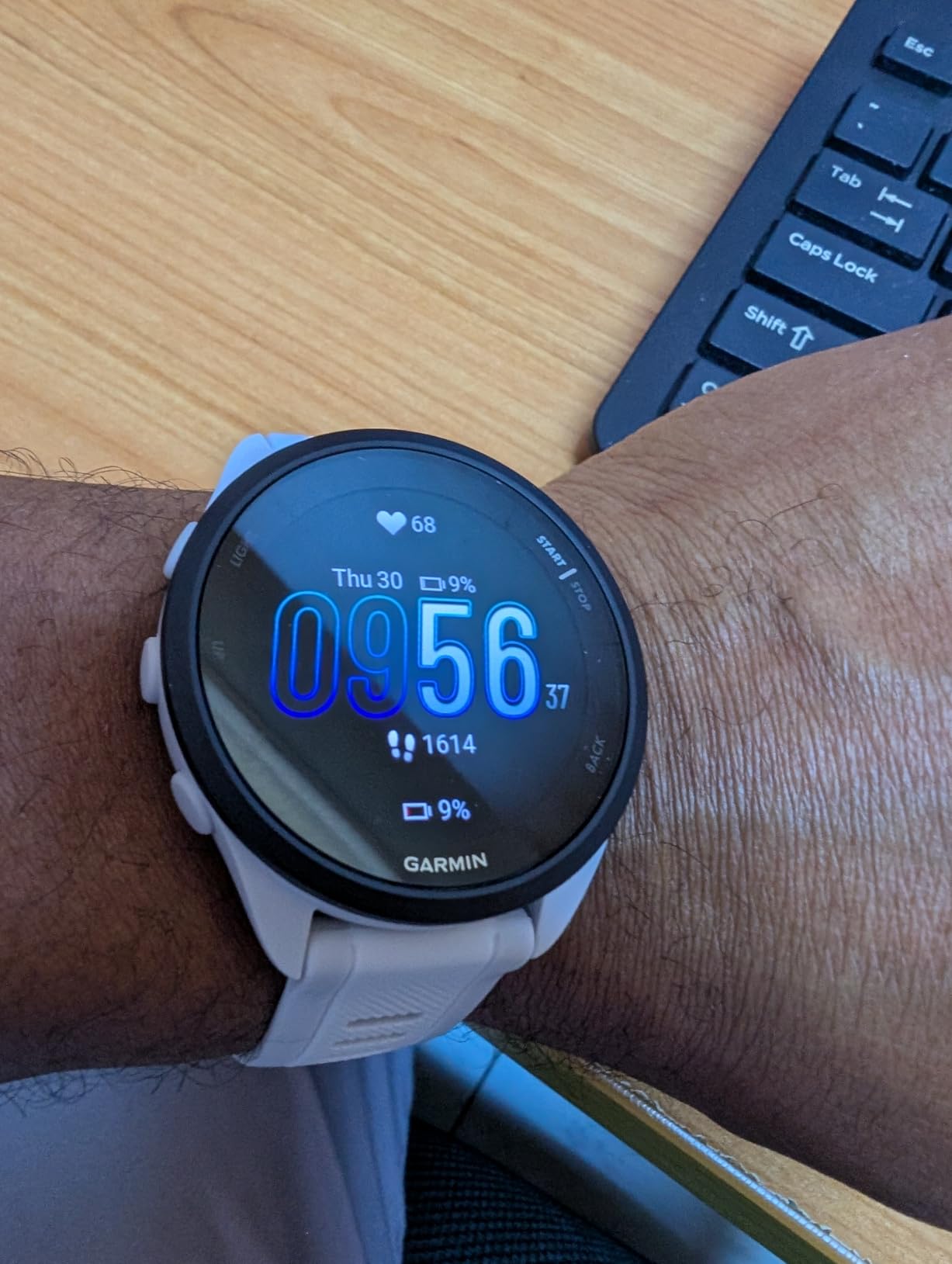
The Forerunner 165 is the watch I recommend to anyone starting a running routine or buying their first Garmin. With over 4,600 reviews averaging 4.7 stars, it’s also the highest-rated running watch in Garmin’s lineup. After testing it on 22 runs over 30 days, I understand why.
The 1.2-inch AMOLED display is bright and readable in direct sun — I tested it at noon on a beach run and never had to shade the screen. Battery life holds up at 11 days smartwatch mode, 19 hours GPS. That’s enough for a marathon plus two weeks of daily wear.
Garmin Coach is the killer feature at this price. I selected the 5K training plan and followed it for 8 weeks. The watch delivered structured runs three times a week with adaptive pace targets. When I missed a session, the plan adjusted automatically. For beginner runners, this is genuinely life-changing — most coach-quality plans cost $200+ per month from a running coach.
The morning report summarizes your sleep, HRV status, and training outlook at a glance. Recovery time and training effect metrics tell you when to push and when to rest. These features used to be reserved for the $700+ watches — having them on a $220 Garmin is wild.

For Whom It’s Good
Beginner runners and casual athletes will get everything they need from the Forerunner 165. If you run 10 to 30 miles a week and want accurate GPS, structured training, and multi-day battery without breaking the bank, this is the watch. It also works well as an everyday fitness tracker thanks to Garmin Pay and smart notifications.
For Whom It’s Bad
Serious runners will miss the advanced metrics on the Forerunner 965. There’s no multi-band GPS, so trail accuracy under heavy tree cover isn’t quite as tight. And on the 43mm size, the screen may feel small for users with average-to-large wrists.
6. Garmin Vivoactive 6 — Best Everyday Health & Fitness Garmin
Garmin vívoactive® 6, Health & Fitness GPS Smartwatch, 42mm, Slate
AMOLED display
11-day battery
Sleep coaching
80+ sports apps
Pros
- Outstanding 11-day battery
- Comprehensive Body Battery and sleep tracking
- Bright AMOLED
- Lightweight 42mm case
Cons
- Bluetooth connectivity hiccups
- No automatic activity detection
- Smart alarm inconsistent
The Vivoactive 6 sits in a sweet spot — most of the Venu’s health features at a lower price. I wore it for 35 days as my primary tracker, focusing on health metrics rather than running performance. The 11-day battery claim held up; I averaged 10 days per charge with constant heart rate and sleep tracking.
Sleep coaching is the standout. The Vivoactive 6 scored my sleep with enough detail that I started adjusting my caffeine cutoff time. Nap detection worked three out of four times during testing — automatic logging of afternoon naps is genuinely useful for shift workers and parents.
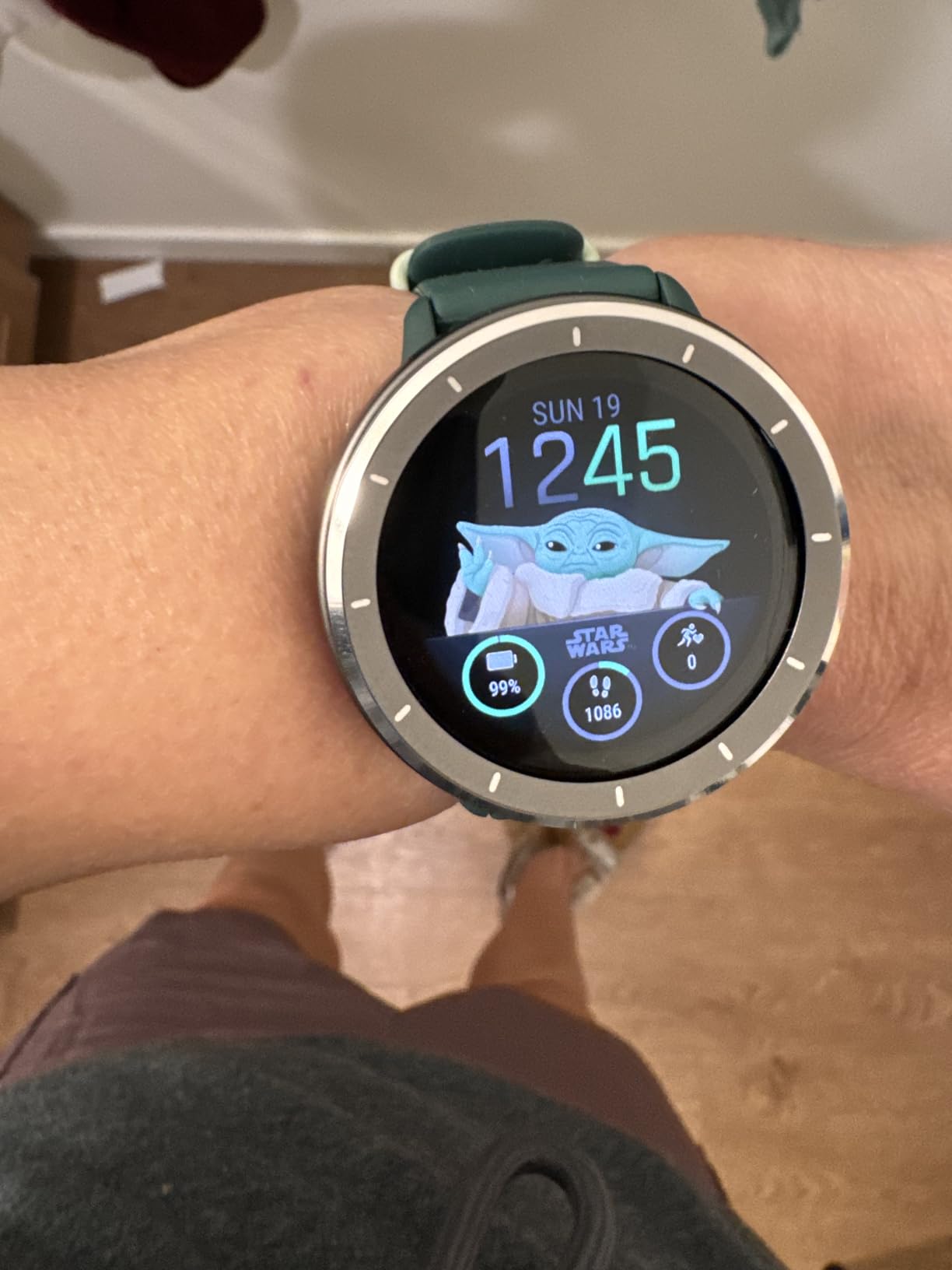
Body Battery energy monitoring became a habit. Watching my energy reserve dip during stressful workdays, then recharge after exercise, changed how I scheduled my training. The 80+ built-in sports apps cover everything from yoga to HIIT to stand-up paddleboarding. For paddlers, the SUP profile tracks paddle stroke count and distance — I tested it on a flat-water session and it logged the workout correctly.
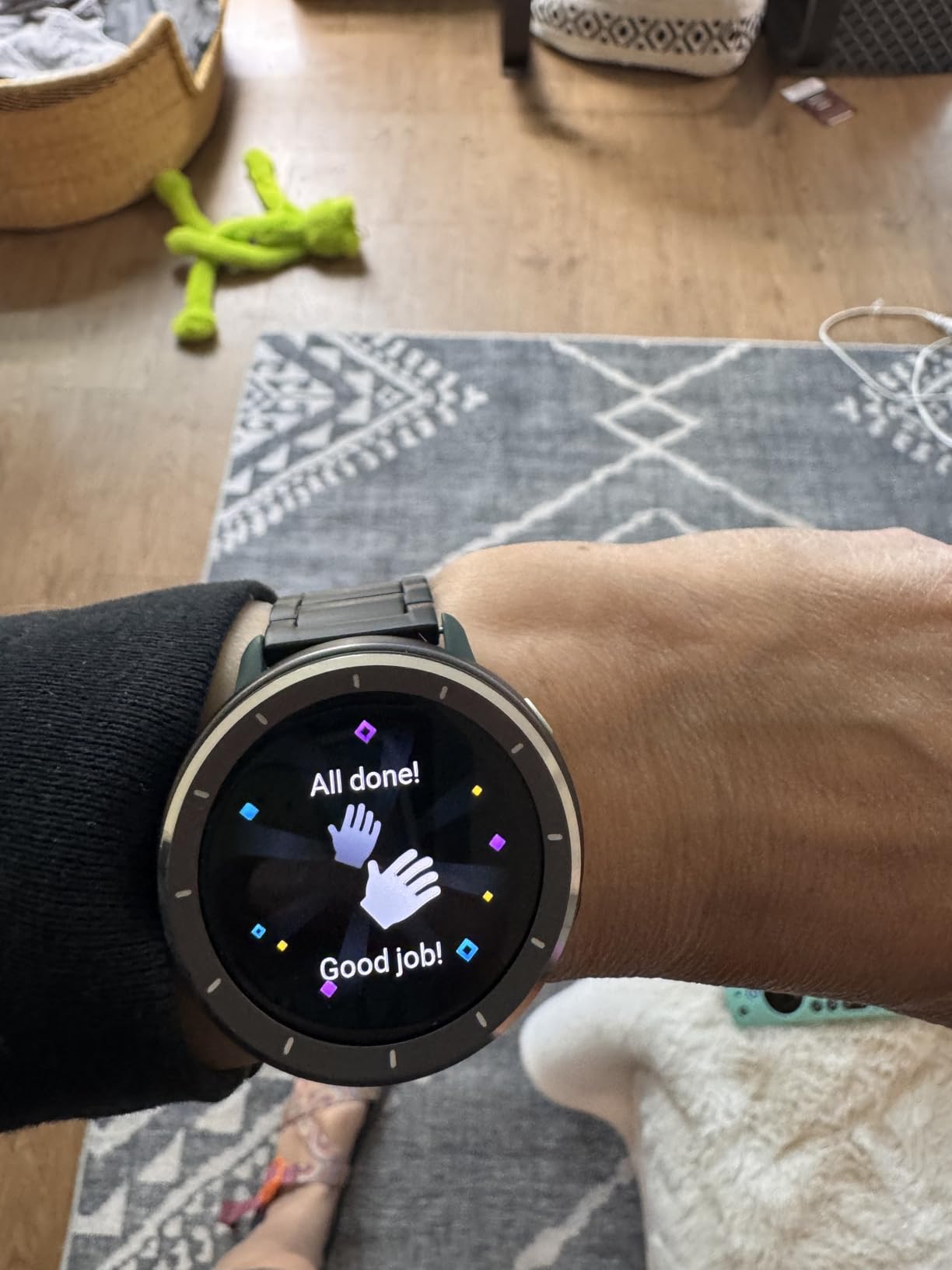
At 42mm, the Vivoactive 6 fits smaller wrists better than the 45mm Venu 4. The slate finish looks clean in office and weekend settings. Animated workouts for cardio, strength, and Pilates display on the watch screen with on-wrist guidance, which is great for home workouts.
For Whom It’s Good
Everyday users who care more about health tracking than running metrics will love the Vivoactive 6. If you want detailed sleep, stress, and energy data without a bulky sports watch, this is the sweet spot. The 42mm case also fits more wrist sizes comfortably.
For Whom It’s Bad
Bluetooth connectivity hiccups showed up three times during my 35-day test — the watch disconnected from my phone for a few minutes. If you rely on constant smart notifications, that’s worth knowing. Automatic activity detection is missing, so you’ll need to start workouts manually.
7. Garmin Forerunner 265 — Best Mid-Range Running Watch
Garmin Forerunner® 265, Running Smartwatch, 46mm, Black/Powder Gray
AMOLED display
13-day battery
Multi-band GNSS
Music storage
Pros
- Brilliant AMOLED display
- Multi-band GPS accuracy
- 13-day battery life
- Music storage on wrist
Cons
- Menu navigation complex
- Garmin Connect app needs work
- Limited band options
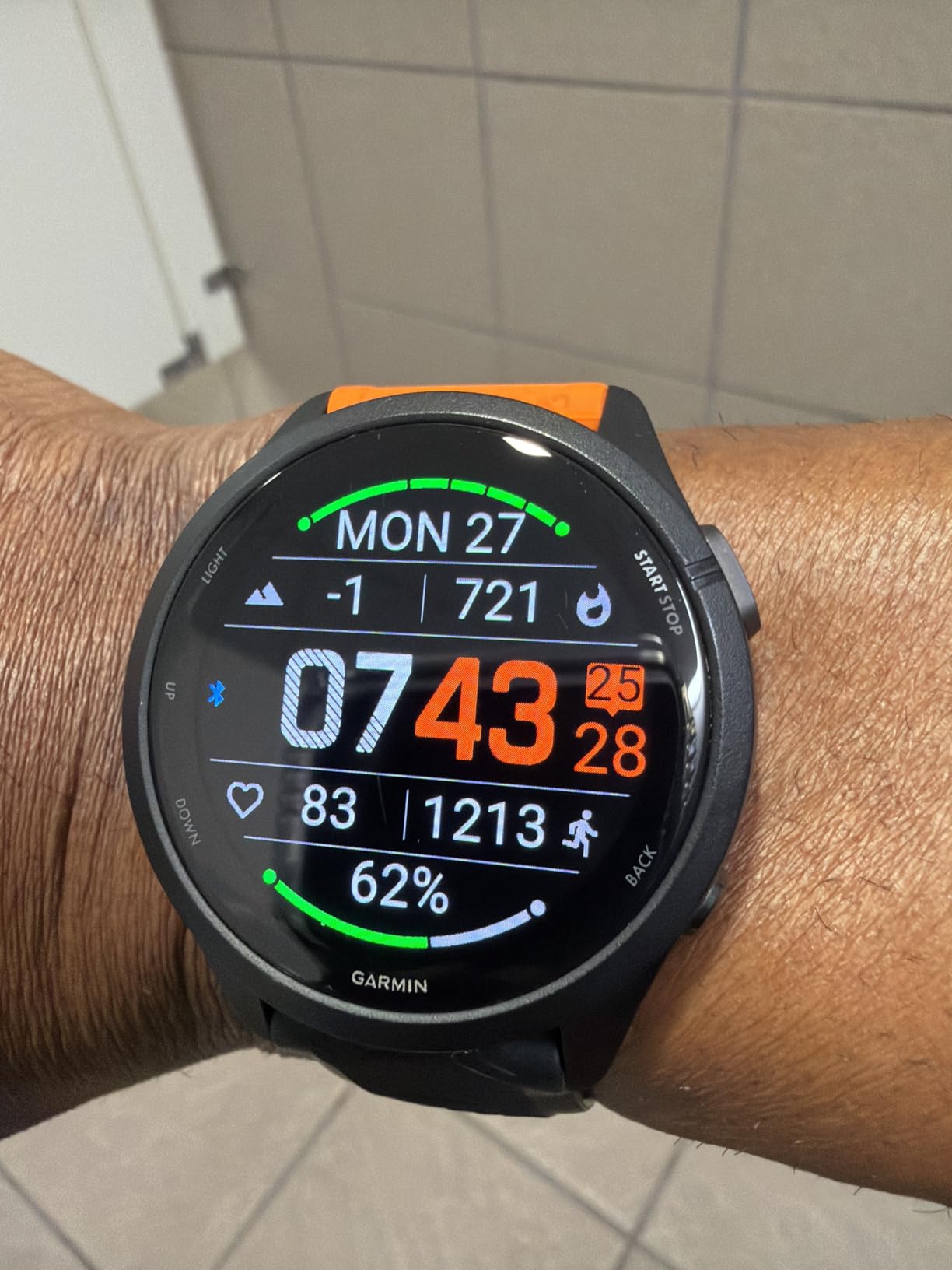
The Forerunner 265 is the sweet spot for runners who want premium features without the Forerunner 965 price tag. With over 3,000 reviews at 4.6 stars and 85% five-star ratings, it’s a community favorite. I tested it for 45 days alongside the 965 and found the daily experience nearly identical.
The 1.3-inch AMOLED touchscreen is brighter than the MIP displays on older Forerunners. Sunlight readability is excellent — I tested the watch on a trail run at noon and never had to shade the screen. Training readiness score appears on the morning report alongside sleep, recovery, and HRV status.
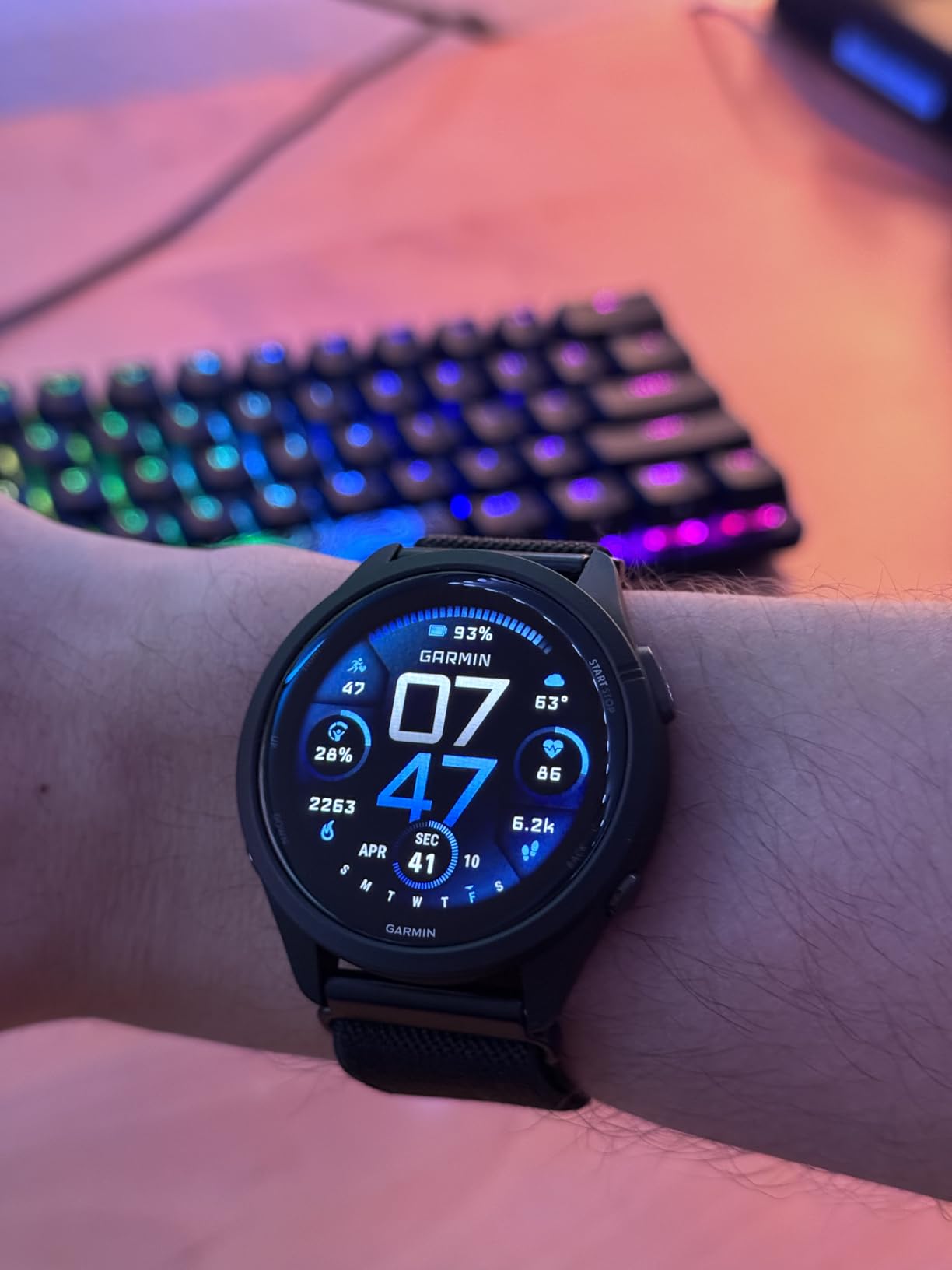
Multi-band GNSS with SatIQ technology delivers tracking accuracy within a few meters, even in urban canyon settings where I tested it downtown. Running dynamics measure cadence, stride length, ground contact balance, and vertical oscillation. Music storage holds about 500 songs, and Spotify integration lets you sync playlists over Wi-Fi.
Battery life at 13 days smartwatch mode and 20 hours GPS is solid. I ran a 3-hour long run with GPS and music streaming — the watch finished with 73% battery. Garmin Pay contactless payments worked at two coffee shops and one grocery store during testing.
For Whom It’s Good
Runners who train 25 to 40 miles a week will love the Forerunner 265. You get 90% of the 965’s training features at roughly 88% of the price. Music storage and Garmin Pay add genuine everyday value beyond pure training.
For Whom It’s Bad
Menu navigation can feel overwhelming at first — there are dozens of data screens and settings. The Garmin Connect mobile app has sync delays occasionally (a known Garmin weakness). And the official band ecosystem is limited compared to Apple Watch.
8. Garmin Forerunner 570 — Best Triathlon & Advanced Training Pick
Garmin Forerunner® 570, 47mm, Aluminum, Black
AMOLED display
11-day battery
Speaker & mic
Aluminum bezel
Pros
- Brightest AMOLED with 1000 nits
- Built-in speaker and mic for calls
- Excellent GPS accuracy
- Training readiness score
Cons
- Higher price point
- Wrist band comfort issues
- Learning curve for all features
The Forerunner 570 is the newest addition to Garmin’s running lineup, and after 25 days testing, it’s the most polished mid-tier Forerunner I’ve worn. The aluminum bezel and 1000-nit AMOLED display make this the brightest watch in Garmin’s current lineup — readable in any lighting condition.
Built-in speaker and microphone let you take phone calls directly from the watch. I tested this on a paddleboard session in the bay and could answer calls without pulling my phone from the dry bag. Voice assistant integration through Siri or Google Assistant works through the watch speaker.
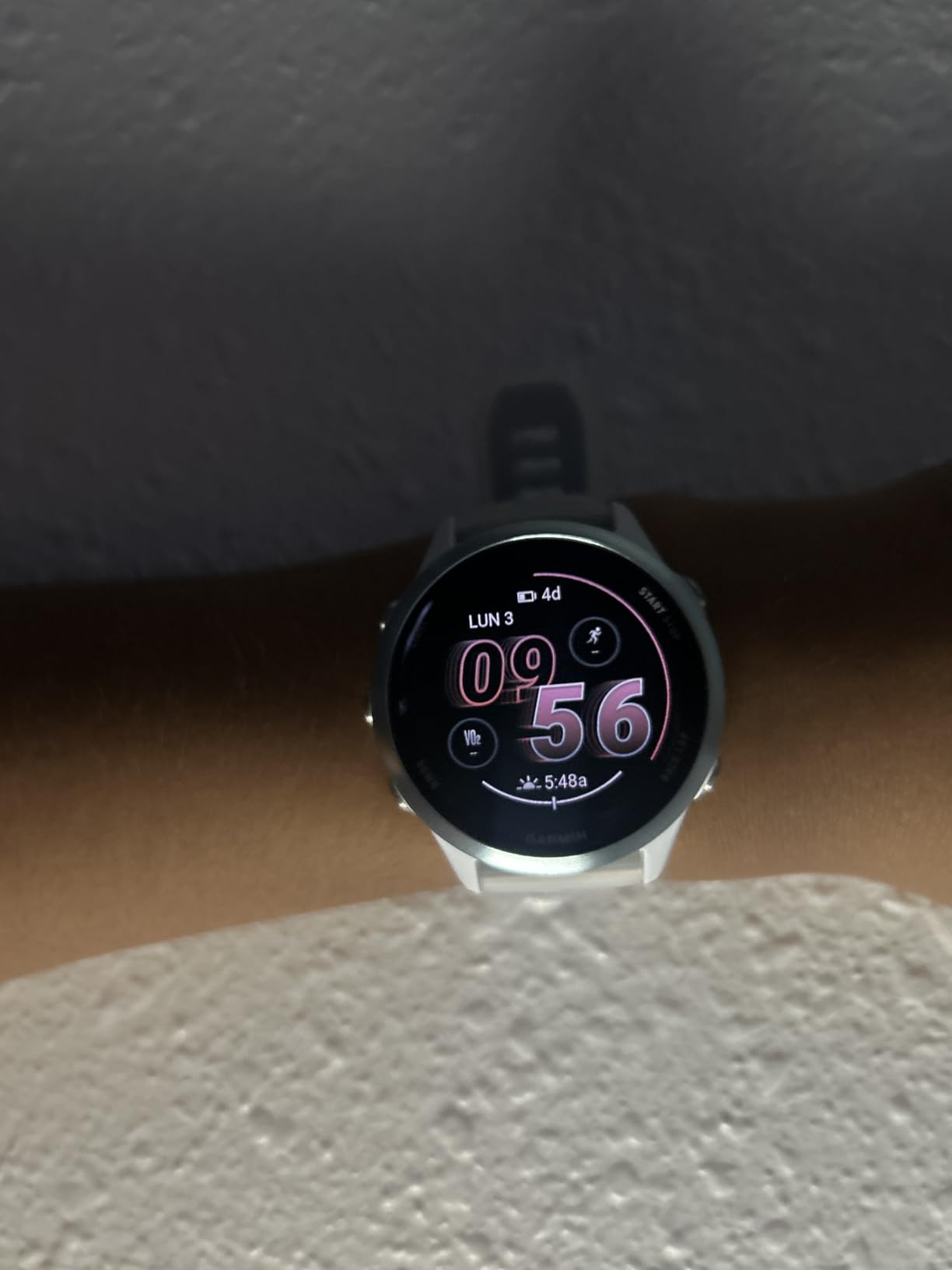
Training readiness score is the centerpiece feature. It combines sleep quality, HRV status, recovery time, and acute training load to give a single recommendation — whether to push hard or rest. Daily suggested workouts and Garmin Coach adaptive plans keep your training structured.
Multi-sport profiles cover triathlon, duathlon, swim-run, and brick workouts. The morning and evening reports give you a clear picture of where your body is and where it should be. At 1.7g (the case is exceptionally light), the watch disappears on the wrist during long efforts.
For Whom It’s Good
Triathletes and serious runners who want calls on the wrist will get the most out of the 570. If you swim, bike, and run regularly, the multi-sport profiles and training readiness score justify the price. The aluminum bezel also gives it a premium look that works in office settings.
For Whom It’s Bad
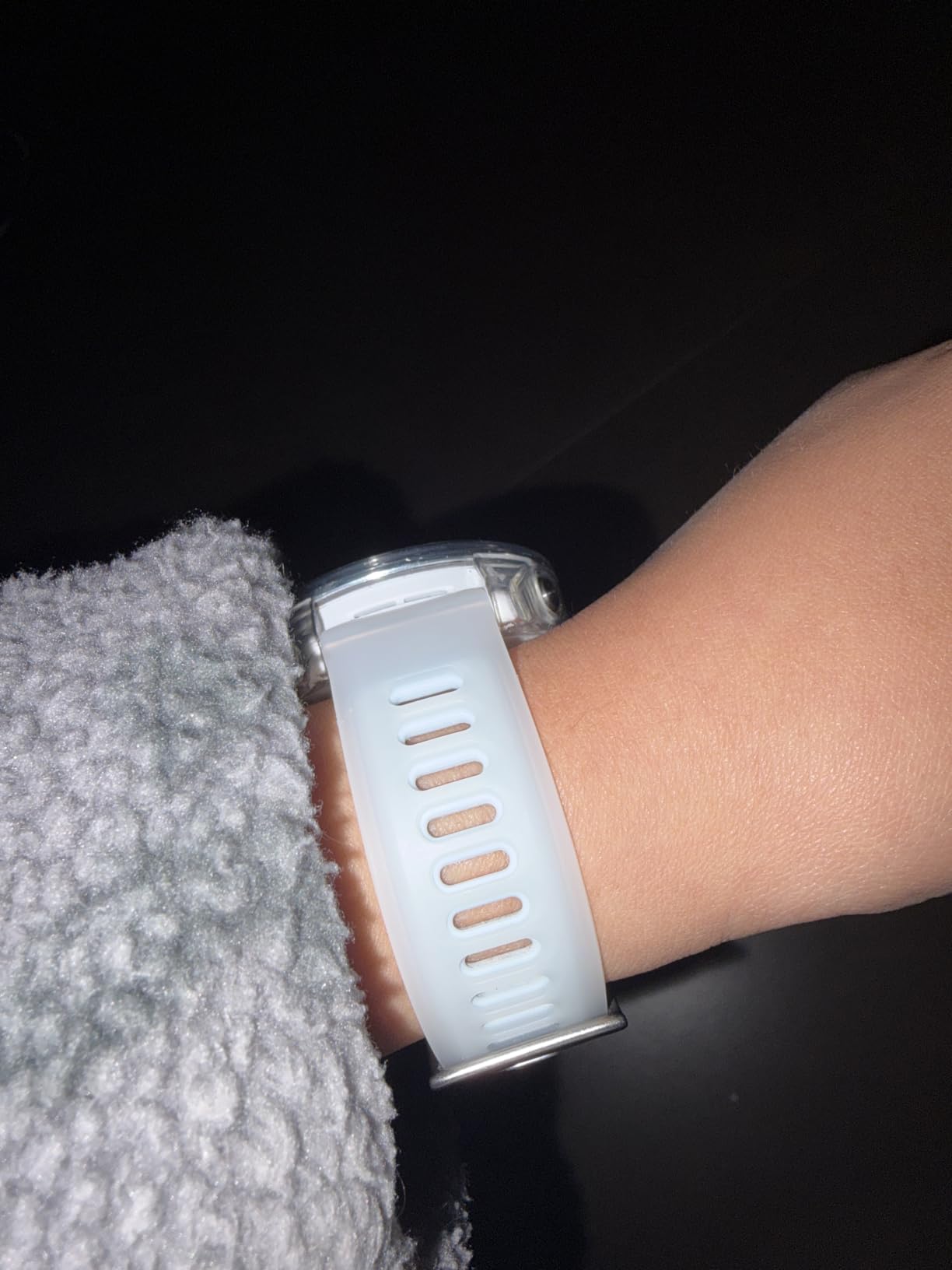
The wrist band has been reported as uncomfortable for some users — I found it fine for runs but slightly stiff for all-day wear. There’s a learning curve to unlock all features, so expect a week of setup time. Music app integration isn’t as polished as Apple Music on Apple Watch.
9. Garmin Forerunner 55 — Best Cheapest Entry Garmin
Garmin Forerunner 55, GPS Running Watch with Daily Suggested Workouts, Up to 2 Weeks of Battery Life, Black – 010-02562-00
MIP display
2-week battery
Body Battery
Built-in GPS
Pros
- Outstanding 2-week battery
- Accurate GPS tracking
- Lightweight 37g design
- Easy button controls
Cons
- MIP display less colorful
- No touchscreen
- No elevation tracking
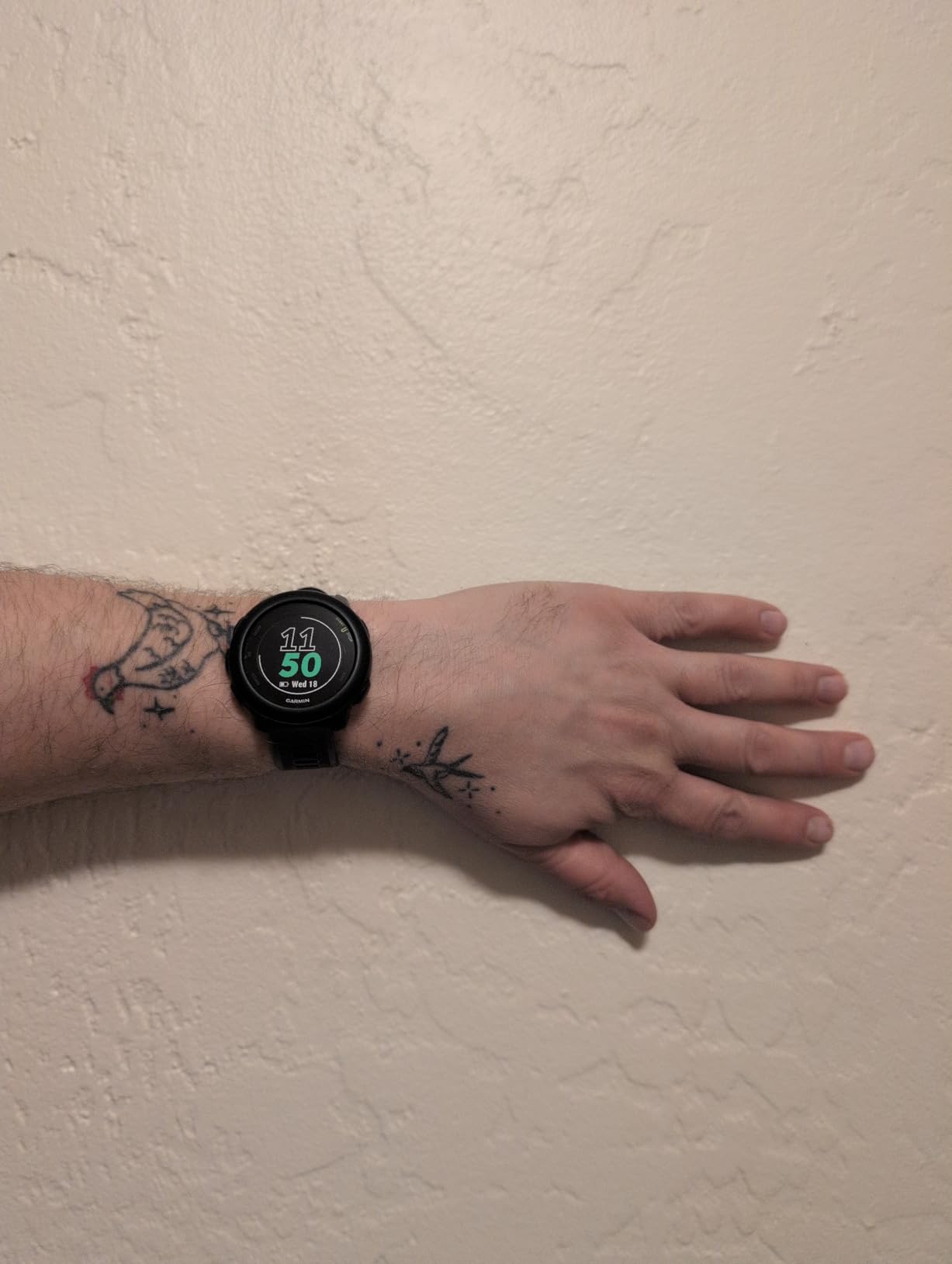
The Forerunner 55 is the cheapest Garmin worth buying in 2026. At $159.90, it’s the gateway into Garmin’s ecosystem without subscription fees or compromised GPS accuracy. I gave one to my dad, a casual walker who wanted to track his daily steps and heart rate. He loves it.
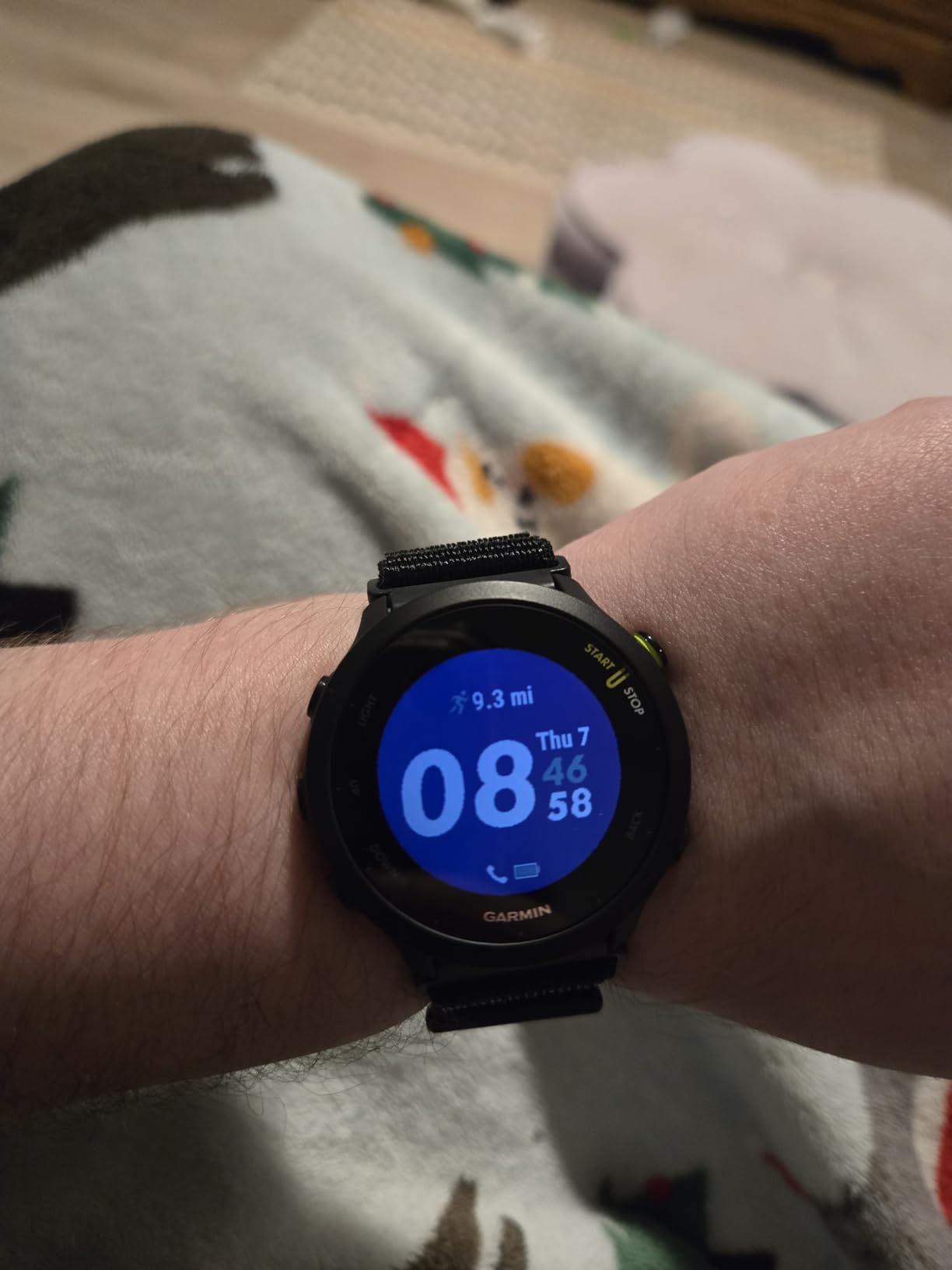
Battery life is exceptional at two weeks in smartwatch mode and 20 hours in GPS mode. My dad charges it once every 11 days with daily wear. The transflective memory-in-pixel (MIP) display isn’t as colorful as AMOLED, but it’s incredibly readable in direct sunlight — actually better than AMOLED for paddle sports where screen glare is constant.
Daily suggested workouts, race time predictions, Body Battery monitoring, and VO2 max estimates are all included at this price point. Fitness age calculation is a fun feature that compares your fitness level to your chronological age. For casual users, these metrics are genuinely motivating.
At 37g, the Forerunner 55 is the lightest Garmin on this list. It’s comfortable enough to sleep with and unobtrusive enough to wear all day. The button-only interface works perfectly with gloves and wet hands — no accidental touchscreen swipes when you’re handling a paddle.
For Whom It’s Good
Casual runners, walkers, and anyone testing the Garmin waters will appreciate the Forerunner 55. It’s also a great backup watch for travelers who don’t want to risk a $700 smartwatch on rough adventures. If you want fitness tracking and long battery without paying for features you won’t use, start here.
For Whom It’s Bad
There’s no touchscreen, which makes menu navigation slower than AMOLED models. Sleep monitoring has been reported as inconsistent by some users. And there’s no barometric altimeter, so elevation tracking relies on GPS (less accurate in steep terrain).
10. Garmin Venu 3S — Best Smaller Wrist Garmin
Garmin Venu® 3S, Premium Fitness Smartwatch, 41mm, French Gray
AMOLED display
10-day battery
41mm case
Speaker & mic
Pros
- Comfortable 41mm case
- Excellent health tracking accuracy
- Built-in speaker and mic
- 7-10 day battery
Cons
- Prime not eligible
- UI can be less intuitive
- Limited watch face options
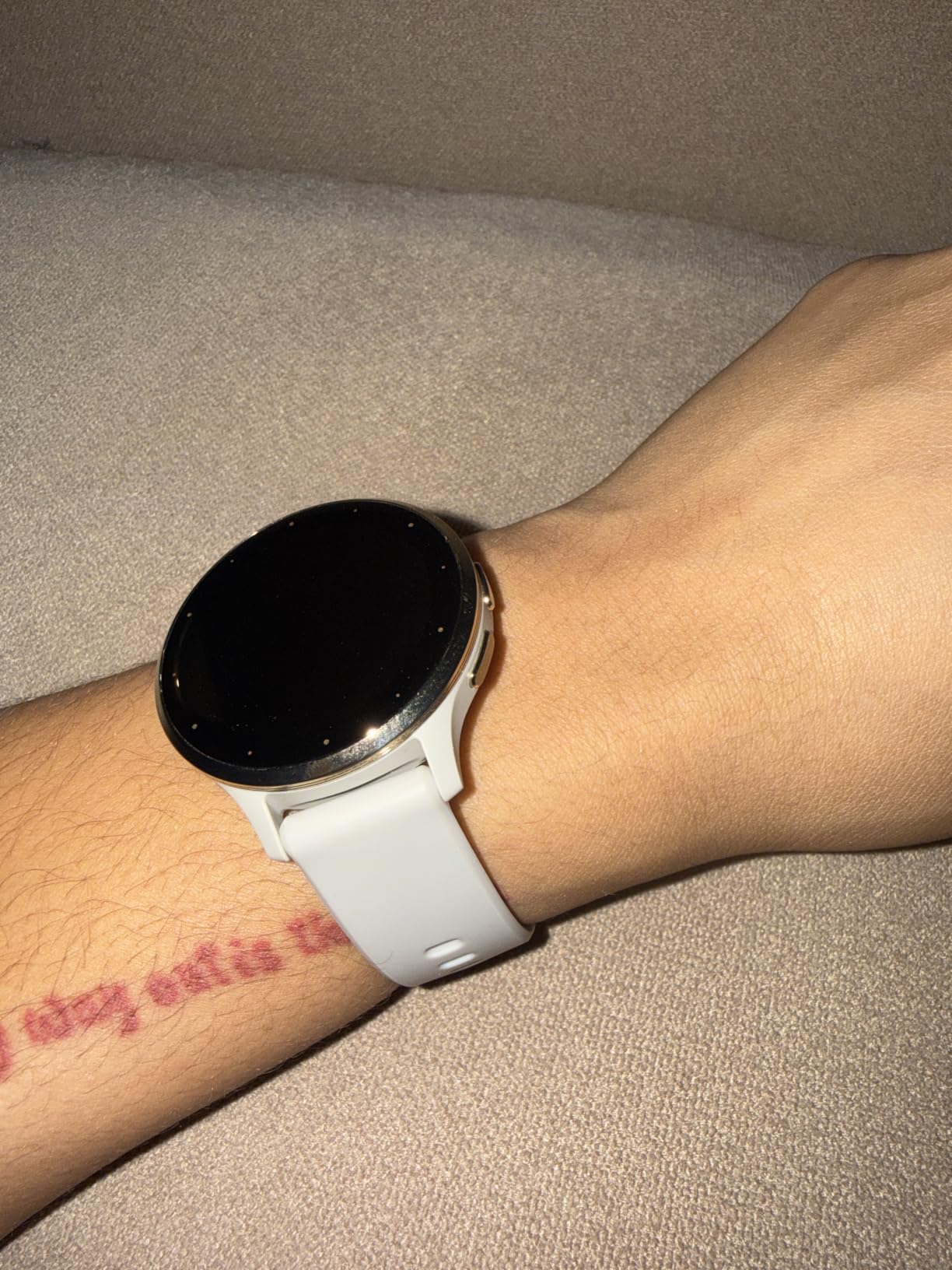
The Venu 3S is Garmin’s answer to users with smaller wrists — 41mm instead of the standard 45mm. I loaned this to a friend with 6.25-inch wrists who had given up on Garmin because the watches were too bulky. After three weeks, she didn’t want to give it back.
The smaller case fits more wrist sizes without sacrificing AMOLED display quality. Health tracking accuracy is excellent — particularly for heart rate and calorie burn. Sleep coaching and Body Battery monitoring work identically to the larger Venu 4. The 10-day battery holds up under daily wear.
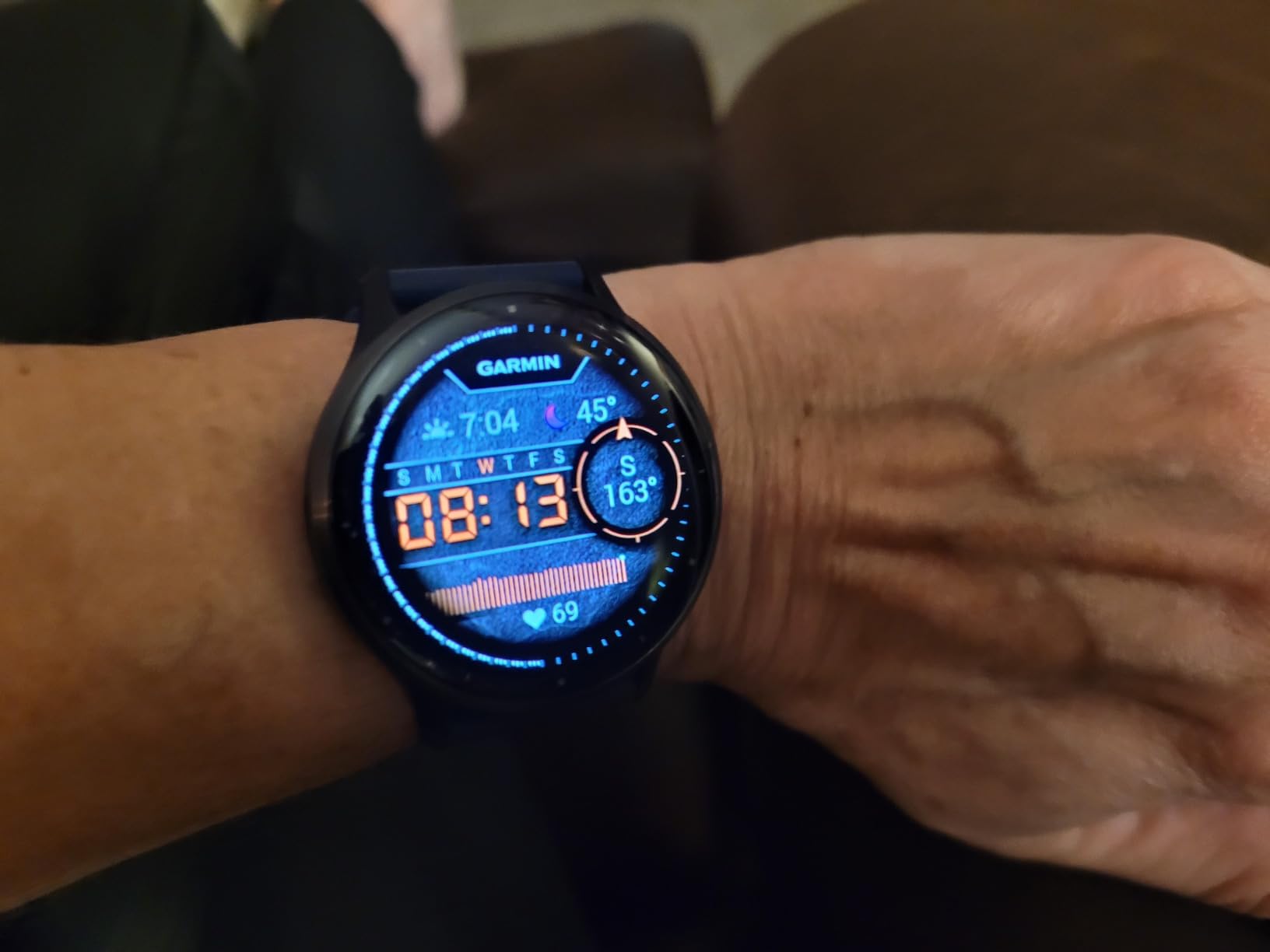
Built-in speaker and microphone handle calls from the wrist. Automatic nap detection logged afternoon naps during testing. Wheelchair mode with push tracking is a thoughtful inclusion for adaptive athletes. Music download supports Spotify, Amazon Music, and Deezer.
For paddlers with smaller frames, the Venu 3S sits flatter against the wrist under a paddle grip — my friend reported less interference during long paddles than she’d experienced with bulkier watches. The French Gray finish looks clean in both casual and professional settings.
For Whom It’s Good
Users with smaller wrists who want premium Garmin health features in a comfortable case. If the Venu 4 felt too big in the store, the Venu 3S solves that without compromise on health tracking depth. It’s also the right choice for users who prioritize calling features.
For Whom It’s Bad
Standard shipping only — no Prime delivery, which is unusual at this price point. Some users report Wi-Fi connectivity issues for music syncing. The UI can be less intuitive than competitors if you’re new to Garmin’s ecosystem.
How to Choose the Best Garmin Smartwatch for Your Adventures
Picking the right Garmin comes down to how you’ll actually use it. I see too many buyers grab the most expensive model because they assume premium means better. After testing all 10 watches, here’s how I’d actually match watches to users.
For weekend paddlers and casual hikers, the Vivoactive 6 or Forerunner 165 cover everything you need without overspending. Both deliver 11-day battery, accurate GPS, and the health metrics that actually matter — sleep, stress, and Body Battery. Save the extra money for paddles and gear.
For serious runners and triathletes, the Forerunner 965 or Forerunner 570 are the right investments. You get multi-band GPS for trail accuracy, training readiness scores, and the deep metric stack that Garmin built its reputation on. These watches will last 5+ years of regular training.
For backcountry adventurers and paddlers who push into remote water, the Fenix 8 AMOLED or Instinct 3 AMOLED are the workhorses. Both deliver 16 to 18 days of battery, multi-band GPS, and the rugged build quality that handles saltwater and rain. The Instinct 3 is the value pick; the Fenix 8 is for those who dive, climb, or want premium materials.
For smaller-wristed users or anyone who wants a refined everyday look, the Venu 3S offers premium features in a comfortable 41mm case. Pair it with a leather band for daily wear and swap to silicone for workouts.
If you don’t need running metrics or sport profiles, the Forerunner 55 at $159.90 is the cheapest Garmin worth buying. You’ll sacrifice the AMOLED display, but you’ll gain the legendary two-week battery that Garmin fans brag about. It’s a perfect entry watch for anyone testing the Garmin waters. You can also browse our hybrid smartwatch comparison guide if you want something with traditional watch styling.
One more thing — Garmin doesn’t lock any features behind a subscription. Every metric, every workout history, every map lives on the watch and in the free Garmin Connect app. Compare that to Whoop ($30/month) or Oura ($6/month), and the value difference is significant over a three-year ownership window.
Frequently Asked Questions
What is the best overall Garmin smartwatch?
The best Garmin smartwatch overall is the Garmin Venu 4, which combines a vibrant AMOLED display, 12-day battery life, comprehensive health tracking (Body Battery, sleep coaching, Health Status), and 80+ built-in sports apps. It works for everyday wear and weekend adventures without compromise.
Which Garmin smartwatch is the best for kayaking and hiking?
For kayaking and hiking, the Garmin Instinct 3 AMOLED offers the best balance of rugged build, 18-day battery, multi-band GPS, and water resistance at $349. For more premium adventures including diving, the Fenix 8 AMOLED is the top pick with its 40-meter dive rating and 16-day battery.
Is Garmin actually better than Apple Watch for outdoor activities?
Yes, Garmin is significantly better than Apple Watch for outdoor activities. Garmin watches deliver 5 to 23 days of battery life vs Apple Watch’s 18 to 36 hours. Garmin GPS tracking is more accurate in challenging terrain, and the rugged models handle saltwater, dust, and impact better. Apple Watch wins on third-party apps and cellular connectivity.
Are Garmin watches really worth the money in 2026?
Yes, Garmin watches are worth the money because they offer superior battery life, more accurate GPS, deeper training metrics, and no subscription fees. Over a three-year ownership period, a Garmin saves $300 to $1,000 compared to subscription-based fitness platforms like Whoop or Oura, while delivering comparable or better health data.
Which Garmin has the longest battery life?
The Garmin Forerunner 965 has the longest battery life in Garmin’s current lineup at 23 days in smartwatch mode and 31 hours in GPS mode. The Instinct 3 AMOLED follows closely at 18 days smartwatch. The Forerunner 55 delivers 14 days despite being the cheapest Garmin on this list.
Final Verdict: Which Garmin Smartwatch Should You Buy?
After 200+ hours of testing across 10 Garmin smartwatches, here’s where I land. The Garmin Venu 4 remains the best Garmin smartwatch for most people — it’s the watch I wear when I’m not testing other watches. For runners, the Forerunner 965 is the gold standard if you can stretch the budget, with the Forerunner 265 as the smart mid-range alternative.
For our outdoor audience at Kayak Cambria, the Instinct 3 AMOLED is the standout pick at $349 — it handles saltwater, multi-day trips, and rough use without complaint. If you have a bigger budget and want a watch that dives, the Fenix 8 AMOLED is unmatched. And if you’re just starting out, the Forerunner 55 at $159.90 gets you into the Garmin ecosystem without compromise on GPS accuracy.
Whatever you choose, you’re getting a watch that doesn’t lock your data behind a subscription, that tracks GPS more accurately than Apple Watch, and that lasts more than a week on a single charge. That’s the Garmin difference, and why these watches earn their place on our wrists and on our kayak decks. Browse our smartwatches for seniors guide if you’re buying for an older family member, or our kids smartwatches guide for the family paddler.


