


As a kayaking enthusiast, I’ve had my fair share of memorable moments on the water. From serene, glass-like lakes to adrenaline-filled rapids, each trip in my trusty kayak brings a unique mix of relaxation and adventure. Naturally, when friends and acquaintances express their interest in joining me on a kayaking trip, one of the most common concerns they raise is the fear of flipping their kayak. I can’t say I blame them, as the thought of being upside down in the water can be quite intimidating, especially for beginners.
Being aware of the potential risks and ways to prevent them is crucial for any sport. In the world of kayaking, safety should always come as a top priority. And while it’s true that you’ll need to learn how to balance your kayak to avoid accidentally flipping it, it’s important to know that kayaks aren’t quite as “tippy” as they might seem at first glance. In this article, we’ll explore the factors that contribute to kayak stability, discuss techniques that will help keep you upright, and ultimately, answer the pressing question: Are kayaks easy to flip? So read on to put those fears to rest and gain a greater understanding of the wondrous world of kayaking.
Understanding Kayak Stability
When it comes to flipping, a key factor to consider is the stability of the kayak. Stability is typically divided into two categories: primary and secondary stability.
Primary Stability
Primary stability refers to the initial steadiness of a kayak when you first sit in it. This is especially important for beginners, as it helps with getting comfortable and maintaining balance. Kayaks with a wider hull and flatter bottom generally offer better primary stability, making them less likely to tip over.
Secondary Stability
Secondary stability, on the other hand, is the ability of a kayak to resist tipping over when it’s leaned on its edge. This comes into play when you’re maneuvering through waves or rough waters. A kayak with good secondary stability will feel stable when it’s edged, while one with poor secondary stability may feel wobbly and unstable. This could result in a higher chance of flipping.
In addition to primary and secondary stability, several factors can affect a kayak’s likelihood of flipping, such as hull design, the paddler’s experience, and varying water conditions.
Hull Design And Its Effect On Flipping
Hull design plays a significant role in determining the stability of a kayak. There are various hull shapes, each offering its own advantages and disadvantages in terms of speed, tracking, and stability. Some common hull designs include:
- Flat hulls: Ideal for beginners, as they provide excellent initial stability and maneuverability. However, they can be less efficient in terms of speed and might not perform well in choppy waters.
- Rounded hulls: These kayaks have a more streamlined shape, which helps them glide through the water easily and efficiently. They offer good secondary stability but might feel less stable initially, especially for inexperienced kayakers.
- V-shaped hulls: Known for their excellent tracking and speed capabilities, these kayaks are great for covering long distances. They may require more skill to maneuver, but they offer a nice balance between primary and secondary stability.
- Pontoon hulls: Offering excellent stability, pontoon hulls are perfect for fishing and photography. These kayaks may sacrifice speed for their exceptional steadiness.
Understanding these factors and knowing what type of hull design your kayak has will help you gauge how likely it is to flip, and what precautions you may need to take while paddling.
Selecting The Right Kayak: What To Look For

When considering whether kayaks are easy to flip, one must also take into account the type of kayak being used. Each kayak is designed with specific purposes in mind, and selecting the most suitable one for your needs can make a significant difference in stability.
Intended Use: Recreational, Touring, Or Whitewater Kayaking
Firstly, it’s important to determine the primary use of the kayak. Recreational kayaks are designed for casual paddling in calm waters, such as lakes and slow-moving rivers. They are typically wide and stable, making them less likely to flip. Touring kayaks are built for longer trips on larger bodies of water and have better tracking and efficiency for covering distance, but they could be slightly more challenging for inexperienced paddlers. Lastly, whitewater kayaks are designed specifically for navigating rapids and turbulent waters, which require a high degree of skill and experience to handle safely.
Considering The Kayaker’s Experience When Choosing A Kayak
One’s level of experience as a kayaker is another crucial factor when selecting a kayak. Beginners should look for kayaks with greater stability, while more experienced paddlers can opt for options that offer a better balance between stability and maneuverability. It’s always a good idea to seek the advice of experienced paddlers or instructors before making a purchase.
Importance Of The Correct Kayak Size For The User
The right kayak size must accommodate the paddler’s height, weight, and personal preferences. Kayaks that are too small or too large for the users are often harder to control, increasing the likelihood of flipping. As a general rule of thumb, larger kayaks tend to have more stability, while smaller ones are more maneuverable. To find the most suitable kayak size, consult manufacturer sizing charts and seek advice from retailers or experienced paddlers.
In summary, selecting the correct kayak type, level of experience, and size play a crucial role in preventing capsizes. Be sure to consider these factors when shopping for your first or next kayak to ensure a stable and enjoyable experience on the water.
Proper Techniques To Prevent Flipping
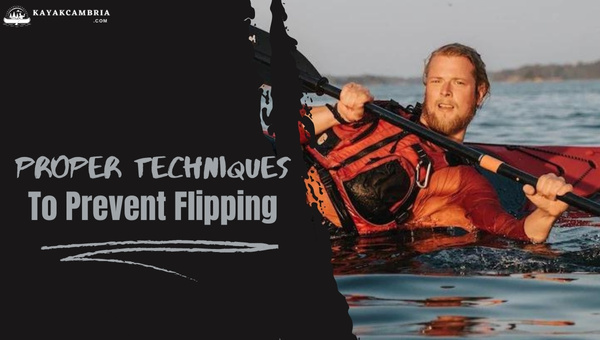
One of the key aspects of enjoying a successful kayaking adventure without the fear of flipping your kayak, lies in mastering proper techniques. Let’s discuss a few essential techniques to help you stay stable and prevent accidental capsizes.
Balancing And Edging
A crucial skill for kayakers is knowing how to balance and edge their boat. To balance your kayak, maintain an upright body posture, keep your gaze forward, and loosen your hips, allowing them to move freely with the boat. This will enable the kayak to move smoothly through the water while minimizing the risk of flipping.
Edging involves tilting your kayak on its side to make turning more efficient. When edging, bend your knees and engage your core muscles to maintain control of your boat. The key to successful edging is to practice regularly to build your confidence and technique.
Effective Paddling
Paddling is not just about moving your kayak; it’s also about maintaining stability. When you paddle, use a smooth, rhythmical motion, and try to make the most of your entire body’s strength. This will give you more power and maneuverability while also promoting better balance.
- Forward Stroke: A well-executed forward stroke helps maintain momentum and stability in your kayak. Plant your paddle blade fully in the water, close to your feet, and use your torso rotation to generate power as you pull the paddle back towards your hip.
- Sweep Stroke: Sweep strokes are essential for efficient turning. The wide, sweeping motion of your paddle blade away from the boat allows you to turn the kayak more effectively without tipping.
- Low Brace Support: This is a defensive stroke that can prevent you from flipping when you feel unstable. Place the back face of your paddle blade flat on the water and push down slightly, creating a supportive platform that can help right the kayak.
Tips For Staying Stable And Avoiding Capsizes
- Always enter and exit your kayak parallel to the shore, keeping your weight centered over the boat.
- Avoid leaning too far in any direction, as this can lead to a capsize.
- Use your paddle as an outrigger for support when you feel unsteady.
- Practice your paddling and balance skills in calm water before venturing out into more challenging conditions.
- When paddling in a group, maintain a safe distance between kayaks to prevent accidents and collisions.
Importance Of Safety Gear
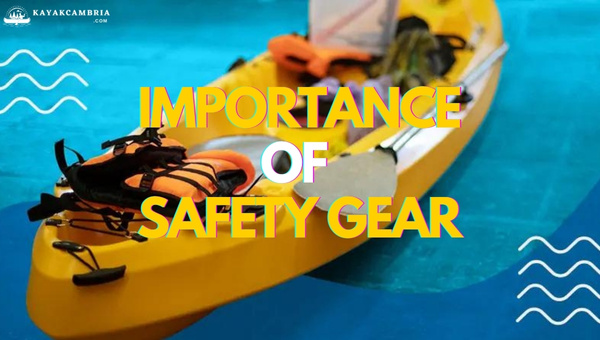
Safety gear plays a crucial role in your overall kayaking experience, providing you with security and confidence to explore the waters. In this section, we’ll discuss some essential safety items you should wear or bring along whenever you’re out for a kayaking adventure.
Personal Floatation Devices (PFDs)
It’s vital to always wear a Personal Floatation Device (PFD) while kayaking. PFDs are designed to keep you afloat and make it easier for you to swim or be rescued if you capsize. Choose a PFD that is appropriate for the type of kayaking you’ll be doing and always make sure it’s properly fitted for the best performance.
Helmets For Whitewater Kayaking
When kayaking in rough or whitewater conditions, wearing a helmet is a must. Helmets protect your head from injury in case of a collision or being flipped in turbulent waters. There are helmets specifically designed for kayaking that provide the right balance of protection and comfort.
Paddle Leashes And Bilge Pumps
A paddle leash can be a handy accessory to prevent losing your paddle if you capsize. It attaches your paddle to your kayak, so you don’t have to worry about it floating away if you get into trouble. Bilge pumps are a useful tool for removing water from your kayak in case of flooding. Although not necessarily considered as safety gear, bilge pumps can significantly increase your comfort level and reduce the risk of capsizing due to water in the boat.
Spray Skirts And Dry Bags
Spray skirts are designed to prevent water from entering your kayak, especially while paddling in choppy waters or during inclement weather. These skirts create a watertight seal around the cockpit and can help minimize the risk of capsizing. Dry bags, on the other hand, keep your personal belongings waterproof and secure. While not directly related to preventing flips, they provide extra peace of mind by protecting the essential gear you carry with you.
By investing in the proper safety gear, you can significantly decrease the likelihood of flipping and boost your confidence while kayaking. Remember, preparedness goes a long way in ensuring a safe and enjoyable paddling experience.
What To Do If Your Kayak Flips
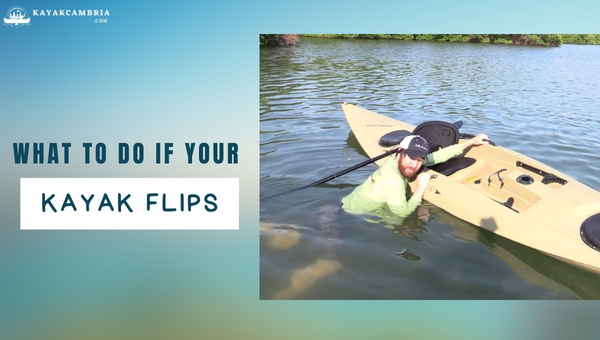
So, you’ve found yourself upside-down in the water with your kayak flipped over. Don’t panic! Here are some essential steps and tips to help you recover from this situation.
Stay Calm And Composed
The first and foremost thing is to stay calm and remember your training. Panicking will only worsen the situation, making it harder for you to think clearly and execute the necessary actions.
Wet Exit
If you find yourself underwater, it’s essential to safely perform a wet exit – this means releasing yourself from the kayak. Make sure you know how to unfasten your spray skirt or move your legs out of the kayak and push yourself away from the boat while keeping your hands on it.
Self-Rescue Techniques
Once you’re out of the kayak, orient yourself, and take a deep breath. Now it’s time for a self-rescue:
- Hold onto your paddle and keep it close, so you don’t lose it.
- If your kayak is still upside down, flip it back by pulling on the side closest to you. Use your hips and legs for leverage, if required. Be mindful of any waves, wind, or current that could affect your balancing efforts.
Re-enter Your Kayak
There are various methods to get back into your kayak—choose the one that works best for you:
- Scramble: This technique involves positioning yourself next to the cockpit, grabbing the far side of the kayak, and kicking your legs while you “scramble” back on top of the boat.
- Paddle Float: You can use your paddle and a paddle float (an inflatable device that provides buoyancy) to create an outrigger for added stability during re-entry. Secure the paddle float to one end of the paddle and place the other end across your kayak behind the cockpit. Hold onto the paddle shaft for stability as you climb back in.
Buddy Assists
If you’re kayaking with friends or in a group, you can call upon your fellow paddlers for assistance in recovering your boat and re-entering it. Common partner-assisted techniques include the T-rescue and the bow-to-stern rescue.
Drain Excess Water
Once you’re securely back in your kayak, use your bilge pump or sponge to drain any excess water that may have entered the cockpit. If you’re with a group, your fellow kayakers can also help steady you and your kayak as you pump out the water.
Remember: Practice Makes Perfect
Understanding and practicing these steps beforehand is crucial. That way, if you ever do find yourself upside down in the water, you’ll have the skills and knowledge needed to handle it with confidence.
Overcoming The Fear Of Flipping
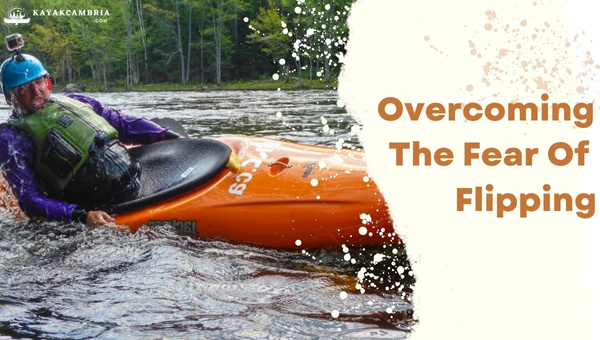
The fear of flipping a kayak can be daunting, especially for those new to the sport. To build confidence and gain the skills needed to prevent capsizes, it’s essential to address and tackle this fear head-on. Here are some helpful strategies to overcome the fear of flipping.
Embrace The Possibility Of Flipping As A Learning Opportunity
Everyone flips at some point, even experienced kayakers. Recognize that flipping is a natural part of the sport and an opportunity to learn and enhance your skills. By accepting the possibility of flipping, you can focus on honing your technique and maintaining a more relaxed mindset on the water.
Paddling In Calm Water Before Moving To Rougher Conditions
Start your kayaking journey in calm waters, such as flat, quiet rivers or sheltered lakes. By having positive experiences in more manageable conditions, you can build up the skills and confidence needed to eventually tackle rougher waters. Gradually increasing the water difficulty will make it less likely for you to freak out when encountering more turbulent conditions.
Build Confidence Through Practice And Experience
The more you practice kayaking, the more comfortable you will become. Devote ample time to mastering the skills necessary to manage a variety of situations that may arise. Dedicate yourself to learning proper paddling and self-rescue techniques, and you’ll feel much more confident in your ability to handle a flip.
Have A Budding System For Support
Engaging in kayaking activities with more experienced friends or joining a local kayaking club can help to alleviate the fear of flipping. Paddling with others provides encouragement, motivation, and helpful advice that can boost your self-confidence on the water.
Familiarize Yourself With Self-Rescue Techniques
Knowing how to recover if your kayak does flip is essential for building confidence. Take the time to learn and practice various self-rescue techniques, such as the wet-exit, re-enter and roll, and paddle float self-rescue. Familiarizing yourself with these techniques and practicing them in a controlled environment ensures you’ll be prepared for any situation.
In the journey to overcoming the fear of flipping, remember to be patient with yourself and celebrate your progress. Kayaking is an exciting and rewarding pastime, and with dedication, practice, and a positive mindset, you’ll soon find yourself enjoying the water without fear.
Training Courses And Lessons For Beginners
If you’re new to kayaking or feeling concerned about flipping, I highly recommend taking part in training courses and lessons. These classes not only provide invaluable guidance on safety measures, but also help you understand the importance of proper technique before you head out on the water.
Finding A Kayaking Class
Start by searching for local kayaking clubs or outfitters in your area, as they often offer beginner classes and guided trips.
Learning From Professionals
Choosing to learn from professional instructors will give you an edge, as they come with years of experience and knowledge to share with you. They can pinpoint common mistakes and ensure that your paddling techniques are refined.
Guided Trips
For your first few excursions, consider joining a guided trip with an experienced kayaker. While not as educational as an actual course, guided trips provide you with the opportunity to enjoy kayaking safely while accompanied by someone skilled.
Building Your Kayaking Skills
During your training sessions, you’ll be taught essential skills such as:
- Understanding your kayak: Learning about the different parts of the kayak and their functions.
- Paddling techniques: How to hold and maneuver your paddle efficiently.
- Safety and rescue: The basics of self-rescue, assisted rescue, and wet exits.
- Launching and landing: The proper way to enter and exit your kayak from various locations.
- Basic navigation: Understanding maps and charts to navigate through the waterways.
Taking these lessons will not only build your confidence in kayaking, but also equip you with the knowledge to handle situations when your kayak flips. Remember, practice makes perfect, so continue to refine these skills as you progress in your kayaking journey.
Proper Body Positioning
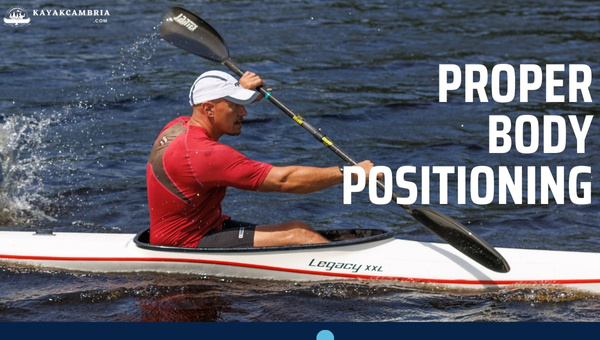
When it comes to ensuring kayak stability, one factor that many people overlook is the importance of proper body positioning. By maintaining the right posture and engaging the appropriate muscles, you can significantly reduce the likelihood of flipping your kayak. In this section, we’ll explore some key aspects of proper body positioning.
Engaging The Core Muscles For Stability
Your core muscles play a vital role in keeping your kayak stable. To engage these muscles, sit up straight and imagine a string pulling your head towards the sky. Maintain this upright posture as you paddle, allowing your torso to rotate with each stroke. This engages not only your abdominal muscles but also your back and obliques, which work together to help you maintain balance on the water.
Using Your Legs For Added Control And Support
While your upper body plays a significant role in balancing your kayak, don’t underestimate the importance of your legs. When seated in your kayak, your legs should be bent slightly with your knees out to the sides and your feet resting on the foot pegs. Applying gentle pressure on the pegs and against the sides of the cockpit with your knees helps to keep you stable and maintain control of the kayak. This can be particularly useful when dealing with rough waters or strong winds.
The Role Of Body Posture In Kayak Balance
Proper body posture doesn’t stop with engaging your core and using your legs. To get the most out of your paddling experience and prevent flipping, focus on keeping your head and upper body centered over the kayak. Avoid leaning too far to one side or the other, as this can cause the boat to become unstable and potentially lead to capsizing.
When paddling in windy conditions or waves, it may be necessary to adjust your posture to counter the effects of the wind or water. For example, to prevent the wind from blowing you off course, you can lean slightly into the wind to maintain a more stable balance. Just remember to maintain an overall centered and upright position while making these adjustments.
Ensuring that you have proper body positioning is critical when aiming to avoid flipping your kayak. By engaging your core muscles, using your legs for support, and maintaining an appropriate posture, you’ll be able to improve your balance and stability on the water, making it less likely that your kayak will flip. Keep practicing and applying these techniques, and you’ll soon feel more comfortable and confident in your ability to navigate and enjoy your kayaking adventures.
Weather And Environmental Factors

With a better understanding of kayak stability, it’s important to consider the effects of weather and environmental factors on your kayaking experience. These factors play a significant role in determining the likelihood of flipping your kayak.
Wind
Wind can make kayaking more challenging by creating waves and making it difficult to control your kayak. Strong gusts of wind can push you off course or potentially flip your kayak if you don’t respond appropriately. Proper paddling techniques and using a kayak with a rudder or skeg can help to manage the impact of wind while kayaking.
Waves
Waves can either be generated by wind or tide, affecting your kayak’s stability. When paddling through waves, it’s essential to maintain the correct body position and angle your kayak to avoid capsizing. Facing waves at a perpendicular angle (around 90 degrees) can reduce the risk of your kayak flipping.
Currents
Currents are the constantly-moving water streams that flow in a specific direction. Kayaking in areas with strong currents can be challenging, as they can quickly push you towards rocks, obstacles, or even flip your kayak. Be sure to stay alert and use appropriate paddling techniques to navigate through currents safely.
Assessing Conditions Before Embarking
To maximize safety and minimize the risk of flipping your kayak, it’s essential to assess the conditions before you embark on your trip. Check the weather forecast, tide schedule, and any local conditions that can affect the water. Learn to recognize the signs of changing weather while kayaking, and always have a plan for getting off the water if conditions become too challenging.
Adapting To Challenging Situations
When you’re faced with challenging weather situations on the water, ensure you know how to adjust your paddling techniques and strategies quickly. This may include angling your kayak differently in waves, adjusting your paddle stroke, or changing routes to avoid hazards caused by environmental factors. The ability to adapt and make informed decisions will increase your safety and reduce the chances of flipping your kayak.
By being aware of the potential impact of weather and environmental factors on your kayaking experience and being prepared to respond accordingly, you can better manage these situations and significantly reduce the risk of capsizing.
Group Kayaking: Strength In Numbers

One of the greatest ways to enjoy kayaking and increase your confidence on the water is by paddling with friends or joining a group. There are several benefits to group kayaking, including shared knowledge, added safety, and the camaraderie that comes from enjoying a shared experience.
Sharing Tips And Techniques
When you join a group of kayakers, you’ll have the opportunity to learn new paddling skills from others who have varied experiences. More seasoned kayakers can provide invaluable advice on handling different conditions, and you’ll likely pick up some useful tips on gear, maintenance, and trip planning.
Enhanced Safety
Group kayaking provides a level of safety that’s more difficult to achieve when paddling solo. If you find yourself in a challenging situation, your fellow kayakers can provide immediate assistance or help you perform a rescue. In case of an emergency, there is security in knowing that someone is nearby to call for help or provide first aid if needed.
Teamwork And Camaraderie
The social aspect of group kayaking is another significant benefit. Sharing the water with like-minded individuals can make your time on the water more enjoyable. Friendships often form quickly within a kayaking group, as you bond over shared experiences, challenges, and success.
Paddling In Formation
When kayaking in a group, it’s essential to maintain proper spacing and formation. This ensures that everyone can move at a comfortable pace, while also being close enough to provide assistance if needed. As a rule of thumb, it’s good to stay within visual and auditory range of your fellow paddlers, so that you can communicate clearly and quickly.
Group Etiquette
To fully enjoy the benefits of group kayaking, respect for fellow paddlers is crucial. This includes staying together, being mindful of everyone’s abilities and limitations, and always being willing to lend a hand when needed. Additionally, practicing responsible environmental stewardship, such as adhering to Leave No Trace principles and respecting wildlife, ensures a positive experience for all group members and future kayakers.
Group kayaking not only offers a more enjoyable and safer experience on the water, but it also encourages the development of essential skills, fosters lasting friendships, and creates a sense of belonging within the kayaking community. So, if you haven’t explored the world of group kayaking yet, it’s time to gather your paddling buddies or join a local group, and experience the true strength in numbers!
Kayak Accessories For Added Stability
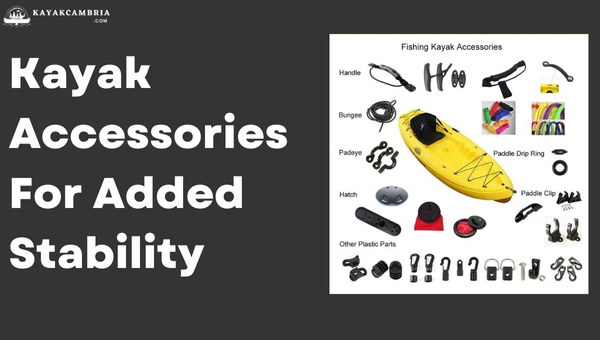
Just like in any sport or activity, having the right equipment can significantly improve your kayaking experience. By investing in some useful accessories, you can enhance your kayak’s stability and minimize the risk of capsizing.
Outriggers And Stabilizers
Outriggers are additional floatation devices mounted on either side of your kayak, providing an increased level of lateral stability. They are particularly helpful for beginner paddlers, individuals with disabilities, or those looking to engage in activities such as fishing or photography while kayaking.
Stabilizers also assist with balancing and can be attached to the side or rear of your kayak. They are useful for kayakers who want to stand up in their boats or for those who seek added stability in rougher water conditions.
Paddle Floats
A paddle float can give you extra support during a self-rescue or while re-entering your kayak after a capsize. By attaching it to one end of your paddle, you create an extended outrigger, granting you extra leverage and stability for getting back into your kayak. They are available in inflatable and foam versions, with each type offering different benefits in terms of buoyancy and storage.
Sponsons
Sponsons are air-filled bags or foam blocks that can be mounted along the sides of your kayak. These devices enhance buoyancy and stability, reducing the chances of flipping. While not typically necessary for recreational kayaking, sponsons can be especially useful in rough or choppy waters.
Using these kayak accessories can greatly increase stability and reduce the likelihood of capsizing. As you become more experienced, you may find that you no longer rely as heavily on these aids. Nonetheless, it never hurts to have an additional safeguard in place, helping you enjoy your time on the water with increased confidence and assurance.
Managing Your Kayak’s Weight Distribution
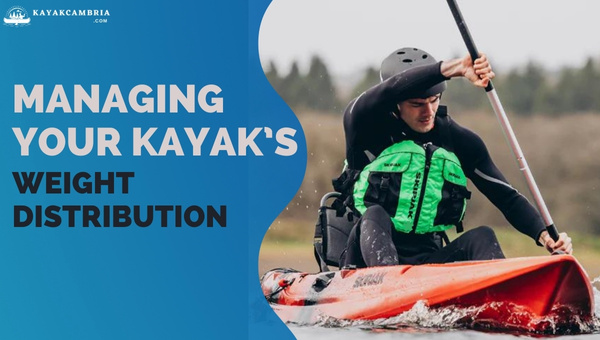
It’s essential to keep your kayak’s weight distributed evenly for optimal stability and maneuverability. In this section, let’s dive into some tips on how to manage the weight distribution in your kayak:
Importance Of Proper Weight Distribution
Ensuring that your kayak is properly balanced is crucial to maintaining stability on the water. An uneven weight distribution can make your kayak more difficult to maneuver and predispose you to flipping. Understanding the importance of weight distribution will help keep you safe and secure during your kayaking adventures.
Balancing Your Gear And Personal Belongings
When loading your kayak, make sure to distribute the weight of your gear evenly across the boat. Keep in mind that you need to balance not only front-to-back but also side-to-side. Heavier items should be placed closer to the center of the kayak, while lighter items can be stowed near the bow or stern. Be cautious about exceeding the weight capacity of your kayak, as this can also compromise stability.
Adjusting Your Seat Position
The position of your seat can have a significant impact on the stability of your kayak. Ensuring that your seat is properly adjusted to your body size and weight is essential. This optimal position can vary depending on the type of kayak and the paddler’s preference. As a general rule, your seat should be centered, with the backrest providing ample support for your lower back.
Practicing Kayaking Techniques for Stability
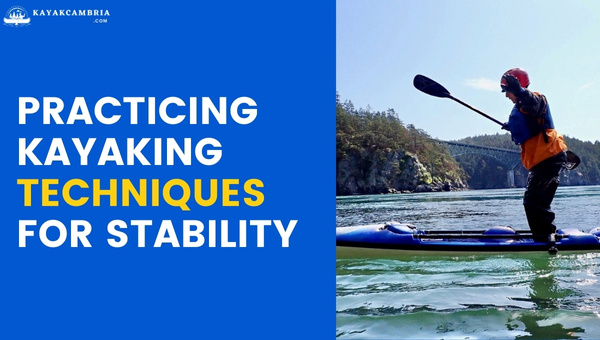
Stability is crucial for enjoying a safe and pleasurable kayaking experience. It’s essential to learn and practice various techniques that will help you maintain balance and prevent the kayak from flipping. Here are some key pointers to work on:
Bracing And Sculling
Bracing and sculling are fundamental kayaking techniques that can help you maintain stability and prevent flipping. Bracing involves using your paddle blade to provide support on the surface of the water. Meanwhile, sculling is a continuous back-and-forth motion that can create a steady platform to help you regain your balance.
Lean Turns And Edging
Mastering the art of lean turns and edging is another way to maintain control and stability in your kayak. By purposely leaning your body and kayak to one side, you’ll be able to make more precise turns in an efficient manner. Maintaining proper posture and engaging your core muscles during these movements will make them easier to execute and help you avoid flipping.
Rolling Techniques For Recovery
In the event that your kayak does flip, knowing how to perform a roll is an invaluable skill. Rolling is the act of using your body, paddle, and hips to right your kayak after it has capsized. While the concept may seem daunting, with practice, it becomes an instinctive and essential part of any kayaker’s skill set. Enrolling in a rolling course can help you develop your technique and boost your confidence in the water.
Frequently Asked Questions
1. What types of kayaks are less likely to flip?
Recreational kayaks tend to be less likely to flip due to their wider, more stable hull design. They are built for calm water and casual paddling, making them an excellent choice for beginners. In contrast, whitewater kayaks are more likely to flip because they are designed for navigating rapids, where capsizing is a common occurrence.
2. How important is proper paddling technique in preventing a kayak from flipping?
Proper paddling technique is essential for maintaining stability and preventing a kayak from flipping. Learning correct paddle strokes and efficient paddling maneuvers can significantly reduce the odds of capsizing. Taking a kayaking course or receiving instruction from an experienced paddler is a great way to develop proper technique.
3. Is it possible to re-enter a kayak after flipping?
Yes, it is possible to re-enter a kayak after flipping, using various self-rescue or assisted rescue techniques. Common self-rescue methods include the paddle-float rescue, while assisted rescues like the T-rescue involve the help of another kayaker. Familiarizing yourself with these methods is crucial for ensuring safety on the water.
4. Can the choice of clothing or equipment impact the stability of a kayak?
Wearing appropriate clothing and gear contributes to overall comfort and paddling efficiency, which can help maintain stability. Avoiding heavy, bulky items in the kayak can prevent it from becoming top-heavy, making it less prone to flipping. Always wear a well-fitted personal flotation device (PFD) that does not restrict movement.
5. How do weather conditions like wind and waves affect the stability of a kayak?
Wind and waves can make it more difficult to maintain stability in a kayak. Strong gusts can change the kayak’s direction and cause it to tip, while rough waves can make the paddler lose balance. Always check weather forecasts before heading out and adjust your plans accordingly to ensure a safe and enjoyable experience.
6. Can outriggers or stabilizers make a kayak less prone to flipping?
Outriggers and stabilizers can improve a kayak’s stability by providing additional contact points with the water, making it less prone to flipping. These accessories can be particularly beneficial for beginners, anglers, or photographers who may require added stability for their activities. However, they might not be suitable for all types of kayaking or every situation.
7. How essential is practicing and building kayaking skills to prevent flipping?
Practicing and building kayaking skills is critical to avoiding capsizes. Practice will increase your understanding of how to maneuver your kayak effectively, develop your balance and coordination, and help you respond quickly to challenging conditions. Start with flat water sessions, and gradually progress to more challenging environments as your confidence and skill level grow.
Conclusion
In conclusion, while it is true that kayaking does come with an element of risk, kayaks are not inherently easy to flip. By selecting the right kayak for your skill level, understanding the factors affecting kayak stability, and applying proper techniques, you can significantly minimize the risk of flipping. Moreover, with the use of safety gear and proper body positioning, you can not only improve your stability on the water but also increase your confidence in your kayaking abilities.
Remember to engage in continuous learning, seek professional instruction, and embark on kayaking adventures with friends or groups – these aspects can make your kayaking experience safer and more enjoyable. Don’t forget to keep an eye on weather and environmental conditions which might affect the stability of your kayak. And finally, consider investing in kayak accessories for added stability if you feel it necessary.
All in all, it is essential to embrace kayaking as a sport that requires practice, awareness, and constant improvement. Soon enough, you will find that the fear of flipping becomes merely a stepping stone to truly mastering the art of kayaking and enjoying the tranquility and exhilaration the water offers.


