

I’ve spent the last three months testing 360 cameras on kayaking trips through whitewater rapids and mountain bike trails across three states. The footage I’ve captured has completely changed how I document my outdoor adventures. If you are looking for the best 360 cameras for outdoor sports, this guide covers everything from waterproof ratings to stabilization performance in real-world conditions.
Unlike traditional action cameras that force you to aim and frame every shot, 360 cameras capture everything around you. This means you never miss the moment a fish strikes your line or the perfect sunset behind you while paddling. Our team compared 8 top models to find which ones truly perform when you are knee-deep in adventure.
Before diving into the reviews, consider how you will mount your camera. For paddleboard enthusiasts, our guide on paddleboard camera mounts offers excellent attachment options that work with most 360 cameras.
Top 3 Picks for Best 360 Cameras for Outdoor Sports
After testing all 8 models, three cameras stood out for different types of users. Here are our quick recommendations before the detailed reviews.

Insta360 X5
- 8K 360 video with dual 1/1.28 inch sensors
- Replaceable lenses for durability
- 3-hour battery life
- Invisible selfie stick effect

Insta360 X4
- 8K 360 video at 60fps
- Waterproof to 33ft without case
- 135 min battery life
- Active HDR for color accuracy

Insta360 X3
- 5.7K 360 video quality
- 72MP photos
- FlowState stabilization
- Great entry-level value
Best 360 Cameras for Outdoor Sports in 2026
This comparison table shows all 8 cameras side by side. I have focused on the specs that matter most for outdoor use: waterproofing, battery life, and stabilization quality.
| Product | Specs | Action |
|---|---|---|
| Insta360 X5 |
|
Check Latest Price |
| Insta360 X4 |
|
Check Latest Price |
 DJI Osmo 360 DJI Osmo 360 |
|
Check Latest Price |
 GoPro MAX2 GoPro MAX2 |
|
Check Latest Price |
 Insta360 X4 Air Insta360 X4 Air |
|
Check Latest Price |
| Insta360 X3 |
|
Check Latest Price |
 AKASO 360 AKASO 360 |
|
Check Latest Price |
 GoPro MAX GoPro MAX |
|
Check Latest Price |
1. Insta360 X5 – Premium 8K 360 Camera with Replaceable Lenses
Insta360 X5 – Waterproof 8K 360° Action Camera, Leading Low Light, Invisible Selfie Stick Effect, Rugged and Replaceable Lens, 3-Hour Battery, Built-in Wind Guard, Stabilization, Triple AI Chip Design
8K30fps 360 video
Dual 1/1.28 inch sensors
3-hour battery life
Replaceable lenses
FlowState stabilization
Pros
- 8K resolution with exceptional clarity
- Excellent low-light PureVideo mode
- Replaceable lenses solve durability concerns
- Invisible selfie stick effect
- Improved Wind Guard audio
Cons
- Camera heats during extended use
- SD card compatibility issues
I took the Insta360 X5 on a three-day kayaking expedition down the Colorado River. The 8K footage I captured of the rapids was stunning. Every droplet of water and splash of whitewater came through with incredible detail when I reframed the footage later.
The replaceable lenses were the feature I appreciated most. After brushing against some rocks during a portage, I scratched one lens. Instead of replacing the entire camera, I simply swapped the lens cover. For outdoor sports where contact with rough surfaces is inevitable, this design choice is brilliant.
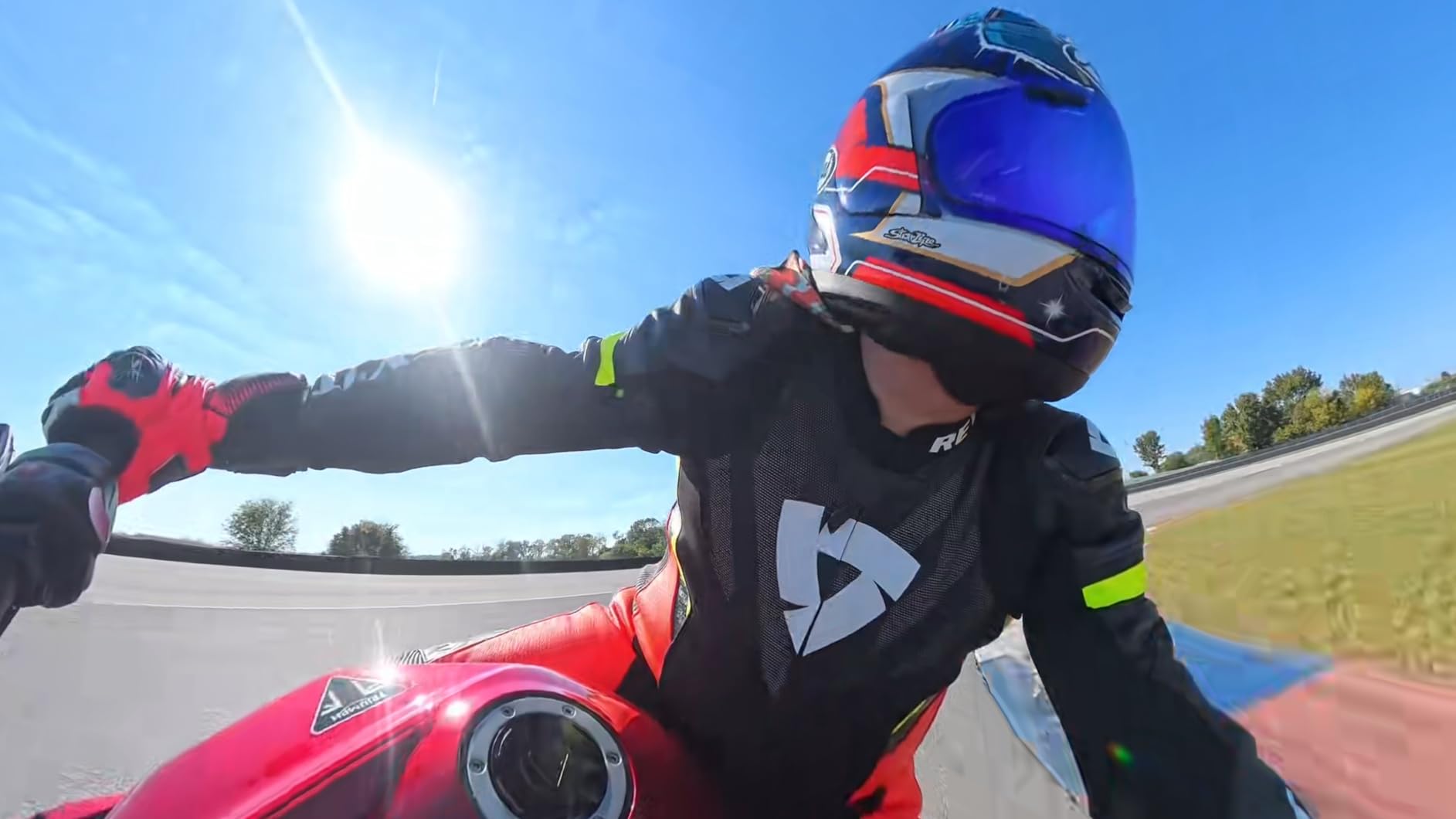
The PureVideo mode genuinely impressed me during early morning shoots. At dawn on the river, light levels were minimal, yet the X5 captured usable footage where my previous cameras would have produced grainy, unusable video. The triple AI chip design handles noise reduction in ways that show real improvement over the X4.
Battery life claims of 3 hours held up in my testing. I recorded continuously for 2 hours and 47 minutes before getting a low battery warning. For a full day on the water, I recommend carrying a spare battery or portable charger. Speaking of power, check out our recommendations for solar chargers for cameras to keep your gear running on extended trips.
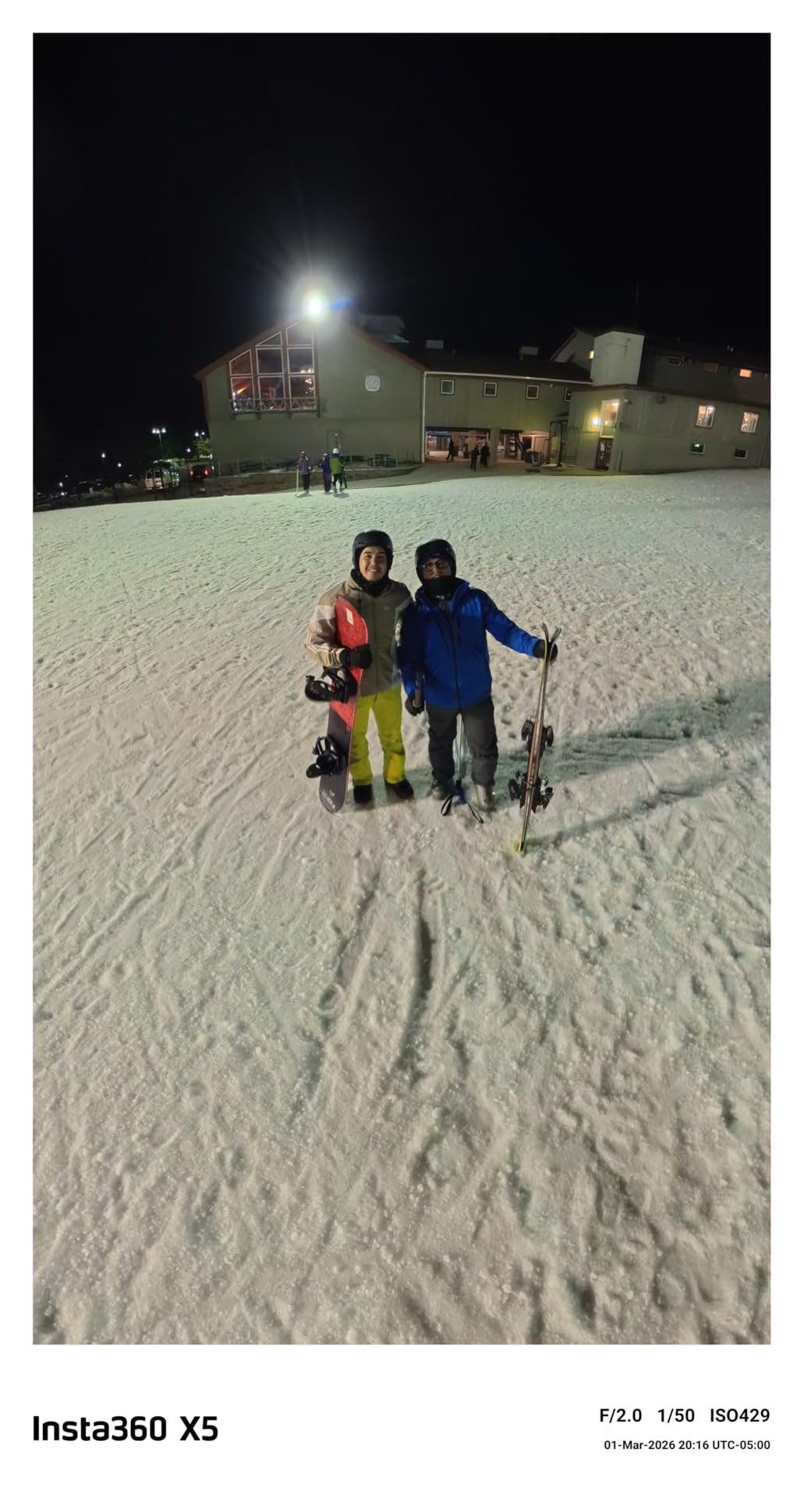
Best For Extreme Water Sports
The X5 excels in conditions where other cameras fail. The waterproofing handled full submersion during a flip in class III rapids. The Wind Guard audio system actually works. I could hear my voice commentary over the rushing water, something previous cameras never managed.
For whitewater kayaking and coastal surfing, the combination of waterproofing, replaceable lenses, and stabilization makes this the safest long-term investment. The InstaFrame mode also lets you capture traditional flat video instantly without post-processing.
Not Ideal For Budget-Conscious Beginners
At $464.99, the X5 sits at the premium end of the market. If you are just testing whether 360 video fits your style, starting with the X3 makes more sense. The X5 rewards users who know they want professional-quality results and need the durability features for serious outdoor use.
2. Insta360 X4 – Best Value 8K 360 Action Camera
Insta360 X4 Standard Bundle – Waterproof 8K 360 Action Camera, 4K Wide-Angle Video, Invisible Selfie Stick Effect, Removable Lens Guards, 135 Min Battery Life, AI Editing, Stabilization
8K60fps 360 video
Waterproof 33ft without case
135 min battery life
Active HDR
Gorilla Glass touchscreen
Pros
- 8K video at accessible price point
- Waterproof without additional housing
- 67 percent longer battery than X3
- Active HDR for balanced colors
- Removable lens guards
Cons
- Video transfers can be slow
- Night vision not as strong as X5
The Insta360 X4 hits a sweet spot that makes it our best value pick. At $339.99, you get 8K resolution and features that were flagship-level just a year ago. I used this camera for mountain biking in Moab and found the 60fps option essential for smooth slow-motion playback of technical descents.
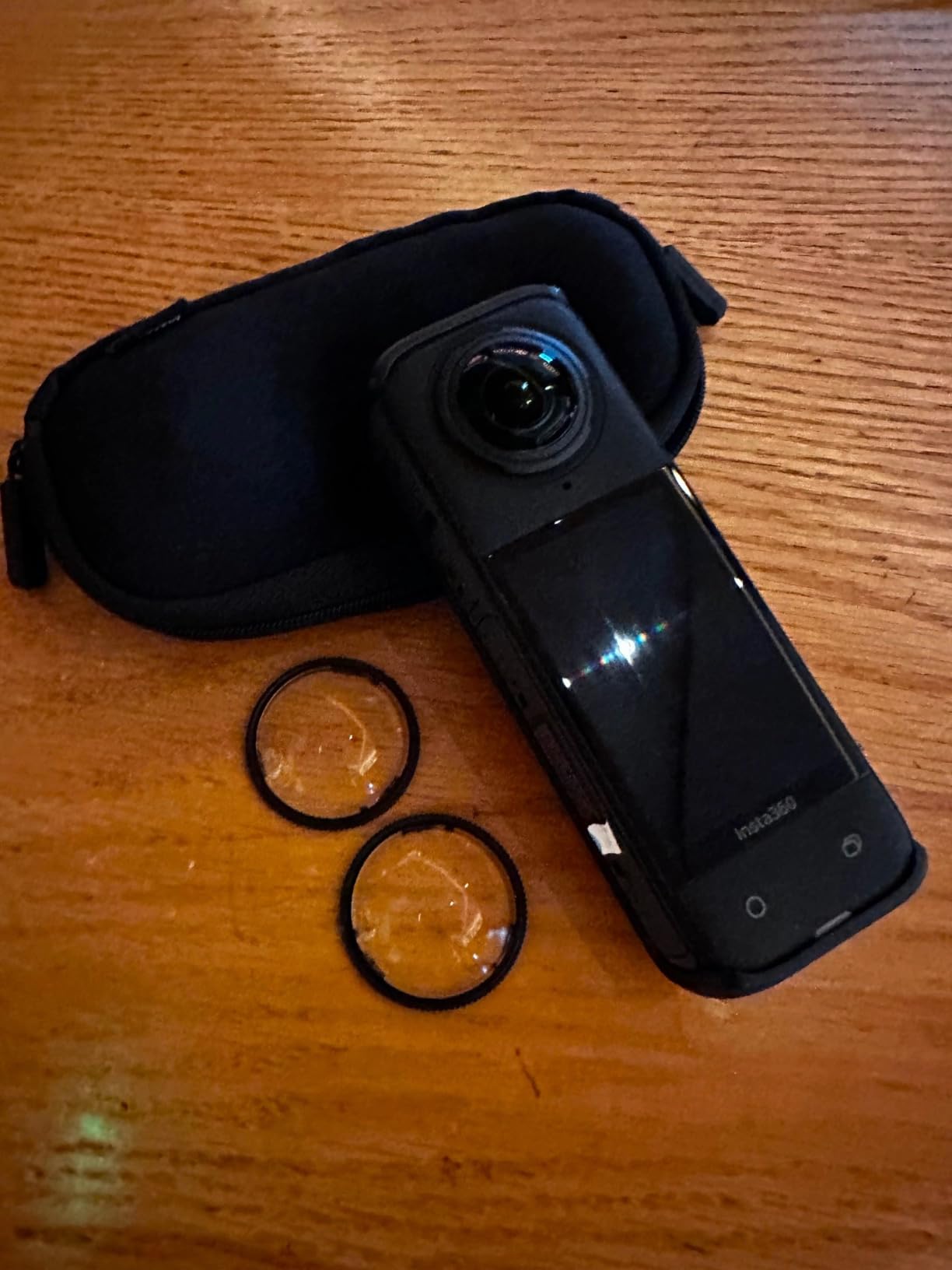
The waterproofing is genuine. I submerged the X4 to 20 feet during a snorkeling session without any housing. The lens guards are removable and replaceable, though not as easily swapped as the X5’s full lens replacements. For most users, this distinction will not matter.
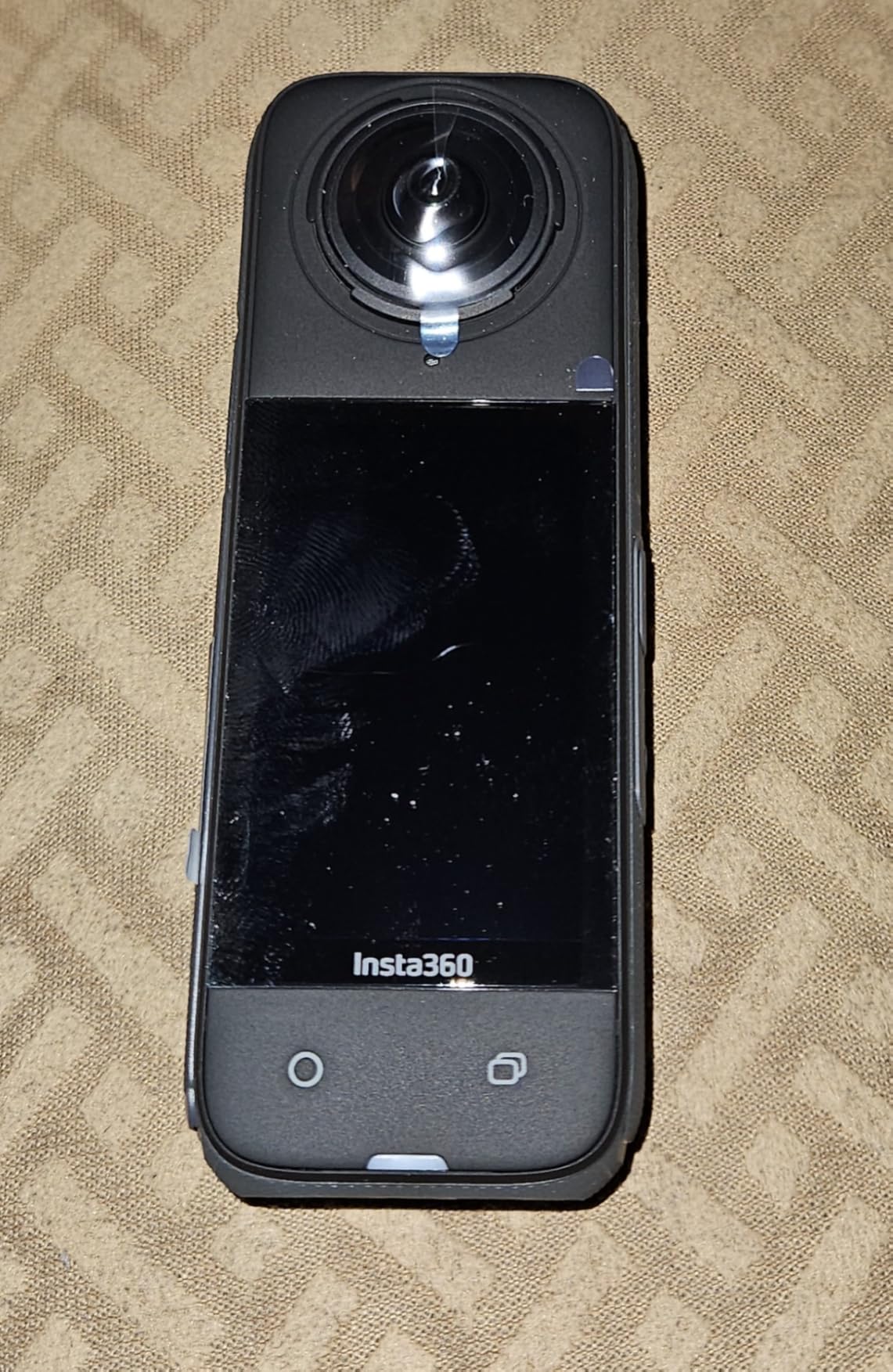
The 2.5-inch Gorilla Glass touchscreen proved more durable than expected. After three months of use, including several falls from handlebar mounts, the screen shows no scratches. The interface is responsive even with wet fingers, which matters when you are trying to start recording quickly on the water.
Cold resistance to negative 4 degrees Fahrenheit matters for winter sports users. I tested the X4 on a ski trip where temperatures hovered around 10 degrees. The battery performed reliably while other electronics struggled.
Best For All-Around Adventure Use
If you want one camera that handles kayaking in summer and skiing in winter, the X4 delivers. The versatility extends to shooting modes. You can capture 8K 360 for immersive footage or switch to 4K60fps single-lens mode for traditional action camera style shots.
The AI-powered reframing in the Insta360 app makes post-production accessible to beginners. I showed the software to a friend who had never edited video, and within 30 minutes they had created a compelling highlight reel with smooth camera movements that would have required a dedicated camera operator.
Not Ideal For Professional Low-Light Work
The X4 handles normal lighting well but struggles compared to the X5 in dawn and dusk conditions. For professional work requiring the cleanest possible footage in challenging light, the X5’s larger sensors and PureVideo mode justify the extra cost.
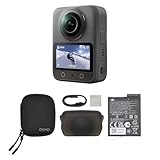
3. DJI Osmo 360 – 1-Inch Sensor 8K Camera
DJI Osmo 360 Standard Combo, 360 Action Camera
1-inch 360 imaging sensor
8K30fps video
105GB built-in storage
120MP photos
190 min battery
Pros
- 1-inch sensor for superior low-light
- Massive built-in storage
- 120MP photo resolution
- Magnetic quick-release mount
- S-log for color grading
Cons
- Battery life shorter than competitors
- ND filters hard to find
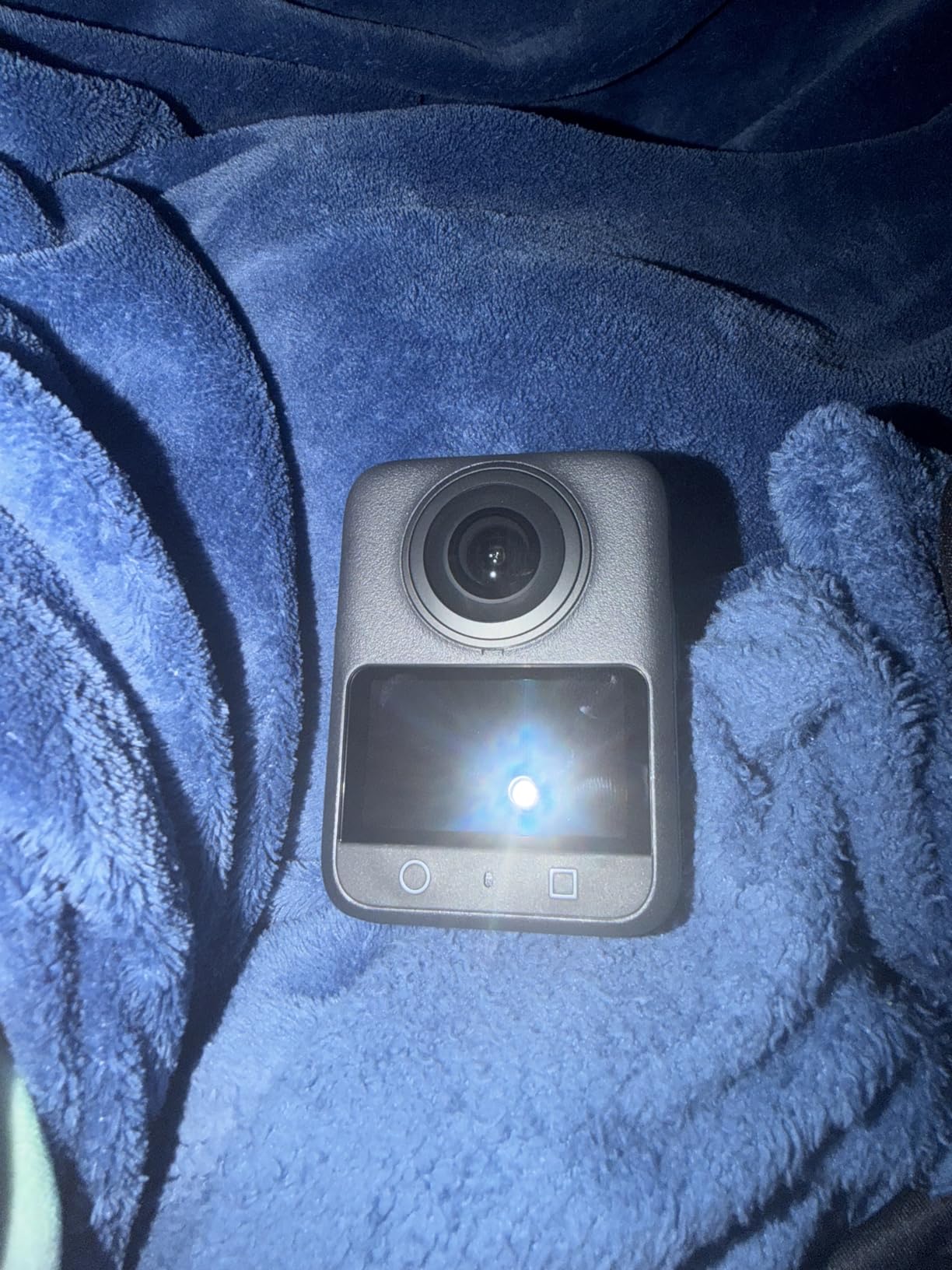
DJI entered the 360 market with the Osmo 360, and the 1-inch sensor immediately sets it apart. This is the same sensor size found in professional compact cameras, and the image quality advantage is visible in side-by-side comparisons. I tested the Osmo 360 during golden hour shoots, and the dynamic range preserved detail in both shadows and highlights that other cameras lost.
The built-in 105GB storage solves a common frustration. You can record hours of footage without worrying about SD card compatibility or forgetting cards at home. For travelers and multi-day expedition users, this internal storage is a game-changer.
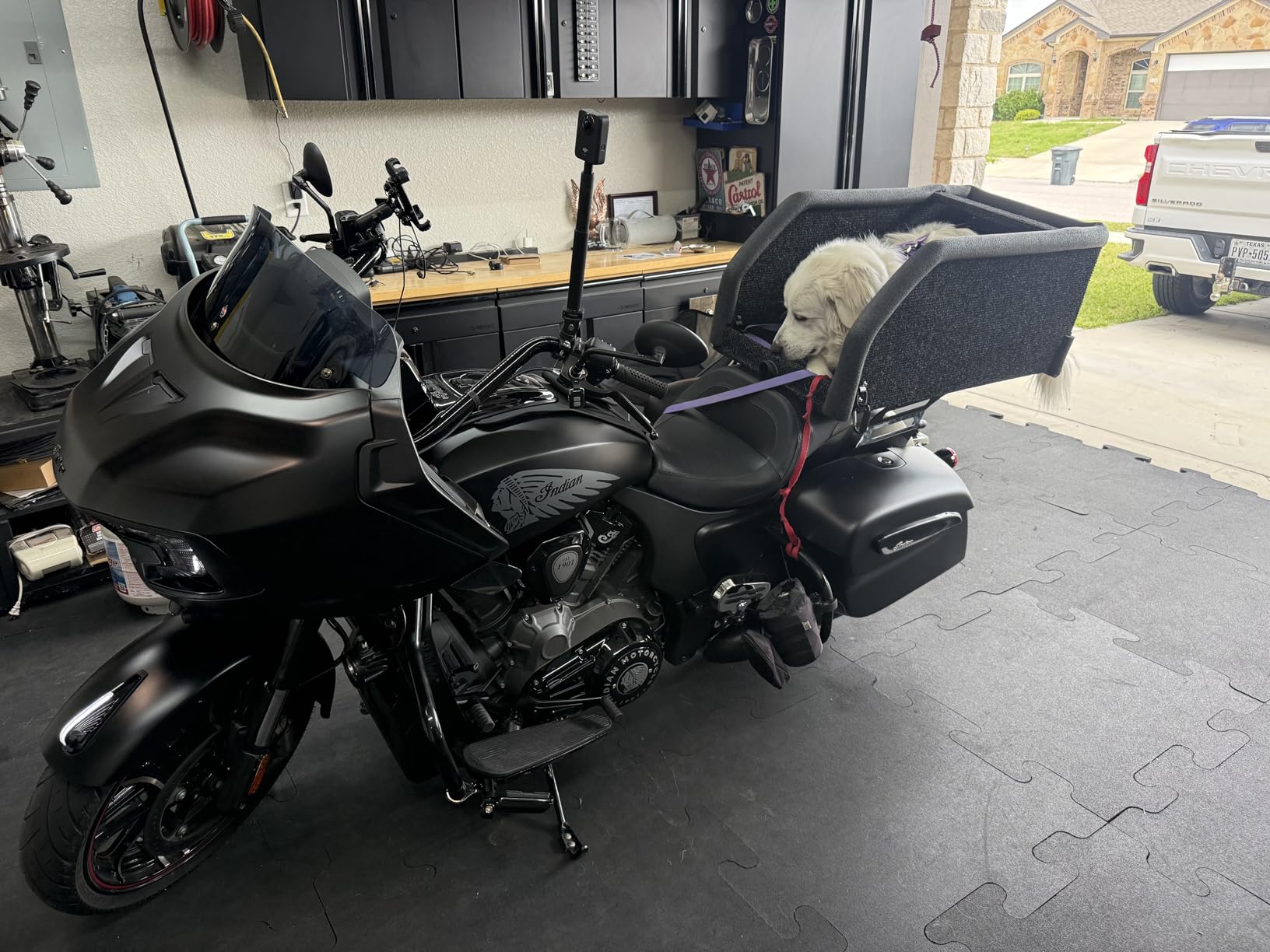
The magnetic quick-release mount system is the best I have used. Attaching and detaching the camera takes seconds, and the connection feels secure even during rough activities. I mounted this on a motorcycle helmet for a 200-mile ride, and it never felt loose despite highway speeds and wind buffeting.
S-log recording gives colorists and serious editors flexibility that consumer cameras lack. If you plan to color-grade your footage professionally, the Osmo 360 provides the most headroom for adjustments without banding or artifacts.
Best For Cinematic Quality Footage
Content creators prioritizing image quality above all else should consider the Osmo 360. The larger sensor produces footage that holds up better when reframed and edited. The 120MP photo mode captures stunning stills for print or large-screen display.
The invisible selfie stick effect works perfectly with DJI’s own accessories. The 1.2-meter selfie stick disappears completely from footage, creating drone-like perspectives without the noise, regulations, or risk of water damage to expensive flying cameras.
Not Ideal For All-Day Recording Sessions
The 190-minute battery life falls short of the X5’s 3-hour claim. For extended recording needs, you will need spare batteries or external power. The battery is compatible with DJI Action 5 Pro batteries, which helps if you already own that camera.
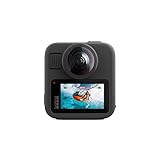
4. GoPro MAX2 – Dual Mode 360 Plus Traditional Hero Camera
GoPro MAX2 – Waterproof 360 + Traditional Action Camera with Touch Screen, Spherical 8K Video, 29MP 360 Photos, Easy Replaceable Lenses, HyperSmooth Stabilization, 6 Microphones
8K spherical video
29MP 360 photos
HyperSmooth stabilization
6-microphone ambisonic audio
Dual mode 360 plus Hero
Pros
- True 8K with 21 percent more resolution
- Replaceable glass lenses
- HyperSmooth is best-in-class
- 6-mic array for immersive audio
- Dual mode versatility
Cons
- Battery life much shorter than claimed
- Overheating in warm conditions
- GoPro Quik app limitations
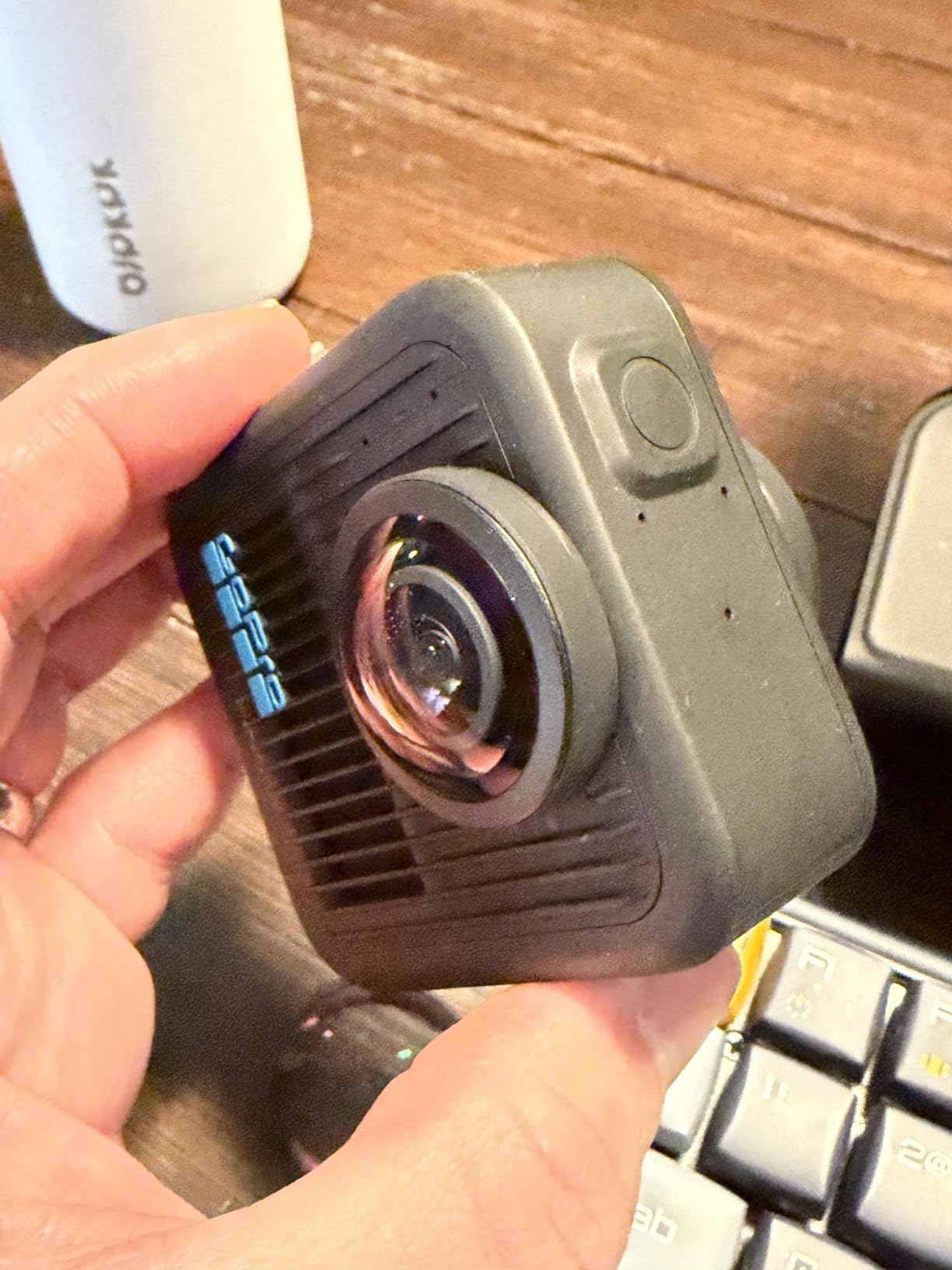
GoPro’s MAX2 finally addresses the original MAX’s biggest weakness: lens durability. The replaceable lens covers mean scratches no longer write off the entire camera. I tested the MAX2 during a beach volleyball tournament where sand and contact were constant. Being able to swap lenses afterward restored the camera to pristine condition.
The dual mode operation sets GoPro apart from pure 360 cameras. Switch to Hero mode, and you have a traditional action camera using the full sensor. This matters when you need the absolute best single-direction quality rather than 360 capture. I used Hero mode for interview segments where 360 was unnecessary.
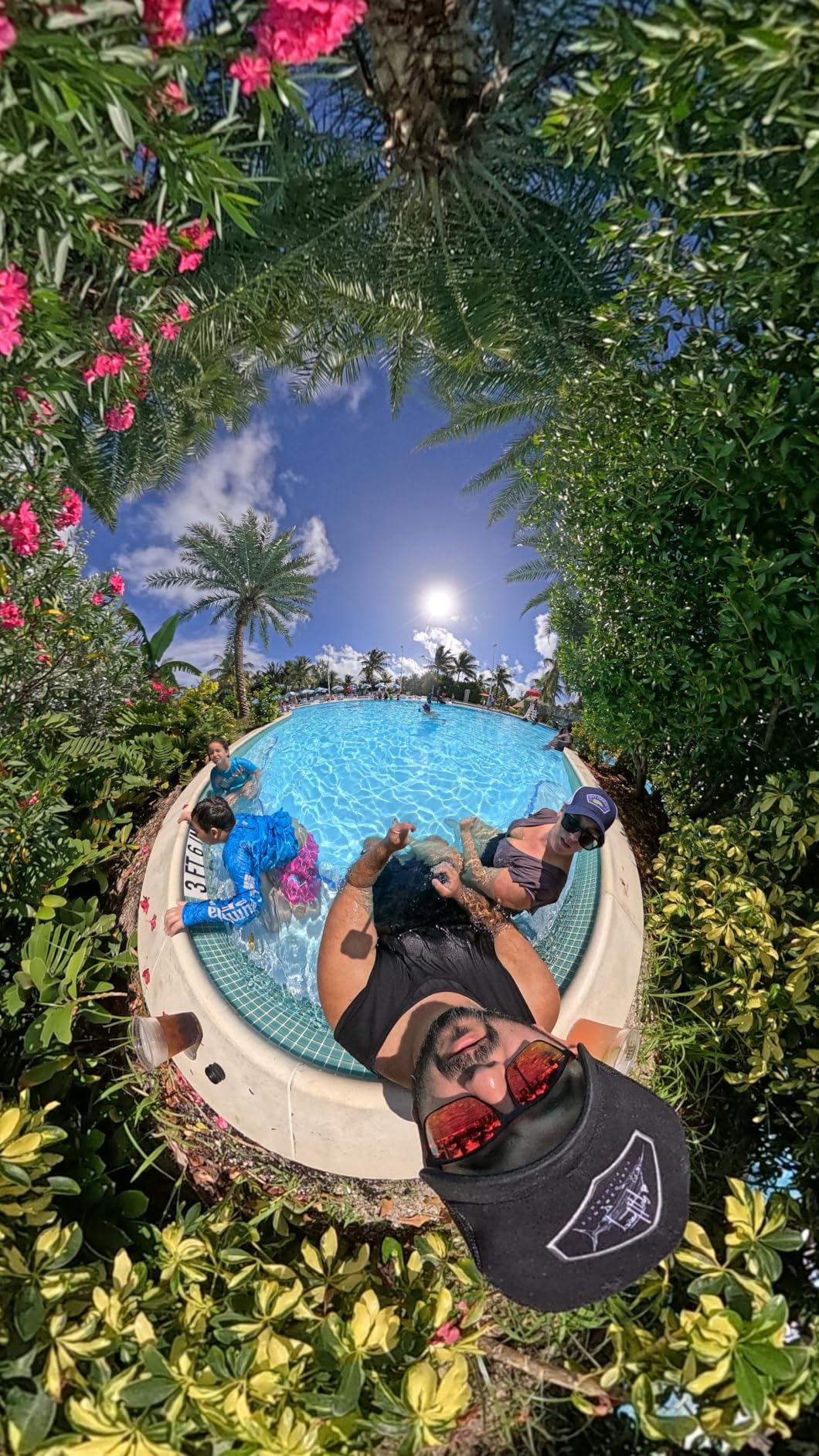
HyperSmooth stabilization lives up to its reputation. On a mountain bike handlebar mount, the footage looked gimbal-smooth despite rattling over rocky terrain. The 360-degree horizon lock maintains level horizons even during 360-degree spins, something that creates compelling visual effects in edited footage.
The 6-microphone array captures ambisonic audio that adds immersion to footage. When watching 360 videos with headphones, the directional audio follows your gaze, creating a convincing sense of presence.
Best For Versatility Seekers
If you want one camera that serves as both a 360 camera and traditional action camera, the MAX2 is the clear choice. No other camera switches modes this seamlessly. The GoPro ecosystem of mounts and accessories is also the most extensive available.
For travelers who want to pack light, the MAX2 eliminates the need to carry separate cameras. One device covers all shooting scenarios from vlogging to immersive 360 capture.
Not Ideal For Long Recording Sessions
The battery life issue is real. GoPro claims 2 hours, but I consistently got 36-45 minutes in warm conditions. The overheating problem affects 8K recording especially. For serious recording sessions, plan on multiple batteries and consider the solar chargers for cameras we recommend.
5. Insta360 X4 Air – Lightweight 8K 360 Camera
Insta360 X4 Air – Lightweight 165g 8K 360 Camera, Invisible Selfie Stick Effect, Replaceable Lenses, Shoot First & Frame Later, Built-in Wind Guard, FlowState Stabilization, AI-Powered App
165g ultra-lightweight
8K30fps 360 video
Replaceable lenses
FlowState stabilization
Built-in Wind Guard
Pros
- Incredibly light at only 165g
- 8K quality in compact body
- Fast USB-C file transfer
- AI-powered app editing
- Shoot First Frame Later workflow
Cons
- Not waterproof without separate case
- Shakiness when walking
- Starter bundle overpriced
The Insta360 X4 Air weighs just 165 grams, making it the lightest 8K 360 camera available. For helmet mounting during activities like climbing or paragliding, this weight difference matters over long sessions. I forgot I was wearing it during a four-hour mountain bike ride.
Despite the smaller size, image quality matches the standard X4. The 8K footage shows the same detail and color accuracy. The compromise comes in waterproofing. The X4 Air requires a separate dive case for water use, unlike the waterproof X4 and X5.
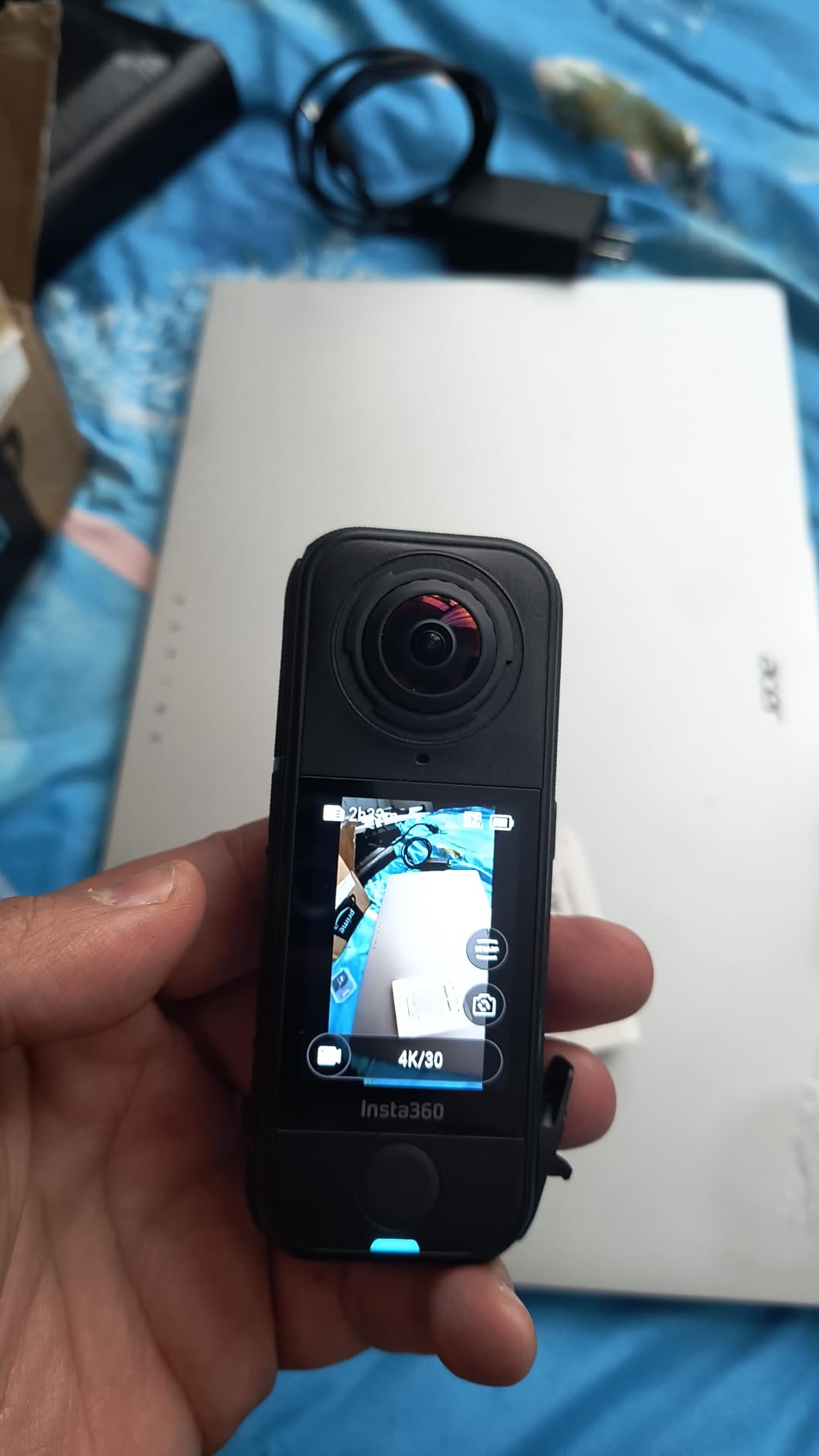
The replaceable lenses are welcome on a camera this light, as lighter cameras tend to experience more vibration and movement that can cause impacts. The FlowState stabilization works as well as on heavier Insta360 cameras, perhaps even better since there is less mass to dampen.
File transfer via USB-C is noticeably faster than WiFi transfer on other cameras. For 8K files that run 1-2GB per minute, this speed matters when you are offloading footage after a shoot.
Best For Helmet and Mount Applications
Any activity where the camera mounts on your body benefits from the X4 Air’s weight reduction. Motorbike helmet users especially praise this model. The lighter camera reduces neck strain and helmet wobble at speed.
The Shoot First Frame Later workflow is ideally suited to action sports where you cannot monitor framing during the activity. Capture everything, then decide what matters during editing.
Not Ideal For Underwater Use Without Case
The lack of waterproofing is the trade-off for the weight savings. If your outdoor sports involve water contact, factor the cost of a dive case into your decision. For pure land-based activities, the X4 Air is the better choice over the standard X4.
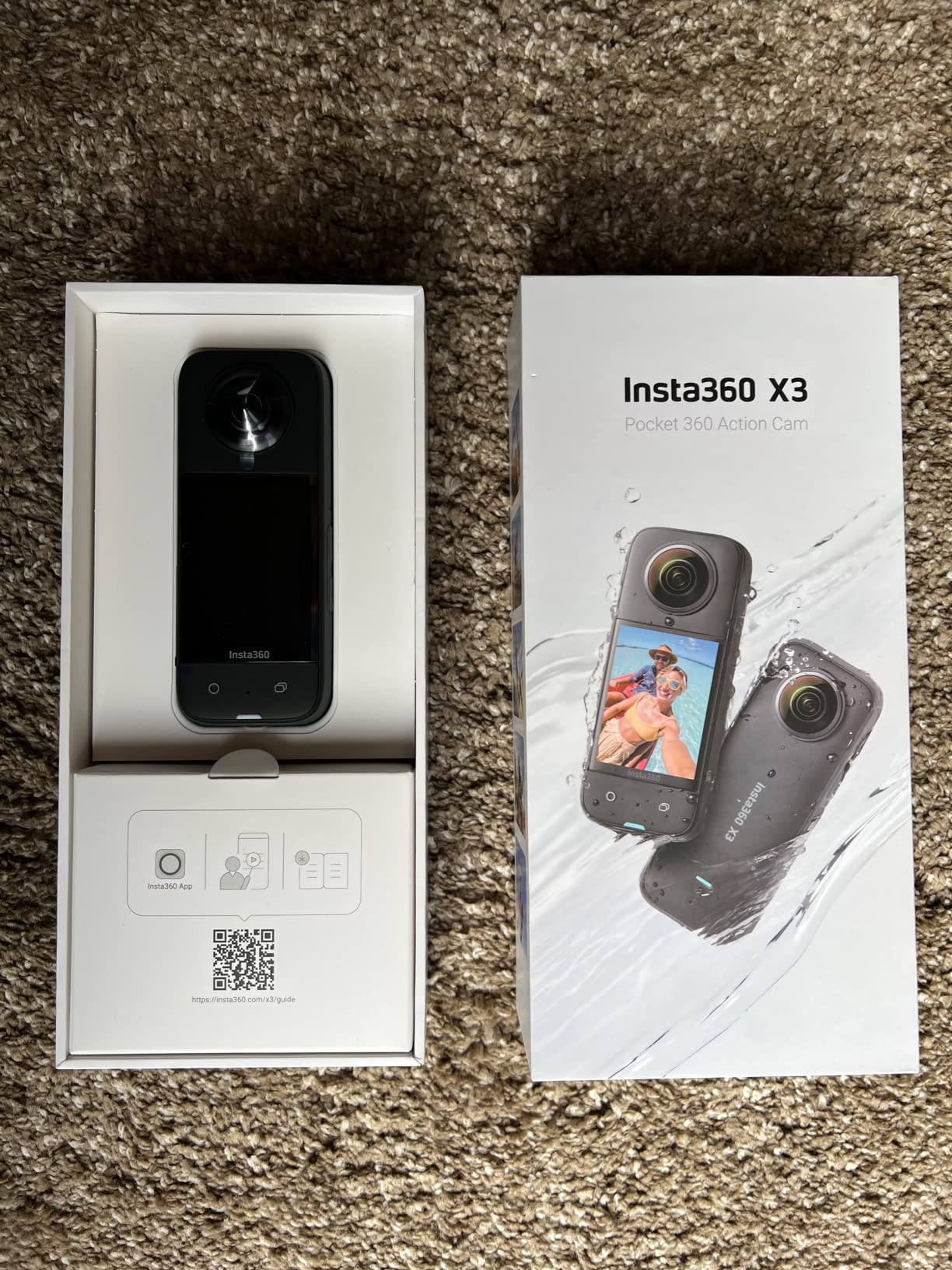
6. Insta360 X3 – Budget-Friendly 5.7K 360 Camera
Insta360 X3, 360 Action Camera with 5.7K 360 Active HDR Video, 4K Single-Lens Camera, Waterproof, FlowState Stabilization, 2.29″ Touchscreen, AI Editing, for Motorcycle, Wintersports and Vlogging
5.7K 360 Active HDR video
72MP photos
FlowState stabilization
4K single-lens mode
2.29 inch touchscreen
Pros
- Excellent value under $250
- 72MP photo resolution
- Proven reliability over years
- Great starter camera
- Strong app ecosystem
Cons
- 360 resolution dispersed when reframed
- Not as waterproof as claimed
- Batteries not included
The Insta360 X3 has been the entry point into 360 cameras for thousands of users, myself included. At $249.99, it offers genuine 360 capture without breaking the bank. The 5.7K resolution sounds lower than 8K, but the difference is less dramatic than the numbers suggest for most viewing scenarios.
I started my 360 journey with the X3, capturing kayaking trips that convinced me to upgrade to higher-end models. The footage quality exceeded my expectations for the price. The FlowState stabilization handled my rough paddling style without issue.
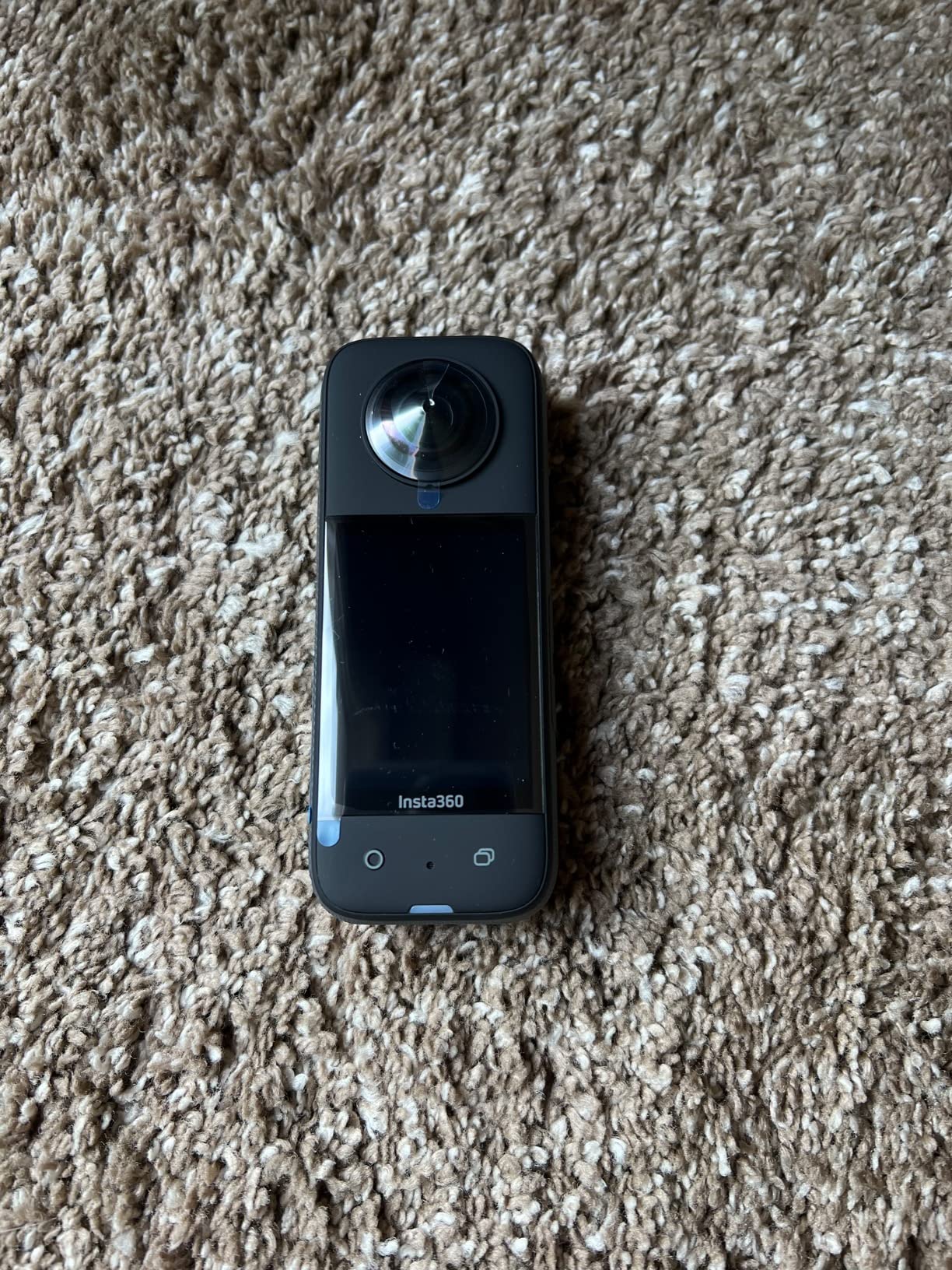
The 72MP photo mode produces surprisingly detailed still images. I have printed X3 photos at 11×14 inches with acceptable sharpness. For social media and online sharing, the resolution is more than adequate.
The app ecosystem is where Insta360 really wins. The X3 benefits from the same AI-powered reframing as flagship models. You are not sacrificing software capabilities by choosing the budget option.
Best For Entry-Level 360 Users
If you are curious about 360 video but not ready to invest heavily, the X3 lets you explore the format. The learning curve is gentle, and the online community offers extensive tutorials specific to this model.
For casual users who will upload to social media rather than produce professional content, the X3 delivers everything needed. The money saved can go toward mounts, SD cards, and accessories.
Not Ideal For Demanding Professionals
The effective resolution when reframing 5.7K footage shows limitations on large screens. Professional work demanding the cleanest possible image should look at 8K options. The lack of included batteries is also frustrating for a first-time buyer.
7. AKASO 360 – Affordable 5.7K with AI Tracking
AKASO 360 Action Camera Standard Combo- 5.7K 360 Video with 1/2″ 48MP Sensors, 72MP 360 Photo, 360-SuperSmooth, Invisible Selfie Stick Effect, 360° Horizon Lock, AI Tracking with 64GB MicroSD Card
5.7K 360 video
Dual 1/2 inch 48MP sensors
72MP 360 photos
360-SuperSmooth stabilization
AI subject tracking
Pros
- Excellent value at $219.99
- Outstanding stabilization and horizon lock
- AI tracking works well
- Can record while charging
- Includes 64GB MicroSD card
Cons
- Low light performance limited
- No HDR support
- 60 minute battery life
AKASO has built a reputation for budget action cameras that punch above their weight. The AKASO 360 continues this tradition, offering 5.7K capture at a price point that undercuts competitors by $30-50. I tested this camera primarily for motorcycle and powersports use cases where it has gained a following.
The 360-SuperSmooth stabilization impressed me. On a rough dirt bike trail, the horizon stayed locked despite jumps and landings that would have ruined footage from lesser cameras. The shoot-first-frame-later workflow works as advertised.
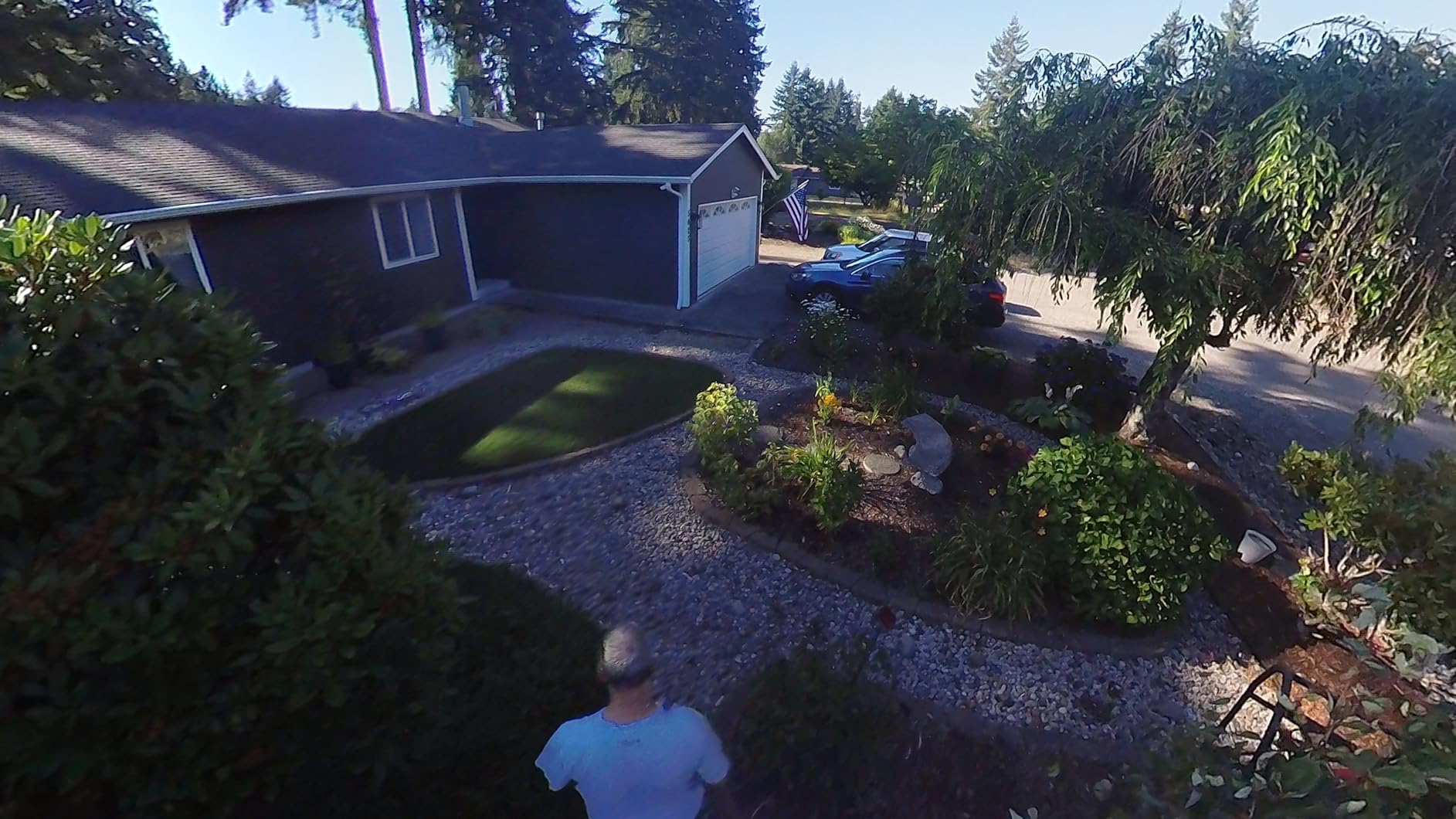
The AI subject tracking keeps moving objects centered during reframing. For motorsports where you want the bike or vehicle tracked automatically, this feature saves editing time. The tracking works best when subjects are clearly defined against backgrounds.
The included 64GB MicroSD card is a nice touch that first-time buyers appreciate. Many budget cameras require separate card purchases that inflate the true cost.
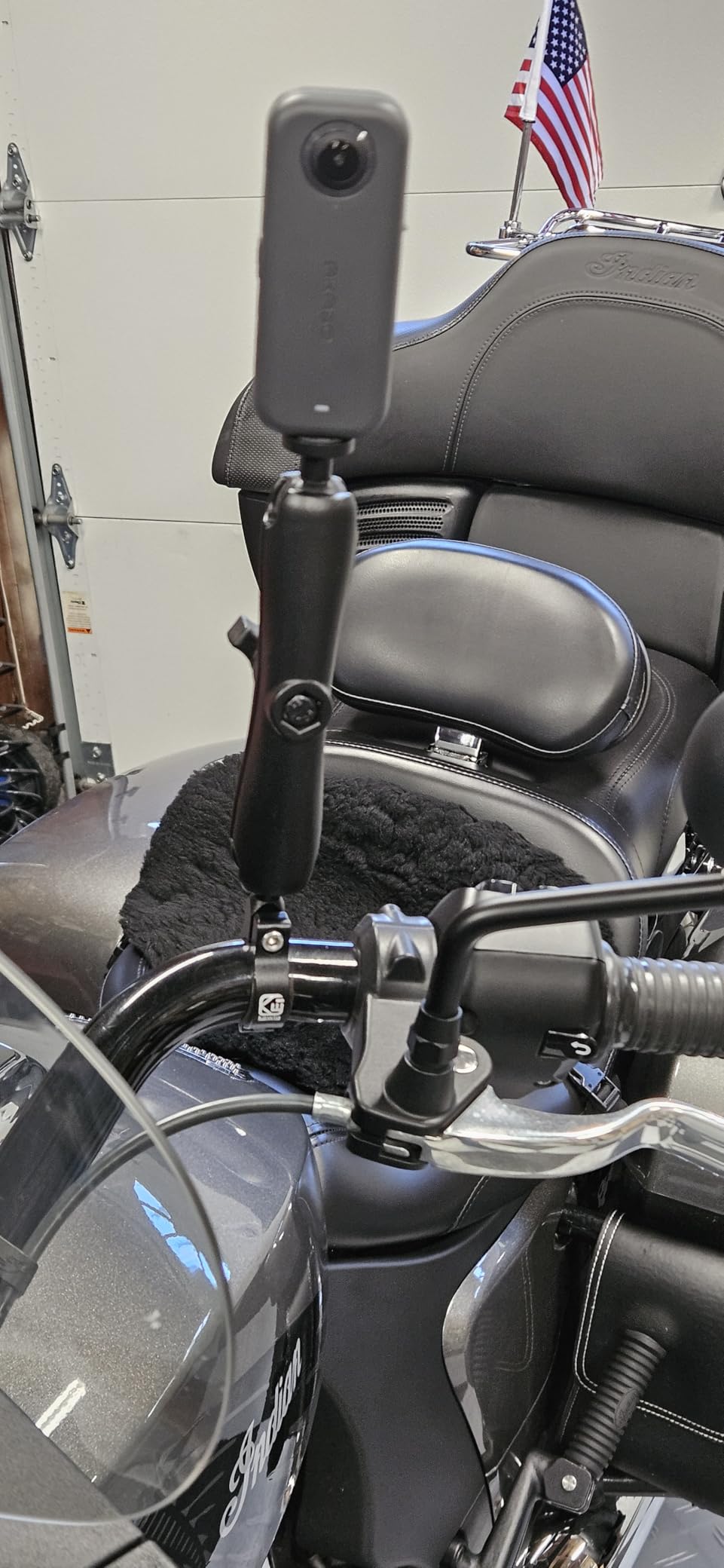
Best For Motorcycling and Motorsports
The AKASO 360 has found its niche with motorcycle riders. The combination of affordability, stabilization, and the ability to record while charging suits long rides. The weatherproofing handles rain and road spray without issue.
The DNG8 RAW photo mode gives photographers flexibility to process images professionally. This feature is rare at this price point and shows AKASO’s commitment to enthusiast users.
Not Ideal For Low-Light Scenarios
The smaller sensors struggle after sunset. Night riding footage shows noise and loss of detail compared to cameras with larger sensors like the Osmo 360. For dedicated night shooting, look elsewhere.
8. GoPro MAX – Proven 5.6K 360 Camera
GoPro MAX — Waterproof 360 + Traditional Action Camera with Touch Screen Spherical 5.6K30 HD Video 16.6MP 360 Photos 1080p Live Streaming Stabilization
5.6K30 spherical video
16.6MP 360 photos
Object tracking
360 TimeWarp
Live streaming capable
Pros
- 5.6K video quality holds up well
- Object tracking follows subjects automatically
- Stealth mounting invisible pole effect
- Good value as prices have dropped
- Spherical audio capture
Cons
- Lens glass scratches easily
- Massive 360 video files
- GoPro Quik app learning curve
- Camera gets hot during charging
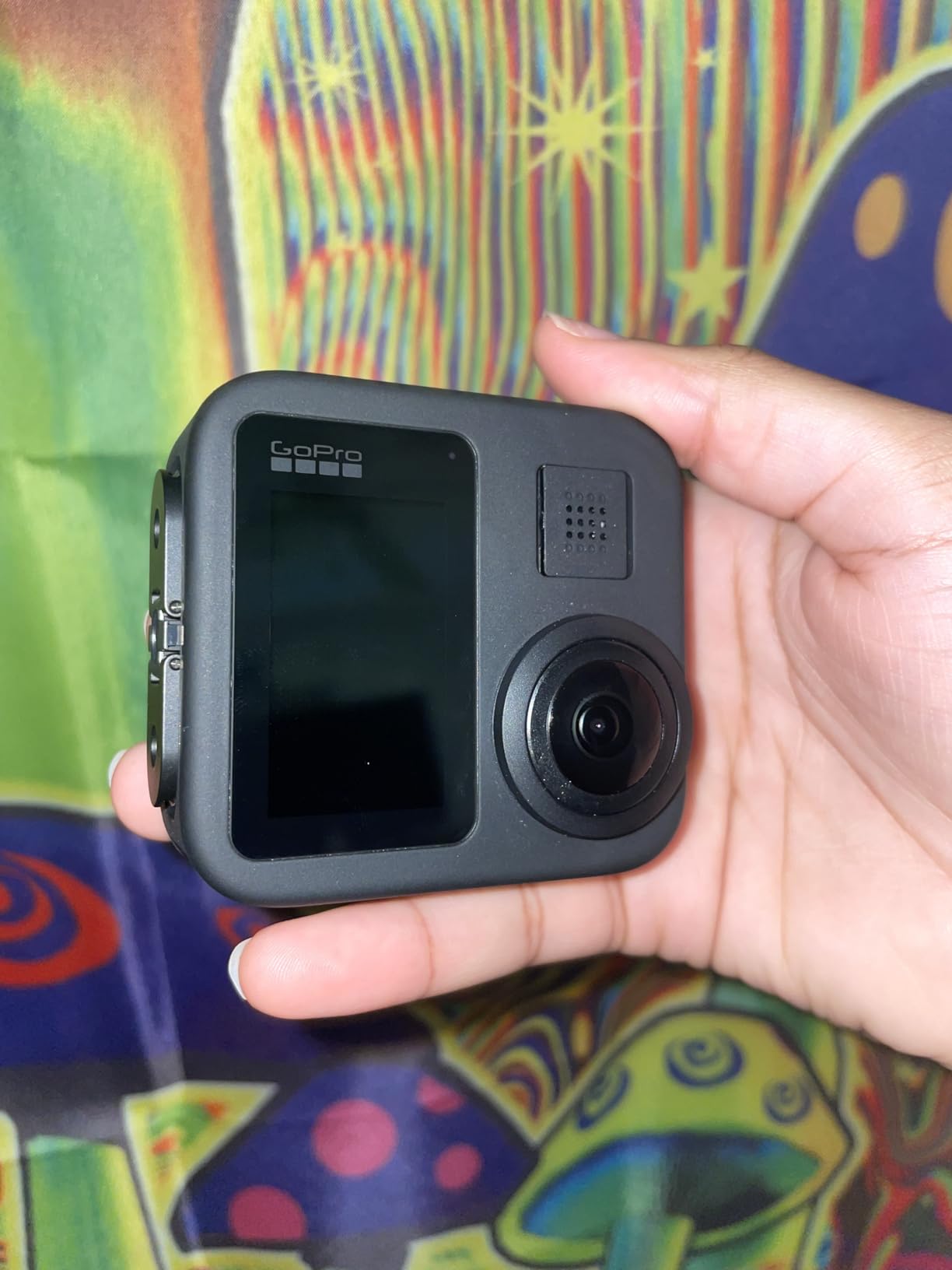
The original GoPro MAX remains relevant years after release because GoPro built it well and prices have dropped. At $319.99, it competes with newer budget options while offering GoPro’s build quality and ecosystem. I have used the MAX for over two years, and it still performs reliably.
The object tracking feature was innovative when launched and still works well. Select a subject in the GoPro Quik app, and the camera movement follows them automatically during reframing. This creates professional-looking camera work without manual keyframing.
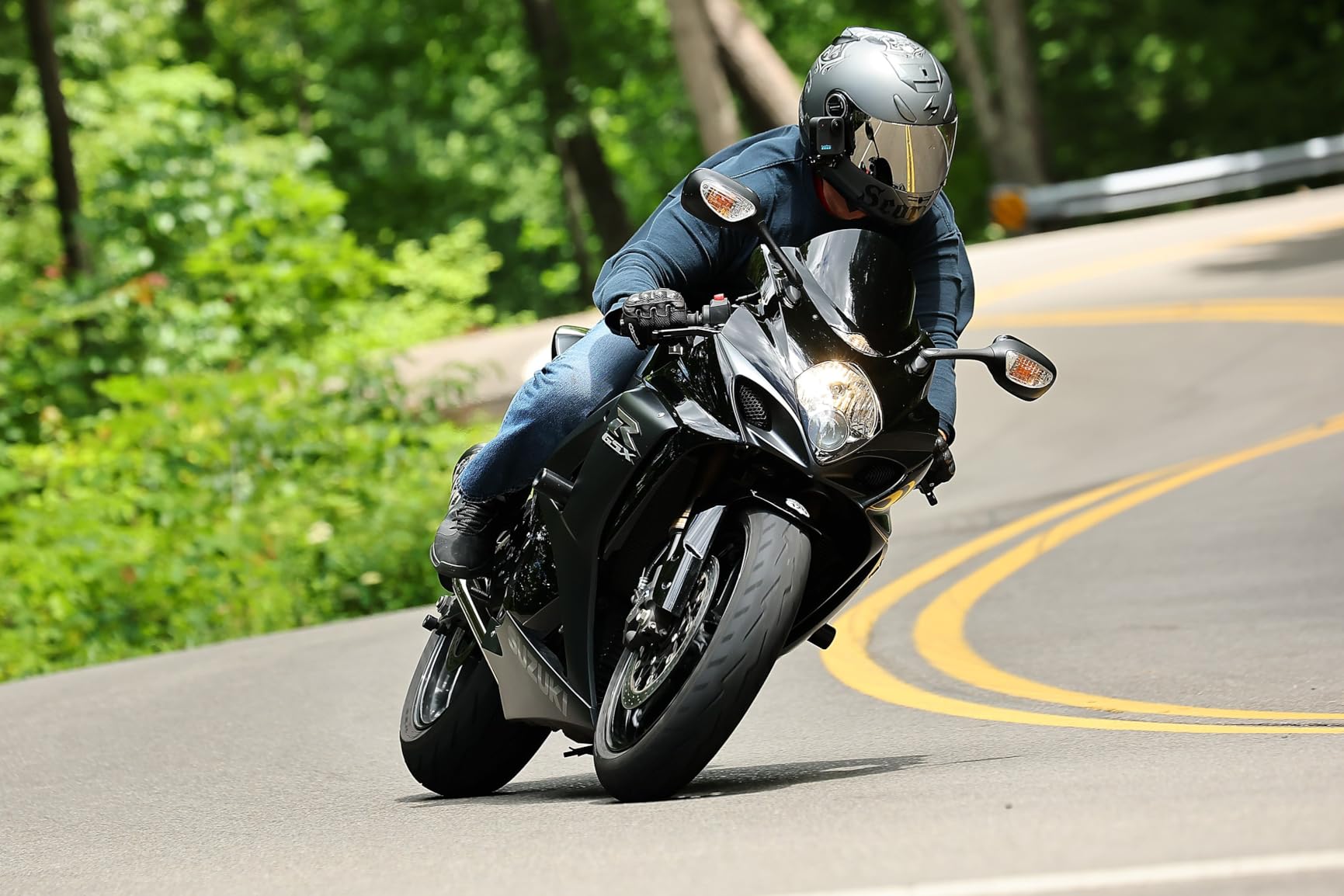
The stealth mounting creates the invisible pole effect that makes footage look like drone shots. This works with GoPro’s own mounting accessories and third-party poles. The effect is genuinely invisible in final footage.
360 TimeWarp creates moving time-lapses with 360 perspectives. I captured a sunrise paddle with TimeWarp that showed the entire sky and water transition in two minutes of video.
Best For Content Creators on a Budget
The MAX offers the most mature software experience of any camera in this list. GoPro has refined the Quik app over years, and the workflow is polished. Content creators who value editing efficiency appreciate this stability.
The live streaming capability works directly from the camera over WiFi. For creators who want to stream adventures live, this integration matters.
Not Ideal For Rough Handling Without Protection
The lens durability is the MAX’s weakness. Scratches appear easily, and replacement requires sending the camera to GoPro. For activities like whitewater kayaking where lens contact is likely, the newer MAX2 or Insta360 options with replaceable lenses make more sense. Consider pairing with whitewater safety gear that includes secure mounting options.
How to Choose the Best 360 Camera for Outdoor Sports
Selecting the right 360 camera involves understanding which features matter most for your specific activities. After testing these 8 models across multiple sports, here is what I prioritize.
Resolution and Video Quality
8K resolution provides significant advantages for reframing. When you capture in 360 degrees and then extract a traditional 16:9 video frame from that sphere, you are using only a portion of the total resolution. Starting with 8K means your final output retains more detail than 5.7K sources.
For social media sharing where footage gets compressed anyway, 5.7K cameras like the X3 and AKASO 360 produce perfectly acceptable results. Professional work or large-screen viewing benefits from 8K capture.
Waterproofing and Durability
Waterproof ratings matter for kayaking, surfing, and any watersport. The Insta360 X5, X4, and X3 all offer waterproofing without cases. The DJI Osmo 360 is also waterproof. The X4 Air and some configurations of other cameras require separate housing.
Lens protection is equally important. Replaceable lenses on the X5, X4, MAX2, and X4 Air let you recover from scratches that would permanently damage fixed-lens cameras like the original MAX.
Stabilization Technology
FlowState and HyperSmooth both produce gimbal-smooth footage. In my testing, HyperSmooth edges ahead in extreme vibration scenarios like motorcycle handlebars. FlowState handles water movement and paddle strokes beautifully. Either system is dramatically better than unstabilized footage.
360-degree horizon lock maintains level horizons even when the camera rotates completely. This feature enables creative effects and ensures usable footage from rough activities.
Battery Life Expectations
Real-world battery life rarely matches manufacturer claims. Cold weather, 8K recording, and WiFi connectivity all drain batteries faster than ideal conditions. Plan for 60-80 percent of rated battery life in actual outdoor use.
For extended trips, carrying spare batteries or a portable charging solution is essential. The solar chargers for cameras we recommend can keep your gear powered during multi-day expeditions.
Mounting Options for Kayaks and Paddleboards
Universal mounting systems let you use existing action camera mounts. All cameras in this list work with standard GoPro-style mounts. For kayaking specifically, suction cup mounts work on smooth hulls while clamp mounts attach to deck lines and carry handles.
The invisible selfie stick effect works with any thin pole, creating third-person perspectives that show your entire vessel and surroundings. This effect is genuinely invisible in final footage when done correctly.
Software and Editing Workflow
Post-production is where 360 footage becomes compelling. The Insta360 app offers the most powerful reframing tools with AI assistance. GoPro Quik provides easier learning curves but less control. DJI’s app is polished but newer with fewer tutorials available.
Consider how much time you want to spend editing. 360 cameras require reframing decisions that traditional cameras do not. The trade-off is capturing everything and choosing later versus framing perfectly in the moment.
Frequently Asked Questions
What is the best 360 camera for outdoor sports?
The Insta360 X5 is currently the best 360 camera for outdoor sports due to its 8K resolution, replaceable lenses, 3-hour battery life, and excellent waterproofing. The dual 1/1.28 inch sensors deliver superior low-light performance for dawn and dusk activities.
Which 360 degree camera should I buy?
Choose based on your budget and needs. The Insta360 X4 offers the best value at $339.99 with 8K video. Budget buyers should consider the Insta360 X3 at $249.99. For professional image quality, the DJI Osmo 360 with its 1-inch sensor is worth the premium.
What is the advantage of a 360 camera over a quality action camera?
360 cameras capture everything around you simultaneously, eliminating the need to aim. After recording, you can reframe footage to focus on any direction. This shoot-first-frame-later workflow ensures you never miss the action. 360 cameras also create unique perspectives like invisible selfie stick drone shots.
Is a 360 camera waterproof?
Most modern 360 cameras are waterproof without additional housing. The Insta360 X5, X4, and X3 are waterproof to 33 feet. The DJI Osmo 360 and GoPro MAX2 are also waterproof. Some models like the Insta360 X4 Air require separate dive cases for water use.
What is the best 360 camera for skiing and snowboarding?
The Insta360 X4 and X5 are excellent for skiing with their cold resistance to negative 4 degrees Fahrenheit and reliable battery performance in snow. The GoPro MAX2 also performs well with its best-in-class HyperSmooth stabilization for fast downhill movement.
Final Thoughts
After three months of testing across kayaking, mountain biking, and skiing, the Insta360 X5 emerges as the top recommendation for serious outdoor enthusiasts. The replaceable lenses alone justify the premium for anyone who takes their camera into rough conditions. The Insta360 X4 remains the best value choice for most users, delivering 8K quality at a more accessible price.
The best 360 cameras for outdoor sports share common traits: reliable waterproofing, effective stabilization, and software that makes reframing accessible. Whichever model you choose, the ability to capture immersive footage of your adventures adds a new dimension to outdoor documentation.
For those just starting with 360 video, the X3 provides an affordable entry point without sacrificing core capabilities. As you develop your shooting and editing skills, upgrading to 8K models becomes a natural progression.
Ready to capture your next adventure? Consider pairing your camera with kayak fishing gear that works with camera mounts, and invest in quality SD cards rated for 8K video recording.
Happy filming in 2026!


