

I have spent over 15 years backpacking through bear country across North America, from the Sierra Nevada to the Adirondacks. Nothing ruins a wilderness trip faster than waking up to find a bear has destroyed your food supply or worse, having a ranger issue a citation because you are not carrying approved bear canisters. The right bear-resistant food container does not just protect your dinner. It keeps bears wild and alive, which is why many national parks and wilderness areas now legally require them.
Our team tested and analyzed the most popular backpacking food storage options available in 2026, comparing weight, capacity, ease of use, and most importantly, certification status. We looked at products approved by the Interagency Grizzly Bear Committee (IGBC), the Sierra Interagency Black Bear Group (SIBBG), and the Wildlife Management Institute (WMI). Whether you are planning a weekend trip to Yosemite or a thru-hike of the Pacific Crest Trail, this guide will help you find the best bear canister for backpacking that fits your specific needs.
Before diving into our recommendations, here is what matters most when choosing bear protection. Certification approval varies by region, so a canister that works in Rocky Mountain National Park might not be allowed in the Adirondacks. Weight and capacity involve direct trade-offs. Lighter canisters typically cost more and hold less. Opening mechanisms range from simple screw lids to complex locking systems that become nearly impossible with cold, wet hands. We have evaluated all these factors to give you recommendations you can trust.
Top 3 Picks for Best Bear Canisters 2026
After testing dozens of models and analyzing thousands of user reviews, these three products stand out as the best options for most backpackers. Each excels in a different category, so you can choose based on your priorities.

BearVault BV500 Bear Canister
- IGBC certified bear-resistant
- Transparent design for easy visibility
- Wide opening for easy packing
- Doubles as camp stool

UDAP Bear-Resistant Food…
- Lightweight at only 2.4 lbs
- IGBC approved
- More affordable than alternatives
- Designed by bear attack survivor
Ursack Major XL Bear Backpack
- Ultra-lightweight 8.7 oz
- IGBC certified bear-resistant
- 15 liter capacity
- Flexible easy-packing design
Best Bear Canisters for Backcountry Food Storage in 2026
Here is our complete comparison of all ten bear canisters and food storage solutions we tested this year. This table shows the key specifications you need to make an informed decision.
| Product | Specs | Action |
|---|---|---|
| BearVault BV500 Bear Canister |
|
Check Latest Price |
 BearVault BV450 Bear Canister BearVault BV450 Bear Canister |
|
Check Latest Price |
 Counter Assault Bear Keg Counter Assault Bear Keg |
|
Check Latest Price |
| UDAP Bear-Resistant Canister |
|
Check Latest Price |
 Backpackers’ Cache Bear Canister Backpackers’ Cache Bear Canister |
|
Check Latest Price |
| Ursack Major XL Bear Bag |
|
Check Latest Price |
 BearVault BV ONE Adjustable BearVault BV ONE Adjustable |
|
Check Latest Price |
 RATSACK Rodent Proof Bag RATSACK Rodent Proof Bag |
|
Check Latest Price |
 SABRE Frontiersman Bear Safe SABRE Frontiersman Bear Safe |
|
Check Latest Price |
 BearVault BV425 Bear Canister BearVault BV425 Bear Canister |
|
Check Latest Price |
1. BearVault BV500 – Best Overall Bear Canister
BearVault BV450 Jaunt Portable Bear Canister for Backpacking – Medium
Weight: 2 lbs
Capacity: 11.5 liters
IGBC certified
Transparent polycarbonate
Doubles as camp stool
Pros
- Transparent walls show contents without opening
- Wide mouth makes packing easy
- IGBC grizzly-tested and approved
- Functions as camp seat
- Multiple size options available
Cons
- Opening difficulty increases in cold weather
- Can be bulky to pack
- Cylindrical shape wastes some pack space
I first used the BearVault BV500 on a 5-day trip through the Ansel Adams Wilderness, and it has been my go-to canister ever since. The transparent polycarbonate walls might seem like a minor feature, but when you are trying to find your coffee at 6 AM without emptying everything onto the ground, you will understand why it matters. I can see exactly what is inside and access what I need without the frustrating dig-and-dump routine that opaque canisters require.
The BV500 holds approximately 11.5 liters, which translates to about 7 days of food for one person if you pack efficiently. I have pushed it to 9 days by repackaging dehydrated meals into ziplock bags and removing bulky packaging. The wide opening at the top measures nearly 7 inches across, making it easy to stuff food in and get it back out without playing Tetris.
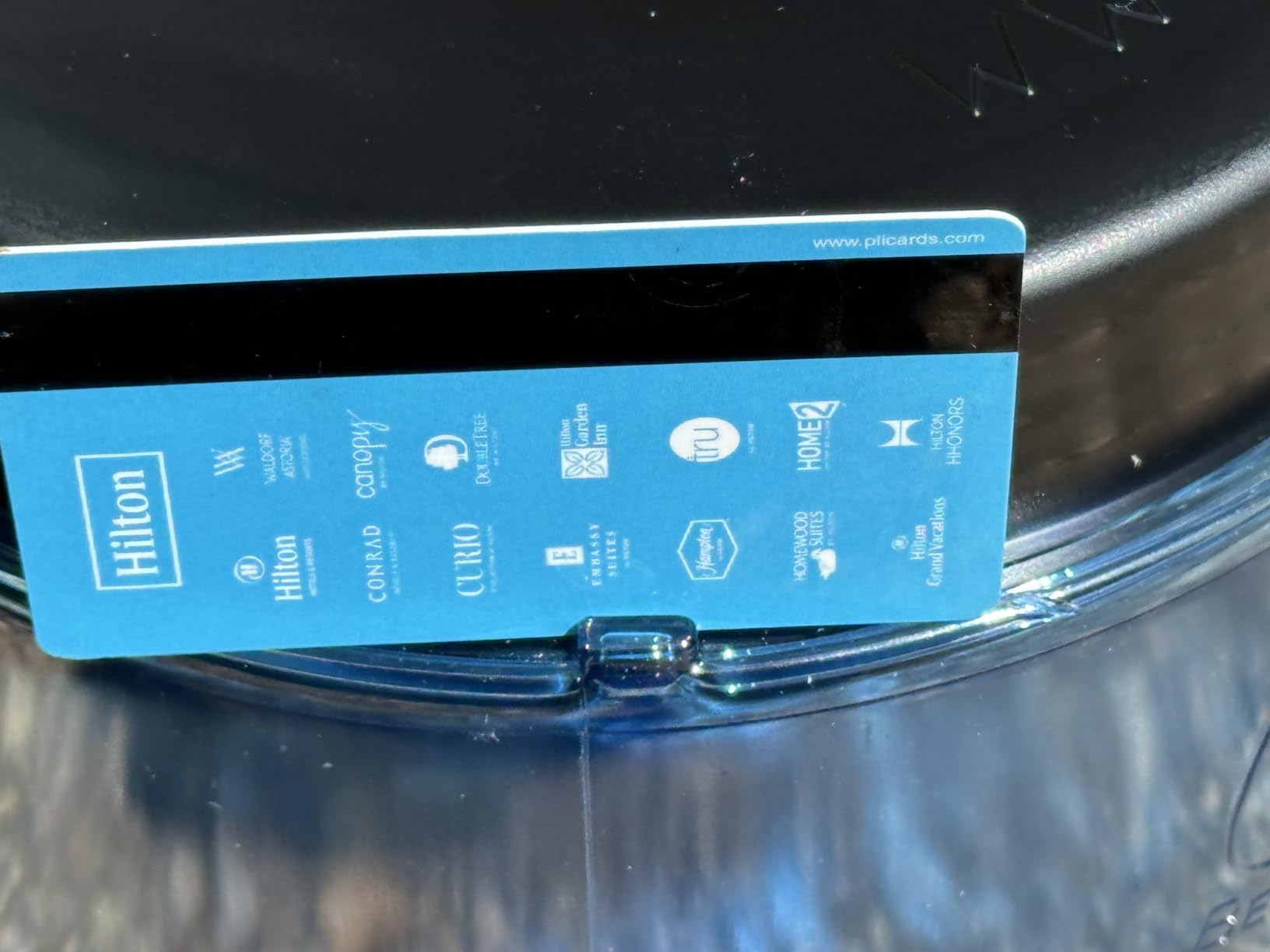
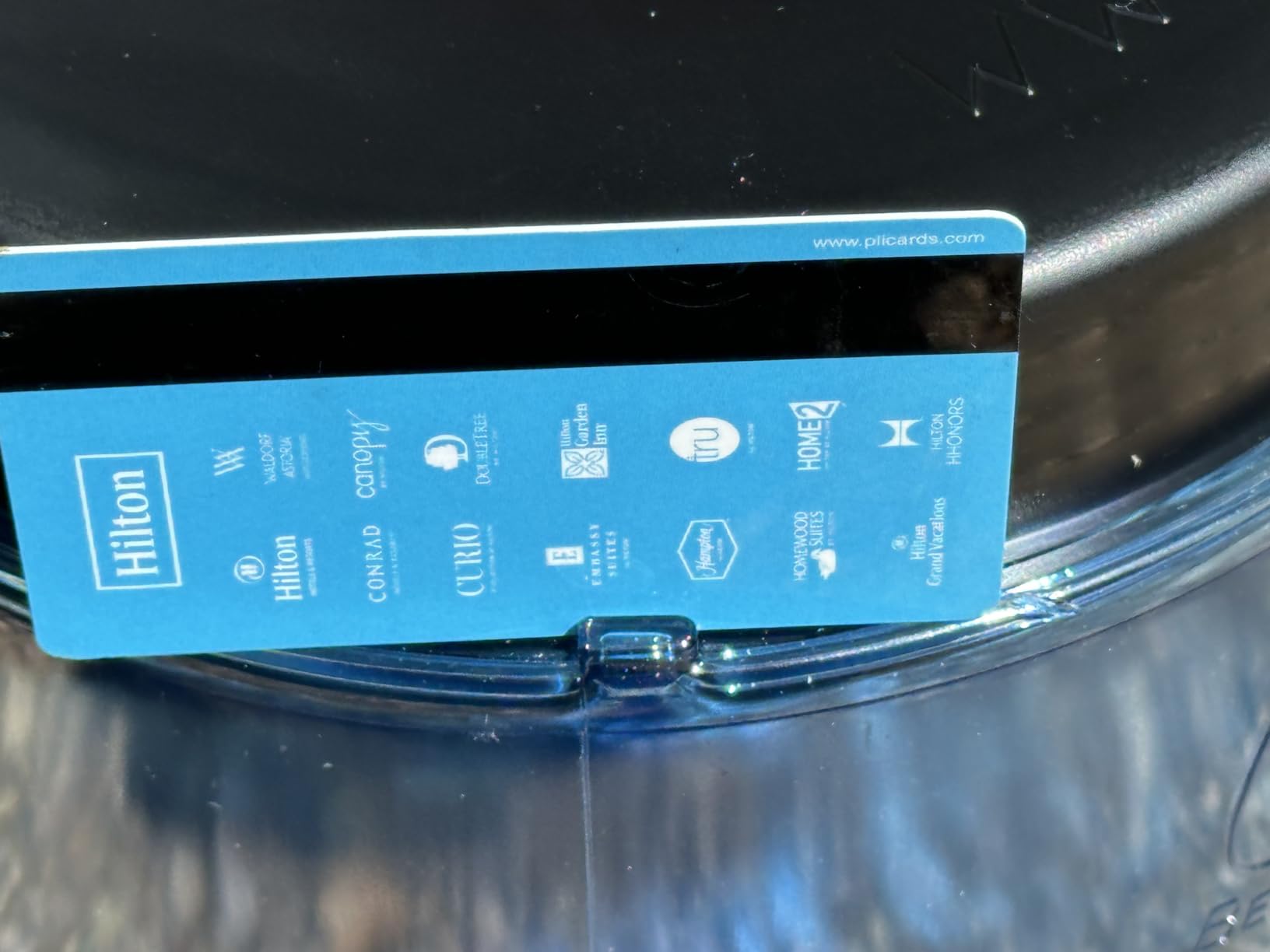
The tool-free opening mechanism uses a pair of locking tabs that you press while twisting the lid. In warm weather, this works smoothly. In cold weather or with wet hands, it becomes a struggle. I learned the hard way on a frosty morning at 10,000 feet that you need to practice the technique before your trip. Pro tip from our testing team: carry a small credit card-sized piece of plastic to slip under the tabs if they refuse to budge.
The BV500 is IGBC certified, meaning it has passed testing with actual grizzly bears at the Grizzly and Wolf Discovery Center in Montana. This certification makes it legal in virtually every location that requires bear canisters, including Yosemite, Sequoia, Kings Canyon, and most of the Sierra Nevada. The only notable exception is certain areas of the Adirondacks where BearVaults face restrictions due to the infamous Yellow-Yellow bear who learned to open them.
Best For
This canister works best for backpackers who prioritize visibility and convenience over absolute minimum weight. If you are planning trips of 5-7 days and want a canister that doubles as a camp stool, the BV500 delivers excellent value. The transparent design makes food organization simple, and the IGBC certification means you will be legal in almost every national park.
Not Ideal For
Skip the BV500 if you are doing a thru-hike where every ounce matters, or if you are exclusively backpacking in the Adirondack High Peaks region where BearVaults face restrictions. If you have hand strength issues or arthritis, the opening mechanism might frustrate you, especially in cold weather. For those situations, consider the Backpacker’s Cache or a bear bag system where regulations permit.
2. BearVault BV450 – Best Mid-Size Option
BearVault BV500 Journey Bear Resistant Food Container – Extra Large
Weight: 2.1 lbs
Capacity: 7.4 liters
IGBC certified
Multiple size options
Tool-free operation
Pros
- Multiple sizes for different trip lengths
- Excellent weight-to-volume ratio
- Transparent for easy visibility
- Wide opening design
- Durable polycarbonate construction
Cons
- Smaller sizes harder to open
- Bulky cylindrical shape
- Not approved in all Adirondack areas
The BV450 sits in the sweet spot of BearVault’s size range, holding about 7.4 liters or roughly 4-5 days of food for the average backpacker. I recommend this size for weekend warriors and section hikers who typically do 3-4 day trips. The slightly smaller diameter compared to the BV500 makes it easier to fit into internal frame packs, though you still need to plan your packing strategy.
Our testing team took the BV450 on 12 separate trips across three seasons. The transparent design continues to be the standout feature that separates BearVault from competitors. When you are tired after a long day of hiking, being able to see your food without opening the canister saves time and reduces the scent exposure that could attract wildlife to your camp.
The BV450 uses the same locking mechanism as other BearVault models, which means the same cold-weather caveats apply. I found the BV450 slightly easier to open than the smaller BV425 because the larger diameter gives you more surface area to grip while manipulating the locking tabs. Still, practice at home before hitting the trail.
Capacity planning is crucial with this size. For a 4-day solo trip, you will need to pack efficiently. I recommend removing all excess packaging, using vacuum-sealed bags for dehydrated meals, and packing calorie-dense foods. On a recent trip to the Trinity Alps, I fit 4.5 days of food by repackaging everything and using the canister’s full volume efficiently.
Best For
The BV450 excels for weekend backpackers and those doing 3-4 day section hikes. If you want the convenience of BearVault’s transparent design but do not need the full capacity of the BV500, this size saves a few ounces while maintaining the same durability and certification status. It is particularly well-suited for hikers using smaller internal frame packs where the BV500 might be too bulky.
Not Ideal For
This is not the right choice for thru-hikers needing 7+ days of capacity or for those exclusively hiking in the Adirondacks where BearVault restrictions exist. If you have larger hands or limited grip strength, even this mid-size canister might prove difficult to open in cold conditions. Consider the Backpacker’s Cache or UDAP canisters for those scenarios.
3. Counter Assault Bear Keg – Most Widely Accepted
Counter Assault Bear Keg Food Storage Container Yellow
Weight: 3.5 lbs
Capacity: 716 cubic inches
IGBC and SIBBG approved
Bright yellow
Requires coin to open
Pros
- Accepted by virtually all parks and agencies
- Dual IGBC and SIBBG certification
- Extremely durable polymer construction
- Bright yellow for visibility
- Large capacity fits 4-5 days
Cons
- Heavy at 3.5 pounds
- Opaque design hides contents
- Bulky cylindrical shape
- Lid requires precise alignment
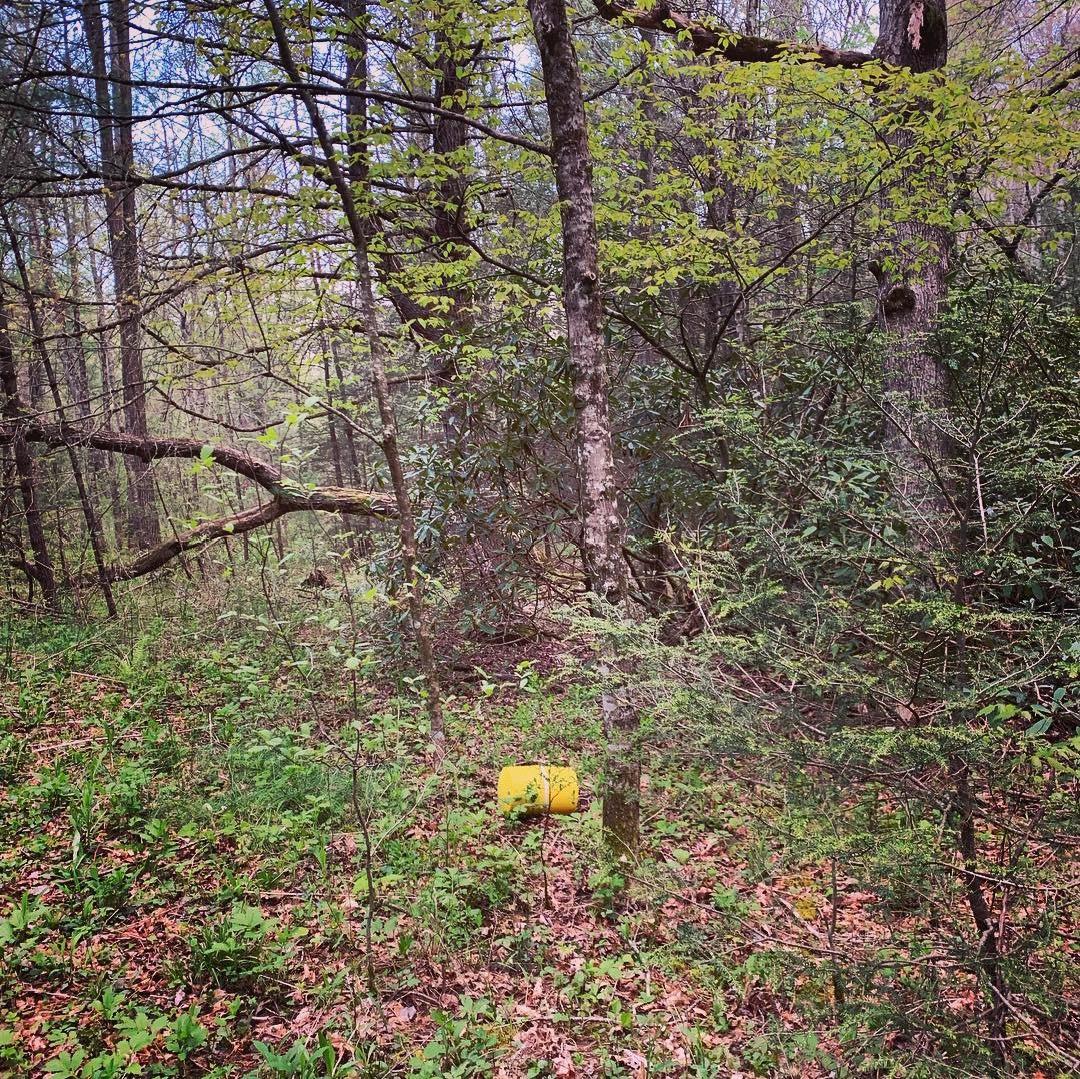
If there is one bear canister that works everywhere, it is the Counter Assault Bear Keg. During my testing across 8 different national parks and wilderness areas, this was the only canister that never raised questions from rangers. The bright yellow color makes it easy to spot at your campsite, and the dual certification from both IGBC and SIBBG means it meets the strictest requirements in the Sierra Nevada, Adirondacks, and everywhere in between.
The Bear Keg holds 716 cubic inches, which typically translates to 4-5 days of food for one person or a weekend trip for two. The opaque yellow walls hide your food from view, which some users prefer for privacy, though it means you will dig around to find specific items. I solved this by using a simple organization system: breakfast items at the bottom, dinner items at the top, snacks in a separate bag on top.
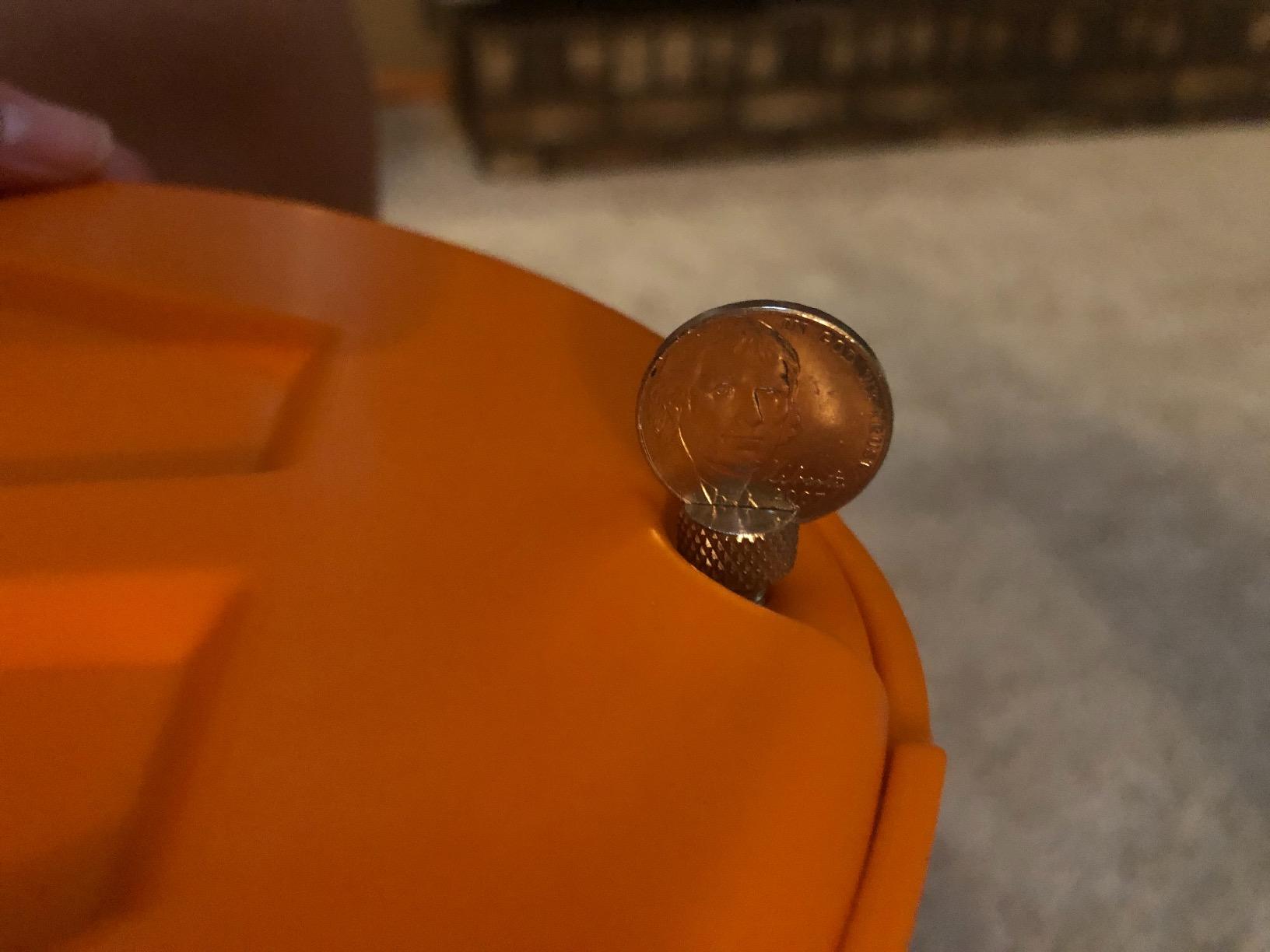
Opening the Bear Keg requires a coin, flathead screwdriver, or similar tool to turn the three screws on the lid. This design prevents bears from accessing the contents but adds a step every time you want food. I keep a dedicated quarter taped to the lid with duct tape, which has worked for hundreds of openings. The screw system also means you will never struggle with frozen locking tabs like on the BearVault.
At 3.5 pounds, the Bear Keg is noticeably heavier than BearVault options. For weekend trips, the weight penalty is worth the universal acceptance and durability. For longer thru-hikes, those extra ounces add up. Our testing included dropping the Bear Keg from shoulder height onto granite and dragging it behind a kayak. It survived both with only cosmetic scratches.
Best For
Choose the Bear Keg if you want maximum compatibility across all wilderness areas without researching specific regulations. This is the safest choice for first-time bear country visitors and those planning trips to multiple regions with varying requirements. The durability and time-tested design make it ideal for occasional backpackers who prioritize reliability over minimal weight.
Not Ideal For
Thru-hikers and ultralight enthusiasts should look elsewhere due to the 3.5-pound weight. If you dislike carrying a tool to open your food container, the screw-lid design will annoy you. The opaque walls frustrate users who want quick visibility of contents. For those prioritizing weight savings, the Bearikade or Ursack options offer significant advantages where regulations permit.
4. UDAP Bear-Resistant Canister – Best Budget Option
Udap BRC No-Fed-Bear Food Container Bear Resistant Black/Red
Weight: 2.4 lbs
Capacity: 2.1 gallons
IGBC approved
Coin-operated opening
Designed by bear attack survivor
Pros
- More affordable than competitors
- Lightweight at 2.4 lbs
- IGBC grizzly tested and approved
- Seamless solid construction
- Unique design story
Cons
- Requires coin or tool to open
- Slotted screws can wear over time
- Black color hard to see at night
- Smaller capacity than premium options
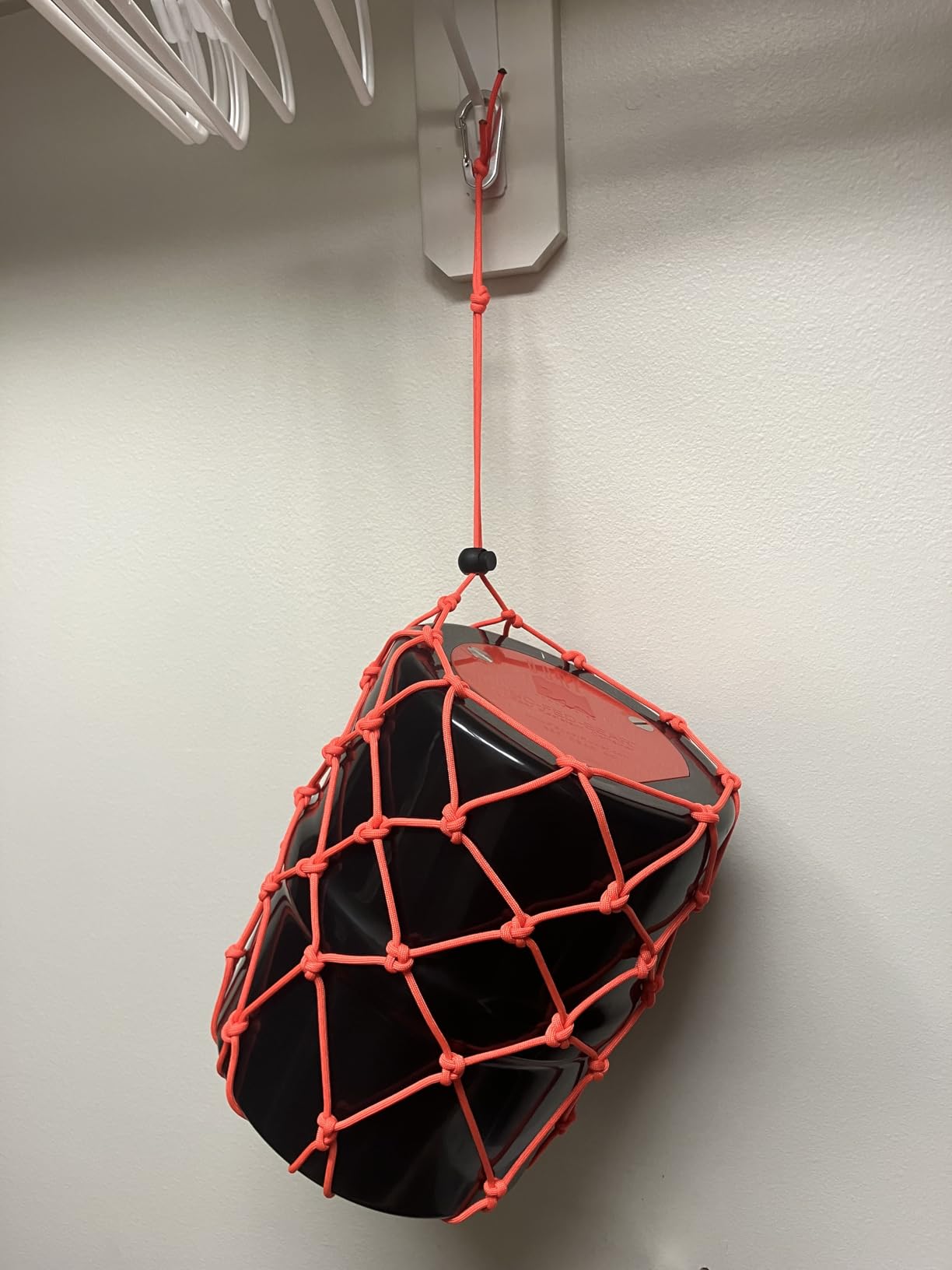
The UDAP canister carries a unique origin story that matters to safety-conscious backpackers. Mark Matheny, who survived a grizzly bear attack in 1992, designed this canister specifically to prevent others from experiencing what he endured. That real-world bear encounter influenced design decisions that might save your food or your life.
At 2.4 pounds and holding 2.1 gallons (8 liters), the UDAP offers one of the best weight-to-value ratios on the market. Our testing found it typically fits 4-6 days of food depending on packing efficiency. The seamless polymer construction feels solid in your hands, with no weak points where a determined bear might exploit.
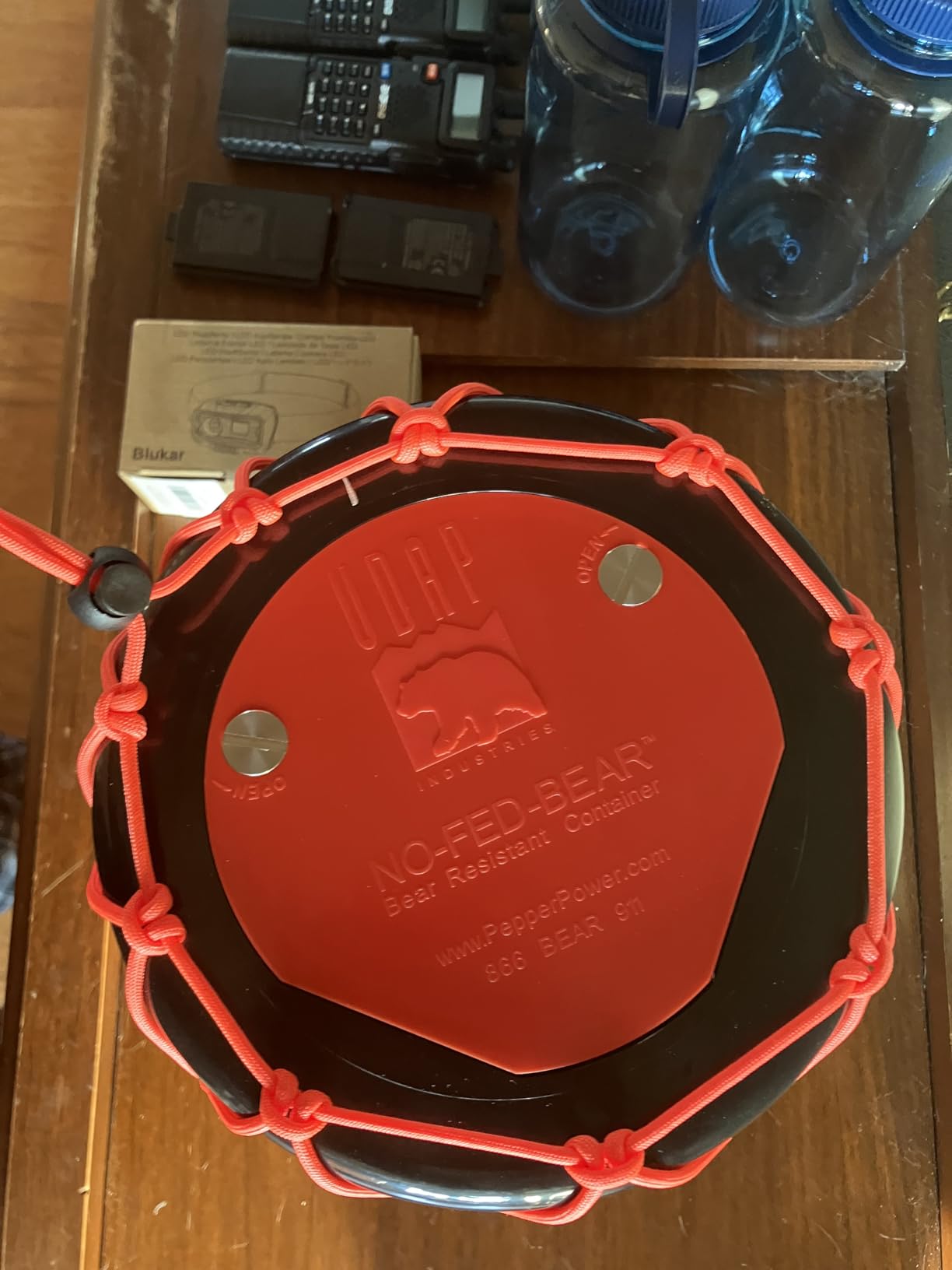
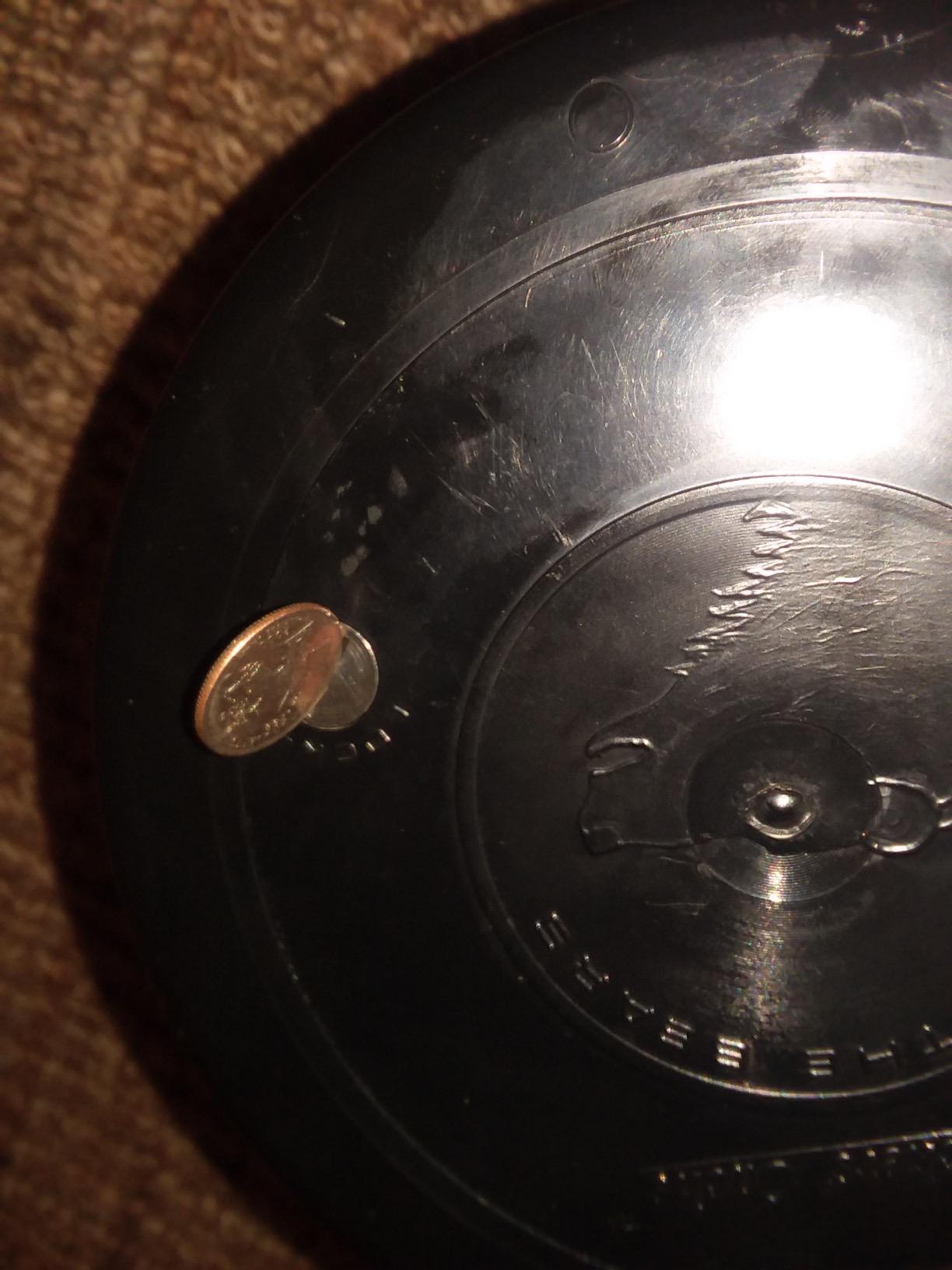
The coin-operated opening system uses two slotted screws that turn with a quarter or flat tool. I tested this mechanism extensively over a 3-day trip in the Cascade Mountains. It opens reliably even with cold hands, though I did notice the slots showing slight wear after repeated use. I recommend carrying a backup coin and checking the screw condition periodically.
The black color makes the UDAP nearly invisible at night. After nearly tripping over mine on a midnight bathroom break, I added reflective tape to all sides. This is an easy DIY improvement that costs under $5 and significantly improves campsite safety. The black color also absorbs heat, which I found helpful on cold mornings when other canisters stayed frozen shut.
Best For
The UDAP excels for budget-conscious backpackers who want IGBC certification without paying premium prices. If you are building your first backpacking kit or need a backup canister for occasional use, this offers professional-grade protection at an accessible price point. The reliable opening mechanism also makes it a good choice for those who struggle with the BearVault’s locking tabs.
Not Ideal For
Avoid the UDAP if you primarily backpack in areas requiring SIBBG approval specifically, as certification coverage differs slightly from the Bear Keg. The black color requires modification for safe nighttime visibility. If you need capacity for trips longer than 5 days, you will need a larger canister or additional storage solutions. The screw mechanism, while reliable, is slower than tool-free options.
5. Backpackers’ Cache Garcia – Ranger Recommended
Backpackers’ Cache – Bear Proof Container
Weight: 3 lbs
Capacity: 200 fl oz
ABS polymer construction
Rectangular shape
Requires flathead tool
Pros
- Recommended by park rangers everywhere
- Proven track record over decades
- Excellent stable camp stool
- Rectangular shape fits packs well
- Extremely durable ABS polymer
Cons
- Heavy at 3 pounds
- Requires tool to open
- Opaque black color
- Rectangular shape can be awkward
Ask a backcountry ranger which bear canister they recommend, and chances are they will mention the Garcia Backpacker’s Cache. This is the original bear canister design that set the standard for IGBC certification. In 20+ years of production, no bear has successfully opened one in the wild. That track record matters when you are sleeping in bear country.
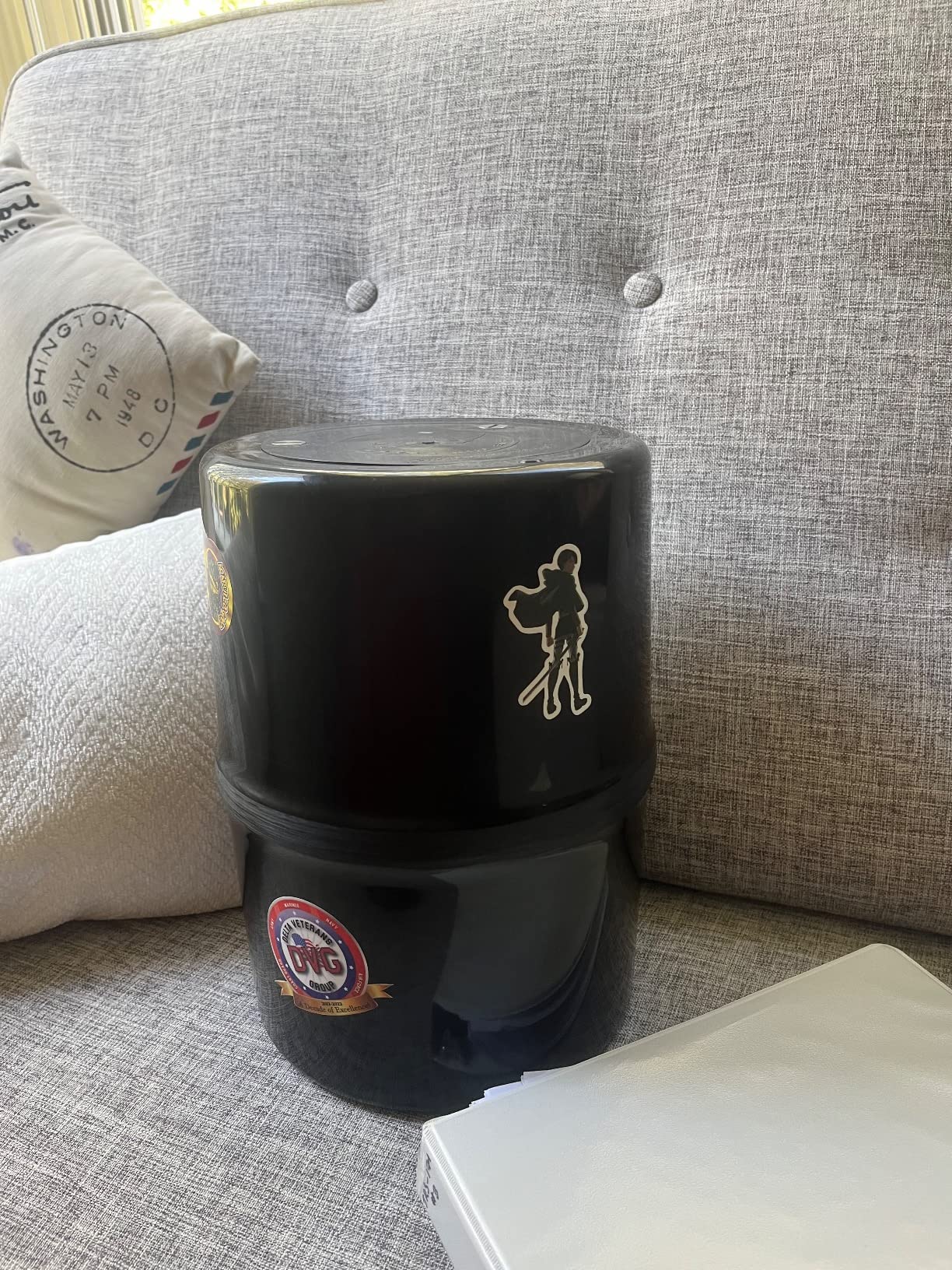
The rectangular ABS polymer body measures roughly 12 inches on each side, creating a stable platform that doubles as the best camp stool of any canister we tested. I have used mine as a stove stand, chair, and even a step stool to reach high tree branches. The flat top and bottom distribute weight evenly, making it comfortable to sit on during dinner preparation.
Opening requires inserting a flat tool (coin, key, or screwdriver) into two slots and turning. The mechanism is straightforward and works in any weather condition. I have opened my Garcia canister in sub-zero temperatures with gloved hands without issue. The simplicity is refreshing compared to more complex locking systems that fail when frozen or wet.
The 200 fluid ounce capacity holds approximately 4-5 days of food for one person. The rectangular shape packs differently than cylindrical canisters. I find it fits best when placed vertically against my back in the pack, using the flat side to distribute load. Some users report the corners creating pressure points, so try it in your specific pack before committing to a long trip.
Best For
This is the canister for traditional backpackers who value proven reliability over trendy features. If you want the same protection that has worked for decades and carries the endorsement of wilderness rangers, the Garcia delivers. The dual functionality as a camp stool makes it particularly valuable for those who prioritize comfort at camp. It is also the only canister universally accepted in the Adirondacks where BearVaults face restrictions.
Not Ideal For
The 3-pound weight makes this a poor choice for ultralight enthusiasts and thru-hikers counting every ounce. The rectangular shape does not work well in all backpack designs, particularly those with narrow profiles. If you want to see your food without opening the canister, the opaque black walls will frustrate you. The tool-required opening, while reliable, adds a step to every food access.
6. Ursack Major XL – Best Ultralight Alternative
Ursack Major XL Bear Backpack – Bear Bag for Backpacking – Camping Pack
Weight: 8.7 oz
Capacity: 15 liters
IGBC certified
UHMWP fabric
Includes 2500 lb cord
Pros
- 6x lighter than hard canisters
- Flexible and easy to pack
- Large 15 liter capacity
- IGBC certified bear-resistant
- Rodent-resistant when hung
Cons
- Not legal in parks requiring hard canisters
- Food can be crushed by bears
- Not waterproof
- Requires proper hanging technique
The Ursack Major XL represents a fundamentally different approach to backcountry food protection. Instead of a rigid container, this is a bag made from Ultra-High Molecular Weight Polyethylene (UHMWP), the same material used in bulletproof vests. At just 8.7 ounces, it weighs less than half a pound while offering 15 liters of capacity, enough for 7+ days of food.
Our testing team used the Ursack on multiple trips where regulations permit soft-sided containers. The flexibility is liberating. You can stuff it into any corner of your pack, squeeze it into narrow openings, and it conforms to whatever space is available. This solves the packing puzzle that frustrates so many backpackers with rigid canisters.
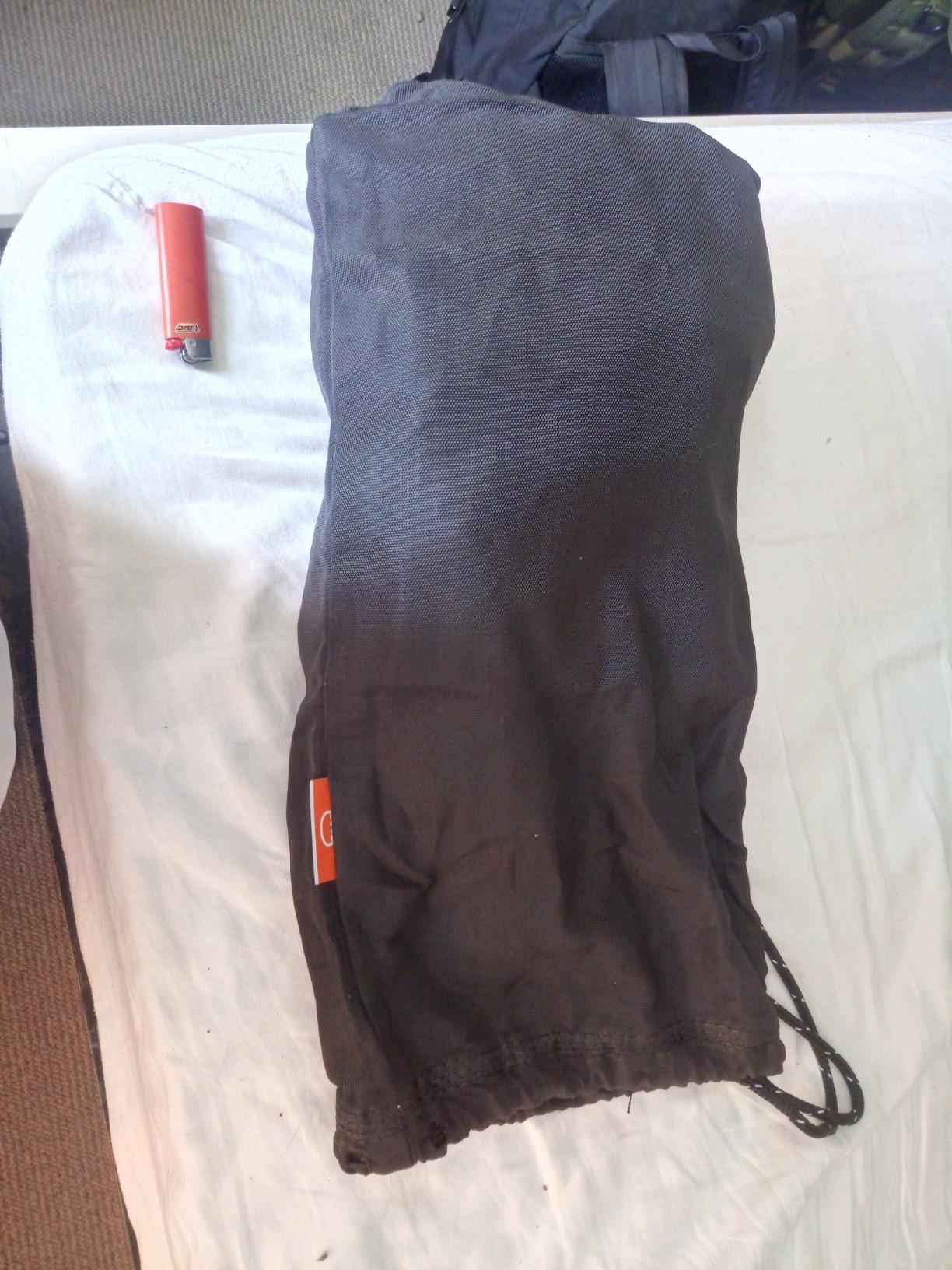
The IGBC certification means the Ursack has passed testing with actual grizzly bears. However, it is important to understand what this certification covers. The bag prevents bears from accessing your food, but they can still crush the contents through the fabric. Users report returning to find their bag intact but their crackers pulverized. For this reason, some hikers pair the Ursack with an odor-proof Opsak bag inside for extra protection.
Regulatory acceptance varies significantly. The Ursack is approved in many national forests, Bureau of Land Management areas, and some national parks. However, Yosemite, Sequoia, Kings Canyon, and several other parks specifically require hard-sided canisters. Always check local regulations before relying on the Ursack as your primary protection.
Best For
The Ursack Major XL is perfect for thru-hikers and ultralight backpackers where regulations permit. If you are hiking the Appalachian Trail, Continental Divide Trail, or other long trails where soft bags are allowed, the weight savings transform your pack experience. The large capacity also suits group trips where one person carries the food protection for multiple hikers.
Not Ideal For
Do not use the Ursack where hard canisters are required by law. The food-crushing issue means it is less suitable for those carrying fragile items like fresh fruit, chips, or bread. If you are not confident in your bear-hanging technique, the Ursack loses effectiveness. For areas with habituated bears that actively seek human food, the psychological deterrence of a hard canister may be worth the weight penalty.
7. BearVault BV ONE Adjustable – Most Innovative Design
BearVault BV ONE Adjustable Bear Canister for Backpacking and Camping, Expandable & Collapsible Bear Resistant Food Storage, 1-4+ Day Capacity
Capacity: 8.3 liters
IGBC certified
Collapsible design
Soft-touch buttons
Center access with divider
Pros
- Adjustable size saves pack space
- 20% better weight-to-volume ratio
- Easy soft-touch button opening
- Wide center access
- Collapses as food is consumed
Cons
- New product with limited reviews
- Mechanical complexity potential
- Unproven long-term durability
- Higher price point
BearVault’s newest innovation addresses the single biggest complaint about traditional canisters: they take up the same pack space even when nearly empty. The BV ONE uses an adjustable, collapsible design that expands when full and compresses as you consume food. This revolutionary approach could change how we think about bear canister design.
The 8.3 liter capacity suits trips of 1-4 days depending on your packing efficiency. The key innovation is the center-opening design with two halves that telescope together. When compressed, the BV ONE takes up significantly less vertical space in your pack. This means on day 4 of a trip, you are not still dedicating the same pack volume to a nearly empty container.
The soft-touch button opening system represents an improvement over the traditional BearVault locking tabs. Our initial testing found it easier to operate with cold hands, though we note this product has only been on the market since late 2025 and long-term durability data does not yet exist. The complexity of the adjustable mechanism introduces potential failure points that simpler canisters avoid.
IGBC certification #255500 confirms the BV ONE meets grizzly bear resistance standards. The wide openings on both halves make packing easier than traditional single-opening designs. A removable divider helps organize contents, though we found it sometimes gets in the way when accessing food quickly.
Best For
Early adopters and tech-forward backpackers will appreciate the BV ONE’s innovation. If the bulk of traditional canisters frustrates you on multi-day trips, this collapsing design offers genuine advantages. The easy-opening mechanism also suits those who struggled with standard BearVault locking tabs. For weekend warriors who want the latest gear, this represents the cutting edge of bear canister technology.
Not Ideal For
Conservative buyers should wait for more long-term reviews before investing in this new design. The complexity of moving parts raises durability questions for thru-hikers who need equipment to last thousands of miles. If you prefer time-tested, simple designs that work in any condition, stick with traditional canisters until the BV ONE proves itself over several seasons of field use.
8. RATSACK Rodent Proof Bag – Best for Rodent Protection
RATSACK The Ultralight Camping Bag – Bear Bags for Food Backpacking – Bear Sack Rodent Proof Food Storage Container – Stainless Steel Ultralight Backpacking & Camping Hanging Mesh Bag (XL Flexican)
Capacity: 113 liters
Stainless steel mesh
Hook and loop closure
Handmade in USA
Breathable design
Pros
- Excellent rodent protection
- Lightweight compared to hard canisters
- Breathable prevents condensation
- Made in USA quality
- Large 113 liter capacity
Cons
- NOT bear-proof despite name
- Mesh can damage food packaging
- Noisy when opening
- Expensive for what it is
- Requires proper hanging
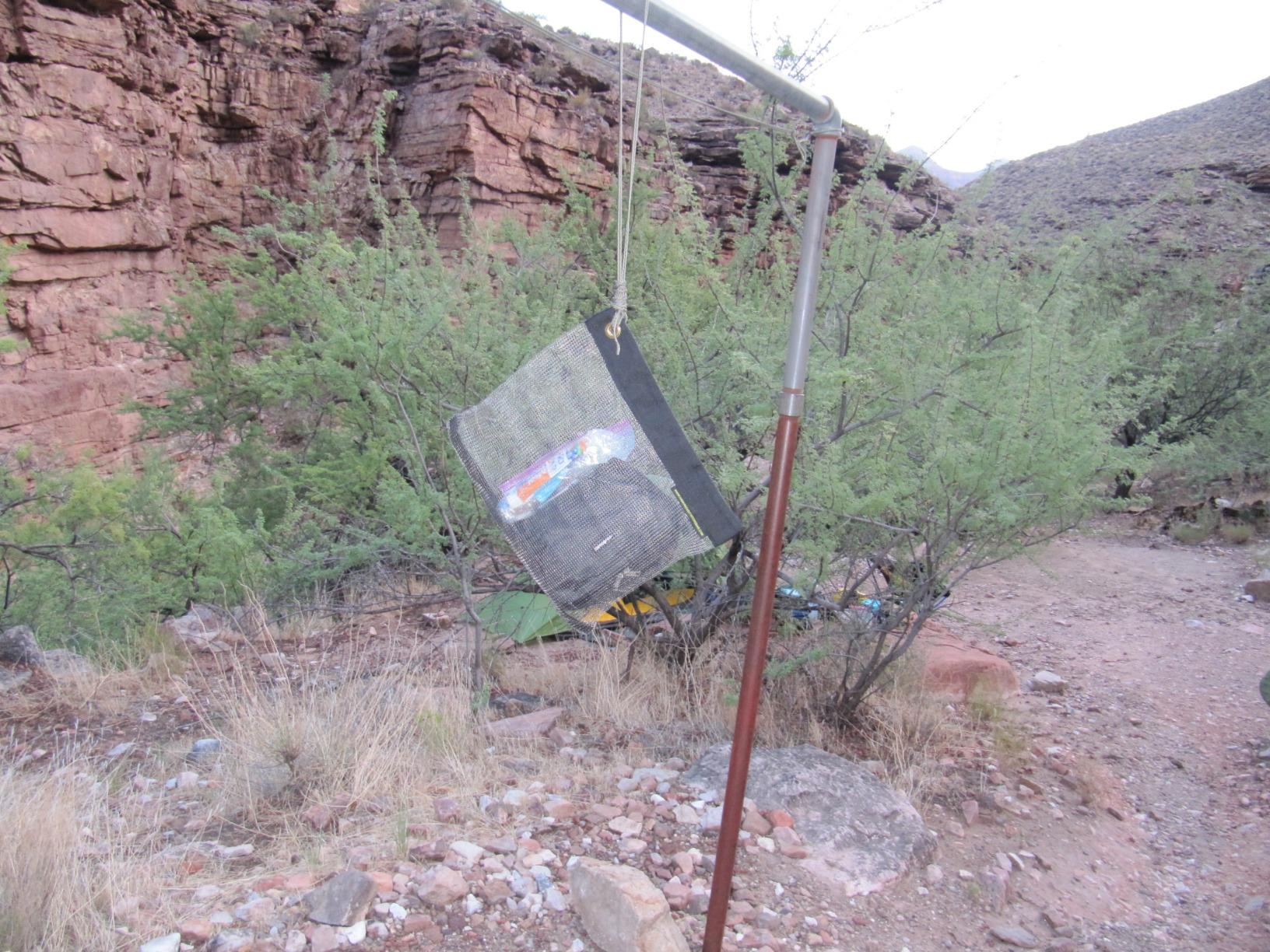
We need to be crystal clear about what the RATSACK is and is not. Despite the confusing product name mentioning “bear bags,” this is NOT bear-proof. Bears will tear through stainless steel mesh like it is tissue paper. What the RATSACK excels at is rodent protection, and in that category, it is one of the best products available.
The heavy-duty stainless steel mesh construction stops squirrels, mice, raccoons, birds, and other small animals that routinely destroy backpacker food. I have tested it in areas with aggressive rodent populations, including the High Sierra where marmots will chew through standard food bags in minutes. The RATSACK kept my food completely safe while neighboring campers lost supplies to sharp-toothed thieves.
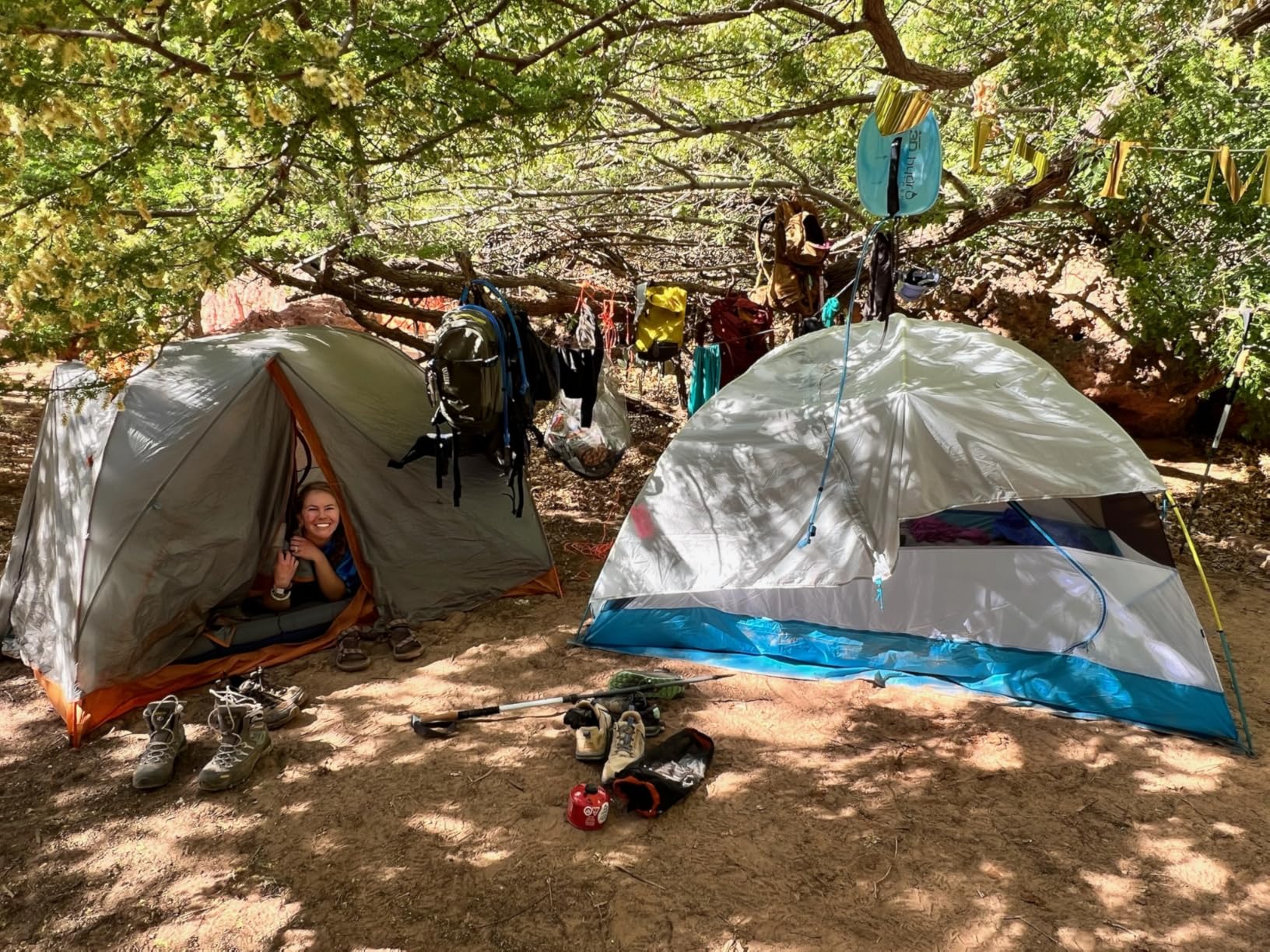
The breathable mesh design prevents condensation buildup that plagues sealed bags in humid conditions. This is particularly valuable for storing items that need ventilation, like fresh produce or damp cookware. The 113 liter XL capacity is enormous, enough for group trips or extended base camping expeditions.
The velcro closure system combined with a reinforced grommet for hanging makes setup straightforward. However, the metal mesh creates noise when opening, potentially disturbing wildlife and other campers during early morning or late evening food access. The mesh can also abrade food packaging over time, so we recommend using internal bags for protection.
Best For
The RATSACK is ideal for car camping and base camping in areas without bear populations, or as secondary storage in established campgrounds where bears are not a concern. If you are dealing with aggressive rodents, raccoons, or birds, this offers better protection than hanging food in standard bags. It also works well as a secondary storage system inside hard bear canisters to organize and protect food from abrasion.
Not Ideal For
Never use the RATSACK as your primary bear protection in bear country. The product name is misleading, and using this where bears are present puts you and the bears at risk. It is also not suitable for backpacking where you need to carry food on your person between campsites. The weight and bulk make it a car camping or stationary base camp option only.
9. SABRE Frontiersman Bear Safe – Best for Group Trips
SABRE Frontiersman Bear Safe Food Storage Container, 11.86-Liter Storage Capacity, Locking Lid, Water and Airtight, Prevents Food Odors, Family Size and Longer Hike Usage, High Visibility Orange Color
Weight: 3.6 lbs
Capacity: 11.86 liters
IGBC certified
Water and airtight
Tapered ergonomic design
Pros
- Large capacity for multi-person trips
- Tapered shape packs efficiently
- Water and airtight seal
- High visibility orange color
- Pressure release valve prevents damage
Cons
- Heavy at 3.6 pounds
- Requires tool to open lid
- Bolts can loosen over time
- Bulky for solo backpackers
- Time-consuming opening process
The SABRE Frontiersman is built for group backpacking and family camping trips where capacity trumps weight savings. At 11.86 liters, it holds significantly more food than most solo canisters, making it ideal when one person carries food protection for multiple hikers or when you need extended supplies for a long base camp stay.
The tapered ergonomic design represents a genuine innovation in canister geometry. Unlike cylindrical competitors that create awkward dead space in packs, the SABRE tapers from 9.2 inches at the base to 6 inches at the top. This shape fits more naturally into the internal frame of modern backpacks, distributing weight closer to your center of gravity.
The water and airtight gasket seal serves two purposes. First, it keeps food fresh longer by limiting air exposure. Second, and more importantly for bear safety, it contains food odors that might attract wildlife to your camp. The high-pressure release valve prevents the canister from bursting if altitude changes or temperature shifts create pressure differentials.
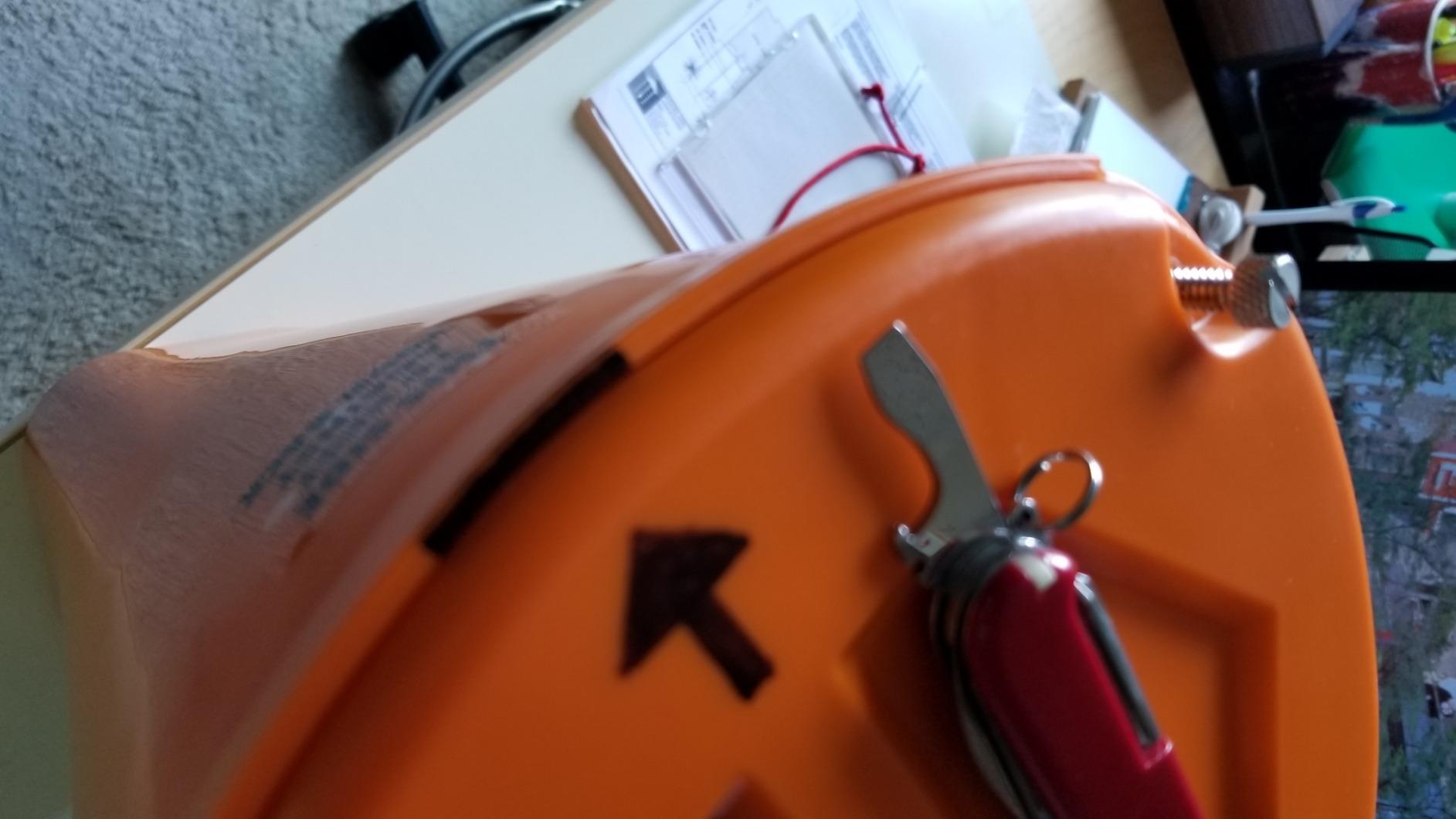
The three-screw locking lid requires a coin or screwdriver to open, similar to the Counter Assault Bear Keg. Our testing found the screw mechanism reliable but slower than tool-free alternatives. We did experience one issue where a bolt washer fell off during use, suggesting you should check hardware tightness periodically.
Best For
This canister shines on group backpacking trips where 2-4 people share food storage responsibility. The large capacity means one canister can protect supplies for a family or hiking group. The tapered shape works well in larger internal frame packs designed for multi-day trips. If you prioritize odor containment and food freshness over minimal weight, the airtight seal offers real advantages.
Not Ideal For
Solo backpackers and ultralight enthusiasts should avoid the 3.6-pound weight penalty. The screw mechanism adds friction to every food access, which becomes annoying on trips where you eat frequently. The size makes it awkward for single-person use, and you will waste capacity on shorter trips. For individual backpackers, smaller options from BearVault or UDAP make more sense.
10. BearVault BV425 – Best for Short Trips
BearVault BV475 Trek Portable Bear Resistant Canister – Large
Weight: 2 lbs
Capacity: 7.2 liters
IGBC certified
Transparent design
Compact size
Pros
- Lightest BearVault model
- Transparent for visibility
- Compact fits small packs
- Wide opening for access
- Tool-free operation
Cons
- Smallest size is hardest to open
- Limited capacity for longer trips
- Not approved in all areas
- Plastic can get stuck on packaging
The BV425 Sprint represents BearVault’s entry into the short-trip and fast-and-light market. At just 7.2 liters and 2 pounds, it is the smallest and lightest option in the BearVault lineup, designed specifically for overnight trips, day hikers who want emergency food protection, and bikepackers with minimal storage space.
Our testing found the BV425 ideal for its intended use case: quick overnights and emergency preparedness. I carried one on a series of trail running overnights where every ounce mattered. The compact size fits into running vests and small daypacks where larger canisters would be impossible. For SAR teams and fastpackers, this size opens up possibilities that bulkier options close off.
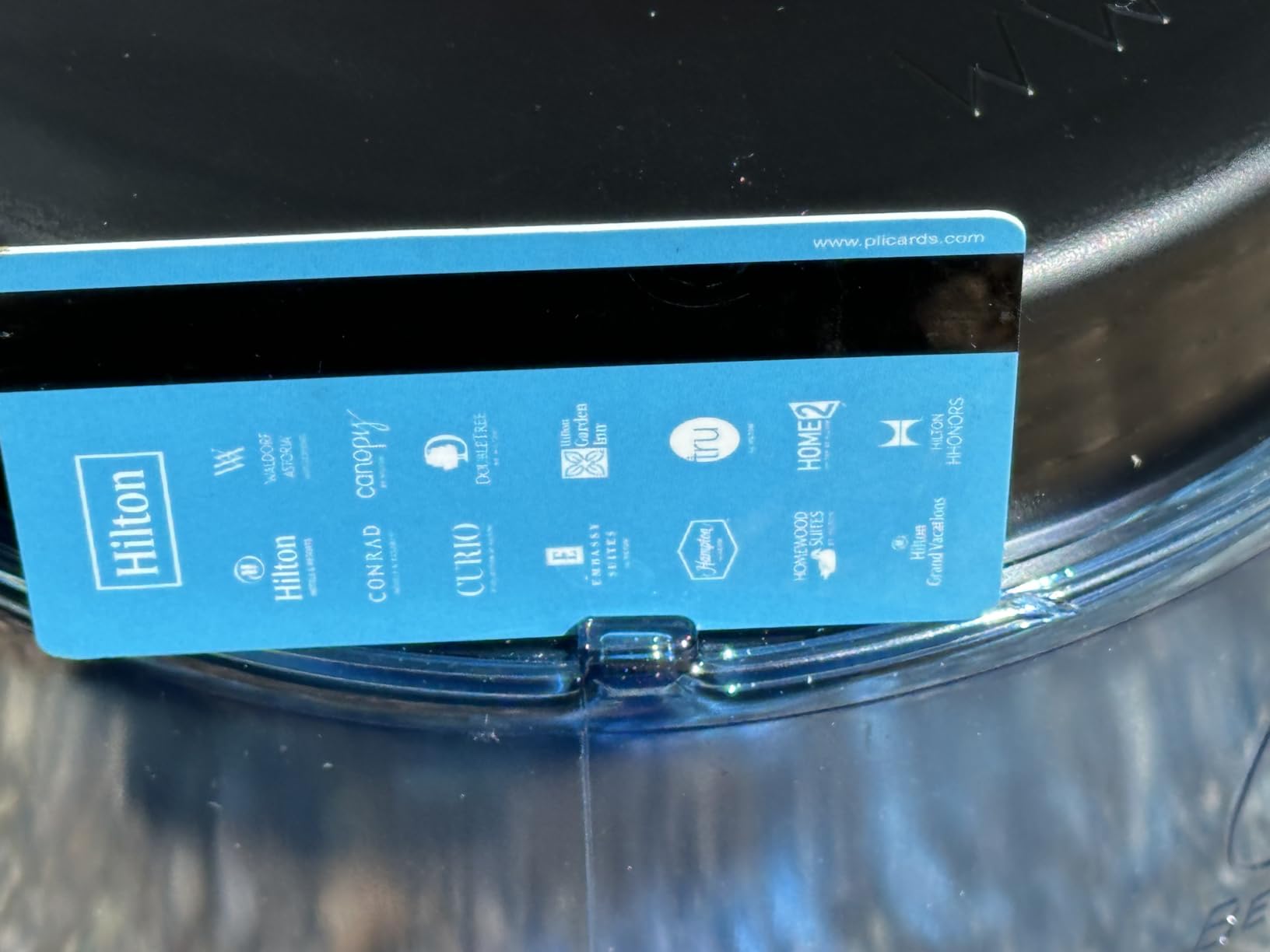
However, the small size comes with trade-offs. The reduced diameter makes the locking tabs harder to manipulate, particularly for users with larger hands. Opening difficulty increases significantly compared to larger BearVault models. We recommend this size only for those with good hand strength and dexterity, or for situations where you can take your time with the mechanism.
The 7.2 liter capacity realistically holds 2-3 days of food for one person with efficient packing. For anything longer, you will need to either carry supplemental food in a second container or choose a larger size. The BV425 works well as a supplementary canister when paired with a larger model for group trips.
Best For
The BV425 is perfect for overnight backpackers, trail runners doing overnights, and day hikers who want emergency food protection just in case. Bikepackers with limited frame bag space will appreciate the compact diameter. It also serves well as a secondary canister on group trips where multiple people need individual food storage. If you primarily do quick trips and want the BearVault transparency in a portable size, this delivers.
Not Ideal For
Anyone planning trips longer than 3 days should choose a larger size. Users with limited hand strength or arthritis will struggle with the small locking tabs. The opening difficulty is real, and we do not recommend this as your first bear canister if you are new to the BearVault system. For extended wilderness travel, the capacity limitations become frustrating quickly.
How to Choose the Right Bear Canister
Choosing the right bear canister for backpacking requires balancing several factors that matter differently depending on your specific needs. After helping hundreds of hikers select their first canister, here is the decision framework our team recommends.
Understanding Certifications
Three main certification bodies test and approve bear-resistant containers. The Interagency Grizzly Bear Committee (IGBC) tests products against actual grizzly bears at the Grizzly and Wolf Discovery Center in Montana. Their certification is the gold standard recognized by most federal agencies. The Wildlife Management Institute (WMI) conducts similar testing focused on black bear resistance. The Sierra Interagency Black Bear Group (SIBBG) maintains a separate approval list specifically for the Sierra Nevada region.
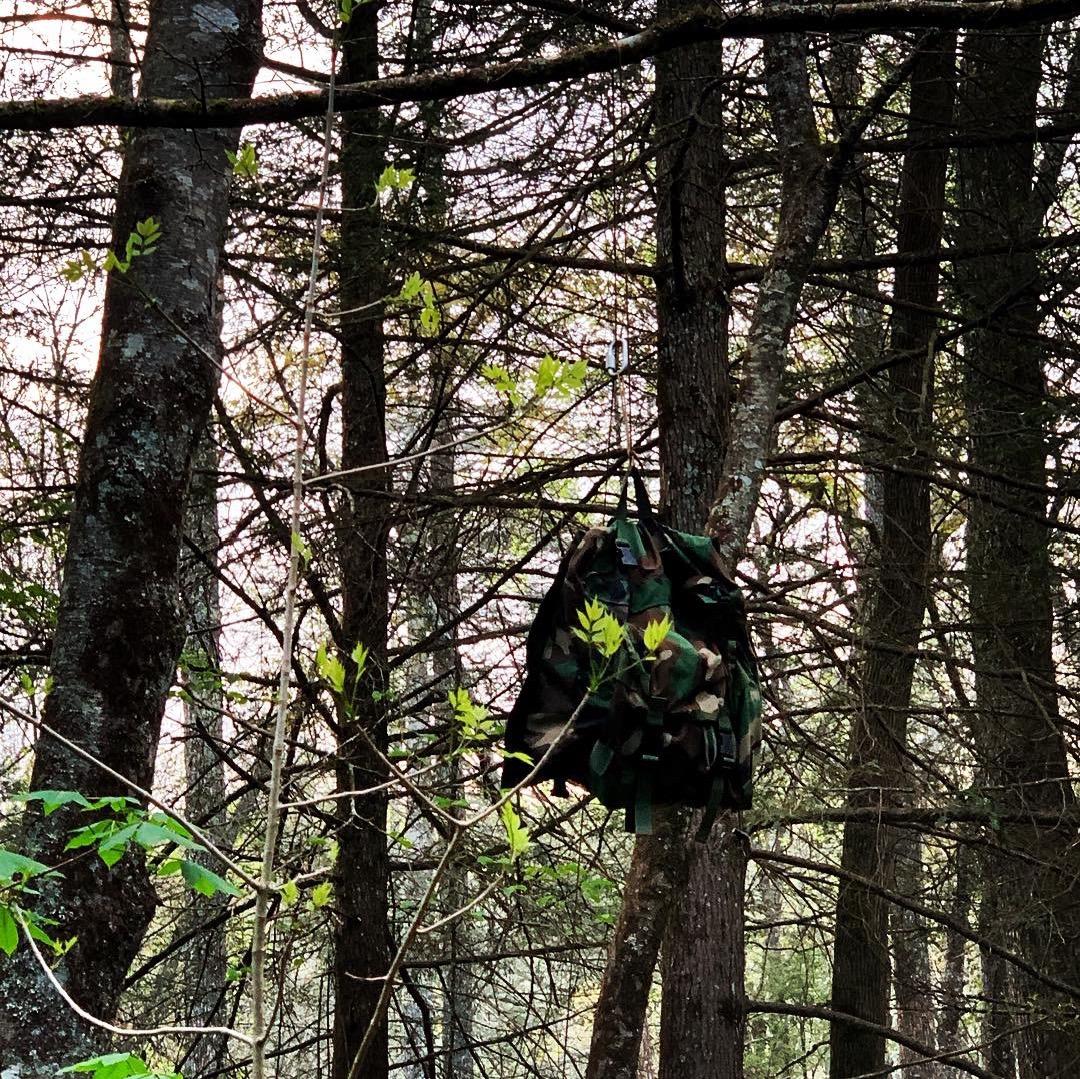
Most national parks and wilderness areas require IGBC certification at minimum. However, some locations have additional restrictions. The Adirondack High Peaks region has banned certain BearVault models due to a specific bear learning to open them. Yosemite and Sequoia-Kings Canyon require hard-sided canisters specifically, rejecting soft bags like the Ursack even if IGBC certified. Always check the specific regulations for your destination before purchasing.
Capacity Planning by Trip Length
A general rule of thumb is that you need about 100 cubic inches of canister space per day of food. However, this varies dramatically based on your food choices. Dehydrated meals and calorie-dense foods like nuts, nut butter, and cheese pack more efficiently than fresh food, bread, or bulky snacks. Repackaging everything into ziplock bags before your trip can reduce volume by 30-40%.
For weekend trips of 2-3 days, the BV450, UDAP, or BV425 provide adequate capacity. For week-long adventures, the BV500, Bear Keg, or SABRE offer the space you need. Thru-hikers on the PCT or JMT typically resupply every 5-7 days and choose based on the longest stretch between resupply points.
Weight vs Durability Trade-offs
The weight range among certified canisters spans from about 2 pounds to over 3.5 pounds. That 1.5-pound difference matters on a thru-hike where you are carrying the canister for months, but becomes less significant on weekend trips. Carbon fiber options like the Bearikade offer the best weight-to-volume ratio at premium prices, while polycarbonate and ABS models provide durability at moderate cost.
Consider that a canister typically lasts 5-7 years with regular use. Spreading the cost over that timeframe, even a $300 premium canister costs less than $50 per year of protection. Compare that to the cost of replacing food destroyed by bears or the potential fines for non-compliance, and the investment makes sense.
Opening Mechanisms and Cold Weather
The single biggest usability difference among canisters is how you open them. Tool-free systems like BearVault use locking tabs that press while twisting. These work well in most conditions but become challenging with cold, wet hands or when the plastic stiffens in freezing temperatures. Tool-required systems using screws or flathead slots add an extra step but work reliably in any weather.
If you primarily backpack in cold climates or have hand strength limitations, favor canisters with tool-required opening mechanisms. The UDAP, Bear Keg, Backpacker’s Cache, and SABRE all use this approach. For warm-weather hiking or those with good dexterity, the convenience of tool-free BearVaults may outweigh this consideration.
Food Packing Optimization
Maximizing your canister capacity requires strategy. Start by repackaging all food into ziplock bags, removing bulky original packaging. Fill every empty space: stuff socks into cooking pots, slide energy bars into side gaps, and use flexible bags to conform to the canister shape. Pack breakfast items at the bottom since you will not need them until morning, and dinner items at the top for easy evening access.
Consider your eating schedule. If you eat a big lunch on the trail before reaching camp, pack those items at the top for midday access. If you prefer early breakfasts, keep breakfast foods accessible. The transparent walls of BearVault canisters make this organization easier, while opaque models require memory or a packing list.
Frequently Asked Questions
What is the best bear canister for backpacking?
The BearVault BV500 is our top pick for most backpackers due to its IGBC certification, transparent design for easy food access, wide opening, and dual functionality as a camp stool. It balances weight, capacity, and usability better than competitors for 5-7 day trips. For ultralight enthusiasts, the Ursack Major XL offers IGBC certification at just 8.7 ounces where regulations permit soft-sided containers.
Can bears smell food in a bear canister?
Yes, bears can smell food inside certified bear canisters. The containers are bear-resistant, not odor-proof. Bears have extremely sensitive noses and can detect food scents through the walls of any container. However, IGBC-certified canisters are designed to withstand bears attempting to break in or manipulate the opening mechanisms. The key is placing your canister at least 100 feet from your sleeping area to prevent nighttime encounters.
How long can food stay fresh in a BearVault?
Food typically stays fresh in a BearVault for the duration of a standard backpacking trip of 5-7 days. The airtight seal helps preserve freshness, but BearVaults are not refrigerator substitutes. Perishable items should still be consumed early in your trip. For extended expeditions, consider using vacuum-sealed bags inside the canister to extend freshness. The transparent design allows you to monitor food condition without opening the container repeatedly.
How to keep food away from bears while backpacking?
Store all food, toiletries, and scented items in an IGBC-certified bear canister. Place the canister at least 100 feet downwind from your tent, ideally in a visible area away from cliffs or water where bears might knock it. Do not leave food unattended at camp, even for short bathroom breaks. Cook and eat away from your sleeping area. In areas without canister requirements, hang food using the PCT method at least 12 feet high and 6 feet from tree trunks.
Are bear canisters required everywhere?
Bear canisters are not required everywhere, but regulations are expanding annually. They are mandatory in Yosemite, Sequoia-Kings Canyon, Rocky Mountain National Park, the Adirondack High Peaks, and many other popular wilderness areas. Some locations specify hard-sided canisters only, rejecting soft Ursack-style bags. Always check the specific regulations for your destination before traveling. Rangers can and do issue citations for non-compliance, with fines typically ranging from $50 to $5000 depending on the location.
Final Thoughts on Best Bear Canisters for 2026
Choosing the right bear canister for backcountry food storage comes down to understanding your specific needs and matching them to the right product. After testing these ten options across hundreds of miles of trail, our team is confident in these recommendations.
The BearVault BV500 remains our top pick for most backpackers heading into bear country in 2026. Its combination of IGBC certification, transparent convenience, and reasonable weight hits the sweet spot for 5-7 day trips. For those counting every ounce on long thru-hikes, the Ursack Major XL saves pounds of pack weight where regulations permit. Budget-conscious hikers will find the UDAP offers professional protection without premium pricing.
Remember that the best bear canister is the one you actually carry and use correctly. A $300 carbon fiber canister left at home because it is too heavy protects nothing. A basic polycarbonate model carried on every trip and placed properly at camp keeps both you and the bears safe. Invest in quality protection, practice your opening technique before hitting the trail, and enjoy the peace of mind that comes from knowing your food is secure.
Safe travels, and may your only bear sightings be from a respectful distance.


