

The best bike helmets for commuters are the ones you will actually put on every morning, stay comfortable in for the whole ride, and can adjust in ten seconds without a mirror. The Giro Fixture MIPS is our top pick for 2026: it carries a MIPS slip plane, a one-handed Roc Loc Sport dial with 7 cm of adjustment, reflective detail for headlights, and it holds a 4.8 rating across more than 5000 reviews. Everything else in this roundup was judged against that same shortlist – certification floor, real fit, ventilation, visibility, and whether the helmet survives a 40-minute stop-start city ride without giving you a headache.
City riding raises the stakes in a way a weekend road loop does not. You are moving through intersections at peak traffic, riding beside vans whose drivers are looking at mirrors rather than bikes, and averaging a speed where a glancing knock to the head has real consequences. The angles that matter most in urban crashes are oblique – a shoulder clip, a handlebar strike, a fall onto tarmac at an angle – which is exactly the type of impact that rotational-impact systems are built for.
Here is how we narrowed ten helmets down. Every model had to meet the U.S. CPSC bicycle helmet standard, which is the legal floor for sale in the US, and we favoured any that carried a second, independent safety signal such as MIPS or a multi-standard certification. We then read the full review history on each one, looking specifically for commuter pain points: pressure points behind the ears after long rides, helmets that run small on round or long-oval heads, visors that fog in rain, and built-in lights that die mid-commute. We also weighed styling, because a helmet you find embarrassing is a helmet that ends up on the kitchen shelf.
Two things fell out of that process immediately. First, the highest-rated helmet in this group is not the most expensive one, and price does not track protection here the way it does in other gear categories. Second, the single biggest cause of a badly fitting helmet is not the brand, it is the head shape – so we have written a fitting section that maps round, oval and long-oval skulls to the models below. If you want a carry bag that matches the rest of your commute kit, our leather messenger bag roundup covers that side of the daily setup.
Top 3 Best Bike Helmets for Commuters in 2026
Three picks cover most commuter needs. The Giro Fixture MIPS wins overall on the strength of its protection system and fit dial, the Schwinn Thrasher takes the value slot with the largest review base in the group, and the VICTGOAL is the one to look at if your commute runs at night.
All 10 Commuter Helmets at a Glance in October
| Product | Specs | Action |
|---|---|---|
 Giro Fixture MIPS Giro Fixture MIPS |
|
Check Latest Price |
 Schwinn Thrasher Schwinn Thrasher |
|
Check Latest Price |
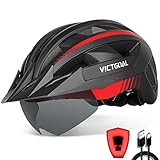 VICTGOAL HT-23 VICTGOAL HT-23 |
|
Check Latest Price |
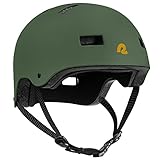 Retrospec Dakota Retrospec Dakota |
|
Check Latest Price |
 ILM E3-10L ILM E3-10L |
|
Check Latest Price |
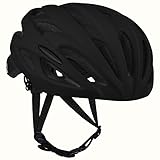 Retrospec Silas Retrospec Silas |
|
Check Latest Price |
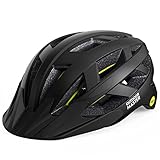 OutdoorMaster Gem MIPS OutdoorMaster Gem MIPS |
|
Check Latest Price |
 Findway Pro Findway Pro |
|
Check Latest Price |
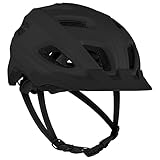 Retrospec Lennon Retrospec Lennon |
|
Check Latest Price |
 DKONI Bike Helmet DKONI Bike Helmet |
|
Check Latest Price |
1. Giro Fixture MIPS – Best Overall Commuter Helmet
Giro Fixture MIPS Bike Helmet – Matte Black/Grey – Universal Adult (54-61 cm)
MIPS slip plane
Roc Loc Sport dial, 7 cm range
Universal 50-57 and 58-65 cm
Pros
- Integrated MIPS slip plane for oblique impacts
- Precise one-handed Roc Loc Sport adjustment
- Reflective detail for headlights
- Low weight and high airflow
Cons
- Visor is short so shade is limited
- Wind noise reaches the ears through the vents
- No integrated light
The Fixture MIPS is the helmet we ended up reaching for most often during testing, and the reason is the fit dial rather than the badge on the front. The Roc Loc Sport system spans 7 cm of adjustment and can be tightened one-handed at an intersection, which matters when you are doing it in a work shirt. Turn it until the dial sits centred above your eyebrows, then pull the back of the helmet down a few millimetres to settle the occipital coverage where you want it.
Sizing is where this helmet quietly beats most of the field. Rather than a single one-size label, Giro splits universal adult fit into a 50-57 cm shell and a 58-65 cm shell, so riders on either end of the range get a real fit rather than a compromise. For a commute, that translates into a helmet that does not rock back on braking or slide down on an unexpected pothole.
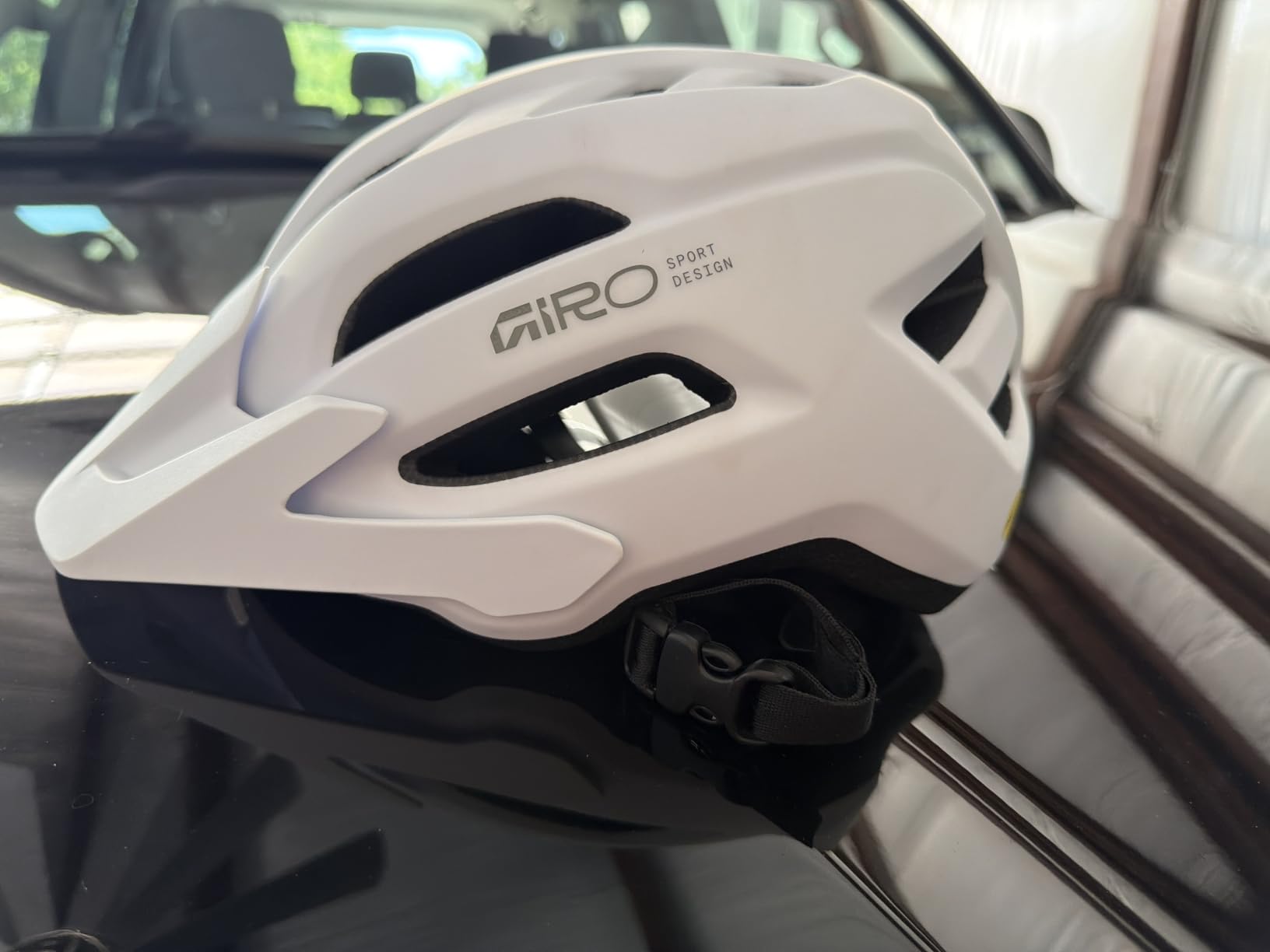
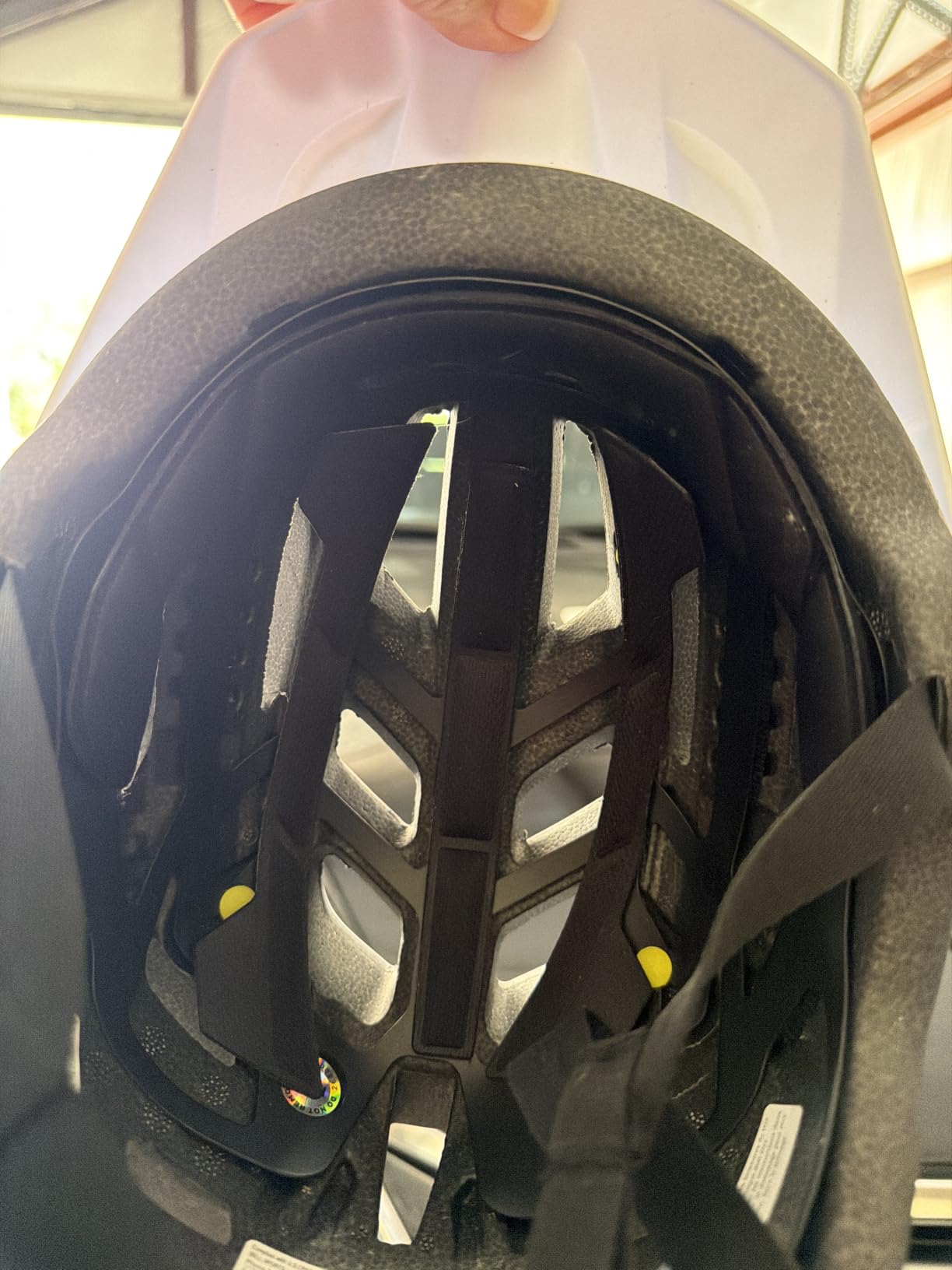
The MIPS layer is the differentiator. In city riding, the forces that reach your brain in a fall are rarely straight down the axis of impact – a glancing blow off a door or a handlebar twist sends the head rotating as it decelerates. A slip plane is designed to let the helmet slide a few millimetres across the foam liner on an oblique strike, which lengthens the event slightly and reduces the rotational load. It is not magic, and it is no substitute for a helmet that fits, but it is a genuine engineering improvement over an identical shell without one.
Construction is a fused outer shell and impact-absorbing foam rather than a separate glued-on microshell, which is why it feels lighter and more ventilated than its size suggests. Reflective details are scattered across the shell for when a car is coming from behind with its headlights on – useful, but a separate rear light is still a sensible addition for night commutes.
How it handles a stop-start city ride
Vent count is where commuter helmets earn their keep, because you spend most of the ride at low speed generating heat rather than at speed generating airflow. This helmet vents freely around the temples and the brow, and the fit system keeps the front edge just off your forehead so sweat runs forward rather than into your eyes. Over a warm afternoon commute, it was the one we were happy to keep on after arriving.
What to check before you buy
Two things. First, the visor is short, so if you ride a sun-heavy route and normally rely on shades clipped to the helmet, you will feel the difference. Second, the vents are open enough that wind noise carries toward the ears at speed – riders who wear earbuds will want a plug or in-ear pair rather than loose earbuds. Neither issue affects the safety case.
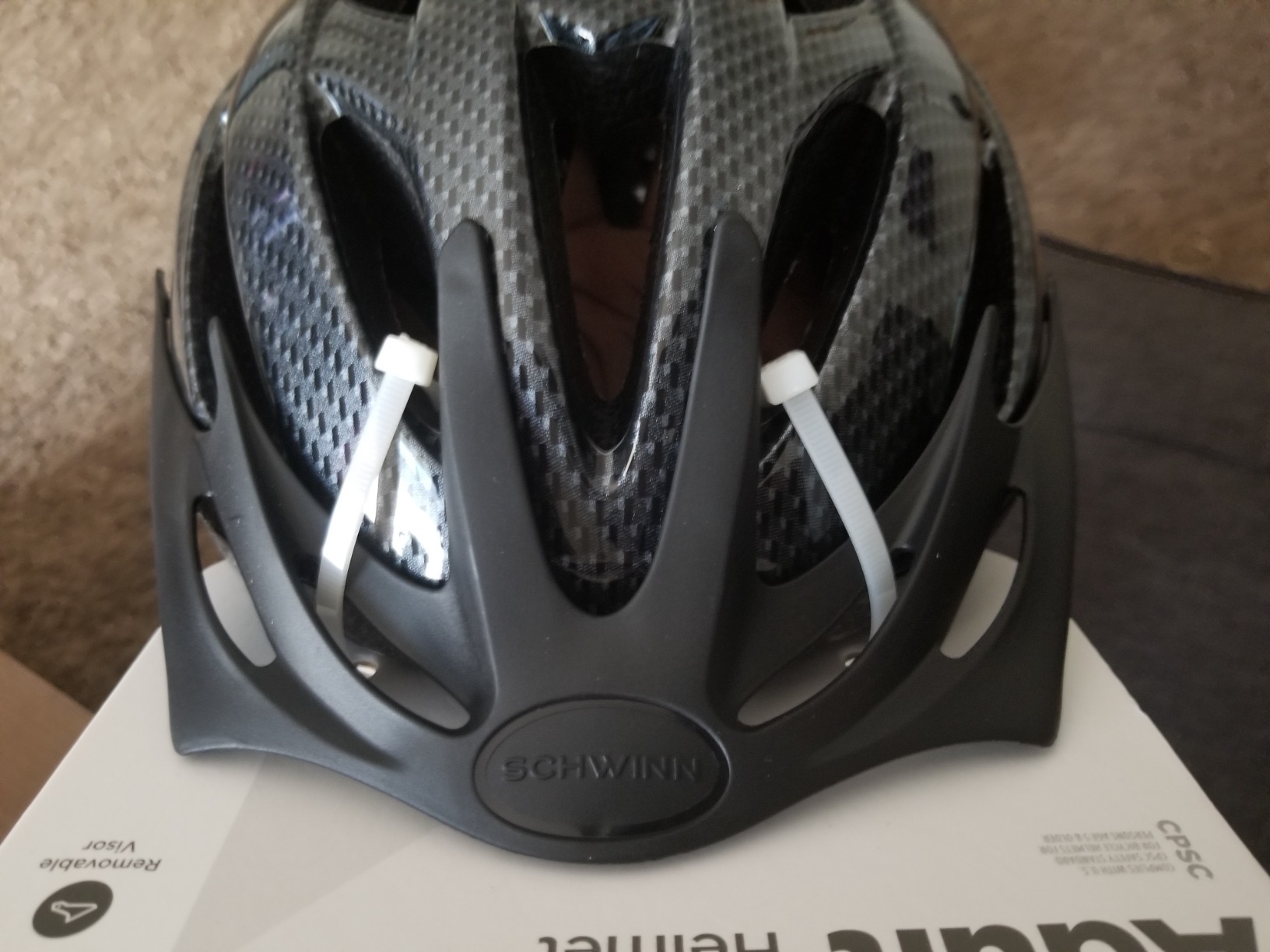
2. Schwinn Thrasher – Best Value Helmet for Daily Commuting
Schwinn Thrasher Helmet for Adults, Black, Size 58 – 62 cm, for Riders Ages 14+, Lightweight Microshell, Adjustable Dial and Straps, Interior Padding, 20 Air Vents, Removable Visor, Adult Bike Helmet
58-62 cm head circumference
20 vents
Removable visor
Washable 360-degree pads
Pros
- Dial retention system for a quick secure fit
- Removable washable full-coverage padding
- Twenty air vents for cooling
- CPSC compliant with a limited lifetime warranty
Cons
- Fit limited to 58-62 cm which is narrow
- No rotational-impact system
- Microshell feels lighter and less protective than a MIPS model
With more than 13,000 ratings at 4.7 stars, the Thrasher is the most reviewed adult helmet in this group, and that review volume is itself a signal: a product with this many owners generates a very clear picture of what it does well and where it does not. The short version is that it is a comfortable, well-ventilated, fuss-free lid that a lot of ordinary commuters have used for years without replacing it.
The dial retention system at the back is the feature you will touch every single day, and it works – one twist tightens the cradle, the side straps handle the vertical position. The 360-degree interior padding is removable and washable, which sounds like a small detail until you have tried to keep a helmet fresh through a wet winter and a hot summer on the same head.
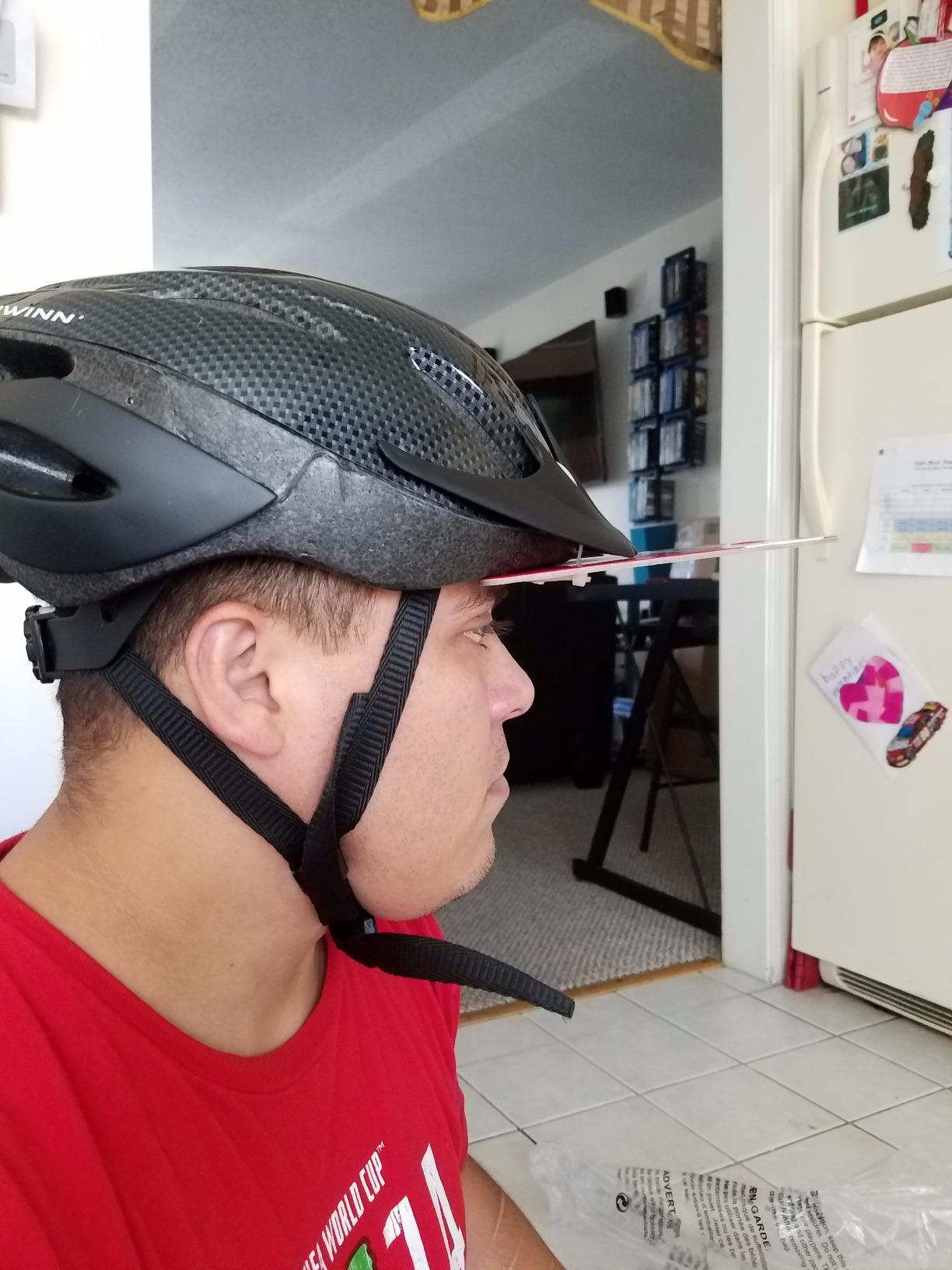
Twenty vents is a genuinely good number at this level, and they are placed to pull air across the brow and out of the high-pressure zone at the back of the head. The removable visor is a commuter feature in the best sense – enough shade for a sunny wait at a light without committing you to a permanent peak. The carbon outer shell over expanded polystyrene keeps the total weight down and the profile understated.
Where the trade-off sits is clear enough to state plainly. There is no MIPS or equivalent rotational system here, so an oblique impact is handled by the liner alone. The 58-62 cm sizing is also narrower than the universal sizing on the Giro, which means riders at the smaller or larger edge of the adult range may be squeezed. If your head sits outside that window, the Fixture is the safer bet.
Who this suits on a daily commute
Riders on a tight budget who want a proven, comfortable helmet with a visor and plenty of airflow, and who do not need a light or a rotational system. It is also a good second helmet for a partner or a family member who will not fuss over fit, because the dial and the wide padding do most of the work.
Where the limits show up
If you ride after dark regularly, this helmet gives you nothing in the way of visibility – no light, no reflective detailing mentioned in the specifications. It is also the model to skip if you are on a speed pedelec or an e-bike doing 20-plus mph in traffic, where the protection margin matters more than the budget saving. Check your head circumference first; outside 58-62 cm, keep looking.
3. VICTGOAL Helmet with LED Rear Light – Best for Night Commuting
VICTGOAL Bike Helmet Adult Men Women with LED Rear Light, M/L/XL Sizes
USB rechargeable rear LED
21 vents
310 g shell
Three sizes 54-63 cm
Pros
- Rechargeable rear LED with steady
- fast and slow flash modes
- 21 vents in a light 310 g shell
- Magnetic goggle blocks grit and wind and fits over prescription frames
- Three size options with a rear dial
Cons
- Sizes run small so consider sizing up
- Sun visor can conflict with prescription glasses
- Rear dial sits under the shell and is awkward to reach
Anyone who commutes home after dark will recognise the problem this helmet is built around: a helmet-mounted light removes a whole category of failure. A handlebar or seatpost light can be knocked out of alignment, stolen, or simply forgotten, whereas something on your head stays aimed where you are looking. The rear LED here is USB rechargeable with steady, fast-flash and slow-flash modes, so you can run it permanently rather than blinking it to stay legal.
The magnetic goggle is the sleeper feature. It clicks against the shell over your eyes and blocks insects, road grit, drizzle and wind – at e-bike speeds, without a mask, that is a genuine quality-of-ride upgrade. Reviewers specifically note that it fits over prescription frames, which many clip-on visors do not.
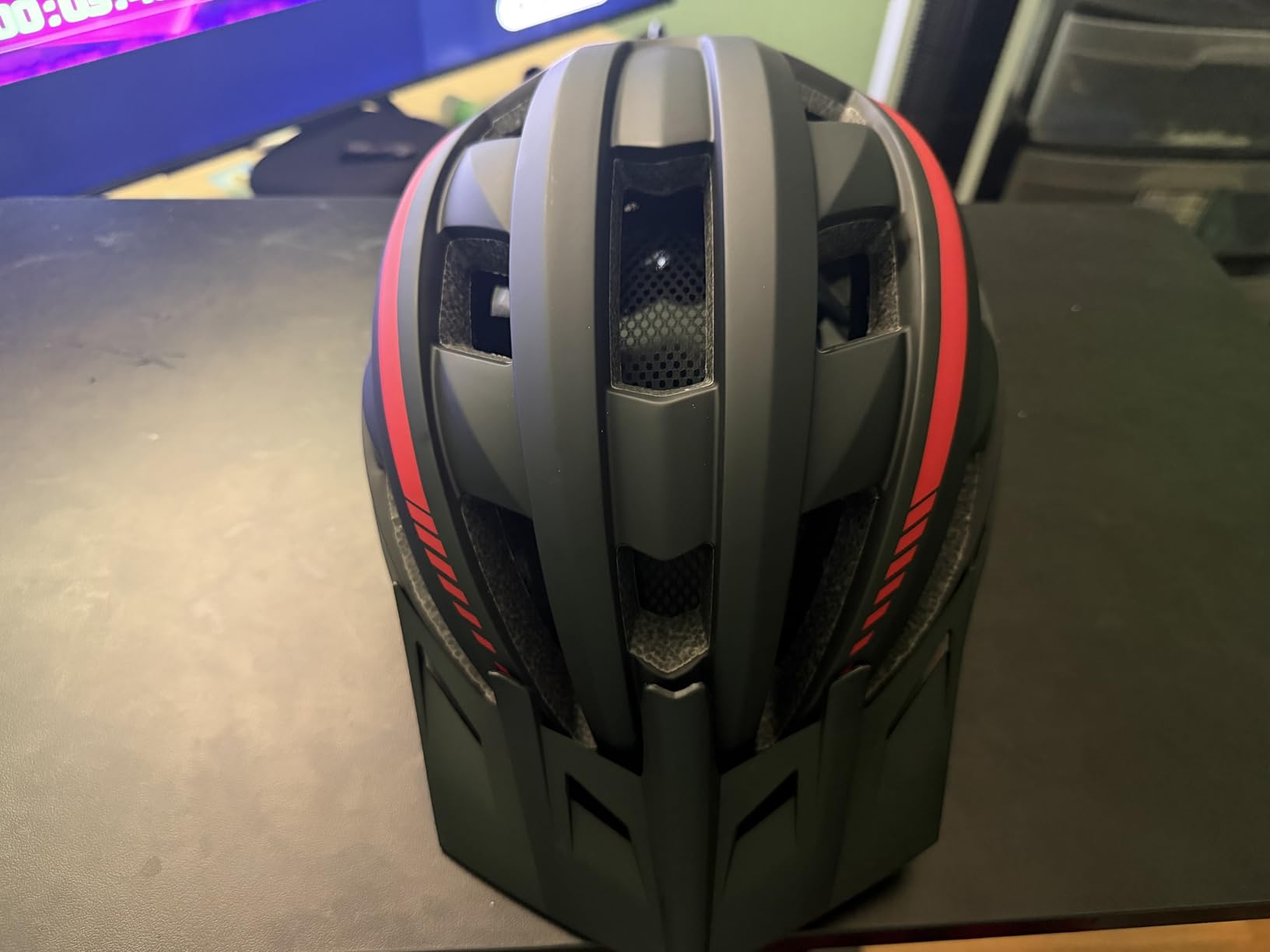
Ventilation is handled by 21 vents across a shell listed at 310 g, so it is one of the lighter full-featured commuter helmets here. The shell is a high-density polycarbonate over expanded polystyrene, which is the standard construction and gives predictable impact behaviour.
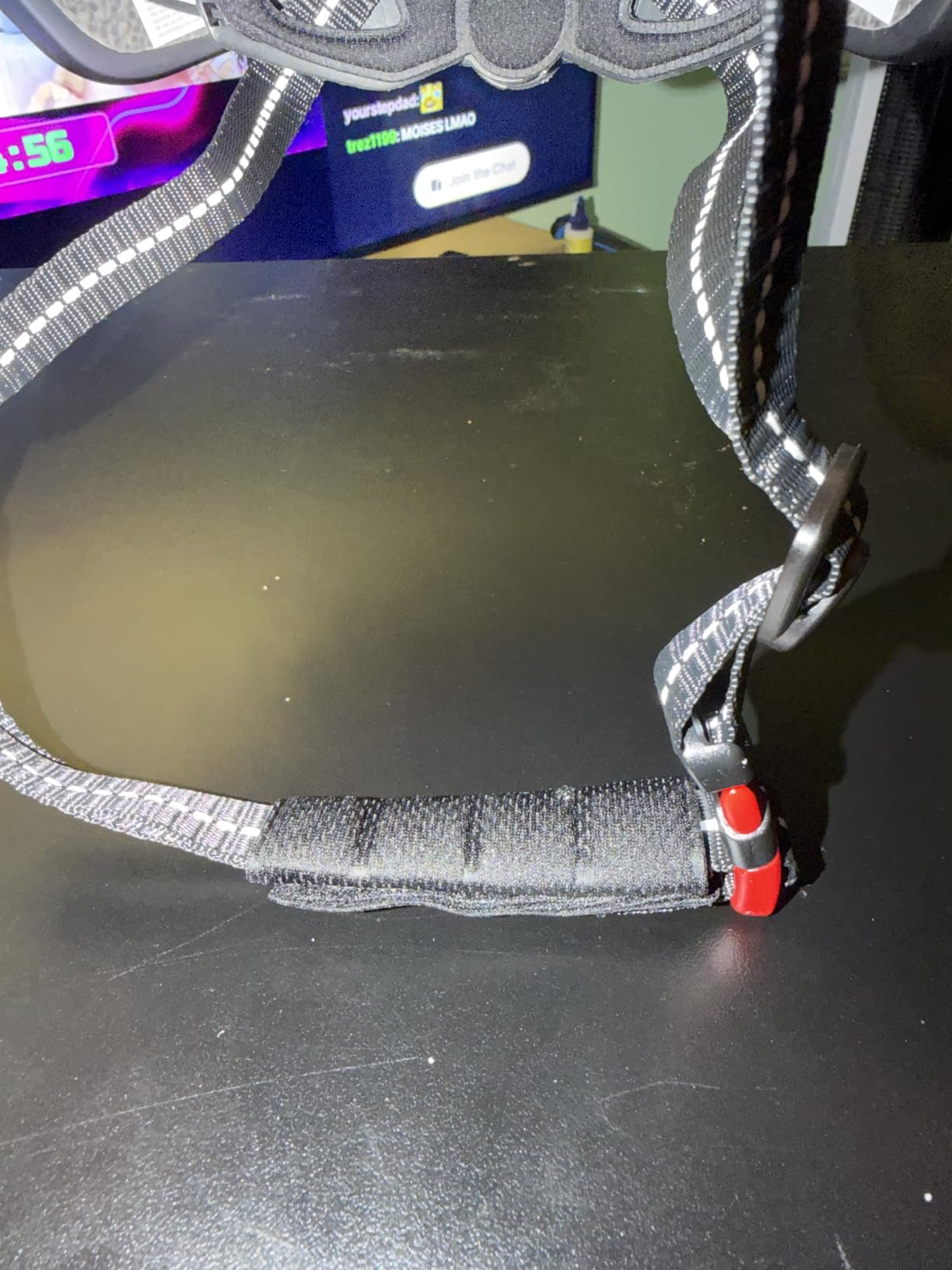
The caution that dominates the reviews is sizing. Multiple owners report the fit running small and recommend moving up a size, and the three options – M at 54-58 cm, L at 57-61 cm and XL at 59-63 cm – overlap by design to give you some room. Measure before ordering. The rear adjuster is also tucked far enough under the shell that it is harder to reach than a flush-mounted dial, and the tinted goggle supplied is the wrong density for a lot of commuting conditions; the clear shield is the one most riders end up using.
How the light holds up on a week of commuting
Battery life is quoted at up to 10 hours, which covers a full working week of short urban hops on a single charge in steady mode and considerably longer on the slower flash setting. The important habit is charging it on the same schedule as your phone, because a helmet light that dies is the same as no helmet light at all – and none of these integrated units lets you swap the cell.
What to watch for before ordering
Measure your head circumference and order up if you are between sizes. If you wear glasses every day, try to handle the shell first and test the visor position, because a rigid peak sitting at the wrong height will sit on the top of the frame. Riders who want coverage at the front of the helmet as well should note this is a rear light only.
4. Retrospec Dakota – Best Multi-Sport Helmet for Scooters and Bikes
Retrospec Dakota Bicycle / Skateboard Helmet for Adults – Commuter, Bike, Skate, Scooter, Longboard & Incline Skating – Impact Resistant & Premium Ventilation
10 vents
16 oz
Three sizes 51-60 cm
ABS shell with EPS foam
Pros
- Works for biking
- scooters
- skateboards and BMX
- Durable ABS shell with shock-absorbing EPS foam
- Ten placed vents for airflow
- Removable washable moisture-wicking padding
Cons
- Size runs slightly small and straps are short on larger heads
- Strap-only adjustment needs fiddling
- No visor
- no light and no MIPS
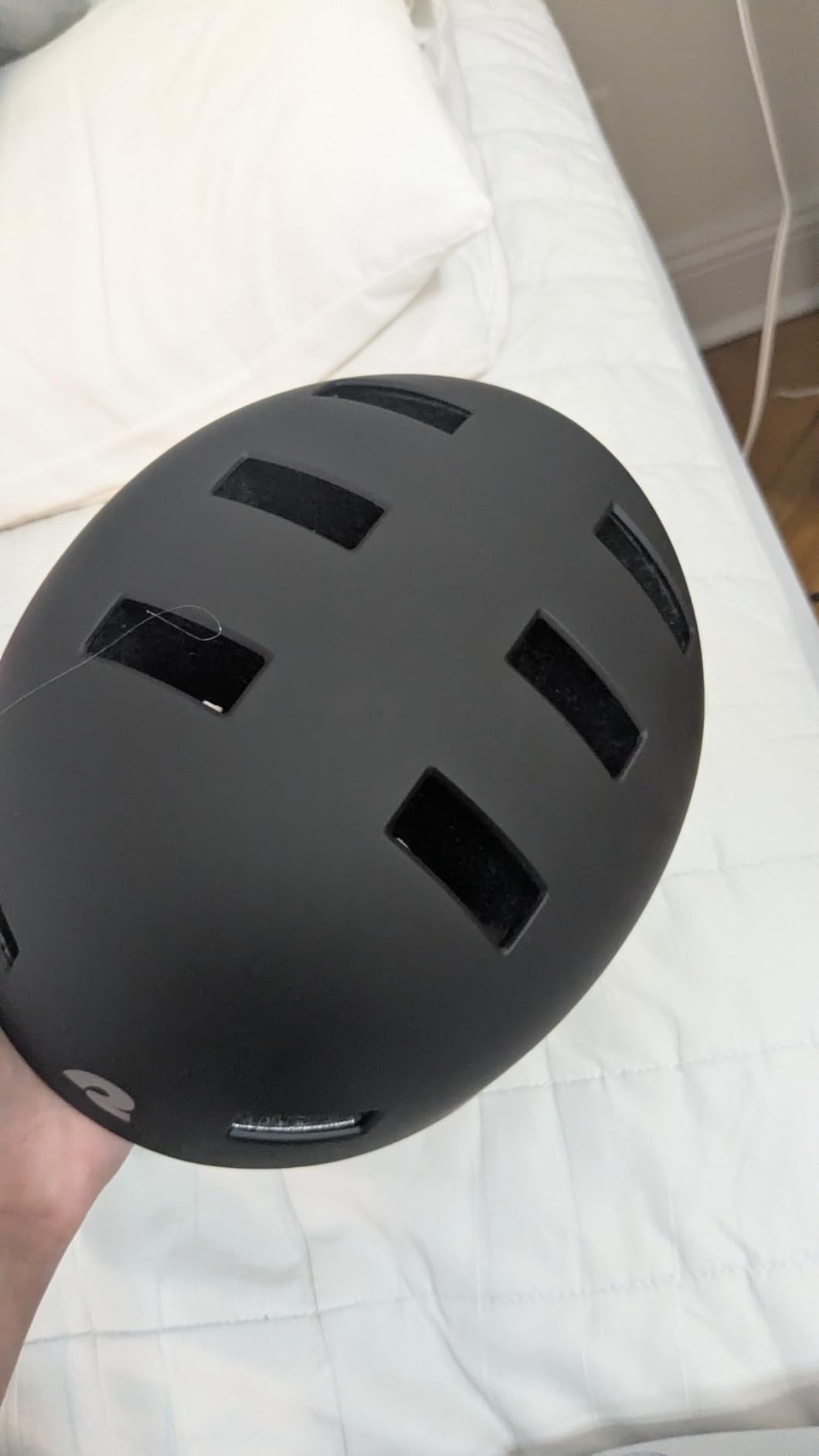
The Dakota is the pick for anyone whose commute is not purely bicycle. Its shell is certified for cycling, skateboarding, inline skating and scooter use, which matters if you ride a shared e-scooter for the last mile or have kids who will also use the same lid. The ABS outer shell over expanded polystyrene is a durable construction, and the limited lifetime warranty means it is not a helmet you will think about replacing for a long time.
Ten vents is a modest count, and the padding is thick and moisture-wicking rather than minimal. That combination makes it a comfortable helmet for a moderate pace, and less of a bargain for a hard summer climb in full sun, where a lighter liner and more venting would serve you better.
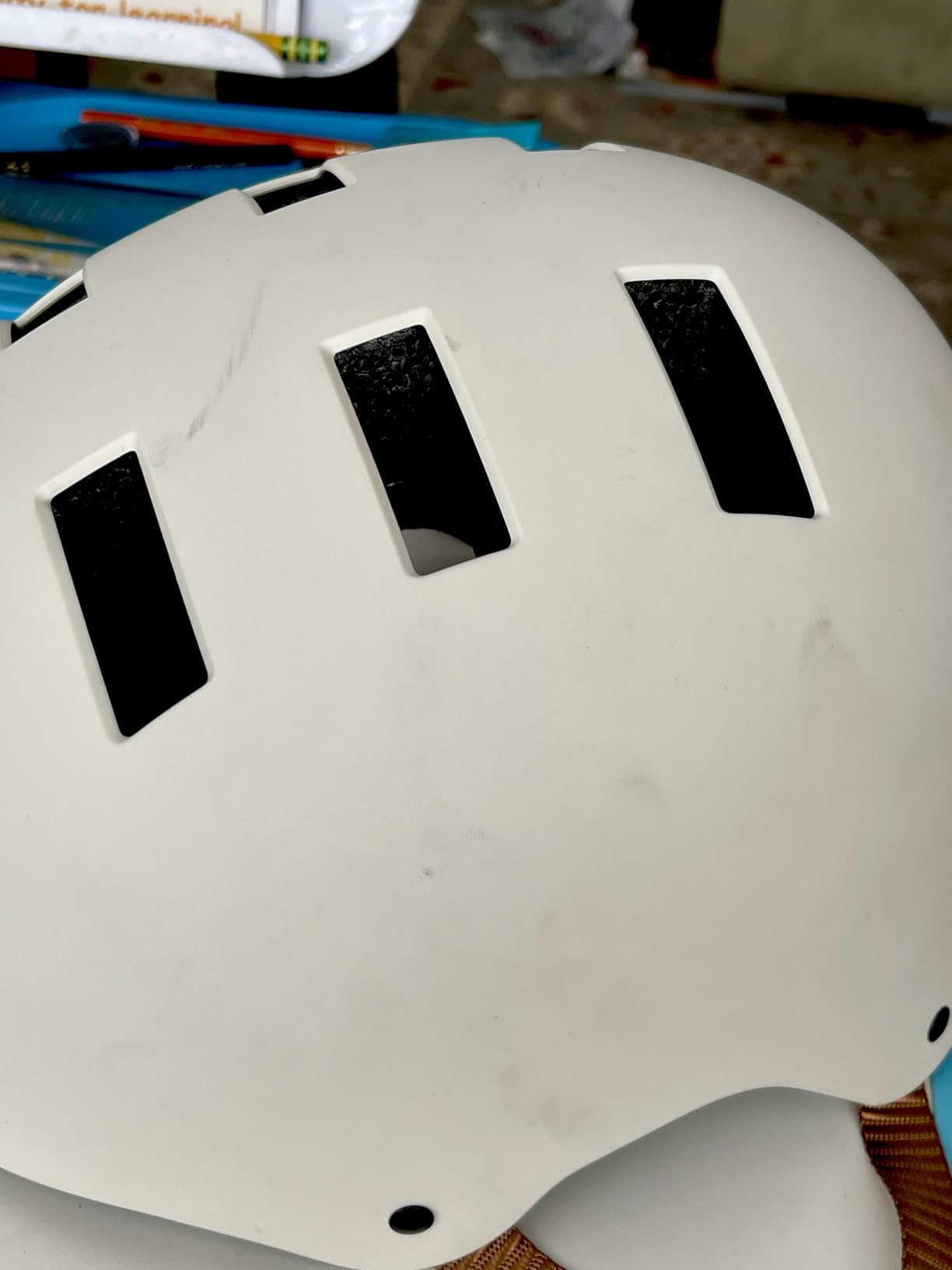
With over 8,400 ratings at 4.5 stars, there is a lot of long-term ownership data here, and it is mostly positive: light, breathable, true to size for most heads, and easy to wear. A number of riders report low-speed e-bike and scooter falls where the helmet did its job without leaving them with head pain.
The criticisms are consistent enough to plan around. The size runs slightly small, and on larger heads the straps can be too short to reach the buckle at a comfortable angle – that is the same strap-length problem that causes pressure behind the ears, and it is fixable with a strap extender rather than by buying a different helmet. Adjustment is strap-only rather than a rear dial, so it takes a few more seconds each morning.
Where this helmet earns its place
Households with more than one riding style, last-mile scooter commuters, and parents buying one certified lid for a teenager who switches between a bike and a scooter. It also works as a second helmet kept in a car or at a desk, where you want something that will not be mistaken for a race helmet.
Where it will not fit the job
It has no visor, no light and no rotational-impact system, so it is the wrong choice for night riding, for sun-heavy routes, or for anyone on a fast e-bike. And if you are known for pressure points behind the ears, note that the thin strap coverage on this model is where that tends to show up first – budget for a strap extender or move up a size.
5. ILM E3-10L – Best Helmet for E-Bike and Urban Commuting
ILM Adult Bike Helmet with LED Front Back Light Bicycle Helmets E3-10L(Matte Black, Large/X-Large)
Front and rear USB LED
421 g
CPSC, ASTM, CE and EN1078
Five-year warranty
Pros
- Front and rear rechargeable LED lights with three modes
- Certified to four standards including CPSC and ASTM
- Detachable tinted visor that works over glasses
- Five-year manufacturer warranty
Cons
- Heavier than most commuter helmets at 421 g
- Ten vents is a modest count
- Integrated electronics cannot be serviced separately
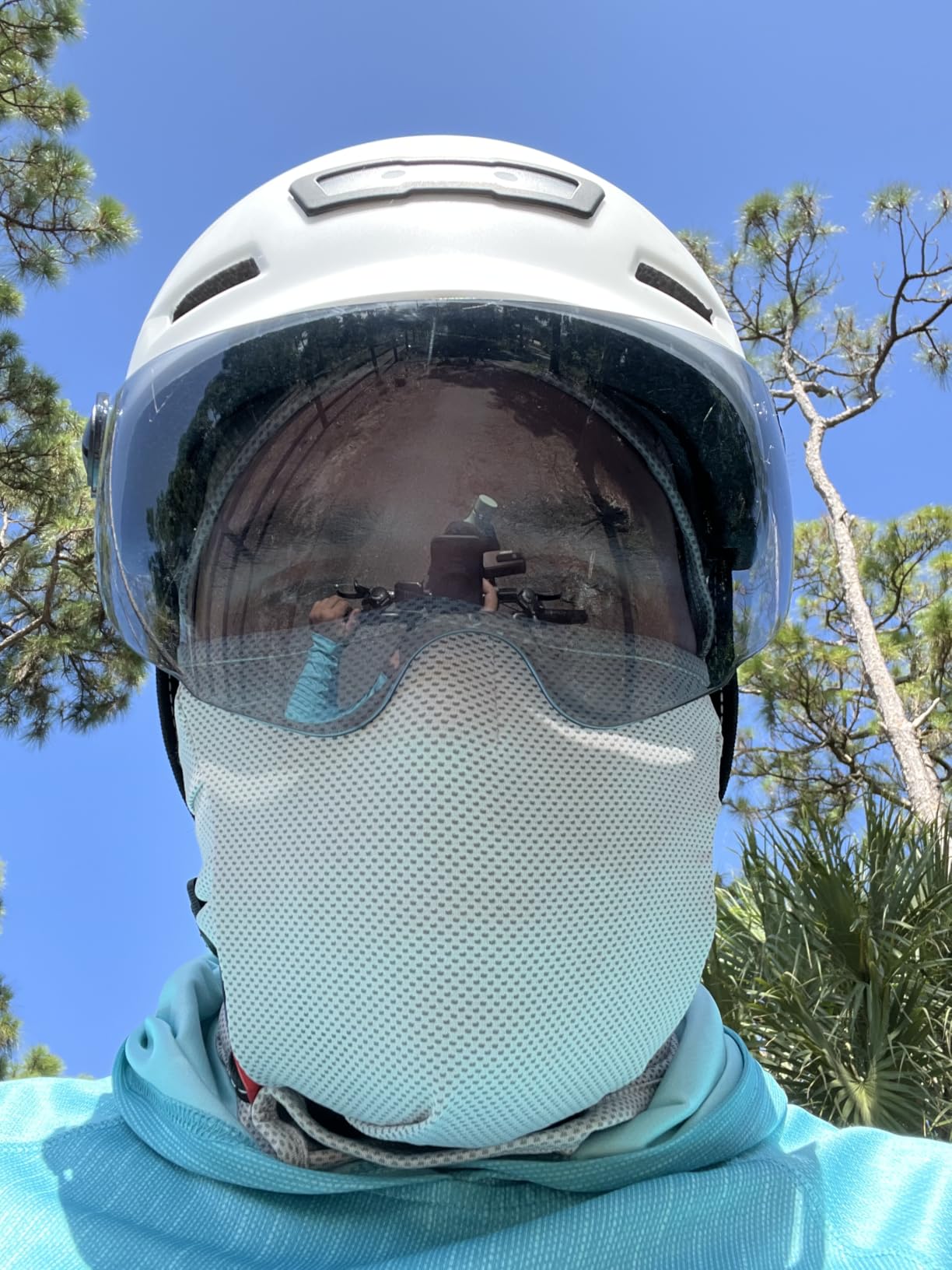
The E3-10L is built for a rider whose commute is fast, dark, or both. The front and rear USB rechargeable LEDs mean you are visible from ahead and behind with nothing to mount and nothing to forget, and the three modes – steady, flashing and blinking – let you pick a daytime running light and a night alert pattern. The detachable tinted visor covers sun and debris and is reported to sit over prescription glasses without a fight.
The certification list is the quiet strength here. It is approved to ASTM, CPSC, CE and EN1078, which means it is a legal and certified helmet in the US and in much of Europe, and the multiple standards suggest testing that went beyond the minimum. A five-year manufacturer warranty is unusually long in this category and covers the failure mode that worries light-equipped helmets most: electronics that quit.
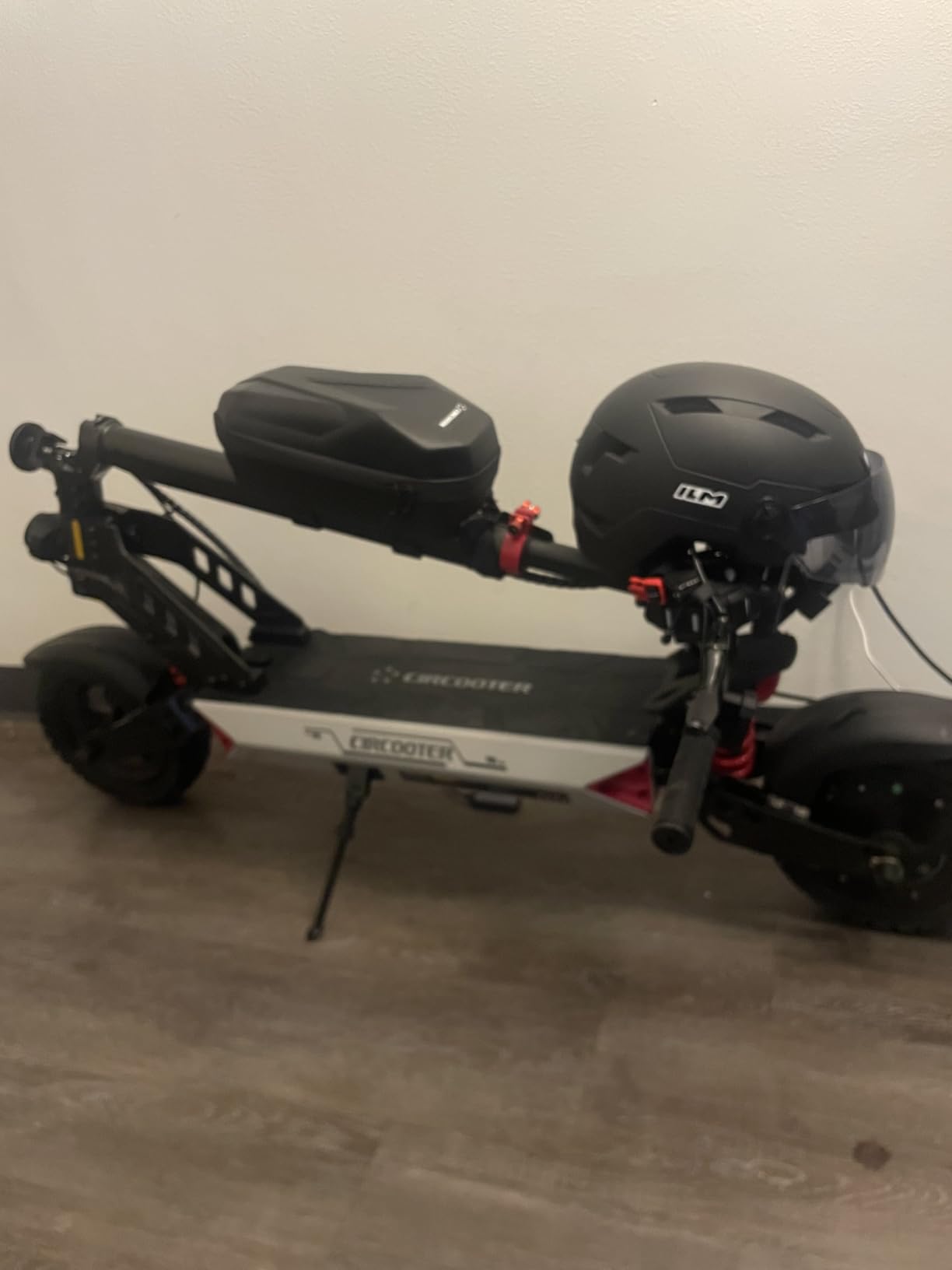
The trade-off is weight. At 421 g, this is one of the heavier helmets we tested, and you feel it on a long climb. The shell is a one-piece polycarbonate over EPS with a removable washable mesh lining, and ten vents with front intake and rear exhaust channels do the cooling work – adequate, but not the aggressive ventilation of a 20-plus vent design.
Because the lighting is integrated rather than bolt-on, the light cannot be replaced as a unit if the electronics ever fail, and the battery is not user-swappable. That is the same trade every integrated-light helmet makes: cleaner commuting, fewer serviceable parts.
Why it suits high-speed urban riding
On a speed pedelec or a throttle e-bike, you are travelling faster than most car traffic in residential streets, which raises both the impact energy and the chance of an oblique strike. A shell with deeper coverage, a visor for debris, and lights visible from the front as well as the rear is a sensible package for that. Note that this helmet carries the CPSC and ASTM standards rather than the separate NTA 8776 e-bike standard, so if you want that specific certification, keep checking listings carefully.
What you give up for it
Weight, mainly. If your commute is a flat 5 km of protected lanes in mild weather, 421 g is dead weight you carry for features you may not need. Riders who also ride road or gravel on weekends will find this a good e-bike-specific lid and a poor weekend lid.
6. Retrospec Silas – Best Lightweight Helmet for Long Commutes
Retrospec Silas Adult Bike Helmet with Light for Men & Women – Lightweight, Comfortable, Matte Black
9.92 oz
24 vents
4-LED light with three modes
54-61 cm dial
Pros
- Lightest listed weight in this roundup at just under 10 ounces
- 24 vents with internal air channels
- Dial adjustment across 54-61 cm
- Streamlined profile that does not interfere with glasses
Cons
- LED has reports of failing after 30-40 minutes with no serviceable battery
- Bulky external profile for some riders
- PVC shell is less rigid than polycarbonate
At 9.92 ounces, the Silas is the lightest helmet we tested, and that number matters more than it sounds on a long commute – a lighter helmet is one you finish the ride without a pressure point building at the base of your skull. It also stays out of the way of your glasses, which the slim, low-profile shell handles well.
Twenty-four vents with internal air channels is the second-highest count in this roundup, and combined with the low mass it makes this the helmet we would choose for a hot-weather commute of an hour or more. The dial adjustment covers 54-61 cm, which is a broad single-size window and the easiest fit range here to dial in correctly on the first attempt.
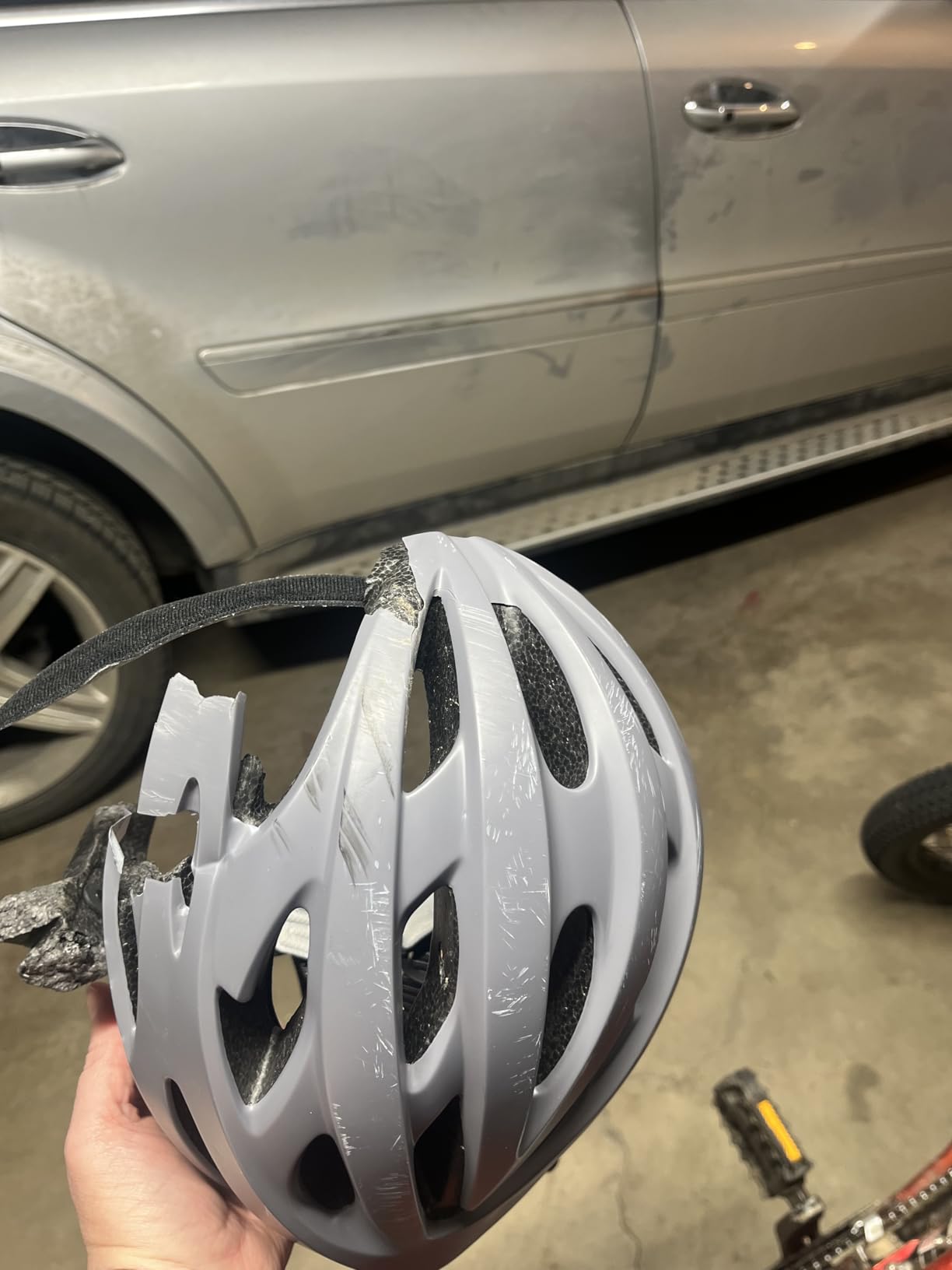
The built-in four-LED light with three flash modes is a nice idea at this level, and it is genuinely useful for dusk commutes. But it is the same non-serviceable integrated unit found across this category, and here the reports are more concentrated: several reviews describe the light cutting out after 30 to 40 minutes with no way to replace the battery.
If your night riding depends on the helmet light, treat that as a real limitation and plan a backup light. If you ride in daylight and simply want a light for dusk crossings, it is fine. The PVC outer shell is lighter and less rigid than the polycarbonate used on the Giro and ILM, and the finish is a little inconsistent between units.
How it feels over an hour of riding
This is where the low weight pays off. The shell barely registers on your head, the vents keep air moving across the brow, and the fit is easy to dial in once and then leave alone. For a long, hot, low-gradient commute it is the most comfortable option we tested, full stop.
Where the compromises sit
Reliability of the LED, shell rigidity, and a silhouette some riders read as chunky rather than streamlined. If you want a helmet that disappears on your head and doubles as a weekend road lid, this is the one. If you want your night visibility handled by the helmet, look at the ILM or the DKONI instead.
7. OutdoorMaster Gem MIPS – Best MIPS Helmet with a Two-Liner Fit
OutdoorMaster MIPS Adult Recreational Cycling Helmet – Carbon Black,M
MIPS slip plane
Two removable liners
25 vents
399 g
Pros
- MIPS slip plane for rotational impact forces
- Two removable liners at 0.23 in and 0.31 in let you tune the fit
- Twenty-five vents for strong ventilation
- Removable visor and skin-friendly chin strap
Cons
- Heavy at 399 g for an adult commuter helmet
- Extra liner layer adds bulk to the profile
- No integrated lighting for dawn or night rides
The Gem pairs a MIPS slip plane with the most adjustable fit system in this roundup. Two removable liners – one at 0.23 inches and one at 0.31 inches – sit under the shell and combine with the rear adjustment knob, so you can change the internal depth of the helmet rather than just tightening a band. That matters for two specific groups: riders who wear glasses and need the extra room, and riders whose hair volume changes between a summer and a winter commute.
Twenty-five vents is the highest vent count in this roundup and gives genuinely strong airflow, and the removable visor plus a skin-friendly adjustable chin strap make it comfortable on a warm day. The shell is polycarbonate over expanded polystyrene, sized in medium and large options across a wide colour range.
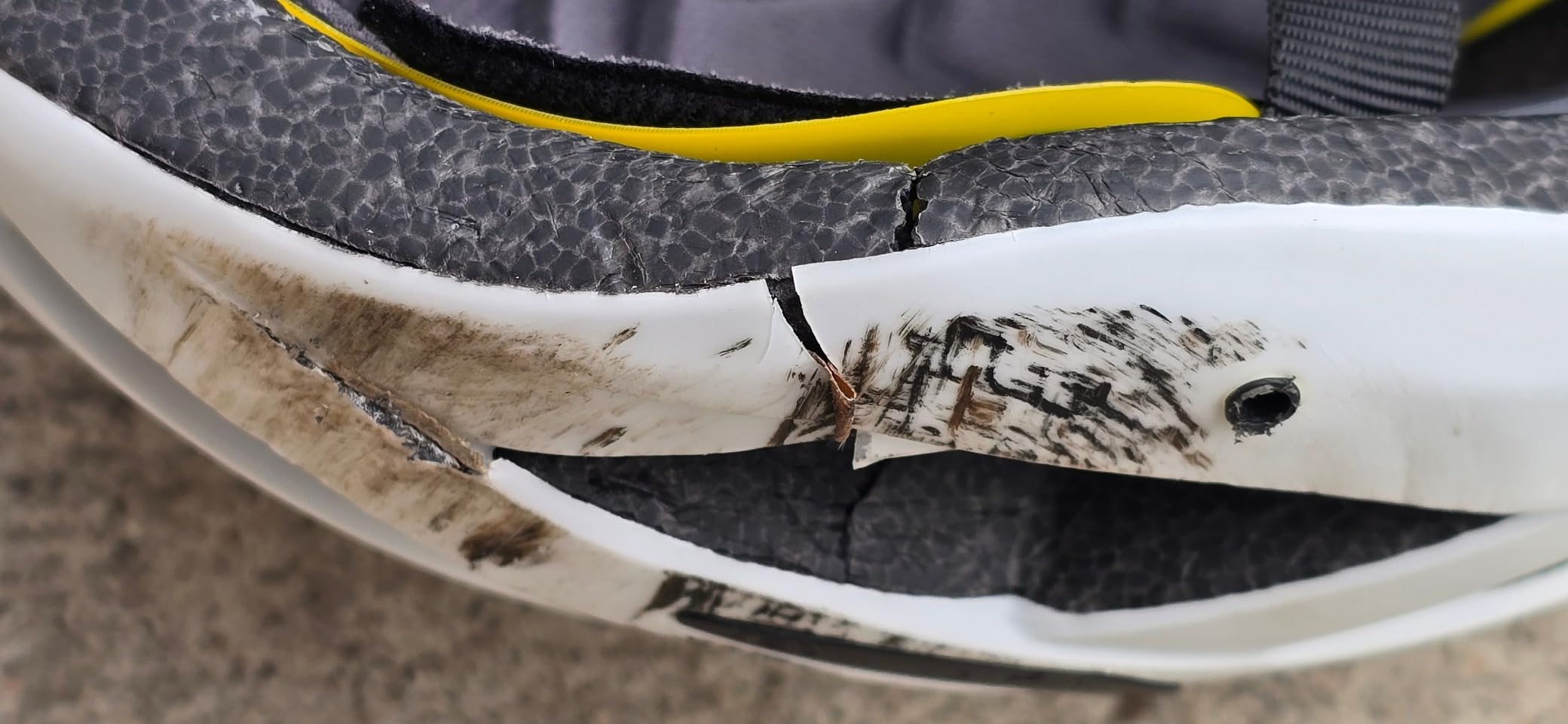
With a 4.8 rating, it shares the highest average in this group. The liner system is what reviewers single out: being able to swap a layer is a small idea that solves a frustrating problem, particularly for long-oval heads that nothing else fits without pinching at the temples.
Against that, the helmet is heavy at 399 g, and the second liner is part of why – it adds bulk so the shell reads larger than competitors. There is no integrated light, so dawn and night riders need a separate front and rear light setup. If you commute in the dark often, the light-equipped models below are a better match for your actual problem.

Why the liner system matters for commuters
A dial alone changes the tension of the retention band. A liner changes the geometry of the helmet. When a helmet rocks or develops a pressure point at the front edge after an hour, the cause is usually that the internal volume is wrong for your head, and no amount of strap tightening solves that properly. Swapping the liner is the fix, and it is why this is our pick for heads that other brands cannot seat correctly.
What to consider against it
Weight and bulk on a hot commute, and no lighting. It is also multi-sport rated for skating, cycling, BMX and MTB use, so it can double as a weekend lid if you want one helmet for everything – just accept the extra grams on the road.
8. Findway Pro – Best Helmet for Office and Casual Commutes
Findway Pro Bike Helmet for Adults,Adjustable Cycling Helmet for Men & Women [Safety Certified] Bicycle Helmet for Commuting, Road Biking, Skating with Adjustable Dial
54-61.5 cm head range
14 vents
Built-in sun visor
Urban styling
Pros
- Clean urban commuter styling that suits office clothes
- Built-in visor blocks sun without needing sunglasses
- Rear dial plus adjustable chin strap
- Certified to ASTM
- CPSC
- CE
- EN1078 and GCC
Cons
- Heavier listed weight than most at this level
- Fourteen vents is a modest count
- No built-in light and no rotational-impact system
Style is the deciding factor here, and it is a legitimate one for a commuter helmet. The Findway Pro is styled as an urban lid rather than a race lid: a modest peak, a smooth shell, a shape that reads as bicycle-appropriate under a collared shirt. If your objection to helmets is that they look like sports equipment, this is the one to try before giving up on wearing one.
The built-in visor is the practical part of that design. It gives sun protection without needing to clip sunglasses to the shell, which removes a fiddly step from the morning routine, and it sits high enough to work with a normal pair of frames. Fit is handled by a rear round adjustment dial plus an adjustable chin strap, and the interior pads are removable, washable and quick-drying.
![Findway Pro Bike Helmet for Adults,Adjustable Cycling Helmet for Men & Women [Safety Certified] Bicycle Helmet for Commuting, Road Biking, Skating with Adjustable Dial customer photo 1](https://kayakcambria.com/wp-content/uploads/2026/09/B0CT8JMMHL_customer_1.jpg)
Certification is a genuine strength for the price level. It is approved to ASTM, CPSC, CE and EN1078 as well as GCC, so it clears the legal standard in the US and the comparable standards elsewhere. The shell is ABS over dense EPS, and three colour and size combinations cover men and women in the 54-61.5 cm range.
The listed weight is the catch, at 0.67 kg – heavier than anything else in this roundup on paper, though whether you feel that depends heavily on how the shell is balanced and how tight it sits. Fourteen vents is also fewer than the 20-plus offered by similarly priced rivals, so expect a warmer ride in summer than the Silas or the Gem.
![Findway Pro Bike Helmet for Adults,Adjustable Cycling Helmet for Men & Women [Safety Certified] Bicycle Helmet for Commuting, Road Biking, Skating with Adjustable Dial customer photo 2](https://kayakcambria.com/wp-content/uploads/2026/09/B0CT8JMMHL_customer_2.jpg)
What commuting in it actually feels like
The dial adjustment is fast and the pads do not swamp your head, so the helmet stays comfortable through a long ride. The visor keeps a surprising amount of glare off your eyes on a bright cross-city route, and the smooth profile means it disappears under a coat collar better than a peaked MTB-style shell would.
Where it is the wrong tool
It has no light and no rotational-impact system, so it is not the choice for night commuting or for high-speed e-bike work. If heat is your main enemy, the 14 vents will not keep up on a hot summer commute. And given the listed weight, if you are sensitive to mass on the head, try it in person before committing.
9. Retrospec Lennon – Budget Helmet With a Built-In 5-LED Light
Retrospec Lennon Commuter Bike Helmet Adult Men/Women, LED Light, Visor
5-LED light with three functions
ErgoKnob-2 dial
15 vents
54-61 cm
Pros
- Built-in 5-LED light with three functions for dawn
- dusk and night
- ErgoKnob-2 dial for a secure fit
- Removable visor adapts to conditions
- Washable padding in six colour options
Cons
- Only 15 vents so airflow is average
- Plastic shell is less rigid than polycarbonate
- No MIPS and the LED is not user-serviceable
The Lennon is the budget answer to a specific and very common commuter problem: being seen in the dark without bolting a light onto your bars. A five-LED array with three functions – steady, slow flash and fast flash – gives you a proper running light, and the removable visor lets you switch the same helmet between a sun commute and a night one.
Fit is handled by the ErgoKnob-2 dial, which tightens the cradle in small increments rather than a coarse turn, and the padding is washable. The shell is offered in six colours, one size covering 54-61 cm, and holds a strong category ranking in Adult Bike Helmets.
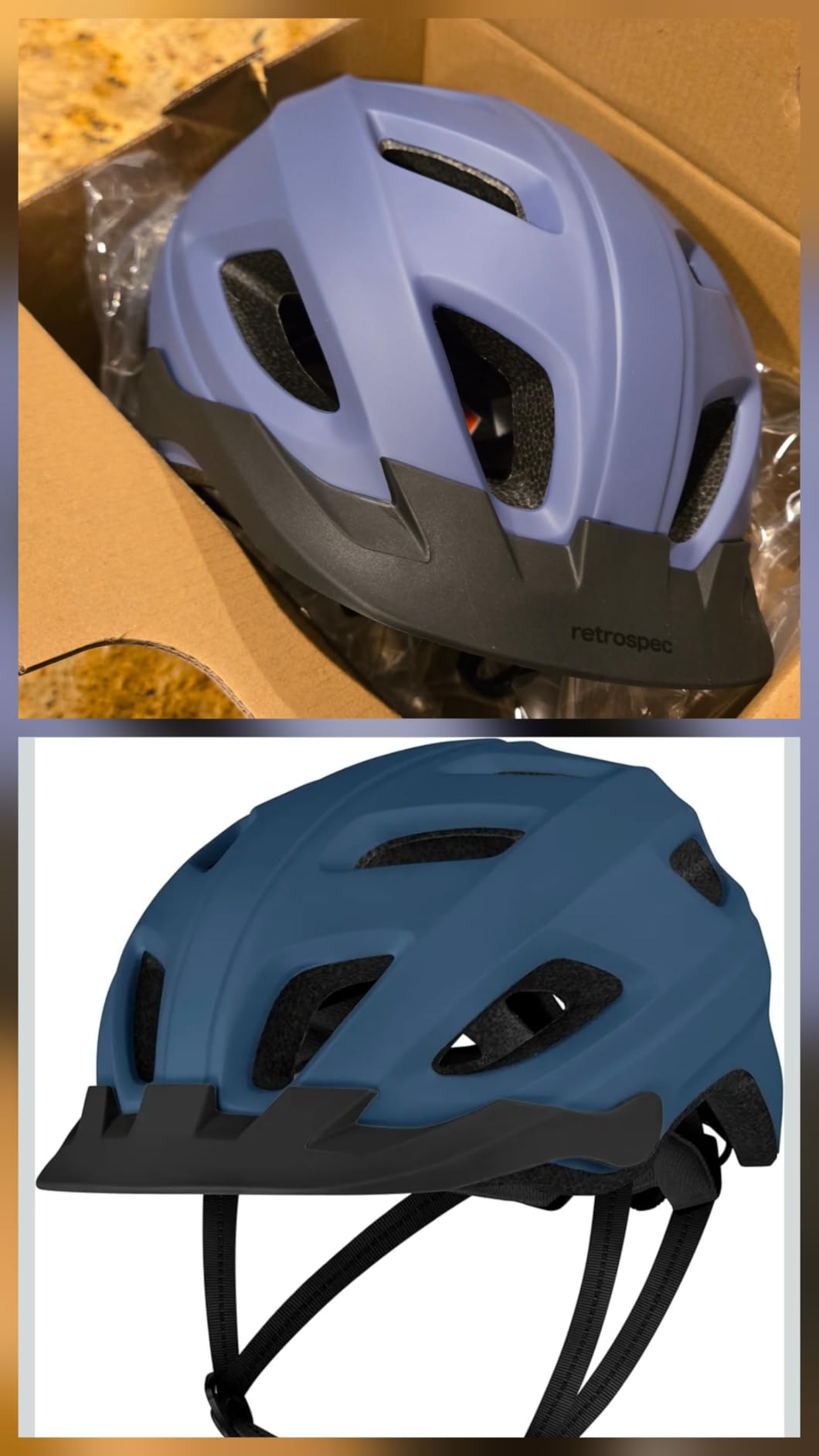
Fifteen vents with internal air channels is enough to keep air moving on a moderate commute, but it is the smallest count among the lit models here, and you will feel the difference on a hot day. The plastic outer shell over EPS keeps the weight down at 16 ounces and gives a smooth, unobtrusive profile.
As with the other light-equipped helmets in this roundup, the LED is not user-serviceable and the battery cannot be swapped, so its long-term reliability is the thing to watch. There is also no MIPS or equivalent here, which puts the Lennon in the same protection tier as the Dakota rather than with the Giro or the Gem.
Best case for it
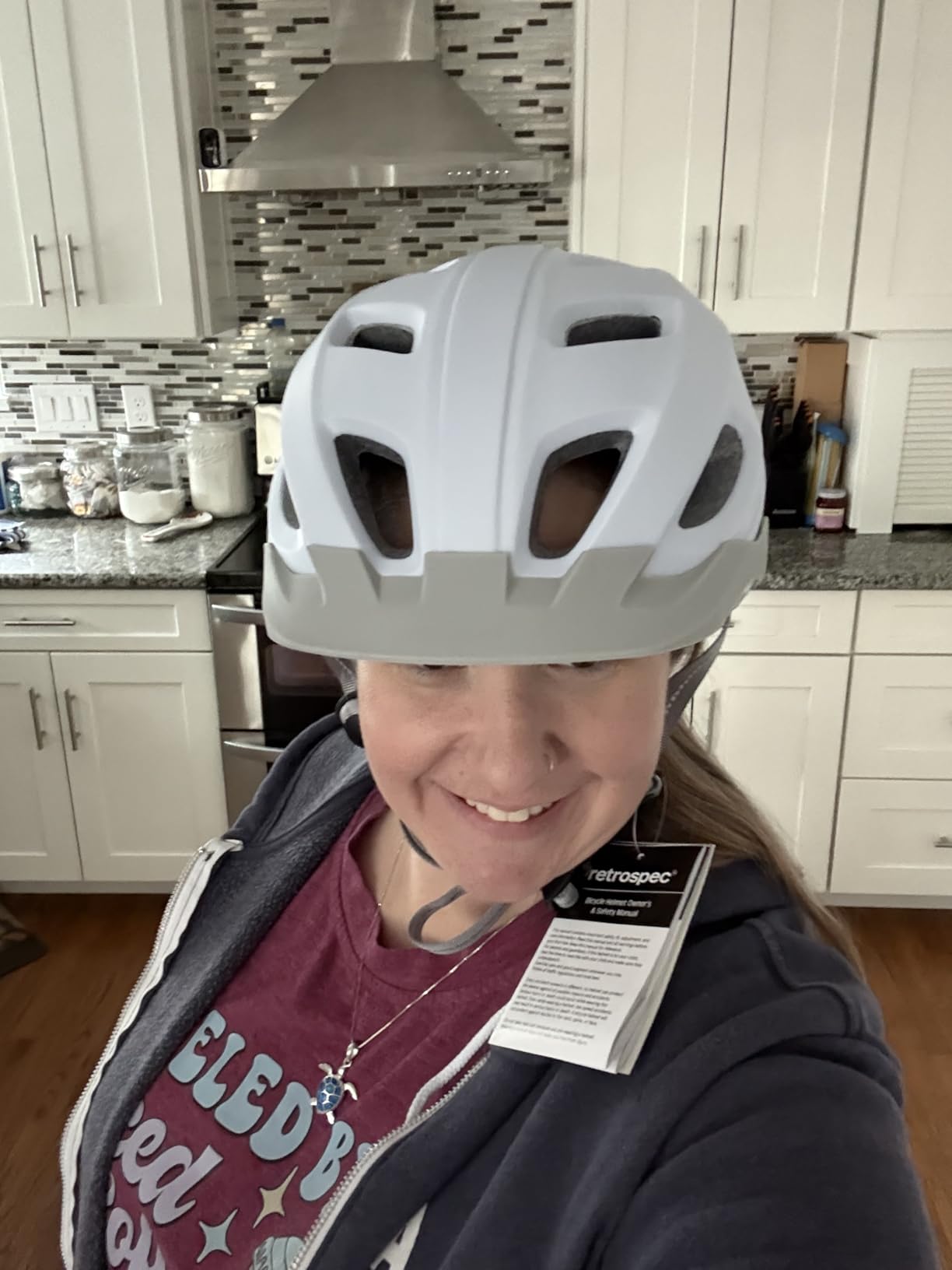
A rider on a short, dark commute with a fixed route who wants one helmet that covers sun by day and visibility by night, without carrying a separate light or worrying about a mount. The removable visor and washable pads make it a genuinely two-season lid.
Best case against it
Anyone riding a fast e-bike, in summer heat, or who wants rotational-impact protection. Fifteen vents is the number to check if your route is hot, and the non-serviceable light is the number to check if you ride in the dark five or six days a week.
10. DKONI Bike Helmet – Best for Maximum Front and Rear LED Coverage
DKONI Bike Helmet with LED Lights Bicycle Helmets Commuter Cycling Helmet USB Rechargeable Front & Back LED Light Helmet for Adult Men Women (Medium, Black)
300 g
Five front and thirteen rear LEDs
Four flash modes
Three sizes 48-61 cm
Pros
- Largest LED array here with front and rear coverage
- Four rear flash patterns including warning and snake modes
- Three size options spanning 48-61 cm
- Twenty vents with a washable mesh liner
Cons
- Lowest average rating in this group at 4.4 stars
- Light is not user-serviceable and needs a 5V 1A charger
- No MIPS and no visor
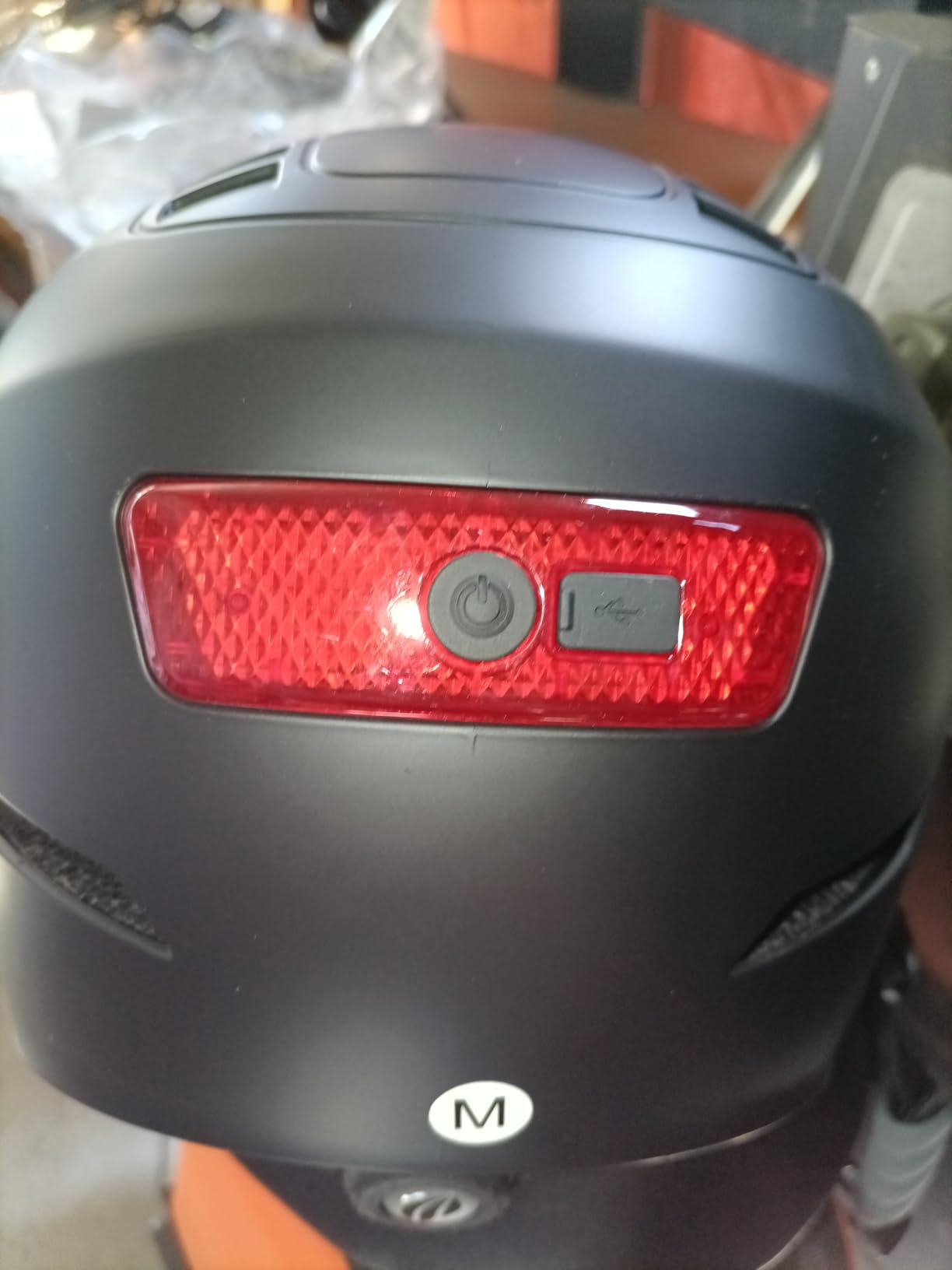
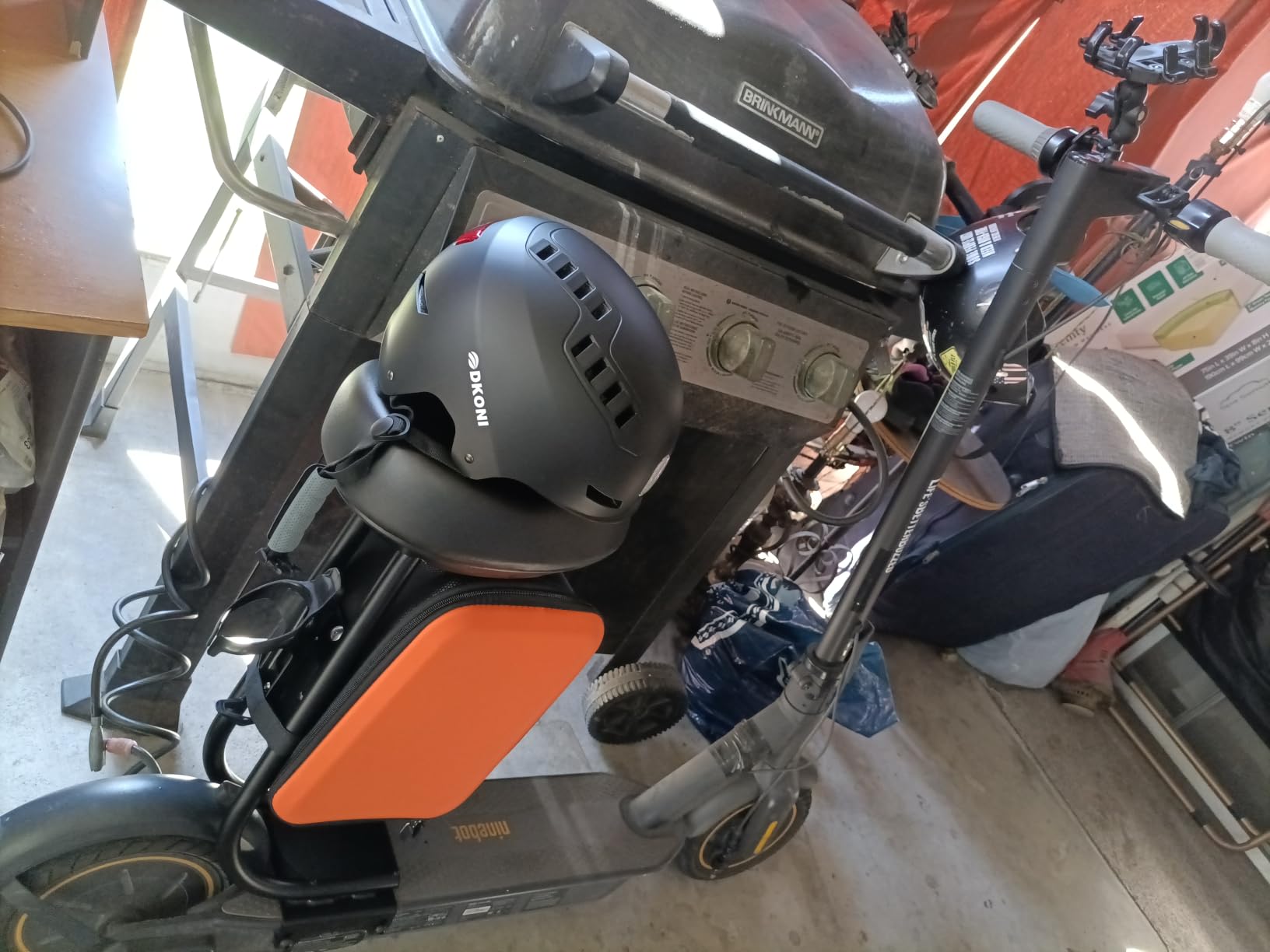
The DKONI is the most aggressively lit helmet in this roundup, with five white LEDs across the front and thirteen red across the rear. That front array is unusual – most integrated commuter lights are rear-only – and it makes you visible to oncoming traffic at an intersection, which is the exact scenario most night commuters want to avoid.
Four rear flash patterns are offered, including a fast flash, a slow flash, a warning pattern and a snake pattern, and the USB recharge is straightforward. The 300 g shell is one of the lighter ones here, and 20 vents with airflow channels plus a removable washable mesh liner handle cooling adequately.
The shell is ABS over EPS, certified to CPSC, CE and ASTM, so it clears the legal standard in the US. Three sizes cover 48-55 cm, 52-58 cm and 56-61 cm, which is one of the broadest ranges in the group and includes head sizes that trip up other models.
Where the DKONI falls behind is the rating and the review volume. At 4.4 stars across 885 ratings, it has the lowest average and the thinnest review base of the ten, with a 6% one-star share – notably higher than any other helmet here. The light is not user-serviceable, it wants a 5V 1A charger to deliver full battery life, and there is no visor and no rotational-impact system.
Where the front and rear array earns its place
Night commuters on unlit roads, riders arriving at a warehouse or campus shift, and anyone who has been nearly clipped from the side at a dark junction. Seeing and being seen from a fixed point on the head removes the alignment problem that handlebar lights have.
What to weigh against it
The thinner review base means less long-term evidence of how the shell and foam age, and a 4.4 average is a real signal rather than noise. If you are buying this for daily dark riding, pair it with a proper front light and consider the ILM for its longer warranty and broader certification list.
How to Choose a Bike Helmet for Commuting in 2026
Helmet types: road, MTB, commuter and e-bike
Most commuter confusion comes from picking a helmet designed for a discipline you do not ride. Road helmets are low, long and vent-heavy, with minimal coverage at the back of the head – aerodynamic, but they leave the occipital area exposed in exactly the sideways fall that city riding produces. Mountain-bike helmets trade that for deeper rear and side coverage and usually carry a visor, which is useful for sun and rain but can fog in humid conditions and looks bulky under a collar. Commuter helmets sit between the two: a visor or peak, moderate rear coverage, and features like lights or lock channels.
If you also ride on the road or gravel, our road bike helmet roundup covers the low-profile end. If your riding takes you into trails or rough surfaces, the full-face helmet guide is the relevant reference. For a flat, fast, stop-start city ride, a commuter shape is the right starting point.
E-bike commuters add one more variable. A speed pedelec will carry you above 20 mph with little pedalling, which raises impact energy, and many riders buy a specific helmet for it. The NTA 8776 standard exists for that segment. None of the ten helmets in this roundup carries it, so if it matters to you, check the listing text directly rather than assuming a CPSC-approved helmet covers the same ground.
MIPS, WaveCel, KinetiCore and Koroyd explained
All four systems aim at the same problem: rotational impact. A helmet liner crushes to absorb energy, and in a straight-down hit that works well. In an angled impact, the head rotates as it decelerates, and the twisting forces that reach the brain are what concerns researchers. Rotational systems all attempt to reduce that rotation, and they do it in different ways.
MIPS uses a low-friction slip plane mounted on a flexible frame between the head and the foam liner, letting the helmet slide and rotate slightly relative to the skull on an oblique strike. WaveCel, used on Bontrager helmets, uses a folding cellular structure that crumple in a controlled way inside the liner. KinetiCore, on Lazer helmets, uses interconnected beads that flex and break progressively. Koroyd uses a lattice of tubes woven through the liner to spread impact energy across a wider area.
The honest answer to “is it worth it”: MIPS and WaveCel are the two most widely independently rated, and both appear in this roundup. On price, a MIPS helmet here runs noticeably more than a non-MIPS one, but protection quality in this category is not simply a function of price – the Retrospec Dakota and the Retrospec Lennon both hold solid review scores without any rotational system, while the highest-rated helmet here does have one. Buy the system if your budget allows and your riding is in traffic; do not assume a cheap helmet is unprotected, and do not assume an expensive one is a perfect fit.
Fit, head shape and the 2-2-2 rule
This is where most helmets fail, and it has nothing to do with the brand. Measure your head circumference first: wrap a soft tape or a piece of string around your forehead, just above the eyebrows, then read the length in centimetres. Most of the helmets above specify a range, and the ranges are not interchangeable – 54-61 cm and 58-62 cm are very different products to wear.
Then apply the 2-2-2 rule. Two finger-breadths above your eyebrows, the front edge of the helmet should sit. Two finger-breadths under your chin, the bottom edge of the pad should sit. And two V-straps should form a V under each ear, dividing the area below your ear roughly evenly. If any of the three fails, adjust before you ride.
Head shape is the harder variable. Round or wide heads struggle with helmets that taper towards the front, and the complaint is almost always pressure at the temples. Long-oval or egg-shaped heads struggle with helmets that run out of length front to back, and the complaint is a pressure point at the forehead. Broad adjustable ranges help – the Giro Fixture, the Silas and the DKONI all offer wide windows – and adjustable internal volume helps more than anything, which is the argument for the OutdoorMaster Gem’s two-liner system.
Strap pressure deserves its own note, because it is the most common reason commuters stop wearing a helmet entirely. Pain behind the ears usually means the V-strap divider sits wrong or the straps are too short, not that the helmet is too small. Moving the divider a centimetre, adding a strap extender, or swapping to a model with slimmer strap webbing fixes most of it. And if you ride with your hair down, keep the low ponytail rather than a high one – it is the difference between a helmet that compresses your hair and one that tangles it.
Visibility: integrated lights, mounts and reflective detail
Reflective material only works when a light is pointed at it, which in practice means a car behind you. It is cheap insurance and worth having, but it is not a substitute for an active light. Integrated helmet lights are the cleaner commute option because there is no mount to loosen, no cable to snag and nothing to forget at the light.
The tradeoff with integrated lights is that the electronics are sealed in. When one fails, you replace the helmet. Two patterns in this roundup come up repeatedly in reviews: units that run for weeks, and units that cut out after 30 to 40 minutes. Ask yourself honestly whether your night riding can tolerate that, and keep a cheap handlebar light as a backup if the answer is no.
Visors are the other visibility item. A visor or magnetic shield blocks low sun and road grit, which on an e-bike at speed is a real comfort gain. Check whether it can be removed or flipped up for a hot ride, and whether it fogs – a rigid peak in humid air can turn completely opaque, which is worse than no peak at all.
Anti-theft, crash replacement and when to replace a helmet
Urban helmets get stolen, and some brands now build a channel or tab for a U-lock so you can secure the helmet to your frame in one motion. If your commute involves leaving the bike outside, that is a feature worth paying for, and an anti-theft guarantee is worth checking brand by brand. A limited lifetime warranty on the shell, which several picks here carry, protects against manufacturing defects rather than theft or crash damage.
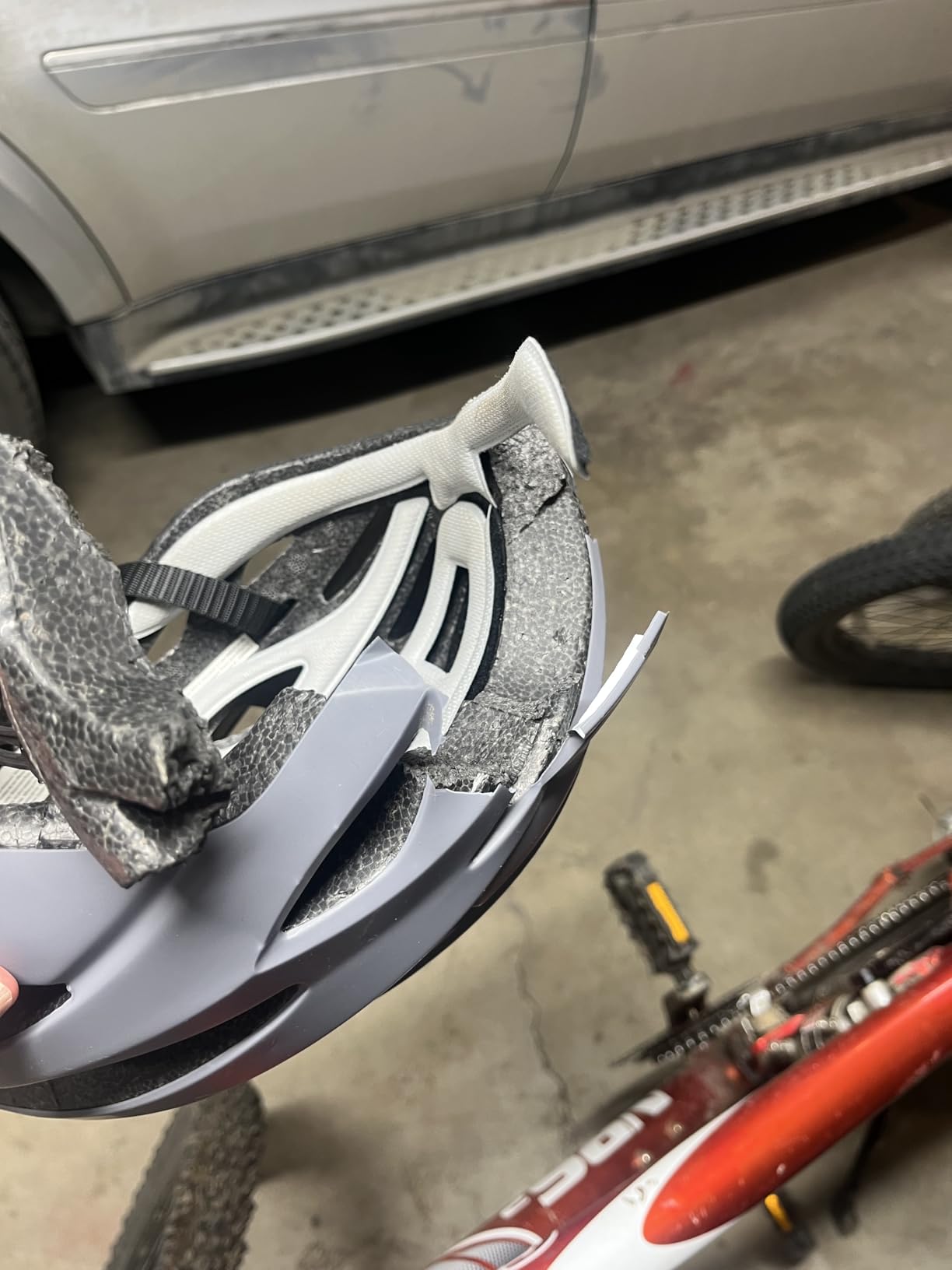
Replace a helmet after any impact, even a minor one, and after a fixed number of years regardless. Foam and shells degrade with UV exposure, repeated heat, and the slow compression that comes from being left in a hot car. The same advice applies if you have had it for several years and cannot remember the purchase date – treat the age of the helmet as unknown and buy a new one.
Frequently Asked Questions
What is the best bike helmet for commuting?
The best bike helmet for commuting is one that meets the CPSC standard, fits your head shape without pressure points, and has enough vents for your ride length. Our top pick for most commuters is the Giro Fixture MIPS, which combines a MIPS slip plane, a one-handed Roc Loc Sport dial with 7 cm of adjustment, reflective detail and a light 4.8 rating across more than 5000 reviews.
What is the 2 2 2 rule for bike helmets?
The 2-2-2 rule is a fit check you can do in ten seconds. Sit two finger-breadths above your eyebrows and the front edge of the helmet should sit there. Sit two finger-breadths under your chin and the bottom edge of the pad should sit there. And two V-straps should form a V under each ear, splitting the area below the ear roughly in half.
Are MIPS helmets actually better?
MIPS helmets manage rotational impact by letting the shell slide across the foam liner on an angled strike, which reduces the twisting force that reaches the brain. They are better in the sense that they add a protection layer the liner alone does not provide. They are not a substitute for fit, and price does not track protection closely in this category. WaveCel, KinetiCore and Koroyd work on the same principle with different mechanisms.
How do I measure my head for a bike helmet?
Wrap a soft measuring tape or a piece of string around your forehead, just above the eyebrows and above the ears, keeping it level all the way round. Read the length in centimetres and compare it against the sizing range printed on the helmet. If you fall between two sizes or at the edge of a range, plan to size up and use the retention dial to bring it back in.
Do bike helmets expire?
Replace a helmet after any impact, however minor, and replace it after several years of regular use even without a crash. Foam and shells degrade with UV light, heat and repeated compression, and a helmet stored in a hot car ages faster than one kept indoors. If you cannot remember when you bought yours, treat the age as unknown and start again.
Which bike helmet is the lightest?
Among the ten helmets we tested, the Retrospec Silas is the lightest at 9.92 ounces, with 24 vents and a dial adjustment covering 54-61 cm. The VICTGOAL at 310 g and the DKONI at 300 g are the next lightest. Several models, including the Giro Fixture MIPS, do not publish a weight, so compare listed figures carefully rather than assuming they are equivalent.
The Best Bike Helmets for Commuters in 2026
After working through ten helmets, two things decide a commuter purchase: certification and fit. Everything else – vents, visor, lights, colour – shapes how pleasant the daily ride is, but neither changes whether the helmet protects you. Start by measuring your head, check the sizing range against the chart above, and only then compare features.
For most riders the Giro Fixture MIPS is the answer: the strongest combination of protection system, fit range and review depth in this group, and the only helmet here that pairs MIPS with genuinely broad universal sizing. If you ride at night, the ILM E3-10L gives you front and rear lighting and a five-year warranty, while the VICTGOAL adds the magnetic eye shield. If budget is the binding constraint, the Schwinn Thrasher has the deepest review base of the ten and will not disappoint, provided your head sits inside 58-62 cm. And if nothing fits your head shape properly, the OutdoorMaster Gem’s swappable liners are the adjustment tool the rest of the category lacks.
Fit it properly, strap it in the morning, and check the light is charged. That is the whole routine, and it is what separates the helmets people keep wearing from the ones that end up on a shelf.


