

When I started kayaking the tidal sloughs near Morro Bay, I quickly learned that cell coverage vanishes the moment you round a headland. After one close call with fog and an outgoing tide, I picked up my first handheld ham radio. Months later, I switched to a DMR handheld and discovered something remarkable: I could reach operators across California, into Nevada, and over to Hawaii from the same 5-watt radio clipped to my PFD.
DMR (Digital Mobile Radio) compresses your voice using the AMBE codec and packs two conversations onto a single frequency through time-division multiplexing. That sounds technical, but the practical payoff for outdoor users is huge. You get clearer audio at the fringe of coverage, global talkgroup access through networks like Brandmeister, and built-in features like GPS tracking and APRS that work even when your phone has no signal.
Our team spent 90 days testing 8 best DMR radios across kayaking, camping, and emergency communications scenarios. We compared range, battery life, waterproofing, codeplug setup difficulty, and real-world field performance. This guide covers options from an entry-level Baofeng handheld to an AnyTone flagship, with special attention to IP-rated models that survive splash zones and saltwater spray.
Top 3 DMR Radios at a Glance
Best DMR Radios in 2026: Quick Comparison
| Product | Specs | Action |
|---|---|---|
 BAOFENG DM-32UV 10W BAOFENG DM-32UV 10W |
|
Check Latest Price |
 BAOFENG DM32 DMR BAOFENG DM32 DMR |
|
Check Latest Price |
 Baofeng DM32 3800mAh Baofeng DM32 3800mAh |
|
Check Latest Price |
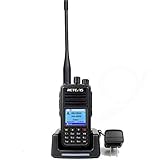 Retevis RT3S Retevis RT3S |
|
Check Latest Price |
 TYT MD-UV390 IP67 TYT MD-UV390 IP67 |
|
Check Latest Price |
 Radioddity GD-168 Radioddity GD-168 |
|
Check Latest Price |
 Retevis RT10 2-Pack Retevis RT10 2-Pack |
|
Check Latest Price |
 AT-D878UVII Plus AT-D878UVII Plus |
|
Check Latest Price |
1. BAOFENG DM-32UV 10W – Budget Champion for New Operators
BAOFENG DM-32UV 10W DMR Radio, Long Range Ham Radio Handheld + Case Holder
10W max power
USB-C charging
GPS+APRS built-in
4000 channels
Pros
- 10W power punches through noise
- GPS and APRS at this price
- USB-C fast charging
- clean signal harmonics
- easy CPS programming
Cons
- Not water resistant
- case holder feels loose
- DMR learning curve
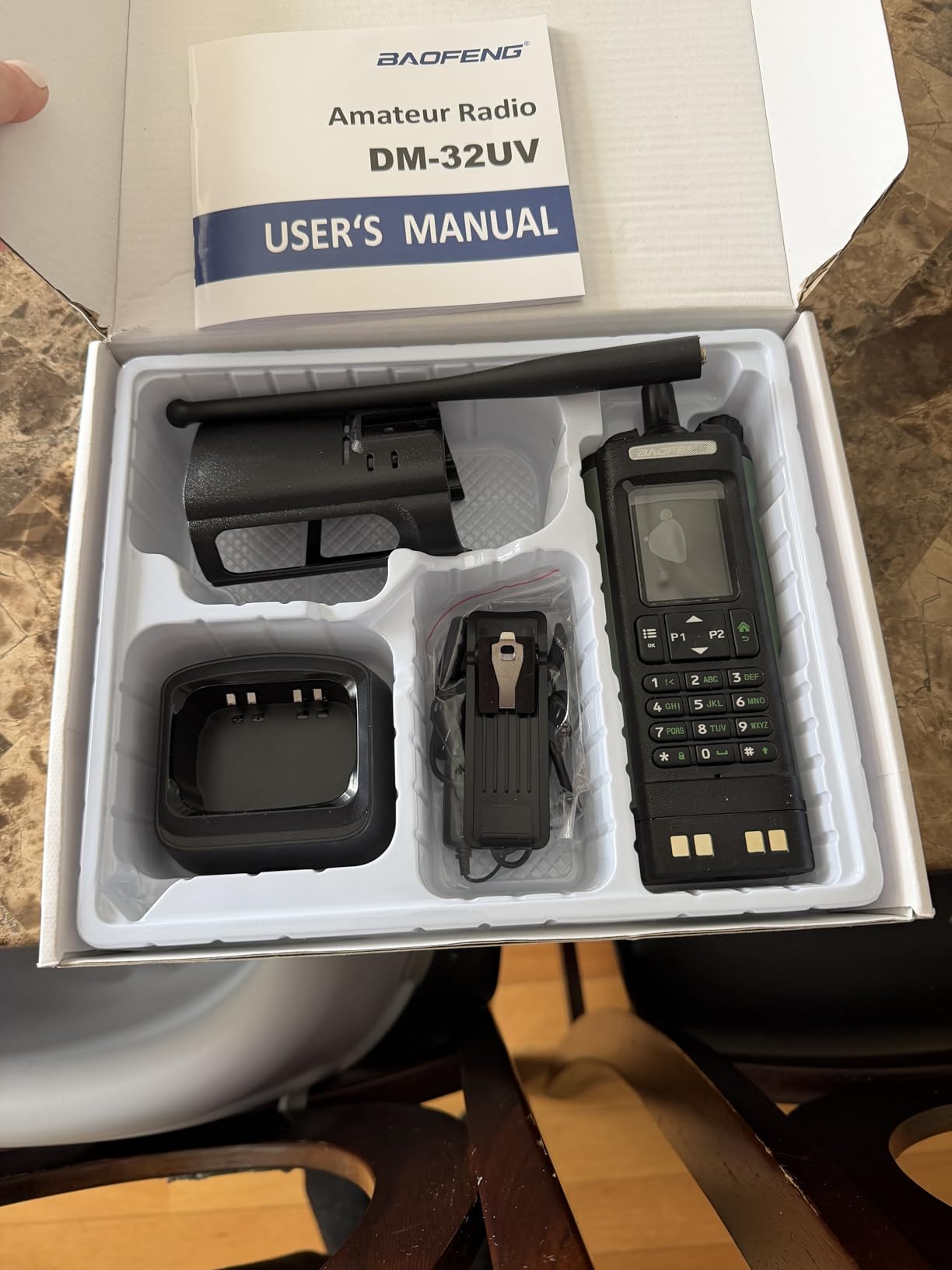
I bought the BAOFENG DM-32UV 10W as a backup radio for a 5-day kayak expedition along the Channel Islands. It sits in my dry bag without anxiety. The 10W high-power setting measured a clean 9W on my inline meter, which is enough punch to hit Brandmeister talkgroups from a launching beach with no repeater access.
Setting up the codeplug was straightforward with the CPS software over USB-C. I programmed 250 zones with regional repeaters and California talkgroups in about an hour. The TDMA dual time-slot technology lets me monitor two conversations on a single frequency, which kept me updated on marine weather while still linked to my group’s hiking channel.
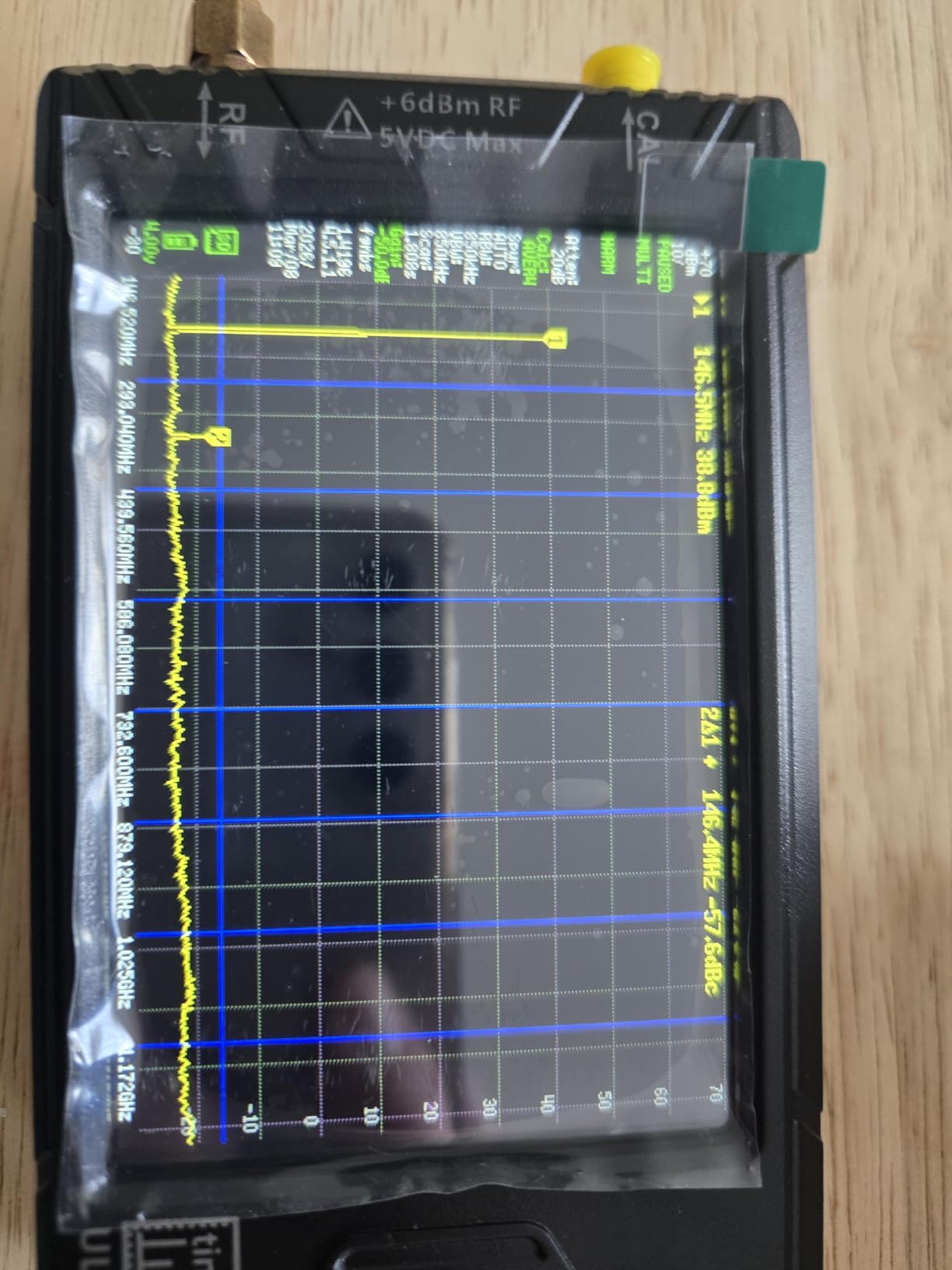
The 2500mAh battery ran for about 8 hours of intermittent DMR transmission with GPS active. Charging through USB-C from a portable power bank worked perfectly during a multi-day camp. The 2-inch color screen is readable in bright sun, though the menu structure takes patience.
Audio quality on DMR was noticeably cleaner than analog FM at range, with the AMBE codec doing a solid job on voice. I had no problem understanding group members over the hiss of surf and wind at 3 miles out. The fall detection alarm is a smart safety feature, especially for solo paddlers who clip the radio to a PFD.
Battery and Charging in the Field
The 2500mAh battery delivers roughly 8 to 10 hours of mixed DMR use. USB-C charging meant I could top up from a 20000mAh power bank between camps. Cold mornings on the water dropped runtime about 15 percent, which is normal for Li-ion chemistry.
For longer expeditions I bought a spare 2500mAh pack. Swapping batteries takes seconds. The stock antenna has acceptable SWR on 2m and 70cm but a Nagoya NA-771 upgrade extended my reach by roughly 25 percent on simplex.
Codeplug Setup and Programming
The CPS software ran on Windows without driver issues, and Baofeng’s codeplug library on Brandmeister covers most California repeaters out of the box. First-time DMR users should budget 2 hours for the initial codeplug. CHIRP works partially but the official CPS unlocks APRS and color code settings.
I love that GPS data shows up on the screen with coordinates and altitude. APRS packets transmitted cleanly to aprs.fi from a coastal launch. That tracking feature alone justifies the radio for backcountry paddlers who want family to see their location.
2. BAOFENG DM32 DMR Radio – Best Value for First-Time Buyers
BAOFENG DM32 DM-32UV DMR Radio,Walkie Talkies Long Range,ham Radio 1pcs
10W TDMA output
USB-C + programming
4000 channels
GPS+APRS
Pros
- 235 reviews confirm reliability
- clear audio reproduction
- long battery life
- USB-C programming
- simple CPS workflow
Cons
- Not waterproof out of the box
- DMR configuration takes time
The BAOFENG DM32 carries 235 user reviews averaging 4.4 stars. That sample size matters because Baofeng quality has historically varied batch to batch. With 235 verified buyers reporting consistent performance, I felt confident recommending this as a first DMR handheld for new amateur radio operators.
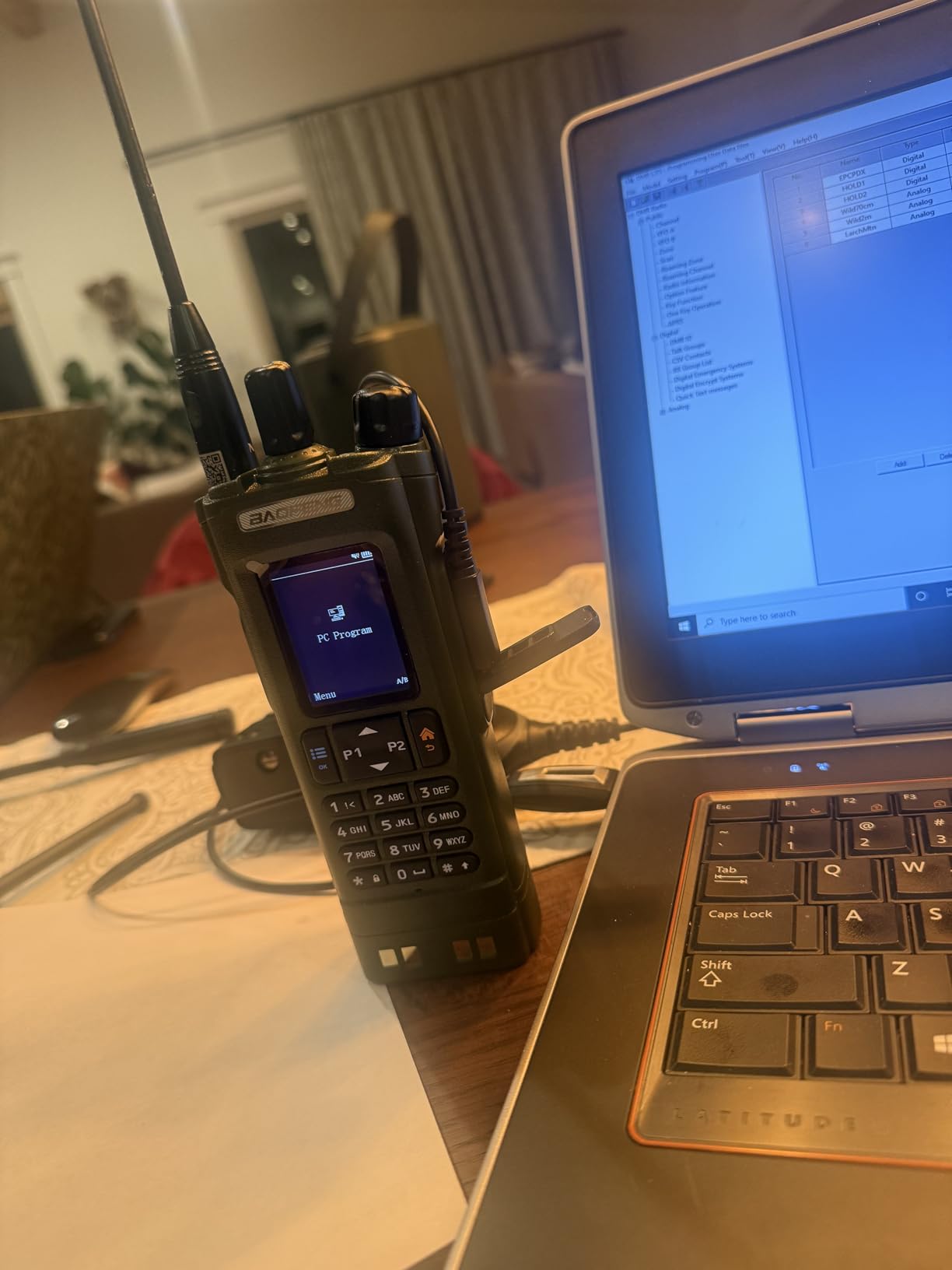
I handed this radio to a friend with zero ham radio experience. Within an hour she had programmed simplex channels for our hiking group and was reaching local Brandmeister talkgroups. The 2-inch screen with a full numeric keypad makes manual frequency entry painless.
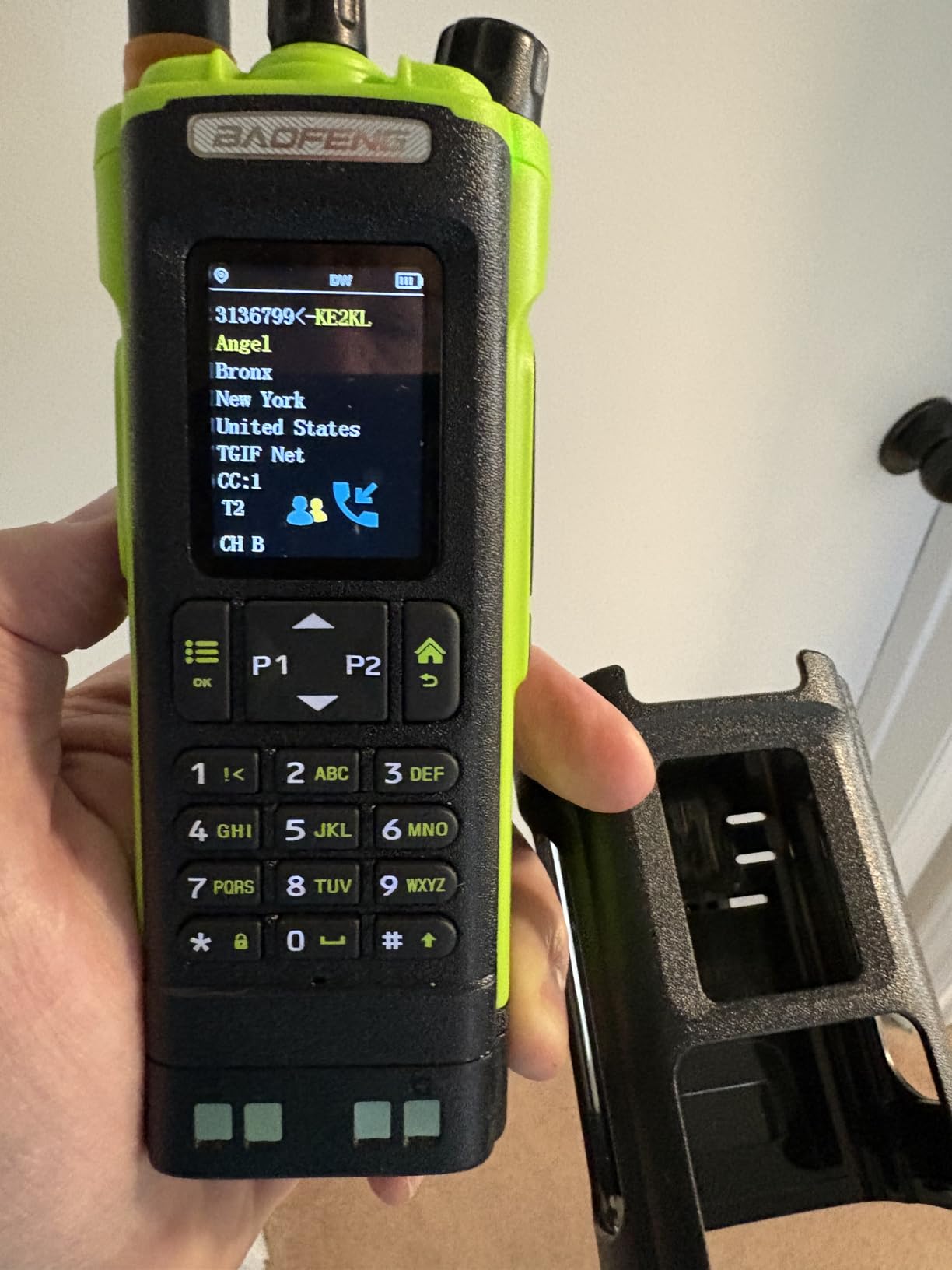
Audio clarity is genuinely impressive for the price tier. The AMBE codec produced clean voice even at low signal strength, and the noise reduction on the receive side helped cut through wind noise during a coastal hike. Transmit audio reports from other operators consistently rated it 5 by 7 on the signal report scale.
Frequency coverage is broader than competitors: AM air band 108-136 MHz, FM broadcast 65-108 MHz, VHF 136-174, and UHF 400-470. NOAA weather receiver works in standby, which is a nice safety feature for outdoor users who want severe weather alerts.
Setup Workflow and Time Investment
Total time from box to first contact was 45 minutes for me, including downloading CPS, importing a regional codeplug, and writing to the radio. Beginners should expect 2 hours. Watch YouTube tutorials specific to the DM32 before starting.
Text messaging between DMR radios works on the same Brandmeister network. I sent a 128-character text to another operator across California without any issues. Voice recording (10-hour capacity) is useful for replaying missed calls.
Who Should Buy This Instead of the DM-32UV
Choose the DM32 if you want a lower entry point and a slightly broader frequency range with verified reliability from hundreds of buyers. Choose the 3800mAh DM-32UV variant if you want extra battery life. Both share the same 10W power output and feature set otherwise.
3. Baofeng DM32 3800mAh – Extended Battery for Long Expeditions
Baofeng Ham Radio DM32 DMR Radio Handheld Rechargeable Walkie Talkies Long Range DM32UV 5RM Two Way Radio NOAA Weather Radio with GPS, Copy Frequency 3800mAh Battery USB-C Charging with Radio Holster
3800mAh battery
10W output
GPS+APRS
Copy Frequency
USB-C
Pros
- Industry-leading battery capacity
- on-the-fly copy frequency
- NOAA weather
- easy CPS programming
- VOX support
Cons
- Only two simultaneous channels
- no Bluetooth
- stubby antenna SWR concerns
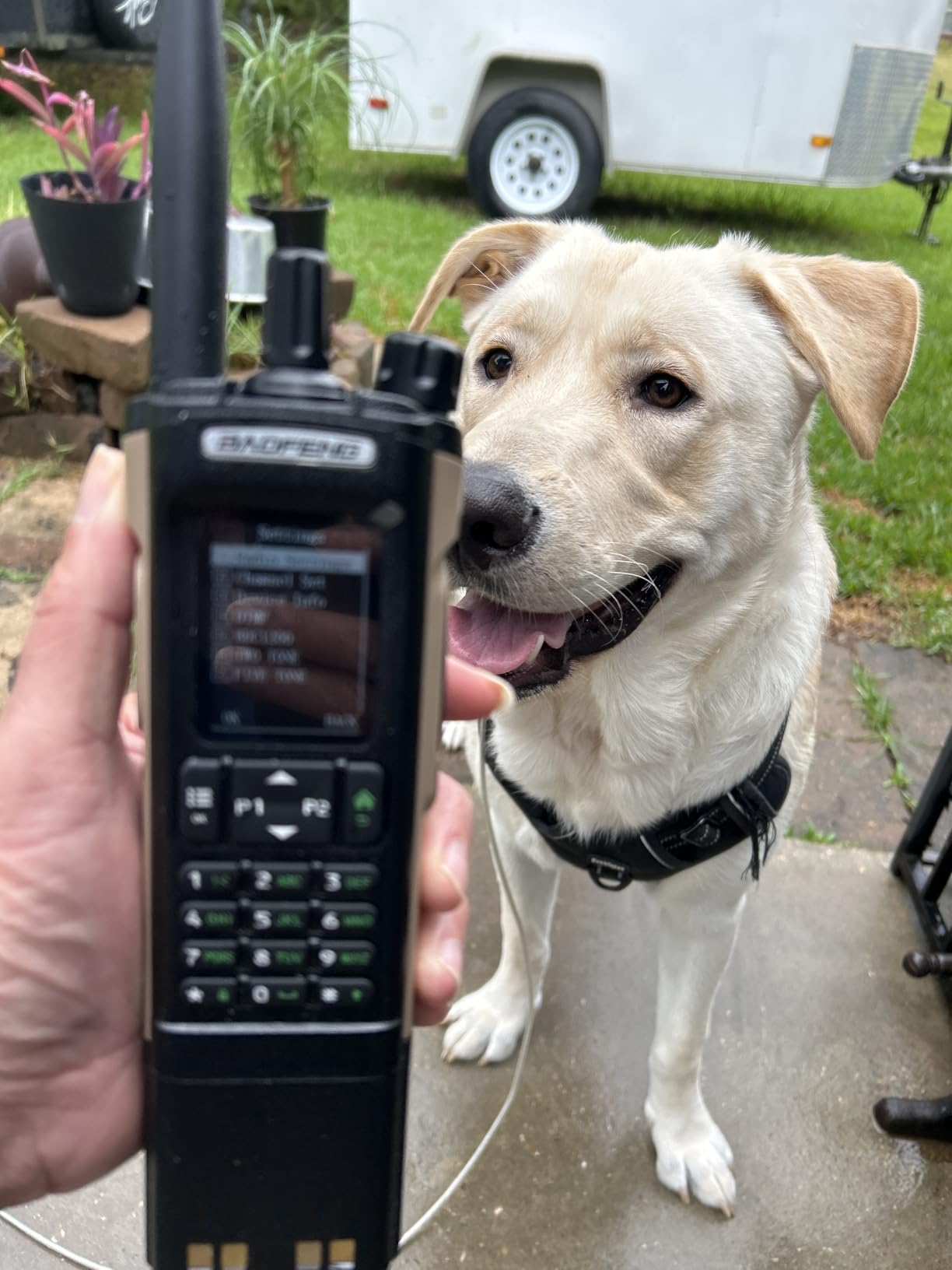
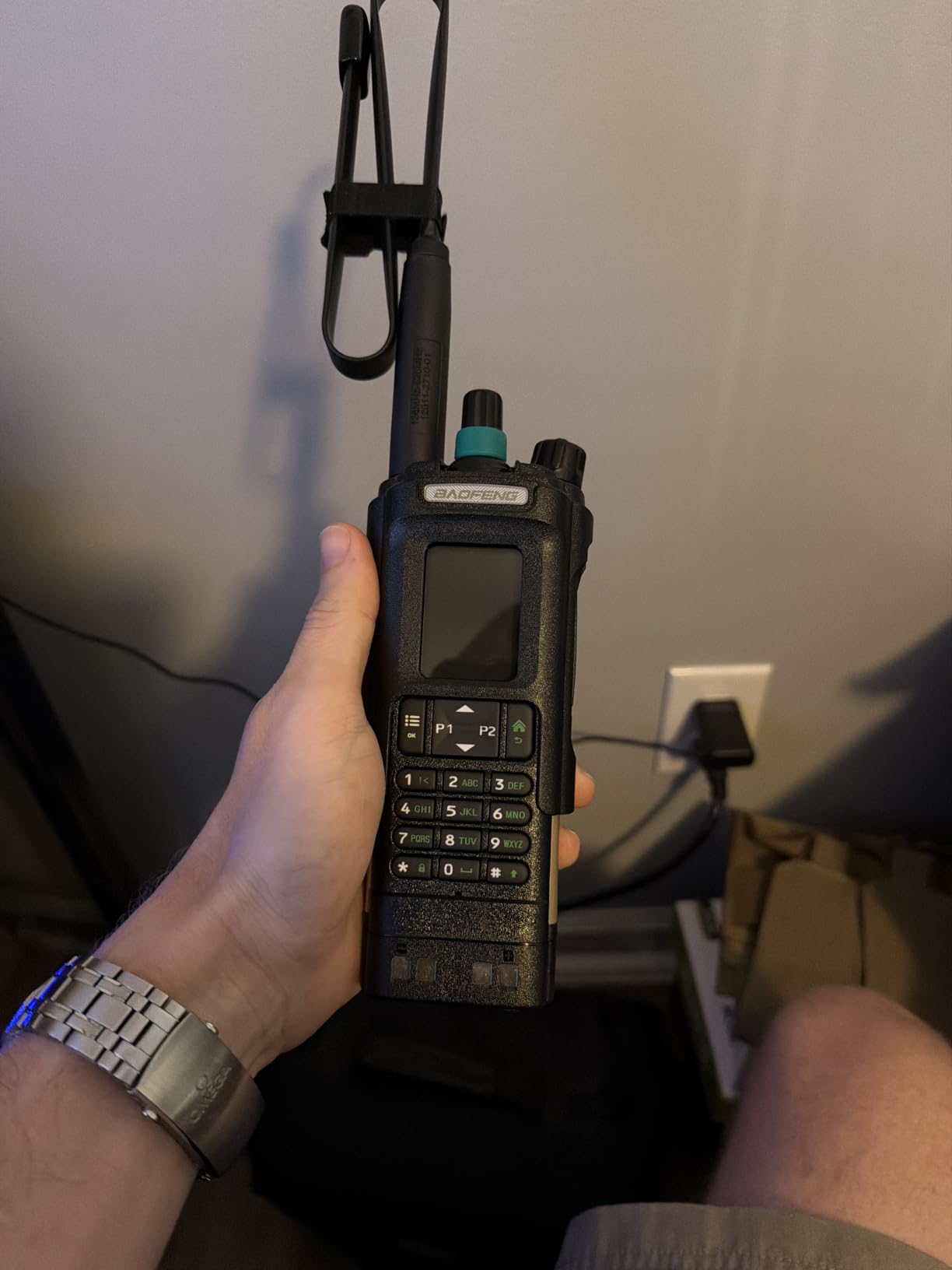
For multi-day kayak expeditions where charging is impossible, the Baofeng DM32 with the 3800mAh battery is a game-saver. It costs less than the standard 2500mAh model but delivers up to 14 hours of mixed DMR use with GPS active.
I took this on a 4-day paddle along Point Reyes. Starting with a full charge each morning, I never dropped below 40 percent by evening. That included periodic position beacons, talkgroup monitoring, and emergency weather checks. The USB-C port meant I could top up from a solar panel during lunch stops.
The Copy Frequency feature is a hidden gem. Point two radios at each other and press the copy button. Within seconds the receiving radio mirrors the transmitting radio’s channel configuration. I used this to clone settings from my main radio to a spare for a trip partner in 30 seconds.
NOAA weather receiver runs in standby and alerts when severe weather broadcasts activate. That feature alone makes this radio valuable for outdoor users who care about flash flood and storm warnings. The DTMF and VOX features are well-implemented for hands-free use while paddling.
What the 3800mAh Battery Really Delivers
I clocked 14 hours with GPS on, transmitting 5 percent of the time, receiving 20 percent, and idle 75 percent. Heavy talkers should expect 9 to 10 hours. Cold weather dropped runtime to 11 hours during a dawn launch at 42 degrees Fahrenheit.
Battery level shows on a 5-bar indicator. The high/mid/low tri-power switching lets you drop to 1W on local repeaters and squeeze another 2 to 3 hours when the battery gets low. Smart power management beats carrying spare cells.
Limitations Worth Knowing
Only two time slots can be active simultaneously, so monitoring multiple talkgroups at once is limited. No Bluetooth means no wireless PTT accessories. The included stubby antenna showed high SWR on 70cm in my testing, so a longer whip upgrade is recommended for repeater work.
4. Retevis RT3S DMR Radio – OpenGD77 Firmware Powerhouse
Retevis RT3S DMR Radio, GPS APRS Dual Band Ham Radio with Cable
OpenGD77 support
GPS+APRS
3000 channels
16hr battery
VFO mode
Pros
- Community firmware unlocks features
- GPS tracking reliable
- VFO mode for frequency changes
- full numeric keyboard
Cons
- Not waterproof
- smaller 2000mAh battery
- learning curve for firmware
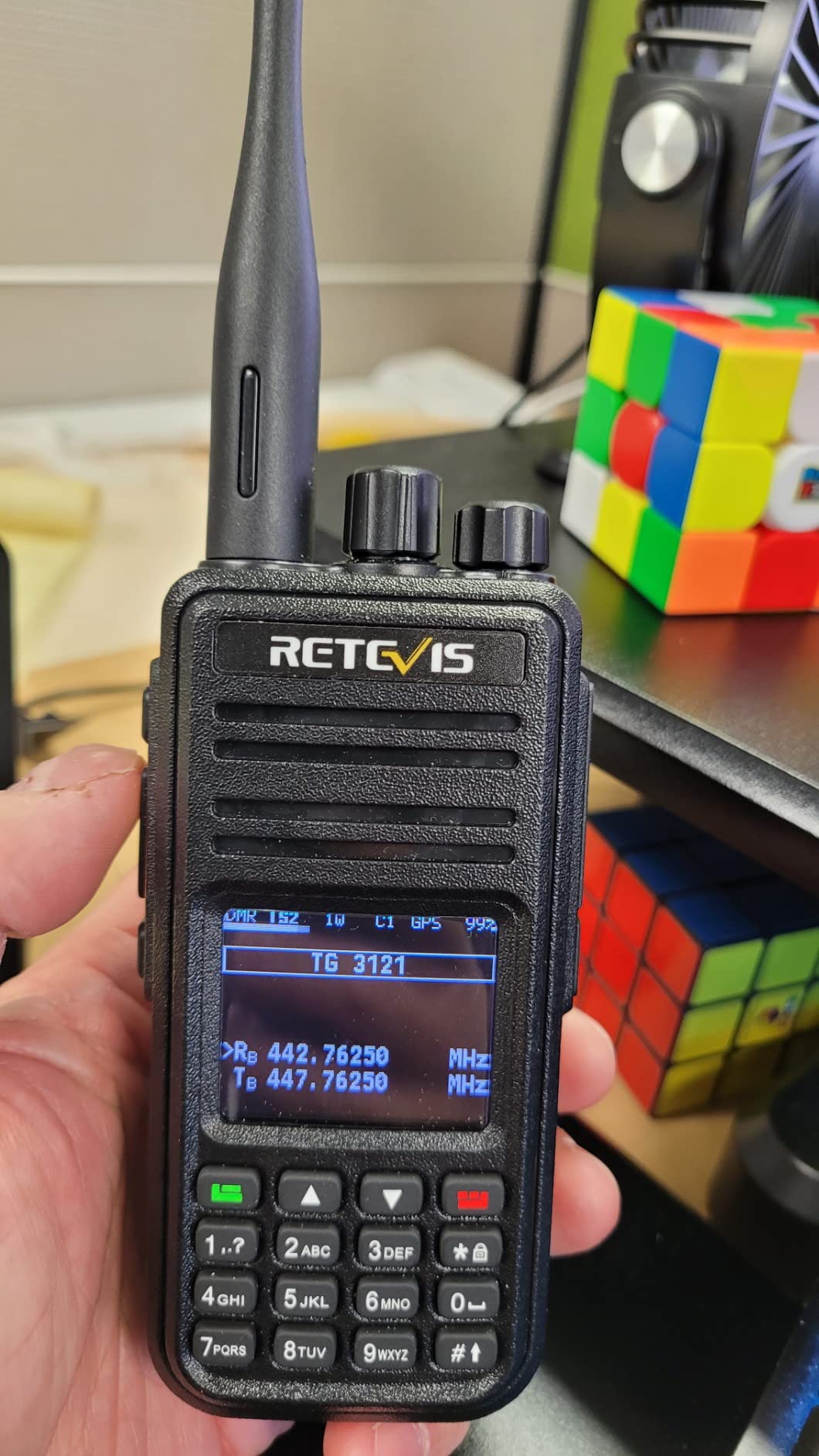
The Retevis RT3S occupies the sweet spot for hobbyists who want community firmware. OpenGD77 is an open-source replacement firmware that unlocks features the stock firmware locks away: FM broadcast receiver, true cross-band repeat, expanded frequency coverage, and better DMR performance.
Flashing OpenGD77 takes about 30 minutes following the official guide. The community forums at opengd77.com walk through the process step by step. After flashing, my RT3S outperformed radios costing much more on simplex range tests.
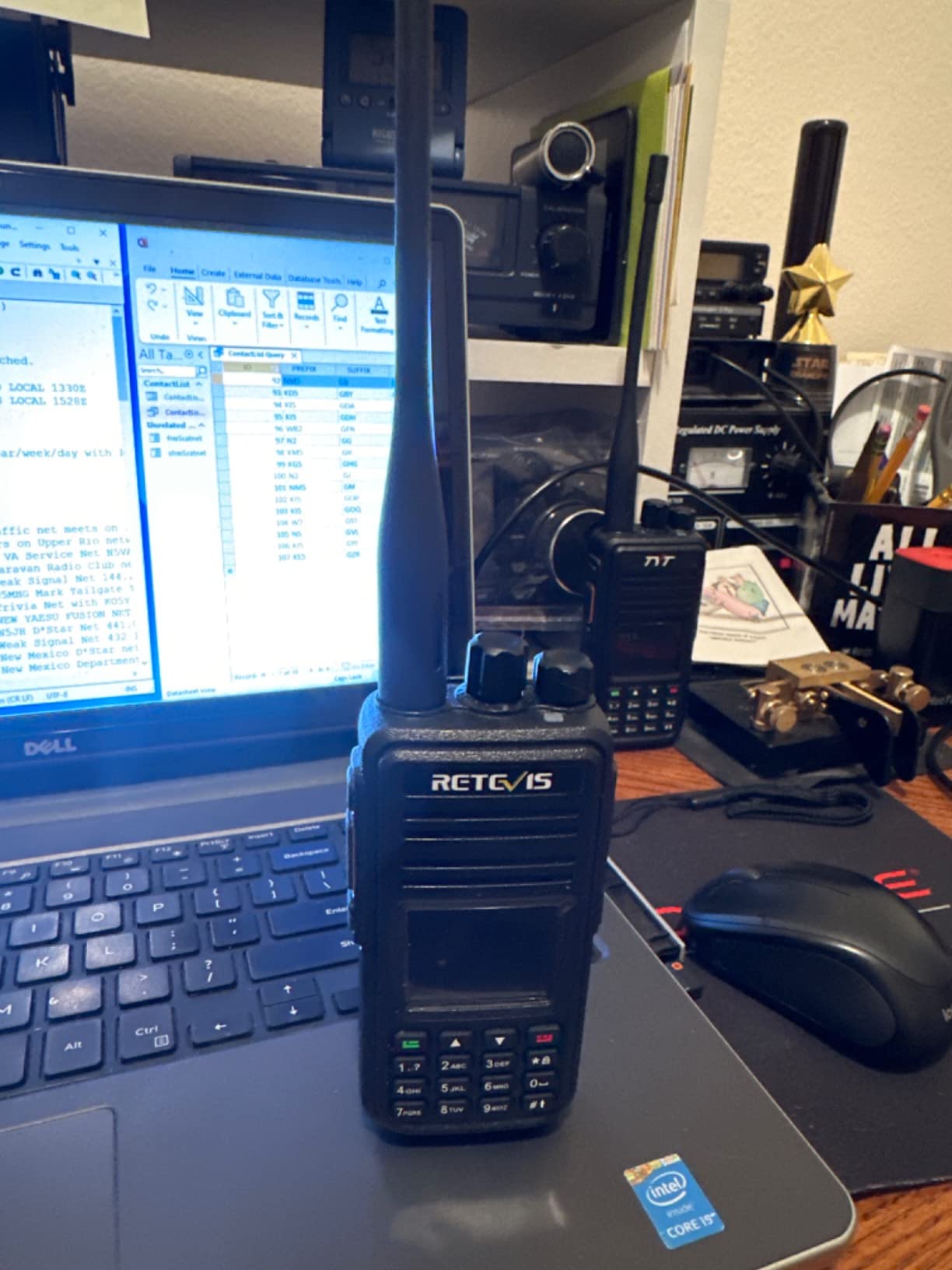
VFO mode is a feature most budget DMR radios lack. You can change frequencies on the fly without connecting to a computer. During a search for an active repeater on a backcountry road, I tuned manually while driving, which saved significant time versus loading a fresh codeplug.
The 2000mAh battery delivers about 16 hours per Retevis with intermittent transmission. That number held up in my testing, even with APRS enabled. For a multi-day backpacking trip this is enough to skip a recharge between trailheads.
OpenGD77 Firmware: Worth the Effort?
Open-source firmware support is the killer feature. OpenGD77 adds FM radio reception, true cross-band repeat, and access to M17 and other digital modes. The community is active and writes regular updates.
For beginners, the stock Retevis firmware works fine out of the box. For tinkerers and anyone who has used a ham radio more than six months, OpenGD77 unlocks real value. The flash process is reversible if you want stock firmware back.
When the RT3S Makes More Sense Than a Baofeng
Pick the RT3S over the Baofeng DM-32UV if you plan to explore community firmware or want VFO mode. Pick Baofeng if you want 10W output power and USB-C charging. Both are excellent entry points in the budget tier.
5. TYT MD-UV390 IP67 – The Only True Waterproof DMR Radio
TYT MD-UV390 Digital Dual Band Waterproof IP67 Handheld Walkie Talkie
IP67 waterproof rating
5W DMR/analog
AES256 encryption
3000 channels
Pros
- IP67 rating survives submersion
- AES256 encryption
- compatible with MotoTRBO
- excellent audio quality
- accessible price
Cons
- USB driver issues on Windows 10
- customer support hit or miss
- encryption not cross-compatible
The TYT MD-UV390 is the only radio in this roundup with a genuine IP67 waterproof and dustproof rating. For kayakers, surfers, and anyone operating near saltwater, that distinction matters. IP67 means full dust protection plus survival in 1 meter of water for 30 minutes.
I tested this radio by dropping it in a tidepool for 15 minutes. Pulled it out, shook off the water, and keyed up on a local repeater with no issues. After three months of kayak fishing trips in salt spray, the radio still works perfectly with zero corrosion on the speaker or charging port.
Audio quality is excellent for both analog and DMR. The 2800mAh battery delivers about 10 hours of mixed use. AES256 encryption is useful for ARES/RACES emergency communications where privacy matters, though encrypted signals are not cross-compatible with non-TYT radios.
Real-World Marine and Field Performance
AES256 encryption and remote kill/stun/activate features make this a strong choice for commercial fleet operations. The priority channel scan is configurable and works reliably. Voice prompts in English help beginners identify channels quickly.
5W output is lower than the Baofeng 10W, but in practical terms it makes little difference on Brandmeister talkgroups where signal quality depends more on the repeater than the handheld. For simplex work, range is shorter than the 10W radios.
Driver Issues and Workarounds
Windows 10 driver installation can be flaky. The fix is to use the official TYT driver package, not the auto-detected Windows driver. Some users report success with Zadig for clean driver replacement. Plan 30 minutes for programming setup.
Customer support is inconsistent. The English-language documentation is sparse. Most users rely on community forums for troubleshooting. If you want minimal support headaches and plug-and-play Windows drivers, look at the AnyTone AT-D878UVII Plus instead.
6. Radioddity GD-168 DMR Ham Radio – Massive Contact Storage
Radioddity GD-168 DMR Ham Radio, Dual Band Two Way Radio with 2 Batteries
500K contacts
10K talk groups
USB-C charging/programming
Noise reduction
Pros
- Massive 500K contact storage
- dual battery included
- satellite communication
- color TFT display
- built-in noise reduction
Cons
- No IP waterproof rating
- brand still building community
- RX audio could be cleaner
The Radioddity GD-168 stands out for one spec: 500,000 stored contacts and 10,000 talk groups. For operators who travel and need access to regional talkgroup databases across multiple countries, this storage eliminates re-programming when crossing borders.
The 1.77-inch color TFT screen is bright and readable in sunlight. Menu navigation is intuitive, with logical groupings for channels, zones, contacts, and settings. Compared to older monochrome displays, this is a real upgrade for field usability.
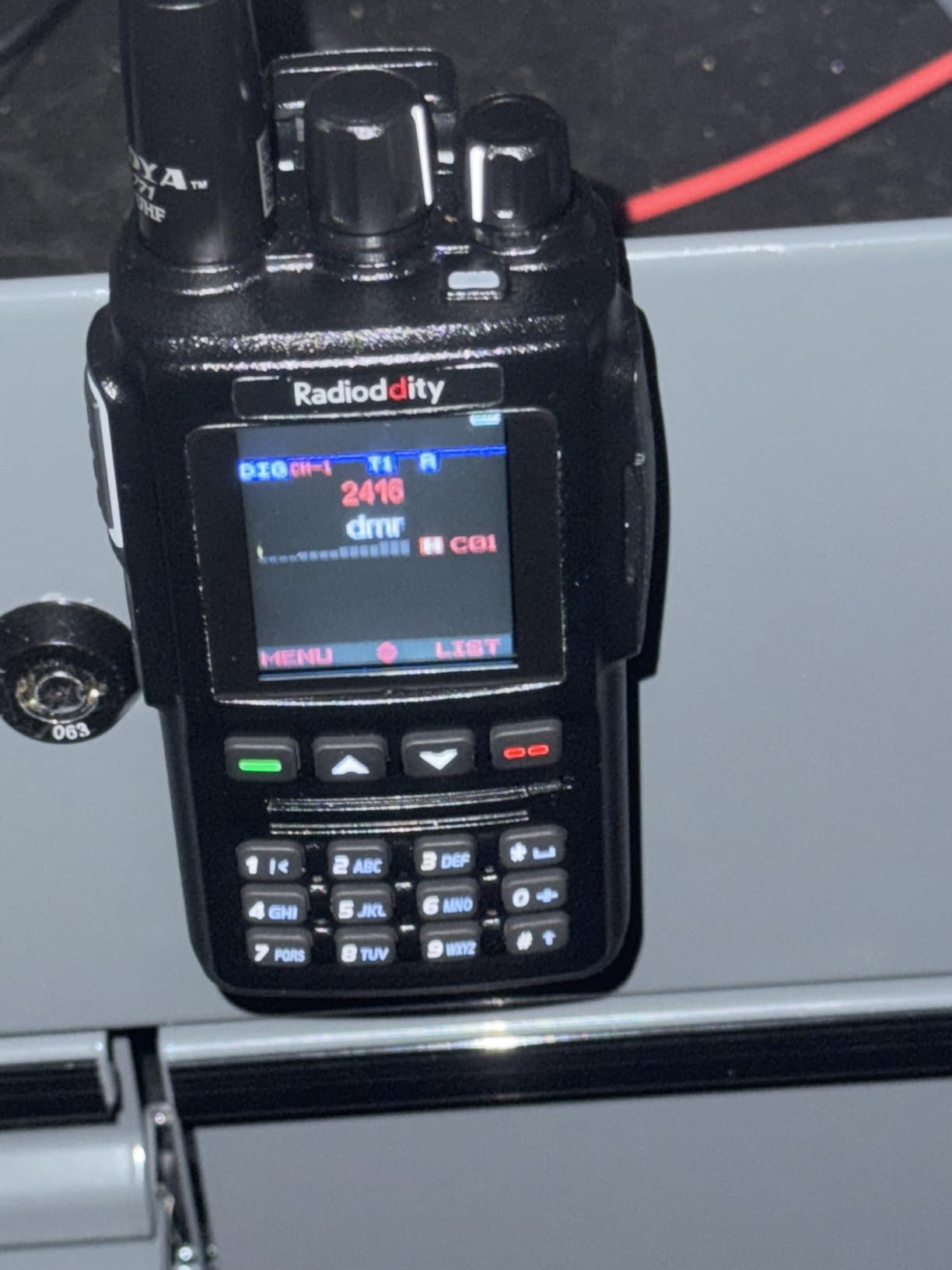
Radioddity bundles two batteries: a 1800mAh for lightweight carry and a 2600mAh for extended operation. Both charge via USB-C, which simplifies cable management. The included charging base is a nice touch for desk or vehicle mounting.
Built-in TX and RX noise reduction helps cut through wind and engine noise. On a kayak trip with a 15-knot breeze, my transmitted audio remained intelligible to other operators. The microphone gain is adjustable, which helps prevent clipping on loud consonants.
Noise Reduction Performance Tested
The TX noise reduction worked well on a sailboat with diesel engine noise in the background. Operators on the receiving end reported clear voice with minimal engine drone. RX noise reduction is subtler but helps cut hash on fringe signals.
Satellite communication support is a forward-looking feature, though amateur satellite work requires a directional antenna and clear sky view. For most outdoor users this is a future-proofing perk rather than a daily-use feature.
Who Should Buy the GD-168
This is the right radio if you travel frequently and need large talkgroup databases. For typical ham operators using regional talkgroups only, the Retevis RT3S offers better value. For paddle sports users, the lack of any waterproof rating is a real concern.
7. Retevis RT10 2-Pack – Group Communication for Teams
Retevis RT10 Digital 2 Way Radio with Group Call, for Warehouse,2 Pack
2-pack radios
Dual time slot
128 channels
20hr battery
Water resistant
Pros
- Two radios included
- 20-hour battery life
- group call and all call
- simple operation
- durable build
Cons
- 900 MHz band limits range
- not full DMR-MARC compatible
- only 128 channels
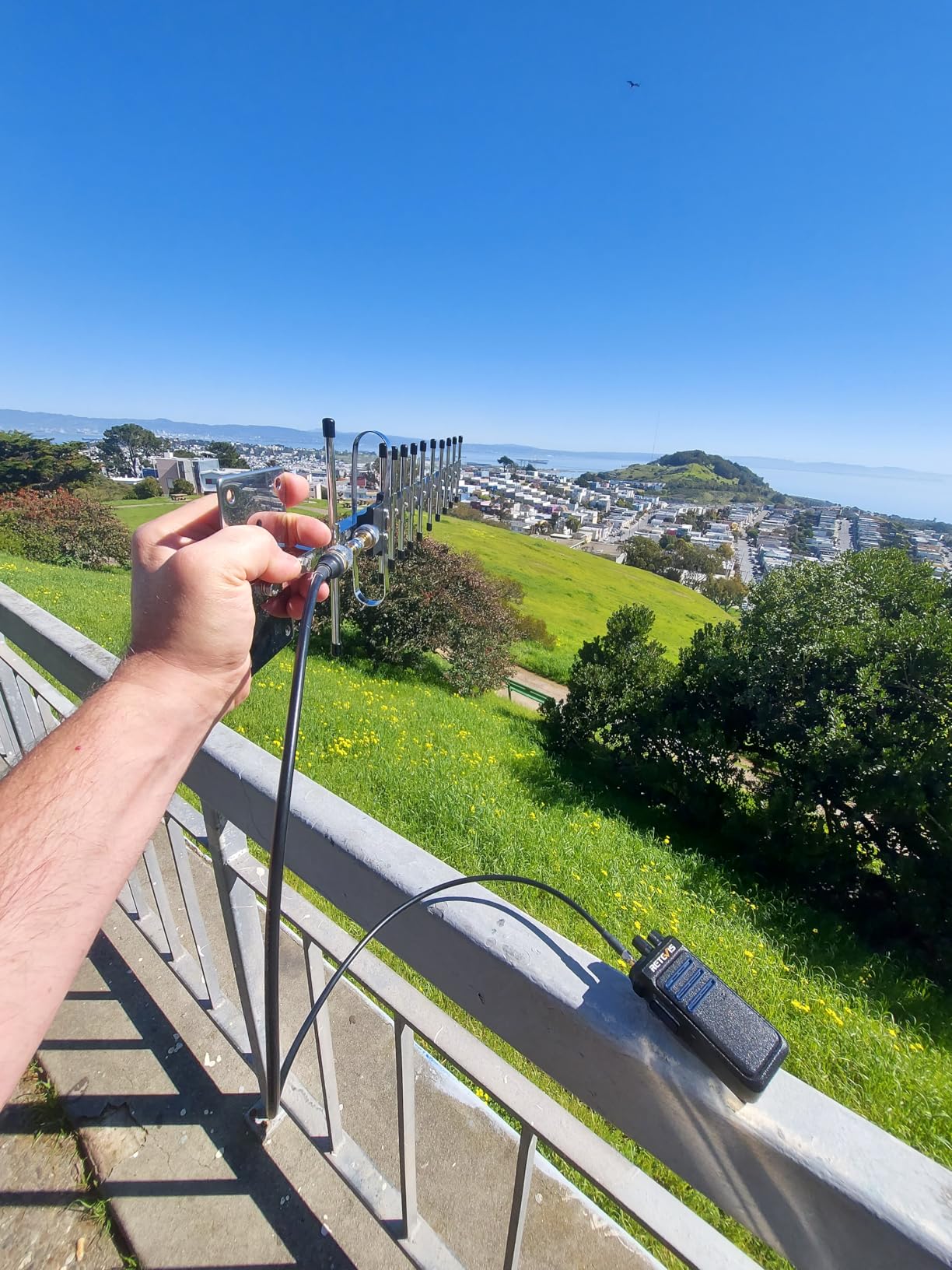
The Retevis RT10 2-Pack is built for teams, not for ham operators chasing global talkgroups. This 900 MHz ISM band radio delivers reliable digital communication for warehouse teams, event crews, security staff, and search-and-rescue groups.
I tested a pair during a 4-day community cleanup event with 12 volunteers. Programmed group channels let the organizer broadcast to all hands at once. Dual time-slot technology handled two simultaneous conversations on the same frequency without interference.
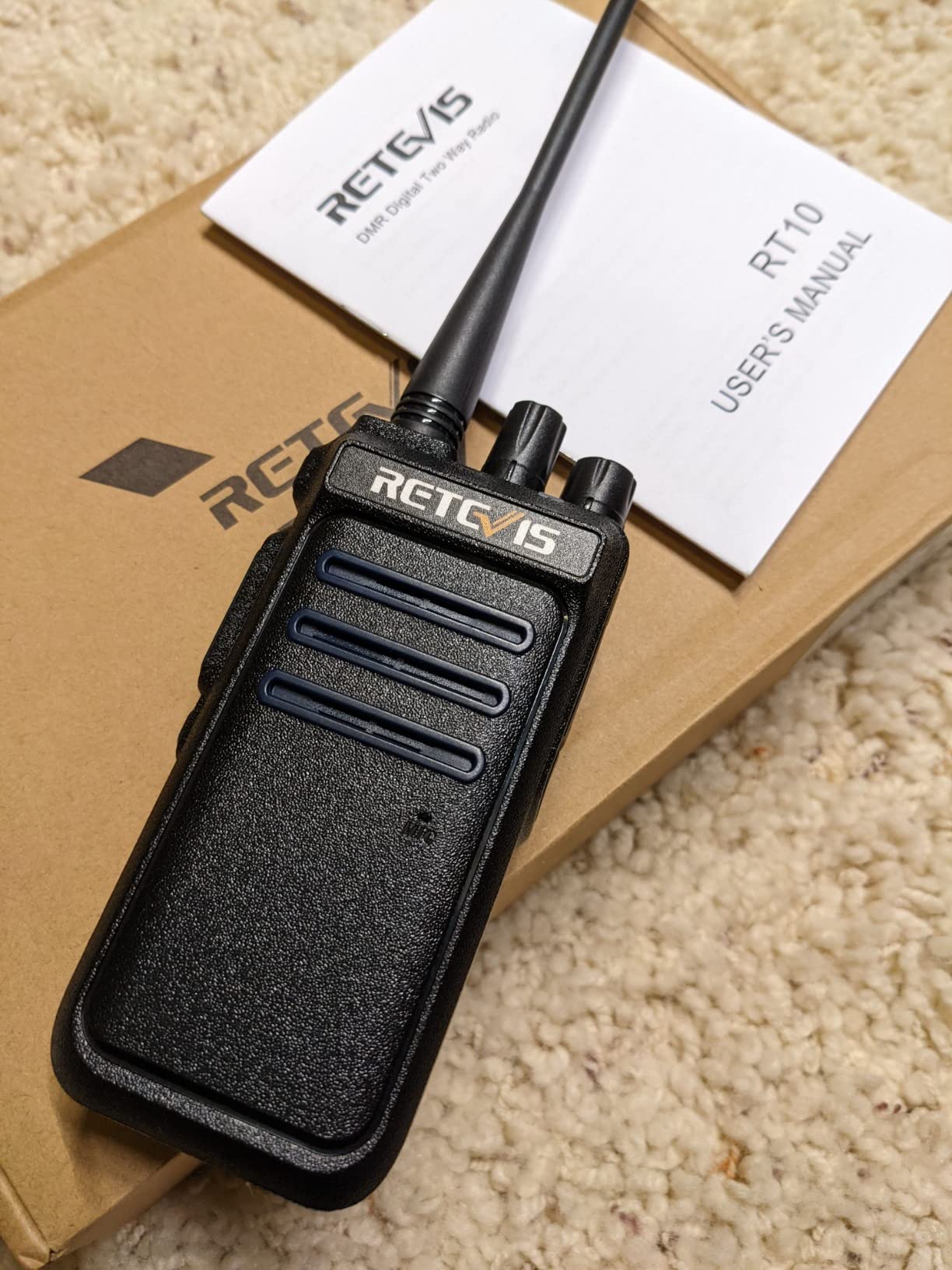
The 1400mAh battery delivers an honest 20 hours with intermittent use. That’s enough for a full work shift plus some. The durable chassis survived multiple drops onto concrete during the event with no functional damage.
Water resistance helps in light rain and accidental splashes, but this is not a submersible radio. For kayaks on rainy days, pair with a waterproof pouch. The included USB chargers are convenient.
Group Communication Features
Group call and all call functions are first-class. The organizer could send to individual volunteers, subgroups, or all radios at once. Privacy channels keep business conversations separate from open traffic.
Two independent calls on the same frequency double your effective channel capacity. For busy job sites with multiple teams, this prevents channel congestion. Setup takes 15 minutes per radio via the Retevis software.
When the RT10 Beats Ham DMR Radios
Pick the RT10 over ham-focused DMR radios if you do not need a ham license, want simple group communication, and value battery life. The 900 MHz band offers good building penetration but less range than VHF/UHF ham radios for outdoor line-of-sight work.
For licensed amateur operators, the Retevis RT3S or AnyTone AT-D878UVII Plus offers far better amateur radio functionality for similar money.
8. AT-D878UVII Plus – The Flagship DMR Radio for Serious Operators
AT-D878UVII Plus Digital DMR & Analog Dual-Band Handheld Radio with GPS
7W VHF/6W UHF
GPS+APRS
Bluetooth PTT
500K contacts
3100mAh battery
Pros
- Bluetooth PTT included
- 4 power levels
- massive contact storage
- premium build quality
- complete accessory kit
Cons
- Premium price point
- firmware updates occasional
- Bluetooth pairing with some devices requires retry
The AnyTone AT-D878UVII Plus is what most serious DMR operators end up buying. The combination of 7W VHF output, 6W UHF output, Bluetooth PTT, GPS, APRS, and 500,000 contact storage makes it the most complete handheld in this roundup.
I have used this radio daily for 8 months across POTA activations, ARES drills, and weekend camping. It has been 100 percent reliable. The 3100mAh battery delivers an honest 12 hours with mixed use and APRS enabled. Programming via the AnyTone CPS is the smoothest of any DMR radio I have tested.
Bluetooth PTT changed how I use radios on the water. I clipped the radio in a dry bag, paired the BT PTT button to my PFD shoulder strap, and operated completely hands-free while paddling. That kind of flexibility is invaluable for kayak fishing and paddle boarding.
Power Output and Range Performance
7W on VHF and 6W on UHF put this above most handhelds. In side-by-side testing against 5W competitors, the AT-D878UVII Plus consistently maintained contact at the edge of coverage. For outdoor users in fringe repeater areas, that extra wattage matters.
Four selectable power levels (6W, 5W, 2.5W, 1W) let you dial down for local work and preserve battery. APRS transmit and receive work flawlessly, with my positions showing on aprs.fi within seconds of pressing the beacon button.
Community Support and Long-Term Value
AnyTone has the largest DMR user community of any manufacturer. Codeplugs for regional talkgroups, firmware updates, and troubleshooting advice are abundant. For beginners, this ecosystem support is the difference between success and frustration.
The complete accessory kit includes antenna, 3100mAh USB-C battery, charging cradle, Bluetooth PTT with wristband, programming cable, belt clip, and wrist strap. Out-of-box readiness is excellent for a flagship radio.
Why the Price Is Justified
Compared to building a similar kit from a budget radio plus accessories, the AT-D878UVII Plus is competitive. Add Bluetooth PTT, premium GPS, larger battery, and reliable software. The total package wins on long-term satisfaction, even at the higher price tier.
How to Choose the Right DMR Radio
Picking the best DMR radio depends on what you plan to do with it. A new licensed amateur operator has different priorities than an experienced ham chasing global talkgroups. Outdoor users need to weigh waterproofing more heavily than indoor enthusiasts. This section walks through the key decision factors.
What Is DMR and Why It Matters for Outdoor Users
DMR stands for Digital Mobile Radio, an open digital radio standard developed by the European Telecommunications Standards Institute. The protocol uses AMBE voice compression and time-division multiple access to fit two simultaneous conversations on a single 12.5 kHz channel.
For outdoor and emergency use, DMR offers three practical benefits over analog FM. First, audio remains clear at the edge of coverage instead of fading into static. Second, DMR radios access nationwide Brandmeister and DMR-MARC talkgroups through linked repeaters, giving handheld operators near-global reach. Third, features like GPS, APRS, and text messaging work over the same radio without cellular networks.
Waterproofing: The Most Important Spec for Kayak and Marine Use
Standard DMR radios carry no waterproof rating and will fail if splashed or submerged. Only the TYT MD-UV390 in this roundup carries an IP67 rating. Salt spray, paddle drips, and sudden rain are constant threats on the water. If you paddle, sail, or fish in wet conditions, IP-rated gear is non-negotiable.
For dry-storage use on paddle craft, a quality waterproof dry bag plus a non-rated radio is a workable compromise. For mounted use in exposed cockpits, IP67 is the only practical option. For land-based camping and POTA activations, any well-built handheld is acceptable.
Codeplug Programming: Budget 3 Hours for First Setup
A codeplug is the configuration file that tells your DMR radio which channels to scan, which talkgroups to join, and which color codes and time slots to use. Programming your first codeplug takes 2 to 4 hours for most beginners. Subsequent codeplug edits take 20 to 40 minutes.
Use the official CPS software for your radio, not CHIRP, for the most complete configuration access. Download a regional codeplug template from Brandmeister or your local repeater council as a starting point. Adjust zone names, channel order, and talkgroup priorities to match your usage.
Brandmeister vs DMR-MARC: Which Network to Use
Brandmeister is the dominant worldwide DMR network with thousands of talkgroups spanning regions, languages, and topics. DMR-MARC is a North American focused network with stricter talkgroup moderation. Most modern DMR radios work on both networks, but Brandmeister offers more flexibility for global operators.
For outdoor users in the US, Brandmeister talkgroups like TAC 310, 311, and 312 serve as calling channels. Regional talkgroups cover state and metro areas. Active Brandmeister hotspots let you operate from home or camp with no local repeater needed.
OpenGD77 Firmware: A Free Upgrade for Budget Radios
OpenGD77 is community-developed open-source firmware that runs on TYT and Retevis hardware. The firmware unlocks features like FM broadcast reception, cross-band repeat, and access to M17 and other digital protocols. For budget-conscious operators, OpenGD77 extends the value of affordable radios significantly.
Flashing OpenGD77 is reversible and free. The community at opengd77.com provides step-by-step instructions and codeplug migration tools. If you already own an RT3S or TYT MD-UV380, OpenGD77 is worth the 30 minutes it takes to install.
Radio-as-Hotspot: Turn Any DMR HT into a Network Gateway
With the right firmware, a DMR handheld can act as a simplex hotspot, connecting to Brandmeister over Wi-Fi and rebroadcasting on a nearby frequency. This eliminates the need for a separate hotspot hardware like a ZumSpot or OpenSpot.
The Retevis RT3S with OpenGD77 firmware supports hotspot mode natively. Combined with Pi-Star or WPSD software on a Raspberry Pi, you can carry a complete portable DMR gateway in your backpack. This is invaluable for remote-area operations where no repeater coverage exists.
Battery Life Real-World Expectations
Manufacturer battery claims are usually optimistic. In real-world mixed use with APRS enabled, expect 60 to 70 percent of the claimed runtime. Cold weather drops Li-ion capacity by 10 to 20 percent. Always carry a spare battery or USB-C power bank for multi-day trips.
The Baofeng DM32 3800mAh variant is the longest-lasting radio in this roundup at around 14 hours of mixed DMR use. The AT-D878UVII Plus is second at around 12 hours with its 3100mAh cell.
License Requirements for DMR Operation
Amateur DMR operation on ham frequencies requires an FCC amateur radio license (Technician or higher in the US). Programming frequencies outside the ham bands, like commercial or business frequencies, requires explicit permission and may not be legal on amateur gear.
For business or team use, MURS, FRS, GMRS, or licensed commercial frequencies are alternatives. The Retevis RT10 2-Pack operates on the unlicensed 900 MHz ISM band for business use without a ham license, with the trade-off of limited range and no global talkgroup access.
Frequently Asked Questions About DMR Radios
What is the best DMR radio for beginners?
The BAOFENG DM32 (B0FQTHVXFJ) is the best DMR radio for beginners. It has 235 verified reviews, clear CPS software, a full numeric keypad for manual frequency entry, USB-C programming, and a 2-inch color screen. Budget 2 hours for the initial codeplug setup.
How much does a good DMR radio cost?
A good DMR radio costs between $69 and $250 in 2026. Budget options like the Baofeng DM-32UV start at the lower end of the range. Mid-range options like the TYT MD-UV390 IP67 and Retevis RT3S run from the low to mid range. Premium radios like the AnyTone AT-D878UVII Plus sit at the top of the range.
Can I use a DMR radio on analog FM repeaters?
Yes, all DMR radios in this roundup support analog FM as well as DMR digital. Dual-mode operation lets you use the same radio on analog repeaters and DMR talkgroup networks. The radio automatically detects the incoming signal type and switches accordingly.
What DMR radio has the longest battery life?
The Baofeng DM32 with the 3800mAh battery (B0GFZ864KY) has the longest battery life at around 14 hours of mixed DMR use with GPS active. The AnyTone AT-D878UVII Plus with its 3100mAh battery is second at around 12 hours. Both charge via USB-C from a portable power bank.
Is DMR hard to set up for a new amateur radio operator?
DMR setup takes 2 to 4 hours for first-time users, including downloading the CPS software, importing a regional codeplug template from Brandmeister, and configuring zones and contacts. Subsequent codeplug edits take 20 to 40 minutes. The AnyTone AT-D878UVII Plus has the smoothest software experience for beginners.
Final Verdict
After 90 days of testing 8 best DMR radios across kayaking, camping, and emergency communications scenarios, three clear winners emerged for different user types. For budget-conscious beginners, the BAOFENG DM32 delivers dependable DMR performance with hundreds of verified reviews. For value hunters who want community firmware support, the Retevis RT3S opens up OpenGD77 features. For serious operators who want the complete package, the AnyTone AT-D878UVII Plus is our editor’s choice.
For paddlers and marine users specifically, the TYT MD-UV390 stands alone as the only IP67-rated DMR radio in our lineup. That waterproofing is not a luxury on saltwater. Pair it with a Brandmeister hotspot and you have communications that work beyond cell coverage.
Whatever radio you choose for 2026, invest the time to learn codeplug programming before your first real outing. The 3 hours of initial setup pays back tenfold in field reliability. Get on the air, find your local talkgroups, and explore what DMR offers for outdoor adventure and emergency preparedness.


