

Digging a new bed by hand takes a weekend. An electric tiller does the same strip in an afternoon, and it fits in a garden shed instead of a garage corner. That is the whole promise, and for plots under roughly 600 square feet it is a promise these machines keep.
We compared 12 electric tillers and cultivators for this guide, and the differences that actually matter on a small plot are narrower than the spec sheets suggest. Tilling width versus bed size matters most. Depth of penetration matters more than headline speed, which is the opposite of what most buyers assume. And the cord-versus-battery decision is really a decision about where your nearest outdoor outlet sits.
How we picked: we filtered to units with a real review history and a complete spec sheet, then sorted them by the three things a small-garden owner asks about first, which are how much ground the pass covers, how deep the tines reach, and whether the machine is manageable by one person. We excluded battery-only tools with no charger in the box, machines whose advertised depth we could not find corroborated by owner reports, and anything sold without a parts path. Every rating and review count quoted here comes from the retail listing, not from us.
If you are still working out what you need, start with our general garden tiller guide for the gas-versus-electric framing, then come back here for the small-plot specifics.
Top 3 Best Electric Tiller Picks for Small Gardens in 2026


All 12 Electric Tillers Compared for Small Gardens in October
| Product | Specs | Action |
|---|---|---|
| Sun Joe TJ604E Corded Electric Tiller |
|
Check Latest Price |
 Sun Joe TJ603E Corded Electric Tiller Sun Joe TJ603E Corded Electric Tiller |
|
Check Latest Price |
 LawnMaster TE1216M 16 Inch Electric Tiller LawnMaster TE1216M 16 Inch Electric Tiller |
|
Check Latest Price |
| BILT HARD 14 Inch 10 Amp Corded Tiller |
|
Check Latest Price |
 MZK 12 Inch 10.5 Amp Electric Tiller MZK 12 Inch 10.5 Amp Electric Tiller |
|
Check Latest Price |
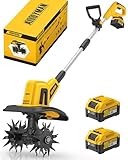 Alloyman 20V Cordless Tiller Cultivator Alloyman 20V Cordless Tiller Cultivator |
|
Check Latest Price |
 Greenworks 40V Cordless Tiller Cultivator Greenworks 40V Cordless Tiller Cultivator |
|
Check Latest Price |
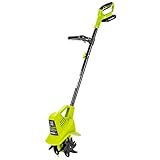 Earthwise TC70020IT 20V Cordless Tiller Earthwise TC70020IT 20V Cordless Tiller |
|
Check Latest Price |
 TaskStar Cordless Tiller Cultivator TaskStar Cordless Tiller Cultivator |
|
Check Latest Price |
 SOARFLY 9 Inch Cordless Tiller SOARFLY 9 Inch Cordless Tiller |
|
Check Latest Price |
 Muylux 20V Cordless Hand Tiller Muylux 20V Cordless Hand Tiller |
|
Check Latest Price |
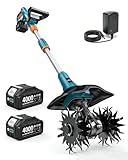 Seesii 20V Cordless Tiller Cultivator Seesii 20V Cordless Tiller Cultivator |
|
Check Latest Price |
One thing that jumps out of the table: the corded machines all cut wider than the cordless ones. That is a physics outcome, not a marketing choice. A battery pack has to be carried in the machine, so the battery models trade pass width for freedom from the cord.
1. Sun Joe TJ604E – Best Overall Corded Tiller for Small Beds
Sun Joe Corded Electric Garden Tiller & Cultivator with Steel Tines, TJ604E
13.5-amp motor
Tills 16 inch wide by 8 inch deep
6 rust-proof steel tines
27.1 lb with folding handle
Pros
- Real digging power for a light electric unit
- Quiet with instant start and stop
- 3 position wheel gives shallow or deep passes
- Folds down for shed storage
- Assembles in about 5 to 15 minutes
Cons
- Supplied cord clips rarely fit the handle
- Small rear wheels make transport across a lawn awkward
- No depth stake so it tends to jump out of the trench
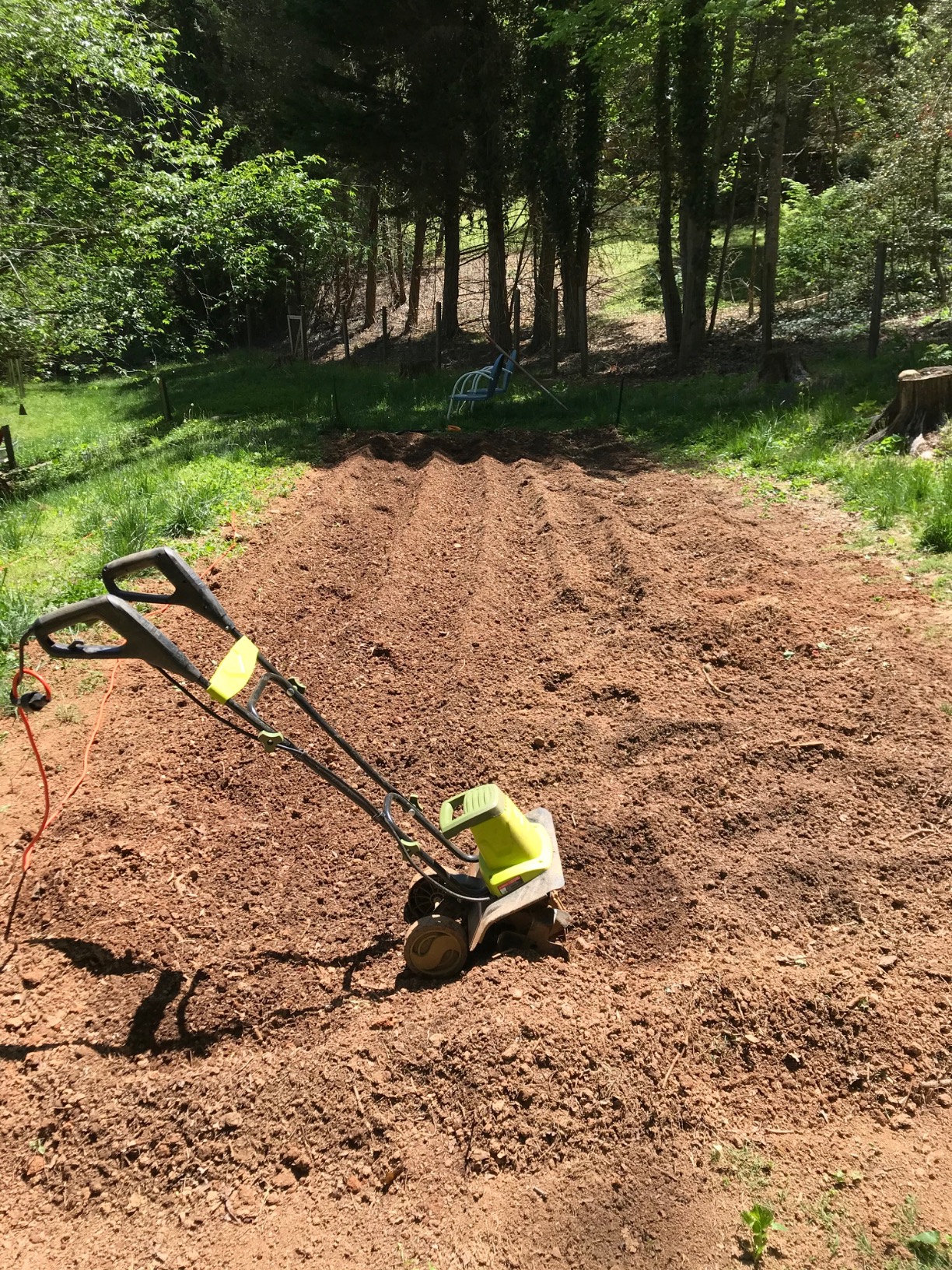
The TJ604E is the one I recommend to most people reading this. Owners describe it breaking ground that a shovel could not penetrate, and plenty of them came to it after owning a gas tiller. At 27.1 lb it is light enough to lift into a raised bed and heavy enough that the tines bite instead of skimming.
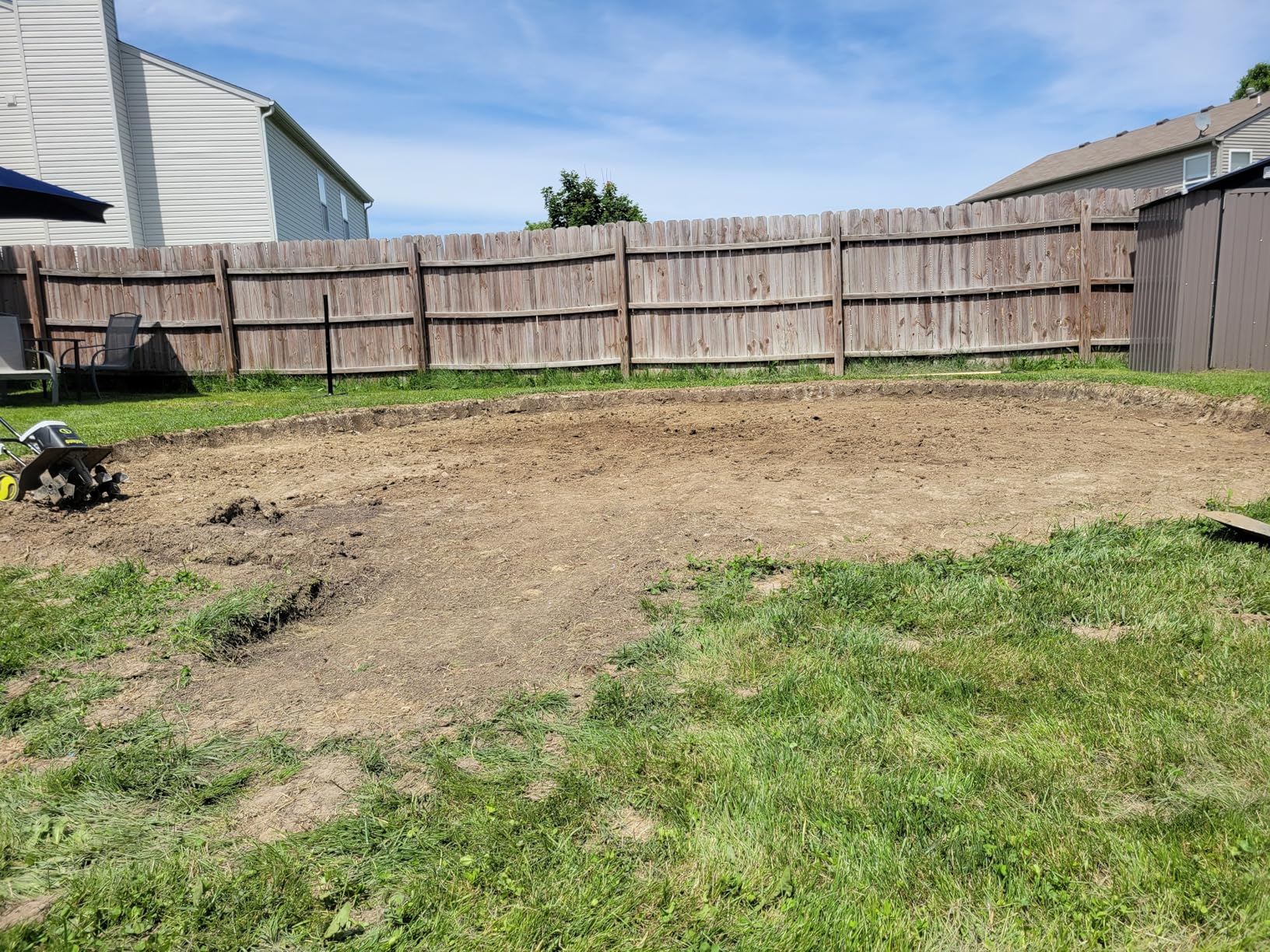
Three things stand out in the owner feedback. The 3-position wheel lets you take a shallow scraping pass to knock down the crust, then a deeper pass to actually turn soil. The 16-inch width covers a typical four-foot bed in two passes, which is the number that decides how long a session takes.
The most-repeated caveat is about the cord, not the machine. The factory cord-retaining clips are reported as almost impossible to fit, so most owners improvise with zip ties. A few also report rocks or buried bricks bending a tine, which is a fair warning if you are clearing old lawn.
Who this tiller suits
This suits a suburban plot of roughly 200 to 500 square feet of new ground, especially if the ground has compacted once before. The 13.5-amp motor has the headroom for clay that surprises you, and the folding handle means it lives in a corner rather than a dedicated bay.
Who should skip it
Skip it if the nearest outlet is more than about 100 feet from the far end of the bed. It is also a poor match for anyone under five foot six, because the handle height suits a taller operator. If you plan to leave tall grass standing, mow it first.
2. Sun Joe TJ603E – Best Value Corded Tiller
Sun Joe Corded Electric Garden Tiller & Cultivator with Steel Tines, TJ603E
12-amp motor
16 inch wide by 8 inch deep
6 rust-proof steel angled tines
27.1 lb, 2 year warranty
Pros
- Handles hard dry clay once soil is pre-watered
- Light enough to lift into raised beds
- Breaks down into two sections for storage
- Tines pull rocks out rather than jamming
Cons
- Much better pulling backward than forward
- Long weeds wrap around the shaft
- Limited power for prolonged work in heavy soil
The TJ603E is the same 16-inch frame and 27.1 lb body as the machine above, with a 12-amp motor and a stated two-year manufacturer warranty. Several owners say it replaced a much larger gas machine for light seasonal work, and posts across gardening forums keep naming the TJ603E and TJ604E as the models people actually own.
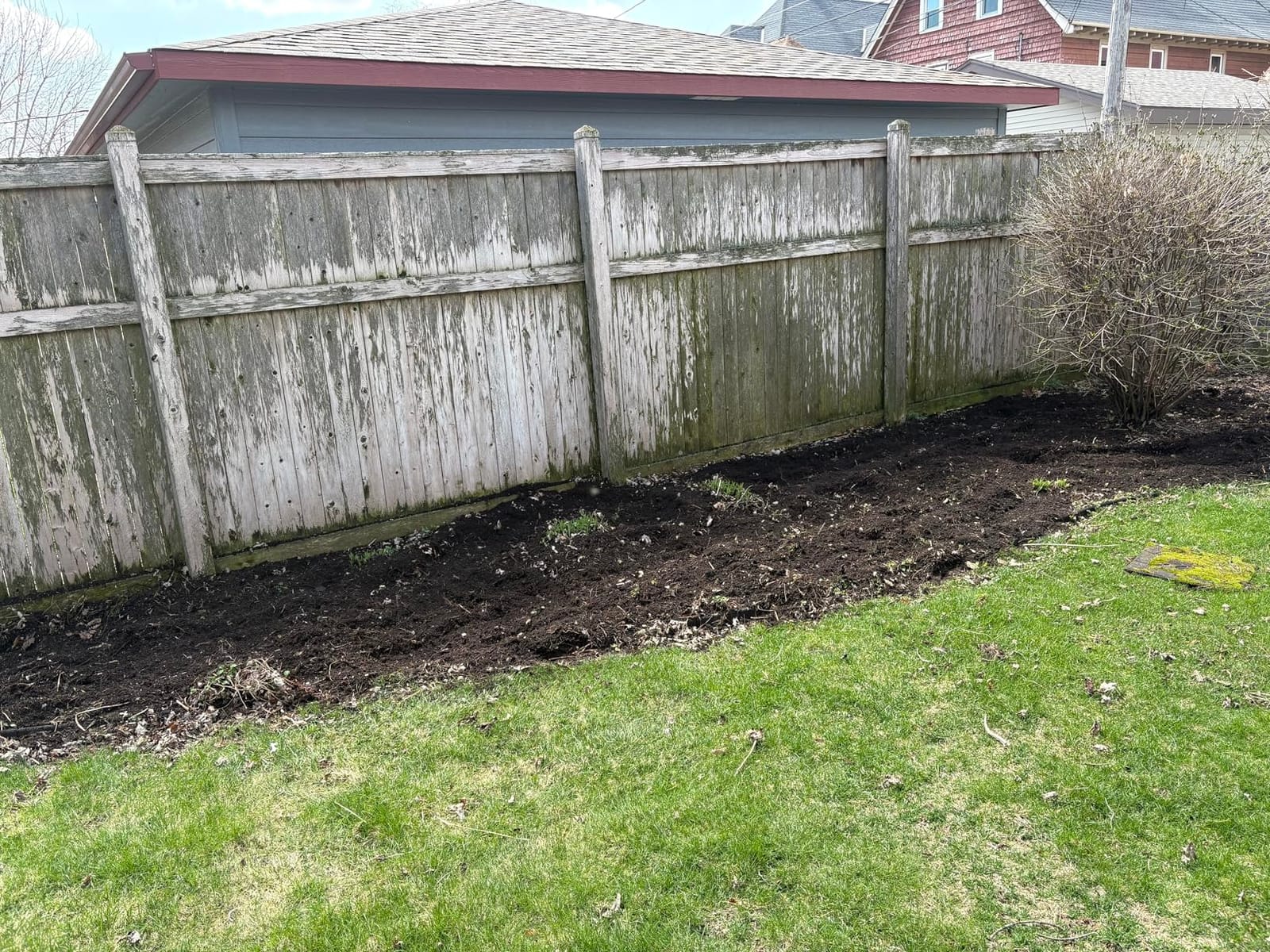
The single most useful piece of advice across these reviews is technique. Water dry soil a couple of days ahead, then pull the tiller backward through each pass rather than pushing forward. Owners who do this report a far better finish than those who fight the machine forward.
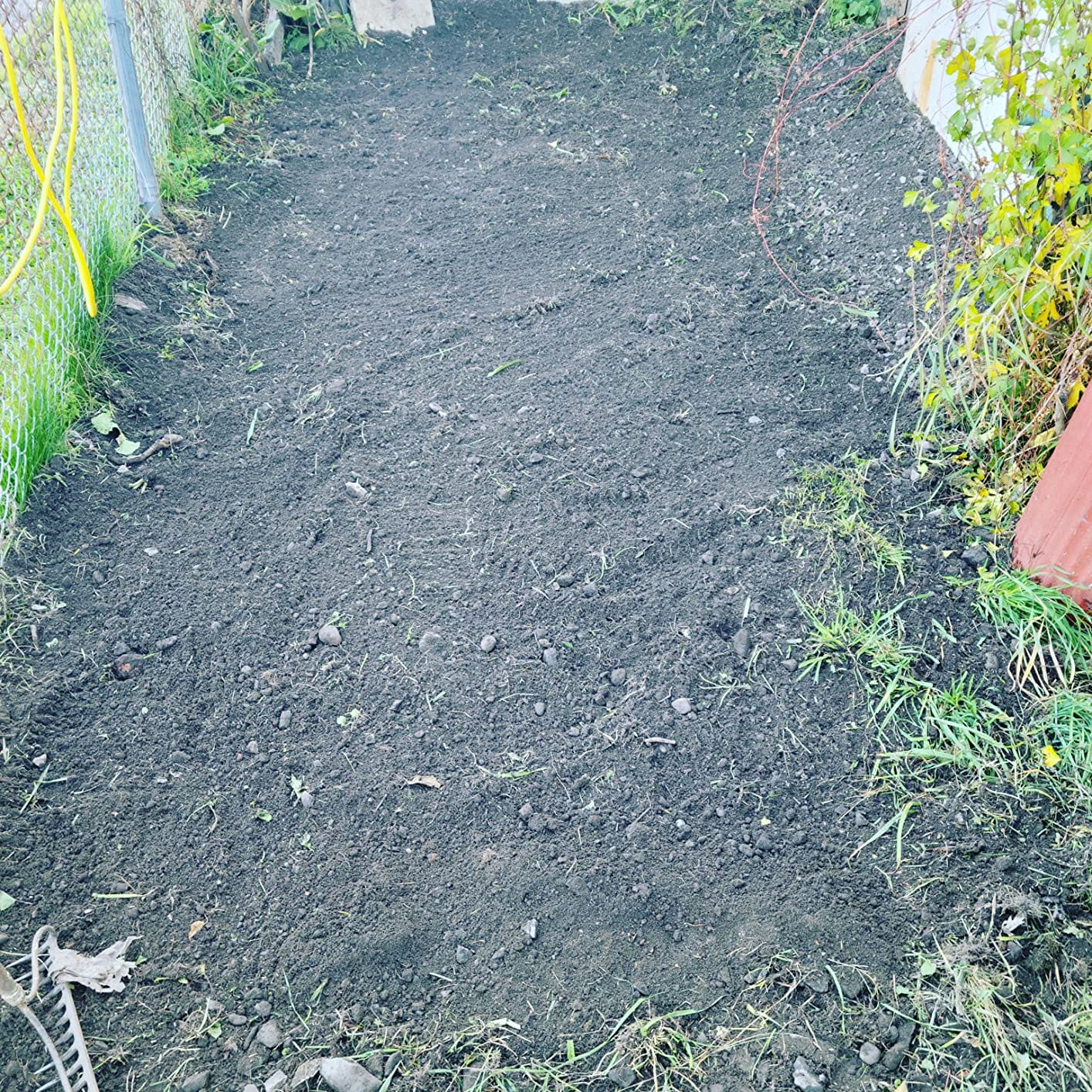
It also works well for removing sod at the shallowest wheel setting and for reworking established beds. Just cut away long grass and root masses from the tines between passes, because wrapped weed is what eventually gets pulled into the transmission seal.
Who this tiller suits
It suits first-time buyers and anyone gardening on a budget who already knows the pull-backward technique. The two-year warranty is unusual in this class and makes it the safer bet if you are new to powered tillage.
Who should skip it
Skip it if you will push forward rather than pull backward, because single-speed forward behaviour is genuinely awkward. Long-grass plots are also a poor fit, since the shaft wrapping problem is more frequent here than on larger machines.
3. LawnMaster TE1216M – Best for the Widest Single Pass
LawnMaster TE1216M Electric Tiller 12-Amp, 16-Inch
16 inch maximum width
9 inch advertised cutting depth
6 rust-resistant steel blades
3 position transit wheel
Pros
- One of the widest paths in the compact electric class
- Two-stage gearbox with mechanical clutch is a sturdier layout
- Transit wheel switches between tilling and rolling transport
- Corded so there is no charging downtime
Cons
- One owner measured about 3 inches of real depth rather than the advertised figure
- Cord must be managed across the whole work area
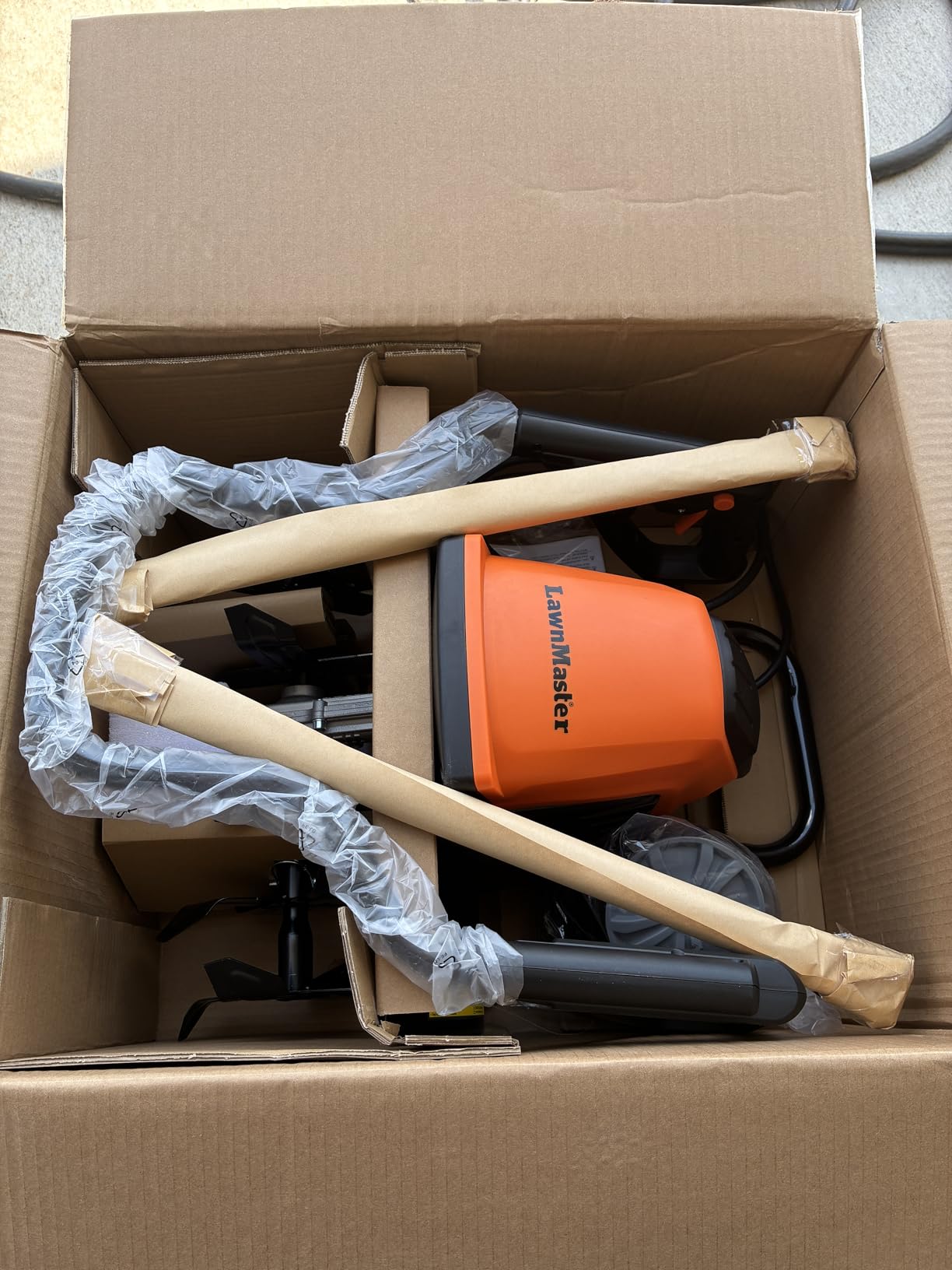
This is the drivetrain-first pick. Where most budget electric tillers use a simple direct drive, this one runs a two-stage gearbox with an anti-clock mechanical clutch, and that is the part of the spec sheet that predicts how it feels in hard ground.
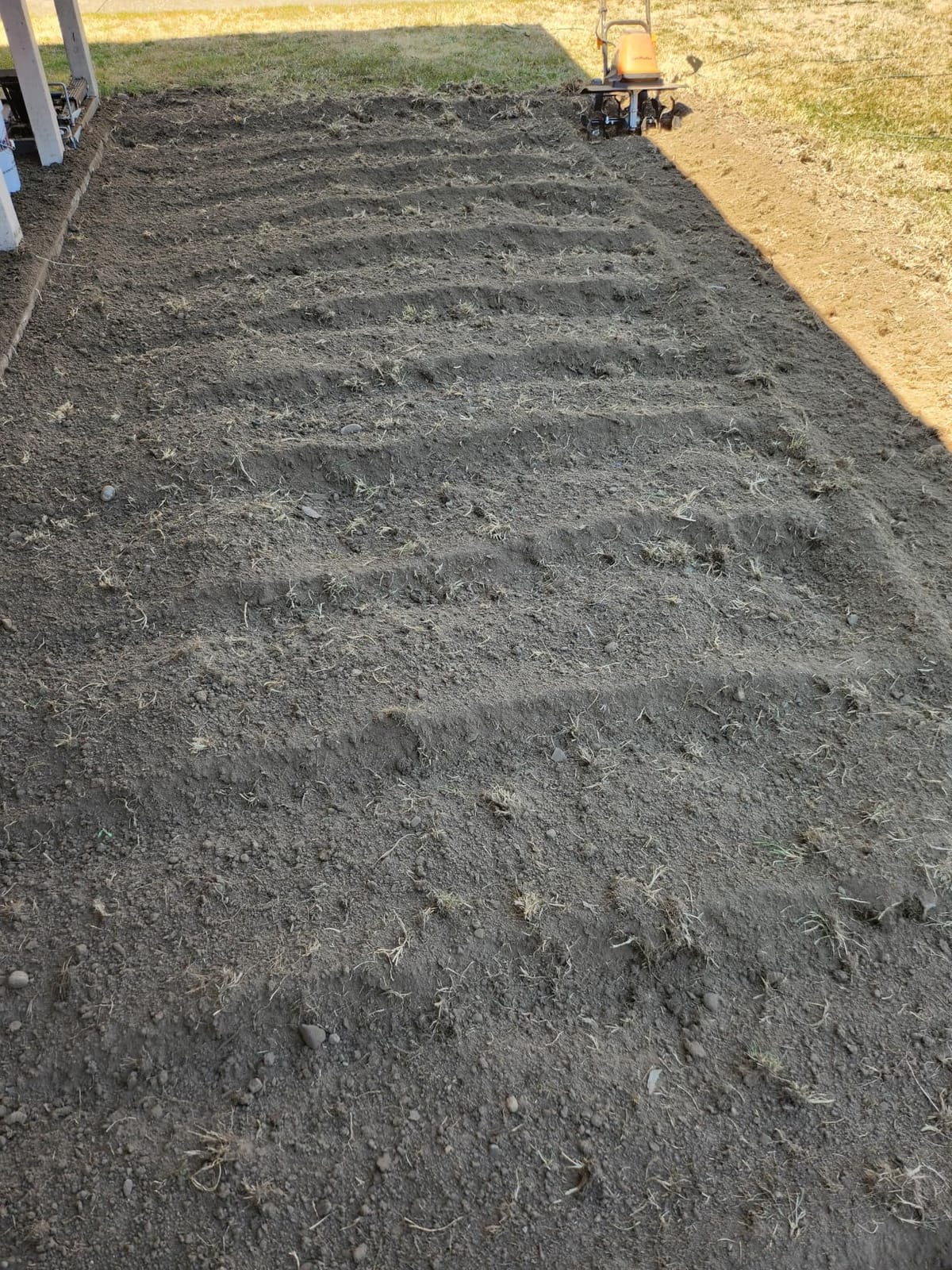
The 16-inch cutting width is the real draw on a small plot, since a four-foot bed is two passes rather than three. The 3-position transit wheel is the feature owners mention most: flip it to transport and the machine rolls between beds without dragging the tines.
The honest limitation is depth. One reviewer measured roughly three inches of actual penetration rather than the nine inches on the spec sheet, and that gap is worth knowing before you plan on deep soil turnover. It is a machine for annual bed prep, not for breaking a new field.
Who this tiller suits
It suits anyone with several long, narrow beds who wants to minimise the number of passes per session. The two-year limited warranty and clutch-driven drivetrain also appeal to buyers who keep tools for a decade.
Who should skip it
Skip it if you need to invert deep soil, since the real-world depth may disappoint you. Anyone with roots and stones in the plot should also expect a fight, because a clutch-driven drivetrain is no match for a root ball.
4. BILT HARD 14 Inch 10 Amp – Best for Clay and Sand
BILT HARD Electric Tiller Cultivator 14 inch, 10 Amp 4 Steel Tines Corded Tiller for Gardening with Foldable Handle, Portable Garden Rototiller with Adjustable Wheels
AC motor up to 17,000 RPM
14 inch wide by 8.7 inch deep
4 blades with 4 angled tines each
17.98 lb foldable H-handle
Pros
- Output rivals gas tillers on clay and grass mats
- Very light at roughly 18 lb
- 14 inch width works in tight spaces
- Two wheel positions also level a finished bed
Cons
- Single speed with no depth or speed control
- Wheel cotter pins can work loose early
- No cord retention clips supplied
At 17.98 lb this is one of the lightest machines here, and owners report it matching or beating gas tillers they already own. The 17,000 RPM motor speed is unusually high for the compact class, and the four blades carry four angled tines each for sixteen cutting points in total.
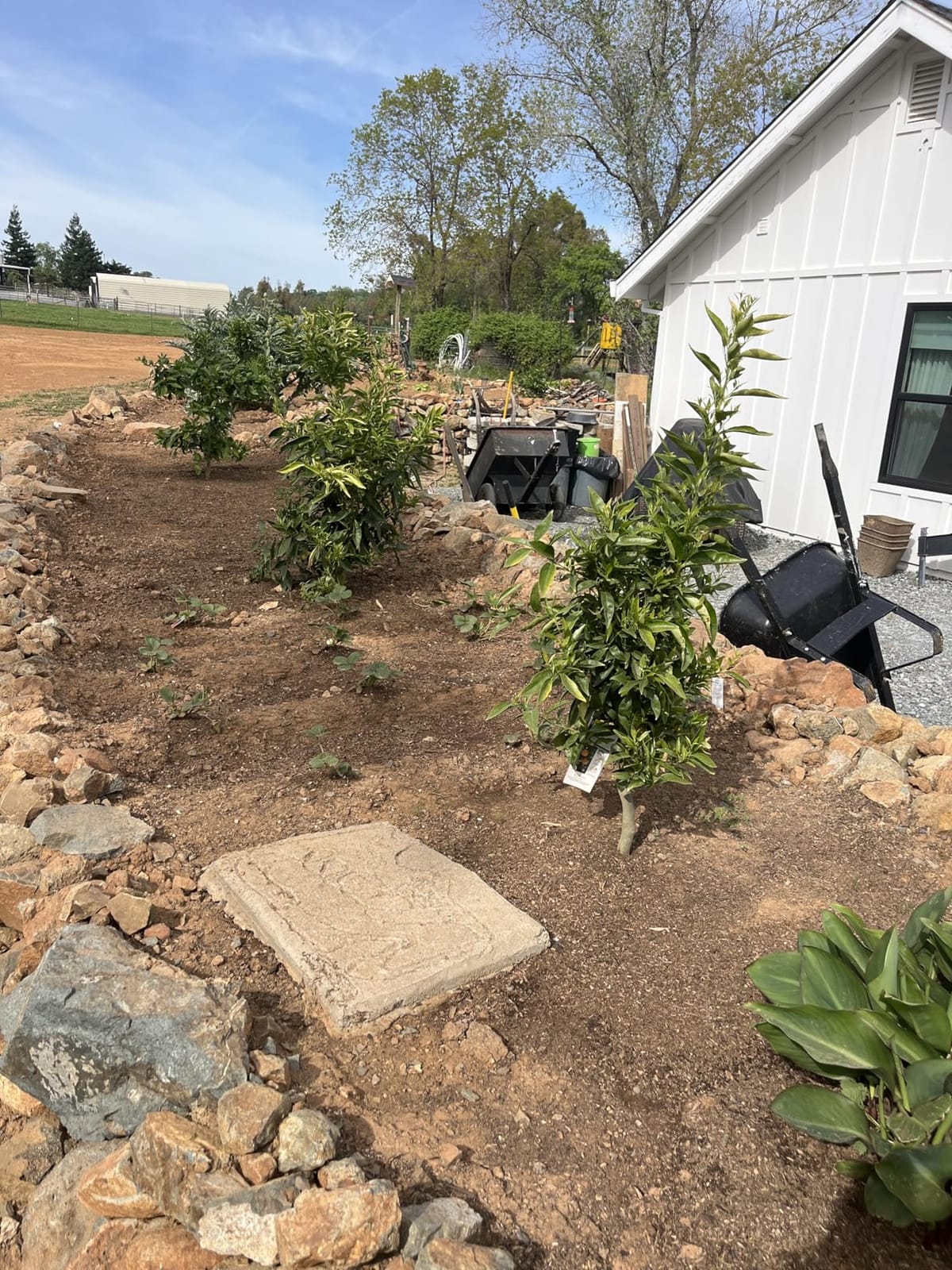
The single defining flaw is control. There is no speed or depth regulation, so the machine is either off or at full output, which means it runs away and throws soil outside the bed. Lighter users report struggling to keep it where they want it.
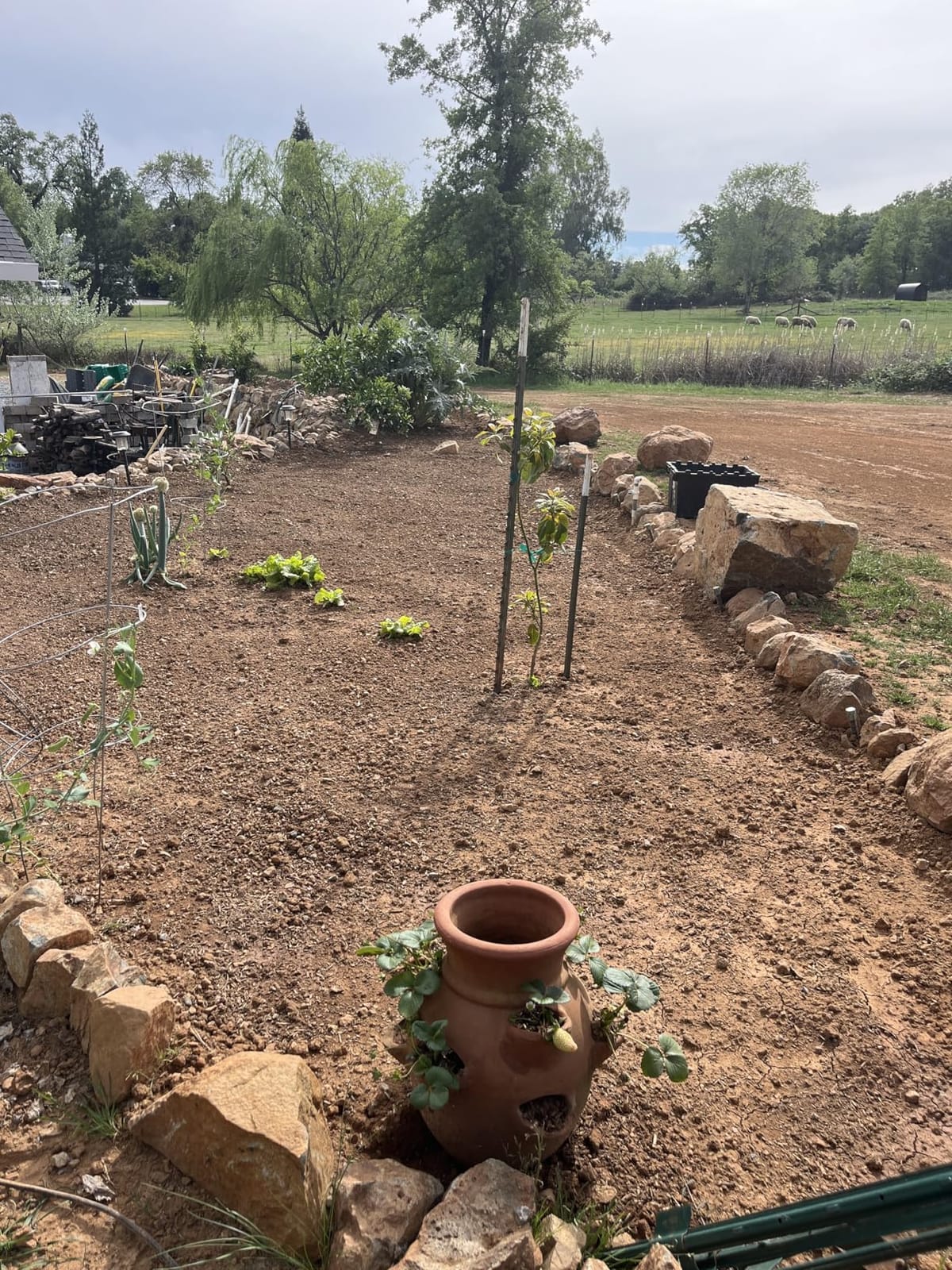
Owners have a workaround that works well: one pass forward to break the crust, then one slow pass backward to mix and deepen. Lower the wheels afterwards and the same wheels that pulled the machine also level the bed surface.
Who this tiller suits
It suits a strong operator working clay, sand or a grass mat over a bed of 100 to 300 square feet. The foldable H-handle with quick bolt knobs means it stores in a very small footprint, which matters in a town garden.
Who should skip it
Skip it if you are a small or older operator, or if you want a gentle first pass over soft soil. The full-throttle-only behaviour is the most common complaint in the reviews and it does not go away with practice.
5. MZK 12 Inch 10.5 Amp – Best for Compacted Ground
MZK 12-Inch 10.5A Electric Tiller Cultivator,Garden Rototiller 8-Inch Depth
Pure copper motor at 430 RPM
12 inch width by 8 inch depth
4 tine sets totaling 16 steel blades
Corded plug-and-go design
Pros
- High 430 RPM tine speed that does not bog down
- Light and easy to maneuver for senior gardeners
- Takes on red clay and rocky soil when tines are cleared
- Compact enough for a small shed
Cons
- One reviewer measured about 3 inches of real depth
- Throws soil sideways and forward
- Jumps and bounces when it catches roots
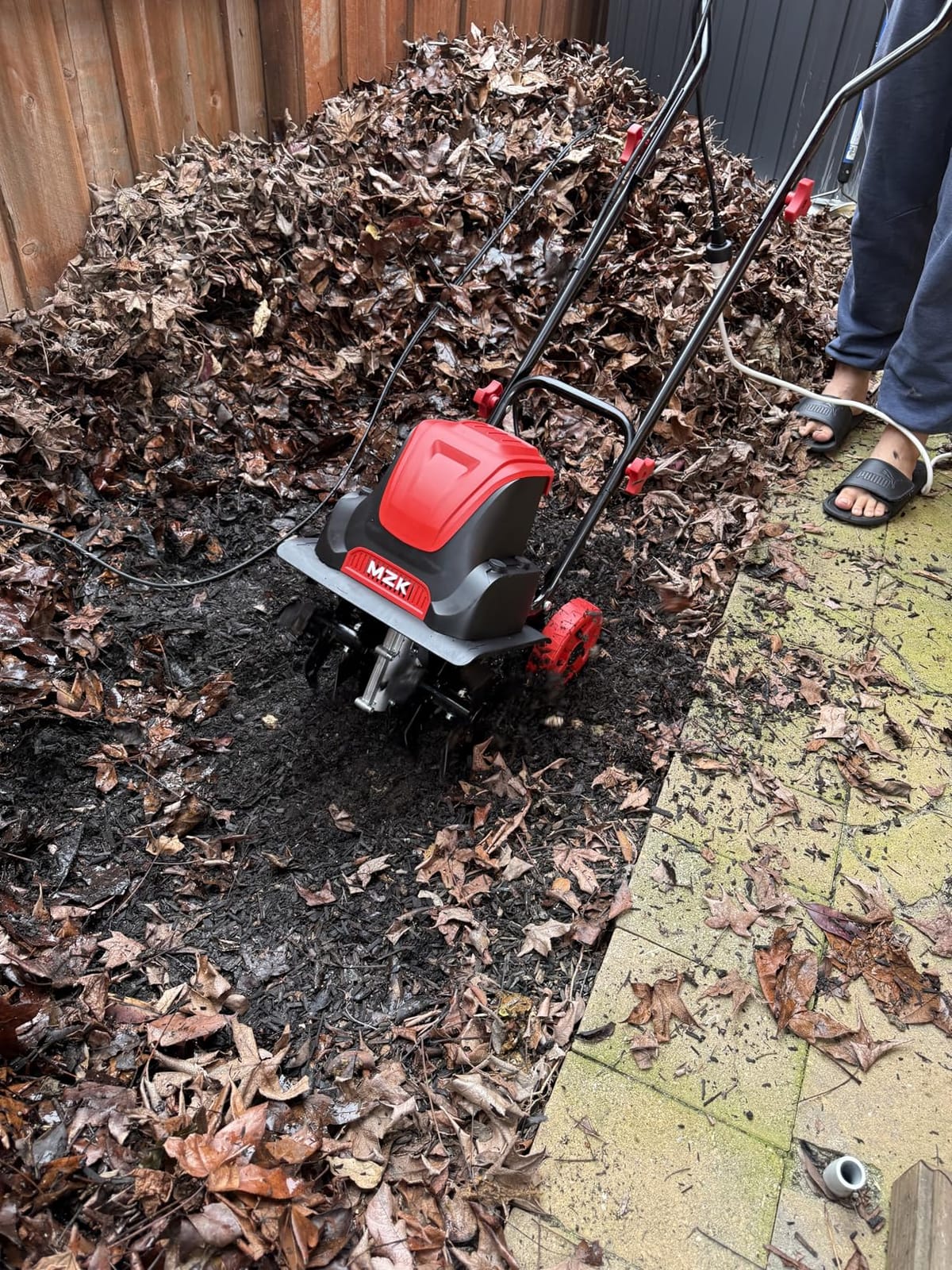
The selling point here is tine speed rather than motor size. At 430 RPM the tines keep moving in hard ground, and owners often compare it favourably with pricier machines when working red clay.
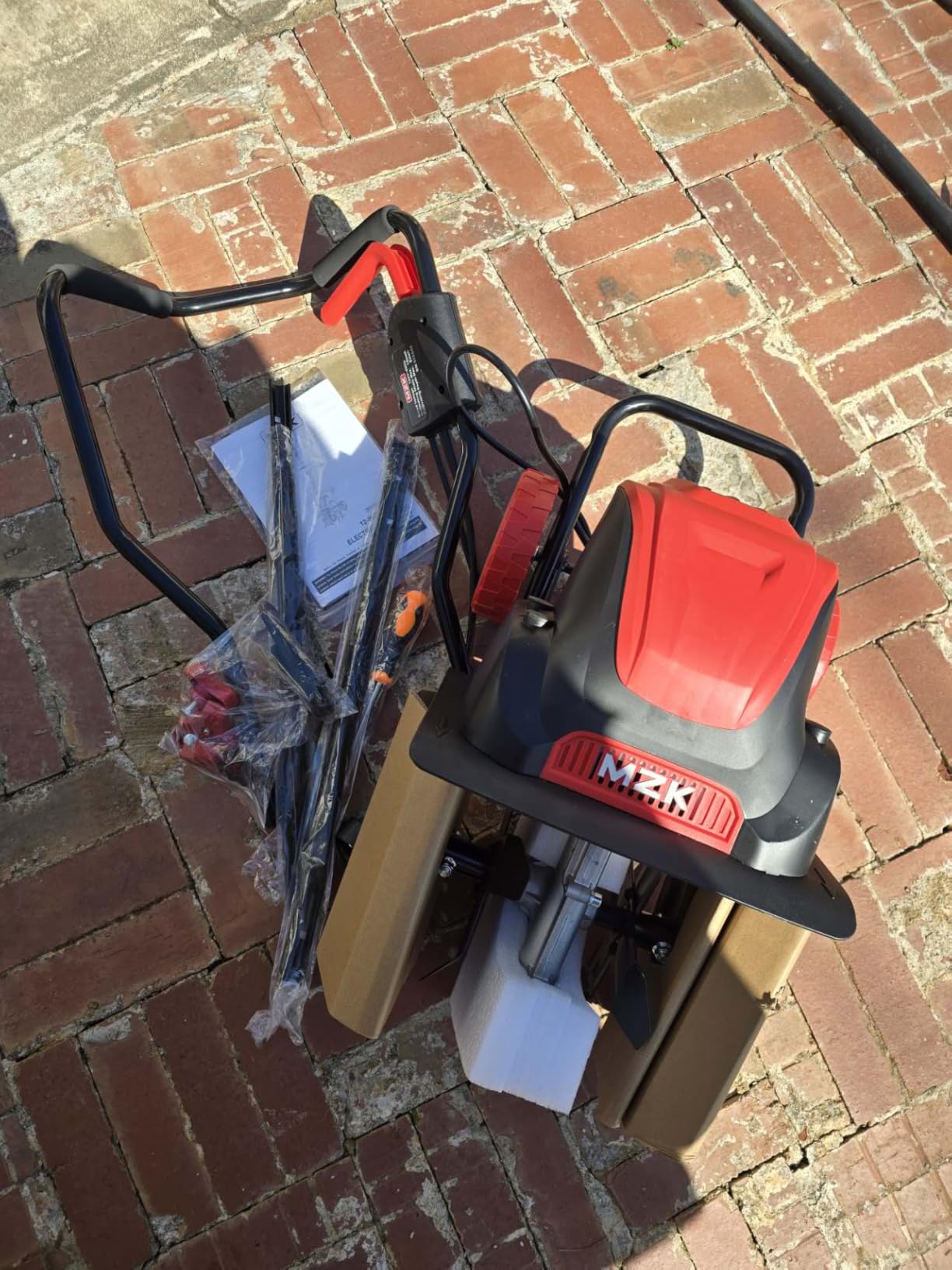
That speed cuts both ways. The machine advances too quickly in the highest wheel setting and is very hard to pull backward, and it tends to throw soil sideways and forward, which means extra cleanup and some lost topsoil. Dropping the wheels to the transport position slows the advance and gives you control.
Depth is the other question. One detailed review reports roughly three inches of actual digging rather than the eight inches claimed, which is the same gap we saw with the LawnMaster. Judge this one by what it does to compacted topsoil, not by the number on the box.
Who this tiller suits
It suits a plot that has been walked on or grown hard for years, where the top few inches need loosening before compost goes in. The weight and simplicity also make it a comfortable machine for older gardeners.
Who should skip it
Skip it if you need a tidy finish, because soil scatter and bouncing cost you time you may not have. Root-heavy ground is also a problem, since tines need clearing with clippers between passes.
6. Alloyman 20V Cordless – Best Cordless Tiller for Raised Beds
Alloyman 20V Cordless Tiller Cultivator, 360RPM Electric Garden Tiller, with 2 * 4.0Ah Batteries & Charger, 9In Tilling Width and 6.6In Depth Garden Rototiller for Lawn/Gardening/Soil Cultivation
9 inch wide by 6 inch deep
360 RPM steel tines
Two 20V 4.0Ah batteries and charger
14.4 lb with adjustable auxiliary handle
Pros
- Two batteries let you work while one charges
- No cord to drag through the garden
- Detachable tines make cleaning fast
- Two-button safety interlock
Cons
- Underpowered for very hard or rocky ground
- Battery runtime drops sharply in hard soil
- No protective tine cover for storage
This is the cordless pick for anyone whose beds sit at the far end of the garden with no outlet nearby. The two included 4.0Ah batteries are the key detail: one runs roughly 45 minutes while the other charges, so a bed is a continuous job rather than a single timed window.
The adjustable auxiliary handle is worth more than it sounds, because a fixed grip forces you into one working posture across an entire session. A two-button interlock, requiring a held safety button plus the trigger, is a genuine improvement over single-switch tools.
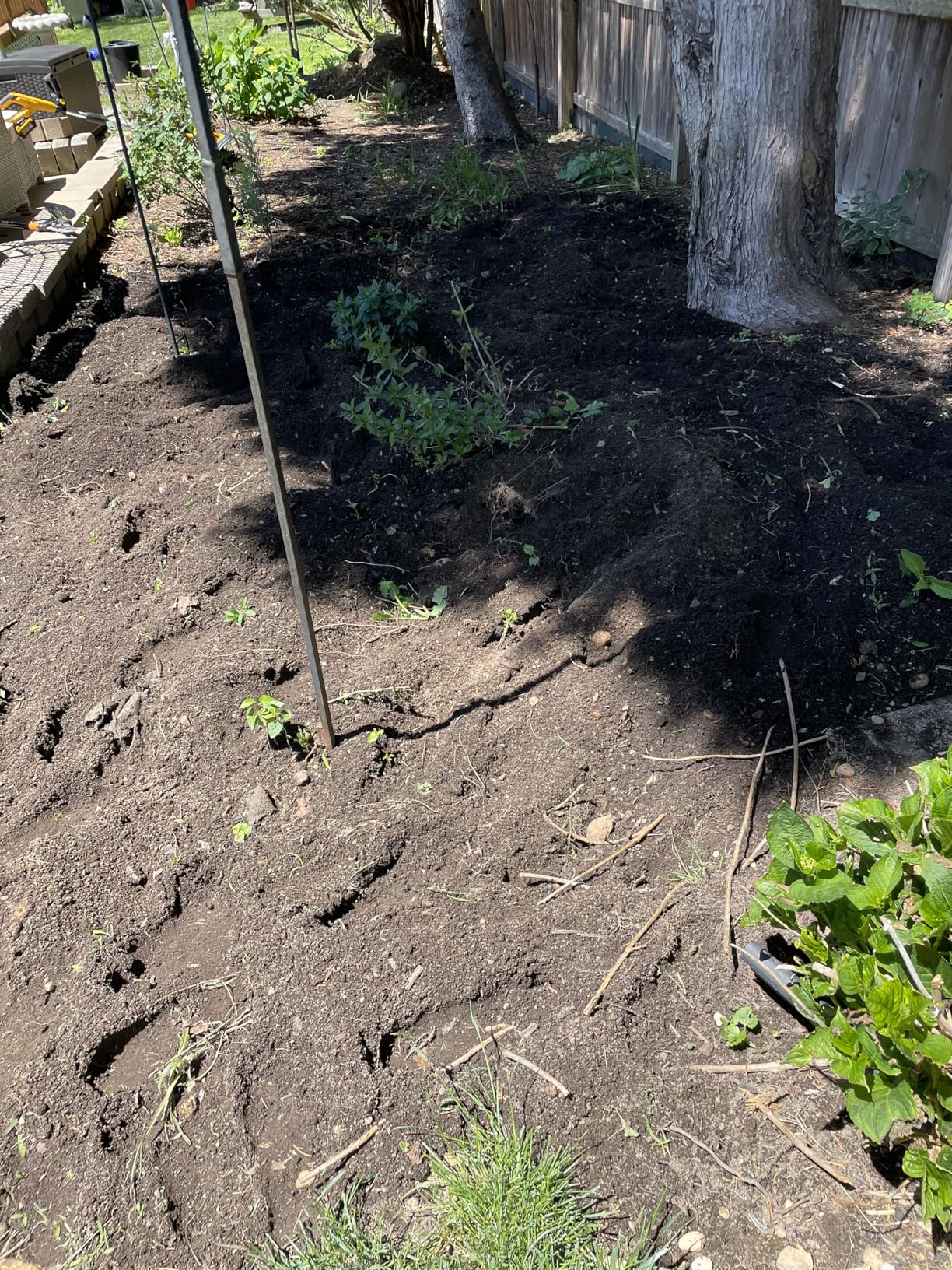
Where it falls short is capacity, not design. Owners describe it as a cultivator for already-loosened beds rather than a ground-breaking tool, and note that runtime falls off quickly in hard soil. The detachable tines, released for cleaning, save a lot of stop-start time when grass wraps around the shaft.
Who this tiller suits
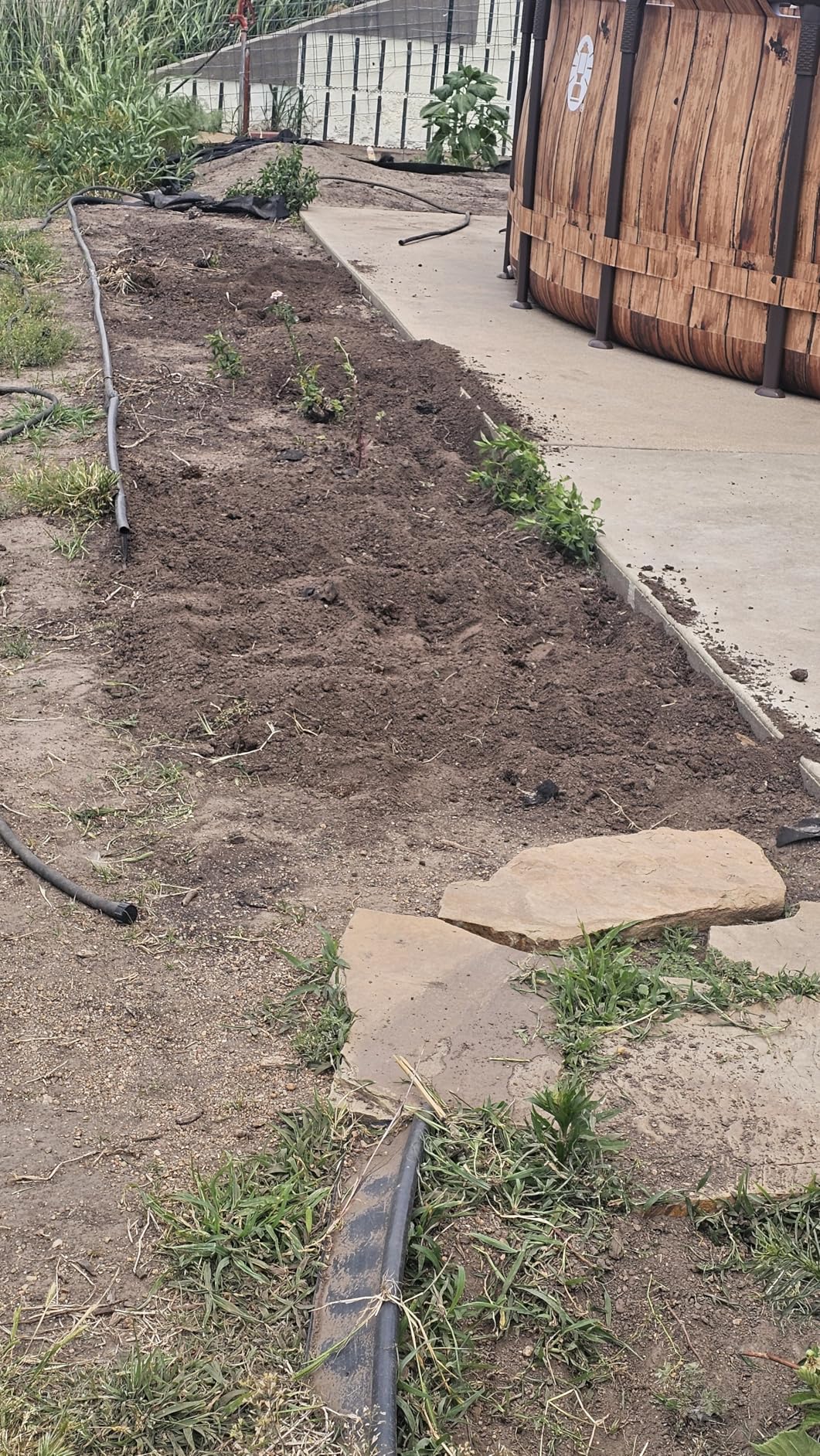
It suits raised-bed growers and anyone mixing compost into existing beds on a regular basis. At 14.4 lb it lifts over a bed wall comfortably, which heavier cordless machines struggle with.
Who should skip it
Skip it if you are converting lawn to a new bed for the first time. The 9-inch pass is also narrow, so an open plot means a lot of walking. And if your soil is compacted, expect to make several passes to get a result.
7. Greenworks 40V – Best Established-Brand Cordless Tiller
Greenworks 40V 10″ Cordless Tiller / Cultivator, 4.0Ah Battery and Charger Included, Green
8.25 to 10 inch adjustable width
Up to 45 minutes on a 4.0Ah battery
6 inch rear wheels
21 lb with 3 year warranty
Pros
- Only major-brand cordless option in the group
- 3 year tool and battery warranty
- Adjustable width narrows the pass for rows
- Battery and charger included in the box
Cons
- Heaviest unit here at 21 lb
- Narrowest width among full-size units
- 8 percent one-star reviews cite low power in hard soil
Greenworks is the one name here with a three-year tool and battery warranty behind it, and the 4.0Ah battery and charger are in the box rather than being a separate purchase. That warranty is the reason to consider it even though the rating is the lowest in this group.
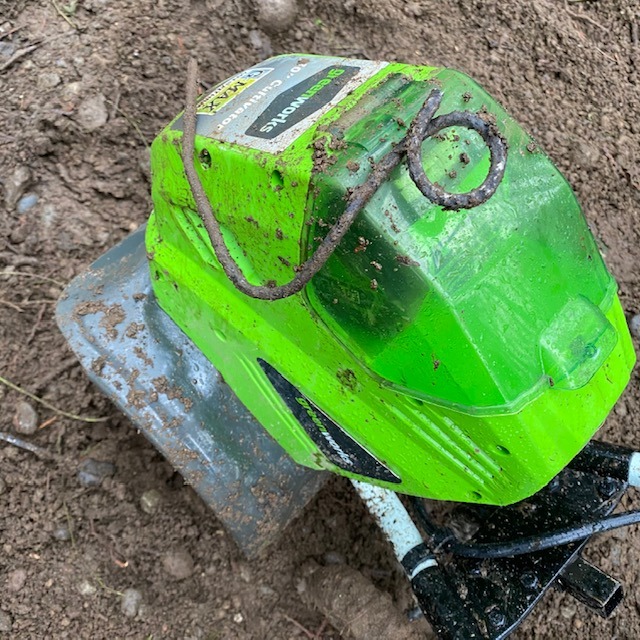
The adjustable tilling width, from 8.25 to 10 inches, is a genuinely useful feature. Narrow it to weave between established rows and widen it for open ground, which is something fixed-width machines in this class cannot do.
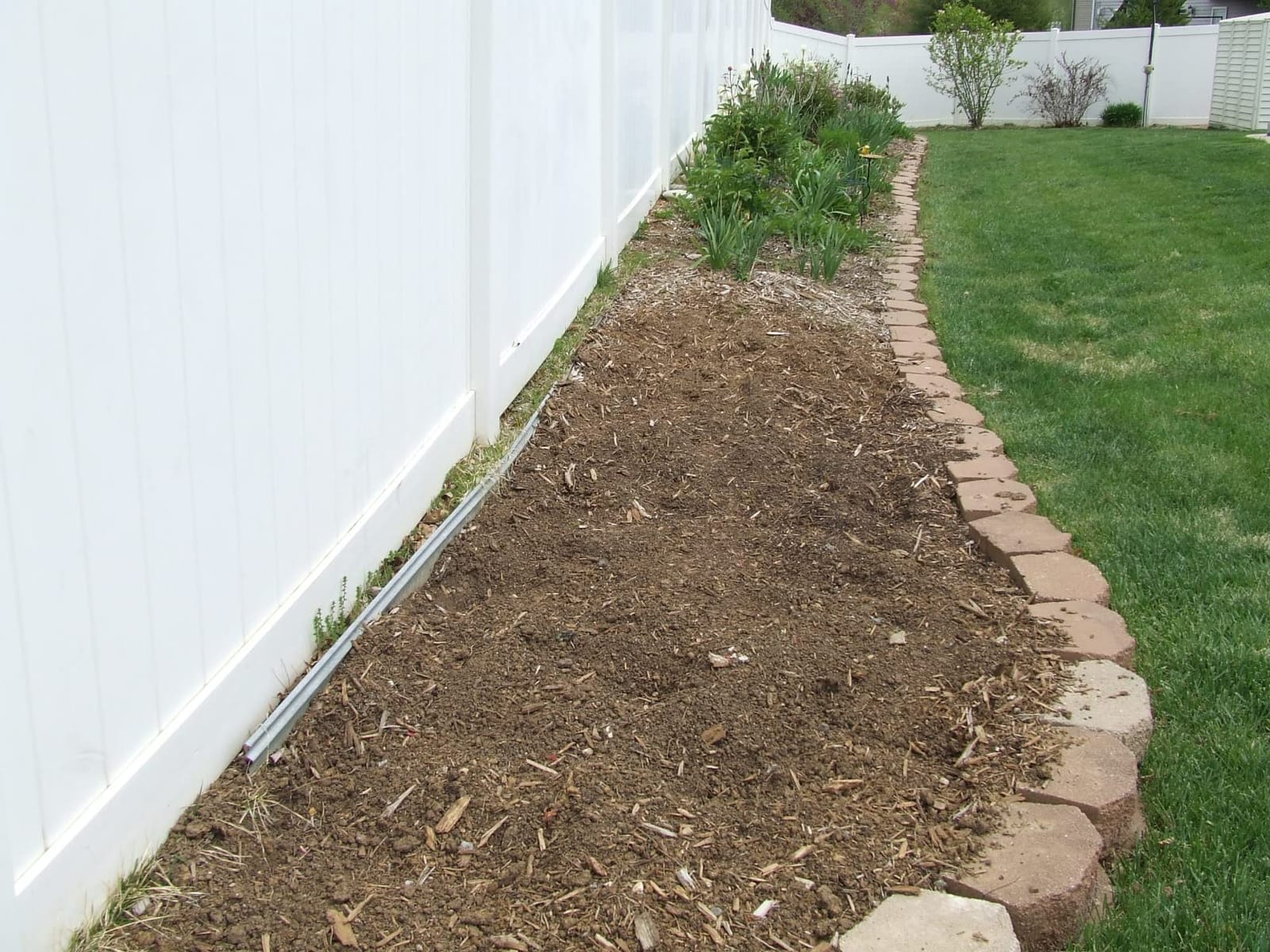
Owners who keep it in line with its intended role, which is weed control, bed preparation and aeration, report solid satisfaction. Those who try to break compacted ground report the extra mass and wattage do not translate into proportionally more digging. At 21 lb it is also the bulkiest unit here.
Who this tiller suits
It suits a gardener who wants a warranty they can rely on and already trusts the brand, and who wants a 45-minute session of maintenance tilling per charge. The 6-inch rear wheels also make it easier to move around beds than tucked-under designs.
Who should skip it
Skip it if storage space is tight, since it is the heaviest and most parts-dense machine in the guide. And if your plot is mostly unbroken ground, the weight will work against you rather than for you.
8. Earthwise TC70020IT – Best for Older Gardeners
Earthwise TC70020IT 20V 7.5″ Cordless Electric Garden Tiller Cultivator
12 lb handheld format
7.5 inch width by 6 inch depth
20V 2.0Ah battery with fast charger
4 durable steel tines
Pros
- Lightest full-size machine here at 12 lb
- Cordless with no cables to trip over
- Fast charger gets you back to work
- Top-mounted safety button stops tines on release
Cons
- Narrowest pass in the group at 7.5 inch
- Underpowered for compacted soil
- One report of a battery not holding a charge
At 12 lb this is the machine we would hand to a gardener who should not be lifting anything heavy. Reviews repeatedly describe it as the tool that lets older or smaller users keep working their own beds, including one owner who tills her whole plot alone at 85.
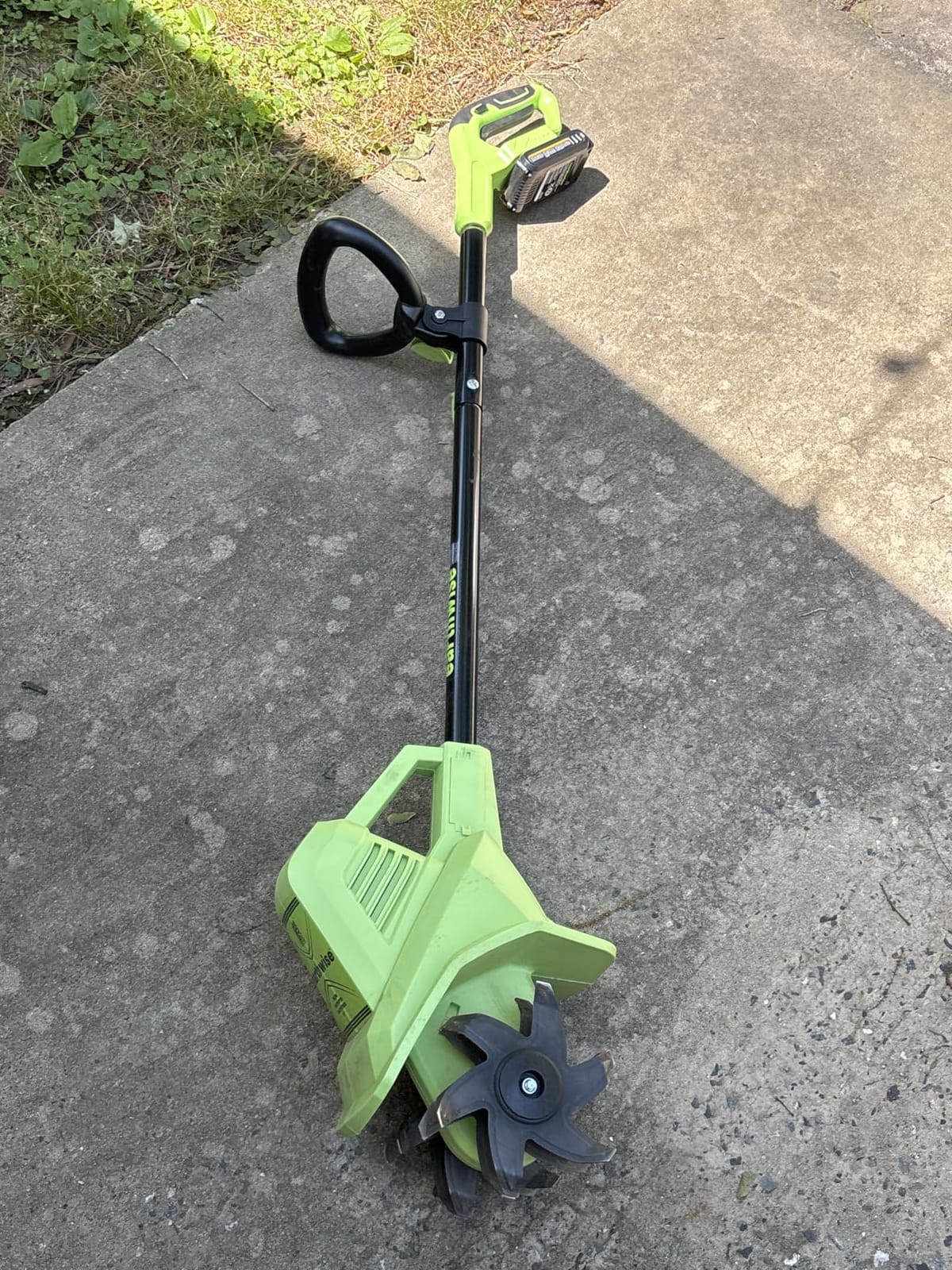
The top-mounted safety button is a real usability feature, since releasing it stops the tines rather than letting them coast. And the cordless format means no cable to drag through flower beds, which is a genuine trip hazard in a small urban plot.
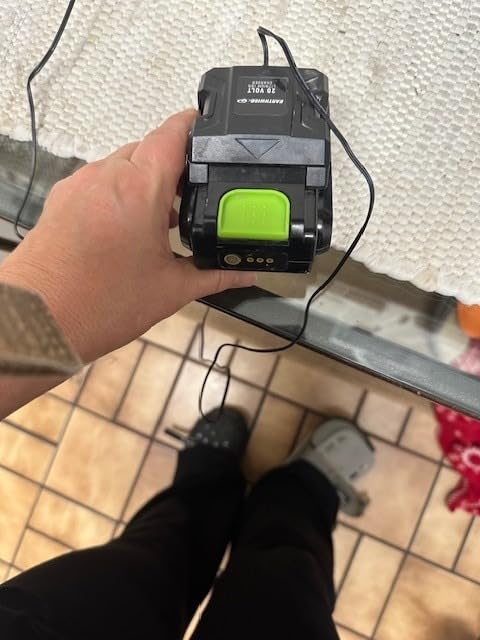
The trade-off is capacity. A 7.5-inch pass and a single 2.0Ah pack mean roughly 45 minutes of runtime, so anything larger than a flower bed needs battery swaps. Owners frame it as convenient rather than capable, which is the right way to think about it.
Who this tiller suits
It suits flower beds, edges, and mixing compost or additives into an already-worked bed. If your plot is under about 100 square feet, this is more than enough machine for the job.
Who should skip it
Skip it if you need to break new ground or work a plot over 300 square feet. Battery reliability is the main complaint in the reviews, with at least one report of a pack that would not hold a charge after a single short job.
9. TaskStar Cordless Tiller – Best for Weedy Community Plots
Cordless Tiller Cultivator for Gardening, Battery Powered Garden Rototiller
9 inch width by 7 inch depth
48 rust-resistant steel tines at 360 RPM
Two 2.0Ah lithium-ion batteries
12.8 lb with 3 year warranty
Pros
- Highest rated cordless option at 4.6 with 76 percent five-star
- Tine wheels pop off with a single pin for fast clearing
- Two batteries with quick recharge
- Light enough for a 77-year-old owner to control
Cons
- Motor runs warm and drains the pack faster in hard soil
- Weedy plots mean repeated tine removal and untangling
- Terse assembly instructions
Despite the unbranded name, this is the best-rated cordless machine in the group, and owners describe it in terms like a small beast. Forty-eight steel tines across two rotors is more cutting coverage than most rivals in this size class, and they release with a single pin.
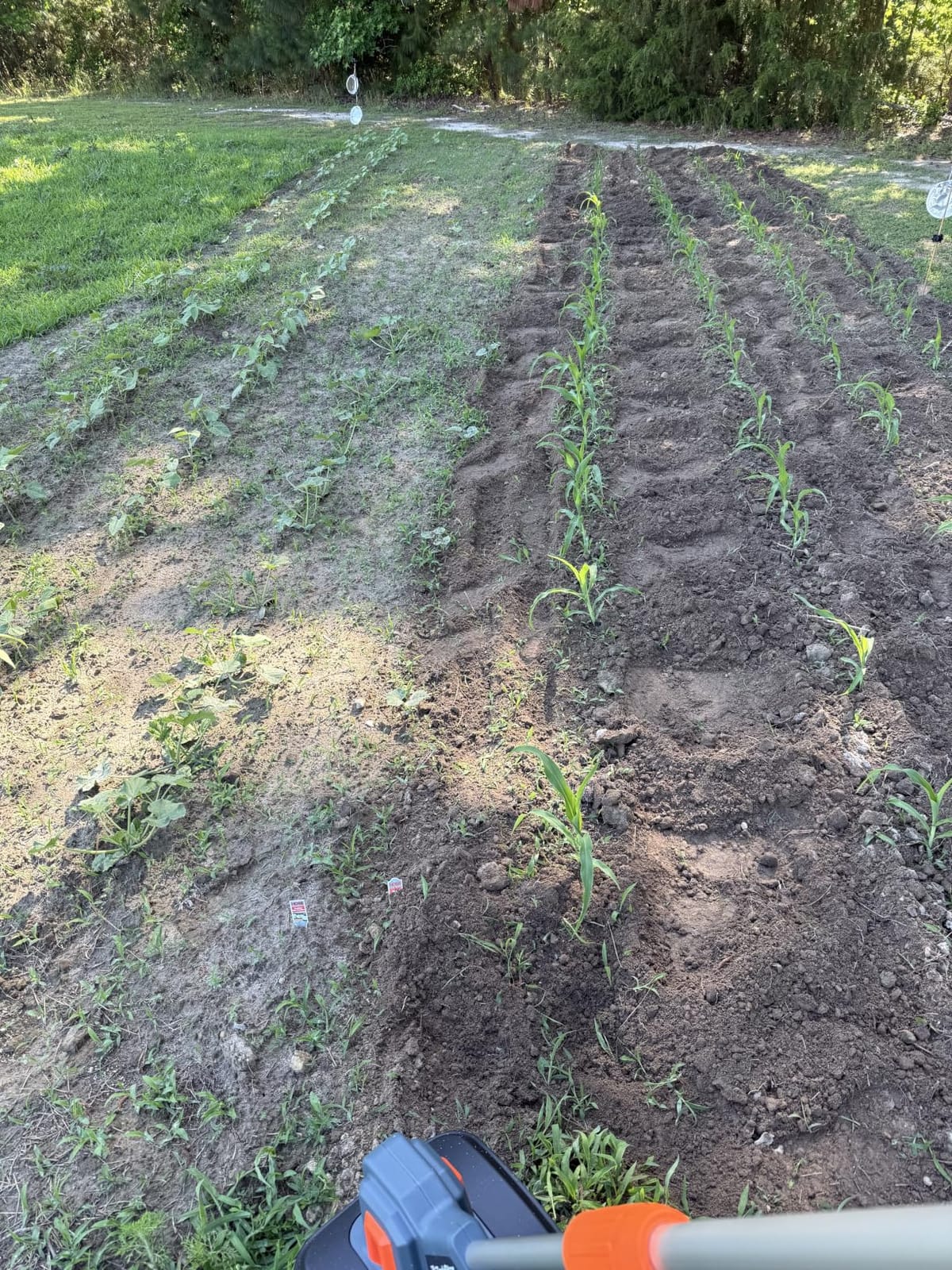
That pin matters more than it sounds. On a neglected plot the dominant time cost is not tilling, it is stopping every twenty feet to unwind grass from the tines. Reviewers who clear ankle-high weed growth from a community plot finish in 15 to 35 minutes; reviewers who skip the clearing do not.
The standard advice from owners is to mow or weed-whip the area first, then till. New ground still needs repeat passes, and the motor runs warm under load, with some owners seeing as little as five minutes of hard digging per charge.

Who this tiller suits
It suits anyone taking on an overgrown or neglected small plot who wants cordless freedom and a 3-year warranty. The 12.8 lb weight is manageable for most operators of any age.
Who should skip it
Skip it if you plan to work long, uninterrupted sessions in hard soil, because thermal behaviour will frustrate you. And if you are patient enough to mow first, buy the mower too, because the clearing step is non-negotiable here.
10. SOARFLY 9 Inch Cordless – Best for Hard Clay
SOARFLY Cordless Tiller Cultivator 9″ Width 6.6″ Depth, 2×4.0Ah Batteries
9 inch width by 6.6 inch depth
Two 4.0Ah lithium-ion batteries
360 RPM motor with 48 steel tines
Height-adjustable shaft
Pros
- Largest single-pack capacity among budget cordless models
- Confirmed to work rock-hard ground and clay
- Height-adjustable shaft with auxiliary handle
- Tines release via a simple cotter pin
Cons
- Assembly can be done backwards
- causing the machine to lunge on startup
- Handle is short for tall users
- Runs 20 to 30 minutes rather than advertised
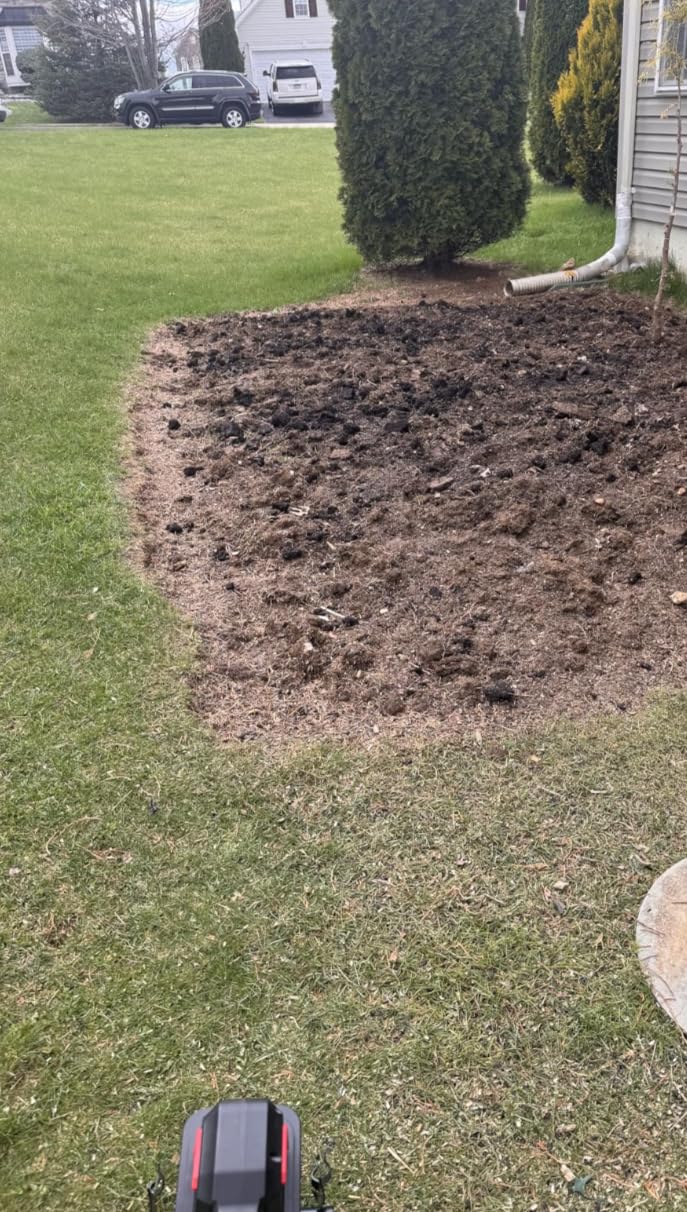
The two 4.0Ah packs are the largest single-battery capacity among the budget cordless models here, and in practice that is roughly 45 minutes per pack. Owners confirm it breaks about three inches into heavy clay and works embedded stones out of the soil rather than stopping dead.
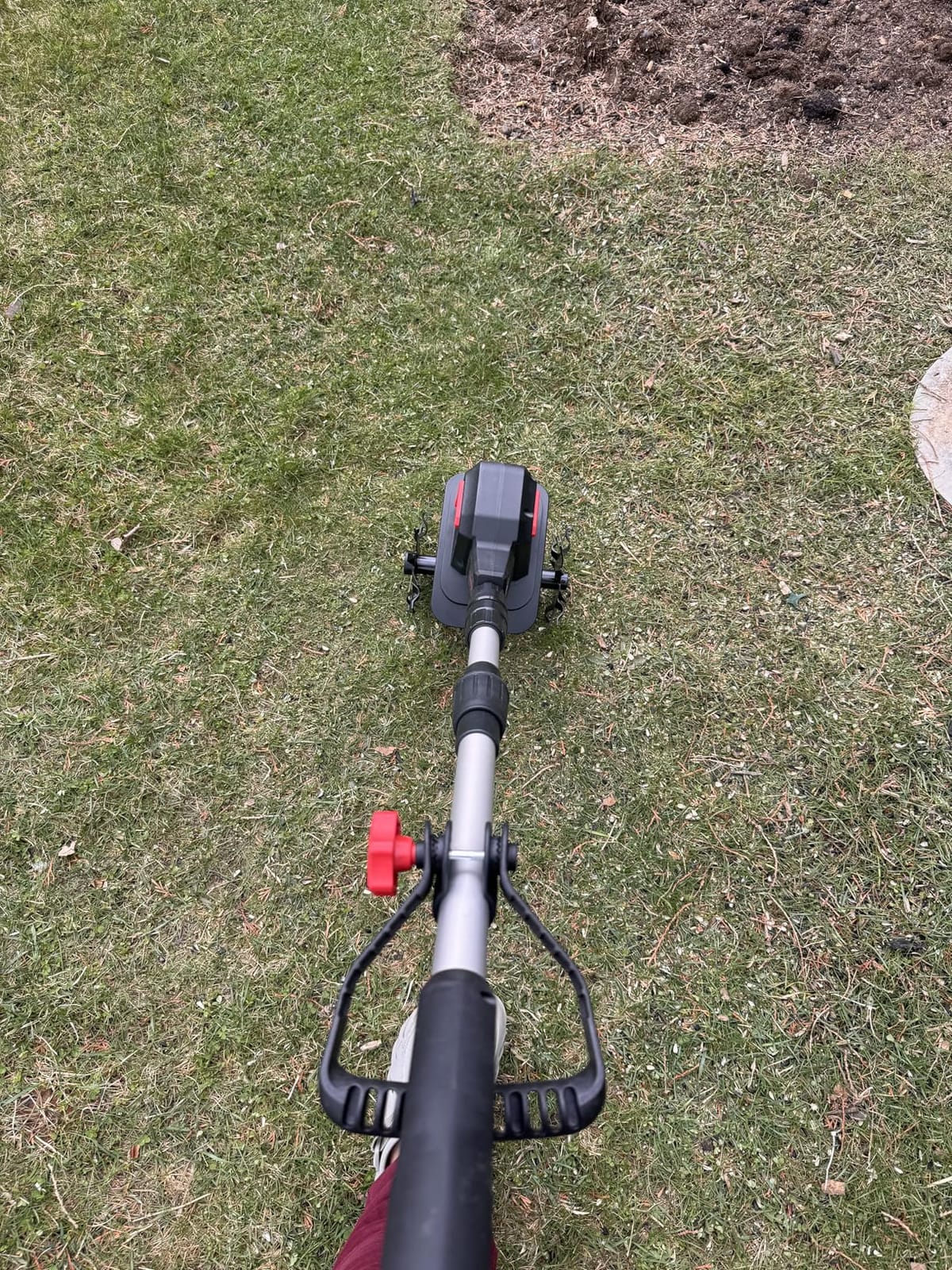
Read the assembly notes before you start. Several owners assembled the shaft facing the wrong way, and the machine then lunges toward the operator on startup until the shaft is reversed. It is a five-minute fix but a genuinely unnerving first impression.
Runtime is the honest limitation. Real-world full-blast work is closer to 20 or 30 minutes per pack, and neither battery finishes charging in the time the other runs flat, so effective downtime depends on taking a rest break. The manufacturer’s own guidance to start shallow and increase depth matches what owners report working.
Who this tiller suits
It suits the smallest users among the cordless group, at roughly 15 lb, and anyone working clay who cannot get an outlet close to the bed. Assembly takes about ten minutes and the cotter pin makes tine cleaning quick.
Who should skip it
Skip it if you are tall, because the non-telescoping handle leaves you bent over a bed and the reviews flag lower-back strain. It is also a top-inches tool rather than a deep digging machine.
11. Muylux 20V Hand Tiller – Lightest Cordless Option
Muylux 20V Cordless Tiller Cultivator for Gardening, Electric Garden Tiller with 2 x 2.0Ah Batteries & Charger, Garden Rototiller for Lawn Gardening Soil Cultivation
2.02 kg handheld build
Loosens soil 4 inches deep
2 steel tines at 240 RPM
Two 20V batteries with charger
Pros
- Lightest machine in the guide at about 4.5 lb
- Two swappable 20V batteries included
- No cord to tangle in tight garden spaces
- Ergonomic grip reduces hand strain
Cons
- A hand tiller rather than a walk-behind
- Thinnest evidence base at 341 reviews
- Slowest tine speed here at 240 RPM
- Smallest 2.0Ah packs in the group
At roughly 4.5 lb this is not a walk-behind machine at all. It is a handheld cultivator that you lift, lower onto the soil, and work in short passes, which makes it the right tool for planters, window boxes and the corners a tiller cannot reach.
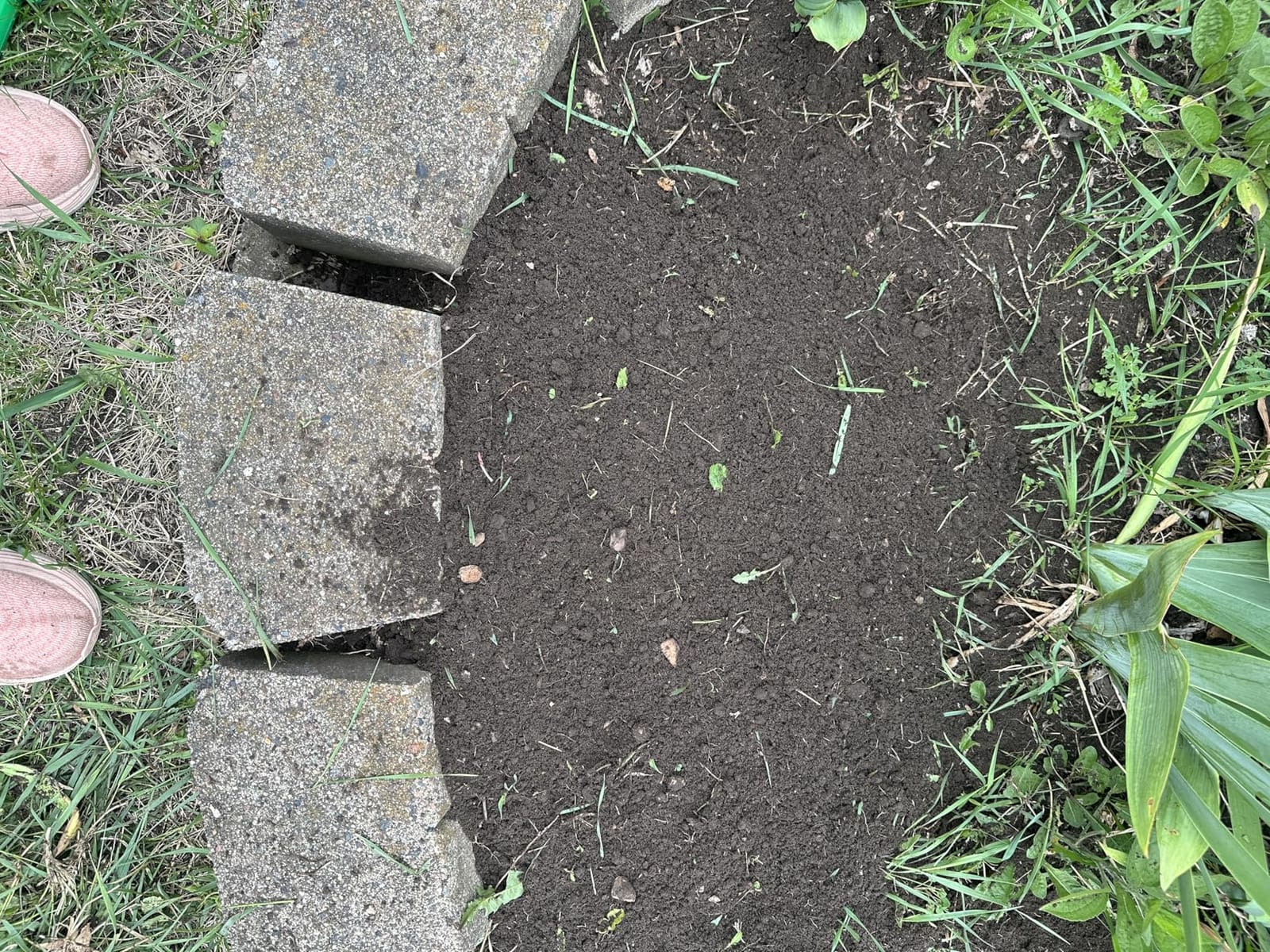
Two steel tines at 240 RPM loosen soil to about four inches deep, which is a useful working depth for mixing compost into the top of a bed. The two included 20V packs both carry overload and temperature protection, and the pack protection is a reasonable safeguard at this level.
Be clear about what you are buying. The 2.0Ah packs are the smallest capacity here, the tine speed is the slowest, and 341 reviews is the thinnest evidence base in the guide. Its appeal is portability and reach, not demonstrated tilling capacity.

Who this tiller suits
It suits anyone tending containers, planters and small raised beds, plus gardeners with mobility limits who want a tool they can hold rather than push. It also works as a finishing tool between rows after a bigger pass.
Who should skip it
Skip it for any whole-bed or lawn-scale job, and skip it if you want a machine with a long parts record behind it. Two tines will not keep pace on anything larger than a flower bed.
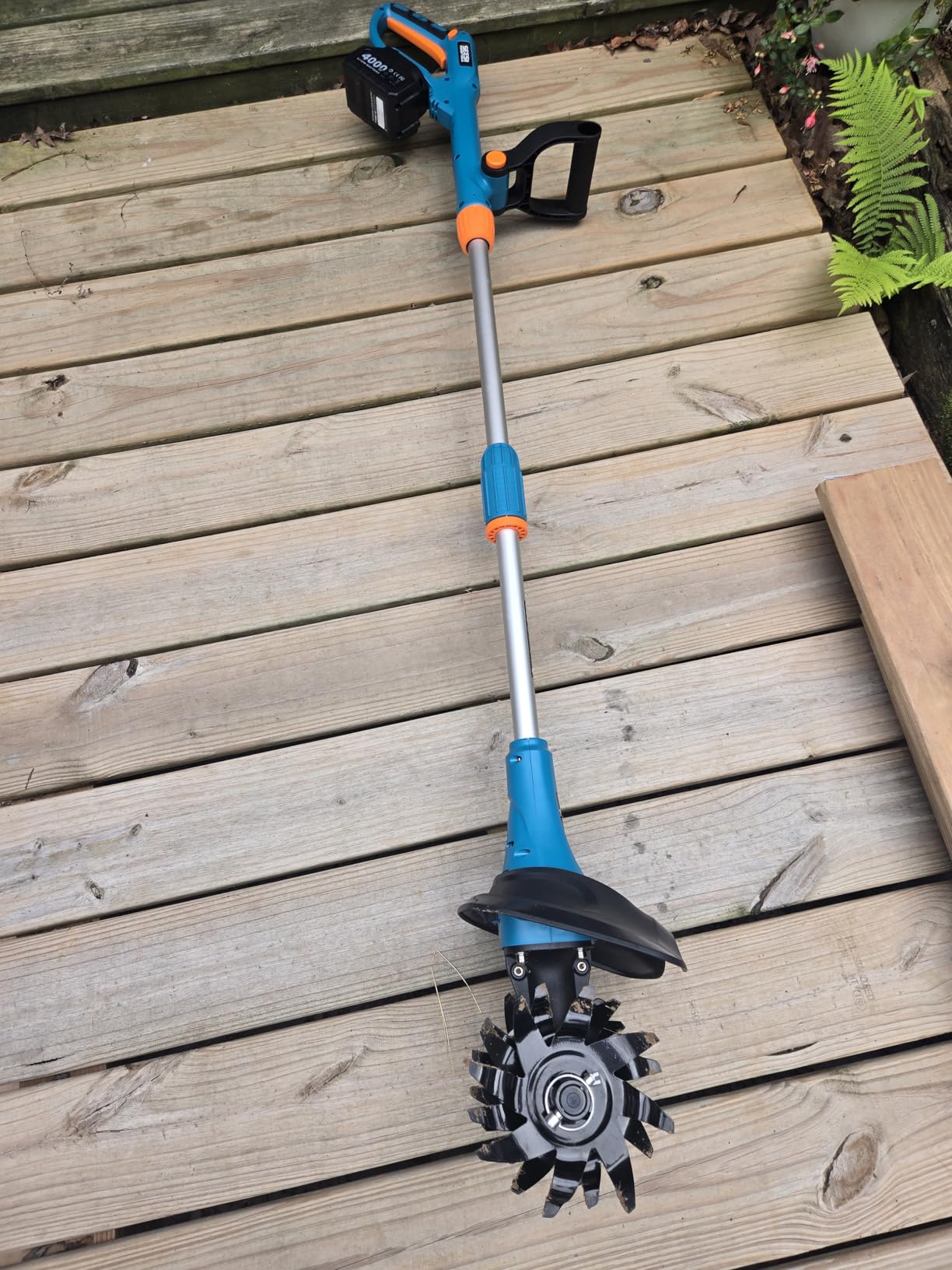
12. Seesii 20V Cordless – Best Adjustable Handle
Seesii Cordless Tiller Cultivator, 20V Electric Tiller for Gardening
9 inch width by 6.6 inch depth
Steel gearbox and drive shaft
Extendable shaft with 150 degree D-handle
10.6 lb with two 4.0Ah batteries
Pros
- Steel gearbox gives real durability at this size
- Extendable shaft and D-handle suit any user height
- Lightest full-size model here at 10.6 lb
- Folds down for compact storage
- 3 year warranty
Cons
- Not industrial strength in compacted clay
- Basic wall-plug charger on a thin lead
- Roots wrap around the tines in wet clay
The build is the story here. A steel gearbox and steel drive shaft at this size is unusual, and owners credit it directly with durability. That extra weight also sits low, which counterbalances the battery and helps the tines dig in rather than skim.
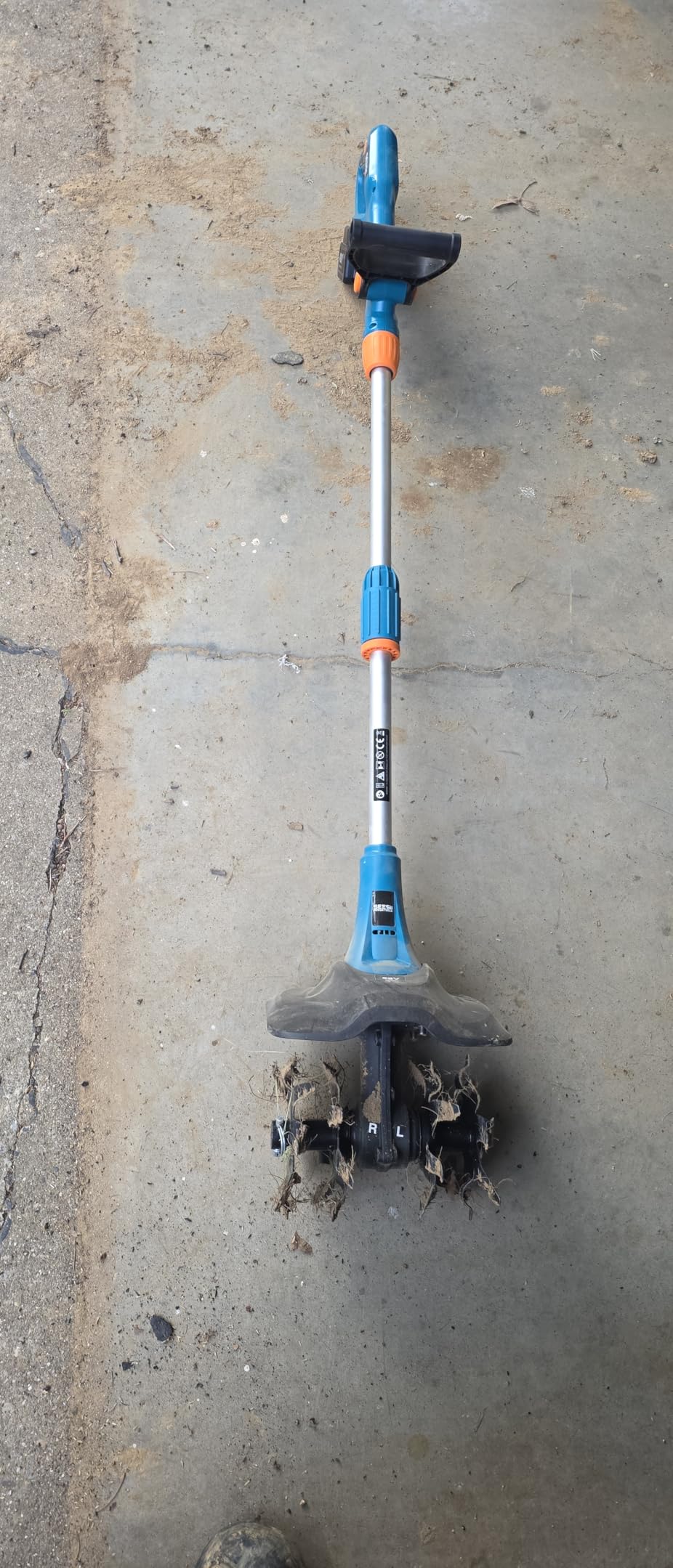
The extendable shaft plus roughly 150 degrees of D-handle adjustment is the most-praised ergonomic feature across the reviews, and it is the reason to pick this over a fixed-handle rival of similar weight. Two 4.0Ah packs give most owners a full charge through a small or medium bed.
The consensus is that it works between established plants, on small beds, and for follow-up passes after a larger machine, rather than for breaking hard ground. The one component singled out as below the quality of the tool is the charger, a basic wall plug on a thin lead.
Who this tiller suits
It suits multi-generational households where one machine has to fit a tall operator and a short one, since the shaft and handle both adjust. The 3-year warranty and folding frame also make it a keeper in a small shed.
Who should skip it
Skip it if you are turning over compacted clay, because the owners are clear it is not built for that. With 212 reviews, it also shares the thinnest evidence base in this guide, so buy it for the build quality rather than a proven track record.
Which Electric Tiller Fits Your Plot Size?
Match the tilling width to the bed, not the other way around. A four-foot-wide bed takes two passes with a 16-inch tiller and four passes with a 9-inch one, so on a small plot the narrow cordless machines cost you more walking than they save in weight.
Under 100 square feet, and the ground is already cultivated, a hand fork and a broad hoe will often finish the job before a tiller is unpacked. Between 100 and 300 square feet, a 12 to 14 inch corded machine is the sweet spot, since power per pound matters more than pass width at that scale. Between 300 and 600 square feet, go to a 16 inch corded model so you are not making twenty passes.
Choose cordless when the bed is more than about 50 feet from an outlet, or when the bed is surrounded by planting you would rather not drag a cord across. Choose corded when a suitable outlet is within reach, because you get more power per pound and no charging downtime. If you already grow in containers and tight urban spaces, our guide to small-space growing setups covers the beds these machines are often paired with.
How to Choose: Cords, Amps, Width and Battery Platforms
Cord gauge is the one piece of practical advice almost every corded owner repeats. Use a heavy-gauge outdoor-rated extension cord, 12 or 14 gauge rather than 16, and keep total length to about 100 feet. A thin or over-long cord drops voltage, the motor runs hot, and you get exactly the underpowered feeling you were trying to avoid. Plug into a GFCI-protected outlet every time.
Amps matter less than people expect and depth matters more. Forum discussions about small-garden tillers keep circling the same point, which is that speed is overrated and it comes down to how deep the tines actually penetrate. A 12-amp machine that reaches six inches in pre-watered soil will outperform a 15-amp machine skimming the surface.
On tine design, steel beats plastic every time, and more tines mean a finer finish but more work per pass. A machine with adjustable wheels gives you the two-pass technique that works best in practice: shallow to break the crust, deeper to turn soil. Weight is the number most people misjudge, so check whether you can lift the machine into a raised bed and carry it across a lawn unaided.
On battery platforms, the practical question is whether you already own batteries in that voltage family. If you already run a 20V or 40V platform, a machine on the same system means one charger and one battery fleet for the whole shed. Check that the listing includes a battery and charger, since a bare tool tells you nothing about runtime. Budget one swap mid-session for any plot over 300 square feet.
When an Electric Tiller Is the Wrong Tool
There is a real answer for gardeners who should not buy one. If the job is a single patch of hard-packed clay or root-filled ground, renting a larger front-tine tiller for a day will outperform any machine on this list and cost less overall. Rental removes the storage problem too.
If your soil is not compacted, no-dig methods are genuinely better. Top-dressing with compost every season changes soil structure without a machine, and on a well-kept small plot it eliminates the need to till most years entirely. A garden fork handles aeration on loose ground at a fraction of the cost.
Whichever tool you use, cut the grass and weeds off first and water dry soil for a day or two beforehand. Those two steps do more for the result than any specification on this list. On plots where scrub or small tree growth has to come out first, our guide to electric chainsaws for small trees covers that clearing stage, which often saves more time than the tilling choice itself. After the season, clear tines of roots and debris before storing, and keep battery packs charged rather than left flat for months.
Frequently Asked Questions
What is the best tiller for a small garden?
For most small gardens, the Sun Joe TJ604E is the best fit, with a 13.5-amp motor, a 16-inch width and six steel tines that reach up to 8 inches. It suits plots of roughly 200 to 500 square feet. If your bed is more than 50 feet from an outlet, choose a cordless cultivator instead.
Is Sun Joe a good tiller?
Sun Joe is the most frequently owned brand in this category, and the TJ603E and TJ604E are the two model numbers that come up most often in owner discussions. Both share a 16-inch width, eight-inch depth and a 27.1 lb frame. Their main shared weakness is cord handling, so budget time for cable management.
Is tilling the same as cultivating?
No. Tilling breaks and flips soil to prepare a new bed or open ground, usually to a deeper depth. Cultivating mixes compost and amendments into an established bed and uproots shallow weeds, working only the top few inches. Many machines on this list do both, which is why they are sold as tiller and cultivator combinations.
Can you use an electric tiller to remove grass?
Yes, but mow or weed-whip the area first and till it while the sod is thin. Sod thick enough to hold itself together wraps around the tine shaft, and owners on every cordless model in this guide report that clearing wrapped weeds is the biggest time cost of a neglected plot. Set the wheels to their shallowest position for a sod pass.
What size tiller do I need for my garden?
Under 100 square feet, a hand fork is usually enough. Between 100 and 300 square feet, a 12 to 14 inch corded machine fits the plot well. Between 300 and 600 square feet, choose a 16 inch width so a four-foot bed takes two passes rather than four. Matching pass width to bed width saves more time than any extra feature.
Do electric tillers get hot?
Yes, especially cordless models working hard soil. Owners report cordless motors running warm enough to drain the battery pack faster, and some seeing as little as five minutes of hard digging per charge. Corded machines with thin or over-long extension cords also overheat because voltage drops under load, so use 12 or 14 gauge cord.
Final Verdict: The Best Electric Tillers for Small Gardens in 2026
For a typical small garden, the Sun Joe TJ604E remains the pick we would buy. It has the power to handle compacted ground, a 16-inch pass that keeps a four-foot bed to two passes, and a folding handle that fits a normal garden shed.
If your beds sit away from an outlet, the cordless half of this list is the answer, and the Alloyman 20V with two batteries is the most complete package for raised beds. The Seesii takes the ergonomics crown with its steel gearbox and fully adjustable shaft, while the Muylux is the right tool if your plot is small enough that a tiller is overkill.
Whichever you choose, match the pass width to the bed, water the soil first, and set the wheels shallow for the opening pass. That preparation is worth more than any extra hundredth of a horsepower.


