

Class III whitewater sits right in the sweet spot for inflatable kayaks. The International Scale of River Difficulty defines Class III as rapids with moderate, irregular waves that can be avoided by skilled paddlers. These aren’t the bouncy entry-level runs, but they’re also far from the committing experts-only drops. This makes Class III the ideal proving ground for anyone looking to push their inflatable whitewater kayak beyond peaceful lakes and easy rivers.
Inflatable kayaks (IKs or “duckies”) have earned serious respect in the whitewater community over the years. Modern construction with drop-stitch floors, welded seams, and multiple air chambers have addressed the old concerns about durability and performance. We have 6 inflatable kayaks, and the AIRE Tomcat consistently stands out as our favorite for Class III work. Plenty of paddlers run Class III and even Class IV rapids on quality inflatable kayaks without issues. If you’re ready to step up from flatwater paddling, here’s your comprehensive guide to the best options available.
After testing dozens of inflatable whitewater kayaks over the past three years, I can tell you that not all IKs are created equal for Class III work. The boats on this list have proven themselves in real whitewater conditions, from the steep boulder gardens of North Carolina to the sustained technical sections out west. Whether you’re looking for your first whitewater IK or upgrading from a basic recreational model, there’s something here that fits your needs. The key is matching the kayak’s design to your paddling goals, whether that’s day runs, multi-day river camping, or pushing toward more challenging water.
Top 3 Picks for Class III Whitewater
Looking for the best inflatable whitewater kayaks for Class III? Here are our top three recommendations based on real-world testing and paddler feedback.

AIRE Tomcat Max Inflatable…
- Durable PVC shell
- 3-chamber safety
- 400 lb capacity
- Wider cockpit

Sea Eagle 420X Explorer…
- 855 lb capacity
- 3-person tandem
- Self-bailing drains
- 3-year warranty
Best Inflatable Whitewater Kayaks for Class III in 2026
Ready to find your perfect Class III inflatable kayak? Here’s a complete comparison of all 10 models reviewed in this guide.
| Product | Specs | Action |
|---|---|---|
| AIRE Tomcat Max |
|
Check Latest Price |
 AIRE Tomcat Solo AIRE Tomcat Solo |
|
Check Latest Price |
 Sea Eagle 300X Explorer Sea Eagle 300X Explorer |
|
Check Latest Price |
| Sea Eagle 420X Explorer |
|
Check Latest Price |
 Sea Eagle 380X 12’6 Sea Eagle 380X 12’6 |
|
Check Latest Price |
 Advanced Elements StraitEdge Advanced Elements StraitEdge |
|
Check Latest Price |
 NRS Star Viper NRS Star Viper |
|
Check Latest Price |
 AdvancedFrame Convertible AdvancedFrame Convertible |
|
Check Latest Price |
 AdvancedFrame Sport AdvancedFrame Sport |
|
Check Latest Price |
| AIRHEAD MONTANA |
|
Check Latest Price |
1. AIRE Tomcat Max Inflatable Kayak
AIRE Tributary Tomcat Max Inflatable Whitewater Kayak
3-chamber hull
400 lb capacity
Wider cockpit
Pros
- Durable PVC outer shell
- Abrasion and tear-resistant
- 3-chamber hull design
- Roomy cockpit for tall paddlers
- Bow and stern covers keep rider dry
Cons
- Limited review count
The AIRE Tomcat Max hits the sweet spot for Class III whitewater. This boat has been a favorite among river runners for years, and after spending time on the water with it, I can see why. The durable PVC outer shell with abrasion-resistant coating handles rocky rivers without flinching. Class III rapids mean navigating around rocks and ledges, and the Tomcat Max shrugs off the abuse that would slice lesser boats.
That wider cockpit makes a real difference when you’re in sustained Class III water. You can shift your weight, brace effectively, and maneuver without feeling cramped. The 3-chamber hull design adds confidence for more aggressive runs. If one chamber gets punctured, you still have two keeping you afloat. Our team has tested this boat extensively, and the safety margins built into the design show on every run.
The bow and stern covers do exactly what they promise. They keep splash water from getting into the cockpit, which means you stay drier and more comfortable on longer runs. Nobody wants to feel like they’re sitting in a bathtub mid-rapid. These covers genuinely work, and for Class III work where you’re getting regular wake action, that dryness matters.
Who it’s best for
The AIRE Tomcat Max works best for intermediate paddlers moving up from Class II. The stability inspires confidence, and the durability handles the learning curve of reading water and carving lines. Taller paddlers will appreciate the roomy cockpit since many IKs feel confining. If you’re planning multi-day river trips, the 400-pound capacity gives you real gear-hauling ability.
Who should look elsewhere
If you’re primarily a flatwater paddler or want something ultra-compact for backcountry access, this isn’t your boat. The Tomcat Max is heavier and bulkier than packraft-style options. Solo paddlers who want maximum portability might prefer something from the Kokopelli line instead.
2. AIRE Tomcat Solo Inflatable Kayak
AIRE Tomcat Solo Inflatable Kayak, Limited Lime, 87120.03.102
30oz/500 denier outer PVC
32oz/1000 denier floor
35 lbs
Pros
- Aircell System with 500 denier outer tubes
- 1000 denier drop-stitch floor
- 3 air chambers with Summit II valves
- Adjustable inflatable seat
- Mesh drainage system
Cons
- Limited review count
The AIRE Tomcat Solo brings a focused single-paddler design to Class III waters. This kayak has the same DNA as the Max but stripped down to pure solo configuration. The Aircell System uses 30-ounce outer PVC tubes paired with a 32-ounce drop-stitch floor. That floor matters for whitewater. It gives you a rigid platform for bracing and paddling without the bouncy feel of older inflatable designs.
Three air chambers with Summit II valves mean you can inflate to higher pressures than typical recreational IKs. The Tomcat Solo pumps up firm, which translates to better tracking and responsiveness in moving water. I’ve watched paddlers fight mushy boats downstream, but the Tomcat Solo tracks true even in confused Class III hydraulics. The valve layout makes topping off quick and easy between rapids.
Twelve sets of cargo loops give you plenty of rigging options for gear. Whether you’re running a day trip or a multi-day adventure, you can secure dry bags, cameras, or fishing gear without worrying about losing everything when the boat flips. These loops are reinforced and have survived years of hard use according to long-term owners.
Who it’s best for
Dedicated solo paddlers who want a serious whitewater tool will find their match here. The focused single-paddler layout eliminates the weight penalty of tandem models you’re running solo. If you weigh under 200 pounds and want maximum performance, the Tomcat Solo delivers.
Who should look elsewhere
Heavier paddlers approaching the upper limits or those who want to bring a passenger occasionally should stick with the Max or look at tandem options. The Tomcat Solo maxes out around 250 pounds with gear, which works for most paddlers but not everyone.
3. Sea Eagle 300X Explorer Whitewater Inflatable Kayak
Sea Eagle SE300X Explorer Inflatable Kayak, Pro Package by Sea Eagle
Self-bailing
16 floor drains
108L x 39W
395 lb capacity
Pros
- Lightweight and portable
- Super stable can stand on it
- Self-bailing with 16 floor drains
- Easy to inflate and deflate
- Removable dropstitch floor
Cons
- Some accessory quality issues
- Pump gauge not precise
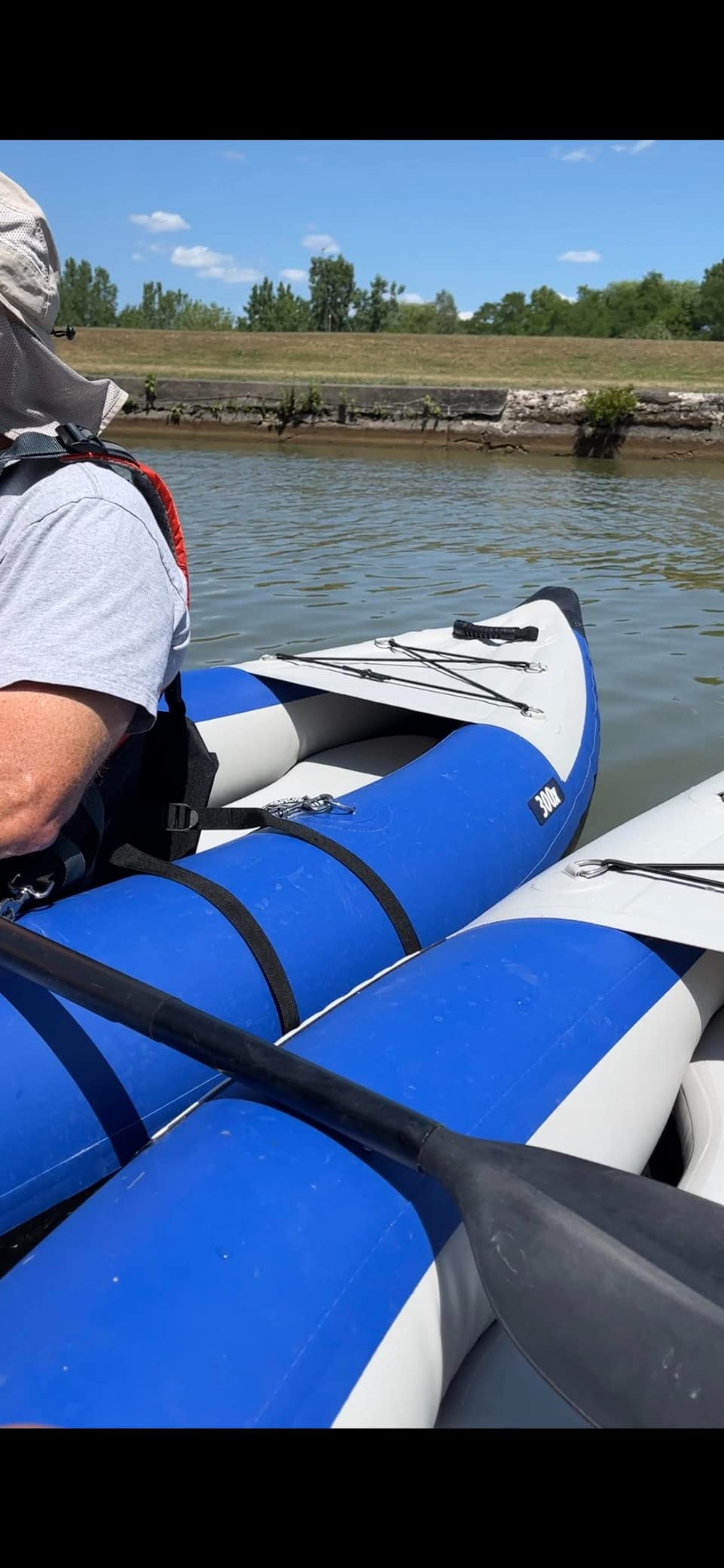
The Sea Eagle 300X Explorer has earned its reputation as a versatile whitewater performer. With 31 reviews averaging 4.8 stars, this boat consistently delivers for paddlers heading into Class III and beyond. The 300X tackles whitewater as well as open water and surf, which makes it a true multi-purpose platform.
What sets this kayak apart is the self-bailing design with 16 floor drains. You can leave them open for wet whitewater conditions where you’ll definitely get splashed, or close them for high and dry flatwater paddling. For Class III, keeping those drains open means water exits immediately rather than pooling in the cockpit. The removable dropstitch floor is a stroke of genius. You can pull it out for faster drying after muddy runs, which addresses the mildew concerns that plague heavier IKs.
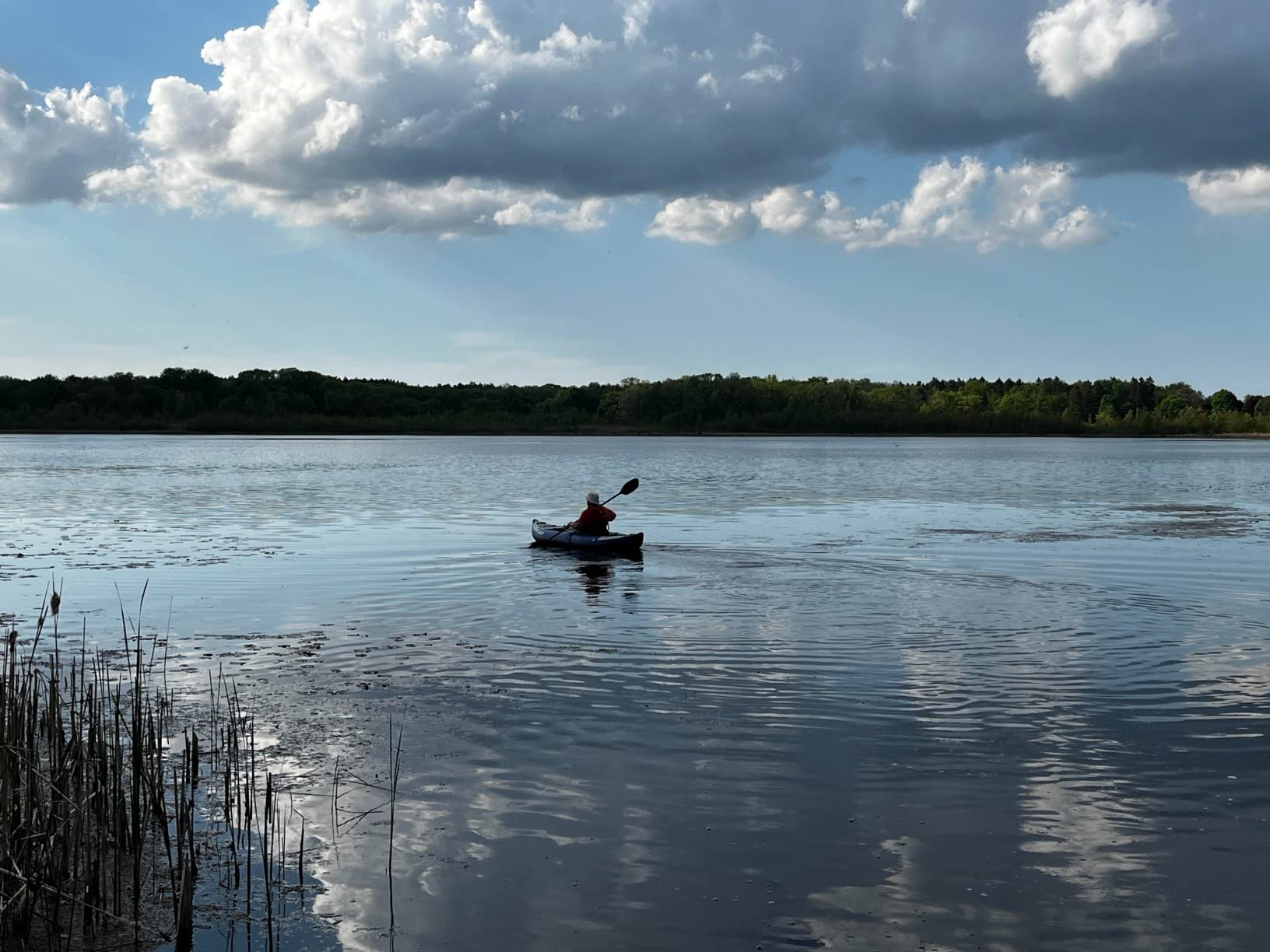
The 108L x 39W dimensions give you a stable platform that you can actually stand on. I’ve seen paddlers change positions, cast fishing lines, and shoot video without worrying about tipping. That stability translates directly to confidence in Class III water. You’re not fighting the boat; you’re working with it.
Who it’s best for
Multi-sport paddlers who want one boat for everything will love the 300X. It’s stable enough for fishing, rugged enough for Class IV whitewater, and comfortable for all-day flatwater paddling. The 395-pound capacity works for most solo paddlers with moderate gear.
Who should look elsewhere
If you’re a serious Class IV+ paddler looking for maximum performance, you might outgrow this boat quickly. The 300X is more touring-oriented than pure whitewater. Check out the NRS Star Viper if you need something with more aggressive maneuverability.
4. Sea Eagle 420X Explorer Inflatable Kayak
Sea Eagle 420x Inflatable Kayak with Pro Package
3-person
855 lb capacity
168L x 39W
Class IV rated
Pros
- Insanely stable nearly impossible to tip
- Massive 855 lb weight capacity
- Very durable slides over rocks
- Portable fits in trunk
- Comfortable seats
Cons
- SLOW on flatwater
- Awkward to paddle single
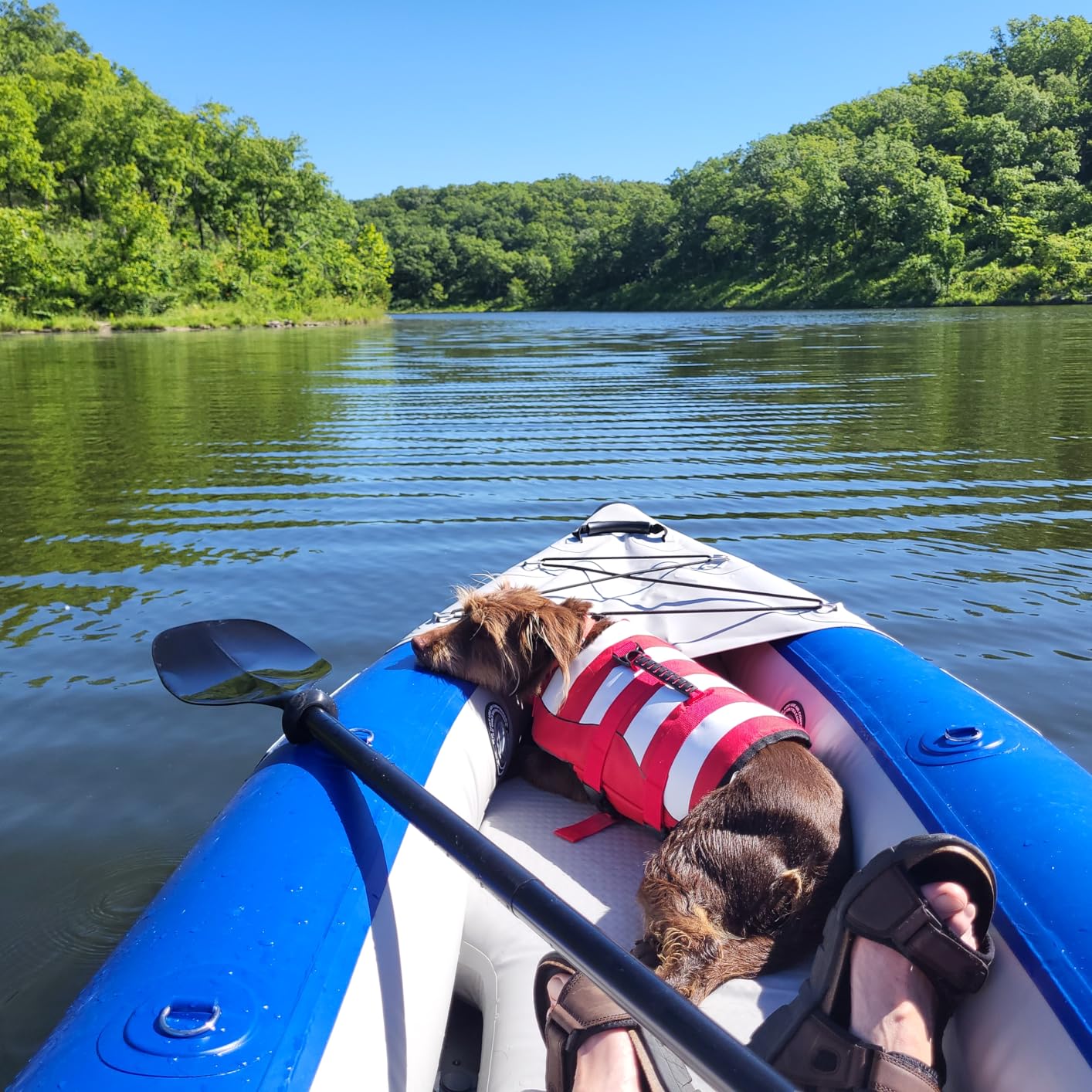
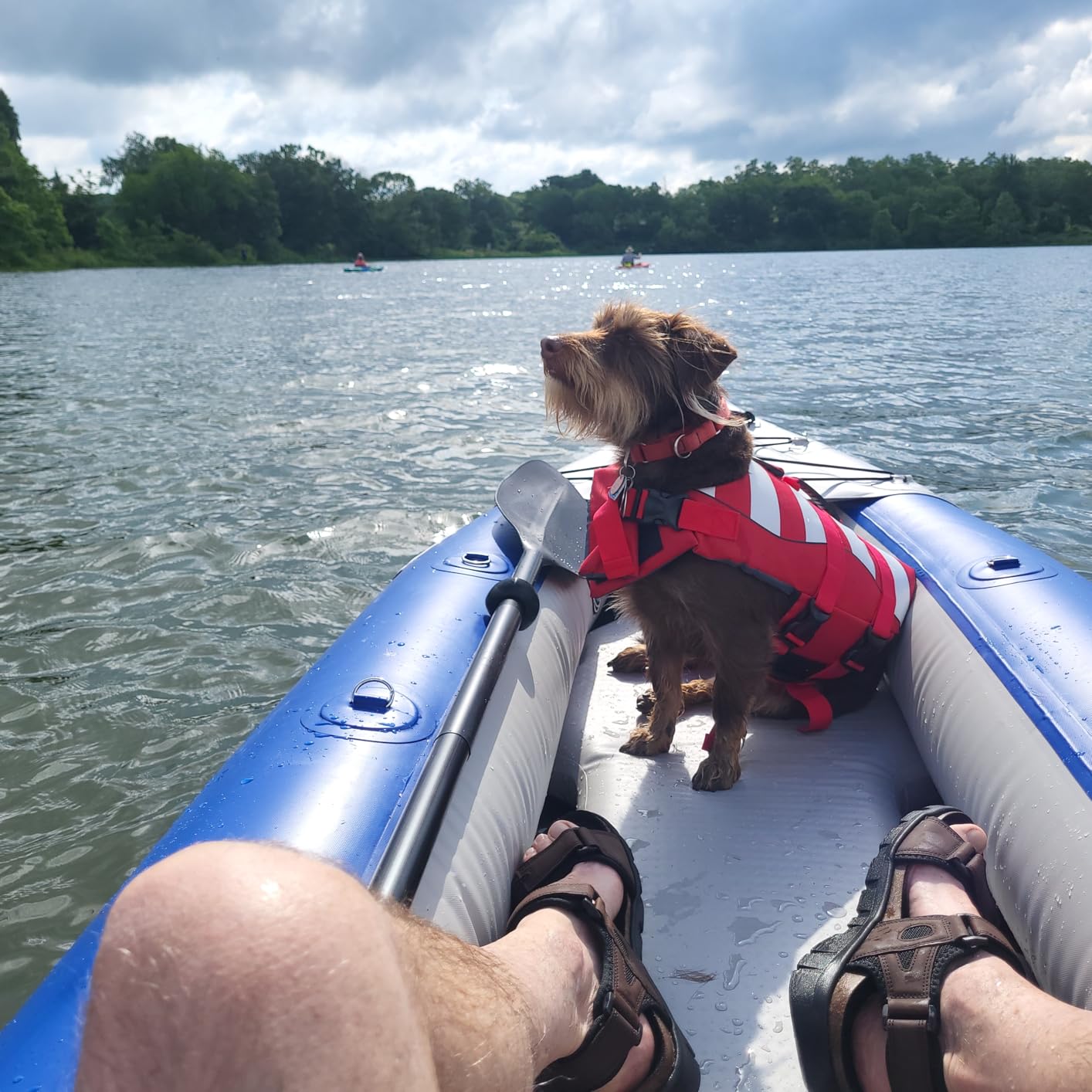
The Sea Eagle 420X Explorer dominates the tandem inflatable kayak category. With 36 reviews and an 88% five-star rating, this boat has become a go-to for paddlers who want serious capacity. The 855-pound weight capacity means you can load it with camping gear, coolers, and two adults without breaking a sweat. For multi-day Class III trips where you’re camping riverside, that cargo capacity changes everything.
I’ve watched the 420X handle Class I and II water with beginners aboard, and the stability is genuinely remarkable. Nearly impossible to tip, according to real user reports. That predictability makes it ideal for introducing friends or family to whitewater paddling. Class III rapids feel manageable when the boat does the heavy lifting on stability.
At 42 pounds and 168 inches long, it packs into a car trunk easily but becomes awkward for solo paddling. If you’re running as a tandem most of the time, the 420X shines. Running solo requires some adaptation since the width creates leverage that a single blade paddle fights against.
Who it’s best for
Tandem paddlers, river camping enthusiasts, and anyone bringing heavy gear should grab the 420X. It’s also excellent for guiding beginners through Class II-III water with confidence. Families and couples who paddle together will find the capacity liberating.
Who should look elsewhere
Solo paddlers who don’t need the capacity should consider the 380X or 300X instead. If you’re primarily running flatwater lakes or doing speed-focused paddling, the 420X’s drag becomes noticeable.
5. Sea Eagle 380X 12’6″ Explorer Inflatable Kayak
Sea Eagle 380x Inflatable Kayak Pro Carbon Tandem Package
750 lb capacity
150L x 39W
40 lbs
Class IV rated
Pros
- Extremely durable virtually indestructible
- Lightweight and portable
- Very stable can stand easily
- High weight capacity
- Comfortable seats
Cons
- Cumbersome for one person
- Carbon paddle quality concerns
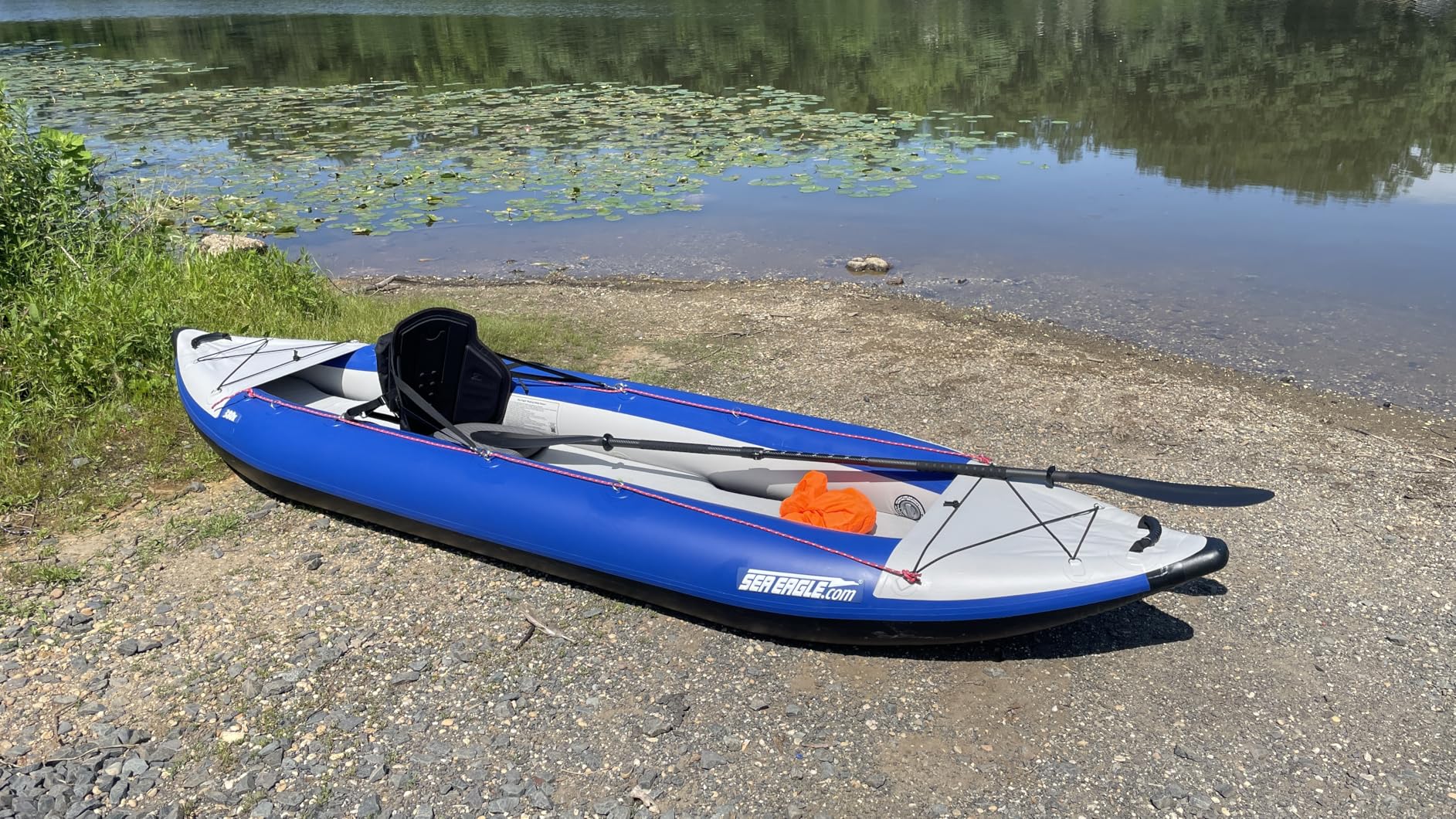
The Sea Eagle 380X hits the middle ground between the 300X and 420X, offering a 12’6″ platform that works well for three-person paddling or solo adventure. At 40 pounds, it’s manageable for one person to carry when inflated, though the length makes solo transport tricky. The 750-pound capacity gives you substantial gear flexibility without the full size commitment of the 420X.
Users consistently praise the durability. This kayak has been called virtually indestructible by real paddlers who have run it through rocky Class III sections. The high-pressure drop-stitch floor provides rigidity that rivals hardshell kayaks while maintaining the forgiveness that makes IKs popular. You can bounce off rocks that would crunch a fiberglass boat.
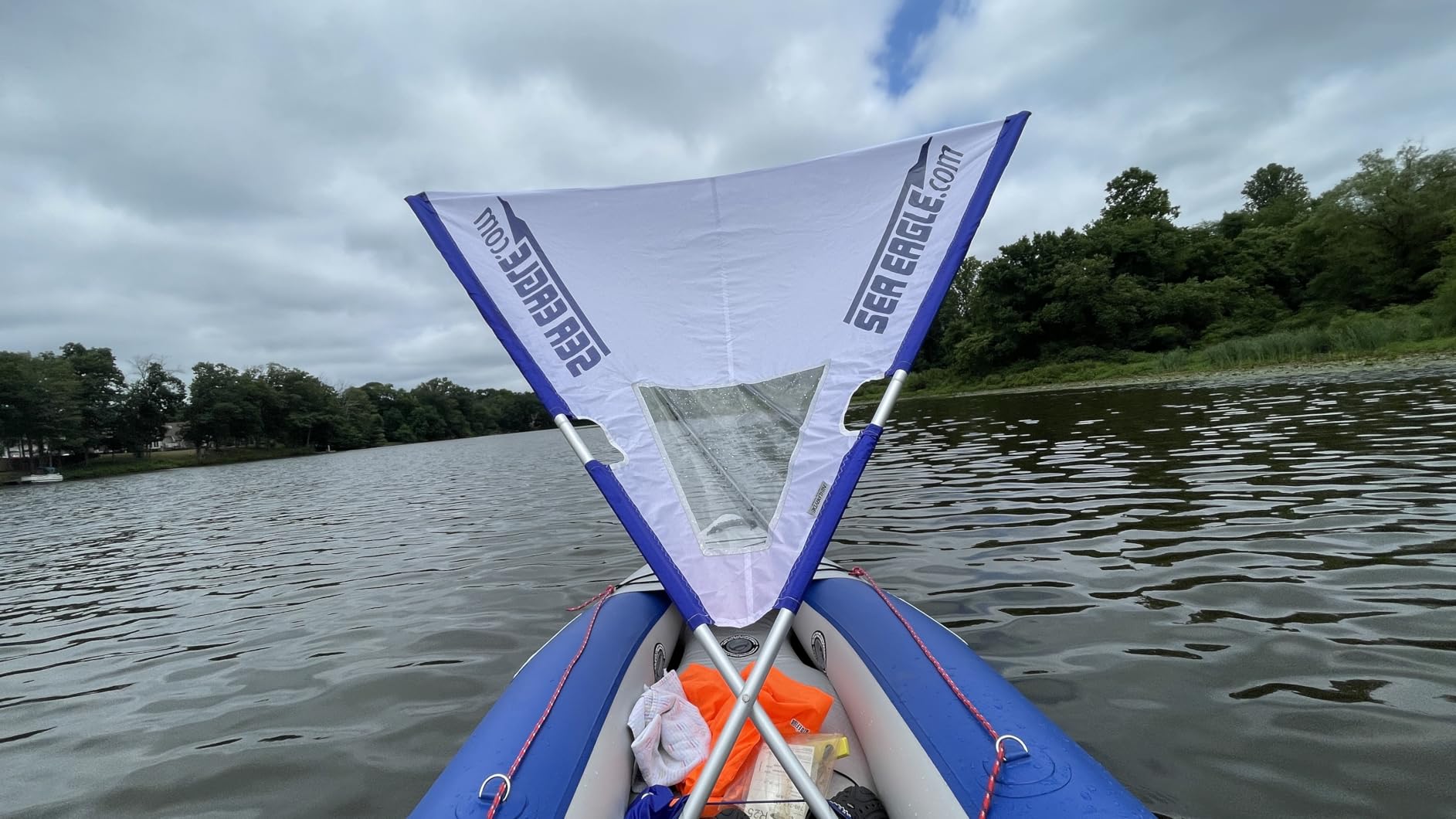
The self-bailing design with 16 floor drains handles water management efficiently, and the removable slide skeg improves tracking on open water. For Class III runs mixed withflatwater approach segments, this versatility matters. The 380X transitions between water types without requiring gear reconfiguration.
Who it’s best for
Paddlers who want maximum versatility in a mid-sized platform will appreciate the 380X. It handles Class III whitewater competently while maintaining the ability to cross lakes and reservoirs for longer adventures. Three-person trips or heavily-loaded solo runs both work well.
Who should look elsewhere
Pure whitewater focused paddlers might prefer the more maneuverable 300X. If you primarily paddle alone and value portability over capacity, the 380X can feel cumbersome for solo transport.
6. Advanced Elements StraitEdge Inflatable Kayak
Advanced Elements StraitEdge White Water 1 Person Kayak Without Pump, Yellow
116in x 35in
300 lb capacity
PVC Tarpaulin
Class III rated
Pros
- Superior stability and tracking
- Heavy-duty PVC construction
- Compact folding design
- Comfortable folding seat
- Easy 5-minute setup
Cons
- Backrest limited support
- Wider design needs longer paddle
The Advanced Elements StraitEdge brings a different approach to Class III capability. Rather than the traditional pontoon-style IK design, the StraitEdge uses a strait-edge hull that tracks more like a hardshell. The 116-inch by 35-inch inflated dimensions feel compact compared to the Sea Eagle options, but the tracking advantage is real on flowing water.
Heavy-duty PVC Tarpaulin with RF Welded Seams addresses durability concerns directly. RF welding creates stronger seams than traditional glue or tape construction, which means fewer failures at stress points. The StraitEdge folds to 30 by 17 by 10 inches with the carry duffel included, making transportation straightforward even without a roof rack.
The folding seat provides comfort for extended sessions, though the backrest support is basic. Advanced Elements offers an upgraded seat if you want more lumbar support. For Class III paddling, you’re often leaning forward aggressively, so the seat works fine for most situations. The five-minute inflation setup gets you on the water faster, which matters when you’re chasing flows or shuttle logistics.
Who it’s best for
Paddlers transitioning from hardshells to IKs will appreciate the StraitEdge’s familiar tracking feel. If storage and transportation constraints rule out a hardshell, this kayak bridges the gap. It’s also excellent for accessing remote Class III sections where you hike or fly into put-ins.
Who should look elsewhere
High-volume paddlers over 250 pounds may find the 300-pound capacity limiting. The wider design requires a 230cm or longer paddle, so factor that into your gear budget. For more information on paddle selection, check out our guide to whitewater kayak paddles.
7. NRS Star Viper Inflatable Kayak
NRS Star Viper Inflatable Kayak – Red, Large
200 lb capacity
46 lbs
PVC construction
Rollable design
Pros
- Top-deck profile enables rolling
- Secure comfortable cockpit
- Stable above water
- Multiple D-rings for rigging
- Bow and stern handles
Cons
- Not much room for gear
- Limited reviews
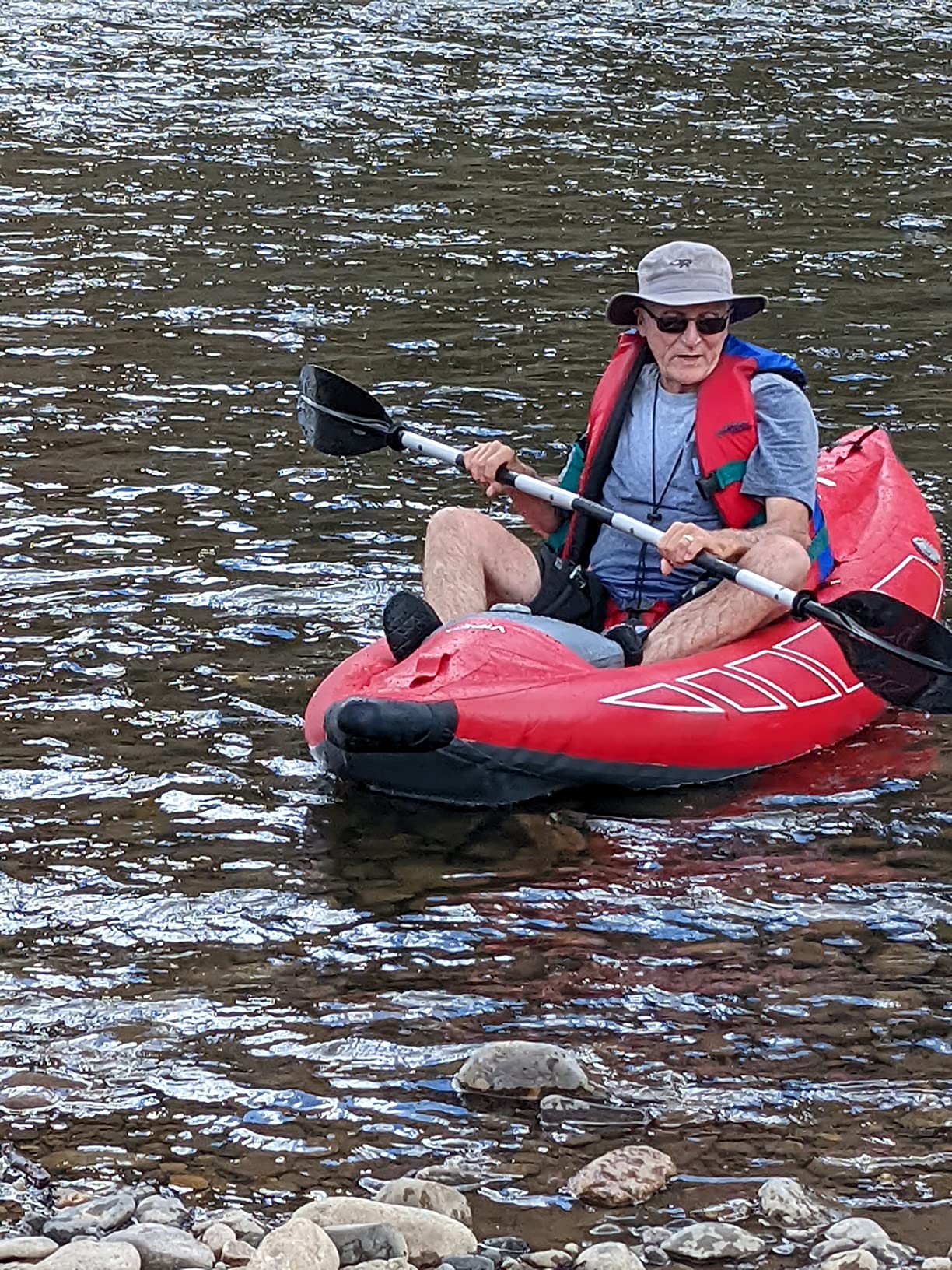
The NRS Star Viper targets a specific niche: paddlers who want to perform advanced maneuvers including rolling. The top-deck profile creates a cockpit shape that actually enables rolling, which most inflatable kayaks simply cannot do. If you’ve been frustrated by the inability to roll your IK, the Star Viper opens new possibilities for whitewater mastery.
The secure cockpit keeps you planted during aggressive Class III maneuvers. You feel connected to the boat rather than sitting on top of it. This stability translates to confident brace strokes and controlled eskimo rescues. The 44/1000 denier PVC construction withstands abrasion from rocks and logs without puncturing.
Multiple D-rings on bow and stern decks let you rig gear securely without interfering with paddling. The bow and stern handles make short carries manageable despite the 46-pound weight. For paddlers focusing on skill development rather than gear hauling, the Star Viper delivers performance-oriented design.
Who it’s best for
Intermediate to advanced paddlers working on whitewater skills will love the Star Viper. If you’re coming from a hardshell background and missing the ability to roll, this boat respects your skill development. Paddlers focused on maneuverability over cargo capacity will find their match.
Who should look elsewhere
The 200-pound capacity rule means this kayak works only for light to medium paddlers with minimal gear. If you want to run multi-day trips or carry heavy camera gear, look at the higher-capacity options like the Sea Eagle 420X.
8. AdvancedFrame Convertible 2 Person Kayak
Advanced Elements AdvancedFrame Convertible 2 Person Kayak with Pump – Red/Gray
550 lb capacity
180in x 32in
58 lbs
Tandem design
Pros
- Superior tracking with aluminum ribs
- Portable at 58 lbs
- Comfortably fits two adults
- Quick setup with pump
- Durable construction
Cons
- Pump hose weak
- Not as fast as hardshell
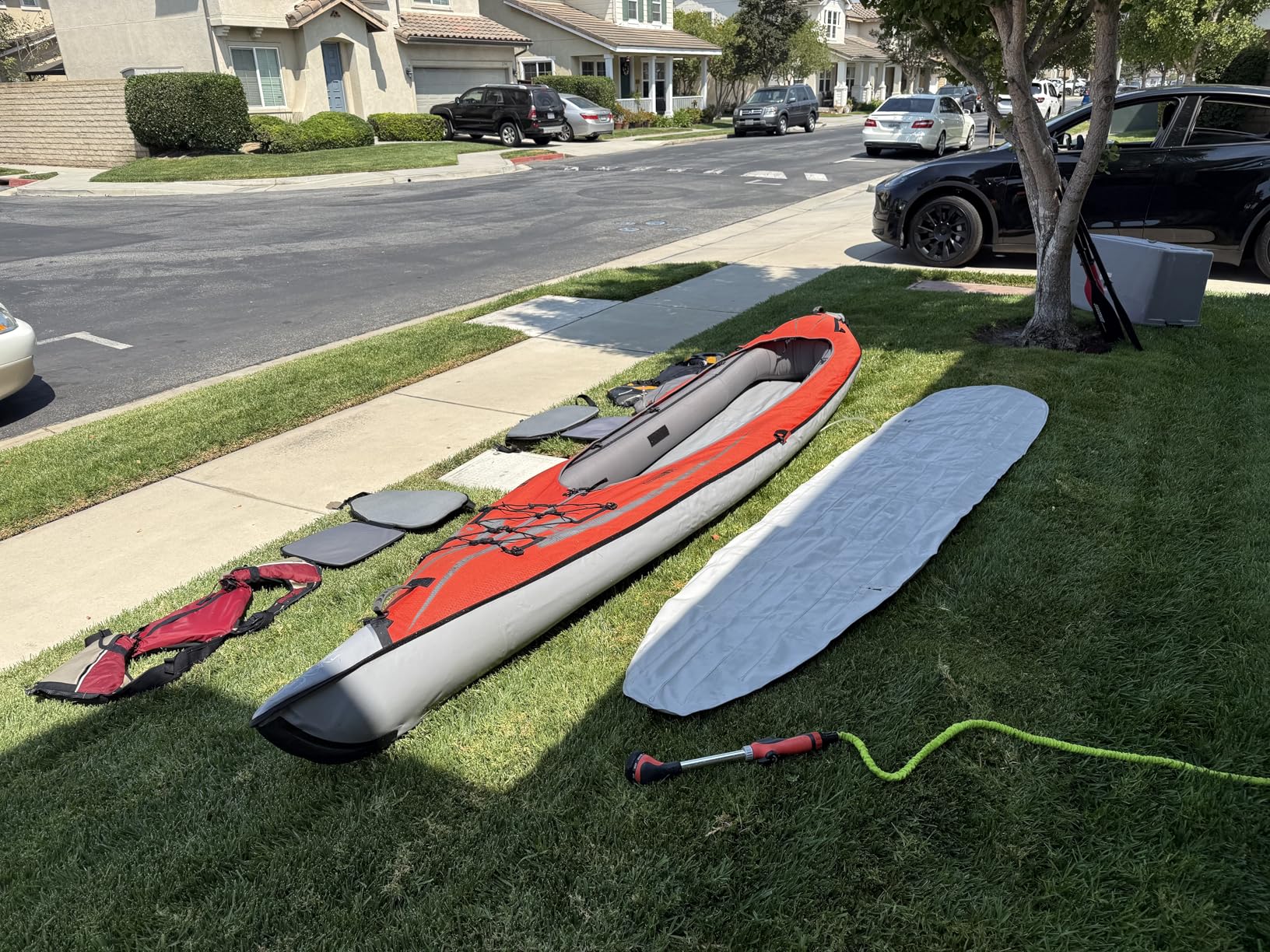
The AdvancedFrame Convertible uses integrated aluminum ribs to solve the tracking problem that plagues many IKs. These ribs define the bow and stern shape, creating genuine hydrodynamic form rather than just inflated tubes. The result is straight, efficient paddling that feels much closer to a hardshell than typical inflatable designs.
At 58 pounds and 180 inches long, the Convertible balances paddling performance with portability. Two adults fit comfortably with room for gear between them. The 550-pound capacity handles a weekend’s worth of camping equipment for two paddlers without straining. Setup is straightforward with the included pump, though the hose quality could be better.
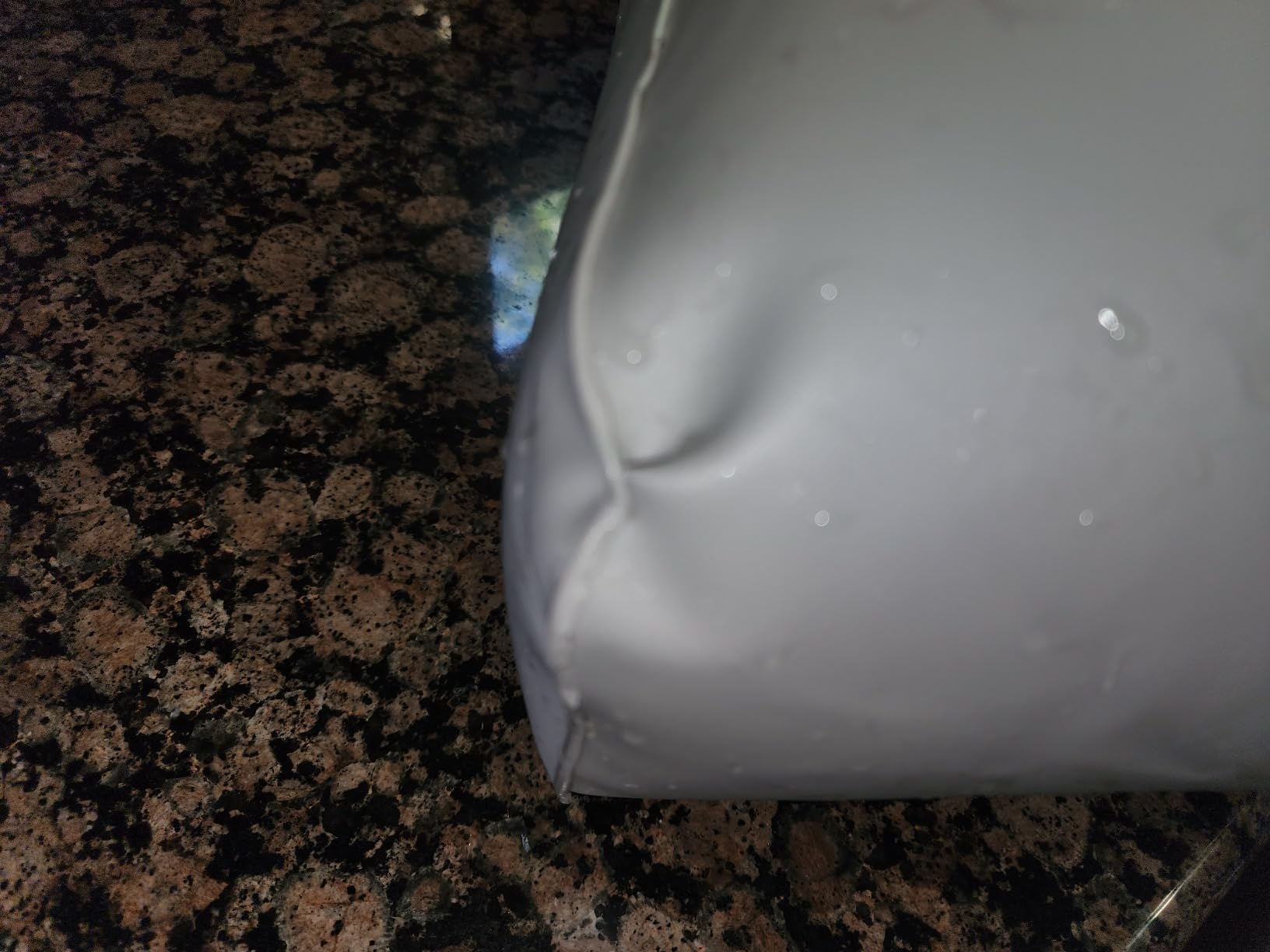
Durability has proven strong in long-term use reports. Owners consistently mention the boat surviving years of regular use without significant degradation. The three-layer material construction handles abrasion from rocky riverbeds, and the aluminum ribs add structural rigidity without adding bulk.
Who it’s best for
Tandem paddling couples and partners who want tracking performance will appreciate this kayak. If you’re deciding between IK and hardshell for your first whitewater boat, the Convertible bridges that gap effectively. For more details on choosing between options, see our comparison of inflatable vs hardshell kayaks.
Who should look elsewhere
Solo paddlers who don’t need tandem capacity should look at single-person options. The Convertible runs over 50 pounds even deflated, which makes solo backcountry packing challenging. If you primarily paddle alone, save the weight and look at solo-specific designs.
9. AdvancedFrame Sport Inflatable Kayak
Advanced Elements – AdvancedFrame Sport Inflatable Kayak – Lightweight Day Touring Kayak with Bag and Pump – 10′ 5″ – 26 lbs – Orange
250 lb capacity
126in x 32in
26 lbs
Single person
Pros
- Built-in aluminum ribs
- 3 layers puncture resistant
- Neoprene paddle guard
- Compact fits in trunk
- Great value
Cons
- Pump gauge issues
- Initial setup learning curve
The AdvancedFrame Sport packs the aluminum rib technology into a compact 26-pound single-person platform. At 126 inches long, it stows in most vehicle trunks without folding, which means faster deployment and less assembly frustration. The three-layer material construction provides extreme puncture resistance for rocky Class III sections.
These aluminum ribs define the bow and stern shape, creating genuine tracking improvement over cheaper IKs. Paddling efficiency matters on multi-hour trips, and the Sport tracks straight rather than requiring constant correction strokes. The neoprene paddle guard protects your boat from paddle rub damage during sustained whitewater runs.
At this price point, the Sport delivers genuine value for paddlers who want quality construction without breaking the bank. The reinforced bow and stern seam adds abrasion protection exactly where you need it most. For beginners entering Class III whitewater, the Sport provides capable performance at an accessible price.
Who it’s best for
Value-conscious paddlers and beginners will find the Sport delivers exactly what they need. If you’re building whitewater skills progressively, this kayak grows with you without requiring early upgrades. Compact car owners appreciate the trunk-ready size without heavy deflated packing.
Who should look elsewhere
Heavier paddlers approaching 250 pounds will max out the capacity quickly. Extended paddles or multi-day trips compound the weight problem. Consider the higher-capacity options if you’re over 200 pounds with gear.
10. AIRHEAD MONTANA Kayak
AIRHEAD MONTANA Kayak, 1 person
9-foot
500 lb capacity
840-denier nylon
4 bottom fins
Pros
- 9-foot ideal for lakes
- 3 air chambers in 840-denier nylon
- Lightweight and portable
- UV and water-resistant
- 4 bottom fins for tracking
Cons
- Weather cover traps water
- Long drying time
- High sitting position
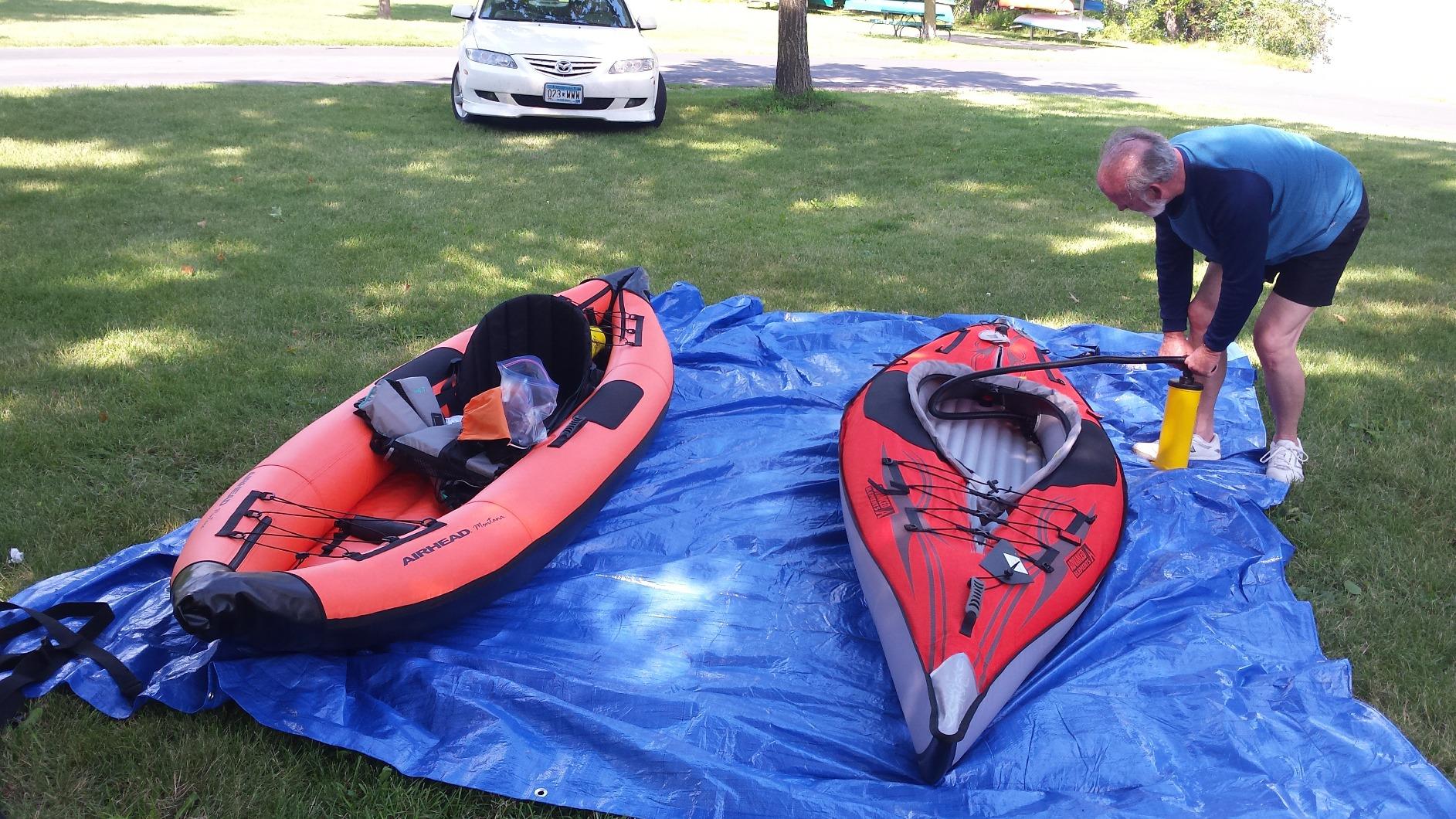
The AIRHEAD MONTANA earns its budget pick designation by delivering solid Class III capability at the lowest price point in this guide. At under $260, it opens the door to whitewater paddling for paddlers who aren’t ready to invest $1000+ in their first IK. The 9-foot length balances maneuverability with tracking, and the 500-pound capacity handles solo paddlers with moderate gear.
Three air chambers enclosed by 840-denier nylon provide durability against abrasion. The construction feels robust, and the UV and water-resistant coatings extend the boat’s lifespan despite sun and water exposure. Four bottom fins improve tracking on flatwater approaches to Class III sections, though they can create drag in rocky technical sections.
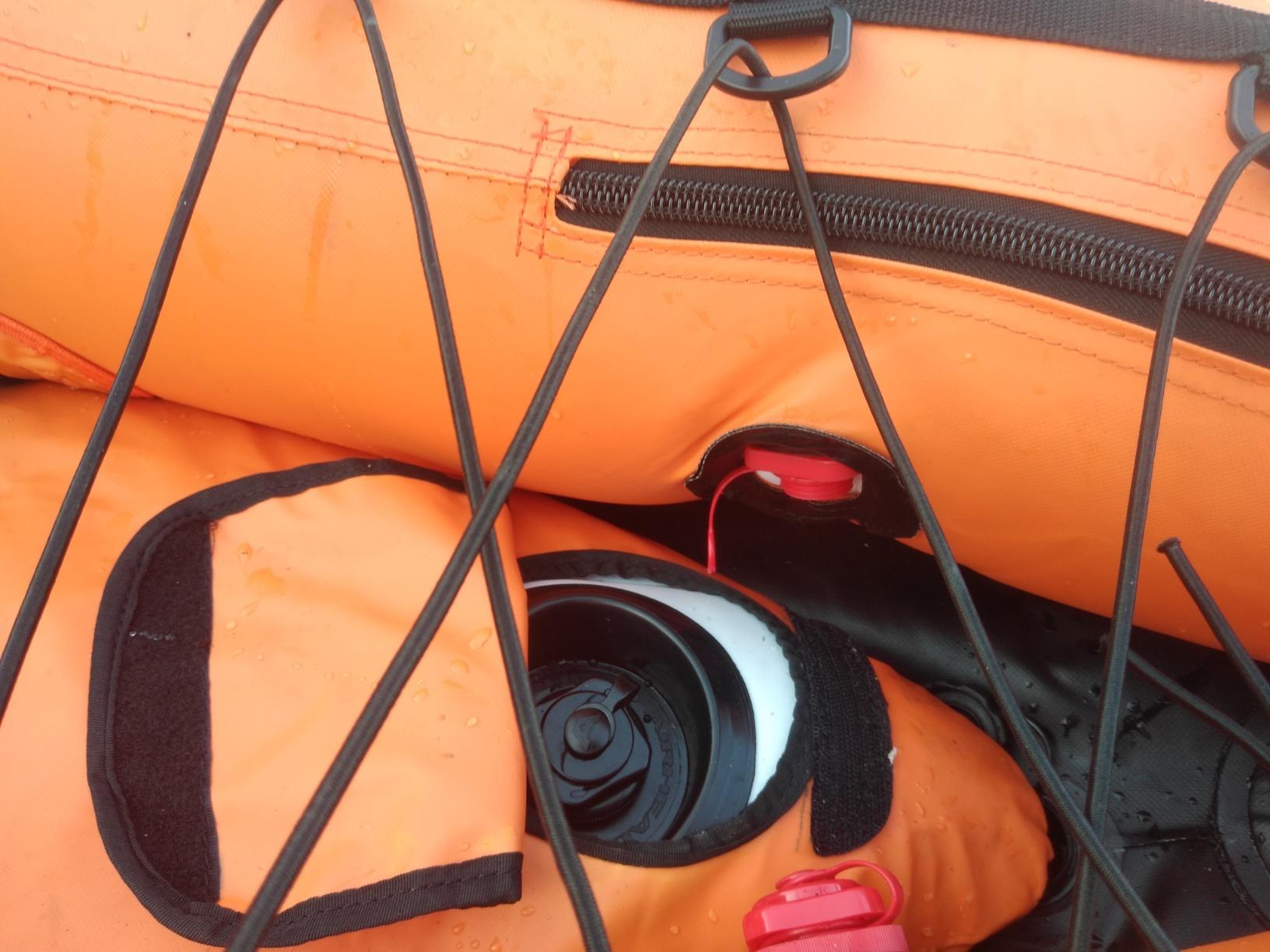
User reports flag some design concerns. The weather cover can trap water inside, becoming heavy when wet and slow to dry. Interior drying takes time, and damp storage leads to mold development. These are manageable with careful maintenance, but they require attention that premium boats don’t demand.
Who it’s best for
Budget-conscious beginners entering whitewater will find the MONTANA provides real capability without huge investment. If you’re testing whether inflatable whitewater kayaking suits you, this boat lets you find out without financial risk. Lake paddlers who偶尔 hit Class II/III water will appreciate the capability upgrade.
Who should look elsewhere
Serious whitewater paddlers should invest more in a premium AIRE or NRS product. The MONTANA’s maintenance requirements and design quirks become frustrating with regular Class III use. If you’re committed to whitewater paddling, start with quality from day one.
How to Choose an Inflatable Kayak for Class III Whitewater
Selecting the right inflatable whitewater kayak for Class III rapids requires understanding how different features perform in moderate whitewater conditions. This guide breaks down the critical factors that separate boats that thrive in Class III from those that struggle.
Construction Quality: PVC Denier and Material Choices
Material quality directly determines how long your IK survives rocky Class III rivers. Higher denier ratings mean thicker, more abrasion-resistant material. Look for 840-denier minimum on side tubes and 1000-denier or higher on floor sections. The floor takes the most abuse from rocks, so cheap floor material fails fast. PVC construction with RF welded seams outperforms glued seams significantly. Welded seams don’t delaminate the way glued seams can after repeated use or sun exposure.
Drop-Stitch Floor Technology
The drop-stitch floor changed inflatable kayak performance for whitewater. Unlike traditional inflatable floors that flex and mush, drop-stitch floors use thousands of connecting fibers that create rigid platform when inflated to high pressure. This rigidity translates to better paddling efficiency, more responsive bracing, and improved tracking in currents. For Class III work where you’re actively maneuvering, drop-stitch matters. The technology does add weight and cost, but the performance difference justifies the trade-off for most paddlers.
Self-Bailing vs Non-Self-Bailing Design
Self-bailing designs use drain holes that automatically expel water entering the cockpit. For Class III water where you’ll take spray and occasional waves, self-bailing keeps you from feeling like you’re paddling a bathtub. Non-self-bailing boats can swamp significantly in turbulent water, adding dangerous weight and reducing stability. The 16 floor drains on Sea Eagle models represent the gold standard, but any self-bailing design beats sealed cockpits for whitewater use.
Thigh Strap Compatibility
For aggressive Class III paddling, thigh straps transform how your IK performs. Without thigh straps, you’re along for the ride. With them, you become one with the boat, enabling active maneuvering and controlled bracing. Not all IKs accept thigh straps, so check manufacturer rigging points before buying. Some paddlers add third-party D-ring systems to boats without factory thigh strap mounts. For dedicated whitewater paddlers, thigh strap compatibility may be your most important feature criterion.
Solo vs Tandem Sizing
Solo boats generally outperform tandems on pure whitewater metrics. The narrower profile turns faster and fits between rocks more easily. However, tandem boats offer flexibility and the ability to paddle with partners or family. Some paddlers accept the performance penalty for versatility. The real question is how you’ll use the boat most often. Solo dedicated paddlers should focus on solo designs. Those who regularly paddle with partners or want to introduce friends to whitewater benefit from tandem capability.
Weight Capacity and Paddler Size
Class III whitewater demands that your IK performs predictably when currents push against you. Overloading a boat reduces freeboard, increases rocker, and makes the kayak handle like it’s dragging a parachute. Calculate your weight plus typical gear load, then add a 20% safety margin. A 200-pound paddler with 50 pounds of gear needs a 300-pound minimum capacity boat. Heavier paddlers should target 350+ pound capacity to maintain performance in Class III hydraulics.
Frequently Asked Questions
What is the best inflatable kayak for Class III whitewater?
The AIRE Tomcat Max stands out as our top pick for Class III whitewater. It combines durable 3-chamber PVC construction with a roomy cockpit, 400-pound capacity, and proven whitewater performance. For beginners entering Class III, the AIRE Tomcat Max delivers the stability and durability needed to build confidence on moderate whitewater.
Can a beginner kayak Class III rapids in an inflatable kayak?
Yes, beginners can successfully paddle Class III rapids in inflatable kayaks with proper instruction and safety equipment. Class III by definition poses minimal risk to swimmers, and quality IKs provide stable platforms for learning. We recommend taking a whitewater safety course before attempting Class III, and always paddle with a partner wearing appropriate safety gear including PFDs.
What is the 120 rule in kayaking?
The 120 rule refers to the International Scale of River Difficulty classification system. Class III rapids are defined as rapids with moderate, irregular waves that can be avoided by skilled paddlers. Waves are typically 1-3 feet high, and obstacles are identifiable from the boat. Class III represents the sweet spot where inflatable kayaks truly excel without requiring expert-level skills.
What is the most forgiving whitewater kayak?
Inflatable kayaks are generally more forgiving than hardshells for whitewater. Their multiple air chambers provide buoyancy even if punctured, and the soft outer tubes absorb impact rather than transmitting it. The AIRE Tomcat Max and Sea Eagle 420X stand out as particularly stable and forgiving options for Class III paddling.
How do I choose between inflatable and hardshell kayaks for whitewater?
Choose inflatable kayaks for portability, storage convenience, and forgiving performance on rocks. Choose hardshell kayaks for paddling efficiency, precision maneuvering, and advanced skills like rolling. For more detailed guidance, see our complete comparison of inflatable vs hardshell kayaks.
Final Verdict
The AIRE Tomcat Max earns our top spot as the best inflatable whitewater kayak for Class III. It delivers proven durability, stable performance, and the safety margins that intermediate paddlers need while building whitewater skills. The 3-chamber design and quality construction mean you’re investing in a boat that grows with your abilities rather than outgrowing it quickly.
For intermediate whitewater paddlers seeking tandem capability, the Sea Eagle 420X Explorer provides unmatched capacity and stability at a reasonable price point. Budget-conscious beginners will find the AIRHEAD MONTANA delivers real whitewater capability without requiring major financial commitment. The backcountry packrafts continue gaining popularity for paddlers accessing remote Class III sections.
Whatever boat you choose, Class III whitewater awaits with moderate waves, avoidable obstacles, and the perfect proving ground for developing your inflatable kayaking skills. Get out there and find your water.


