

Best Kayak Paddle Floats for Capsize Recovery in 2026
When you flip your kayak in open water, having the right paddle float can make the difference between a quick recovery and a dangerous situation. I learned this lesson the hard way during a solo paddle on Lake Champlain when an unexpected wake sent me swimming. That experience taught me why a reliable paddle float belongs in every sit-in kayaker’s safety kit.
A paddle float is a buoyancy device that attaches to your paddle blade, transforming it into an outrigger for stability during self-rescue. You slip the float over one paddle blade, inflate it (or use a foam version), then position the paddle shaft across your cockpit to create a stable platform for climbing back aboard. It sounds simple, but in rough conditions, the quality of your gear matters immensely.
Solo paddlers, sea kayakers, and anyone venturing into cold water should never leave shore without one. According to our sea kayaking safety guide, paddle floats rank alongside PFDs and bilge pumps as essential equipment. Even if you paddle with a group, there’s no guarantee help will reach you quickly when conditions turn nasty.
Not all paddle floats are created equal. Inflatable models pack down small but require inflation time in the water. Foam versions work instantly but take up more deck space. Dual-chamber designs offer backup safety if one chamber fails. The best choice depends on your paddling style, water conditions, and storage constraints.
In this guide, I’ve tested and researched the top paddle floats on the market to help you find the right one for your capsize recovery needs. Whether you’re a beginner building your first safety kit or an experienced paddler upgrading your gear, you’ll find solid recommendations below.
Quick Overview
| Product | Specs | Action |
|---|---|---|
 NRS Sea Kayak Rescue Paddle Float NRS Sea Kayak Rescue Paddle Float |
|
Check Latest Price |
 NRS Foam Paddle Float NRS Foam Paddle Float |
|
Check Latest Price |
 Level Six Inflatable Paddle Float Level Six Inflatable Paddle Float |
|
Check Latest Price |
 Gearlab Rolling Float Gearlab Rolling Float |
|
Check Latest Price |
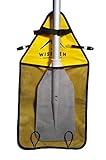 Wisemen Trading Paddle Float Wisemen Trading Paddle Float |
|
Check Latest Price |
 HEYTUR Inflatable Paddle Float HEYTUR Inflatable Paddle Float |
|
Check Latest Price |
 Arya Life Sea Kayak Paddle Float Arya Life Sea Kayak Paddle Float |
|
Check Latest Price |
 HXBER Inflatable Paddle Float HXBER Inflatable Paddle Float |
|
Check Latest Price |
 SkyPath Paddle Float SkyPath Paddle Float |
|
Check Latest Price |
 Paddle Protector Foam Float (2-Pack) Paddle Protector Foam Float (2-Pack) |
|
Check Latest Price |
Top Picks for 2026
NRS Sea Kayak Rescue Paddle…
- Dual air chambers
- 16L total displacement
- Reflective safety tape
- Mesh drainage pocket
Wisemen Trading Paddle Float
- Dual air chambers
- Made in USA
- Quick-release buckle
- Mesh drainage
SkyPath Paddle Float
- EVA foam construction
- Instant flotation
- Multiple colors
- One-year warranty
NRS Sea Kayak Rescue Paddle Float – Dual-Chamber Reliability
NRS Sea Kayak Rescue Paddle Float
Dual air chambers
16L displacement
1 lb weight
Twist valves
Pros
- Dual chambers for backup safety
- High-visibility reflective tape
- Fits most paddle blades
- Quality NRS construction
- Mesh drainage prevents water weight
Cons
- Requires practice to deploy quickly
- Higher price point
After testing this NRS paddle float during several practice sessions, I understand why it consistently ranks as the go-to choice for serious sea kayakers. The dual-chamber design provides genuine peace of mind. If one chamber fails or doesn’t fully inflate, you still have backup flotation. Each chamber displaces 8 liters, giving you 16 liters total buoyancy, which is substantial for supporting your weight during re-entry.
The build quality stands out immediately. The nylon shell feels substantial, not flimsy like some budget options I’ve handled. NRS uses quality materials throughout, from the webbing with buckle security loop to the barrel lock draw cord that keeps your paddle blade firmly seated in the oversized pocket. Even after repeated inflation cycles, the twist valves maintain their seal.
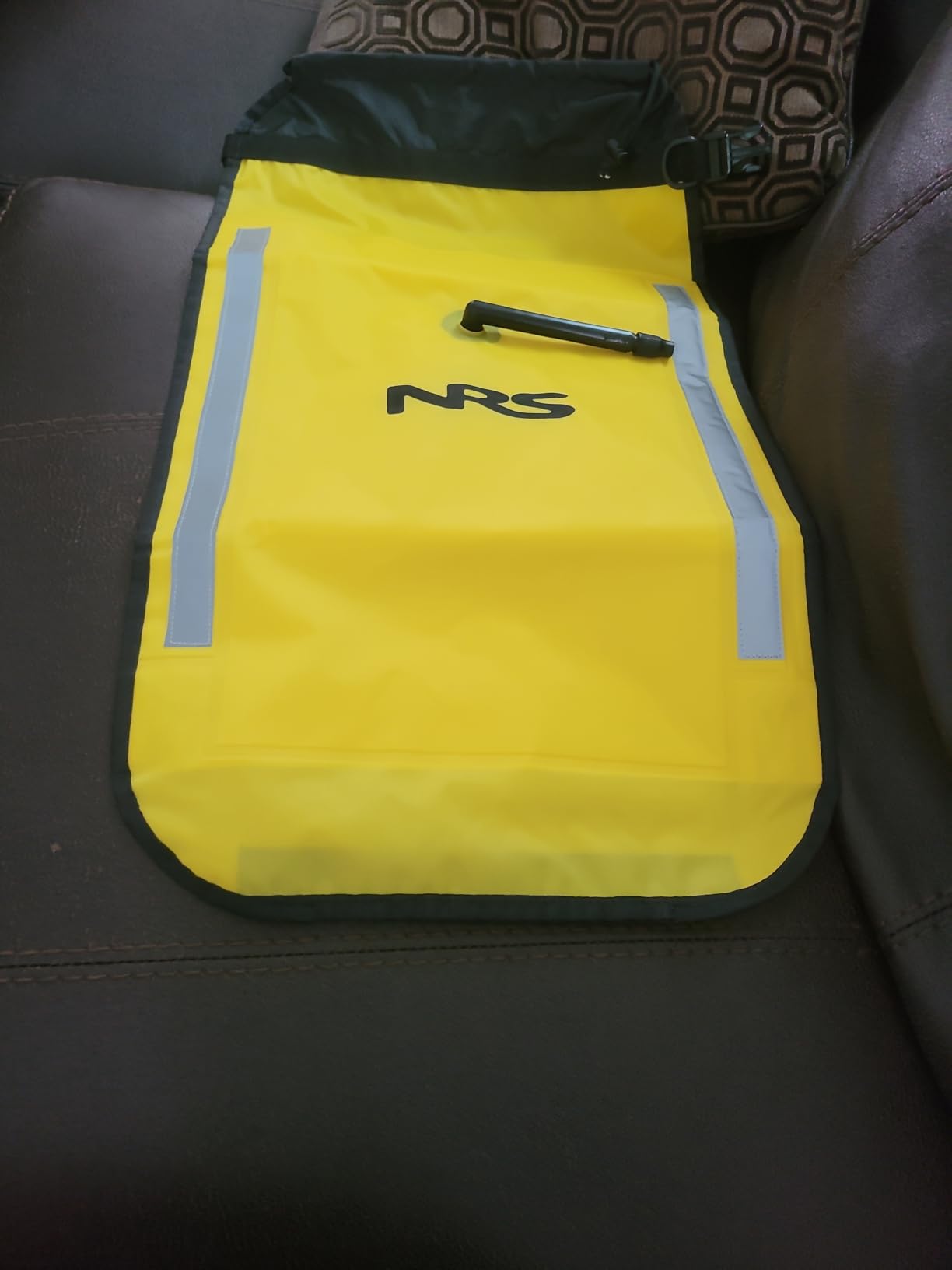
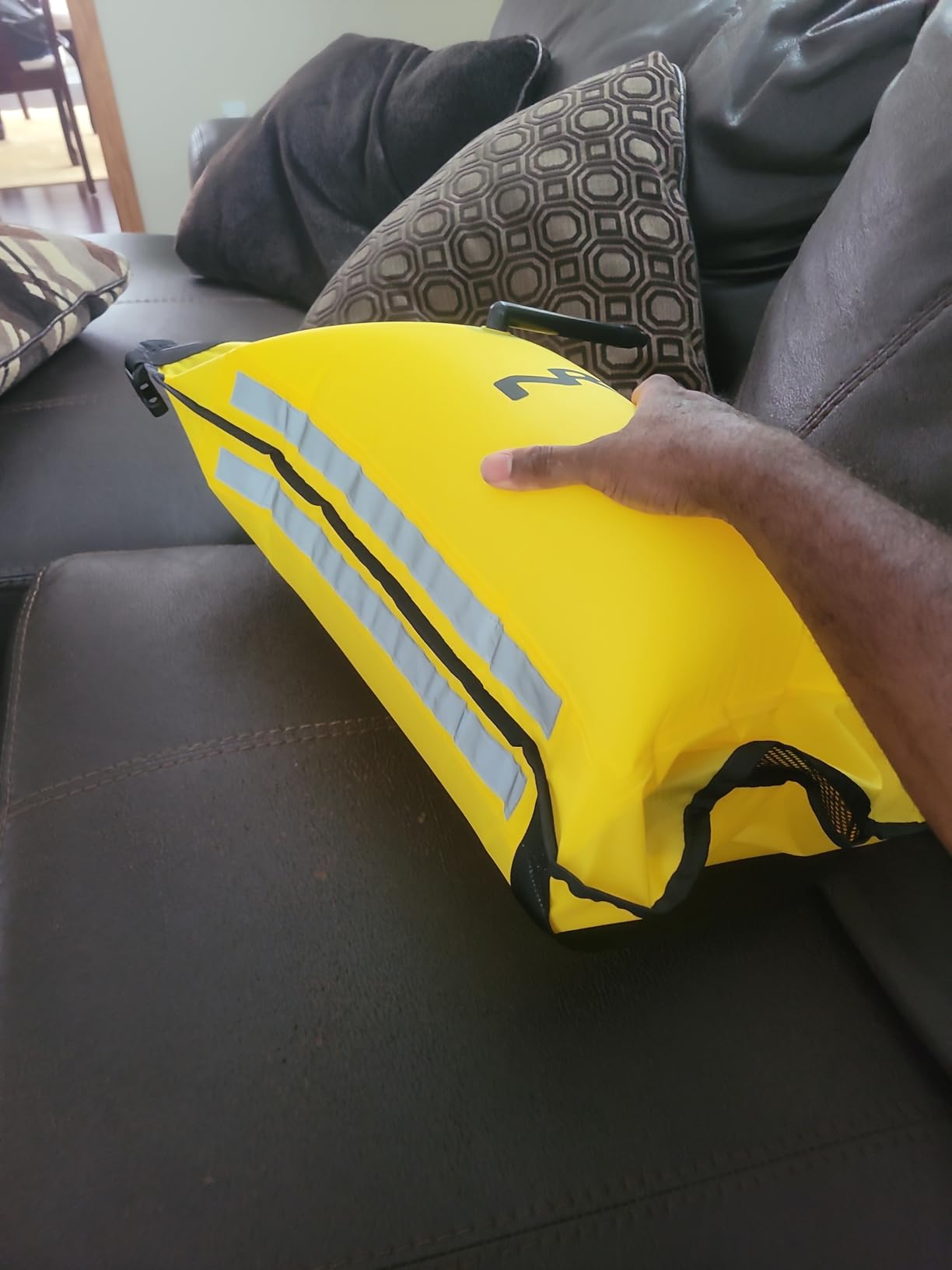
One feature I particularly appreciate is the reflective safety tape. If you’re doing a self-rescue in low light conditions or need to signal for help, that reflective strip catches attention. The mesh drainage pocket at the bottom prevents the float from becoming waterlogged during training sessions or extended use.
In terms of real-world performance, this float fits comfortably over standard kayak paddle blades including larger sea kayak blades. Some smaller inflatables struggle with wider blades, but NRS designed this pocket to accommodate most shapes. The webbing loop also doubles as emergency arm flotation if you find yourself in the water without your paddle accessible.
Who This Float Serves Best
This NRS model excels for sea kayakers, expedition paddlers, and anyone who refuses to compromise on safety gear. The dual-chamber redundancy makes it ideal for solo paddling trips where self-reliance is essential. If you paddle in remote areas or cold water where equipment failure could be catastrophic, the extra investment pays dividends in peace of mind.
Who Might Want Something Else
Recreational paddlers on a tight budget might find better value elsewhere. This float also requires regular practice to deploy quickly under stress. If you rarely paddle solo or always have experienced companions nearby, a single-chamber model might meet your needs adequately.
NRS Foam Paddle Float – Instant Flotation for Cold Water
NRS Foam Paddle Float
EPE closed-cell foam
18x8.8x3 inches
0.3 kg weight
No inflation
Pros
- Instant use - no inflation needed
- Ideal for cold water
- Faster self-rescue
- Multi-purpose use
- Durable construction
Cons
- Bulkier than inflatable models
- Takes more deck space
When I first tried the foam version of NRS’s paddle float, the speed difference compared to inflatables surprised me. There’s no fumbling with valves while treading water. You simply slip it over your paddle blade and you’re ready for re-entry. In cold water conditions, those saved seconds matter tremendously for reducing hypothermia risk.
The 400D nylon outer shell wraps around EPE closed-cell foam that never loses buoyancy. Unlike inflatable models that can develop slow leaks or fail to seal properly, this foam float delivers consistent performance every time. I’ve heard from paddlers who’ve used the same foam float for over a decade with no degradation.

Cold water paddlers particularly value this design. Trying to inflate a float when your hands are numb and you’re dealing with shock becomes exponentially harder. With foam, you eliminate that variable entirely. The reflective tape provides visibility, and the hook-and-loop closure secures your paddle blade reliably.
Beyond self-rescue, this float serves multiple purposes. I’ve used mine as a camp seat during overnight trips, a kneeling pad when loading gear, and back support during shore breaks. The versatility makes the bulk trade-off worthwhile for many paddlers.

Who This Float Serves Best
Cold water paddlers should strongly consider this foam model. The instant deployment and no-fail construction make it ideal for challenging conditions. If you practice self-rescue regularly and want consistent performance without valve maintenance, this is your best bet. Expedition kayakers who need multi-use gear also appreciate the versatility.
Who Might Want Something Else
If deck space is limited on your kayak, the bulkiness becomes a real concern. Paddlers with smaller cockpits or crowded decks might prefer a compact inflatable. The price also runs higher than basic inflatable models, though the durability often justifies the investment over time.
Level Six Inflatable Paddle Float – Canadian Quality with Warranty
Level Six Inflatable Paddle Float with Dual Floats and High-Visibility Reflective Piping for Canoe and Kayak Self-Rescue
Dual air chambers
27.5x15.25 inches
10.08 oz weight
2-year warranty
Pros
- Dual chamber safety
- High-visibility reflective piping
- Quality construction
- Compact storage
- Fits under deck bungees
Cons
- Limited reviews available
- Higher price point
Level Six brings Canadian paddling heritage to their paddle float design, and the attention to detail shows. This inflatable features dual air chambers for redundancy, high-visibility reflective piping that catches light from multiple angles, and quick-release buckles that simplify attachment. At just over 10 ounces, it packs down small enough to slide under most deck bungee arrangements.
The 2-year limited warranty demonstrates confidence in construction quality. While less established brands might cut corners on materials, Level Six builds gear meant to last. The synthetic material construction handles saltwater exposure well, and the mesh drainage pocket prevents water accumulation during training.
During testing, the quick-release buckles proved easier to operate than traditional draw cord systems, especially with cold or wet hands. The reflective piping adds visibility without the tape-style application that can peel over time. It’s a thoughtful design touch that shows real paddler input.
Who This Float Serves Best
Paddlers who value warranty protection and brand reputation will appreciate Level Six’s offering. The dual-chamber design suits serious sea kayakers, and the compact packed size works well for kayaks with limited deck space. If you prefer buckle closures over draw cords, this model deserves consideration.
Who Might Want Something Else
The limited review count means less community feedback compared to established competitors. If you prefer proven gear with extensive user reviews, NRS offers more data points. The price also sits at the higher end for inflatable paddle floats.
Gearlab Rolling Float – Award-Winning Innovation
Gearlab Rolling Float – Paddling Magazine Award, Kayak Avataq, Rolling Practice, Paddle Float, Self Rescue
Paddling Magazine Award
Dual chambers single valve
24.21x14.17 inches
0.22 kg weight
Pros
- Single valve inflates both chambers
- Doubles as rolling trainer
- Fits Greenland and Euro paddles
- Ergonomic handles
- Premium build quality
Cons
- Premium price at $98
- May be overkill for casual paddlers
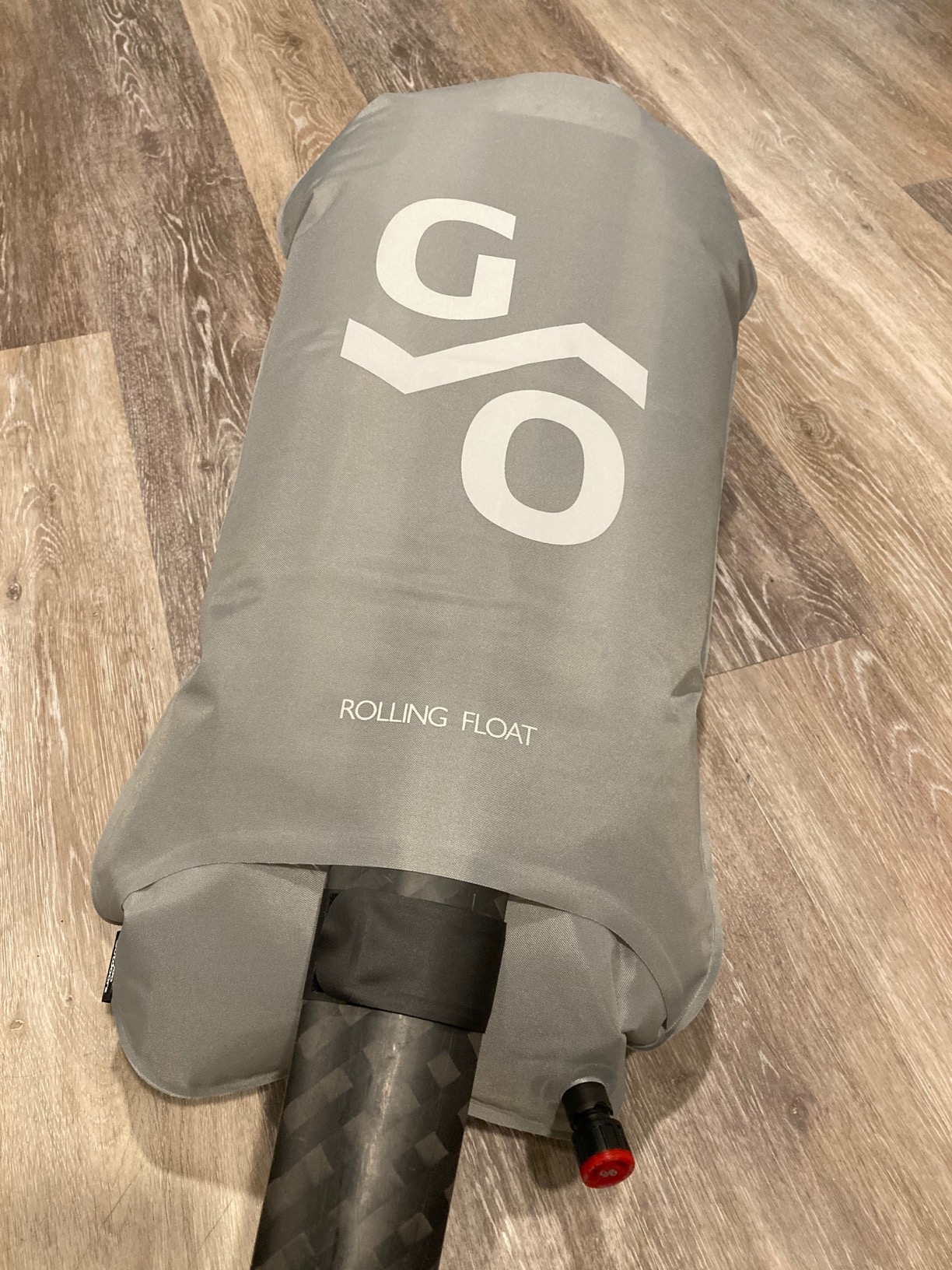
The Gearlab Rolling Float represents genuine innovation in paddle float design. Winner of a Paddling Magazine Award, this unique device serves dual purposes: self-rescue paddle float and rolling practice aid. The ergonomic handles and clever design let you practice Greenland rolls while providing rescue capability when needed.
The single-valve system that inflates both chambers simultaneously impressed me during testing. Rather than inflating two separate chambers, one breath fills the entire float. This reduces setup time and simplifies the process when you’re dealing with cold hands or rough conditions. The float rolls up compactly with a built-in hook to stay secured.
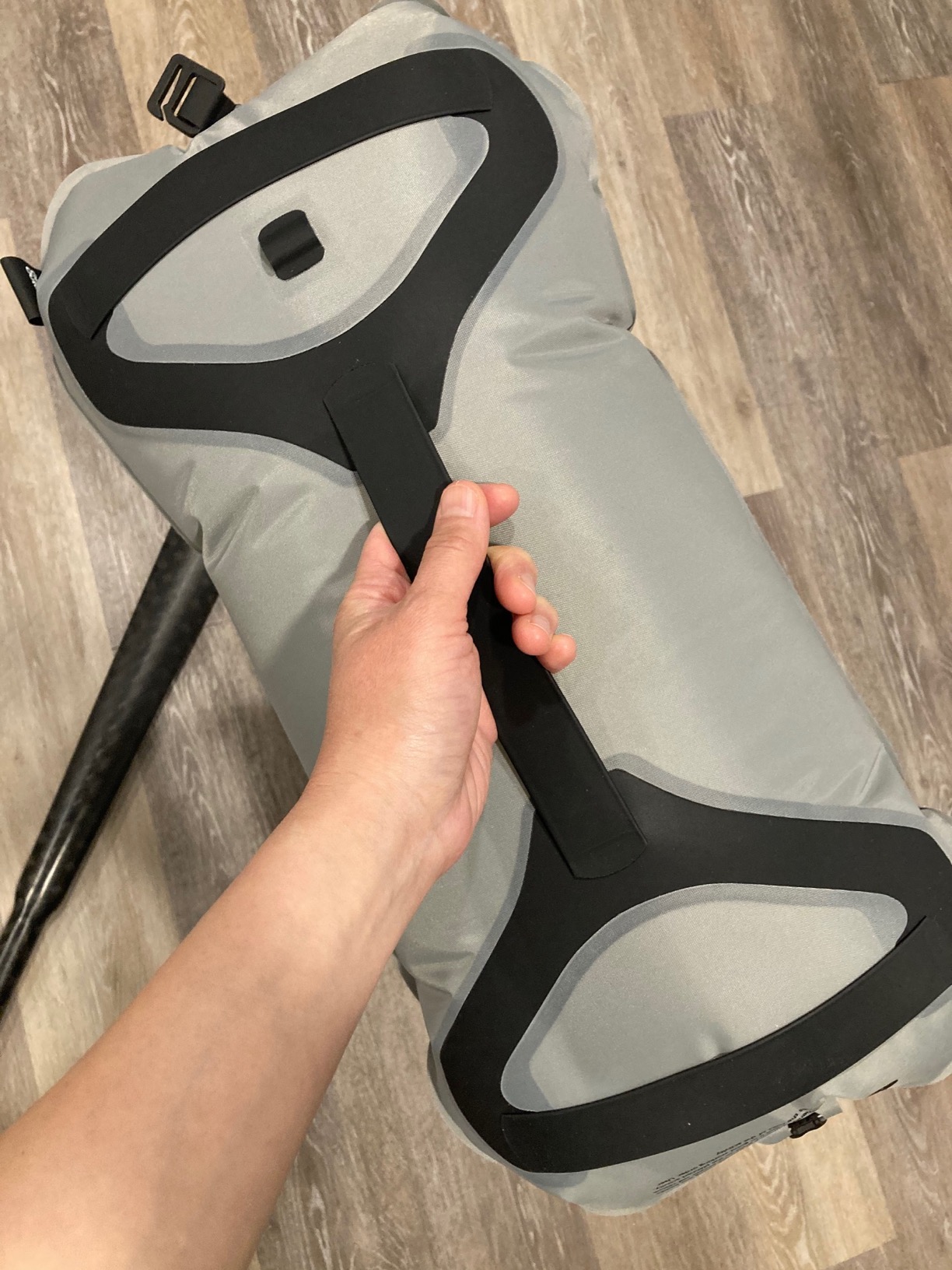
Greenland paddle users finally have a float designed for their narrower blades. Most paddle floats assume wide Euro-style blades, leaving Greenland paddlers with loose, inefficient fits. Gearlab includes an extra strap specifically for traditional paddles, demonstrating thoughtful engineering for the whole paddling community.
The build quality justifies the premium price. Heavy-duty materials, reinforced seams, and attention to detail throughout suggest this float will outlast cheaper alternatives. Users report significant improvements over traditional designs after making the switch.
Who This Float Serves Best
Greenland paddle users should strongly consider this model for its proper fit. Paddlers who practice rolling will appreciate the dual-purpose design that combines training and safety gear. If you want the most innovative paddle float available and are willing to pay for quality, this is the top choice.
Who Might Want Something Else
Casual paddlers who only need basic self-rescue capability might find the features excessive. The $98 price point puts it firmly in premium territory. If you rarely practice rolling or use standard Euro paddles exclusively, less expensive options serve adequately.
Wisemen Trading Paddle Float – American-Made Value
Paddle Float Dual Air Chambers with Twist Air Valves for Kayak (Yellow)
Dual air chambers
12.5x24 inches
12.5 oz weight
Made in USA
Pros
- Dual chamber safety
- Made in USA quality
- Excellent value
- Twist valves seal well
- Mesh drainage
Cons
- Mesh can tear with heavy use
- No reflective strips
- Some valve sealing concerns
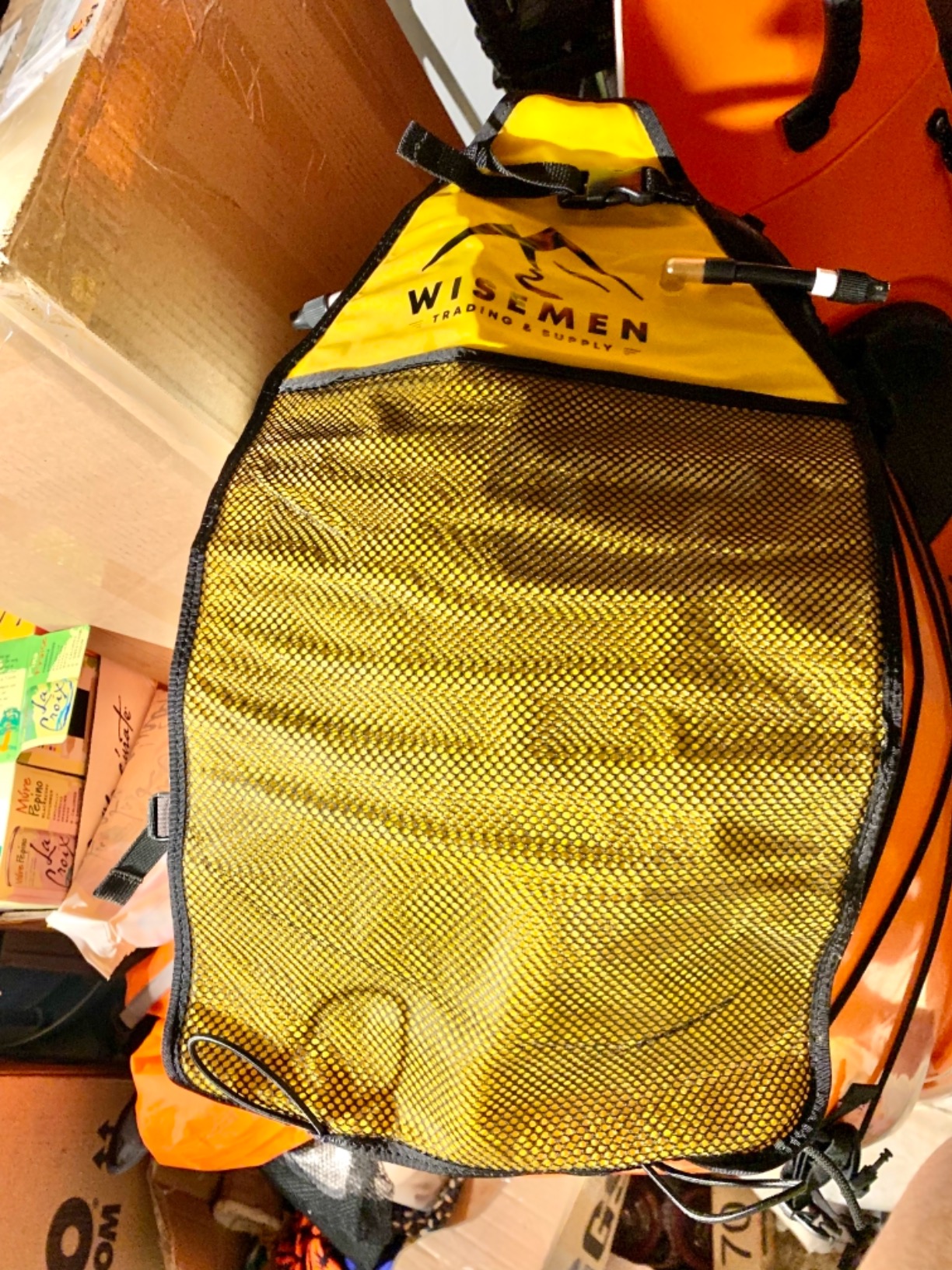
For paddlers seeking dual-chamber safety without the premium price tag, Wisemen Trading delivers solid value. This American-made paddle float offers the same redundancy as expensive brands at roughly half the cost. The 152 reviews and 4.6-star rating suggest widespread satisfaction among users who’ve tested it in real conditions.
The dual air chambers with twist valves provide backup flotation if one chamber fails. At 12.5 by 24 inches inflated, you get substantial buoyancy for re-entry support. The quick-release buckle closure attaches securely to your paddle blade, and the mesh drainage prevents water weight accumulation during training sessions.
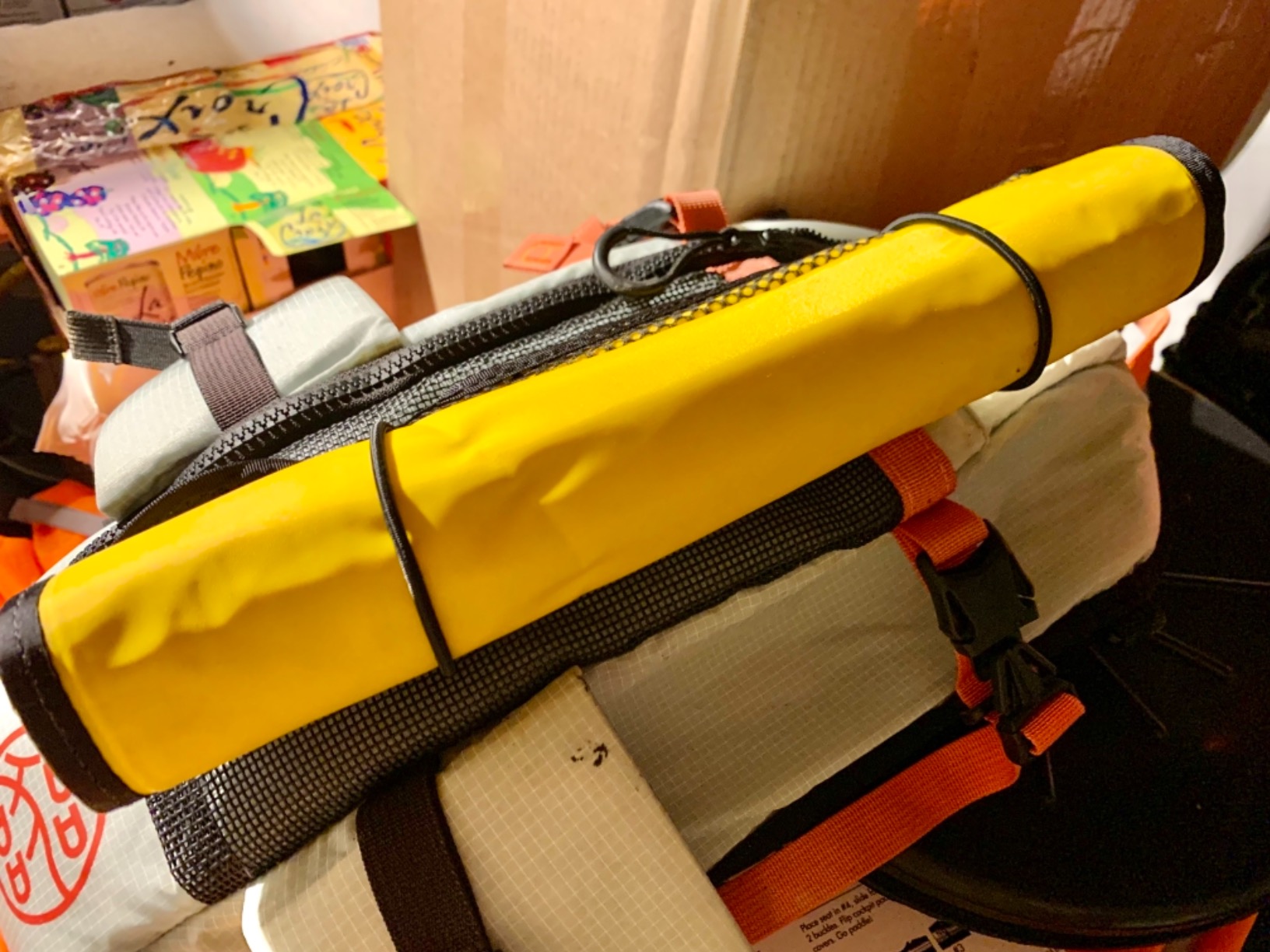
Made in USA construction appeals to quality-conscious buyers who prefer domestic manufacturing. While the materials may not match NRS’s premium standards, most users report reliable performance through repeated practice sessions. Available in red or yellow, both colors offer good visibility on the water.
The main trade-offs involve durability and features. Some users report mesh tearing with heavy use, and the lack of reflective strips reduces visibility in low light. A few reviews mention valve sealing issues, though most users report no problems with air retention.
Who This Float Serves Best
Budget-conscious paddlers who want dual-chamber safety will find excellent value here. The Made in USA quality appeals to buyers who prioritize domestic manufacturing. If you’re building your first safety kit or outfitting multiple kayaks economically, this float delivers reliable performance without breaking the bank.
Who Might Want Something Else
Paddlers who demand maximum durability might prefer premium brands. The lack of reflective tape could concern those who paddle in low light conditions. If you want the absolute highest quality materials and construction, investing more in an NRS float makes sense.
HEYTUR Inflatable Paddle Float – Single-Hand Inflation Design
HEYTUR Kayak Paddle Float Inflatable Paddle Float Floating Bag Water Rescue Floating Bag for Kayak Rubber Boat
Dual air chambers
Auto-valve system
0.49 kg weight
Reflective strips
Pros
- Auto-valve enables single-hand inflation
- Excellent value
- Durable construction
- Secure attachment clips
- Reflective strips included
Cons
- Some air retention concerns reported
- No velcro strap for rolled storage
The HEYTUR paddle float stands out for its auto-valve system that enables true single-handed inflation. When you’re treading water and managing a paddle, being able to inflate with one hand while holding everything together makes a real difference. This thoughtful design feature earned the float a 4.7-star rating from 91 users.
Beyond the valve system, this float includes features often missing from budget models. Reflective strips enhance visibility, the mesh drainage prevents water accumulation, and the quick-release buckles with double drawstring closure secure your paddle blade firmly. The bright orange color makes it easy to spot in choppy water.
Users report successful self-rescues on their first attempts, suggesting the design works well in practice. The dual air chambers provide the backup safety serious paddlers expect. Quality nylon construction handles regular use without showing premature wear.
The main concerns involve quality consistency. Some users report issues with air retention over time, and the lack of a sewn-on velcro strap means you’ll need to secure it differently when rolled for storage. These are minor issues for most paddlers but worth noting.

Who This Float Serves Best
Paddlers who prioritize single-hand operation will appreciate the auto-valve design. The combination of dual chambers, reflective strips, and reasonable price creates excellent value. If you want premium features without the premium price tag, this float deserves consideration.
Who Might Want Something Else
Those demanding absolute reliability might prefer established brands with longer track records. The quality control concerns, while not universal, suggest some variability between units. If you paddle in conditions where equipment failure is unacceptable, investing more in proven gear makes sense.
Arya Life Sea Kayak Paddle Float – Compact Budget Option
Arya Life Sea Kayak Paddle Float Floating Bag, Dual Air Chambers with Twist Air Valves, Yellow
Dual air chambers
14L displacement
0.46 kg weight
Twist valves
Pros
- 14L buoyancy for larger paddlers
- Excellent build quality
- Easy inflation and deflation
- Good value
- Compact storage
Cons
- Limited review count available
- Less brand recognition
The Arya Life paddle float punches above its weight class with 14 liters of displacement, sufficient for paddlers over 200 pounds. Despite the budget-friendly price, users report reliable performance through 40+ practice rescues. The 4.8-star rating from 20 reviews suggests strong satisfaction among those who’ve tested it.
Dual air chambers with twist valves provide the backup safety serious paddlers expect. The 2-inch webbing grab loop offers a solid handhold during deployment. Reflective tape on the sides adds visibility without adding significant cost. The nylon outer shell handles regular use without premature wear.
Users specifically mention the twist valves work properly, sealing reliably after inflation. The float fits well on paddle ends and deflates easily for compact storage. For paddlers building a safety kit on a budget, this model delivers essential features without unnecessary frills.
Who This Float Serves Best
Heavier paddlers who need additional buoyancy will appreciate the 14-liter displacement. Budget-conscious buyers seeking dual-chamber safety without premium pricing find excellent value here. If you want reliable performance for occasional practice and emergency backup, this float meets those needs economically.
Who Might Want Something Else
The limited review count means less community feedback compared to established brands. Paddlers who prioritize brand reputation might prefer NRS or Level Six. If you paddle frequently in challenging conditions, investing more in proven gear could provide additional confidence.
HXBER Inflatable Paddle Float – Newcomer with Potential
HXBER Inflatable Paddle Float Self Rescue Safety Aid for Kayaking Boating Canoeing
Push-pull valve
28.3x15 inches
16 oz weight
Bright yellow
Pros
- Push-pull valve for quick inflation
- Bright yellow visibility
- Compact packed size
- Lightweight design
Cons
- No reviews available yet
- Unproven reliability
- Unknown quality
The HXBER paddle float enters the market as a new contender with promising specifications. The push-pull valve design enables quick inflation, and the bright yellow color ensures visibility on the water. At 28.3 by 15 inches when inflated, it provides substantial surface area for re-entry support.
However, the lack of customer reviews means this product remains unproven in real-world conditions. While the specifications suggest standard paddle float functionality, without user feedback, assessing reliability becomes difficult. Paddlers considering this model should verify quality through other means or wait for community reviews to accumulate.
Who This Float Serves Best
Early adopters comfortable with new products might find value here. If you can inspect the float personally before purchase or verify quality through alternative means, the specifications suggest reasonable functionality. The price point sits competitively within the market.
Who Should Wait
Most paddlers should wait for reviews to accumulate before purchasing unproven safety gear. When your life potentially depends on equipment performance, established brands with proven track records offer better peace of mind. Consider this model only after community feedback confirms reliability.
SkyPath Paddle Float – Lightweight Foam for Paddle Protection
Skypath Paddle Float- Kayak Accessory for Paddle, SUP Board Accessory, High Density Foam, Adjustable EVA w/Hook & Loop Closure, Buoyancy, Kayak Flotation- Kayaks, Stand up Paddle Board, Canoe Paddles
EVA foam
13 inch length
0.07 kg weight
Velcro closure
Pros
- Very lightweight
- Instant flotation
- Strong Velcro closure
- Bright colors
- One-year warranty
- Prevents paddle loss
Cons
- Not designed for self-rescue outrigger use
- Primarily for paddle flotation
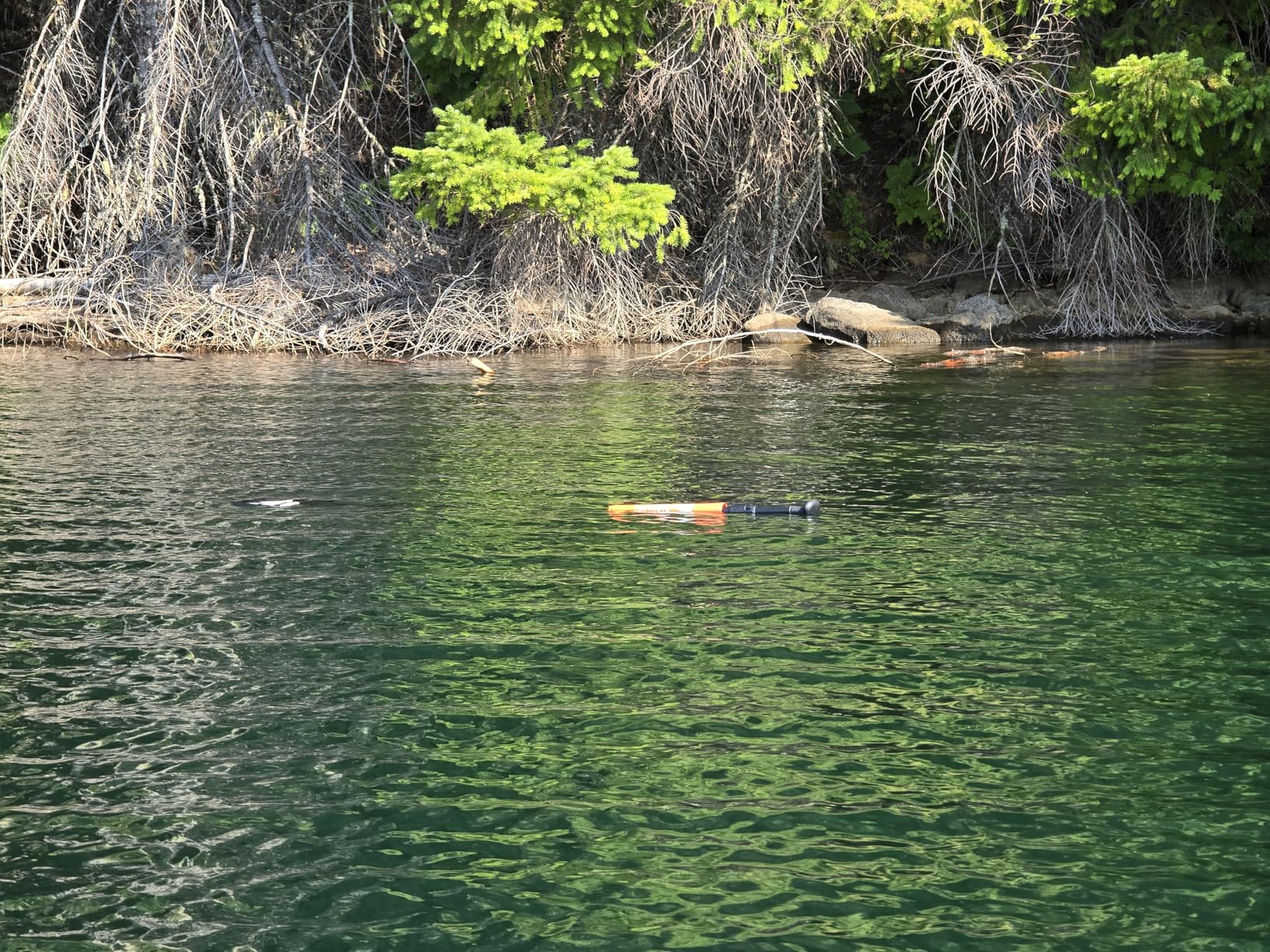
The SkyPath paddle float takes a different approach from traditional self-rescue designs. This lightweight EVA foam sleeve slides over your paddle shaft to prevent it from sinking if dropped. The 4.8-star rating from 37 reviews reflects strong satisfaction among users who understand its intended purpose.
The high-density foam construction resists moisture, low temperatures, and mechanical damage. Oxford cloth covering protects the foam while the hook-and-loop closure secures it firmly to your paddle. Multiple color options with reflective printing enhance visibility on the water.

Users report this float has saved expensive paddles from being lost during SUP sessions and recreational kayaking. The bright colors make paddles highly visible if they drift away. The one-year warranty provides some assurance of quality.
However, this design differs fundamentally from traditional paddle floats. It’s primarily a paddle flotation device rather than a self-rescue outrigger. The smaller size and different attachment method don’t create the stable platform needed for re-entering a capsized kayak.
Who This Float Serves Best
SUP paddlers and recreational kayakers who worry about dropping expensive paddles will find this product valuable. The instant flotation and bright colors prevent paddle loss in most conditions. If your primary concern is paddle recovery rather than self-rescue, this affordable option works well.
Who Should Look Elsewhere
Sea kayakers and solo paddlers needing self-rescue capability should choose traditional paddle floats designed for outrigger use. This product won’t provide the stability needed for re-entering a capsized sit-in kayak. Don’t substitute paddle flotation for proper self-rescue equipment.
Paddle Protector Foam Float – Two-Pack Value
Paddle Protector Paddle Float, Paddle Board Accessories for Stand Up Paddle Board, Kayak Inflatable, Foam, Kayak Flotation, Canoe Paddles, Kayaks, SUP Paddleboard, 2 Pack Orange & Blue
2-pack foam floats
High-density foam
0.07 kg weight
Hook-loop closure
Pros
- 2-pack excellent value
- Instant flotation
- No inflation needed
- Bright colors
- Durable construction
Cons
- Not for self-rescue outrigger
- Fitment issues with some paddles
The Paddle Protector 2-pack offers the best per-unit value for paddle flotation. Like the SkyPath, these foam sleeves prevent paddles from sinking rather than providing self-rescue capability. The 109 reviews and 4.4-star rating indicate solid performance for their intended purpose.
Each float uses high-density foam with waterproof cloth covering and hook-and-loop closure. Multiple color combinations let you match or contrast with your gear. The instant flotation means no inflation time, and the bright colors aid visibility for paddle recovery.
Some users report fitment issues with larger paddle handles. The foam construction, while durable for paddle protection, doesn’t match the size or attachment method needed for kayak self-rescue. Understanding this distinction prevents disappointment and potential safety issues.
Who This Float Serves Best
Families or couples who need multiple paddle floats for different boats will appreciate the 2-pack value. SUP paddlers and recreational users who want affordable paddle loss prevention find good value here. If you’re outfitting several watercraft economically, this package delivers.
Who Should Look Elsewhere
Anyone needing actual self-rescue capability should purchase traditional paddle floats. These foam sleeves won’t create the outrigger stability needed for kayak re-entry. If you paddle sit-in kayaks solo or in remote areas, proper self-rescue equipment remains essential regardless of cost savings.
Inflatable vs Foam Paddle Floats: Which Should You Choose?
The choice between inflatable and foam paddle floats fundamentally affects your self-rescue experience. Each type offers distinct advantages depending on your paddling conditions, storage constraints, and personal preferences.
Inflatable paddle floats pack down compactly, taking minimal deck space when not in use. They’re lighter and easier to stow under bungee cords or inside hatches. However, they require inflation time while you’re in the water, which becomes challenging in cold conditions or rough water. Dual-chamber models add backup safety if one chamber fails. Push-pull valves generally work better than twist valves in cold weather when your hands are numb.
Foam paddle floats work instantly with no inflation required. This speed advantage matters enormously in cold water where every second of immersion increases hypothermia risk. The solid construction means no valves to fail or seals to check. However, foam floats take significantly more deck space and can interfere with paddle strokes if poorly positioned. They’re also typically more expensive than basic inflatable models.
For cold water paddling, foam floats offer clear advantages. For warm water touring with limited deck space, quality inflatables make sense. Some experienced paddlers carry both: a foam float for quick practice sessions and an inflatable for backup on longer trips.
How to Use a Paddle Float for Self-Rescue
Mastering paddle float self-rescue requires practice in calm water before you need it in an emergency. Here’s the basic technique that works for most paddlers:
Step 1: After wet exit, hold onto your kayak and paddle. Retrieve your paddle float from deck storage. For inflatables, slip the float over your paddle blade and inflate both chambers. For foam floats, simply slide it onto the blade.
Step 2: Secure the float to your paddle blade using the closure system (buckle, draw cord, or velcro). Ensure it’s firmly attached so it won’t slip off during re-entry.
Step 3: Position the paddle shaft across your rear deck behind the cockpit, with the float side extended away from the kayak. This creates an outrigger for stability.
Step 4: With one hand on the paddle shaft and one on the cockpit coaming, kick your legs to bring your body horizontal at the water surface. Pull yourself onto the back deck, keeping your center of gravity low.
Step 5: Rotate your body into the cockpit while maintaining paddle contact. Keep the outrigger stable until you’re fully seated. Use your bilge pump to remove water before continuing.
Practice this sequence until you can complete it within 60 seconds. According to forum discussions, many paddlers struggle with the 60-second challenge initially but improve dramatically with regular practice. Consider taking a kayak rolling class as an alternative self-rescue skill.
Buying Guide: What to Look for in a Paddle Float
Choosing the right paddle float involves evaluating several key features that affect performance and reliability. Here’s what matters most:
Dual Air Chambers: For inflatable models, dual chambers provide critical backup safety. If one chamber fails or doesn’t fully inflate, the second maintains buoyancy. Single-chamber floats work for practice but offer less margin for error in real emergencies. All the inflatable floats I recommend include dual chambers for this reason.
Valve Type: Push-pull valves generally outperform twist valves, especially in cold conditions. With push-pull valves, you simply push to inflate and pull to close. Twist valves require more dexterity, which becomes problematic with cold, numb hands. If you paddle cold water regularly, prioritize push-pull valve designs.
Attachment System: The mechanism securing your paddle blade must work reliably when you’re stressed and cold. Buckle systems with quick-release features tend to work better than simple draw cords. Look for oversized pockets that accommodate your specific paddle blade width.
Buoyancy Rating: Most paddle floats provide 14-16 liters of displacement, sufficient for average-sized paddlers. Heavier paddlers or those with wide-beam kayaks might need additional flotation. Check specifications if you’re over 200 pounds or paddle particularly stable boats.
Visibility Features: Reflective tape or piping helps rescuers spot you in low light conditions. Bright colors (yellow, orange, red) aid visibility during daylight. These features add minimal cost but could prove invaluable in emergency situations.
Drainage Design: Mesh drainage at the bottom prevents water accumulation during training sessions. A waterlogged float becomes heavy and harder to manage. Quality floats include drainage features as standard.
Cold Water Considerations: As mentioned in our kayak safety equipment guide, cold water dramatically affects self-rescue difficulty. If you paddle in water below 60 degrees Fahrenheit, strongly consider foam floats or inflatables with push-pull valves. Practice your rescue technique in realistic conditions before you need it for real.
Storage and Accessibility: Your paddle float must fit on your deck or in your hatch without interfering with paddling. Test packed size against your available storage space. Position the float where you can reach it quickly after capsize, typically under forward deck bungees.
Who Should Consider Alternatives to Paddle Float Rescue
Paddle float self-rescue works well in moderate conditions, but experienced paddlers on forums note its limitations in truly rough water. If you regularly paddle in challenging conditions, consider these alternatives:
Learning to roll your kayak provides faster, more reliable recovery in rough conditions. A successful roll returns you to paddling position in seconds rather than minutes. However, rolling requires significant practice and may fail in extreme conditions.
Paddling with companions enables assisted rescues, which are generally faster and more reliable than self-rescue. If you rarely paddle alone, your paddle float sees mostly practice use. In that case, a basic model suffices.
For paddlers with mobility limitations or those who find paddle float re-entry physically challenging, consider rescue stirrups or specialized re-entry aids. These devices provide additional leverage and stability during the recovery process.
How to get back in a kayak after flipping?
After flipping, hold onto your paddle and kayak. Retrieve your paddle float, attach it to your paddle blade, and inflate if needed. Position the paddle across your rear deck to create an outrigger. Kick to bring your body horizontal, then pull yourself onto the back deck. Rotate into the cockpit while maintaining paddle contact. Practice this sequence until you can complete it in under 60 seconds.
What is the difference between inflatable and foam paddle floats?
Inflatable paddle floats pack compactly but require inflation time in the water, which becomes difficult in cold conditions. Foam paddle floats work instantly with no inflation needed, making them faster for self-rescue, but they take up more deck space. Foam floats excel in cold water; inflatables work well for warm water touring with limited storage.
How to help a capsized kayak?
For assisted rescue, paddle to the capsized paddler quickly. Have them hold onto your bow while you stabilize both kayaks. They can climb onto your rear deck and then transfer to their kayak, or you can flip their kayak upright and help them re-enter from the side. Assisted rescues are generally faster and easier than self-rescue with a paddle float.
How do you get back to your tandem kayak after capsize?
Tandem kayak re-entry typically requires assistance from your partner. The stronger paddler re-enters first using paddle float technique while the second person stabilizes from the water. Alternatively, both paddlers can work together to flip the kayak upright and re-enter simultaneously from opposite sides. Practice tandem rescue techniques before needing them in emergency conditions.
Do I really need a paddle float for kayaking?
Solo paddlers and sea kayakers should always carry a paddle float as essential safety equipment. If you paddle with experienced companions in calm water, assisted rescues may suffice. However, conditions change unexpectedly, and having self-rescue capability provides insurance when help isn’t available. The small cost and weight of a paddle float far outweigh the risk of being stranded without it.
Final Thoughts on Kayak Paddle Floats
The right paddle float provides essential insurance for solo paddling and sea kayaking adventures. My top recommendation remains the NRS Sea Kayak Rescue Paddle Float for its dual-chamber reliability and proven construction. For budget-conscious paddlers, the Wisemen Trading float delivers dual-chamber safety at an excellent price. Cold water paddlers should consider the NRS Foam Paddle Float for instant deployment.
Remember that owning a paddle float means nothing without practice. Commit to regular self-rescue drills in calm water until the technique becomes automatic. Your safety depends on muscle memory developed through repetition, not just having the right gear.


