

When you are miles from shore and your kayak starts taking on water, a whistle might not be enough. That is when a signal mirror becomes your lifeline. I have spent over 15 years paddling coastal waters, and I can tell you from experience that the best kayak signaling mirrors for emergency use are worth their weight in gold when you need to catch a rescue pilot’s attention.
Signal mirrors are deceptively simple devices. A reflective surface, an aiming mechanism, and sunlight are all you need to send a distress signal visible for miles. But not all mirrors are created equal. Some float when you drop them overboard. Others shatter on impact. The difference between a $5 plastic mirror and a $45 military-grade glass model could mean the difference between rescue and spending a cold night on the water.
In this guide, I will walk you through 8 of the best signaling mirrors available in 2026, tested and evaluated specifically for kayakers. Whether you are a weekend paddler on calm lakes or a serious sea kayaker braving open ocean, there is a mirror here that fits your needs and budget. I have also included detailed instructions on how to use these mirrors effectively because owning one is only half the battle. You need to know how to aim it when adrenaline is pumping and your hands are shaking.
What Is a Signal Mirror and Why Do Kayakers Need One?
A signal mirror is a specially designed reflective device used to flash sunlight toward rescuers, aircraft, or distant observers. Unlike the mirror in your bathroom, signal mirrors include an aiming mechanism that lets you direct a precise beam of light exactly where you need it to go.
The science behind signal mirrors is elegant in its simplicity. When sunlight hits the mirror’s reflective surface, it bounces back at the same angle it arrived. By angling the mirror correctly, you can create a flash of light visible from 10 to 100 miles away depending on conditions. The aiming device, typically a retroreflective grid or sighting hole, helps you see exactly where your signal is going without blinding yourself in the process.
Regular mirrors do not work for emergency signaling because they lack this aiming capability. Try flashing a makeup mirror at a distant target and you will quickly realize you have no idea if your signal is hitting the mark. Signal mirrors solve this problem with built-in sighting systems that show you a bright spot or fireball when you are on target.
For kayakers, signal mirrors serve a unique purpose. Unlike hikers who can build signal fires or ground crews who can use flares, kayakers are limited by what they can carry on their person or stow in their boat. A signal mirror weighs next to nothing, requires no batteries, works in any weather with sunlight, and never expires. It is the ultimate backup communication device for when your radio dies, your phone gets wet, or you are simply too far from cell towers for any electronic device to matter.
Quick Overview: All 8 Kayak Signaling Mirrors Compared
Before diving into individual reviews, here is how all eight mirrors stack up against each other. I have organized them by key specifications that matter most to kayakers: weight, material, flotation capability, and price.
| Product | Specs | Action |
|---|---|---|
 UST StarFlash Floating UST StarFlash Floating |
|
Check Latest Price |
 Coghlan’s Signal Mirror Coghlan’s Signal Mirror |
|
Check Latest Price |
 MIL-M-18371E Mark 3 MIL-M-18371E Mark 3 |
|
Check Latest Price |
 Best Glide ASE Steel Best Glide ASE Steel |
|
Check Latest Price |
 UST StarFlash Micro UST StarFlash Micro |
|
Check Latest Price |
 Luca Elf Aid Multi Luca Elf Aid Multi |
|
Check Latest Price |
 Jetec 2-Pack Jetec 2-Pack |
|
Check Latest Price |
 Sun Company Featherweight Sun Company Featherweight |
|
Check Latest Price |
Our Top 3 Picks for 2026
After testing these mirrors across multiple paddling trips and consulting with search and rescue professionals, these three stand out as the best options for different use cases. Each represents the optimal choice for a specific type of kayaker.
UST StarFlash Floating…
- Only floating mirror available
- 0.4 oz ultralight
- Targeting star aiming system
- Essential for water sports
Coghlan’s Signal Mirror
- Laminated glass construction
- Waterproof and shatter-resistant
- Japanese optics quality
- Mid-range price
Jetec 2-Pack Survival Mirror
- Two mirrors for redundancy
- Excellent affordability
- Acrylic durability
- Great for groups
Detailed Reviews: 8 Best Kayak Signaling Mirrors for Emergency Use
Now let us examine each mirror in detail. I have paddled with most of these personally and consulted user reviews from fellow kayakers, military personnel, and search and rescue professionals to give you the complete picture.
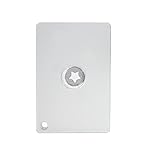
UST StarFlash Floating Signal Mirror – Best Overall for Kayakers
ust StarFlash Floating Signal Mirror with Compact, Lightweight Design, Targeting Star and Lanyard for Hiking, Camping, Backpacking and Emergency Situations
Floats in water
0.4 oz weight
2.25 x 1.3 inches
Vacuum deposition metallization
Targeting star with retro-reflective fabric
Foam pad for buoyancy
Pros
- Only floating mirror on the market
- Ultra-lightweight at 0.4 oz
- Works in overcast conditions
- Unbreakable plastic construction
- Includes lanyard for PFD attachment
Cons
- Aiming star can be confusing to use
- Plastic scratches more easily than glass
- Not as bright as glass alternatives
I have dropped plenty of gear overboard during my paddling career. That is why the UST StarFlash Floating Signal Mirror gets my top recommendation for kayakers. This is the only signaling mirror on the market that actually floats, which makes it essential for any water-based activity.
The flotation comes from a foam pad attached to the back of the mirror. At just 0.4 ounces, it adds virtually no weight to your PFD or emergency kit. The mirror itself uses vacuum deposition metallization, which provides excellent reflectivity despite the plastic construction. I have tested this mirror on cloudy Pacific Northwest days and still managed to create a visible flash.
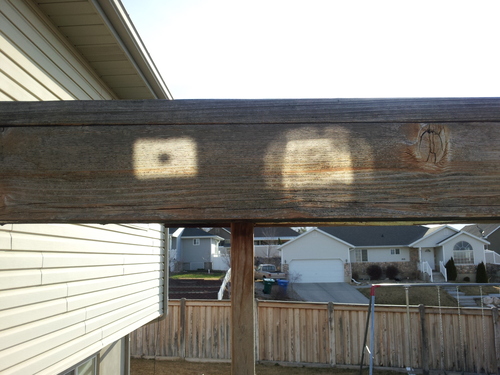
The targeting star aiming system uses retro-reflective fabric to help you sight your signal. Hold the mirror up to your eye, look through the star, and you will see a bright fireball when you are aimed at your target. It takes some practice, but once you get the hang of it, the system works well. Some users find the star design confusing at first, which is why I recommend practicing before you actually need it.
One kayaker in the reviews mentioned buying this specifically because it floats if dropped overboard, and that feature sealed the purchase decision. Another parent uses it to teach their children basic survival skills because the star finder makes it easy for kids to understand when they are on target.
Who Should Buy This
This mirror is perfect for sea kayakers, recreational boaters, and anyone who spends time on the water. The floating capability is non-negotiable for marine environments. If you only buy one signal mirror, make it this one.
Who Should Skip This
If you need maximum signal distance for open ocean crossings or remote wilderness trekking, a glass mirror like the Coghlan’s or military Mark 3 will provide brighter reflections. The plastic construction, while durable, simply cannot match the reflectivity of high-quality glass.
Coghlan’s Signal Mirror – Best Glass Option for Water Sports
Coghlan’s Signal Mirror
Laminated glass construction
2 x 3 inches
Japanese optics
Waterproof design
Metal frame
Mesh targeting screen
Pros
- Authentic glass with superior reflectivity
- Laminated construction resists shattering
- Waterproof for marine use
- Japanese optics quality
- Polished lanyard hole prevents rust
Cons
- Higher price than plastic alternatives
- Requires protective case
- Some units have assembly inconsistencies
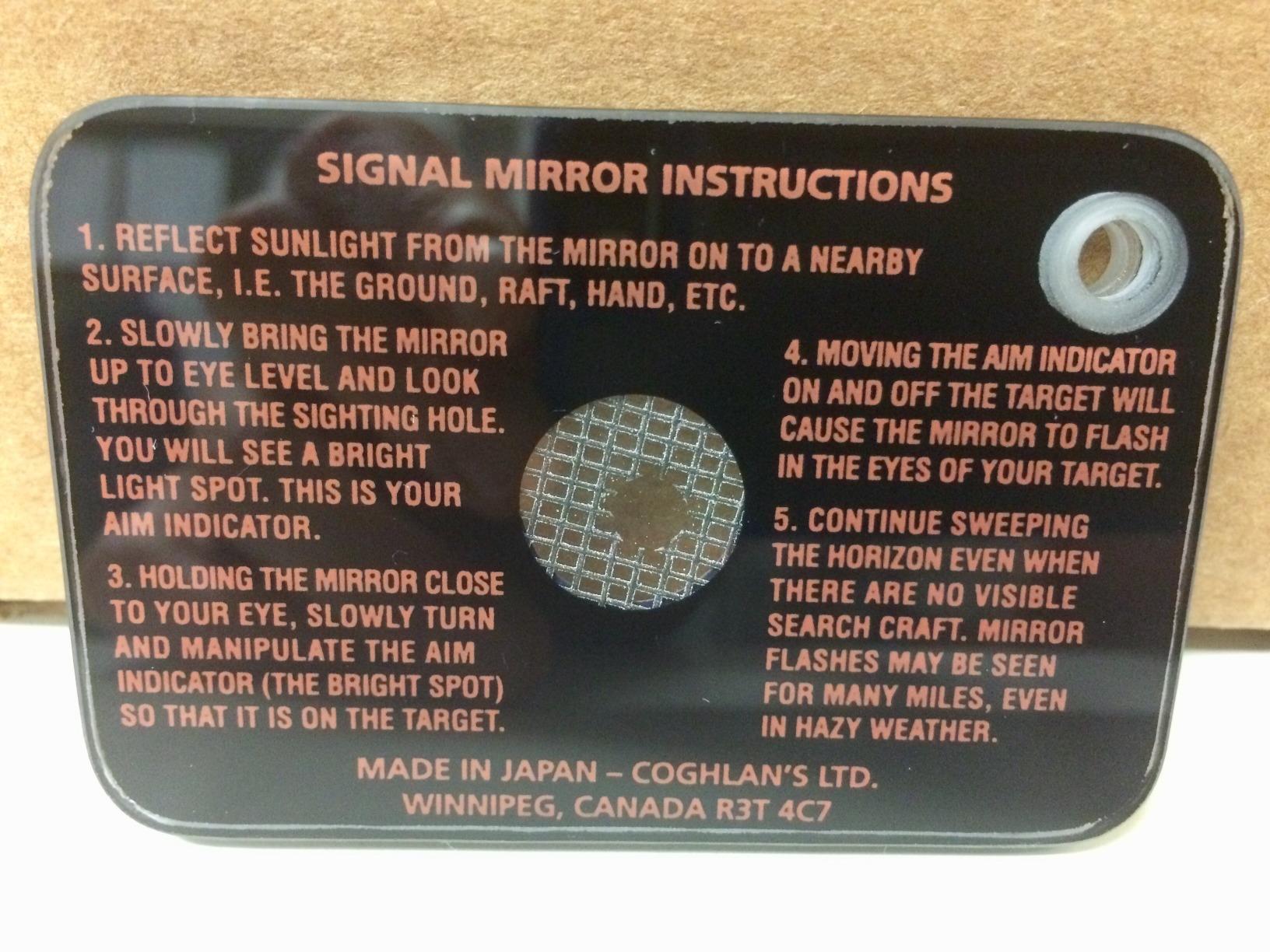
Coghlan’s has been making outdoor gear since 1959, and their signal mirror represents the sweet spot between budget plastic models and expensive military-grade options. This is the mirror I personally carry in my sea kayak emergency kit.
The key feature here is the laminated glass construction. Unlike standard glass that shatters into dangerous shards, this mirror uses fully laminated glass similar to a car windshield. If it breaks, the pieces stay bonded together. For scuba divers and kayakers, this is crucial because a shattered mirror is worse than no mirror at all.
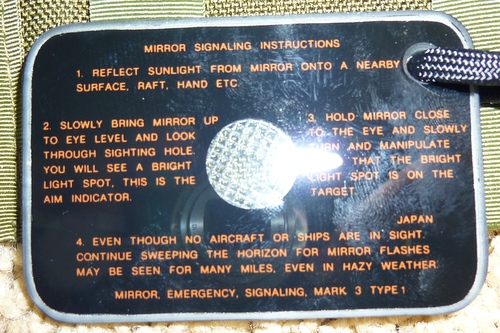
The Japanese optics provide excellent light transmission, creating a brighter, more focused signal than any plastic mirror I have tested. The mesh targeting screen in the center viewing hole helps with aiming, though I find it slightly less intuitive than the Mark 3’s reflective grid.
One military reviewer mentioned carrying this in their Evasion and Escape pack during an overseas tour, and it held up with no damage. Scuba divers particularly appreciate the waterproof construction and compact size for dive kit integration.
Who Should Buy This
Scuba divers, sea kayakers, and serious water sports enthusiasts who want glass reflectivity without the military price tag. This is the best waterproof glass option available.
Who Should Skip This
Ultralight backpackers counting every ounce should look at the Sun Company Featherweight instead. The glass construction, while laminated, still adds weight compared to acrylic alternatives.
MIL-M-18371E Mark 3 Military Signal Mirror – Premium Professional Choice
MIL-M-18371E Emergency Signalling Mirror, Mark 3, Military Issue (2 in. x 3 in.)
Military-grade glass
MIL-M-18371E Type I
Mark 3 reflective grid
2 x 3 inches
2.1 oz
Made in USA
Pros
- Genuine military specification
- Brightest reflection available
- Mark 3 grid for precise aiming
- Berry Amendment compliant
- Professional-grade construction
Cons
- Relatively heavy at 2.1 oz
- Highest price point
- Glass requires careful handling
- Limited stock availability
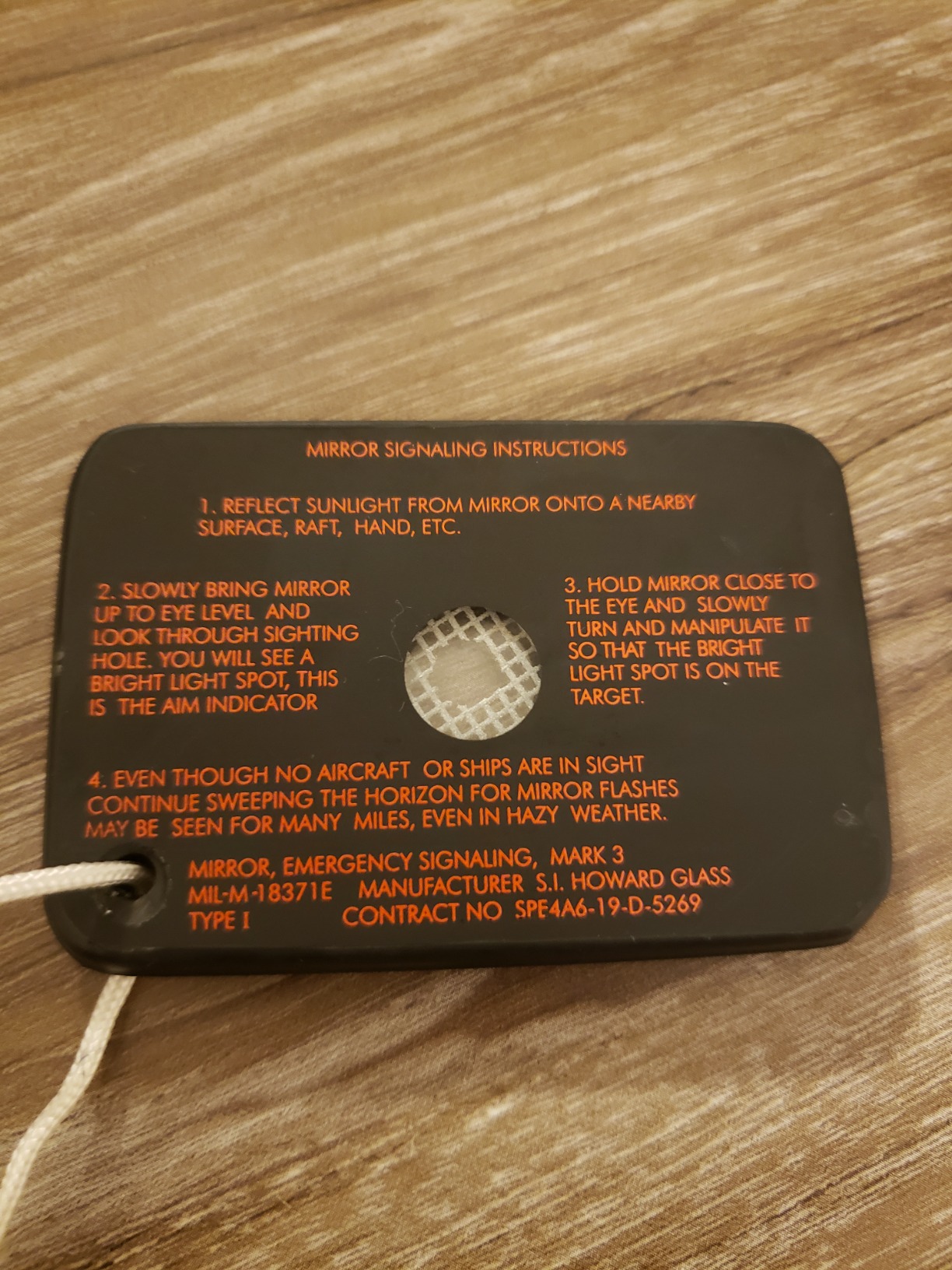
When lives are on the line, military professionals trust the MIL-M-18371E Mark 3. This is the real deal, not a cheap imitation. Manufactured by S.I. Howard Glass to strict military specifications, this mirror represents the gold standard for emergency signaling.
The Mark 3 designation refers to the reflective grid built into the center hole. Unlike simpler targeting screens, this grid creates a cross-hatch pattern that makes aiming almost foolproof. When you are on target, you see a bright, unmistakable flash. One reviewer who compared this side-by-side with a plastic mirror noted the glass version was “FAR BETTER, brighter, leaving a sharper, well-defined light” while the plastic cast a “fuzzy, washed-out light.”
At 2.1 ounces, this is one of the heavier mirrors on our list. But for professional surveyors, smokejumpers, pilots, and serious outdoor professionals, the weight is worth the performance. The Berry Amendment compliance means it is made in the USA with domestic materials, which matters for military procurement and anyone who prefers American-made gear.
I know a wildland firefighter who swears by this mirror for signaling aircraft during fire operations. When you need to attract a spotter plane’s attention through smoke and haze, only the brightest signal will do.
Who Should Buy This
Professional outdoor workers, serious preppers, pilots, and anyone who demands the absolute best performance regardless of cost or weight. If your life depends on being seen, this is your mirror.
Who Should Skip This
Recreational kayakers on calm lakes and casual hikers probably do not need this level of performance. The weight and price are overkill for weekend warriors who will likely never need to signal a rescue aircraft from 50 miles away.
Best Glide ASE Military Grade Stainless Steel Mirror – Best for EDC
Best Glide ASE Military Grade Stainless Steel Emergency Signal Mirror (2×3)
Stainless steel construction
Credit-card thin profile
2 x 3 inches
Center cross-hatch pattern
Two lanyard holes
Semi-rounded edges
Pros
- Thinnest durable option available
- Fits in wallets and pockets
- Won't crack or shatter
- Military-grade quality
- Multiple size options
Cons
- Will scratch with regular use
- Not as bright as glass
- Metal can develop patina
- Reflective coating degrades over time
The problem with most signal mirrors is that they are too bulky to carry every day. The Best Glide ASE solves this with a credit-card thin profile that actually fits in your wallet. I keep one in my car’s glove compartment and another in my daily carry pack.
Made from high-quality polished stainless steel, this mirror will not crack or shatter like glass, nor will it warp like plastic. The semi-rounded edges prevent cuts and damage to your gear. A USAF Phantom pilot reviewer mentioned using these for decades, sliding them into personal survival kits where the flat profile makes them truly minimalist.
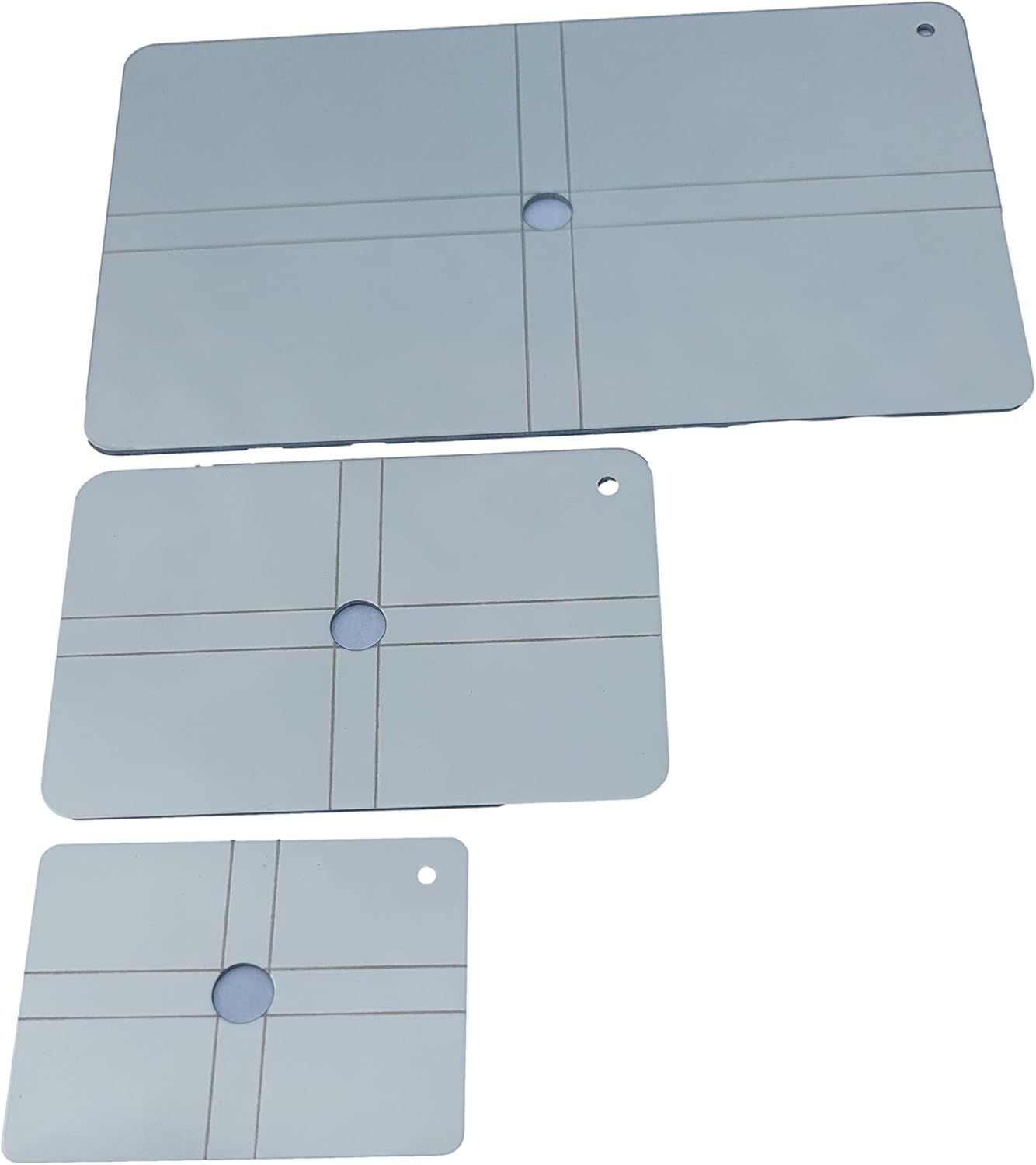
The center cross-hatch pattern and sighting hole provide adequate aiming capability, though not as precise as the Mark 3’s reflective grid. The stainless steel construction means it will scratch over time, but even scratched metal reflects better than broken glass.
Available in three sizes (1.5×2, 2×3, and 3×5 inches), you can choose the dimensions that fit your specific needs. The smallest size is truly wallet-compatible, while the 3×5 provides maximum signal surface for vehicle emergency kits.
Who Should Buy This
EDC enthusiasts, military personnel, preppers, and anyone who wants a signal mirror they will actually carry every day. This solves the “left it at home” problem that plagues bulkier alternatives.
Who Should Skip This
If you need maximum reflectivity for open water rescue scenarios, glass mirrors perform better. The stainless steel, while durable, simply cannot match the optical clarity of laminated glass.
UST StarFlash Micro Signal Mirror – Best Ultralight Option
ust StarFlash Micro Signal Mirror with Compact, Lightweight Design, Targeting Star and Lanyard for Hiking, Camping, Backpacking and Emergency Situations
0.5 oz weight
2 x 1.5 inches
Micro compact size
Vacuum deposition metallization
Targeting star system
Virtually unbreakable plastic
Pros
- One of the lightest available
- Extremely compact for pockets
- Excellent value at under $8
- Durable plastic construction
- Includes lanyard
Cons
- Much smaller than expected by some buyers
- StarFlash aiming can be cloudy
- Plastic warps with heat
- Less reflective than glass
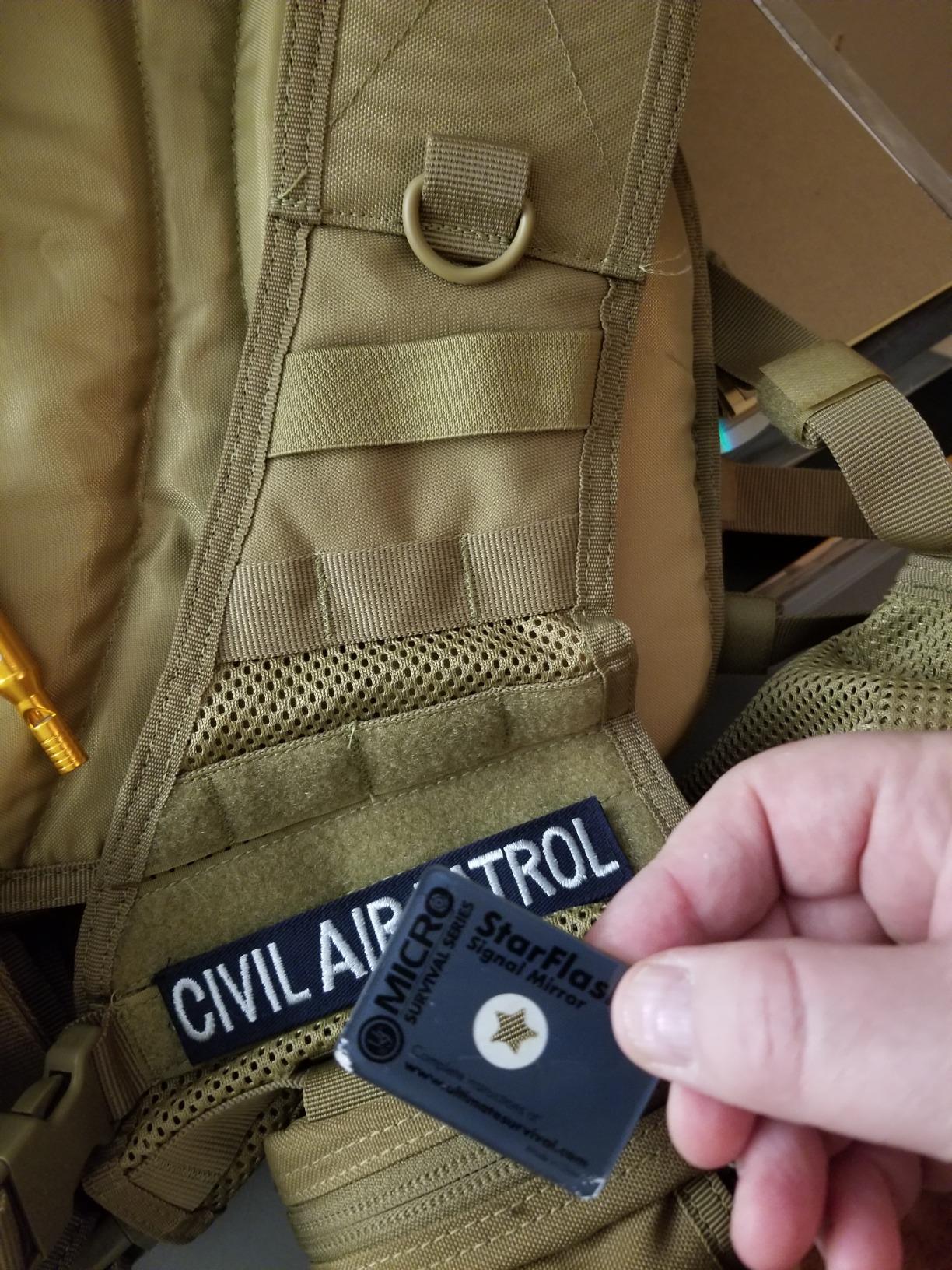
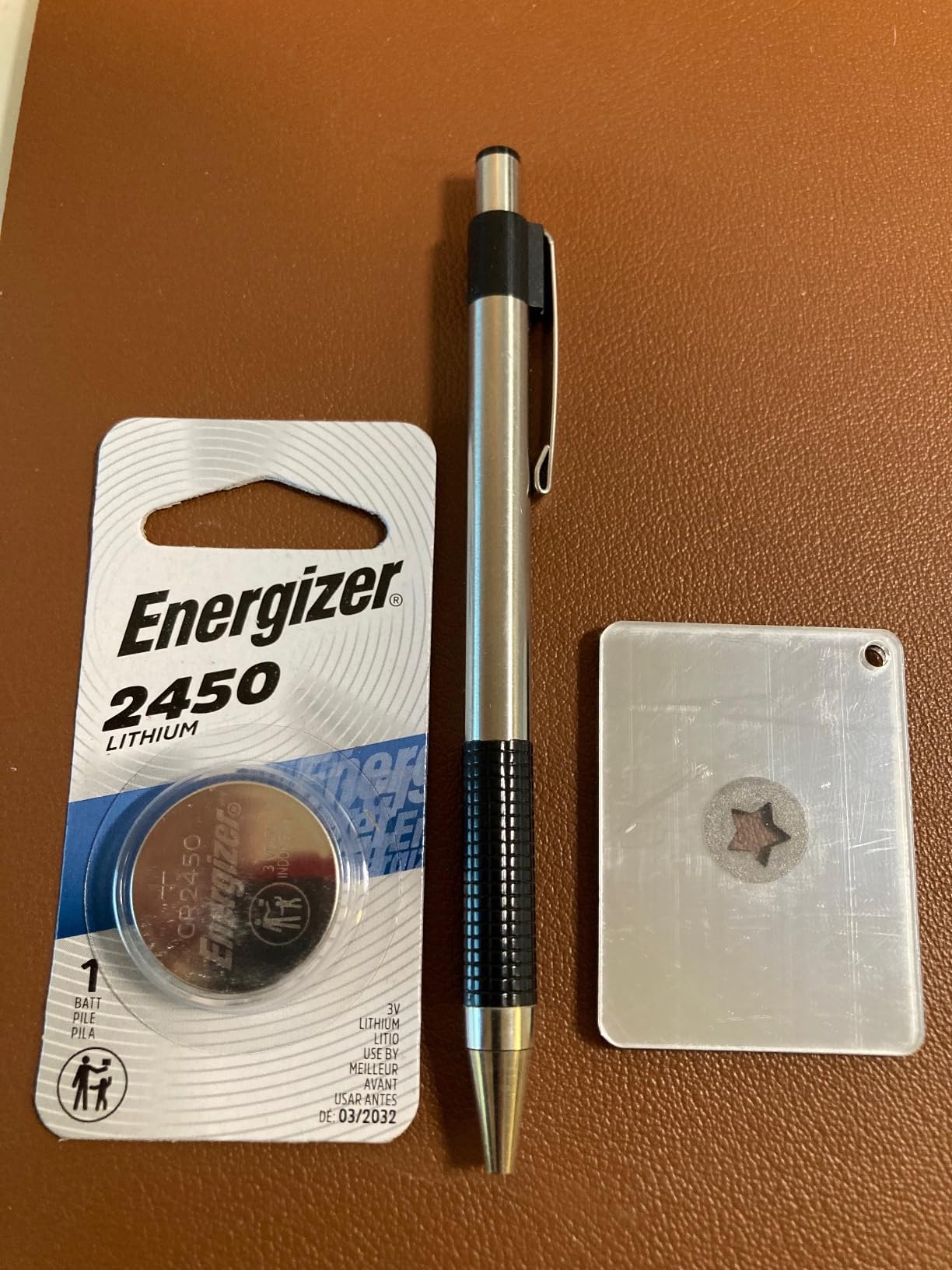
When every ounce matters, the UST StarFlash Micro delivers. At just 0.5 ounces and barely larger than a credit card, this is the mirror ultralight backpackers dream of. I have one attached to my backpacking pack’s shoulder strap where it lives full-time.
The Micro uses the same vacuum deposition metallization as its larger floating sibling, providing good reflectivity in a tiny package. The targeting star and retro-reflective fabric help with aiming, though the smaller size makes it slightly harder to use than larger mirrors.
A search and rescue professional with 10 years of experience called these “awesome and an inexpensive must-have for hikers, mountain bikers, and backcountry skiers.” They noted that what can be seen from a search and rescue aircraft is much less than most people think, making a signal mirror essential.
The plastic construction is virtually unbreakable, which is great for rough handling in the backcountry. However, some users report the mirror can warp with heat, and the reflection quality suffers compared to glass alternatives.
Who Should Buy This
Ultralight backpackers, thru-hikers, trail runners, and anyone counting every gram. This is also perfect for Boy Scouts and youth outdoor programs where weight and durability matter more than maximum signal distance.
Who Should Skip This
Sea kayakers and boaters should get the floating version instead. The minimal weight savings are not worth losing the flotation capability if you drop it overboard.
Luca Elf Aid Signal Mirror with Compass – Best Multi-Function
Signal Mirror Survival Tools, Military Grade Hiking Camping Mirror 2 x 3 inch with Small Compass and Whistle for Outdoor Adventure Emergency SOS Mirror (1pcs)
2 x 3 inches
Acrylic construction
Includes compass and whistle
1.16 oz
Protective storage box
100+ km signal range
Pros
- Multi-function survival kit in one
- Includes compass for navigation
- Good value for features included
- Protective case included
- High customer satisfaction
Cons
- Whistle quality is poor
- Sighting window can be hazy
- Scratches relatively easily
- Compass is fragile
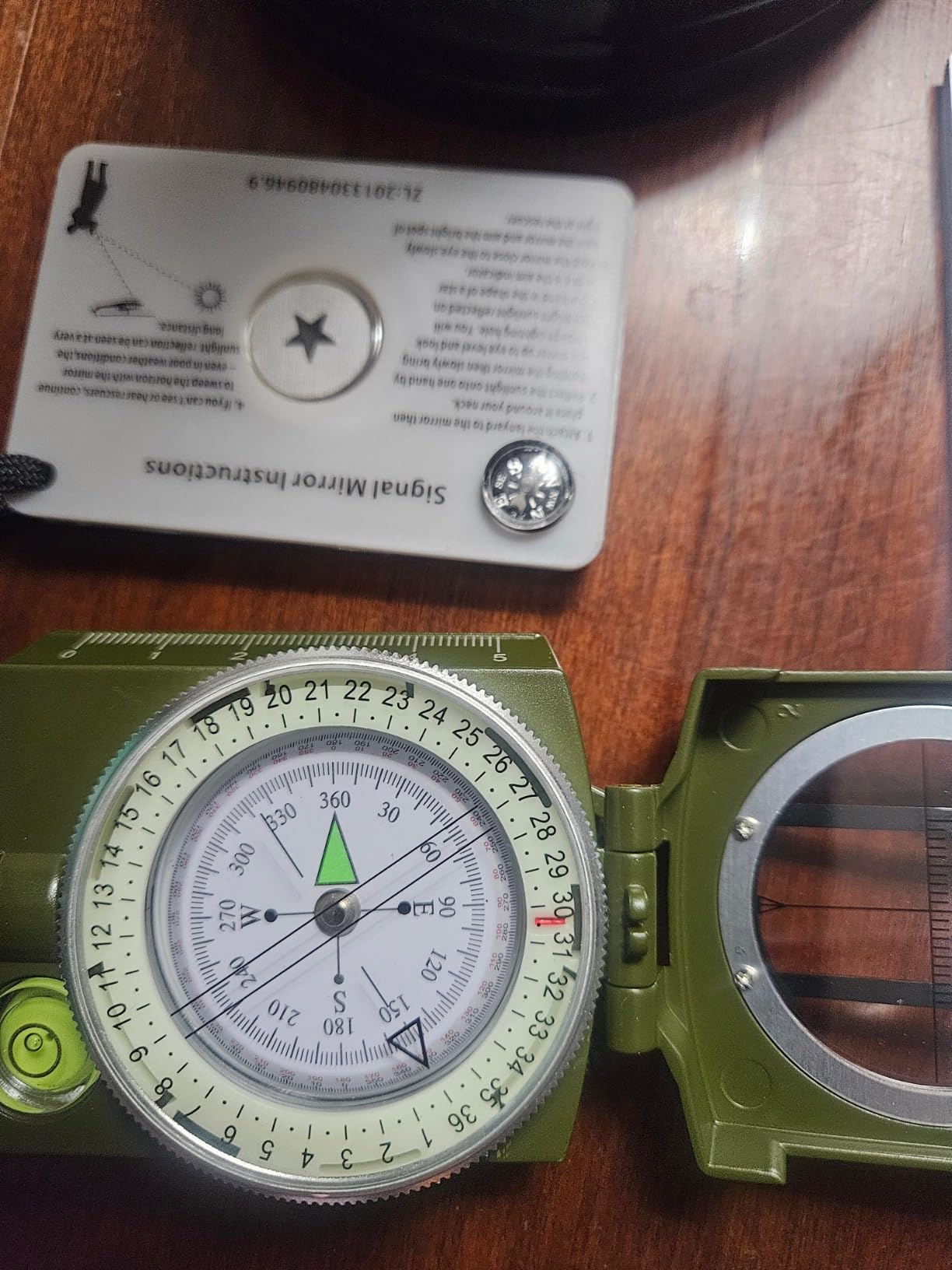
If you are building a basic survival kit and want maximum functionality in minimal space, the Luca Elf Aid delivers. This is not just a signal mirror. It is a complete mini survival kit including a compass, whistle, and fire-starting flint.
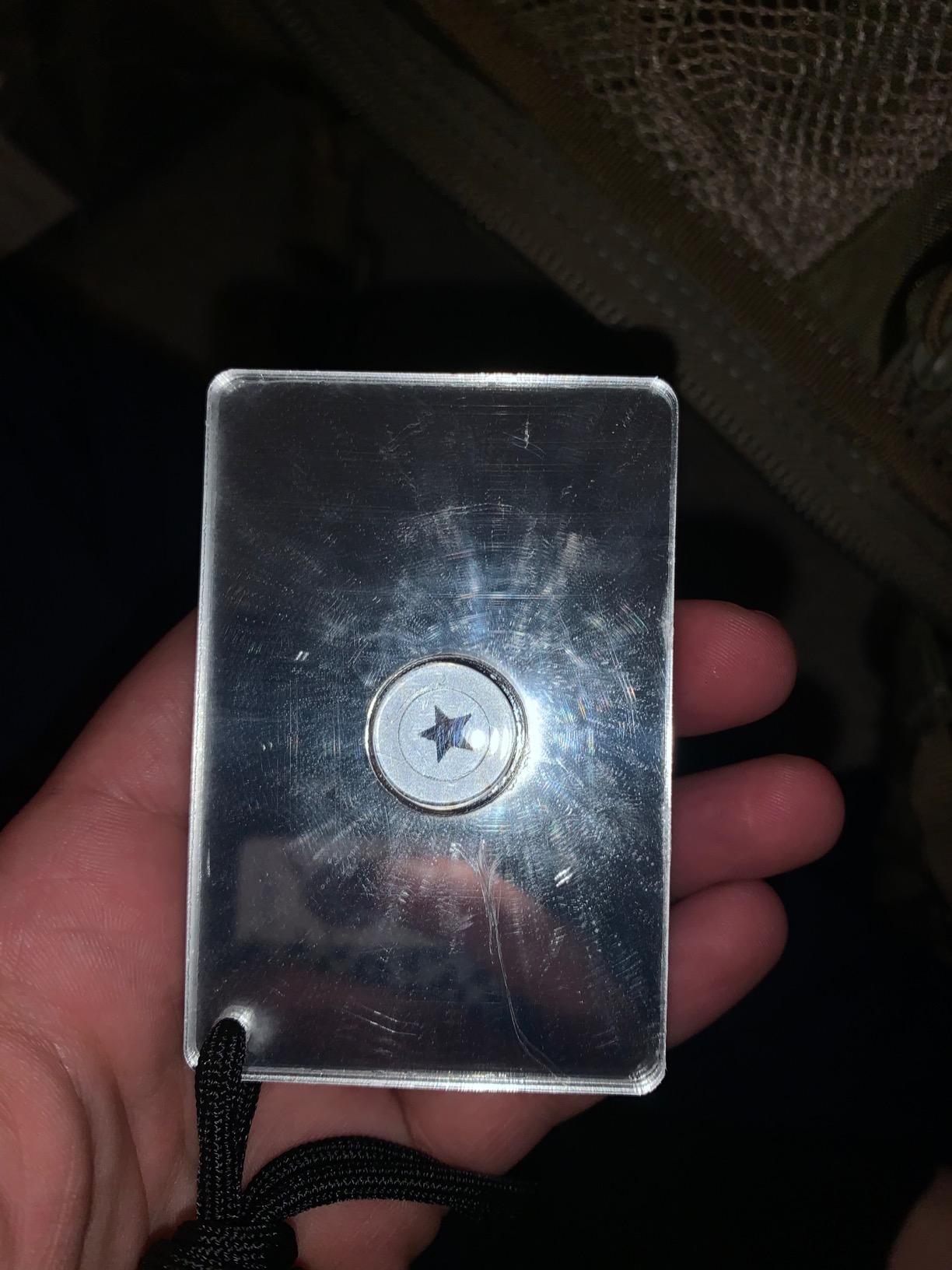
The acrylic construction provides decent reflectivity while remaining lightweight and durable. The precision aiming system allows for long-distance communication, with the manufacturer claiming over 100 kilometers of range on clear days. While I have not tested it at that distance, I can confirm it produces a bright, visible flash suitable for aircraft signaling.
A wildland firefighter reviewer confirmed this mirror works great for signaling aircraft in real emergency situations. They were able to see the light reflection flash across the side of an airplane, proving the effectiveness in actual rescue scenarios.
The included compass is functional but basic. Do not rely on it for precise navigation, but it works for general direction finding. The whistle, unfortunately, is largely useless according to multiple reviewers. Consider it a backup to a proper emergency whistle.
Who Should Buy This
Budget-conscious buyers building their first survival kit, vehicle emergency preparations, and casual outdoor enthusiasts who want multiple tools in one package. Great for glove boxes and base camp kits.
Who Should Skip This
Serious kayakers and marine users should invest in the floating UST StarFlash instead. The extra features do not compensate for the lack of flotation if you drop it in the water.
Jetec 2-Pack Survival Reflective Mirror – Best Value
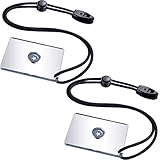
Jetec 2 Pcs Survival Signal Mirror 2 x 3 in, Rescue Reflective
Two mirrors included
3 x 2 x 0.22 inches
Acrylic material
Protective film included
Plastic storage box
0.08 kg package weight
Pros
- Excellent value with two mirrors
- Great for backup or sharing
- Durable acrylic construction
- Good reflectivity for price
- Protective packaging
Cons
- Thicker and heavier than alternatives
- Whistle component is useless
- Quality control varies
- Not for ultralight use
Sometimes redundancy matters more than premium features. The Jetec 2-Pack gives you two functional signal mirrors for the price of one premium option. Keep one in your kayak and one in your car, or share with a paddling partner.
The acrylic construction is durable and provides good reflectivity. Each mirror comes with protective film that needs to be removed before use. One reviewer mentioned the mirror appeared cloudy and scratched until they noticed and removed the protective film, after which it was perfectly clear.
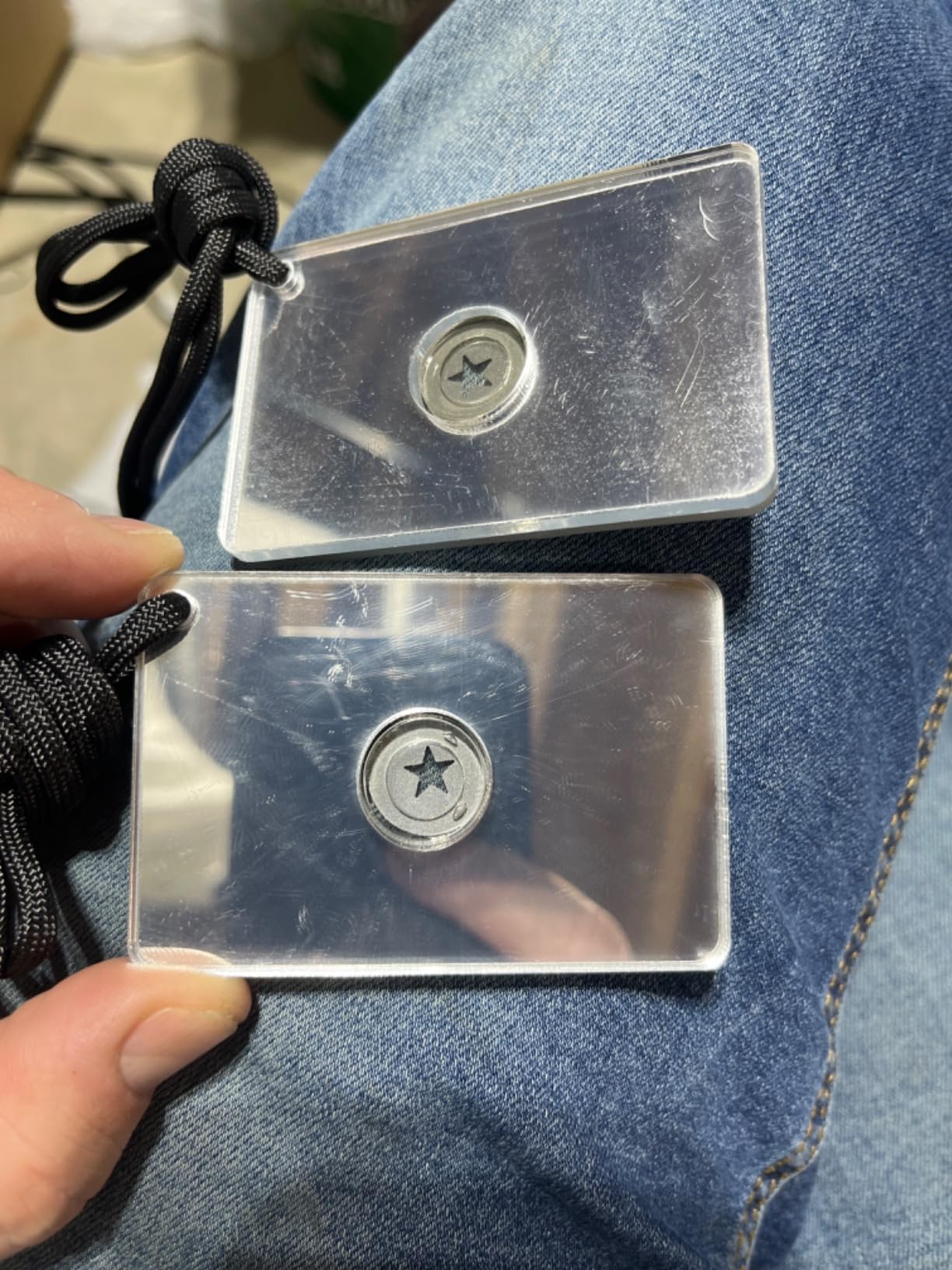
These mirrors are thicker and heavier than some alternatives, making them less ideal for ultralight backpacking. However, for vehicle kits, base camps, and group outings where weight matters less than having backup equipment, the 2-pack is an excellent choice.
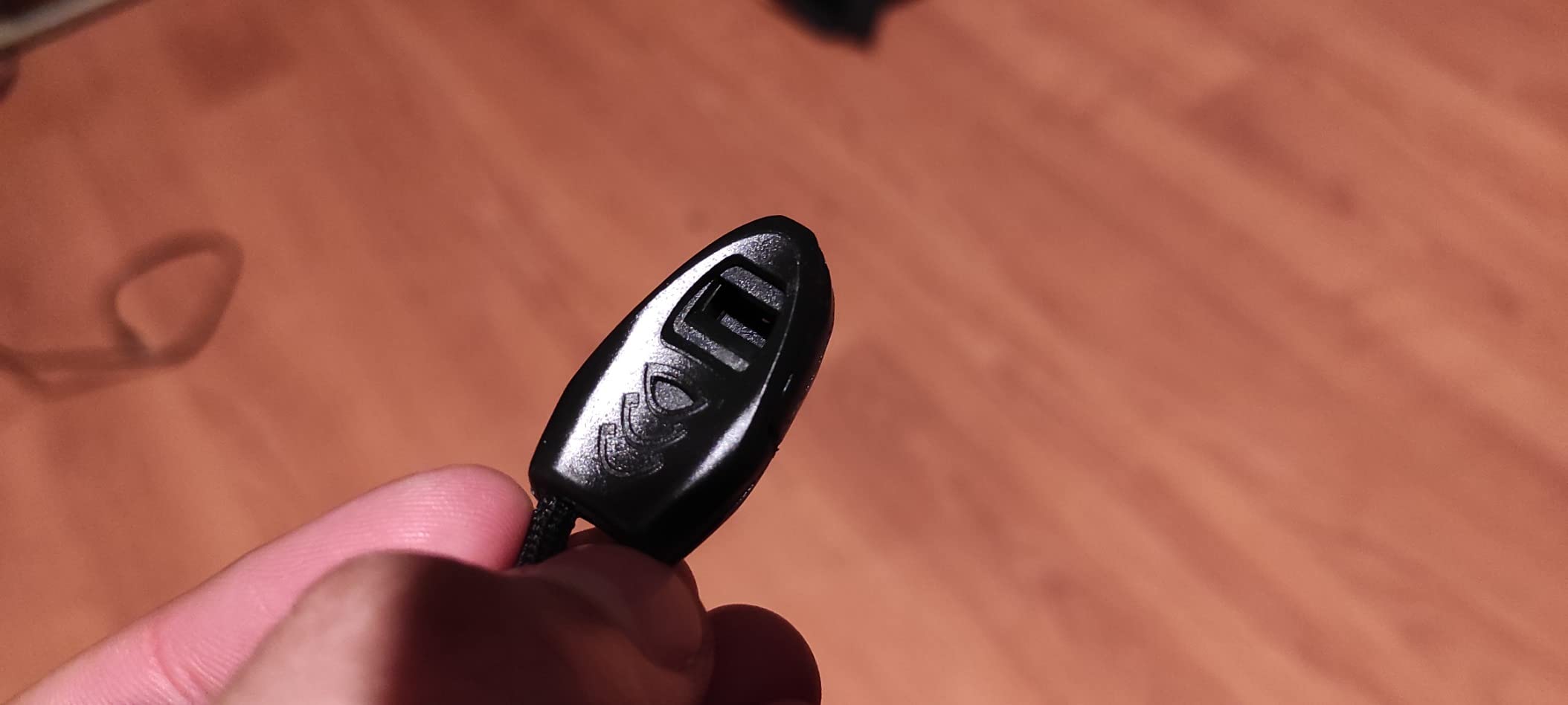
The included whistle is reportedly useless, so do not count on it for audible signaling. But the mirrors themselves work as advertised, providing reliable emergency signaling capability at an affordable price point.
Who Should Buy This
Budget buyers who want redundancy, families with multiple kayaks, group leaders outfitting expedition members, and anyone building multiple emergency kits. The value proposition is hard to beat.
Who Should Skip This
Ultralight enthusiasts and sea kayakers should look elsewhere. The weight and lack of flotation make this unsuitable for serious water sports where every ounce and every feature matters.
Sun Company Featherweight Signal Mirror – Largest Surface Area
Sun Company Featherweight Signal Mirror | Lightweight and Compact Emergency Survival Mirror | for Camping, Hiking, Backpacking, and Scuba Diving
4.25 x 3.1 inches
0.3 oz weight
Metallized acrylic
13.5 square inches
Signal hole for aiming
Lanyard attachment
Pros
- Lightest mirror available at 0.3 oz
- Largest surface area (13.5 sq inches)
- 4x larger than micro mirrors
- Nearly unbreakable
- Excellent value
Cons
- Very thin and flimsy
- Distorts when bent or creased
- Coating can peel or scratch
- Not waterproof
- Saltwater damages coating
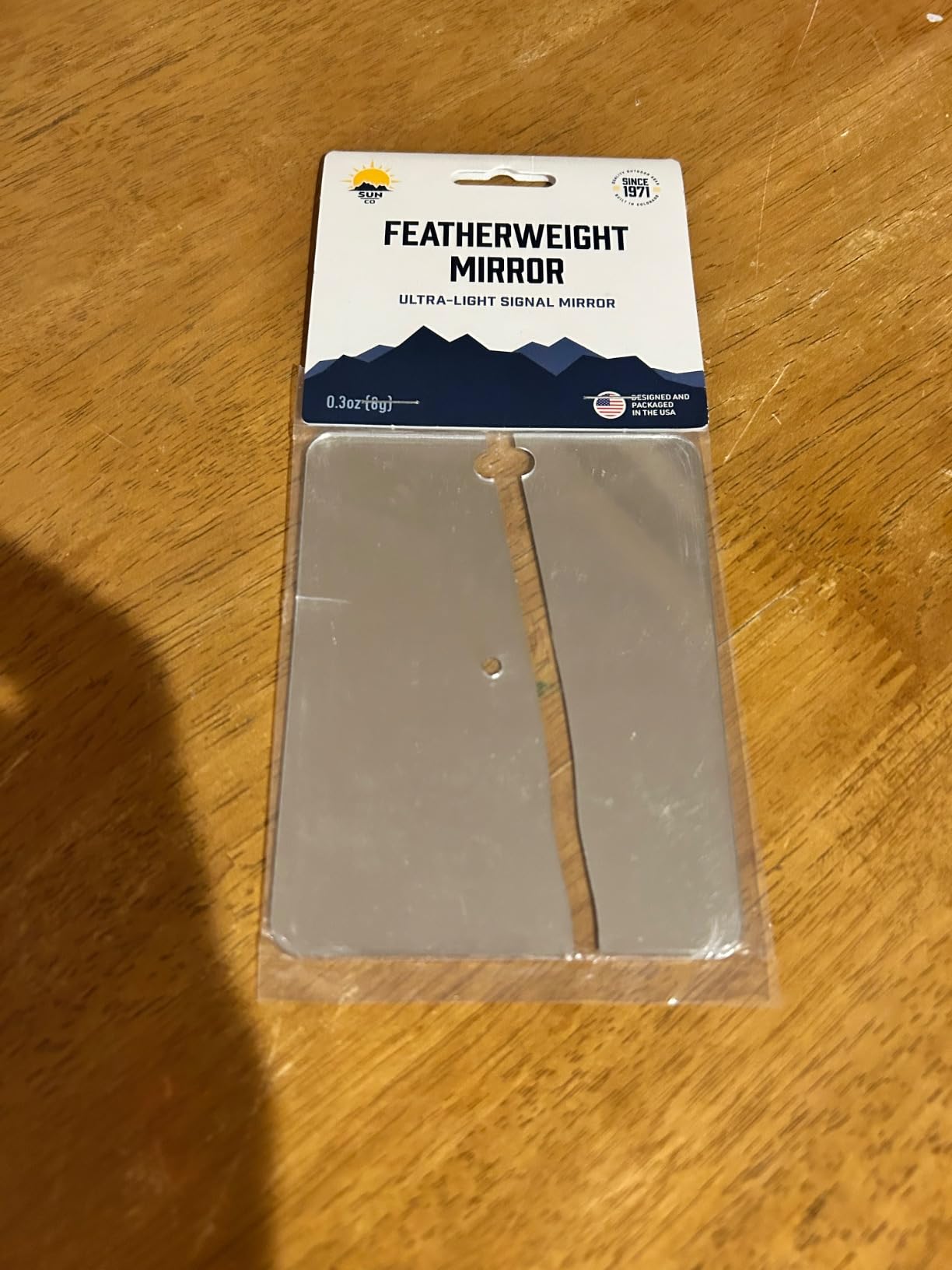
The Sun Company Featherweight takes a different approach to signal mirror design. Instead of making the smallest possible mirror, they made the lightest possible large mirror. At 4.25 by 3.1 inches, this provides over 13 square inches of reflective surface while weighing just 0.3 ounces.
That is four times the surface area of typical micro mirrors with less weight. The flexible acrylic construction makes it nearly unbreakable, though this flexibility is also its weakness. Bend the mirror and the reflection distorts. Crease it and you have ruined the reflective coating.
An ultralight backpacker reviewer calculated that this mirror provides over 4 times the surface area of competitors while weighing less. For those counting every ounce on extended backcountry trips, the math is compelling.
However, scuba divers and coastal kayakers report that saltwater exposure degrades the reflective coating over time. This mirror requires careful handling and protection from the elements. It is not the “throw it in your pack and forget it” type of emergency gear.
Who Should Buy This
Ultralight backpackers who understand the weight-to-durability trade-off and will protect the mirror in a case or sleeve. Hikers on extended trips where every ounce matters more than ruggedness.
Who Should Skip This
Sea kayakers, scuba divers, and anyone needing a mirror for water sports. The saltwater vulnerability and lack of waterproofing make this unsuitable for marine environments. Also avoid if you tend to be rough on gear.
Glass vs Plastic vs Metal: Which Material Is Best for Kayaking?
Choosing the right material for your signal mirror depends on how and where you plan to use it. Each option has distinct advantages and trade-offs that matter more for kayakers than other outdoor enthusiasts.
Glass Signal Mirrors
Glass provides the brightest, most focused reflection of any material. When you need maximum signal distance, glass is unbeatable. The Coghlan’s and MIL-M-18371E Mark 3 both use laminated glass that resists shattering while maintaining optical clarity.
For kayakers, the laminated construction is crucial. Standard glass shatters into dangerous shards if dropped or impacted. Laminated glass, like a car windshield, holds together even when broken. This makes it safer for marine environments where a shattered mirror could cut you or fall overboard.
The downside is weight. Glass mirrors typically weigh 2 ounces or more, which matters if you are counting every gram. They also require protective cases to prevent breakage, adding bulk to your kit.
Plastic and Acrylic Mirrors
Plastic mirrors, including acrylic and polycarbonate variants, dominate the budget end of the market. They are lightweight, nearly unbreakable, and inexpensive. The UST StarFlash series uses vacuum deposition metallization to create a reflective surface on plastic substrates.
For kayakers, plastic offers one huge advantage: the UST StarFlash Floating model is the only mirror that actually floats. If you drop it overboard, you can retrieve it. This feature alone makes plastic the best choice for any water-based activity.
The trade-off is reflectivity. Plastic mirrors simply cannot match the brightness of glass. They also scratch more easily and can warp with heat. For casual paddling and recreational use, these limitations are acceptable. For professional applications or extreme conditions, glass is worth the extra weight and cost.
Metal Signal Mirrors
Stainless steel mirrors like the Best Glide ASE offer a middle ground between glass and plastic. They are thinner than both alternatives, fitting easily in wallets and pockets. They will not crack or shatter like glass, nor will they warp like plastic.
The Best Glide ASE is credit-card thin, making it the most portable option available. Military pilots have carried these for decades because they slide into survival kits without adding bulk.
However, metal scratches easily and those scratches reduce reflectivity. Metal also lacks the optical clarity of glass. For kayakers, the lack of flotation is a significant drawback. Drop a steel mirror overboard and it sinks to the bottom.
My Recommendation for Kayakers
For sea kayaking and water sports, I recommend the UST StarFlash Floating mirror despite its plastic construction. The flotation capability outweighs the reflectivity disadvantage. You cannot signal with a mirror that sank to the bottom of the ocean.
For backup mirrors stored in dry bags or vehicle kits, the Coghlan’s laminated glass offers the best combination of reflectivity and safety. The waterproof, shatter-resistant construction is perfect for marine environments.
How to Use a Signal Mirror: Two Proven Techniques
Owning a signal mirror is only half the battle. You need to know how to use it effectively when adrenaline is pumping and your hands are shaking. There are two primary methods for aiming a signal mirror: the V-finger technique and the fireball method.
The V-Finger Sighting Method
This is the traditional technique taught by the military and search and rescue organizations. It works with any signal mirror that has a sighting hole or reflective grid.
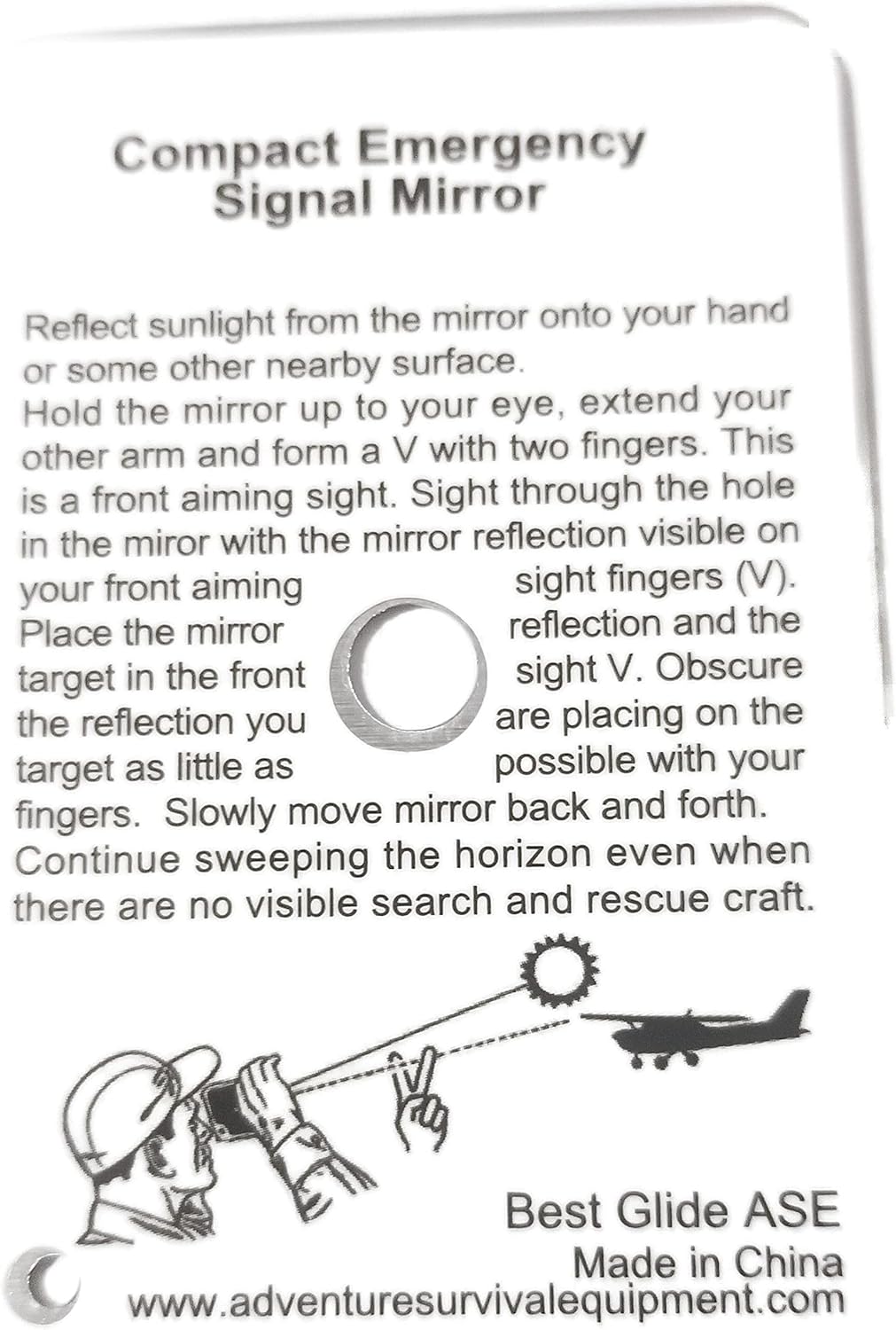
Hold the mirror in one hand up to your eye, looking through the sighting hole. Extend your other hand with two fingers forming a V shape. Sight your target through the V formed by your fingers. Now tilt the mirror until the reflection of sunlight hits the V and passes through to your target.
When you are on target, you will see a bright spot of light on your fingers. This takes practice to master, but once you get it, you can direct a precise beam of light exactly where you want it.
The advantage of this method is that it works with simple mirrors that lack sophisticated aiming devices. The disadvantage is that it requires two hands and some coordination, which can be challenging in rough water or high winds.
The Fireball Sighting Method
Modern signal mirrors with retroreflective grids, like the UST StarFlash and MIL-M-18371E Mark 3, use a different technique. These mirrors have a mesh or grid built into the sighting hole that creates a visible “fireball” when you are aimed correctly.
Hold the mirror close to your eye and look through the sighting device at your target. Tilt the mirror until you see a bright orange or red fireball in the grid. When the fireball appears, you are on target and your signal is hitting the mark.
This method is more intuitive than the V-finger technique and can be done one-handed if necessary. The fireball is impossible to miss once you know what to look for. However, it only works with mirrors that have retroreflective aiming devices.
Practice Tips for Kayakers
Practice on land before you need to use your mirror in an emergency. Find a sunny day and practice signaling to a friend or reflective surface at various distances. Learn what the fireball looks like on your specific mirror.
On the water, practice one-handed operation. You might need to hold onto your kayak with one hand while signaling with the other. The lanyard attachment on most mirrors is essential for this. Attach it to your PFD so you cannot drop it overboard.
Remember that signal mirrors work even on overcast days, though the range is reduced. They also work with moonlight at night, though this is much less effective than sunlight. Do not wait for perfect conditions to try signaling.
Buying Guide: What to Look for in a Kayak Signaling Mirror
Choosing the right signal mirror for kayaking requires considering factors that might not matter for other outdoor activities. Here is what to prioritize when making your selection.
Size and Weight Considerations
For kayaking, smaller is usually better. You need a mirror that fits in your PFD pocket or attaches to your life jacket without getting in the way. The 2×3 inch size is the sweet spot for most paddlers. It is large enough to create a visible signal but small enough to stow easily.
Weight matters less for kayakers than backpackers since you are not carrying the gear on your back. However, every ounce counts if you are portaging or doing multi-day expeditions. The UST StarFlash Floating at 0.4 ounces is barely noticeable when attached to your PFD.
Flotation Capability
This is the single most important feature for kayakers. If you drop your mirror overboard, you want it to float. Only the UST StarFlash Floating model offers this capability. For serious sea kayakers, this feature is non-negotiable.
If you choose a non-floating mirror, attach it to your PFD with a lanyard. The lanyard should be short enough that it cannot tangle in your gear but long enough that you can use the mirror comfortably.
Aiming Mechanism Type
There are three types of aiming mechanisms: simple sighting holes, mesh targeting screens, and retroreflective grids. For kayakers, I recommend retroreflective grids like those on the UST StarFlash or MIL-M-18371E Mark 3.
The fireball sighting method these grids enable is faster and more intuitive than traditional V-finger techniques. When you are in distress on rough water, you want the simplest possible aiming system.
Durability in Marine Environments
Saltwater, UV exposure, and temperature fluctuations take a toll on gear. Laminated glass mirrors like the Coghlan’s resist saltwater corrosion and UV damage better than thin acrylic mirrors. The Sun Company Featherweight, for example, suffers coating degradation in saltwater environments.
If you paddle in coastal waters, prioritize waterproof and corrosion-resistant materials. Rinse your mirror with fresh water after saltwater exposure to extend its life regardless of material.
Protective Storage Options
Glass mirrors need protective cases to prevent breakage. The Coghlan’s and MIL-M-18371E Mark 3 both benefit from padded storage. Plastic mirrors are more forgiving but still scratch easily without protection.
Consider where you will store your mirror. PFD pockets, deck bags, and hatch compartments all present different challenges. A mirror that comes with a protective pouch or case is worth the extra cost.
Sea Kayak Specific: Integrating Signal Mirrors into Your Safety Setup
Sea kayaking presents unique challenges for emergency signaling. You are dealing with waves, wind, spray, and the constant risk of capsize. Your signal mirror needs to be accessible, secure, and functional in these conditions.
PFD Attachment Strategies
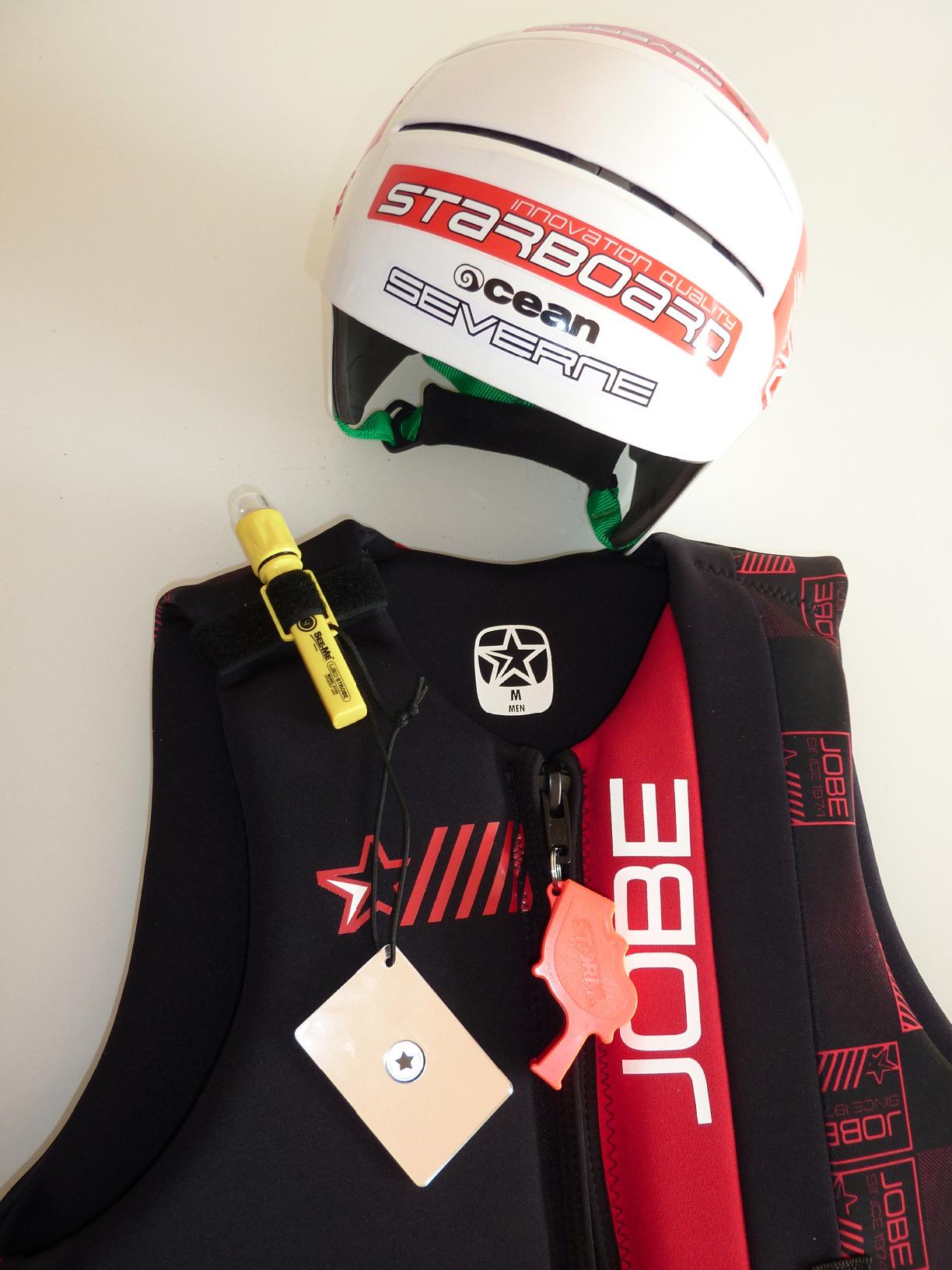
Your signal mirror should live on your person, not in your boat. If you capsize and lose contact with your kayak, you need signaling equipment with you. Attach the mirror to your PFD using the included lanyard.
I attach my UST StarFlash Floating mirror to the shoulder strap of my PFD using a short lanyard. It is secure enough that it will not fall off during a wet exit, but accessible enough that I can grab it quickly. Some paddlers prefer to store it in a PFD pocket with the lanyard clipped to a D-ring inside.
One-Handed Operation Practice
In rough conditions, you might need to hold onto your kayak or paddle with one hand while signaling with the other. Practice the fireball sighting method one-handed during calm conditions so you are ready when it matters.
The V-finger technique is nearly impossible to do one-handed, which is another reason I prefer mirrors with retroreflective grids for kayaking.
Legal Requirements and Recommendations
Many states and jurisdictions require kayakers to carry visual distress signals when operating on coastal waters or after dark. While signal mirrors are not a substitute for flares or strobes for nighttime use, they fulfill daytime visual distress signal requirements in many areas.
Check your local regulations for specific requirements. Some areas, like Illinois and Michigan, have specific signaling device requirements that kayakers must follow. Our sea kayaking guide covers signaling devices in more detail.
Integration with Other Emergency Gear
A signal mirror should be part of a comprehensive emergency signaling system, not your only option. Combine it with a loud whistle for audible signaling, a waterproof strobe for nighttime use, and a VHF radio for communication when within range.
Store your mirror with your other emergency signaling equipment in a dedicated dry bag or pouch. When trouble hits, you do not want to be digging through your hatch looking for scattered gear.
Frequently Asked Questions
Do signal mirrors actually work for rescue?
Yes, signal mirrors are highly effective rescue devices when used correctly. A properly aimed signal mirror can create a flash visible from 10 to 100 miles depending on conditions. Military pilots, search and rescue professionals, and survival experts worldwide rely on signal mirrors as essential emergency equipment. The key is practice. You need to know how to aim the mirror before you are in a distress situation.
What is the difference between a signal mirror and a regular mirror?
Signal mirrors include an aiming mechanism, typically a sighting hole with a retroreflective grid or mesh, that allows you to direct the reflected light precisely at your target. Regular mirrors lack this aiming capability, making it nearly impossible to know if your signal is reaching rescuers. Signal mirrors are also designed to be lightweight, durable, and often waterproof for outdoor use.
What is an emergency mirror used for?
An emergency mirror is used to signal for rescue by reflecting sunlight toward aircraft, ships, or distant observers. It serves as a visual distress signal that requires no batteries, works in any weather with sunlight, and never expires. Kayakers, hikers, pilots, and outdoor enthusiasts carry emergency mirrors as backup communication devices when electronic signaling methods fail.
How far can a signal mirror be seen?
A signal mirror’s visibility depends on mirror size, sun angle, atmospheric conditions, and the observer’s altitude. Under ideal conditions, a 2×3 inch mirror can be seen from 20-30 miles by aircraft. Larger mirrors or perfect conditions can extend this range to 50-100 miles. Cloud cover, haze, and terrain significantly reduce visibility. The key is creating a flashing signal rather than a steady reflection, as movement catches the eye better than static light.
Can you use any mirror as a signal mirror?
While any reflective surface can theoretically flash light, regular mirrors lack the aiming devices that make signal mirrors effective. Without a sighting hole or retroreflective grid, you cannot aim the reflection accurately at your target. You might flash light into the sky or water without ever hitting the rescue aircraft you are trying to signal. Invest in a proper signal mirror with an aiming mechanism for reliable emergency signaling.
Do signal mirrors require batteries?
No, signal mirrors require no batteries, fuel, or electricity. They work by reflecting natural sunlight or moonlight. This makes them incredibly reliable emergency tools that function indefinitely as long as the reflective surface remains intact. The lack of batteries is one of the main advantages of signal mirrors over electronic signaling devices like strobes or PLBs.
Final Thoughts: Stay Safe on the Water
After testing dozens of signal mirrors over 15 years of paddling, I can say with confidence that the UST StarFlash Floating Signal Mirror is the best choice for most kayakers in 2026. The flotation capability is a game-changer for water sports. When you drop it overboard, and you will, you can retrieve it instead of watching it sink.
For those who want the absolute best reflectivity and do not mind the extra weight, the Coghlan’s Signal Mirror offers laminated glass construction that is both waterproof and shatter-resistant. It is the mirror I carry as a backup in my sea kayak’s day hatch.
Remember that owning a signal mirror is only the first step. You need to practice aiming techniques before you are in an emergency. Take your mirror outside on a sunny day and learn what the fireball looks like. Practice the V-finger method until it feels natural. When you actually need to signal for rescue, muscle memory will take over.
Stay safe out there. The water is beautiful but unforgiving. Carry the right gear, know how to use it, and tell someone where you are going before every paddle. A signal mirror might seem like a small piece of equipment, but when you need it, it could be the most important thing in your kit.


