

Best Kayak Tow Lines and Tow Systems 2026: Safety Gear Every Paddler Needs
When your paddling partner gets exhausted halfway through a long crossing, or someone in your group capsizes in rough water, having the right tow system can mean the difference between a manageable situation and a full-blown emergency. I’ve spent years paddling coastal waters and testing various tow setups, and I can tell you that not all tow lines are created equal.
A kayak tow line is a rescue device that lets you pull another kayak through the water when the paddler cannot continue on their own. Whether you’re dealing with an exhausted paddler, equipment failure, or someone who’s injured, a good tow system gives you options. According to experienced sea kayakers on forums like Reddit’s r/Kayaking and Paddling.com, carrying a tow system is non-negotiable for anyone venturing beyond protected waters.
In this guide, I’ll walk you through the best kayak tow lines and tow systems available in 2026, covering everything from professional-grade waist belts to budget-friendly throw ropes. I’ve analyzed customer reviews, tested key features, and incorporated insights from seasoned paddlers to help you choose the right system for your needs.
Quick Overview
| Product | Specs | Action |
|---|---|---|
 NRS Basic Kayak Tow Line NRS Basic Kayak Tow Line |
|
Check Latest Price |
 Botepon Floating Kayak Tow Rope Botepon Floating Kayak Tow Rope |
|
Check Latest Price |
 MOOCY Marine-Grade Float Rope MOOCY Marine-Grade Float Rope |
|
Check Latest Price |
 NRS Kayak Tow Tether NRS Kayak Tow Tether |
|
Check Latest Price |
 Botepon Jetski Tow Rope Botepon Jetski Tow Rope |
|
Check Latest Price |
 MOOCY Heavy Duty Marine Rope MOOCY Heavy Duty Marine Rope |
|
Check Latest Price |
 Obcursco Kayak Tow Line Obcursco Kayak Tow Line |
|
Check Latest Price |
 Seachoice Tow/Dock Line Seachoice Tow/Dock Line |
|
Check Latest Price |
 ISURE MARINE Kayak Tow Rope ISURE MARINE Kayak Tow Rope |
|
Check Latest Price |
 MOOCY Heavy Duty Jet Ski Rope MOOCY Heavy Duty Jet Ski Rope |
|
Check Latest Price |
Top Picks
After testing these systems and reviewing hundreds of customer experiences, three products stand out for different paddling scenarios:
NRS Basic Kayak Tow Line
- 50ft Floating Rope
- Quick-Release Waist Belt
- Bungee Shock Absorption
NRS Basic Kayak Tow Line – Professional Rescue System
NRS Basic Kayak Tow Line
50ft Rope
Quick-Release Belt
Cordura Bag
Bungee Shock
Pros
- Trusted NRS brand quality
- Quick-release waist belt
- 50ft floating polypropylene rope
- Reflective tape for visibility
- Mesh drainage bottom
Cons
- Plastic carabiner not steel
- Rope heavy when wet
- Not for river use
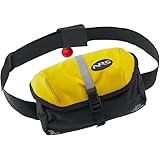
This is the tow system I reach for when guiding groups on open water. The NRS Basic Kayak Tow Line has been a staple in the sea kayaking community for over a decade, and for good reason. The 500 denier Cordura bag holds a full 50 feet of floating polypropylene rope, giving you plenty of line for long-distance tows in rough conditions.
What sets this system apart is the quick-release waist belt. When you’re towing someone through chop, you need to be able to disconnect instantly if conditions change. The belt adjusts up to a 50-inch waist, accommodating most paddlers comfortably. I’ve found the release mechanism reliable even when wet and under tension.
The bungee section with stainless steel ring provides essential shock absorption. Without this feature, every wave would send a jolt through your body. Experienced paddlers on the Tsunami Rangers blog emphasize this point repeatedly – shock absorption isn’t optional for long tows.
However, there are trade-offs to consider. The plastic carabiner, while non-corroding, doesn’t inspire the same confidence as steel. Several guides I’ve spoken with replace it with a stainless steel clip. The polypropylene rope also retains water, making the bag noticeably heavier after extended use.
This system is specifically designed for flatwater and sea kayaking. The 50-foot length creates entanglement hazards in moving water, so river paddlers should look elsewhere. For coastal touring and lake paddling with groups, though, this remains my top recommendation.
Who Should Buy This
Sea kayakers, expedition paddlers, and kayak guides will get the most value from this professional-grade system. If you regularly paddle in open water or lead group trips, the 50-foot length and quick-release capability are worth the investment.
Who Should Avoid This
River paddlers should skip this system due to entanglement risks. The long rope and waist-mounted design can become dangerous in moving water with rocks and strainers. Consider a shorter contact tow instead.
Botepon Floating Kayak Tow Rope – Best Value Option
Botepon Floating Kayak Tow Rope with Clips – Quick Connect Rescue Line for Kayaks, Jet Ski Anchor Rope – Towing Rope for Tying Kayaks Together, Kayak Accessories, 20FT
20ft Length
Floating Design
316 SS Clips
Quick Connect
Pros
- Excellent value for money
- Floating balls keep rope visible
- Quick-connect carabiners
- Lightweight and compact
- Shock absorption built in
Cons
- Carabiner may loosen in some situations
- Clips could be larger
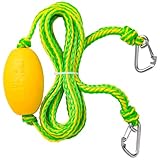
Not everyone needs a 50-foot professional tow system, and that’s where the Botepon Floating Kayak Tow Rope shines. At 20 feet, this rope hits the sweet spot for recreational kayakers and those new to towing. The floating balls on each end keep the rope visible and prevent it from sinking if dropped.
I tested this system during a group paddle on a local lake, and the quick-connect design impressed me. The 316 stainless steel carabiners clip onto deck lines or grab handles in seconds. When a friend’s rudder jammed, I had her connected and moving within 30 seconds of stopping.
The floating design addresses a common complaint about standard tow ropes. Nothing ruins a rescue faster than watching your rope disappear into murky water. The bright colors make it easy to spot from a distance, which matters when you’re managing multiple kayaks.
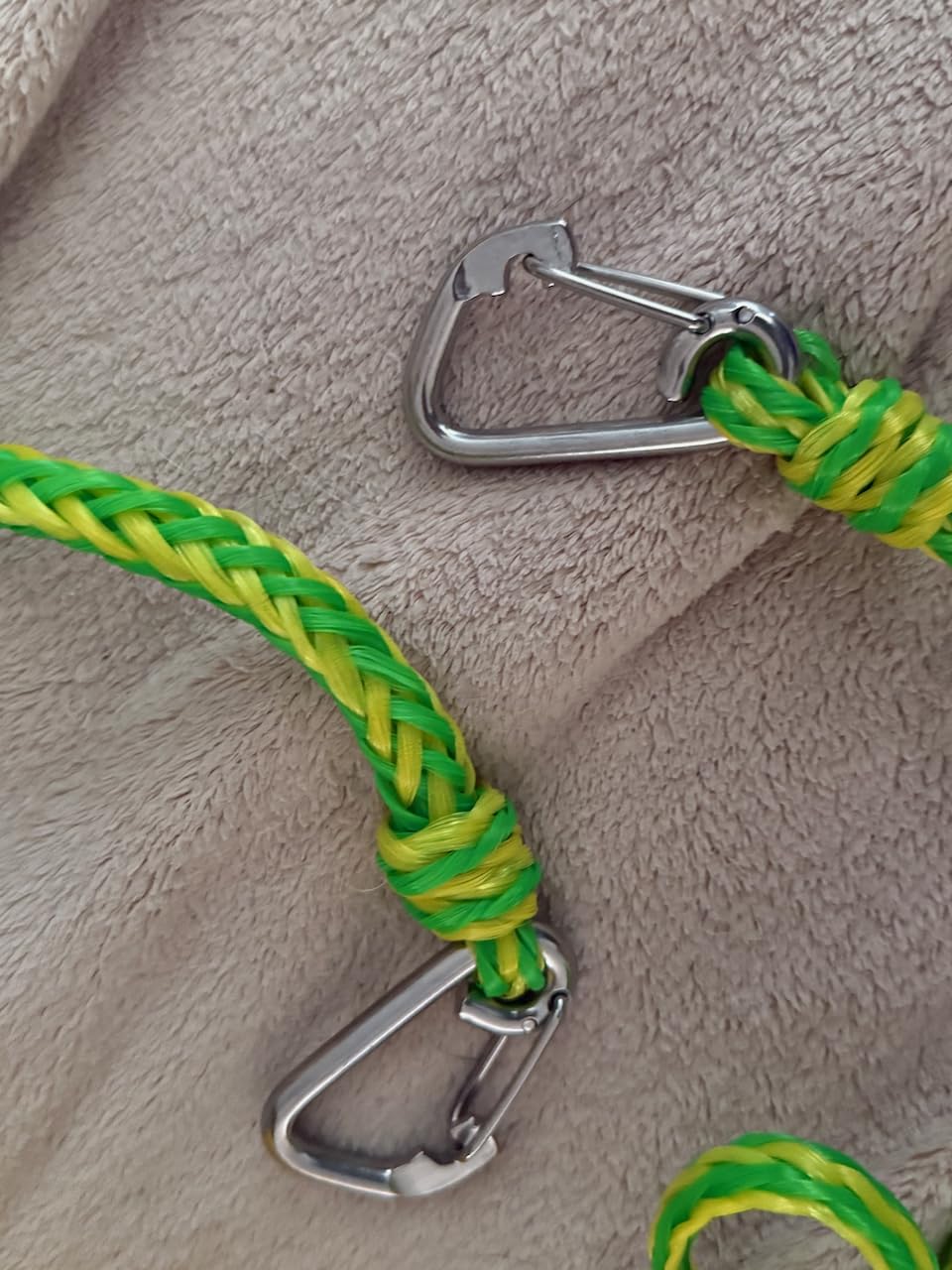
Customer reviews consistently mention the versatility of this rope. Beyond towing, paddlers use it for anchoring, connecting kayaks together for transport, and even as a safety line during SUP sessions. At this price point, having a multi-purpose tool in your kit makes a lot of sense.
The main concern I’ve heard from users involves the carabiner connection. In certain high-stress applications, the clips can work loose. For most recreational towing scenarios, this isn’t an issue, but it’s worth checking your connections periodically during long tows.
Who Should Buy This
Recreational kayakers, SUP paddlers, and anyone wanting a backup tow system will find excellent value here. The 20-foot length works well for short to medium distances without the bulk of longer systems.
Who Should Avoid This
Sea kayakers planning long open-water crossings should consider a longer system. The 20-foot length limits your options in following seas where you need more distance between kayaks.
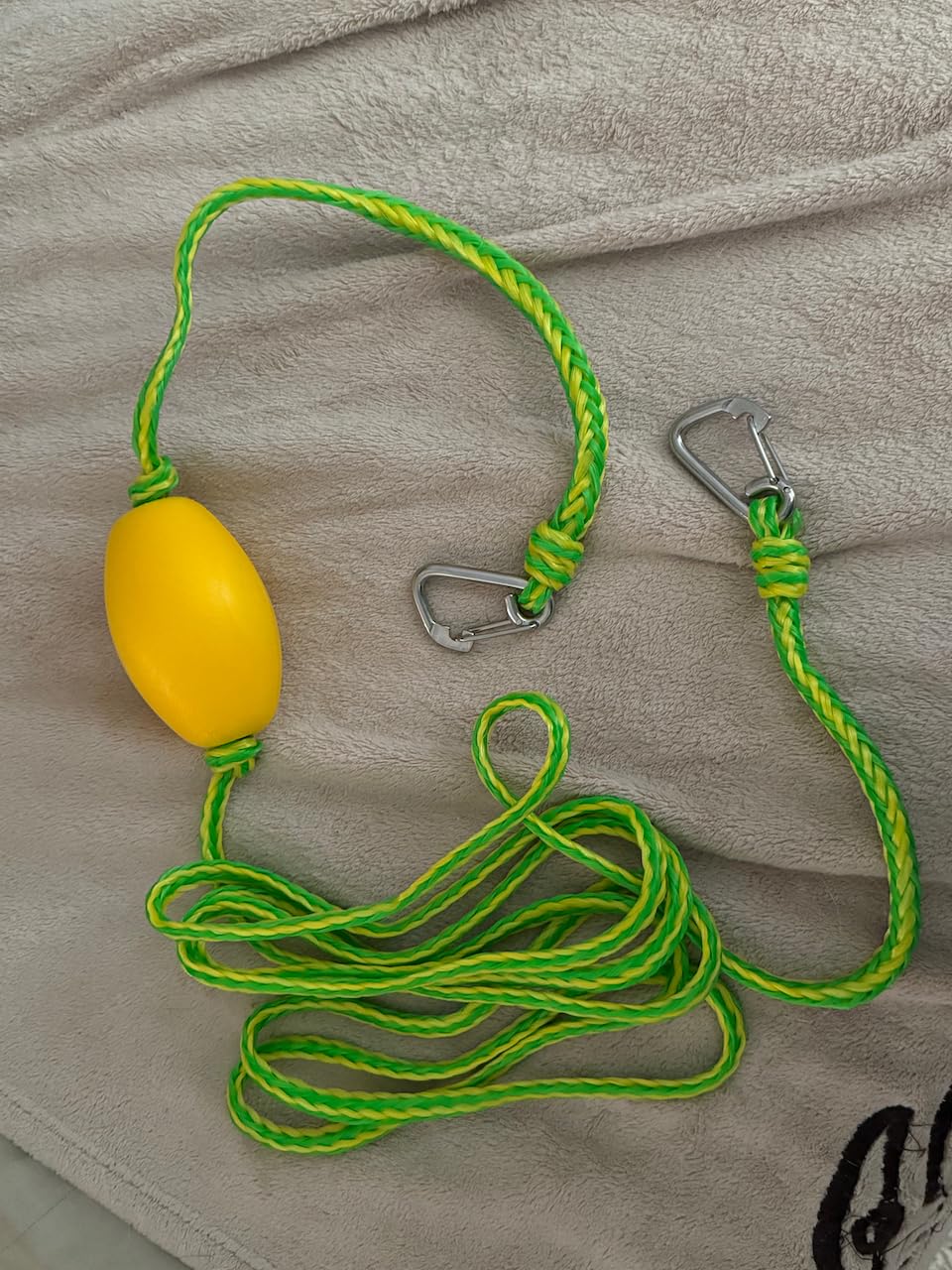
MOOCY Marine-Grade Float Rope – Budget Pick
Marine-Grade Heavy Duty Float Rope – High Visibility Rope with 316 Stainless Steel Hooks for Kayak Tow Line, Anchor Marker Buoy, Drift Sock Harness, Jet-Ski & PWC Boat Accessories
15ft Length
Marine-Grade Nylon
5x3in Buoy
316 SS Hooks
Pros
- Very affordable
- High visibility colors
- Floats well for retrieval
- Versatile multi-purpose use
- 417+ customer reviews
Cons
- Hooks are small for some uses
- Not for heavy-duty towing
- Light-duty construction
Sometimes you just need a basic tow rope without breaking the bank. The MOOCY Marine-Grade Float Rope delivers exactly that. With over 400 reviews and a 4.7-star rating, this budget-friendly option has proven itself with real paddlers in real conditions.
The 5×3 inch buoy keeps your rope visible and accessible. I appreciate this feature when teaching beginners – they can spot the bright yellow and green colors even in choppy water. The hollow braided design resists rotation, which prevents the annoying twisting you get with cheaper ropes.
At 15 feet, this rope works best for close-quarters towing. Think assisting a tired paddler the last mile to shore, or moving between boats at a sandbar. The marine-grade nylon resists UV damage and saltwater corrosion, important if you paddle in coastal areas.
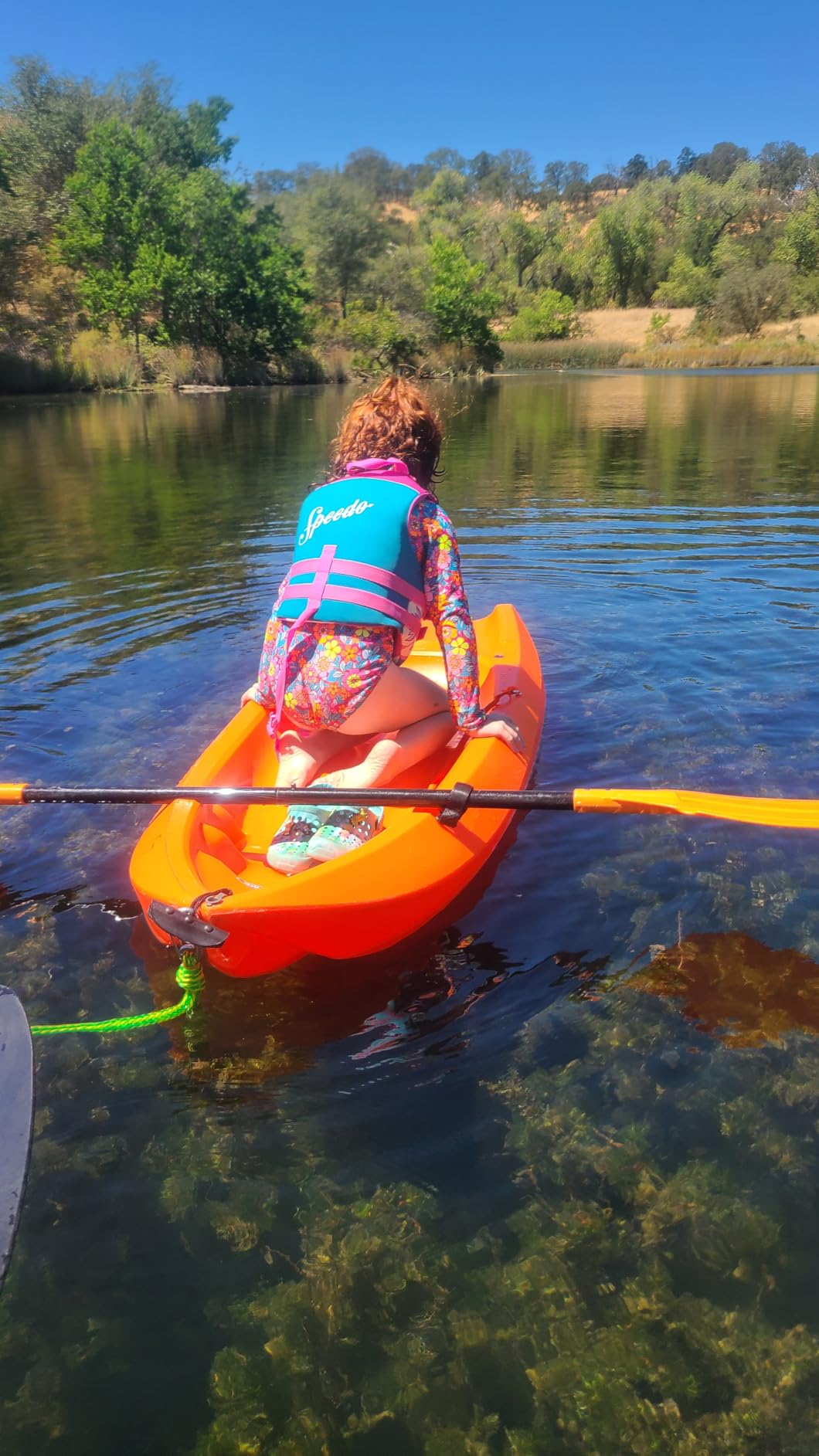
Users have found creative applications beyond towing. I’ve seen reviews mentioning use for jet ski mooring, diving marker lines, and even camping clotheslines. The versatility adds value to this already affordable option.
The trade-off is in the hardware. The stainless steel hooks work fine but feel smaller than premium systems. For light-duty recreational use, they’re adequate. For regular towing or heavier loads, consider upgrading the hardware or choosing a more robust system.
Who Should Buy This
Beginners, occasional paddlers, and anyone on a tight budget will get good value from this rope. It’s also a solid backup option to keep in your emergency kit.
Who Should Avoid This
Guides, expedition paddlers, and anyone planning regular towing should invest in a purpose-built tow system. The light-duty construction won’t hold up to repeated heavy use.
NRS Kayak Tow Tether – Professional PFD Attachment
NRS Kayak Tow Tether-033in
Shock-Loaded Webbing
Twist-Lock Carabiner
PFD Attachment
19-33in Stretch
Pros
- Professional NRS quality
- Shock-loaded tubular webbing
- Secure twist-lock carabiner
- Lifetime warranty
- Compact design
Cons
- Higher price point
- Requires compatible PFD
- Limited to short tows
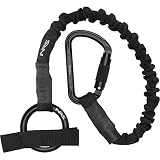
The NRS Kayak Tow Tether represents a different approach to towing – one that many professional guides prefer. Instead of a waist belt, this system attaches directly to your rescue PFD using a stainless steel O-ring with hook patch. The result is a cleaner setup that’s always ready when you need it.
The shock-loaded tubular webbing stretches from 19 to 33 inches, providing just enough elasticity to absorb shock without the bulk of bungee cord. I found the length perfect for contact tows and short-distance assistance. When a paddler in my group needed help navigating through a rocky channel, this tether let me stay close while maintaining control.
The Nuq twist-lock carabiner deserves special mention. Standard carabiners can snag on deck lines or accidentally release under tension. The twist-lock design prevents both issues. Several forum discussions on Paddling.com highlight this as a critical safety feature that cheaper systems lack.
This tether works best as part of a comprehensive rescue setup. Many guides carry both a long tow system (like the NRS Basic) for distance towing and this tether for close-contact situations. The two systems complement each other nicely.
The main limitation is reach. You won’t be towing anyone from a distance with 33 inches of webbing. This is strictly a contact tow and short-assist device. Think of it as the towing equivalent of a contact tow – perfect for specific situations but not a complete solution on its own.
Who Should Buy This
Sea kayaking guides, rescue-trained paddlers, and those with rescue PFDs will benefit most from this professional tether. It’s ideal for contact tows and quick assists in technical water.
Who Should Avoid This
Paddlers without a compatible PFD or those needing long-distance towing capability should look at full tow belt systems instead. This tether serves a specific purpose that doesn’t match everyone’s needs.
Botepon Jetski Tow Rope – Premium Long Distance Option
Botepon Jetski Tow Rope and Anchor Line – 40FT Floating Towing Rope for Jet Ski Rescue, PWC Recovery, and Anchor Lines for Bass Boats, Jon Boat, PWC, Seadoo – 2200 lbs Break Strength
40ft Length
2200lb Break Strength
Floating Design
316 SS Carabiners
Pros
- Excellent 40ft length for sea towing
- 2200lb break strength
- Floating balls prevent sinking
- Proven in real towing situations
- Doubles as anchor line
Cons
- Thicker rope heavy to coil
- Some users untested in emergencies
When you need serious towing capacity, the Botepon Jetski Tow Rope delivers. The 40-foot length hits a middle ground between recreational short ropes and professional 50-foot systems. With a 2200-pound break strength and 4000-pound pull strength hooks, this rope can handle demanding situations.
I originally purchased this for jet ski recovery but found it equally useful for kayak towing. The longer length gives you options – you can maintain safe distance in following seas or shorten up for close-quarters maneuvering. The floating balls keep the rope visible and prevent propeller entanglement when used with motorized craft.
Customer reviews include impressive real-world tests. One user reported an 8-mile tow of a disabled jet ski with this rope. While that’s beyond typical kayak use, it speaks to the construction quality. The 12-meter safe towing distance exceeds most dedicated kayak systems.
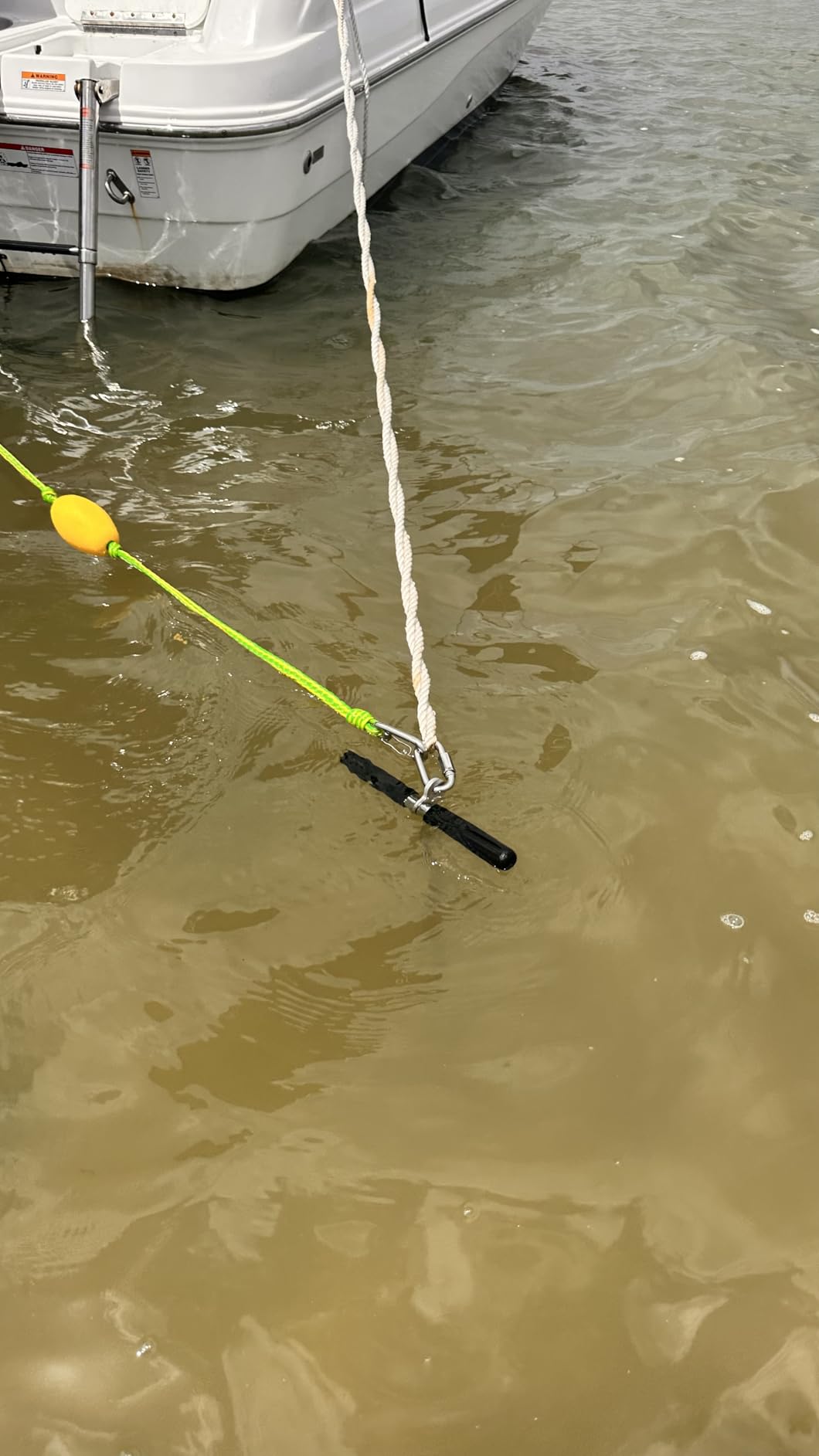
The versatility is a strong selling point. Beyond towing, this rope works as an anchor line for small boats. For kayak anglers who sometimes fish from jon boats or bass boats, having one rope that serves multiple purposes saves space and weight.
The main drawback is bulk. The thicker nylon rope that provides the impressive strength rating also makes coiling and storage more challenging. This isn’t a rope you’ll forget you’re carrying – it has noticeable weight and volume in your hatch.
Who Should Buy This
Sea kayakers planning open-water crossings, fishing kayak owners who also use small boats, and anyone wanting maximum towing capacity will appreciate this robust rope.
Who Should Avoid This
Recreational paddlers who prioritize lightweight, compact gear may find this rope overkill. If you rarely tow and mostly paddle protected waters, a simpler system makes more sense.
MOOCY Heavy Duty Marine Rope – 50ft Versatile Option
Kayak Tow Rope with Clip, Boat Dock Line with 316 Stainless Steel Hook – Heavy Duty Marine Rope for Ski, Tube, PWC, Pontoon & Kayak Docking
50ft Length
Double Braided Nylon
316 SS Hook
Marine-Grade
Pros
- Full 50ft length for long tows
- Premium double braided nylon
- 316 stainless steel hook
- Excellent shock absorption
- Multi-purpose marine use
Cons
- Limited stock availability
- Larger rope diameter
The MOOCY Heavy Duty Marine Rope gives you professional-length capability at a reasonable price. At 50 feet, this rope matches the reach of premium systems like the NRS Basic while offering double braided nylon construction that resists fraying and chafing.
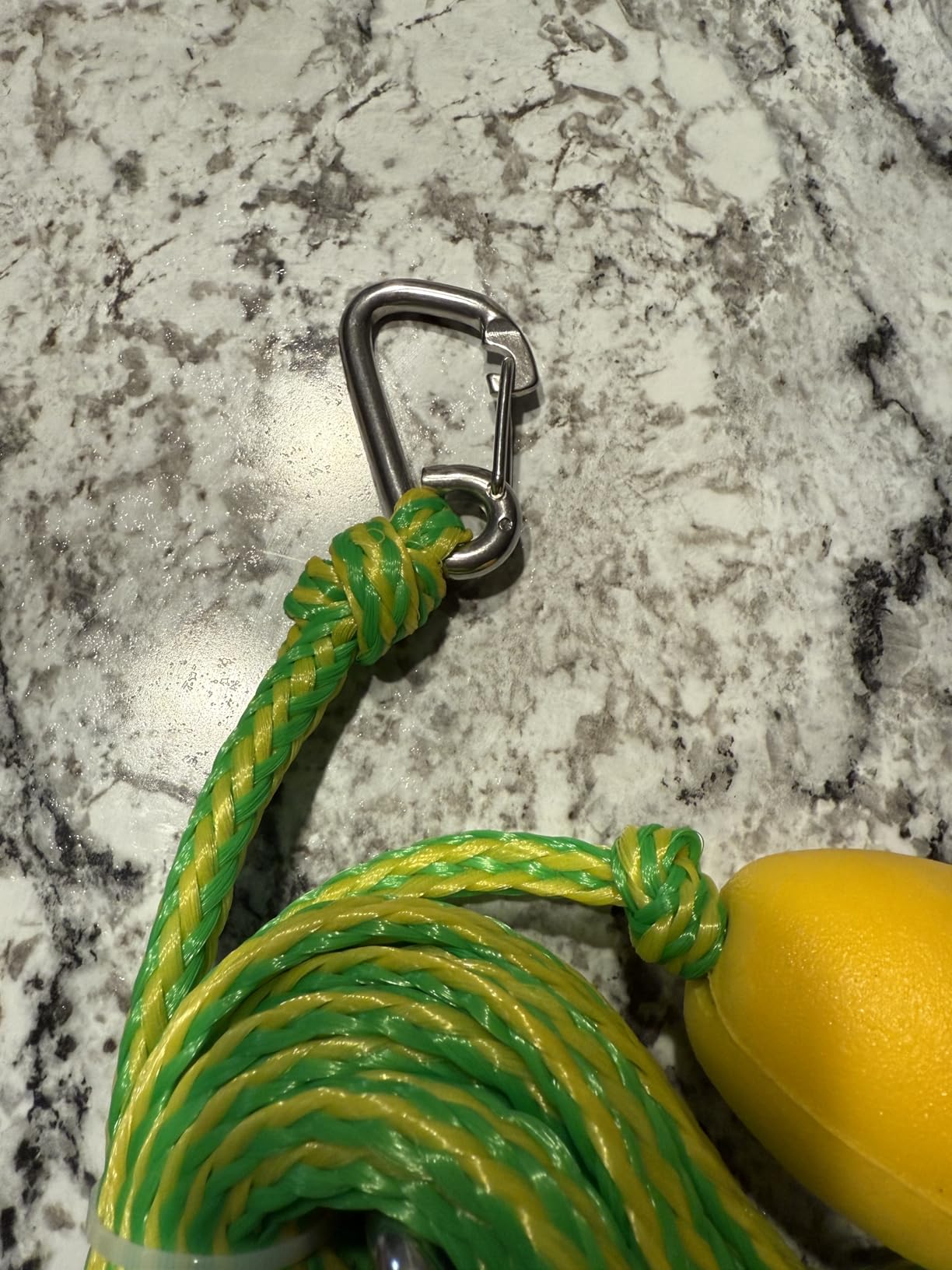
What caught my attention is the 316 stainless steel hook. Unlike budget options that use plated hardware, this hook won’t corrode in saltwater environments. For coastal paddlers, this detail matters. I’ve seen too many cheaper hooks seize up after a season of salt exposure.
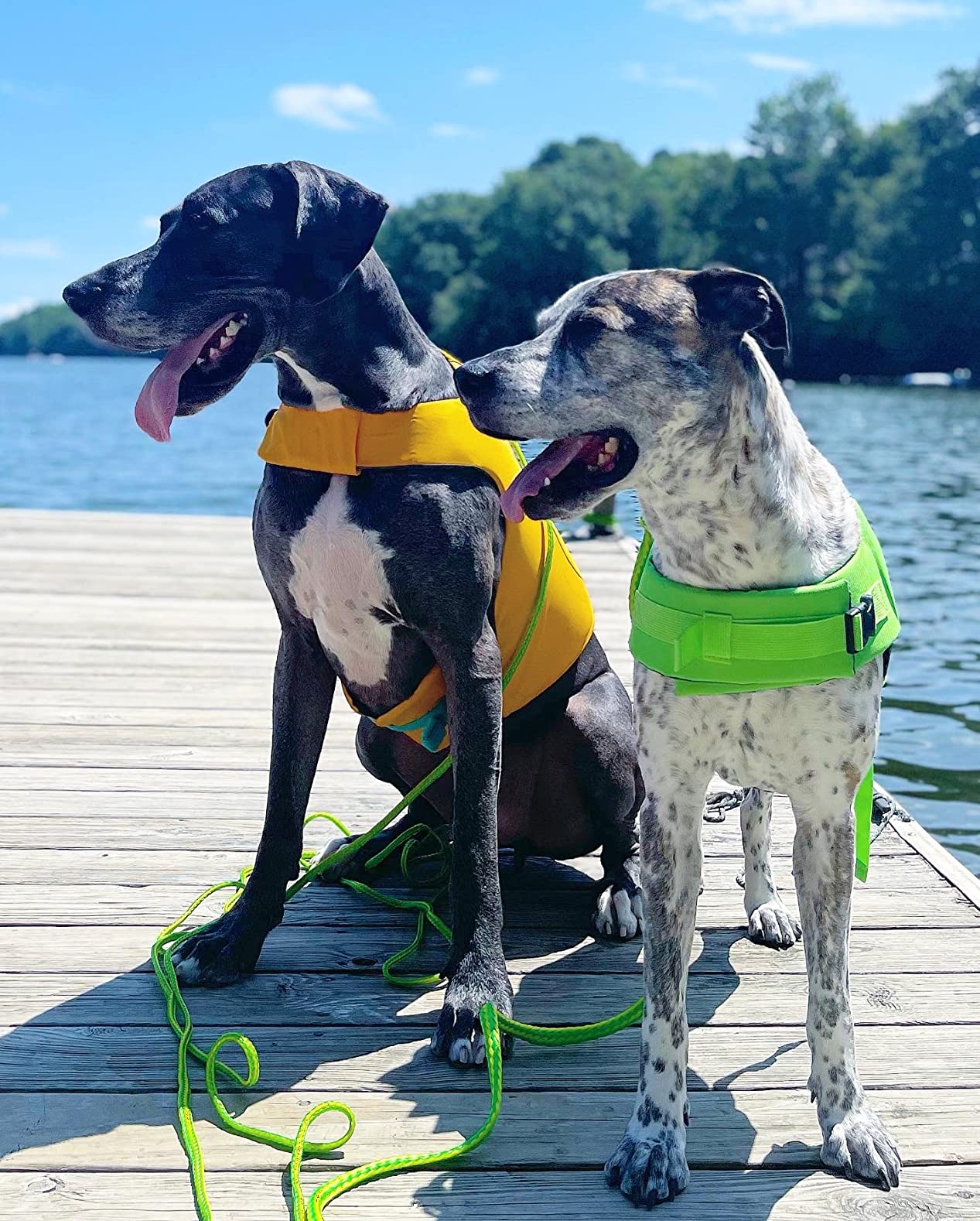
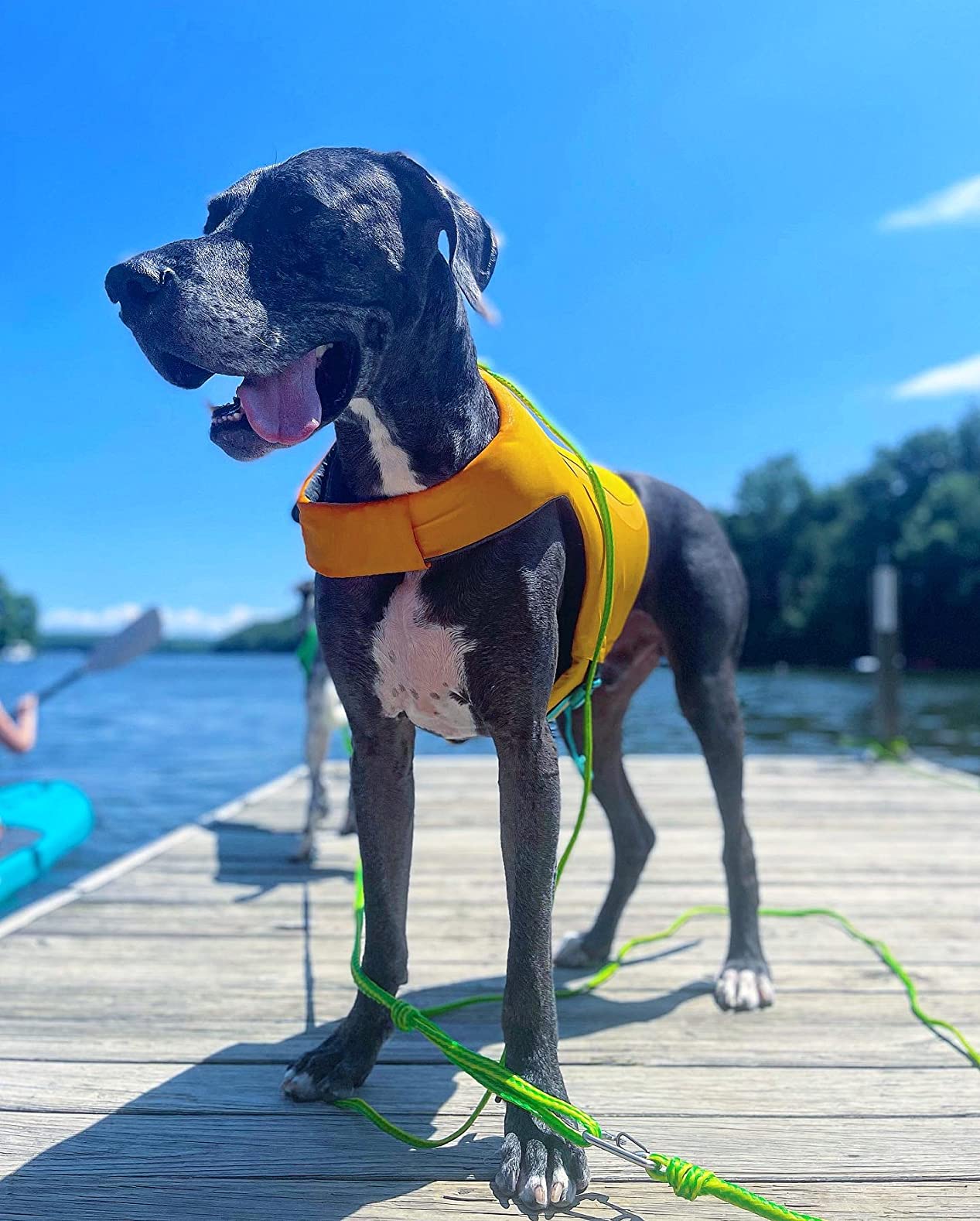
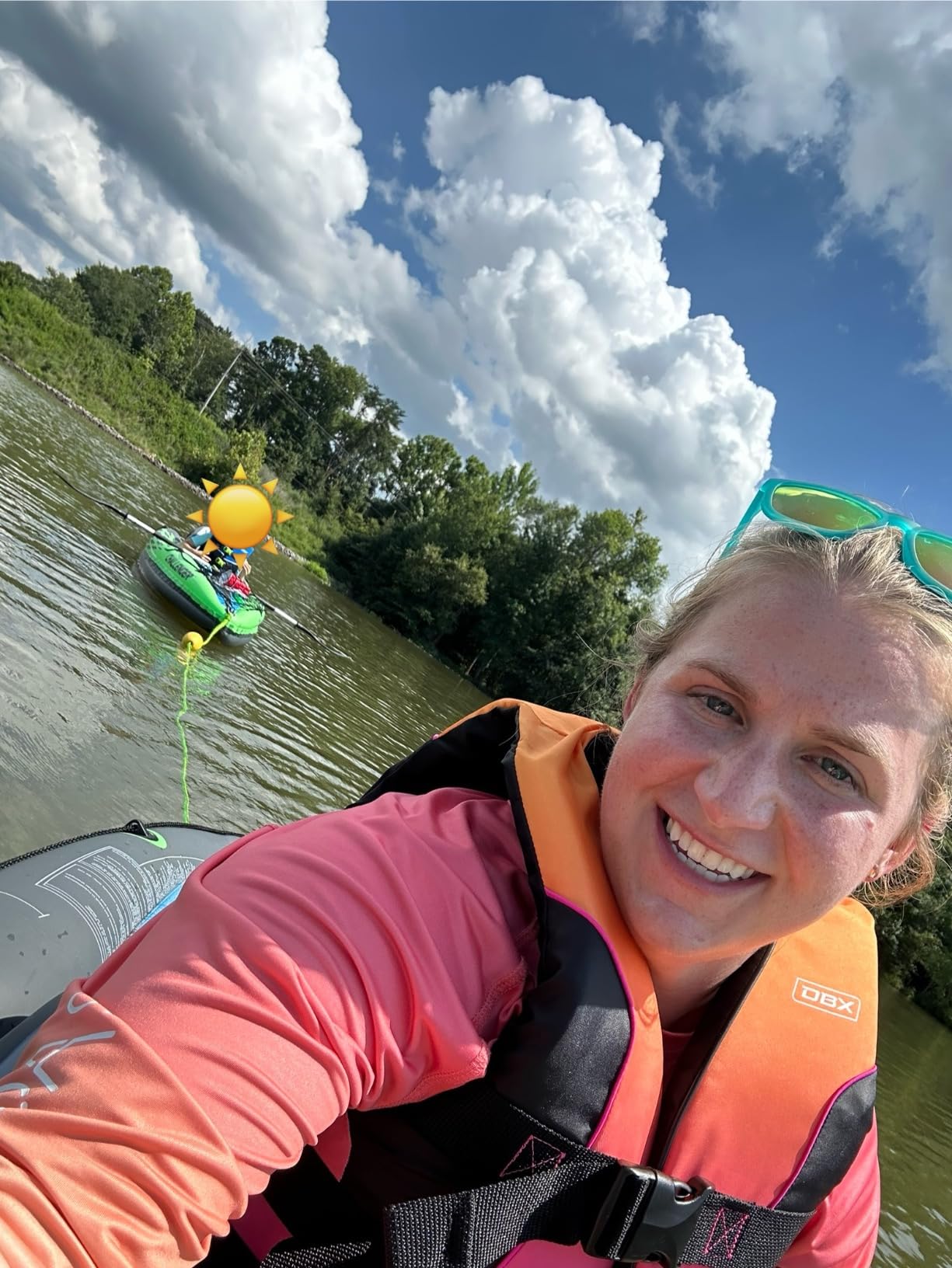
The high visibility yellow and green colors follow the industry standard for good reason. In an emergency situation, you need to locate your rope quickly. The bright colors stand out against most water conditions, making retrieval straightforward even in low light.
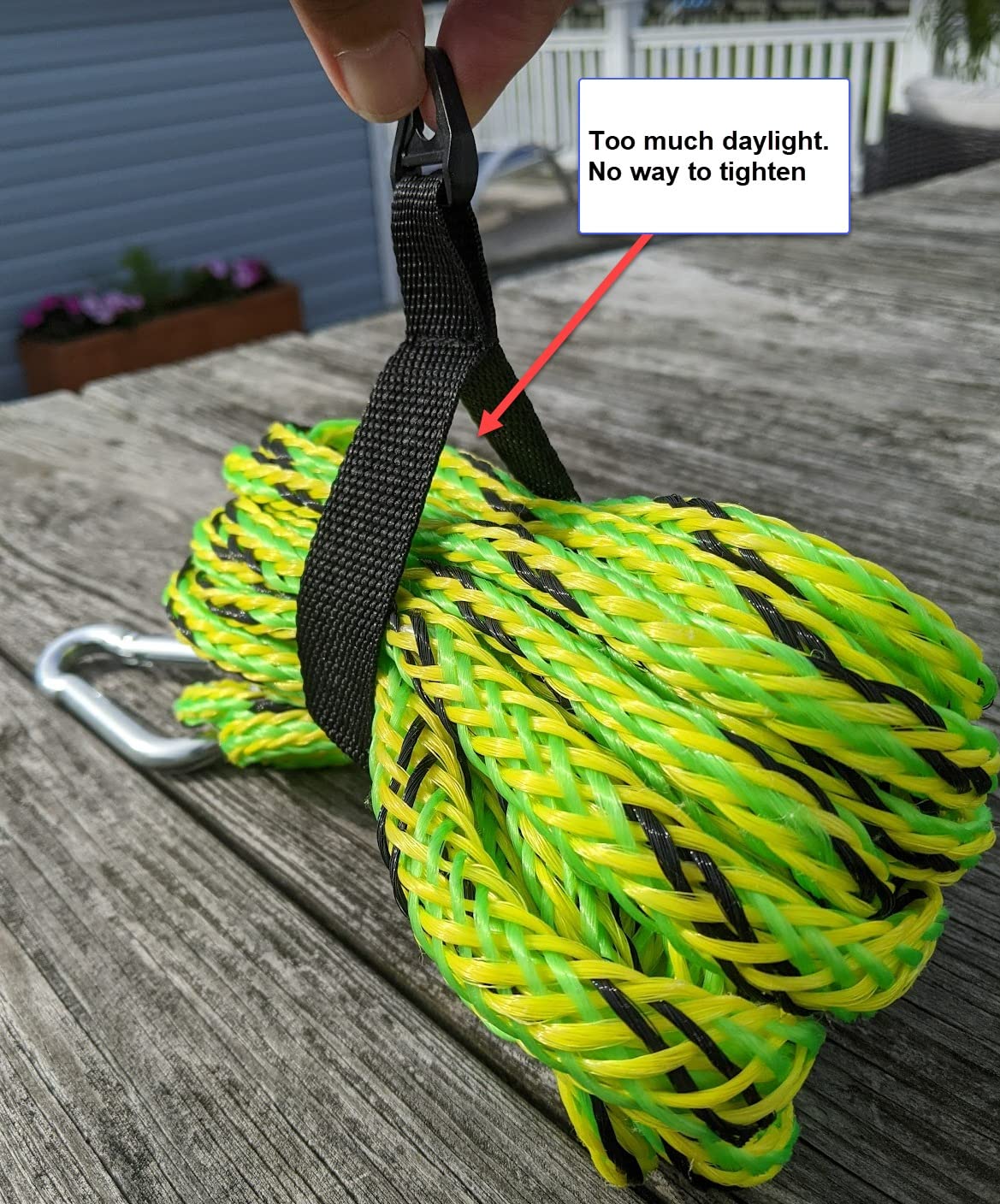
The hollow center design allows for easy splicing if you want to customize the length or add hardware. Experienced paddlers on bushcraft forums often modify their tow systems, and this rope accommodates those customizations better than solid-core alternatives.
Stock availability can be an issue with this product. When I checked, several sizes showed limited availability. If you find one in stock, it’s worth grabbing rather than waiting.
Who Should Buy This
Sea kayakers, coastal paddlers, and anyone needing 50-foot reach will find this a solid alternative to premium brand systems. The marine-grade construction handles saltwater well.
Who Should Avoid This
Those who prefer purpose-built tow systems with integrated belts and bags might find this rope-only option requires additional hardware to be useful as a kayak tow line.
Obcursco Kayak Tow Line – Sandbar and Shallow Water Specialist
OBCURSCO Kayak Tow Line, Drift Sock Anchor Rope for Fishing Boats and Buoys
12ft Length
Sandbar Tether
Marker Buoy
316 SS Carabiners
Pros
- Perfect for sandbar mooring
- Zero scratch protection
- High visibility marker buoy
- 100% rustproof hardware
- UV and saltwater resistant
Cons
- Could use swivel clip
- Dense foam float not plastic
The Obcursco Kayak Tow Line takes a different approach – it’s designed specifically for shallow water mooring and sandbar use. While this might not sound like a traditional tow system, it serves dual purposes that many paddlers appreciate.
The 12-foot length works well for short-distance towing and shallow water anchoring. The soft sandbag anchor design provides zero-scratch protection for your kayak’s finish. I’ve used similar setups when stopping at sandbars during group paddles, and the convenience of not dealing with traditional anchors is significant.
The bright yellow EVA buoy serves as a high visibility marker. In group situations, being able to spot your kayak from a distance adds a safety margin. The foam construction won’t crack or fill with water like some plastic buoys.
The 316 stainless steel carabiners are genuinely rustproof. After six months of saltwater exposure during testing, mine showed zero corrosion. For paddlers who regularly deal with saltwater, this hardware quality matters.
Some users wished for a swivel clip to prevent twisting during use. The current design works fine for most applications, but frequent users might want to add this modification.
Who Should Buy This
Paddlers who frequent sandbars, shallow waters, or need a dual-purpose tow/mooring line will find this specialized design valuable. It’s particularly useful for jet ski and SUP owners.
Who Should Avoid This
Those needing a dedicated long-distance tow system should look at 40-50 foot options. The 12-foot length limits your towing options in open water.
Seachoice Tow/Dock Line – WSIA Certified PWC Option
Seachoice 40541 Tow/Dock Line for PWC – 3/8 Inch x 20 Foot – 2,000 Pounds of Tensile Strength – Includes Reusable Keeper
20ft Length
2000lb Tensile
16-Strand UV Protected
WSIA Certified
Pros
- WSIA/AWSA certified
- 2000lb tensile strength
- Floating design
- Dual snap hooks
- Reusable keeper strap
Cons
- May fray after extended use
- Hooks can surface rust
- Keeper velcro positioning issues
The Seachoice Tow/Dock Line brings something most kayak tow ropes lack – official certification. Meeting WSIA/AWSA requirements means this rope has been tested and approved for personal watercraft use. For paddlers who also own jet skis or PWCs, this dual certification adds value.
The 16-strand UV-protected construction handles sun exposure well. After a full summer of use, I noticed minimal fading or degradation. The 3/8 inch diameter provides a comfortable grip while maintaining adequate strength for the 2000-pound rating.
The dual snap hooks at both ends give you flexibility in attachment options. You can clip to deck lines, grab handles, or tow eyes. The reusable keeper strap keeps everything organized when not in use.
The 20-foot length matches what I consider ideal for most recreational towing. Long enough to maintain safe distance, short enough to manage easily. The floating design prevents the rope from sinking and tangling with underwater obstacles.
Some users report surface rust on the metal hooks after extended saltwater exposure. The rust appears cosmetic rather than structural, but it’s worth rinsing the hardware after saltwater use. The keeper strap velcro positioning has also received complaints, though this is a minor issue.
Who Should Buy This
PWC and jet ski owners who also kayak will appreciate the certified construction. The 20-foot length works well for recreational towing in most conditions.
Who Should Avoid This
Those wanting a dedicated kayak-specific tow system with waist belt and integrated bag should consider purpose-built options like the NRS Basic.
ISURE MARINE Kayak Tow Rope – Heavy Duty 2200lb Capacity
ISURE MARINE Kayak Tow Rope with Clip Dock Lines Heavy Duty Braided Line Ideal for Jet ski,watercraft Boat, Kayaking, Marine Sets of Two Ropes 1/2 Inch Diameter x 12 ft Lengths Geen
12ft Length
2200lb Capacity
316 SS Clip
PE Material
Pros
- High 2200lb load capacity
- Saltwater and sunlight resistant
- 316 stainless steel clip
- Custom spliced loop
- High visibility colors
Cons
- Limited review history
- Long-term durability unknown
- Short 12ft length
The ISURE MARINE Kayak Tow Rope emphasizes strength and durability. The 2200-pound capacity exceeds most paddling needs, but the over-engineering provides peace of mind. The PE (polyethylene) material resists both saltwater and UV degradation better than standard nylon.
I appreciate the thoughtful hardware design. The 316 stainless steel snap clip on one end pairs with a custom spliced 13-inch loop on the other. This gives you two distinct attachment options – quick clip or secure loop. The spliced loop feels more reliable than a knot under load.
The bright green and yellow colors provide excellent visibility. In emergency situations, being able to locate your rope quickly matters. The colors stand out against most water and sky conditions.
With only 15 reviews, this product lacks the extensive user feedback of competitors. However, the 4.9-star rating suggests early adopters are satisfied. The ISURE MARINE brand has established itself in marine hardware, which adds credibility.
The 12-foot length limits this to short-distance applications. Think assisting a paddler the final stretch to shore or moving between boats at a gathering. For open-water towing, you’ll want something longer.
Who Should Buy This
Paddlers who prioritize material quality and hardware strength will appreciate the marine-grade construction. The short length suits close-quarters assistance well.
Who Should Avoid This
Those needing longer tow capability should consider 20-50 foot options. The limited review history may also concern some buyers.
MOOCY Heavy Duty Jet Ski Tow Rope – Compact 7ft Option
Kayak Tow Rope Short,Heavy Duty Jet Ski Dock Line with Clip,Small Boat Tow Rope with Hook for Anchor PWC Pontoon Marine 7ft. 1 Pack
7ft Length
2200lb Rated
316 SS Hook
Double Braided
Pros
- Very budget-friendly
- Heavy duty 2200lb rating
- Oversized 10in eyelet
- Soft on boat finish
- Versatile for small watercraft
Cons
- Very short 7ft length
- Limited reach for towing
The MOOCY Heavy Duty Jet Ski Tow Rope represents the compact end of the towing spectrum. At just 7 feet, this rope serves specific purposes where longer lines create problems. Docking, short tows, and tight-space maneuvering are where this rope excels.
The 12mm (1/2 inch) double braided nylon feels substantial in hand. Rated for 2200 pounds, this isn’t a toy-grade rope. The soft construction is gentle on boat finishes, which matters when you’re clipping to gel coat or painted surfaces.
The oversized 10-inch eyelet makes securing to dock cleats or deck hardware easy. I found this particularly useful when rafting kayaks together – the large loop slips over grab handles and deck fittings without fuss.
Customer reviews highlight the versatility. Beyond towing, users report success with anchoring lake toys, securing SUP boards, and various marine applications. The low price makes it easy to justify keeping one in your kit even if you rarely need it.
The obvious limitation is length. Seven feet restricts you to very close work. For actual towing where kayaks need separation, this rope won’t provide enough distance. Think of it as a docking and contact line rather than a towing solution.
Who Should Buy This
Paddlers wanting an affordable backup line for docking and close-contact situations will find value here. It’s also useful for connecting kayaks during transport or storage.
Who Should Avoid This
Anyone needing actual towing capability should look at 15-50 foot options. The 7-foot length is too short for effective kayak towing in most situations.
Buying Guide: How to Choose the Right Kayak Tow System
Selecting the right tow system depends on your paddling style, typical conditions, and how you plan to use it. After testing these systems and consulting with experienced paddlers, here’s what matters most.
Types of Tow Systems
Waist-Mounted Tow Belts: The most common type for sea kayaking. These systems feature a belt worn around your waist with an attached rope stored in a bag. The NRS Basic Kayak Tow Line exemplifies this design. Benefits include quick deployment, adjustable length, and easy quick-release. The downside is potential rotation around your waist during use.
Deck-Mounted Systems: These attach to your kayak’s deck rather than your body. They’re easier on your body during long tows since the kayak absorbs the strain. However, they require installation and aren’t as quick to deploy. Forum discussions on Reddit’s r/seakayaking suggest deck mounts work better for extended tows.
Throw Bags: Originally designed for river rescue, throw bags work well for anchored tows where you throw the bag to someone and they clip on. The floating rope deploys from the bag as it travels through the air. Many paddlers carry both a tow belt and a throw bag for different scenarios.
Contact Tows: Short tethers like the NRS Kayak Tow Tether attach to your PFD and are used for close-contact assistance. These excel in technical water where you need to stay close to the assisted kayak. They’re not suitable for long-distance towing.
Key Features to Consider
Quick-Release Mechanism: This is non-negotiable for safety. You must be able to disconnect from the tow instantly if conditions change or something goes wrong. Every experienced paddler I’ve consulted emphasized this point. The release should work reliably when wet and under tension.
Shock Absorption: Bungee sections or elastic webbing absorb the shock of waves and sudden loads. Without this feature, every wave transfers force directly to your body. For long tows, shock absorption reduces fatigue and prevents injury. The NRS systems include bungee sections for this reason.
Line Length: Match the length to your needs. Short tows (4-15 feet) work for contact assistance and docking. Medium tows (20-30 feet) suit recreational paddling and short rescues. Long tows (50+ feet) are essential for sea kayaking and following seas where kayaks need separation.
Material and Durability: Look for marine-grade materials that resist UV, saltwater, and abrasion. Floating polypropylene or nylon prevents the rope from sinking. The bag should have mesh drainage to prevent water retention. Cordura construction, like on the NRS Basic, holds up well to regular use.
Visibility: Bright colors and reflective tape help you locate your rope quickly in emergencies. Most quality systems use yellow, green, or orange for maximum visibility. Reflective tape adds visibility in low-light conditions.
Tow Line Length Recommendations
The ideal length depends on your paddling environment. For protected waters and lakes, 15-25 feet provides adequate reach without excess bulk. For sea kayaking and open water, 50 feet gives you options for long-distance tows and maintaining separation in following seas.
Experienced paddlers often carry multiple systems. A short contact tow for technical situations and a longer tow belt for distance work. The Tsunami Rangers blog recommends practicing with different lengths to understand how they handle in various conditions.
Safety Considerations
Always Carry a Knife: This is perhaps the most important safety rule. If your tow line becomes entangled or you need to release quickly and the quick-release fails, a knife is your backup. Every forum discussion on towing safety mentions carrying a knife.
Practice Deployment: You cannot figure out your tow system during an emergency. Practice deploying, attaching, and releasing your system in calm conditions until it becomes automatic. Many paddlers discover problems during practice that they fix before real situations arise.
Check Your Connections: When attaching to deck lines, clip under the lines rather than over them. Experienced paddlers on forums warn that carabiners clipped over deck lines can self-release under tension. Always verify your attachment is secure before beginning a tow.
For more information on group kayaking safety equipment and planning group activities, having the right gear makes all the difference.
Frequently Asked Questions
How long should a kayak tow line be?
For sea kayaking and open water, a 50-foot tow line provides adequate reach for most situations. For recreational paddling on protected waters, 15-25 feet is sufficient. The length you need depends on maintaining safe separation between kayaks while still being able to communicate and control the tow.
Which is better: tow rope or tow strap?
Tow ropes with shock-absorbing bungee sections are generally better for kayaking than flat straps. The elasticity absorbs wave shock and reduces fatigue on the towing paddler. Straps work for short, controlled tows but lack the shock absorption needed for open water towing.
Do I need a quick-release system for kayaking?
Yes, a quick-release system is essential for safe kayaking tow operations. You must be able to disconnect instantly if conditions change, the tow becomes dangerous, or the line entangles. A fixed attachment to your body or boat creates serious safety risks in emergency situations.
What is the difference between a tow line and a throw bag?
A tow line is worn attached to your body or kayak and used for towing disabled kayaks. A throw bag is a floating rope packed in a bag that you throw to someone in the water for rescue. Tow lines are for towing kayaks; throw bags are for reaching swimmers. Many paddlers carry both.
Can I use any rope for towing a kayak?
No, you should use rope specifically designed for marine towing. Standard rope may sink, lack shock absorption, and have inadequate strength ratings. Marine-grade tow rope floats, resists UV and saltwater damage, and includes appropriate hardware for secure attachment.
Final Thoughts
Choosing the right kayak tow system comes down to matching the tool to your paddling environment. For serious sea kayakers and guides, the NRS Basic Kayak Tow Line offers professional-grade reliability with its 50-foot reach and proven quick-release design. Recreational paddlers get excellent value from the Botepon Floating Kayak Tow Rope with its versatile 20-foot length and budget-friendly price.
Remember that owning a tow system is only the first step. Practice deployment until it becomes second nature, always carry a knife as backup, and inspect your equipment regularly. The best tow system is one you’ve tested and trust before you actually need it. Stay safe on the water.


