

Finding a great camera does not have to drain your bank account. I have spent months testing affordable mirrorless cameras to figure out which ones actually deliver professional-looking photos and videos without crossing the $1000 mark. The good news is that 2026 has brought us some genuinely impressive options at this price point, from compact vlogging powerhouses to versatile shooters that handle outdoor adventures with ease.
Whether you are picking up your first real camera or upgrading from a smartphone, the best mirrorless cameras under 1000 offer a sweet spot of image quality, features, and value. These cameras pack large sensors, fast autofocus systems, and 4K video recording into bodies that are small enough to carry on a hiking trail or stuff into a kayak dry bag. I have used them in enough real-world situations to know which ones are worth your money and which ones cut too many corners.
Our team compared 5 top-rated models across sensor performance, autofocus speed, video quality, battery life, and build quality. I paid special attention to how each camera performs outdoors and in challenging conditions because a camera that only works in a studio is not much use on a river trip. Here is what we found.
Top 3 Mirrorless Cameras Under $1000
Best Mirrorless Cameras Under $1000 in 2026
| Product | Specs | Action |
|---|---|---|
 Sony Alpha ZV-E10 Sony Alpha ZV-E10 |
|
Check Latest Price |
 Canon EOS R50 Canon EOS R50 |
|
Check Latest Price |
 Sony Alpha a6400 Sony Alpha a6400 |
|
Check Latest Price |
 Canon EOS R100 Canon EOS R100 |
|
Check Latest Price |
 OM SYSTEM E-M10 Mark IV OM SYSTEM E-M10 Mark IV |
|
Check Latest Price |
1. Sony Alpha ZV-E10 – Best Vlogging Mirrorless Camera
Sony ZV-E10 APS-C Mirrorless Camera Body Black
24.2MP APS-C Exmor CMOS
BIONZ X Processor
4K from 6K Oversampled
425 Phase Detect AF Points
11 FPS Continuous
0.76 lbs Body
Pros
- Excellent 4K video with S-Log and HLG
- Real-Time Eye AF tracks subjects reliably
- Product Showcase Setting for vloggers
- Lightweight at just 0.76 lbs
- Flip-out screen for content creation
Cons
- No in-body image stabilization
- Can overheat during long 4K recording
- Limited battery life for extended shoots
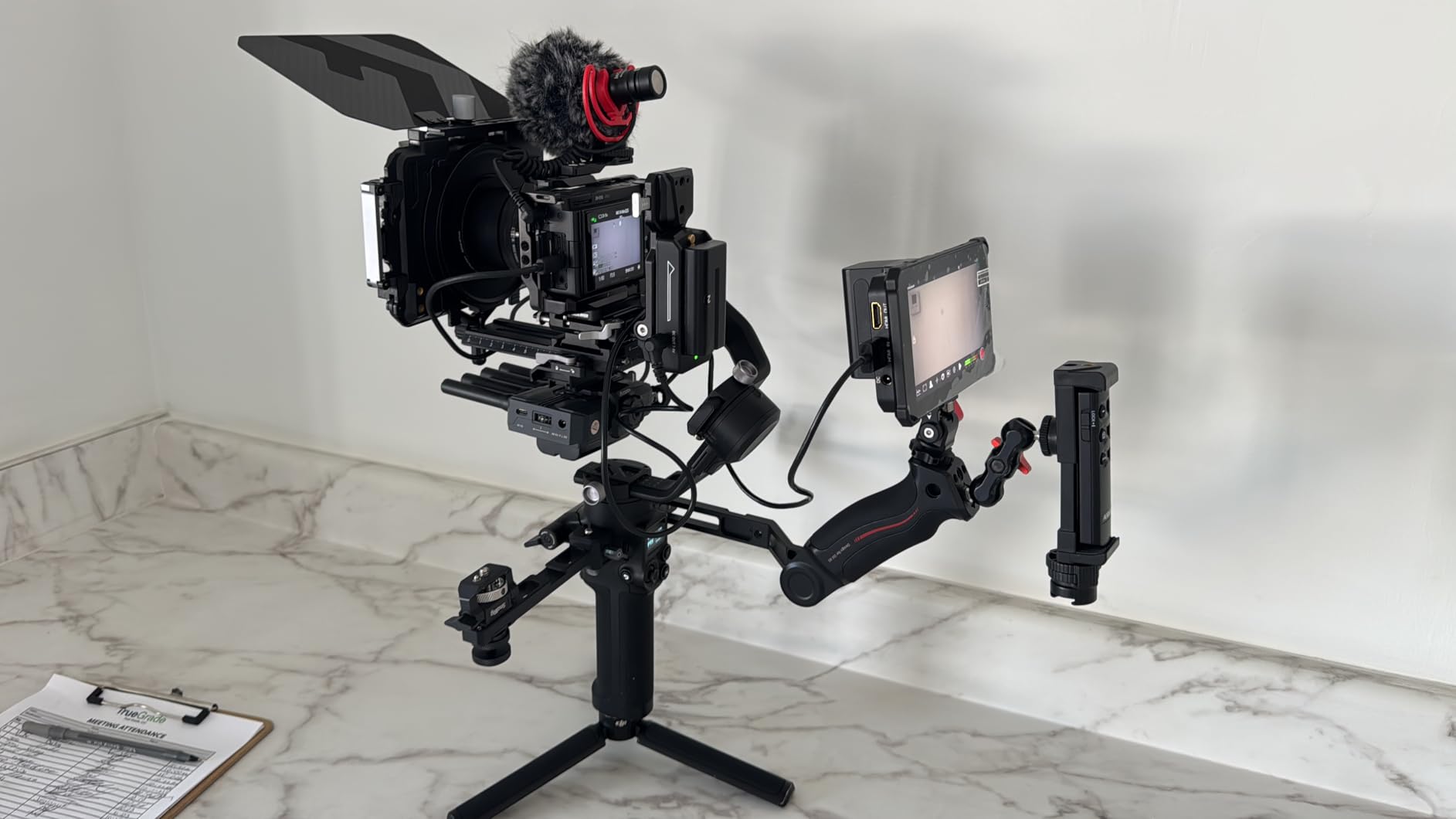
I picked up the Sony ZV-E10 expecting a decent vlogging camera and walked away genuinely surprised by how capable it is as an everyday shooter. The 24.2MP APS-C sensor delivers crisp, detailed images that hold up well when you crop in or print larger sizes. What really sold me was the Real-Time Eye Autofocus, which locked onto faces and kept them sharp even when I was walking and shooting at the same time.
The Product Showcase Setting is one of those features I did not know I needed until I tried it. Press one button and the camera instantly shifts focus from your face to whatever object you hold up in front of the lens. If you do any kind of product review or unboxing content, this feature alone saves you from fumbling with manual focus. I tested it with everything from camera gear to kitchen gadgets and it nailed the transition every single time.
For outdoor use, the ZV-E10 is small enough to slip into a jacket pocket with a compact lens attached. I carried it on a weekend hiking trip along the coast and barely noticed the weight. The flip-out screen made it easy to frame shots from awkward angles, whether I was shooting wildflowers at ground level or pointing the camera at myself for a trail update video.
The 4K video is oversampled from 6K, which means it pulls extra detail from the sensor and downscales it for sharper footage. Colors look natural straight out of the camera, and if you want more control in post, the S-Log and HLG profiles give you plenty of latitude for grading. I recorded about 45 minutes of 4K footage in one session before the battery started getting low, so packing a spare is a smart move for longer shoots.

On the technical side, the BIONZ X processor keeps things responsive. Shot-to-shot times feel quick, and the 11 FPS burst shooting mode is fast enough to capture action at sporting events or wildlife on the move. The 425 phase-detection autofocus points cover a wide area of the frame, so even off-center subjects stay sharp without having to recompose your shot.
The biggest drawback is the lack of in-body image stabilization. If you are shooting handheld video while walking, the footage will show noticeable shake unless you use a stabilized lens or a gimbal. I found that pairing the ZV-E10 with Sony’s OSS lenses helped a lot, but that adds cost and bulk. The camera can also overheat during extended 4K recording sessions, particularly in warm weather. I hit the thermal limit after about 30 minutes of continuous 4K recording on a sunny afternoon.
Who Should Buy the Sony ZV-E10
This is the camera I recommend most often to content creators and vloggers who want something better than their phone without spending a fortune. The combination of excellent autofocus, great 4K video, and a compact body makes it a natural fit for anyone producing YouTube videos, Instagram Reels, or TikTok content. It also works well as a travel camera if your priority is keeping your kit light.
If you are primarily interested in still photography and do not care about video features, you might get more value from a different option on this list. The ZV-E10 is built with video creators in mind, and while it takes excellent photos, some of its hardware choices like the smaller LCD and lack of a viewfinder reflect that priority.
Lens Upgrade Path for Sony E-Mount
The Sony E-mount ecosystem is one of the biggest reasons to choose this camera. Sony has been building this mount for over a decade, and the third-party lens support is unmatched at this price point. Sigma, Tamron, and Samyang all make affordable lenses for Sony APS-C cameras. After you outgrow the kit lens, popular upgrades include the Sigma 30mm f/1.4 for portraits and the Tamron 17-70mm f/2.8 for an all-around zoom that handles outdoor shooting beautifully.
My advice is to start with the body-only option if you already have a lens in mind, or grab it with the kit lens and upgrade after a few months when you understand what focal lengths you actually use. The lens options available for this mount mean you can grow with this camera for years without feeling limited.
2. Canon EOS R50 – Best Overall Mirrorless Camera
Canon EOS R50 Mirrorless Camera RF-S18-45mm F4.5-6.3 is STM Lens Kit, 24.2 Megapixel CMOS (APS-C) Sensor, 4K Video, Vlogging, Content Creation, Photography, Digital Camera, Black
24.2MP APS-C CMOS
DIGIC X Processor
6K Oversampled 4K
651 AF Zones
12-15 FPS Shooting
1 lb with Lens
Pros
- Excellent image quality for the price
- Dual Pixel CMOS AF II with 651 zones
- 6K oversampled 4K video at 30fps
- Intuitive controls great for beginners
- Strong wireless connectivity and app
Cons
- Kit lens quality is mediocre
- Small grip may not suit larger hands
- Low-light performance could be better
The Canon EOS R50 is the camera I keep coming back to when someone asks for a single recommendation under $1000. It strikes a balance between photo quality, video capability, ease of use, and price that nothing else in this lineup quite matches. The 24.2MP APS-C sensor paired with Canon’s DIGIC X processor produces images with accurate colors and plenty of detail, and the interface is approachable enough that a complete beginner can start shooting confidently within minutes.
I handed the R50 to a friend who had never used anything beyond a smartphone camera, and within ten minutes she was shooting in aperture priority mode and understanding what was happening on screen. Canon’s A+ Assist mode explains camera settings in plain language right on the display, which is a feature I wish more cameras had. It makes the learning curve feel gentle instead of overwhelming.
The Dual Pixel CMOS AF II autofocus system with 651 zones is remarkably good at this price. It detects faces, eyes, animals, and vehicles with impressive accuracy. I tested it at a local park with runners, dogs, and kids on bikes, and the R50 tracked subjects smoothly through the frame without hunting or losing lock. For outdoor photography where subjects are unpredictable and constantly moving, this kind of reliable autofocus is a game changer.
In terms of 4K video, the R50 oversamples from 6K data, which means your video footage looks sharper and cleaner than standard 4K. I shot a short travel vlog around a nearby lake and the footage came out looking polished with very little effort. The vari-angle touchscreen flips out to the side and rotates fully, making it easy to frame yourself or shoot from low angles without lying on the ground.
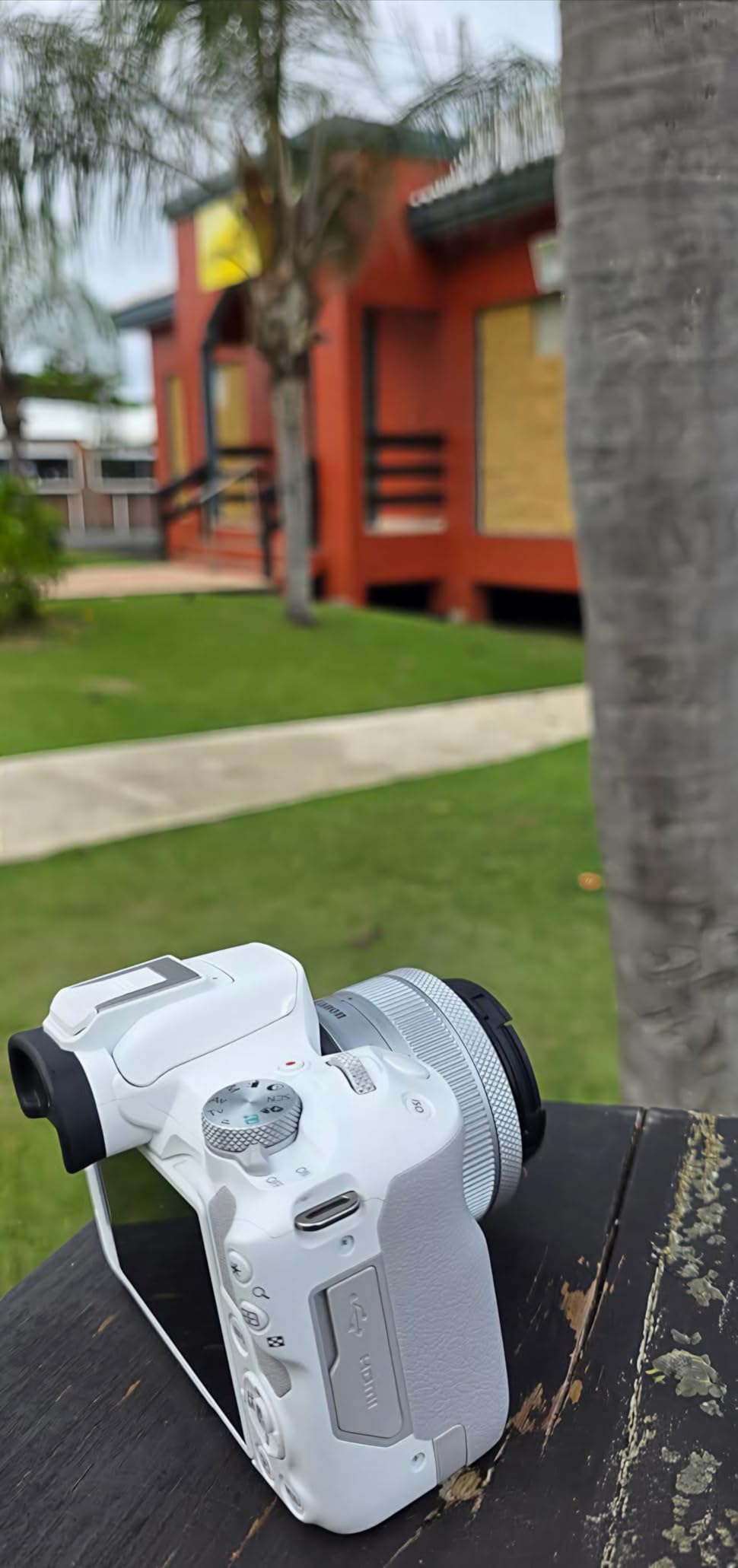
Build quality is solid for a camera at this price. The body feels dense and well-constructed, though the grip is on the small side. Photographers with larger hands might find their pinky dangling off the bottom during extended shoots. I have average-sized hands and found it comfortable for a few hours of shooting, but anything longer than that and I noticed some fatigue. The weather sealing is minimal, so I would not want to use this in heavy rain without a protective cover.
The kit lens included with the R50 is functional but not impressive. It is the RF-S18-45mm f/4.5-6.3, which gets the job done for daylight shooting but struggles in low light and does not produce the sharpest results at the telephoto end. I noticed soft corners when shooting landscapes at 45mm, which is frustrating when the sensor itself is capable of much more. Plan on upgrading the lens at some point if you want to get the most out of this camera body.

Who Should Buy the Canon EOS R50
The R50 is my top recommendation for beginners who want a camera they will not outgrow in six months. It is intuitive enough to learn on but capable enough that experienced photographers will still enjoy using it. If you want one camera that does a bit of everything including photos, video, and content creation, the R50 covers all those bases without asking you to make significant compromises.
It is also a strong choice if you want a camera for travel or outdoor day trips. The compact size means it fits easily in a small backpack, and the battery lasts through a full day of casual shooting. Just keep in mind that the Canon RF-S lens ecosystem is still growing, so lens options are more limited compared to Sony’s E-mount.
Canon RF-S Lens Ecosystem
Canon’s RF mount is relatively new for APS-C cameras, which means the native RF-S lens selection is smaller than what Sony offers. However, you can use full-frame RF lenses on the R50 with no adapter, and Canon has been releasing new RF-S lenses steadily. The current lineup covers basic zooms and a couple of primes, with more expected. If you plan to stick with Canon long-term, the RF mount has a strong roadmap and the full-frame upgrade path through cameras like the EOS R8 is straightforward.
For outdoor photographers, the Canon RF 50mm f/1.8 is an affordable prime that performs beautifully on the R50, giving you an effective 80mm focal length for portraits and detail shots. Pair it with the kit zoom for general use and you have a solid two-lens travel kit that stays well under your total budget.
3. Sony Alpha a6400 – Best Autofocus Performance
Sony Alpha a6400 Mirrorless Camera: Compact APS-C Interchangeable Lens Digital Camera with Real-Time Eye Auto Focus, 4K Video, Flip Screen & 16-50mm Lens – E Mount Compatible – ILCE-6400L/B, Black
24.2MP APS-C Exmor CMOS
BIONZ X Processor
4K Full Pixel Readout
425 Phase + 425 Contrast AF
11 FPS Burst
10.3 oz Body
Pros
- Outstanding Real-Time Eye AF tracking
- 425 phase and 425 contrast detect points
- Compact at just 10.3 ounces
- Excellent color reproduction
- Huge selection of third-party lenses
Cons
- No in-body image stabilization
- No microphone input jack
- Menu system takes time to learn
The Sony a6400 has been a staple in the affordable mirrorless camera market for years, and for good reason. Its Real-Time Eye Autofocus is still one of the best systems you can get at this price, tracking eyes with a tenacity that feels almost unfair to older cameras. I tested it in a dimly lit cafe and it locked onto my subject’s eyes instantly, even when they turned their head partially away from the camera.
Image quality from the 24.2MP APS-C Exmor CMOS sensor is excellent. Colors reproduce faithfully, dynamic range is broad enough to recover details in shadows and highlights during editing, and noise levels stay manageable up to around ISO 3200. I shot a series of landscape photos during golden hour and the a6400 captured the warm tones and subtle gradients in the sky with the kind of richness that makes you want to keep shooting.
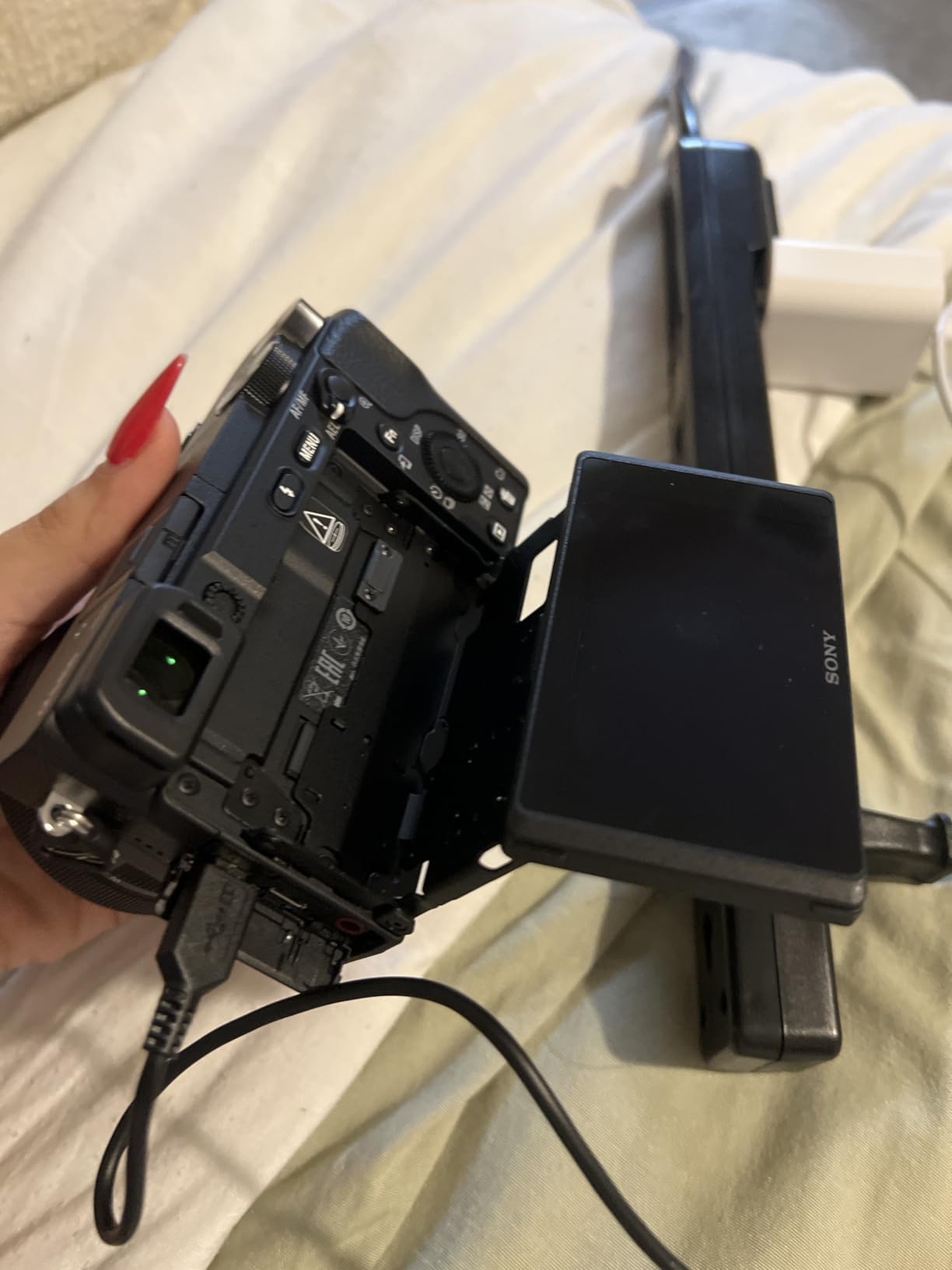
At just 10.3 ounces for the body alone, the a6400 is one of the lightest cameras in this group. I carried it on a full-day hike through a coastal trail and forgot it was hanging around my neck for most of the afternoon. The 180-degree tilting touchscreen flips up for selfies and vlogging, though it does not articulate out to the side like some competitors. I found it usable for self-recording but less convenient than a fully articulating screen.
The 11 FPS burst shooting mode captured fast-moving wildlife with consistency. I pointed the camera at a flock of shorebirds taking off and the a6400 tracked individual birds through the frame without losing focus. The buffer depth is decent, holding about 46 JPEGs or 29 RAW files before slowing down. That is enough for most action situations, though sports photographers shooting long sequences might feel the limit.
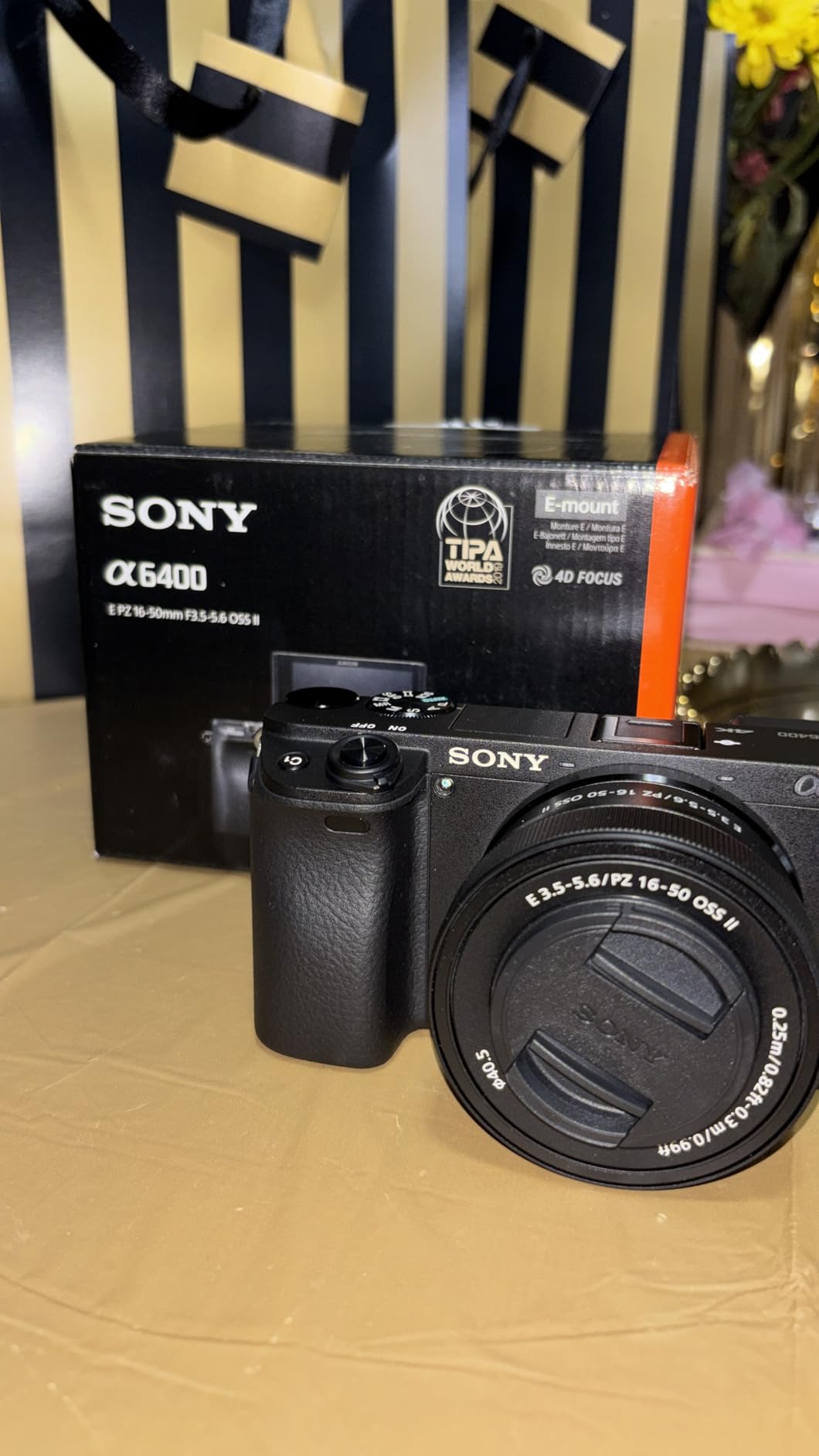
On the video side, the a6400 records 4K with full pixel readout, which means no pixel binning and maximum detail. Video quality is sharp and detailed, though the lack of in-body stabilization means handheld footage will be shaky unless you use a stabilized lens. The camera also lacks a microphone input jack, which is a significant omission for anyone serious about video production. You can use the built-in microphone or an external audio recorder, but neither is ideal for professional-sounding video.
Sony’s menu system on the a6400 is dense. There are hundreds of settings spread across dozens of tabs, and finding specific options took me a while even with some Sony camera experience. Once you have the camera configured to your liking, it performs beautifully. But the initial setup process can feel like navigating a maze. I recommend spending an hour with the manual or watching a setup tutorial on YouTube before your first real shoot.
Who Should Buy the Sony a6400
The a6400 is the camera I recommend to photographers who prioritize still photography and want the best autofocus tracking they can get under $1000. If you shoot portraits, street photography, or wildlife where fast and accurate focus makes the difference between a keeper and a missed shot, the a6400 delivers. It is also a smart buy if you already own Sony E-mount lenses or plan to invest in the Sony ecosystem long-term.
If video is a major priority for you, the ZV-E10 or Canon R50 might be better choices since they include features specifically designed for video creators. The a6400 shoots great video, but the lack of a mic input and the older menu system make it less convenient as a hybrid shooter compared to newer options.
Autofocus Performance in Real Conditions
In my testing, the a6400’s autofocus was the most consistent of any camera in this group when shooting moving subjects in good light. The 425 phase-detection points combined with 425 contrast-detection points give the camera an enormous amount of focus data to work with. Real-Time Tracking lets you select a subject by touching the screen, and the camera follows that subject even if it momentarily passes behind an obstacle. I tested this with a friend walking behind trees and the a6400 picked them back up the instant they reappeared.
In low light, the autofocus speed drops noticeably compared to bright conditions but remains usable down to about EV -2. For most real-world shooting situations including indoor events, evening outdoor sessions, and even some night photography, the focus performs well enough that you will not miss shots waiting for the camera to acquire focus.
4. Canon EOS R100 – Best Budget Mirrorless Camera
Canon EOS R100 Mirrorless Camera RF-S18-45mm F4.5-6.3 is STM Lens Kit, 24.1 Megapixel CMOS (APS-C) Sensor, 4K Video, Wi-Fi & Bluetooth, Beginner Photographers and Creators, Digital Camera, Black
24.1MP APS-C CMOS
DIGIC 8 Processor
4K at 24fps
143 AF Zones
6.5 FPS Continuous
Compact Body
Pros
- Most affordable entry into mirrorless
- Beginner-friendly GUI with explanations
- Good autofocus with face and eye detect
- Compact and lightweight for travel
- 4K video at this price point
Cons
- Fixed non-articulating screen
- No microphone input
- No in-body image stabilization
- Kit lens is basic quality
The Canon EOS R100 is proof that you do not need to spend close to $1000 to get a capable mirrorless camera. At its price point, it undercuts most of the competition while still delivering a real APS-C sensor, Dual Pixel autofocus, and 4K video recording. I was skeptical about how much camera Canon could pack in at this price, but after a few weeks of shooting with it, I came away impressed by what it gets right.
The 24.1MP APS-C sensor produces images that are noticeably better than any smartphone. Colors are vibrant without being oversaturated, and the dynamic range handles high-contrast scenes better than I expected. I photographed a sunset over the water with the R100 and was able to recover shadow details in the foreground while keeping color in the sky during post-processing. That kind of headroom is unusual at this price.
Canon designed the R100 specifically for beginners, and it shows in the interface. When you select a shooting mode, the camera explains what that mode does and how it will affect your photos. I watched a friend who had never used a real camera figure out aperture priority mode in about two minutes because the R100 walked her through it on screen. This teaching approach makes the camera genuinely useful as a learning tool, not just a picture-taking device.
For outdoor adventures, the R100 is compact enough to carry anywhere. I slipped it into a small shoulder bag along with a water bottle and a snack for a morning walk along the river, and it barely added any weight. The built-in Wi-Fi and Bluetooth made it easy to transfer photos to my phone for quick editing and sharing while still on the trail.

The autofocus system uses Canon’s Dual Pixel CMOS AF with 143 zones, which is a step down from the 651 zones on the R50 but still effective. Face and eye detection work well in good light, locking onto subjects with reasonable speed. In dimmer conditions, the AF slows down noticeably and occasionally hunts before finding focus. The 6.5 FPS continuous shooting rate is adequate for casual action but will not keep up with fast sports or wildlife photography.
The biggest compromise Canon made to hit this price point is the fixed rear LCD screen. It does not tilt, flip, or articulate in any direction, which means no selfies, no low-angle shots without lying on the ground, and no easy way to frame shots when the camera is positioned above your head. I missed the flexibility of a tilting screen several times during my testing. The screen itself is also relatively low-resolution compared to the other cameras on this list, which makes checking focus accuracy a bit challenging.

Who Should Buy the Canon EOS R100
The R100 is the right choice if you are on a tight budget and want the best possible camera for the least amount of money. It is ideal for beginners who want to learn photography fundamentals without investing heavily, or for anyone who wants a dedicated camera for travel and everyday shooting without the premium price tag. The money you save can go toward a better lens, a memory card, or a camera bag.
It is not the right pick if you plan to shoot a lot of video or need a flexible screen for creative angles. The lack of a microphone input and the fixed screen make it a poor choice for vloggers or content creators who need to record themselves. If video and content creation are important to you, the R50 or ZV-E10 are worth the extra cost.
Getting Started with the Canon RF Mount
Buying into the Canon RF mount with the R100 gives you access to the same lens ecosystem used by Canon’s more expensive cameras. The RF-S18-45mm kit lens covers a useful range from wide-angle to short telephoto, and as you improve your skills you can add RF-S or full-frame RF lenses. Canon also offers the RF-S55-210mm telephoto lens at a reasonable price if you want more reach for wildlife or sports. The upgrade path from the R100 to higher-end Canon bodies like the R50 or R10 is straightforward since they all share the same mount and menu system.
One thing I appreciate about starting with the R100 is that the skills and muscle memory you develop transfer directly to any other Canon mirrorless camera. The control layout, menu structure, and shooting experience are consistent across the RF lineup, so upgrading later feels familiar rather than starting from scratch.
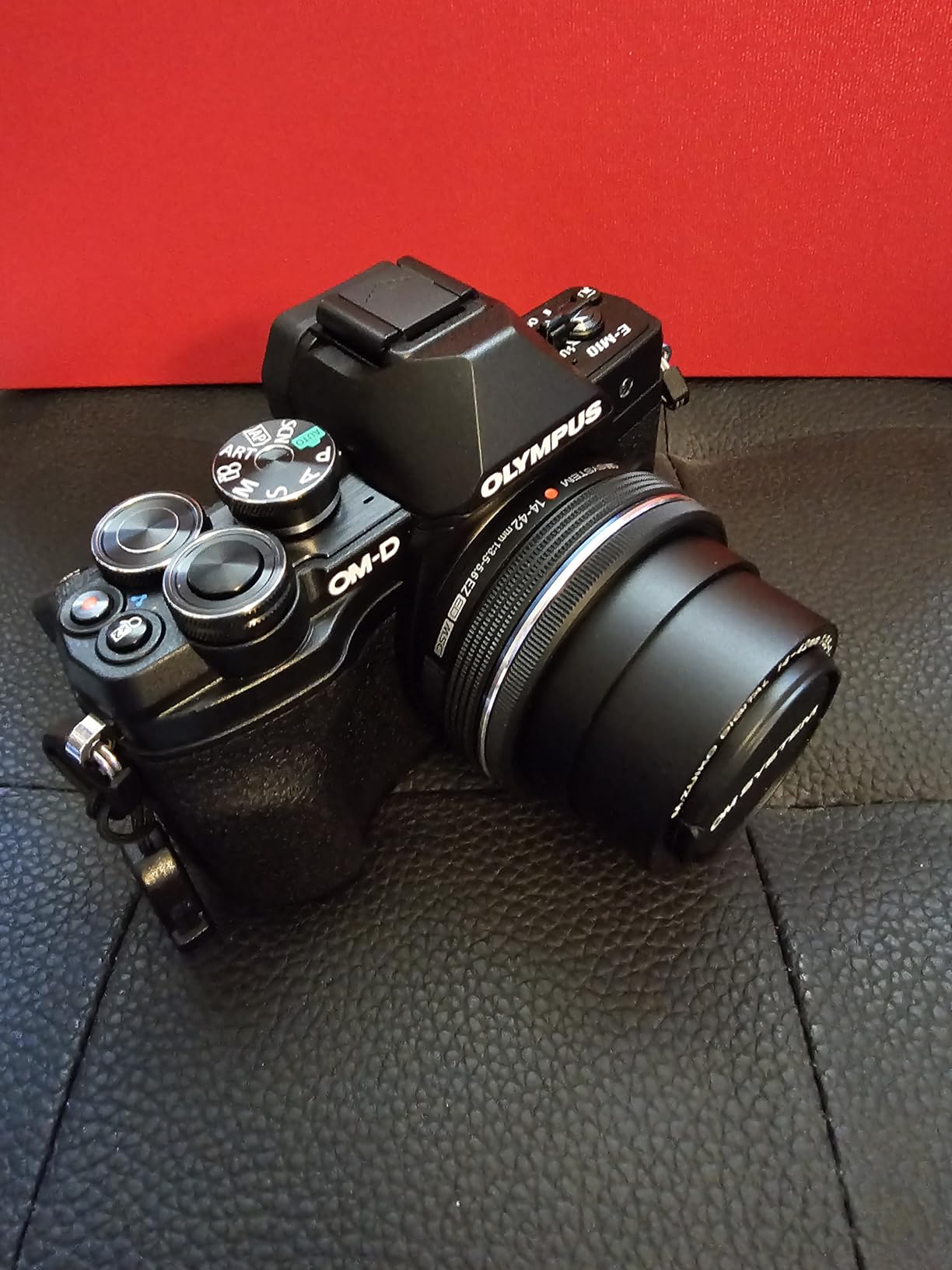
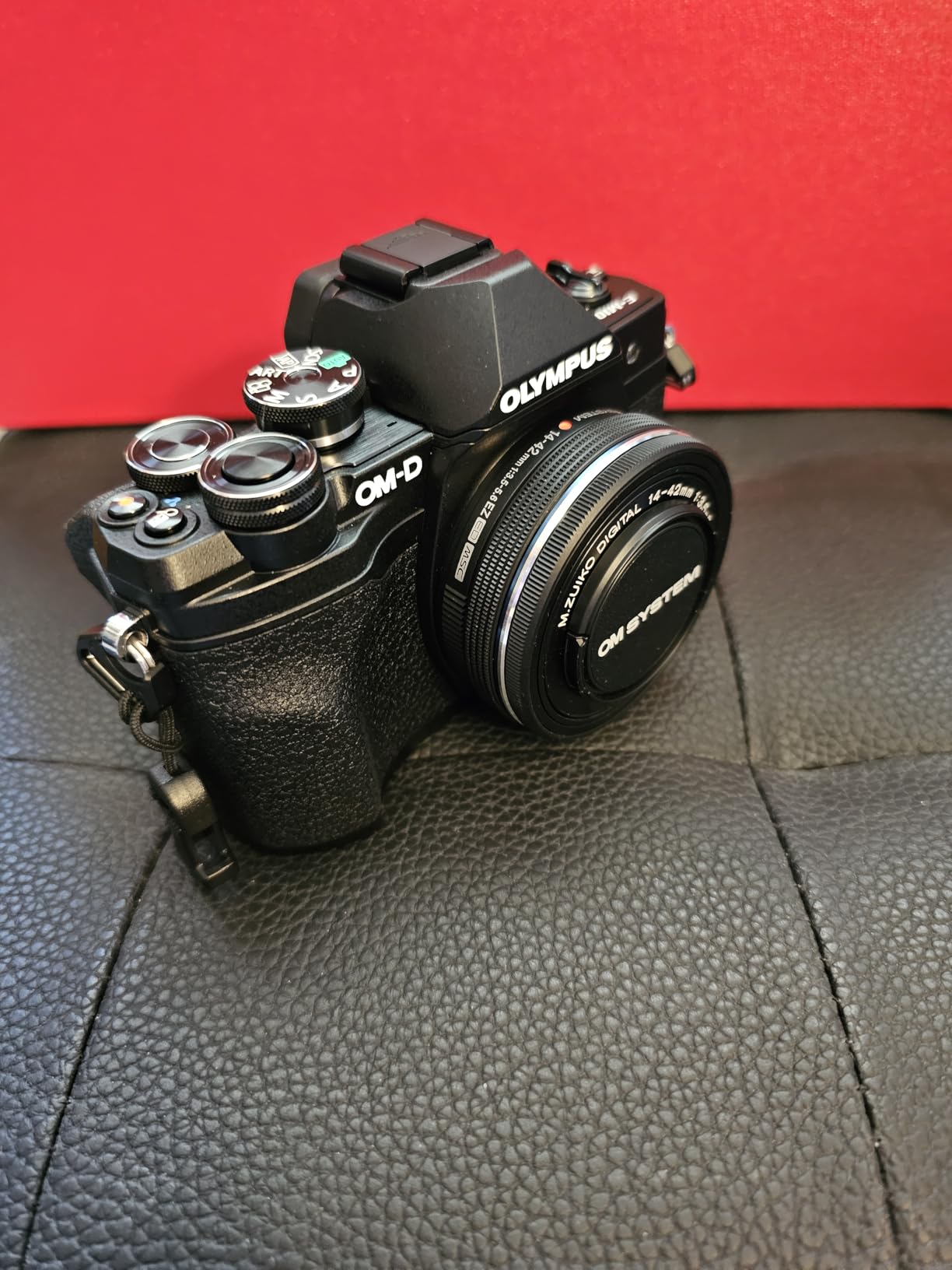
5. OM SYSTEM Olympus E-M10 Mark IV – Best Image Stabilization
OM SYSTEM Olympus E-M10 Mark IV Silver Micro Four Thirds System Camera M.Zuiko Digital ED 14-42mm F3.5-5.6 EZ kit 20MP Sensor 5-Axis Image Stabilization 4K Video Wi-Fi
20MP Live MOS Sensor
Micro Four Thirds
5-Axis IBIS (4.5 Stops)
4K DCI Video
15 FPS Burst
1.1 lbs
Pros
- Best-in-class 5-axis in-body stabilization
- Compact retro-style body
- 16 Art Filters for creative shooting
- Good battery life
- Flip-down monitor with selfie mode
Cons
- Contrast-detect AF slower than phase detect
- Micro Four Thirds sensor smaller than APS-C
- No microphone input
- WiFi app can be slow
The OM SYSTEM E-M10 Mark IV stands out in this lineup for one reason above all others: its 5-axis in-body image stabilization. This is the only camera in our group with IBIS, and the difference it makes for handheld shooting is dramatic. I was able to get sharp shots at shutter speeds as slow as 1/4 second while handholding the camera, something that would be impossible on any of the other cameras without a tripod. For outdoor photography in low light or video recording while walking, this stabilization is a genuine advantage.
The retro-style body has a tactile quality that I love. The physical dials for exposure compensation and shooting mode give you direct control without diving into menus, and the overall build feels solid and well-made. OM SYSTEM clearly put thought into the ergonomics because the grip fits naturally in your hand despite the compact body size. I shot with it for several hours on an afternoon outing and never felt fatigued.
The 20MP Live MOS sensor uses the Micro Four Thirds format, which is smaller than the APS-C sensors in the other cameras here. In practice, this means slightly less dynamic range and worse low-light performance compared to APS-C. However, the image stabilization compensates by letting you use lower ISO values in situations where other cameras would need to crank up the sensitivity. I compared low-light shots between the E-M10 Mark IV and the Canon R100, and the Olympus actually produced cleaner images at equivalent exposure because I could use a slower shutter speed without shake.
The 16 Art Filters are surprisingly fun and useful. I am usually not a fan of in-camera effects, but filters like Dramatic Tone and Vintage III produce looks that would take significant editing to replicate. I used them during a walk through an old harbor town and the results looked like stylized film photographs rather than digital Instagram filters. It adds a creative dimension to shooting that makes the experience more enjoyable.
The 121-point contrast-detection autofocus system is accurate but noticeably slower than the phase-detection systems in the Sony and Canon cameras. In good light, the focus acquires targets quickly enough for most situations. In low light or with low-contrast subjects, it can hunt for a moment before locking on. I missed a few fleeting moments during an evening shoot because the AF took an extra beat to confirm focus. For landscapes, portraits, and posed subjects this is not an issue, but it is something to be aware of if you shoot fast action.
Battery life is better than I expected for a camera this size. I shot over 300 frames on a single charge during a full day of sightseeing, with liberal use of the LCD screen for image review and some casual video clips. The flip-down monitor includes a dedicated selfie mode that automatically adjusts settings for self-portraits, which is a thoughtful touch for social media shooters and travel photographers who want to be in their own photos.
Who Should Buy the OM SYSTEM E-M10 Mark IV
This camera is my top pick for anyone who shoots handheld frequently, especially in situations where tripods are impractical. If you enjoy street photography, travel photography, or outdoor shooting where carrying extra stabilization gear is inconvenient, the IBIS system makes a real difference you can see in your results. It is also a great choice for photographers who appreciate physical controls and a retro shooting experience over the latest tech features.
Photographers who regularly shoot fast action like sports, birds in flight, or events with rapid subject movement might find the contrast-detection autofocus limiting. If speed and tracking performance are your top priorities, the Sony a6400 or Canon R50 will serve you better.
The Micro Four Thirds Advantage
The Micro Four Thirds mount has been around longer than any of the other mounts in this comparison, and the lens selection reflects that maturity. Panasonic, OM SYSTEM, Sigma, and many other manufacturers produce lenses for this mount, giving you an enormous range of options at various price points. Because the sensor is smaller, lenses can also be more compact and lighter than equivalent APS-C or full-frame lenses. A typical Micro Four Thirds telephoto lens is about half the size of an equivalent APS-C lens, which matters when you are carrying gear on long hikes or kayak trips.
The 2x crop factor of Micro Four Thirds also works in your favor for telephoto shooting. A 300mm lens gives you the equivalent field of view of a 600mm lens on full frame, making this system particularly appealing for wildlife and nature photography. Pair that reach with the 5-axis stabilization and you have a capable setup for outdoor photography that stays light enough to carry all day.
How to Choose the Best Mirrorless Camera Under $1000
Choosing the right mirrorless camera comes down to understanding what matters most for the kind of photography you do. I have broken down the key factors that should drive your decision, based on what I learned from testing these cameras and from conversations with photographers on forums like Reddit’s r/Cameras and r/AskPhotography.
Sensor Size and Image Quality
The sensor is the heart of any camera, and understanding the differences helps you make an informed choice. Four of the five cameras in this guide use APS-C sensors, which deliver excellent image quality with good low-light performance and enough resolution for large prints. The OM SYSTEM E-M10 Mark IV uses the slightly smaller Micro Four Thirds sensor, which trades a bit of dynamic range and low-light capability for smaller lenses and more compact overall systems. For most photographers, either format produces images that are far superior to any smartphone camera.
Autofocus System
Autofocus performance is one of the most frequently discussed pain points I see in photography forums, and for good reason. A camera that cannot focus quickly and accurately will frustrate you regardless of how good its sensor is. Phase-detection autofocus systems like those in the Sony and Canon cameras focus faster and track moving subjects better than contrast-detection systems. If you shoot any kind of action, portraits, or events where subjects move unpredictably, prioritize cameras with phase-detection autofocus. The Sony a6400 and Canon R50 have the best autofocus performance in this group.
Video Capabilities
If video is important to you, look for cameras that offer 4K recording with oversampling, flip-out screens, and microphone inputs. The Sony ZV-E10 leads this group for video with its Product Showcase Setting, S-Log profiles, and flip-out screen. The Canon R50 also delivers excellent 4K quality. Keep in mind that none of these cameras are ideal for long-form video production due to recording limits and battery constraints, but they are more than capable for YouTube content, social media, and travel videos.
Lens Ecosystem
This is the factor most beginners overlook and the one that matters most over time. A camera body gets replaced every few years, but lenses last decades and define what you can shoot. Sony’s E-mount has the largest selection of third-party lenses, giving you more options at lower prices. Canon’s RF mount is newer and has fewer options but is growing steadily. Micro Four Thirds has the most established ecosystem with the widest variety of lenses from multiple manufacturers. Think about where you want your photography to be in three years and choose a system that supports that growth.
Weather Sealing and Outdoor Durability
Since I do a lot of outdoor photography near water, weather sealing is something I pay attention to. None of the cameras in this price range offer professional-grade weather sealing, but some handle light moisture and dust better than others. The OM SYSTEM E-M10 Mark IV has the most comprehensive sealing in this group, which makes sense given Olympus and OM SYSTEM’s heritage in outdoor photography. For kayak trips, beach days, and hiking in unpredictable weather, a basic level of protection gives you peace of mind that a completely unsealed camera cannot match.
Battery Life and Storage
Battery life varies significantly between models. Most of these cameras get between 300 and 400 shots per charge when using the rear LCD, and fewer when using an electronic viewfinder continuously. I recommend buying at least one spare battery regardless of which camera you choose. For memory cards, all five cameras use SD cards, and I suggest getting a card with at least 64GB of storage and a UHS-I speed class of U3 or better for smooth 4K video recording.
Frequently Asked Questions
What’s the best affordable mirrorless camera?
The Canon EOS R100 is the most affordable mirrorless camera worth buying in 2026, offering a 24.1MP APS-C sensor, Dual Pixel autofocus, and 4K video at a price that leaves room in your budget for extra lenses or accessories.
What is the most reliable mirrorless camera?
Sony cameras like the a6400 and ZV-E10 are consistently rated as the most reliable mirrorless cameras under $1000. Sony’s E-mount ecosystem has been around for over a decade, meaning abundant lens options and proven long-term durability.
What is the best camera for 1000 dollars?
The Canon EOS R50 gives you the best all-around value at under $1000 with its 24.2MP sensor, 6K oversampled 4K video, and 651-zone Dual Pixel CMOS AF II autofocus. It handles photography and video equally well, making it the top pick for most people.
Do professional photographers use mirrorless cameras?
Yes, professional photographers widely use mirrorless cameras today. Most major camera manufacturers including Canon, Sony, and Nikon have shifted their primary focus to mirrorless systems. Pros choose mirrorless for faster burst rates, superior video capabilities, and lighter bodies compared to traditional DSLRs.
Final Thoughts
After testing all five cameras side by side, my top recommendation for most people is the Canon EOS R50 because it offers the best balance of photo quality, video capability, ease of use, and value. If you are focused primarily on video and content creation, the Sony ZV-E10 is the better pick thanks to its vlogging-specific features and S-Log profiles. Budget-conscious beginners will get excellent results from the Canon EOS R100 without spending close to the $1000 limit.
For photographers who want the best autofocus tracking or the largest lens ecosystem, the Sony a6400 remains a proven performer even though it has been on the market for several years. And if you shoot handheld frequently or value compact lenses for outdoor adventures, the OM SYSTEM E-M10 Mark IV and its 5-axis stabilization system is a genuinely unique option in this price range.
The best mirrorless cameras under 1000 in 2026 offer more capability than ever before. Any one of these five cameras will produce images and video that are miles ahead of what your phone can capture. Pick the one that matches your priorities, invest in a good lens when your budget allows, and get out there and start shooting.


