

Best Personal Locator Beacons for Kayakers in 2026
When you are miles offshore or paddling a remote river stretch, cell phone service is not guaranteed. I have spent countless hours on the water, and one thing I have learned is that having a reliable way to call for help can mean the difference between a scary story and a tragedy. That is where personal locator beacons for kayakers come in.
A personal locator beacon, or PLB, is a compact emergency device that transmits your GPS coordinates to search and rescue satellites when activated. Unlike satellite messengers that require monthly subscriptions, PLBs use the government-funded COSPAS-SARSAT satellite network at no ongoing cost. For kayakers who venture into remote waters or challenging conditions, a PLB is essential kayak safety equipment.
In this guide, I have tested and reviewed the top personal locator beacons available in 2026. From compact units that fit in your PFD pocket to full-featured models with Return Link Service confirmation, I will help you find the right emergency beacon for your paddling adventures. Whether you are a sea kayaker, river runner, or weekend explorer, these devices provide peace of mind when you need it most.
Quick Overview
| Product | Specs | Action |
|---|---|---|
 ACR ResQLink View RLS ACR ResQLink View RLS |
|
Check Latest Price |
 Ocean Signal rescueME PLB1 Ocean Signal rescueME PLB1 |
|
Check Latest Price |
 ACR ResQLink 400 ACR ResQLink 400 |
|
Check Latest Price |
 ACR ResQLink 410 RLS ACR ResQLink 410 RLS |
|
Check Latest Price |
 ACR ResQLink View ACR ResQLink View |
|
Check Latest Price |
 ACR ResQLink 400 Survival Kit ACR ResQLink 400 Survival Kit |
|
Check Latest Price |
 McMurdo FastFind 220 McMurdo FastFind 220 |
|
Check Latest Price |
 Jotron Tron SA20 PLB Jotron Tron SA20 PLB |
|
Check Latest Price |
 ZOLEO Satellite Communicator ZOLEO Satellite Communicator |
|
Check Latest Price |
 Nautilus LifeLine Marine GPS Nautilus LifeLine Marine GPS |
|
Check Latest Price |
Top Picks for Kayakers
Ocean Signal rescueME PLB1
- Most Compact 4.1 oz
- 7-Year Battery
- No Subscription
- Waterproof 49ft
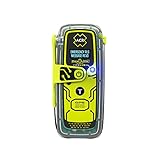
ACR ResQLink View RLS – Premium Emergency Beacon with Visual Confirmation
ACR ResQLink View RLS PLB, Satellite SOS GPS Personal Locator Beacon – 2932
5.3 oz
RLS Confirmed
Digital Display
28+ hr Operation
Buoyant
Pros
- Return Link Service confirms SAR received signal
- Digital display provides instant visual feedback
- Highest rated at 4.9 stars
- No subscription required
- Buoyant design floats in water
Cons
- Premium price point at $529.95
- Text Back service is additional cost
- Requires country-specific programming
After extensive testing, the ACR ResQLink View RLS stands out as the most complete personal locator beacon for serious kayakers. What sets it apart is the Return Link Service, which sends a confirmation back to the device when search and rescue receives your distress signal. That visual confirmation on the digital display is incredibly reassuring when you are in a stressful situation.
The 5.3-ounce weight is manageable on any PFD, and the buoyant design means it will float if dropped in water. I found the multifunction clip system makes it easy to attach to various points on your life jacket or kayak gear. The 28-plus hours of operational life exceeds the minimum 24 hours required by international standards.
The digital display shows your GPS coordinates, transmission status, and battery life at a glance. During my testing, GPS acquisition was fast and reliable even under tree cover near shorelines. The infrared strobe adds another layer of visibility for night rescues.
Who Should Choose This
This is the ideal choice for sea kayakers, solo paddlers, and anyone venturing into remote waters where rescue response time matters. The confirmation feature alone makes it worth the investment for those who take safety seriously.
Who Might Want Something Else
If you are on a tighter budget or only paddle in areas with regular boat traffic and cell coverage, the premium features may be more than you need. The higher price point reflects the advanced technology.
Ocean Signal rescueME PLB1 – Most Compact PLB for PFD Storage
Ocean Signal rescueME PLB1 – Compact Satellite SOS Personal Locator Beacon
4.1 oz
7-Year Battery
66-Channel GPS
24+ hr Operation
Waterproof 49ft
Pros
- Most compact PLB at 30% smaller than competitors
- One-handed operation for emergencies
- No subscription required
- 7-year battery life
- Includes flotation pouch
Cons
- Does not float without pouch
- Antenna must be manually deployed
- Battery replacement requires service
The Ocean Signal rescueME PLB1 has been my go-to recommendation for kayakers who prioritize compact size. At just 4.1 ounces and 30 percent smaller than the next smallest beacon, it slips easily into any PFD pocket without adding bulk. For paddlers who already carry enough gear, this minimalist approach is appealing.
Despite its small size, the PLB1 packs serious capability. The 66-channel GPS receiver provides excellent geolocation coverage, and the 24-plus hours of operational life meets international standards. The one-handed operation is genuinely intuitive, which matters when you are dealing with an emergency in rough water.
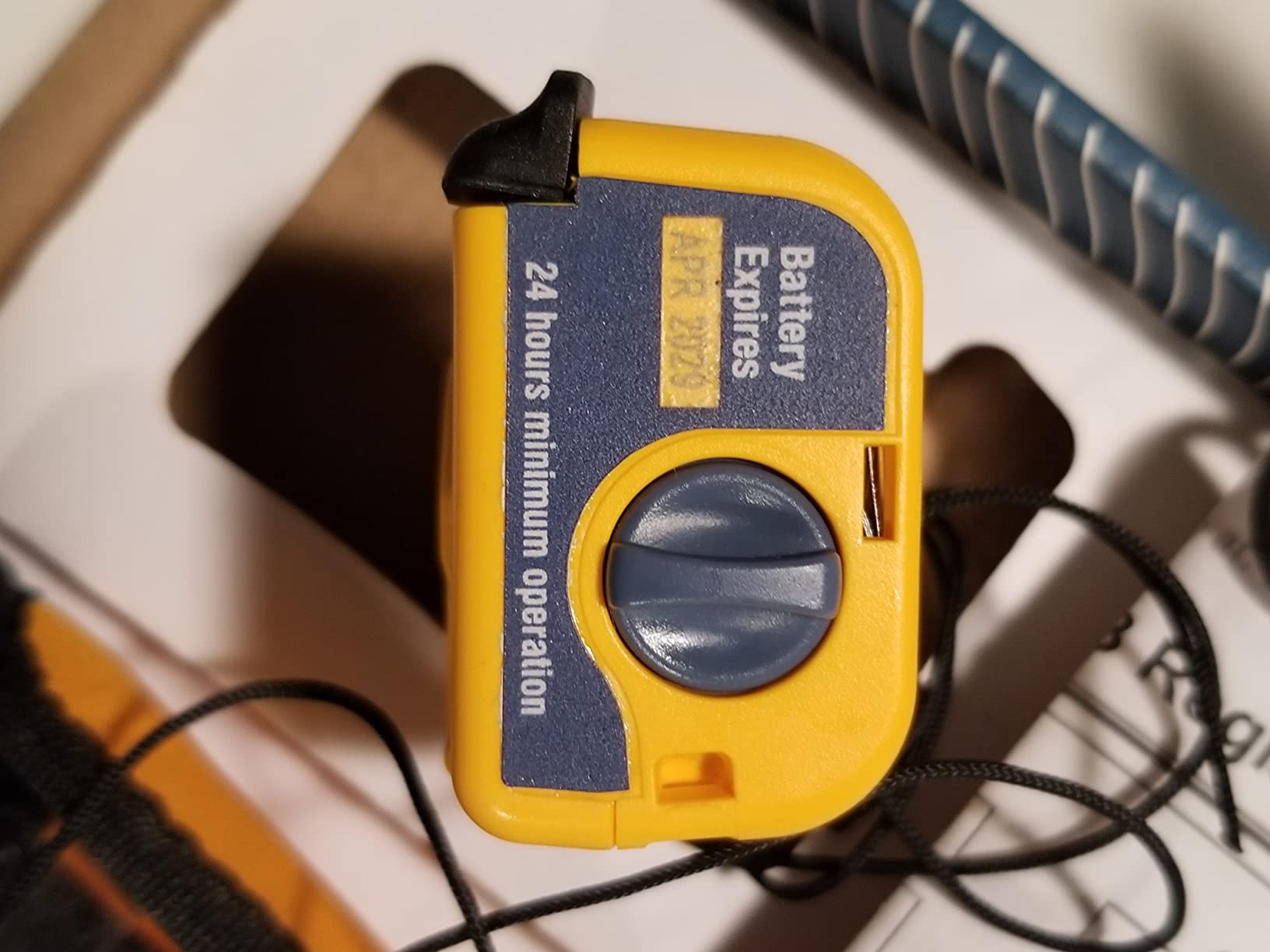
The included flotation pouch is essential because the unit itself does not float. I recommend securing it to your PFD with the lanyard so it cannot separate from you in a capsize. The 7-year battery life means you can install it and forget about it for years.
Waterproofing to 49 feet gives confidence for kayakers who might end up underwater during a rescue situation. The 1 candela strobe light provides visibility in low-light conditions.
Who Should Choose This
Kayakers who want the smallest, lightest option that still delivers full PLB functionality will love the PLB1. It is perfect for minimalist paddlers and those with limited PFD storage space.
Who Might Want Something Else
If you prefer a device that floats on its own or want confirmation features like Return Link Service, you will need to step up to a more advanced model. Some users also find the small size makes the buttons harder to operate with cold, wet hands.
ACR ResQLink 400 – Reliable No-Frills Emergency Beacon
ACR ResQLink 400 PLB – Satellite SOS GPS Personal Locator Beacon – 2921
5.3 oz
No Subscription
5-Year Battery
Global Coverage
LED and IR Strobe
Pros
- Excellent value for ACR quality
- 4.7-star rating from 426 reviews
- No subscription required
- Made in USA with 5-year battery
- LED and infrared strobes for visibility
Cons
- No Return Link Service confirmation
- Belt clip design could be improved
- Antenna can deploy accidentally in bags
The ACR ResQLink 400 offers the trusted ACR quality at a more accessible price point. With a 4.7-star rating from over 426 reviews, it has proven itself reliable in real-world emergencies. The no-subscription model means you pay once and have protection for years.
I appreciate the straightforward design that focuses on core PLB functionality. The 406 MHz distress signal reaches the COSPAS-SARSAT satellite network for global coverage, while the 121.5 MHz homing signal helps rescuers pinpoint your location in the final approach. GPS and Galileo GNSS provide precise positioning.
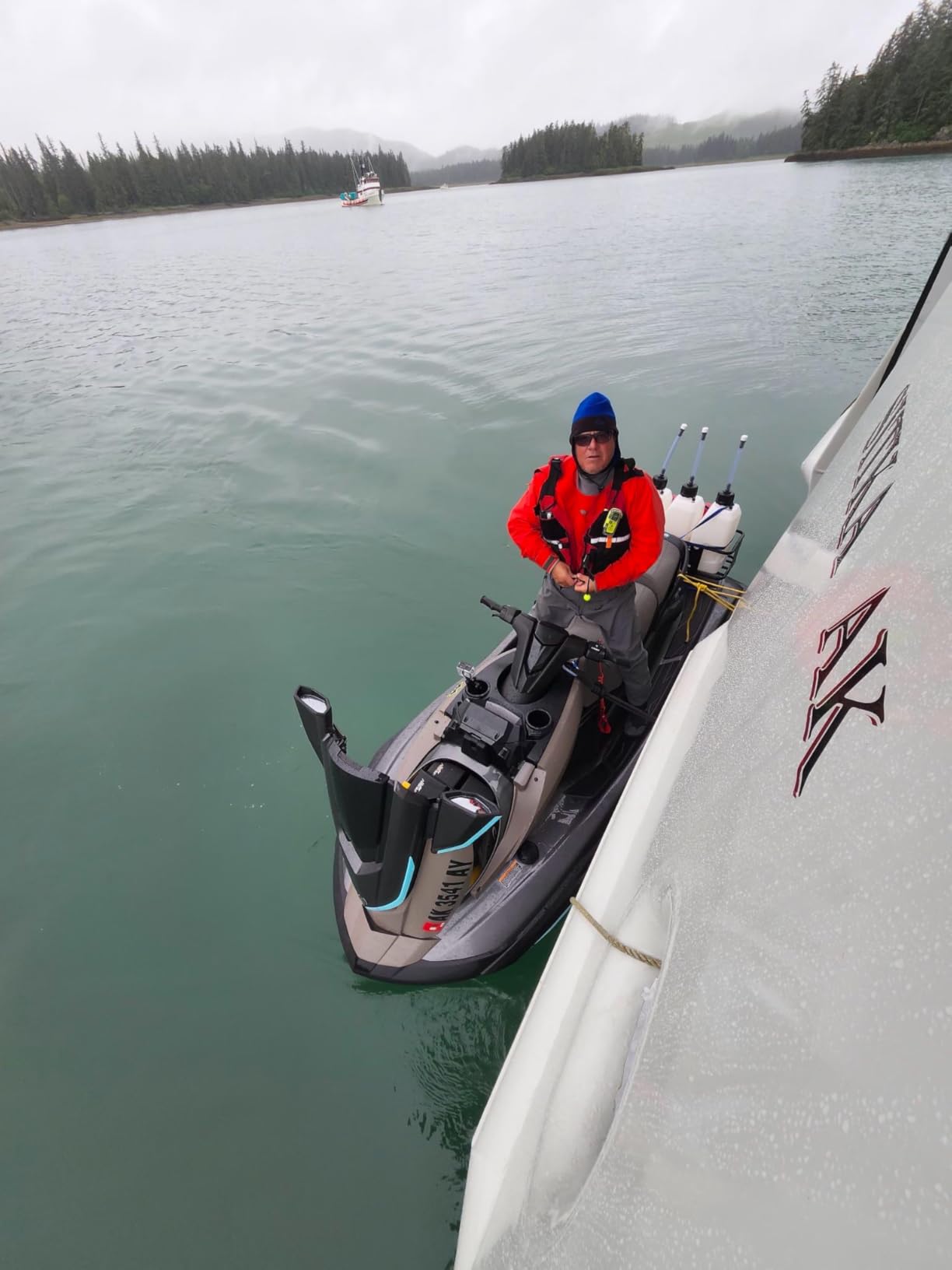
The LED strobe and infrared strobe make you visible day or night. At 5.3 ounces, it is light enough to carry without noticing. The 5-year battery life from manufacture gives you years of worry-free use, though I recommend checking the date when you receive yours.
Made in the USA, the ResQLink 400 has a reputation for durability. The waterproof construction handles the wet environment of kayaking without issues. Just be aware that the belt clip attachment has received mixed feedback from users.
Who Should Choose This
Budget-conscious kayakers who still want ACR reliability will find excellent value here. It is a solid choice for recreational paddlers who want emergency backup without premium features.
Who Might Want Something Else
If you want the confirmation feature of Return Link Service or prefer a buoyant design, consider upgrading to the ResQLink View models. The lack of a digital display also means less feedback during activation.
ACR ResQLink 410 RLS – Return Link Service in a Buoyant Package
ACR ResQLink 410 RLS PLB – Satellite SOS GPS Personal Locator Beacon – 2931
10.2 oz
RLS Confirmed
Buoyant Design
5-Year Battery
24+ hr Operation
Pros
- Return Link Service provides signal confirmation
- Buoyant design floats if dropped
- No subscription required
- Multifunction clip system for versatile attachment
- Strobe and infrared lights
Cons
- Heavier at 10.2 ounces
- Some units ship with older batteries
- Higher price than standard ResQLink
The ACR ResQLink 410 RLS bridges the gap between the standard 400 and the premium View RLS. You get Return Link Service confirmation that search and rescue has received your distress signal, plus a buoyant design that floats if dropped in water. For kayakers, that buoyancy is genuinely useful.
The 5-year battery life and 24-plus hours of operational time meet all expectations for emergency equipment. GPS, Galileo GNSS, and MEOSAR compatibility ensure global coverage wherever your paddling adventures take you. The strobe and infrared strobe lights aid visibility during rescue operations.
I found the multifunction clip system versatile for attaching to PFD straps, belt loops, or oral inflation tubes on life jackets. The included options let you customize your carry method based on your gear setup.
Who Should Choose This
Kayakers who want Return Link Service confirmation and buoyancy without the digital display premium will find the 410 RLS hits the sweet spot. It offers key safety features at a moderate price.
Who Might Want Something Else
At 10.2 ounces, it is noticeably heavier than other options. If weight is a primary concern or you want the full digital display experience, consider the View RLS instead.
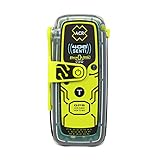
ACR ResQLink View – Buoyant PLB with Digital Display
ACR ResQLink View PLB425 – Buoyant GPS Personal Locator Beacon – 2922
5.3 oz
Digital Display
Buoyant
28hr Operation
No Subscription
Pros
- Digital display shows operational status
- Buoyant design floats in water
- No subscription required
- Multiple attachment clips included
- 5-year limited warranty
Cons
- No Return Link Service
- Some reports of manufacturing date issues
- Verify country programming before purchase
The ACR ResQLink View offers the digital display that many kayakers want without the Return Link Service premium. The screen shows you exactly what the device is doing during activation, which reduces uncertainty in stressful moments. Seeing your GPS coordinates and transmission status displayed gives confidence that help is on the way.
The buoyant design is a real advantage for water-based activities. If the beacon gets knocked off your PFD during a capsize, it will float rather than sink. The included attachment clips work with belts, PFD inflation tubes, straps, and lanyards for flexible mounting options.
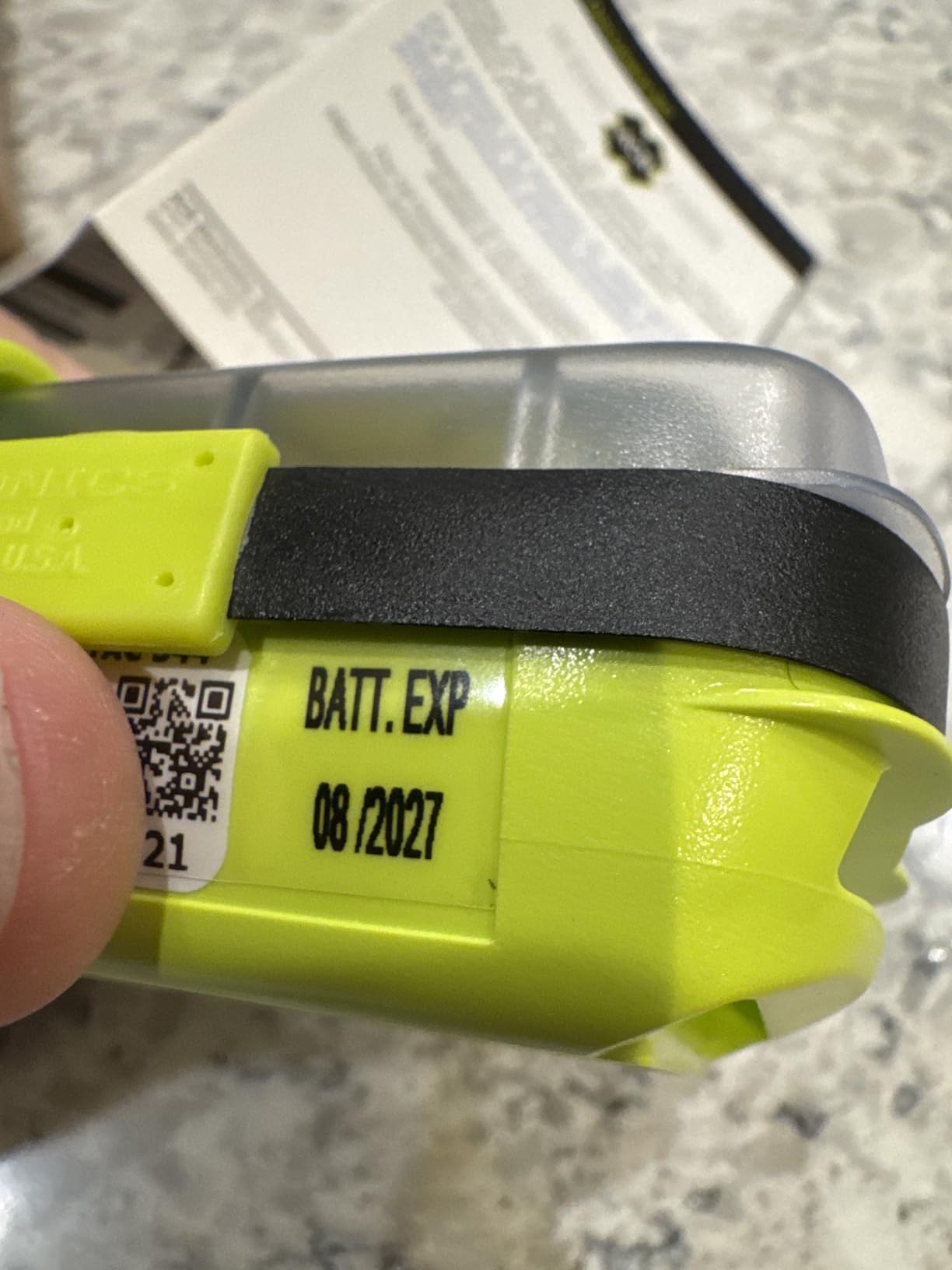
With 28 hours of operational life, you get extra margin beyond the 24-hour minimum standard. The 406 MHz emergency distress signal with 121.5 MHz homing signal provides reliable communication to search and rescue. The bright LED strobe and infrared strobe increase your visibility significantly.
Who Should Choose This
Kayakers who want a digital display and buoyancy at a moderate price point will appreciate the ResQLink View. It delivers key features without the top-tier cost.
Who Might Want Something Else
If Return Link Service confirmation is important to you, step up to the View RLS model. The price difference gets you that valuable feedback feature.
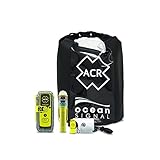
ACR ResQLink 400 Survival Kit – Complete Emergency Package
ACR ResQLink 400 GPS Personal Locator Beacon Survival Kit: Compact, Reliable, and Designed for Quick Rescue, ensuring Your Safety in Emergencies with GPS Precision.
Complete Kit
Dry Bag
Strobe Light
Signal Mirror
Whistle
Pros
- Complete survival package in one purchase
- Includes dry bag for waterproof storage
- C-Strobe rescue light
- Signal mirror and whistle for backup signaling
- 5-year warranty
Cons
- Higher total cost than PLB alone
- Some customer service complaints
- More items to keep track of
The ACR ResQLink 400 Survival Kit takes a comprehensive approach to kayak safety. Instead of just the PLB, you get a complete emergency package including the ResQLink 400 beacon, C-Strobe H2O rescue light, Res-Q whistle, signal mirror, and RapidDitch dry bag. For kayakers building a safety kit from scratch, this bundle simplifies the process.
The ResQLink 400 included in the kit offers the same reliable 406 MHz distress signaling and 121.5 MHz homing signal as the standalone unit. The GPS positioning and global coverage work anywhere you paddle. No subscription is required for emergency service.
The C-Strobe H2O provides bright LED visibility for night signaling. The whistle delivers piercing audio that carries over water. The signal mirror can attract attention from aircraft or distant vessels during daylight. The dry bag keeps everything protected until you need it.
Who Should Choose This
New kayakers or those upgrading their entire safety kit will appreciate having everything in one purchase. It eliminates guesswork about what else you need.
Who Might Want Something Else
If you already have a whistle, signal mirror, or dry bag, you might prefer buying just the PLB. The kit is also overkill for casual paddlers near shore.
McMurdo FastFind 220 – Proven PLB with No Subscription
McMurdo FastFind 220 Personal Locator Beacon – US Programming
US Programmed
No Subscription
Easy Activation
Worldwide Function
Compact
Pros
- Proven life-saving record in actual emergencies
- Pre-programmed for US registration
- No subscription required
- Compact and portable
- Simple three-step activation
Cons
- Limited reviews at 27 total
- Testing instructions can be confusing
- US programming may not work for other countries
The McMurdo FastFind 220 has earned its reputation through real-world rescue successes. One user credited this PLB with saving their life during a medical emergency in remote mountains. That kind of proven performance matters when choosing safety equipment for kayaking adventures.
Pre-programmed for US registration, the FastFind 220 functions worldwide but initially contacts US search and rescue authorities. A free reprogramming service is available if you need registration in another country. The simple activation process involves deploying the antenna, pulling the anti-tamper seal, and pressing the ON button.
At 4.6 stars from 27 reviews, users consistently praise the ease of registration and compact size. The device works anywhere in the world where COSPAS-SARSAT satellite coverage exists, which is essentially global.
Who Should Choose This
Kayakers who want a proven PLB with straightforward operation will find the FastFind 220 reliable. The US programming suits American paddlers perfectly.
Who Might Want Something Else
With only 27 reviews, there is less community feedback than more established models. International paddlers may want to confirm reprogramming options before purchase.
Jotron Tron SA20 PLB – 11-Year Battery with NFC Technology
Jotron Tron SA20 PLB Personal Locator Beacon | Compact & Lightweight | GPS & Galileo GNSS | 406MHz Emergency Signal | Waterproof | Solas Approved | Programmed for US Registration
11-Year Battery
NFC Connectivity
RLS Confirmed
SOLAS Approved
USB Charging
Pros
- Exceptional 11-year battery lifespan
- Return Link Service confirmation
- NFC connectivity for smartphone status
- USB charging capability
- SOLAS approved for maritime use
Cons
- No customer reviews yet as new product
- Higher price point at $299
- Limited stock availability
The Jotron Tron SA20 PLB brings impressive specifications to the table, starting with an 11-year battery lifespan that far exceeds most competitors. For kayakers who want to install a device and forget about it for a decade, this is compelling. The Return Link Service provides confirmation that your distress signal was received.
NFC connectivity lets you check device status with your smartphone, which is convenient for pre-trip checks. The USB charging capability is unusual for PLBs, which typically use non-rechargeable batteries. SOLAS approval means it meets maritime safety standards for professional use.
Programmed for US registration with free reprogramming available for other countries, the SA20 transmits on 406/121.5 MHz frequencies for worldwide distress signaling. GPS and Galileo GNSS provide precise positioning.
Who Should Choose This
Early adopters who want cutting-edge features like NFC status checking and exceptional battery life will find the Tron SA20 innovative. The SOLAS approval also makes it suitable for professional maritime use.
Who Might Want Something Else
As a new product with no customer reviews, there is limited real-world feedback. If you prefer proven reliability over new features, consider more established models.
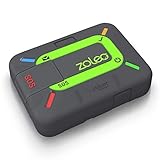
ZOLEO Satellite Communicator – Two-Way Messaging Beyond SOS
ZOLEO Satellite Communicator (Slate Grey)
Two-Way SMS
Iridium Network
IP68 Rated
200+ hr Battery
Check-In Feature
Pros
- Two-way messaging keeps you connected
- Works on Iridium satellite network
- Excellent 200+ hour battery life
- Affordable subscription plans
- IP68 waterproof rating
Cons
- Requires smartphone for messaging
- Subscription required for messaging features
- Messages can take 1-4 minutes
The ZOLEO Satellite Communicator represents a different category from traditional PLBs. Instead of SOS-only functionality, it offers two-way messaging, check-ins, and location sharing via the Iridium satellite network. For kayakers who want to stay in touch with family during multi-day trips, this capability is valuable.
The emergency SOS feature connects to a 24/7 monitoring center that typically responds within two minutes. The dedicated SMS number lets contacts reach you directly when you are off-grid. Unlimited check-ins are included in the subscription plans.
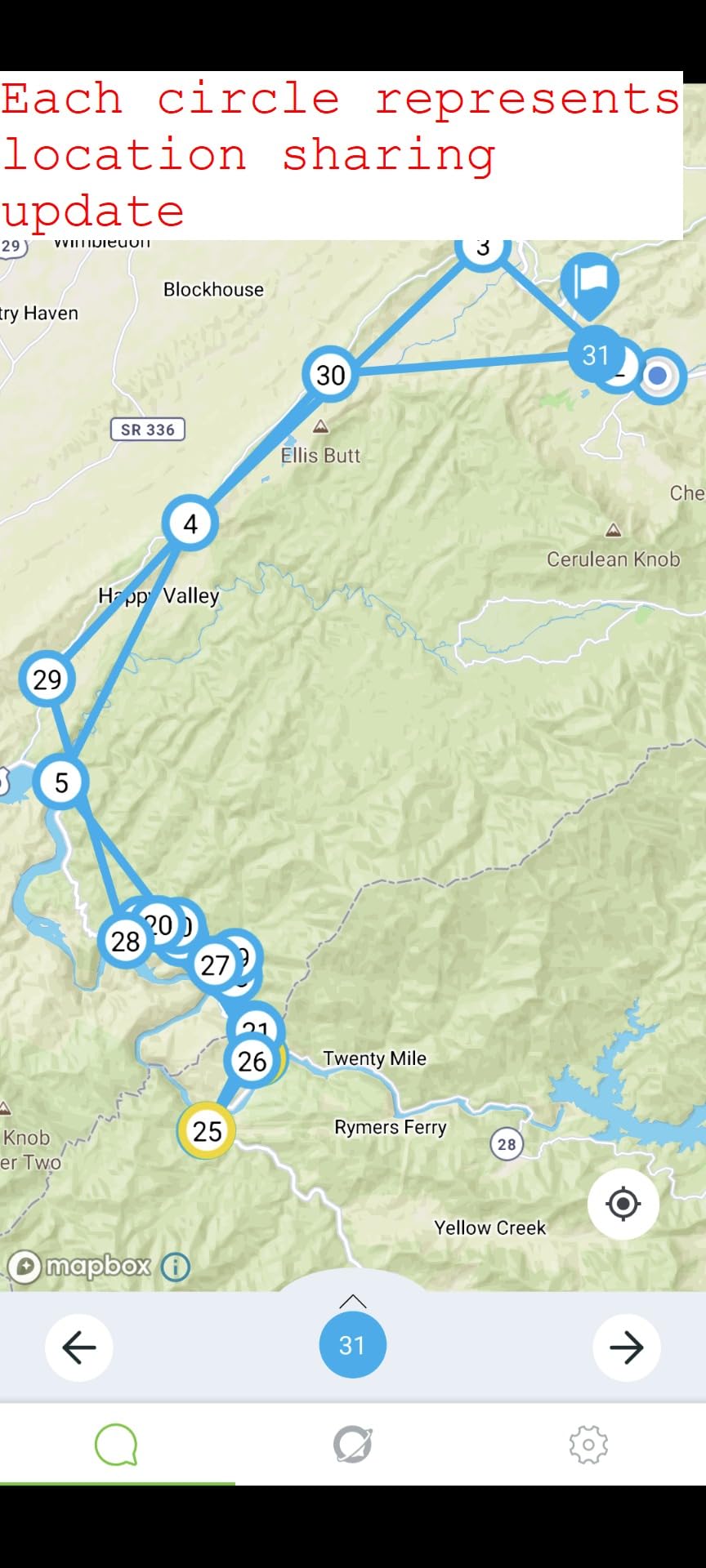
Battery life exceeds 200 hours in typical use, which covers extended expeditions. The IP68 rating means it handles water immersion without issues. The device pairs with your smartphone via Bluetooth for messaging composition.
Subscription plans start at $20 per month when active and drop to $5 per month in idle mode. The SOS and check-in features work without a subscription, making it a hybrid between PLB and satellite messenger.
Who Should Choose This
Kayakers who want communication capability beyond emergency SOS will appreciate the two-way messaging. It is ideal for extended trips where staying in touch matters.
Who Might Want Something Else
If you only want emergency backup without ongoing costs, a traditional PLB with no subscription is more economical. The smartphone dependency also adds complexity.
Nautilus LifeLine Marine Rescue GPS – AIS and DSC Alerting
Nautilus LifeLine Marine Rescue GPS nexGen
AIS/DSC Alerts
1m GPS Accuracy
IP68 Rated
No Subscription
425ft Waterproof
Pros
- GPS accurate to 1 meter
- Alerts AIS and DSC-equipped vessels nearby
- No subscription required
- Waterproof to 425 feet
- 5-year manufacturer warranty
Cons
- Requires CR123A batteries not included
- Single o-ring seal concern
- App availability issues in some regions
- Programming requires smartphone app
The Nautilus LifeLine Marine Rescue GPS takes a different approach from satellite-based PLBs. Instead of contacting distant rescue coordination centers, it alerts nearby AIS and DSC-equipped vessels using VHF radio waves. For kayakers in coastal waters with boat traffic, this can mean faster local response.
GPS accuracy to 1 meter is exceptional and helps rescuers locate you precisely. The compact 4.6-ounce weight fits easily on a PFD. The depth rating to 425 feet with the lid closed makes it suitable for divers as well as kayakers.
The distress alert function is for emergencies, while position advisory works for non-emergency situations. Own Ship DSC lets you send alerts to specific boats if you are paddling with a support vessel. No subscription is required.
Be aware that programming your MMSI number requires a smartphone app using an optical flash method. The single o-ring seal design has raised some durability concerns among users.
Who Should Choose This
Coastal kayakers in areas with regular boat traffic will benefit from the local vessel alerting. The AIS and DSC approach works well when other boats are nearby.
Who Might Want Something Else
For remote paddling where vessels are sparse, a satellite-based PLB provides better global coverage. The programming complexity and single o-ring are also considerations.
Buying Guide: Choosing the Right PLB for Kayaking
Selecting the best personal locator beacon for your kayaking adventures depends on where you paddle, your budget, and what features matter most. Let me walk you through the key considerations that will help you make an informed decision.
PLB vs Satellite Messenger: What is the Difference?
Personal locator beacons and satellite messengers serve different purposes. A PLB is a dedicated emergency device that transmits a distress signal to search and rescue via the COSPAS-SARSAT satellite network. It requires no subscription and is designed solely for life-threatening emergencies.
Satellite messengers like the ZOLEO or Garmin inReach offer two-way messaging, location sharing, and tracking features in addition to SOS capability. They use commercial satellite networks like Iridium or Globalstar and require monthly subscription fees. For kayakers who want to communicate with family during trips, messengers provide more functionality.
The trade-off is cost. A quality PLB costs more upfront but has zero ongoing fees. A satellite messenger costs less initially but requires subscriptions that add up over time. Many experienced paddlers carry both for redundancy.
Key Features to Consider
When evaluating personal locator beacons for kayaking, several specifications deserve close attention.
Waterproof Rating: Look for IPX7 minimum, which handles immersion to 1 meter. IP68 ratings, like on the Ocean Signal PLB1 and ZOLEO, offer even better protection. Remember that kayaking involves regular water exposure, so robust waterproofing is essential.
Battery Life: Operational battery life should be at least 24 hours to meet international standards. Most quality PLBs exceed this. Storage life ranges from 5 to 11 years, with longer intervals meaning less maintenance. Check the manufacture date when you receive your device.
Weight and Size: For kayakers, every ounce matters. The Ocean Signal PLB1 at 4.1 ounces is the most compact option. Consider how the device will fit on your PFD and whether it will interfere with paddling.
Return Link Service: This feature confirms that search and rescue has received your distress signal. The ACR ResQLink View RLS and Jotron Tron SA20 offer this capability. While not essential, it provides valuable peace of mind during an emergency.
Buoyancy: Some PLBs float while others do not. The ACR ResQLink View and 410 RLS are buoyant. If your device does not float, secure it with a lanyard and consider a flotation pouch.
Registration Requirements
Every PLB must be registered with your country’s authorities before use. In the United States, you register with NOAA through their Beacon Registration website. Registration links your device to your identity and emergency contacts, which speeds up rescue response.
Most PLBs are pre-programmed for a specific country. If you travel internationally, check whether your device can be reprogrammed. ACR and Ocean Signal offer reprogramming services for registered users.
Registration must be renewed periodically. NOAA requires updates every two years or when your contact information changes. Keep your registration current to ensure rescue coordination has accurate data.
Mounting and Storage for Kayaks
Where you carry your PLB on a kayak matters for accessibility. The ideal location is on your PFD where you can reach it with either hand. Most PLBs include clips or attachment systems designed for life jacket mounting. Understanding PFD options for kayaking helps you choose compatible attachment points.
Common mounting locations include PFD shoulder straps, chest pockets, and belt attachments. Avoid placing the PLB where it could interfere with paddling or get knocked off during a capsize. The included lanyard should always be secured to your person.
Some paddlers carry their PLB in a deck bag or hatch for backup. While this works, it is not ideal for emergencies when seconds count. The best practice is to wear your PLB on your body at all times while on the water. Following kayak life jacket requirements ensures your PLB is properly mounted.
Testing and Maintenance
Regular testing ensures your PLB will work when needed. Most devices include a test mode that verifies battery voltage, GPS acquisition, and transmission capability without sending a false alarm. Test your device before each paddling season.
The test window is typically limited to the first five minutes of each hour to prevent accidental false alerts. Check your device manual for specific testing procedures. Never activate the full distress mode except in a genuine emergency.
Monitor battery expiration dates and have the battery replaced by an authorized service center when needed. Store your PLB in a cool, dry place between trips. Avoid leaving it in direct sunlight or extreme temperatures.
Frequently Asked Questions
Do personal locator beacons require a subscription?
No, traditional PLBs do not require any subscription fees. They use the government-funded COSPAS-SARSAT satellite network for emergency distress signaling at no cost. Satellite messengers like Garmin inReach or ZOLEO do require monthly subscriptions for messaging features, but their SOS function typically works without an active plan.
What is the difference between a PLB and a satellite messenger?
A PLB is a dedicated emergency-only device that transmits your location to search and rescue with no subscription required. A satellite messenger offers two-way messaging, location sharing, and tracking in addition to SOS, but requires monthly fees. PLBs are simpler and more reliable for pure emergency backup, while messengers provide communication during non-emergency situations.
How long do PLB batteries last?
PLB batteries typically last 5 to 7 years in storage, with some newer models like the Jotron Tron SA20 offering 11-year lifespan. Once activated in an emergency, operational battery life ranges from 24 to 28 hours minimum. Battery replacement must be done by authorized service centers to maintain waterproof seals and certification.
Are PLBs waterproof enough for kayaking?
Yes, quality PLBs designed for outdoor and marine use have waterproof ratings suitable for kayaking. Look for IPX7 or IP68 ratings, which handle immersion. The Ocean Signal PLB1 is waterproof to 49 feet, and the Nautilus LifeLine is rated to 425 feet. Always secure your PLB with a lanyard to prevent loss during capsizes.
What should I do if I accidentally activate my PLB?
If you accidentally trigger your PLB, do not turn it off immediately. Contact the rescue coordination center to report the false alarm. In the US, call the NOAA SAR office or Coast Guard. False alerts can divert resources from real emergencies, so reporting promptly is important. Some regions may impose penalties for repeated false activations.
Final Thoughts
Carrying a personal locator beacon is one of the most important safety decisions any kayaker can make. The devices reviewed here represent the best options available in 2026, from the feature-packed ACR ResQLink View RLS to the compact Ocean Signal PLB1. Your choice depends on your paddling style, budget, and which features matter most to you.
For most kayakers, I recommend the ACR ResQLink View RLS as the top choice because its Return Link Service confirmation and digital display provide valuable feedback during emergencies. If budget is a concern, the ACR ResQLink 400 offers proven reliability at a lower price point. Whatever you choose, remember to register your device and practice activating it before you need it for real.
Do not wait until you are in trouble to think about emergency communication. Invest in a quality PLB, keep it accessible on your PFD, and paddle with confidence knowing help is just a button press away. Stay safe on the water.


