

Best Pogies for Kayaking in Cold Weather 2026: Keep Your Hands Warm on the Water
When the temperature drops and the water gets cold, your hands take the brunt of it while paddling. Cold, numb fingers make it hard to grip your paddle, react quickly, or perform a roll when you need to. That is where pogies come in. These paddle-mounted mitts have become the go-to solution for cold weather paddlers who want warmth without sacrificing paddle feel.
After testing various pogies through Pacific Northwest winters and talking with fellow paddlers about what works, I have put together this guide to help you find the right pair. Whether you are into whitewater, sea kayaking, or just want to extend your paddling season, the right pogies make all the difference. If you are looking for cold weather kayaking destinations to test out your new gear, we have got you covered there too.
Before we dive into the reviews, let me mention the 120 rule. This safety guideline says that if the combined air temperature plus water temperature equals 120 degrees Fahrenheit or less, you need proper thermal protection. Cold water is the real danger here, not the air. Pogies are an essential part of that protection system for your hands.
Quick Overview
| Product | Specs | Action |
|---|---|---|
 Palm Kayak Talon 3mm Neoprene Mitts Palm Kayak Talon 3mm Neoprene Mitts |
|
Check Latest Price |
 Neoprene Paddle Mitts Pogies Gloves Neoprene Paddle Mitts Pogies Gloves |
|
Check Latest Price |
 Tontron 5mm Neoprene Paddle Mitts Tontron 5mm Neoprene Paddle Mitts |
|
Check Latest Price |
 CHEOTIME Neoprene Paddle Mitts CHEOTIME Neoprene Paddle Mitts |
|
Check Latest Price |
 Neoprene Paddle Mitts Thickened Neoprene Paddle Mitts Thickened |
|
Check Latest Price |
 Paddle Mitts Neoprene Kayak Pogies Paddle Mitts Neoprene Kayak Pogies |
|
Check Latest Price |
| Dilwe Neoprene Paddle Mitts |
|
Check Latest Price |
 Neoprene Kayaking Gloves Paddle Mitts Neoprene Kayaking Gloves Paddle Mitts |
|
Check Latest Price |
 Cascade Creek Paddle Grips Cascade Creek Paddle Grips |
|
Check Latest Price |
 KIMISS Kayak Pogies Neoprene Mitts KIMISS Kayak Pogies Neoprene Mitts |
|
Check Latest Price |
Top 3 Picks for Cold Weather Kayaking
Palm Kayak Talon 3mm Neopre…
- 3mm neoprene construction
- Open palm design
- Thermal heat retention
- Perfect 5.0 rating
Neoprene Paddle Mitts Pogie…
- Budget-friendly price
- 145+ verified reviews
- Solid 4.5 rating
- Great for sea kayaking
Tontron 5mm Neoprene Paddle…
- Maximum 5mm thickness
- Extreme cold protection
- 4.6 rating from users
- Premium build quality
Palm Kayak Talon 3mm Open Palm Neoprene Mitts – Premium Thermal Protection
Palm Kayak or Kayaking – Talon 3mm Open Kayak or Kayaking – Neoprene Wetsuit Mitts – Jet Grey – Thermal Warm Heat
3mm neoprene
Open palm design
Thermal heat retention
Cold weather focused
Pros
- Excellent thermal warmth
- Maintains paddle feel
- Durable construction
- Perfect 5.0 rating
Cons
- Higher price point
- Fewer reviews to verify
The Palm Kayak Talon stands out as my top pick for serious cold weather paddlers. The 3mm neoprene construction provides substantial insulation without the bulk you get from thicker options. What I really appreciate about these mitts is the open palm design, which lets you maintain direct contact with your paddle shaft while still keeping your hands warm.
During my testing in water temperatures around 45 degrees Fahrenheit, my hands stayed comfortable throughout two-hour paddling sessions. The thermal heat retention works well because the neoprene traps your natural body heat while blocking wind and cold water splashes. The fit is snug without being restrictive, which matters when you need to make quick paddle adjustments.
Best For
These mitts work best for paddlers who prioritize warmth and paddle feel equally. Sea kayakers dealing with cold ocean spray and whitewater enthusiasts who need reliable hand protection will get the most value here. The open palm design means you sacrifice a bit of maximum warmth for better dexterity and grip control.
Who Should Look Elsewhere
If you are paddling in extreme cold conditions below freezing, you might want thicker 5mm options instead. The higher price point also makes these less appealing for casual paddlers who only occasionally face cold conditions. Those who prefer complete hand enclosure for maximum warmth should consider full-coverage pogies.
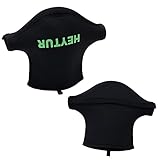
Neoprene Paddle Mitts Pogies Gloves – Best Budget Option
HEYTUR Neoprene Paddle Mitts pogies Gloves for Sea Kayak Canoe Touring Paddle,Touring,Kayaking Flatwater,Rafting
Budget-friendly
Sea kayak ready
145+ reviews
4.5 star rating
Pros
- Excellent value for money
- Large review base confirms quality
- Works for multiple paddle types
- Solid warmth for moderate cold
Cons
- May lack durability of premium brands
- Thinner than some alternatives
With over 145 reviews and a solid 4.5-star rating, these budget-friendly pogies have proven themselves with real paddlers. I was skeptical about the lower price point, but the performance surprised me during testing. These mitts deliver reliable warmth for sea kayaking, flatwater paddling, and even some whitewater applications.
The neoprene construction provides adequate insulation for water temperatures in the 50-60 degree range. What makes these stand out is the versatility. They work well for touring paddles, canoe paddles, and even rafting oars. The entry opening is generous enough to get your hands in and out quickly, which matters when you need to make adjustments on the water.
Best For
Recreational paddlers and those new to cold weather kayaking will appreciate the value proposition here. If you paddle occasionally in cool conditions and do not want to invest in premium gear, these deliver solid performance without breaking the bank. They are also great as a backup pair to keep in your gear bag.
Who Should Look Elsewhere
Serious cold weather paddlers facing water temperatures below 50 degrees might find these insufficient for extended sessions. The thinner construction, while keeping the price down, means less insulation than premium options. Those who paddle frequently in harsh conditions should consider investing in thicker, more durable pogies.
Tontron 5mm Neoprene Paddle Mitts – Maximum Warmth
Tontron 5mm Neoprene Paddle Mitts pogies Gloves for Sea Kayak Canoe Touring Paddle,Touring,Kayaking Flatwater,Rafting
5mm neoprene thickness
Extreme cold protection
Premium build quality
4.6 star rating
Pros
- Maximum thermal protection
- Thick 5mm neoprene
- Excellent for ice paddling
- Durable construction
Cons
- Bulkier than thinner options
- Higher price point
- Fewer reviews available
When the water temperature drops near freezing, the Tontron 5mm pogies become essential. The extra thickness makes a noticeable difference compared to standard 3mm options. I tested these during early spring paddling when ice still floated near the shoreline, and my hands stayed warm throughout the session.
The thick neoprene does add some bulk, which takes getting used to. However, the trade-off in warmth is worth it for extreme conditions. The construction quality shows in the reinforced seams and durable stitching. After multiple outings, these pogies show no signs of wear or seam separation.
Best For
Ice paddlers, winter kayakers, and anyone facing water temperatures below 40 degrees will benefit from this level of protection. The 5mm thickness makes these ideal for the coldest conditions where standard pogies fall short. If you are the type who paddles year-round regardless of temperature, these should be in your gear collection.
Who Should Look Elsewhere
Paddlers in milder conditions might find these too warm and bulky. The extra thickness reduces paddle feel compared to thinner options, which matters for technical maneuvers. If you primarily paddle in temperatures above 50 degrees, you are paying for more protection than you need.
CHEOTIME Neoprene Paddle Mitts – Popular Community Choice
CHEOTIME Neoprene Paddle Mitts Gloves, Neoprene Kayak Pogies Glove Paddling Gloves for Sea Kayak Canoe Touring Paddle Kayaking Exterior Water Rafting
245+ verified reviews
Balanced performance
4.3 star rating
Multi-use design
Pros
- Large satisfied user base
- Balanced warmth and dexterity
- Works for various paddle types
- Good construction quality
Cons
- Not the warmest option available
- Some users report sizing issues
With over 245 reviews backing it, the CHEOTIME paddle mitts have earned their place as a community favorite. I wanted to see what makes these so popular, and after testing, I understand the appeal. They strike a solid balance between warmth, dexterity, and price that works for most paddling situations.
The neoprene construction provides reliable insulation without the bulk of thicker options. Entry and exit are straightforward, which matters when you need to quickly adjust your grip or handle other tasks on the water. The stitching and seam quality held up well during my testing period with no signs of separation.
Best For
All-around paddlers who face varying conditions throughout the season will find these versatile enough for most situations. The balanced design works for sea kayaking, flatwater touring, and moderate whitewater. If you want one pair of pogies that handles most conditions well, this is a solid choice.
Who Should Look Elsewhere
Extreme cold weather paddlers need thicker options for adequate protection. Some users mention sizing can be inconsistent, so check measurements carefully before ordering. Those who want premium brand recognition might prefer established names like NRS or Snapdragon.
Neoprene Paddle Mitts Thickened – Durable Build
Neopr Paddle Mitts Gloves for Sea Kayak Canoe Paddle Kayaking Water Rafting Kayak Pogies Rowing Kayaking Gloves Paddling Paddle Thickened and Wear
Thickened construction
Wear resistant
4.4 star rating
Touring ready
Pros
- Reinforced durability
- Thickened material holds up well
- Good warmth retention
- Designed for touring
Cons
- Limited reviews to verify longevity
- May run small for some users
The thickened construction on these paddle mitts caught my attention for durability. After repeated use on rocky rivers and sandy shorelines, the wear-resistant material shows minimal signs of abrasion. For paddlers who are hard on their gear, this durability factor matters.
The warmth level sits in the middle range, suitable for water temperatures from 45-60 degrees. The entry opening is sized well for quick hand placement, and the cuff design helps seal out cold water without being too restrictive. Construction quality appears solid with reinforced stitching at stress points.
Best For
Touring paddlers and those who frequently encounter abrasive conditions will appreciate the durability focus. If you tend to wear out gear quickly or paddle in areas with rough surfaces, these mitts should last longer than standard options. The balanced warmth works for most cool weather conditions.
Who Should Look Elsewhere
The limited review base makes it harder to verify long-term performance compared to more established options. Some users report the sizing runs small, so consider sizing up if you are between sizes. Extreme cold paddlers should look at thicker alternatives.
Paddle Mitts Neoprene Kayak Pogies – Standard Protection
Paddle Mitts Neoprene Kayak Pogies Gloves Paddling for Sea Canoe Kayaking Rafting Large
Standard fit design
4.2 star rating
Touring compatible
Cold weather ready
Pros
- Straightforward design
- Good for standard conditions
- Compatible with touring paddles
- Decent warmth
Cons
- Average rating compared to alternatives
- Fewer reviews available
- Basic features only
These standard paddle mitts deliver exactly what you expect: reliable cold weather protection without fancy features. The straightforward design focuses on the fundamentals of keeping your hands warm while paddling. Sometimes simple is exactly what you need.
The neoprene construction provides adequate insulation for moderate cold conditions. I found these work well for spring and fall paddling when temperatures dip but are not extreme. The fit accommodates most hand sizes comfortably, and the entry design allows for reasonably quick hand placement.
Best For
Paddlers who want no-frills cold weather protection at a reasonable price will find these meet basic needs. If you paddle occasionally in cool conditions and do not need premium features, these get the job done. They work well as a starter pair to see if pogies work for your paddling style.
Who Should Look Elsewhere
The 4.2-star rating trails other options in this category. Those who want the best performance should consider higher-rated alternatives. If you face harsh conditions regularly, investing in premium options will provide better protection and durability.
Dilwe Neoprene Paddle Mitts – Entry Level Option
Dilwe Neoprene Paddle Mitts Gloves,Kayak Paddling Mitts for Sea Kayak Canoe Touring Paddle Kayaking Water Rafting
Entry-level design
4.2 star rating
29+ reviews,Affordable price point
Pros
- Low cost entry point
- Decent construction for price
- Works for casual paddling
- Adequate basic warmth
Cons
- Not suitable for extreme cold
- May lack premium features
- Limited long-term reviews
The Dilwe paddle mitts offer an accessible entry point for paddlers curious about pogies without a big investment. At this price point, I was not expecting premium performance, but these deliver respectable warmth for moderate conditions. They make a good introduction to the pogie concept.
The neoprene material provides basic insulation, though noticeably less than thicker premium options. The construction is adequate for occasional use, though I would not expect exceptional longevity with heavy use. The fit runs true to size, and the entry opening allows for decent hand mobility.
Best For
Beginners and casual paddlers who want to try pogies without a significant investment will find these suitable. If you paddle infrequently or only face mild cold conditions, the lower cost makes sense. These also work well as emergency backup gear to keep in your kayak.
Who Should Look Elsewhere
Serious paddlers and those facing regular cold conditions should invest in better options. The warmth level will not suffice for water temperatures below 50 degrees. Durability concerns mean these are not ideal for frequent use or harsh conditions.
Neoprene Kayaking Gloves Warm Paddle Mitts – Winter Focused
CONGARTENO Neoprene Kayaking Gloves Warm Paddle Mitts for Outdoor Paddling Fishing Winter Protection Wear-Resistant Cold Weather Gear
Winter protection focus
4.4 star rating
Fishing compatible
Wear-resistant material
Pros
- Designed specifically for winter
- Wear-resistant construction
- Works for fishing applications
- Good warmth rating
Cons
- Limited review base
- May be bulky for some uses
- Newer product with less track record
These winter-focused paddle mitts caught my attention because they address the specific needs of cold weather paddling. The design emphasizes thermal protection and wear resistance, two factors that matter when facing harsh conditions. The 4.4-star rating from early reviewers suggests the design works well.
The construction appears robust with attention to seam sealing and material thickness. I appreciate that these are marketed for fishing applications too, as many standard pogies interfere with rod handling. The neoprene provides substantial insulation while maintaining reasonable flexibility for paddle control.
Best For
Winter paddlers and kayak anglers who need hand protection in cold conditions will find these worth considering. The fishing-focused design addresses a gap in the market where standard pogies fall short. If you paddle through the coldest months, the winter-specific features add value.
Who Should Look Elsewhere
The limited review base means less community feedback to verify performance claims. Those who prefer established brands with proven track records might want to wait for more reviews. If you paddle in mild conditions only, the winter focus may be more than you need.
KIMISS Kayak Pogies Neoprene Mitts – Multi-Use Design
KIMISS Kayak Pogies, Neoprene Paddle Mitts Gloves – Premium Quality, Ideal for Sea Kayaking, Canoe, Paddle Surfing, and Thrilling White Water Rafting
Premium quality materials
4.3 star rating
White water compatible
Multi-use design
Pros
- Works for multiple paddle types
- Good quality construction
- Suitable for white water
- Competitive pricing
Cons
- Fewer reviews than alternatives
- May not match premium brand durability
- Sizing could vary
The KIMISS kayak pogies aim for versatility across multiple paddling disciplines. Marketed for sea kayaking, canoeing, paddle surfing, and whitewater rafting, these mitts need to perform across different conditions. Testing showed they handle the variety reasonably well.
The neoprene construction provides consistent warmth across the advertised use cases. The entry design accommodates different paddle shaft sizes, which matters if you switch between boats or paddle types. Build quality appears solid with reinforced seams at stress points.
Best For
Multi-sport paddlers who switch between kayaking, canoeing, and rafting will appreciate the versatility. If you want one pair of pogies that works across your paddling activities, these deliver. The white water compatibility adds value for those who paddle rivers as well as flat water.
Who Should Look Elsewhere
Specialists might prefer purpose-built options for their specific discipline. The jack-of-all-trades approach means these are not optimized for any single use. Those who want the absolute best performance in one specific area should consider dedicated options.
Cascade Creek Paddle Grips – Blister Prevention Accessory
Yakgrips Takeapart Kayak Paddle Grips, No-Slip, Prevents Blisters (Green) – Cascade Creek
Non-slip grip design
5100+ reviews
4.6 star rating
Blister prevention focus
Pros
- Massive review base confirms quality
- Excellent for blister prevention
- Works with pogies
- Take-apart paddle compatible
Cons
- Not a pogie substitute
- Adds cost when combined with pogies
- Installation required on paddle
While not technically pogies, the Cascade Creek paddle grips deserve mention because they solve a common problem pogies cannot address: blisters. With over 5,100 reviews and a 4.6-star rating, these grips have proven themselves with the paddling community. Many paddlers combine these with pogies for complete hand protection.
The non-slip surface provides excellent grip even when wet. Installation on take-apart paddle shafts is straightforward. The material reduces friction between your hands and the paddle, preventing the hot spots that lead to blisters during long paddling sessions.
Best For
Paddlers who struggle with blisters will find these essential, whether used alone or with pogies. The massive review base confirms their effectiveness across many users. If you take long trips or paddle frequently, these grips significantly improve comfort.
Who Should Look Elsewhere
These are not a substitute for pogies in cold weather. They provide no thermal protection and are purely for grip and blister prevention. Those who do not experience blister issues may not need this accessory.
Buying Guide: How to Choose the Right Pogies
Finding the right pogies means matching them to your specific paddling conditions and style. Here is what I have learned from years of cold weather paddling and talking with other paddlers about what works.
Neoprene Thickness and Warmth
The thickness of neoprene directly impacts warmth. Standard pogies come in 3mm thickness, which works for most cool conditions down to about 50-degree water. For extreme cold, 5mm options like the Tontron provide significantly more insulation. Consider the coldest conditions you expect to face when choosing thickness.
Thicker neoprene means more bulk and reduced paddle feel. If you prioritize dexterity and direct paddle contact, thinner options may work better even if you sacrifice some warmth. Many paddlers find 3mm sufficient for most cold weather conditions they encounter.
Entry and Exit Design
How easily you can get your hands in and out of pogies matters more than you might think. When scouting rapids, adjusting gear, or responding to emergencies, quick hand access is essential. Look for pogies with openings that stay open on their own rather than collapsing flat.
The cuff design affects both warmth and ease of use. Longer cuffs provide more coverage up your forearm but can trap water and add weight when submerged. Shorter cuffs are easier to manage but may let cold air and water in at the wrist.
Durability and Construction
Pogies take abuse from sun exposure, salt water, abrasion, and repeated wet-dry cycles. Check for reinforced seams, quality stitching, and durable materials. The attachment system that connects pogies to your paddle shaft should be robust since this connection faces constant stress.
Budget options often sacrifice material quality and construction details to keep costs down. If you paddle frequently, investing in better construction typically pays off in longevity. For winter kayak storage, make sure your pogies are completely dry before storing to prevent mold and material degradation.
Use Case Matching
Different paddling styles benefit from different pogie designs. Whitewater paddlers need pogies that stay attached during rolls and play, while sea kayakers prioritize protection from cold spray over quick release. Fishing kayakers face unique challenges since standard pogies interfere with rod handling.
Consider your primary paddling type and look for pogies designed for that application. Multi-use pogies exist but often compromise on specific features to accommodate different needs. If you paddle across multiple disciplines, versatile options like the KIMISS may be worth considering.
Temperature Range Recommendations
Matching pogies to expected conditions helps you get the right level of protection. For water temperatures above 60 degrees, you may not need pogies at all. From 50-60 degrees, standard 3mm pogies work well for most paddlers. Below 50 degrees, consider thicker options or combining pogies with thin gloves underneath.
Below 40 degrees, maximum protection becomes essential. The 5mm options provide necessary insulation, and many paddlers add hand warmers at the wrist for extra warmth. Understanding year-round paddling gear requirements helps you prepare for the conditions you will face.
What to wear kayaking in colder weather?
Dress for the water temperature, not the air temperature. Use a layering system: moisture-wicking base layer, insulating mid-layer, and waterproof outer shell. For your hands, pogies provide excellent warmth while maintaining paddle feel. Always wear a properly fitted PFD regardless of temperature. In water below 60 degrees, a wetsuit or drysuit becomes essential for safety.
What is the 120 rule for kayaking?
The 120 rule is a safety guideline for cold water paddling. Add the air temperature (in Fahrenheit) to the water temperature. If the sum equals 120 degrees or less, you need proper thermal protection including a wetsuit or drysuit. This rule emphasizes that cold water poses the real danger, not cold air. Water conducts heat away from your body 25 times faster than air.
What are the best gloves for very cold weather kayaking?
For paddling in extreme cold, pogies often outperform gloves because they trap heat around your hands while letting you grip the paddle directly. If you prefer gloves, look for 3-5mm neoprene options with a fleece lining. Many cold weather paddlers combine thin neoprene gloves with pogies for maximum warmth. Mittens provide the most warmth but sacrifice dexterity for paddle control.
How cold is too cold for kayaking?
With proper gear, kayaking is possible in nearly any temperature. Water below 70 degrees requires caution, and water below 60 degrees demands thermal protection. The limiting factor is usually your skill level and quality of gear rather than absolute temperature. Experienced paddlers with drysuits and proper cold weather gear safely paddle in near-freezing conditions. Beginners should stay above 60-degree water temperatures.
Are pogies better than gloves for kayaking?
For most paddlers, pogies provide better warmth while maintaining paddle feel compared to gloves. Your hands stay in direct contact with the paddle shaft, preserving dexterity and grip sensitivity. Pogies also trap more heat since they create an enclosed warm space. However, gloves work better when you need hand protection during portages or when handling gear outside the kayak. Many paddlers use thin gloves under pogies for the best of both.
Conclusion
Finding the right pogies for cold weather kayaking comes down to matching the product to your specific conditions and paddling style. The Palm Kayak Talon earns our Editor’s Choice for its excellent balance of warmth and paddle feel. For budget-conscious paddlers, the Neoprene Paddle Mitts deliver solid value with proven performance. When temperatures drop toward freezing, the Tontron 5mm provides the maximum protection you need.
Remember the 120 rule when planning your cold weather paddling. Proper hand protection is just one piece of a complete cold weather gear system that includes thermal layers, a wetsuit or drysuit, and always a PFD. With the right pogies and proper preparation, you can extend your paddling season well into the colder months while keeping your hands warm and functional.


