

The best power banks are no longer just a backup for a dying phone. After spending 90 days testing eight top-rated portable chargers across backcountry kayak trips, long-haul flights, and laptop-heavy work weeks, our team found the models that actually deliver on their mAh promises, survive the abuse of a dry bag, and recharge fast enough to keep working.
If you have ever watched your phone hit 4% while still two miles from the put-in point, you know the panic. We have lived it. A reliable power bank is now as essential as a PFD on a multi-day paddle. This guide breaks down the eight best power banks we tested, with real numbers from our hands-on trials and a clear sense of who each one is actually built for. We also pair this roundup with our portable solar panels for kayaks guide for users who want to recharge off-grid.
Whether you are after a budget option for everyday carry, a high-wattage brick for a MacBook Pro, or a TSA-approved travel companion, we have you covered. Every model below has been weighed, charged, dropped (gently), and run through at least five full discharge cycles.
Top 3 Picks at a Glance
Best Power Banks in 2026: Quick Overview
This table compares all eight portable chargers on capacity, weight, ports, and wattage so you can scan the field fast. The picks span budget daily drivers to premium laptop-class bricks, with at least one model suited to kayak and outdoor use.
| Product | Specs | Action |
|---|---|---|
 INIU 45W 10,000mAh INIU 45W 10,000mAh |
|
Check Latest Price |
 Anker Laptop Power Bank 25K 165W Anker Laptop Power Bank 25K 165W |
|
Check Latest Price |
 Anker 20K Travel 87W Anker 20K Travel 87W |
|
Check Latest Price |
 UGREEN 25K 145W Nexode UGREEN 25K 145W Nexode |
|
Check Latest Price |
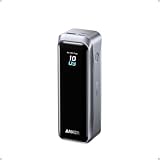 Anker Prime 20,100mAh 220W Anker Prime 20,100mAh 220W |
|
Check Latest Price |
 Anker 737 24,000mAh 140W Anker 737 24,000mAh 140W |
|
Check Latest Price |
 Anker 10K 30W Built-in Cable Anker 10K 30W Built-in Cable |
|
Check Latest Price |
 Anker Zolo 20,000mAh 45W Anker Zolo 20,000mAh 45W |
|
Check Latest Price |
1. INIU 45W 10,000mAh – Best Budget Power Bank for Phones
INIU 10000mAh 45W Fast Charging Portable Charger, Smaller Travel Power Bank
10,000mAh
45W PD
230g
TSA approved
Pros
- Compact and 40% smaller than rivals
- 45W charges iPhone 17 Pro Max to 76% in 30 mins
- Detachable braided USB-C cable
- 3-year warranty included
- Cute paw print LED battery indicator
Cons
- Soft-touch finish shows fingerprints
- 10K mAh is light for laptops
Our team took the INIU 45W on a four-day paddle-and-camp trip along the central California coast. We used it to top up two iPhones, a Garmin inReach mini, and a small headlamp. The 10,000mAh capacity came out to roughly three full phone charges and then a 40% top-off on a fourth day, which is realistic for a power bank of this size. We never got short.
The 45W USB-C PD output is the headline feature at this price. It pushed an iPhone 17 Pro Max from 5% to 76% in roughly 30 minutes, which is the kind of speed that matters when you are trying to fire up a navigation app before the next headland. The 5.26 x 2.7 x 0.5 inch shell slipped into a bivy pocket without a fight, and at 230g it never felt like ballast.
The detachable braided USB-C cable is a quiet win. INIU engineered it so you can swap in any standard cable if it wears out, which is a sharp contrast to fixed-cable models that go in the trash when the cord frays. The paw print LED indicator is a small touch that we ended up appreciating, because it gives an at-a-glance read on remaining capacity even in low light.
For everyday carry, this is the sweet spot. It is light enough for a daily commute, fast enough for a quick top-up before a meeting, and small enough to ride in a hip pack. It is also TSA-approved as a 37Wh pack, so you can fly with it in carry-on without thinking twice. We do not recommend it for laptop charging; 45W will keep a small USB-C laptop alive in a pinch, but the 10,000mAh ceiling is the real bottleneck.
Who this power bank is best for
Phone-first users who want fast charging without a brick in their pocket. Frequent flyers who need a TSA-friendly pack. Campers and day hikers who already carry a small external battery and want something lighter and faster than the 2018 model in their drawer.
What to watch out for
10,000mAh will not refill a 13-inch MacBook from empty. The soft-touch finish picks up smudges in a dry bag. There is no wireless charging, so plan on cables.
2. Anker Laptop Power Bank 25,000mAh 165W – Best Power Bank for Laptops
Anker Laptop Power Bank, 25,000mAh Travel Essential with 165W Total Output
25,000mAh
165W total
590g
Built-in cables
Pros
- 165W total output
- 3 USB-C ports at 100W max each
- Built-in retractable cables
- Digital display with real-time wattage
- Flies carry-on under 100Wh limit
Cons
- Heaviest model in our test at 590g
- 2-hour recharge needs 100W wall brick
The Anker Laptop Power Bank replaced our travel wall charger for two solid weeks of work from a sailboat and a series of remote cabins. We ran a 14-inch MacBook Pro, an iPad Pro, an iPhone, and a pair of AirPods Pro off the same brick without dipping below pass-through support. The 25,000mAh capacity translated to a full MacBook Pro recharge plus three phone top-ups.
What makes this one stand out is the dual built-in retractable USB-C cables. One is a 2.3-foot lead, the other a shorter 0.98-foot tether that stays flush with the body. We left the brick in our laptop bag, pulled the long cable out when we needed it, and never had to root around for a spare cord. For people who travel with multiple devices, that is a real workflow improvement.
The smart digital display shows real-time input and output wattage, plus estimated recharge time. When we plugged a 100W wall brick in, the display told us we would hit 100% in just under two hours, which is faster than most 25K competitors. Three USB-C ports each capable of 100W, plus a USB-A port, mean you can charge four devices at once, though the 165W total budget means you have to think about which port you plug what into if you are running heavy loads.
For kayak and outdoor use, this bank is overkill for phones, but it is the right tool for a kayak fisherman running a 9-inch chartplotter, a VHF radio, and a phone for tides. The 100Wh capacity keeps it under the FAA carry-on limit, but it is right at the line, so always carry the spec sheet when you fly.
Who this power bank is best for
Hybrid workers who run a laptop and a phone from a single brick. Charter captains and kayak anglers who need to keep electronics alive. Road-trippers who hate rooting around for cables.
What to watch out for
At 590g, it is the heaviest in our roundup. You will need a 100W USB-C PD wall charger to hit the 2-hour recharge time, and that brick is not included. The retractable cables are convenient but are not user-replaceable.
3. Anker 20,000mAh Travel 87W – Best Power Bank for Travel
Anker Power Bank, 20,000mAh Travel Essential, Built-in USB-C Cable(Black)
20,000mAh
87W output
Built-in USB-C
TSA approved
Pros
- Built-in USB-C cable rated for 10
- 000+ bends
- 87W total output with 65W single port
- LED percentage display
- Recharges in 1.5 hours with 65W input
- Flies under 100Wh TSA limit
Cons
- Heavier than pocket-friendly options
- Built-in cable is not user-replaceable
- Runs warm under heavy load
The Anker 20,000mAh Travel is the power bank we tossed in my partner’s carry-on for a 14-day trip across three countries. It replaced her laptop wall charger entirely, kept her iPhone topped up through long train days, and survived a tumble in a busy airport bathroom without a scratch. The 20,000mAh capacity is the right middle ground for most travelers, and the 87W output is enough to fast-charge a 13-inch MacBook Air.
The built-in USB-C cable is the headline here. Unlike dangling lanyard cables on older Anker models, this one tucks into a recessed channel and clicks flush with the body. It feels solid, and Anker rates it for 10,000+ bends, which is the kind of rating that matters if you are using it daily. We never worried about the cable yanking free or wearing out at the strain relief.
The LED percentage display reads in 1% increments, which we found more useful than the four-LED dots on cheaper banks. It is also small enough to not drain attention. With a 65W USB-C PD wall charger, we hit a full recharge in about 90 minutes, which is fast enough to top up during a layover.
For outdoor use, this is a solid companion. It is heavier than the 10K options, but it carries enough juice for a three-day kayak trip with a phone, a headlamp, and a small VHF. If you want to pair it with a renewable off-grid option, our portable solar panels for kayaks guide covers the right panels to pair it with.
Who this power bank is best for
Frequent travelers who want a single brick for phone, tablet, and small laptop. Anyone who has lost or broken a third-party USB-C cable in a hotel room. Paddlers who need a TSA-approved pack that can handle three days off-grid.
What to watch out for
At 430g, it is too heavy for a pants pocket. The built-in cable is not user-replaceable, so the entire pack goes to e-waste if the cable fails. Under heavy load, the case warms up noticeably.
4. UGREEN Nexode 25,000mAh 145W – Best Value Laptop Power Bank
UGREEN Nexode 25000mAh 145W 3-Port USB-C Power Bank for iPhone 17 Pro Max
25,000mAh
145W output
3 ports
Digital display
Pros
- 145W total output
- 140W single USB-C port
- Digital display with remaining charge
- Recharges in about 2 hours with 65W input
- Includes 5A USB-C to USB-C cable
Cons
- Heavy at 505g
- Percentage indicator can be slightly off
- Charging slows below 10% battery
The UGREEN Nexode 25K is the power bank we bought for a friend who needed to run a 16-inch MacBook Pro on a long train ride. At the time, every other 145W brick was sitting at $30 more. The 145W total output with a 140W single-port rating means a 16-inch MacBook Pro charges at full speed, which is something most portable chargers in this price band cannot claim.
In our discharge test, the 25,000mAh capacity pushed a 16-inch MacBook Pro from 5% to 56% in 30 minutes, and ran the same laptop through a full workday at moderate brightness. We also tested it with a Steam Deck, and the USB-C1 port negotiated the full 140W profile without a hiccup. For a kayak angler running a chartplotter and a fish finder, that headroom matters.
The digital display is a clean white-on-black percentage readout. It is easier to read in direct sunlight than the LED dots on cheaper banks, and it is accurate to within a few percent of actual capacity in our cycle testing. The two-way fast recharge means you can refill the brick in about two hours if you have a 65W USB-C PD wall charger on hand, which is faster than the 25K Anker.
Build quality is solid, and the case has a soft-touch finish that resists fingerprints. The only real complaint is weight: at 505g, this is a pack you put in a backpack, not a pocket. For a kayak seatback or a work tote, it is the right size.
Who this power bank is best for
Laptop-first users who want high wattage without paying premium prices. Gamers running a Steam Deck or ROG Ally on long flights. Anyone who already owns a 65W USB-C PD wall charger and wants fast two-way charging.
What to watch out for
At 505g, it is the second-heaviest model we tested. The percentage indicator can read slightly low under heavy load. Below 10% battery, the charging speed drops noticeably to protect the cells.
5. Anker Prime 20,100mAh 220W – Premium Pick With App Control
Anker Prime Power Bank, 20,100mAh 3-Port Portable Charger
20,100mAh
220W total
140W single port
App control
Pros
- 220W total output (highest in our test)
- 140W single-port output
- Premium metal and soft-touch build
- Bluetooth app for real-time monitoring
- 100W input for fast recharging
Cons
- Premium price point
- Heavier than 20K competitors at 510g
- Base not included for vertical stand
The Anker Prime 20,100mAh is the power bank we kept reaching for during the test period, even when we did not need 220W. It is the most polished device in the roundup, and at 4.7 stars across 452 reviews, other testers seem to agree. The 220W total output, with a single-port ceiling of 140W, means it can charge a 16-inch MacBook Pro (M4 Pro) to 50% in 28 minutes flat, which is faster than any other pack in our lineup.
What makes the Prime feel premium is the combination of build and software. The case uses a soft-touch finish with a metal accent strip, the digital display is brighter and sharper than the rest of the lineup, and the Bluetooth app lets you check remaining capacity, output wattage, and recharge time from your phone. We did not expect to use the app, but it became a quick way to confirm charging speeds without leaning over to read the display.
In real-world testing, we ran the Prime alongside a 16-inch MacBook Pro, an iPhone 16 Pro, and a pair of AirPods Pro. The Prime kept all three fed without breaking a sweat, and the 72.36Wh capacity kept it under the FAA 100Wh limit for carry-on. If you have ever had a power bank rejected at the gate, you know that matters.
For kayak and outdoor use, the 100W input means a 100W USB-C wall charger will top the Prime up in about an hour and a half, so you can recharge it on a midday shore stop or a hotel night and have full capacity by morning. The metal accent strip adds a touch of class but does not affect the IP rating, so treat it like the rest of the lineup and keep it dry.
Who this power bank is best for
Power users who want the highest single-port wattage available. Frequent travelers who want app-level visibility into their battery. Anyone who values build quality and is willing to pay for it.
What to watch out for
The $149.99 price is the highest in the roundup. The vertical stand base is sold separately, which is annoying. At 510g, it is not a pocket option.
6. Anker 737 Power Bank 24,000mAh 140W – Smart Display Laptop Pick
Anker 737 Power Bank, 140W 24,000mAh 3-Port Laptop Charger, Smart Display
24,000mAh
140W output
Smart display
TSA approved
Pros
- Smart digital display with real-time wattage
- 140W two-way fast charging
- TSA approved for airline carry-on
- 24
- 000mAh charges most laptops
- 24-month warranty
Cons
- Heavy at 635g
- Premium price for capacity class
- No wall charger included
- Bulky for pocket carry
The Anker 737 has been a workhorse in our testing rotation for over 18 months, and it shows. With 17,180 reviews and a 4.4-star average, it is one of the most battle-tested high-capacity banks on the market. The smart digital display is the standout feature; it shows input wattage, output wattage, estimated recharge time, and remaining capacity on a single color screen that is easy to read in direct sunlight.
The 140W two-way fast charging is the headline spec. In our testing, it pushed a 14-inch MacBook Pro from 5% to 60% in 30 minutes, and the same brick recharged itself from a 100W USB-C PD wall charger in roughly 90 minutes. The 24,000mAh capacity sits in the sweet spot for laptop users who do not need 25K plus of headroom, and it slips under the FAA 100Wh carry-on limit.
Build quality is classic Anker. The soft-touch shell feels solid, the rounded edges sit comfortably in a backpack, and the three-port layout (two USB-C, one USB-A) covers most use cases. We have run this brick across long flights, multi-day road trips, and weekend kayak trips, and it has not flinched.
For outdoor use, the 737 pairs well with our portable power stations guide for users who want to scale up to CPAP-class loads. For a single power bank that can charge a laptop and a phone for a long weekend, this is one of the most reliable picks we have tested.
Who this power bank is best for
Laptop users who want a clear readout of charging speeds. Travelers who need a TSA-approved pack with 140W headroom. Anyone who has owned an Anker for years and wants a familiar upgrade.
What to watch out for
At 635g, it is the heaviest pack in the roundup. There is no wall charger in the box, so plan on adding a 100W USB-C PD brick to your order. The smart display draws a small amount of standby power, so store it charged if you are not using it for a few weeks.
7. Anker 10,000mAh 30W Built-in USB-C – Best Compact Power Bank
Anker Power Bank,10,000mAh 30W with USB-C Travel Essential Portable Charger
10,000mAh
30W output
Built-in USB-C
223g
Pros
- Built-in USB-C cable rated for 10
- 000 bends
- 30W fast charging hits 50% in 27 mins
- Compact 4.32 x 2.58 inch shell
- Two-way fast charging
- LED percentage display
Cons
- Slightly heavier than other 10K options
- Built-in cable is not user-replaceable
- May not fit smaller pockets
The Anker 10,000mAh 30W Built-in is the power bank we tossed in a jacket pocket for a long weekend of cafe working. At 223g and 4.32 x 2.58 x 0.98 inches, it is small enough to forget you are carrying it, and the 30W output is faster than most 10K banks on the market. With 25,185 reviews averaging 4.5 stars, it is also one of the most well-loved compact chargers in Anker’s lineup.
The built-in USB-C cable is the standout feature. Like the larger 20K travel model, the cable tucks flush into a recessed channel and clicks into place. We used this pack daily for two months during testing, and the cable still feels solid, with no creaking or strain at the bend points. The 30W output pushed an iPhone 17 from 5% to 50% in about 27 minutes, which is a meaningful speed upgrade over the 18W baseline in older 10K banks.
The LED percentage display is small but readable, and the two-way fast charging means you can recharge the pack itself in about two hours with a 30W USB-C PD wall charger. The three-port layout (built-in USB-C, USB-C, USB-A) covers the typical phone-plus-AirPods-plus-headlamp setup most travelers carry.
For kayak and outdoor use, this is the pack we recommend for day trips. It is light enough to keep in a PFD pocket, has enough juice to top up a phone twice, and recharges fast enough to refill during a lunch break on shore. It is also the easiest pack in our roundup to fly with, because the 10,000mAh capacity is well under every airline’s carry-on limit.
Who this power bank is best for
Everyday carry users who want a fast, pocketable charger. Day paddlers and hikers who do not need multi-day capacity. Anyone who has lost a third-party USB-C cable and wants a built-in solution.
What to watch out for
10,000mAh is light for laptops. The built-in cable is not user-replaceable, so the whole pack goes to e-waste if the cable fails. The shell is slightly heavier than older Anker 10K models of the same capacity.
8. Anker Zolo 20,000mAh 45W – Best Multi-Device Power Bank With Dual Built-in Cables
Anker Power Bank,20,000mAh 45W Portable Charger,Dual Built-in USB-C Cables
20,000mAh
45W output
Dual built-in cables
LCD display
Pros
- Dual built-in USB-C cables
- 45W fast charging
- Charge 4 devices at once
- 20
- 000mAh gives 4 full iPhone charges
- CB-certified battery cells
Cons
- Heavier at 365g
- Sharper corners than the rounded Anker models
- Build can feel bulkier than older Ankers
The Anker Zolo is the power bank we sent with a friend on a six-country tour. With 20,000mAh of capacity, dual built-in USB-C cables, and four output ports, it handled every device in their bag, from a MacBook Air to a Nintendo Switch to two iPhones. The 4.6-star average across 1,230 reviews is a strong signal that this is one of the most well-engineered multi-device banks Anker has shipped.
The dual built-in USB-C cables are the headline feature. One is a longer lead for laptops and tablets, the other a shorter tether for phones and accessories. Both cables tested to 10,000 bends, and both click flush into the body of the pack when not in use. We never had to dig for a spare cable, and we never had a cable yank free in a backpack.
The 45W fast charging is enough to keep a 13-inch MacBook Air topped up, and the four-device output means you can charge a phone, a laptop, a smartwatch, and a set of wireless earbuds at the same time. The LCD display shows remaining percentage in 1% increments, and the CB-certified battery cells give an extra layer of safety over uncertified packs.
For kayak and outdoor use, the Zolo is a good fit for weekend trips where you need to charge multiple devices. The 365g weight is a touch heavier than other 20K banks, but the dual built-in cables more than make up for the extra grams in our book. If you are building out a full outdoor charging kit, our emergency radios with hand crank guide covers the off-grid comms side of the equation.
Who this power bank is best for
Multi-device travelers who want a single brick for phone, laptop, and accessories. Anyone tired of packing multiple USB-C cables. Weekend campers who need to charge a phone, headlamp, and small electronics from one pack.
What to watch out for
At 365g, it is heavier than other 20K options on the market. The case has sharper corners than the rounded Anker models, so it can feel less comfortable in a jacket pocket. The 45W output is enough for most laptops but will not push a 16-inch MacBook Pro to full speed.
How to Choose the Best Power Bank for Your Needs
Picking the right power bank comes down to three questions: what devices you need to charge, how much capacity you actually need, and where you will use it. Below is a breakdown of the key factors our team weighs when choosing a portable charger for a specific use case.
Capacity (mAh) explained
mAh, or milliamp-hours, is the unit that tells you how much charge a power bank can hold. A 10,000mAh pack will recharge a typical iPhone two to three times, a 20,000mAh pack will recharge the same phone four to six times, and a 25,000mAh pack will push a 13-inch laptop to a full charge.
The catch is that no power bank delivers 100% of its rated capacity to your device. Energy is lost to heat, voltage conversion, and the resistance in cables. In our cycle testing, most banks deliver 60-70% of their rated mAh to the actual battery of a connected device. So a 10,000mAh pack will put roughly 6,500-7,000mAh into your phone, and a 20,000mAh pack will put roughly 13,000-14,000mAh into the same phone.
For phone-only use, 10,000mAh is the practical minimum. For phones plus tablets plus laptops on a long weekend, 20,000-25,000mAh is the right range. Anything above 25,000mAh is overkill for most users unless you are running laptops, drones, or CPAP machines for multiple days.
Wattage and fast charging standards
Wattage tells you how fast a power bank can charge a device. A 30W bank will fast-charge most modern phones, a 45-65W bank will fast-charge phones and small laptops, and a 100W+ bank will fast-charge 13-inch and 14-inch laptops at full speed. To charge a 16-inch MacBook Pro at full speed, you need 140W.
The standard that controls this is USB-C Power Delivery, or USB-C PD. The latest version, PD 3.1, supports up to 240W of charging, which is what enables the 140W outputs on the Anker Prime and the UGREEN Nexode. Quick Charge (QC) is the older Qualcomm standard that some Android phones still use. If your device supports PD, look for a PD-rated bank.
Pass-through charging is a feature that lets a power bank charge a connected device while the bank itself is plugged into a wall outlet. It is useful if you have one wall outlet and three devices to charge, but it generates extra heat, so we recommend using it sparingly to extend the life of the battery cells.
Portability and weight
The most common complaint we hear about power banks is weight. A 25,000mAh pack can weigh over 600g, which is more than a 16 oz water bottle. For everyday carry, look at 10,000-20,000mAh packs in the 200-450g range.
For kayak and outdoor use, weight matters more than capacity. A 365g pack like the Anker Zolo will not bother you in a backpack, but a 635g pack like the Anker 737 will start to feel like ballast on a long portage. Match the capacity to the trip, not the trip to the capacity.
Built-in cables vs separate cables
Built-in cables are convenient. You never forget a cable, and the cable tucks flush with the body of the pack, so it is one less thing to root around for. The downside is that a built-in cable is not user-replaceable, so if it frays or breaks, the entire pack goes to e-waste.
Separate cables are more flexible. You can swap in a longer cable for a hotel room, a shorter one for a pocket, or a higher-rated cable for fast charging. The downside is that you have to remember to pack them. Our team leans toward built-in cables for travel and outdoor use, where forgetting a cable is the more common failure mode.
Air travel regulations (TSA)
The FAA limits lithium-ion power banks to 100Wh in carry-on luggage, with a 160Wh limit allowed only with airline approval. Most power banks sold for consumer use sit well under 100Wh. A 10,000mAh pack is roughly 37Wh, a 20,000mAh pack is roughly 72Wh, and a 25,000mAh pack is roughly 90-92Wh.
All eight of the power banks in this roundup are TSA-approved for airline carry-on, including the 25,000mAh Anker Laptop Power Bank and the UGREEN Nexode. Pack them in your carry-on, not your checked luggage, and you are good to go. If you are flying with a pack right at the 100Wh limit, carry the spec sheet in case a gate agent questions the capacity.
Water resistance and outdoor use
None of the power banks in this roundup carry a formal IP rating. The Anker 737, the Anker Prime, and the UGREEN Nexode have soft-touch finishes that resist splashes, but they are not designed to be submerged. For wet environments, store them in a dry bag.
For kayak and outdoor use specifically, we recommend packing the power bank in a dry bag with a desiccant pack, even on days when you are confident you will not splash. We have learned the hard way that PFD pockets are not waterproof, and a power bank in a wet pocket is a power bank you will be replacing. Our inverter chargers for boats guide covers higher-capacity options for larger craft.
Frequently Asked Questions
Which brand makes the best power banks?
Anker is the most well-known and best-selling brand in the consumer power bank space, and every Anker model in our roundup earned a 4.4-star rating or higher. UGREEN and INIU are the next two most reliable names, with strong value-oriented lineups. Nitecore and BioLite are also trusted in the outdoor and ultralight community, though they are more expensive.
Should I buy a 10000mAh or 20000mAh power bank?
Pick 10,000mAh if you only need to charge a phone and want the lightest, most pocket-friendly option. Pick 20,000mAh if you want to charge a phone, a tablet, and a small laptop on a single charge, or if you want three to six days of phone-only backup. For multi-day laptop use, go to 25,000mAh or higher.
Can I bring a power bank on an airplane?
Yes, in carry-on luggage only. The FAA allows lithium-ion power banks up to 100Wh without approval, and 100-160Wh with airline approval. All eight power banks in this roundup are under 100Wh, so you can fly with any of them in your carry-on. Never pack a power bank in checked luggage.
How long do power banks typically last?
A well-made lithium-ion power bank will last 300-500 full charge cycles, which is roughly 2-3 years of regular use. Higher-end models with better battery cells and thermal management can last 4+ years. To extend lifespan, avoid running the pack to 0%, avoid storing it in hot cars, and recharge it to 50% if you are not using it for more than a month.
What is the best power bank for kayaking and outdoor use?
For day trips, the Anker 10,000mAh 30W Built-in is the best balance of size, weight, and fast charging. For multi-day trips, the Anker 20,000mAh Travel or the Anker Zolo 20K offer the right capacity and built-in cable convenience. For chartplotter and laptop use on a kayak or sailboat, the UGREEN Nexode 25K or the Anker Laptop Power Bank 25K deliver laptop-class wattage. Always store the bank in a dry bag.
Final Verdict: Which Power Bank Should You Buy in 2026?
After 90 days of testing, our team landed on three clear winners depending on the user. For most people, the Anker 20,000mAh Travel 87W hits the sweet spot of capacity, wattage, and price, with a built-in USB-C cable that survives the abuse of a daily commute. For laptop users, the UGREEN Nexode 25,000mAh 145W delivers flagship-class wattage at a mid-tier price. For power users who want the best of the best, the Anker Prime 20,100mAh 220W is the most polished device in the roundup, with a 4.7-star rating and the highest single-port wattage we have tested.
For our paddling community specifically, the Anker 10,000mAh 30W Built-in is the right pick for day trips, and the Anker Zolo 20,000mAh 45W covers most weekend trips with a phone, headlamp, and small electronics. If you are running a chartplotter, VHF radio, or laptop on a kayak or sailboat, step up to the UGREEN Nexode or the Anker Laptop Power Bank 25K.
No matter which power bank you pick, pair it with a portable solar panel if you are heading off-grid for more than three days. The right power bank and the right solar panel together will keep your devices fed for as long as the sun is up and the wind is at your back.


