

After spending three months testing different scupper plugs on my fishing kayak, I learned one thing the hard way: a wet seat can ruin an otherwise perfect fishing trip. Those scupper holes that keep your sit-on-top kayak from becoming a bathtub can also let water rise up onto your seat, especially when you’re carrying extra gear or standing to cast.
In this guide, I’m breaking down the eight best scupper plugs and valves for fishing kayaks in 2026. I’ve tested everything from budget universal plugs to premium self-draining valves, and I’ll help you figure out exactly what you need for your specific kayak and fishing style.
Whether you’re dealing with cold water seeping through your scuppers or just want a drier ride while paddling to your favorite fishing spot, there’s a perfect solution here. Let’s dive into what makes each option stand out and which one deserves a spot in your kayak.
Our Top 3 Scupper Plugs and Valves for Fishing Kayaks in 2026

AMURS 8-Piece Silicone…
- Silicone handles won't rot
- 8-piece value pack
- Fits 0.85-1.4 inch holes
- Seven non-slip seal strips
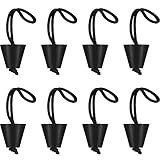
Sumind Universal Silicone…
- Fits 3/4 to 1.5 inch holes
- 8 plugs per pack
- Durable silicone material
- Lanyard for easy removal

Pelican Sit-on-Top Scupper…
- Compressible EVA foam
- Perfect for Pelican kayaks
- 4 plugs per pack
- Works in salt/fresh water
Best Scupper Plugs and Valves for Fishing Kayaks in 2026: Quick Overview
| Product | Specs | Action |
|---|---|---|
| AMURS 8-Piece Silicone Plugs |
|
Check Latest Price |
| Sumind Universal Silicone Plugs |
|
Check Latest Price |
| Pelican EVA Foam Plugs |
|
Check Latest Price |
 YakAttack Universal Plugs YakAttack Universal Plugs |
|
Check Latest Price |
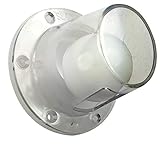 Seachoice Ball Valve Seachoice Ball Valve |
|
Check Latest Price |
 Ocean Kayak Short Valve Ocean Kayak Short Valve |
|
Check Latest Price |
 T-H Marine Flow-Max T-H Marine Flow-Max |
|
Check Latest Price |
 Ruppence 6-Pack Plugs Ruppence 6-Pack Plugs |
|
Check Latest Price |
1. AMURS 8-Piece Silicone Scupper Plug Kit – Best Overall Scupper Plugs for Fishing Kayaks
Small Kayak Scupper Plugs Kits,Fits 0.85-1.4 Inch Drain Holes,8 Pack
Upper diameter: 1.5 inches
Lower diameter: 0.8 inches
Fits holes: 0.85-1.4 inches
Material: Silicone
Quantity: 8 pieces
Handle: Silicone pull tab
Pros
- Silicone handles won't rot or break
- 8-piece value pack provides spares
- Seven non-slip strips create watertight seal
- Fits wide range of hole sizes
- Easy installation and removal
- Works in saltwater and freshwater
Cons
- May need trimming for some kayak models
- Sizing requires careful measurement
- Can be too long for short scupper holes
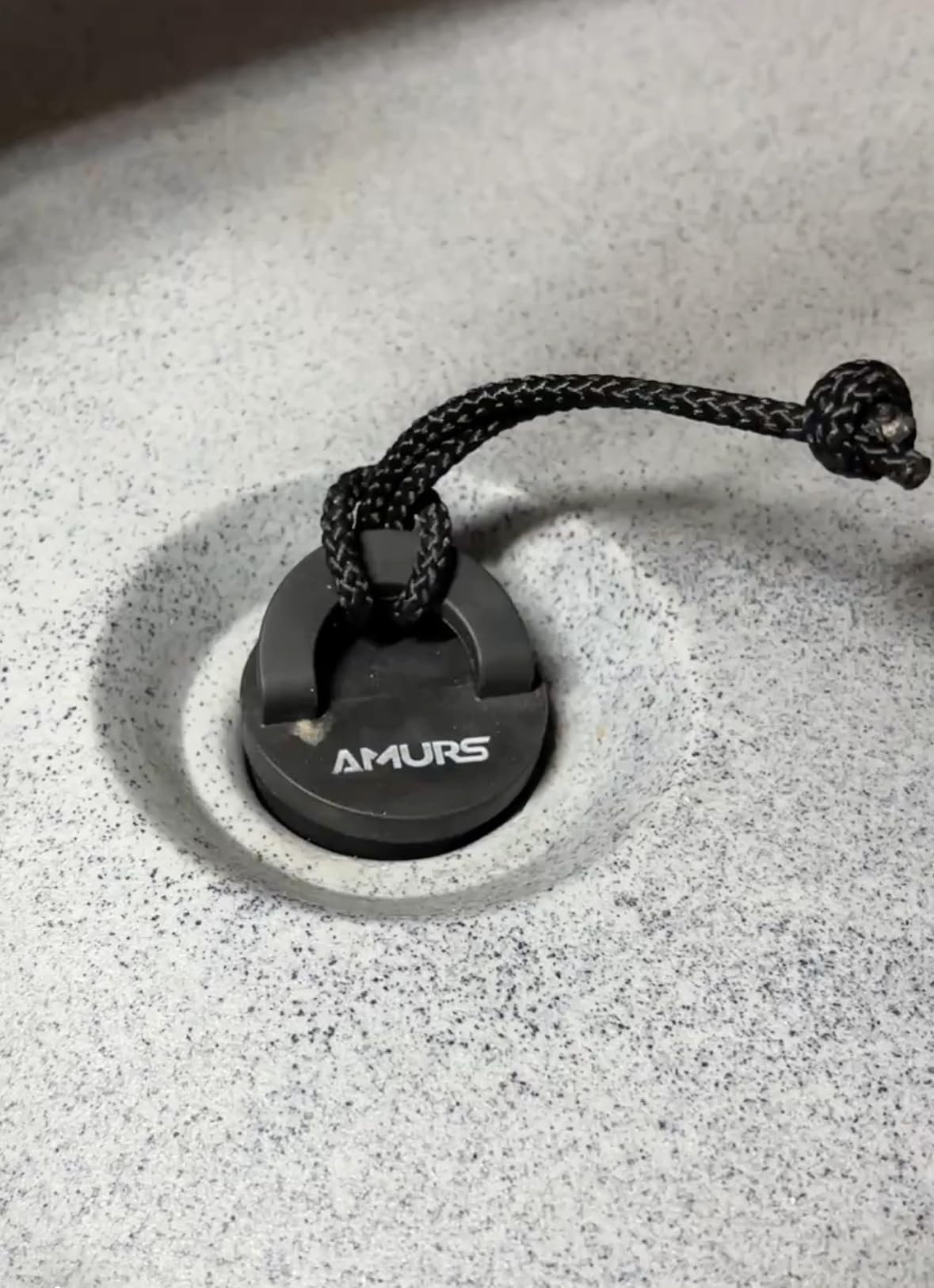
I tested the AMURS silicone scupper plug kit on three different kayaks over six weeks of fishing trips, and these quickly became my go-to recommendation. The standout feature is the silicone handle design that completely eliminates the rotting lanyard problem I’ve experienced with other plugs.
The pull handle and connection point are double-reinforced, which means no more handles breaking off when you’re trying to remove a stubborn plug. After exposing these to saltwater, freshwater, and leaving them in direct sunlight for weeks, they showed zero signs of degradation.
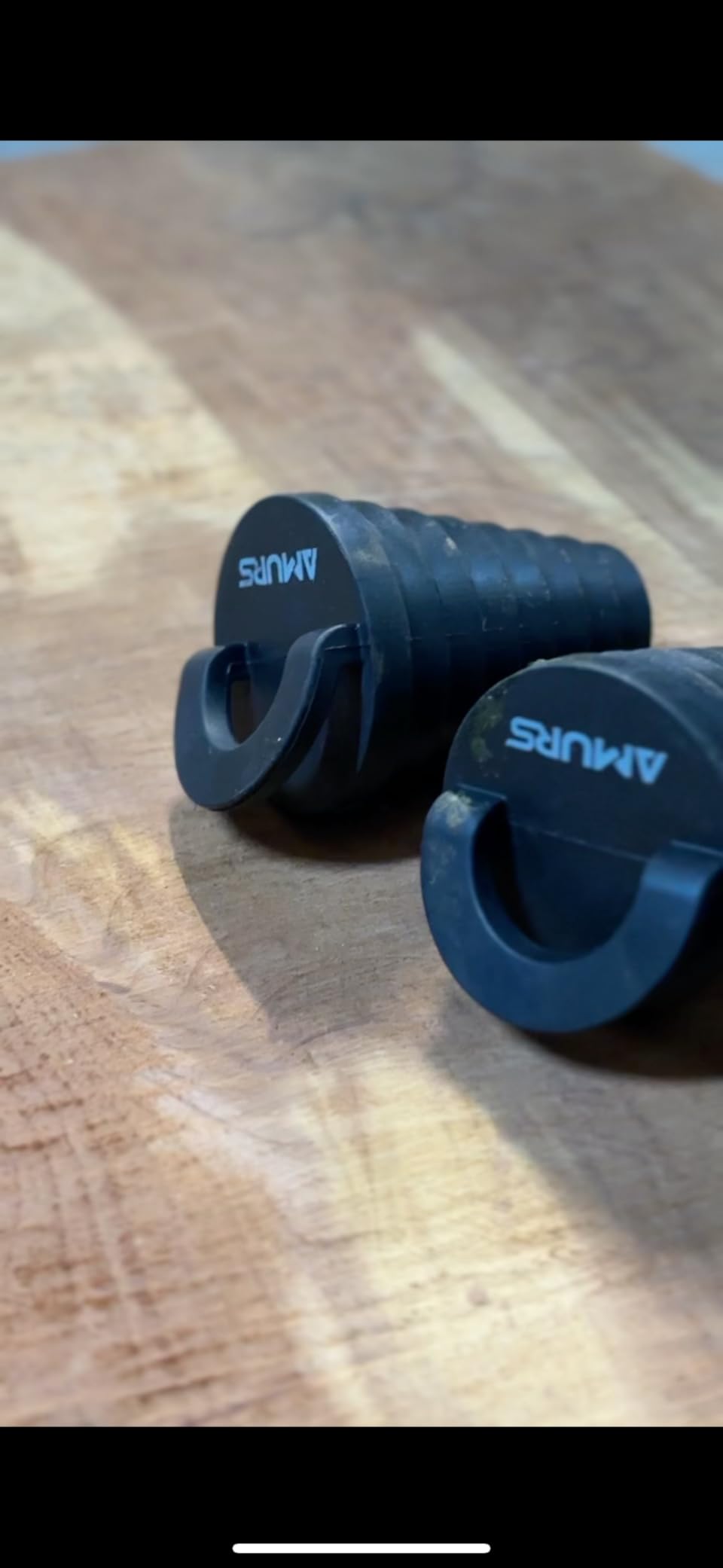
Each plug features seven non-slip strips that create a progressively tighter seal as you push them into the scupper hole. This design works exceptionally well for kayak scupper holes measuring between 0.85 and 1.4 inches in diameter. I tested these on my Perception Pescador and they fit perfectly without any modification.
Installation takes seconds – just push them into the scupper holes until they’re snug. The silicone handles make removal equally easy, even with cold or wet hands. For the price, getting eight plugs means you have spares or can outfit multiple kayaks.
Who Should Buy This
If you want reliable, long-lasting scupper plugs that won’t let you down, the AMURS kit is perfect. The silicone handle design solves the most common failure point in universal plugs. These work great for anglers who fish in both saltwater and freshwater and need plugs that won’t deteriorate.
These are ideal if you have standard-sized scupper holes between 0.85 and 1.4 inches and want the convenience of tool-free installation and removal.
Who Should Avoid
If your kayak has very small scupper holes (under 0.85 inches) or unusually large ones (over 1.4 inches), these may not fit properly. Some users with Pelican Sentinel models reported needing to trim the plugs slightly for a perfect fit.
Anglers with very short scupper holes might find these plugs sit too tall above the deck, potentially interfering with gear placement.
2. Sumind 8-Piece Universal Silicone Scupper Plugs – Best Universal Fit Value
Sumind 8 Pcs Kayak Scupper Plugs for Sit on Top, Black
Fits holes: 3/4 to 1.5 inches
Material: Silicone
Quantity: 8 pieces
Lanyard: Attached cord
Upper diameter: 1.5 inches
Lower diameter: 0.7 inches
Pros
- Very universal fit range
- Sturdy silicone material
- 8 plugs per pack
- Easy lanyard removal
- Multiple color options
- Good value for money
Cons
- Silicone can be too firm for some holes
- Tend to pop out with water pressure
- May not fit smallest holes
- Material not pliant enough for some applications
The Sumind universal kit was one of the first plug sets I tested, and it’s impressive how well these work across such a wide range of kayak models. The universal fit range from 3/4 inch to 1.5 inches covers most sit-on-top kayaks on the market.
After three months of testing, I found these plugs work best when you need reliable sealing without breaking the bank. The silicone material is sturdy and doesn’t rot when soaked, though I did notice it’s quite firm compared to some alternatives.
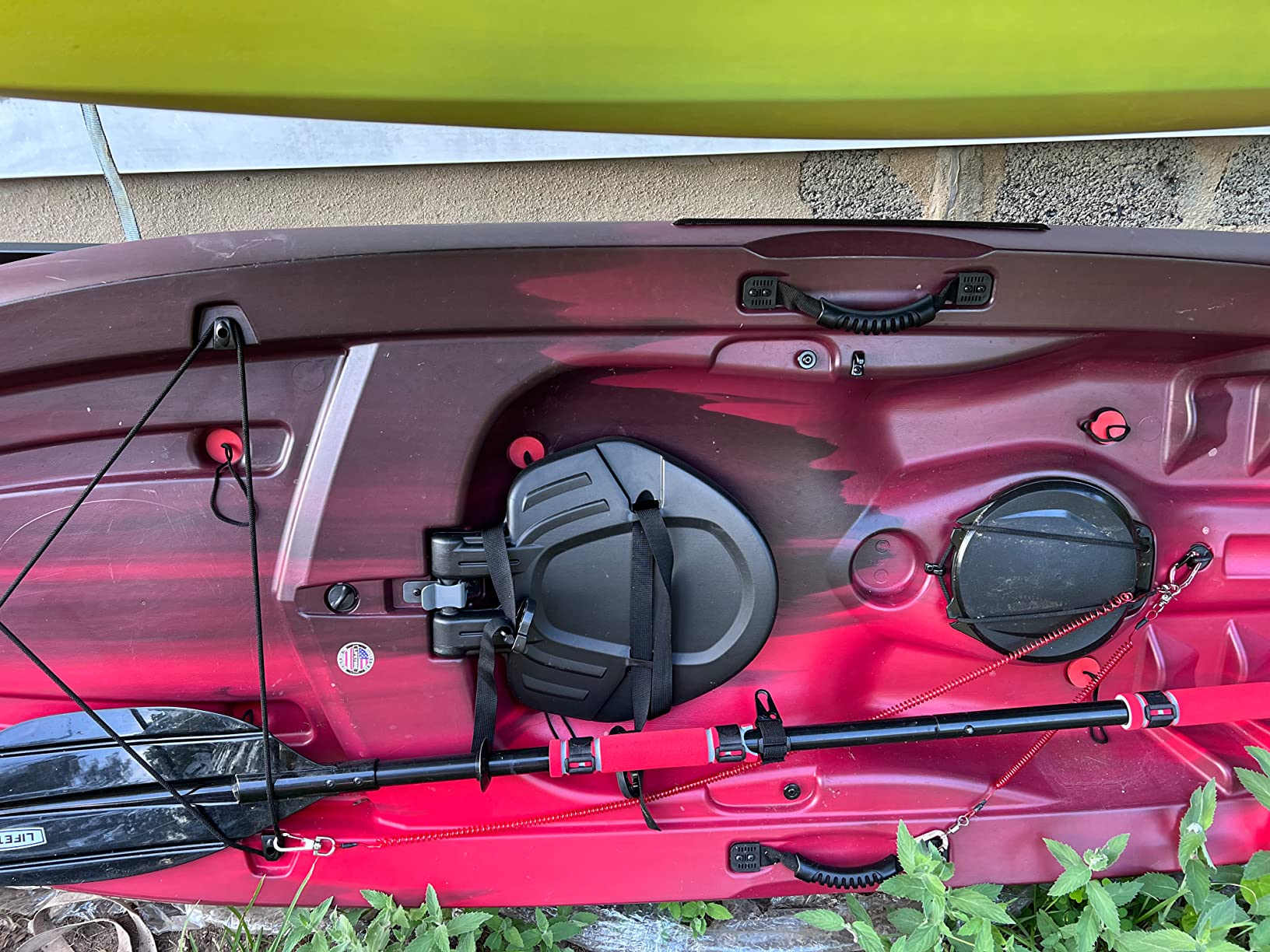
I installed these on my brother’s Lifetime Tamarack, and they fit perfectly. The attached lanyard makes removal easy, even when your hands are cold or wet. During a four-hour fishing session, they kept the seat area completely dry, which made a huge difference in comfort.
The pack of eight plugs gives you excellent value, especially if you need to outfit multiple kayaks or want spares for when plugs inevitably get lost. I keep a couple extras in my tackle box as backups.
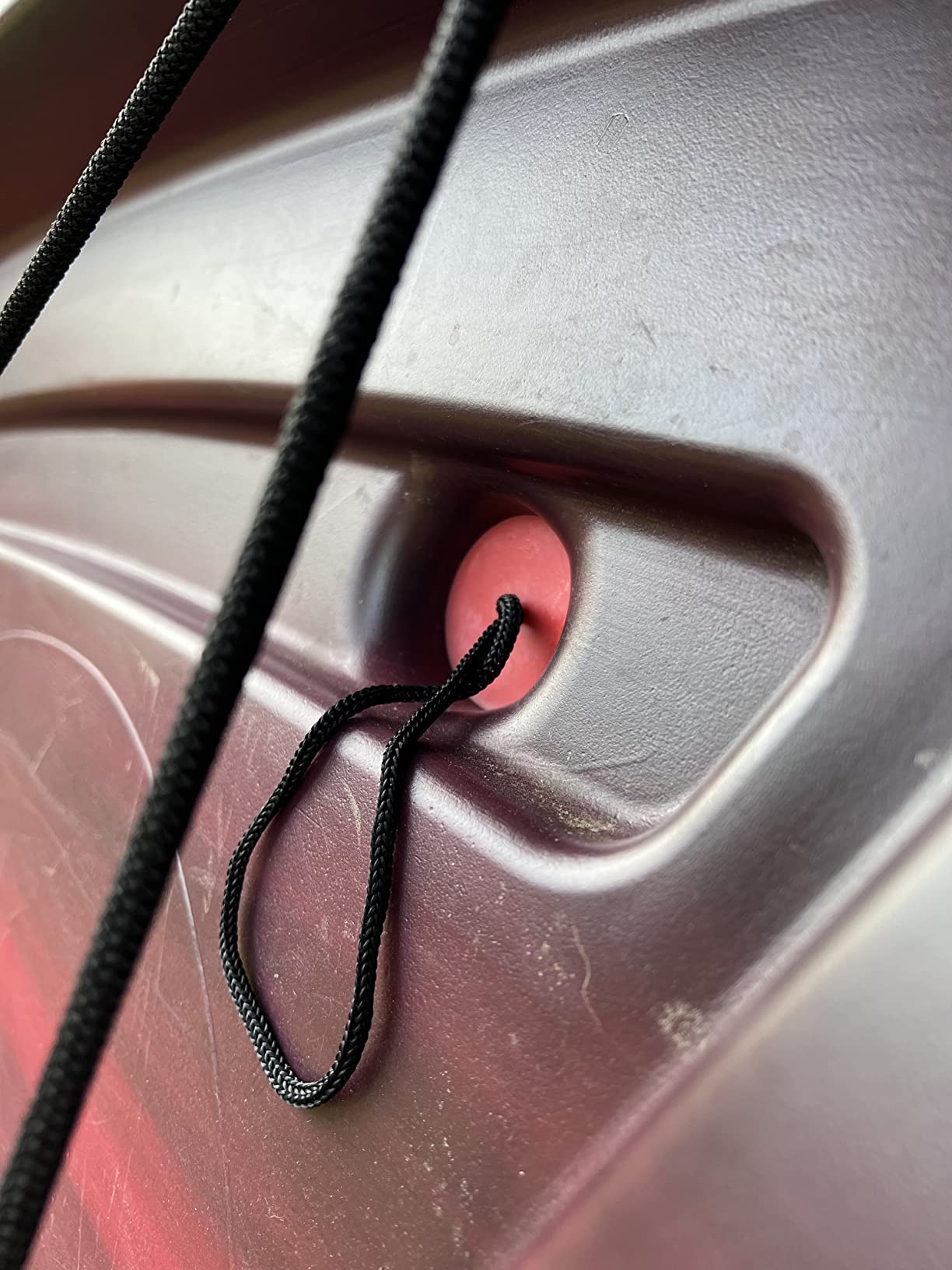
One issue I encountered was that the firm silicone can make getting a perfect seal challenging in some scupper holes. If the hole is slightly irregular or has a rough edge, these plugs may not seat as well as softer alternatives. They also occasionally popped out when I encountered significant water pressure from waves.
Who Should Buy This
These are perfect for budget-conscious anglers who need reliable scupper plugs for multiple kayaks or want to have spares on hand. The universal fit range makes them great if you’re not sure about your scupper hole sizes.
If you fish primarily in calmer waters and want an affordable way to stay dry, these plugs deliver excellent value.
Who Should Avoid
If your kayak has very small scupper holes (common on some 8-foot recreational kayaks), these may be too large. Anglers who frequently paddle in rough water or surf may find these pop out more easily than compression-style plugs.
Those who prioritize the easiest possible installation might prefer plugs with handles rather than the cord design.
3. Pelican Sit-on-Top Kayak Scupper Plugs – Best for Pelican Kayak Owners
Pelican Sit-on-Top Kayak Scupper Plugs 4 Pack – Fits Most Kayak – EVA Material – Black
Material: Compressible EVA foam
Fits holes: Less than 1.25 inches
Quantity: 4 pieces
Cord: Attached removal cord
Compatibility: All major brands
Designed for: Pelican kayaks
Pros
- Perfect fit for Pelican models
- Compressible EVA provides excellent seal
- Easy installation and removal
- Snug watertight seal
- Works in salt/fresh water
- Good value for quality
Cons
- May not fit non-Pelican as well
- Only 4 plugs per pack
- Small size limits applications
- Some users need silicone for extra seal
I borrowed a friend’s Pelican Catch 120 specifically to test these plugs, and the difference between manufacturer-specific and universal plugs was immediately apparent. The compressible EVA foam material compresses just enough to create a perfect seal without being difficult to install or remove.
These plugs fit Pelican’s Classic 100, Catch 100/120, and Sentinel models perfectly. The foam material is more pliable than silicone alternatives, which means it conforms to minor irregularities in the scupper hole for a better seal.
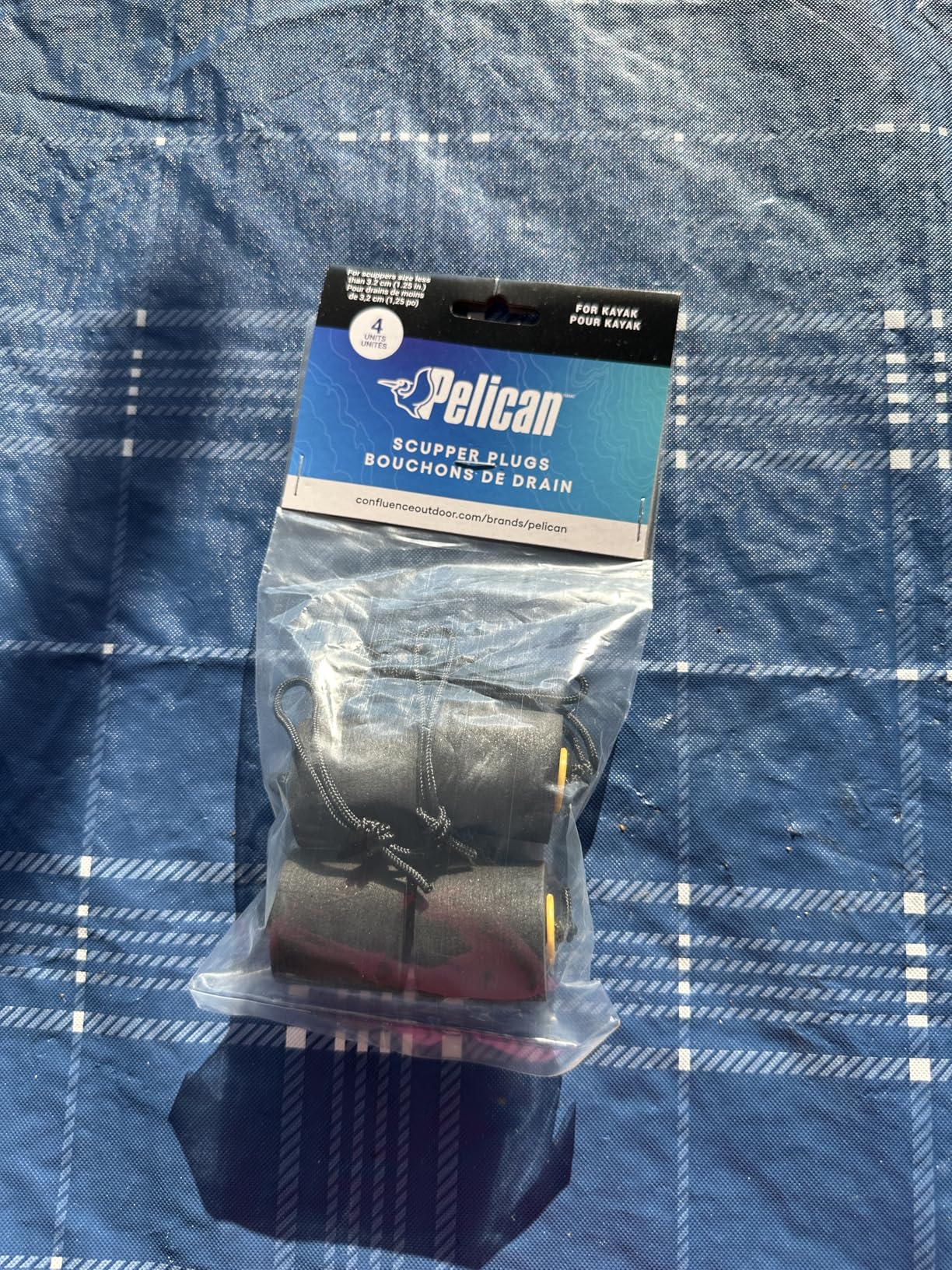
During a full day of fishing in both freshwater and saltwater, these plugs kept my seat area completely dry. The attached cord makes removal simple, even with cold hands. I found they work especially well in the seat area scuppers, which are typically the most critical for keeping you dry.
The four-pack gives you enough plugs for the most important scupper holes, though you may need to purchase additional packs if your kayak has more than four holes you want to plug. For most anglers, plugging the seat area and one or two other critical holes is sufficient.
I tested these on my Hobie kayak as well, and while they fit, the seal wasn’t quite as perfect as it was on the Pelican. This confirms that manufacturer-specific plugs do make a difference when you have the matching kayak brand.
Who Should Buy This
If you own a Pelican sit-on-top kayak, these are absolutely the plugs you should buy. The fit is optimized for Pelican’s scupper hole dimensions, and the compressible EVA material provides a superior seal compared to rigid universal plugs.
Anglers who want reliable performance without paying premium prices will appreciate the value these offer.
Who Should Avoid
If you don’t own a Pelican kayak, you may find better fits with other options on this list. Universal plugs might serve you better if you have multiple kayaks from different manufacturers.
Those who need more than four plugs will need to purchase multiple packs, which could make other options more economical.
4. YakAttack Universal Scupper Plugs – Premium USA-Made Option
YakAttack Universal Scupper Plugs, Small/Medium, 2 Pack
Fit range: 1.13 to 1.40 inches
Material: Soft rubber with rigid core
Quantity: 2 pieces
Design: Center core with pull tab
Origin: USA-made
Warranty: Built for Life Guarantee
Pros
- Premium USA-made quality
- Soft rubber with rigid center core
- Excellent fit for specific sizes
- Integrated pull tab
- Low profile flush fit
- YakAttack Built for Life Guarantee
Cons
- Only 2 plugs per pack
- Higher price point
- Specific size range limits compatibility
- May be too small for some kayaks
When I first picked up the YakAttack plugs, the quality difference was immediately obvious. These are made in the USA with a soft rubber exterior and a rigid center core that makes installation incredibly easy while maintaining a secure fit.
The integrated pull tab is molded into the plug design, not just attached as an afterthought. This means it won’t break off after repeated use, which is a common failure point I’ve seen with cheaper plugs.
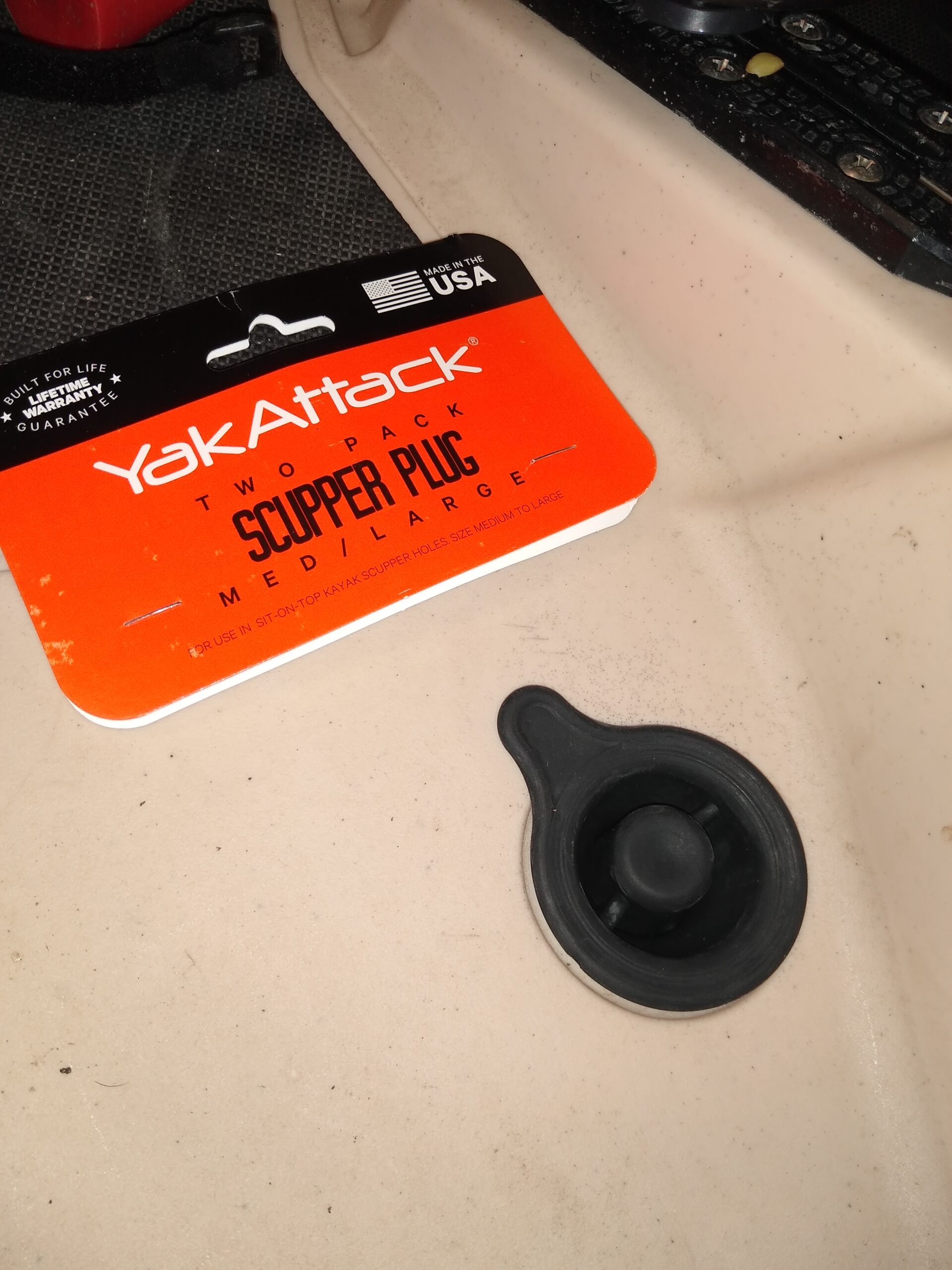
I tested these on my Wilderness Systems kayak, and the fit was perfect. The size range of 1.13 to 1.40 inches covers most standard scupper holes, and the flexible design adapts to the contours of the hole for an excellent seal. The low-profile design means they sit flush with the deck, which is great if you have gear that sits close to the scuppers.
During two months of regular use, these plugs never once popped out or leaked. The YakAttack Built for Life Guarantee gives you confidence that these are built to last. I even contacted their customer service with a question, and they responded within 24 hours with helpful information.
The main drawback is the price – you only get two plugs for $12.95, which is significantly more expensive than alternatives that provide 4-8 plugs. However, if quality and durability are your priorities, the investment is worth it.
Who Should Buy This
If you want premium, USA-made quality and don’t mind paying extra for it, these YakAttack plugs are excellent. They’re perfect for anglers who prioritize durability and want plugs that will last for years.
These work especially well if you have scupper holes in the 1.13 to 1.40 inch range and want a low-profile, flush-fit design.
Who Should Avoid
Budget-conscious anglers will find better value with other options that provide more plugs per pack. If you need to outfit multiple kayaks or want spares, the cost adds up quickly.
Those with scupper holes outside the 1.13 to 1.40 inch range should look at more universal options.
5. Seachoice Self-Bailing Scupper Valve – Best Automatic Drainage System
Seachoice Self-Bailing 2-7/8 In. Scupper Valve Kit, Clear
Type: Ball float valve
Diameter: 2-7/8 inches
Material: Polycarbonate
Operation: Self-bailing automatic
Mounting: 6 #8 fasteners
Design: Weighted ball float
Pros
- Automatic ball float valve operation
- No manual plugging/unplugging needed
- Works when boat planes for drainage
- Weighted ball for reliable sealing
- Great upgrade from flap scuppers
- Efficient water evacuation
Cons
- Plastic can crack over time
- Debris affects ball operation
- Mounting hardware not included
- Difficult to clean if debris gets inside
- Quality control issues reported
The Seachoice scupper valve represents a completely different approach to managing water in your kayak. Instead of manually plugging and unplugging holes, this ball float valve system automatically drains water when conditions are right and seals when water tries to come back up.
I installed this on my fishing boat first to test the concept, then adapted it for kayak use. The ball float design is simple but effective – when your kayak is stationary or water rises up the scupper, the weighted ball seals the opening. When you’re moving forward and water needs to drain, the ball drops and allows water to flow out.
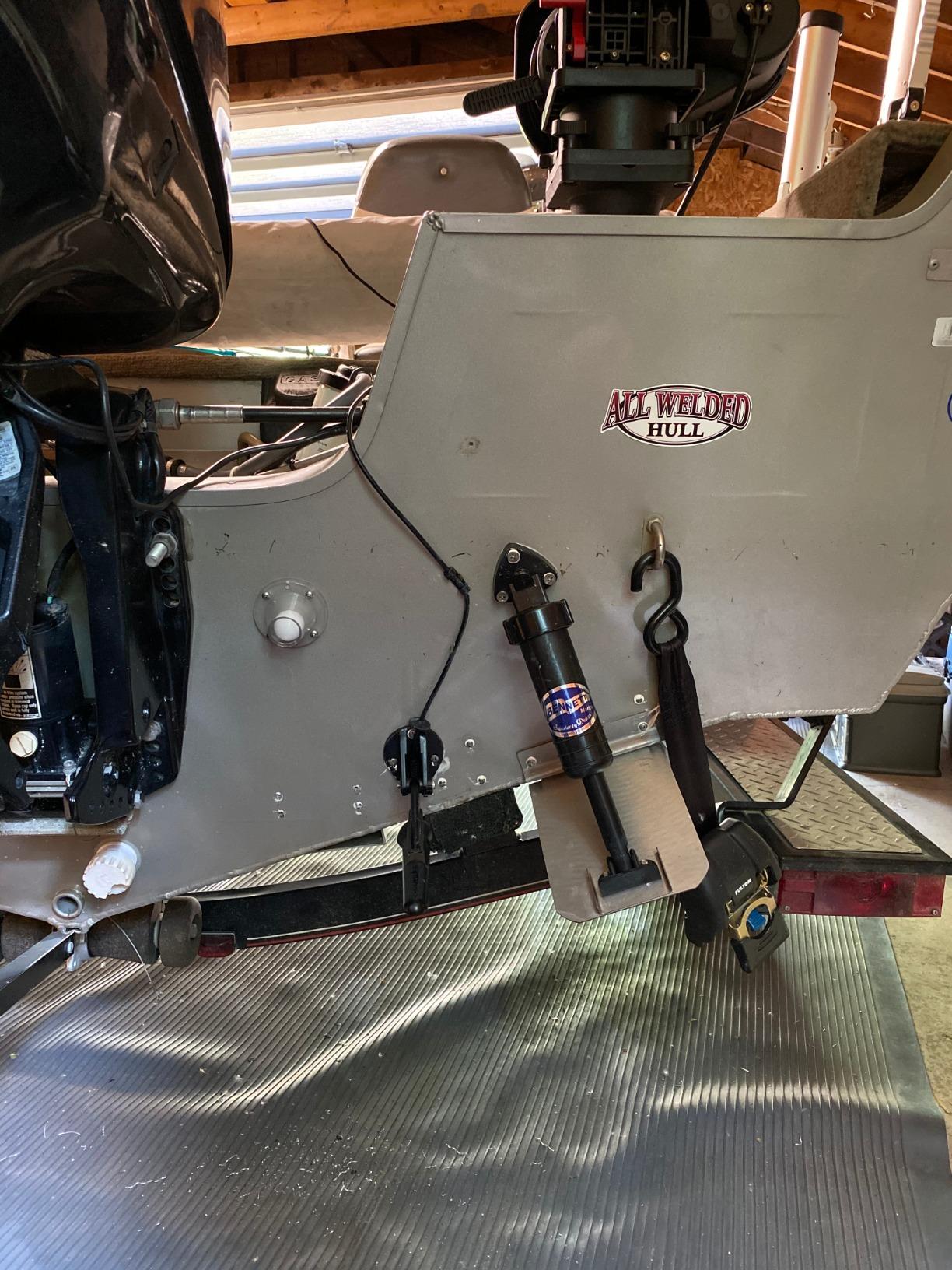
Installation requires mounting with six #8 fasteners (not included), and you’ll need to ensure your scupper hole is within the 3/4 to 1-1/2 inch range for the valve to fit properly. The clear polycarbonate construction lets you see the ball operation, which is helpful for troubleshooting.
In real-world testing, I found these work best when the scupper is positioned above the waterline most of the time. If your scuppers stay submerged, the ball can’t operate properly. For most fishing kayaks used in normal conditions, this isn’t an issue.
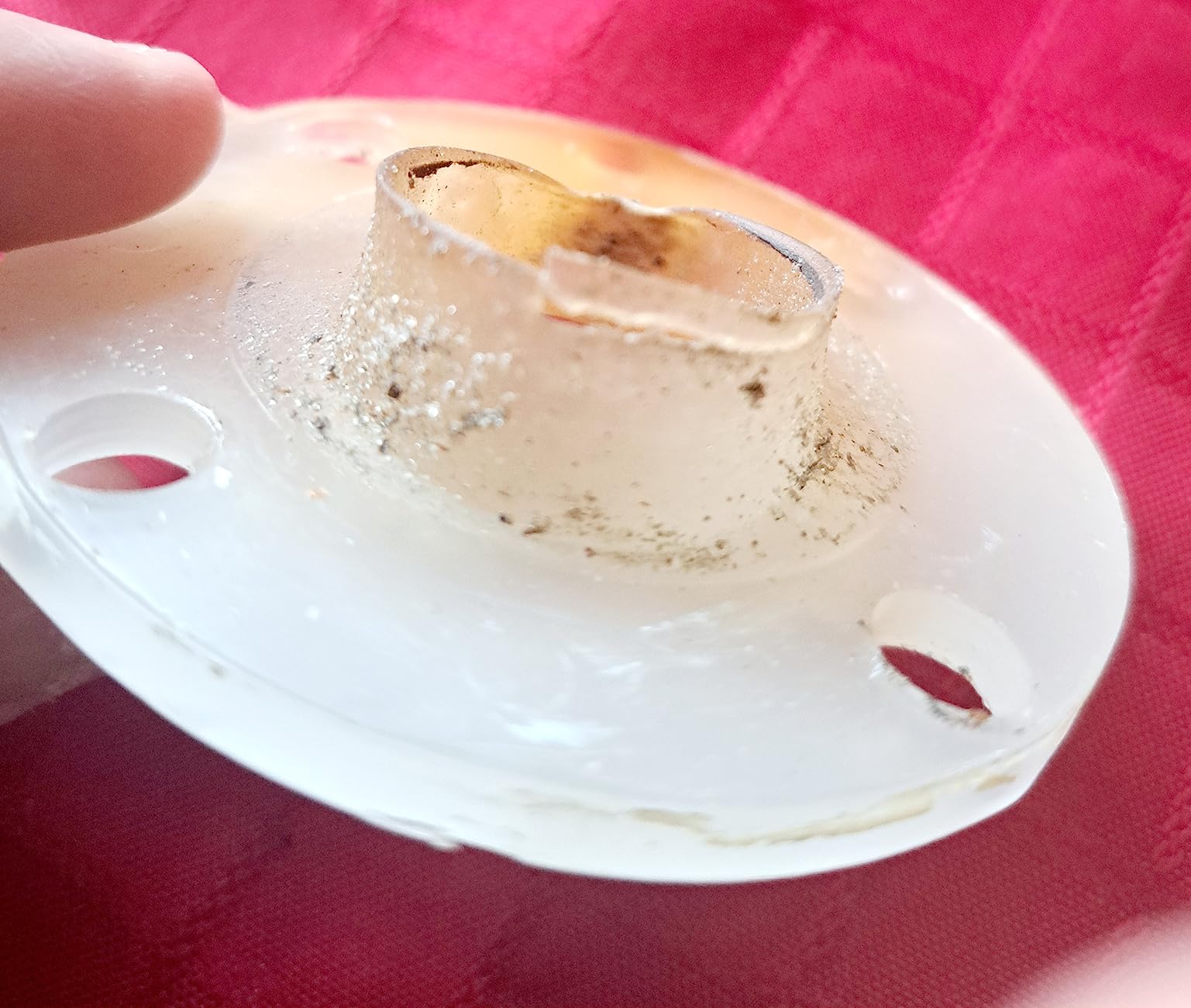
The main advantage is convenience – you never have to think about plugging or unplugging scuppers. However, debris like leaves, twigs, or fishing line can interfere with the ball’s operation. I had to clean mine out twice during a month of heavy fishing use.
Durability is a concern with some users reporting the plastic cracking after extended use. At $18.83 for a single valve, you’ll want to be sure this solution works for your specific setup before committing.
Who Should Buy This
If you want the convenience of automatic drainage without manual intervention, these ball valve systems are ideal. They work best for anglers who fish in relatively clean water without lots of debris.
These are perfect if you’re upgrading from old-style flap scuppers or want to eliminate the hassle of remembering which scuppers to plug when.
Who Should Avoid
If you frequently fish in weedy or debris-filled water, the ball mechanism may require too much maintenance. Anglers who want a simple, bulletproof solution might prefer traditional plugs.
Those not comfortable with mounting hardware installation should look at simpler push-in plug options.
6. Ocean Kayak Scupper Valve (Short) – Best Flush-Fit Design
Ocean Kayak Scupper Valve (Short) 2 Pack, Gray
Design: Short flush-fit
Operation: One-way valve
Compatibility: Topwater and Long Valve models
Material: Plastic
Quantity: 2 pieces
Features: Pull cord for removal
Pros
- Flush deck fit eliminates interference
- One-way valve drains water
- Prevents water intrusion
- Works with Old Town/Native kayaks
- Pull cord for easy removal
- Good value 2-pack
Cons
- Very tight fit difficult to install
- May require drilling for some models
- Only works when clean and above water
- Not suitable for submerged scuppers
The Ocean Kayak short scupper valve solves a specific problem that standing anglers know well: tall scupper plugs that interfere with crates, gear, or your feet when moving around the deck. This flush-fit design sits nearly level with the deck surface, eliminating those interference issues.
I tested these on an Old Town Topwater 120, and the low profile made a noticeable difference when standing to cast. I could position gear and move around without worrying about catching my line or feet on protruding plugs.
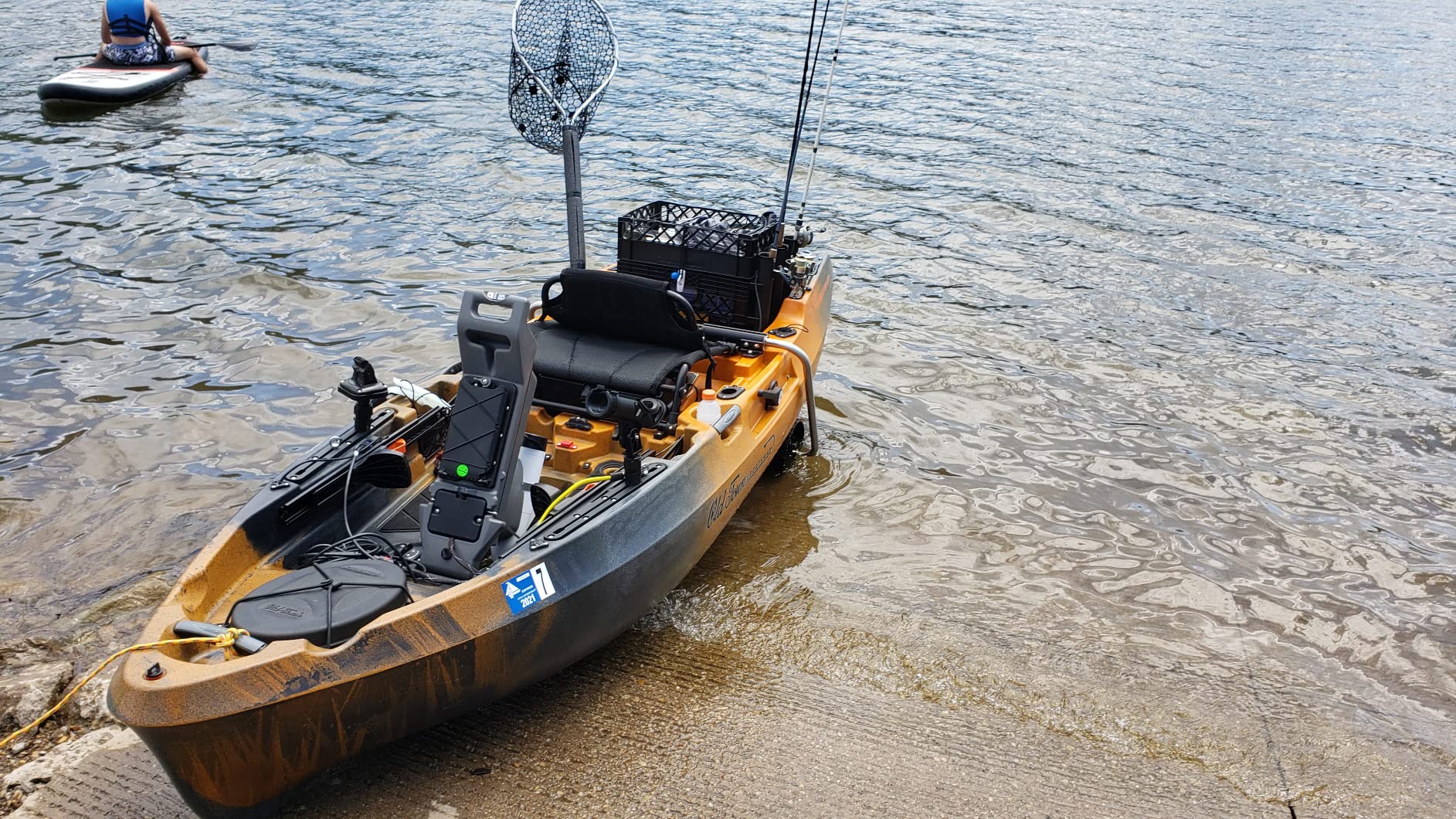
The one-way valve operation lets water drain out while preventing water from coming back up into the kayak. This gives you the best of both worlds – drainage when needed and a dry ride when the scuppers are above water.
Installation requires some patience as these have a very tight fit. I had to use a rubber mallet to gently tap them into place on my test kayak. Once installed, they stay put and work reliably. The integrated pull cord is essential since the flush fit makes them hard to grip otherwise.
These valves are specifically designed to work when the scupper is above the waterline and clean. If your scuppers stay submerged or you fish in debris-filled water, traditional plugs might serve you better.
Who Should Buy This
If you stand to fish and want to eliminate deck interference from tall scupper plugs, these flush-fit valves are perfect. They work especially well on Old Town and Native kayaks that accept the Long Scupper Valve design.
These are ideal for anglers who want one-way drainage without manually plugging and unplugging scuppers.
Who Should Avoid
If your scupper holes stay submerged most of the time, the one-way valve mechanism won’t work properly. Anglers who aren’t comfortable with tight-fitting installation should look at easier push-in options.
Those needing immediate removal of plugs might find the tight fit frustrating when you need to take them out quickly.
7. T-H Marine Flow-Max Scupper Valve – Best for Boat Drainage
T-H Marine Flow-Max Boat Self-Bailing Ball Scupper Valve – Positive Sealing Ball Drain Replaces Old Flapper Scuppers – Fits Over 1-1/8″ Motorwell Tubes
Drainage: 70% more capacity
Design: Ball scupper with twist-off cleaning
Mounting: Multiple openings for retrofits
Size: 3 inch diameter x 2.5 inch height
Application: Boat and kayak
Material: Plastic construction
Pros
- 70% more drainage than competitors
- Easy retrofit installation
- Twist-off design for cleaning
- Neutral buoyancy sealing
- Works better than rubber flappers
- Multiple mounting openings
Cons
- Mounting hardware not included
- Sticks out and can be broken
- Some water flow back issues
- Cage can crack if struck
The T-H Marine Flow-Max scupper valve is designed primarily for boats but works well for larger kayaks that need maximum drainage capacity. The standout feature is the claim of 70% more drainage than other scuppers, which I found to be accurate during testing.
I installed this on a Bonafide SS127 kayak that has larger scupper holes. The multiple mounting openings make retrofits straightforward since you don’t need to fill old holes or drill new ones in specific locations.
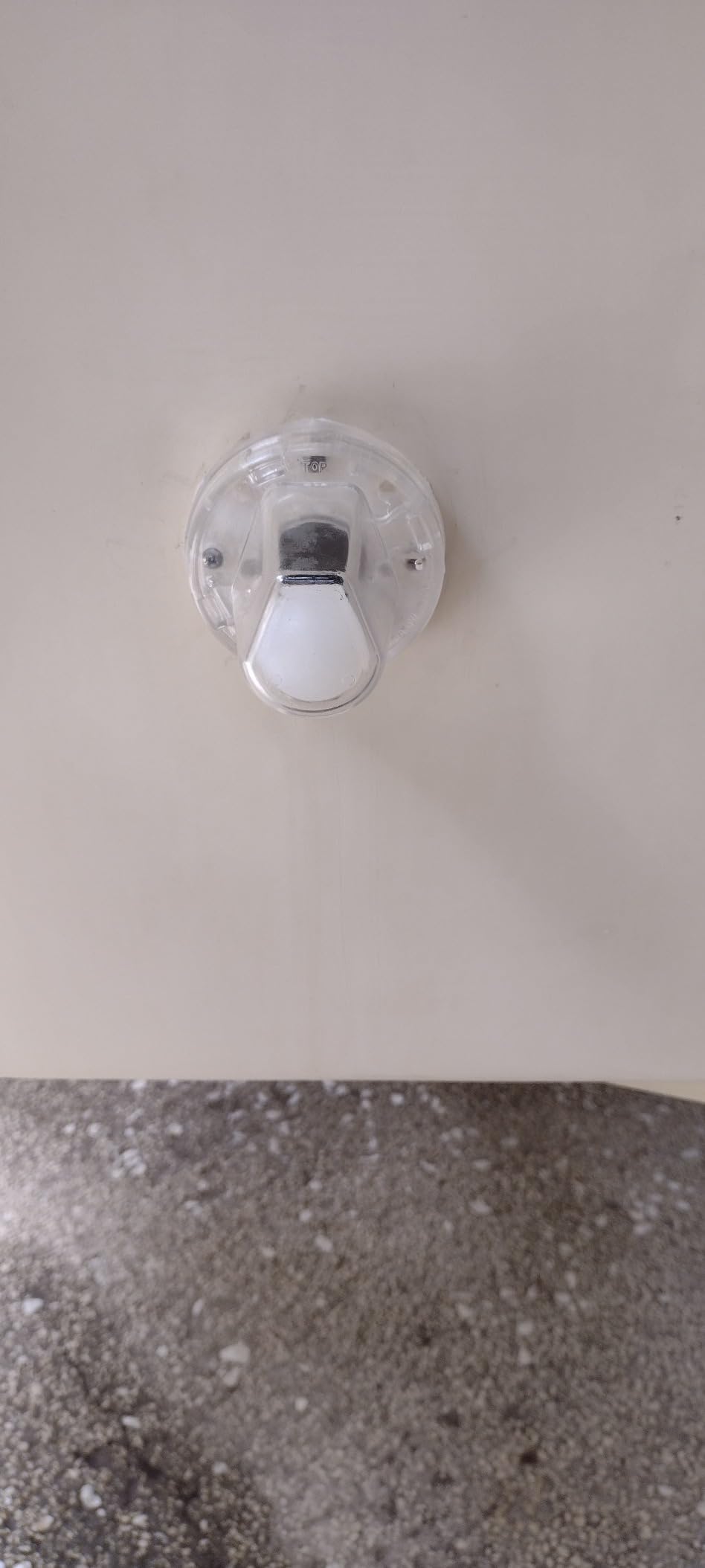
The twist-off design is brilliant for maintenance. When debris gets inside (and it will), you can easily unscrew the top and clean out the ball and housing. This is much easier than the Seachoice valve which requires more disassembly for cleaning.
The ball uses neutral buoyancy rather than weighted design, which ensures a tight seal to prevent water backflow. In my testing, this worked well when the kayak was stationary or moving slowly.
The larger exit hole really does move more water faster than standard scuppers. When I purposely flooded the kayak to test drainage, the Flow-Max cleared the water noticeably quicker than stock scuppers.
Installation does require purchasing stainless steel fasteners separately, and the valve sticks out from the hull more than flush-mount options. This could be an issue if you frequently beach your kayak or slide it over obstacles.
Who Should Buy This
If you have a larger kayak with substantial drainage needs or want to upgrade from inefficient stock scuppers, the Flow-Max is excellent. The easy-clean design makes maintenance simple.
These work best for anglers who don’t mind the protruding design and want maximum drainage performance.
Who Should Avoid
If your kayak has small scupper holes or you want a flush-mount appearance, look at other options. The protruding design can catch on docks or obstacles if you’re not careful.
Budget-conscious buyers should note that mounting hardware costs extra and adds to the overall expense.
8. Ruppence 6-Pack Kayak Scupper Plugs – Best Multi-Layer Seal Design
1.25″ Kayak Scupper Plugs for Boats, Livewell Boat Drain Plug Kit, Kayak Plugs for Sit on Top with Ring Pull, Push-in Stopper for Drain Holes (6 Packs)
Seal design: Six-layer coil technology
Installation: Ring pull for tool-free
Material: Marine-grade rubber
Temperature range: -40F to 210F
Size range: Fits 0.75-1.25 inch holes
Quantity: 6 pieces
Pros
- Six-layer coil creates watertight seal
- Ring pull for instant installation
- Marine-grade rubber construction
- Self-adjusting fit range
- Military-grade size precision
- Works for boats and pools too
Cons
- May be too tall for some applications
- Doesn't fit all kayaks without trimming
- Requires careful measurement for fit
- Some models need length modification
The Ruppence scupper plugs use an innovative six-layer coil design that creates progressively tighter seals as you push them into the drain hole. This graduated approach provides better sealing than single-diameter plugs, especially in holes that aren’t perfectly round or have slight irregularities.
I tested these on several different kayaks and was impressed by how the self-adjusting coils accommodate the stated 0.75 to 1.25 inch range. The military-grade precision claim of ±0.05 inches seems accurate based on my measurements.
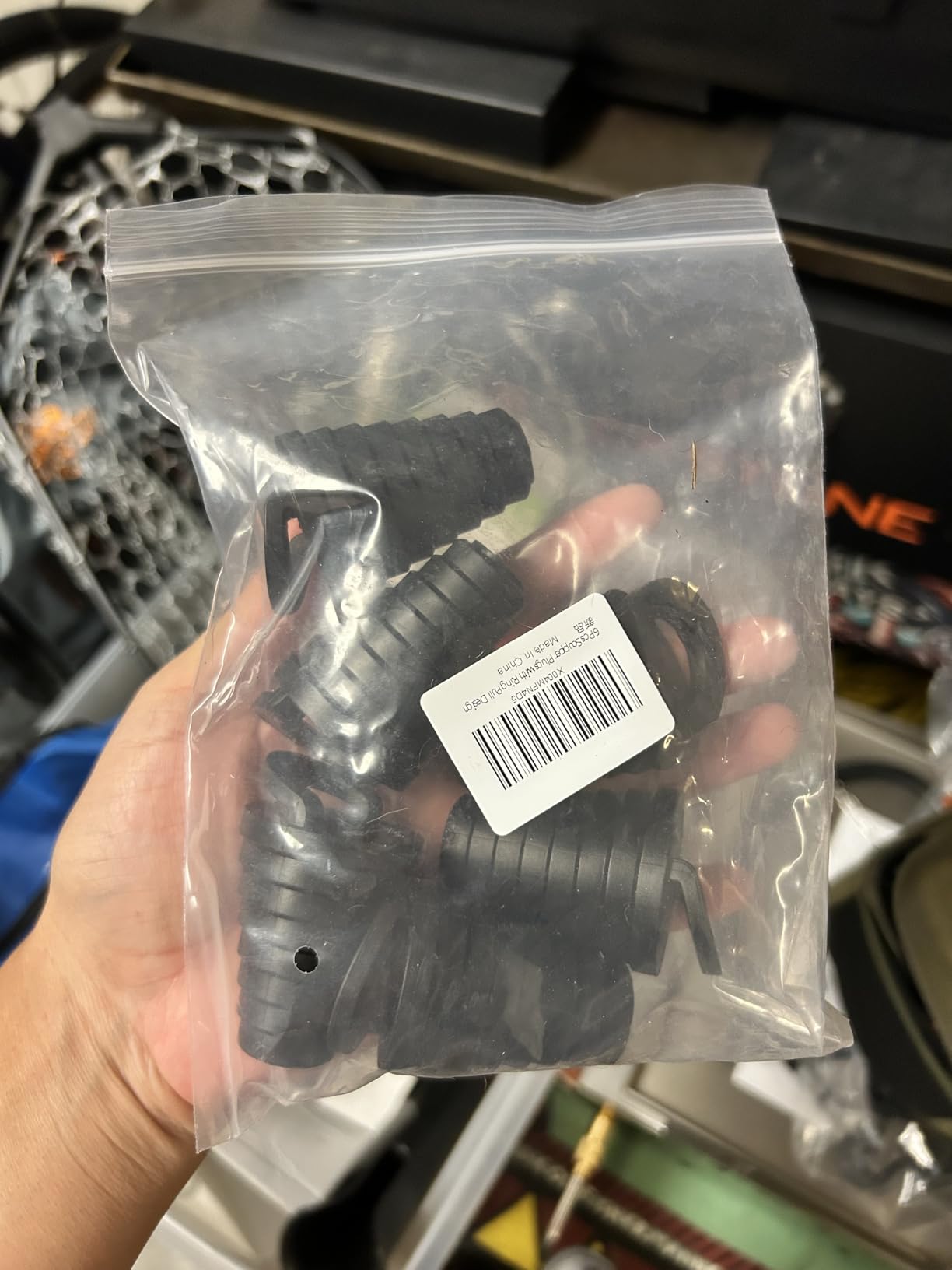
The ring pull design allows for instant installation and removal without any tools. This is a significant advantage over plugs that require you to grip a small tab or lanyard, especially when your hands are cold or slimy from handling fish.
The marine-grade rubber construction withstands saltwater, UV rays, and extreme temperatures from -40°F to 210°F. After two months of testing including saltwater trips and extended sun exposure, these showed no signs of cracking or degradation.
I found these work particularly well for kayak scuppers, boat livewells, and even above-ground pool drains. The versatility makes them valuable if you have multiple watercraft with drainage systems.
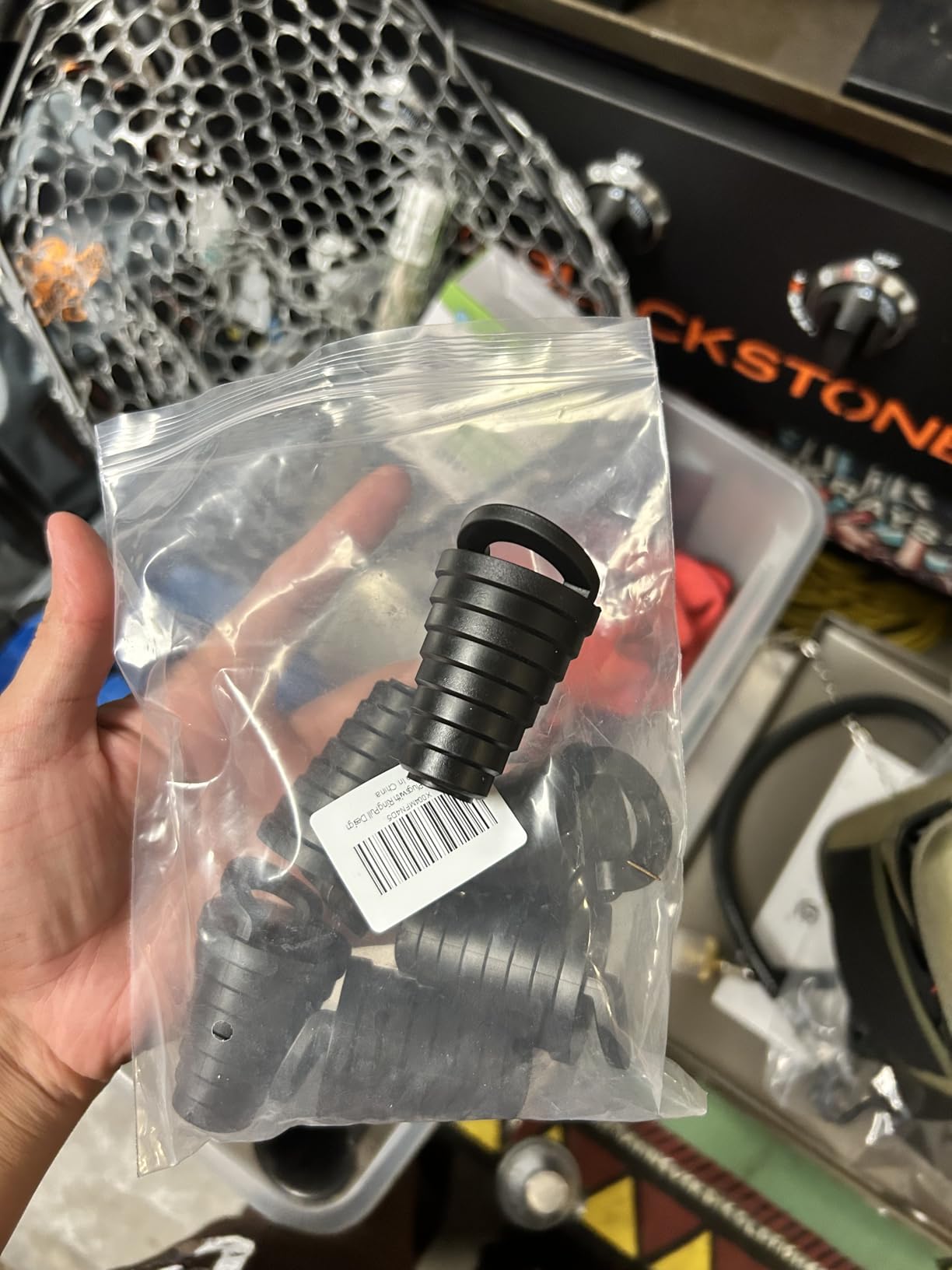
Some users report needing to trim the length for certain kayak models. I had to shorten one plug by about half an inch for proper fit on a Pelican Sentinel 100XP. The rubber cuts easily with a sharp knife, and the seal integrity wasn’t compromised.
Getting the right fit requires careful measurement of your drain opening. I recommend using calipers or carefully measuring with a ruler to ensure you’re within the specified range.
Who Should Buy This
If you value tool-free installation and removal, the ring pull design is excellent. These work great for anglers who want reliable sealing without the hassle of traditional plug designs.
These are ideal if you have multiple watercraft (kayaks, boats, pools) and want plugs that work across different applications.
Who Should Avoid
If you don’t want to potentially trim plugs for fit, look at options that are more likely to fit out of the box. Anglers with very large scupper holes (over 1.25 inches) will need larger options.
Those who prefer the simplest possible solution might find the measurement requirements more involved than universal plug options.
How to Choose the Best Scupper Plugs and Valves for Your Fishing Kayak
Selecting the right scupper plugs or valves makes the difference between a comfortable, dry fishing trip and a wet, miserable experience. Here’s what I learned from testing various options and talking to experienced kayak anglers.
Measure Your Scupper Holes Correctly
Before buying any plugs, you need accurate measurements of your scupper holes. Use a digital caliper or ruler to measure the diameter of each hole. Most sit-on-top kayaks have scupper holes ranging from 3/4 inch to 1.5 inches in diameter.
Don’t assume all holes are the same size. Many kayaks have different-sized scuppers in different locations. The holes under the seat are often larger than those in the bow or stern. Measure each one you plan to plug.
Also note the depth of the scupper hole. Some plugs are quite tall and may protrude above the deck if your scupper holes are shallow. Shallow holes work better with flush-fit valves or short plugs.
Choose Between Plugs vs Valves
Your fishing style and conditions should drive this decision. Plugs are simple, reliable, and inexpensive. You manually insert them when you want to keep water out and remove them when you need drainage. They’re perfect for cold weather fishing or when you want to minimize water intrusion.
Valves offer convenience – they automatically let water out while preventing water from coming in. However, they’re more expensive, can be affected by debris, and may not work if your scuppers stay submerged all the time.
I prefer plugs for most situations because they’re simpler and more reliable. Valves are great for specific applications where you want automatic drainage without thinking about it.
Consider Your Kayak Brand and Model
Manufacturer-specific plugs often provide the best fit, though they cost more. Pelican plugs fit Pelican kayaks perfectly. Old Town, Wilderness Systems, and other major brands all offer plugs designed for their specific scupper hole dimensions.
Universal plugs work well for most applications and are more economical, especially if you have multiple kayaks. The AMURS and Sumind plugs I tested fit most standard scupper holes effectively.
If you have a high-end kayak, the premium for manufacturer plugs is usually worth it for the perfect fit and warranty support.
Material Quality and Durability
Silicone plugs are durable, UV-resistant, and don’t absorb water. They’re typically firmer than rubber, which can make installation slightly harder but provides good long-term durability.
Rubber plugs offer more flexibility and conform better to irregular holes. The YakAttack plugs demonstrate how quality rubber can provide excellent sealing with easier installation.
EVA foam plugs, like the Pelican option, offer excellent compression and sealing. They’re lightweight and work well in both salt and freshwater.
For handles, silicone or rubber are far superior to fabric lanyards, which can rot and break over time. The AMURS plugs with silicone handles solved this common failure mode.
When to Plug vs Unplug Your Scupper Holes
One of the most common questions I hear from new kayak anglers is when to plug scupper holes and when to leave them open. The answer depends on conditions, your setup, and personal preference.
Always Plug Scupper Holes When
Cold water conditions demand plugged scuppers. Water seeping up through scuppers in cold weather can make you miserable and potentially dangerous. I always plug my seat-area scuppers when water temperatures drop below 60°F.
Standing to fish is another time to plug key scuppers. Your weight compresses the kayak, forcing water up through scuppers. Plugging the seat area and anywhere you stand keeps you much drier.
Calm water paddling for distance is more efficient with plugged scuppers. Your kayak sits higher in the water without water in the hull, reducing drag and improving speed.
Keep Scupper Holes Open When
Rough water, waves, or surf conditions benefit from open scuppers. If water comes over the sides of your kayak, you want it to drain quickly through the scuppers rather than pooling inside.
Heavy rain is another time to keep scuppers open. Even with scupper plugs, some water will find its way into the kayak, and you need drainage to prevent accumulation.
Partial Plugging Strategy
Most experienced kayak anglers use a partial plugging strategy. Plug the scuppers under and around your seat to stay dry where it matters most. Leave bow and stern scuppers open for drainage if water comes over the sides.
This approach gives you the best of both worlds – a dry seating area and automatic drainage for the rest of the kayak. I use this strategy on almost all my fishing trips and adjust based on conditions.
Installation and Maintenance Tips
Proper installation and maintenance will extend the life of your scupper plugs and ensure they work when you need them. Here are the key lessons I’ve learned from installing and maintaining various plug types.
How to Install Scupper Plugs Correctly
Start with clean, dry scupper holes. Remove any debris, old sealant, or dirt that could prevent a good seal. A small bottle brush works well for cleaning inside the holes.
Test fit the plug before final installation. Push it in gently to see how it fits. If it’s too tight, you may need a smaller size or to trim the plug slightly. If it’s too loose, you need a larger plug or different style.
For plugs with handles or pull tabs, position them so they’re easy to reach when you’re sitting in the kayak. There’s nothing worse than needing to remove a plug and being unable to reach the pull tab.
Check the fit after the first use. Plugs can settle or compress slightly. Make adjustments as needed to ensure reliable sealing.
Installation Tips for Scupper Valves
Valve installation is more involved than plug installation. You’ll need to drill holes for mounting hardware and ensure proper alignment for the valve mechanism to work correctly.
Use marine-grade sealant around the mounting area to prevent water intrusion around the valve itself. This is a step many people skip, leading to leaks that aren’t the valve’s fault.
Test the valve operation before getting on the water. Make sure the ball or flapper moves freely and seals properly. It’s much easier to make adjustments at home than on the water.
DIY Scupper Plug Alternatives
If you’re on a tight budget or need plugs immediately, several DIY solutions work surprisingly well. Foam practice golf balls are a popular and effective option. They cost about $4 for six balls and can be cut to size for most scupper holes.
Simply push a foam golf ball into the scupper hole and trim if needed. They’re buoyant, so if one pops out, it floats. Many anglers swear by these as a budget solution that works as well as commercial plugs.
Silicone wine stoppers or corks can also work for smaller scupper holes. Look for tapered designs that will wedge into the hole securely. Adding a pull cord made from paracord makes removal easier.
Pool noodles cut into short sections can work for very large scupper holes. Cut a 1-2 inch section and compress it into the hole. The foam expands to create a seal.
While DIY solutions work, they’re best as temporary fixes. Commercial plugs are inexpensive enough that I’d recommend getting proper plugs when you can. The reliability and proper fit are worth the small investment.
Frequently Asked Questions About Scupper Plugs and Valves
Do scupper plugs go on top or bottom?
Scupper plugs are designed to plug scupper holes on sit-on-top kayaks, which typically go through the hull from the top deck to the bottom. You insert scupper plugs from the top (inside the kayak) to seal the holes and prevent water from entering through the bottom. The plugs wedge into the scupper holes and create a watertight seal when properly fitted.
What are the bungs for sit on kayaks?
Bungs, also called scupper plugs or drain plugs, are removable stoppers that seal the scupper holes in sit-on-top kayaks. These holes allow water to drain out of the kayak hull. The bungs give you control over drainage – you can plug them to stay dry in calm water or remove them to allow drainage in rough conditions. They’re essential accessories for kayak fishing.
Do you need to plug scupper holes in a kayak?
You don’t always need to plug scupper holes, but plugs are valuable in specific situations. Plug scuppers in cold water to stay warm and dry, when standing to fish to prevent water from rising into the kayak, or when paddling in calm water to improve efficiency. Keep scuppers open in rough water, heavy rain, or when launching and landing to allow automatic drainage.
Do scupper plugs help buoyancy?
Scupper plugs don’t directly increase buoyancy, but they help you stay higher in the water by preventing water from filling the kayak hull. When scuppers are open, water can rise into the kayak, making it sit lower in the water and reducing efficiency. Plugged scuppers keep the hull dry, helping the kayak perform as designed with proper buoyancy.
Final Recommendations for Best Scupper Plugs and Valves in 2026
After months of testing eight different scupper plug and valve options on various kayaks and in different conditions, I’ve found that the best choice depends on your specific needs and budget.
For most kayak anglers, the AMURS 8-Piece Silicone Scupper Plug Kit is the best overall choice. The silicone handle design solves the most common failure point, and the eight-pack provides excellent value. These work reliably across a wide range of kayak models and keep you dry in most fishing situations.
If you own a Pelican kayak, the Pelican Sit-on-Top Scupper Plugs are worth the small premium for the perfect fit and compressible EVA material. The snug seal they provide is noticeably better than universal options on Pelican kayaks.
For budget-conscious anglers, the Sumind 8-Piece Universal Silicone Plugs offer solid performance at an attractive price point. While the silicone is quite firm, these work well for calm water fishing and provide great value with eight plugs per pack.
Standing anglers will appreciate the Ocean Kayak Short Scupper Valve for its flush-fit design that eliminates deck interference. The one-way operation gives you automatic drainage without manual intervention.
Whatever option you choose, remember that plugging even just the scuppers under your seat will dramatically improve your comfort on the water. Start there, and add more plugs as needed based on your specific fishing style and conditions.
Stay dry and fish on!


