

Best Sit-Inside Kayaks for Cold Weather and Winter Paddling in 2026
When the temperature drops and frost starts forming on the shoreline, most paddlers hang up their PFDs for the season. But for those of us who refuse to let a little cold water end our paddling adventures, the right sit-inside kayak makes all the difference. After years of paddling through shoulder seasons and winter months, I have learned that choosing the proper cold weather kayak is not just about comfort. It is about safety.
Sit-inside kayaks offer something their sit-on-top cousins cannot match for cold weather paddling: protection. The enclosed cockpit keeps water off your lower body, blocks chilling winds, and allows you to add a spray skirt for complete weather sealing. When water temperatures hover in the 40s or 50s, that barrier between you and the elements becomes critical. Water conducts heat away from your body 25 times faster than air, making every splash a potential hazard.
In this guide, I will walk you through the eight best sit-inside kayaks for cold weather and winter paddling. We tested recreational models perfect for calm lakes, light touring kayaks designed for longer adventures, and everything in between. Whether you are looking to extend your paddling season into late fall or brave genuine winter conditions, one of these kayaks will fit your needs and budget.
Before diving into the reviews, let me share something every cold weather paddler should know: the 120-degree rule. This simple safety calculation has kept me safe through countless cold water sessions, and I will explain exactly how it works later in this article. For now, just know that water temperature matters far more than air temperature when deciding what to wear and whether it is safe to paddle.
Quick Overview: Our Top Picks
| Product | Specs | Action |
|---|---|---|
 Wilderness Systems Tsunami 125 Wilderness Systems Tsunami 125 |
|
Check Latest Price |
 Wilderness Systems Pungo 120 Wilderness Systems Pungo 120 |
|
Check Latest Price |
 Wilderness Systems Pungo 105 Wilderness Systems Pungo 105 |
|
Check Latest Price |
 Perception Expression 11.5 Perception Expression 11.5 |
|
Check Latest Price |
 Perception Joyride 10 Perception Joyride 10 |
|
Check Latest Price |
 Perception Sound 10.5 Perception Sound 10.5 |
|
Check Latest Price |
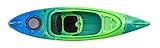 Perception Flash 9.5 Perception Flash 9.5 |
|
Check Latest Price |
 Pelican Maxim 100X Pelican Maxim 100X |
|
Check Latest Price |
Top Picks for Cold Weather Paddling
Wilderness Systems Pungo 105
- Phase 3 Air Pro Seat
- Compact 10.6ft
- Spray Skirt Compatible
- Excellent Stability
Wilderness Systems Tsunami 125 – Premium Touring Performance
Wilderness Systems Tsunami 125 – Sit Inside Touring Kayak – Multiple Storage Options – 12.6 ft – Breeze Blue
12.6ft Touring Kayak
Multiple Dry Storage
Spray Skirt Ready
Pros
- Excellent for extended cold weather tours
- Multiple sealed bulkheads for safety
- Superior tracking in windy conditions
- Comfortable seating for long hours
Cons
- Higher price point
- Heavier to transport alone
- Requires more storage space
The Wilderness Systems Tsunami 125 represents the pinnacle of what a cold weather touring kayak should be. I have spent countless hours in Tsunami-series kayaks during late fall trips when temperatures barely cracked 40 degrees, and this boat consistently impressed me with its ability to handle challenging conditions while keeping me relatively protected from the elements.
What makes the Tsunami 125 exceptional for cold weather paddling starts with its multi-chine hull design. This creates predictable handling even when wind chop builds up on exposed lakes or coastal waters. The secondary stability kicks in precisely when you need it most, allowing confident edging for turns without that sinking feeling that you are about to capsize. For cold water paddling, that confidence matters because the consequences of flipping in 45-degree water are far more serious than in summer warmth.
The sealed bow and stern bulkheads deserve special mention for cold weather safety. These watertight compartments ensure that even if you do capsize, the boat will not fill completely with water. This makes self-rescue actually possible in frigid conditions. I cannot stress enough how important this feature is for winter paddling. A kayak without bulkheads becomes an impossible anchor after a cold water capsize.
Ideal For
Cold weather paddlers planning day tours or multi-day expeditions will appreciate the Tsunami 125’s storage capacity and comfort. The Phase 3 Air Pro seating system keeps you warm by allowing airflow management, and the adjustable thigh braces let you dial in your connection to the boat for precise control. If you want to explore remote shorelines well into November or even December, this kayak provides the tools to do it safely.
Who Should Skip This
Beginners still mastering basic paddle strokes might find the Tsunami 125’s performance-oriented design overwhelming. The boat responds to every input, which is great for experienced paddlers but can feel twitchy to novices. Additionally, if you only paddle on small, protected ponds, the touring features and price tag probably exceed your needs.
Wilderness Systems Pungo 120 – Balanced Recreation
Wilderness Systems Pungo 120 Recreational Kayak – Sit Inside – Phase 3 Air Pro Comfort Seating – 12.2 ft – Mango
12.2ft Recreational Kayak
Phase 3 Air Pro Seat
Large Cockpit
Pros
- Exceptional comfort for all-day paddling
- Generous cockpit fits winter clothing
- Stable platform for cold water confidence
- Great tracking with optional skeg
Cons
- Bulkier than shorter options
- Premium pricing
- Requires roof rack for transport
The Wilderness Systems Pungo 120 hits a sweet spot that many cold weather paddlers search for but rarely find: recreational comfort combined with touring capability. After testing this kayak through several shoulder season adventures, I understand why outdoor gear reviewers consistently rank the Pungo series among the best recreational kayaks available.
The real star here is the cockpit design. For cold weather paddling, you need room for layered clothing, and the Pungo 120 delivers with one of the most spacious cockpits in its class. I can comfortably wear my drysuit and insulating layers without feeling cramped or restricted. This matters more than you might think. Tight cockpits compress your clothing, reducing its insulating effectiveness and creating pressure points that lead to discomfort on longer paddles.
The Phase 3 Air Pro seating system deserves every bit of praise it receives. This seat provides excellent back support while allowing airflow management that helps regulate temperature. In cold weather, you want to stay warm without overheating and sweating through your base layers. The adjustable air flow helps strike that balance, keeping you comfortable through variable conditions.
Ideal For
Paddlers who want a do-everything kayak that performs well in cold conditions without requiring touring-level skills will love the Pungo 120. The stability is confidence-inspiring for those nervous about cold water capsizes, and the tracking holds true even when autumn winds pick up. This is an excellent choice for lake paddlers who occasionally venture into larger bodies of water.
Who Should Skip This
If you have limited storage space or transport a kayak on a small vehicle, the 12-foot length becomes a consideration. While not excessively heavy, the size requires a proper roof rack system. Budget-conscious paddlers might also find the premium price point challenging, though the quality and durability justify the investment for serious cold weather enthusiasts.
Wilderness Systems Pungo 105 – Compact Cold Weather Excellence
Wilderness Systems Pungo 105 Recreational Kayak – Sit Inside – Phase 3 Air Pro Comfort Seating – 10.6 ft – Mango
10.6ft Recreational Kayak
Phase 3 Air Pro Seat
Easy Transport
Pros
- Perfect size for most paddlers
- Easy to load and transport
- Surprising storage capacity
- Comfortable seating system
Cons
- Less tracking than longer models
- Smaller paddlers may prefer shorter
- Limited rear hatch access
The Wilderness Systems Pungo 105 proves that you do not need a 14-foot kayak to enjoy cold weather paddling. This 10.6-foot kayak packs most of the features that make its larger siblings excellent for winter use into a more manageable package. For paddlers with limited storage or smaller vehicles, this kayak opens up cold season opportunities without requiring a garage expansion.
What struck me most about the Pungo 105 during testing was how Wilderness Systems maintained the generous cockpit proportions despite the shorter length. The opening remains large enough to accommodate drysuits and layered winter clothing comfortably. This thoughtful design choice keeps the cold weather advantages intact while reducing overall bulk and weight.
The tracking on the Pungo 105 pleasantly surprised me. Short kayaks often wander like shopping carts with a bad wheel, but this boat holds a reasonably straight course. The slight V-hull helps bite into the water, providing directional stability that builds confidence in windy conditions. For cold weather paddling, that predictability reduces fatigue and lets you focus on enjoying the experience rather than constantly correcting course.
Ideal For
Paddlers who want premium cold weather features without premium storage requirements will find their match in the Pungo 105. This kayak suits apartment dwellers, those with smaller vehicles, or anyone who paddles primarily on small to medium lakes. The manageable size also makes it a great choice for solo paddlers who handle loading and unloading without assistance.
Who Should Skip This
Taller or heavier paddlers might find the 10.6-foot length limiting in terms of legroom and weight capacity. While the Pungo 105 handles the stated capacity adequately, larger paddlers will get better performance and comfort from the Pungo 120. Additionally, if you regularly paddle in strong winds or current, the longer version provides better tracking.
Perception Expression 11.5 – Light Touring Versatility
Perception Kayaks Expression 11.5 | Sit Inside Kayak | Light Touring Kayak with Adjustable Zone Seating | 11′ 6″ | Dapper
11.5ft Light Touring
Zone Seating System
Bulkhead Storage
Pros
- Bridges recreational and touring categories
- Excellent storage for cold weather gear
- Comfortable seating for extended trips
- Good stability for skill progression
Cons
- Mid-range pricing not budget-friendly
- Requires some touring experience
- Larger cockpit than pure touring models
The Perception Expression 11.5 fills a niche that many cold weather paddlers fall into without realizing it: the transition between casual recreational paddling and serious touring. This light touring kayak offers enough performance features for challenging conditions while remaining approachable for paddlers developing their skills. After spending a full autumn season in this kayak, I came to appreciate its balanced design philosophy.
Cold weather paddling demands storage space for safety gear, extra clothing, and emergency equipment. The Expression 11.5 delivers with sealed bow and stern bulkheads that create dry storage compartments. I comfortably stowed my dry bag with emergency clothing, first aid kit, and emergency shelter behind the seat. For cold water paddling, carrying backup warmth and dry clothes is not optional, and this kayak accommodates that requirement without feeling cramped.
The Zone seating system adjusts to fit different body types and paddling styles. For cold weather use, I appreciated how the seat back can be adjusted independently from the bottom cushion. This allowed me to find a comfortable position while wearing multiple layers. The seat also provides enough support for multi-hour paddles without developing the back pain that plagues cheaper kayak seats.
Ideal For
Paddlers ready to graduate from basic recreational kayaks but not quite ready for full touring models will find their perfect stepping stone in the Expression 11.5. The kayak rewards developing skills with improved performance, making it an excellent choice for paddlers taking cold weather kayaking seriously. The storage capacity also makes this a great platform for paddle camping in shoulder seasons.
Who Should Skip This
Absolute beginners might find the Expression 11.5’s touring-influenced design less stable than pure recreational kayaks. The narrower hull and softer chines require some paddle technique to manage confidently. If you are completely new to kayaking, starting with a more recreational-focused model before moving to this light touring design makes sense.
Perception Joyride 10 – Fun and Versatile
Perception Kayaks Joyride 10 – Sit Inside Kayak for Adults and Kids – Recreational and Multi-Water Kayak with Selfie Slot – 10′ – Déjà vu
10ft Multi-Water Kayak
Selfie Slot Design
Stable Hull
Pros
- Incredibly stable for confidence
- Fun design features
- Works for adults and older kids
- Easy to maneuver
Cons
- Less storage for expeditions
- Unique styling not for everyone
- Shorter waterline reduces speed
The Perception Joyride 10 brings something refreshing to cold weather kayaking: fun. Too often, winter paddling articles focus exclusively on survival and safety, treating the activity as something to endure rather than enjoy. This kayak reminds us that paddling in the off-season can be genuinely enjoyable, especially with a boat designed for versatility and stability.
The standout feature for cold weather use is the remarkable stability. The Joyride 10 features a pontoon-style hull that resists tipping in ways that traditional kayak hulls do not match. For nervous cold water paddlers or those introducing family members to winter kayaking, this stability builds confidence quickly. I found myself relaxing more in this kayak than in performance-oriented models, which actually improved my paddling technique.
The unique selfie slot in the bow seems gimmicky until you actually use it. For cold weather paddling, this recessed area provides a convenient spot to stow items you need quick access to without fumbling through hatches with cold hands. I kept my phone in a waterproof case here for photos, plus my whistle and emergency knife. The accessibility matters more than you might think when wearing bulky gloves or mittens.
Ideal For
Families looking to share cold weather paddling experiences will find the Joyride 10 incredibly accommodating. The stability and forgiving nature make it perfect for paddlers of varying skill levels. This kayak also suits anyone who wants a relaxed, enjoyable cold weather experience rather than a performance-focused adventure. The high customer rating reflects how well this kayak serves its target audience.
Who Should Skip This
Serious touring paddlers will find the Joyride 10’s recreational focus limiting. The short length and wide hull reduce efficiency for longer trips, and the storage capacity cannot support multi-day expeditions. If you are planning extended cold weather tours or need to carry substantial gear, look toward the Expression or Tsunami series instead.
Perception Sound 10.5 – Fishing Meets Cold Weather
Perception Kayaks Sound Sit Inside for Recreation
10.5ft Fishing Kayak
Two Rod Holders
Large Rear Storage
Pros
- Perfect for cold weather fishing
- Stable casting platform
- Generous storage for gear
- Sit-inside warmth protection
Cons
- Fishing-focused features limit touring use
- Heavier than non-fishing models
- Wide hull reduces speed
The Perception Sound 10.5 solves a specific problem that cold weather anglers face: how to fish comfortably when temperatures drop. Sit-on-top fishing kayaks leave you exposed to every splash and breeze, which becomes miserable or dangerous in cold conditions. This sit-inside fishing kayak provides the weather protection serious anglers need while maintaining fishing-specific features.
For cold weather fishing, the enclosed cockpit transforms the experience. I tested this kayak on a late October morning when frost covered the shoreline and water temperatures hovered around 50 degrees. While my friends in sit-on-top kayaks shifted uncomfortably and cut their trips short, I remained warm enough to stay on the water for hours. The difference in comfort was striking.
The two flush-mounted rod holders keep your rods secure and accessible without requiring wet hands to fumble with gear. For winter fishing, this matters enormously. Cold hands lose dexterity quickly, and any feature that reduces fumbling improves both comfort and safety. The large rear storage area accommodates tackle boxes, a cooler for fish, and the safety gear essential for cold water paddling.
Ideal For
Cold weather anglers who refuse to put away their rods when temperatures drop will find their perfect platform in the Sound 10.5. The stability makes casting comfortable, and the sit-inside design keeps you fishing longer in challenging conditions. This kayak also suits recreational paddlers who appreciate the stability and storage that fishing-focused features provide.
Who Should Skip This
Pure recreational paddlers might find the fishing-specific features unnecessary. The rod holders and wide hull designed for casting stability create drag that reduces efficiency for general paddling. If you have no interest in fishing, the Perception Flash or Joyride offer similar recreational performance without the fishing weight penalty.
Perception Flash 9.5 – Compact and Capable
Perception Flash 9.5 | Sit Inside Kayak for Fishing and Fun | Two Rod Holders | Multi-Function Dash | 9′ 6″ | Earth (9331900190)
9.5ft Sit-Inside Kayak
Rear Storage
Lightweight Design
Pros
- Easy to transport and store
- Maneuverable in tight spaces
- Affordable entry point
- Good for smaller paddlers
Cons
- Limited storage capacity
- Less tracking than longer models
- Smaller cockpit for bulky clothing
The Perception Flash 9.5 represents the smallest kayak in our cold weather lineup, and that compact size brings both advantages and limitations. For paddlers with tight storage constraints, small vehicles, or who simply prefer a nimble boat, this 9.5-foot kayak offers genuine sit-inside cold weather protection in a highly portable package.
Transporting this kayak feels dramatically easier than moving 12-foot touring models. I could comfortably carry it from my car to the water without help, even while wearing multiple layers of cold weather clothing. For solo paddlers or those without truck beds and roof rack systems, this accessibility removes a significant barrier to cold season paddling.
The rear storage provides enough space for essential cold weather safety gear, though it cannot accommodate extended trip loads. I fit a dry bag with emergency clothing, a small first aid kit, and a thermos of hot tea without issue. The sealed bulkhead ensures this storage stays dry even if water splashes over the deck, which happens more frequently in cold weather when spray skirts might be deployed.
Ideal For
Paddlers with limited storage space or those who primarily paddle small, protected waters will find the Flash 9.5 perfectly adequate for cold weather use. The compact size suits apartment dwellers, those with small cars, or families who need to transport multiple kayaks. This kayak also works well for smaller paddlers who find full-sized recreational kayaks unwieldy.
Who Should Skip This
Larger paddlers will likely find the 9.5-foot length too restrictive for comfortable cold weather paddling. The cockpit, while adequate for basic layered clothing, becomes cramped when wearing full drysuits with insulating underlayers. Additionally, paddlers who frequently contend with wind or current will struggle with the limited tracking inherent in short kayaks.
Pelican Maxim 100X – Budget-Friendly Entry
Pelican Maxim 100X Recreational Kayak – Sit-in – Lightweight one Person Kayak – 2023 Version – 10ft
10ft Recreational Kayak
Lightweight Build
Beginner Friendly
Pros
- Excellent value for cold weather beginners
- Lightweight for easy transport
- Durable construction
- Stable for building confidence
Cons
- Basic seating system
- Limited features compared to premium models
- Smaller cockpit opening
The Pelican Maxim 100X proves that getting into cold weather kayaking does not require a four-figure investment. This budget-friendly sit-inside kayak delivers the essential weather protection that makes winter paddling possible, wrapped in a package that costs a fraction of premium models. For beginners testing whether cold season paddling suits them, this kayak provides an accessible entry point.
Pelican constructs the Maxim 100X using their twin sheet thermoforming process, which creates a durable single-piece hull. For cold weather use, this construction matters because there are fewer seams and joints where water can penetrate or where cold air can infiltrate. The hull also resists the flexing that cheaper construction allows, maintaining performance in cold water conditions.
The cockpit size accommodates layered clothing reasonably well, though not as generously as the Wilderness Systems Pungo series. I could wear my drysuit without issue, but the fit was snugger than I prefer for extended paddles. For beginners still developing cold weather layering skills, this kayak works best with moderate insulation rather than expedition-weight gear.
Ideal For
First-time cold weather paddlers who want to try winter kayaking without major investment will find the Maxim 100X an excellent starting point. The stability builds confidence quickly, and the durable construction withstands the learning curve mistakes that often occur. This kayak also suits casual paddlers who only occasionally venture out in cold conditions.
Who Should Skip This
Experienced paddlers ready to commit to regular cold weather adventures should consider stepping up to the Perception or Wilderness Systems options. The Maxim 100X’s basic seating system, limited storage, and smaller cockpit eventually become limiting factors for serious cold water use. The money saved on the purchase price often ends up spent on accessories to compensate for missing features.
Sit-Inside vs Sit-On-Top Kayaks for Cold Weather
One question I hear constantly from paddlers considering cold weather kayaking is whether sit-inside kayaks are truly better than sit-on-top models for winter paddling. After years of experience with both styles in frigid conditions, I can confidently say that sit-inside kayaks offer significant advantages for cold weather use, though the choice depends on your specific needs.
Sit-inside kayaks provide three critical advantages for cold weather paddling. First, the enclosed cockpit keeps water off your lower body. In sit-on-top kayaks, every splash runs down your legs and pools in your seat area. In 45-degree water, that constant wet exposure drains body heat rapidly and creates genuine hypothermia risk. Sit-inside kayaks keep you dramatically drier.
Second, sit-inside kayaks allow spray skirt use. A properly fitted spray skirt creates a waterproof seal around your waist and the cockpit rim, blocking wind, waves, and spray completely. This transforms rough water conditions from miserable to manageable. I have paddled sit-inside kayaks in conditions that would have soaked me to the skin in a sit-on-top, emerging hours later still dry underneath.
Third, the enclosed cockpit creates a microclimate of trapped body heat. Your legs and torso generate warmth that stays inside the kayak rather than dissipating into cold air and water. This passive heating effect makes a noticeable difference in comfort and extends the time you can safely spend on the water.
Sit-on-top kayaks do have one advantage for cold weather: easier self-rescue if you capsize. However, this benefit is negated by proper sit-inside design with bulkheads and practicing wet exits and re-entries. The right sit-inside kayak with sealed bulkheads and deck lines is perfectly rescue-capable, while the constant wet exposure of sit-on-top kayaks in cold conditions creates danger that no rescue skill can eliminate.
Cold Water Safety: The 120-Degree Rule
Cold water kills paddlers every year, often in conditions that seem deceptively safe. Understanding and following the 120-degree rule is essential for anyone venturing onto cold water. This simple safety guideline has prevented countless tragedies and should be the first thing you check before every cold weather paddle.
The 120-degree rule states that you should wear thermal protection anytime the combined air temperature and water temperature fall below 120 degrees Fahrenheit. To calculate it, simply add the current air temperature to the current water temperature. If the total is less than 120, conditions are cold enough to require wetsuits, drysuits, or other thermal protection.
Here is an example: On a sunny 65-degree fall day, you might feel perfectly warm standing on shore. But if the water temperature is 50 degrees, your combined temperature is only 115 degrees. According to the rule, you need thermal protection. This scenario catches many paddlers off guard because the air feels comfortable while the water remains dangerous.
Water temperature matters far more than air temperature for cold weather paddling safety. Water conducts heat away from your body 25 times faster than air. A 60-degree air temperature feels pleasant, but 60-degree water causes rapid heat loss that leads to hypothermia within minutes of immersion. This is why the 120-degree rule exists and why it focuses on water temperature rather than air.
For practical application, check water temperatures before every cold season paddle. Many lakes and rivers have temperature monitoring stations that report current conditions. If you cannot find official data, assume worst-case scenarios. It is always better to overdress for cold water than to underestimate conditions.
Below 60 degrees, water is always dangerous and requires appropriate thermal protection regardless of air temperature. Below 50 degrees, only drysuits with proper underlayers provide adequate protection. And below 40 degrees, even experienced paddlers should seriously evaluate whether the trip is necessary.
Buying Guide: What to Look for in a Cold Weather Kayak
Choosing a sit-inside kayak for cold weather paddling requires considering factors that matter less in warm conditions. The right features can mean the difference between enjoyable winter adventures and miserable, potentially dangerous experiences. Here is what to prioritize when selecting your cold weather kayak.
Cockpit Size for Winter Clothing
Cockpit dimensions become critical when you are wearing multiple layers of cold weather clothing. A cockpit that fits comfortably in summer with light clothing may feel cramped when you add a drysuit, insulating layers, and warm socks. Look for kayaks with cockpit openings measuring at least 36 inches long and 20 inches wide for cold weather use. The Wilderness Systems Pungo series excels here with some of the largest recreational cockpits available.
The cockpit rim also matters for spray skirt compatibility. Most cold weather paddlers eventually add a spray skirt to their gear collection. Ensure the kayak you choose has a standard cockpit rim size that accepts common spray skirt sizes. Custom or unusual rim sizes limit your skirt options and may require expensive custom orders.
Spray Skirt Compatibility
Spray skirts transform sit-inside kayaks into true cold weather machines. A good spray skirt seals the cockpit completely, blocking wind, waves, and spray while trapping body heat inside. Not all sit-inside kayaks accept spray skirts equally well, however. Look for kayaks with well-defined cockpit coamings, the rim around the cockpit where the spray skirt attaches.
Some recreational kayaks have cockpit designs that work poorly with spray skirts. The rim may be too shallow or irregular for a secure seal. Touring and light touring kayaks typically feature coamings designed specifically for spray skirt use. If spray skirt capability matters to you, verify compatibility before purchasing.
Bulkheads for Safety and Storage
Sealed bulkheads rank among the most important safety features for cold weather kayaks. These watertight partitions separate the cockpit from the bow and stern compartments, creating flotation that keeps the kayak from sinking if capsized. More importantly, bulkheads enable self-rescue by keeping the bow and stern from filling with water.
Without bulkheads, a capsized sit-inside kayak fills completely and becomes impossible to re-enter unassisted in deep water. With bulkheads, the kayak remains buoyant even when swamped, allowing you to perform a self-rescue. For cold water paddling, where every minute in the water increases hypothermia risk, this capability is essential.
Bulkheads also create dry storage compartments for gear. Cold weather paddling requires carrying extra clothing, emergency supplies, and safety equipment. The storage created by bulkheads keeps this gear dry and accessible, improving both safety and comfort on the water.
Storage Capacity
Cold weather paddling demands more gear than summer outings. Beyond your standard paddling equipment, you need emergency dry clothing, extra warm layers, first aid supplies, emergency shelter, and additional safety gear. This requires real storage capacity, not just a small day hatch.
Look for kayaks with both bow and stern storage hatches. The ability to separate gear into different compartments helps with organization and weight distribution. Rear hatches should be large enough to accept standard dry bags without cramming. Front hatches provide convenient access to items you might need during the paddle without stopping and opening the rear hatch.
Stability Characteristics
Cold water changes the stakes of capsizing dramatically. A flip that would be merely embarrassing in July becomes a life-threatening emergency in November. For this reason, stability matters more for cold weather kayaks than for warm weather models. Primary stability, the feeling of steadiness when the kayak sits flat on calm water, builds confidence and reduces anxiety in cold conditions.
However, do not ignore secondary stability entirely. Secondary stability refers to how the kayak behaves when tilted or leaned. Good secondary stability provides predictable behavior when waves or wind push the kayak off balance. The best cold weather kayaks balance reassuring primary stability with predictable secondary stability for those moments when conditions deteriorate.
Hull Material and Durability
Cold temperatures affect different kayak materials differently. Rotomolded polyethylene, the most common recreational kayak material, performs well in cold conditions but can become more brittle in extreme cold. Thermoformed ABS plastics handle cold temperatures excellently and often weigh less than rotomolded alternatives. Composite materials like fiberglass and carbon fiber offer the best cold weather performance but at premium prices.
Consider how you will transport and store your kayak. Cold temperatures make plastic more susceptible to damage from impacts. If you store your kayak in an unheated garage or transport it on a roof rack through freezing temperatures, ensure the material can handle the thermal stress without cracking.
Comfort for Extended Use
Cold weather paddling often means longer trips with fewer rest stops. Getting out to stretch on a frozen shoreline is far less appealing than stopping on a warm beach. This makes seating comfort more important for cold weather kayaks than for summer use models.
Look for adjustable seating systems with good lumbar support and cushioning. The ability to adjust seat position and backrest angle helps prevent the discomfort that leads to cutting trips short. Some premium kayaks feature adjustable thigh braces and foot pegs that allow you to dial in your position for maximum comfort over hours of paddling.
Also consider deck padding and outfitting. In cold weather, you may want to rest your hands on the deck while paddling. Foam padding makes this more comfortable when temperatures drop. Deck rigging provides convenient attachment points for safety gear and accessories you need to access quickly.
Transport Considerations
Loading and unloading a kayak becomes more challenging in cold weather. Frozen ground provides poor footing, and bulky clothing restricts movement. Heavier kayaks that feel manageable in summer become dangerous burdens on icy boat ramps. Consider the weight and size of your cold weather kayak relative to your physical abilities and transport setup.
Shorter kayaks like the Perception Flash 9.5 or Wilderness Systems Pungo 105 offer significant advantages for solo paddlers. If you have a good roof rack system and help available, longer kayaks provide better performance. But if you frequently paddle alone or have limited transport capability, err toward smaller, lighter options.
What is the 120 rule in kayaking?
The 120-degree rule is a cold water safety guideline. Add the air temperature to the water temperature. If the total is below 120 degrees Fahrenheit, you need thermal protection like a wetsuit or drysuit. For example, if air temperature is 60 degrees and water is 50 degrees, the combined 110 degrees means conditions are cold enough to require protective clothing. Water conducts heat away from your body 25 times faster than air, making water temperature the critical factor for safety.
How cold is too cold for kayaking?
Water below 60 degrees Fahrenheit always requires thermal protection and careful safety planning. Below 50 degrees, only drysuits with proper insulating layers provide adequate protection, and capsizes become genuine emergencies. Below 40 degrees, even experienced paddlers should seriously evaluate whether the trip is necessary. The danger comes from cold water shock and rapid hypothermia, not air temperature. Always follow the 120-degree rule and carry emergency gear.
Are sit-inside or sit-on-top kayaks better for cold weather?
Sit-inside kayaks are significantly better for cold weather paddling. They keep water off your lower body, allow spray skirt use to block wind and spray, and trap body heat inside the cockpit. Sit-on-top kayaks expose you to constant wet conditions that drain body heat rapidly in cold water. While sit-on-tops offer easier self-rescue, a properly designed sit-inside kayak with bulkheads and deck lines is perfectly rescue-capable while providing much better cold weather protection.
Do I need a spray skirt for cold water kayaking?
A spray skirt is highly recommended for cold water kayaking and becomes essential as conditions get rougher or temperatures drop further. The spray skirt seals the cockpit opening, blocking wind, waves, and spray while trapping body heat inside. This dramatically improves comfort and safety. For calm conditions on protected waters, you can manage without one, but for any serious cold weather paddling or rougher conditions, a spray skirt is an essential piece of safety equipment.
What should I wear when kayaking in cold weather?
Dress for the water temperature, not the air temperature. Below 60-degree water, wear a wetsuit or drysuit with insulating layers underneath. A drysuit is the best option for serious cold water paddling. Under your drysuit, use synthetic or wool base layers and add insulating mid-layers as needed. Always wear a properly fitted PFD. Bring emergency dry clothing in a waterproof bag, and consider neoprene gloves, booties, and a hood for exposed extremities. Never paddle alone in cold conditions.
Final Thoughts
Cold weather kayaking opens up a world that most paddlers never experience. The quiet shorelines, the wildlife preparing for winter, and the crisp air create a completely different paddling experience than summer offers. With the right sit-inside kayak and proper safety knowledge, you can safely extend your paddling season well into the shoulder months and beyond.
For most cold weather paddlers, the Wilderness Systems Pungo 105 offers the best balance of comfort, features, and value. The generous cockpit accommodates winter layers, the Phase 3 seating keeps you comfortable for hours, and the construction quality ensures years of cold weather adventures. If you want premium performance for extended touring, step up to the Tsunami 125 or consider the Perception Expression 11.5 for light touring versatility.
Whatever kayak you choose, remember that cold water demands respect. Follow the 120-degree rule, always wear your PFD, paddle with a partner when possible, and never hesitate to turn back if conditions deteriorate. The goal is enjoying beautiful, peaceful cold weather paddles for many seasons to come. Stay safe, stay warm, and enjoy the unique magic of winter kayaking.
Ready to find the perfect kayak for your cold weather adventures? Check out our kayak sizing guide to ensure you get the right fit, or explore our guide to buying used kayaks for budget-friendly options. For storing your kayak during the off-season, our kayak storage tips will keep your investment in great shape.


