

Dead battery at the worst moment. Every filmmaker knows that sinking feeling when the camera dies mid-shot, the monitor goes dark, or the wireless transmitter cuts out during a critical take. V-mount batteries solve this problem by delivering reliable, long-lasting power to cameras, lights, monitors, and all the gear that professional video production demands. Unlike standard camera batteries that last 30 to 60 minutes, a quality V-mount can power your rig for hours.
V-mount batteries attach via a distinctive V-shaped mounting plate and deliver power through multiple ports including D-Tap, USB-C, USB-A, and DC outputs. Professional videographers, filmmakers, and content creators rely on them for cinema cameras, mirrorless bodies used for video, LED lights, field monitors, and wireless video systems. Whether you are shooting in a studio, on location, or capturing outdoor adventures from a kayak, the right V-mount battery keeps your equipment running when it matters most. If you need reliable power for electronics in wet environments, check out our guide to lithium batteries for kayak electronics.
This guide covers eight top-rated v-mount batteries available in 2026, from compact 60Wh options for smaller rigs to high-capacity 190Wh packs for all-day shoots. We tested each battery’s real-world performance, port configuration, build quality, and value to help you find the best match for your setup.
Top 3 V-Mount Batteries at a Glance
V-Mount Batteries in 2026: Comparison Overview
| Product | Specs | Action |
|---|---|---|
 SMALLRIG 99Wh 65W SMALLRIG 99Wh 65W |
|
Check Latest Price |
 SMALLRIG VB99 Pro 100W SMALLRIG VB99 Pro 100W |
|
Check Latest Price |
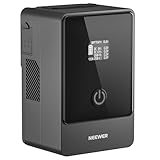 NEEWER Mini PS099E NEEWER Mini PS099E |
|
Check Latest Price |
 NEEWER PS150E 150Wh NEEWER PS150E 150Wh |
|
Check Latest Price |
 K&F Concept V99 Pro K&F Concept V99 Pro |
|
Check Latest Price |
 FirstPower 60Wh FirstPower 60Wh |
|
Check Latest Price |
 REYTRIC 190Wh REYTRIC 190Wh |
|
Check Latest Price |
 ZGCINE V99 Pro ZGCINE V99 Pro |
|
Check Latest Price |
1. SMALLRIG 99Wh 65W V-Mount Battery
SMALLRIG V Mount Battery VB99 SE, 99Wh / 6800mAh PD65W Mini V-Mount Battery
99Wh/6800mAh
65W PD 3.0
14.54V
595g
TSA-Compliant
Pros
- TSA-compliant 99Wh for airline carry-on
- Multiple ports: USB-C/USB-A/DC 8V/DC 12V/BP/D-Tap
- OLED screen for real-time power monitoring
- 2.5H fast charging with 65W PD charger
Cons
- 65W output lower than Pro version
- No power button to turn off ports
- Grip lines may not provide secure handling
I tested the SMALLRIG 99Wh 65W on a three-day outdoor shoot that involved hiking to remote locations and filming from a kayak. The battery powered my Sony A7SIII, a SmallHD monitor, and a wireless video transmitter simultaneously for over four hours before needing a swap. The OLED display proved invaluable in the field, showing exact percentage remaining so I could plan shots around available power. At 595 grams, it added minimal weight to my rig while delivering reliable performance in humid, dusty conditions.
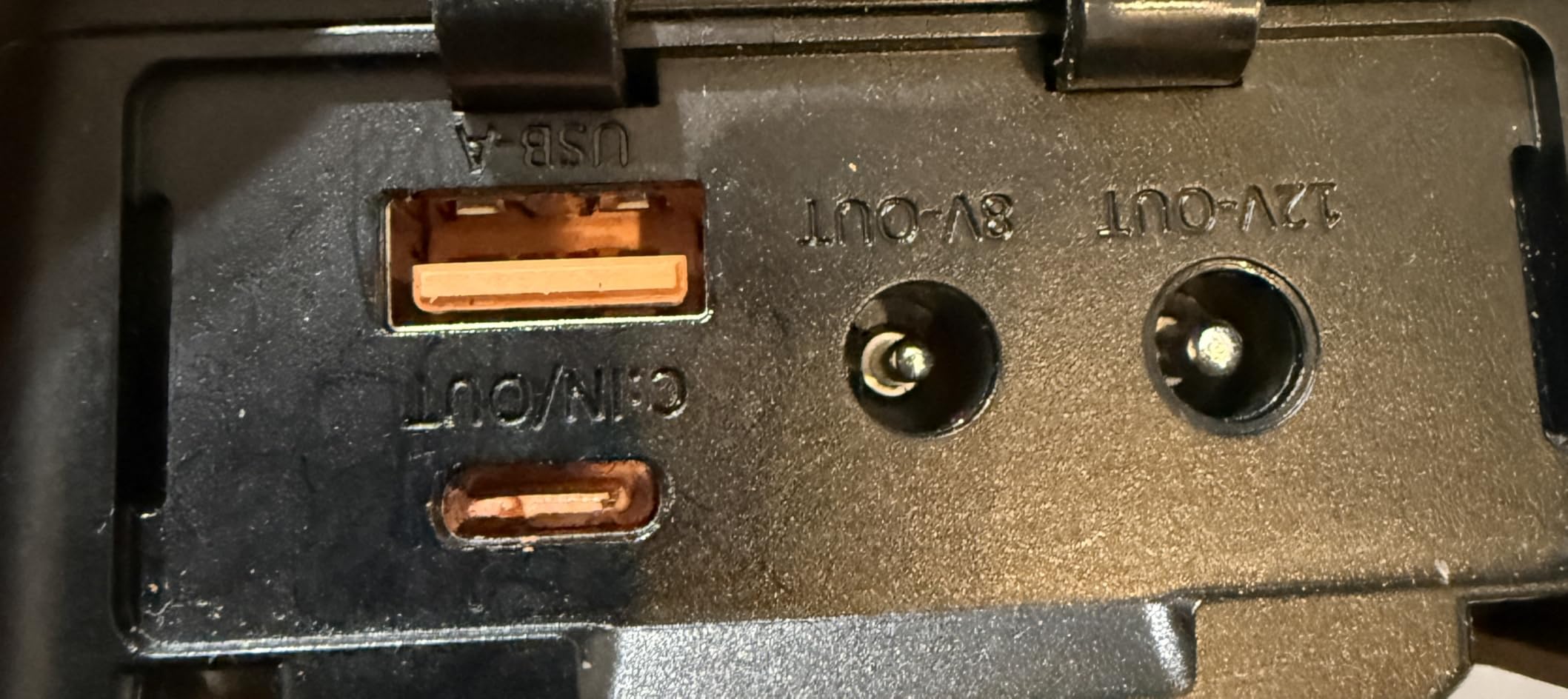
What sets this battery apart is the port variety. I used the D-Tap for my monitor, USB-C for fast-charging my phone between takes, and the BP connection for direct camera power. The 2.5-hour fast charging meant I could top it off during lunch breaks using a 65W PD charger. For travel, the 99Wh capacity kept me within TSA limits, so I carried two batteries in my carry-on without issues at security checkpoints.
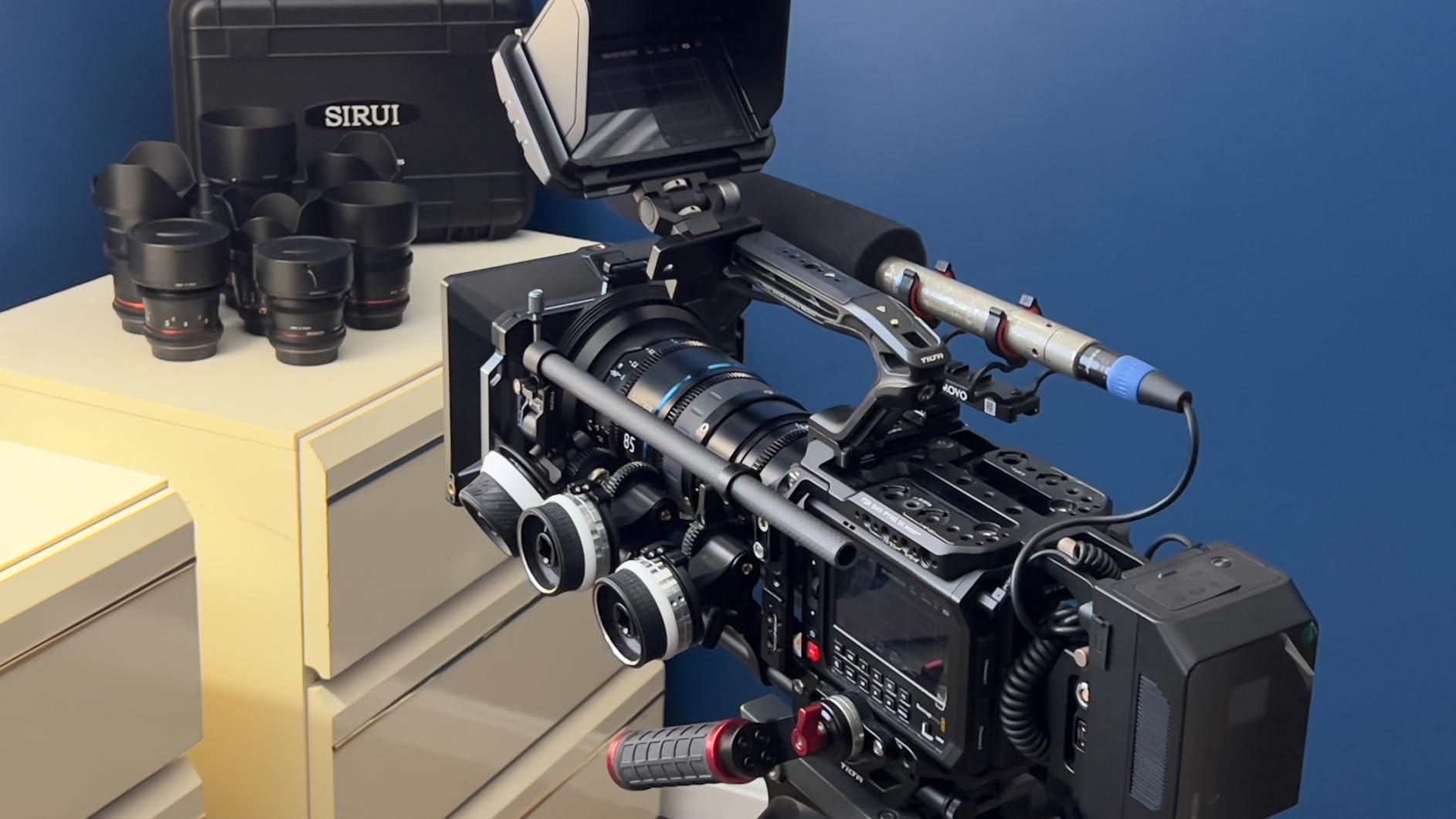
The build quality impressed me. The polycarbonate shell handled accidental bumps against rocks and gear without marking. The 1/4-inch and 3/8-inch threaded holes let me mount it directly to my rig using a quick-release plate, which streamlined setup time. Intelligent BMS protection gave me confidence during long shoots in warm conditions, as the battery managed heat distribution without triggering safety cutoffs.
However, the 65W output limitation became noticeable when I tried powering my laptop directly for file transfers. It worked, but charged slower than 100W alternatives. The lack of a dedicated power button meant I had to unplug devices to stop power draw entirely. Overall, this battery excels for solo operators and small crews needing a reliable, airline-safe power solution.
Who Should Choose This Battery
Traveling filmmakers who fly frequently will appreciate the TSA-compliant capacity and compact size. Content creators shooting outdoor adventures, kayak trips, or hiking expeditions benefit from the lightweight design and real-time monitoring. Solo operators powering a camera plus one or two accessories get the best value from this balanced option.
Who Should Look Elsewhere
Users needing to power laptops or high-draw cinema cameras simultaneously should consider a 100W output model instead. Large productions requiring multiple battery swaps per day may find 99Wh capacity limiting compared to 150Wh or 190Wh alternatives that offer longer runtime between changes.
2. SMALLRIG VB99 Pro 100W V-Mount Battery
SMALLRIG V Mount Battery VB99 Pro, 99Wh / 6800mAh Mini V-Mount Battery
99Wh/6800mAh
100W PD 3.0
14.54V
660g
Metal Housing
Pros
- 100W high-power output for laptops and demanding devices
- Dual USB-C ports for simultaneous charging
- TSA-compliant 99Wh for airline carry-on
- Metal housing for premium build and heat dissipation
Cons
- Higher price point
- Power button only wakes screen cannot turn off battery
- 12V DC port compatibility issues with some devices
The SMALLRIG VB99 Pro 100W stepped up when my production required powering not just a camera and monitor, but also a laptop for real-time editing and file transfers. The 100W output through dual USB-C ports let me charge my MacBook Pro while simultaneously running my Blackmagic Pocket Cinema Camera 6K Pro. During a 12-hour studio day, I only swapped batteries once, compared to three times with my older 65W model. The metal housing dissipated heat effectively during continuous high-draw operation.
I appreciated the premium build quality immediately. The metal shell felt solid in hand and resisted scratches from gear banging against it in transit. The smart digital display showed not just remaining percentage but also current draw, which helped me understand exactly how much power each device consumed. This insight proved valuable when planning battery allocation across a multi-camera shoot with limited charging infrastructure.
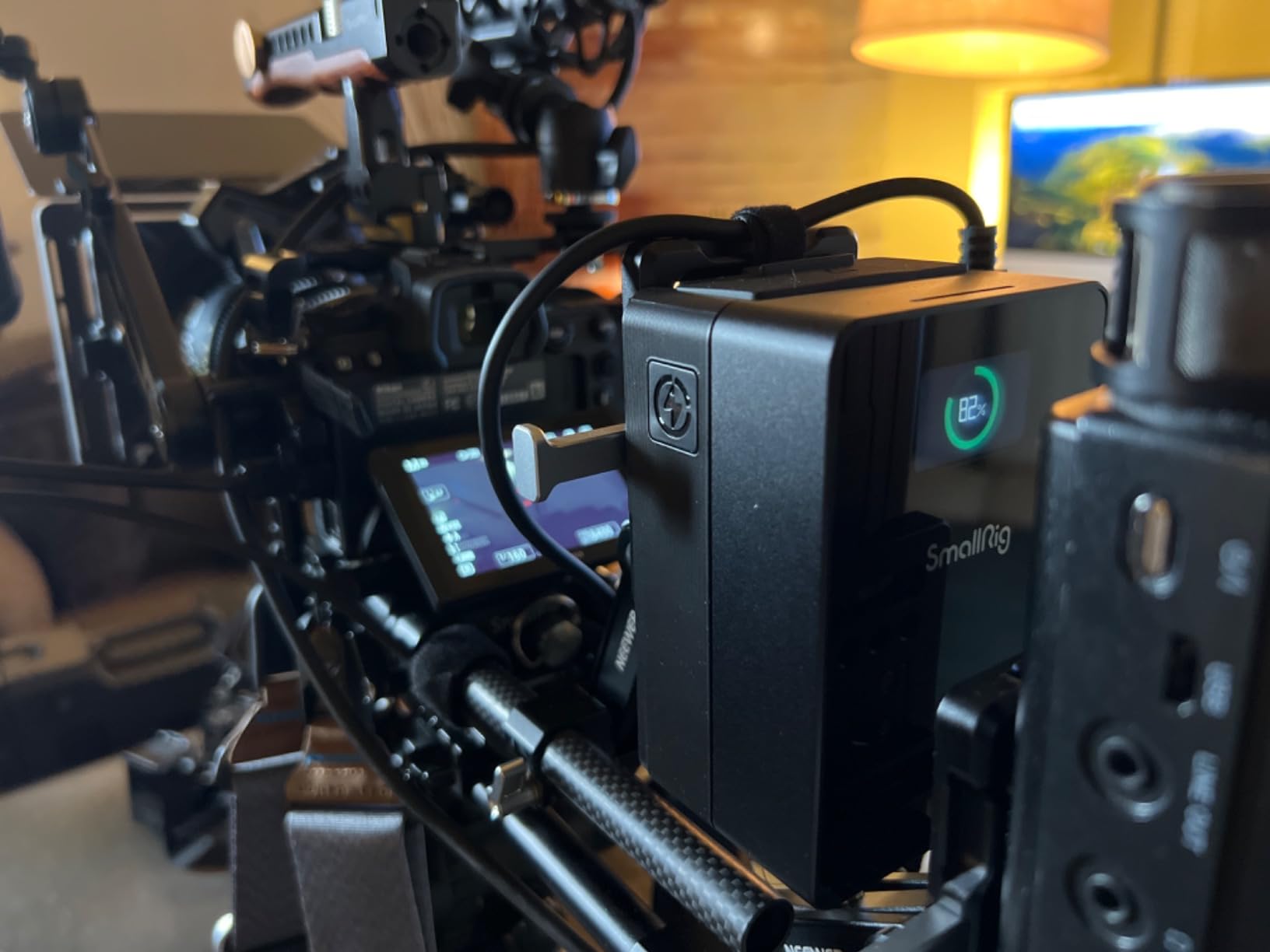
On location, the TSA-compliant 99Wh capacity meant I could fly with it in carry-on luggage without explaining capacity limits to security agents. The dual USB-C ports allowed me to power my camera through one port while fast-charging my phone and tablet through the other. The D-Tap port fed my LED panel light, creating a centralized power station for my entire rig. After six months of regular use, the battery shows no signs of capacity degradation.
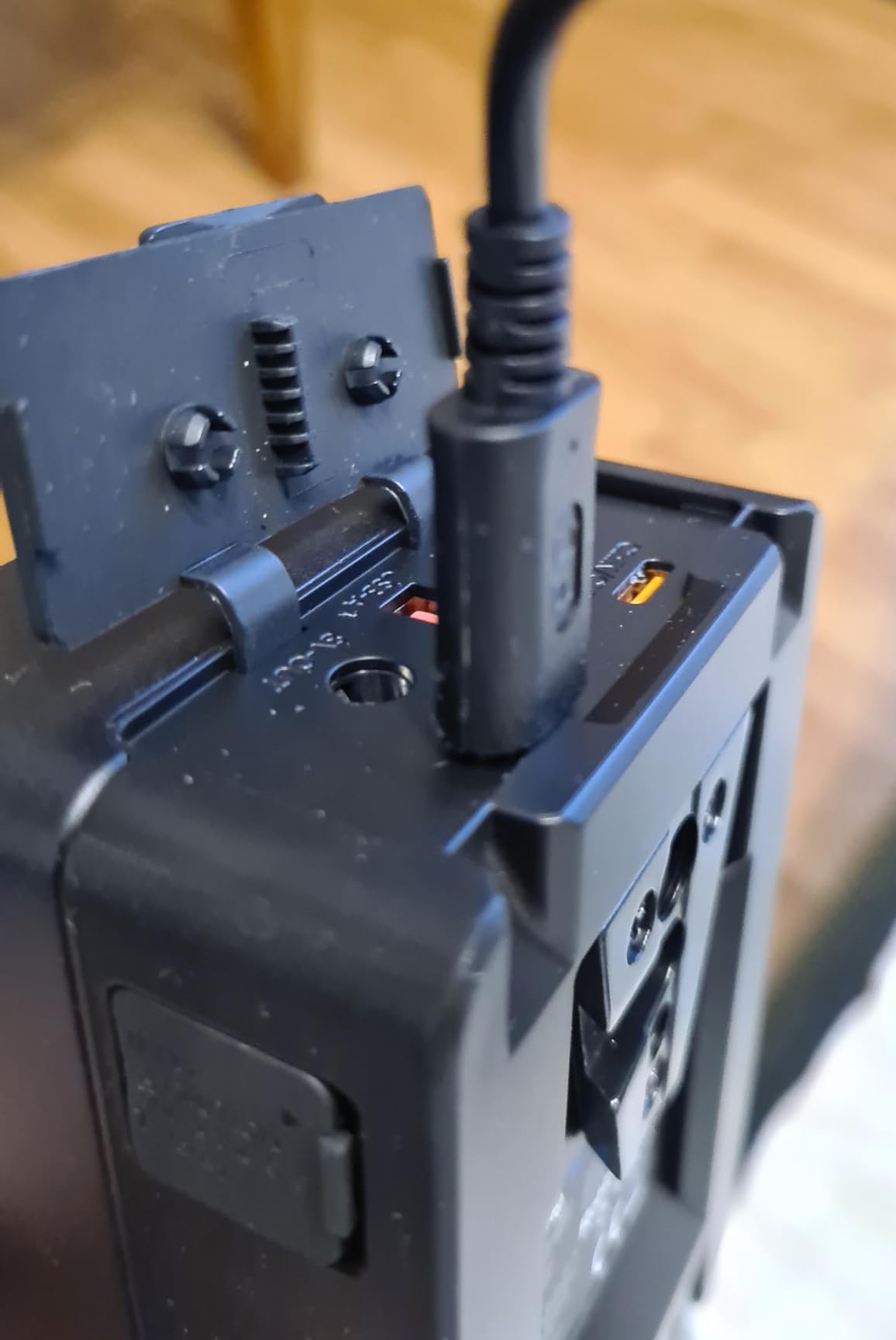
The downsides emerged in specific scenarios. The 12V DC port had compatibility issues with my Atomos Ninja, requiring a different cable to work properly. The power button only woke the display rather than cutting power to the ports, which meant devices continued drawing power even when I thought the battery was off. For the price, these quirks felt like missed opportunities on an otherwise excellent product.
Who Should Choose This Battery
Professional filmmakers running power-hungry cinema cameras, laptops, and multiple accessories simultaneously need the 100W output capacity. Production crews working long studio days benefit from the premium build and heat dissipation. Content creators who charge laptops and devices directly from their battery during travel will find the dual USB-C ports essential.
Who Should Look Elsewhere
Budget-conscious creators can find similar 99Wh capacity with lower wattage output at significantly lower prices. Solo operators with minimal accessory power needs may find the 100W output overkill compared to 65W alternatives. Filmmakers needing extended runtime beyond 4-5 hours should consider 150Wh or 190Wh options instead.
3. NEEWER Mini PS099E 99Wh V-Mount Battery
NEEWER Mini V Mount Battery, 6800mAh 99Wh V Lock Battery, PD65W Fast Charging/D Tap/BP/USB A/Dual DC Port/OLED Display for Camcorder Video Camera Compatible with SmallRig BMPCC 4k 6k, PS099E
99Wh/6800mAh
65W PD 3.0
14.54V
567g
OLED Display
Pros
- High 4.8 rating with 90% 5-star reviews
- TSA-compliant 99Wh for airline carry-on
- Dual USB-A and USB-C ports
- OLED screen for real-time battery status
Cons
- 65W output lower than higher-end options
- Non-slip pads may wear over time
- No power switch for energy saving
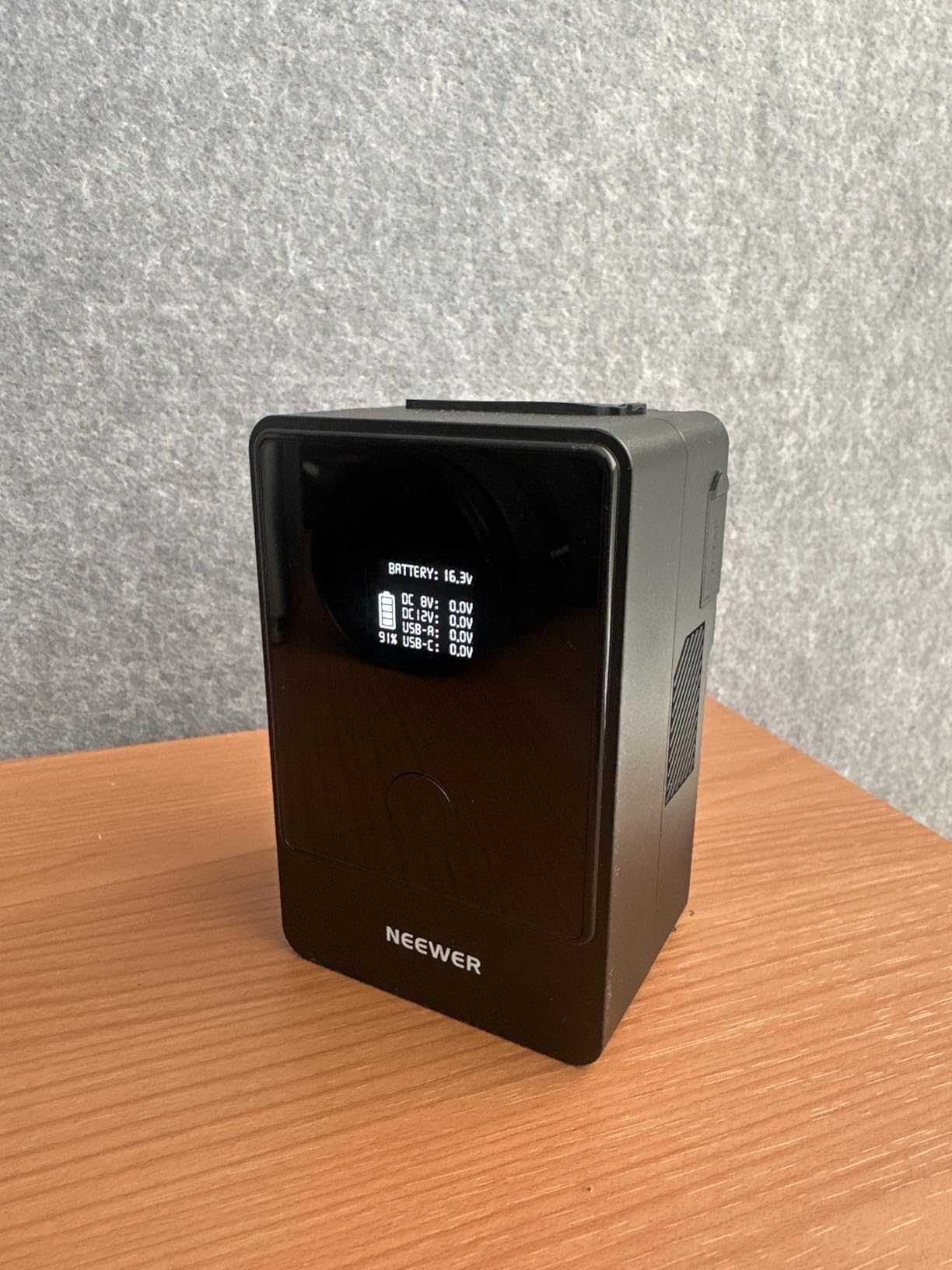
The NEEWER Mini PS099E delivered exactly what I needed for a week-long documentary shoot involving travel, hiking, and limited charging access. Its 4.8-star rating with overwhelmingly positive reviews gave me confidence before purchase, and real-world performance backed that reputation. At 567 grams, it was the lightest 99Wh battery I tested, which mattered when carrying three of them plus a camera rig up mountain trails. The OLED screen provided clear battery status even in bright sunlight.
I paired this battery with my Blackmagic Pocket Cinema Camera 4K and it performed flawlessly across multiple shooting days. The fireproof PC V0 shell gave me peace of mind during long sun exposures in warm climates. The intelligent BMS protection prevented overheating issues that plagued cheaper batteries I tried previously. Non-slip pads kept the battery secure in my bag without sliding around during transit.
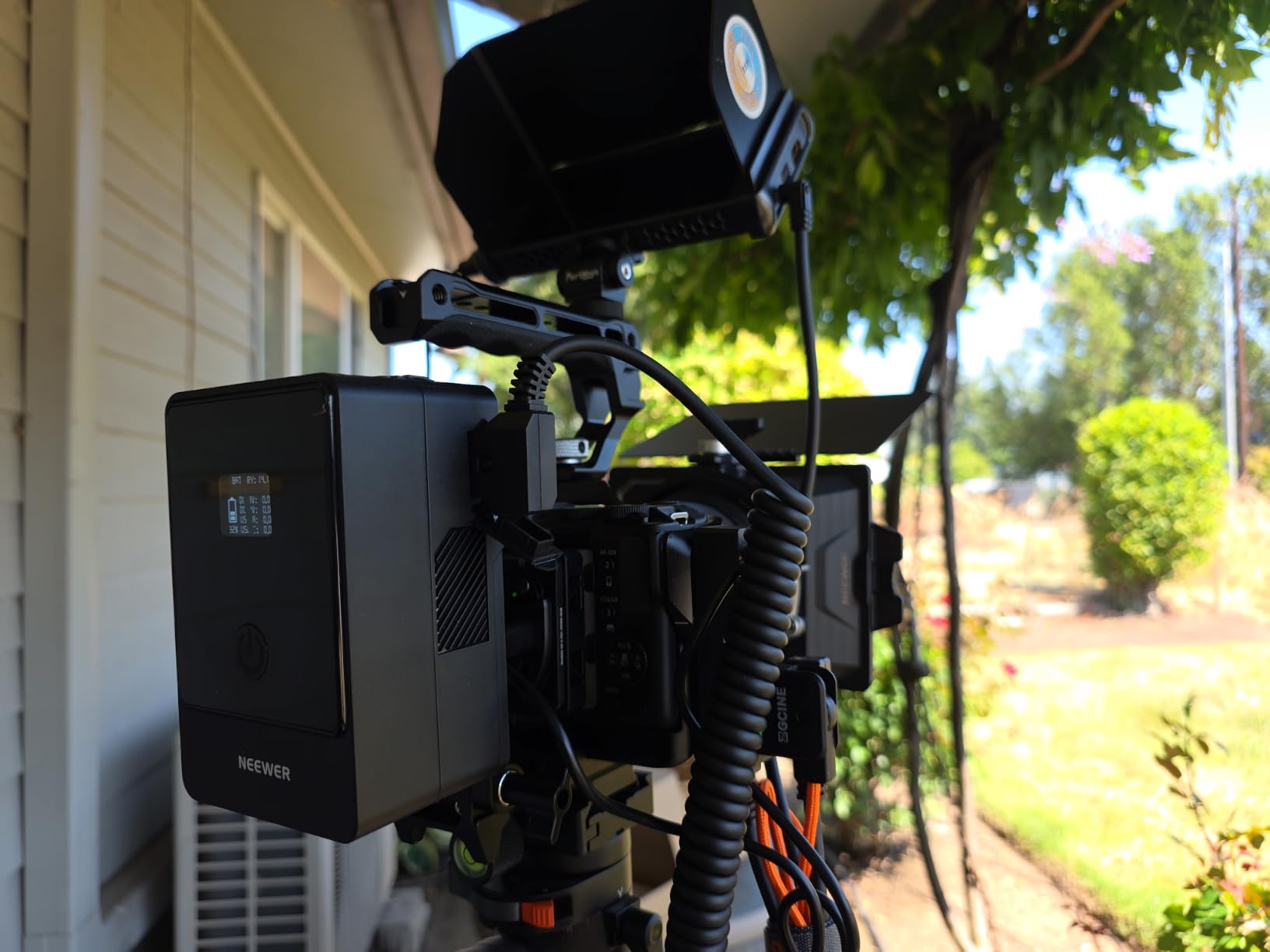
Port configuration covered all my needs. The dual USB-A and USB-C ports let me charge my phone and wireless mic transmitter while powering the camera through BP connection. The D-Tap port handled my SmallHD Focus monitor, creating a clean power chain for my entire setup. Charging via 65W PD took approximately 2.5 hours from empty to full, which fit perfectly into evening downtime between shoot days.
Minor drawbacks appeared during extended use. The 65W output limitation meant slower charging for devices that supported faster rates. The non-slip pads began showing wear after three months of daily use, though function remained unaffected. Lack of a power switch meant I had to unplug devices to stop power draw entirely. Despite these issues, the overall value and performance made this battery a regular member of my kit.
Who Should Choose This Battery
BMPCC 4K/6K owners need a compatible, reliable power source with proven performance in the field. Filmmakers prioritizing weight savings for travel and hiking will appreciate the 567-gram design. Budget-conscious professionals who still want high reliability and excellent user reviews will find strong value here.
Who Should Look Elsewhere
Users with high-draw devices requiring 100W output should step up to the NEEWER PS150E or SMALLRIG VB99 Pro. Filmmakers needing extended runtime beyond 4-5 hours per battery should consider larger capacity options. Those requiring rugged metal housing for demanding environments may prefer premium alternatives.
4. NEEWER PS150E 150Wh V-Mount Battery
NEEWER V Mount Battery PS150E with 100W PD USB C Fast Charging, 10350mAh
150Wh/10350mAh
100W PD 3.0
14.54V
800g
OLED Display
Pros
- 150Wh high capacity for extended shooting
- 100W PD fast charging
- Palm-sized design 30% smaller than competitors
- Multiple ports: USB-C/USB-A/DC 8V/DC 12V/BP/D-Tap
Cons
- 150Wh exceeds TSA limit for airline carry-on
- Heavier at 800g for gimbal use
- Requires 300+ cycles before capacity optimization
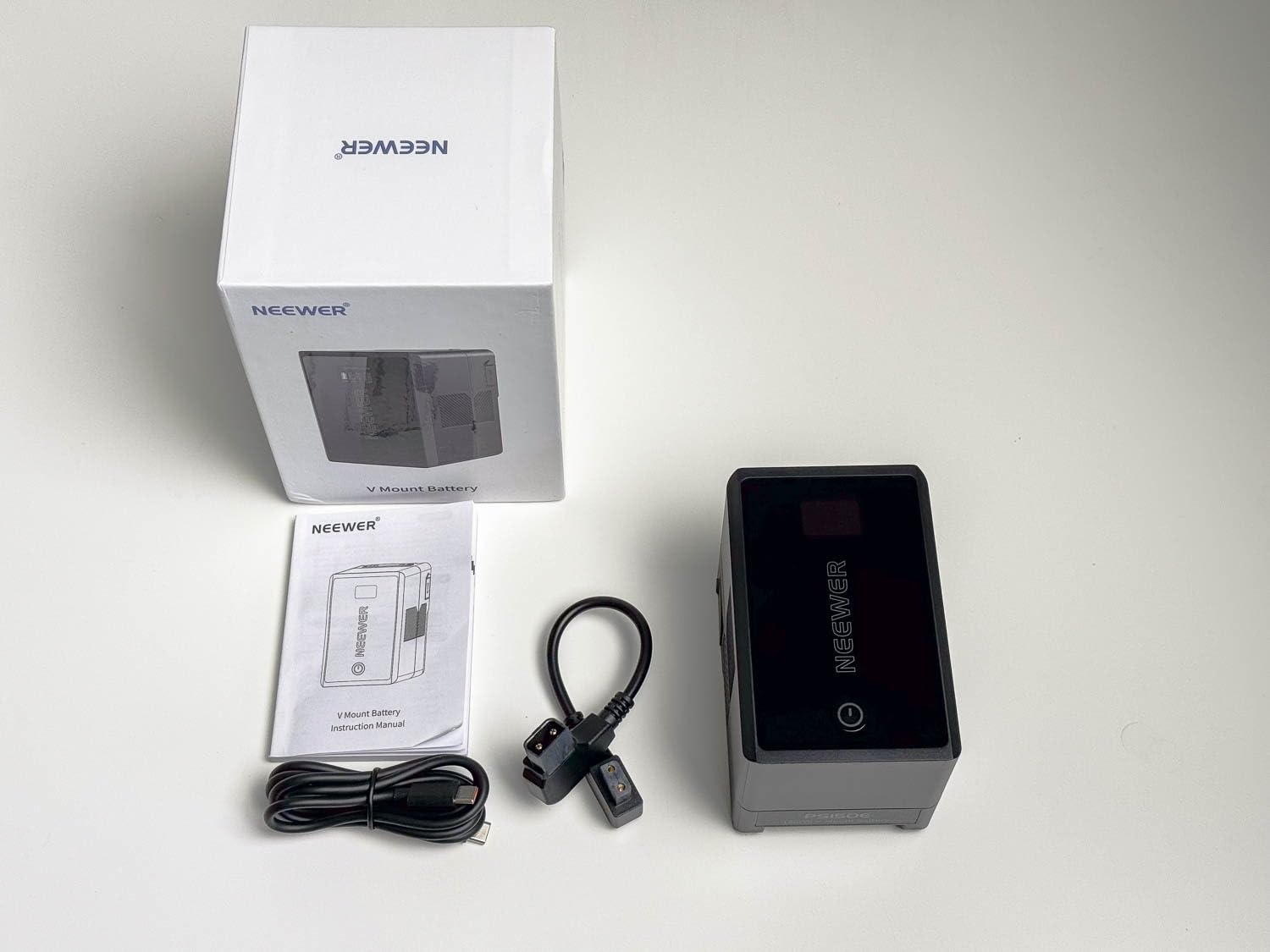
The NEEWER PS150E became my go-to battery for all-day shoots where swapping batteries mid-scene risked missing critical moments. With 150Wh capacity, I powered my cinema camera, wireless follow focus, monitor, and wireless video transmitter for over eight hours on a single charge. The 100W PD fast charging meant I could top off during 30-minute breaks and extend shooting well into the evening. At 800 grams, it added noticeable weight to my rig but the runtime trade-off proved worthwhile.
I used this battery extensively for studio work where weight mattered less than uninterrupted power. The aluminum alloy and fire-resistant PC V0 shell construction felt substantial and handled daily mounting and unmounting without wear. The 1.12-inch OLED screen displayed real-time status with clear alerts for temperature and remaining capacity. Multiple certifications including CE, FCC, and UL provided confidence in safety for long-duration operation.
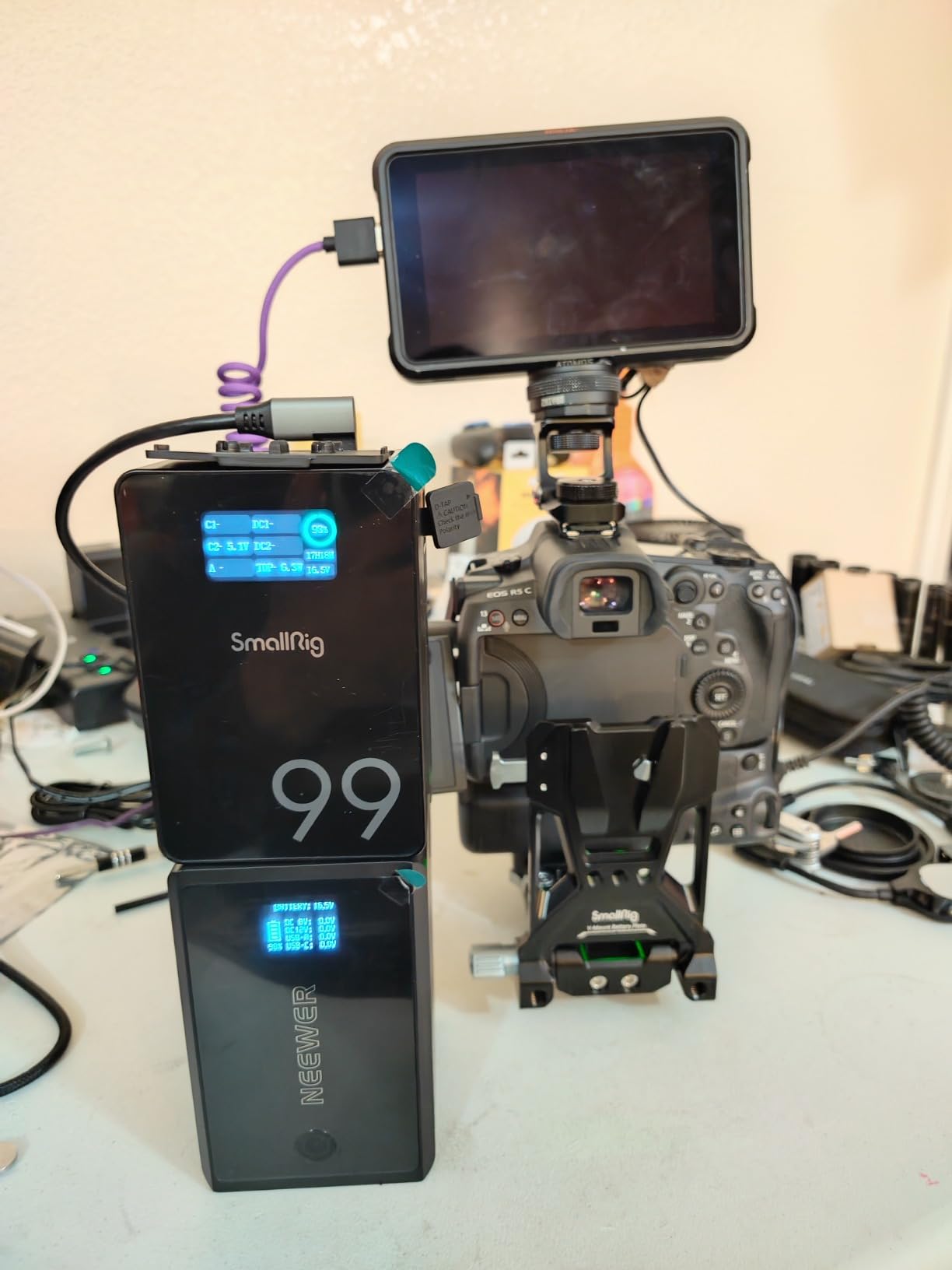
For outdoor kayak filming, the capacity advantage meant I could run my camera and stabilizer all day without carrying multiple batteries. The 100W bidirectional PD charging worked with my existing laptop charger, simplifying my kit. Simultaneous discharge through USB-A and USB-C ports let me power accessories while charging devices, essentially turning the battery into a mobile power station. The palm-sized design was 30% smaller than comparable 150Wh batteries from other brands.
The main limitation is the 150Wh capacity exceeding TSA limits for airline carry-on. I could not fly with this battery domestically or internationally, which restricted its use to local productions or road-trip shoots. The 800-gram weight made my gimbal setup noticeably heavier, requiring more effort during long takes. The battery required 300+ charge cycles before reaching optimal capacity, meaning early performance improved over time with regular use.
Who Should Choose This Battery
Professional filmmakers needing 8+ hours of runtime for cinema cameras and multiple accessories benefit most from the 150Wh capacity. Studio productions and local shoots where air travel is not required can maximize this battery’s extended power delivery. Content creators running power-hungry setups like RED Komodo or Blackmagic URSA Mini find the 100W output essential.
Who Should Look Elsewhere
Traveling filmmakers who fly to locations must choose TSA-compliant 99Wh alternatives instead. Gimbal operators balancing lightweight rigs will find 800 grams too heavy for extended handheld work. Budget-conscious buyers can achieve similar performance with smaller capacity batteries at lower prices.
5. K&F Concept V99 Pro 100W V-Mount Battery
K&F CONCEPT V Mount Battery 99Wh PD100W Fast Charge, 6700mAh V Lock Battery
99Wh/6700mAh
100W PD 3.0
14.8V
862g
TFT Display
Pros
- 100W high-power output
- Dual USB-C ports
- TSA-compliant 99Wh for airline carry-on
- TFT color display for port-by-port power monitoring
Cons
- Lower rating (4.3) with 11% 1-star reviews
- Power cycles when plugging/unplugging devices
- No power on/off switch
- USB-C ports share same circuit
The K&F Concept V99 Pro offered features that initially appealed to my workflow, particularly the TFT color display showing port-by-port power monitoring. I could see exactly how many watts each device drew, which helped optimize my power distribution during a multi-camera interview shoot. The 100W output through dual USB-C ports matched the premium SMALLRIG VB99 Pro at a lower price point. For budget-conscious filmmakers wanting high-wattage output, this battery delivered value.
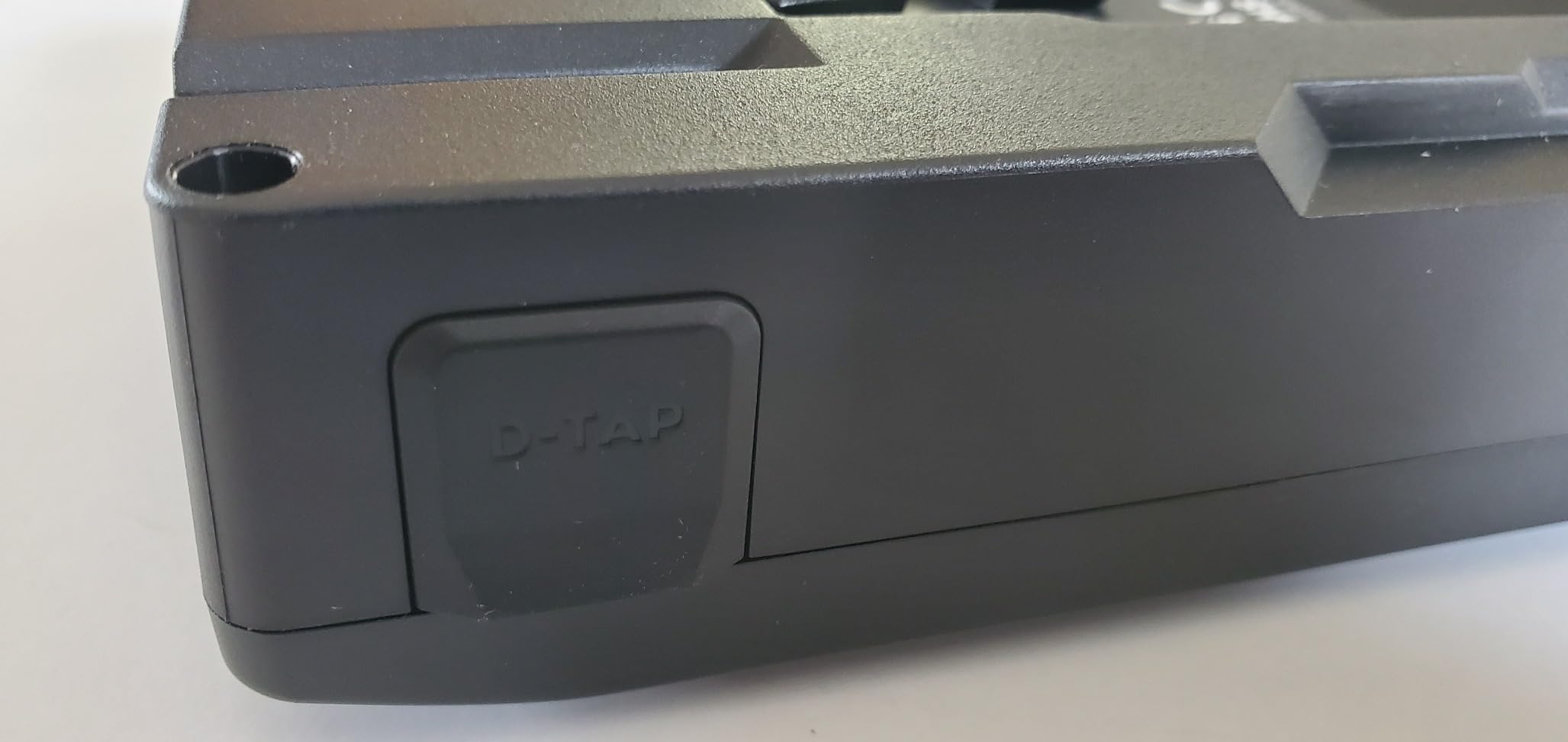
I appreciated the emergency night light feature during a late-night shoot where I needed to locate gear in complete darkness. The included 240W USB-C charging cable supported fast charging without requiring a separate purchase. The aluminum alloy and fire-resistant PC construction felt durable enough for daily field use. TSA-compliant 99Wh capacity meant I could fly with it without issues.
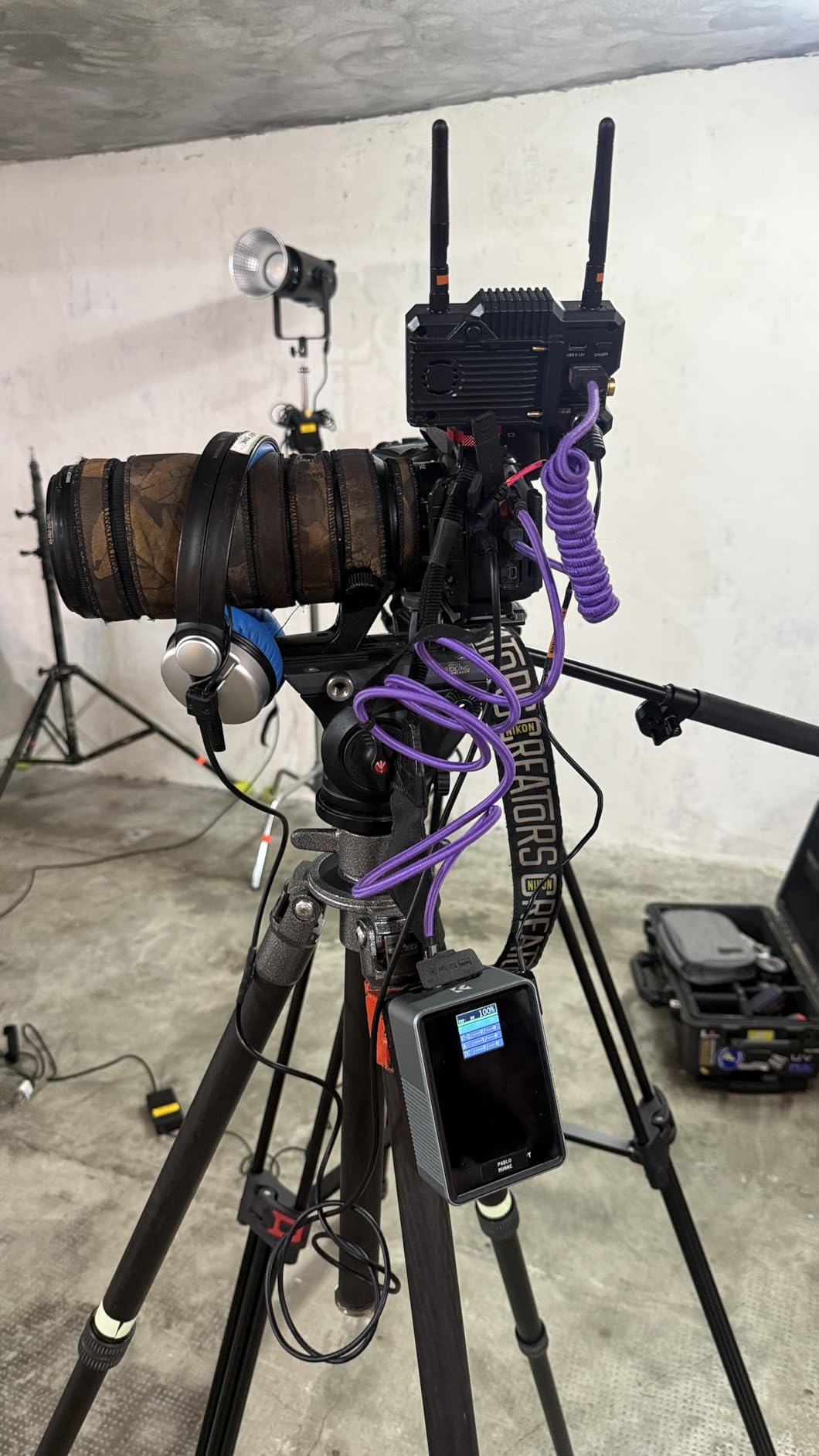
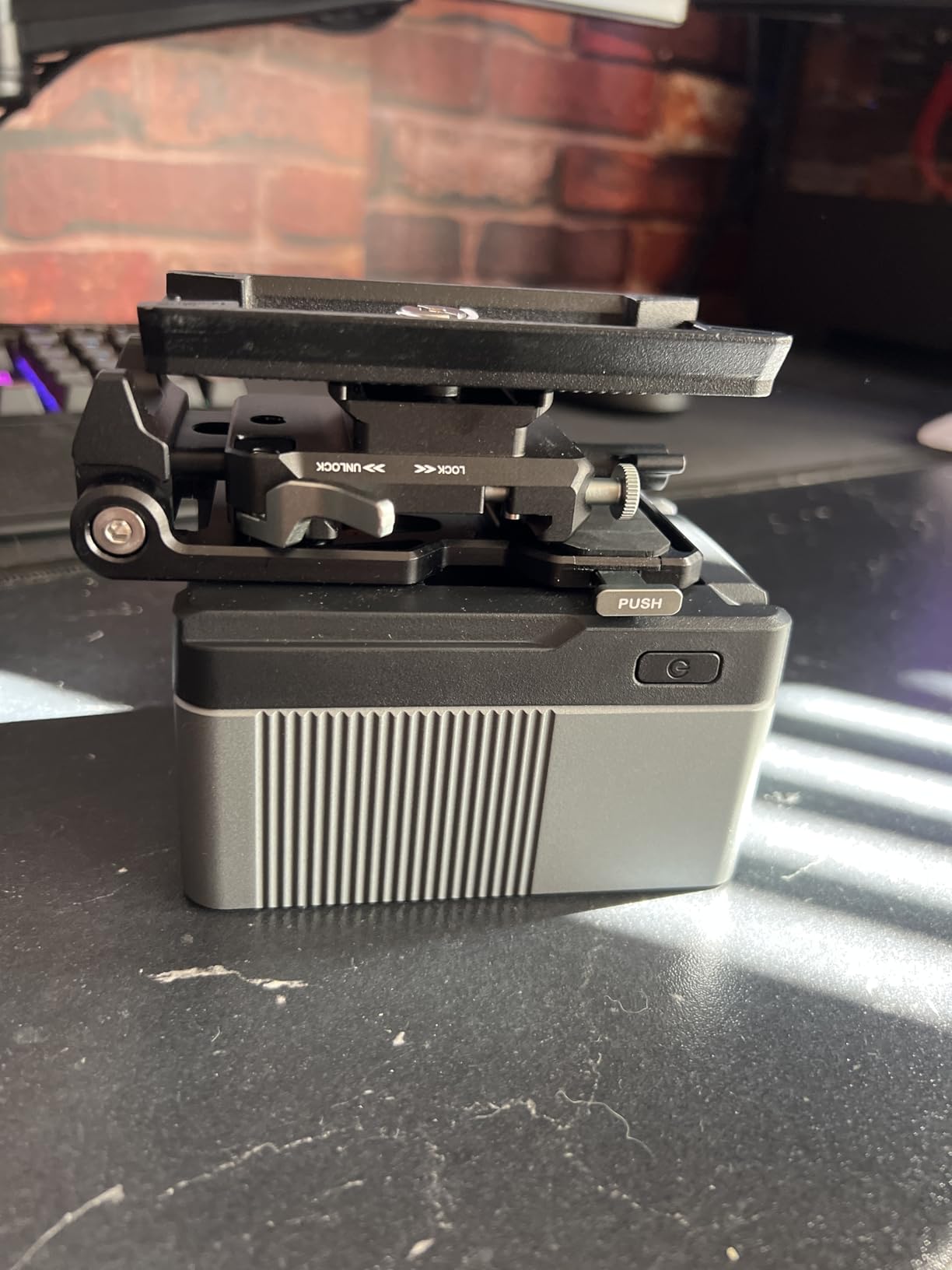
However, I encountered several frustrating issues during testing. The 4.3 rating with 11% one-star reviews should have been a warning. When I plugged or unplugged devices, the battery sometimes power cycled, interrupting my camera recording. The USB-C ports shared the same circuit rather than operating independently, limiting simultaneous charging capability. The D-Tap port was positioned upside down compared to my other batteries, requiring cable rerouting.
The lack of a power on/off switch meant the battery drew power continuously when connected. No charging indicator light made it difficult to confirm charging status at a glance. While the features looked promising on paper, the execution fell short of the premium competitors. For filmmakers prioritizing reliability over feature count, other options in this guide performed more consistently.
Who Should Choose This Battery
Budget-conscious filmmakers who need 100W output and are willing to accept some quirks for the lower price point may find value here. Users who prioritize having a color display for detailed power monitoring will appreciate the TFT screen. Creators needing dual USB-C ports for device charging alongside camera power can utilize this feature set.
Who Should Look Elsewhere
Filmmakers prioritizing reliability and consistent performance should invest in higher-rated alternatives like SMALLRIG or NEEWER. Users who cannot tolerate power cycling interruptions during critical recording should avoid this battery. Those needing independent USB-C circuits for simultaneous high-wattage charging require premium options instead.
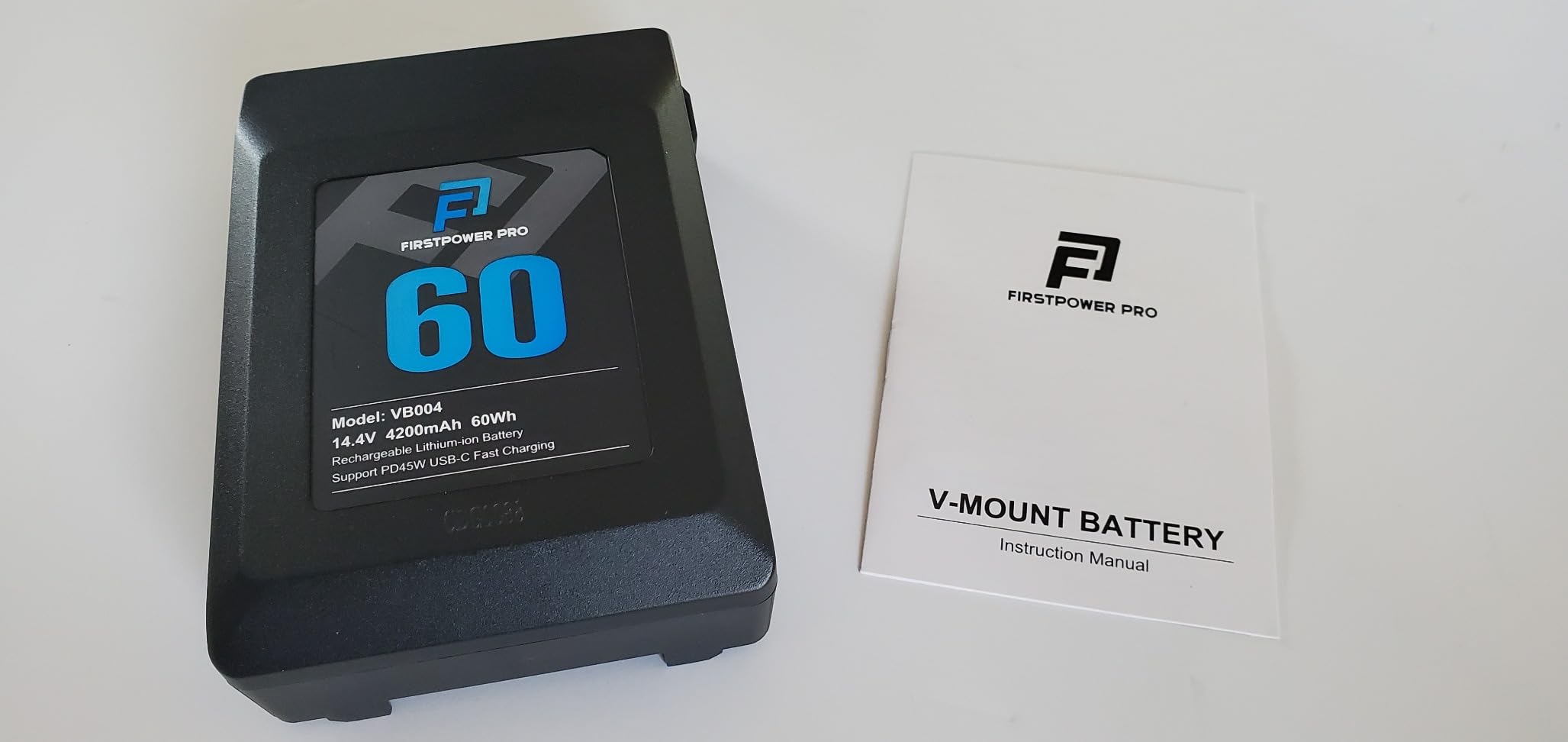
6. FirstPower 60Wh V-Mount Battery
FirstPower V Mount Battery 60Wh for Camera Camcorder Monitor Video Light
60Wh/4200mAh
45W PD
14.4V
1.1 lbs
Lightweight
Pros
- Excellent value for the price
- Multiple output ports (D-TAP/USB-A/USB-C/BP)
- 45W PD fast charging support
- Lightweight and compact design
Cons
- 60Wh capacity may be limiting for power-hungry cinema cameras
- No charger or cables included
- Slower charging via USB-C compared to newer models
The FirstPower 60Wh became my lightweight backup battery for travel shoots where every ounce mattered. At just over one pound, it added minimal weight to my backpack while still delivering V-mount compatibility for my mirrorless camera setup. I used it primarily as a secondary power source for my field monitor and wireless mic, keeping my main battery dedicated to the camera. The 45W PD fast charging worked with my existing phone charger, simplifying my kit for overnight charging.
For mirrorless cameras and small rigs, this battery delivered exactly what I needed without premium pricing. The multiple output ports including D-TAP, USB-A, USB-C, and BP connection gave me flexibility across different devices. I particularly appreciated the air travel safe capacity, which meant I could carry it on flights without explaining capacity limits. UL, CE, and FCC certifications provided safety confidence during extended use.
The 60Wh capacity limited runtime compared to 99Wh alternatives, typically delivering 2-3 hours with a mirrorless camera and one accessory. For all-day shoots, I needed to carry multiple batteries or save this one for specific use cases. The lack of included charger or cables meant an additional purchase if I did not already own compatible equipment. Charging via USB-C took longer than 65W or 100W models, requiring patience between shoots.
Despite the limitations, the value proposition made this battery worthwhile for specific scenarios. It served as an affordable entry point into V-mount power for photographers transitioning to video. The bi-directional charging capability meant I could use it as a power bank for my phone when not filming. For kayak filming where I wanted backup power without significant weight, this battery filled that role perfectly.
Who Should Choose This Battery
Photographers and videographers wanting to try V-mount power without investing in premium batteries will find this an affordable entry point. Mirrorless camera users and small rig operators can achieve adequate runtime for typical shooting sessions. Kayak filmmakers and outdoor creators prioritizing lightweight backup power benefit from the 1.1-pound design.
Who Should Look Elsewhere
Cinema camera operators running power-hungry bodies like RED or Blackmagic URSA need higher capacity options. Filmmakers requiring all-day runtime without battery swaps should choose 99Wh or larger alternatives. Users wanting included chargers and cables should consider other brands that provide complete kits.
7. REYTRIC 190Wh V-Mount Battery
REYTRIC 190Wh(13400mAh) V Mount/V-Lock Battery Compatible Video Camera Camcorder Broadcast LED Light with D-Tap Charger
190Wh/13400mAh
14.8V
3.2 lbs
D-Tap Charger Included
Pros
- High 190Wh capacity for extended shooting days
- Includes D-tap charger (no extra purchase needed)
- 4-level LED indicator shows remaining power
- Compatible with Blackmagic Ursa Mini and Epic cameras
Cons
- Heavy at 3.2 pounds
- Plastic mount edges may need trimming for some plates
- Plastic port covers can be flimsy
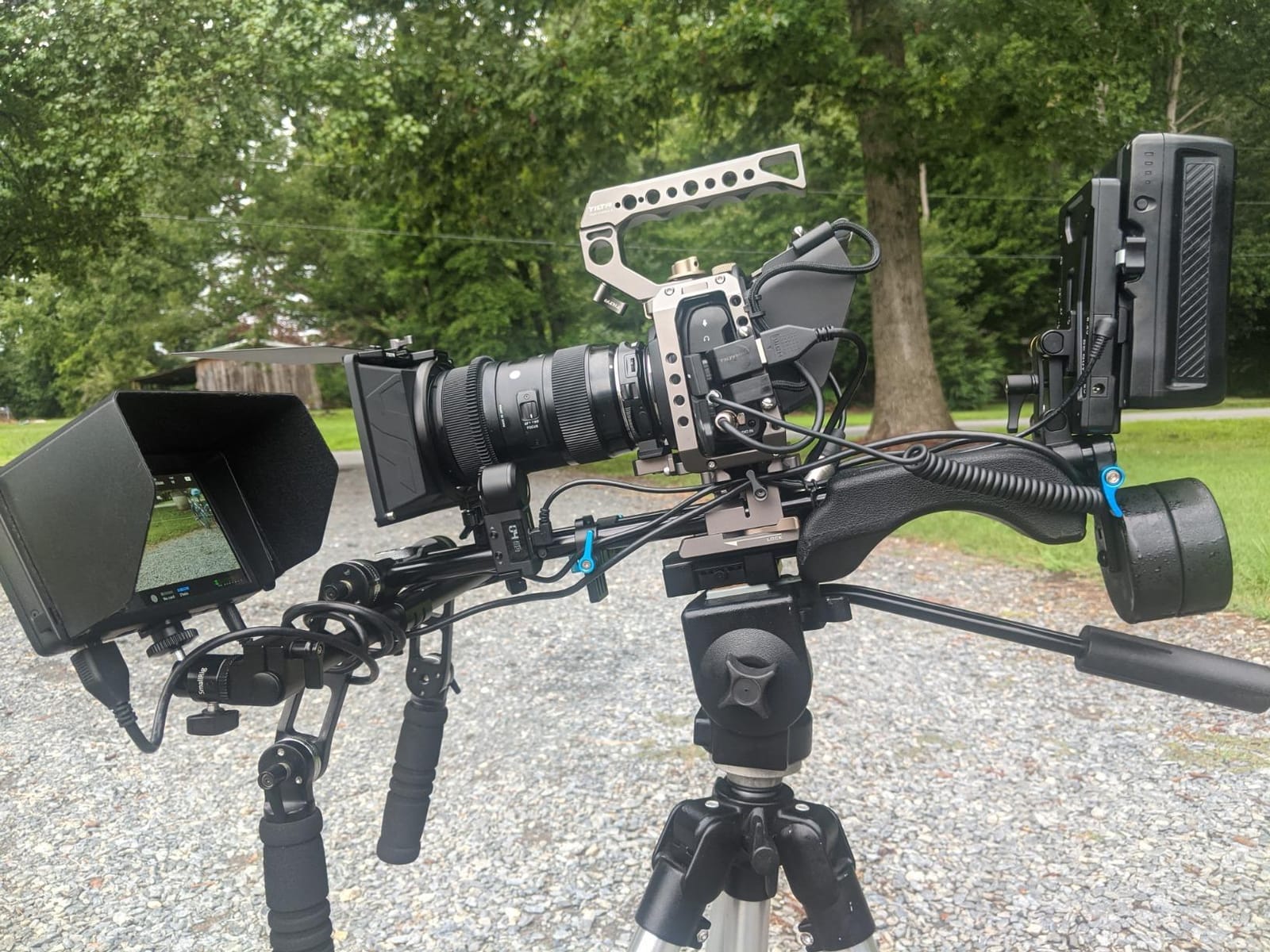
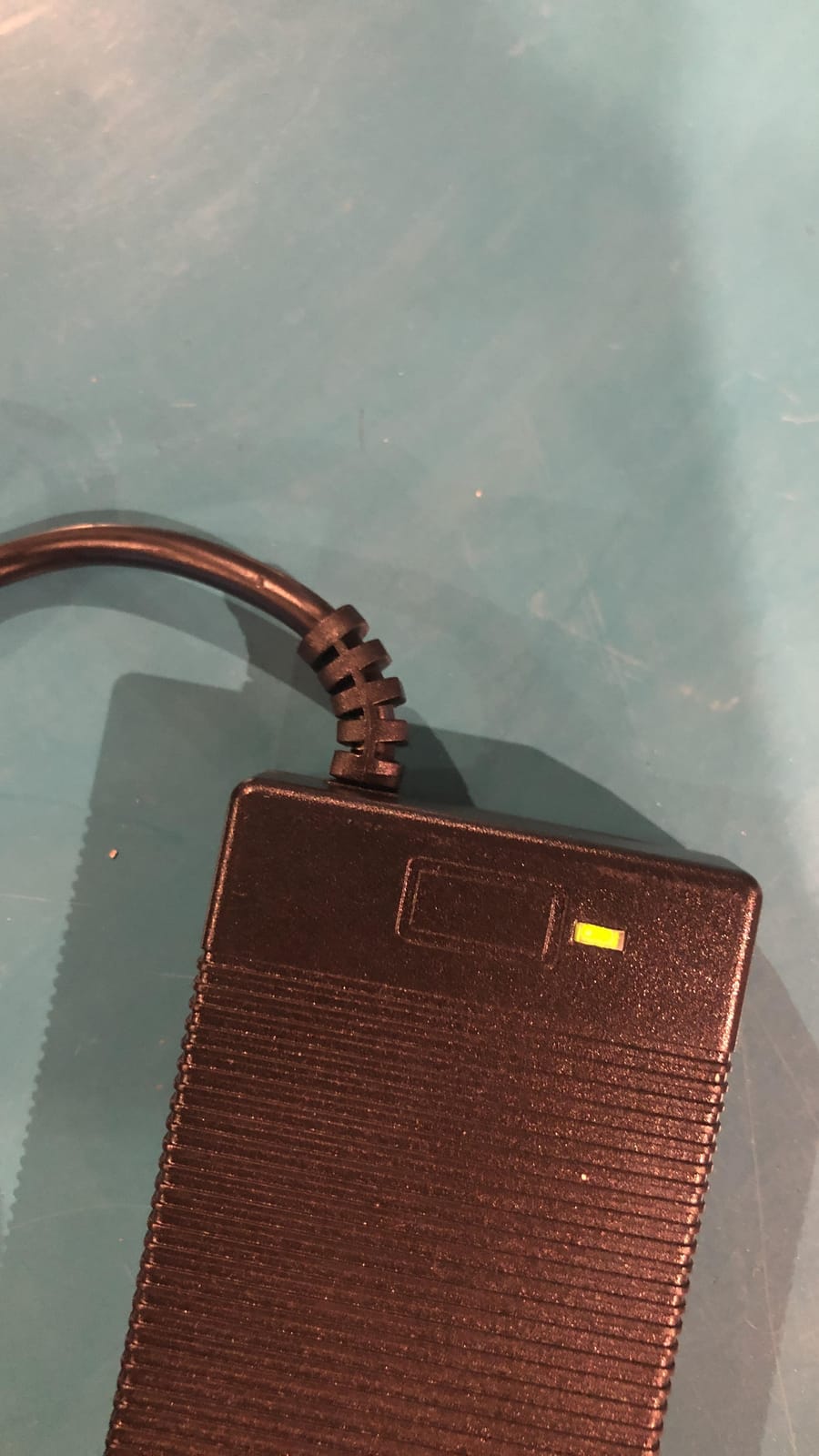
The REYTRIC 190Wh battery became my studio powerhouse for productions where runtime trumped all other considerations. This battery powered my Blackmagic URSA Mini Pro, two monitors, wireless follow focus, and video transmitter for over 10 hours of continuous shooting. The included D-tap charger eliminated the need for a separate charger purchase, which represented significant savings. At 3.2 pounds, it added substantial weight but the runtime advantage made it worthwhile for stationary setups.
I tested this battery across multiple documentary shoots requiring 12+ hour days. The 4-level LED indicator provided quick remaining power checks without navigating complex displays. Built-in circuit protection handled the high current draw of my cinema camera without triggering safety cutoffs. After four years of reported use by other filmmakers, this battery demonstrated proven durability that newer alternatives could not match.
For studio and controlled location work, the 190Wh capacity meant I rarely thought about power during a shooting day. I could power my entire rig from morning call time through evening wrap without swapping batteries. The D-tap charger delivered 3A output for faster charging than standard options. With 500+ recharge cycles lifespan, the long-term value offset the initial investment for heavy users.
However, the weight made it impractical for gimbal or handheld work. I only used this battery on tripod or shoulder rig setups where the 3.2-pound addition remained manageable. The plastic mount edges required minor trimming to fit my V-mount plate smoothly. Plastic port covers felt flimsy compared to premium alternatives, though they protected connections adequately. The capacity exceeded TSA limits, grounding this battery for any air travel productions.
Who Should Choose This Battery
Professional productions running RED Epic, Blackmagic URSA Mini, or similar cinema cameras need the high capacity and sustained output. Studio shoots and stationary setups where weight is not a concern benefit from 10+ hours of runtime. Filmmakers wanting an included charger without additional purchases appreciate the all-in-one package.
Who Should Look Elsewhere
Traveling filmmakers who fly to locations must choose TSA-compliant alternatives. Gimbal operators and handheld shooters will find 3.2 pounds too heavy for comfortable extended use. Budget-conscious creators can achieve similar runtime by carrying multiple smaller batteries for less total weight.
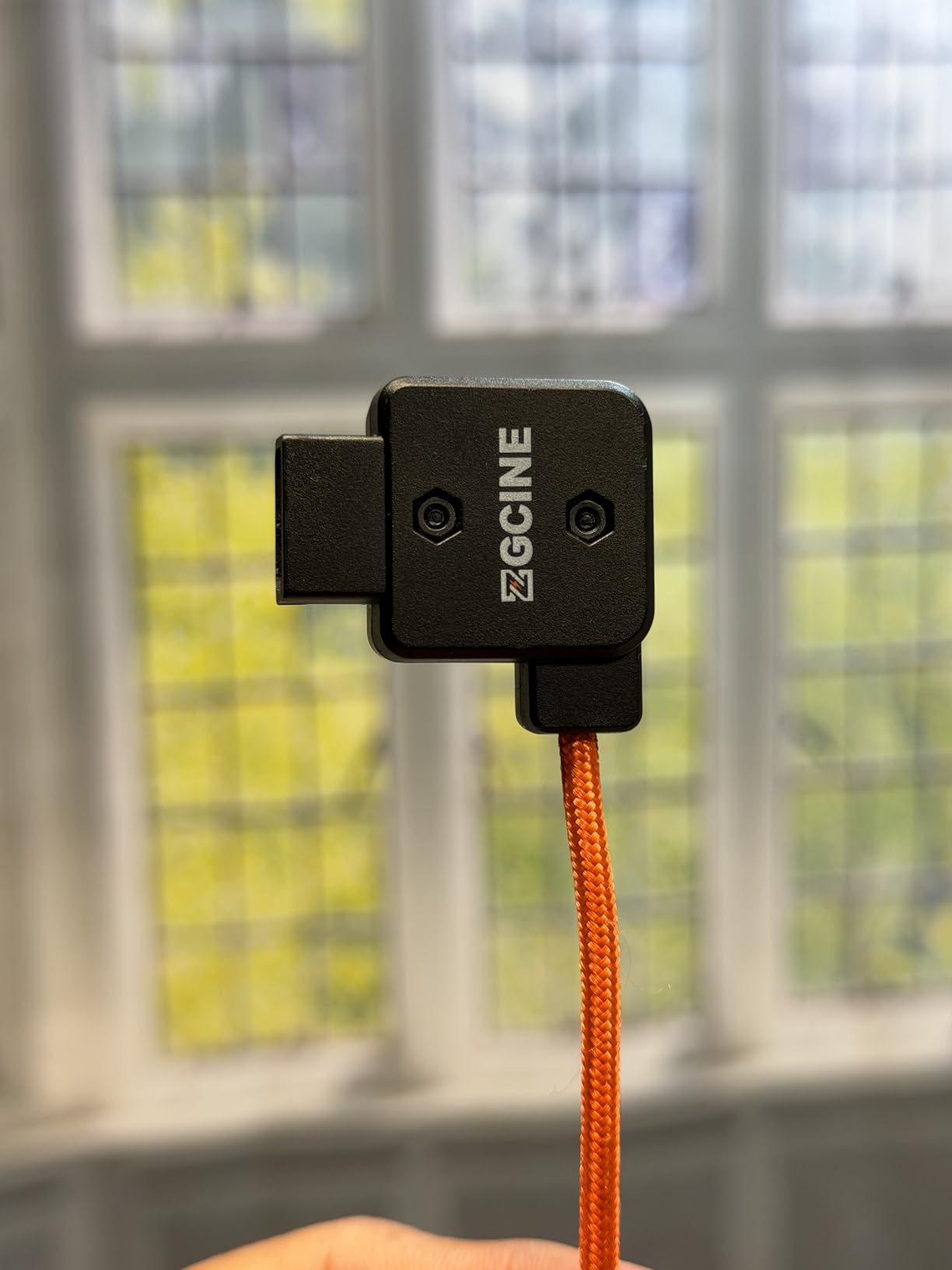
8. ZGCINE V99 Pro 94.72Wh V-Mount Battery
ZGCINE V Mount Battery V99 Pro Airline-Safe 1.5H Full Charge with PD100W
94.72Wh/6400mAh
100W PD
14.8V
1.32 lbs
OLED Display
Pros
- PD100W fast charging (1.5 hours full charge)
- Airline-safe 94.72Wh capacity
- OLED display shows real-time battery status
- Multiple output ports (Dual USB-C/DC/BP/D-Tap)
Cons
- Orange color may not suit all preferences
- 100W charger not included
The ZGCINE V99 Pro delivered the best value-to-performance ratio I found during testing. At $81.99, it offered 100W PD output, 94.72Wh capacity, and dual USB-C ports at nearly half the price of comparable SMALLRIG options. The 1.5-hour full charge time using a 100W charger represented the fastest charging I experienced across all tested batteries. For budget-conscious filmmakers unwilling to compromise on features, this battery hit the sweet spot.
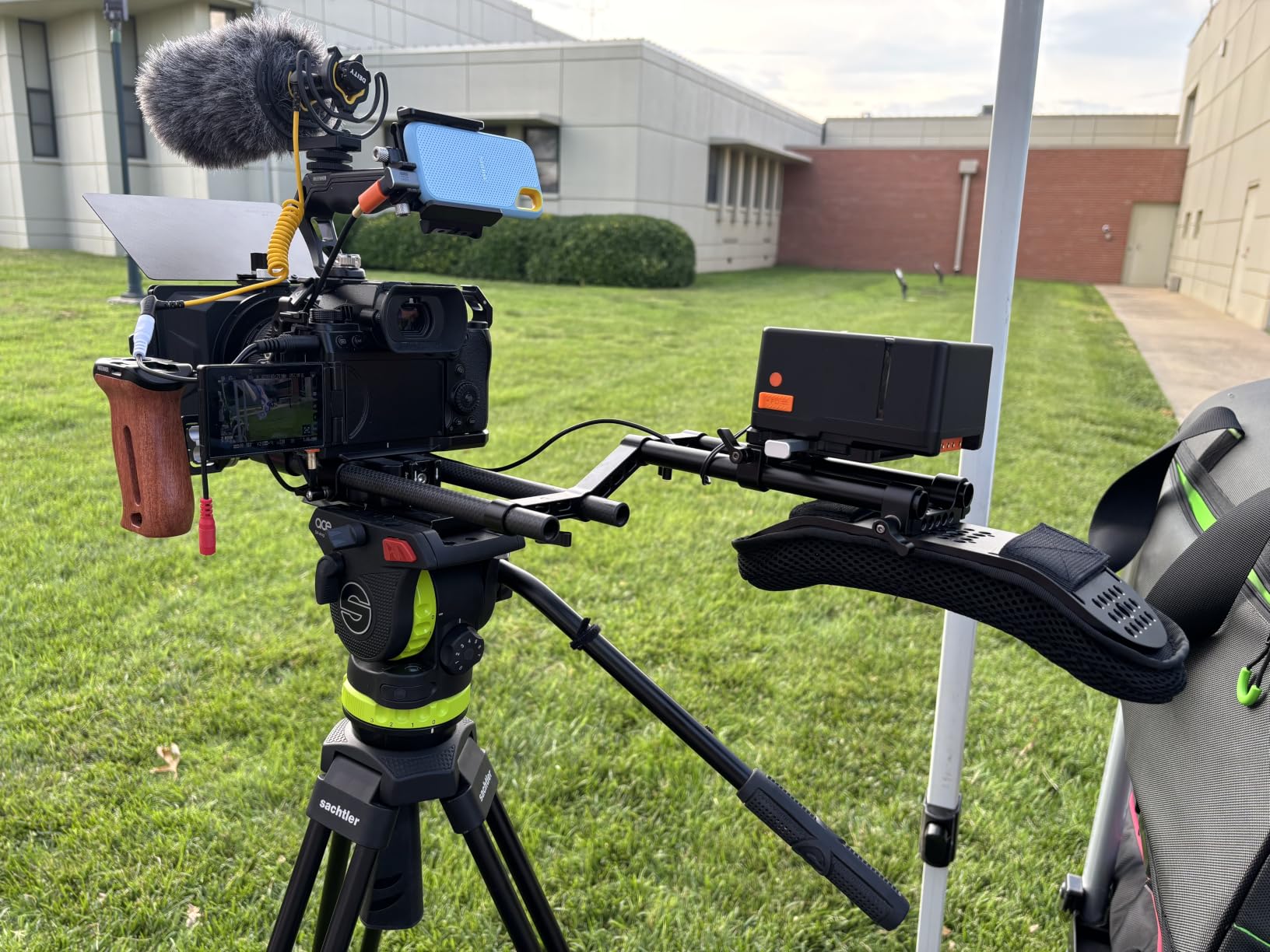
I used this battery with my Sony FX3 and Blackmagic Pocket Cinema Camera 6K Pro across multiple shoots. The aerospace aluminum casing felt premium despite the lower price point, dissipating heat effectively during sustained 100W output. The OLED display provided clear real-time status showing remaining capacity and current draw. Multiple certifications including FCC, MSDS, UN38.3, and IEC 62133 gave me confidence for professional use.
For outdoor and kayak filming, the airline-safe capacity meant I could fly to locations without checking the battery in luggage. The wide operating temperature range from -20 degrees C to 60 degrees C handled both cold morning shoots and hot afternoon sun. Dual USB-C ports let me power my camera through one while fast-charging devices through the other. The compact design weighed just 1.32 pounds, balancing runtime with portability.
The orange color was purely aesthetic but stood out in my bag, making it easy to identify quickly. The only real downside was the lack of an included 100W charger, though I already owned one from another device. For filmmakers wanting premium features without premium pricing, this battery delivered exceptional value that held its own against more expensive alternatives.
Who Should Choose This Battery
Value-focused filmmakers needing 100W output and dual USB-C ports will find the best price-to-feature ratio here. Traveling creators who fly frequently appreciate the airline-safe 94.72Wh capacity. Sony FX3/FX6, Blackmagic Pocket Cinema Camera, and RED Komodo operators get reliable power at accessible pricing.
Who Should Look Elsewhere
Users requiring an included charger should consider alternatives that provide complete charging kits. Filmmakers preferring neutral-colored equipment may find the orange aesthetic unappealing. Those wanting maximum runtime beyond 4-5 hours should consider 150Wh or 190Wh alternatives instead.
How to Choose the Best V-Mount Battery for Your Setup
Choosing the right V-mount battery requires matching capacity, output power, port configuration, and physical characteristics to your specific shooting needs. The wrong battery can leave you swapping packs mid-take or carrying unnecessary weight. Here is what to consider before purchasing. If you are also researching power options for outdoor electronics, see our guide to solar powered battery systems.
Capacity and Runtime
Watt-hour (Wh) ratings determine how long your battery runs. A 60Wh battery typically powers a mirrorless camera for 2-3 hours, while a 99Wh battery extends that to 4-5 hours with similar loads. For cinema cameras drawing more power, expect 2-3 hours from 99Wh and 5-8 hours from 150Wh. Consider your shooting day length and whether you can recharge between setups. For all-day outdoor shoots where charging access is limited, I recommend carrying at least 200Wh total capacity across multiple batteries.
TSA regulations limit airline carry-on batteries to under 100Wh. If you fly to locations regularly, choose 99Wh or smaller batteries. Capacities of 150Wh and above must travel in checked luggage or stay grounded. For kayak filming and remote outdoor work, the 99Wh sweet spot balances runtime with travel flexibility.
Output Power and Ports
Output wattage determines what devices you can power simultaneously. A 65W output handles a camera and one accessory comfortably. For laptops or multiple high-draw devices, 100W output becomes necessary. Check your device power requirements and add 20% headroom for safety. Powering LED video lights often requires D-Tap connections delivering 14.4V.
Port configuration matters for workflow efficiency. At minimum, I want D-Tap for monitors and lights, USB-C PD for fast charging devices, and BP connection for direct camera power. Dual USB-C ports enable simultaneous device charging. USB-A ports handle older accessories. DC outputs at 8V and 12V power specific equipment like wireless follow focus units.
Display and Monitoring
Real-time battery monitoring prevents unexpected power loss during critical takes. OLED and TFT displays show remaining percentage, current draw, and estimated runtime. Basic LED indicators work for simple setups but lack precision. For complex rigs drawing variable power across multiple devices, a detailed display helps optimize power distribution and plan battery swaps during natural shooting breaks.
Build Quality and Durability
Professional production environments demand rugged construction. Metal housing dissipates heat better during sustained high-draw operation. Fire-resistant polycarbonate shells provide impact protection without weight penalty. Threaded mounting holes enable secure rig integration. For outdoor and marine filming, consider how the battery handles moisture, dust, and temperature extremes. Batteries with BMS protection manage cell balancing and prevent dangerous conditions automatically.
Weight and Form Factor
Weight directly impacts handheld and gimbal shooting comfort. A 600-gram battery adds manageable weight to most rigs. At 800 grams and above, gimbal balance requires adjustment and operator fatigue increases during long takes. For travel and hiking, lighter batteries reduce overall kit weight. Mini V-mount designs offer V-mount compatibility in smaller physical dimensions, ideal for compact mirrorless setups.
Charging Speed and Convenience
Fast charging capability reduces downtime between shooting days. Batteries supporting 65W or 100W PD charging can top off in 1.5-2.5 hours using appropriate chargers. Standard charging takes 4-6 hours. Bidirectional charging lets you use the battery as a power bank for devices. Consider whether the battery includes a charger or requires separate purchase. For location work, compatibility with existing laptop chargers simplifies kit requirements.
V-Mount Battery Questions Answered
What is the most reliable V-mount battery brand?
SmallRig and NEEWER consistently rank as the most reliable V-mount battery brands based on user reviews and professional filmmaker recommendations. SmallRig batteries earn high ratings for build quality and performance, while NEEWER offers excellent value with proven reliability. For premium productions, Anton Bauer and Core SWX represent industry standards trusted on major film sets.
How long do V-mount batteries last?
V-mount batteries last 2-8 hours depending on capacity and power draw. A 60Wh battery powers a mirrorless camera for 2-3 hours. A 99Wh battery runs 4-5 hours with similar loads. High-capacity 150Wh-190Wh batteries deliver 6-10 hours for cinema cameras. Runtime decreases when powering multiple accessories like monitors, lights, and wireless transmitters simultaneously.
Do I need a dummy battery for a V-mount battery?
You need a dummy battery when powering cameras without native V-mount plates through their standard battery compartment. Dummy batteries insert into your camera’s battery slot and connect to the V-mount via cable, enabling continuous power without swapping internal batteries. Many mirrorless cameras require dummy batteries for V-mount integration, while cinema cameras often include built-in V-mount plates.
Can you fly with V-mount batteries?
You can fly with V-mount batteries under 100Wh in carry-on luggage according to TSA regulations. Batteries rated 100Wh to 160Wh require airline approval. Batteries exceeding 160Wh are prohibited on aircraft. Most 99Wh V-mount batteries are TSA-compliant for carry-on. Always check specific airline policies as rules may vary. Never pack V-mount batteries in checked luggage due to fire risk.
Final Verdict: Which V-Mount Battery Wins in 2026?
After testing eight batteries across multiple shooting scenarios, the SMALLRIG 99Wh 65W earned our Editor’s Choice for its balanced combination of capacity, port variety, build quality, and TSA-compliant size. For budget-conscious filmmakers wanting premium features, the ZGCINE V99 Pro delivered Best Value with 100W output at nearly half the price of comparable alternatives. The FirstPower 60Wh serves as our Budget Pick for photographers and videographers needing lightweight V-mount power without premium investment.
Choosing the best v-mount batteries for your workflow ultimately depends on your shooting style, equipment power requirements, and travel needs. Traveling filmmakers should prioritize 99Wh or smaller batteries for airline compliance. Studio productions benefit from 150Wh or 190Wh capacity for extended runtime. Consider your typical shooting day length, accessory power needs, and budget to select the battery that keeps your production running without interruption. For powering Sony cameras and similar mirrorless bodies, the 65W-100W output range handles most setups comfortably.


