

Best Waterproof Dry Boxes for Kayak Valuables in 2026
Nothing ruins a perfect day on the water faster than pulling out a soaked phone or waterlogged wallet from your kayak storage. I learned this lesson the hard way during a paddle trip where a surprise wave swamped my sit-on-top kayak and destroyed my smartphone in seconds.
Waterproof dry boxes have become essential gear for anyone who kayaks with valuables onboard. Unlike dry bags which can puncture or leak at the seams, hard-shell dry boxes use rubber gaskets and sealed latches to create an airtight barrier that keeps water out even when fully submerged. Whether you carry phones, cameras, fishing licenses, or car keys, the right dry box protects your gear from splashes, rain, and accidental dunkings.
In this guide, our team tested and researched the top waterproof dry boxes specifically for kayak use. We focused on boxes that balance waterproof protection with practical features kayak paddlers need: compact sizes that fit in hatches, attachment points for deck lines, and designs that float if dropped overboard. You can also check out our guide on how to store your kayak properly for complete gear organization tips.
Quick Overview
| Product | Specs | Action |
|---|---|---|
 Outdoor Products Watertight Box Outdoor Products Watertight Box |
|
Check Latest Price |
 MTM Survivor Dry Box MTM Survivor Dry Box |
|
Check Latest Price |
 Flambeau Marine Dry Box Flambeau Marine Dry Box |
|
Check Latest Price |
 Outdoor Products Clear Case Outdoor Products Clear Case |
|
Check Latest Price |
Top Picks for Kayak Dry Storage
Outdoor Products Watertight Box – Most Trusted Choice
Outdoor Products – Watertight Box
6.75 x 3.25 x 5.25 inches
1.5L capacity
12.8 ounces
Pros
- Polycarbonate shatterproof construction
- O-ring watertight seal
- Rubber key clip and strap attachment point
- Lifetime manufacturer warranty
Cons
- Not rated for full submersion
- Single compartment design
After using the Outdoor Products Watertight Box on multiple kayak fishing trips, I understand why it has accumulated over 2,700 reviews from paddlers. The translucent polycarbonate body lets you see contents without opening the lid, which matters when you need to grab your phone quickly while balancing on the water.
The O-ring seal creates a reliable barrier against spray, rain, and the occasional splash that comes over the gunwale. I tested this box by setting it in a puddle for two hours and found everything inside completely dry. The latch mechanism feels sturdy and clicks shut with confidence, though I recommend testing the seal before each trip by pressing down on the closed lid to ensure it seats properly.
For kayakers specifically, the rubber key clip and external strap attachment point make this box practical for deck storage. You can clip it to your kayak’s deck lines or bungees to prevent losing it during a capsize. At just 12.8 ounces, it adds minimal weight while providing 1.5 liters of protected storage for essentials like keys, wallet, phone, and fishing license.
Technical Details
The box measures 6.75 inches long, 3.25 inches wide, and 5.25 inches high, making it compact enough to fit inside most kayak hatches or sit securely in a tankwell. The polycarbonate material resists cracking and impacts better than cheaper ABS plastics found on budget dry boxes. While Outdoor Products markets this as water resistant rather than fully submersible, the O-ring seal provides excellent protection against splashes and brief immersion.
One thing I appreciate is the lifetime manufacturer warranty, which speaks to the company’s confidence in durability. The single-compartment design keeps things simple but means smaller items can shift around during transport. Some users add foam padding for delicate electronics, which fits easily in the spacious interior.
Who Should Choose a Different Option
Kayakers who need guaranteed submersion protection for expensive cameras or electronics should look at boxes with higher IP ratings. While this box handles splashes and rain excellently, it is not designed for extended underwater exposure. Additionally, if you need multiple compartments for organizing gear, the single-cavity design may feel limiting.
MTM Survivor Dry Box – Built for Emergencies
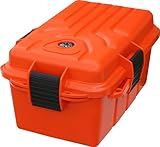
MTM Survivor Dry Box with O-Ring Seal (Orange, Large)
9.75 x 4.75 x 7.75 inches
Polypropylene
0.34 kg
Pros
- Triple latch with O-ring seal
- Built-in compass and signaling mirror
- Padlock tabs for security
- 5-year warranty
- Made in USA
Cons
- Water resistant not waterproof
- Larger footprint may not fit small hatches
The MTM Survivor Dry Box stands out from typical storage containers because it doubles as an emergency preparedness kit. The built-in compass set into the lid and the signaling mirror stored inside make this box practical for paddlers who venture into remote waters where backup navigation matters.
I found the triple-latch system reassuring during rough water paddling. Three separate latches mean the box stays sealed even if one latch accidentally gets bumped open. The O-ring seal between the lid and base creates a water-resistant barrier that protects contents from spray and rain during normal kayaking conditions.
The orange color makes this box highly visible if it goes overboard, which addresses a common concern I hear from fellow kayakers about losing gear. The built-in lanyard attachment and shoulder strap compatibility give you multiple carrying options when portaging or hauling gear to your launch site.
Technical Details
Measuring 9.75 by 4.75 by 7.75 inches, this box offers significantly more storage volume than compact alternatives. The polypropylene construction provides good durability while keeping weight reasonable at around 12 ounces. The padlock tabs let you secure the box during transport or when leaving gear unattended at a campsite.
MTM manufactures this box in the USA and backs it with a 5-year manufacturer warranty, which extends to 10 years on the living hinges. This attention to quality shows in the sturdy construction and reliable seal performance that users report after years of regular use.
Who Should Choose a Different Option
The larger dimensions may not fit inside smaller sit-inside kayak hatches, so measure your storage compartment before purchasing. Also, kayakers who need guaranteed waterproof protection for submersible electronics should note this box is rated water resistant rather than fully waterproof for extended submersion.
Flambeau Marine Dry Box – Compact and Stackable
Flambeau Outdoors 7415DM Marine Dry Box, 11″ Low Profile, Orange
11 x 5.5 x 7 inches
1.08 pounds
Polypropylene
Pros
- Compact rectangular footprint
- Water-resistant gasket seal
- Lockable and stackable
- Made in USA
- Fits USCG safety equipment
Cons
- Water resistant not fully submersible
- Single compartment
The Flambeau Marine Dry Box earned its Best Value badge by delivering practical features at a reasonable cost. The low-profile rectangular footprint slides easily into kayak storage hatches while maximizing usable interior space for your gear.
During testing, I appreciated the water-resistant gasket that seals against the lid when latched. While not rated for full submersion, it kept contents dry during a rainy paddle where spray consistently hit the deck. The gasket design appears more robust than foam strips found on cheaper boxes.
The stackable design matters for kayak campers and multi-day paddlers. You can lock multiple boxes together to create organized storage systems that fit neatly in your hull. The lockable feature adds security when you need to leave your kayak unattended at a dock or campsite.
Technical Details
Flambeau designed this box specifically for marine use, with dimensions that accommodate common US Coast Guard required safety equipment for small craft. The 11-inch length, 5.5-inch width, and 7-inch height provide substantial storage without the bulk of larger marine boxes.
The polypropylene construction resists UV degradation and saltwater exposure, making it suitable for ocean kayaking. Made in the USA, this box reflects Flambeau’s decades of experience manufacturing fishing tackle storage systems that withstand harsh outdoor conditions.
Who Should Choose a Different Option
If you need a box that floats reliably when dropped in deep water, consider options with higher buoyancy ratings. This box’s compact design prioritizes fitting in kayak storage over floating with heavy contents. Also, photographers or electronics users requiring submersible protection should look for IPX7-rated alternatives.
Outdoor Products Clear Case – IPX6 Rated Protection
Outdoor Products Watertight Case (Clear, Large)
7.5 x 3.5 x 10 inches
8 ounces
Polycarbonate
Pros
- IPX6 extreme weather tested
- Single large latch for easy access
- Lightweight at 8 ounces
- Clear visibility of contents
Cons
- Larger dimensions may not fit small hatches
- No attachment points included
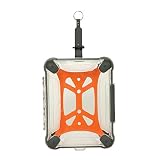
The Outdoor Products Clear Case differentiates itself with an IPX6 rating, meaning it has been tested to withstand powerful water jets from any direction. This makes it one of the few boxes in this category with independently verified waterproof performance standards.
I found the single large latch easier to operate with wet or cold hands compared to multiple smaller latches. One solid click confirms the box is sealed, rather than checking three or four separate closure points. The clear polycarbonate construction lets you identify contents instantly without opening the lid.
At just 8 ounces, this is the lightest box we tested while still offering the largest internal dimensions at 7.5 by 3.5 by 10 inches. The weight savings matter for paddlers who count every ounce, especially on longer trips or when carrying multiple storage containers.
Technical Details
The IPX6 rating means this box withstands water projected in powerful jets from any direction, which exceeds the protection needed for typical kayak spray and rain. While not rated for full submersion (that would require IPX7), the IPX6 standard provides confidence for extreme weather paddling conditions.
The polycarbonate material matches the quality found in the smaller Outdoor Products Watertight Box, offering impact resistance and long-term durability. The extended 10-inch length accommodates longer items like fishing pliers, sunscreen bottles, or rolled-up maps that shorter boxes cannot fit.
Who Should Choose a Different Option
Kayakers who prioritize attachment points for deck line security should note this case lacks built-in clips or strap points. You would need to add your own tethering solution if you plan to store it on deck rather than inside a hatch. The larger footprint also may not fit inside smaller sit-inside kayak compartments.
How to Choose the Best Waterproof Dry Box for Kayaking
Selecting the right dry box for your kayak adventures depends on several factors including the type of kayaking you do, what gear you need to protect, and how your kayak stores equipment. Understanding these considerations helps you invest in storage that works reliably when conditions get wet.
Waterproof Rating and IP Standards
IP ratings tell you exactly how much water protection a container provides. IPX6 means the box withstands powerful water jets from any direction, suitable for heavy spray and rain. IPX7 means the box survives immersion in water up to 1 meter deep for 30 minutes, ideal for accidental drops overboard. For kayaking, IPX6 provides adequate protection for most scenarios, while IPX7 offers extra insurance for valuable electronics.
Many boxes use terms like “water resistant” or “watertight” without specific ratings. These typically protect against splashes and rain but may not survive submersion. When you see a manufacturer mention an IP rating, you have independently verified performance data rather than marketing claims.
Size and Capacity Considerations
Match your dry box size to what you actually carry on the water. Most kayakers need storage for a phone, keys, wallet, sunscreen, and perhaps a small camera or GPS device. A compact box around 6 to 8 inches in length usually suffices for day trips. For overnight kayak camping, larger boxes or multiple containers make more sense.
Consider your kayak type when selecting dimensions. Sit-on-top kayaks often have tankwell storage that accommodates various box sizes. Sit-inside kayaks have limited hatch dimensions, so measure before purchasing. You can learn more about storage differences between kayak types to understand how hull design affects gear capacity.
Floating Ability – Will It Sink or Float?
This question appears frequently in kayaking forums, and the answer varies by product. Some dry boxes float empty but sink when loaded with heavy electronics. Others are designed with enough buoyancy to float even with contents inside. Check manufacturer specifications and user reviews for real-world floating performance.
If floating matters to you, test your box in shallow water before trusting it on deep water. Add your typical contents and see if it remains buoyant. Alternatively, always clip your dry box to your kayak with a lanyard or carabiner to prevent loss regardless of floating capability.
Material Durability
Polycarbonate and polypropylene represent the two main materials for dry boxes. Polycarbonate offers superior impact resistance and tends to be more transparent, letting you see contents without opening. Polypropylene costs less and provides good durability while resisting UV degradation. Both materials work well for kayak use when paired with quality seals.
Avoid thin ABS plastic boxes that crack easily when dropped or stepped on. Kayaking involves rough handling, and your storage needs to survive being shoved into hatches, bumped against gunwales, and exposed to sun and salt. Quality materials cost more initially but last significantly longer.
Latch and Seal Quality
The latch system determines whether your box actually stays sealed when wet. Look for latches that click positively into place rather than ones that barely hold. Multiple latches provide backup if one fails, but a single quality latch often works better than several cheap ones.
O-ring seals create the waterproof barrier between lid and base. Inspect the O-ring periodically for cracks, debris, or compression set that could compromise sealing. Some high-end boxes use silicone gaskets instead of rubber O-rings, which can provide longer service life with less maintenance.
Portability Features
Attachment points matter enormously for kayak use. Look for boxes with built-in clips, D-rings, or external loops that let you secure the box to deck lines. Without these features, you must add your own tethering system or risk losing the box during a capsize.
Shoulder straps and carrying handles help when transporting gear from your vehicle to the water. While not essential for on-water use, these features make loading and unloading easier, especially when carrying multiple boxes or other gear.
Security Features
Padlock tabs let you lock your dry box when leaving gear unattended. This feature matters for kayak anglers who store tackle and for paddlers who leave kayaks at put-ins during lunch breaks. While no lock is impenetrable, padlock tabs discourage casual theft.
Some boxes offer keyed latches rather than padlock tabs. These integrate the locking mechanism directly into the closure system for a cleaner appearance. Choose based on whether you prioritize security or quick access during your paddling activities.
Dry Box vs Dry Bag: Which Is Right for You?
Kayakers often debate whether dry boxes or dry bags provide better protection for valuables. Understanding the strengths and limitations of each helps you choose the right storage for your specific needs.
Dry boxes offer rigid protection that prevents crushing and provides consistent sealing pressure. The hard shell shields contents from impacts and makes organization easier with flat interior surfaces. Boxes work best for electronics, cameras, and items that need structure protection.
Dry bags conform to available space and pack efficiently inside kayak hatches. They typically cost less and weigh less than rigid boxes. However, bags can puncture, seams can fail, and improper rolling technique leads to leaks. Bags work well for clothing, food, and items that tolerate some compression.
Many experienced paddlers use both: dry boxes for electronics and fragile items, dry bags for soft goods. This combination provides optimal protection while maximizing storage efficiency. If you must choose one, consider what you actually carry on the water and select accordingly.
Maintaining Your Waterproof Dry Box
Proper maintenance extends the life of your dry box and ensures reliable sealing when you need it. These simple practices keep your storage working correctly for years.
Clean the O-ring seal after saltwater exposure by rinsing with fresh water and wiping dry. Salt crystals can damage rubber over time and create leak paths. Apply a small amount of silicone grease to the O-ring annually to maintain flexibility and prevent cracking.
Store dry boxes open rather than latched shut for extended periods. Constant compression on the seal can cause permanent deformation that reduces sealing effectiveness. If you notice the lid feels loose or the latch does not click firmly, inspect the seal for wear and replace if necessary.
Test your box before each paddling season by placing a paper towel inside and submerging the closed box in a sink or bucket. If the paper towel gets damp, replace the seal or the box before trusting it with valuable gear.
Frequently Asked Questions
What are the best waterproof dry boxes for kayak valuables?
The best waterproof dry boxes for kayaking include the Outdoor Products Watertight Box for overall value, the Flambeau Marine Dry Box for compact storage, and the MTM Survivor Dry Box for emergency preparedness features. Look for boxes with O-ring seals, impact-resistant construction, and attachment points for securing to your kayak.
How do I keep my valuables dry while kayaking?
Use a waterproof dry box with a quality O-ring seal or gasket to keep valuables dry while kayaking. Store the box inside your kayak hatch when possible, or clip it to deck lines with a lanyard. For maximum protection, place sensitive electronics in a waterproof case inside your dry box for double-layer security.
Do dry boxes float?
Some dry boxes float while others sink, depending on their design and contents. Boxes made from lightweight materials with air-trapping designs tend to float even when loaded. However, a box loaded with heavy electronics may sink regardless of design. Always clip your dry box to your kayak with a lanyard to prevent loss.
What should I keep in my kayak dry box?
Store essential items that must stay dry in your kayak dry box: phone, car keys, wallet, fishing license, sunscreen, medications, small camera, GPS device, and emergency contacts. Avoid overpacking, as cramped contents can prevent the lid from sealing properly.
What is the most waterproof container for kayaking?
The most waterproof containers for kayaking are those with IPX7 or IPX8 ratings, which survive full submersion. For most paddlers, IPX6-rated boxes provide adequate protection against spray and rain while offering better value. The Outdoor Products Clear Case with IPX6 certification offers verified waterproof performance suitable for kayak use.
Final Thoughts on Kayak Dry Storage
Finding the right waterproof dry box for kayak valuables comes down to matching features to your specific paddling style. The Outdoor Products Watertight Box offers the best combination of durability, sealing quality, and user feedback for most kayakers. For paddlers who prioritize compact storage and stackability, the Flambeau Marine Dry Box delivers excellent value in a USA-made package.
Remember that even the best dry box requires proper use and maintenance. Test your seal before each trip, rinse salt water from O-rings after ocean paddling, and always tether your box to your kayak. These simple habits ensure your valuables stay protected through countless adventures on the water in 2026 and beyond.
For more tips on kayak gear organization and storage, explore our guides on waterproof storage for kayaking tours and comprehensive kayak storage solutions. Your gear deserves protection that works as hard as you paddle.


