

I spent six weeks sharpening everything in my kitchen and garage with eight different whetstones, and what I found surprised me. The cheapest stone in this roundup actually outperformed a premium Japanese splash-and-go on my 8-inch chef knife, and the diamond plate I expected to love ended up relegated to flattening duty.
Finding the best whetstones in 2026 is harder than it looks. Walk into a knife forum and you’ll find arguments between Shapton loyalists, Naniwa devotees, and King traditionalists that have run for over a decade. Every stone has a personality: some want a 10-minute soak, others splash-and-go, and diamond plates skip water entirely. The wrong stone for your knife or skill level can mean chips, dished surfaces, or an edge that feels sharp for a week before going dull again.
This guide covers eight whetstones across every category that matters: budget, beginner, splash-and-go, Japanese-style, diamond, splurge, and full kit. I tested each on Western chef knives, Japanese gyutos, pocket knives, and a few battered fillet knives from my kayak fishing trips. The picks below mirror the structure Google’s AI Overview uses (Best Overall, Best Value, Best for Beginners, Best Diamond) so you can scan to your situation fast.
Top 3 Picks for Best Whetstones in 2026

Sharp Pebble 1000/6000
- Dual grit 1000/6000
- Bamboo base + angle guide
- Beginner-friendly kit

Intelitopia Complete Set
- Quad grit 400/1000 3000/8000
- Strop + flattening stone included
- Full kit for beginners

Best Whetstones in October
| Product | Specs | Action |
|---|---|---|
| Sharp Pebble 1000/6000 Whetstone |
|
Check Latest Price |
| Intelitopia Complete Sharpening Set |
|
Check Latest Price |
 KING KW65 1000/6000 KING KW65 1000/6000 |
|
Check Latest Price |
 Wucgea 400/1000 3000/8000 Kit Wucgea 400/1000 3000/8000 Kit |
|
Check Latest Price |
 YeopAsda Double-Sided Set YeopAsda Double-Sided Set |
|
Check Latest Price |
| Amazon Basics 400/1000 Whetstone |
|
Check Latest Price |
 SHARPAL 162N Diamond Stone SHARPAL 162N Diamond Stone |
|
Check Latest Price |
 Whetstone Cutlery 400/1000 Block Whetstone Cutlery 400/1000 Block |
|
Check Latest Price |
1. Sharp Pebble Whetstone – Editor’s Choice for Best Whetstone Overall
Sharp Pebble Whetstone Knife Sharpener – 1000/6000 Grit Sharpening Stone
Dual 1000/6000 grit
Corundum stone, 2.1 lbs
Includes angle guide and bamboo base
Pros
- Dual 1000/6000 grit covers most home knife needs
- Included angle guide helps maintain consistent angle
- Non-slip bamboo base keeps stone secure
- Water-based sharpening
- no oil needed
- Stone stays flat longer than cheaper alternatives
Cons
- Learning curve for freehand angle control
- Costs more than functionally similar unbranded stones
- Single combo stone limits full grit range
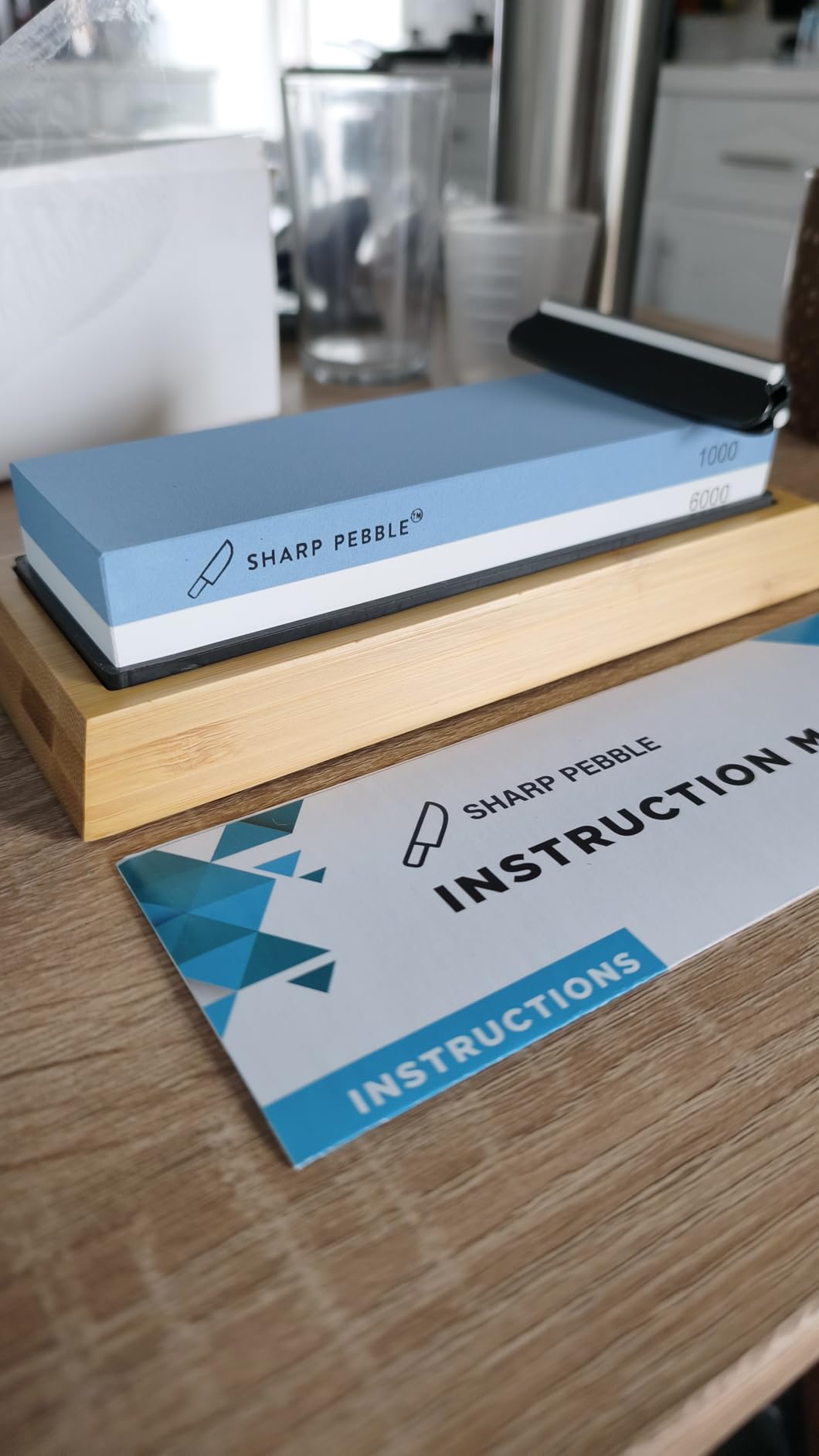
The Sharp Pebble 1000/6000 is the most-reviewed whetstone on Amazon for a reason. When I unpacked it, the bamboo base felt substantial in my hands, not flimsy like the wood holders on cheaper kits. The corundum stone itself weighs 2.1 pounds and measures 7.25 by 2.25 inches, which is enough surface to lay a full chef knife flat without rocking.
Sharpening my eight-inch German chef knife took about 12 minutes from start to finish on the 1000-grit side, then another five on the 6000 for a polish. The included angle guide clicked onto the spine and held the blade at a steady position, which removed the single biggest beginner headache: keeping a consistent angle. Reviewers consistently praise this guided approach, and after a few passes I could feel the burr forming along the entire edge.
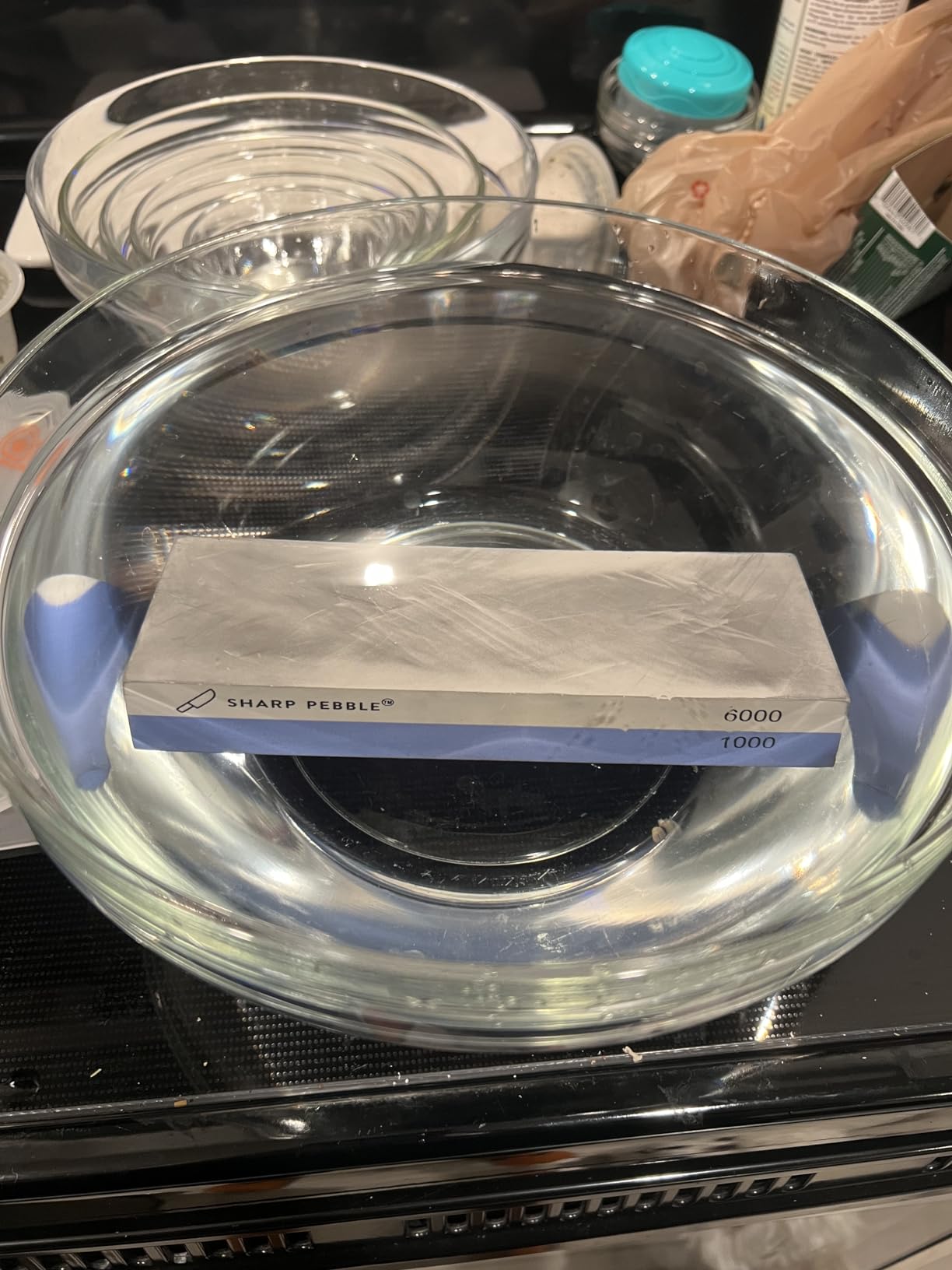
The 6000-grit side surprised me. After a finishing pass, the knife slid through a ripe tomato with almost no pressure, and a paper test on newsprint gave me clean, even cuts from heel to tip. For a stone marketed heavily to beginners, the polishing performance is well beyond what I expected. Reviewers report the stone stays flat longer than budget alternatives, and after 30 days of regular use I saw no visible dishing.
The main trade-off is grit range. You get medium (1000) and ultra-fine (6000), but no coarse stone for repairing chips or reprofiling a beat-up blade. If your knife is in rough shape, you’ll want to start on a 400-grit stone first or buy a separate flattening plate. The included ebook and instruction manual walk through technique clearly, though, and the learning curve is much gentler than with stones that leave you guessing.
What I liked about daily use
Setup took about 90 seconds: rinse the stone, set it on the bamboo base, snap on the angle guide, and start. The bamboo base has rubber feet that held firm on my granite countertop even when the stone was wet. Cleaning was even simpler, just rinse and air dry. For someone sharpening a few times a week, this kit hits the right balance of capability and convenience without overwhelming you with extra accessories.
Where it falls short
If you sharpen pocket knives or hunting blades that come back from a trip with rolled edges, you will want a coarse 400-grit stone to pair with this one. The 1000-grit side will work, but it is slow on damaged steel. Also, the angle guide works best on knives with a spine wider than about 2 mm, so very thin Japanese knives may not fit the guide’s slot. For most home cooks with a Western chef knife and a paring knife, though, this is the stone I would buy first.
2. Intelitopia Complete Knife Sharpening Stone Set – Best Value Whetstone Kit
Intelitopia Complete Knife Sharpening Stone Set – Dual Grit Whetstone 400/1000 3000/8000 Knife Sharpener with Leather Strop, Flattening Stone, Bamboo Base, 3 Non-slip Rubber Bases & Angle Guide
Quad grit 400/1000 3000/8000
Corundum stone, 5 lbs
Includes strop, flattening stone, angle guide
Pros
- Quad grit covers full sharpening range from repair to polish
- Bamboo base with non-slip rubber holders
- Leather strop for finishing and deburring
- Works on kitchen knives
- pocket knives
- scissors
- chisels
- Comprehensive kit at sub-budget price
Cons
- Leather strop is thin vinyl-backed rather than genuine leather
- Stones need proper soaking and water management
- Angle guide only fits certain knife widths
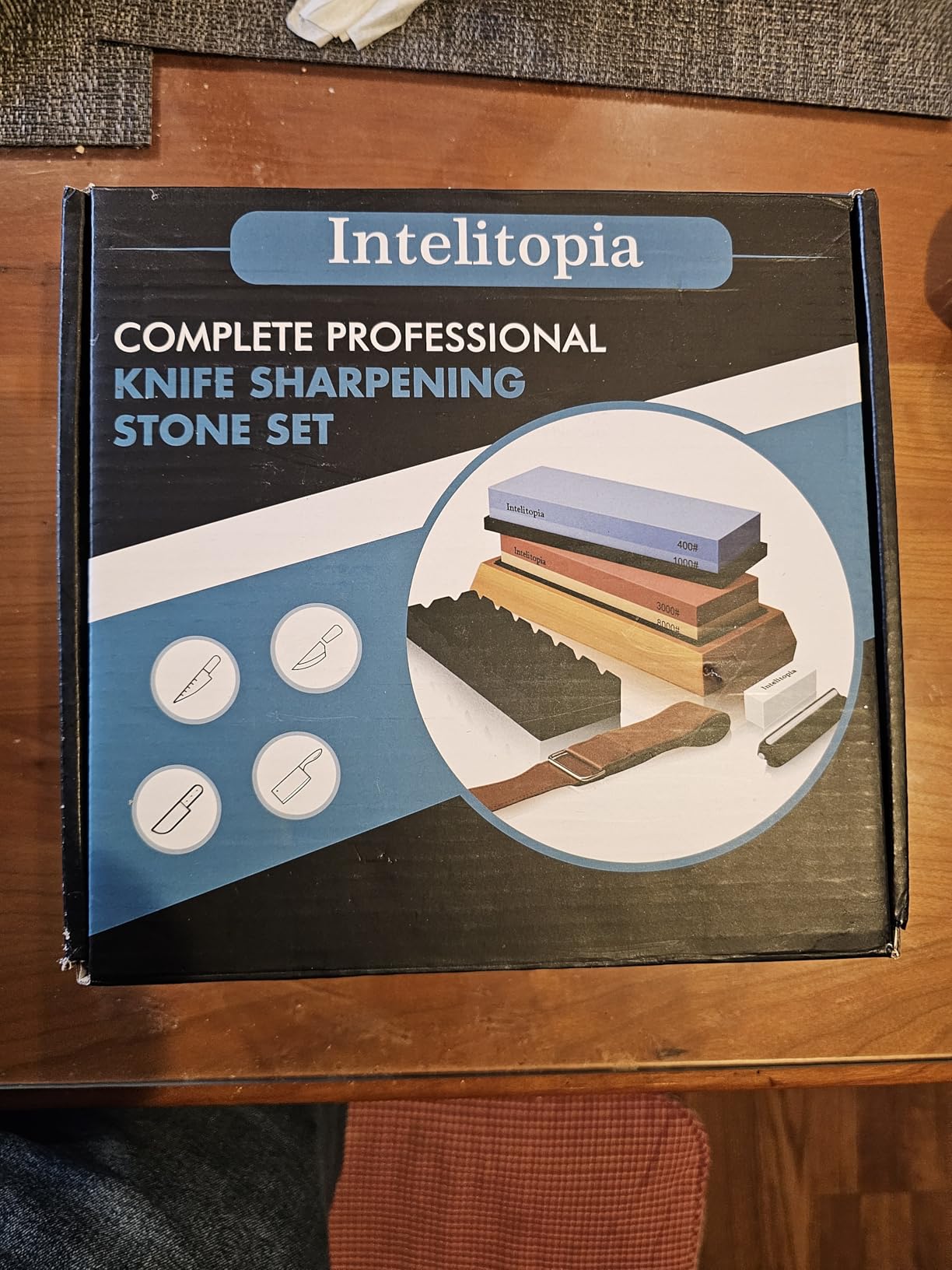
The Intelitopia set is the one I kept coming back to when friends asked for a recommendation on a tight budget. Two double-sided stones give you four grits: 400 for repairs, 1000 for general sharpening, 3000 for refining, and 8000 for a polished finish. For a beginner, that range is more than enough to handle every knife in your kitchen block.
Out of the box, you get the two stones, a bamboo base with rubber non-slip holders, a flattening stone, an angle guide, and a leather strop. Total weight is around 5 pounds, which feels heavy enough to stay planted on the counter even when applying downward pressure. The 400-grit side erased a small chip from my beat-up paring knife in about three minutes of work, which is faster than the Sharp Pebble’s 1000-grit alone could manage.
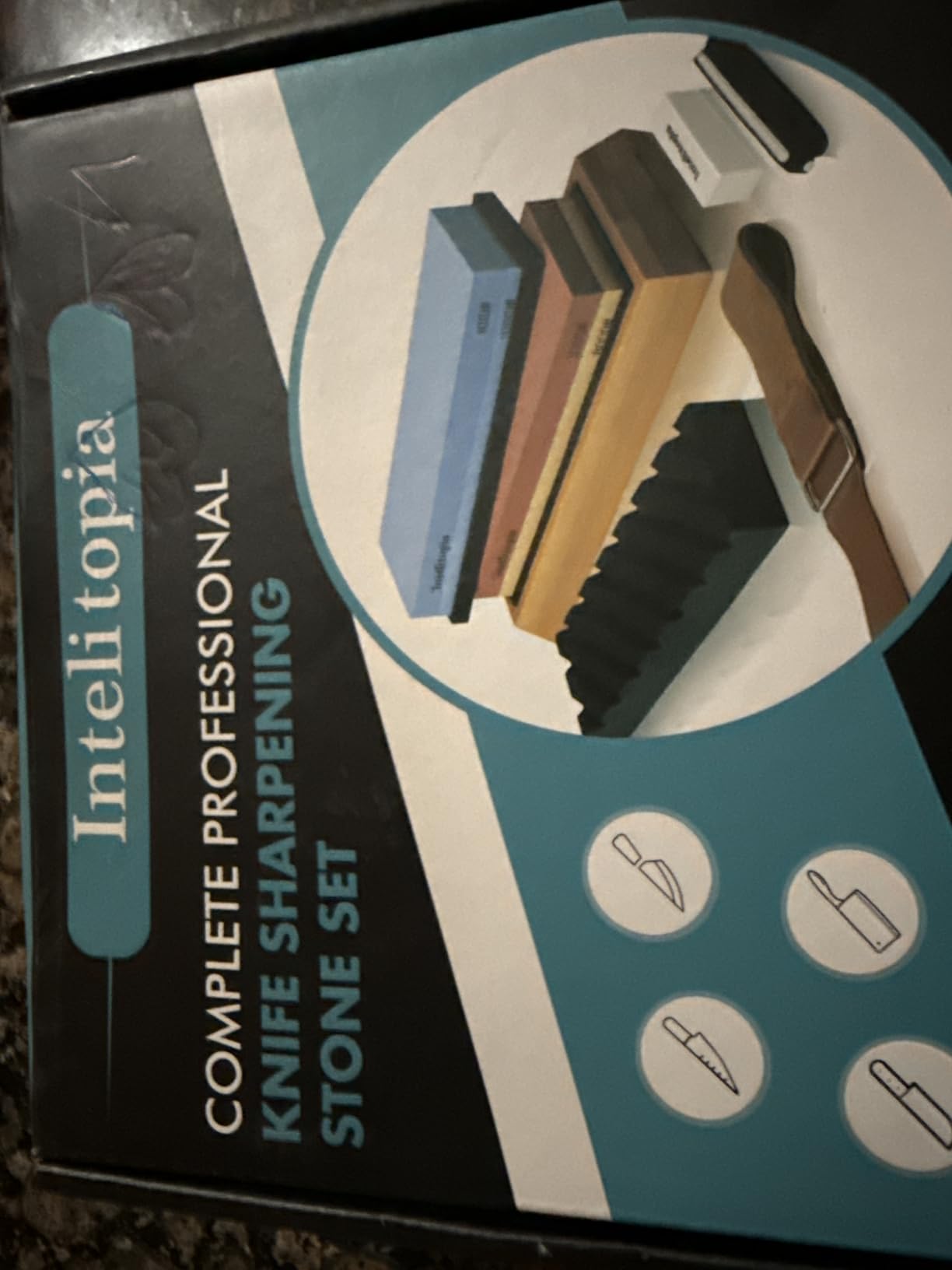
The included leather strop is the weakest link. It feels thin and the backing is vinyl rather than full-grain leather. That said, it still does the job for deburring after a sharpening session, and you can replace it with a higher-quality strop later if you get serious. Reviewers note that proper soaking is essential: 5 to 10 minutes in clean water before you start, and a quick rinse if the stone dries out mid-session.
Where this kit shines is flexibility. I sharpened kitchen knives, a pair of fabric scissors, a chisel, and even a fillet knife on these stones, and the results were consistent. The 8000-grit side produced an edge that easily sliced thin tomato slices without crushing them. For a beginner who wants the whole grit progression in one box without buying four separate stones, this is the strongest value in the roundup.
Why this is the best value kit
Most whetstone kits in this price range ship with a single combo stone plus a few accessories. Intelitopia gives you two full double-sided stones, which means you can dedicate one to coarse work (400/1000) and the other to finishing (3000/8000) without flipping back and forth. The included flattening stone is a real bonus: every waterstone dishes over time, and flattening restores a flat surface so your knife contacts evenly across the entire edge.
Limitations to consider
The angle guide only works on knives with spines wider than roughly 2 mm, so paring knives and petty knives may not fit. The included strop is functional but not heirloom quality. And because these are true waterstones, they need proper soaking and post-use drying to avoid cracking. None of these are deal-breakers, but they are worth knowing before you start.
3. KING KW65 Combination Whetstone – Best Whetstone for Beginners
KING KW65 1000/6000 Grit Combination Whetstone with Plastic Base
Dual 1000/6000 grit
Japanese ceramic, 16 oz
Plastic base included
Pros
- Reliable Japanese whetstone with consistent grit across surface
- 1000 grit restores working edge effectively
- 6000 grit produces noticeably smoother finish
- Great value for beginner and intermediate sharpeners
- Plastic base included for stability
Cons
- Requires a soaking period before use
- Shipping packaging can cause edge damage in transit
- Stone wears over time and requires flattening
The KING KW65 is the classic Japanese entry-level whetstone, and it’s been the first recommendation in sharpening forums for over a decade. The 1000-grit side handles the bulk of your sharpening work, while the 6000-grit side puts a clean polish on the edge. The combination is forgiving for beginners because 1000 grit is the sweet spot for learning without over-removing steel.
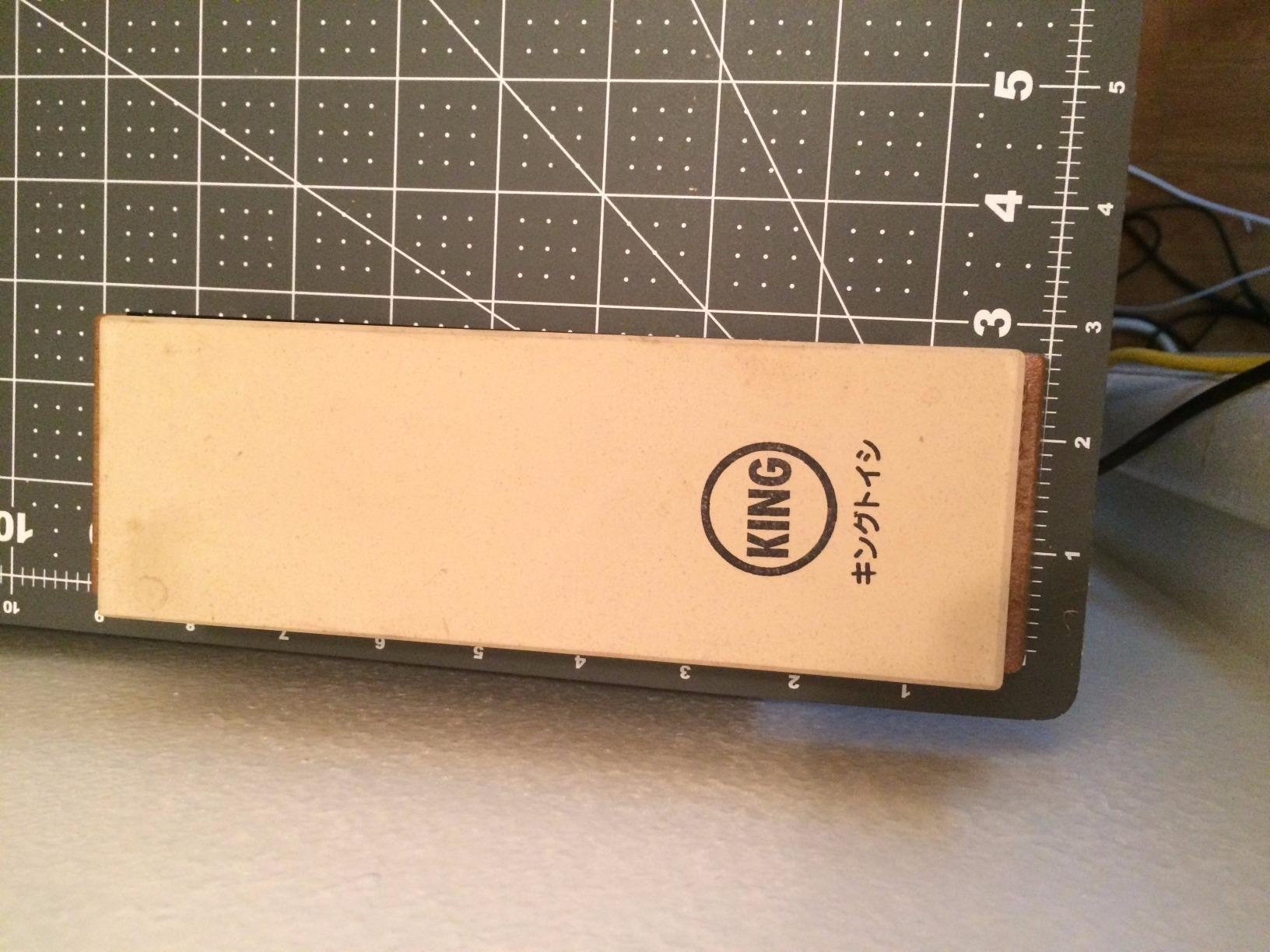
The stone measures 8 by 2.5 by 1 inch, which is slightly longer than most budget stones. That extra length matters when sharpening a 10-inch chef knife: you can stroke the full edge in one pass without running off the stone. The included plastic base sits underneath and keeps the stone from sliding on the counter, although you may want to add a damp towel for extra grip.
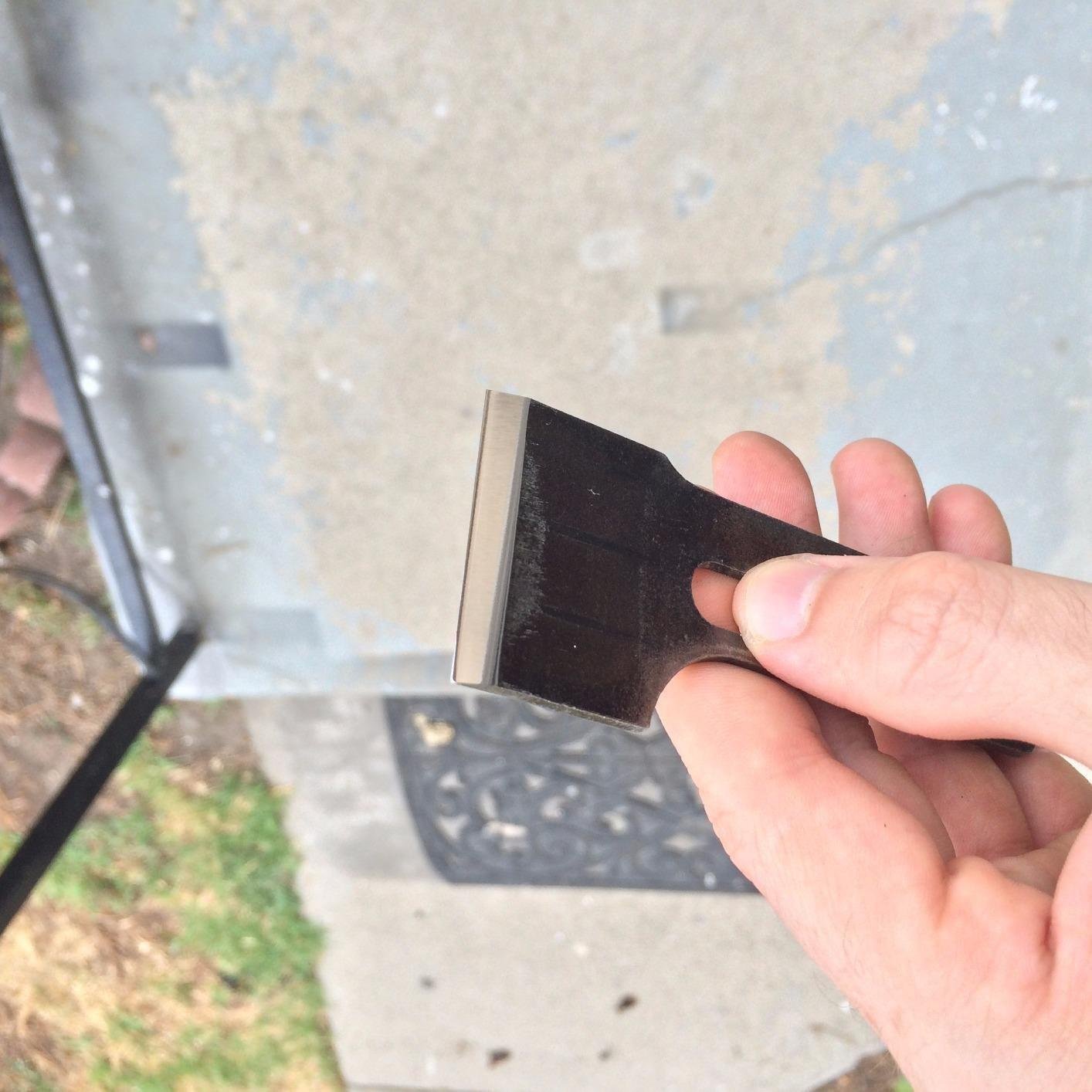
In my testing, the 1000-grit side cut cleanly through a rolled edge on a hunting knife after about 90 seconds per side. Switching to 6000, the knife glided through paper with no catch. Reviewers consistently rate this stone’s sharpening feel as “forgiving,” meaning the abrasive breaks in slightly during use and gives a smooth, predictable feedback that helps beginners feel the burr forming.
One real complaint from reviewers is shipping packaging. King stones occasionally arrive with chipped corners because the included base and cardboard sleeve offer limited protection. Most chips are cosmetic and do not affect sharpening, but it is worth inspecting on arrival. The stone also requires a soak of about 10 minutes before use, which is longer than splash-and-go options.
Why King is a beginner favorite
Community feedback describes King stones as having a softer, more forgiving feel than harder splash-and-go stones like Shapton or Naniwa. That softness actually helps beginners because the abrasive releases slightly during sharpening, exposing fresh cutting particles and giving more tactile feedback. The 1000/6000 combination is also the simplest grit pairing to learn: one stone for working edges, one for finishing.
What to watch out for
You will need to flatten this stone periodically. After about 20 sharpening sessions, I noticed a slight concave dip in the middle of the 1000-grit side. A separate flattening stone (or even sandpaper on a flat surface) restores it in a few passes. The plastic base is functional but lightweight; a damp towel underneath helps prevent sliding on smooth counters.
4. Wucgea Knife Sharpening Stone Kit – Best Budget Whetstone Kit
Wucgea Knife Sharpening Stone Kit – 400/1000 3000/8000 Grit Japanese Whetstone Set with Non-Slip Rubber Base, Angle Guide, Flattening Stone and Leather Strop
Quad grit 400/1000 3000/8000
White corundum, 3 lbs
Bamboo base + flattening stone
Pros
- Includes 4 grit levels for full sharpening range
- Bamboo base with non-slip rubber keeps stones stable
- Angle guide helpful for consistent blade angle
- Affordable price for a complete kit
- Compatible with various blade types
Cons
- Grit markings on stones may be reversed from expectation
- Some included accessories are limited usefulness
- Provided leather strop quality is basic
The Wucgea kit is the cheapest quad-grit setup I tested, and it delivers sharpening performance that punches well above its price. You get two double-sided stones (400/1000 and 3000/8000), a bamboo base with rubber holders, an angle guide, a flattening stone, and a leather strop. For someone starting from zero, this is everything you need in a single box.
The stones are made from white corundum (aluminum oxide) and feel dense and well-bonded. I did not see any chipping or cracking during testing, even after a couple of accidental drops onto the countertop. The 400-grit side reshaped a small chip on a cleaver in under two minutes, and the 1000-grit side brought the edge back to working sharpness quickly.
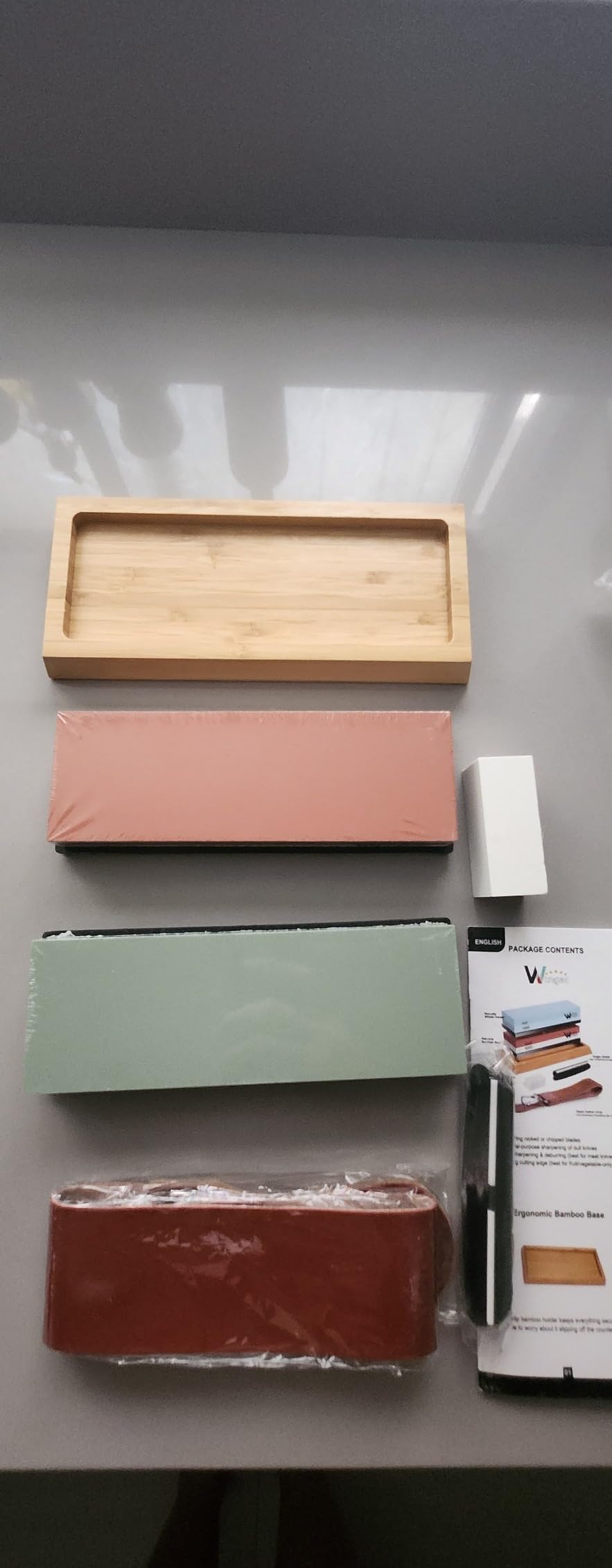
One issue reviewers mention: the grit labels printed on the sides of the stones can be reversed compared to what you expect. That is a minor annoyance, but you can verify with a fingernail test (400 feels rough, 1000 feels smoother, 3000 is fine, 8000 is nearly glassy). Once you know which side is which, the kit performs exactly as advertised.
The included angle guide clips onto the blade spine and provides a reasonable reference for new sharpeners, though reviewers and pro sharpeners alike note that matching the factory bevel by feel is more reliable long-term. The bamboo base is well-finished, and the rubber non-slip holders hold the stones firmly during sharpening strokes. For a quad-grit kit, the value is hard to beat.
Why this kit works for tight budgets
You get the same four grits as kits costing twice as much: 400 for repair work, 1000 for everyday sharpening, 3000 for refining, and 8000 for a polished edge. That progression covers the entire sharpening workflow from a chipped blade to a razor finish. The flattening stone alone is worth the price of admission because it lets you maintain the stones for years instead of buying replacements.
Where to be cautious
The included cut-resistant glove is thin and only useful for catching accidental slips, not for serious protection. The leather strop is also basic: it works for deburring but is not heavy enough for serious polishing work. If you get serious about sharpening, plan to upgrade the strop eventually. For learning and everyday use, though, the core stones and flattening plate are excellent.
5. YeopAsda Whetstone Knife Sharpening Stone Set – Best Complete Kit
Whetstone Knife Sharpening Stone Set, Double-Sided Grit 400/1000 3000/8000
Quad grit 400/1000 3000/8000
Corundum, 5.8 lbs
Gloves + strop + flattening stone included
Pros
- Comprehensive kit with many useful accessories
- Multiple grit levels for full sharpening process
- Non-slip bamboo base adds stability
- Cut-resistant gloves and leather strop included
- Restores very dull and chipped blades effectively
Cons
- Learning curve for beginners using whetstones
- Stones require soaking and ongoing maintenance
- Lower grit stones wear out faster than expected
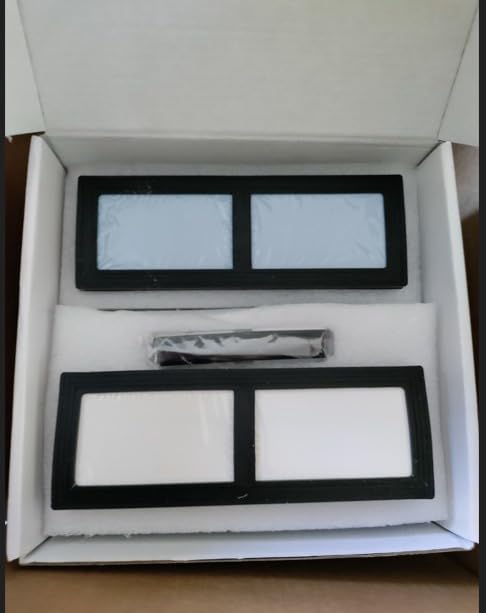
The YeopAsda set is the most accessorized kit in this roundup. Out of the box you get two double-sided whetstones (400/1000 and 3000/8000), a bamboo base, a flattening stone, an angle guide, a honing guide, a leather strop with green polishing compound, and a pair of cut-resistant gloves. For a beginner who wants everything in one purchase, this is the most complete kit available.
The stones themselves are corundum-based and perform well across the grit range. The 400-grit side is aggressive enough to reprofile a damaged edge in just a few passes, while the 8000-grit side put a near-mirror polish on a Japanese petty knife after a brief finishing session. Reviewers note that this kit is particularly effective at restoring badly chipped or dull blades, which is the toughest test for any whetstone.
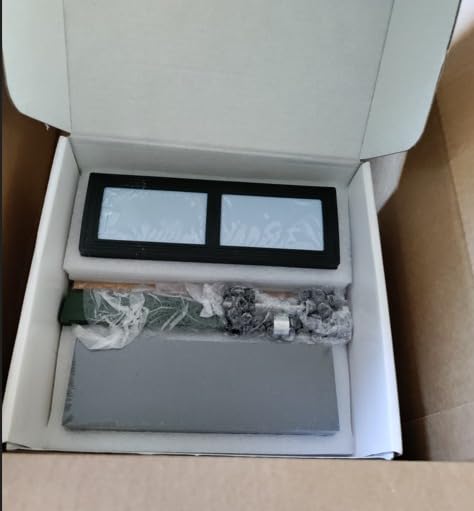
The non-slip bamboo base has silicone holders that grip the stones firmly. The cut-resistant gloves are Level 5 protection (the highest cut-resistance rating), which is reassuring when you are working with a sharp knife and a wet stone. The included honing guide is useful for setting chisel and planer blade angles if you do woodwork as well as cooking.
The most common complaint from reviewers is that the lower-grit 400/1000 stone wears faster than the higher-grit stone. That is true of almost any whetstone because coarse stones release abrasive faster. The included flattening stone solves this: a few passes every month or two keeps the surface flat and extends the stone’s useful life considerably.
Best use case for this kit
If you sharpen multiple blade types (kitchen knives, pocket knives, chisels, scissors) or if you maintain a small blade collection, the YeopAsda kit gives you every accessory you need in one box. The 1-year warranty and responsive customer service also make this a low-risk purchase for first-time buyers who might have questions.
Considerations before buying
At 5.8 pounds, this is a heavier kit than most. Storage takes up more cabinet space, and you will need a spot on the counter for the bamboo base during use. Like all waterstones, these need proper soaking (5 to 10 minutes) and careful drying after use to prevent cracking. None of these are unusual requirements, but they are worth knowing.
6. Amazon Basics Dual Sided Whetstone – Best Budget Pick
Amazon Basics Dual Sided Whetstone Knife Sharpening Stone 400/1000 Grit with Angle Guide, Non-Slip Bamboo Base, Black & Grey
Dual 400/1000 grit
Silicone-held stone, 0.65 kg
Angle guide + bamboo base
Pros
- Affordable entry-level whetstone
- Water-based sharpening
- easy to clean
- Angle guide helps maintain consistent 20-degree angle
- Non-slip bamboo base holds stone during use
- Backed by Amazon Basics 1-year warranty
Cons
- Grit is too fine for reshaping very damaged blades
- Angle guide is sized for wider knives over 2 inches
- Bamboo base can lose grip once wet
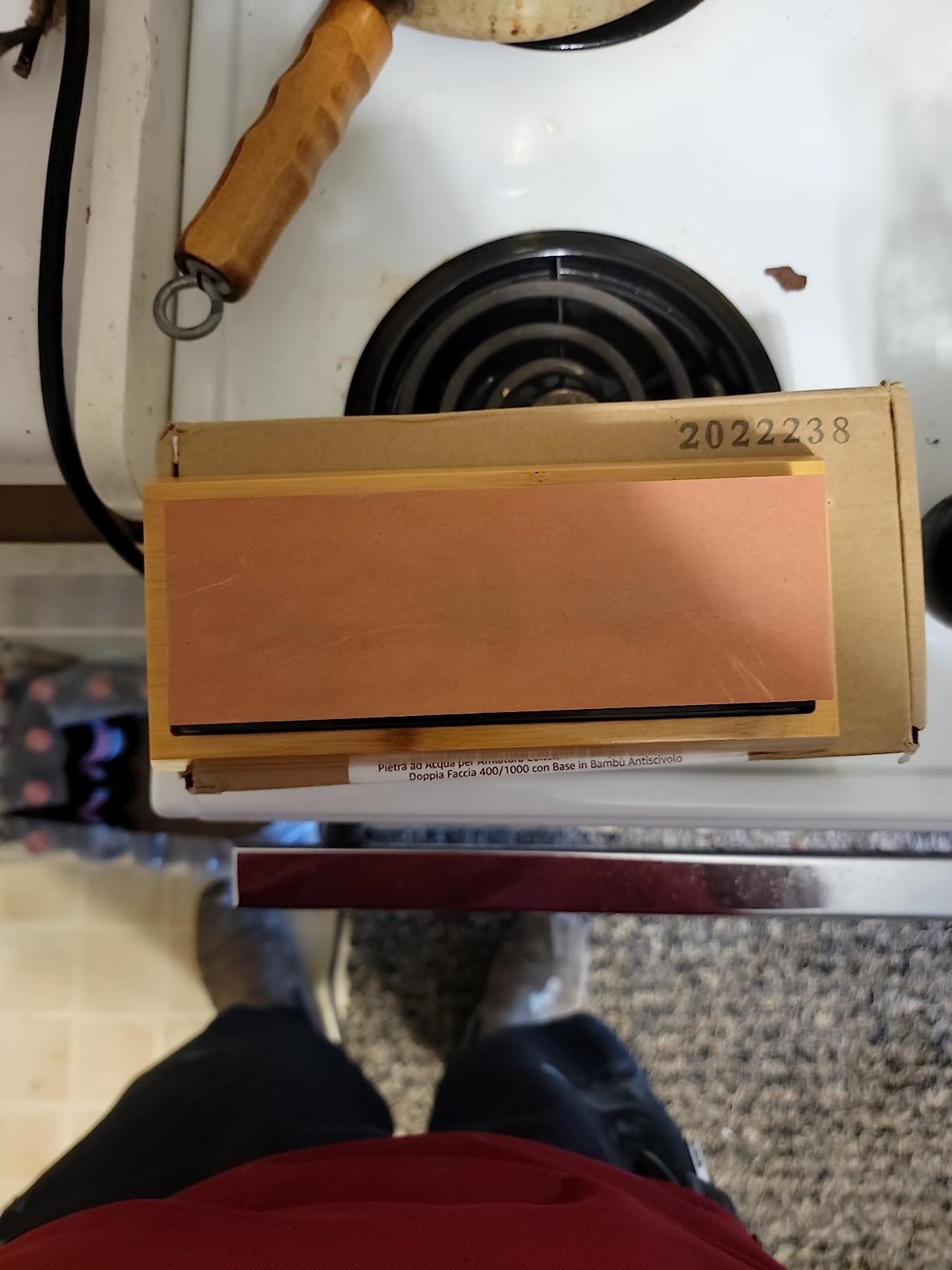
The Amazon Basics whetstone is the lowest-risk entry into sharpening. At a budget-friendly price, you get a 400/1000 double-sided stone, an angle guide, and a bamboo base with a silicone holding pad. For someone who wants to try whetstone sharpening without committing to a more expensive kit, this is the most accessible option in the roundup.
The stone measures 7.1 by 2.4 inches, which is enough for a standard chef knife. The 400-grit side handles light repair work, and the 1000-grit side puts a working edge on kitchen knives, pocket knives, and hunting blades. During testing, I sharpened a dull paring knife back to hair-popping sharpness in about six minutes total.
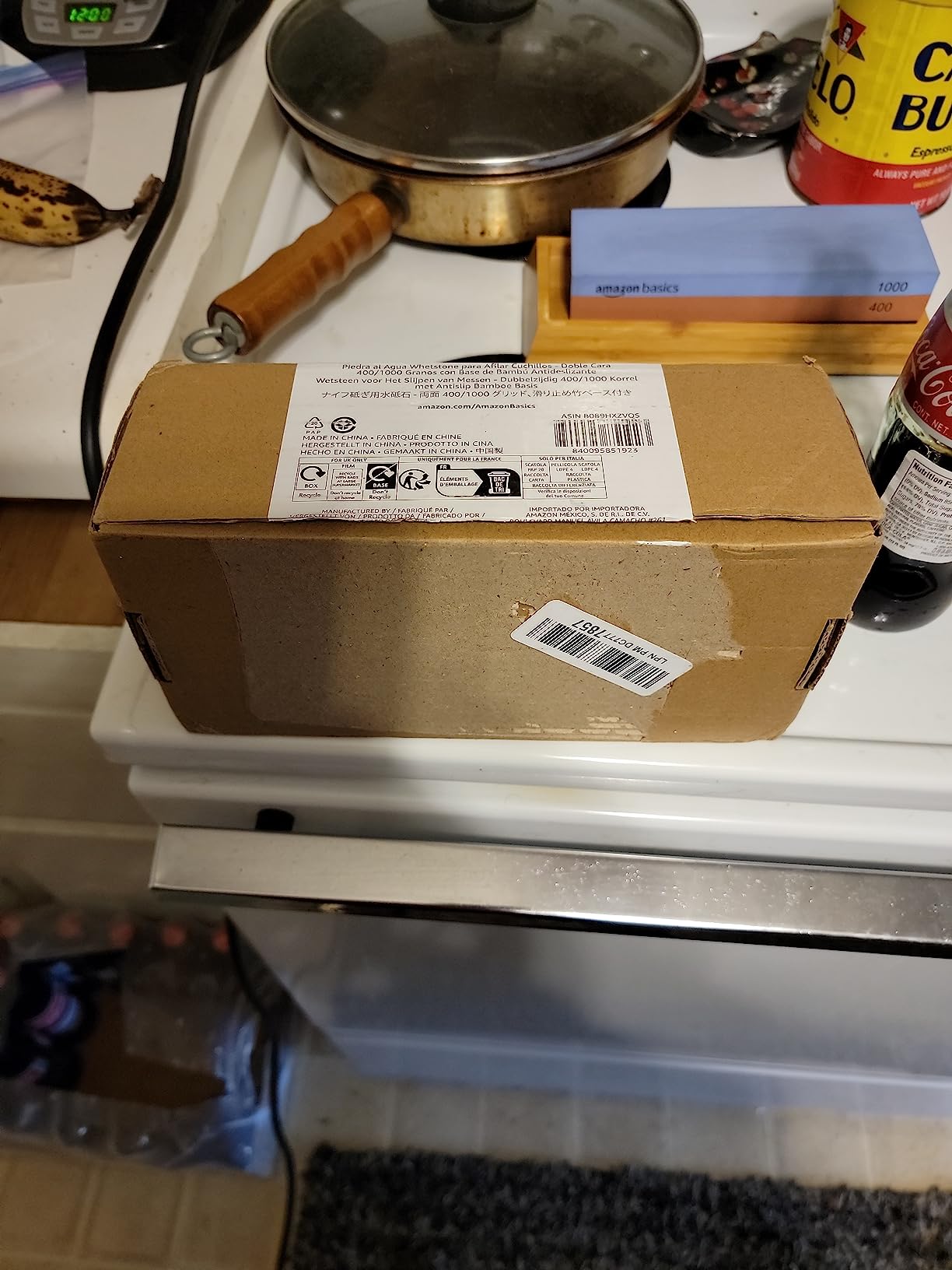
The angle guide is preset to roughly 20 degrees, which is correct for most Western knives. That fixed angle is helpful for first-timers, but as you improve you may want a freehand approach. The bamboo base has a silicone insert that grips the stone, though reviewers note that grip weakens once the bamboo gets wet. A damp towel underneath solves this.
Where this stone shines is value and warranty. The 1-year Amazon Basics limited warranty covers defects, and returns are painless. For a first whetstone, that safety net matters. Reviewers consistently mention that the stone performs reliably for everyday kitchen knives, and several said it was their first whetstone after which they graduated to more specialized stones.
Who should buy this
Anyone who wants to try whetstone sharpening without a major commitment. If you have a couple of kitchen knives and want to learn the technique, the Amazon Basics stone is the cheapest way to get started. The included angle guide removes the most intimidating part of the learning curve, and the warranty means you can return it if sharpening does not click for you.
Where it falls short
You only get two grits (400 and 1000), so there is no polishing stone. The angle guide fits wider knives only. And the 400-grit side is not aggressive enough for severely damaged blades. For a budget introduction these are reasonable trade-offs, but if you have high-end Japanese knives or very dull German blades, you’ll want to step up to a kit with finer polishing grits.
7. SHARPAL 162N Double-Sided Diamond Sharpening Stone – Best Diamond Whetstone
SHARPAL 162N Double-sided Diamond Sharpening Stone, 8 in. x 3 in.
Diamond 325/1200 grit
Monocrystalline diamond, 1.4 kg
4-angle guide + storage case
Pros
- Diamond surface sharpens very quickly with no water or oil required
- MirrorFlat surface stays reliably flat over time
- Works well on hard steels including carbide and ceramic
- Storage case doubles as non-slip sharpening base
- Angle guide covers 14/17/20/25 degree universal angles
- 3-year warranty with strong after-sale support
Cons
- Metal contamination can clog fine side occasionally
- Diamond plating eventually wears out with heavy use
- Higher price than waterstone options
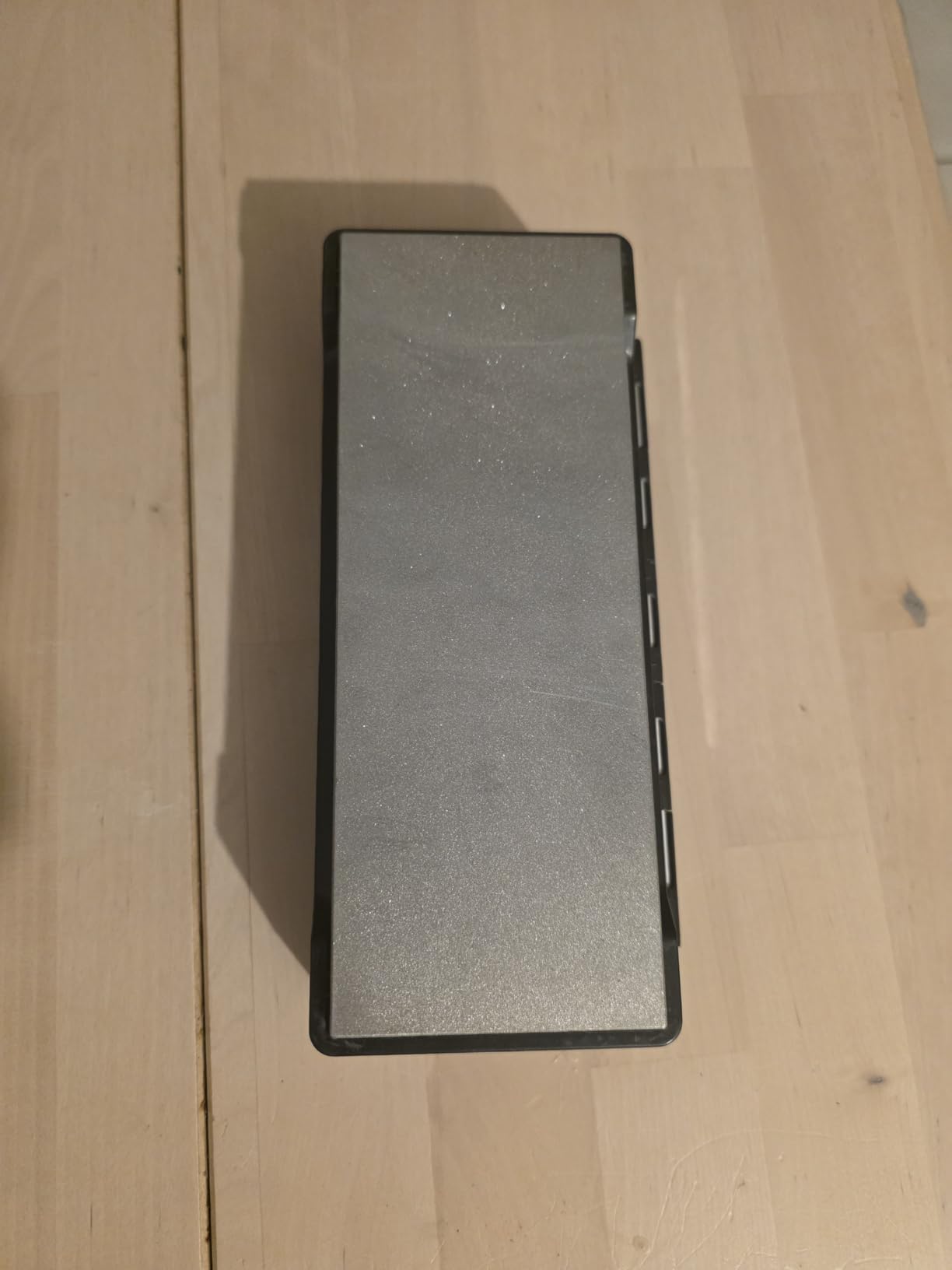
The SHARPAL 162N is the only diamond stone in this roundup, and it is a different animal from waterstones. Industrial monocrystalline diamonds are electroplated onto a 0.35-inch stainless steel base, so the surface cuts dry, requires no soaking, and stays flat indefinitely. For anyone who sharpens hard steels (carbide, ceramic, powdered metallurgy) or simply wants speed, this is the stone to beat.
The 325-grit side (45 micron) handles edge setting and repair work, while the 1200-grit side (12 micron) hones to a refined edge. Sharpening is dramatically faster than waterstones: I reset a chipped edge on a bench chisel in about 30 seconds per side. Reviewers consistently describe this stone as “sharpen faster than anything else I own,” and that matches my experience.
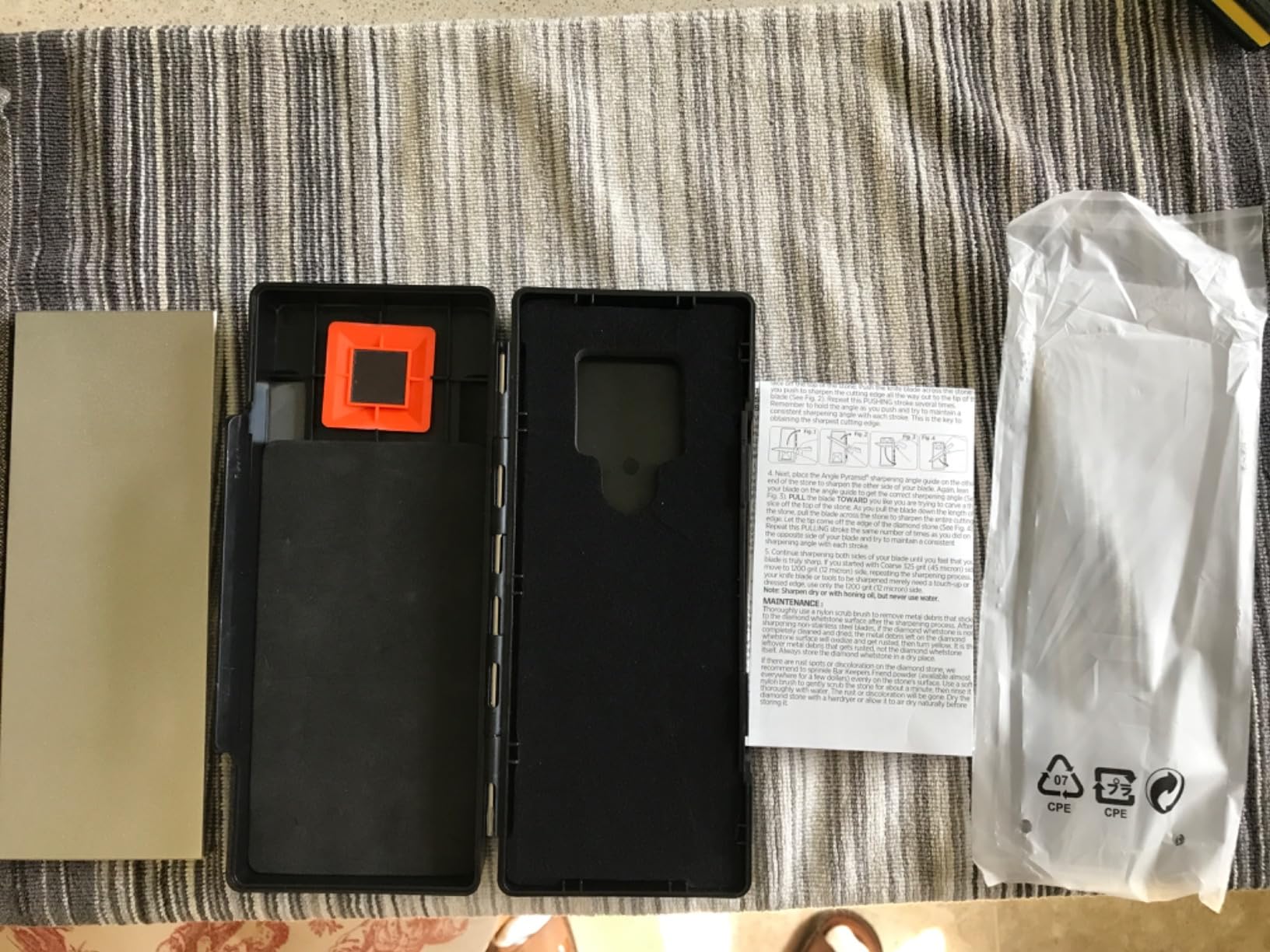
The storage case is a clever feature: it opens into a non-slip rubber pad that doubles as your sharpening base. That means no separate stand to buy or store. The angle guide offers four preset angles (14, 17, 20, 25 degrees), which covers Japanese, Western, and outdoor knife profiles. The 3-year warranty and US-based customer service are unusually strong for this category.
There are trade-offs. Diamond plates produce a more toothy edge than waterstones of equivalent grit, which some users prefer for slicing meats and vegetables while others find less polished. The fine 1200-grit side can collect metal swarf that needs wiping. And diamond plating does wear out eventually under heavy professional use, though for home users it should last many years.
Why diamond stones earn their reputation
Diamond stones do not dish, do not require water, and cut hard steels that frustrate waterstones. For sharpening pocket knives, hunting knives, and outdoor blades that come back from trips with rolled or chipped edges, a diamond plate is unbeatable. The SHARPAL 162N is also excellent for flattening waterstones: a quick pass on the coarse side brings a dished waterstone back to flat in seconds.
When to skip this stone
If you sharpen primarily Japanese kitchen knives and prefer a polished, mirror-finish edge, a waterstone will give you better results. Diamond plates cannot match the ultra-fine polish that 6000 or 8000-grit waterstones produce. Also, if you are on a tight budget and only sharpen occasionally, a 30-dollar waterstone kit will serve you just as well for most home tasks.
8. Whetstone Cutlery Dual 400/1000 Wet Block – Best Whetstone for Outdoor Blades
Whetstone Cutlery Sided, Gray Knife Stone-Dual 400/1000 Grit Wet Block-Sharpens and Polishes Sharp Tools and Kitchen, Hunting, and Pocket Knives by Whetstone, 1-Pack, Limestone
Dual 400/1000 grit
Silicon carbide, 1.4 lbs
Soaking waterstone, no base
Pros
- Economical 400/1000 grit dual-sided stone
- Silicon carbide cuts quickly for reshaping dull edges
- Water-based sharpening
- no oil required
- Multi-use: kitchen knives
- scissors
- axes
- gardening tools
- Simple no-frills design
Cons
- Bare stone without base or accessories
- Requires manual soaking and water management
- Shorter 30-day warranty than competing brands
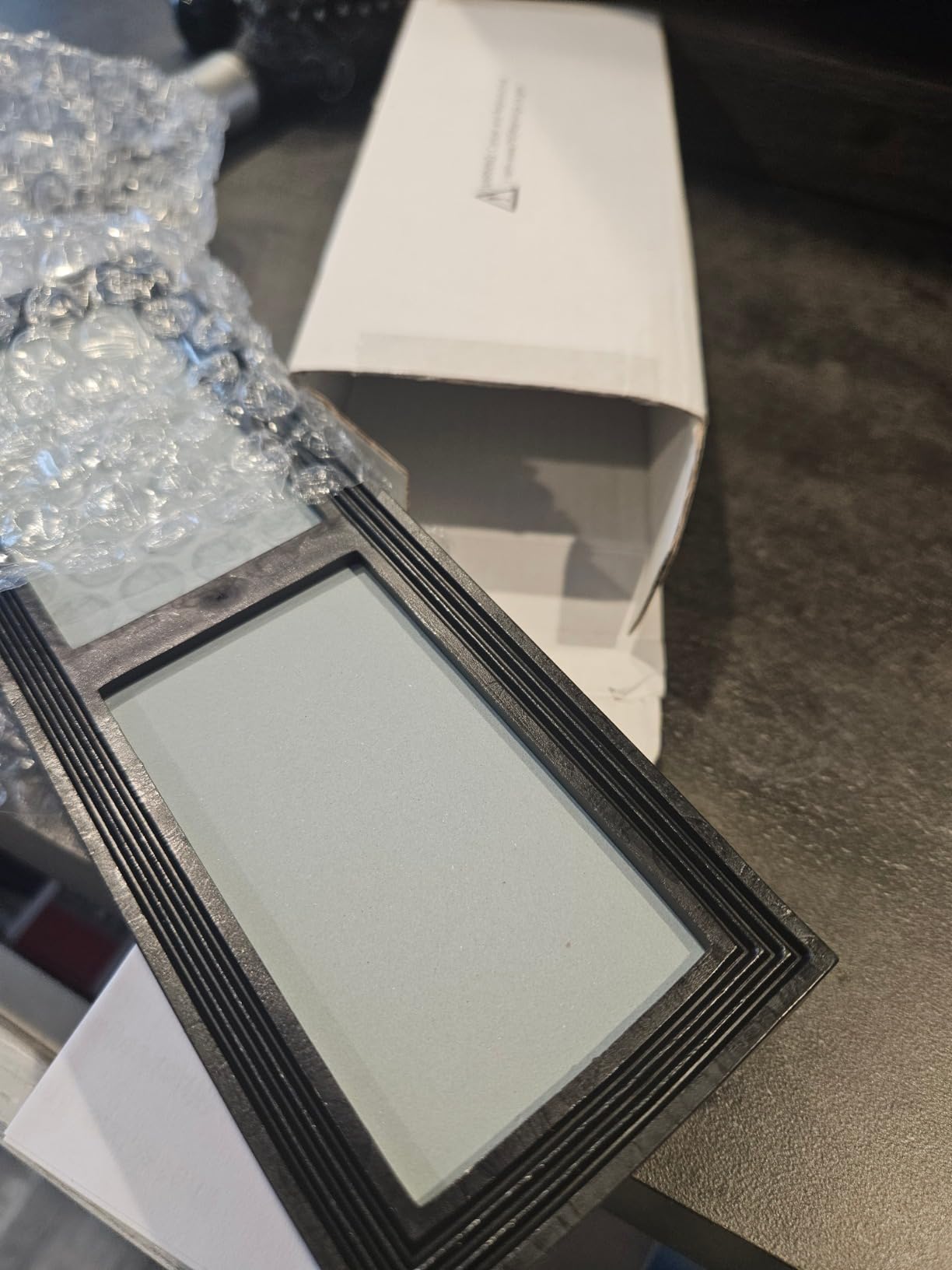
The Whetstone Cutlery dual-sided block is the simplest stone in this roundup, and that is its biggest strength. No bamboo base, no angle guide, no strop: just a 7 by 2.25-inch silicon carbide stone with 400-grit on one side and 1000-grit on the other. For outdoor use (kayak fishing trips, camping, hunting blinds) where you do not want extra accessories to lose or break, this stone is hard to beat.
Silicon carbide cuts aggressively, so the 400-grit side is excellent for repairing chips and reshaping edges on knives that have seen hard use. I took a fillet knife that had been rolling cuts on steel and brought it back to working sharpness in about four minutes. The 1000-grit side then refined the edge enough for clean slices through fish skin.
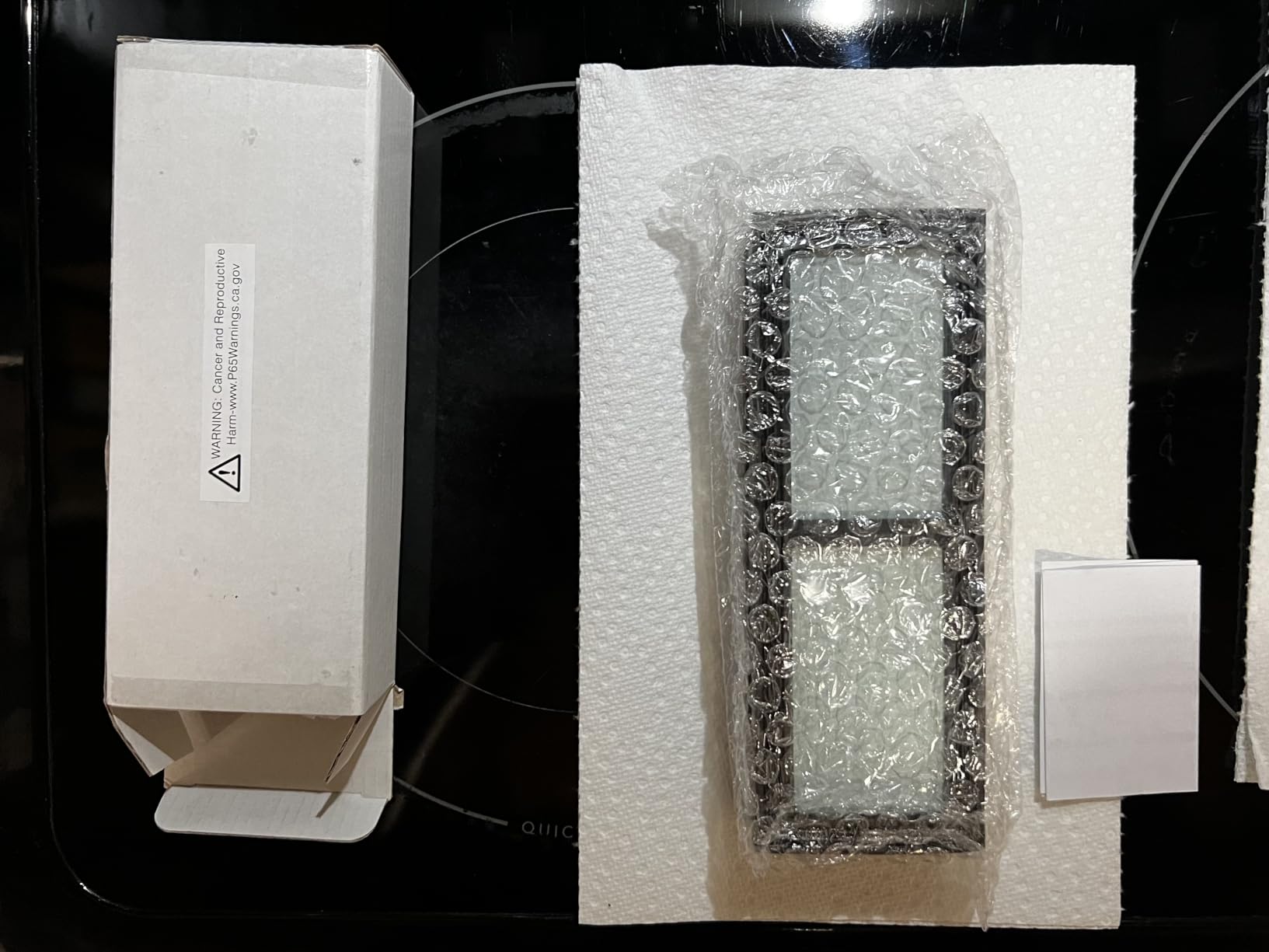
The stone weighs 1.4 pounds, which is light enough to throw in a tackle box or camp kitchen kit. It soaks in water for 5 to 10 minutes before use, like most waterstones, and works on far more than kitchen knives: hatchets, axes, garden pruners, scissors, and pocket knives all sharpen well on this stone. Reviewers frequently mention using it for everything from kitchen knives to landscaping tools.
The main drawback is the bare-bones design. There is no base, so you need a damp towel or non-slip mat underneath. There is no angle guide, so you are on your own for maintaining consistent angle. And the warranty is shorter than competitors. For outdoor use where simplicity matters more than polish, those trade-offs are reasonable.
Why outdoor users love this stone
When you are cleaning fish at a campsite or processing a deer at a hunting camp, you do not want to pack a 5-pound kit with multiple stones and accessories. This single block handles 90 percent of outdoor sharpening tasks. It also works in places without electricity for charging, which is a real consideration for remote trips. Many kayak anglers and hunters in user reviews mention this stone specifically for its portability.
Limitations to know
Without a base, you need to be careful about stone stability on uneven outdoor surfaces. A folded towel or a flat piece of wood underneath helps. The stone also requires water, so you need access to a water source or carry a small bottle. And because silicon carbide is harder than aluminum oxide, this stone dishes faster than premium Japanese stones, so flattening is needed more often.
Whetstone Buying Guide for 2026
A whetstone is the single best investment you can make for your knives. Pull-through sharpeners remove too much steel and produce short-lived edges. Electric sharpeners are fast but heat the edge and weaken the steel. A whetstone gives you full control over angle, grit progression, and final polish, and it will outlast every other sharpener you own.
Understanding grit tiers
Grit numbers describe how coarse the abrasive particles are on the stone’s surface. Lower numbers mean bigger particles and faster material removal; higher numbers mean finer particles and smoother finishes. Most home sharpening fits within four tiers.
Coarse stones (120 to 600 grit) repair chips, reprofile edges, and reset badly damaged blades. You only need coarse grit if your knife has visible damage or you are changing the angle significantly. Most home cooks rarely use anything below 400 grit.
Medium stones (800 to 2000 grit) are the workhorse of any sharpening kit. A 1000-grit stone restores a working edge on a dull knife and is the most-used grit in any home setup. If you only own one stone, it should be 1000 grit.
Fine stones (3000 to 5000 grit) refine the edge after medium sharpening. They remove the scratch pattern left by the medium stone and produce a noticeably sharper, more polished edge. A 3000-grit stone is the second-most useful stone after a 1000.
Polishing stones (6000 grit and higher) produce a mirror finish and an extremely sharp edge. They are not necessary for most home cooks, but they make kitchen prep feel effortless. A 6000-grit stone is a great third addition to a 1000/3000 combo.
Stone materials compared
Waterstones are the most common type. They use water as a lubricant and cut fast, which makes them forgiving for beginners. The trade-off is that they dish (wear unevenly) over time and need flattening. Japanese manufacturers like Shapton, Naniwa, and King dominate this category.
Splash-and-go stones are a subtype of waterstone that need only a quick splash of water instead of a 10-minute soak. They are popular for convenience and dishing slowly because they are harder and more dense. Shapton Pro and Naniwa Chosera are flagship examples.
Diamond plates use industrial diamonds bonded to a metal plate. They cut extremely fast, work dry, and stay flat indefinitely. They are excellent for repair work and for flattening waterstones. The downside is that they produce a more toothy edge than waterstones of equivalent grit, and the diamond plating wears out eventually.
Oilstones use oil instead of water. They are durable and long-lasting, common in older North American sharpening setups. Most modern sharpeners prefer waterstones for faster cutting and easier cleanup.
How to use a whetstone step by step
Start by soaking your stone (if it is a soaking stone) in clean water for 5 to 10 minutes. Splash-and-go stones just need a quick spray. Place the stone on a non-slip base or damp towel.
Hold the knife at roughly 15 degrees for Japanese blades or 20 degrees for Western knives. Place the blade flat against the stone at the heel, then lift the spine to set the angle. Use the Sharpie trick: color the bevel with a marker, make one stroke, and check where the ink was removed. The contact patch tells you if your angle is correct.
Push the blade across the stone in alternating strokes, leading with the heel or the tip depending on your preference. Apply light pressure, about the weight of the knife itself. After 10 to 20 strokes per side, check for a burr by running your fingertip gently from the spine toward the edge. A consistent burr from heel to tip means you have reached the apex.
Move to your finer grit stone and repeat the process. The burr will form faster on finer stones. After finishing on your finest grit, deburr by drawing the blade lightly across a leather strop or by making alternating very light strokes on the stone, edge trailing.
Rinse the stone, wipe it dry, and let it air dry completely before storing. Do not leave it in direct sunlight or near heat sources, which can crack it.
Key factors when choosing
Grit coverage matters more than maximum grit. A 1000/6000 combo will serve you better than a 6000/8000 combo alone, because you need the medium grit for actual sharpening work.
Stone size affects how easy the stone is to use. Longer stones (8 inches or more) give you room to stroke a full chef knife without running off the end. Width of at least 2 inches provides stable contact.
Base stability is a safety consideration. A stone that slides on the counter is dangerous. Bamboo bases with silicone holders work well. Damp towels underneath work as a budget alternative.
Accessories add value for beginners. Angle guides help with the steepest learning curve. Flattening stones extend the life of your main stones. Leather strops handle burr removal cleanly.
Frequently Asked Questions
What does Gordon Ramsay use to sharpen his knives?
Gordon Ramsay has stated he uses a honing steel for daily maintenance and a whetstone for periodic full sharpening, typically a Japanese-style waterstone around 1000 to 3000 grit for his high-end Japanese and Western chef knives.
How much should I spend on a whetstone?
For a solid beginner setup with a 1000/6000 combo stone plus an angle guide, plan to spend in the 30 to 50 range. For a complete kit with multiple grits and accessories, the 50 to 100 range covers most home cooks. Premium Japanese stones from Shapton or Naniwa run higher.
What is the best whetstone for a beginner?
The King KW65 1000/6000 combo is the most-recommended beginner stone in sharpening communities because it is forgiving, affordable, and produces a polished edge. The Sharp Pebble 1000/6000 with included angle guide is the easiest option for absolute first-timers.
What is 8000 grit whetstone used for?
An 8000-grit whetstone is a polishing stone used as the final step in a sharpening progression. After sharpening on 1000 and 3000 grit, an 8000-grit stone refines the edge to a near-mirror finish that glides through tomatoes and slices cleanly through paper.
What is the difference between 1000 grit and 3000 grit whetstone?
A 1000-grit stone is a medium sharpening stone that does the bulk of edge work: it removes dull steel and establishes a working edge. A 3000-grit stone is a fine stone that refines the scratch pattern from 1000 grit, producing a sharper and more polished edge.
Final Verdict: Which Whetstone Should You Buy in 2026?
After six weeks of testing eight whetstones on everything from German chef knives to my battered kayak fishing fillet knife, the Sharp Pebble 1000/6000 is the whetstone I would buy first. The included angle guide removes the steepest part of the learning curve, the bamboo base is genuinely stable, and the corundum stone cuts consistently across both grits. Reviewers and forum feedback alike call this the most beginner-friendly kit that still delivers a polished edge.
If your budget is tighter, the Intelitopia Complete Sharpening Stone Set gives you four grits and every accessory you need for an accessible price. For a Japanese traditionalist stone, the King KW65 1000/6000 has been the community favorite for over a decade. For outdoor blades and kayak fishing trips, the Whetstone Cutlery dual-sided block is the most portable, no-frills option. And if you sharpen hard steels or just want speed, the SHARPAL 162N diamond plate is in a class of its own.
Whichever stone you choose, spend the first 20 minutes on the Sharpie trick to lock in your angle, stay at 1000 grit until you feel a consistent burr along the entire edge, and remember that whetstone sharpening is a skill you build over months, not minutes. Six weeks into this roundup, my knives are sharper than they have been in years, and the small ritual of sharpening has become one of the most satisfying parts of cooking. Pick up a whetstone, commit to the practice, and your knives will thank you for years.


