

As an avid kayaker and outdoor enthusiast, I’ve always loved the serenity and thrill that comes with exploring new waterways and embracing nature’s beauty. Over the years, I’ve learned that kayaking offers a sense of liberation and connection with the environment, transcending the boundaries that often limit our connection to the elements.
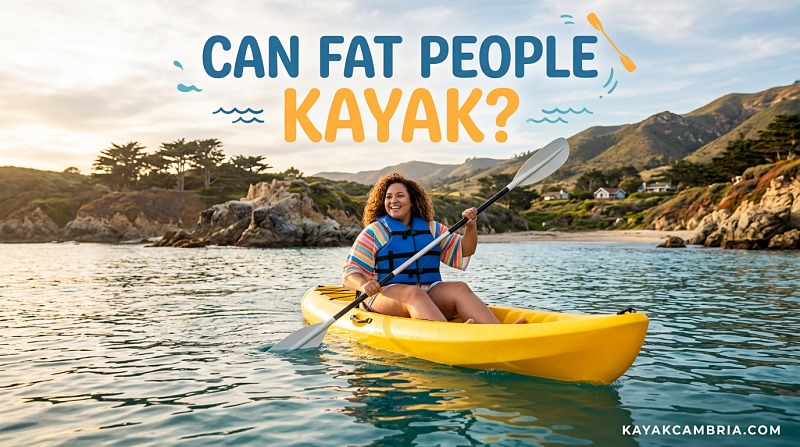
However, I’ve noticed a troubling misconception among many people, both inside and outside the kayaking community – the false belief that kayaking is strictly reserved for those of a slender build or athletic physique. This erroneous assumption only serves to discourage numerous potential kayakers from ever considering the sport and saddens me to think that so many people might never experience the joy of paddling through calm waters or the adrenaline rush of conquering choppy waves.
It’s time we address this issue head-on and dispel these baseless beliefs. Kayaking is indeed an inclusive and welcoming sport that embraces individuals of all shapes and sizes. Let’s embark on a journey to shatter the myth of size exclusivity in kayaking and explore the vast realm of possibilities available to larger-bodied individuals. Through this exploration, we will learn about appropriate kayak options, essential safety tips, and share heartening success stories to inspire and empower fat people to take up this incredible pastime. And so, without further ado, let us dive into a new world of opportunity and embrace the enriching and liberating experience that is kayaking.
Choosing the Right Kayak for Your Body Type
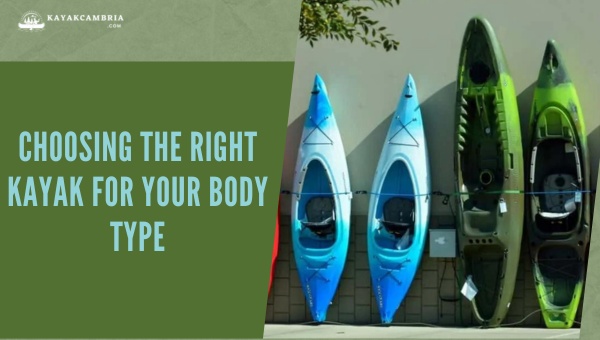
A critical aspect of ensuring a comfortable and enjoyable kayaking experience lies in selecting the appropriate kayak for your body type. Heavier kayakers have several options to choose from, allowing for an inclusive, secure, and pleasant time on the waters.
Sit-On-Top vs. Sit-Inside Kayaks
One of the first decisions to make when choosing a kayak is whether to opt for a sit-on-top or sit-inside kayak. Each style has its advantages and drawbacks, especially for larger-bodied individuals:
Sit-On-Top Kayaks:
- Offer more freedom to move around
- Easier access in case of a capsize
- Higher water exposure, making it ideal for warm weather
- Generally have wider hulls, thus rendering better stability
Sit-Inside Kayaks:
- Provide better protection from cold water and weather conditions
- May offer a more streamlined paddling experience
- Can possess a lower center of gravity for improved balance
For heavier kayakers, sit-on-top kayaks are generally recommended due to their wider hulls and better stability, enhancing overall comfort and ease of use.
Important Factors to Consider
When choosing the right kayak, some critical factors to keep in mind include:
- Weight Capacity: It’s crucial to select a kayak with a weight capacity that comfortably accommodates your weight, including any gear you plan to bring along.
- Width (Beam): Wider kayaks tend to offer better stability and support, making them ideal for heavier individuals.
- Length: While longer kayaks provide better tracking and efficiency, shorter kayaks tend to be more maneuverable.
- Cockpit Size: For sit-inside kayaks, ensure that the cockpit size offers sufficient space and comfort for your body.
- Material: Kayaks are made from various materials, like polyethylene, thermoformed ABS, and composite; each material has specific durability, weight, and price considerations.
Recommended Kayak Options for Heavier Individuals
Here are some popular and highly-rated kayak options that cater specifically to larger-bodied kayakers:
- Wilderness Systems Pungo 125 – With a large, spacious cockpit and a 425-pound weight capacity, the Pungo 125 is a great option for sit-inside kayaking.
- Ocean Kayak Malibu Two XL – A tandem sit-on-top kayak that can accommodate two heavy individuals comfortably, or even a solo paddler with lots of gear.
- Old Town Canoe & Kayak Heron 11XT – A sit-inside option with a large cockpit that provides ample space for paddlers, together with a 325-pound weight capacity.
- Vibe Kayaks Sea Ghost 130 – A sit-on-top fishing kayak designed for stability and comfort, boasting a weight capacity of 550 pounds.
Choosing the right kayak for your body type is crucial for ensuring a safe and enjoyable kayaking experience. From sit-on-top to sit-inside options, there is a kayak out there to fit nearly everyone’s needs, regardless of size. Remember to consider factors like weight capacity, width, and cockpit size, and explore recommended options to find the perfect kayak to create unforgettable adventures.
Understanding Weight Capacity and Kayak Stability
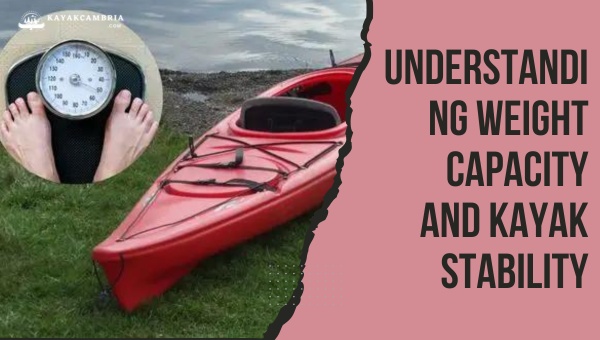
When it comes to kayaking, especially for heavier individuals, understanding weight capacity and kayak stability is crucial for an enjoyable and safe experience on the water. In this section, we will discuss these concepts in detail and outline their importance in the kayaking process.
What is Weight Capacity and Why is it Important?
Weight capacity refers to the maximum amount of weight a kayak is designed to hold while still maintaining buoyancy and stability. This weight must encompass the paddler, personal gear, and any additional equipment or supplies brought on board.
It’s essential not to exceed a kayak’s weight capacity for several reasons:
- Safety: Overloading a kayak increases the risk of capsizing, endangering the paddler(s) and causing possible damage to the kayak.
- Performance: Exceeding the weight capacity can compromise your ability to control and maneuver the kayak efficiently.
- Comfort: An overloaded kayak may sit too low in the water, making it less comfortable and difficult to paddle.
Remember, always choose a kayak whose weight capacity comfortably accommodates your weight, plus any gear or supplies you plan to bring along.
Kayak Stability: Primary and Secondary
Understanding kayak stability and how it’s affected by weight and design is key to confidently paddling on the water. There are two types of stability in a kayak:
- Primary Stability (Initial Stability): This refers to the kayak’s stability when it’s sitting flat on the water. Kayaks with more primary stability have flatter, wider hulls, making them feel more stable when you initially get in or when paddling on calm waters.
- Secondary Stability (Final Stability): This is the kayak’s stability when it’s tilted on its edge. Kayaks with more secondary stability have rounded or V-shaped hulls, enhancing their stability when maneuvering in rough waters or during sharp turns.
For larger or beginner paddlers, a kayak with high primary stability may be preferable, as it provides a sense of security and stability on calm waters while learning basic paddling techniques.
How Weight Distribution Impacts Kayak Stability
Aside from the kayak’s weight capacity, stability is also affected by weight distribution. Proper distribution entails balancing the weight of the paddler, gear, and any additional equipment evenly throughout the kayak.
Improper weight distribution can lead to:
- Reduced ability to control and maneuver the kayak
- Compromised stability, increasing the risk of capsizing
- A less comfortable and less efficient paddling experience
To ensure proper weight distribution:
- Place heavier items low in the kayak and nearer the center.
- Distribute the remaining gear evenly on each side of the kayak.
- Adjust your seat position, if possible, to help balance your own weight.
Understanding weight capacity and kayak stability is crucial for a safe and enjoyable kayaking experience. As a heavier paddler, it’s essential to keep these factors in mind when selecting a kayak, distributing weight, and venturing out on the water. With the right knowledge and precautions, fat people can confidently kayak and relish the boundless adventures that await.
Essential Tips for Heavier Kayakers
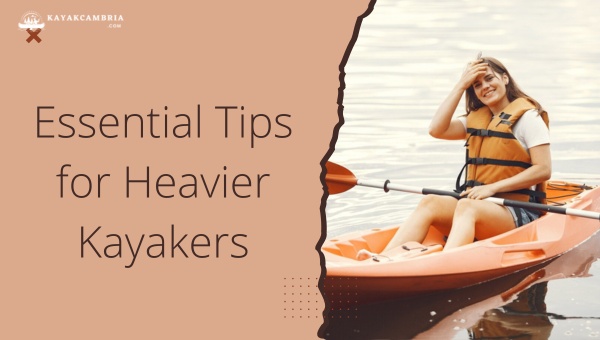
For larger individuals, kayaking can be an incredibly enriching and enjoyable outdoor activity. However, extra care and preparation must be taken to ensure a safe and comfortable experience. Here are some essential tips specifically curated for heavier kayakers:
1. Proper Paddling Techniques for Better Control
As a heavier individual, it’s especially important to learn proper paddling techniques to maintain better control over your kayak. Consider implementing the following:
- Maintain a relaxed and upright posture, with your knees bent and feet resting on the footpegs.
- Hold the paddle with a firm grip and shoulder-width apart, keeping your elbows slightly bent.
- Rotate your torso while paddling to generate power and avoid excessive strain on your arms.
Enrolling in a beginner’s kayaking course or watching instructional videos can also help you learn proper paddling techniques more effectively.
2. How to Enter and Exit a Kayak Safely
Balance plays a significant role in safely entering and exiting a kayak, especially for those who are heavier. Follow these steps to minimize the risk of capsizing:
Entering the Kayak:
- Place the kayak in shallow water, parallel to the shore.
- Stand with one foot on the shore and the other foot near the kayak’s center.
- Sit down on the kayak, keeping your weight low, and then swing your legs into the kayak one at a time.
Exiting the Kayak:
- Paddle to a stable, shallow area near the shore.
- Swing one leg out of the kayak first and plant it firmly on the ground.
- Use your hands to push yourself up while keeping your weight low until both feet are securely on the ground.
3. The Significance of Wearing a Personal Flotation Device (PFD)
A PFD, or life vest, is a non-negotiable safety precaution for anyone participating in water sports, irrespective of their size. Heavier kayakers must pay special attention to finding the appropriate PFD for their weight and size. Look for a PFD that:
- Has a US Coast Guard-approved weight rating that can accommodate your weight and any additional gear you may carry.
- Offers adjustable straps and a comfortable fit to help distribute the buoyancy evenly around your body.
- Does not restrict your movement, allowing you to paddle effortlessly.
Bonus: Outfit Your Kayak with Appropriate Accessories
Tailoring your kayak with suitable gear can improve your paddling experience. Consider investing in:
- A broader, more comfortable seat to accommodate your size and increase support.
- Paddles with longer shafts to allow for a more extended reach.
- Adjustable foot support or footpegs for improved comfort and stability during your paddle.
By following these essential tips and prioritizing safety, heavier kayakers can confidently and comfortably embark on exciting kayaking adventures. Mastering paddling techniques, learning how to enter and exit a kayak safely, and using the right gear are all integral components in setting the stage for a memorable experience on the water.
Overcoming the Fear and Tackling Misconceptions
Taking up kayaking as a larger-bodied individual can be intimidating, especially when faced with misconceptions and stereotypes about one’s ability to participate in the sport. It’s essential to address these fears and tackle the misconceptions head-on to build confidence and make the most of your kayaking experience.
Addressing Common Fears for Heavy Kayakers
It’s natural to feel nervous about participating in outdoor activities when you’re plus-sized or heavier. The following are some common fears, along with solutions and encouragement to overcome them:
- Fear of capsizing: Choose a stable kayak with a higher weight capacity, practice entering and exiting the kayak, and always wear a personal flotation device (PFD) to ensure your safety.
- Fear of being judged: Remember that kayaking is an individual sport, and the focus should be on your enjoyment of the water and surroundings, rather than comparison with others. Encourage body positivity and rationalize that people are more focused on their own experiences than judging others.
- Fear of not fitting in the kayak: Do your research and choose a kayak that caters to your body type, ensuring a comfortable fit with the ideal cockpit size or sit-on-top design.
- Fear of physical strain: Understand that kayaking is a low-impact workout adaptable to various skill and fitness levels. Begin slowly and gradually increase the intensity of your workouts as you progress.
Debunking Myths about Fat People and Kayaking
There are several misconceptions about heavier individuals not being able to kayak. Debunking these myths will empower you to participate and reap the benefits of kayaking fully:
- Myth: Heavier people cannot balance in a kayak: Stability in a kayak is determined by factors such as the width of the hull and proper weight distribution. Choosing the right kayak, ensuring proper weight balance, and adjusting your seat can improve your stability on the water.
- Myth: Kayaking is too physically demanding for plus-size individuals: Kayaking can be as leisurely or intense as you make it out to be. Paddling at your own pace, employing proper techniques, and taking breaks allows people of all shapes and sizes to enjoy kayaking.
- Myth: There is no suitable kayak for heavier people: Many kayaks on the market cater to larger-bodied individuals, with features that address weight capacity, cockpit size, and stability.
Building Confidence and Enjoying the Kayaking Experience
Armed with the knowledge to debunk misconceptions and confront your fears, start focusing on building your confidence on the water:
- Practice: Spend time on calm waters and gradually progress your skills, such as learning proper paddling techniques and getting comfortable in your kayak.
- Seek guidance: Reach out to experienced kayakers, instructors, or local kayaking groups for assistance and advice to enhance your experience.
- Celebrate achievements: Take pride in your progress, accomplishments, and the enjoyment you experience while kayaking. Document your journey and share your story to inspire other heavier individuals.
The key to overcoming fear and tackling misconceptions is to empower yourself with knowledge and put it into action. There is no reason why fat people cannot enjoy kayaking; take the plunge, build your confidence, and embrace your adventurous spirit.
Overcoming the Fear and Tackling Misconceptions
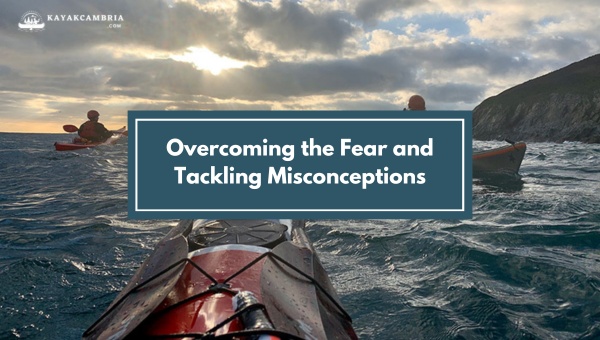
Taking up kayaking as a larger-bodied individual can be intimidating, especially when faced with misconceptions and stereotypes about one’s ability to participate in the sport. It’s essential to address these fears and tackle the misconceptions head-on to build confidence and make the most of your kayaking experience.
Addressing Common Fears for Heavy Kayakers
It’s natural to feel nervous about participating in outdoor activities when you’re plus-sized or heavier. The following are some common fears, along with solutions and encouragement to overcome them:
- Fear of capsizing: Choose a stable kayak with a higher weight capacity, practice entering and exiting the kayak, and always wear a personal flotation device (PFD) to ensure your safety.
- Fear of being judged: Remember that kayaking is an individual sport, and the focus should be on your enjoyment of the water and surroundings, rather than comparison with others. Encourage body positivity and rationalize that people are more focused on their own experiences than judging others.
- Fear of not fitting in the kayak: Do your research and choose a kayak that caters to your body type, ensuring a comfortable fit with the ideal cockpit size or sit-on-top design.
- Fear of physical strain: Understand that kayaking is a low-impact workout adaptable to various skill and fitness levels. Begin slowly and gradually increase the intensity of your workouts as you progress.
Debunking Myths about Fat People and Kayaking
There are several misconceptions about heavier individuals not being able to kayak. Debunking these myths will empower you to participate and reap the benefits of kayaking fully:
- Myth: Heavier people cannot balance in a kayak: Stability in a kayak is determined by factors such as the width of the hull and proper weight distribution. Choosing the right kayak, ensuring proper weight balance, and adjusting your seat can improve your stability on the water.
- Myth: Kayaking is too physically demanding for plus-size individuals: Kayaking can be as leisurely or intense as you make it out to be. Paddling at your own pace, employing proper techniques, and taking breaks allows people of all shapes and sizes to enjoy kayaking.
- Myth: There is no suitable kayak for heavier people: Many kayaks on the market cater to larger-bodied individuals, with features that address weight capacity, cockpit size, and stability.
Building Confidence and Enjoying the Kayaking Experience
Armed with the knowledge to debunk misconceptions and confront your fears, start focusing on building your confidence on the water:
- Practice: Spend time on calm waters and gradually progress your skills, such as learning proper paddling techniques and getting comfortable in your kayak.
- Seek guidance: Reach out to experienced kayakers, instructors, or local kayaking groups for assistance and advice to enhance your experience.
- Celebrate achievements: Take pride in your progress, accomplishments, and the enjoyment you experience while kayaking. Document your journey and share your story to inspire other heavier individuals.
The key to overcoming fear and tackling misconceptions is to empower yourself with knowledge and put it into action. There is no reason why fat people cannot enjoy kayaking; take the plunge, build your confidence, and embrace your adventurous spirit.
The Health Benefits of Kayaking for Everyone

No matter your size, kayaking offers numerous health benefits that are advantageous for everyone. As a low-impact sport, kayaking is exceptionally kind on joints, making it accessible and ideal for individuals with specific health concerns or weight issues. Let’s explore the many physical and mental health benefits that kayaking can offer.
Physical Benefits
- Improved Cardiovascular Fitness: As a form of aerobic exercise, kayaking can greatly contribute to enhancing cardiovascular fitness, ultimately promoting heart health and endurance.
- Increased Upper Body Strength: Paddling a kayak targets various muscle groups in the upper body, such as the arms, shoulders, chest, and upper back. With consistent kayaking, one can expect to develop and maintain excellent upper body strength.
- Core Strength and Stability: While paddling, the core muscles work to maintain stability and control kayak movement. Engaging the core continuously in this manner leads to increased strength and stability over time.
- Leg and Lumbar Muscle Engagement: While kayaking, the leg and lumbar muscles provide support and help in maintaining balance, subsequently strengthening these muscles over time.
- Burning Calories and Weight Management: Kayaking can burn a significant number of calories in a single session – frequent paddling sessions may contribute to steady weight management and, in some cases, encourage weight loss.
- Improved Flexibility and Joint Health: Kayaking requires a range of motion in the upper body, which can help increase flexibility. As a low-impact sport, it also puts minimal strain on the joints, easing concerns for those with joint-related issues.
Mental Health Benefits
- Stress Relief: The combination of rhythmic paddling and the calming effect of being surrounded by water can significantly reduce stress levels. Many kayakers consider their time on the water as an opportunity to reset and recharge mentally.
- Improved Mood and Emotional Well-being: Physical activity, including kayaking, stimulates the production of endorphins, which can improve mood and help fight off anxiety and depression. Furthermore, spending time in nature has been proven to have a positive effect on mental well-being.
- Boosted Self-confidence: Kayaking can contribute to increased self-confidence by allowing individuals to achieve personal goals, learn new skills, or overcome physical limitations.
- Social Interaction and Support: Joining a kayaking club or group activity provides an opportunity for social interaction and making new friends with similar interests. This sense of belonging and camaraderie can be a significant contributor to a person’s overall emotional well-being.
Kayaking truly offers a wealth of physical and mental health benefits for everyone, regardless of size. It’s an ideal sport for those seeking a low-impact way to improve fitness and well-being while enjoying the beauty of the great outdoors. So, grab a paddle and get ready to embark on a journey that will enhance your life and promote a healthier, happier you.
Building Your Kayaking Community
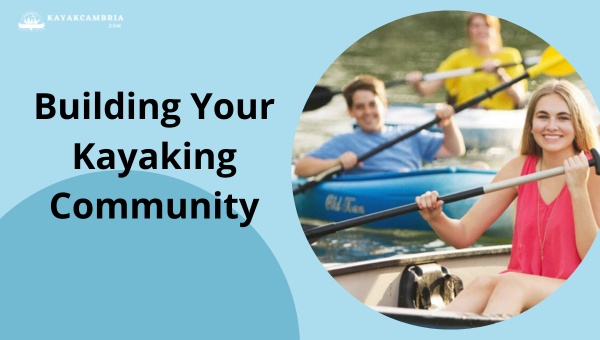
Finding a supportive and inclusive community is essential for enjoying kayaking to the fullest, regardless of your body size. Building your kayaking network not only helps to create lasting friendships, but it also allows you to learn from others’ experiences, share valuable advice, and improve your skills as a kayaker. Here are some tips to cultivate your own kayaking circle and foster positivity within the paddling community:
Finding Size-Inclusive Kayaking Groups and Events
- Social media platforms: Facebook, Instagram, and Meetup are excellent resources for discovering local kayaking groups and events. Utilize group search features and location tags to connect with other enthusiasts in your area.
- Local paddling clubs: Many cities and towns have paddling clubs that cater to various skill levels and adventure styles. Joining a club offers the opportunity to attend organized trips, workshops, and group lessons.
- Outdoor retailers: Kayaking gear shops often host demo days, group outings, and workshops, making them a great place to meet fellow kayakers and stay updated on upcoming events.
- Paddling events and festivals: By attending paddling shows, expos, and festivals, you’ll have the chance to connect with like-minded people, learn about new gear and techniques, and enjoy a fun-filled day celebrating the sport.
Initiating Conversations About Body Positivity in the Kayaking Community
- Sharing experiences: Be open to discussing your personal kayaking journey, including any challenges related to body size. Your story may be an inspiration to others in similar situations.
- Promoting size diversity: Share pictures and stories of diverse body types enjoying kayaking adventures. Ensure that larger kayakers are represented and celebrated in your online and offline interactions.
- Encouraging inclusivity: Advocate for kayaking events, clubs, and resources to become more inclusive and accommodating to individuals of all sizes. This includes promoting adaptable equipment, supportive gear, and non-judgmental coaching.
- Educating others: Address misconceptions and negative stereotypes about larger-bodied individuals in kayaking. Offer accurate information, raise awareness, and dispel myths to create a more accepting environment for everyone.
Supporting and Empowering Each Other to Pursue Their Kayaking Passion
- Offering guidance: Be a mentor to others who may be new to kayaking or facing challenges due to their size. Share your knowledge and expertise to help them grow and succeed in the sport.
- Celebrating accomplishments: Recognize the achievements of fellow kayakers, be it conquering new waters, learning a new skill, or reaching a personal milestone.
- Forming connections: Dedicate time to building genuine relationships within the kayaking community. Offer encouragement, ask for advice, and maintain an open and supportive environment for everyone to thrive.
- Organizing events: Host size-inclusive paddling meetups, workshops, or social gatherings to create opportunities for personal connections among kayakers of all body types.
Building your kayaking community is an integral aspect of enjoying the sport and fostering body positivity. Engage with existing networks, initiate conversations, and create meaningful connections that empower individuals of all sizes to pursue their kayaking passion with confidence and pride.
Enjoying the Outdoors and Creating New Adventures

One of the most rewarding aspects of kayaking is the opportunity to explore the outdoors and create unforgettable adventures regardless of your size. Heavier individuals should not be deterred by their weight when it comes to experiencing all the wonderful activities this sport has to offer. By embracing the challenges and understanding that everyone’s kayaking journey is unique, people of all sizes can make the most out of their kayaking experience.
Sharing Personal Success Stories of Heavyweight Kayakers
There are many individuals who defy societal expectations and continue to push boundaries within the kayaking community. These success stories should serve as an inspiration to others who may be hesitant about engaging in kayaking due to their size. For instance, one might come across heavy paddlers who have accomplished long-distance kayaking expeditions or participated in competitive races. By sharing these narratives, we can promote a more inclusive and supportive environment for paddlers of all body types.
Inspiration for Pushing Personal Limits and Discovering New Destinations
One of the most thrilling elements of kayaking is the ability to embark upon new adventures and push one’s personal limits. As a larger individual, overcoming initial fears and learning to trust your kayak can be incredibly rewarding. Some ideas for challenging yourself include:
- Exploring diverse waterways, such as rivers, lakes, and coastlines
- Upgrading your skills by taking a kayaking course or participating in a guided tour
- Joining local races or events specifically tailored for heavyweight kayakers
- Setting personal goals related to distance, speed, or frequency of kayaking sessions
Importance of Stepping Out of Your Comfort Zone and Living Life to the Fullest
Living life to the fullest involves stepping out of your comfort zone and breaking free from the restrictions that society may impose upon us. This principle is particularly relevant for heavy individuals who may be hesitant to try kayaking due to concerns about their weight. By venturing beyond these self-imposed limitations, they will discover that kayaking has a lot to offer, such as the sheer joy of being amidst nature, forming bonds with like-minded adventurers, and attaining a sense of peace and tranquility that is hard to find elsewhere.
In conclusion, enjoying the great outdoors and creating new adventures is a possibility for everyone, regardless of size. As a kayaker, heavyweight individuals can become inspirations for others and challenge societal expectations by proving that they, too, can excel in this amazing water sport. By pursuing personal growth within kayaking and stepping out of one’s comfort zone, we all have the ability to live our lives to the fullest, just as nature intended.


