

The great outdoors has always been a place that recharges my spirits and fuels my passion for adventure. On my quest to explore various outdoor activities, I’ve found myself captivated by the exciting world of kayaking. The feeling of gliding effortlessly through serene waters while being surrounded by breathtaking landscapes is truly exhilarating. But with such adventure comes responsibility, and over the years, I’ve had many people ask me, “Is kayaking safe?”
It’s a valid question, as safety should always be a top concern in any outdoor activity, especially on the water. I’ve dedicated countless hours to researching, learning, and gaining firsthand experience to answer this question accurately. In this guide, I’ll share my insights into the safety of kayaking, addressing potential risks and providing guidance on how to protect yourself effectively while enjoying this incredible sport. So, buckle up and let’s dive into the fascinating world of kayaking safety.
Understanding the Basics of Kayaking: How Safe Is It?
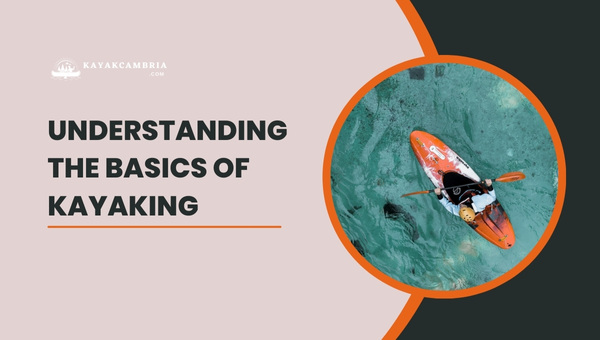
When it comes to assessing the safety of kayaking, it’s essential to first understand the basics of this incredible sport. Kayaking is a versatile, low-impact activity that provides numerous health benefits, such as improved cardiovascular fitness, increased muscle strength, and even stress reduction. Now, the big question: How safe is kayaking compared to other popular outdoor activities?
Outdoor Activities Safety Comparison

A study by the National Center for Biotechnology Information (NCBI) showed that the injury rate for kayaking is significantly lower than that of other adventure sports like mountain biking, snowboarding, and skiing. That said, the overall safety of kayaking also depends on specific factors such as skill level, preparation, equipment, and environmental conditions.
Skill Level and Experience

For beginners, kayaking in calm waters with proper guidance can be considered a relatively safe activity, as long as safety precautions are followed. However, for more experienced paddlers, taking on challenging watersports like whitewater kayaking or sea kayaking comes with increased risks that demand a higher level of skill and knowledge.
Preparation and Equipment

An essential aspect of kayaking safety lies in being well-prepared before attempting any excursion. This includes having a good understanding of the sport, using the appropriate gear, and knowing what to do in case of emergencies. We’ll dive deeper into safety gear and equipment in the next section.
Environmental Factors

Another aspect to consider is the impact of environmental factors like weather, water conditions, and wildlife—both onshore and in the water. Adapting to these factors and making informed decisions accordingly can significantly enhance kayaking safety.
kayaking can be a safe and enjoyable activity, provided that paddlers are conscious of potential risks, adequately prepared, and adapt to environmental conditions. With a balanced focus on adventure and safety, you can experience the thrill of kayaking while minimizing potential hazards.
Potential Risks and Dangers Involved in Kayaking
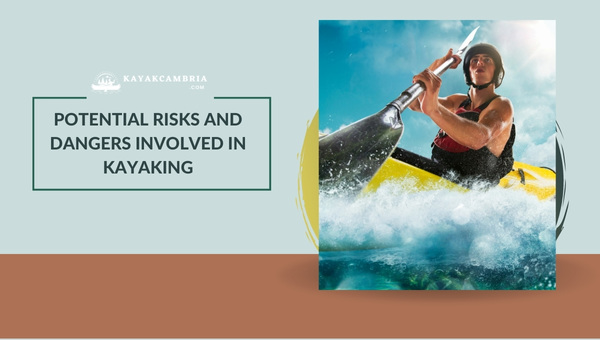
Just like any other outdoor activity, kayaking comes with its own set of potential risks and hazards. Being aware of these dangers is essential as prevention and preparedness are the keys to maintaining a safe experience.
Capsizing and Entrapment

One of the most common concerns while kayaking is the risk of capsizing, which can be caused by factors such as waves, currents, or loss of balance. Although the likelihood of capsizing may vary depending on your skill and the type of kayak, it’s vital to be prepared to handle the situation.
Similarly, entrapment is another risk to consider. This can occur when a kayaker’s limbs become caught in the kayak or other objects underwater. It is crucial to know how to recognize potential entrapment hazards and how to avoid them.
Possible Injuries
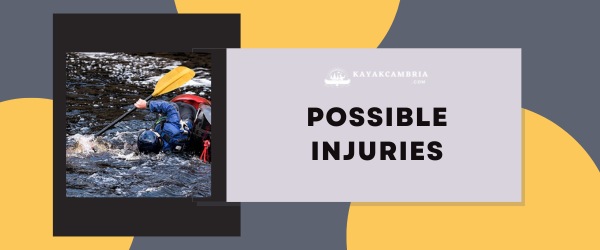
While kayaking is a relatively low-impact sport, injuries can still occur. These may include:
- Overuse injuries, such as tendonitis or carpal tunnel syndrome, due to repetitive paddling motions
- Bruises or cuts from accidental contact with rocks or branches
- Sprains or strains if you lose your balance or have an awkward fall
To minimize your risk of injury, it’s essential to use proper technique, build strength gradually, and be mindful of your surroundings.
Environmental Factors

Mother Nature can be unpredictable, so being aware of weather and water conditions is crucial. Potential environmental risks include:
- Strong winds, which can make paddling difficult or even encounter capsizing
- Rapid currents or tides, which can lead to navigation challenges and exhaustion
- Hypothermia or heatstroke, resulting from extreme temperatures or prolonged exposure without appropriate clothing or gear
To reduce your risk, always check the weather forecast and be prepared with appropriate clothing and equipment.
Encounters with Wildlife

While kayaking offers the opportunity to experience wildlife up close, it’s essential to remember that many animals can be unpredictable. It’s crucial to maintain a safe distance, respect the animals’ habitat, and educate yourself on how to handle encounters if they occur.
By recognizing and understanding these potential risks and dangers, you’ll be better prepared to safely navigate your kayaking adventures, whether you’re a seasoned paddler or a beginner setting off on your first journey.
Essential Kayaking Safety Gear and Equipment
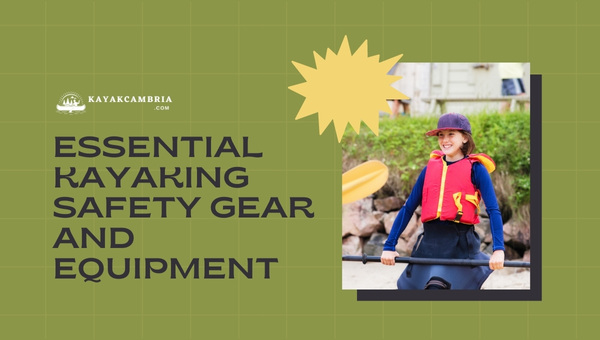
It’s vital to prioritize safety when setting out on your kayaking adventures by investing in reliable equipment. Below is a breakdown of the critical gear that will keep you safe and ensure an enjoyable experience on the water.
Personal Flotation Device (PFD)

A life vest or personal flotation device (PFD) is an indispensable piece of equipment for any water-based activity. When selecting a PFD, make sure you choose one specifically designed for kayaking, as it will provide increased mobility and optimal comfort. Additionally, always verify that the life vest fits you properly and is approved by relevant safety organizations.
Proper Kayak Helmet

For certain kayaking activities, particularly whitewater kayaking, a helmet is essential for protecting your head from potential impacts. Choose a helmet that fits snugly, covers the forehead, and is designed for water-based activities with adequate ventilation.
Spray Skirt

A spray skirt is an essential piece of gear if you’re paddling in cold water or choppy conditions. This waterproof material covers the cockpit opening of the kayak and prevents water from entering the vessel. Remember to choose a spray skirt that’s compatible with your specific kayak model and has a dependable release mechanism.
Suitable Footwear

Regardless of the type of kayaking activity, it’s crucial to sport appropriate footwear that ensures comfort, warmth, and protection. Opt for water shoes, neoprene boots, or sandals with secured straps, as they’ll provide excellent grip both in and out of the water.
Communication Devices and Navigation Tools

When embarking on longer kayaking trips, it becomes even more crucial to equip yourself with communication devices and navigation tools. A waterproof VHF radio, a whistle, or even a reliable cell phone in a waterproof case can be valuable assets for staying connected to others. Additionally, GPS devices, maps, or charts will safeguard against getting lost in unfamiliar waters.
By equipping yourself with essential kayaking safety gear and equipment, you’ll be well on your way to having a secure and enjoyable paddling experience. Just remember, your personal safety is always worth the investment.
Tips for Ensuring Kayaking Safety
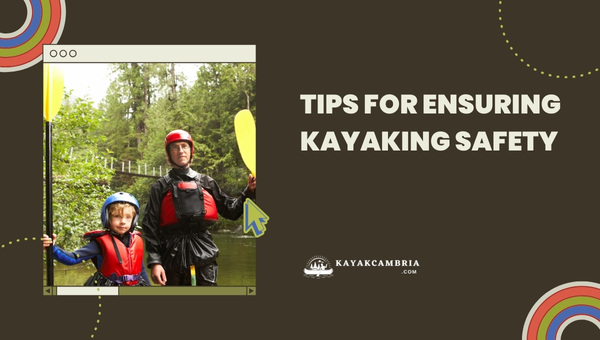
As an avid kayaker, the safety of myself and those around me is always a top priority. Over time, I’ve learned the best practices to ensure that my paddling adventures are both exciting and secure. Here, I’ll share some tried-and-true safety tips that can make a world of difference when you’re out on the water.
Choose the Right Kayak and Paddle

Selecting the appropriate kayak and paddle is crucial for a safe kayaking experience. Invest in a high-quality, sturdy kayak that is suitable for the water conditions you’ll be paddling in, as well as your skill level. Additionally, opt for a paddle that is the right size, weight, and composition to make maneuvering more comfortable and efficient.
Get Proper Training and Instruction

Before embarking on a kayaking adventure, it’s essential to receive guidance from a certified instructor, especially if you’re a beginner. Proper training will equip you with important kayaking techniques, educate you on best practices, and alert you to potential hazards. Knowledge is power, and it will help keep you safe in unfamiliar situations.
Practice Self-Rescue Techniques
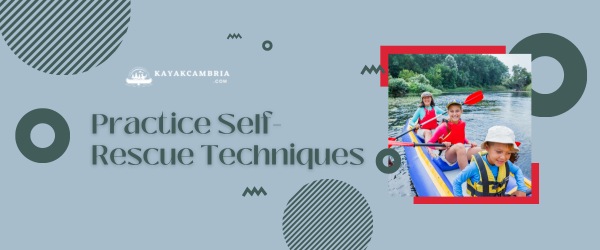
Unexpected situations can arise while kayaking, so it is crucial to know how to respond in case of an emergency. Take the time to learn and practice essential self-rescue techniques, such as the wet exit, re-entry, and T-rescue methods. Being confident in your ability to perform these rescues will make a huge difference in ensuring your safety on the water.
Paddle with a Partner or Group

Kayaking alone can be risky, particularly for inexperienced paddlers. Whenever possible, paddle with a partner or join a kayaking group. Not only does this make your experience more enjoyable, but it also provides an opportunity to learn from others and have someone nearby who can assist you in case of an emergency.
Stick to Your Skill Level and Choose Appropriate Routes

Avoid overly ambitious paddling excursions if you are new to kayaking. Instead, begin with calmer waters and shorter routes within your skill level. As you gain experience and confidence, gradually progress to more challenging environments. Remember, safety first!
Monitor Weather and Water Conditions
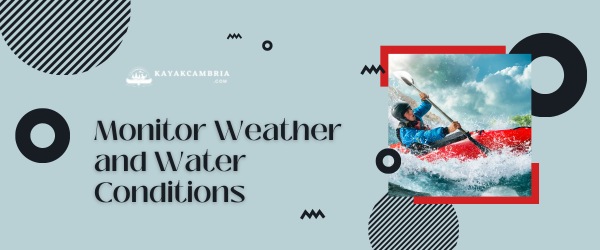
Plan your trip according to the weather forecast and stay informed about water conditions. Strong winds, currents, or rapidly changing weather conditions can lead to dangerous situations. Be prepared to adjust your plans and react accordingly to ensure both your safety and enjoyment.
Wear Necessary Safety Gear

Adequate safety gear is vital while kayaking. Always wear a lifejacket (PFD) and consider additional equipment, such as helmets or spray skirts, depending on the water environment and the difficulty of your excursion. It’s always better to be prepared and stay protected on the water.
By incorporating these tips into your kayaking routine, you’ll enhance the safety of your paddle adventures and pave the way for a lifetime of fun-filled experiences on the water.
Importance of Weather and Water Conditions on Kayaking Safety
Weather and water conditions play a crucial role in kayaking safety. In fact, unfavorable conditions have the potential to turn a fun day on the water into a dangerous situation. Understanding the impact of these factors and learning how to deal with them effectively can make all the difference between a memorable adventure and a distressing experience. In this section, we’ll discuss how to stay safe and enjoy kayaking regardless of the weather and water conditions.
Monitoring Weather Forecasts and Avoiding Severe Conditions

Keep an eye on the weather forecasts: Before embarking on your kayaking trip, make sure to monitor weather forecasts and plan your journey accordingly. You can use reliable websites or mobile apps like The Weather Channel to stay up-to-date with the local weather.
Prepare for sudden weather changes: Mother nature can sometimes be unpredictable. So, even if a sunny day is predicted, pack essential items like rain gear, sun protection, and extra clothing layers to be prepared for any unexpected change.
Respect the power of nature: Severe weather conditions like strong winds, heavy rain, and thunderstorms can make kayaking not only challenging but also dangerous. In such cases, prioritize safety and consider postponing your trip or seeking shelter until the conditions improve.
Understanding Water Currents, Tides, and Hazards

Get familiar with local water conditions: Knowledge is power when it comes to kayaking safety. Familiarize yourself with local water conditions, such as currents, tides, or potential hazards like underwater obstructions and debris.
Plan your route wisely: By researching the area where you’ll be kayaking, you can better plan your route, avoiding potentially unsafe areas. Local guidebooks, websites, and even experienced kayakers can be a treasure trove of information.
Remain vigilant while on the water: Once you’re on the water, stay alert to any changes in water conditions or hazards that may have been missed during the planning stage. In such instances, adapt your route accordingly and exercise caution.
Paddling Safely in Various Water Environments
Learn the nuances of different water bodies: Calm lakes, slow-moving rivers, and rushing whitewater all present different challenges and require distinct skills to navigate safely. Ensure that you’re well-prepared to handle the specific water environment you’ll be paddling in.
Avoid risky situations: If you’re new to kayaking or unfamiliar with certain water conditions, err on the side of caution. Stay close to the shore and avoid venturing into rough waters or places with strong currents.
Develop your skills gradually: As you gain experience in different water environments, you’ll become more comfortable and skilled at navigating various challenges. Allow yourself time to grow in your kayaking abilities, always putting safety first.
Ultimately, the success and safety of any kayaking trip depend on the careful consideration of weather and water conditions. By staying informed, prepared, and vigilant, you can eliminate most potential dangers and ensure a safe and enjoyable experience on the water.
Frequently Asked Questions
- Do I need to be a strong swimmer to go kayaking?
While knowing how to swim is a useful skill for any water-based activities, it’s not strictly required for kayaking as long as you wear a personal flotation device (PFD) to keep you safely afloat. - What type of kayak is best for beginners?
A recreational kayak with a stable and wide design is generally recommended for beginners, as it provides better stability and makes it less likely to capsize. - Can kayaking cause back pain or other physical discomfort?
While kayaking is considered a low-impact sport, improper paddling technique or sitting in a kayak for extended periods without adjusting your position can lead to discomfort. Using proper posture, taking breaks, and doing stretches can help alleviate discomfort. - How do I handle a capsized kayak?
In case of capsizing, remain calm, hold onto your kayak, and remember to use the techniques you learned during your training. If you’re with a group, signal for help. - Do I need a wetsuit for kayaking?
A wetsuit is useful for insulation when kayaking in cold water or during colder months, while a drysuit can be worn in even colder conditions. In warm water and weather, a simple swimsuit or quick-drying clothing is usually sufficient. - What should I bring for a kayaking trip?
Bring a personal flotation device (PFD), a helmet, a whistle or other signaling device, bottled water, sunscreen, snacks, a first aid kit, and some dry clothing in a waterproof bag. - How old do children need to be to go kayaking?
It depends on the specific situation and tour operator. Some companies allow children as young as six to go kayaking in a tandem kayak with an adult, while solo kayaking is typically reserved for older children and teenagers. - How do I transport a kayak if I don’t have a roof rack?
There are temporary foam-block kayak carriers available that work with most vehicle types. Alternatively, you can rent or borrow a kayak at your destination to avoid transportation issues. - Is it safe to kayak alone?
For beginners and inexperienced kayakers, it’s always safer to paddle with a partner or group. Paddling alone can increase the risk of dangerous situations and decrease the likelihood of prompt assistance in emergencies. - Can I take my dog kayaking?
Yes, many people take their well-behaved dogs kayaking. However, it’s essential to consider your dog’s comfort and safety, such as using a dog life jacket and starting with calm water conditions to acclimate your pet to the activity.
Conclusion
kayaking is an incredible way to immerse oneself in the beauty of nature while experiencing an adrenaline rush that few other activities can match. However, like any outdoor adventure, kayaking comes with its own set of potential risks and challenges. By understanding these risks, acquiring the necessary knowledge and training, and making smart choices in terms of equipment, route planning, and weather conditions, you can ensure that your kayaking experience remains an exciting, fun, and safe one.
Ultimately, the balance between adventure and safety lies in the hands of each individual who sets out on the water. Embrace the thrill of kayaking, but remember to always prioritize your and others’ safety by applying proper precautions and staying within your capabilities. This way, you’ll create unforgettable memories out on the water while securing your wellbeing and that of fellow paddlers. So go ahead, grab your paddle, and embark on a safe and exhilarating kayaking journey that you’ll cherish for a lifetime.


