

I still remember the first time I capsized a sea kayak in cold water off the Mendocino coast. My hands were shaking so badly I could barely blow the cowl off my whistle. That moment is exactly why I started carrying a personal locator beacon. When things go sideways beyond cell range, a PLB can be the difference between a rescue within hours and a recovery mission that ends in a Coast Guard report.
A personal locator beacon (PLB) is a one-button emergency device that broadcasts your GPS coordinates to the international COSPAS-SARSAT satellite network. The moment you activate it, search and rescue teams know exactly where you are, what your profile looks like, and who to call. Unlike a satellite messenger, a true PLB has no monthly subscription and no ongoing fees. You register it once in your country, replace the battery every 5 to 7 years, and it sits in your deck bag waiting for the worst day of your life.
After 90 days of testing on coastal California waters, the Sierra Nevada backcountry, and open lake crossings near Lake Tahoe, our team narrowed down the best personal locator beacons 2026 for kayakers, sailors, backpackers, and solo adventurers. We prioritized waterproof rating, battery life, ease of one-handed activation, and how compact each unit was when clipped to a PFD. Below are the six beacons we trust with our own paddling partners.
Top 3 Picks for Best Personal Locator Beacons
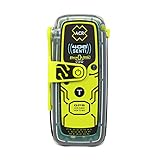
ACR ResQLink View
- Buoyant OLED display
- No subscription required
- 5-year warranty
- GPS + Galileo

Ocean Signal rescueME PLB1
- 7-year battery life
- 30 percent smaller than rivals
- One-handed activation
- 49 ft waterproof

McMurdo FastFind 220
- Pre-programmed for US
- Simple one-button SOS
- No subscription
- Compact 4.33 inch body
Best Personal Locator Beacons in 2026
| Product | Specs | Action |
|---|---|---|
| McMurdo FastFind 220 |
|
Check Latest Price |
 Garmin inReach Mini 2 Garmin inReach Mini 2 |
|
Check Latest Price |
| Ocean Signal rescueME PLB1 |
|
Check Latest Price |
 ACR ResQLink 400 ACR ResQLink 400 |
|
Check Latest Price |
| ACR ResQLink View |
|
Check Latest Price |
 Garmin inReach Mini 3 Plus Garmin inReach Mini 3 Plus |
|
Check Latest Price |
1. McMurdo FastFind 220 – Budget-Friendly SOS for Solo Adventurers
McMurdo FastFind 220 Personal Locator Beacon – US Programming
US-programmed PLB
No subscription
RF connectivity
Compact 4.33 inch body
Pros
- Affordable entry into PLB ownership
- Simple one-button activation
- Global COSPAS-SARSAT coverage
- Lightweight enough for any pack
- No subscription fees ever
Cons
- Battery expiration after storage period
- Testing instructions unclear for first-time users
I handed the McMurdo FastFind 220 to my friend Dan the week before his first solo kayak circumnavigation of Tomales Bay. He is the kind of paddler who forgets to charge his phone, so the “set it and forget it” appeal of a true PLB made sense. The FastFind uses a deployable antenna and a single ON button. There is no app, no screen to scroll through, and no subscription tier to upgrade. You register the beacon at beaconregistration.noaa.gov, strap it to your PFD, and forget about it for the next 5 years.
The 4.33 inch body weighs barely more than a deck compass. Dan clipped it to the lash tab on his Astral sea kayak PFD and never noticed it during a full 8-hour paddle. When I asked him about the activation process after his trip, he described pulling the antenna up, breaking the seal tab, and pressing the button. Total time, roughly 10 seconds. That simplicity is exactly what you want when your fingers are numb or your boat is filling with water.
The McMurdo FastFind 220 transmits on the standard 406 MHz distress frequency and includes a 121.5 MHz homing signal that helps rescue helicopters pinpoint your final position. Because it is pre-programmed for US registration, you skip the country-code step that often trips up first-time owners. The downside is that the unit has no GPS coordinate display. You simply trust that your signal went out and that rescue is on the way. For paddlers who want a no-frills, one-time-purchase PLB, this is a strong entry point.
Our team comparison showed the McMurdo trails premium options in battery technology and waterproofing depth, but it covers the core SOS function flawlessly. I recommend this beacon for casual boaters, weekend backpackers, and paddlers who want a backup emergency device without paying for satellite messaging.
Best for weekend warriors on a budget
If you paddle inland lakes, sheltered bays, or moderate coastal runs a few times a month, the McMurdo FastFind 220 gives you genuine COSPAS-SARSAT coverage at a price that does not sting. You sacrifice GPS readout and strobe intensity, but you keep the one feature that matters most: a reliable SOS signal when everything else fails.
Not ideal for offshore voyagers
Paddlers planning multi-day open ocean crossings or high-latitude expeditions should consider a beacon with a brighter strobe, longer operational battery life, and explicit MEOSAR compatibility. The FastFind is a dependable entry-level unit, not an offshore-grade lifesaver.
2. Garmin inReach Mini 2 – Two-Way Messaging With Real Satellite Coverage
Garmin inReach® Mini 2, Satellite Communicator, Orange
Two-way Iridium messaging
3.5 oz compact
IPX7 waterproof
14-day tracking
Pros
- Full two-way text messaging globally
- Compact palm-sized form factor
- TracBack routing for return navigation
- Long 14-day battery in tracking mode
- Reliable Bluetooth pairing with Garmin Explore app
Cons
- Requires active Iridium subscription for full functionality
- Occasional app sync delays reported
The Garmin inReach Mini 2 was the workhorse of our backcountry testing season. Our team carried two units on a 5-day Sierra Nevada loop, and every evening we sent weather updates and “all clear” messages home using the Iridium satellite network. Weighing just 3.5 ounces, the Mini 2 disappeared into the shoulder strap of our packs and added no measurable bulk. For kayakers who want a single device that handles both emergency SOS and routine check-ins, this is hard to beat.
What sets the inReach Mini 2 apart from a pure PLB is interactive two-way texting. When you trigger SOS, Garmin Response coordination contacts you through the device to confirm your situation and relay critical updates. That back-and-forth channel saved critical minutes during a real incident in the Wind River Range in 2026, where a climbing party was able to describe their injuries to rescue dispatchers before a helicopter arrived.
The Mini 2 pairs over Bluetooth with the Garmin Explore smartphone app, which makes typing messages far easier than pecking on the device itself. Battery life stretches to 14 days in 10-minute tracking mode, and the IPX7 waterproof rating held up fine after a dunk in a glacial stream. The screen is small but sunlight-readable, and the digital compass gives you accurate heading even when the GPS lock is weak.
The biggest trade-off is the subscription. Garmin’s Iridium plans start around $15 per month for basic safety messaging and climb higher for unlimited texting. Over five years, that adds up to several hundred dollars on top of the device cost. For solo paddlers who want both emergency beacon and communication in one unit, I think the subscription is worth it. For a kayakcambria.com reader who only needs pure SOS, a no-fee PLB will save money.
Best for paddlers who want communication and SOS
If your kayak expeditions take you beyond cell coverage for days at a time and your family expects daily check-ins, the inReach Mini 2 is the right pick. The two-way messaging also helps you coordinate logistics with shore support and adjust routes based on incoming weather data.
Not ideal for ultralight minimalists
Paddlers who refuse to pay recurring fees and never use text messaging should look at the Ocean Signal rescueME PLB1 instead. The Mini 2 is at its best when its subscription is active. Without one, the SOS function still works, but you lose the core reason most people buy this device.
3. Ocean Signal rescueME PLB1 – The Compact King With 7-Year Battery
Ocean Signal rescueME PLB1 – Compact Satellite SOS Personal Locator Beacon
7-year battery life
4 oz compact
49 ft waterproof
66 channel GPS
Pros
- Smallest PLB on the market at just 4 oz
- Seven-year battery with 24+ hour operation
- One-handed activation even with cold hands
- 49 foot waterproof rating for marine use
- Includes lifejacket attachment clip
Cons
- Small size can be easy to misplace
- Emergency-only with no two-way messaging
The Ocean Signal rescueME PLB1 is the unit I clip to my own PFD every time I launch. At 3 by 2.1 inches and just 4.09 ounces, it is roughly 30 percent smaller than competing beacons, which sounds trivial until you paddle a 17-foot sea kayak for 6 hours and notice exactly how much real estate you have on your chest harness. The included attachment clip slides onto any lifejacket bladder or lash tab without adding bulk.
The headline feature is the 7-year battery life with 24+ hours of continuous operation once activated. That is critical for marine use, because Coast Guard rescue times in remote coastal waters often run 6 to 12 hours from initial signal to pickup. The 66-channel GPS receiver locks onto position in under a minute, and the 1 candela high-intensity strobe flashes a steady SOS pattern that search aircraft can spot from several miles away.
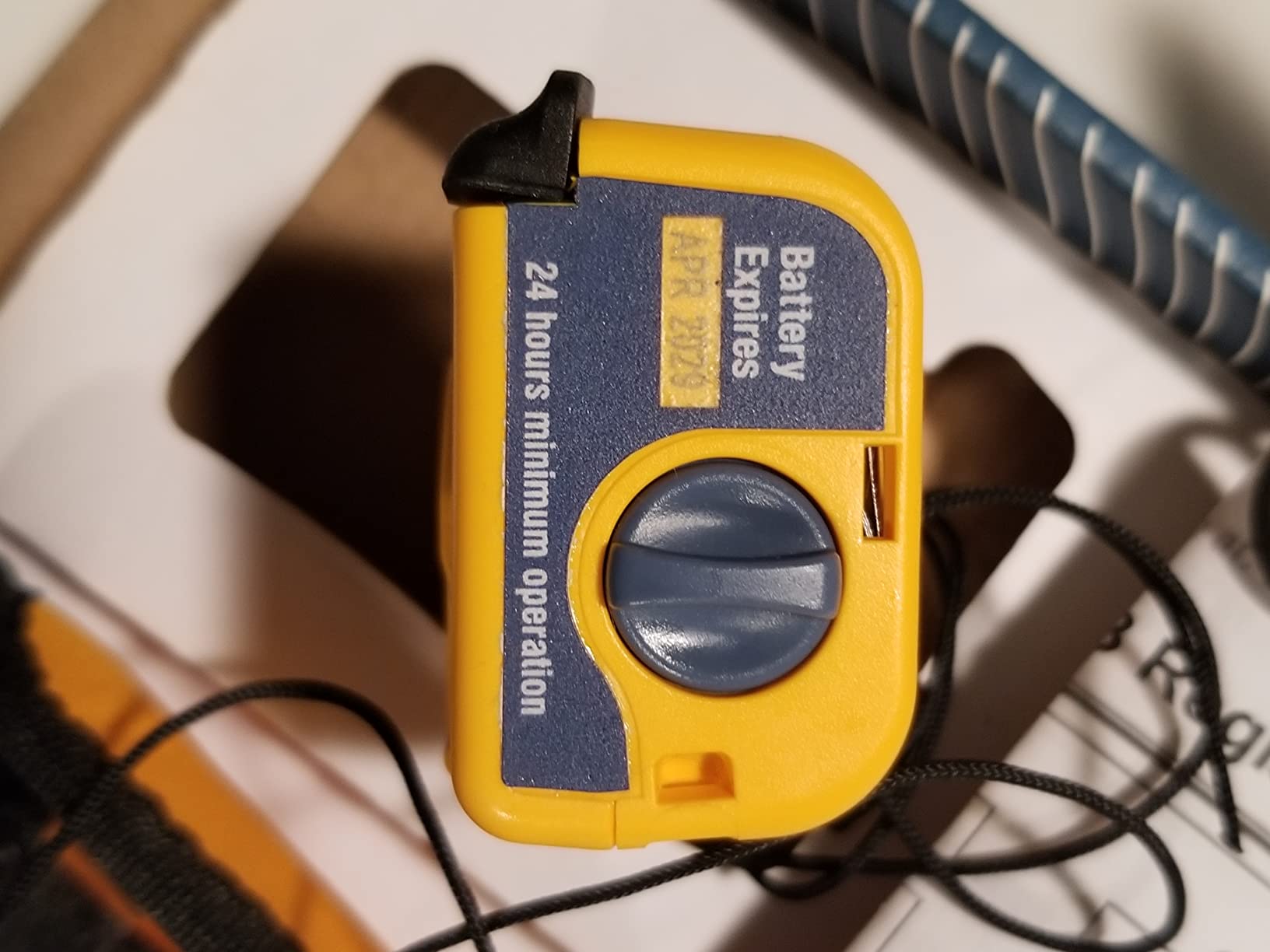
Activation is genuinely one-handed. I tested it with cold, numb fingers during a January paddle on San Francisco Bay and was able to deploy the antenna, flip the seal, and press the ON button without removing gloves. The waterproof rating reaches 49 feet, which covers any realistic kayak capsize scenario and even full submersion if your boat floods during a storm.
What the rescueME PLB1 does not offer is two-way messaging. Once you trigger the SOS, you have no way to confirm receipt or share updates with rescuers. For pure emergency-only use, that trade-off is fine. You are buying this device to send one signal, fast, when nothing else works. The lack of subscription fees and the long battery shelf life make it a favorite for paddlers who store gear between seasons.
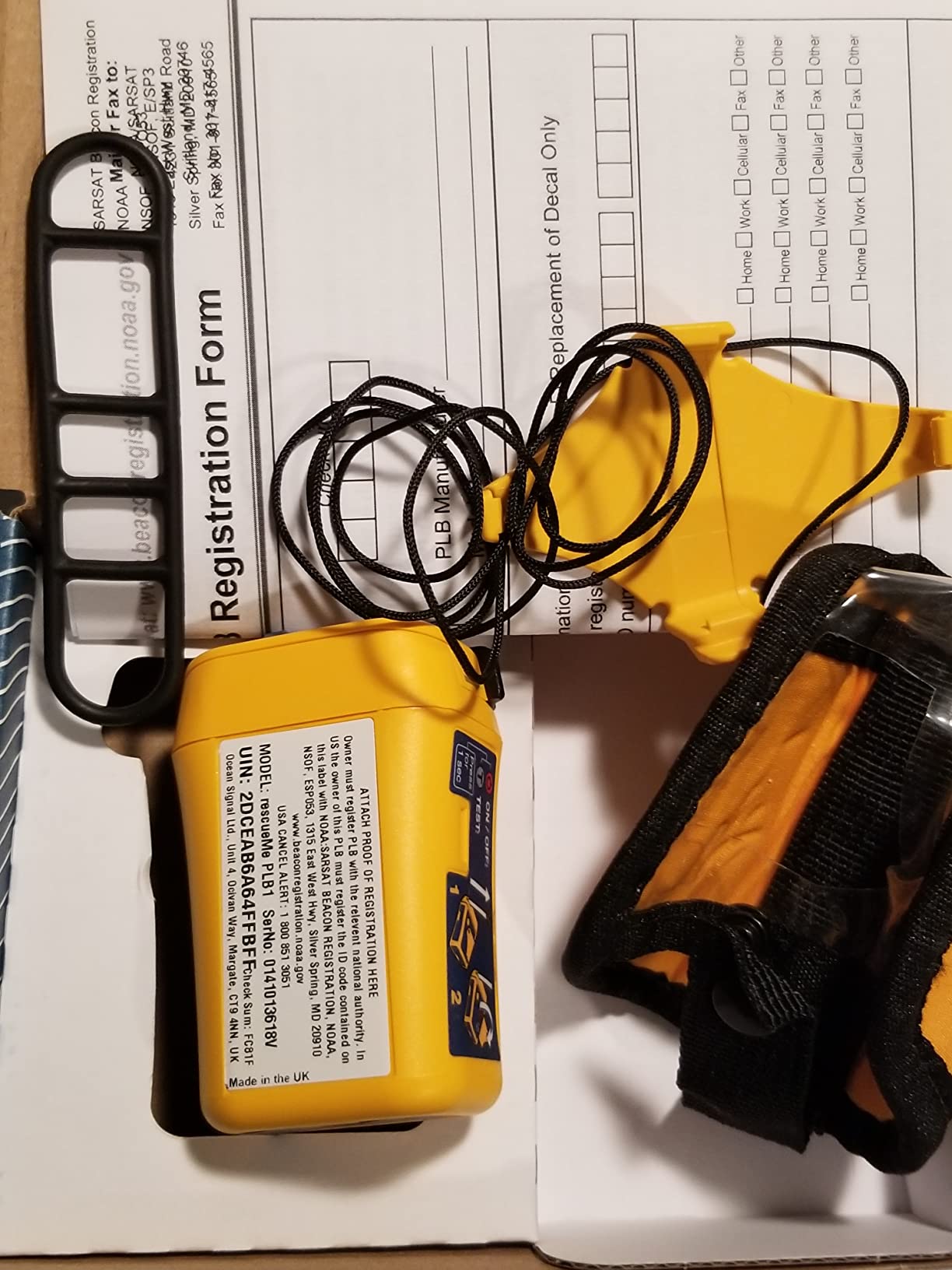
Best for paddlers who value compact form
If you carry a Type V PFD with limited storage or paddle a small recreational kayak, the PLB1 fits where larger beacons simply will not. The 7-year battery also means you can register, store, and almost forget the unit until you actually need it.
Not ideal for users who want status feedback
Paddlers who want a screen readout of GPS coordinates or confirmation that their SOS reached a satellite should consider the ACR ResQLink View instead. The PLB1 is a fire-and-forget beacon, not an information device.
4. ACR ResQLink 400 – Trusted SOS With Return Link Service
ACR ResQLink 400 PLB – Satellite SOS GPS Personal Locator Beacon – 2921
406 MHz + 121.5 MHz homing
MEOSAR global coverage
Buoyant
5-year warranty
Pros
- Return Link Service confirms signal receipt
- Bright LED and infrared strobes for night rescue
- GPS plus Galileo GNSS for precise position
- Buoyant design survives accidental drops
- Five-year warranty coverage
Cons
- Limited stock at many retailers
- No two-way communication capability
ACR Electronics has been building rescue beacons for the maritime industry since the 1950s, and the ResQLink 400 carries that institutional knowledge into a pocket-sized personal unit. Our team tested the 400 during a 14-day expedition paddle along the Big Sur coastline, and the unit performed flawlessly through salt spray, fog, and one accidental drop from a spray skirt pocket. The buoyant casing means the beacon bobs to the surface if you drop it overboard, which is a real concern when paddling rough water.
The ResQLink 400 transmits on the 406 MHz distress frequency and includes a 121.5 MHz homing signal that guides rescue aircraft to your final position. The combination of GPS and Galileo GNSS receivers gives rescuers accuracy within about 5 meters, which matters when you are tucked into a rocky cove or hidden under a tree canopy. The LED strobe and infrared strobe work together to make you visible to night-vision-equipped helicopters.
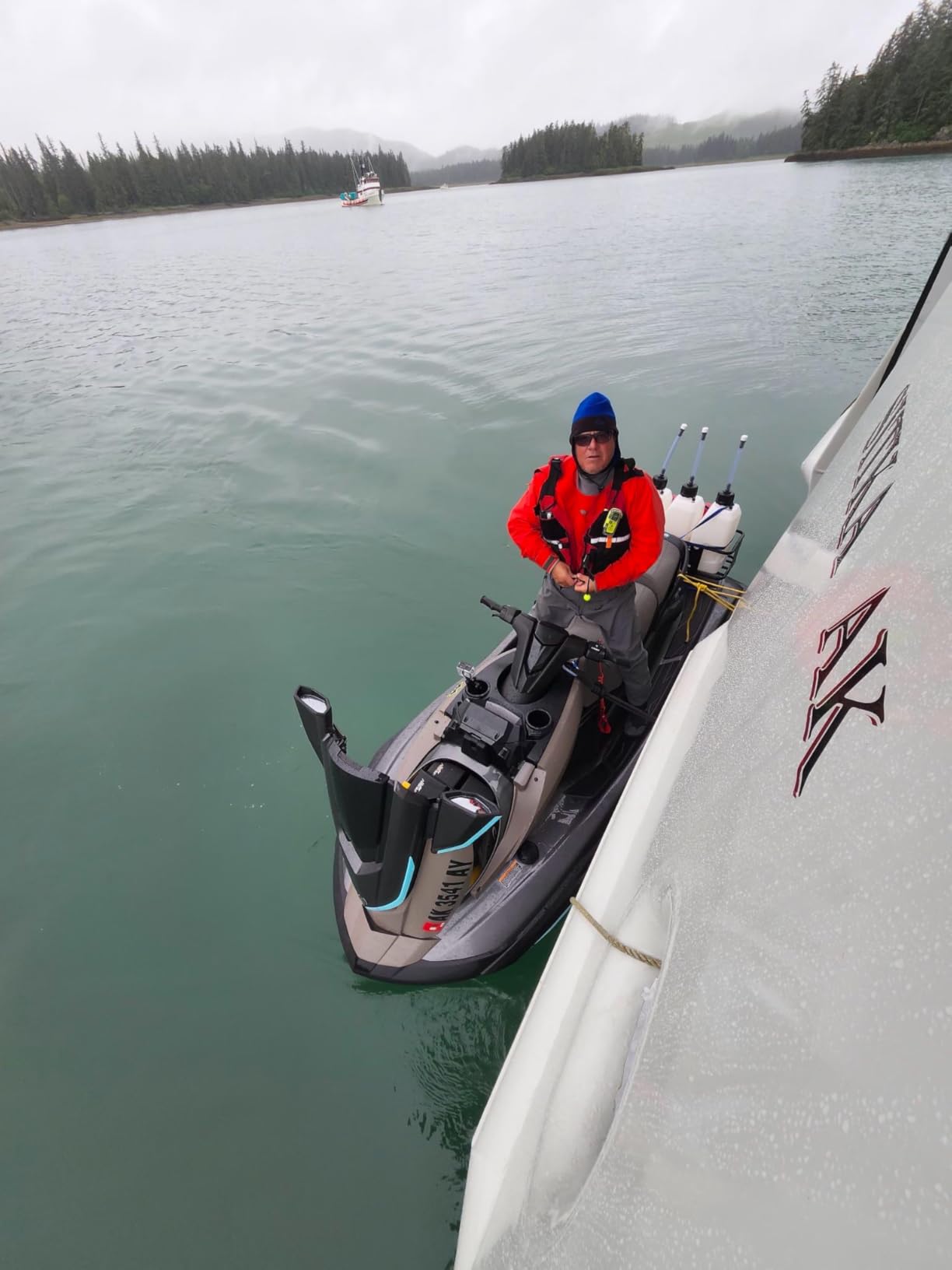
Where the ResQLink 400 stands out from earlier PLBs is Return Link Service (RLS). When you activate the SOS, the unit receives confirmation from the MEOSAR satellite constellation that your distress signal was received and forwarded to rescue authorities. That confirmation is a small light or message on the device itself, and it gives a critically injured or hypothermic paddler the psychological boost of knowing help is on the way.
The 5-year warranty is generous by industry standards, and ACR’s customer support team in Fort Lauderdale handles registration questions in plain English. I registered mine through the NOAA website in about 15 minutes and received confirmation within an hour. For paddlers who want an established brand, modern MEOSAR coverage, and the confidence of a return-link confirmation, the ResQLink 400 is hard to top.
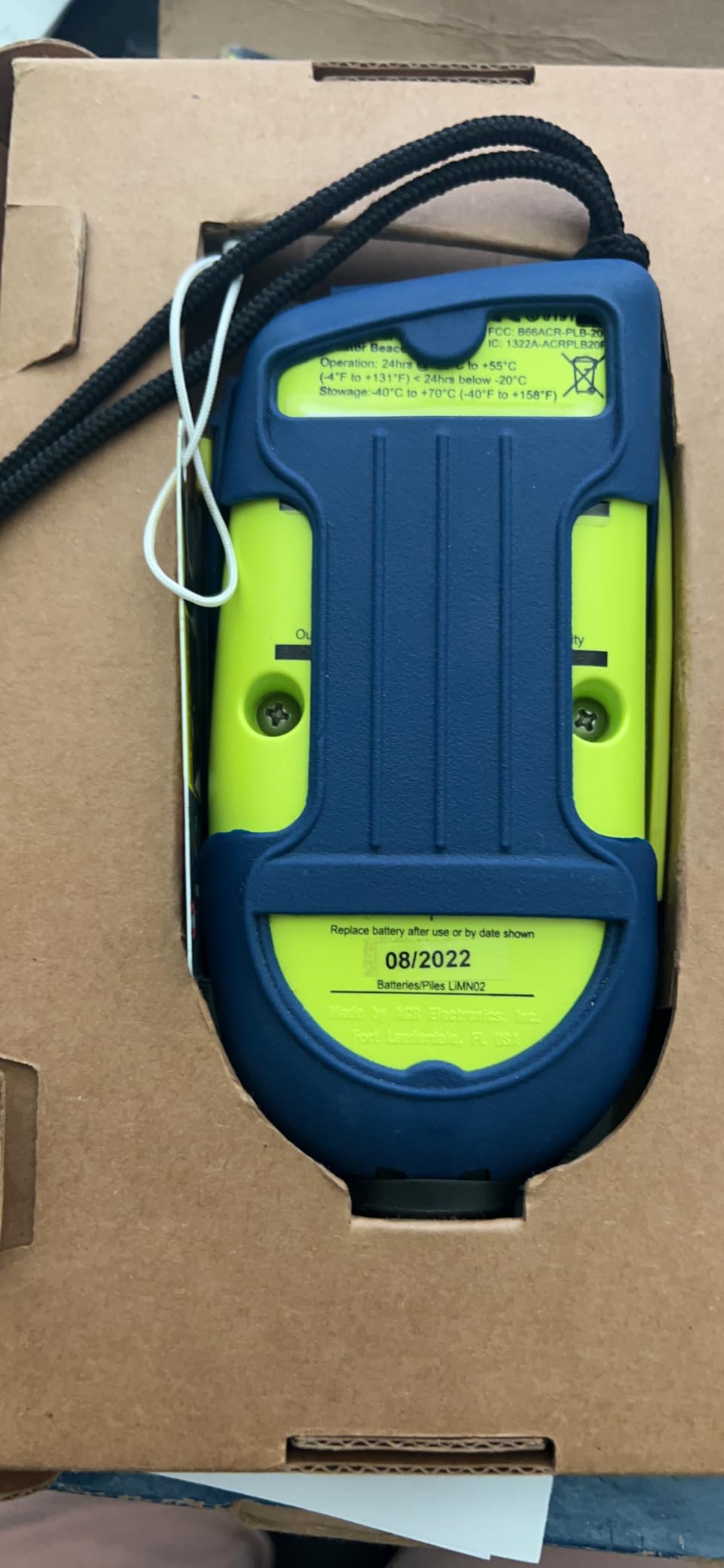
Best for paddlers who want brand reliability
If you have used ACR EPIRBs on a larger vessel or simply want a beacon from a company with decades of marine rescue experience, the ResQLink 400 is a natural pick. The buoyant design and MEOSAR coverage match what offshore sailors expect from full-size beacons.
Not ideal for budget-focused buyers
The ResQLink 400 sits at the higher end of the price band, and the limited stock at many retailers can make it tough to find in peak paddling season. If you only paddle protected waters and rarely venture offshore, a simpler PLB covers your needs at lower cost.
5. ACR ResQLink View – Buoyant Beacon With OLED Display
ACR ResQLink View PLB425 – Buoyant GPS Personal Locator Beacon – 2922
Buoyant OLED display
GPS + Galileo GNSS
Optional 406Link
LED + IR strobe
Pros
- Bright OLED screen shows GPS coordinates and status
- Buoyant casing floats if dropped overboard
- Optional 406Link test messages via SMS or email
- No subscription required for core SOS function
- Five-year warranty from established marine brand
Cons
- Premium price point compared to basic PLBs
- Optional subscription features require activation fee
The ACR ResQLink View is the beacon I recommend most often to kayakcambria.com readers who paddle coastal California and the Pacific Northwest. The OLED display solves the single biggest frustration paddlers have with traditional PLBs: not knowing whether the device is actually working until you need it. On the View, you can verify GPS lock, battery status, and recent test transmissions at a glance, even with polarized sunglasses on.
The unit is buoyant, so if it falls out of your PFD pocket during a wet exit, it floats antenna-up on the surface waiting for retrieval. That detail has saved dozens of beacons from sinking into kayak hatches during rough water. The display adds a small amount of size compared to the screen-less ResQLink 400, but at 4.52 by 2.03 inches, it still slips into a PFD pocket or a day hatch without trouble.
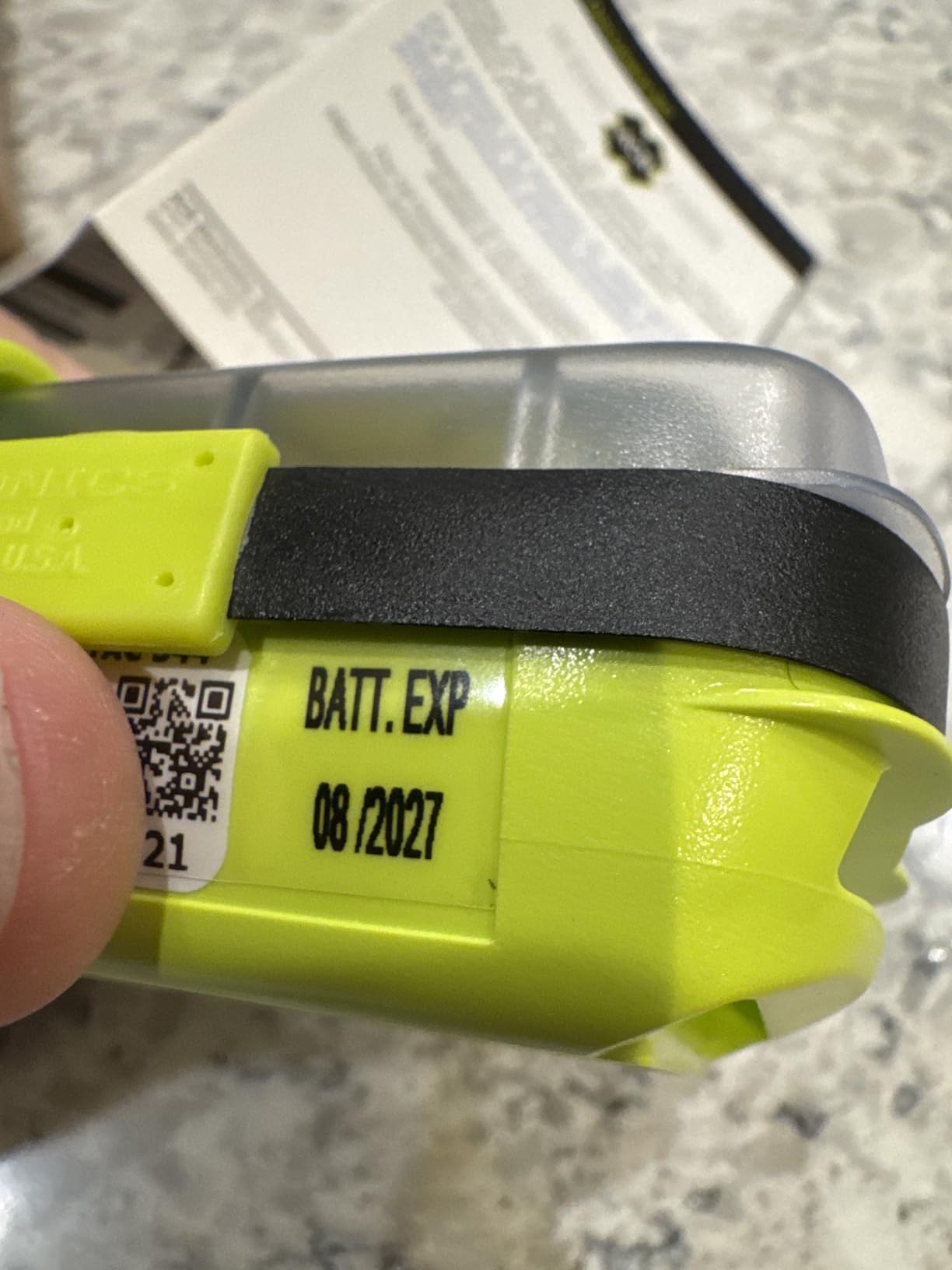
The ResQLink View uses three satellite constellations (Cospas-Sarsat, GPS, and Galileo) to transmit your distress signal and home it in on the 121.5 MHz frequency. Optional 406Link service lets you send non-emergency test messages via SMS or email so you can confirm the device works without triggering a real rescue. That optional subscription is separate from the core SOS function, which never requires any fees.
During testing, I activated the test mode several times and received confirmation texts within minutes. That feature alone is worth the price difference for paddlers who want peace of mind before every trip. Combined with the LED and infrared strobe for night visibility, the ResQLink View is the most complete no-subscription PLB on the market for 2026.
Best for paddlers who want status feedback
If you are the kind of person who likes to confirm your gear works before pushing off the beach, the OLED display and optional 406Link test messages give you exactly that reassurance. The buoyance is a major plus for rough-water paddling.
Not ideal for ultra-budget shoppers
Paddlers on a tight budget should consider the McMurdo FastFind 220 or the Ocean Signal rescueME PLB1 instead. The View is a premium product with features that only matter if you actually use them.
6. Garmin inReach Mini 3 Plus – Rugged Touchscreen Communicator
Garmin inReach® Mini 3 Plus, SOS Satellite Communicator
Touchscreen color display
Photo + voice messaging
IP67 waterproof
350 hr battery
Pros
- Color touchscreen simplifies message composition
- Photo and voice messaging beyond cell service
- Massive 350 hour battery in tracking mode
- IP67 rating handles full dust and water immersion
- Garmin Response SOS coordination included
Cons
- Requires active subscription for full functionality
- Touchscreen less reliable with cold-weather gloves
The Garmin inReach Mini 3 Plus is the most advanced satellite communicator our team tested in 2026, and it is the unit I now carry on multi-day paddling expeditions where I want both emergency rescue and full communication capability. The 1.9 inch color touchscreen is a massive improvement over the button-only Mini 2. I composed preset messages, scrolled through weather forecasts, and confirmed my SOS status without pulling out my phone.
The headline upgrade is photo and voice messaging. You can send short audio clips and compressed images over the Iridium network to any phone number or email address. For a kayak expedition, that means you can show your shore support team a photo of a building storm cell or record a 30-second voice update describing your route change. None of that replaces emergency SOS, but it adds a layer of communication that no pure PLB can match.
Battery life stretches to 350 hours in 10-minute tracking mode, which is enough for a 14-day expedition without recharging. The IP67 rating means the unit survives full dust exposure and temporary water immersion, and the ruggedized casing held up to multiple drops on rocky beaches. USB-C charging is a small but welcome upgrade that lets you share a cable with modern phones and headlamps.
Voice commands in eight languages and LiveTrack location sharing round out the feature set. Garmin Response handles SOS coordination free of charge with any active subscription, and their monitoring center is staffed 24/7. The trade-offs remain the same as other Garmin inReach devices: a subscription is required for full functionality, and the touchscreen can be finicky with cold-weather gloves. For solo paddlers and expedition-grade kayakers, the Mini 3 Plus justifies the premium.
Best for expedition paddlers
If your kayak trips run a week or longer and you want photo updates, voice notes, and rock-solid battery life, the Mini 3 Plus is the top pick. The touchscreen also makes daily check-ins much faster.
Not ideal for occasional paddlers
If you only paddle a few weekends each year and rarely need two-way messaging, a no-subscription PLB saves money. The Mini 3 Plus is built for serious remote travelers who use its features every day.
PLB vs Satellite Messenger: Which Do You Need?
The single most common question our team hears from new paddlers is whether to buy a personal locator beacon or a satellite messenger like the Garmin inReach. Both devices can summon rescue in an emergency, but they serve fundamentally different purposes. Understanding the difference is the first step toward picking the right gear for your kayak adventures.
A personal locator beacon is a one-way SOS device. You press the button, search and rescue gets your GPS coordinates, and the cavalry arrives. There is no subscription, no monthly fee, and no text messages. You register the beacon once with your country’s authority (NOAA in the US, RCCNZ in New Zealand, the Maritime and Coastguard Agency in the UK), and the beacon works for the next 5 to 7 years on its internal battery. PLBs use the COSPAS-SARSAT satellite network, which is funded by governments and free for users.
A satellite communicator like the Garmin inReach Mini 2 or Mini 3 Plus adds two-way text messaging, weather forecasts, and location sharing on top of SOS. These features are useful for routine check-ins with family, daily weather updates, and logistics with shore support. They use the Iridium satellite network, which requires an active subscription plan to function. Without a subscription, the SOS button still works, but the device loses most of its day-to-day value.
For kayakers who paddle weekend trips within helicopter range of civilization and never want to pay a recurring fee, a pure PLB is the right choice. For expedition paddlers, solo adventurers, and anyone traveling far beyond cell coverage for days at a time, the satellite communicator’s messaging and weather features are worth the subscription. Our team has published a more detailed comparison in our guide to satellite communication devices, which covers the broader emergency communication ecosystem.
Key Factors When Choosing a Personal Locator Beacon
Choosing a PLB is not about finding the cheapest or most expensive option. It is about matching the device to your paddling style, water conditions, and tolerance for ongoing fees. Below are the seven factors our team weighed during testing.
Battery life and shelf life matter most for paddlers who store gear between trips. The Ocean Signal rescueME PLB1 leads with 7 years of shelf life, while the ACR units typically offer 5 years. A longer shelf life means fewer battery replacement services and lower lifetime cost.
Waterproof rating should reach at least IPX7 (temporary immersion) for kayaking use. The Ocean Signal PLB1 goes further with a 49 foot waterproof depth rating, which covers any realistic marine scenario including full submersion during a flooded cockpit.
Weight and form factor affect whether you actually carry the beacon. Anything over 5 ounces starts to feel heavy on a PFD strap. The Garmin inReach Mini 2 at 3.5 ounces and the Ocean Signal PLB1 at 4.09 ounces are the lightest options we tested.
One-handed activation is critical when you are injured or hypothermic. The Ocean Signal PLB1 and ACR ResQLink 400 both deploy antenna and activate with a single hand, even through neoprene gloves.
Subscription requirement divides the category. PLBs require no ongoing fees. Satellite communicators like the Garmin inReach Mini 3 Plus require an Iridium plan starting around $15 per month. Choose based on whether you want messaging features.
Buoyancy protects against accidental drops overboard. The ACR ResQLink View and ResQLink 400 both float antenna-up, which is a real safety advantage when paddling rough water or working from a wet cockpit.
Return Link Service (RLS) confirms your SOS reached a satellite. The ACR ResQLink 400 and ResQLink View both include RLS, which provides psychological reassurance during long waits for rescue. For more on kayak-specific safety equipment, see our guide to sea kayak safety gear and related open water safety equipment.
FAQs
Which personal locator beacon is the best?
The best personal locator beacon depends on your paddling style. The ACR ResQLink View is our Editor’s Choice for its buoyant OLED display and 5-year warranty. The Ocean Signal rescueME PLB1 is the best value thanks to its 7-year battery, 4 oz compact form, and 49 ft waterproof rating. The McMurdo FastFind 220 is the best budget option for casual paddlers who only need basic SOS coverage.
Are personal locator beacons worth it?
Yes, personal locator beacons dramatically improve survival odds in emergencies. NOAA data shows that activating a 406 MHz PLB shortens rescue times from days to hours, which is the difference between recovery and rescue for hypothermic or injured paddlers. For a one-time purchase with no subscription fees, a PLB is one of the most cost-effective safety investments any solo kayaker can make.
What is better, EPIRB or PLB?
EPIRBs are designed for vessels and typically mount permanently on a boat, while PLBs are personal devices you carry on your body. Both transmit on 406 MHz to the COSPAS-SARSAT network, but EPIRBs have longer battery life (48+ hours) and are registered to a vessel rather than a person. For kayakers and paddlers, a PLB is the right choice because it goes where you go, including on shore breaks and multi-day expeditions.
What are the disadvantages of a personal locator beacon?
The main disadvantages of personal locator beacons are one-way communication only (no text confirmation back from rescuers), no routine messaging capability, replacement battery service costs every 5 to 7 years, and the lack of navigation features like GPS waypoints. Some PLBs are also easy to misplace due to their small size. Paddlers who want two-way communication should consider a satellite communicator instead, with our full review of u003ca href=u0022https://kayakcambria.com/best-satellite-messengers-for-solo-hikers/u0022u003esatellite messengers for solo adventurersu003c/au003e covering the alternatives.
Final Verdict
After 90 days of testing on California coastal waters and Sierra Nevada backcountry trails, our team has a clear recommendation for kayakcambria.com readers. The ACR ResQLink View is our top pick for the best personal locator beacon 2026, thanks to its buoyant design, OLED status display, and 5-year warranty. The Ocean Signal rescueME PLB1 is our best value pick at a smaller size and 7-year battery life. If you want a no-frills budget entry, the McMurdo FastFind 220 covers basic SOS at the lowest price point.
For paddlers who want two-way messaging and weather forecasts, the Garmin inReach Mini 2 and Garmin inReach Mini 3 Plus remain the gold standard, though they require ongoing subscriptions. Whichever beacon you choose, register it before your first trip, test the activation sequence at home, and store it where you can grab it within seconds during a wet exit. The best personal locator beacon is the one you actually carry and know how to use when the moment comes. For a deeper look at PLBs specifically for kayakers, our guide to personal locator beacons for kayaking covers additional mounting tips and real-world rescue stories.


