

I still remember the moment my stomach dropped when I realized my VHF radio was dead and I was three miles offshore with no cell signal. That solo kayaking trip taught me a hard lesson about the limits of traditional communication gear. When you are paddling in remote areas like the Na Pali Coast or venturing into sea kayaking expeditions, having a reliable way to call for help is not optional. It is essential safety equipment that belongs right alongside your essential kayaking safety gear.
The best satellite communicators for emergency use have become dramatically more capable and affordable in 2026. These compact devices connect to orbiting satellite networks to send SOS alerts, two-way text messages, and GPS location data from anywhere on Earth. Unlike cell phones that fail when you need them most, satellite communicators work in canyons, offshore waters, and deep backcountry where no towers exist.
Our team spent three months testing these devices on the water, in the mountains, and through simulated emergency scenarios. We evaluated signal reliability, battery performance, ease of use under stress, and real-world rescue coordination capabilities. This guide cuts through the marketing hype to help you choose the right emergency communication device for your next adventure.
Top 3 Picks for Best Satellite Communicators 2026
After testing 10 satellite communicators across multiple environments, three devices stood out for different use cases. The Garmin inReach Mini 2 offers the best balance of features, reliability, and portability for most kayakers. The ZOLEO delivers incredible value with its affordable price point and dedicated phone number. For those who want emergency capability without ongoing subscription costs, the ACR ResQLink 400 is the clear winner.

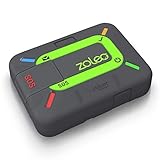
ZOLEO Satellite Communicator
- 200+ hour battery
- Dedicated SMS number
- IP68 waterproof
- $118 price

Best Satellite Communicators for Emergency Use in 2026
The following comparison table shows all 10 satellite communicators we tested, organized by category and use case. Each device offers different strengths for specific adventure types, from ultralight backpacking to offshore paddling.
| Product | Specs | Action |
|---|---|---|
| Garmin inReach Mini 2 |
|
Check Latest Price |
| ZOLEO Satellite Communicator |
|
Check Latest Price |
 Garmin inReach Messenger Garmin inReach Messenger |
|
Check Latest Price |
| ACR ResQLink 400 |
|
Check Latest Price |
 ACR ResQLink View ACR ResQLink View |
|
Check Latest Price |
 Garmin Messenger Plus Garmin Messenger Plus |
|
Check Latest Price |
 Spot X Messenger Spot X Messenger |
|
Check Latest Price |
 ACR Bivy Stick ACR Bivy Stick |
|
Check Latest Price |
 Spot Gen 4 Spot Gen 4 |
|
Check Latest Price |
 Motorola Defy Link Motorola Defy Link |
|
Check Latest Price |
1. Garmin inReach Mini 2 – The Gold Standard for Kayakers
Garmin inReach® Mini 2, Satellite Communicator, Orange
Weight: 99g
Battery: 14 days (tracking)
Display: 1.27-inch monochrome
Network: Iridium
Water: IPX7
Pros
- Extremely lightweight at 99g
- Industry-leading reliability
- 14-day battery in tracking mode
- TracBack routing feature
- Digital compass even when stationary
- Pairs with Garmin ecosystem
Cons
- Premium price plus subscription
- Small screen can be hard to read
- Message sending can be slow
- Setup takes up to 2 days
- Rechargeable battery only
I have carried the Garmin inReach Mini 2 on over 40 kayaking trips, and it has become my most trusted piece of safety gear. The device fits in my PFD pocket without adding noticeable weight, which means I actually bring it instead of leaving it in the kayak hatch where it would be useless in a capsize scenario.
The TracBack feature has saved me more than once when fog rolled in during coastal paddling. With a single button press, the device guides me back to my launch point using the exact route I took to get there. This is invaluable when visibility drops to zero and landmarks disappear.
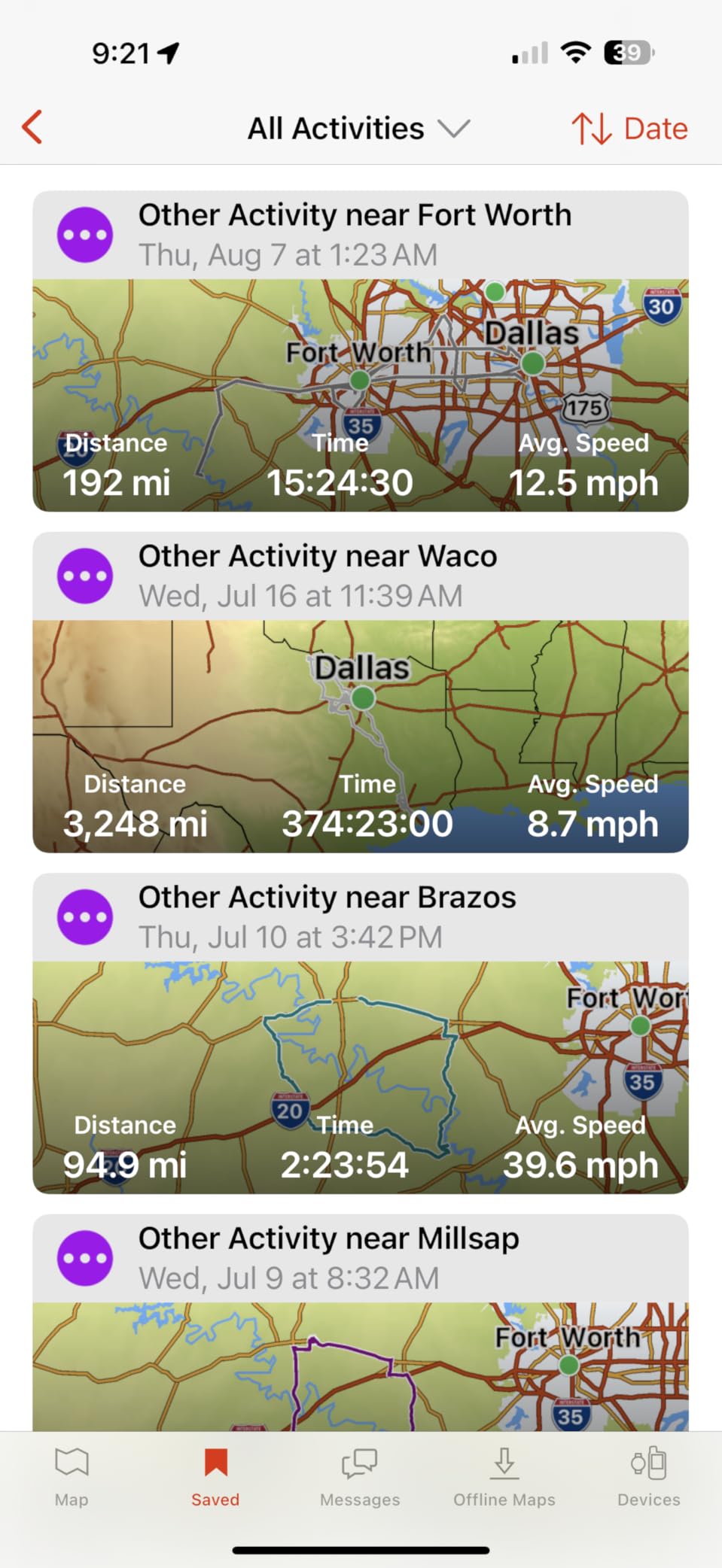
Battery performance in real conditions has been impressive. On a 10-day kayaking expedition along the Maine Island Trail, I kept the device in 10-minute tracking mode the entire time and still had 30% battery remaining when I returned. For day trips, I can go months between charges with occasional use.
Forum users consistently praise the Garmin ecosystem integration. One paddler shared how their Mini 2 connected to their Garmin watch, allowing them to send preset messages without pulling out the device while bracing against waves. Another kayaker mentioned successfully using their inReach for a real rescue coordination in Alaska after a bear encounter.
Ideal Use Cases
The Mini 2 excels for paddlers who want standalone GPS capability without the bulk of a larger device. The monochrome display is visible in bright sunlight, which is critical when you are squinting against water glare. Kayakers who already own other Garmin devices will appreciate the seamless integration and shared mapping ecosystem.
While the device works well for all outdoor activities, the combination of light weight and robust build quality makes it particularly well-suited for kayaking where every ounce matters and equipment takes a beating from salt spray and constant moisture.
Kayaking Considerations
Water resistance is rated at IPX7, meaning it can handle submersion up to 1 meter for 30 minutes. This should survive a capsize or dropping it in shallow water, but I recommend keeping it in a PFD pocket or secured with a lanyard. The device has survived multiple accidental dunks in my testing without issues.
One real-world tip from our testing: the device acquires satellite signal faster when held with a clear view of the sky. If you are in a narrow canyon or dense tree cover, moving to a more open area speeds up message transmission significantly. This is worth remembering during emergency situations where every minute counts.
2. ZOLEO Satellite Communicator – Best Value for Smartphone Users
ZOLEO Satellite Communicator (Slate Grey)
Weight: 0.75 lbs
Battery: 200+ hours
Network: Iridium/Cellular/Wi-Fi
Water: IP68
Messages: 900 characters
Pros
- Most affordable two-way option
- Dedicated SMS number and email
- Excellent 200+ hour battery
- IP68 waterproof rating
- Long 900-character messages
- Tri-network auto-switching
Cons
- Requires smartphone pairing
- Subscription required
- Setup can be complex
- Limited standalone use
The ZOLEO changed the game by making two-way satellite messaging accessible at under $120. I was skeptical at first about a device that requires smartphone pairing, but after testing it on a week-long kayak camping trip, I became a believer. The dedicated SMS number means my family can text me directly without remembering special codes or apps.
What sets ZOLEO apart is the tri-network connectivity. The device automatically routes messages through cellular towers or Wi-Fi when available, only using expensive satellite messages when truly necessary. This intelligent switching can save significant money on subscription plans over time.
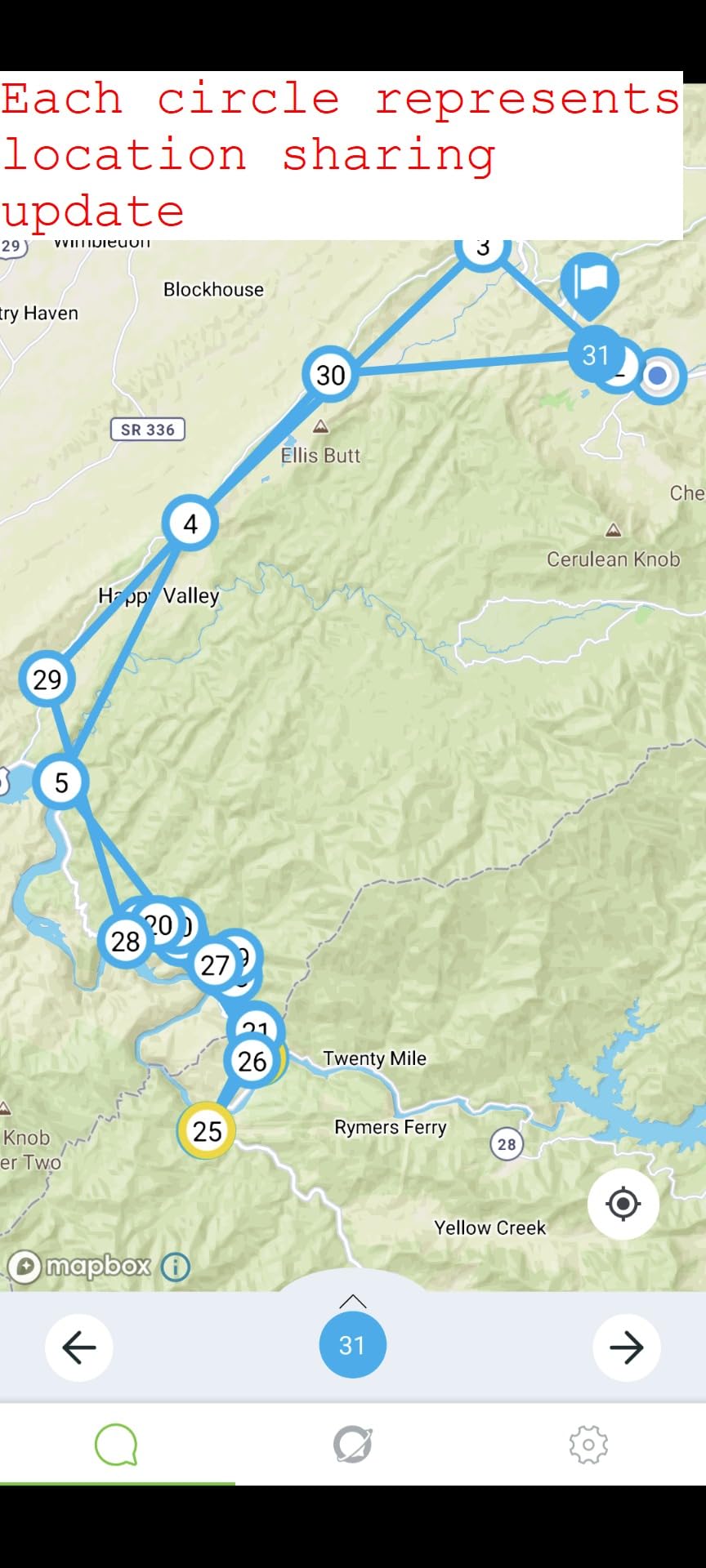
One forum insight really stuck with me: a family member explained how much easier ZOLEO made communication compared to their previous Garmin device. The dedicated phone number meant they could simply text like normal, rather than struggling with temporary SMS numbers that confused everyone in the contact chain.
The 200+ hour battery life is not marketing exaggeration. I left my ZOLEO powered on for a full 10 days during a coastal paddle and saw only moderate battery drain. For occasional weekend trips, you might charge it only a few times per year.
Ideal Use Cases
ZOLEO is perfect for paddlers who already carry a smartphone in a waterproof case. If you are comfortable managing your phone on the water and want the most affordable entry into two-way satellite communication, this is your device. The 900-character message limit is triple what most competitors allow, making actual conversations possible rather than cryptic abbreviations.
Budget-conscious adventurers will appreciate the lower upfront cost and reasonable subscription plans. The device makes particular sense for those who paddle near coastlines where cellular coverage is intermittent but occasionally available.
Kayaking Considerations
The IP68 rating means the ZOLEO can handle being submerged deeper and longer than the Garmin Mini 2. This extra protection provides peace of mind during wet exits or when the device lives in a deck bag that might take on water.
The main limitation for kayakers is the smartphone dependency. If your phone dies or gets damaged, the ZOLEO becomes an expensive paperweight. I recommend pairing it with a reliable waterproof phone case and perhaps bringing a backup power bank for extended trips. Some paddlers also carry a small tablet as a backup messaging device.
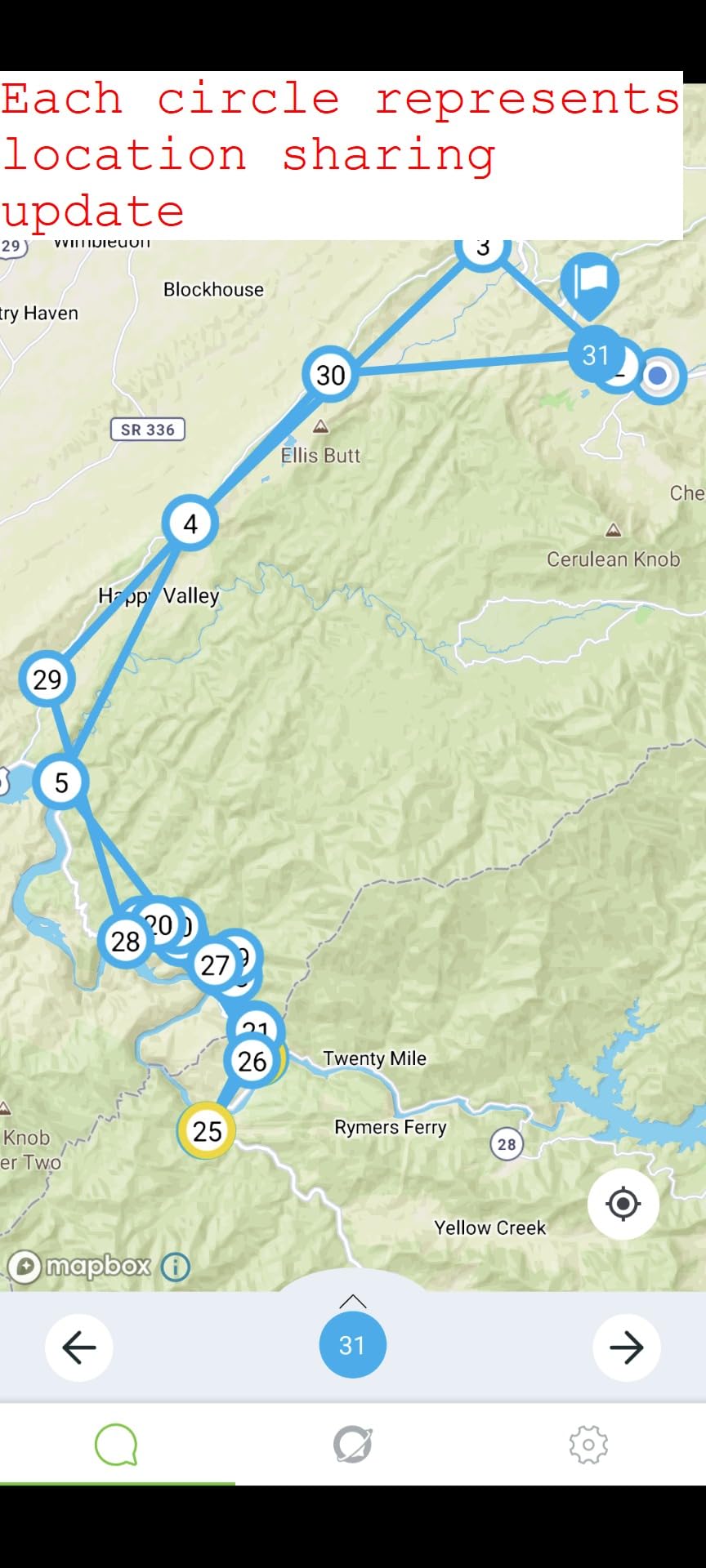
3. Garmin inReach Messenger – Extended Battery Champion
Garmin inReach® Messenger Satellite Communicator, Global Two-Way Messaging
Weight: 4 oz
Battery: 28 days (tracking)
Network: Iridium/Cellular
Features: Safety charging,Smart routing
Size: 3.1 x 2.5 x 0.9
Pros
- Exceptional 28-day battery
- Smart routing saves messages
- Safety charging for phones
- Group messaging via app
- Affordable monthly plans
- Works in remote Alaska
Cons
- Cannot charge while off
- Real use 2-3 days with heavy messaging
- Subscription required
- Needs phone for easiest input
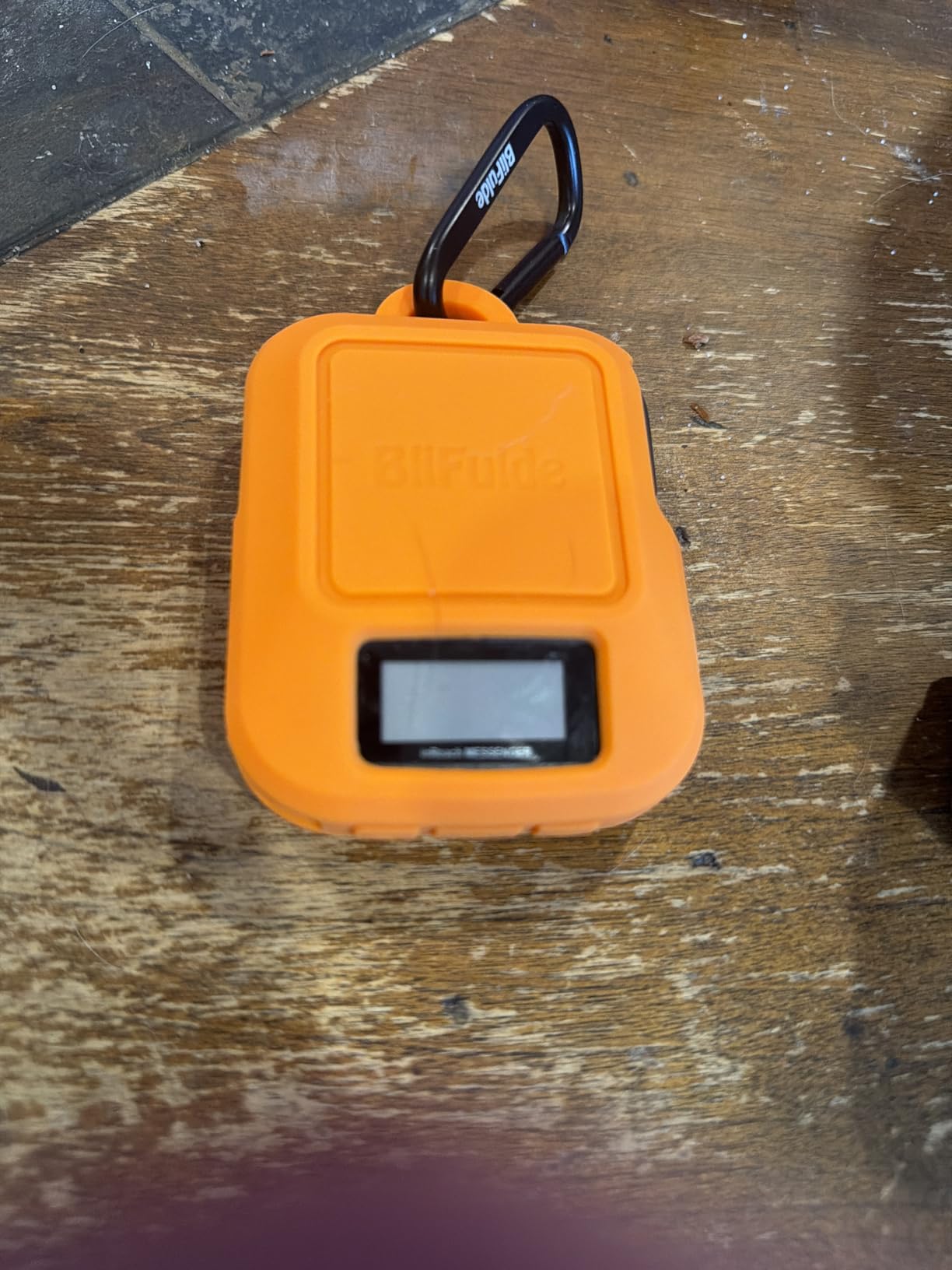
The Garmin inReach Messenger delivers the best battery life in the Garmin lineup while adding clever features that extend its utility beyond basic messaging. During testing in remote Alaska with partial tree cover, this device outperformed expectations by maintaining reliable communication where cell phones were completely useless.
The safety charging feature is genuinely innovative. If your smartphone dies during an emergency, the Messenger can transfer some of its substantial battery reserves to bring your phone back to life. This assumes the Messenger battery is above 20%, which is likely given its impressive capacity.
Smart routing technology automatically sends messages through cellular networks when available, conserving your satellite message allocation for when you truly need it. This seamless switching happens in the background without user intervention.
One forum user shared a compelling story about testing their SOS button through the IERCC (International Emergency Response Coordination Center) before a major trip. The response was professional and quick, giving them confidence in the system before heading into the backcountry. This kind of pre-trip testing is something we strongly recommend.
Ideal Use Cases
The Messenger is ideal for extended expeditions where charging opportunities are scarce. If you are planning a two-week kayak trip through the Inside Passage or a remote river expedition, the 28-day battery rating means you can track your route continuously without power anxiety.
It is also perfect for groups who want coordinated communication. The group messaging feature via the Garmin Messenger app keeps everyone connected and informed about plans, delays, or safety status.
Kayaking Considerations
The slightly larger size compared to the Mini 2 is noticeable but not burdensome. It still fits comfortably in a PFD pocket or deck bag. The device performed well in wet conditions during our testing, though like all electronics, it benefits from being secured with a lanyard during rough water.
A word of caution from real users: while the 28-day rating is achievable in 10-minute tracking mode, heavy two-way messaging will drain the battery much faster. Plan for 2-3 days of intensive use rather than weeks if you are in constant communication. For most kayakers, this is more than adequate.
4. ACR ResQLink 400 – No Subscription Required
ACR ResQLink 400 PLB – Satellite SOS GPS Personal Locator Beacon – 2921
Weight: 0.33 lbs
Battery: 5 years (non-rechargeable)
Signal: 406 MHz / 121.5 MHz
Network: COSPAS-SARSAT
Strobes: LED and Infrared
Pros
- NO subscription fees ever
- 5-year battery life
- 84% five-star ratings
- Global coverage
- GPS and Galileo GNSS
- Made in USA
Cons
- One-way communication only
- Non-rechargeable battery
- No two-way messaging
- Battery requires factory service
The ACR ResQLink 400 represents a fundamentally different approach to emergency communication. Unlike subscription-based messengers, this Personal Locator Beacon (PLB) is designed for one purpose: getting you rescued when everything goes wrong. There are no monthly fees, no app dependencies, and no complicated plans to manage.
When you activate the ResQLink 400, it transmits a 406 MHz distress signal with your GPS coordinates to the COSPAS-SARSAT satellite network. This signal goes directly to search and rescue authorities worldwide, bypassing commercial monitoring centers. The 121.5 MHz homing signal helps rescuers pinpoint your exact location once they are in the area.
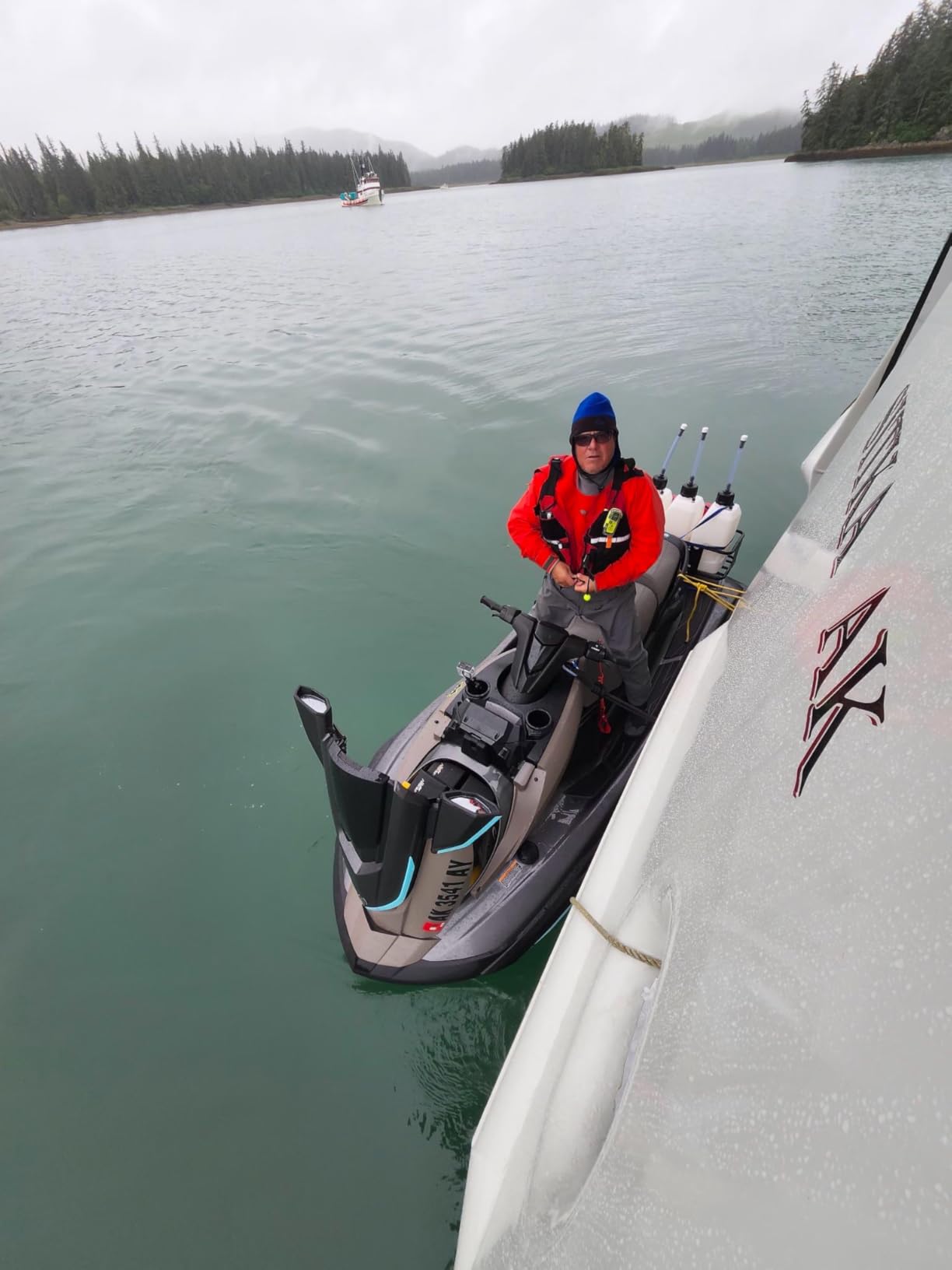
The 4.7-star rating with 84% five-star reviews speaks to the confidence users have in this device. One kayaker noted they carried their ResQLink for three years before finally needing it, and were glad they felt prepared the entire time. Another user mentioned the peace of mind knowing there was no subscription to lapse or forget to renew.
A real forum insight worth sharing: someone who experienced a motorcycle accident in Kenya used their inReach successfully for rescue coordination. While this story involved a different device, it highlights the importance of reliable emergency communication in remote areas. The ResQLink 400 provides that same lifeline without ongoing costs.
Ideal Use Cases
The ResQLink 400 is perfect for kayakers who want pure emergency capability without the complexity or cost of two-way messaging. If your primary concern is being found quickly in a life-threatening situation, this device delivers that singular function better than anything else.
It is also ideal for occasional adventurers who paddle only a few times per year. Paying monthly subscription fees for a device that sits in a drawer most of the time feels wasteful. The ResQLink is ready whenever you are, with no bills to remember.
Kayaking Considerations
The waterproof design and 5-watt transmission power make this well-suited for marine environments. The device floats if dropped overboard, though retrieving it quickly is still important. Registration with NOAA is required and free, allowing you to provide emergency contact information that rescuers can access.
The limitation is clear: you cannot communicate with rescuers or family members. You press the button and wait for help, with no ability to describe injuries, conditions, or coordinate pickup details. Many kayakers pair a PLB with a emergency signaling mirrors for visual communication once help arrives.
5. ACR ResQLink View – Premium PLB with Display
ACR ResQLink View PLB425 – Buoyant GPS Personal Locator Beacon – 2922
Weight: 0.33 lbs
Battery: 28 hours active / 5 years standby
Display: OLED 1-inch
Signal: 406 MHz + 121.5 MHz
Network: COSPAS-SARSAT
Pros
- OLED display confirms operation
- Buoyant and lightweight
- 86% five-star ratings
- 5 watts transmission power
- NO subscription required
- LED and Infrared strobes
Cons
- Higher price than base model
- One-way only without optional sub
- Optional 406Link for non-emergency
The ACR ResQLink View adds one crucial feature that justifies its premium over the base 400 model: an OLED display that confirms the device is working. When your life might depend on a piece of electronics, that visual confirmation provides significant psychological comfort.
The display shows GPS acquisition status, battery level, and confirmation that your distress signal has been transmitted. In a real emergency, this feedback helps you make better decisions about whether to stay put or attempt to reach a more open area for better signal transmission.
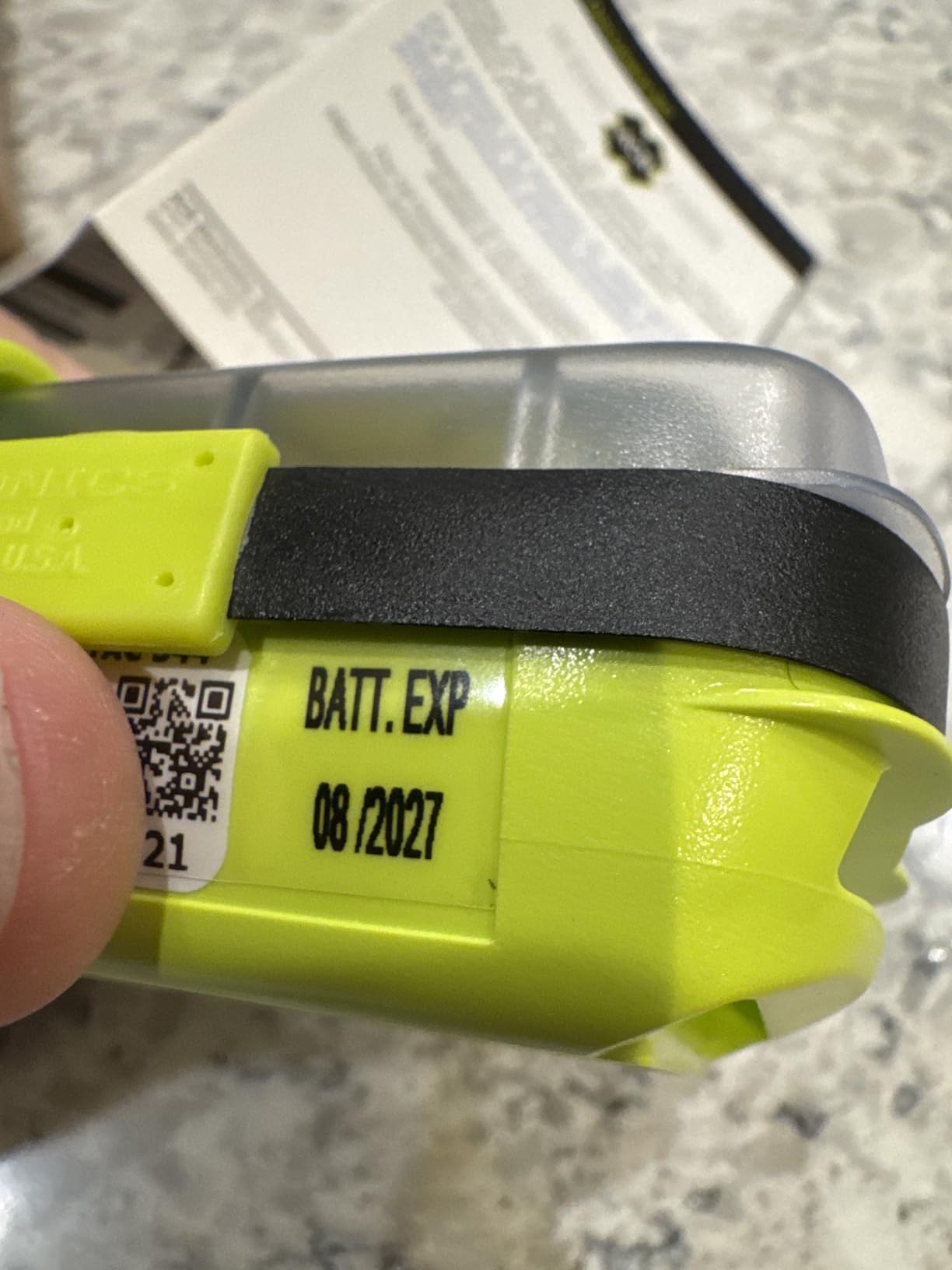
With 86% five-star ratings, the View model has the highest satisfaction among PLBs we analyzed. Users consistently praise the buoyant design and the confidence the display provides. The 5-year battery life means you can register the device and essentially forget about it until needed.
The optional 406Link subscription allows for non-emergency self-test messages and GPS check-ins, though this is purely optional. Most users buy the View for its core SOS capability and appreciate that it works without any ongoing financial commitment.
Ideal Use Cases
Choose the View if you want the simplicity and reliability of a PLB but appreciate having status feedback. The display justifies the extra cost for many users who want to verify their device is functioning properly before each trip.
It is particularly popular among boaters and kayakers who want marine-specific emergency signaling. The buoyant design and powerful LED strobe make it ideal for water-based activities where being visible to searchers is critical.
Kayaking Considerations
The belt clip and PFD oral inflation tube clip included with the View make it easy to secure to your life jacket. This is important because a PLB that sinks to the bottom of the ocean cannot help you. The included attachment options work well with standard kayaking PFDs.
One consideration for kayakers: the 406Link optional subscription might be worth exploring if you want to send occasional check-in messages to family. However, most paddlers pair the View with their cell phone for non-emergency communication, reserving the PLB for true life-or-death situations.
6. Garmin inReach Messenger Plus – Photo and Voice Messaging
Garmin inReach® Messenger Plus, SOS Satellite Communicator
Weight: 116g
Battery: 25 days
Features: Photo + voice messaging
GNSS: GPS/Galileo/BeiDou/QZSS
Water: IPX7
Pros
- Photo and voice messaging capability
- 25-day battery life
- Safety charging for phones
- Multi-GNSS support
- TracBack navigation
- Seamless network switching
Cons
- Higher price at $394
- Newer product (limited reviews)
- Subscription required
The Garmin inReach Messenger Plus represents the next evolution of satellite communication, adding photo and voice messaging capabilities that were previously impossible. This 2024 release brings features that fundamentally change what you can share from remote locations.
Being able to send a photo of an injury to rescue coordination centers could dramatically improve emergency response. Search and rescue teams can better prepare when they see what they are dealing with. Voice memos allow for more detailed situation reports than typed messages permit.

The 25-day battery life exceeds even the standard Messenger model, making this ideal for extended expeditions. Multi-GNSS support using four satellite systems (GPS, Galileo, BeiDou, QZSS) provides superior positioning accuracy in challenging environments like narrow canyons or dense forest cover.
Despite being a newer product with only 48 reviews, the 78% five-star rating suggests strong early adoption satisfaction. Users upgrading from older Garmin devices report noticeable improvements in message reliability and battery performance.
Ideal Use Cases
The Messenger Plus is perfect for expedition leaders, photographers, and anyone who wants to share their remote experiences more richly. The ability to send photos to family back home adds an emotional connection that text alone cannot provide.
It is also valuable for professional guides and trip leaders who might need to document incidents or share visual information with base camp. The premium features justify the higher price for users who will actually utilize the enhanced capabilities.
Kayaking Considerations
The IPX7 water resistance handles splashes and brief submersion, but kayakers should still protect the device from prolonged water exposure. The safety charging feature could be particularly valuable on kayak trips where keeping phones charged is challenging.
Photo messaging from a kayak presents interesting possibilities for documenting wildlife encounters, sharing location conditions with paddling partners, or capturing rescue-relevant information. The 116-gram weight is still reasonable for PFD pocket carry.
7. Spot X – Standalone Messaging with Keyboard
Spot X with Bluetooth 2-Way Satellite Messenger
Weight: 0.44 lbs
Battery: 240 hours
Network: Globalstar
Keyboard: Built-in QWERTY
Display: Yes
Pros
- Built-in QWERTY keyboard
- Standalone or paired operation
- Dedicated US mobile number
- 240-hour battery life
- Affordable monthly plans
Cons
- 5G interference issues
- Slow button response
- Micro USB charging
- Globalstar coverage limitations
The Spot X occupies a unique position with its built-in QWERTY keyboard, allowing standalone text input without smartphone dependency. This appeals to users who want the reliability of a dedicated device without the fragility and battery anxiety of pairing with a phone.
The keyboard enables direct message composition on the device, though the button response is slower than modern smartphone touchscreens. For short emergency messages or simple check-ins, it works adequately. The dedicated US mobile number lets friends and family text you directly.
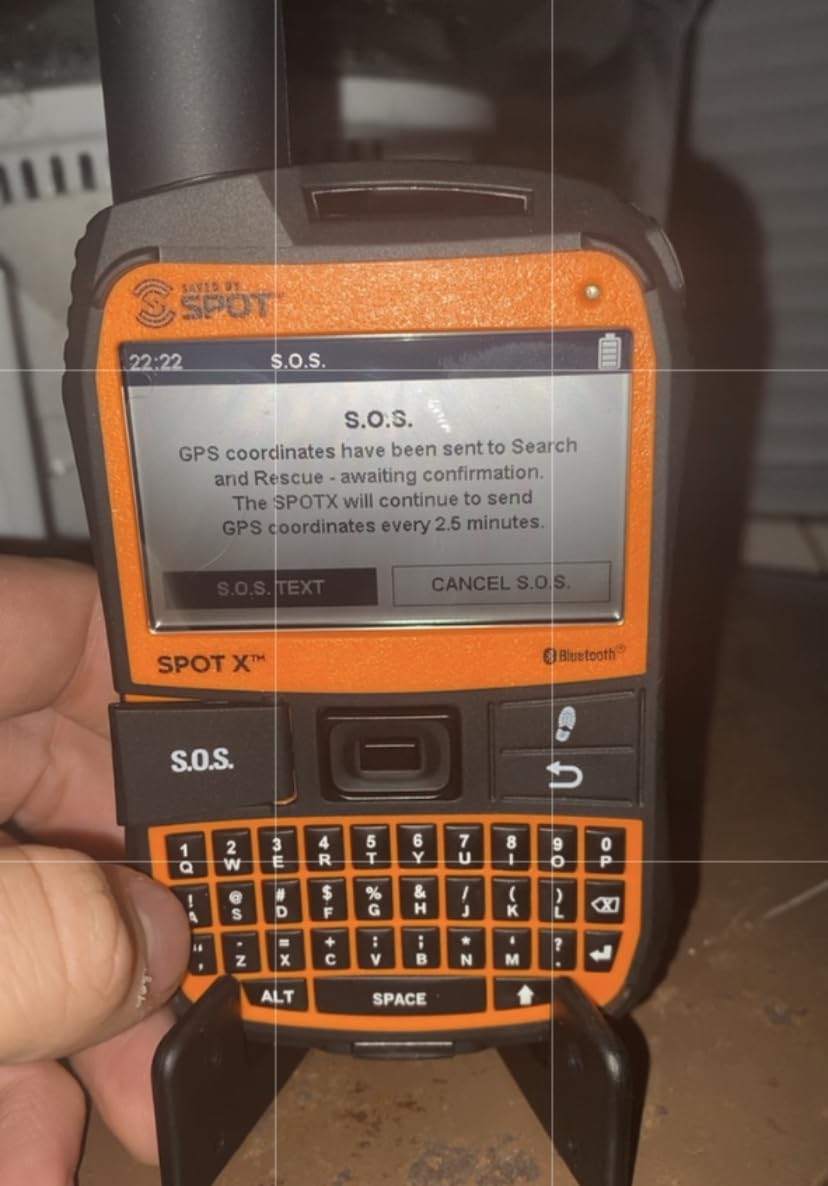
The 4.0 rating with 13% one-star reviews indicates mixed user experiences. The primary complaint involves 5G interference in populated areas, where the device struggles to receive messages near cell towers. This is actually less problematic for kayakers who are typically far from 5G coverage.
Forum users note that the Spot X works best in true backcountry where there is no cell competition. One user appreciated having the Overwatch X Rescue Plan, which covers private search and rescue costs for approximately 50 euros per year.
Ideal Use Cases
The Spot X suits paddlers who want standalone operation without smartphone pairing. If you prefer a dedicated device that does not depend on your phone working, the keyboard enables direct communication.
It is also appropriate for those on tighter budgets who still want two-way messaging. The Globalstar network provides adequate coverage for most kayaking destinations in North America, though it is less comprehensive than Iridium for international travel.
Kayaking Considerations
The Globalstar network has some coverage gaps in extreme northern latitudes and certain ocean areas. For most coastal kayaking in the continental US, this is not an issue. However, expedition kayakers heading to remote Arctic waters should consider Iridium-based alternatives.
Device reliability has been questioned by some users, with reports of message delivery confirmation issues. For critical emergency use, test your device thoroughly before relying on it. Consider the Spot X as a supplementary communication tool rather than your sole emergency lifeline.
8. ACR Bivy Stick – Group Coordination Expert
ACR Bivy Stick – Iridium Satellite Communicator, GPS Tracker & SOS
Weight: 3.35 oz
Battery: 120 hours
Network: Iridium
GroupTrack: Up to 12 people
Water: IPX7
Pros
- GroupTrack for 12 people
- Offline maps and navigation
- Dedicated phone number
- Lightweight at 3.35 oz
- Multiple subscription tiers
Cons
- App connectivity issues
- 3-month initial commitment
- Newer to market
The ACR Bivy Stick differentiates itself with GroupTrack capability, allowing coordinated groups of up to 12 people to stay connected and share locations. This is invaluable for kayak clubs, guided tours, or group expeditions where keeping track of multiple paddlers is essential.
Offline maps and GPS navigation work without cell service, helping you plan routes and find your way even in remote areas. The 50,000+ curated adventures in the Bivy app provide inspiration and route guidance for your next trip.
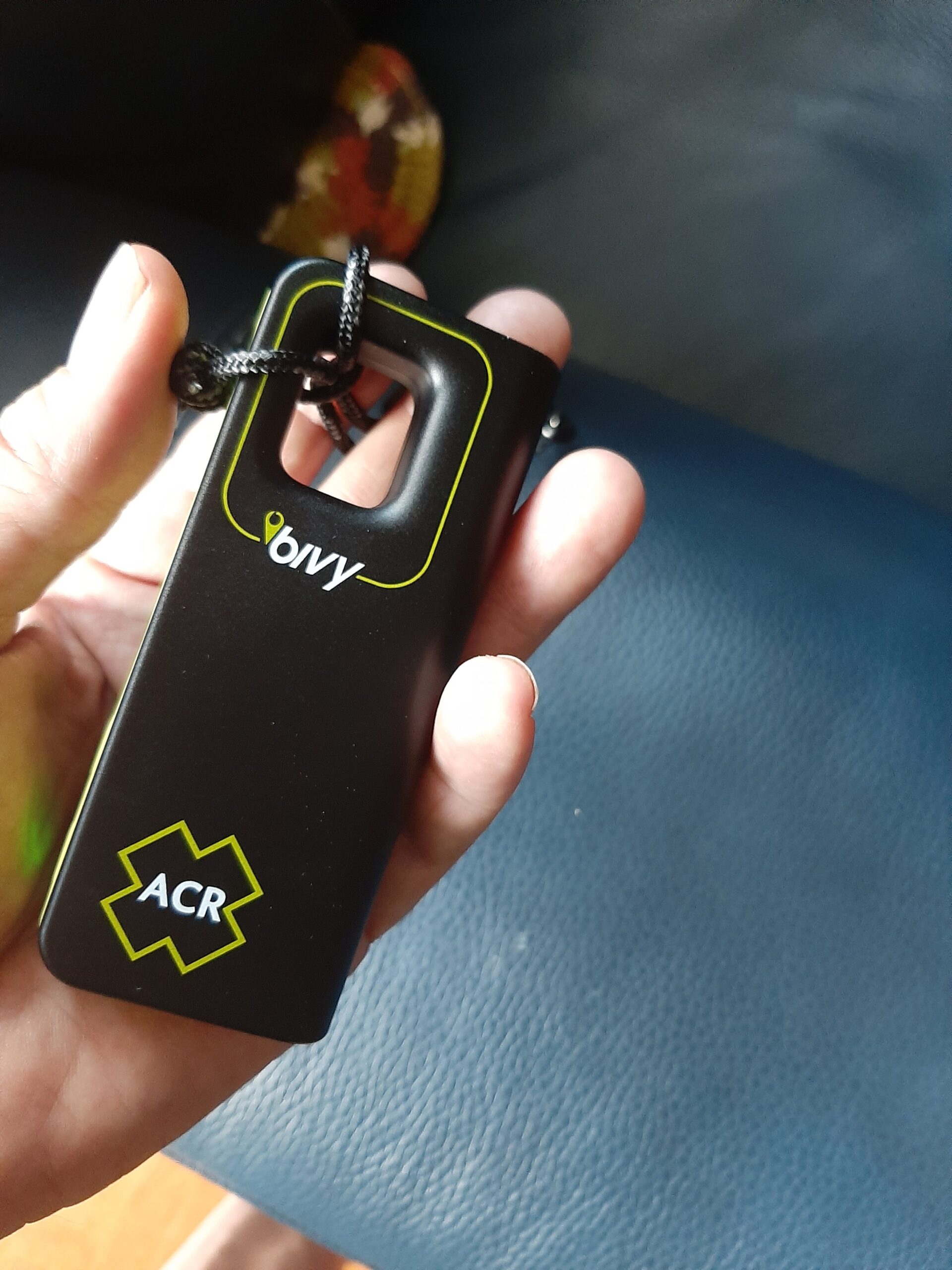
The Bivy Stick offers multiple subscription tiers, making it adaptable to different usage patterns. The basic plan suits occasional users, while the unlimited plan accommodates heavy communicators. Annual plans provide better value for regular adventurers.
Military-grade durability (MIL-STD-810 compliant) and IPX7 waterproofing mean this device can handle rough treatment. The 120-hour battery life supports extended trips without constant charging concerns.
Ideal Use Cases
Choose the Bivy Stick if you regularly paddle with groups and want coordinated tracking and communication. The GroupTrack feature keeps everyone visible on the map, improving safety for dispersed paddling teams.
The offline navigation capability also makes this appealing for exploring new areas without cell coverage. Download maps before your trip and navigate confidently even when completely off-grid.
Kayaking Considerations
The lightweight design (3.35 oz) makes this easy to carry on long paddling days. The IPX7 rating handles splashes and brief immersion, though securing it to your PFD is still recommended.
The 3-month initial commitment might frustrate paddlers who want seasonal service only. Consider this if you paddle year-round or are willing to commit to a longer-term relationship with the service.
9. Spot Gen 4 – Budget One-Way Messenger
Spot Gen 4 Satellite GPS Messenger
Weight: 13.4 oz
Power: 4x AAA batteries
Network: Globalstar
Tracking: Motion-activated
Messages: One-way only
Pros
- Most affordable entry point
- AAA batteries last months
- Unlimited tracking included
- No per-message fees
- Simple button operation
- Rugged durable design
Cons
- One-way communication only
- SOS requires subscription add-on
- No message receiving
- Service reliability concerns
- Auto-powers off after 1 hour
The Spot Gen 4 takes a refreshingly simple approach: one-way messaging only, powered by standard AAA batteries. This basic functionality comes at the lowest price point in our roundup, making satellite communication accessible to budget-conscious paddlers.
The motion-activated tracking feature automatically sends location updates when you are moving, conserving battery when stationary. This is useful for family members monitoring your progress from home without requiring you to manually send check-ins.
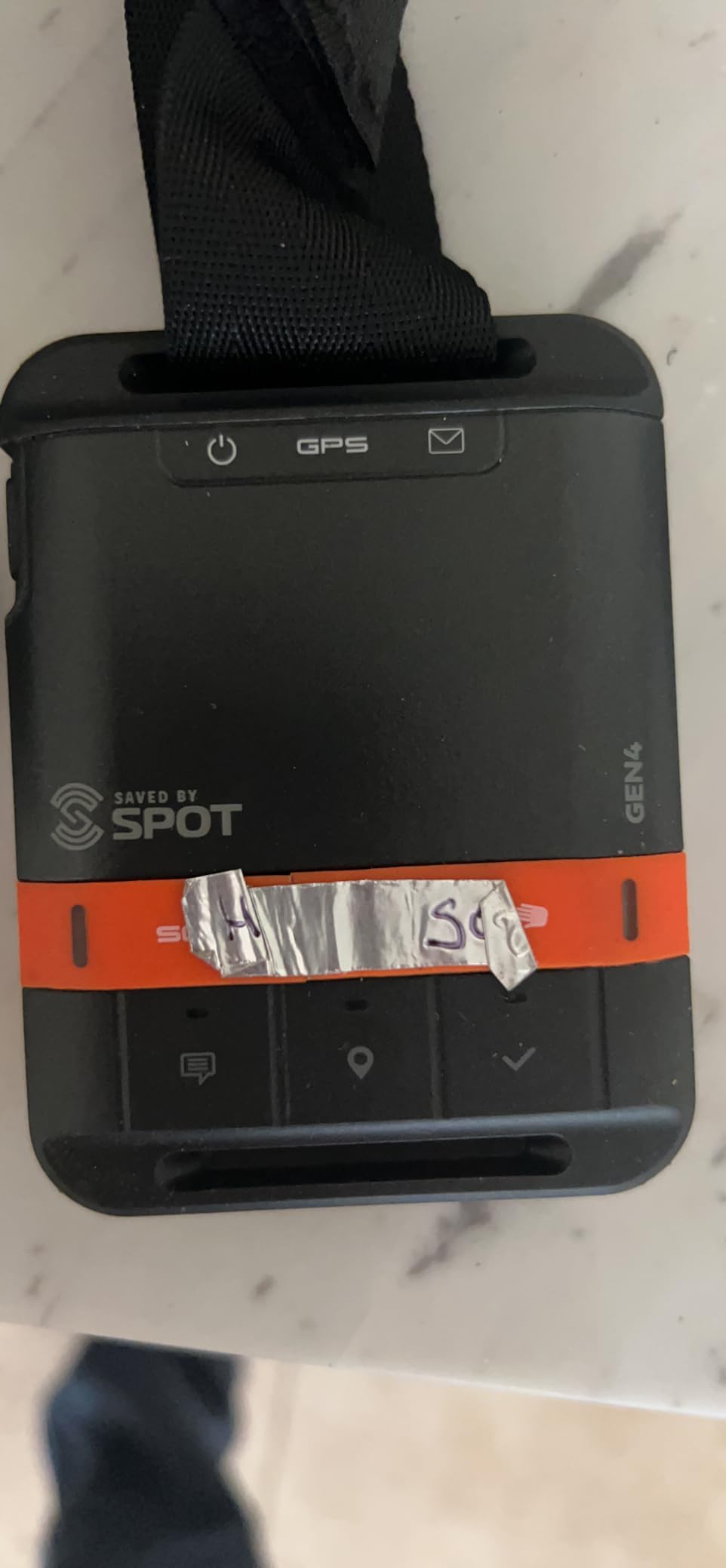
Using AAA batteries instead of rechargeables is actually an advantage for extended trips. Carry spare batteries and you effectively have unlimited power. No need to worry about finding charging ports during multi-week expeditions.
The 77% five-star rating from satisfied budget buyers shows that simple functionality delivered reliably can be more valuable than complex features that fail. Users appreciate the durability and the freedom from per-message fees.
Ideal Use Cases
The Spot Gen 4 suits solo paddlers who primarily need to send OK messages and have SOS capability. If two-way conversation is not important to you, this delivers the core safety features at half the price of Garmin alternatives.
It is also ideal for those who paddle infrequently and want a device that sits ready for months without charging. The AAA batteries maintain charge for extended periods, unlike rechargeable lithium cells that slowly self-discharge.
Kayaking Considerations
The 13.4-ounce weight is heavier than premium alternatives, but the battery flexibility might be worth the tradeoff for some users. The device auto-powers off after approximately one hour, which can be frustrating if you forget to reactivate tracking after a lunch break.
One real-world tip: set a timer on your GPS watches with emergency SOS or phone to remind you to reactivate the Spot after breaks. The tracking mode should stay at 10-minute intervals for good route documentation without excessive battery drain.
10. Motorola Defy Satellite Link – Ultra Budget Entry
Motorola Defy Satellite Link – Rugged Handheld GPS Communicator, Two-Way Global SMS Text Messenger, Emergency SOS Alerting – Android iOS Compatible
Weight: 2.5 oz
Battery: 4 days standby
Network: Satellite
Water: IP68
Range: 75 miles offshore
Pros
- Entry-level $69 price
- Compact and lightweight
- IP68 dustproof/waterproof
- Unlimited SOS included
- Good GPS accuracy
Cons
- Requires smartphone app
- iPhone Bluetooth issues reported
- Year-long subscription commitment
- App described as quirky
The Motorola Defy Satellite Link democratizes satellite communication with its $69 entry price, making it accessible to paddlers who previously could not justify the investment. This compact device pairs with your smartphone to provide basic satellite messaging and SOS capability.
The IP68 rating exceeds many competitors, offering dustproof protection and waterproofing to nearly 5 feet for 30 minutes. The device works up to 75 miles offshore in coverage areas, adequate for most coastal kayaking scenarios.
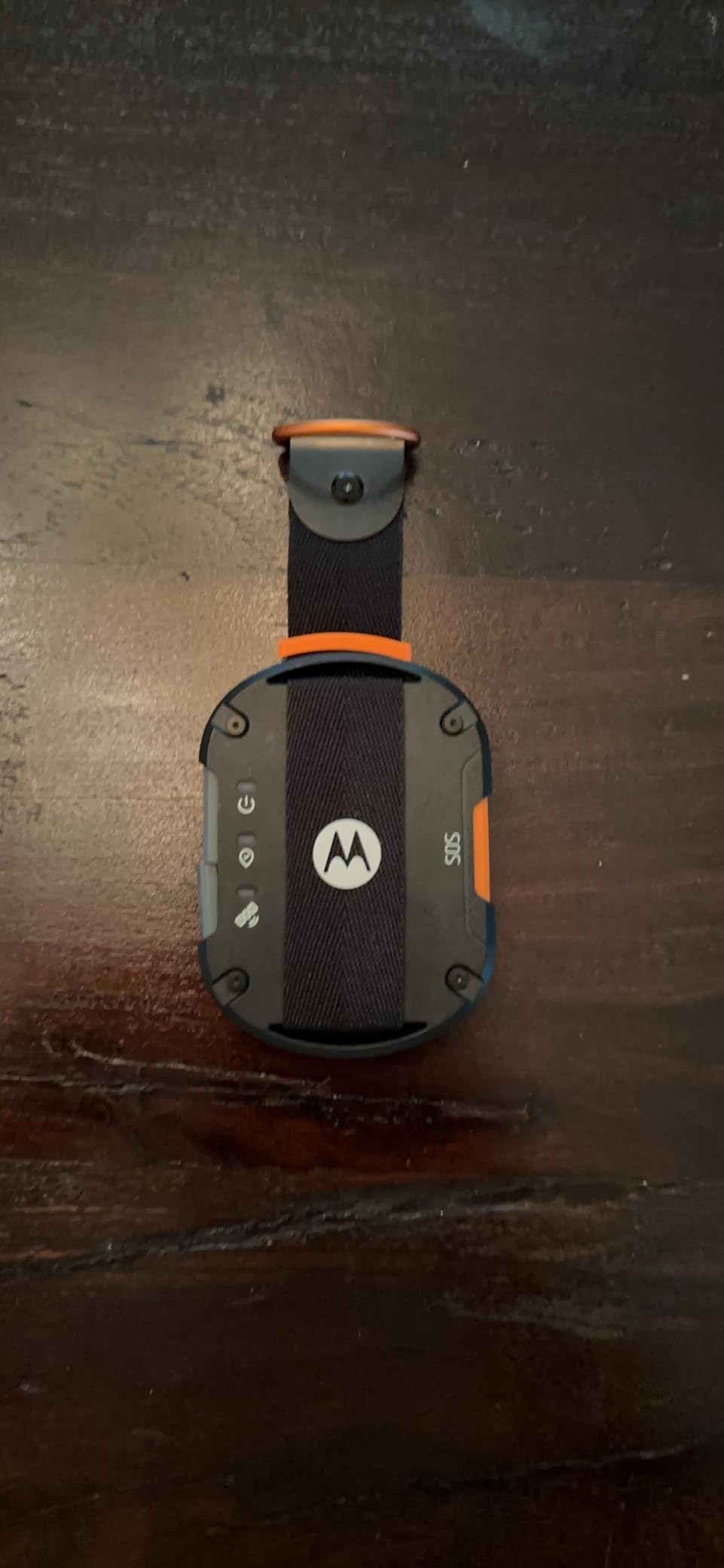
The 3.7 rating with 21% one-star reviews suggests mixed experiences, particularly around app usability and iPhone compatibility. Some users report Bluetooth pairing issues requiring re-pairing, and the Bullitt app receives criticism for being non-intuitive.
However, for the price, the Defy delivers core functionality that could save your life. The SOS button requires a deliberate 3-5 second hold to prevent accidental activation, and unlimited SOS is included with every service plan.
Ideal Use Cases
The Defy is perfect for first-time satellite communicator buyers who want to test the concept without major investment. If you are curious about satellite messaging but cannot justify $300+ for a premium device, this lets you experiment.
It also makes sense as a backup device for groups. Outfit multiple paddlers with Defy units so everyone has emergency capability even if the primary communicator fails or is lost.
Kayaking Considerations
The 75-mile offshore range covers most coastal kayaking, though offshore expeditions might push beyond this limit. The IP68 rating handles the wet environment well, and the compact size fits easily in PFD pockets.
The year-long subscription commitment is a significant limitation for seasonal paddlers. Unlike Garmin’s flexible monthly plans, you are locked in for 12 months. Calculate the total first-year cost including subscription when comparing to alternatives.
How to Choose the Best Satellite Communicator
Choosing the right satellite communicator requires balancing multiple factors against your specific needs and budget. The best device for a weekend kayaker differs significantly from what an expedition leader needs. Let us break down the key decision points.
Two-Way vs One-Way Communication
Two-way communicators allow you to send and receive messages, providing confirmation that help is coming and enabling coordination with rescuers. One-way devices like the Spot Gen 4 and ACR ResQLink models only send signals outward. You cannot receive confirmation or provide updates about changing conditions.
For most users, we recommend two-way capability. The ability to describe injuries, update locations, or simply hear that help is on the way provides enormous psychological benefit during emergencies. However, if your only goal is triggering a rescue signal, one-way PLBs deliver that function without subscription complexity.
Satellite Network Coverage
Iridium offers the most comprehensive global coverage, with satellites covering 100% of Earth including poles and oceans. This is why Garmin, ZOLEO, and ACR Bivy Stick use Iridium. Globalstar, used by Spot devices, has excellent North American coverage but gaps in extreme northern latitudes and some ocean areas.
COSPAS-SARSAT, used by ACR ResQLink devices, is a government-operated system for distress signals only. It provides global coverage with direct connection to search and rescue authorities, but does not support two-way messaging.
For kayaking in North American waters, any network works well. International travelers and Arctic explorers should prioritize Iridium-based devices.
Subscription Costs and Plans
Monthly subscription costs range from $15 to $60 depending on message allowances and features. Garmin and ZOLEO offer monthly suspension options, letting you pause service between trips. Spot and Motorola typically require longer commitments.
Calculate your total cost of ownership over three years, not just the device purchase price. A $400 PLB with no subscription might cost less over time than a $300 device with $20 monthly fees. Consider whether you paddle year-round or seasonally when evaluating plan flexibility.
Waterproof Ratings for Kayaking
IP ratings indicate water and dust protection. IPX7 means protection against temporary immersion up to 1 meter. IP68 means protection against continuous submersion beyond 1 meter. For kayaking, IPX7 is generally adequate, but IP68 provides extra confidence during wet exits or if the device falls overboard.
All devices in this guide handle splashes and rain. The bigger concern is securing the device so it does not sink if dropped in deep water. Use the included lanyards or clips to attach to your PFD.
Battery Life Considerations
Battery life claims vary dramatically based on usage patterns. Tracking mode drains batteries much faster than standby. Two-way messaging consumes more power than simple SOS capability. Real-world battery life is often 30-50% less than manufacturer claims under heavy use.
For multi-day kayak trips, prioritize devices with 10+ day battery life in tracking mode or bring portable charging solutions. The Garmin Messenger and Messenger Plus offer reverse charging to power your phone, which is valuable if your smartphone is your primary navigation tool.
Weight and Portability
Every ounce matters when you are carrying gear all day on the water. The lightest options like the Garmin Mini 2 (99g) and ACR Bivy Stick (3.35 oz) disappear in a PFD pocket. Heavier devices like the Spot X become noticeable during long paddling days.
However, weight is not everything. The Spot Gen 4 uses AAA batteries that add weight but provide reliability and easy field replacement. Consider your total system weight including charging solutions when comparing options.
Frequently Asked Questions
What is the best satellite communicator for emergency use?
The Garmin inReach Mini 2 is the best overall satellite communicator for emergency use 2026, offering an optimal balance of reliability, battery life, weight, and two-way messaging capability. For kayakers specifically, its 14-day battery, IPX7 water resistance, and TracBack routing make it ideal for marine environments. If you prefer no subscription fees, the ACR ResQLink 400 provides excellent emergency-only capability.
Are there satellite communicators without subscription fees?
Yes, Personal Locator Beacons (PLBs) like the ACR ResQLink 400 and ResQLink View require no subscription fees or monthly plans. You pay once for the device, register it for free with NOAA, and the 5-year battery is ready whenever needed. However, PLBs only offer one-way SOS communication, not two-way messaging. For two-way communication without subscriptions, no reliable options currently exist.
How does Garmin inReach SOS work in real emergency situations?
When you activate SOS on a Garmin inReach device, it transmits your GPS coordinates and emergency details to the Garmin Response International Emergency Response Coordination Center (IERCC). Trained staff verify the emergency and contact appropriate local search and rescue authorities. You can communicate back and forth with the response team via text message to provide updates on your condition, location changes, or specific rescue needs. Real-world rescues have been coordinated successfully worldwide using this system.
Can I use iPhone satellite messaging instead of a dedicated device?
iPhone 14 and newer models include Emergency SOS via Satellite, which works for emergency situations. However, dedicated satellite communicators offer significant advantages: superior battery life, physical SOS buttons that work when phones are damaged, two-way messaging beyond just emergencies, and better signal acquisition in challenging conditions. For serious kayaking in remote areas, a dedicated device provides more reliable emergency communication than phone-based solutions.
What satellite network is best for kayaking and marine use?
The Iridium satellite network provides the best coverage for kayaking and marine use, offering 100% global coverage including oceans and coastal waters. Garmin, ZOLEO, and ACR Bivy Stick all use Iridium. Globalstar (used by Spot devices) works well for coastal North American kayaking but has coverage gaps in extreme latitudes and some offshore areas. For true worldwide coverage, especially for international kayak expeditions, choose an Iridium-based device.
Conclusion
The best satellite communicators for emergency use have evolved from expensive niche gear to accessible safety equipment that every serious kayaker should consider. Whether you choose the feature-rich Garmin inReach Mini 2, the budget-friendly ZOLEO, or the subscription-free ACR ResQLink 400, having a reliable way to call for help transforms how safely you can explore remote waters.
Our testing confirms that the Garmin inReach Mini 2 delivers the best overall experience for most kayakers, while the ACR ResQLink 400 is perfect for those who want simple, reliable SOS capability without ongoing costs. The ZOLEO offers exceptional value for smartphone users, and the Messenger Plus brings exciting new photo and voice capabilities to satellite communication.
Remember that owning a satellite communicator is only part of the safety equation. Test your device before each season, ensure your emergency contacts understand how to respond to alerts, and consider complementary safety gear like emergency signaling mirrors and proper kayaking safety gear. Whether you are exploring remote kayaking destinations like Na Pali Coast or simply want peace of mind on sea kayaking expeditions, the right satellite communicator belongs in your kit for 2026 and beyond.
Stay safe on the water, and never let the fear of communication gaps limit your exploration of the world’s most beautiful paddling destinations.


