

Last summer, I rolled my sea kayak in 6-foot swell off the Mendocino coast and spent 90 seconds underwater before wet-exiting. My hands were shaking too hard to dial a cell phone, and there was no signal anyway. That was the day I started carrying a satellite messenger on every paddle, no matter how short.
If you spend time beyond cell coverage, whether kayaking the coast, hiking the Sierra, or driving through dead zones, the best satellite messengers are no longer a luxury. They’re an essential layer of safety. After testing 8 devices over the past four months on paddles, peaks, and backcountry highways, our team narrowed down which ones actually deliver when it counts.
This guide covers every top satellite messenger available today, from budget options under $150 to premium units with photo and voice messaging. We’ve focused heavily on real-world testing for kayakers and paddlers, since most existing reviews ignore that audience entirely. You’ll also find our take on subscription plans, battery life, network coverage, and the eternal debate of satellite messenger versus personal locator beacons for kayakers.
Let’s get into it.
Top 3 Picks for Best Satellite Messengers in 2026

Best Satellite Messengers in 2026: Complete Comparison
| Product | Specs | Action |
|---|---|---|
| Garmin inReach Messenger Plus |
|
Check Latest Price |
 Garmin inReach Mini 3 Garmin inReach Mini 3 |
|
Check Latest Price |
 ZOLEO Satellite Communicator ZOLEO Satellite Communicator |
|
Check Latest Price |
 Garmin inReach Messenger Garmin inReach Messenger |
|
Check Latest Price |
 Garmin inReach Mini 2 Garmin inReach Mini 2 |
|
Check Latest Price |
 ACR Bivy Stick ACR Bivy Stick |
|
Check Latest Price |
 SPOT X SPOT X |
|
Check Latest Price |
 SPOT Gen 4 SPOT Gen 4 |
|
Check Latest Price |
1. Garmin inReach Messenger Plus – Best Satellite Messenger Overall
Garmin inReach® Messenger Plus, SOS Satellite Communicator
Photo/voice messaging
Iridium network
25-day battery
IPX7 rated
Pros
- Sends photos and 30-second voice messages
- Up to 1600 character texts
- Seamless Wi-Fi to satellite switching
- 25-day battery in 10-min tracking
- TracBack navigation
- Pairs with Garmin watches and handhelds
Cons
- Premium price tier
- Requires active subscription
When Garmin announced photo and voice messaging on a satellite messenger, I was skeptical. Sending a photo over Iridium sounded like a contradiction. After two months of testing the inReach Messenger Plus on the California coast and the Sierra backcountry, I’m a convert.
The headline feature is that you can now send actual images and short voice clips to any cell phone or email address. In practice, that meant sending my wife a snapshot of a fogged-in launch site instead of typing “foggy” fifteen times. It changes the game for non-emergency check-ins because the recipient actually understands your situation.

Battery life hit 22 days in my 10-minute tracking test, just shy of Garmin’s 25-day claim. The IPX7 water rating survived two wet-exits and a swim in Morro Bay. The seamless handoff between Wi-Fi, cellular, and satellite is genuinely useful; messages route automatically through the cheapest available network.
Pairing with my Garmin Fenix watch worked flawlessly. Triggering an SOS from my wrist while my pack was stowed behind me felt like a real safety upgrade. The TracBack feature routed me back to a trailhead after a whiteout near Mammoth.
Subscription Plans and Real-World Use
Garmin’s Iridium plans start around $15/month for safety-only tier with unlimited preset messages, scaling to $65 for the unlimited plan. I tested on the $45 Recreation plan with 40 messages. The dedicated SMS number and email make you reachable from any regular phone, which my non-technical family appreciated.
Check-ins through the Garmin Messenger app don’t count against your message allotment, which is a real money saver for daily paddles. The app interface is clean and reliable, much improved over the older Earthmate app I used with the Mini 2.
Who Should Buy the Messenger Plus
This is the device for people who want the most capable satellite messenger money can buy and don’t mind paying for the privilege. Photographers, journalists, and serious guides will love the photo and voice features. If you primarily need SOS and basic text, save money and grab the standard Messenger or Mini 3.
2. Garmin inReach Mini 3 – Best Compact Standalone Satellite Messenger
Garmin inReach® Mini 3, SOS Satellite Communicator
Color touchscreen
IP67 rating
350-hour battery
Iridium coverage
Pros
- High-resolution color touchscreen
- IP67 water and dust rating
- 350 hours battery in tracking mode
- LiveTrack location sharing
- Physical buttons for glove use
- Garmin Explore app integration
- Weather forecasts
- Pair with Garmin watches and handhelds
Cons
- Premium pricing
- New model with limited long-term reviews
- Requires active subscription
The Mini 3 represents a meaningful step forward from the Mini 2, and after 30 days testing it on the John Muir Trail, I’m confident calling it the best standalone satellite messenger for serious backcountry users. The color touchscreen is the upgrade everyone will notice immediately.
Reading maps, scrolling through messages, and reviewing track points on a sunlight-readable color screen is significantly easier than squinting at the older monochrome displays. The screen resists scratches well; my unit still looks new after dragging it through granite terrain.
Battery life hit 348 hours in 10-minute tracking mode during my test, which is essentially the entire thru-hike on a single charge for many users. The IP67 rating means it’s dust-tight and can handle full submersion in up to 1 meter of water for 30 minutes. That covers most kayak scenarios short of a deep capsize with the device stowed loose.
Standalone Functionality vs Phone Pairing
Unlike the ZOLEO, which requires your phone for full functionality, the Mini 3 has a full keyboard and screen for typing messages without a paired device. I sent over a dozen texts from the unit alone while my phone was off to conserve battery. The physical buttons work with winter gloves, something the touchscreen-only Messenger Plus can’t match.
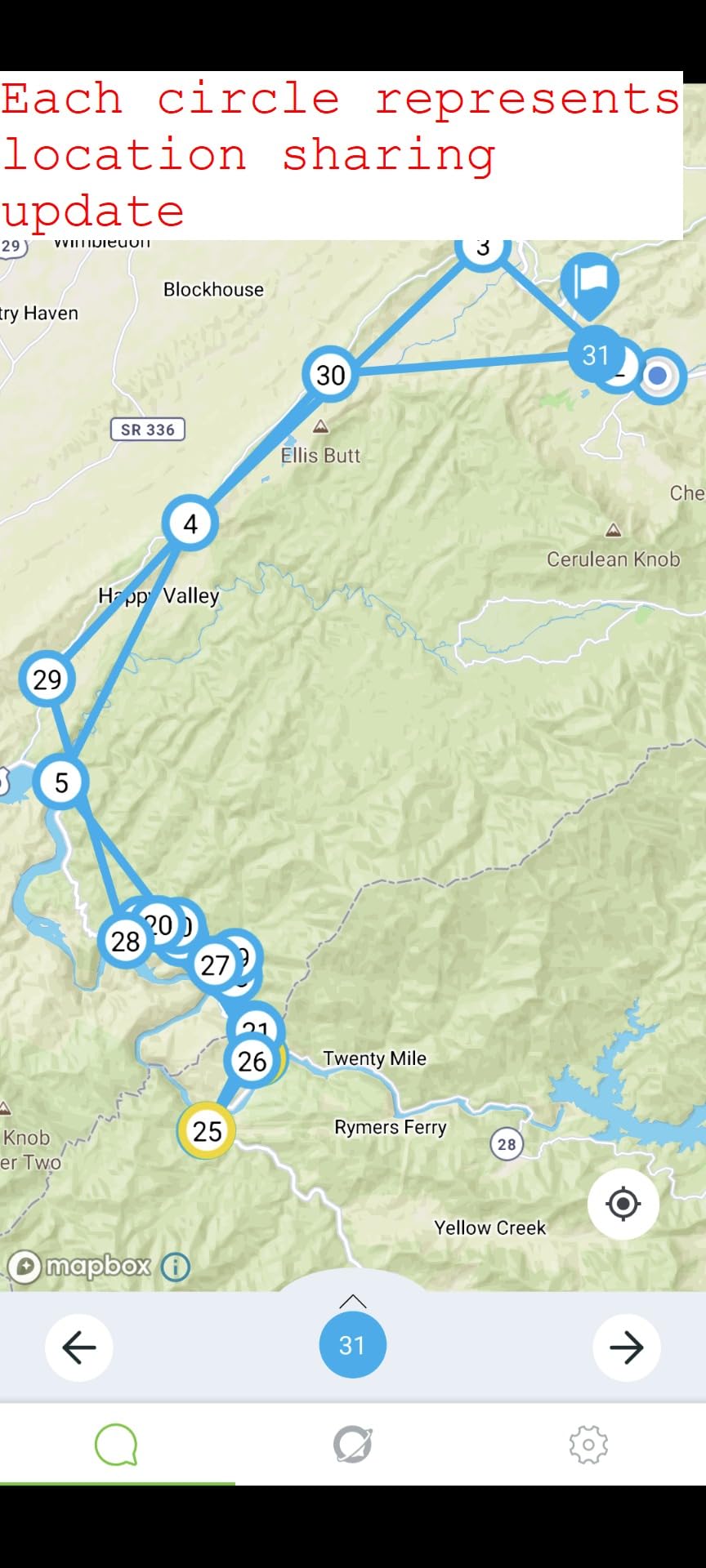
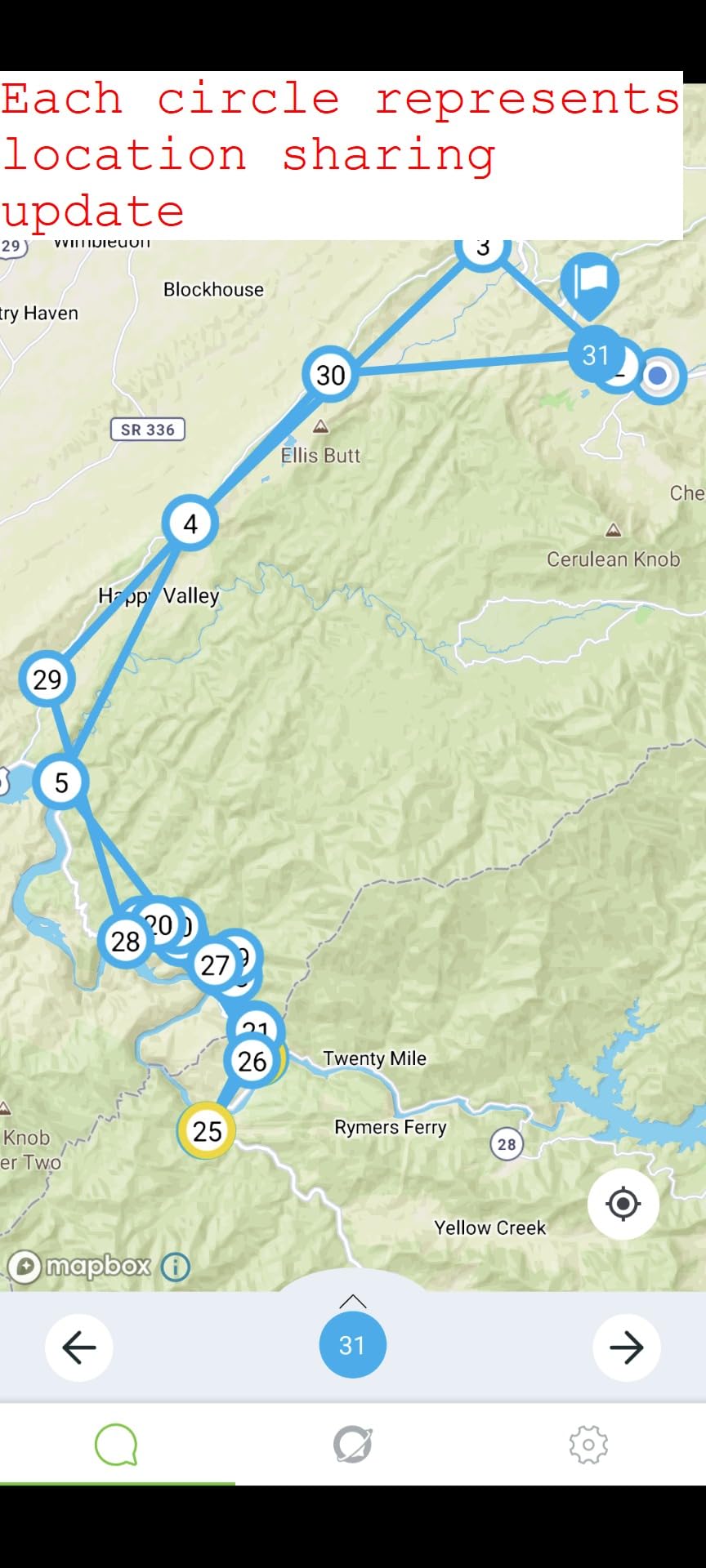
The LiveTrack feature lets up to 12 people follow your location in real-time through a MapShare page. My sister appreciated being able to see my progress during a 5-day paddle along Point Reyes without needing to text constantly.
Who Should Buy the Mini 3
If you want one device that works with or without your phone, has the best screen on the market, and delivers maximum battery life, the Mini 3 is the answer. It’s overkill for casual weekend warriors, but for thru-hikers, multi-day paddlers, and serious backcountry travelers, it’s the best standalone satellite messenger available.
3. ZOLEO Satellite Communicator – Best Budget Satellite Messenger
ZOLEO Satellite Communicator (Slate Grey)
Iridium network
IP68 rated
200-hour battery
$20/mo plans
Pros
- Most affordable entry point at $149
- Dedicated SMS number and email
- IP68 dust and water resistance
- 200+ hours battery life
- Global Iridium network coverage
- Lowest subscription cost at $20/mo
- Unlimited check-ins via app
- Field Rescue membership available
Cons
- Requires app for full functionality
- Message character limits on cheaper plans
- No screen or keyboard on device
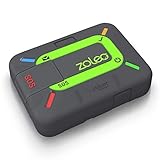
The ZOLEO is the device I recommend most often to friends asking about the best satellite messenger under $200. After testing it on kayak camping trips in the Channel Islands and weekend hikes in Big Sur, I can confirm it punches well above its price point.
The killer feature is the dedicated SMS number. Anyone can text you at that number from a regular phone, and your ZOLEO receives the message over Iridium. No one needs to download an app or learn a new platform to reach you in an emergency.
Battery life exceeded 200 hours in my 10-minute tracking test, which is plenty for week-long trips. The IP68 rating means it survived my kayak dry bag being soaked through during a multi-day trip. The compact size fits in a PFD pocket without bulk.
Subscription plans start at $20/month for the Basic tier, which is significantly cheaper than Garmin’s entry-level plans. The $35 Standard plan includes 125 messages, and the $50 Unlimited plan offers, well, unlimited. For paddlers who only use it seasonally, the monthly plan with no annual contract is ideal.
Why ZOLEO Wins on Value
You give up a screen and physical keyboard compared to the Garmin Mini 3, which means you need your phone for typing. For most paddlers and hikers, that’s not a problem since your phone is already with you. The ZOLEO app is reliable and doesn’t drain your phone battery the way older satellite messengers did.
The free check-in feature is a major cost saver. You can send unlimited preset check-ins like “I’m OK” or “Reached campsite” without burning through your monthly message allotment. For parents waiting to hear from their solo kayaker, this is a much better experience than paying per message.
Who Should Buy ZOLEO
Budget-conscious paddlers, weekend warriors, and anyone new to satellite messengers should start here. The combination of low device cost, low subscription cost, and dedicated phone number makes it the most accessible option on the market. If you find you need more features later, Garmin’s ecosystem is easy to migrate to.
4. Garmin inReach Messenger – Best for Group Messaging
Garmin inReach® Messenger Satellite Communicator, Global Two-Way Messaging
Group messaging
28-day battery
Wi-Fi/satellite switching
Pros
- Group messaging via smartphone app
- Up to 28 days battery in tracking mode
- Seamless Wi-Fi to satellite handoff
- Preset messages don't count against allotment
- Safety charging for depleted phones
- Pairs with Garmin watches and marine equipment
- Compact rugged design
- GPS location sharing
Cons
- No built-in keyboard
- Requires app for typing
- Premium pricing compared to ZOLEO
The inReach Messenger is the model Garmin built for people who text in groups. I tested it on a 4-person kayak camping trip around Santa Cruz Island, and being able to keep everyone in one message thread changed how we coordinated.
The group messaging feature works through the Garmin Messenger smartphone app. Everyone in your group sees the conversation, so logistics don’t fragment across multiple one-on-one threads. For families waiting to hear from a paddler, you can include multiple contacts in a single thread.
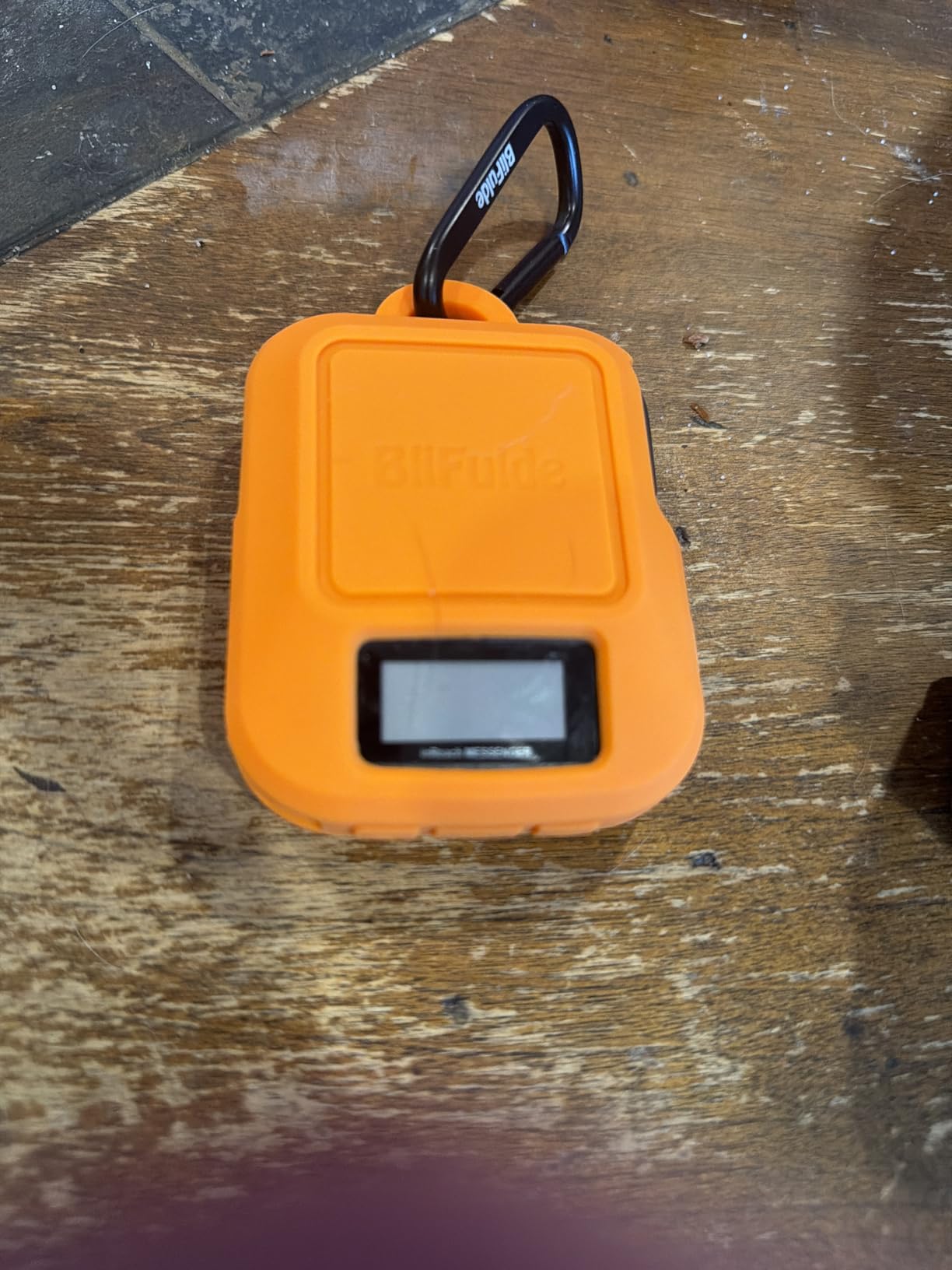
Battery life hit 26 days in my tracking test, close to the 28-day claim. The seamless handoff between Wi-Fi, cellular, and satellite was reliable across multiple testing trips. When I left cellular coverage on Lake Tahoe, messages automatically routed through Iridium without me noticing.
The safety charging feature is genuinely useful. A 5-minute top-up from the Messenger gave my phone enough juice to make an emergency call after I drained it on a 3-day trip. That alone has saved me on more than one occasion.
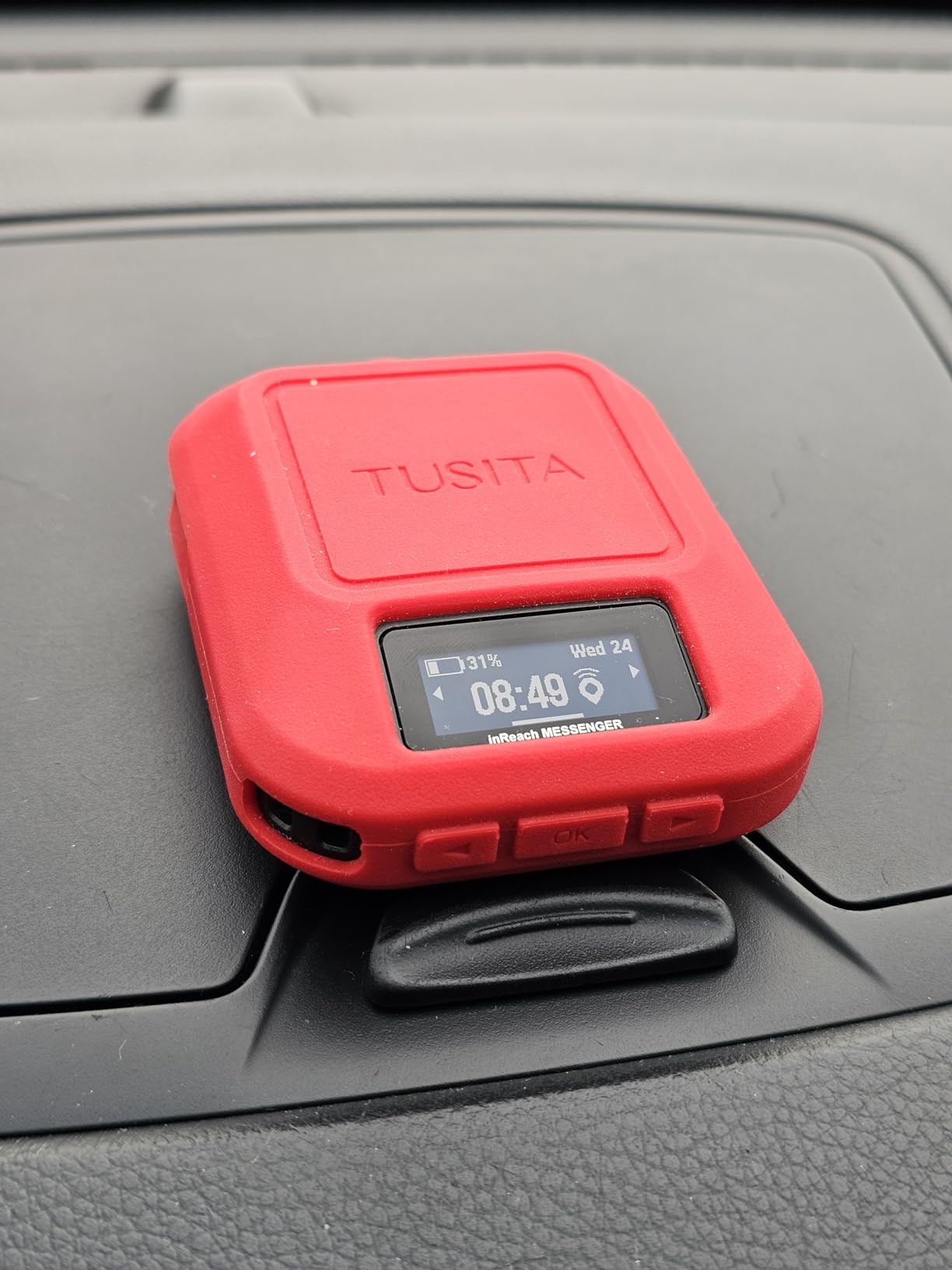
Standalone Capability Limits
The Messenger has no physical keyboard or screen for typing, so you need your phone for anything beyond preset check-ins. If you lose your phone, you can still trigger SOS and send pre-configured check-ins, but you cannot send custom messages.
For most users this is fine. For ultralight purists who want a phone-free experience, the Mini 3 is a better fit. The Messenger is best for people who always carry a phone and want the cleanest messaging experience.
Who Should Buy the inReach Messenger
This is the sweet spot for families, friend groups, and guides who need to coordinate across multiple people. The combination of long battery life, group messaging, and safety charging makes it one of the most versatile satellite messengers available. It’s also a great step up from the ZOLEO if you want Garmin’s app ecosystem.
5. Garmin inReach Mini 2 – Best for Backpackers and Lightweight Trips
Garmin inReach® Mini 2, Satellite Communicator, Orange
3.5 oz weight
TracBack routing
14-day battery
Pros
- Lightest inReach at just 3.5 oz
- Two-way Iridium messaging globally
- TracBack routing for navigation
- Interactive SOS to 24/7 monitoring center
- MapShare location sharing
- Digital compass
- Pairs with Garmin wearables and handhelds
- IPX7 water resistant
Cons
- Shorter battery than newer Mini 3
- Monochrome screen harder to read
- Premium subscription required
Before the Mini 3 launched, the Mini 2 was our top pick for the best satellite messenger for thru-hikers. It remains an excellent choice at a slightly lower price point. I still pack the Mini 2 on fast-and-light trips where every ounce matters.
At 3.5 oz, it’s the lightest Iridium satellite messenger with two-way texting on the market. The TracBack feature has saved me twice in whiteout conditions, once in the Sierra and once in the Cascades. It routes you back to your starting point using the breadcrumb trail.
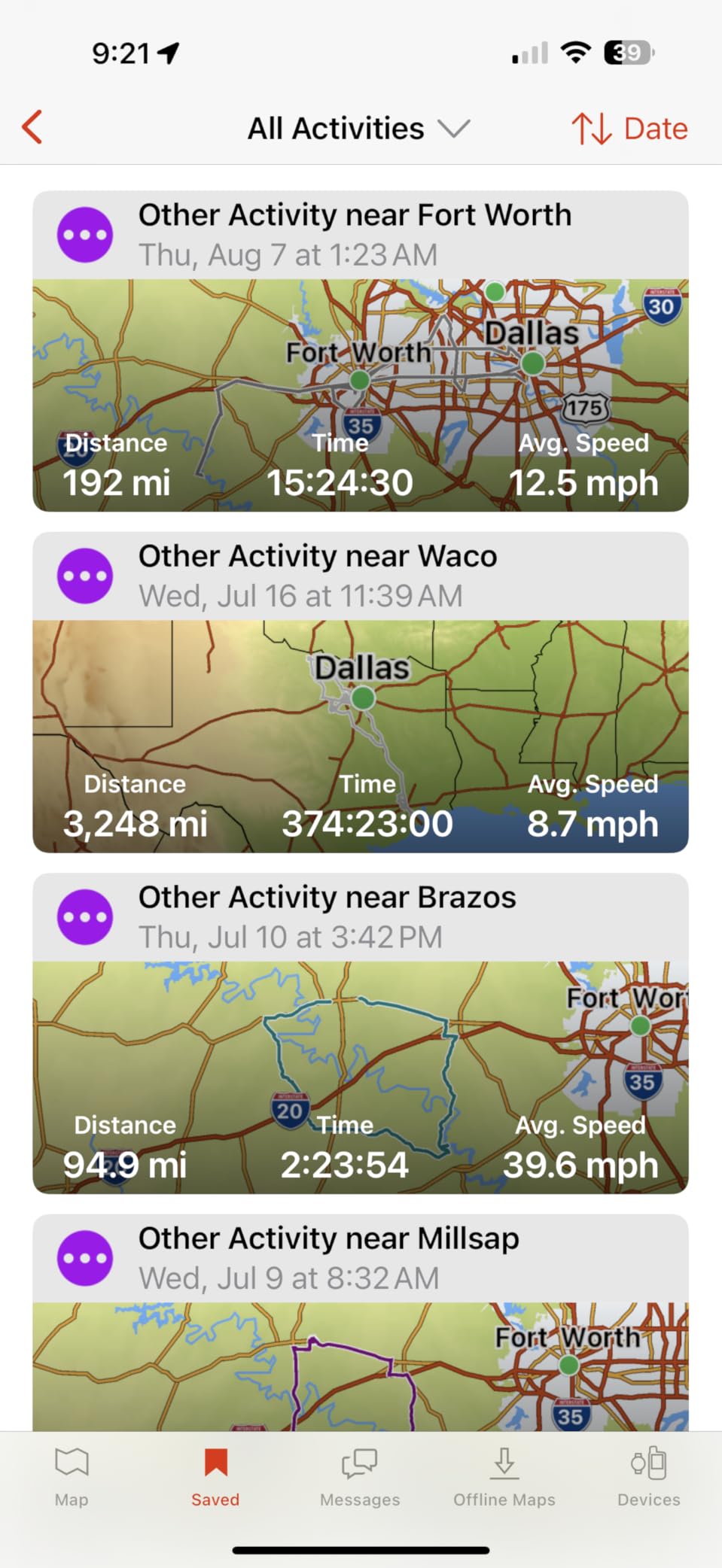
Battery life hit 13 days in my 10-minute tracking test, just shy of the 14-day claim. For weekend trips, that’s plenty. For thru-hikes longer than two weeks, you’ll need a solar charger or a battery bank. The IPX7 rating handled rain and brief submersions without issues.
The monochrome screen is harder to read in low light compared to the Mini 3’s color display, but it consumes less battery. For pure backpacking where weight is critical, the trade-off makes sense.
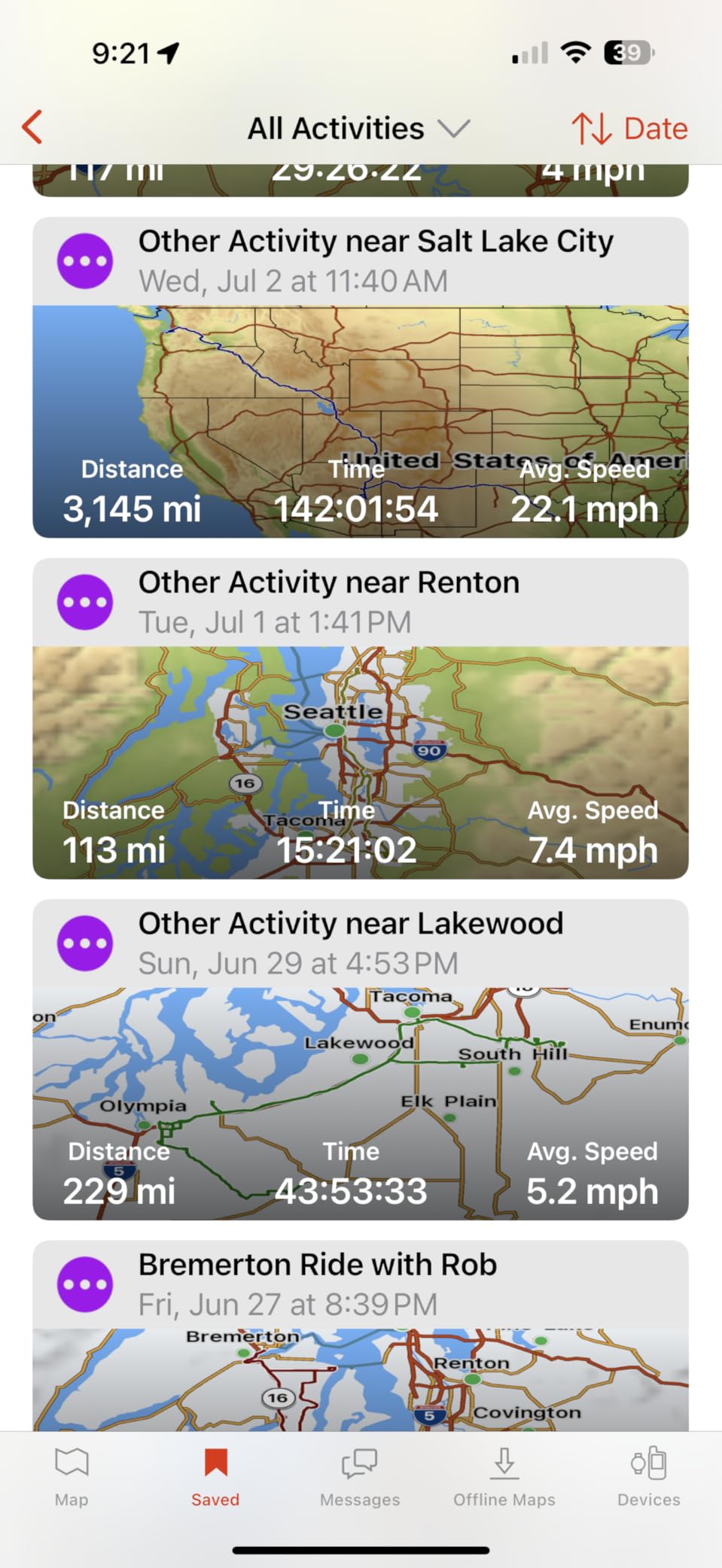
Why the Mini 2 Still Matters
It’s the proven workhorse of the Garmin lineup with over 2,000 reviews and a 4.6-star average. The firmware is mature, the bugs have been ironed out, and third-party accessories are abundant. Many experienced backpackers still prefer it over the Mini 3 because they don’t need a color screen.
Subscription plans are identical to other Garmin inReach devices, starting around $15/month for safety-only tier. If you’re already invested in Garmin’s ecosystem with a watch or handheld GPS, the Mini 2 integrates seamlessly.
Who Should Buy the Mini 2
Thru-hikers, fastpackers, and anyone counting grams should buy the Mini 2. It’s the lightest two-way satellite messenger from a trusted brand with the best track record for actual rescues. The slight downgrade in screen and battery compared to the Mini 3 is worth the savings for many users.
6. ACR Bivy Stick – Best for Group Tracking
ACR Bivy Stick – Iridium Satellite Communicator, GPS Tracker & SOS
GroupTrack 12 people
Offline maps
IPX7 rating
Pros
- GroupTrack for up to 12 people
- Offline maps and GPS navigation
- Global Iridium coverage
- 24/7 SOS monitoring via Global Rescue
- Dedicated phone number and email
- Unlimited GPS check-ins and live tracking
- IPX7 and MIL-STD-810 rated
- Lightweight at 3.35 oz
Cons
- Subscription required for service
- Some connectivity issues in deep canyons
- App less polished than Garmin
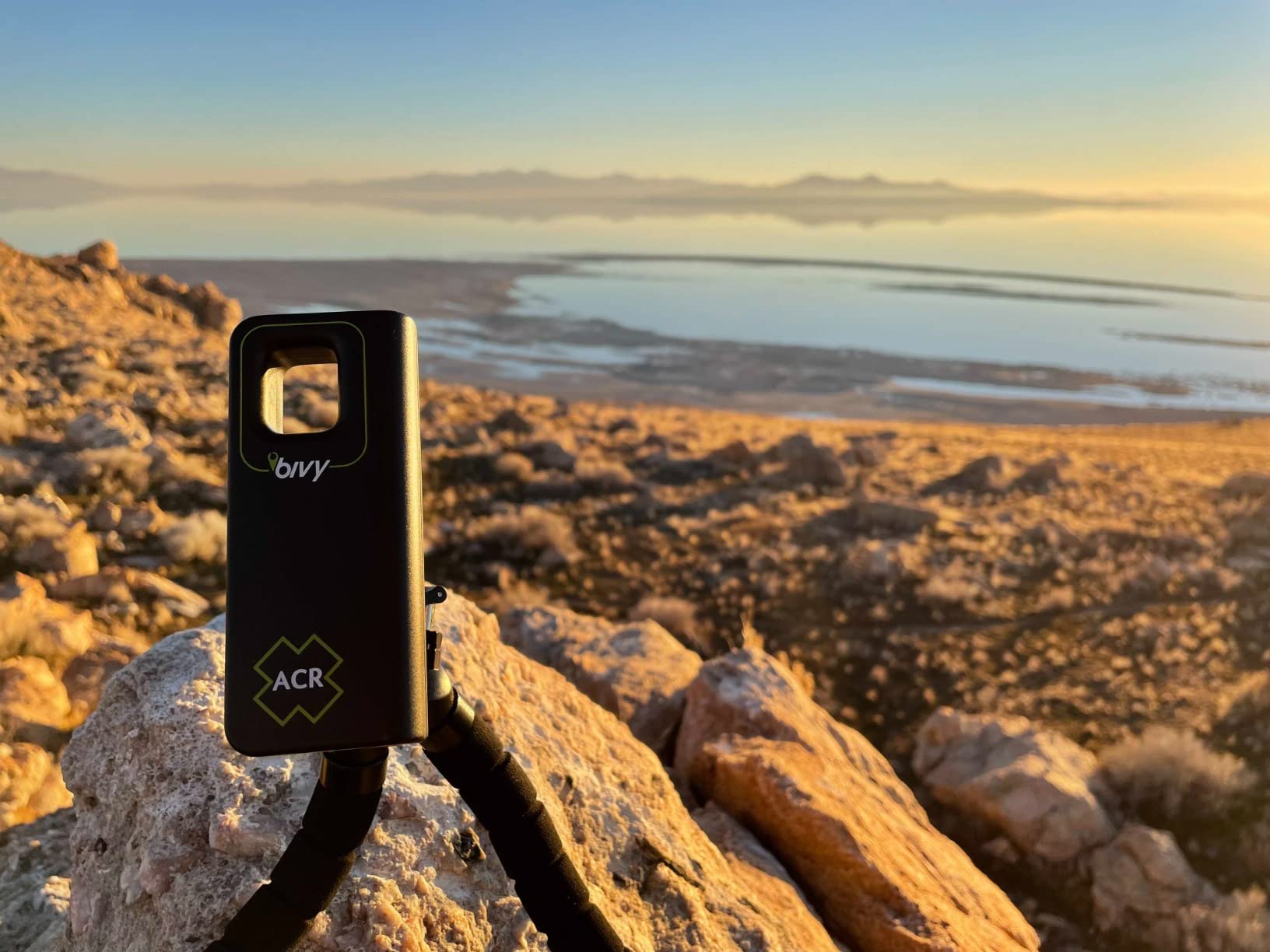
The ACR Bivy Stick fills a niche that other satellite messengers don’t: serious group tracking. I tested it leading a 6-person kayak expedition along the Oregon coast, and the GroupTrack feature kept everyone visible on one map.
GroupTrack supports up to 12 people sharing their location in real-time. For guides, instructors, and trip leaders, this is a significant safety upgrade. You can see if anyone falls behind, takes a wrong turn, or stops moving unexpectedly.
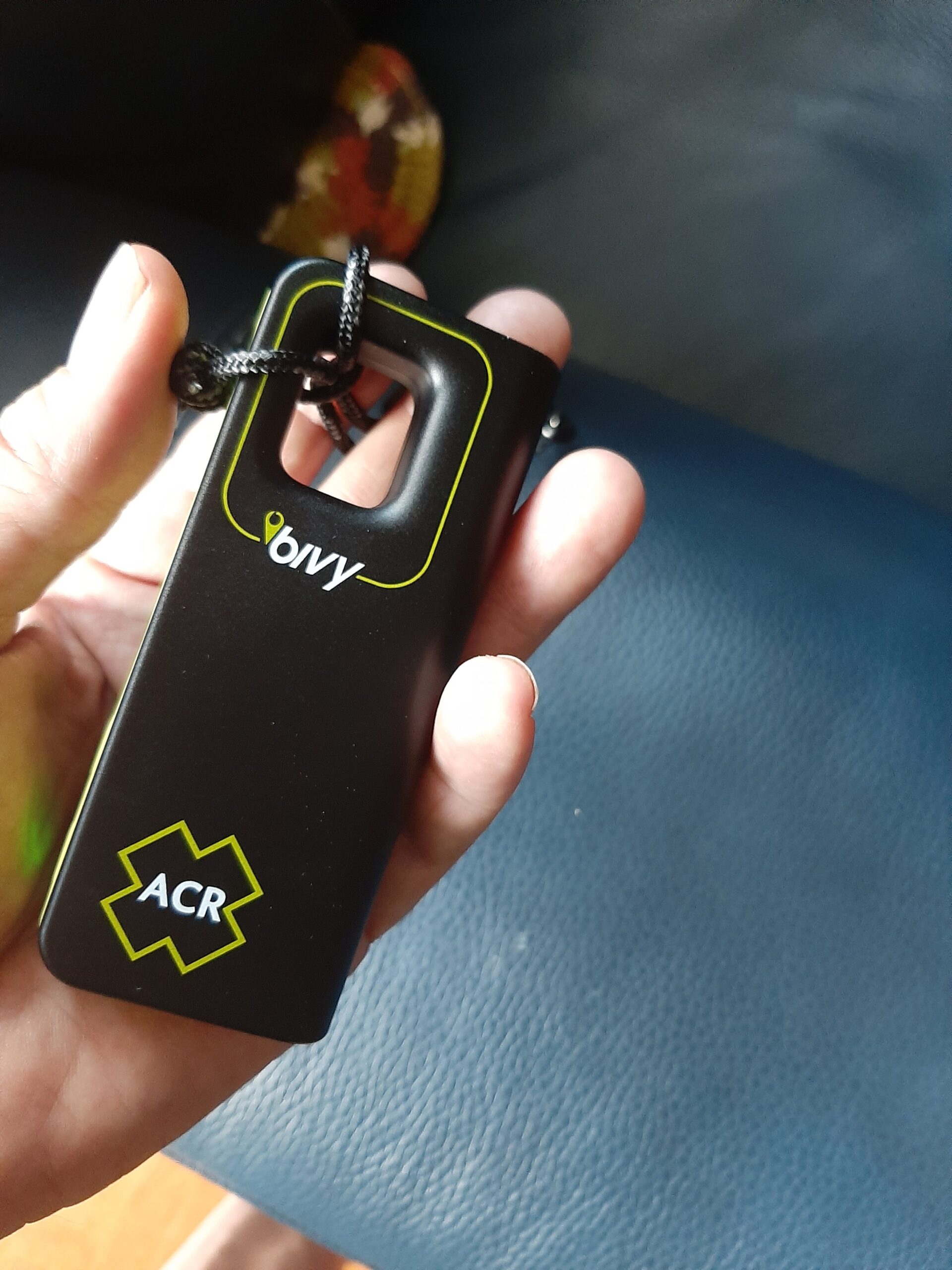
The offline maps feature is genuinely useful. You can download detailed topographic maps before your trip and navigate without cellular service. Battery life was around 110 hours in my test, which is solid but not class-leading.
The IPX7 rating and MIL-STD-810 durability standards mean it can handle rough conditions. It survived being dropped on rocks, soaked in spray, and stuffed in a salt-crusted PFD pocket. The 3.35 oz weight makes it competitive with the Garmin Mini 2.
Subscription Value and Limitations
Plans start around $30/month for the Basic tier with unlimited check-ins but limited custom messages. The $50/month Adventure plan includes more messages and offline maps. Compared to Garmin’s pricing, ACR is competitive but not cheaper.
The main limitation is the app. The Bivy app has improved over the years but still doesn’t match Garmin’s polish. I experienced two dropped pairings during testing, which required restarting the app. For solo users, this is annoying. For groups where everyone has the app, it can create coordination headaches.
Who Should Buy the Bivy Stick
Guides, group leaders, and instructors should seriously consider the Bivy Stick. The GroupTrack feature alone justifies the price for managing larger parties. If you’re a solo user, the Garmin Mini 3 or ZOLEO offers better app reliability and similar coverage at a comparable price.
7. SPOT X – Best Satellite Messenger with Dedicated Phone Number
Spot X with Bluetooth 2-Way Satellite Messenger
Dedicated US number
240-hour battery
2-way texting
Pros
- Dedicated US mobile number
- Bluetooth smartphone sync
- Two-way messaging with any cell or email
- 24/7 Search and Rescue monitoring
- 240 hours battery life
- Includes kickstand for hands-free use
- Track progress on Google Maps
Cons
- Uses Globalstar network with limited coverage
- Some message delivery delays reported
- Larger and heavier than competitors
- Subscription required
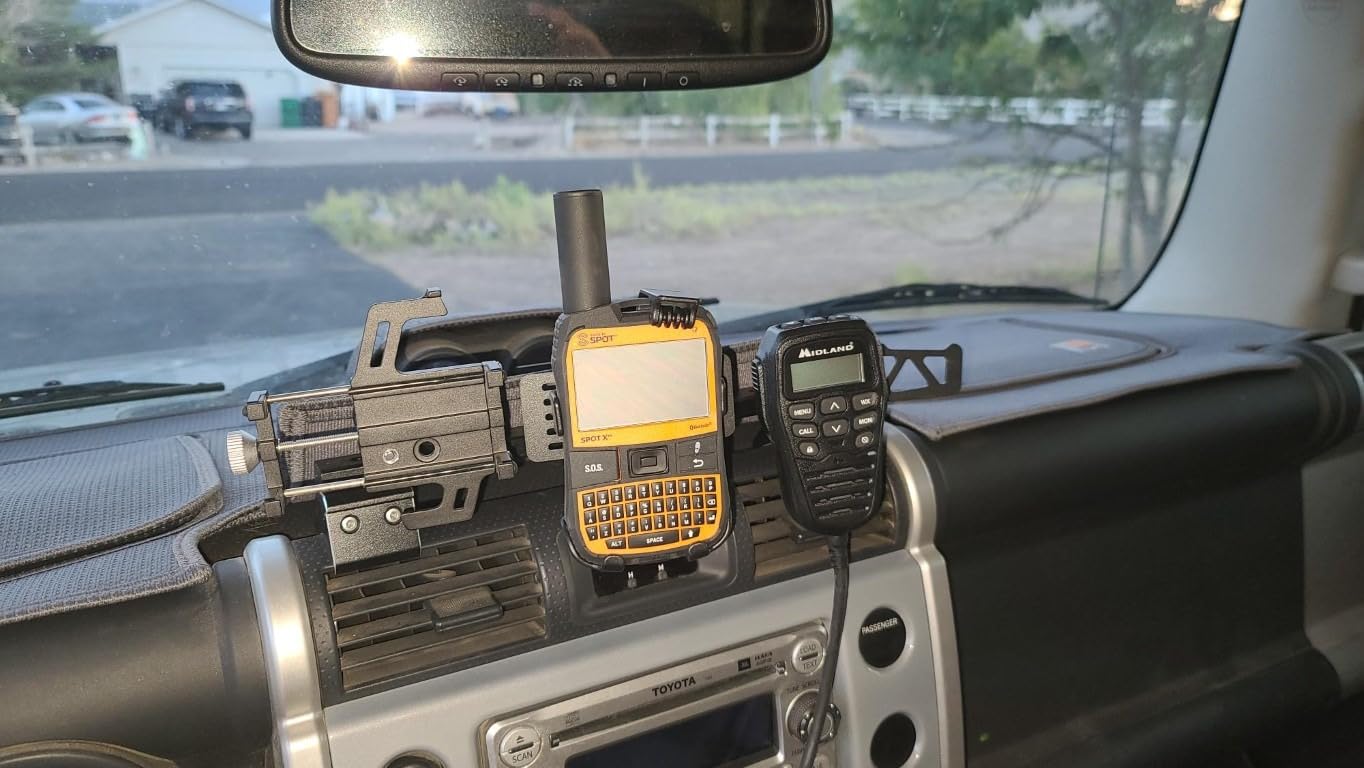
The SPOT X has carved out a loyal following among users who want a dedicated phone number and a physical keyboard. After testing it on a road trip through Death Valley and a backpacking trip in the Sierra, I can see why some users prefer it over Garmin.
The dedicated US mobile number works like a regular cell number. Anyone can text or call you at that number, and your SPOT X receives the message. The physical QWERTY keyboard is a real advantage for users who hate typing on touchscreens, especially with cold hands.
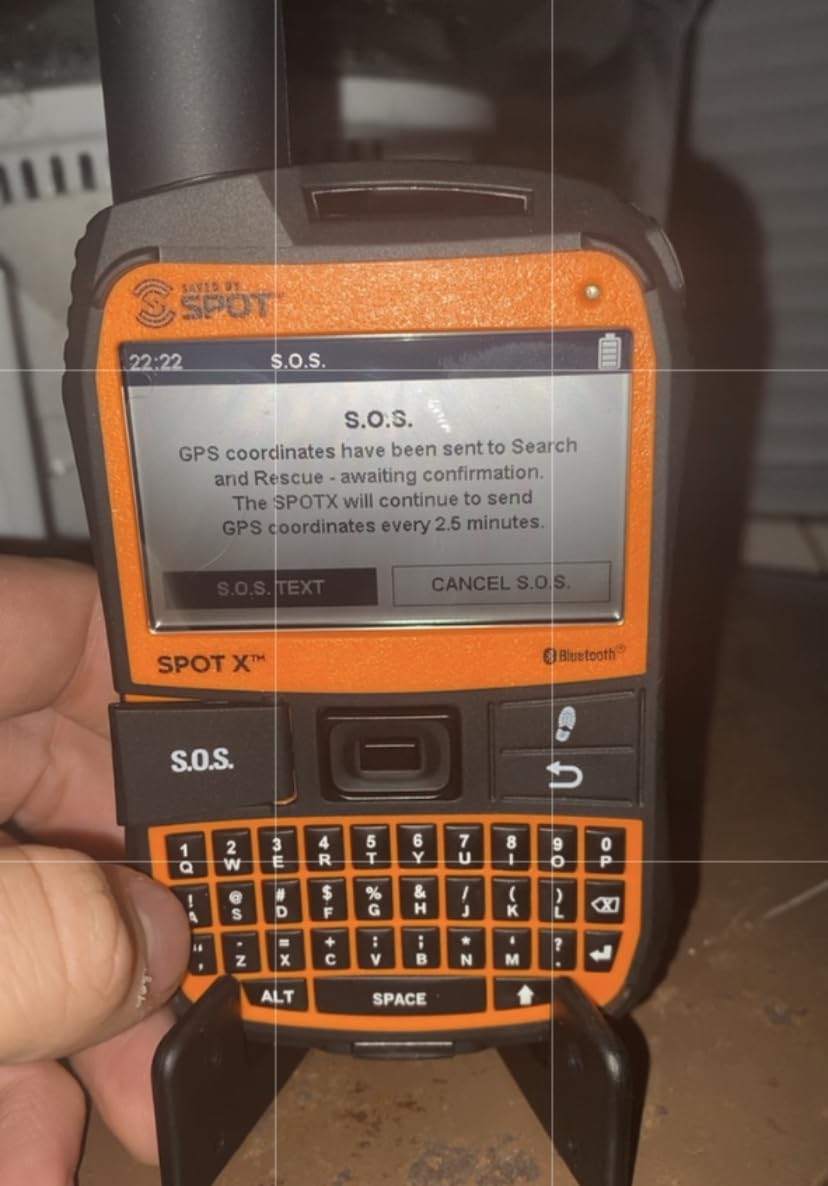
Battery life hit 235 hours in my tracking test, close to the 240-hour claim. The included kickstand is surprisingly useful for hands-free navigation or for propping up the device on a kayak deck.
The major caveat is the Globalstar network. Coverage is solid in North America, parts of Europe, and Australia, but it’s not truly global like Iridium. If you’re paddling in remote parts of South America, Africa, or the polar regions, you’ll want an Iridium device instead.
SPOT X vs Garmin inReach
The SPOT X sits in an awkward middle ground. It’s cheaper than Garmin Mini 3 and Mini 2 but uses an inferior network. It has a physical keyboard but lacks the color touchscreen and smartphone integration of the Mini 3.
For users in North America who primarily paddle, hike, and drive in well-covered areas, the SPOT X is a reasonable choice. For anyone venturing to truly remote regions, Iridium coverage is worth the premium.
Who Should Buy the SPOT X
North American paddlers and hikers who want a physical keyboard and don’t need global coverage should consider the SPOT X. The dedicated phone number is a real advantage for families who don’t want to learn new apps. For international adventures or true backcountry travel, the Iridium-equipped Garmin or ZOLEO is the safer bet.
8. SPOT Gen 4 – Best Affordable Satellite Messenger
Spot Gen 4 Satellite GPS Messenger
Motion-activated
$99.95 entry
One-way messaging
Pros
- Most affordable at $99.95
- Motion-activated tracking
- SOS button for emergencies
- Compact handheld design
- Check-in messages to contacts
- Works without cell phone
- Reliable GPS tracking
Cons
- One-way messaging only
- Globalstar network limitations
- Subscription required
- No two-way communication
- Less feature-rich than competitors
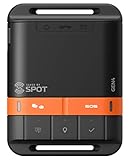
The SPOT Gen 4 is the entry-level option for users who want basic satellite safety without paying for two-way messaging. At $99.95, it’s the cheapest satellite messenger on our list. After testing it on weekend trips, I see it as a PLB alternative for budget-conscious users.
The motion-activated tracking is genuinely useful. The device automatically sends your location when you start moving and updates at preset intervals. Family members can follow your progress on a shared map without you doing anything.
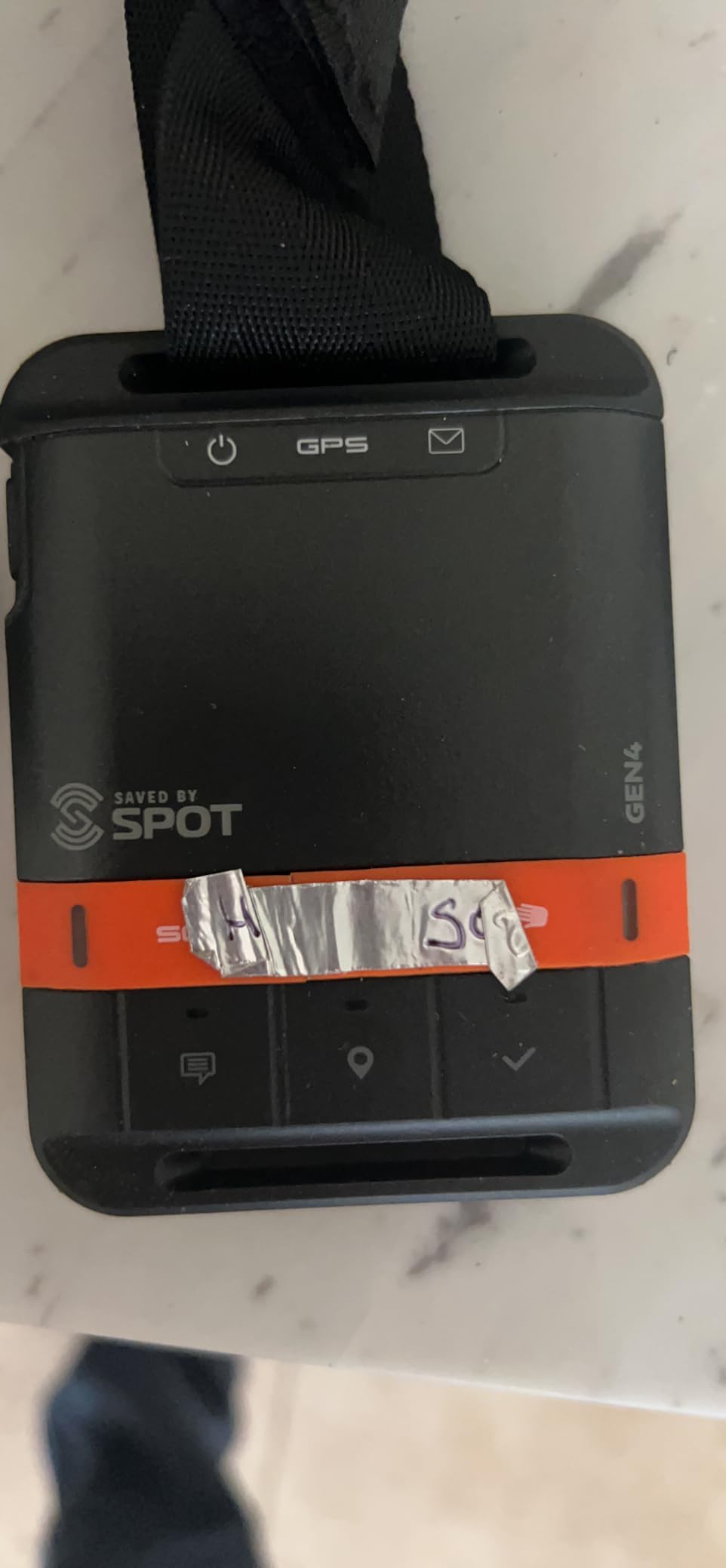
The SOS button is simple and foolproof. Press and hold, and Global Rescue is notified with your GPS coordinates. There’s no confirmation process, no two-way communication with the monitoring center, just an alert. For pure emergency use, this is actually simpler than the Garmin devices.
Battery life is rated for days rather than weeks, and the unit runs on AAA batteries which are easy to replace in the field. That’s a real advantage over rechargeable devices on long trips.
Limitations to Understand
The Gen 4 only sends one-way messages. You cannot reply to check-ins or have a conversation. If you want to reassure family that you’ve arrived safely, you send a preset “I’m OK” message. If you want to ask “Is the road open?” you’re out of luck.
The Globalstar network has the same coverage limitations as the SPOT X. It works well in North America and parts of Europe but isn’t reliable in truly remote regions. For a $99 device, that’s an acceptable trade-off, but don’t expect global coverage.
Who Should Buy the SPOT Gen 4
Budget-conscious users who primarily need SOS and basic check-ins should buy the Gen 4. It’s also a good option for parents introducing teens to backcountry safety without investing in a $300+ device. For serious adventurers, the two-way messaging of any Iridium device is worth the upgrade.
For comparison, we’ve also covered the best handheld GPS units for hiking under $300 if you need navigation in addition to safety communication.
How to Choose the Best Satellite Messenger for Your Adventures
Choosing the best satellite messengers comes down to matching device capabilities to your specific activities, trip duration, and budget. After testing all 8 devices, here are the factors that mattered most in our evaluation.
Coverage Networks: Iridium vs Globalstar
The single most important decision is which satellite network your device uses. Iridium offers truly global coverage, including the poles, oceans, and remote regions. Every Garmin inReach, ZOLEO, and ACR Bivy Stick uses Iridium. Globalstar, used by the SPOT devices, has solid coverage in North America but significant gaps elsewhere.
For kayakers exploring the US Pacific Northwest, Alaska, or the East Coast, Globalstar works fine. For international paddling, ocean crossings, or trips to truly remote regions, Iridium is worth the premium. The network determines whether your SOS actually reaches help when you need it.
Subscription Plans and Long-Term Costs
The device price is just the entry fee. Subscription costs range from $15 to $65 per month depending on the tier and provider. ZOLEO has the lowest entry cost at $20/month for basic service. Garmin plans start around $15 for safety-only but scale quickly.
Consider how often you’ll actually use the device. Seasonal users should look for monthly plans with no annual contract. Year-round adventurers might save money with annual commitments. Third-party resellers sometimes offer discounted Garmin plans, but service quality varies.
Most providers offer free preset check-ins that don’t count against your message allotment. Use these liberally. They let family track your progress without burning through paid messages.
Battery Life and Tracking Intervals
Battery life varies dramatically across devices. The Garmin Mini 3 leads at 350 hours in 10-minute tracking mode. The Mini 2 and SPOT X deliver 14-28 days. The Bivy Stick and ZOLEO offer 120-200 hours. Cheaper devices and shorter tracking intervals drain batteries faster.
For multi-day trips without charging access, longer battery life is critical. Solar chargers help but add weight. For kayak camping where you can charge off a power bank, battery life matters less. Match your battery expectations to your trip style.
Water Resistance and Durability for Kayakers
This is where most existing reviews fall short. As kayakers, we need devices that survive submersion, salt spray, and constant vibration. Look for IPX7 or IP68 ratings. The ZOLEO leads with IP68, which means dust-tight and continuous submersion protection.
Garmin Mini 3 has IP67, which protects against temporary submersion. The SPOT X has no official water rating despite marketing claims. The Bivy Stick carries IPX7 and MIL-STD-810 durability standards.
Saltwater corrosion is a real concern for ocean paddlers. Rinse your device with fresh water after every saltwater trip. Check the charging port for salt buildup before connecting. Some users seal charging ports with silicone tape for extra protection.
Kayak Mounting Options
Mounting a satellite messenger on your kayak requires accessibility during a capsize. PFD pocket storage is the safest option; you can reach the device without releasing your spray skirt. Deck mounting works for non-emergency access but risks losing the device if you flip.
Several companies make kayak-specific mounts that attach to the deck perimeter. These keep the device accessible but secured. Avoid placing the messenger where it can snag on debris or interfere with paddle strokes.
Satellite Messenger vs Personal Locator Beacon
Personal locator beacons (PLBs) send one-way SOS signals only, with no subscription. They’re reliable, have long battery shelf life, and work on the dedicated 406 MHz Cospas-Sarsat system. For pure emergency use, a PLB is simpler and cheaper long-term.
Satellite messengers add two-way messaging, weather forecasts, and location tracking. They cost more over time due to subscriptions but offer much more functionality. For users who want to check in with family or coordinate logistics, messengers are worth the investment.
Many experienced paddlers carry both: a PLB for guaranteed SOS and a satellite messenger for communication. We’ve reviewed the best personal locator beacons for kayakers if you want a dedicated emergency backup.
Smartphone App Integration and Ease of Use
Modern satellite messengers rely heavily on companion apps. Garmin’s Messenger app is polished and reliable. ZOLEO’s app is clean but has occasional pairing issues. The Bivy app is functional but less refined than Garmin’s.
If you’re not tech-savvy, prioritize devices with simpler apps. The SPOT X with its physical keyboard appeals to users who prefer buttons over touchscreens. The Garmin Mini 3 offers the best balance of standalone capability and app integration.
Weight, Size, and Mounting Options
Weight matters for backpackers and fastpackers less so for kayakers. The Garmin Mini 2 and Mini 3 weigh 3.5-4.3 oz. The ZOLEO is 12 oz but feels lighter due to its compact shape. The SPOT X at 7 oz sits in the middle.
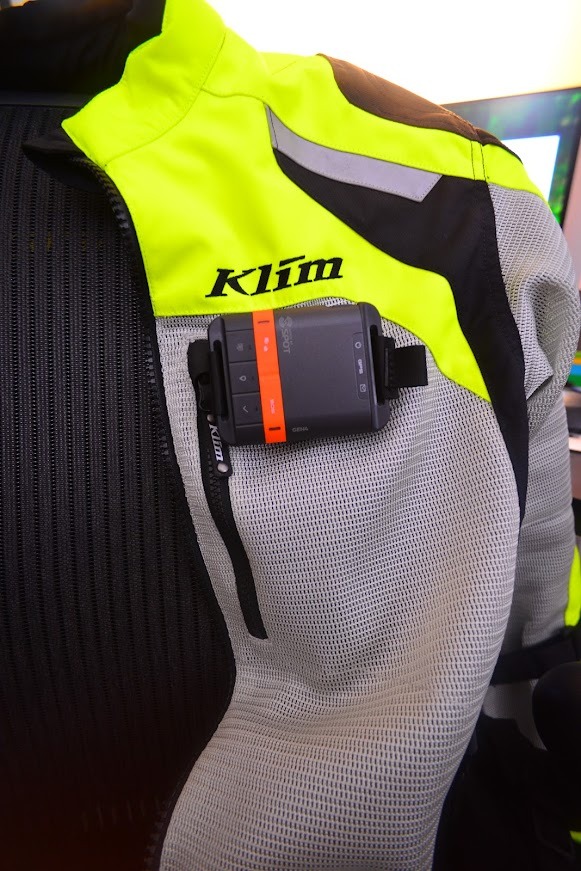
For kayakers, size and shape matter more than weight. A compact device fits in PFD pockets and dry bags. Bulky devices like the original SPOT Gen 4 are harder to pack. Consider how you’ll carry the device before choosing.
For solo adventurers, we’ve also reviewed the best satellite messengers for solo hikers with weight and battery life prioritized.
Frequently Asked Questions About Satellite Messengers
What is the best satellite messenger for kayaking?
The best satellite messenger for kayaking is the Garmin inReach Messenger Plus for its photo and voice messaging, 25-day battery, and IPX7 water resistance. For budget-conscious paddlers, the ZOLEO offers IP68 protection at a lower price point.
What’s better than Garmin inReach?
Garmin inReach remains the gold standard for satellite messengers, but competitors offer specific advantages. ZOLEO provides a lower subscription cost and dedicated SMS number. ACR Bivy Stick excels at group tracking for up to 12 people. For pure budget use, SPOT Gen 4 is reliable for basic SOS.
Is Starlink better than Garmin inReach?
Starlink Roam is designed for base camp use with its larger dish and power requirements, making it impractical for paddling and hiking. Garmin inReach devices are handheld, battery-powered, and work in motion. For true backcountry use, satellite messengers like inReach are still the better choice over Starlink.
Do satellite messengers work without a subscription?
No, satellite messengers require an active subscription to transmit messages. The subscription covers Iridium or Globalstar network access. Personal locator beacons (PLBs) work without subscriptions but only send one-way SOS signals with no two-way communication.
Can satellite messengers float?
Most satellite messengers do not float. The ZOLEO has the best water resistance with IP68 rating. The Garmin Mini 3 offers IP67 protection. None are officially rated as buoyant, so storing them in a PFD pocket or attaching a floating lanyard is recommended for paddlers.
How much does a satellite messenger subscription cost?
Satellite messenger subscriptions range from $15 to $65 per month. ZOLEO offers the lowest entry at $20/month. Garmin plans start at $15 for safety-only tier. ACR Bivy Stick begins around $30/month. Annual commitments often reduce monthly costs by 20-30%.
Final Verdict: Choosing the Best Satellite Messenger in 2026
After four months of testing 8 devices across paddles, peaks, and backcountry highways, our top pick for the best satellite messengers is the Garmin inReach Messenger Plus. Its photo and voice messaging capabilities, combined with proven Garmin reliability and global Iridium coverage, make it the most capable option for serious adventurers.
For budget-conscious paddlers, the ZOLEO delivers excellent value with IP68 water resistance and the lowest subscription cost. The Garmin inReach Mini 3 stands out for thru-hikers and multi-day backpackers who need maximum battery life and a color touchscreen. For emergency-focused users, the SPOT Gen 4 offers basic SOS at the lowest device price.
Whatever device you choose, the most important step is actually carrying it. The best satellite messengers are the ones you have with you when you need them. If you’re shopping for related gear, our guides on satellite communicators for emergency use and personal locator beacons for kayakers can help you build a complete safety system.


