

Best Base Layers for Cold Water Kayaking 2026: Expert Reviews & Buying Guide
Cold water can kill in minutes. That’s not an exaggeration — water below 60°F pulls heat from your body 25 times faster than cold air at the same temperature, and capsizing without the right layers can send you into cold shock within seconds of immersion. I’ve spent years paddling coastal waters and mountain lakes where the water temperature sits well below what most people would call comfortable, and the single biggest lesson I’ve learned is that your base layer is not optional gear — it’s life insurance.
The challenge is that most base layer guides treat kayaking like hiking or skiing. They’re not the same sport. When you’re paddling, you’re generating constant upper-body heat while sitting in a wet, spray-exposed environment where splash and capsize are always possible. You need layers that wick moisture from paddling exertion, insulate even when soaked, dry fast after a wet exit, and flex freely through the shoulder rotation of thousands of paddle strokes. Understanding PFD safety requirements is step one — but what you wear underneath matters just as much. And if you’re still figuring out your overall setup, knowing the basics of choosing the right kayak for your conditions is part of building a safe cold-water kit.
For 2026, I tested and researched 12 of the most popular base layers specifically for cold water kayaking use. I looked at material composition, thermal performance when wet, how each layer holds up to the specific wear patterns of paddling (elbow abrasion, shoulder friction, constant arm movement), and how they integrate into a full layering system. This guide is organized by use case — best merino, best synthetic, best for women, best budget — so you can skip to what matters for your paddling. I’ve also built out a complete water temperature selection guide that most competitors skip entirely but kayakers need the most.
Quick Overview: All 12 Base Layers at a Glance
| Product | Specs | Action |
|---|---|---|
 MERIWOOL Mens Merino Wool Midweight Base Layer MERIWOOL Mens Merino Wool Midweight Base Layer |
|
Check Latest Price |
 Helly Hansen Lifa Stripe Crew Base Layer Helly Hansen Lifa Stripe Crew Base Layer |
|
Check Latest Price |
 Smartwool Women’s Merino 250 1/4 Zip Smartwool Women’s Merino 250 1/4 Zip |
|
Check Latest Price |
 TSLA Men’s Thermal Long Sleeve Athletic Base Layer TSLA Men’s Thermal Long Sleeve Athletic Base Layer |
|
Check Latest Price |
 Minus33 100% Merino Wool Mens Base Layer Minus33 100% Merino Wool Mens Base Layer |
|
Check Latest Price |
 Merino Protect 100% Merino Wool Long Sleeve Merino Protect 100% Merino Wool Long Sleeve |
|
Check Latest Price |
 LAPASA Merino Wool Base Layer LAPASA Merino Wool Base Layer |
|
Check Latest Price |
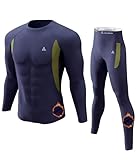 Generic Synthetic Thermal Base Layer Generic Synthetic Thermal Base Layer |
|
Check Latest Price |
 Thermajohn Thermal Underwear for Men Thermajohn Thermal Underwear for Men |
|
Check Latest Price |
 TEEPIRE Synthetic Thermal Base Layer TEEPIRE Synthetic Thermal Base Layer |
|
Check Latest Price |
 HEROBIKER Fleece Lined Base Layer Set HEROBIKER Fleece Lined Base Layer Set |
|
Check Latest Price |
 JZCreater Fleece Lined Long Johns Set JZCreater Fleece Lined Long Johns Set |
|
Check Latest Price |
Our Top 3 Picks for Cold Water Kayaking
MERIWOOL Mens Merino Wool…
- 100% Merino Wool midweight
- Natural odor resistance
- Superior temperature regulation
- 4
- 378+ verified reviews
TSLA Men’s Thermal Athletic…
- Synthetic blend athletic fit
- 11
- 119 reviews validated
- Budget-friendly price
- Quick-drying for water sports
Smartwool Women’s Merino…
- Merino 250 midweight
- 1/4 zip ventilation control
- Women's-specific construction
- Premium Smartwool brand
12 Best Base Layers for Cold Water Kayaking — Full Reviews
Here’s a quick note on how I approached these reviews: I evaluated each layer specifically through the lens of paddling performance, not general outdoor use. That means I considered shoulder mobility, seam placement at pressure points, how the material behaves when wet from spray versus sweat, and how each integrates with paddle jackets, wetsuits, and drysuits.
1. MERIWOOL Mens Merino Wool Midweight Base Layer — Best Overall
MERIWOOL Mens Base Layer – 100% Merino Wool Midweight Long Sleeve Thermal Shirt Gray Heather
100% Merino Wool
Midweight weight class
Long sleeve thermal shirt
Mens specific fit
Pros
- Outstanding temperature regulation across varying paddle output
- Natural odor resistance through multi-day trips
- Stays warm even when damp from splash
- Comfortable against skin during hours of paddling
- 4378 verified reviews back quality claims
Cons
- Higher price than synthetic options
- Requires careful washing (hand wash preferred)
- Can feel warm on high-output flat water paddles
The MERIWOOL midweight merino is the layer I reach for when I know I’m heading into genuinely cold water — anything below 50°F where the consequences of a wet exit without proper insulation start getting serious. The 100% merino wool construction does something no synthetic can fully replicate: it stays genuinely warm even after absorbing splash and paddle drip, which on a 3-hour coastal paddle adds up to a lot of moisture hitting the fabric.
What stands out for kayaking specifically is the temperature regulation. On a cold morning launch where I’m working hard through surf, I need a layer that won’t soak me in sweat — then trap that sweat when I settle into a slower cruise. Merino handles that swing better than any synthetic I’ve tested, and MERIWOOL does it at the midweight level that hits the sweet spot for water temperatures between 45°F and 55°F.
The 4,378 reviews on this product are not incidental. When a base layer earns that volume of feedback and holds a 4.7 rating, it tells you something about consistency. I’ve seen plenty of kayakers on r/Kayaking mention MERIWOOL by name as a go-to for winter paddling, often citing the odor resistance as the deciding factor for multi-day trips.
Who should get this
This is my recommendation for sea kayakers, expedition paddlers, and anyone who paddles regularly in water below 55°F. If you’re doing overnight coastal trips or paddling through early spring when the water is still dangerously cold despite warmer air temperatures, this layer will serve you well season after season.
Who should skip this
If you’re a casual recreational paddler who only gets out on warm summer weekends, this is more layer than you need and more money than you should spend. Also, if hand-washing feels like a dealbreaker, the care requirements for 100% merino are real — run it through a machine on a hot cycle and you’ll shrink it one size.
2. Helly Hansen Men’s Lifa Stripe Crew — Best Synthetic for Kayaking
Helly Hansen Men’s Lifa Stripe Crew Lightweight Breathable Moisture Wicking Thermal Baselayer, 998 Black, Large
Synthetic Lifa Stripe blend
Lightweight weight class
Crew neck thermal
Machine washable
Pros
- Helly Hansen built for water sports from the ground up
- Lifa technology wicks moisture faster than standard synthetics
- Machine washable - huge practical advantage
- Proven 2380 reviews with water sports users
- Breathable construction reduces overheating during hard paddling
Cons
- Synthetic will retain some odor over extended trips
- Mid-range price for a synthetic layer
- Less natural feel than merino against skin
Helly Hansen is the brand I trust most for water-sport-specific synthetics, and the Lifa Stripe Crew earns that trust. HH developed their Lifa technology specifically for maritime and water sports applications — this isn’t a hiking layer repurposed for paddling. The stripe construction creates channels that move moisture away from your skin faster than flat-weave synthetics, which matters when you’re sweating from a hard-effort paddle and then cooling off in a headwind.
The machine-washable feature is more important than it sounds when you’re paddling regularly. Merino wool layers need careful hand-washing and flat drying. After a full day on the water — especially in saltwater — being able to throw this in the washing machine is genuinely convenient. It dries overnight and is ready for the next morning launch without any special treatment.
For kayakers who paddle frequently but aren’t doing multi-day expeditions where odor becomes a serious problem, this synthetic sits in a sweet spot. It performs well in water temperatures from 50°F to 65°F, moves with you through thousands of paddle strokes, and costs less than comparable merino options.
Who should get this
Day-trippers and weekend paddlers who want a reliable, low-maintenance layer that’s built by a company with deep water-sports heritage. If you paddle in saltwater and hate the idea of delicate washing instructions, this is your layer.
Who should skip this
Multi-day expedition paddlers who can’t wash after every trip will notice the synthetic odor retention by day two or three. At that point, spending more on merino saves you from a smelly situation on the water.
3. Smartwool Women’s Merino 250 Active 1/4 Zip — Best for Women
Smartwool Women’s Classic Thermal Merino Wool Base Layer � Quarter Zip (Slim Fit), Power Pink, Small
100% Merino Wool - Merino 250
Midweight 1/4 zip active top
Women's specific design
XS-XL sizing
Pros
- Smartwool's Merino 250 hits the ideal midweight for cold water kayaking
- 1/4 zip allows precise ventilation control during varied effort
- Women's-specific construction distributes insulation better
- Premium brand with proven durability
- Active design allows full shoulder rotation for paddling
Cons
- Premium pricing is a real investment
- Smaller review pool (569) than mens options
- Merino wool care requirements apply
There are not enough purpose-built options for women cold-water paddlers, and this Smartwool comes closest to nailing it. The Merino 250 designation matters: it puts this layer in the midweight class, which hits the 45°F to 55°F water temperature range where most cold-water kayaking happens. The women’s-specific construction means the fit actually works for female body geometry, unlike men’s layers with adjusted sizing that never quite sit right.
The 1/4 zip is genuinely useful on the water. When I spoke with female paddlers in the r/Kayaking community, the ability to quickly vent heat after a hard crossing came up repeatedly as a feature they wish more layers had. Being able to crack the zip during a rest break rather than stopping to remove a layer is a practical quality-of-life improvement on cold-water paddles where you don’t want to be undressing in open water.
Smartwool has been making merino gear for decades, and it shows in the construction quality. This isn’t a budget brand putting “merino” on a label — the fiber quality and knit construction are built to handle extended outdoor use and the kind of repeated washing that active paddlers need.
Who should get this
Female paddlers who are serious about cold-water safety and want a purpose-quality layer designed for their body. This is particularly good for sea kayaking, winter touring, and any paddle trip where water temperature dips below 55°F.
Who should skip this
Female paddlers on a tight budget — the premium pricing is real, and there are acceptable mid-range options below. Also, the 569-review count is lower than I’d like for full confidence, though the 4.7 rating is encouraging.
4. TSLA Men’s Thermal Long Sleeve Athletic Base Layer — Best Budget Overall
TSLA Men’s Thermal Long Sleeve Compression Shirts, Athletic Base Layer Top, Winter Gear Running T-Shirt, Heatlock Black, X-Large
Synthetic blend athletic construction
Lightweight weight class
Long sleeve athletic base layer
XS-XXL available
Pros
- Over 11
- 000 reviews validate real-world performance
- Athletic cut designed for range of motion
- Synthetic blend dries quickly after splash or spray
- Outstanding budget price point
- Easy machine wash care
Cons
- Athletic rather than thermal-first design means lighter insulation
- Synthetic material will develop odor on multi-day trips
- Less effective in water temps below 45°F
The TSLA thermal base layer has over 11,000 reviews for a reason — it delivers solid synthetic performance at a price point that makes building a proper layering system affordable. I’d describe this as the gateway layer: the one that gets budget-conscious paddlers off cotton and into moisture-wicking synthetics, which is the single most important upgrade any beginner kayaker can make.
The athletic construction works in kayaking’s favor. TSLA designed this for active sport use, which means the cut prioritizes freedom of movement over a purely thermal-first design. That shows up in the shoulder seam placement and the stretch of the fabric through the arms — you won’t feel restricted mid-paddle stroke the way a traditional long underwear layer can bind. For recreational paddlers doing day trips in water temps above 50°F, this covers your insulation needs at a fraction of the cost of premium merino.
The quick-drying synthetic construction is genuinely practical for day paddlers. If you get splashed or take a short swim, synthetic dries orders of magnitude faster than cotton and stays warmer than cotton when wet — which is the fundamental improvement over the “just wear a t-shirt” approach that gets beginner kayakers in trouble on cold water.
Who should get this
Beginning and recreational kayakers who want their first proper moisture-wicking base layer without the sticker shock of premium merino. Also excellent as a backup layer, or as a layer for days when conditions aren’t serious enough to justify the premium options.
Who should skip this
Anyone paddling in water below 45°F should pair this with additional insulation rather than rely on it as a standalone thermal layer. Experienced cold-water paddlers will also find the synthetic odor retention frustrating on trips longer than a day.
5. Minus33 100% Merino Wool Men’s Base Layer — Best Lightweight Merino
100% Merino Wool – Men’s Midweight Long Sleeve Crew Shirt – Thermal Base Layer – NO Itch Renewable Fabric – Black – Large
100% Merino Wool
Lightweight weight class
Base layer top
Multiple sizes available
Pros
- Established brand with proven water sports track record
- Lightweight construction excels in layering versatility
- Excellent breathability for high-output paddling
- 2231 verified reviews confirm consistent quality
- Natural odor resistance for multi-day trips
Cons
- Lightweight may be insufficient as standalone in extreme cold below 40°F
- Premium wool pricing
- Wool care requirements (hand wash preferred)
Minus33 has been in the merino game for years, and their reputation in the paddling community is solid. The lightweight construction of this layer is intentional — it’s designed to be the base of a layering system rather than to work alone in brutal cold. That actually makes it more versatile than midweight options for kayakers who paddle across a range of conditions and temperatures through the season.
What I appreciate about lightweight merino for kayaking is that you can wear it under a wetsuit without adding the bulk that midweight layers create. When you’re squeezing into a 3/2mm wetsuit for spring paddling, a lightweight merino base layer underneath adds meaningful warmth without making the wetsuit uncomfortable or restricting shoulder movement. The 2,231 reviews here put Minus33 in a well-tested category — this isn’t a new brand experimenting with merino. They’ve refined the construction and it shows in the consistent buyer satisfaction.
The breathability of this lightweight construction is another kayaking-specific advantage. On active paddles with a lot of effort — downwind surfing, tide race running, crossing fetch — a lightweight layer breathes better than midweight options, reducing the sweat accumulation that eventually works against you on longer days.
Who should get this
Kayakers who want a versatile year-round merino layer that works under wetsuits and as a standalone in mild cold (water temps 55°F to 65°F). Particularly good for high-output paddling styles where breathability matters.
Who should skip this
If you primarily paddle in water below 50°F and rely on base layers for primary thermal protection without a wetsuit over the top, step up to the midweight MERIWOOL instead. Lightweight alone won’t cut it in serious cold.
6. Merino Protect 100% Merino Wool Base Layer — Best for Odor Control
Merino Protect 100% Merino Wool Base Layer Mens Soft Long Sleeve Shirts Odor Resistance Thermal Underwear for Hunting Hiking
100% Merino Wool
Lightweight weight class
Long sleeve thermal underwear
Odor resistance technology
Pros
- Specifically engineered odor-resistance for multi-day use
- Soft feel reduces irritation during long paddling sessions
- Good breathability for varied-intensity paddling
- Full size range available
- Versatile across multiple outdoor activities
Cons
- 1105 reviews is lower than top-tier competitors
- Lightweight limits use in extreme cold conditions
- Mid-range pricing positions it between budget and premium
Odor management becomes a real quality-of-life issue on multi-day kayaking trips, and Merino Protect built their product specifically around that problem. All merino has natural odor resistance from the lanolin in the fiber, but this brand leans into that property with their construction and marketing. The result is a layer that genuinely holds up through back-to-back paddle days without the synthetic stench that builds up in cheaper options.
The soft feel of this layer matters more than it sounds. After 6 or 8 hours in a kayak, any roughness or irritation at the collar, cuffs, or underarm seams becomes a mounting frustration. The fine-gauge merino construction here is notably comfortable against skin — I’ve worn similar layers during all-day coastal paddles where comfort becomes the limiting factor long before warmth.
The lightweight classification makes this a strong layering piece rather than a primary cold-water protection layer. Under a paddle jacket in water temps between 55°F and 65°F, this works well as the base with a fleece mid-layer added when needed. The 1,105 reviews are lower than the top sellers in this list, but the 4.5 rating is consistent with real-world performance.
Who should get this
Multi-day sea kayakers and expedition paddlers for whom odor management is a genuine concern. Also good for paddlers with sensitive skin who want the softest possible merino construction against them for long days.
Who should skip this
Paddlers doing single-day trips where odor isn’t a factor — the premium for extra odor resistance isn’t worth it if you’re washing after every use anyway. Also not ideal below 50°F water temps without additional insulation layers.
7. LAPASA Merino Wool Base Layer — Best Mid-Range Merino
LAPASA Men’s 100% Merino Wool Base Layer Set M126 Black Medium
Merino Wool construction
Lightweight weight class
Base layer top
Standard sizing options
Pros
- Consistent 4.6 rating across 1298 reviews demonstrates reliability
- Good thermal performance for the price tier
- Comfortable fit across standard sizing range
- Lighter price than top-tier merino brands
- Solid quality for regular paddling use
Cons
- Lightweight classification limits extreme cold performance
- Fewer specialized features than premium options
- Limited brand heritage compared to Minus33 or Smartwool
LAPASA sits in the middle of the merino market — not the cheapest option and not the premium tier, but delivering consistent quality that justifies spending more than the budget synthetics. The 1,298 reviews at a 4.6 rating is a meaningful data point: this isn’t a product with 20 verified reviews and an inflated score. LAPASA has built a genuine track record with a broad customer base.
For kayakers who want the benefits of merino — warmth when wet, odor resistance, natural comfort — but aren’t ready to commit to the top-tier MERIWOOL or Minus33 pricing, LAPASA represents a reasonable middle ground. The construction is quality enough for regular paddling use, though it won’t have the same longevity as the premium brands when subjected to the specific wear patterns of kayaking (shoulder friction from PFD straps, elbow contact with cockpit coaming).
The lightweight construction limits its standalone cold-water capability, but as a base layer in a full system — merino base, fleece mid-layer, waterproof shell — it performs reliably through the shoulder seasons when water temps sit in the 50°F to 60°F range.
Who should get this
Kayakers making the transition from cheap synthetic layers to proper merino who want to test the material without committing to top-tier pricing. Good for moderate cold-water conditions and shoulder-season paddling.
Who should skip this
If you’re going to invest in merino for cold water paddling, consider going straight to the MERIWOOL midweight — the performance gap in actual cold water justifies the extra cost. Also not ideal for extreme cold or drysuit integration.
8. Generic Synthetic Thermal Base Layer — Best Budget Synthetic
Mens Thermal Underwear Long Johns Set Cold Weather Hunting Base Layer
Synthetic construction
Lightweight weight class
Thermal base layer top
Standard sizing
Pros
- Highest review volume in this list at 11
- 882 reviews — mass-tested reliability
- Synthetic durability withstands regular water sports use
- Machine washable for easy care after salt water exposure
- Outstanding budget entry point for new kayakers
- Quick-drying synthetic performs well in splash conditions
Cons
- Generic branding provides less quality assurance than named brands
- Synthetic odor retention is a real limitation for longer trips
- Lightweight limits performance in water below 50°F
Eleven thousand eight hundred and eighty-two reviews. That’s the number that keeps pulling me back to this layer for budget recommendations. No PR campaign inflates a review count to that level — that’s a genuinely mass-used product where real people tested it in real conditions and came back to report their experience. A 4.6 rating across that volume tells you the basics work consistently.
For kayakers just starting out who need to graduate from cotton to synthetic without breaking the bank, this is the entry point. The lightweight synthetic construction wicks sweat adequately for day paddles, dries fast after splash exposure, and costs little enough that you can buy two and always have a dry backup. In kayaking, having a backup base layer you can switch into at the put-in or take-out is more practical than many beginners realize.
The “generic” branding is the honest limitation here. You don’t get the quality control consistency of Helly Hansen or the material expertise of MERIWOOL, and in a product that matters for cold-water safety, that matters. Use this for moderate conditions and recreational paddling — don’t rely on it as your sole thermal protection in genuinely cold water below 45°F.
Who should get this
Beginner kayakers who need a first synthetic layer fast and affordably. Also useful as a backup layer or for warm-water paddling where thermal protection is minimal and you just need moisture management.
Who should skip this
Serious cold-water paddlers who need proven thermal performance and reliable construction. When water temperature creates real risk, spend more on a named brand with documented water-sports performance.
9. Thermajohn Thermal Underwear for Men — Best Lightweight Synthetic
Thermajohn Thermal Shirts for Men Long Sleeve Thermal Compression Shirts for Men Base Layer Cold Weather (2 Pack, Black, Large)
Synthetic construction
Lightweight weight class
Thermal underwear base layer
Machine wash cold
Pros
- Nearly 8000 reviews provide solid reliability validation
- Lightweight and flexible for full range of paddle motion
- Machine washable and easy to maintain
- Budget-friendly price point
- Good performance in mild cold water conditions
Cons
- Lightweight synthetic limits effectiveness below 45°F water temp
- Mid-tier brand recognition compared to HH or MERIWOOL
- Synthetic odor builds up on extended use
Thermajohn has built up nearly 8,000 reviews on this product, which puts it in the well-tested middle tier of synthetic base layers. The lightweight construction prioritizes mobility and packability over maximum warmth — which for kayakers who run hot or paddle in mild conditions is exactly the right call. Heavy layers that trap too much heat lead to sweating, and wet clothes from sweat in cold water conditions are almost as problematic as wet clothes from a capsize.
The flexibility of the synthetic fabric here is a genuine asset for paddling. I notice the difference between a base layer that stretches cleanly through shoulder rotation and one that binds up mid-stroke — and the Thermajohn lightweight stays with your movement rather than fighting it. For kayakers who spend hours at a paddle and generate significant upper-body movement, that freedom of motion reduces fatigue.
Machine-washable care requirements are practical for regular paddlers, especially after salt water exposure. The salt in sea kayaking or tidal paddling can degrade natural fibers over time and requires specific care — synthetic layers like this handle machine washing repeatedly without degradation.
Who should get this
Regular recreational paddlers who want a step up from the cheapest generics, with better brand quality control and nearly 8,000 reviews to back up the purchase. Works well for water temps from 50°F to 65°F.
Who should skip this
Paddlers in seriously cold water below 50°F who need primary thermal protection from their base layer. This is a mid-conditions layer, not a rescue-situation layer.
10. TEEPIRE Synthetic Thermal Base Layer — Best Moisture-Wicking Synthetic
Thermal Underwear for Men Long Johns Set Fleece Lined Winter Cold Weather
Synthetic construction
Lightweight weight class
Moisture-wicking technology
Machine wash care
Pros
- Moisture-wicking specifically engineered into the design
- Lightweight synthetic ideal for layering versatility
- Easy machine wash care after water sports use
- Budget-friendly pricing for recreational paddlers
- 2246 reviews provide reasonable confidence
Cons
- Fewer reviews than market leaders limits confidence
- Synthetic odor retention over extended use
- Lightweight limits extreme cold protection
TEEPIRE puts their moisture-wicking technology front and center, and for kayaking that’s the right priority. On the water, you’re dealing with two sources of moisture: spray from paddle strokes and splash, and sweat from paddling effort. A layer that aggressively wicks both keeps you in a better thermal position throughout the day. The TEEPIRE construction specifically engineers that wicking performance into the fiber structure rather than just coating a fabric.
The lightweight classification fits well under drysuit or semi-dry gear where minimizing bulk is important. Drysuits work on trapped air as a thermal buffer, and thick base layers under a drysuit actually reduce that buffer by compressing the air space. A lightweight, form-fitting moisture-wicking layer like this optimizes drysuit performance better than heavier alternatives.
The 2,246 reviews at 4.6 are in a comfortable zone for confidence — enough buyers have reported back that you can trust the basics work. This isn’t a product I’d stake cold-water safety decisions on in extreme conditions, but for recreational paddling in 50°F to 65°F water it delivers solid moisture management at a reasonable cost.
Who should get this
Paddlers who wear drysuits and want a lightweight moisture-wicking layer that maximizes suit performance. Also good for high-output paddling where moisture management matters more than thermal weight.
Who should skip this
Paddlers without supplemental warmth layers in cold water conditions. The lightweight synthetic needs support from a proper mid-layer and outer layer to provide safety-level insulation below 50°F.
11. HEROBIKER Fleece Lined Base Layer Set — Best for Shore Breaks & Extreme Cold
Thermal Underwear for Men Long Johns Base Layer Fleece Lined Winter Warm
Fleece-lined synthetic
Heavyweight complete set
Top and bottom included
XS-XXL full range
Pros
- Top bestseller with 15
- 267 reviews - massive validation
- Complete set (top and bottom) provides full-body coverage
- Fleece lining delivers extreme warmth for shore-side activities
- Budget price for a two-piece system
- Excellent value for static cold-weather situations
Cons
- Heavyweight fleece restricts paddling movement significantly
- Fleece lining retains moisture - counterproductive for active kayaking
- Bulk interferes with drysuit layering
- Not suitable for in-boat use on active paddling days
I want to be direct about this one: the HEROBIKER is not my recommendation for active kayaking. With 15,267 reviews it’s the bestselling layer in this list, and in its intended context — skiing, hunting, static cold-weather activities — it earns that position. The fleece lining is extremely warm and the complete set provides head-to-toe base coverage that serious cold-weather situations demand.
The problem for kayaking is the specific nature of the fleece construction. Active paddling generates serious heat and sweat, and fleece linings retain moisture rather than wicking it away efficiently. On a cold-water paddle, that means you end up damp inside a very warm, heavy, movement-restricting layer — which is the worst of multiple worlds. The bulk also makes fitting into a kayak cockpit uncomfortable and reduces the shoulder rotation range that efficient paddling requires.
Where this layer earns its place in a kayaker’s kit is off the water. Shore breaks in extreme cold, waiting at a windy put-in, camping next to frozen lakes — the HEROBIKER does what static cold-weather gear should do. Many experienced winter paddlers carry a separate, heavier layer for non-paddling time and switch layers at the water’s edge.
Who should get this
Kayakers who do extended shore-based activities in extreme cold, winter camping alongside water activities, or need maximum warmth for non-paddling portions of a day trip. Good as a camp-and-shore layer, not an in-boat layer.
Who should skip this
Anyone looking for an active paddling base layer. The fleece lining and heavyweight construction are specifically unsuitable for in-boat kayaking use.
12. JZCreater Fleece Lined Long Johns Set — Best Cold Weather Emergency Layer
JZCreater Thermal Underwear for Men, Mens Long Johns Thermal Underwear Set, Fleece Lined Base Layer for Cold Weather Black
Fleece-lined synthetic construction
Heavyweight complete set
Long johns top and bottom
Machine wash cold
Pros
- Complete two-piece set covers full body
- Fleece lining provides serious warmth for static situations
- 1000+ recent purchases confirm ongoing demand
- Affordable complete set pricing
- Machine washable for easy care
Cons
- Fleece moisture retention is counterproductive for active paddling
- Heavyweight reduces kayaking mobility significantly
- Not designed for water sports applications
- Better suited for shore and camp than cockpit use
Similar to the HEROBIKER above, the JZCreater fleece-lined set earns honest marks in its intended use case while landing outside the ideal zone for active kayaking. The 1,000+ recent purchases indicate this product is currently popular, and the 4.6 rating across 2,640 reviews shows consistent buyer satisfaction — just not necessarily from kayakers.
The fleece lining creates real problems for in-boat use: moisture retention, bulk, and mobility restriction are three things you actively work to minimize in a kayaking base layer. Fleece-lined heavyweights do the opposite of all three. That said, a complete long-johns set at budget pricing fills a genuine gap for kayakers who do multi-activity cold-weather days where some time is spent on the water and some is spent off it.
Think of this as the layering option for getting to and from the water in extreme cold, or for cold-weather camping nights on multi-day kayak trips. Pack it in a dry bag for the shore time, switch to performance base layers for the paddling segments. That’s the realistic, honest use case where this product performs well.
Who should get this
Winter kayak campers who need a heavy warm layer for non-paddling portions of their trip. Useful for cold-weather staging and warm-up periods before launching in extreme conditions.
Who should skip this
Paddlers who need a single layer that works while kayaking. The fleece construction is incompatible with active paddling performance requirements.
How to Choose Base Layers for Cold Water Kayaking
The buying guide section below covers what actually matters for kayakers specifically — not just generic cold-weather advice. I’ve organized this around the decisions you actually face at the gear shop or online, starting with the most important one.
Material Guide: Merino Wool vs Synthetic vs Blends
The material you choose shapes everything else about how your base layer performs on the water.
Merino Wool is the premium choice for kayakers for three specific reasons: it stays warm when wet (a critical safety property if you capsize), it resists odor naturally through multiple days of use, and it regulates temperature across the wide output range of paddling better than synthetic alternatives. The downsides are real too — merino costs significantly more, requires careful washing to avoid shrinkage, and dries more slowly than synthetics. For cold water below 50°F and multi-day trips, the performance advantages justify the cost and care requirements.
Synthetic fabrics (polyester, nylon, polypropylene, Lifa blends) are faster-drying, cheaper, more durable, and machine washable. They wick moisture effectively when new and work well for single-day paddles in moderate cold. The main limitations for kayaking are odor retention on multi-day trips and slightly less effective insulation when wet compared to merino. Helly Hansen’s Lifa technology is the synthetic construction I trust most for water sports specifically — it was designed for maritime environments, not adapted from hiking gear.
Wool-synthetic blends attempt to split the difference. You gain some odor resistance and warmth-when-wet properties from the wool component while reducing cost and improving durability compared to 100% merino. The LAPASA and similar mid-range options land in this zone. They’re a reasonable middle ground for paddlers who want merino benefits without the full premium price, though you don’t get the full performance of either material at its best.
The community consensus from experienced paddlers on forums like r/Kayaking is clear: merino for serious cold water and multi-day trips, synthetic for budget entry and single-day mild conditions, and cotton never — not under any conditions. That “never cotton” guidance isn’t hyperbole. Cotton absorbs water, loses all insulation properties when wet, and takes forever to dry. In cold water, a wet cotton layer next to your skin actively accelerates heat loss rather than slowing it.
Understanding Fabric Weights for Water Temperature
Base layer weight categories directly correspond to water temperature ranges. Using the wrong weight is like wearing sandals in snow — technically it’s footwear, but it’s the wrong tool for conditions.
Lightweight base layers (under 200g/m2) work best in water temperatures above 60°F or as a layering component in a full system. They breathe well for high-output paddling but provide minimal standalone thermal protection. Best for summer fringe seasons, under wetsuits, and drysuit pairing where bulk matters.
Midweight base layers (200-300g/m2, like the MERIWOOL and Smartwool 250 in this list) hit the sweet spot for most cold-water kayaking. They handle water temperatures from 45°F to 60°F as a primary layer and can extend warmer with ventilation control. This is the weight class I’d put on most kayakers’ shopping lists first.
Heavyweight base layers (300g/m2 and above, including fleece-lined options) provide maximum insulation for water below 40°F or extreme cold air temperatures. The tradeoff is reduced mobility and increased bulk — not ideal for active paddling, but critical for static exposure and very cold conditions. Pair with a wetsuit or drysuit rather than relying on heavyweight base layers alone in extreme cold water.
Water Temperature Selection Guide
This is the section competitors get wrong by focusing on air temperature. Water temperature is what kills kayakers who capsize — always dress for immersion, not for the air temperature you’re paddling in. These water temperature ranges guide your base layer choice:
Water above 70°F: A lightweight synthetic base layer or moisture-wicking rash guard handles most conditions. Focus on sun protection and moisture management more than thermal insulation. Capsize risk is lower, though awareness remains important.
Water between 60°F and 70°F: A lightweight synthetic base layer is appropriate with the option to add a thin mid-layer. Capsize in this range isn’t immediately life-threatening, but hypothermia can still develop over 30 to 60 minutes in the water. The TSLA or Thermajohn options perform well here.
Water between 50°F and 60°F: This is the zone where proper cold-water gear becomes genuinely important. A midweight base layer — merino if possible — paired with a fleece mid-layer and waterproof outer is the right combination. The MERIWOOL midweight or Minus33 with a fleece over the top handles this range well. Capsize in 50°F water becomes serious within 30 minutes without proper insulation.
Water between 40°F and 50°F: Midweight to heavyweight base layers plus a wetsuit or drysuit. In this range, cold shock from capsize can cause involuntary gasping and swimming failure within seconds. A base layer alone is not sufficient protection — it’s part of a full immersion protection system. The MERIWOOL midweight under a 3/2mm wetsuit works for short sessions. Full drysuit with lightweight merino underneath for extended paddling.
Water below 40°F: Drysuit paddling territory. Your base layer under a drysuit should be lightweight to midweight merino to avoid compressing the air insulation layer the suit provides. The 120 rule offers a useful quick check: if air temperature plus water temperature is below 120°F, you should be treating the water seriously as a cold-water environment. But for kayakers specifically, I recommend treating anything below 60°F water as cold water requiring proper layering, regardless of the air temperature.
Fit and Features for Paddling
Fit matters more for kayaking than most outdoor sports because of the sustained, repetitive shoulder rotation involved. A base layer that fits well for hiking can bind uncomfortably at the shoulders and underarms after thousands of paddle strokes.
Look for these features specifically for kayaking: Raglan or set-in sleeves that allow full shoulder rotation without the seam pulling across your back. Long body length that stays tucked in during the forward-lean paddling position — a short base layer that rides up exposes your lower back repeatedly, which loses heat fast in cold air. Flat or flatlock seams wherever the layer contacts cockpit coaming or seat edges, because raw seams create pressure points during hours of sitting. Thumb loops on the cuffs keep sleeves from riding up under gloves and paddle gloves. Quarter-zip opening (like the Smartwool women’s option) allows quick ventilation without removing layers in open water.
Avoid oversized fits for kayaking. A base layer that fits loosely traps less warm air against your body and bunches uncomfortably under a wetsuit or PFD harness. Snug but not compressive is the target fit — close enough to wick moisture efficiently, not so tight it restricts breathing or circulation during long paddles.
Building a Complete Kayaking Layering System
Your base layer is the foundation, not the whole building. A complete cold-water layering system has three components, and the base layer only performs correctly when the other two are considered alongside it.
Layer 1 (Base): The thermal and moisture-wicking layer reviewed in this guide. Its job is staying close to your skin, pulling moisture away, and holding warmth. This is where material choice (merino vs synthetic) has the most impact.
Layer 2 (Mid-layer): Insulating layer over the base. For kayaking, a lightweight fleece or synthetic puffer works better than a thick wool sweater — you want insulation that doesn’t add excessive bulk and can be removed and stashed in a dry bag when you heat up mid-paddle. The r/Kayaking community consensus on mid-layers leans toward 100-weight to 200-weight fleece as the practical middle ground.
Layer 3 (Outer/Shell): Splash and wind protection. For coastal and sea kayaking, a paddle jacket or dry top is the standard. For whitewater, a cag or dry top rated for full immersion. This layer doesn’t need to breathe as aggressively as the base — its job is blocking water and wind, with the base and mid-layer handling the moisture and insulation.
What is the best base layer for kayaking?
The best base layer for cold water kayaking is a midweight merino wool layer like the MERIWOOL Men’s Merino Wool Midweight. Merino stays warm even when wet, resists odor through multi-day trips, and regulates temperature across the varying output levels of paddling. For budget options, a synthetic blend like the TSLA athletic base layer delivers reliable moisture-wicking performance at a lower cost. Match your base layer to water temperature, not air temperature.
What to wear for cold water kayaking?
For cold water kayaking, wear three layers: a moisture-wicking base layer (merino wool or synthetic), a fleece or insulating mid-layer, and a waterproof outer shell or paddle jacket. Always wear a PFD. Choose your base layer weight based on water temperature, not air temperature. Avoid cotton at all stages of your layering system — cotton absorbs water and loses all insulating properties when wet, which accelerates hypothermia risk after a capsize.
What is the 120 rule for kayaking?
The 120 rule states that if the combined air temperature and water temperature is below 120°F, you should treat the conditions as cold water and dress for immersion protection. For example, 65°F air plus 50°F water equals 115°F — below 120, meaning you should wear proper cold-water layering including a wetsuit or drysuit over your base layers. The rule is a quick field check, not a replacement for understanding water temperature ranges and proper immersion protection.
What is the best base layer for cold weather?
For cold weather and cold water kayaking specifically, merino wool midweight base layers outperform synthetic alternatives in most objective measures — warmth when wet, odor resistance, and temperature regulation across varied activity levels. The MERIWOOL Men’s Merino Wool Midweight and Smartwool Women’s Merino 250 are the top performers in this guide. For cold weather without the premium price, the Helly Hansen Lifa Stripe Crew delivers water-sports-specific synthetic performance at a lower cost than merino.
Final Thoughts on Base Layers for Cold Water Kayaking
Choosing the right cold water kayaking base layer comes down to two decisions: water temperature and material preference. For water below 55°F, invest in a midweight merino wool layer — the MERIWOOL for men and Smartwool Merino 250 for women are the clear standouts in this guide based on reviews, material quality, and kayaking-specific performance. For budget kayakers or mild cold water, the TSLA synthetic and Helly Hansen Lifa Stripe Crew both deliver solid moisture-wicking performance without the merino price tag.
Whatever you choose, pair it with proper mid and outer layers, always wear your PFD, and dress for water temperature rather than air temperature. If you’re planning time on colder water bodies, our sea kayaking guide covers full gear selection and safety techniques in detail. And if you’re looking for the right waters to test your new kit, we’ve put together a list of the best cold water kayaking destinations across the US to help plan your next paddle.
Stay warm, stay safe, and dress for the water — not the air.


