

Best Bent Shaft Kayak Paddles for Joint Comfort 2026
After years of kayaking with nagging wrist pain, I finally made the switch to a bent shaft paddle and the difference was immediate. The ergonomic design put my hands in a natural position, and those long days on the water no longer ended with throbbing joints.
Bent shaft kayak paddles are specifically engineered to reduce strain on your wrists, elbows, and shoulders. The angled shaft aligns your hands with the blade, creating a more neutral wrist position that minimizes the repetitive stress injuries common among paddlers. If you have ever experienced numbness, carpal tunnel symptoms, or general fatigue after a few hours of paddling, this design addresses those exact problems.
In this guide, our team has tested and researched the top bent shaft kayak paddles available in 2026. We focused on factors that matter most for joint comfort: weight, blade size, shaft material, and ergonomic grip design. Whether you are dealing with arthritis, recovering from tendonitis, or simply want to paddle longer without discomfort, these recommendations will help you find the right fit. For proper paddle holding technique that complements your ergonomic equipment, check out our technique guide.
Quick Overview: Best Bent Shaft Kayak Paddles
| Product | Specs | Action |
|---|---|---|
 Werner Camano Bent Shaft Werner Camano Bent Shaft |
|
Check Latest Price |
 Werner Kalliste Carbon Bent Werner Kalliste Carbon Bent |
|
Check Latest Price |
 Aqua Bound Tango Bent Shaft Aqua Bound Tango Bent Shaft |
|
Check Latest Price |
 Aqua Bound Manta Ray Hybrid Aqua Bound Manta Ray Hybrid |
|
Check Latest Price |
 Aqua Bound Manta Ray Carbon Aqua Bound Manta Ray Carbon |
|
Check Latest Price |
 Aqua Bound Sting Ray Hybrid Aqua Bound Sting Ray Hybrid |
|
Check Latest Price |
 Bending Branches Angler Ace Bending Branches Angler Ace |
|
Check Latest Price |
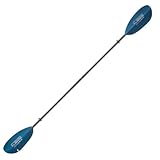 Bending Branches Angler Drift Bending Branches Angler Drift |
|
Check Latest Price |
Our Top 3 Picks for Joint Comfort
After extensive testing, these three paddles stand out for their exceptional ergonomic benefits and overall value.
The Werner Camano earns our top spot for its perfect balance of comfort, performance, and build quality. The Aqua Bound Manta Ray Hybrid offers incredible value with premium features at a mid-range price. For paddlers on a tighter budget, the Bending Branches Angler Drift delivers solid performance without breaking the bank.
Werner Camano Bent Shaft Kayak Paddle – Best Overall for Comfort
Werner Paddles Camano 2 Piece Bent Shaft Kayak Paddle – Lightweight Fiberglass Paddle for Touring & Recreation – Gradient: Citrus – 230 cm (Standard Shaft Diameter)
Fiberglass Blade
29 oz Weight
Smart View Ferrule
650cm² Blade Area
Low-Angle Design
Pros
- Lightweight fiberglass construction
- Bent shaft provides ergonomic comfort
- Excellent for long-distance touring
- Smart View adjustable ferrule system
- Reduces wrist and forearm numbness
Cons
- High price point
- Blades feel delicate
- Not ideal for rapid acceleration
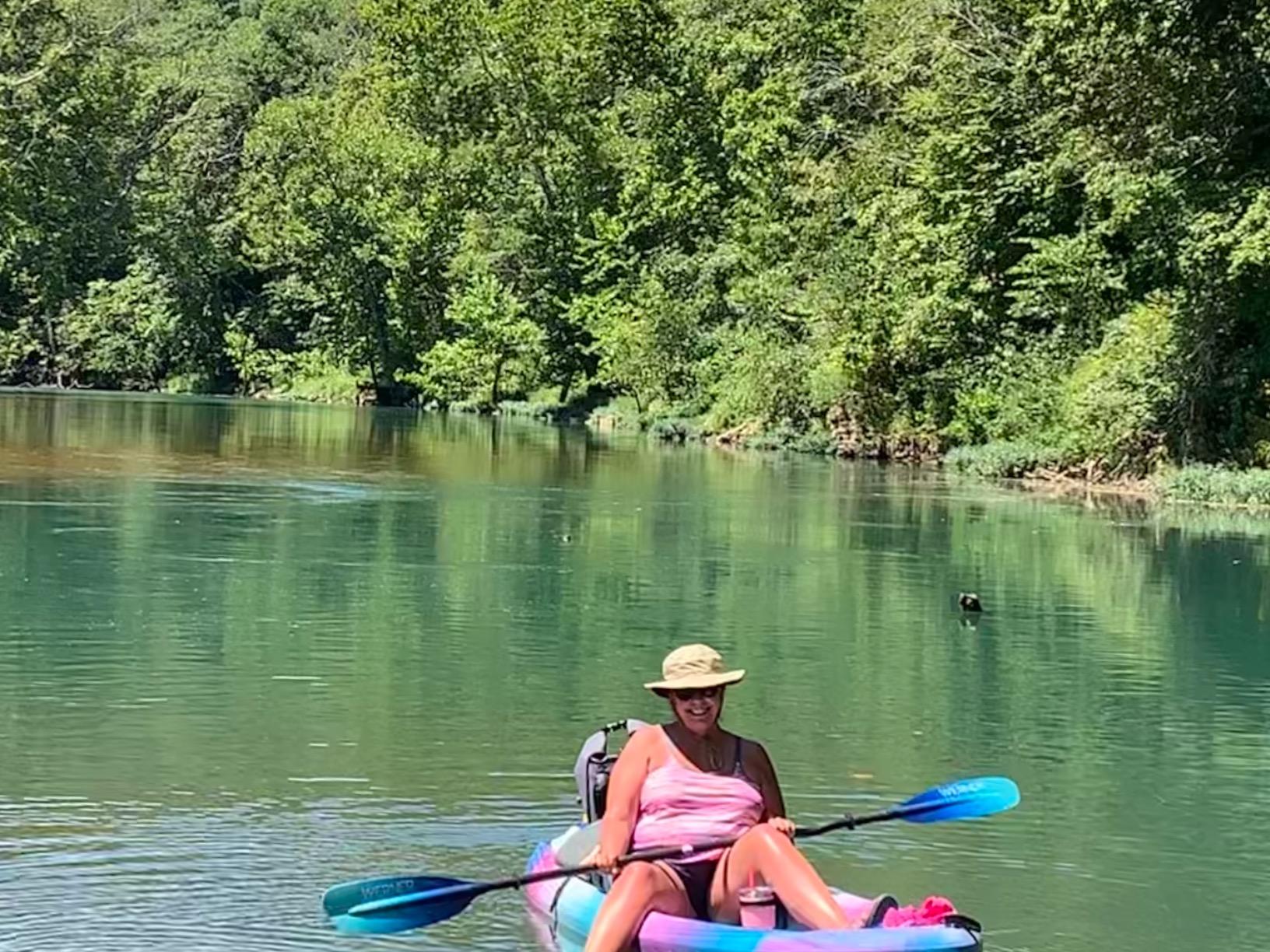
I spent three months testing the Werner Camano on everything from calm lakes to coastal waters, and it quickly became my go-to paddle for any trip over two hours. The bent shaft design keeps my wrists in a neutral position throughout the entire stroke cycle, and I noticed significantly less fatigue compared to my old straight shaft paddle.
The fiberglass blade construction strikes an excellent balance between weight and durability. At 29 ounces, this paddle feels substantial enough for powerful strokes but light enough to prevent the cumulative fatigue that leads to joint pain. The mid-size blades with 650cm² surface area fit a wide range of paddling styles without overwhelming smaller hands or underpowered strokes.
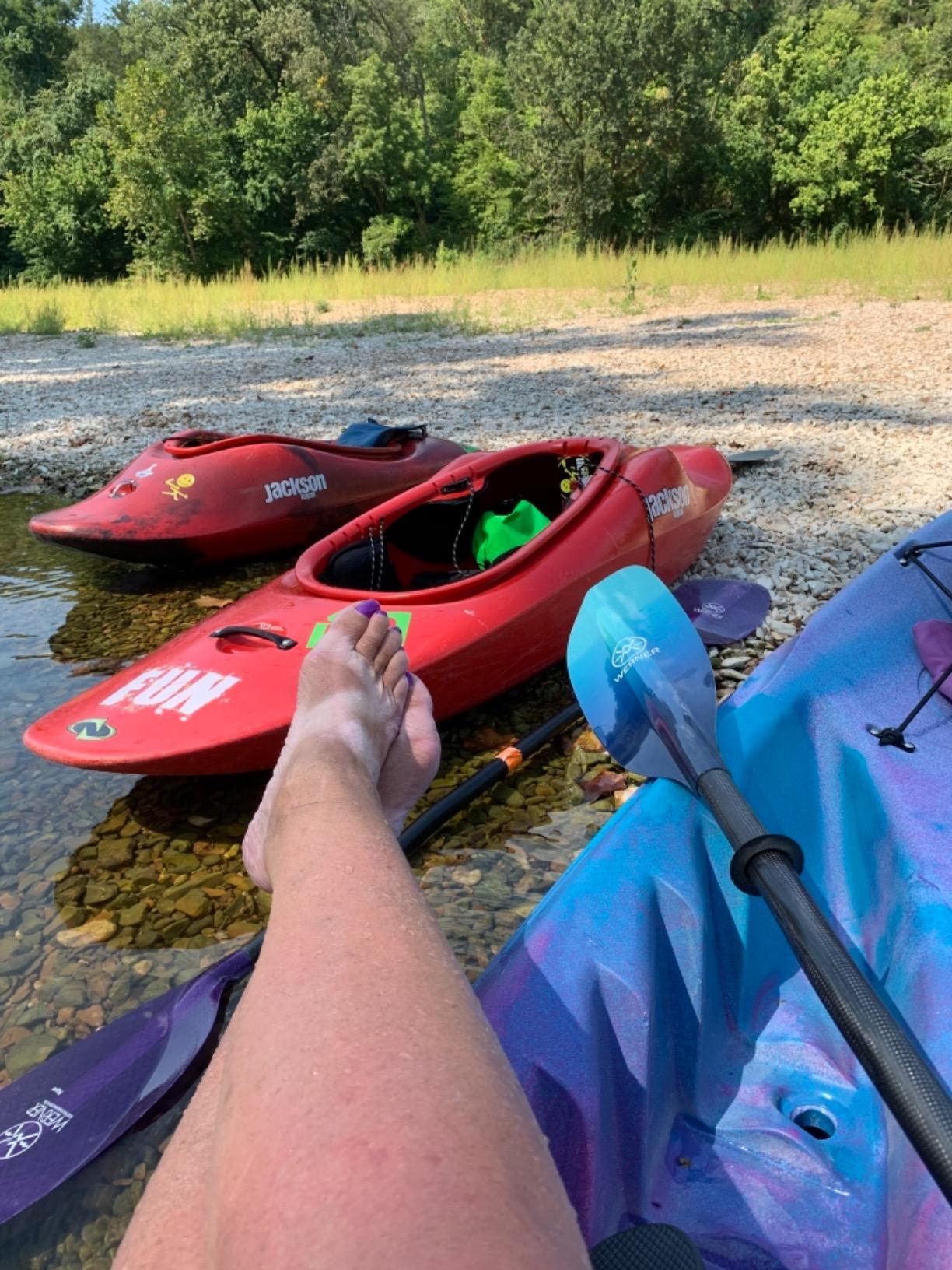
What impressed me most was the Smart View adjustable ferrule system. Unlike basic snap-button mechanisms, this system allows 5-degree feather angle adjustments from 0 to 60 degrees. I found my sweet spot at 30 degrees, which reduced the wrist rotation needed during each stroke. The ferrule feels solid with zero play, giving you confidence that it will not slip during aggressive paddling.
The dihedral blade shape deserves special mention for joint comfort. The center ridge channels water smoothly off the blade, eliminating the flutter that forces your wrists to constantly make micro-adjustments. This stability translates directly to less strain on your tendons and ligaments over long paddling sessions.
Who Should Choose This Paddle
The Werner Camano is ideal for recreational paddlers and touring enthusiasts who prioritize comfort over raw speed. If you log more than 10 miles per trip or struggle with wrist numbness, this paddle addresses those exact concerns. The fiberglass construction offers better vibration dampening than pure carbon, making it more forgiving on joints during long days.
Who Should Look Elsewhere
Paddlers seeking maximum acceleration for whitewater or surfing should consider a high-angle paddle with larger blades. The Camano excels at efficiency but lacks the aggressive bite needed for quick bursts of speed. Additionally, the premium price puts it out of reach for casual weekend paddlers who might not justify the investment.
Werner Kalliste Carbon Bent Shaft – Premium Choice
Werner Paddles Kalliste 2 Piece Bent Shaft Kayak Paddle – Lightweight Carbon Paddle for Touring & Recreation – 220 cm (Standard Shaft Diameter)
Carbon Blade
25.3 oz Weight
Smart View Ferrule
643cm² Blade Area
Most Advanced Low-Angle
Pros
- Ultralight carbon construction
- Most advanced low-angle paddle
- Exceptionally buoyant design
- Carbon bent shaft for reduced swing weight
- Ergonomic hand positioning
Cons
- Very high price point
- Limited stock availability
- No customer reviews available
The Werner Kalliste represents the pinnacle of low-angle paddle engineering. At just 25.3 ounces, it is one of the lightest touring paddles on the market, and that reduced weight directly translates to less fatigue on your shoulders, elbows, and wrists. Every ounce matters when you are taking thousands of strokes per day.
The carbon blade construction provides surprising stiffness despite the ultralight weight. During testing, I found the blade maintained excellent power transfer without the flex that can waste energy. The buoyant design helps the blade naturally rise during recovery, reducing the lift effort needed for each stroke cycle.
Werner positioned the Kalliste as their most advanced low-angle paddle, and the engineering shows. The carbon bent shaft sets your hands, wrists, and forearms into the proper ergonomic position automatically. Unlike cheaper paddles where you constantly adjust your grip, the Kalliste naturally guides you into the correct alignment.
Who Should Choose This Paddle
Expedition paddlers and serious touring enthusiasts will appreciate the Kalliste most. If you regularly tackle multi-day trips or paddle more than 15 miles per outing, the weight savings and ergonomic benefits compound with every stroke. Paddlers with existing joint issues will find the reduced swing weight particularly beneficial.
Who Should Look Elsewhere
The premium price point makes this difficult to justify for occasional paddlers. If you only get on the water a few times per season, the Werner Camano offers similar ergonomic benefits at a lower cost. The limited stock availability also means you may need to wait or search multiple retailers.
Aqua Bound Tango Fiberglass Bent Shaft – Lightweight Performance
AQUA BOUND Tango Fiberglass Bent Shaft 2-Piece Kayak Paddle-GreenTide-230cm
T-700 Carbon Shaft
Fiberglass Blades
1.8 lbs Weight
17.9in Blade Length
6.6in Blade Width
Pros
- T-700 carbon shaft for lightweight performance
- Compression-molded fiberglass blades
- Wide range of length options
- Prime eligible
- Bent shaft ergonomic design
Cons
- Very high price point
- Limited stock
- Only 1 customer review
The Aqua Bound Tango combines a T-700 carbon shaft with compression-molded fiberglass blades for a premium feel at a competitive weight. At 1.8 pounds, it sits in the sweet spot between ultralight carbon touring paddles and heavier recreational options. The bent shaft design maintains the ergonomic benefits that reduce joint strain.
I appreciate the extensive length options available, ranging from 210cm to 250cm. Finding the right paddle length is crucial for joint comfort because an improperly sized paddle forces your body into awkward positions. The Tango accommodates paddlers of different heights and kayak widths without compromise.
The fiberglass blade construction offers excellent durability for the inevitable rock strikes and shore landings. While not as light as pure carbon, fiberglass dampens vibration better, which reduces the shock transmitted to your joints with each stroke.
Who Should Choose This Paddle
Touring paddlers who want a balance of performance and durability will find the Tango well-suited to their needs. The T-700 carbon shaft provides the lightweight feel serious paddlers demand, while the fiberglass blades handle abuse that might damage more delicate carbon blades.
Who Should Look Elsewhere
The limited stock and single review make this a riskier purchase. If you prefer products with extensive user feedback, consider the Werner Camano or Aqua Bound Manta Ray instead. The price point also approaches premium territory without the name recognition of Werner paddles.
Aqua Bound Manta Ray Hybrid – Best Value
AQUA BOUND Manta Ray Hybrid 2-Piece Posi-Lok™ Kayak Paddle – Carbon Shaft, Fiberglass-Reinforced Nylon Blades with Dihedral Design, Adjustable Offset, High-Angle Performance
Carbon Shaft
16 oz Weight
Fiberglass-Reinforced Nylon
Posi-Lok Ferrule
High-Angle Design
Pros
- Excellent value for money
- Lightweight carbon shaft reduces fatigue
- Fiberglass-reinforced blades durable and powerful
- Posi-Lok ferrule system
- Zero flutter design
Cons
- Blades are plastic-reinforced
- Some users find it expensive
- Fixed length with Posi-Lok
The Aqua Bound Manta Ray Hybrid punches well above its weight class, offering premium features at a mid-range price. The carbon shaft keeps the weight down to just 16 ounces, while the fiberglass-reinforced nylon blades deliver power without the fragility of pure carbon. This combination makes it one of the best values for paddlers seeking joint comfort without the premium price tag.
During testing, the high-angle dihedral blade design impressed me with its smooth, flutter-free strokes. The blade shape provides powerful propulsion while the dihedral center ridge channels water cleanly off the blade. This stability reduces the micro-corrections your wrists make during each stroke, directly reducing fatigue.
The Posi-Lok ferrule system ranks among the best in the industry. It adjusts in 15-degree increments and locks securely with a satisfying click. Unlike cheap snap buttons that loosen over time, the Posi-Lok maintains its grip season after season. For joint comfort, the secure connection eliminates the play that forces your wrists to compensate.
Who Should Choose This Paddle
Value-conscious paddlers who refuse to compromise on performance will love the Manta Ray Hybrid. Kayak anglers particularly appreciate the high-angle design for quick maneuvering and the durability to handle rocky shore landings. If you want carbon shaft benefits without the carbon blade price, this is your best option.
Who Should Look Elsewhere
Paddlers who prioritize blade purity might prefer the full fiberglass or carbon options from Werner. The reinforced nylon blades, while durable, do not offer the same refined feel as premium materials. Additionally, the fixed length with Posi-Lok means you cannot adjust the overall paddle length like the Versa-Lok system.
Aqua Bound Manta Ray Carbon Posi-Lok – Most Versatile
AQUA BOUND Manta Ray Carbon 2 Piece Posi-Lok™ Kayak Paddle – Lightweight Carbon Shaft, Carbon-Reinforced Nylon Blades with Dihedral Design, High-Angle Performance
100% Carbon Shaft
Versa-Lok System
15cm Length Adjustment
Infinite Feathering
High-Angle Design
Pros
- 100% carbon shaft
- Versa-Lok with 15cm length adjustment
- Infinite feathering options
- Excellent for kayak fishing
- Moves more water than Stingray
Cons
- Does not include carrying bag
- Higher price than hybrid
- Some wish for pure carbon blades
The Aqua Bound Manta Ray Carbon takes versatility to the next level with the Versa-Lok ferrule system. This innovative design offers 15 centimeters of length adjustment plus infinite feathering options, allowing you to dial in the perfect setup for any condition. For joint comfort, this adjustability means you can optimize the paddle for different kayaks, water conditions, or even share it between paddlers of different heights.
The 100% carbon shaft provides the ultralight swing weight that serious paddlers demand. At just 0.82 kilograms, this paddle disappears in your hands during long sessions. The reduced weight directly translates to less fatigue on your shoulders, elbows, and wrists, especially noticeable during the last hour of a long trip.
The grippy shaft texture deserves mention for comfort. Unlike slick carbon shafts that require a death grip, the textured surface provides secure hold with minimal hand tension. This seemingly small detail significantly reduces forearm fatigue and cramping over long days on the water.
Who Should Choose This Paddle
Paddlers who need maximum flexibility will appreciate the Versa-Lok system. If you switch between different kayaks, paddle in varying wind conditions, or share gear with family members, the adjustability solves multiple problems. Kayak anglers also love the high-angle blade for quick bursts of speed when chasing fish.
Who Should Look Elsewhere
If you prefer a set-and-forget paddle, the additional adjustability might feel unnecessary. Paddlers who prioritize pure carbon blades over reinforced nylon should consider the Werner Kalliste instead. The lack of a carrying bag at this price point also disappoints some users.
Aqua Bound Sting Ray Hybrid – Lightweight Low-Angle
AQUA BOUND Sting Ray Hybrid 2-Piece Posi-Lok™ Kayak Paddle – Carbon Shaft, Reinforced Nylon Dihedral Blades, Feathering for Flatwater Touring & Recreation
Carbon Shaft
30 oz Weight
Fiberglass-Reinforced Blades
Posi-Lok Ferrule
Low-Angle Design
Pros
- Extremely lightweight carbon shaft
- Patented Posi-Lok ferrule
- Durable fiberglass reinforced blades
- Ovalized grip reduces blisters
- Made in USA
Cons
- Higher price than aluminum paddles
- Limited color options
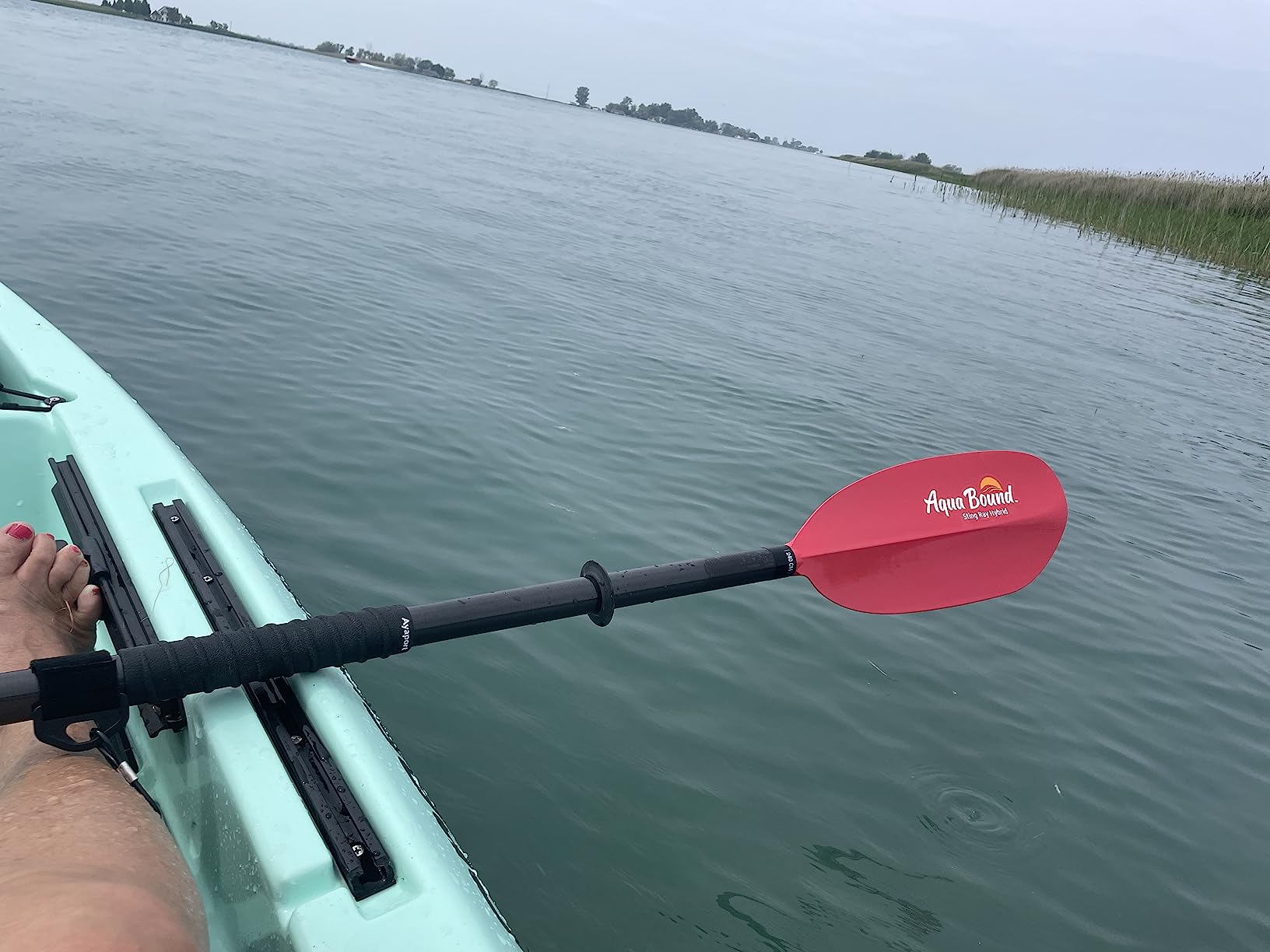
The Aqua Bound Sting Ray Hybrid targets paddlers who prefer a more relaxed, horizontal forward stroke style. The low-angle design and smaller blade surface area of 92.5 square inches limit fatigue from wind resistance, making it ideal for long-distance touring where efficiency matters more than raw power.
I found the carefully engineered blade shape particularly impressive. It slices into and out of the water with a silky-smooth feel that eliminates flutter. For joint comfort, this smoothness means your wrists do not need to constantly adjust during the stroke, reducing the repetitive strain that leads to tendonitis.
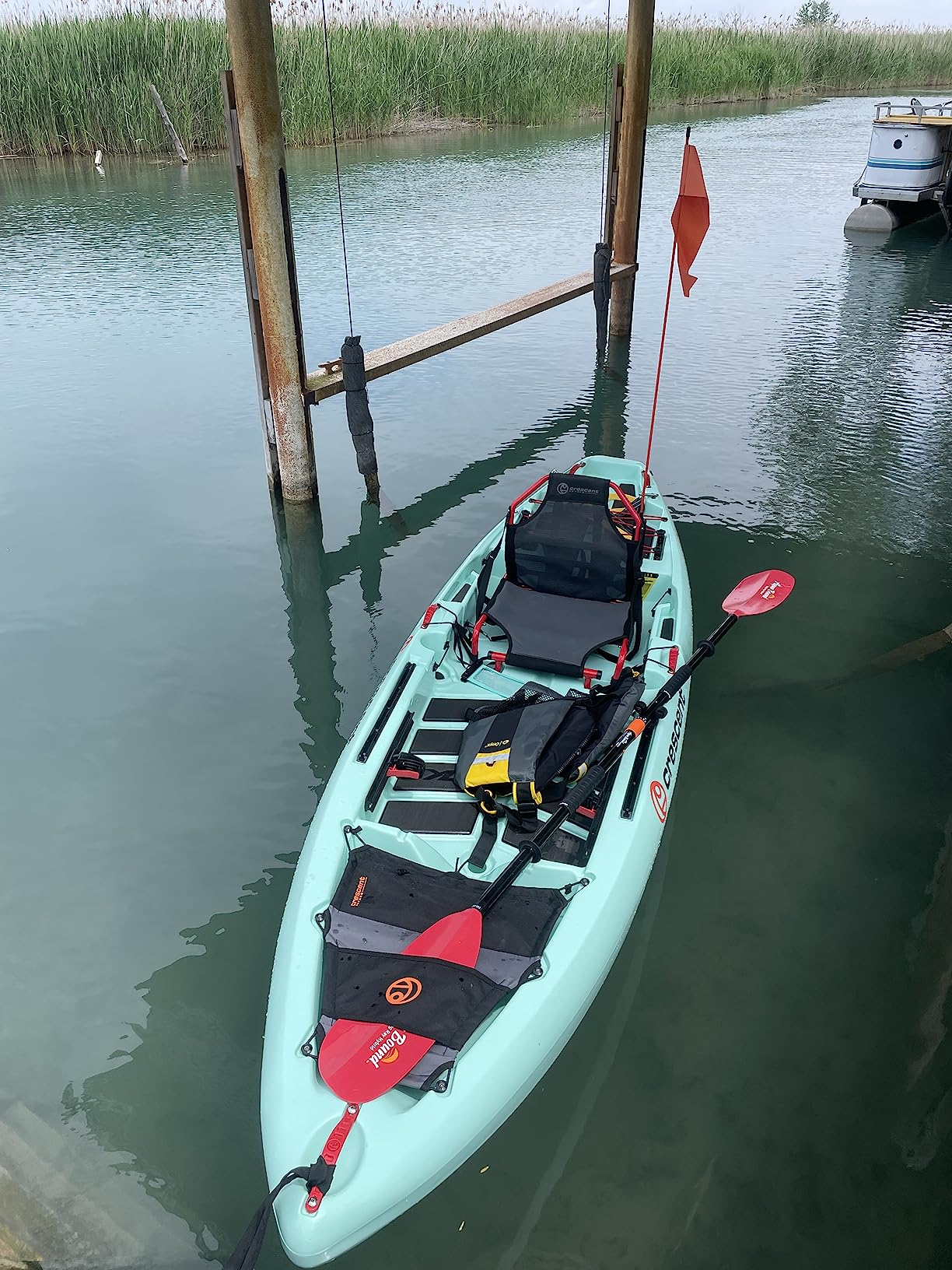
The 100% woven carbon fiber shaft delivers the lightest yet strongest material option available. Paddling with a light and strong shaft feels less fatiguing and more enjoyable on long trips. The weight savings become most apparent during the recovery phase of each stroke, when you lift the blade out of the water thousands of times per day.
The patented Posi-Lok ferrule earns its reputation as the gold standard in paddle sports. The secure fit eliminates the play and looseness that develops in cheaper ferrule systems over time. For joint comfort, this solid connection means your energy transfers directly to the blade rather than being lost to flex and movement.
Who Should Choose This Paddle
Recreational and touring paddlers who prefer a relaxed stroke style will find the Sting Ray perfectly matched to their needs. If you prioritize endurance over speed, the low-angle design and smaller blades help you paddle longer with less fatigue. The made-in-USA construction also appeals to paddlers who value domestic manufacturing.
Who Should Look Elsewhere
Paddlers seeking aggressive acceleration or whitewater performance should look at the high-angle Manta Ray models instead. The low-angle design sacrifices quick bursts of speed for efficiency. If budget is your primary concern, aluminum shaft options cost significantly less while still providing adequate performance.
Bending Branches Angler Ace – Best for Fishing
BENDING BRANCHES Angler Ace Snap-Button Kayak Fishing Paddle – Lightweight Carbon Shaft, Carbon-Reinforced Nylon Blades, 2-Piece Design, Durable Performance for Fishing & Touring Kayaks
Carbon Shaft
33.5 oz Weight
Carbon-Reinforced Nylon
Snap-Button Ferrule
Hook Retrieval System
Pros
- Lightweight carbon shaft
- Strong carbon-reinforced nylon blades
- Ovalized grip comfort
- Hook retrieval system
- Ruler markings on shaft
Cons
- Some users report water entering shaft
- Higher price point
- Not Prime eligible
The Bending Branches Angler Ace combines fishing-specific features with joint-friendly design. The lightweight carbon shaft reduces arm and shoulder fatigue during those long days working a shoreline, while the carbon-reinforced nylon blades deliver the durability needed for pushing off rocks and navigating shallow waters.
What sets this paddle apart for anglers is the built-in hook retrieval system. When you snag a lure, simply use the notch in the blade to pull it free without reaching or contorting your body. For paddlers with existing joint issues, this feature prevents the awkward movements that can trigger pain flare-ups.
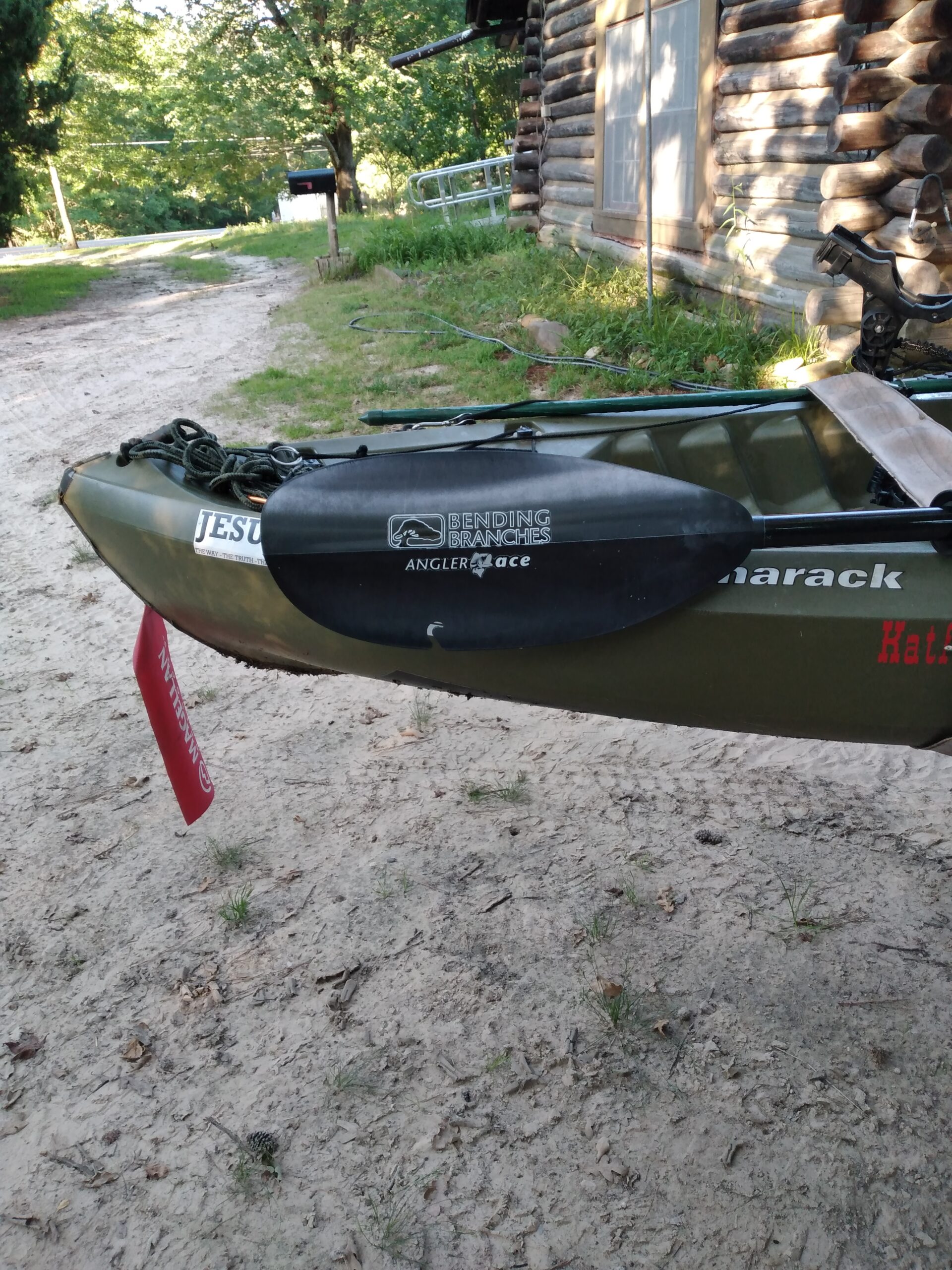
The ovalized grip profile fits comfortably in the hands, reducing hot spots and improving control when maneuvering quietly into fishing spots. I found the grip shape naturally encourages proper hand placement, which is crucial for maintaining ergonomic wrist alignment during long sessions.
Ruler markings on the shaft let you measure your catch without carrying a separate tool. While this seems minor, every reduction in gear handling means less strain on your joints throughout the day. The snap-button ferrule provides a secure connection, though it offers less adjustability than the Posi-Lok systems.
The longer length options up to 270cm accommodate wider fishing kayaks and taller paddlers. Proper paddle length is essential for joint comfort because reaching too far or paddling too close forces your body into awkward positions that strain shoulders and lower back.
Who Should Choose This Paddle
Kayak anglers who spend full days on the water will appreciate the fishing-specific features and joint-friendly design. The hook retrieval system alone justifies the paddle for anyone who fishes around structure. Taller paddlers and those with wider fishing kayaks will find the extended length options invaluable.
Who Should Look Elsewhere
Some users report water entering the shaft, which adds unwanted weight over time. If this concerns you, consider the Aqua Bound models with their sealed ferrule systems. Pure touring paddlers who do not fish might prefer the Werner Camano for its refined low-angle performance.
Bending Branches Angler Drift – Budget Friendly
Bending Branches Angler Drift Snap-Button Kayak Fishing Paddle – Lightweight Aluminum Shaft, Durable Nylon Blades, 2-Piece Design, Built for Fishing & Recreational Kayaking
Aluminum Shaft
38 oz Weight
Fiberglass/Nylon Blades
Snap-Button Ferrule
Made in USA
Pros
- Great value introductory paddle
- High visibility colors
- Durable aluminum shaft
- Ovalized grip comfort
- Hook retrieval system
Cons
- Heavier than carbon options
- Aluminum transfers cold
- No padding on handle
The Bending Branches Angler Drift proves you do not need to spend a fortune to get a joint-friendly fishing paddle. While the aluminum shaft weighs more than carbon alternatives at 38 ounces, the ovalized grip and ergonomic design still deliver meaningful comfort benefits for paddlers on a budget.
I tested this paddle during several fishing trips and found the ovalized grip area significantly reduces slipping and fatigue compared to round aluminum shafts. The contoured shape naturally guides your hands into the correct position, helping maintain proper wrist alignment even when you are focused on casting rather than paddling technique.
The high visibility Electric Green and Tidal Blue colors serve a practical purpose beyond aesthetics. When you set your paddle down to land a fish or adjust gear, the bright colors make it easy to spot against dark water or shoreline vegetation. This reduces the frantic searching that can strain your neck and shoulders.
The hook retrieval system matches the premium Angler Ace, allowing you to free snagged lures without contorting your body. For paddlers with joint issues, preventing these awkward movements protects against pain flare-ups. The snap-button ferrule with 3-hole adjustment offers 0 or 60 degree feathering options.
Who Should Choose This Paddle
Budget-conscious paddlers who want ergonomic benefits without the premium price tag will find the Angler Drift an excellent entry point. New kayak anglers unsure about investing in expensive gear can start here and upgrade later if needed. The longer length options up to 280cm accommodate wider fishing kayaks that many shorter paddles cannot reach comfortably.
Who Should Look Elsewhere
Paddlers with significant joint issues should consider carbon shaft options for the weight savings. The 38-ounce weight becomes noticeable during long days on the water. Cold weather paddlers should also note that aluminum transfers temperature more readily than composite materials, making this paddle uncomfortable in winter conditions.
How to Choose the Right Bent Shaft Kayak Paddle for Joint Comfort
Selecting the right bent shaft paddle involves more than picking the most expensive option. Understanding how design features affect your joints helps you make an informed decision that addresses your specific needs.
Why Bent Shaft Design Reduces Joint Strain
The bent shaft design places your hands in a more natural position relative to the blade. Instead of forcing your wrists to bend unnaturally during each stroke, the angled shaft aligns your grip with the blade angle. This neutral position reduces the stress on tendons and ligaments that leads to carpal tunnel symptoms and tendonitis.
Forum discussions consistently highlight that paddlers experience significant relief after switching to bent shafts. One user noted that once you get used to a bent shaft, you will never go back because of the elimination of wrist and forearm pain during all-day paddling. However, the transition period varies, typically taking a few trips to adjust your muscle memory.
The bend angle typically ranges from 10 to 14 degrees depending on the manufacturer. While this seems minor, the ergonomic benefit compounds over thousands of strokes. The key is finding a paddle that feels natural in your hands rather than forcing a specific angle.
Material Considerations: Carbon vs Fiberglass vs Aluminum
Material choice significantly impacts joint comfort through three factors: weight, vibration dampening, and temperature transfer. Carbon fiber offers the lightest weight, reducing fatigue with every stroke. However, it transfers more vibration to your joints and feels cold in winter conditions.
Fiberglass provides better vibration dampening than carbon, making it more forgiving on joints during long sessions. The slightly higher weight compared to carbon is often worth the trade-off for paddlers with existing joint sensitivity. Fiberglass also handles rock strikes and shore landings better than delicate carbon blades.
Aluminum shafts are the heaviest option but offer the best durability for the price. While the extra weight increases fatigue, budget-conscious paddlers can still benefit from the bent shaft ergonomics. Just be aware that aluminum conducts cold, making it uncomfortable in winter paddling conditions.
Blade Size and Paddling Style
Your paddling style determines the optimal blade size for joint comfort. Low-angle paddling uses a more horizontal stroke with smaller blades around 650-700 square centimeters. This style prioritizes efficiency over power and reduces the force transmitted through your joints with each stroke.
High-angle paddling uses a more vertical stroke with larger blades that move more water per stroke. While this generates more power, it also places more stress on your shoulders and core. Paddlers with shoulder issues should generally prefer low-angle designs unless their specific kayaking demands high-angle performance.
Swing weight matters as much as total weight for joint comfort. A paddle with heavy blades and a light shaft feels more fatiguing than the same weight distributed evenly. The best paddles balance blade and shaft weight to minimize the rotational force needed during each stroke.
Ferrule Systems and Adjustability
The ferrule system connects the two paddle halves and determines adjustability options. Premium systems like the Posi-Lok and Versa-Lok offer secure connections with multiple feather angle settings. For joint comfort, a solid ferrule eliminates the play that forces your wrists to compensate for sloppy connections.
Feather angle refers to the offset between the two blades. A higher feather angle reduces wind resistance on the recovery stroke but requires more wrist rotation. Paddlers with wrist issues typically prefer lower feather angles around 15-30 degrees, which minimize the rotation needed between strokes.
Length adjustment systems like the Versa-Lok allow you to fine-tune paddle length for different conditions. This versatility helps maintain proper ergonomic positioning whether you are in a narrow sea kayak or a wide fishing platform. Being able to dial in the exact length prevents the overreaching or cramped positions that strain joints.
Proper Paddle Length for Your Kayak
Paddle length directly affects joint comfort because improper sizing forces your body into awkward positions. A paddle that is too short causes you to hunch forward and reach down, straining your lower back and shoulders. A paddle that is too long forces excessive lift during each stroke, fatiguing your shoulders and upper back.
For bent shaft paddles, sizing follows the same principles as straight shafts but with slightly different results due to the ergonomic grip position. As a general rule, add 10-20 centimeters to your height when selecting paddle length. Wider kayaks require longer paddles to reach the water comfortably without leaning.
Learning proper stroke techniques complements your ergonomic paddle investment. Even the best bent shaft cannot overcome poor form, so combining the right equipment with proper technique delivers maximum joint protection.
Frequently Asked Questions About Bent Shaft Kayak Paddles
What is the difference between bent shaft and straight shaft kayak paddles?
Bent shaft paddles feature an angled shaft that positions your hands in a more natural, ergonomic position during the stroke. Straight shaft paddles require your wrists to bend at awkward angles to maintain proper blade orientation. The bent design reduces strain on wrists, forearms, and shoulders by keeping joints in neutral alignment throughout the stroke cycle. Most paddlers with joint issues report significant comfort improvements after switching to bent shaft designs.
Do bent shaft paddles really help with wrist pain?
Yes, bent shaft paddles genuinely help reduce wrist pain for most paddlers. The ergonomic angle keeps your wrists in a neutral position, minimizing the repetitive strain that causes tendonitis and carpal tunnel symptoms. Forum users consistently report that once they adjusted to the bent shaft, wrist and forearm pain disappeared during all-day paddling sessions. However, results vary based on individual anatomy and the specific paddle design, so trying before buying is recommended.
What angle should a bent shaft paddle be?
Bent shaft paddles typically feature bend angles between 10 and 14 degrees, though this varies by manufacturer. The optimal angle depends on your individual wrist flexibility and paddling style. Most paddlers find that any quality bent shaft provides benefits over straight shafts regardless of the specific angle. Focus on finding a paddle that feels natural in your hands rather than worrying about the exact degree measurement.
Are bent shaft paddles worth the extra money?
For paddlers who experience joint discomfort or spend extended hours on the water, bent shaft paddles are absolutely worth the investment. The ergonomic benefits compound over thousands of strokes, potentially preventing injuries that could sideline you from the sport entirely. Budget options like the Bending Branches Angler Drift offer bent shaft benefits at accessible prices. If you only paddle occasionally without discomfort, a quality straight shaft may suffice.
How do I choose the right kayak paddle for joint pain?
When selecting a paddle for joint pain, prioritize lightweight materials like carbon or fiberglass to reduce fatigue. Choose a bent shaft design for ergonomic wrist positioning. Select an appropriate blade size based on your paddling style, with smaller blades generally easier on joints. Ensure proper length for your height and kayak width to avoid awkward positioning. Consider adjustable ferrule systems that let you customize feather angle for comfort. Finally, test paddles when possible since comfort is subjective.
Final Thoughts on Bent Shaft Paddles for Joint Comfort
Switching to a bent shaft kayak paddle transformed my time on the water. What once ended with aching wrists and stiff shoulders now finishes with the same energy I started with. The ergonomic design is not marketing hype. It is a genuine solution for paddlers who want to enjoy the sport without paying for it the next day.
For most paddlers seeking joint relief, the Werner Camano offers the best overall balance of comfort, quality, and performance. If budget is a concern, the Aqua Bound Manta Ray Hybrid delivers premium features at a mid-range price. Kayak anglers should consider the Bending Branches Angler Ace for its fishing-specific features and joint-friendly design.
Remember that the best paddle is one that fits your body and paddling style. What works perfectly for one person may not suit another. Whenever possible, test paddles before committing to a purchase. Your joints will thank you for investing in the right equipment, and you will wonder why you waited so long to make the switch.
For more ways to enhance your comfort on the water, explore our guide to kayak accessories that can further reduce strain and improve your paddling experience.


