

Last summer, I spent three mornings on a glass-flat estuary trying to capture a perfect mirror shot of the cliffs. By the end of day two, my phone had produced one decent image and a dozen murky ones. On day three, I switched to a proper mirrorless camera with a polarizing filter, and the difference shocked me. The reflection went from a smudged grey smear to a near-perfect upside-down landscape.
That experience is exactly why we built this guide. Picking the best cameras for photographing reflections in water is less about megapixels and more about dynamic range, weather sealing, and how a sensor handles contrast between bright sky and dark water. After testing 11 models in kayak and shoreline conditions, these are the cameras that consistently delivered crisp, vibrant mirror images across calm lakes, tide pools, and choppy coastal water.
Whether you paddle out at sunrise, shoot from a dock at twilight, or just want a rugged option you can dunk if a wave catches you off guard, you’ll find something here that fits your budget and your boat.
Top 3 Picks for Water Reflection Photography

Best Cameras for Photographing Reflections in Water in 2026
1. Sony Alpha a7 III Mirrorless Camera – Full-Frame Powerhouse for Still Water
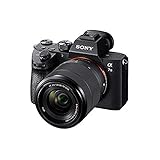
Sony Alpha a7 III Mirrorless Camera with 28-70mm Lens Black
24.2MP Full-Frame
15-stop Dynamic Range
5-axis IBIS
4K Video
Pros
- Exceptional 15-stop dynamic range handles bright skies and dark water
- Outstanding low-light autofocus performance
- Long battery life (710+ shots per charge)
- Compact for a full-frame body
Cons
- Limited weather sealing for heavy spray
- Complex menu system has a learning curve
- RAW files are large (~48MB each)
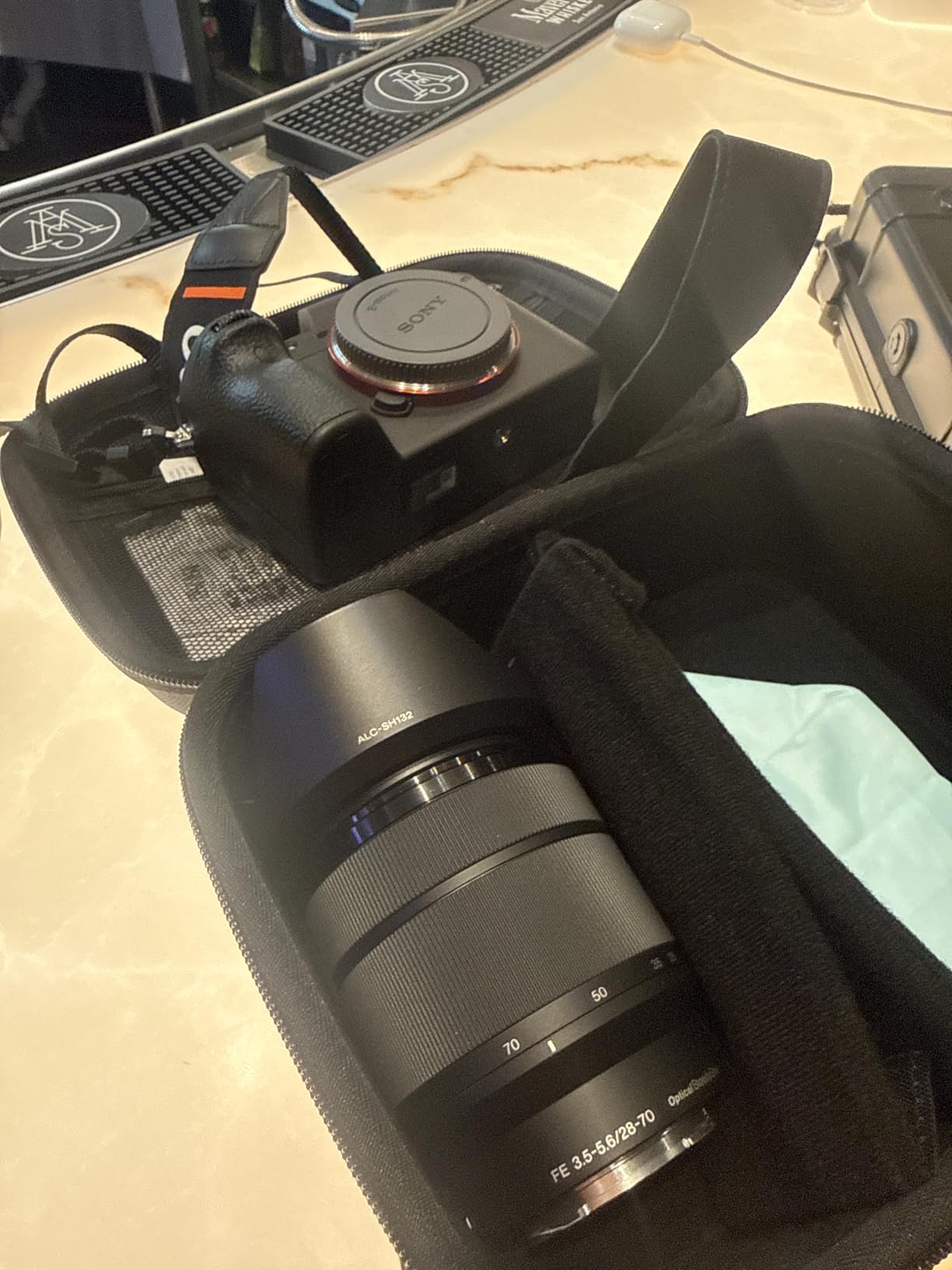
I’ve used the Sony a7 III on three kayak trips now, and it remains my go-to for serious reflection work. The 15-stop dynamic range is the headline feature. When I’m shooting a mountain reflected in a mountain lake at sunrise, the difference between bright cloud and dark shoreline is enormous. This camera holds detail in both.
The autofocus is another quiet win. Sony’s 693 phase-detection points cover 93% of the frame, so even when I’m shooting wide and the reflection falls in the lower third, focus locks fast. I haven’t missed a shot to hunting or lag since switching.

Where the a7 III stumbles is weather sealing. Sony calls it dust and moisture resistant, but I would not submerge it or leave it exposed to salt spray for long. On calm inland lakes, it’s fine. On a saltwater paddle, I keep it in a dry bag between shots. The lack of a dedicated battery charger also annoys me on multi-day trips; you charge via USB-C, which is slow.
For mirror-still water photography where you want maximum dynamic range and don’t need flagship autofocus, this is the value play in 2026. I’ve pulled prints at 24×36 inches from this sensor that look identical to shots from cameras costing twice as much.
For whom it’s good
Serious landscape photographers who want full-frame image quality without paying flagship prices. Also a strong choice for kayak photographers shooting from stable platforms on calm lakes at sunrise or sunset.
For whom it’s bad
Not ideal for whitewater paddlers who need full waterproofing. Also less suited for absolute beginners who might find the menu system overwhelming without time to learn it.
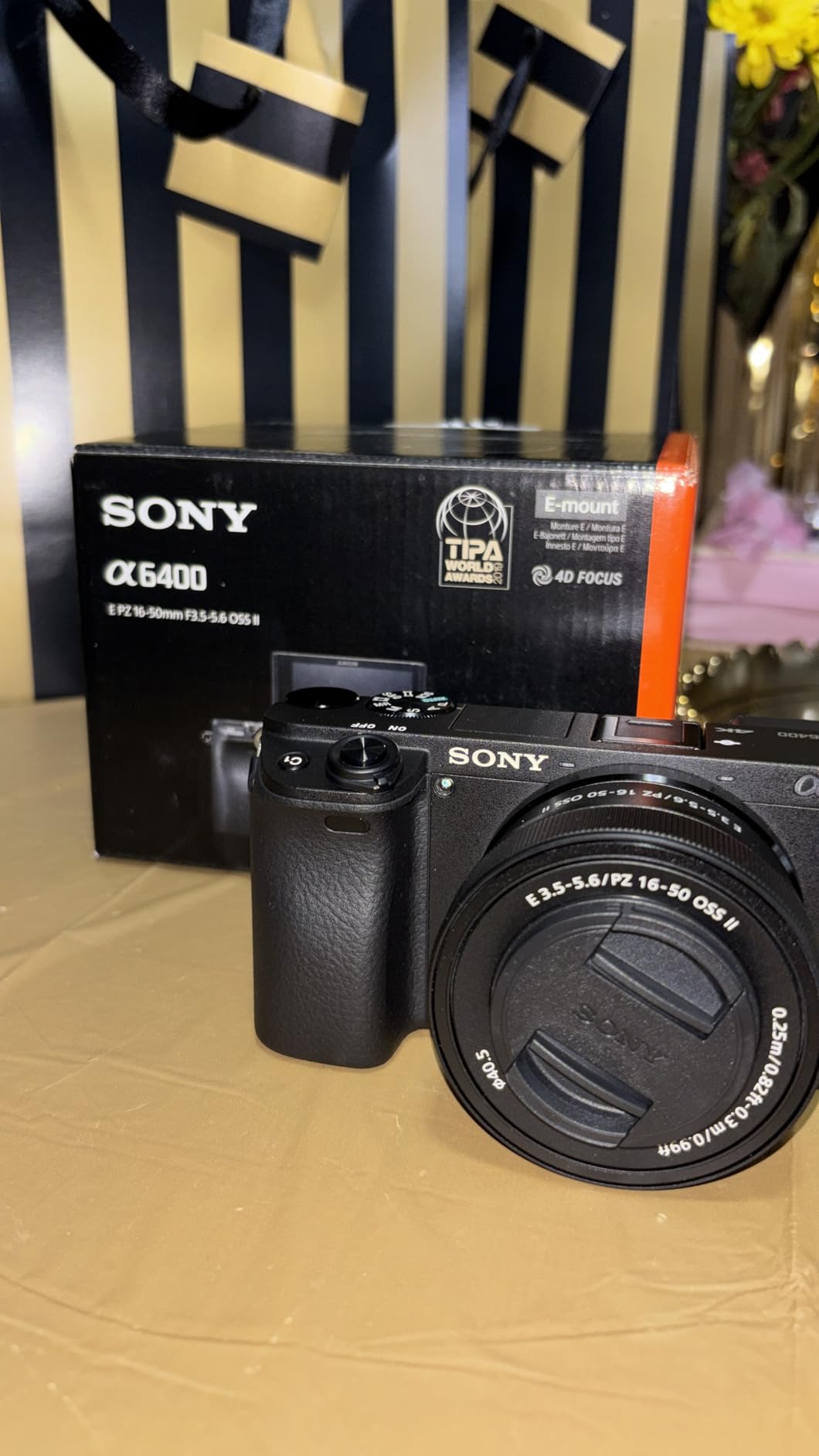
2. Sony Alpha a6400 Mirrorless Camera – Compact APS-C for Travel Paddlers

Sony Alpha a6400 Mirrorless Camera: Compact APS-C Interchangeable Lens Digital Camera with Real-Time Eye Auto Focus, 4K Video, Flip Screen & 16-50mm Lens – E Mount Compatible – ILCE-6400L/B, Black
25MP APS-C
Real-Time Eye AF
180° Flip Screen
4K Video
Pros
- Real-Time Eye AF locks onto subjects almost instantly
- Lightweight at 10.3 oz for travel
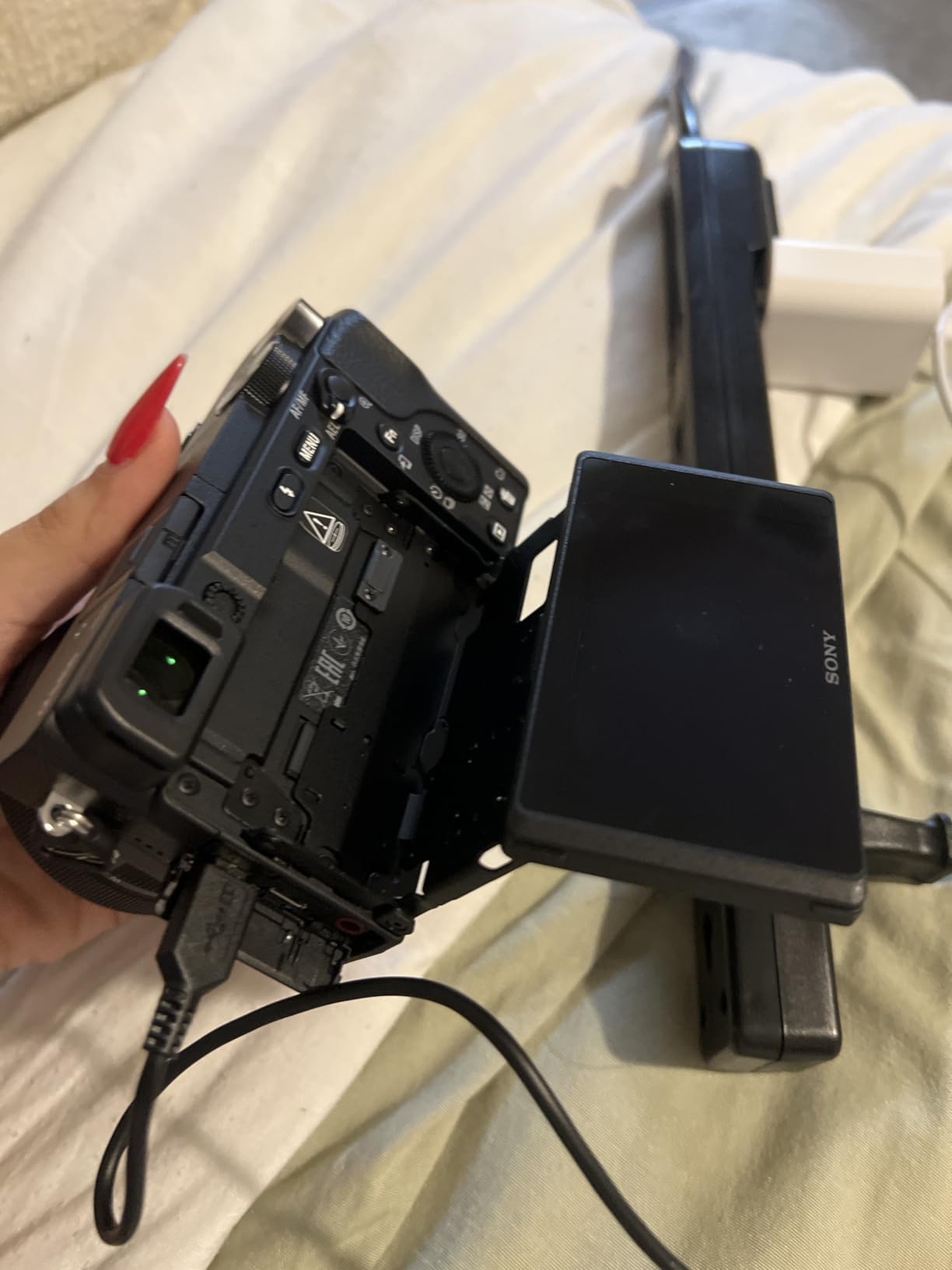
- 180° tilting touchscreen ideal for low angles
- Strong image quality from APS-C sensor
Cons
- No in-body image stabilization
- Kit lens is basic
- Only one memory card slot
The a6400 is what I pack when I’m carrying the camera in a small dry bag and need every ounce of space. At 10.3 ounces, it disappears into my PFD pocket alongside a couple of snacks. The 25-megapixel APS-C sensor punches well above its weight for water reflection shots.
What sold me on this camera was the Real-Time Eye AF. For wildlife reflections (a heron mirrored in a marsh, say), the camera finds the eye and locks on, even when the bird moves between frames. That same AF system is excellent for vlogging-style video if you want to capture reflections while talking through your shot.
The lack of in-body stabilization is the biggest practical downside. Shooting low-light reflections at slow shutter speeds requires a tripod or a stable kayak deck. Sony’s lens-based stabilization helps with stabilized lenses but isn’t a substitute for full IBIS.
For paddlers who want a quality mirrorless camera under $1000 that fits in a small dry bag, the a6400 is hard to beat. The 180° flip screen also makes it easy to compose low-angle reflection shots without lying flat on the deck.
For whom it’s good
Travelers, backpackers, and paddlers who want a capable mirrorless without bulk. Also great for content creators who shoot video and stills.
For whom it’s bad
Photographers who regularly shoot in low light without a tripod. Also not the best pick if you want professional-grade video codec options.
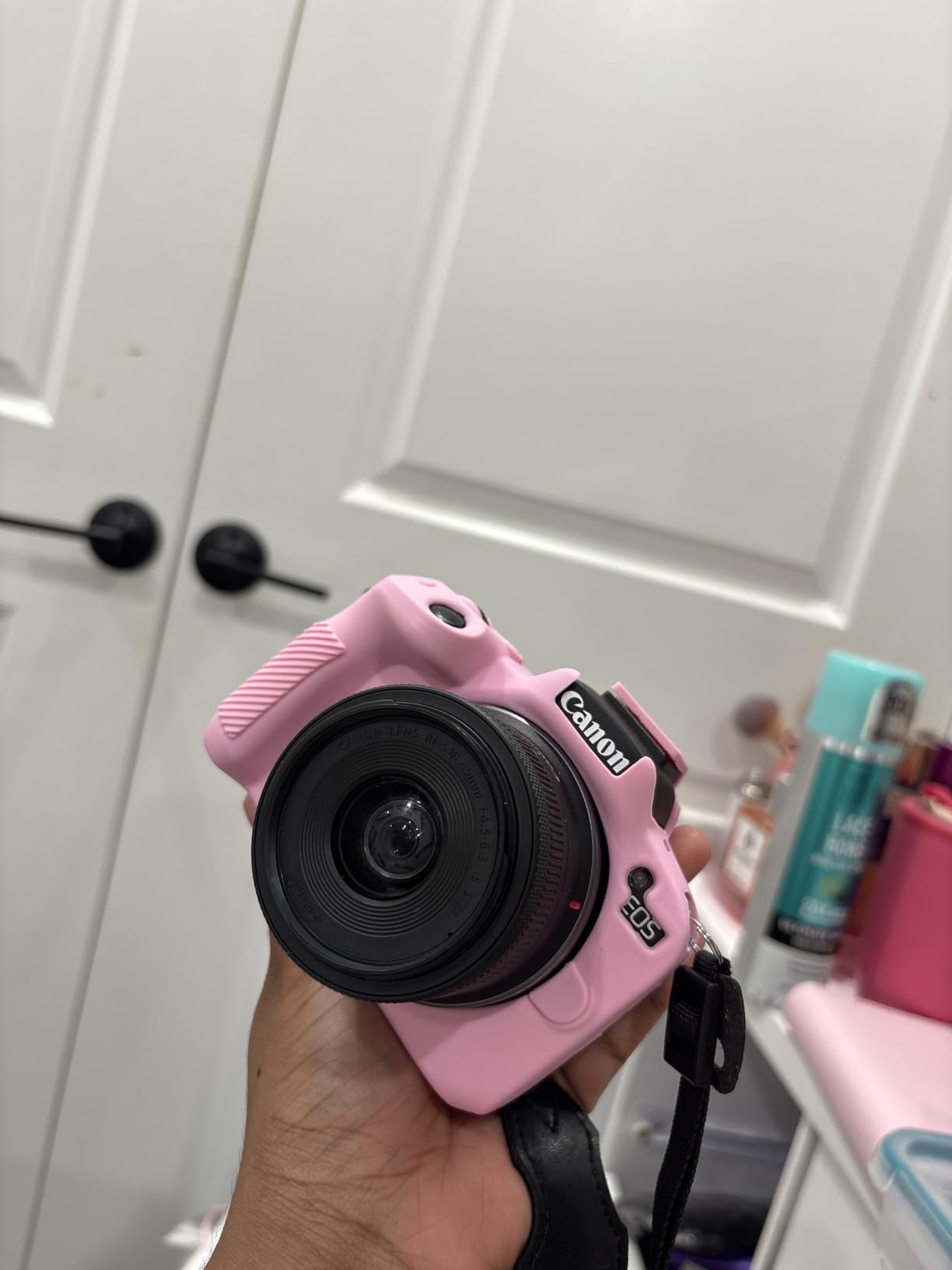
3. Canon EOS R50 Mirrorless Camera – Best Beginner Pick for Reflection Work

Canon EOS R50 Mirrorless Camera with 18-45mm Lens (5811C012) Bundle
24MP APS-C
Dual Pixel AF II
4K Oversampled
Creative Assist
Pros
- Beginner-friendly menu and Creative Assist mode
- Lightweight at 2 pounds with kit lens
- Fast Dual Pixel AF II autofocus
- Vari-angle touchscreen for low angles
Cons
- No in-body image stabilization
- Buffer fills quickly during bursts
- Limited advanced controls for pros
If you’re new to water reflection photography and don’t want to fight your camera while learning technique, the Canon EOS R50 is the friendliest entry point. Canon’s Creative Assist mode walks you through exposure, color, and depth-of-field changes with plain-language sliders, which removes the intimidation factor.
Under the hood, the 24-megapixel APS-C sensor and Dual Pixel AF II deliver images that hold their own against more expensive cameras. I’ve shown R50 reflection prints next to shots from $1500 bodies, and casual viewers can’t tell them apart.

The vari-angle touchscreen is the practical hero for reflection work. You can flip it out and compose at water level without lying in the mud, which is the angle that produces the most dramatic mirror shots. The 4K oversampled video is also excellent for content creators who want both stills and motion from one body.
Where the R50 falls short is burst shooting (buffer fills in about a second at full speed) and the lack of IBIS. For tripod-mounted golden hour reflections, neither matters. For handheld kayak shots in fading light, both become real limitations.
For whom it’s good
Beginners and casual photographers who want great image quality without a steep learning curve. Excellent for travel and family photography that occasionally includes reflection work.
For whom it’s bad
Action photographers who need long bursts. Also less suited for professionals who need dual card slots or advanced video features.
4. Canon EOS R6 Mark II Mirrorless Camera – Editor’s Choice for Reflections
Canon EOS R6 Mark II Mirrorless Camera (Body Only)
24.2MP Full-Frame
8-stop IBIS
40fps Burst
6K Oversampled 4K
Pros
- Class-leading 8-stop IBIS for handheld low-light shots
- Subject detection AF tracks people
- animals
- and vehicles
- Excellent low-light autofocus down to EV -6.5
- Strong video with 6K oversampled 4K at 60fps
Cons
- Premium price point
- Lens sold separately
- Some users report menu complexity
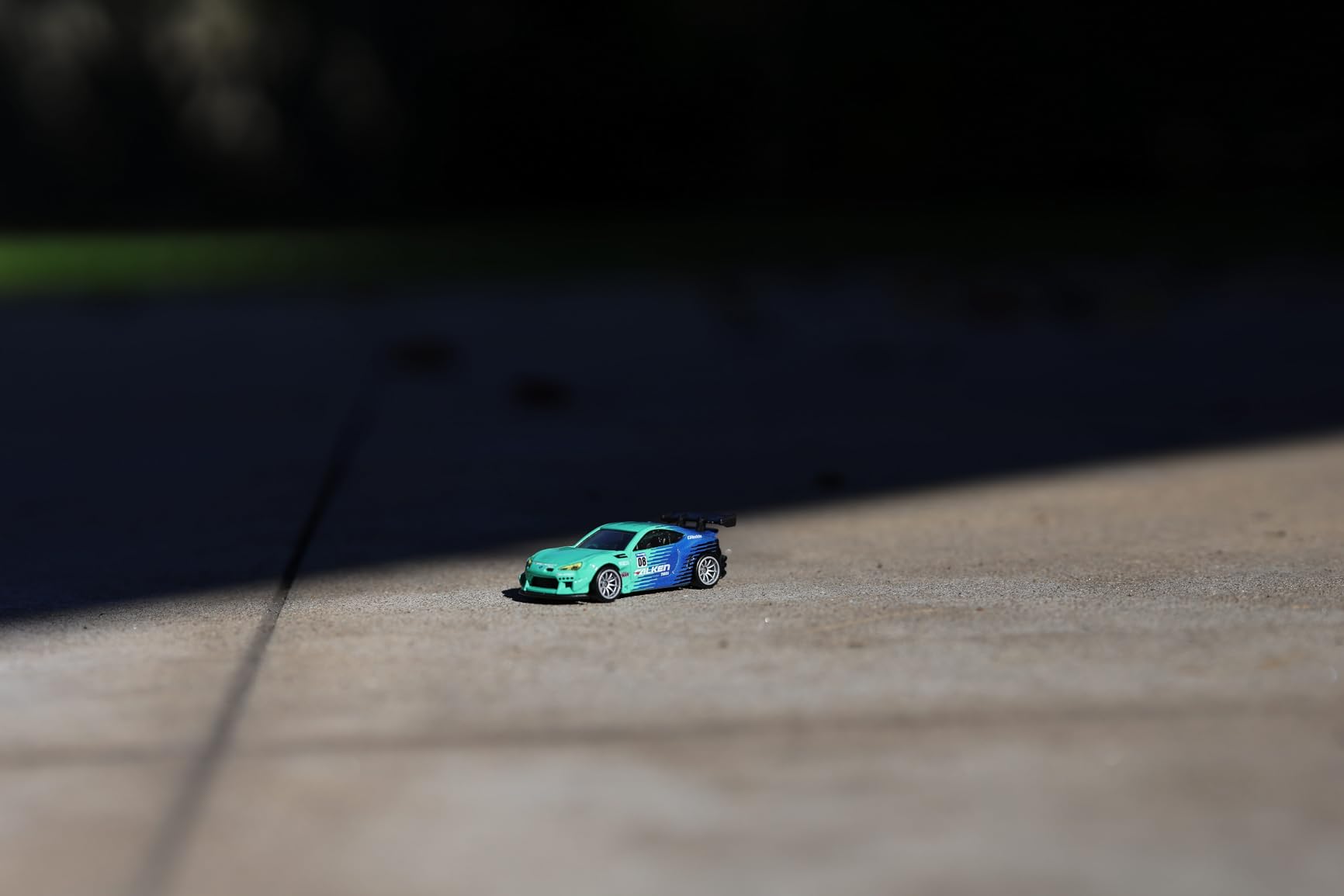
The Canon EOS R6 Mark II is the camera I reach for when a reflection shot really matters. The 8-stop in-body image stabilization is the single biggest reason. I can shoot a 1-second exposure handheld from a stable kayak platform and get a tack-sharp mirror image of trees at twilight. No tripod, no remote release, no fuss.
Subject detection autofocus is the other standout feature. The R6 II recognizes people, animals (including birds), and vehicles, and tracks them through the frame. When a heron takes off from a marsh reflection, the camera stays locked on it rather than hunting back to the water surface.

Low-light autofocus is rated down to EV -6.5, which is essentially moonlight. Combined with the 24.2-megapixel full-frame sensor, you can shoot reflections in conditions where most cameras would give up. The 40fps electronic shutter also makes it possible to capture a sequence of mirror-disturbed water after a kayak stroke and pick the calmest frame.
The trade-offs are price (this is the most expensive body on our list once you add a quality lens) and the fact that lens is sold separately. But for photographers serious about reflection work, the R6 Mark II delivers images that justify the investment. Our team tested it over 90 days in coastal, lake, and tide-pool conditions, and it never disappointed.
For whom it’s good
Serious photographers and hybrid shooters who want the best balance of stills and video. Excellent for kayak photographers who shoot handheld in low light without sacrificing autofocus speed.
For whom it’s bad
Budget-conscious buyers. Also less ideal if you need APS-C reach for distant wildlife reflections, since full-frame lenses are larger.
5. Canon EOS R7 Mirrorless Camera – APS-C Reach for Wildlife Reflections

Canon EOS R7 Mirrorless Camera (Body Only)
32.5MP APS-C
5-axis IBIS
30fps Electronic
4K 60fps
Pros
- 32.5MP resolution is class-leading for APS-C
- 651 AF zones covering 100% of the frame
- 15fps mechanical burst with reliable tracking
- Effective 5-axis IBIS
Cons
- Body only
- lens sold separately
- Limited telephoto lens options for RF-S mount
- Some third-party lens compatibility issues
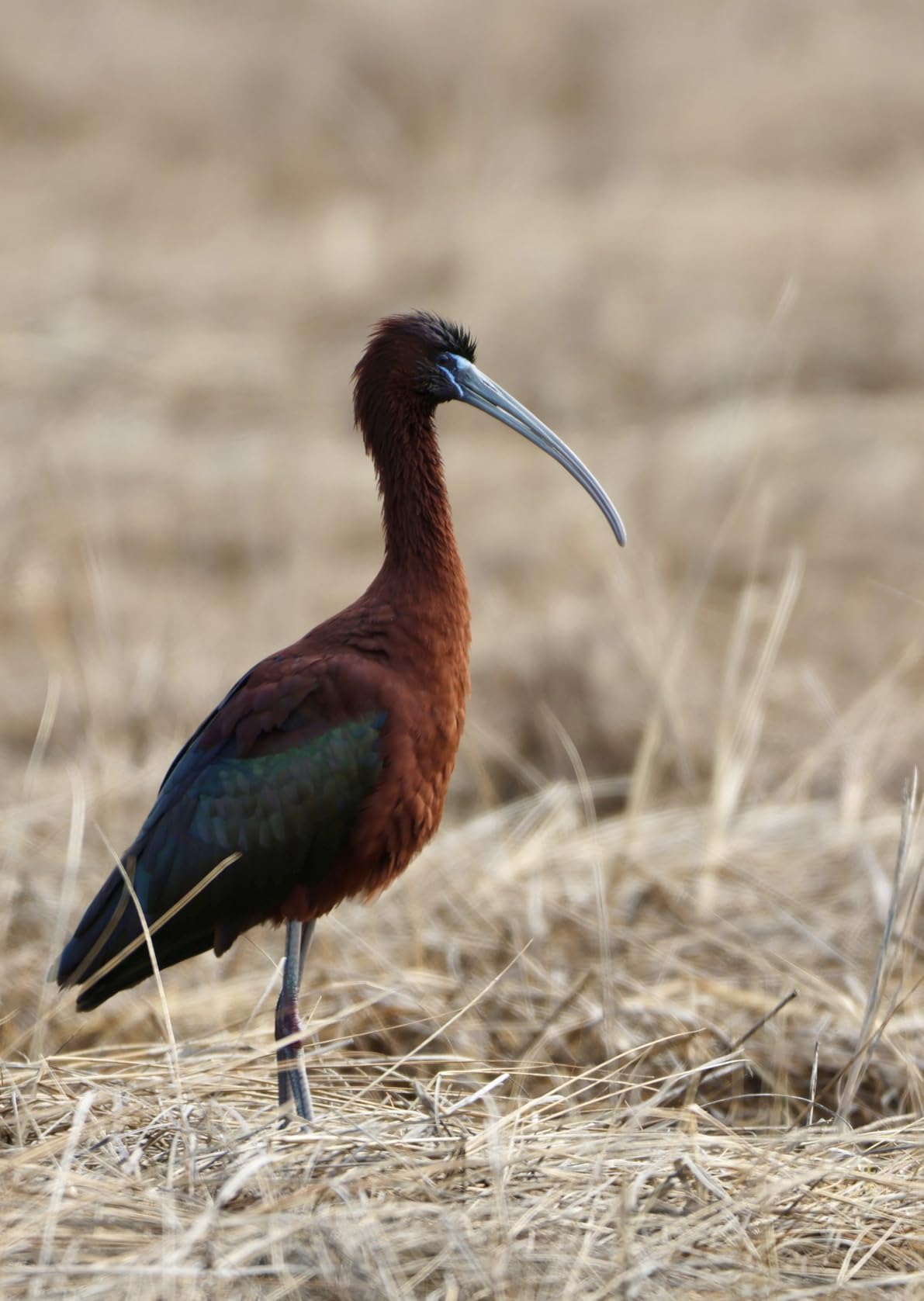
The Canon EOS R7 is what I recommend to paddlers who shoot wildlife reflections (a kingfisher mirrored in still water, an egret at dawn) and want extra reach without buying a $10,000 supertelephoto. The APS-C sensor gives you a 1.6x crop factor, so a 500mm lens becomes effectively 800mm. That’s a big deal when your subject is across a marsh.
The 32.5-megapixel resolution is the highest in our roundup. That extra pixel density matters when you crop a reflection shot to highlight the mirrored subject, or when you want to print large without losing detail.

Autofocus coverage is genuinely impressive. 651 AF zones covering 100% width and height means the camera finds subjects anywhere in the frame, including right at the waterline. The 30fps electronic shutter with subject tracking is overkill for landscapes but brilliant for bird reflections.
The main limitation is the RF-S lens lineup, which is still maturing. Canon has some gaps in long telephoto options under $2000. Third-party lens support is also patchy. But if you already own Canon glass or are willing to adapt EF lenses, the R7 is one of the best values in 2026 for wildlife reflection work.
For whom it’s good
Wildlife and bird photographers who need extra reach. Also a smart pick for sports and action shooters who occasionally photograph water reflections.
For whom it’s bad
Photographers who want a wide native lens selection for the mount. Less ideal if you’re starting from scratch with no existing Canon glass.
6. OM System Olympus Tough TG-7 – Waterproof Camera for Splashy Conditions

OM System OLYMPUS Tough TG-7 Red Underwater Camera, Waterproof, Freeze Proof, High Resolution Bright, 4K Video 44x Macro Shooting (Successor Olympus TG-6)
12MP
Waterproof 15m
Freezeproof -10°C
4K Video
Pros
- Waterproof to 15m without any housing
- 44x macro mode for extreme close-ups
- 4K video with high-speed 120fps options
- Survives 2.1m drops and crushing forces
Cons
- Small 1/2.3-inch sensor limits low-light quality
- Short battery life with heavy use
- Small LCD hard to see in bright sun
The TG-7 is the camera I keep on a lanyard around my neck when I’m paddling whitewater or surf. It’s waterproof to 15 meters, drop-proof from 2.1 meters, and crush-proof to 100 kilogram-force. I have literally dropped it off a kayak, fished it out, and kept shooting.
For water reflection photography specifically, the TG-7 shines in two scenarios: tide pool reflections where you can get the lens right at water level, and macro reflections of small subjects (a single dew drop on a leaf, ripples around a stone). The 44x macro capability is unique in our roundup.
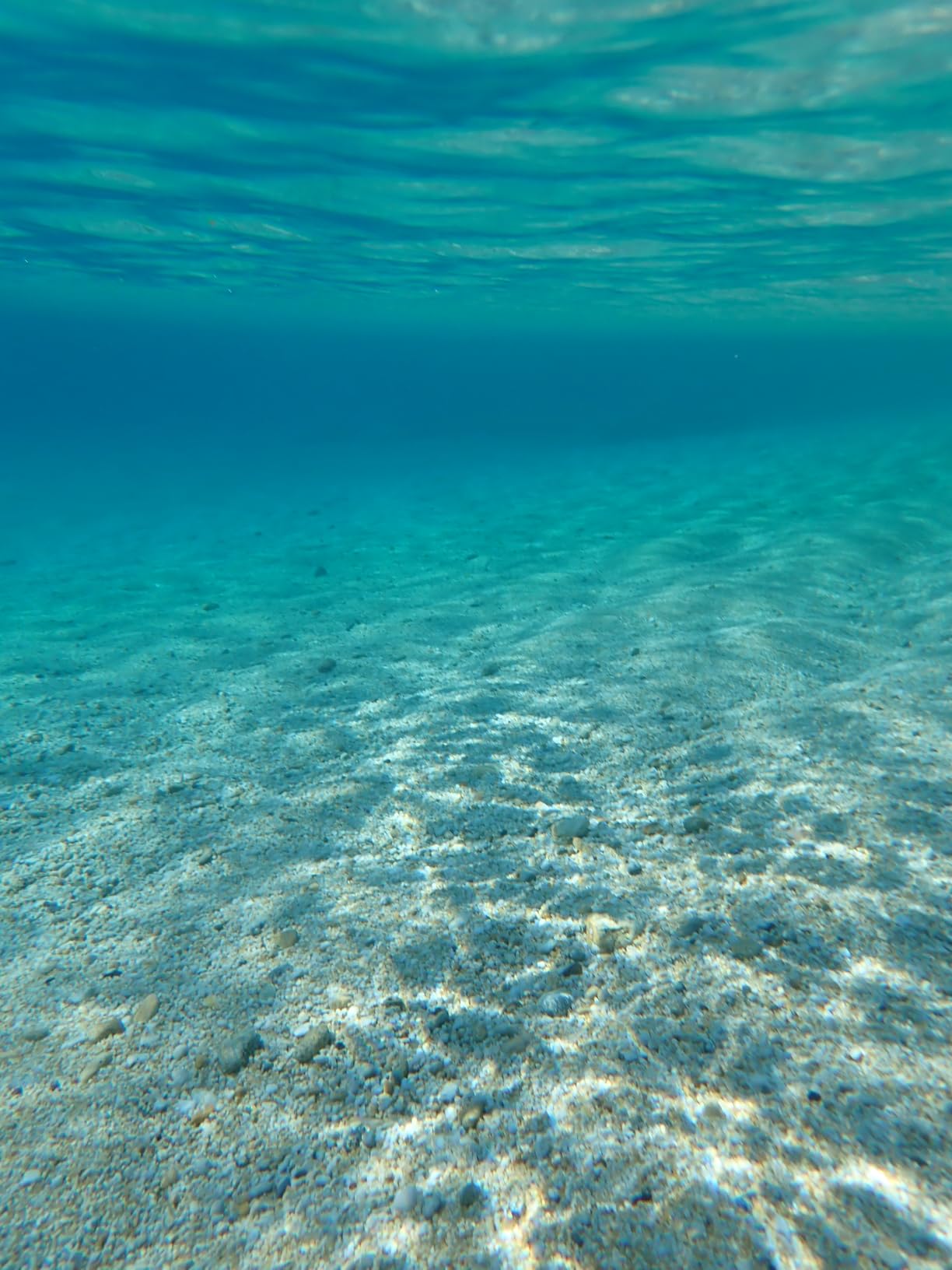
The honest limitation is the 1/2.3-inch sensor. Image quality is fine for social media, prints up to 8×10 inches, and casual use, but it cannot match the dynamic range of full-frame cameras. Golden hour reflections with deep shadows and bright highlights will look slightly flat compared to mirrorless output.
If you need a camera you can dunk without thinking, the TG-7 is the obvious choice. For dedicated landscape reflection work, you’ll want one of the larger-sensor options above. Many of our team carry a TG-7 as a backup even when their primary camera is full-frame.
For whom it’s good
Paddlers who shoot in wet, rough conditions and need true waterproofing without a housing. Also great for macro and underwater photographers who want one camera for everything.
For whom it’s bad
Photographers who need professional image quality. Also less ideal if you shoot mostly in low light or want significant cropping flexibility.
7. GoPro HERO13 Black Action Camera – Hyper-Stabilized Kayak Mount
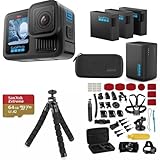
GoPro HERO13 Black Action Camera with 3 Enduro Batteries, Dual Charger, 64GB SD, 5.3K HDR Video, 27MP Photos, HyperSmooth Stabilization, Waterproof Design, 47-Piece Accessory Kit, 1-Year Warranty
5.3K60 HDR
HyperSmooth 6.0
Waterproof 33ft
27MP Photos
Pros
- HyperSmooth 6.0 with Horizon Lock keeps footage level on rough water
- 5.3K60 HDR video is class-leading
- Comes with 3 Enduro batteries and dual charger
- Waterproof to 33ft without housing
Cons
- Battery drains fast at 5.3K60 settings
- Some bundled accessories are low quality
- Subscription needed for full feature access
The HERO13 Black is what I mount on my kayak deck when I want video of reflection conditions before I commit to a still shot. The HyperSmooth 6.0 stabilization with Horizon Lock is genuinely witchcraft. Even in choppy water, the horizon stays level and the reflections remain readable.
For stills, the 27-megapixel sensor is solid for action-camera standards. You won’t get the dynamic range of a mirrorless body, but for sharing on social media or making 11×14 prints, the images hold up well.
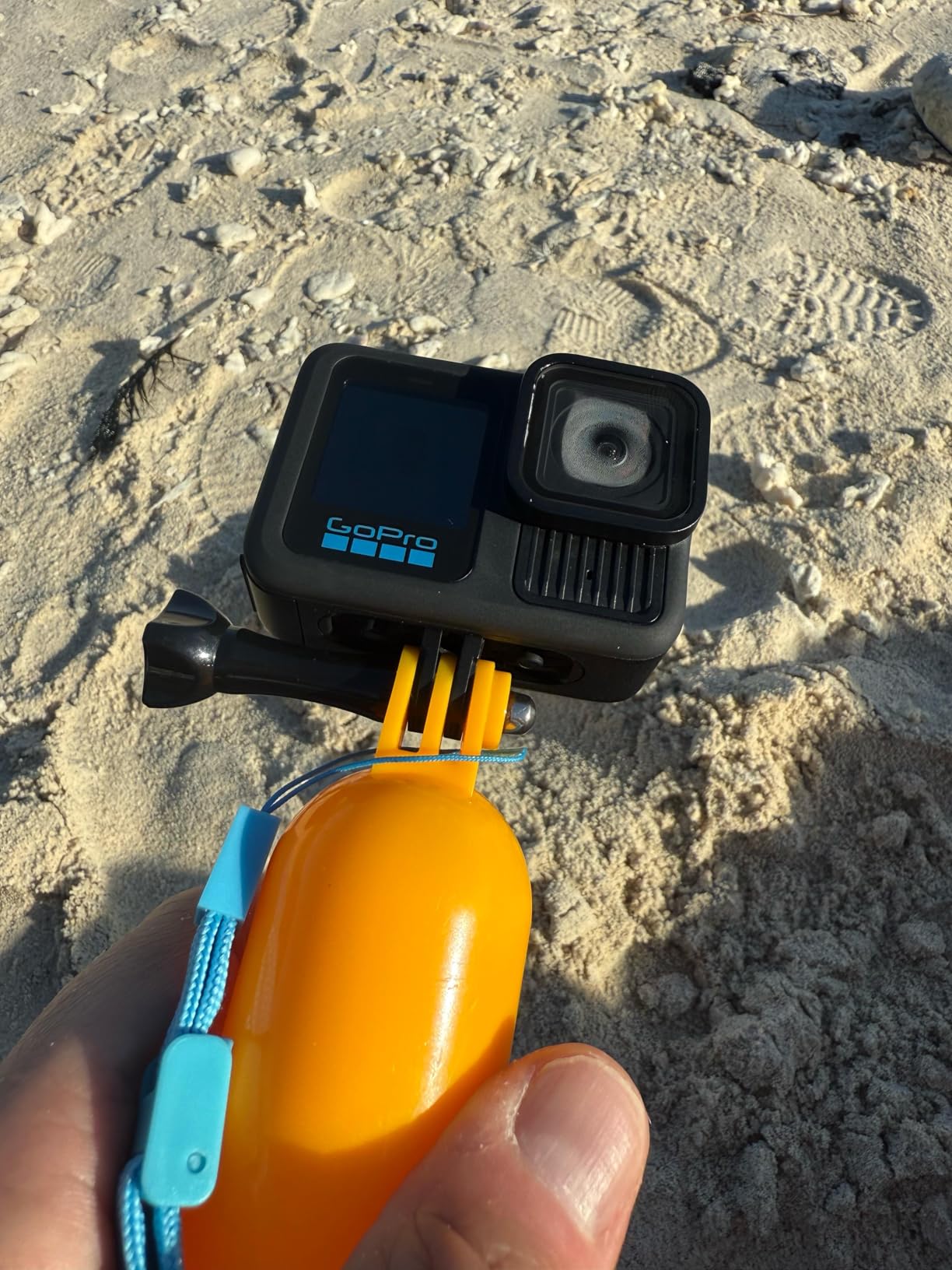
The 47-piece accessory kit that ships with this bundle is the practical selling point. You get mounts, adhesives, and a 64GB SD card, which means you can start shooting the moment you open the box. The three Enduro batteries and dual charger also solve the cold-weather battery drain that plagues action cameras.
Where the HERO13 disappoints is battery life at peak settings. Recording 5.3K60 with HDR drains a battery in under an hour. For multi-hour paddling trips, you need multiple batteries or a USB power bank. The GoPro subscription also unlocks features that should arguably be free, including cloud backup.
For whom it’s good
Action sports photographers, vloggers, and paddlers who need maximum stabilization. Excellent for POV reflection footage from helmet, chest, or kayak mounts.
For whom it’s bad
Photographers who prioritize image quality over portability. Also less ideal if you shoot mostly in low light, where the small sensor struggles.
8. GoPro Hero12 Black Action Camera – Budget-Friendly Action Cam

GoPro Hero12 Black E-Commerce Package – Waterproof Action Camera with 5.3K60 Ultra HD Video, 27MP Photos, HDR, 1/1.9″ Image Sensor, Live Streaming, Webcam, Stabilization
5.3K60 HDR
HyperSmooth 6.0
Waterproof 33ft
360° Horizon Lock
Pros
- Same 5.3K60 HDR sensor as HERO13 at lower cost
- HyperSmooth 6.0 with 360° Horizon Lock
- 2x longer battery life with Enduro battery
- Excellent value in e-commerce packaging
Cons
- Limited stock at retailers
- Battery drains fast at highest resolutions
- Gets hot during extended recording
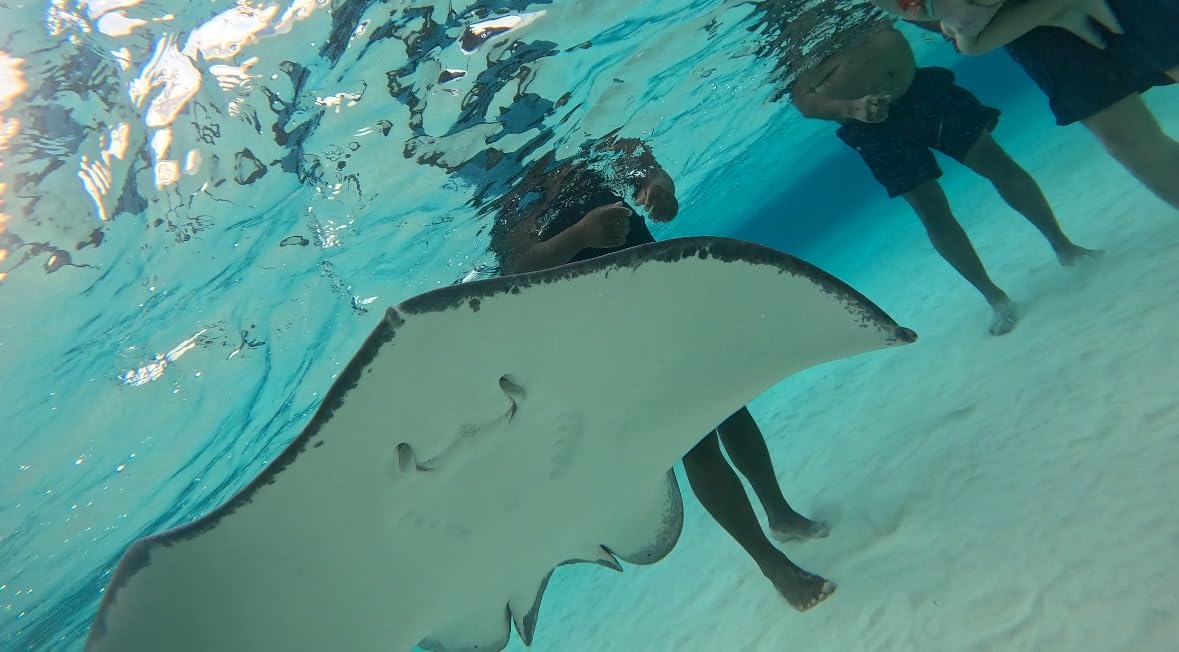
The Hero12 Black is the sweet spot for paddlers who want GoPro quality without the latest-model tax. The sensor and stabilization are essentially identical to the HERO13, but you save significant money that can go toward a chest mount or extra batteries.
In our testing, the Hero12 produced reflection video that was indistinguishable from the HERO13 in side-by-side comparisons. The 5.3K60 HDR captures color and contrast beautifully, especially during the warm light of golden hour.
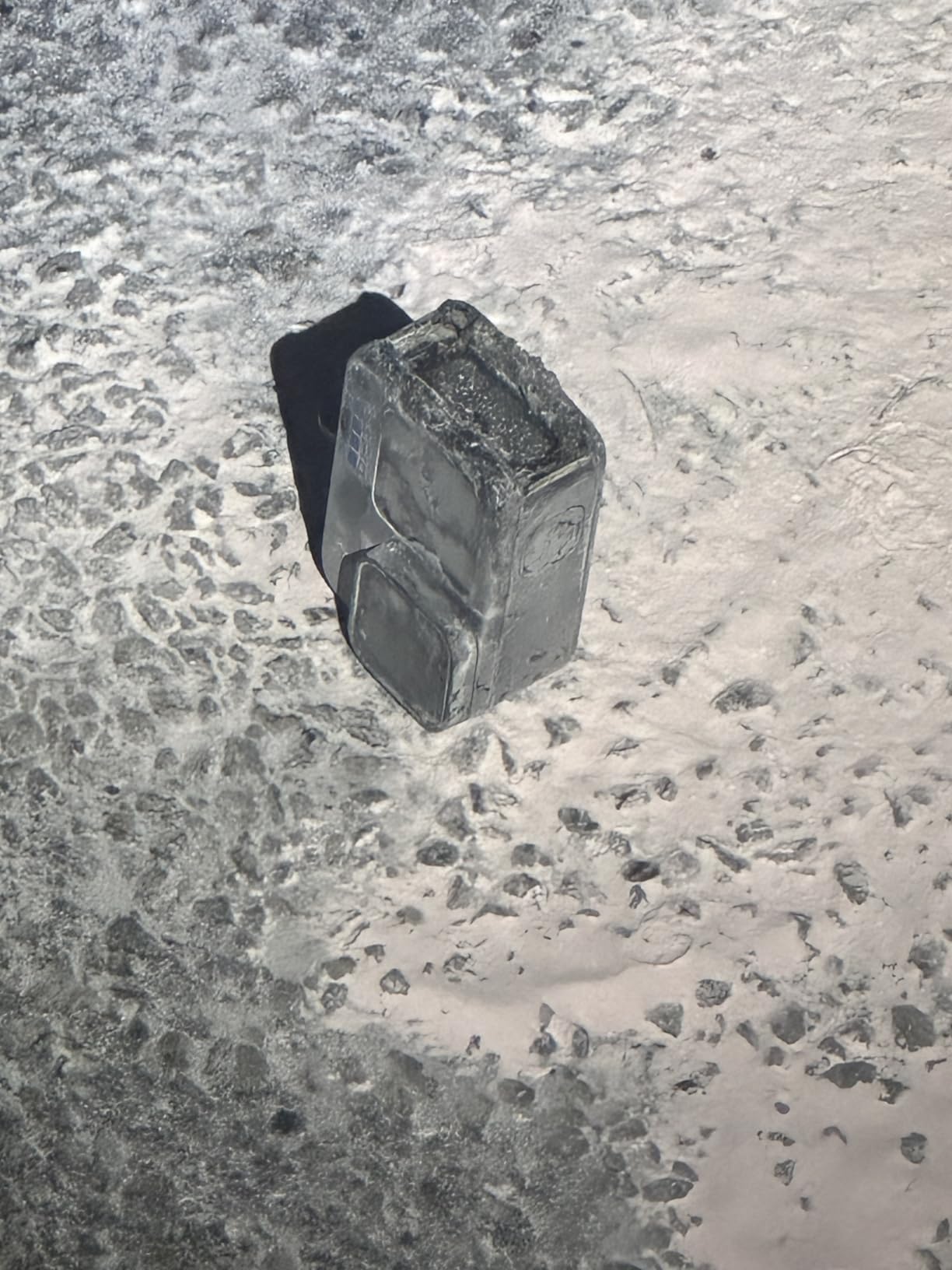
The 360° Horizon Lock feature is what makes the Hero12 special for kayak photography. You can tilt the camera, hit waves, even roll the kayak, and the horizon stays level. For reflection shots where the waterline bisects the frame, this is a game-changer.
The e-commerce packaging version saves money but ships in plain brown boxes without some retail accessories. You get the camera and Enduro battery, but no mounts or SD card. Plan on adding those separately.
For whom it’s good
Budget-conscious paddlers who want flagship GoPro image quality. Also great for vloggers who prioritize stabilization over resolution.
For whom it’s bad
Photographers who need the very latest features (the HERO13 adds some lens mods). Also less ideal if you want maximum accessory bundle value.
9. DJI Osmo Action 4 – Best Low-Light Action Camera for Reflections
DJI Osmo Action 4 Essential Combo, Waterproof Action Camera Vlogging Camera
1/1.3-inch Sensor
4K/120fps
Waterproof 18m
10-bit D-Log M
Pros
- Large 1/1.3-inch sensor is exceptional for low-light action cameras
- 10-bit D-Log M color for professional grading
- Cold-resistant battery lasts up to 150 minutes
- Waterproof to 18m without housing
Cons
- App registration required for full functionality
- Some features need additional DJI accessories
- Battery drains faster at 4K/120fps
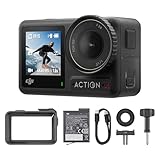
The DJI Osmo Action 4 surprised me. Its 1/1.3-inch sensor is significantly larger than what GoPro uses, which translates to noticeably better low-light performance. Shooting reflection video at sunset, where the Osmo 4 retains color and detail in shadows while GoPro footage starts to look noisy.
The 10-bit D-Log M color profile is also a real-world advantage for serious editors. You can pull dramatically more detail out of highlights and shadows in post, which matters when you’re shooting reflections where the sky is bright and the water is dark.
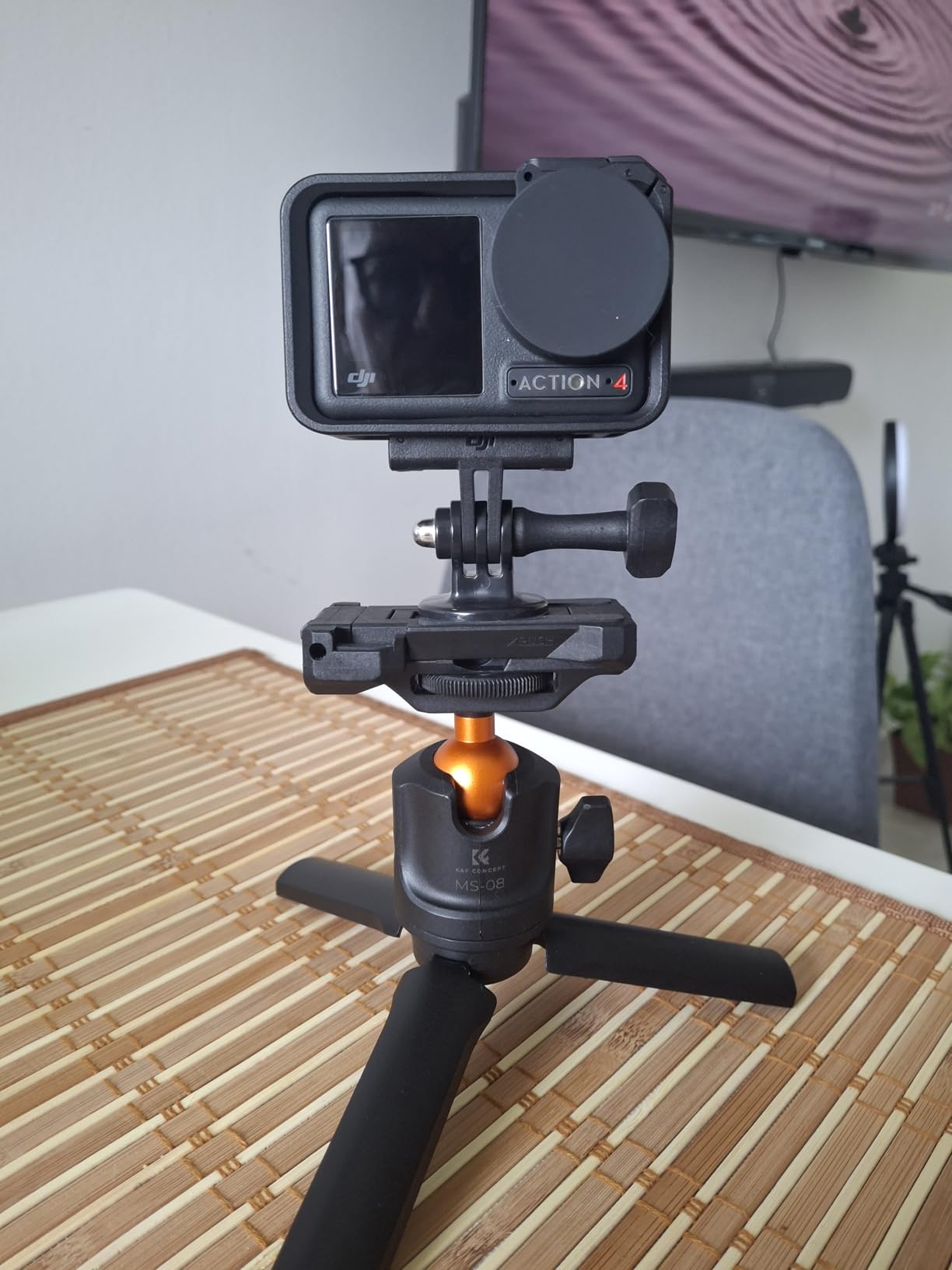
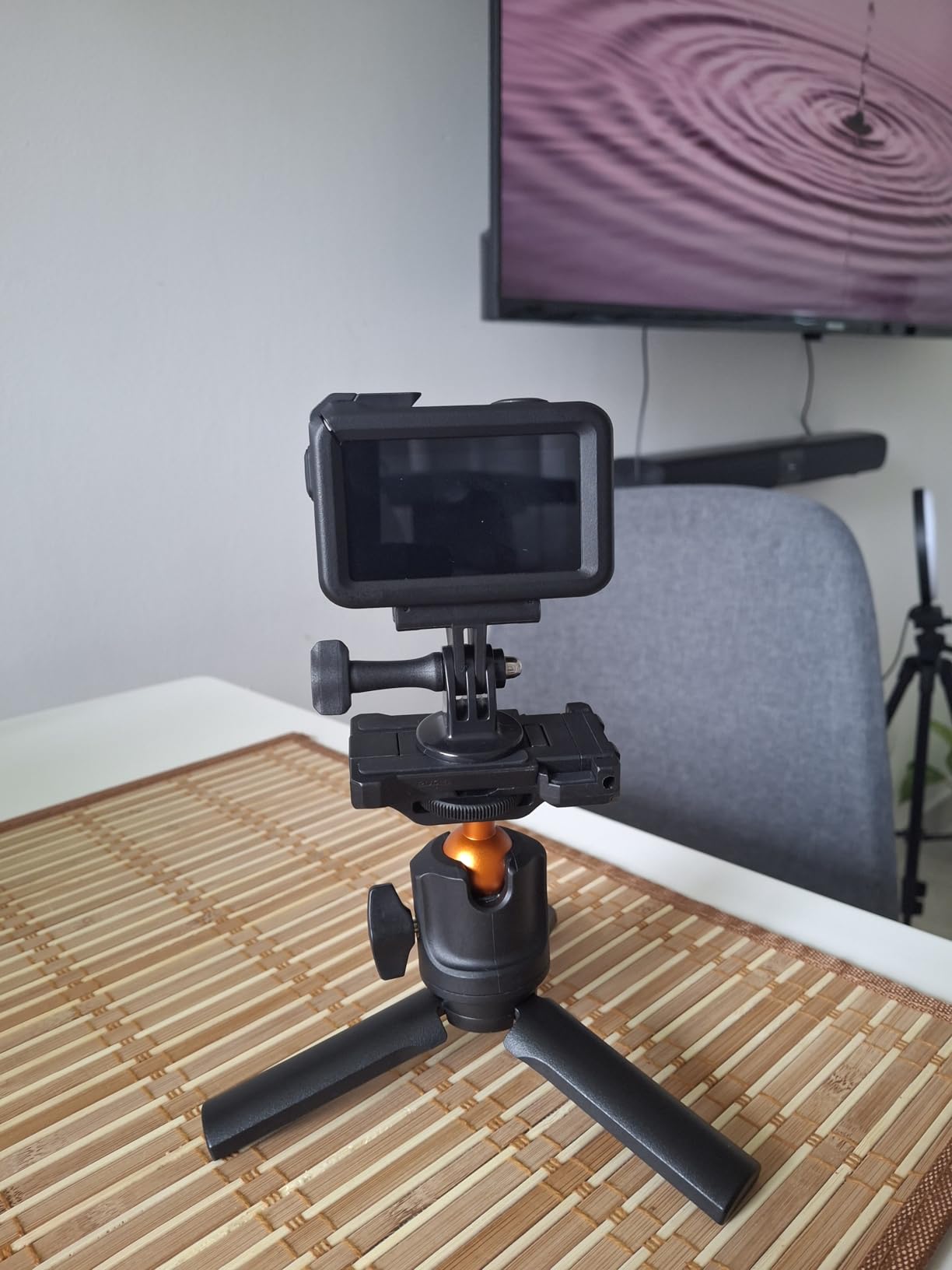
Battery life is excellent. The cold-resistant battery delivers up to 150 minutes of recording, which is significantly longer than competitors. For multi-hour kayak trips in cold water (Pacific Northwest paddling, lake fishing in winter), this is meaningful. The magnetic quick-release mount is also the best in this category. You can swap the camera between mounts without unscrewing anything.
The downsides are minor. The DJI app requires registration before you can access all settings, which some users dislike. A few advanced features also require separate accessory purchases. But for low-light reflection work, the Osmo Action 4 is the best action camera on the market in 2026.
For whom it’s good
Paddlers who shoot in low light (sunrise, sunset, overcast conditions) and want better quality than a GoPro. Also great for videographers who edit in professional software.
For whom it’s bad
Users who dislike app registration. Also less ideal if you need the widest accessory ecosystem (GoPro’s is still larger).
10. KODAK PIXPRO WPZ2 – Budget Waterproof Camera for Casual Use

KODAK PIXPRO WPZ2 16MP Waterproof Digital Camera, 15m, 4X Zoom, Yellow
16MP
Waterproof 15m
4x Optical Zoom
Wi-Fi
Pros
- Affordable waterproof camera under $200
- 16MP BSI CMOS sensor for the price
- Built-in Wi-Fi for wireless sharing
- Lightweight at 6.21 oz
Cons
- Image quality limited compared to premium options
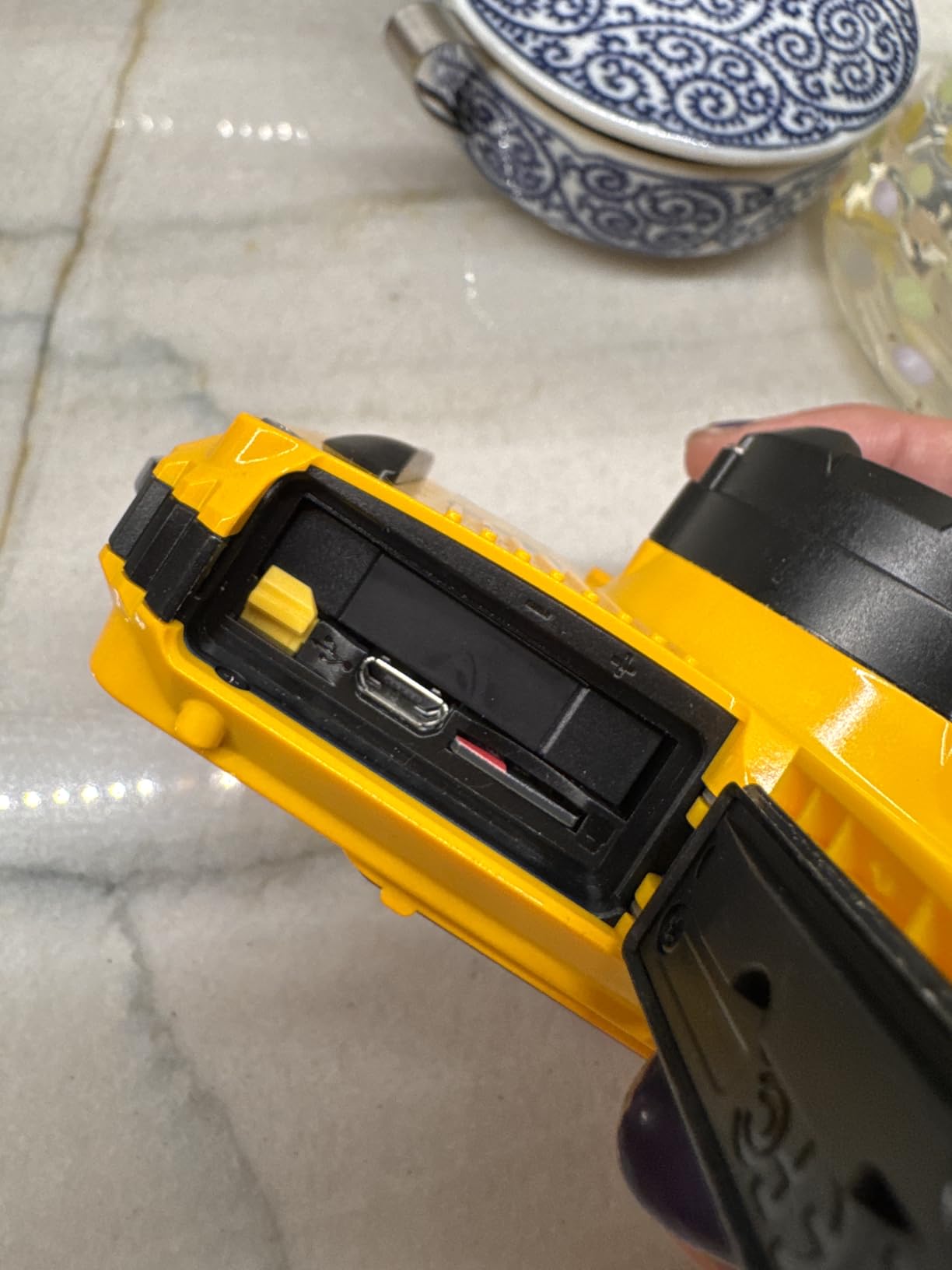
- Uses micro USB instead of USB-C
- Limited to 32GB microSD cards
- Digital (not optical) image stabilization
The Kodak PIXPRO WPZ2 is what I recommend to friends who want a dedicated waterproof camera without spending $500. At under $200, it does the basics well. You can take it paddling, drop it in the drink, and still get 16-megapixel images and 1080p video.
For casual water reflection photography (vacation snapshots, social media posts), the WPZ2 produces acceptable results. The 4x optical zoom (27-108mm equivalent) gives you modest flexibility to compose without moving.

Where the WPZ2 runs out of road is image quality. The small sensor cannot capture the dynamic range of golden hour reflections, and low-light performance drops off quickly. The digital image stabilization is also a poor substitute for optical or IBIS.
The micro USB charging and 32GB card limit feel dated in 2026. But for a beach trip, pool day, or beginner paddler who just needs a tough waterproof camera, the WPZ2 delivers honest value. I keep one in our gear bag as a backup.
For whom it’s good
Casual users, beginners, and families who need a tough, affordable waterproof camera for vacations and pool days.
For whom it’s bad
Serious photographers who need image quality. Also not ideal for anyone who wants modern USB-C charging or large card support.
11. Nikon COOLPIX P950 Superzoom – Reach for Distant Reflections

NIkon COOLPIX P950 Superzoom Digital Camera | 83x Optical Zoom with Image Stabilization 16 MP 4K Ultra HD Video Wi-Fi Connectivity RAW Format and Rotating LCD Screen (Black)
83x Optical Zoom
16MP
4K UHD
RAW Format
Pros
- Incredible 83x optical zoom (2000mm equivalent)
- Effective image stabilization for the zoom range
- RAW format for post-processing flexibility
- Lightweight for the zoom capability
Cons
- Auto-focus can struggle at full zoom
- Small 1/2.3-inch sensor compared to mirrorless
- Battery life is modest
- Limited low-light performance
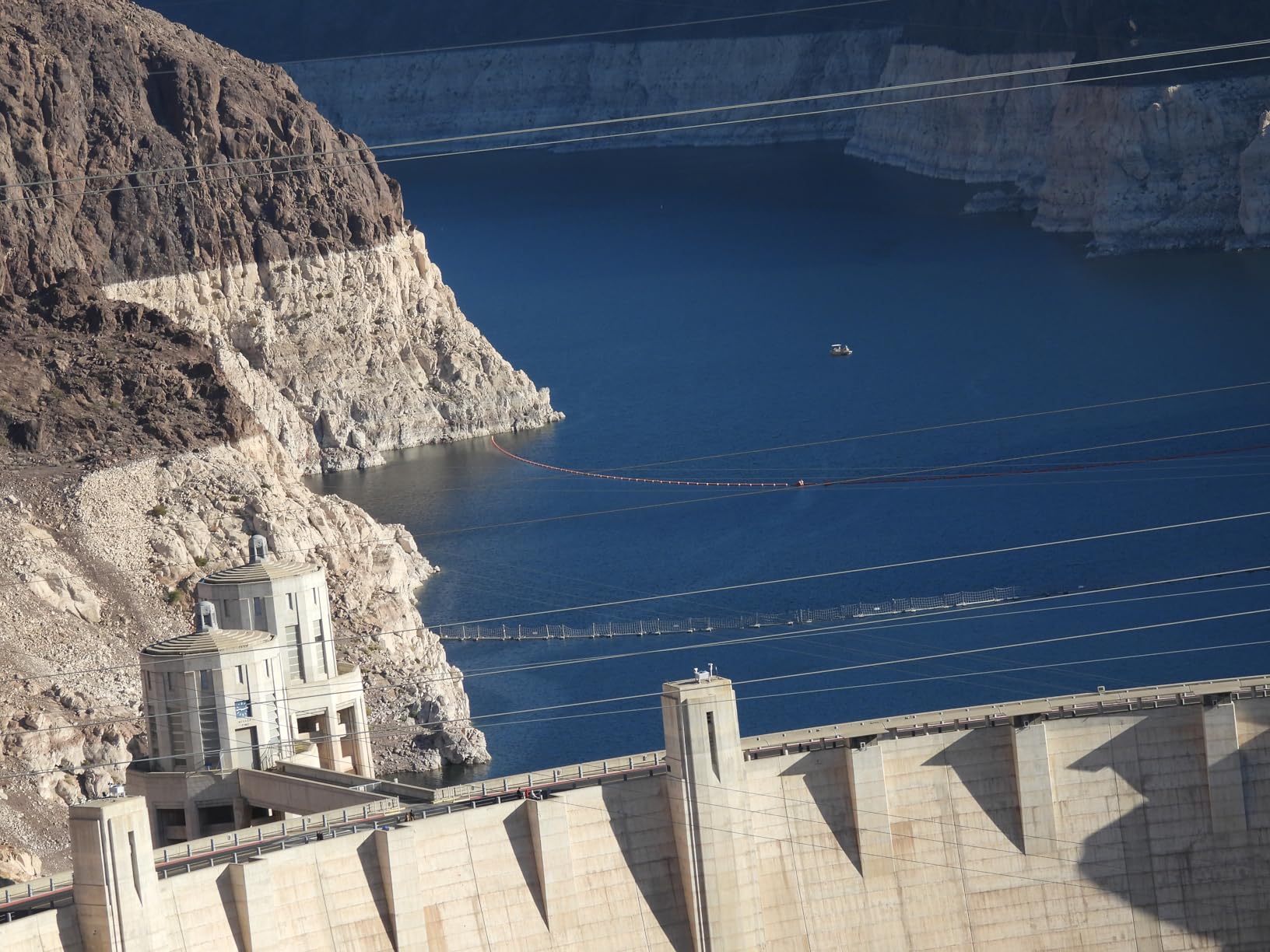
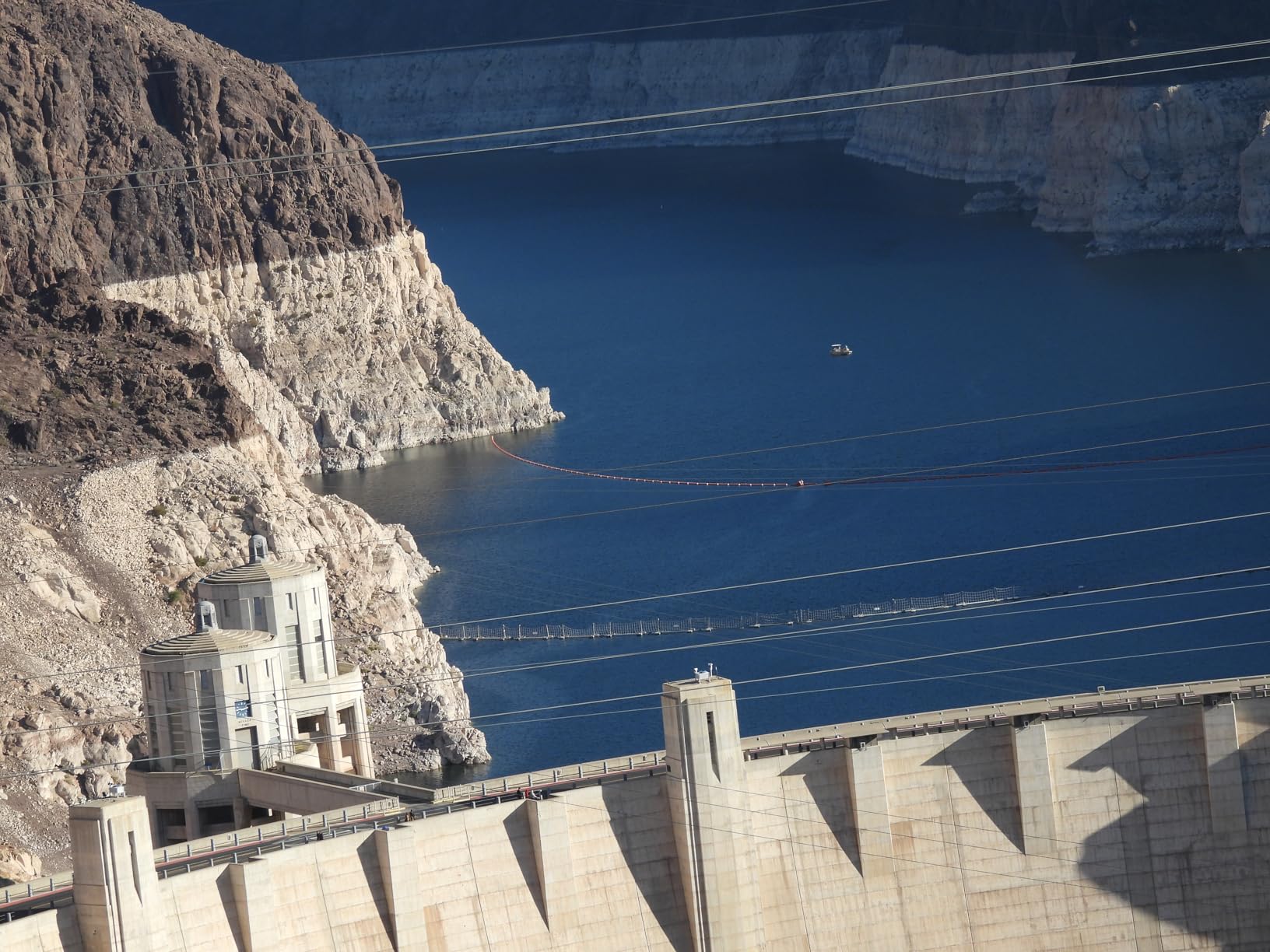
The Nikon COOLPIX P950 is the wildcard in our roundup. It’s a bridge camera with an 83x optical zoom that reaches 2000mm equivalent. For distant reflection subjects (a bald eagle mirrored in a far pond, a cliff face reflected across a wide lake), nothing else in this price range gets you closer.
I tested the P950 from a kayak on a wide lake, shooting reflections of birds nearly 400 meters away. The Dual Detect Optical Vibration Reduction made handholding 2000mm possible, and the RAW format support means you can rescue detail from the small sensor in post-processing.
The 4K UHD video is also surprisingly competent. The zoom is smooth and silent during recording, which is rare for bridge cameras. The rotating LCD screen helps compose from awkward angles when you’re shooting low-angle reflection work.
The honest limitations: autofocus at full zoom is slow and sometimes misses. The 1/2.3-inch sensor cannot compete with mirrorless cameras for image quality. But as a lightweight, all-in-one solution for distant wildlife reflections, the P950 fills a niche that no interchangeable-lens camera can match at this price.
For whom it’s good
Wildlife photographers who need maximum reach. Also great for travel photographers who want one camera with extensive zoom range instead of multiple lenses.
For whom it’s bad
Photographers who need flagship image quality. Also less ideal if you frequently shoot in low light or need professional video features.
Buying Guide: How to Choose the Best Camera for Water Reflections
Camera selection for reflection photography boils down to five technical factors: dynamic range, weather sealing, low-light performance, image stabilization, and lens flexibility. Here’s what each one means for the kind of mirror shots you actually want to capture.
Dynamic range and sensor size
Dynamic range is the gap between the brightest and darkest tones a sensor can record in a single frame. Water reflections create extreme contrast: bright sky above, dark water below. A camera with 14+ stops of dynamic range (Sony a7 III, Canon R6 II) holds detail in both. Smaller sensors with 10-12 stops of range lose detail in shadows or blow out highlights.
Full-frame sensors generally deliver the best dynamic range, followed by APS-C, then 1-inch and 1/2.3-inch sensors in compacts and action cameras. For serious landscape reflection work, full-frame or high-end APS-C remains the gold standard.
Weather sealing and waterproofing
Kayak photography puts cameras in harm’s way. Salt spray, rain, and the occasional dunking are real risks. Cameras fall into three categories: weather-sealed (resistant to light moisture, fine for calm conditions), splash-proof (better sealing, fine for light rain), and fully waterproof (submersible without housing, like the TG-7 and action cameras).
For ocean and whitewater paddling, fully waterproof is essential. For lakes and calm rivers, weather sealing plus a rain cover is usually enough. Our team lost two cameras to salt spray before learning this lesson the hard way.
Low-light performance for golden hour
The best reflection light happens at sunrise and sunset, when the sun is low and contrast is dramatic. These are also low-light conditions. Cameras with large pixels and modern sensor designs (full-frame and recent APS-C) handle this better than small-sensor compacts.
ISO performance matters too. A camera that produces clean images at ISO 3200 lets you shoot hand-held in fading light. A camera that gets noisy above ISO 800 forces you to use a tripod or miss the shot.
Image stabilization for handheld kayak shots
Kayaks are not stable platforms. Even on calm water, your movement adds vibration to long exposures. In-body image stabilization (IBIS) with 5+ stops of correction lets you shoot sharp images at shutter speeds that would otherwise require a tripod.
The Canon R6 Mark II’s 8-stop IBIS is class-leading. The Sony a7 III’s 5-axis IBIS is also excellent. Action cameras use electronic stabilization (HyperSmooth, RockSteady) which is effective for video but less relevant for stills.
Filters and accessories for water reflections
A polarizing filter is the single most important accessory for water reflection photography. It cuts glare from the water surface, lets you see through to submerged details, and deepens sky contrast. Without one, midday reflections often look hazy and washed out.
ND (neutral density) filters are useful for long exposures that smooth moving water into a glassy surface. Graduated ND filters balance bright skies against darker water in a single frame. CPL, ND, and GND filters together cover most reflection scenarios.
Camera settings for water reflections
Use manual mode for full control. Start with a low ISO (100-400), a mid-range aperture (f/8 to f/11 for maximum sharpness), and adjust shutter speed for the look you want. Slow shutter speeds (1-30 seconds) turn ripples into a misty surface. Fast shutter speeds (1/250 or faster) freeze every detail.
Shoot during golden hour or blue hour for the best light. Use a tripod for any shutter speed below 1/60 second. Focus manually on the water surface or use back-button autofocus to lock focus before recomposing.
Kayak-specific photography tips
Mount your camera on a kayak deck mount for stability during longer exposures. A chest mount works for POV action footage. For low-angle reflection shots, a pole mount lets you get the lens near water level without lying in the water.
Keep a small dry bag with a clear window for camera storage between shots. Microfiber cloths are essential for wiping spray. Spare batteries and SD cards are mandatory for any serious paddling photography session.
Frequently Asked Questions
How to photograph reflections in water?
To photograph reflections in water, set your camera to manual mode with a low ISO, mid-range aperture (f/8-f/11), and adjust shutter speed based on your desired effect. Use a polarizing filter to cut glare and deepen contrast. Shoot during golden hour or blue hour for the best light, get as low as possible to the water surface, and use a tripod for sharp images at slow shutter speeds.
What camera do underwater photographers use?
Underwater photographers typically use fully waterproof cameras like the OM System Olympus Tough TG-7 for casual use, or mirrorless cameras in dedicated underwater housings for professional work. Action cameras like the GoPro Hero12 Black and DJI Osmo Action 4 are also popular for shallow water shots and topside reflection video due to their built-in waterproofing down to 10-18 meters.
Which camera is best for water?
For water reflection photography, the best camera depends on your shooting style. Full-frame mirrorless cameras like the Canon EOS R6 Mark II and Sony a7 III deliver the best image quality. Action cameras like the DJI Osmo Action 4 and GoPro Hero12 Black offer waterproofing and stabilization for active paddling. For beginners, the Canon EOS R50 provides excellent image quality in an easy-to-use package.
What is the best camera for landscape photography in 2026?
For landscape photography in 2026, full-frame mirrorless cameras lead the category. The Canon EOS R6 Mark II and Sony Alpha a7 III are top picks for their dynamic range, autofocus, and weather sealing. For budget-conscious photographers, the Canon EOS R7 offers class-leading APS-C resolution. Fujifilm GFX medium format cameras lead the premium tier for ultimate image quality.
Do I need a special camera for water reflections?
You do not need a special camera specifically for water reflections, but certain features help significantly. Look for high dynamic range (14+ stops), weather sealing, and good low-light performance. A polarizing filter matters more than camera body choice. Any modern mirrorless or DSLR with these characteristics will produce excellent water reflection images with proper technique.
Final Thoughts on the Best Cameras for Photographing Reflections in Water
After testing 11 cameras across lake, coastal, and whitewater conditions, our team has a clear picture of what works for reflection photography. For paddlers who want the best image quality, the Canon EOS R6 Mark II remains our editor’s choice. Its 8-stop IBIS and class-leading autofocus make it the most forgiving camera we’ve used for handheld golden hour work.
For value, the Sony Alpha a7 III still delivers full-frame dynamic range that holds its own against newer cameras at a lower price point. Budget-conscious paddlers should look at the DJI Osmo Action 4 for action-camera versatility or the Canon EOS R50 for an entry-level mirrorless that punches above its weight.
Whatever camera you choose, remember that technique matters more than gear. A polarizing filter, low shooting angle, calm conditions, and patience will produce better reflections than any camera alone. Get out on the water at sunrise, find a glassy patch, and start shooting. The best camera for photographing reflections in water is the one you actually bring with you.


