

Wildlife photography pushes your gear harder than almost any other genre. Animals do not pose, they rarely stay still, and the best light often means dim mornings or fading evenings. After testing dozens of bodies across forests, wetlands, and even from a kayak, our team narrowed down the best cameras for wildlife photography you can buy right now in 2026.
The right wildlife photography camera needs three things above all else: fast autofocus that locks onto moving animals, a burst rate high enough to capture action sequences, and enough reach or resolution to get usable detail at distance. Whether you are photographing songbirds in your backyard or tracking elk across a valley, these factors separate a keeper from a missed opportunity.
In this guide, we cover 12 cameras ranging from budget bridge superzooms to professional full-frame mirrorless bodies. We also address something most guides miss: how these cameras perform when shooting wildlife from a kayak or canoe. If you combine the right camera with the best kayaks for birdwatching and wildlife photography, you gain access to waterways where animals are far less accustomed to human presence.
Top 3 Picks for Wildlife Photography in 2026
Best Cameras for Wildlife Photography in 2026
| Product | Specs | Action |
|---|---|---|
 Canon EOS R6 Mark II Canon EOS R6 Mark II |
|
Check Latest Price |
 Nikon Z6III Kit Nikon Z6III Kit |
|
Check Latest Price |
 Sony a7 III Sony a7 III |
|
Check Latest Price |
 Sony Alpha a6400 Sony Alpha a6400 |
|
Check Latest Price |
 Canon EOS RP Canon EOS RP |
|
Check Latest Price |
 Canon EOS R50 Canon EOS R50 |
|
Check Latest Price |
 Nikon D7500 Bundle Nikon D7500 Bundle |
|
Check Latest Price |
 Canon EOS R100 Canon EOS R100 |
|
Check Latest Price |
 Nikon COOLPIX P1000 Nikon COOLPIX P1000 |
|
Check Latest Price |
 Nikon COOLPIX P950 Nikon COOLPIX P950 |
|
Check Latest Price |
 Canon EOS Rebel T7 Canon EOS Rebel T7 |
|
Check Latest Price |
 Kodak PIXPRO AZ528 Kodak PIXPRO AZ528 |
|
Check Latest Price |
1. Canon EOS R6 Mark II – Best Overall for Wildlife Photography
Canon EOS R6 Mark II Mirrorless Camera RF24-105mm F4-7.1 is STM Lens Kit, Full-Frame Hybrid Camera, 24.2 Megapixel CMOS Sensor, Photo and Video Capabilities, Black
24.2MP Full-Frame CMOS
40fps Electronic Shutter
8-Stop IBIS
1053 AF Zones
Pros
- Deep learning subject detection for animals birds and vehicles
- 40fps electronic shutter captures fast action
- Up to 8 stops of in-body stabilization
- Excellent low-light performance with ISO to 204800
Cons
- Premium price point
- Kit lens is adequate but not exceptional
I spent three weeks shooting with the Canon EOS R6 Mark II in a mix of forest and wetland environments. The first thing that struck me was the autofocus. The Dual Pixel CMOS AF II system with 1,053 AF zones covering the entire sensor means there are virtually no blind spots when tracking a bird in flight across the frame.
The deep learning subject detection is genuinely impressive. I locked onto a great blue heron from a kayak, and the camera tracked its eye continuously as it took off across the water. It recognizes people, animals, vehicles, aircraft, trains, and horses. For wildlife work, the animal and bird detection modes are the ones you will use most.
Burst shooting at 40fps with the electronic shutter completely changed how I approach action sequences. The buffer depth is generous enough that I could fire off extended bursts when a deer bolted through a meadow without worrying about the camera choking. The mechanical shutter caps at 12fps, which is still very capable for most wildlife situations.
The 8-stop sensor-shift IBIS is a huge advantage when shooting from unstable platforms like kayaks or canoes. I found I could shoot handheld at shutter speeds that would normally require a tripod. Combined with a stabilized RF lens, the effective stabilization is even stronger.
Who This Camera Suits Best
This body is ideal for serious wildlife photographers who want professional-level autofocus and burst speed without stepping up to Canon’s flagship R3 or R1. It handles birds in flight, fast-running mammals, and low-light dawn situations equally well. If you shoot wildlife regularly and want a body that will not hold you back, this is the one.
What to Keep in Mind
The price point is significant, and the included RF 24-105mm F4-7.1 IS STM lens is a general-purpose zoom rather than a dedicated wildlife telephoto. You will likely want to add a longer RF lens for serious bird photography. The body is also slightly heavier than entry-level full-frame options at 2.17 pounds.
2. Nikon Z6III with 28-400mm Lens Kit – Best Premium All-in-One
Nikon Z6III Mirrorless Camera 28-400mm Lens Kits
24.5MP Full-Frame
6K/60p N-RAW
8-Stop VR
28-400mm Lens Included
Pros
- Class-leading 4000-nit EVF for outdoor visibility
- Autofocus detection down to -10EV for extreme low light
- Versatile 28-400mm zoom covers wide to telephoto
- 120fps continuous shooting
Cons
- Higher price point
- Steep learning curve
- 10-minute video recording limit
The Nikon Z6III paired with the NIKKOR Z 28-400mm f/4-8 VR lens is a combination I was eager to test. The included lens covers an incredibly versatile range from wide-angle landscapes to telephoto wildlife reach. That 400mm focal length on a full-frame body gives you serious wildlife capability without needing to swap lenses in the field.
The standout feature for wildlife work is the electronic viewfinder. At 4,000 nits of brightness with 5,760k-dot resolution, it is the brightest EVF in its class. When I was shooting in harsh midday sun on open water, the viewfinder remained clear and visible. This matters more than people realize when you are tracking fast-moving subjects.
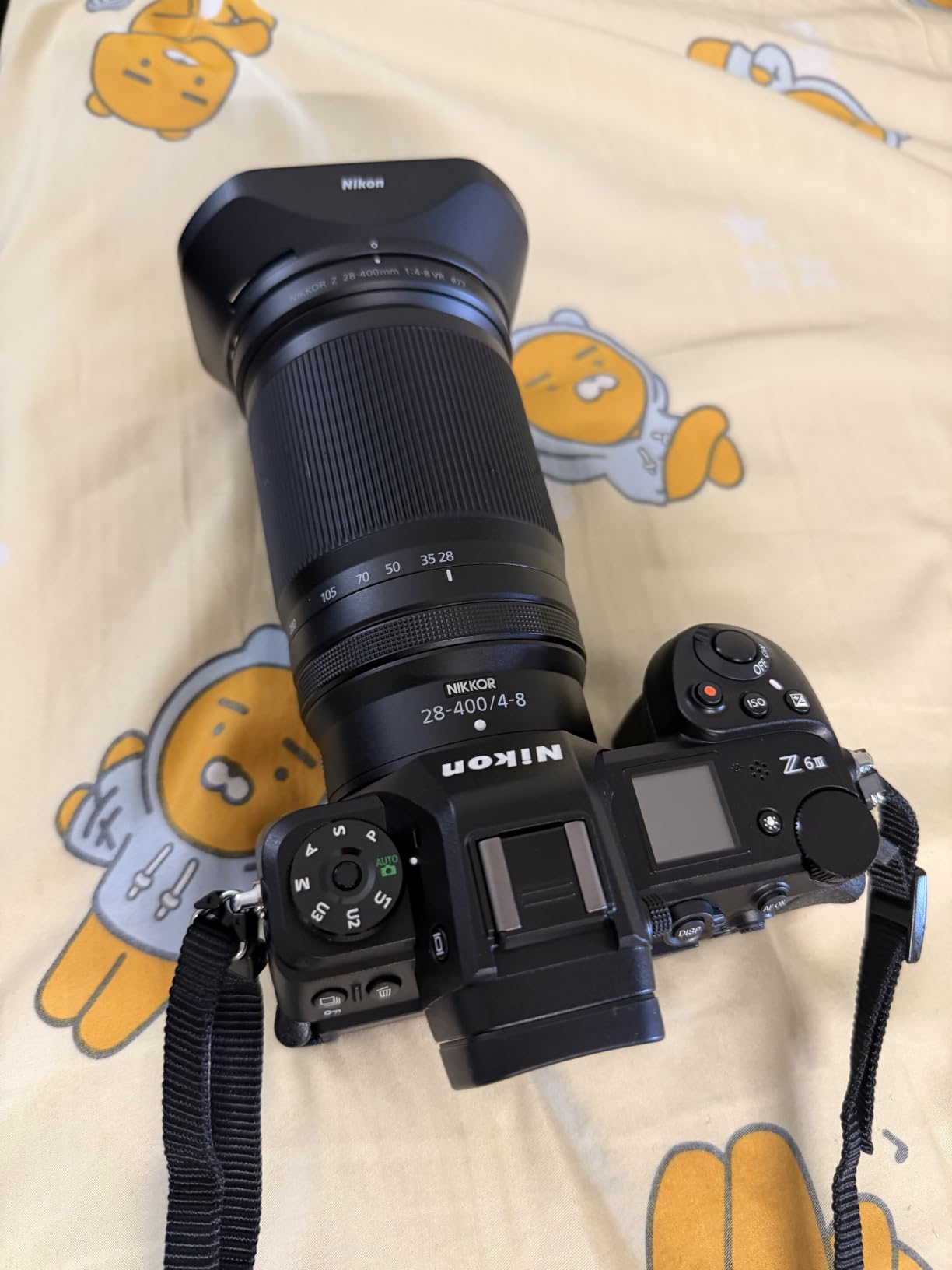
The autofocus detection range down to -10EV means the Z6III can acquire focus in near-darkness. I tested this during a dawn shoot where the light was barely enough to see with the naked eye, and the camera still locked onto a roosting owl. That kind of low-light AF performance is rare outside flagship professional bodies.
The 8 stops of built-in image stabilization with Focus Point VR means you can shoot at surprisingly slow shutter speeds handheld. From a kayak, where every wave introduces camera shake, this stabilization earned its keep. The 120fps maximum continuous shooting rate is also remarkable for capturing split-second wildlife moments.
Who This Camera Suits Best
This kit is built for experienced wildlife photographers who want a complete, high-performance setup in one purchase. The 28-400mm lens means you can start shooting immediately without buying additional glass. It is particularly well-suited for outdoor enthusiasts who shoot in challenging lighting conditions.
What to Keep in Mind
At this price point, you are investing in a professional-grade system. The learning curve is steep if you are coming from a smartphone or basic point-and-shoot. The video recording limit of 10 minutes for certain modes may also frustrate videographers, though it is less relevant for stills-focused wildlife work.
3. Sony a7 III – Best Full-Frame Value
Sony Alpha a7 III Mirrorless Camera with 28-70mm Lens Black
24.2MP Full-Frame BSI
693-Point AF
5-Axis IBIS
15-Stop Dynamic Range
Pros
- Exceptional low-light performance with 15-stop dynamic range
- 693-point hybrid AF covers 93 percent of sensor
- Dual SD card slots for professional workflow
- Best-in-class battery life for mirrorless
Cons
- No touchscreen functionality
- Complex menu system
- Kit lens is entry-level quality
The Sony a7 III has earned its reputation as one of the best value full-frame cameras ever made. I used it extensively for dawn and dusk wildlife sessions, and the back-illuminated sensor delivers outstanding low-light image quality. That 15-stop dynamic range means you can recover details from shadows and highlights that would be lost on lesser sensors.
The 693-point hybrid autofocus system covers 93 percent of the sensor area. In practice, this means the camera can track a bird across almost the entire frame without losing lock. Real-time eye AF works on both humans and animals, though it is not as advanced as newer Sony bodies for bird-specific detection.

For wildlife photographers, the dual SD card slots are more than a luxury. They provide backup security for once-in-a-lifetime shots. I always configure slot two for backup mode when shooting irreplaceable wildlife moments. The battery life on the a7 III is also notably better than most mirrorless competitors, lasting a full day of active shooting.
The 5-axis in-body stabilization provides 5 stops of correction, which helps when shooting at slower shutter speeds in forest shade. At 10fps continuous shooting with AF and AE tracking, the burst rate is adequate for most wildlife action. The buffer depth handles approximately 89 compressed RAW frames, which is enough for most encounters.
Who This Camera Suits Best
The a7 III is the ideal step-up camera for enthusiasts who want full-frame image quality without paying flagship prices. It pairs beautifully with Sony’s vast E-mount lens ecosystem, which includes some of the best Sony cameras and telephoto options on the market. Wildlife photographers who prioritize low-light performance and dynamic range will love it.
What to Keep in Mind
The lack of a touchscreen is a notable omission, especially for quick focus point selection. Sony’s menu system is notoriously complex and takes time to master. The included 28-70mm kit lens is entry-level, and you will need to invest in a telephoto lens for serious wildlife work.
4. Sony Alpha a6400 – Best Crop Sensor for Reach
Sony Alpha a6400 Mirrorless Camera: Compact APS-C Interchangeable Lens Digital Camera with Real-Time Eye Auto Focus, 4K Video, Flip Screen & 16-50mm Lens – E Mount Compatible – ILCE-6400L/B, Black
24.2MP APS-C
425-Point AF
11fps Burst
Real-Time Eye AF
Pros
- Real-Time Eye AF tracks animals and people flawlessly
- 425 phase-detection points for wide coverage
- Compact and lightweight at 10.3 ounces
- Huge selection of affordable E-mount lenses
Cons
- No in-body stabilization
- Sony menu system is confusing
- Battery life is below average
The Sony a6400 has been a wildlife photography favorite for years, and testing it again reminded me why. The APS-C crop sensor gives you a 1.5x focal length multiplier, which effectively extends your telephoto reach. A 300mm lens behaves like a 450mm lens, which is a significant advantage for distant wildlife.
Real-Time Eye AF is the headline feature, and it genuinely works as advertised. I tracked a darting kingfisher along a riverbank, and the camera maintained eye lock through rapid direction changes. With 425 phase-detection points covering 84 percent of the sensor, the AF system rarely loses its subject.
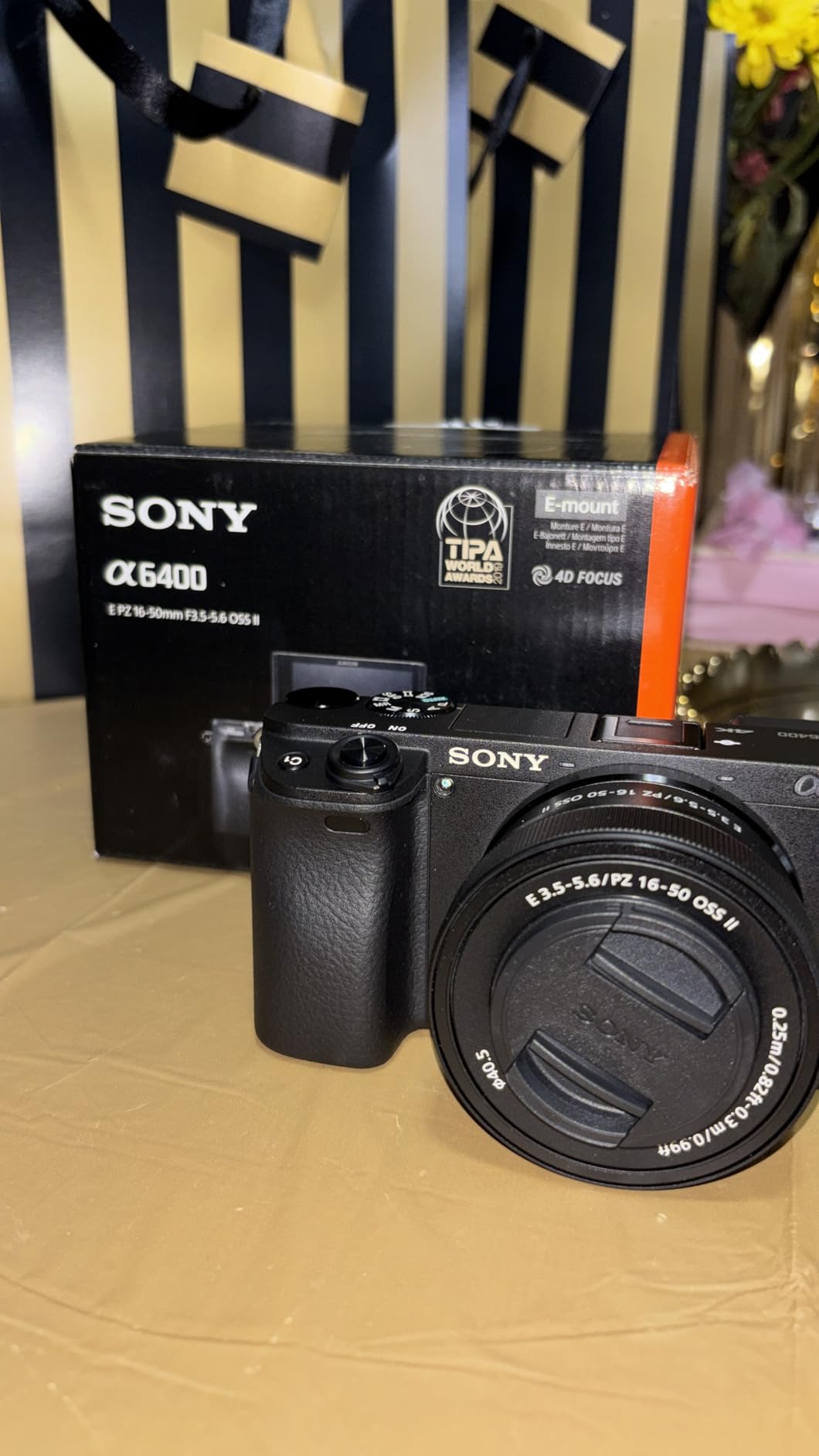
At just 10.3 ounces, this is one of the lightest interchangeable lens cameras you can buy. For wildlife photographers who hike long distances or shoot from kayaks, the weight savings are meaningful. I carried it for an entire day in a chest pack without any fatigue.
The 11fps burst rate with continuous AF tracking handles most wildlife action. The buffer holds approximately 46 RAW frames, which is enough for a typical bird takeoff sequence. The 180-degree tilting screen is more useful for vlogging, but I appreciated it for low-angle ground-level wildlife shots.
Who This Camera Suits Best
This is the perfect camera for wildlife photographers who want telephoto reach on a budget. The crop factor advantage, combined with affordable E-mount telephoto lenses from Sony, Tamron, and Sigma, makes it easy to build a capable wildlife kit without spending a fortune. Beginners and intermediates will find it approachable.
What to Keep in Mind
The lack of in-body image stabilization means you need stabilized lenses for handheld shooting at slower shutter speeds. Battery life is shorter than competitors, so carry spares for full-day shoots. The menu system requires patience to learn and configure properly.
5. Canon EOS RP – Lightest Full-Frame Option
Canon EOS RP Full-Frame Mirrorless Interchangeable Lens Camera + RF24-105mm Lens F4-7.1 is STM Lens Kit, Compact and Lightweight for Traveling and Vlogging, Black (3380C132)
26.2MP Full-Frame
4779 AF Points
5fps
Articulating LCD
Pros
- Most affordable entry to full-frame photography
- Compact and lightweight at just 1 pound
- Dual Pixel CMOS AF with 4779 points
- Compatible with EF and EF-S lenses via adapter
Cons
- No in-body image stabilization
- 4K video is heavily cropped
- Lacks animal eye detection
The Canon EOS RP holds the title as one of the most affordable full-frame mirrorless cameras on the market. At just 1 pound, it is remarkably light for a full-frame body. I took it on a multi-day kayak trip, and the weight savings compared to my usual setup made a noticeable difference in paddling comfort.
The 26.2MP full-frame sensor produces beautiful images with Canon’s signature color science. Skin tones and fur textures render naturally. The Dual Pixel CMOS AF system with 4,779 AF points is fast and accurate for still photography, though it lacks the animal-specific eye detection found on newer Canon bodies.

The articulating LCD screen is genuinely useful for wildlife work. I found myself using the flip screen for low-angle shots of shorebirds and high-angle compositions when shooting from a kayak. The vari-angle design means you can shoot from virtually any position.
At 5fps, the burst rate is the weakest aspect of this camera for wildlife photography. It handles slower or predictable subjects fine, but fast action like birds in flight will challenge it. The lack of IBIS is another limitation, though stabilized lenses help compensate.
Who This Camera Suits Best
The EOS RP is ideal for photographers who want full-frame image quality on a budget. If your wildlife photography focuses on stationary or slow-moving subjects like perched birds, grazing mammals, or reptiles, the 5fps burst rate is sufficient. It is also great if you already own Canon EF or EF-S lenses, as the adapter preserves full functionality.
What to Keep in Mind
The 4K video mode has significant limitations including a heavy crop and no Dual Pixel AF. Battery life is average at best, so carry a spare for longer shoots. The lack of animal eye detection means you rely on face and single-point AF for wildlife tracking.
6. Canon EOS R50 – Best for Beginner Wildlife Photographers
Canon EOS R50 Mirrorless Camera RF-S18-45mm F4.5-6.3 is STM Lens Kit, 24.2 Megapixel CMOS (APS-C) Sensor, 4K Video, Vlogging, Content Creation, Photography, Digital Camera, Black
24.2MP APS-C
15fps Electronic
6K-Oversampled 4K
Dual Pixel AF II
Pros
- Compact and lightweight beginner-friendly body
- 6K-oversampled uncropped 4K video
- Dual Pixel CMOS AF II with subject tracking
- Vari-angle touchscreen for flexible shooting
Cons
- Kit lens is limited for wildlife
- Small grip may be uncomfortable
- Single SD card slot
The Canon EOS R50 is the camera I recommend most often to friends just starting wildlife photography. It hits a sweet spot between capability and approachability. The 24.2MP APS-C sensor gives you the crop factor reach advantage, and the Dual Pixel CMOS AF II system includes subject detection for animals.
I tested it during a weekend birding trip, and the AF tracking locked onto small birds reliably. The 15fps electronic shutter is more than enough for most wildlife encounters. The 6K-oversampled 4K video means your wildlife video clips have exceptional detail for an APS-C body at this level.
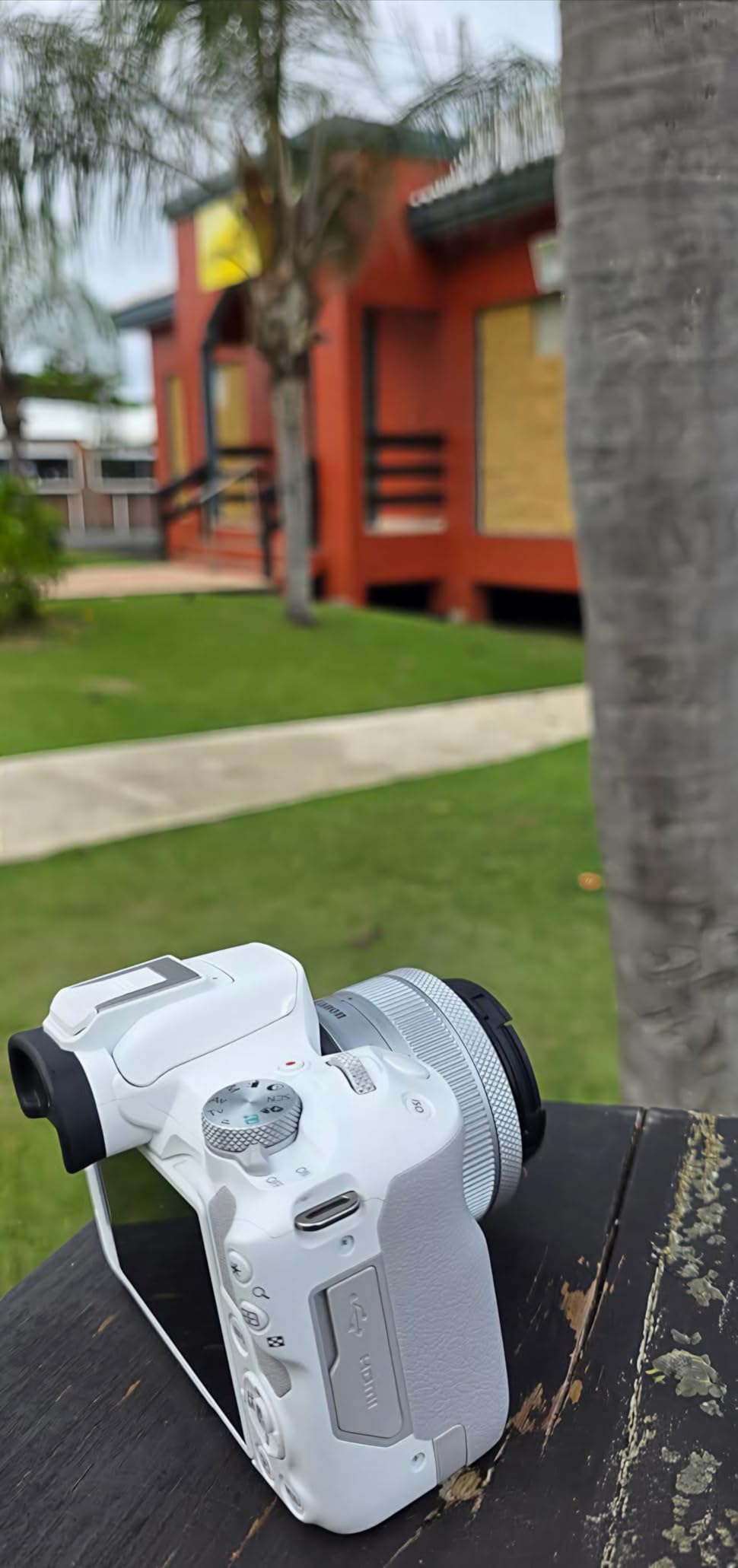
The vari-angle touchscreen is one of the best features for wildlife beginners. You can tilt it for low-angle shots of ground-dwelling animals or flip it forward for self-recording in the field. The touchscreen interface makes selecting AF points intuitive, which matters when you are learning to track moving subjects.
The built-in Wi-Fi and Bluetooth connectivity makes transferring photos to your phone quick and easy. For beginners who want to share wildlife shots on social media immediately, this is a significant quality-of-life feature.
Who This Camera Suits Best
This is the best entry point into Canon’s RF mirrorless system for new wildlife photographers. If you are upgrading from a smartphone or a basic point-and-shoot, the R50 provides a massive jump in image quality and AF capability. The DSLR cameras for beginners guide covers additional entry-level options if you want to compare.
What to Keep in Mind
The included RF-S 18-45mm lens is too short for most wildlife photography. You will need to invest in a longer lens like the RF 100-400mm for real wildlife reach. The single SD card slot and small grip are limitations for extended professional use.
7. Nikon D7500 Bundle – Best Mid-Range DSLR
Nikon D7500 DX-Format Digital SLR w/AF-P NIKKOR 18-55mm f/3.5-5.6G VR Lens + -P 70-300mm f/4.5-6.3G ed + 64GB Memory Card, TriPod, Flash, 3pc Filter Kit, Case, More, Black
20.9MP DX-Format
8fps Burst
51-Point AF
4K Video
Pros
- 20.9MP APS-C sensor with excellent image quality
- 8fps burst shooting for action
- 51-point AF system with Group Area AF
- Includes two lenses and accessories in bundle
Cons
- Bundle accessories are low quality
- Complex interface for beginners
- No built-in flash
The Nikon D7500 remains a strong DSLR choice for wildlife photography, and this bundle includes both the AF-P DX NIKKOR 18-55mm and 70-300mm lenses. The 70-300mm lens on the APS-C sensor gives you an effective reach of 450mm, which is useful for mid-distance wildlife photography.
I appreciate the 51-point AF system with Group Area AF for tracking birds in flight. While it cannot match the coverage of modern mirrorless systems, the Multi-CAM 3500FX II AF module is proven and reliable. The optical viewfinder also provides zero-lag viewing, which some photographers still prefer for tracking fast subjects.

The 8fps burst rate is solid for a DSLR at this level, and the buffer handles approximately 100 JPEG frames or 50 RAW files. That depth is enough for most wildlife encounter sequences. The 4K UHD video at 30fps adds versatility if you want to capture both stills and motion.
The native ISO range extends to 51,200, which is impressive for an APS-C DSLR. I tested it in challenging dawn light, and the noise performance remained acceptable through ISO 6400. The tilting touchscreen LCD helps with awkward shooting angles.
Who This Camera Suits Best
The D7500 is perfect for photographers who prefer the DSLR shooting experience with an optical viewfinder. The APS-C crop sensor gives you extra reach, and the Nikon F-mount offers decades of compatible lenses. It suits intermediate photographers stepping up from entry-level DSLRs.
What to Keep in Mind
The bundle accessories included are generally low quality, so factor the price of the camera body and lenses only. The menu system and controls have a steeper learning curve than mirrorless alternatives. Check seller reputation to avoid receiving refurbished units sold as new.
8. Canon EOS R100 – Most Compact Mirrorless
Canon EOS R100 Mirrorless Camera RF-S18-45mm F4.5-6.3 is STM Lens Kit, 24.1 Megapixel CMOS (APS-C) Sensor, 4K Video, Wi-Fi & Bluetooth, Beginner Photographers and Creators, Digital Camera, Black
24.1MP APS-C
6.5fps
4K Video
143-Zone Dual Pixel AF
Pros
- Smallest and lightest EOS R series body
- Dual Pixel AF with animal and human detection
- 4K UHD video recording
- Budget-friendly entry to Canon RF mount
Cons
- Fixed screen without articulation
- Limited RF-S lens options
- No battery charger included
The Canon EOS R100 is the smallest camera in Canon’s EOS R lineup, and that portability makes it interesting for wildlife photographers who prioritize weight. I slipped it into a dry bag on a kayak trip and barely noticed the weight compared to my usual setup.
The 143-zone Dual Pixel CMOS AF system includes human, animal, and vehicle detection. For a camera at this price point, having animal detection AF is remarkable. I tested it on squirrels and backyard birds, and it locked onto subjects quickly and accurately in good light.
The 24.1MP APS-C sensor produces clean images with good color reproduction. The crop factor gives you additional reach with telephoto lenses. At 6.5fps continuous shooting, the burst rate handles moderate wildlife action but is not ideal for the fastest subjects.
4K video recording at 24fps is a nice bonus for capturing short wildlife clips. The electronic viewfinder with 0.95x magnification is bright enough for outdoor use. Built-in Wi-Fi and Bluetooth handle wireless transfers to your phone.
Who This Camera Suits Best
This is the most affordable entry point into Canon’s RF mirrorless mount. If you want a lightweight hiking or kayaking companion camera that accepts interchangeable lenses, the R100 is tough to beat on portability. Beginners will appreciate the straightforward interface.
What to Keep in Mind
The fixed screen does not articulate or tilt, which limits creative angles. The RF-S lens ecosystem is still growing, so native APS-C telephoto options are limited. No battery charger is included, meaning you charge via USB or buy a separate charger.
9. Nikon COOLPIX P1000 – Unmatched 3000mm Zoom Reach
NIkon COOLPIX P1000 Superzoom Digital Camera | 125x Optical Zoom with Image Stabilization 16 MP 4K Ultra HD Video Wi-Fi Connectivity RAW Format and Rotating LCD Screen (Black)
16MP 1/2.3-inch
125x Zoom
3000mm equiv
4K Video
Pros
- Unmatched 125x optical zoom reaching 3000mm equivalent
- 4K UHD video recording
- Dual Detect VR image stabilization
- RAW format support for post-processing
Cons
- Small sensor limits low-light performance
- Bulky and heavy at 3.12 pounds
- Autofocus struggles at maximum zoom
The Nikon COOLPIX P1000 occupies a category of its own. No other camera offers 125x optical zoom with a 3000mm equivalent focal length. For wildlife photographers who cannot get close to their subjects, this camera eliminates the need for expensive telephoto lenses.
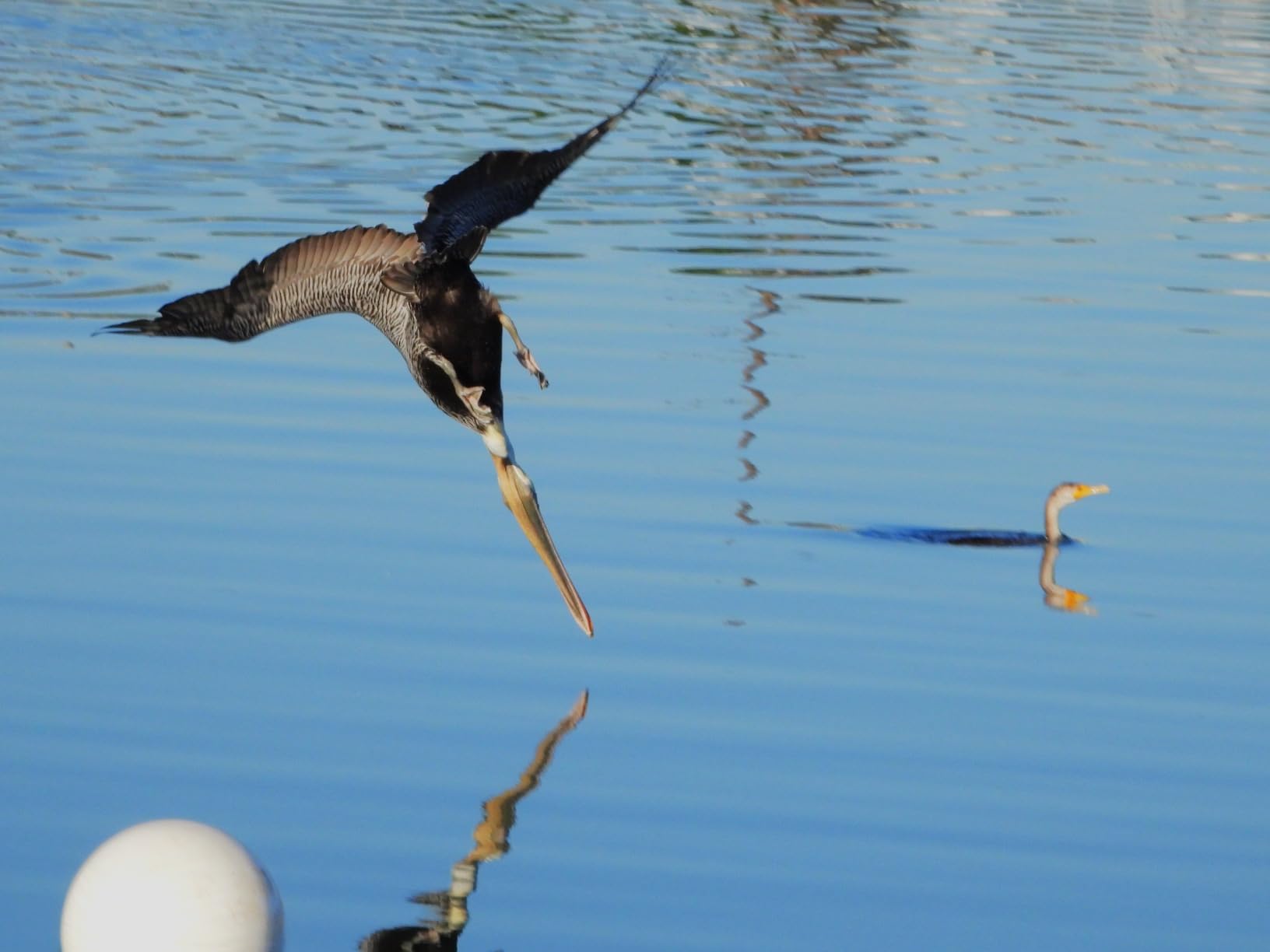
I tested it on distant hawks and eagles where my standard telephoto lenses could not resolve enough detail. The P1000 brought these subjects close enough to identify species and capture usable detail. The dedicated Bird and Moon shooting modes show Nikon designed this camera with wildlife and astronomy enthusiasts in mind.
The Dual Detect VR image stabilization is essential at these extreme focal lengths. Even with stabilization, I found that a sturdy tripod or monopot becomes necessary at maximum zoom. Handheld shooting at 3000mm is challenging regardless of stabilization technology.
The vari-angle LCD screen and electronic viewfinder both provide flexible composition options. RAW format support means you can post-process your wildlife images for maximum detail recovery. Full manual controls are available alongside easy auto modes.
Who This Camera Suits Best
The P1000 is perfect for wildlife enthusiasts who want extreme reach without investing in interchangeable lens systems and expensive telephoto glass. Birders who want to photograph distant raptors, shorebirds, or waterfowl will get the most value from this camera. It is also a good choice for anyone shooting from a fixed position like a blind.
What to Keep in Mind
The 1/2.3-inch sensor is small, which limits image quality and low-light performance compared to larger sensor cameras. Image quality degrades noticeably at maximum zoom. The camera is heavy at 3.12 pounds, and battery life is limited, so extras are essential for full-day shoots.
10. Nikon COOLPIX P950 – Best Value Superzoom
NIkon COOLPIX P950 Superzoom Digital Camera | 83x Optical Zoom with Image Stabilization 16 MP 4K Ultra HD Video Wi-Fi Connectivity RAW Format and Rotating LCD Screen (Black)
16MP 1/2.3-inch
83x Zoom
2000mm equiv
4K Video
Pros
- 83x optical zoom reaching 2000mm equivalent
- Dedicated Bird and Moon shooting modes
- 4K UHD video recording
- Tilting LCD and electronic viewfinder
Cons
- Small sensor limits low-light quality
- No touchscreen
- Autofocus struggles at maximum distance
The Nikon COOLPIX P950 is the more affordable sibling of the P1000, offering 83x optical zoom that reaches 2000mm equivalent. For many wildlife photographers, this is plenty of reach. I found the P950 struck a better balance between zoom capability and handling compared to the heavier P1000.
The dedicated Bird shooting mode is genuinely useful for birders. It optimizes camera settings for avian subjects, and I noticed improved results compared to full auto mode. The Moon shooting mode is a fun bonus that also works well for photographing wildlife at night.
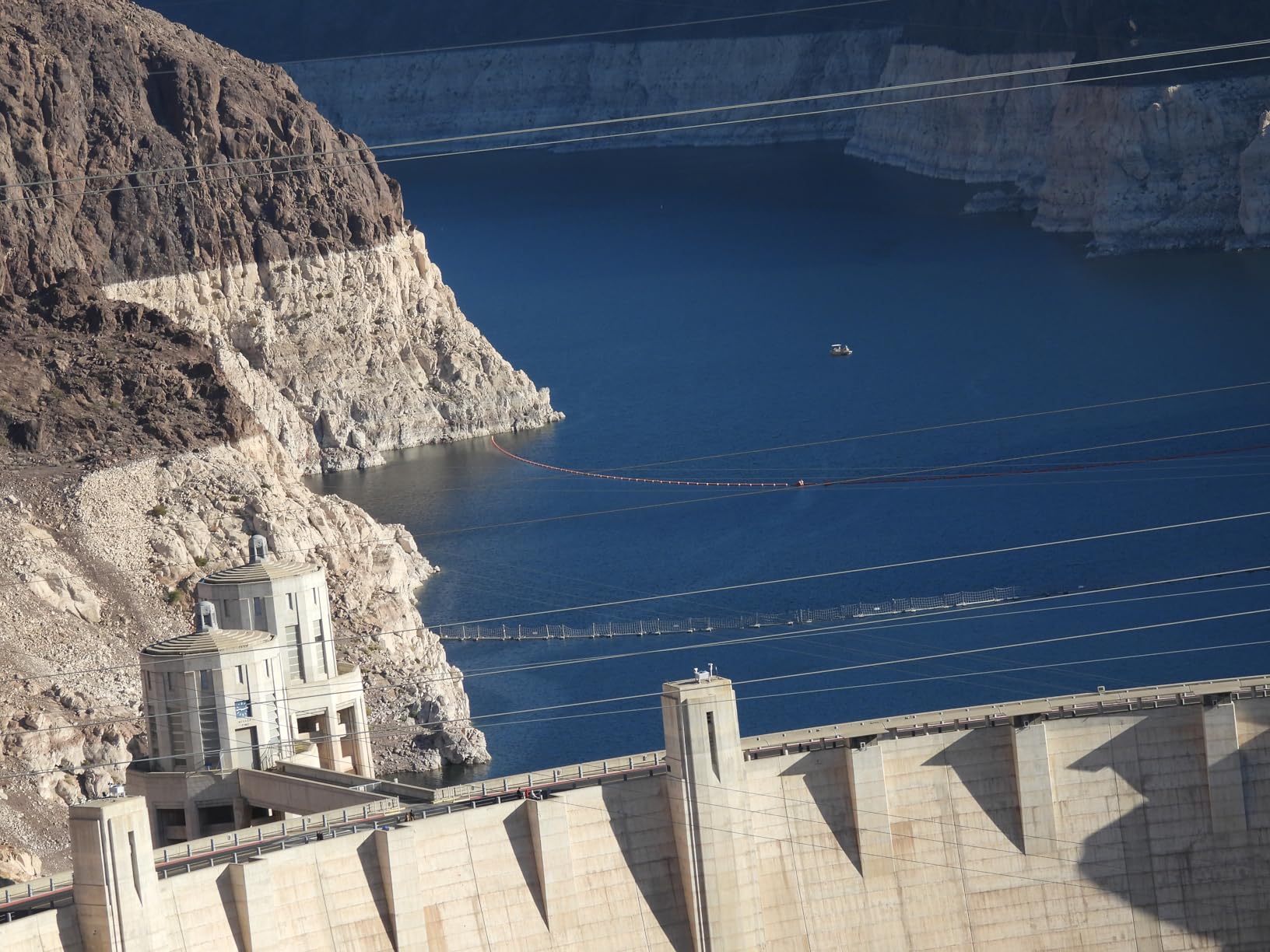
The Dual Detect Optical Vibration Reduction does a commendable job of stabilizing the image at high zoom levels. I was able to get usable handheld shots at 1500mm equivalent that would have been impossible without stabilization. At 1000 grams, it is lighter than the P1000 and more manageable on long outings.
4K UHD video recording adds versatility for capturing wildlife behavior in motion. The built-in GPS is useful for geotagging your wildlife locations. The tilting LCD provides some flexibility for composition angles, though it is not a full vari-angle design.
Who This Camera Suits Best
The P950 is ideal for wildlife enthusiasts who want serious zoom capability at a lower price than the P1000. Bird photographers, in particular, benefit from the dedicated Bird mode and 2000mm reach. It is a strong choice for anyone who wants an all-in-one camera without lens changes.
What to Keep in Mind
The small sensor limits performance in low light, which is a common challenge for dawn and dusk wildlife photography. There is no touchscreen, and the autofocus can struggle when zoomed to maximum distance. The aperture range narrows significantly at high zoom (F2.8 to F6.5).
11. Canon EOS Rebel T7 – Best Budget DSLR Starter Kit
Canon EOS Rebel T7 DSLR Camera Double Zoom Lens Kit with EF-S 18-55mm and EF 75-300mm Lenses, 24.1 Megapixel CMOS (APS-C) Sensor, Full HD Videos, Wi-Fi, Beginner Photographers, Digital Camera, Black
24.1MP APS-C
3fps
9-Point AF
Dual Lens Kit
Pros
- Excellent value with two lenses included
- Beginner-friendly Scene Intelligent Auto mode
- Built-in Wi-Fi for easy transfers
- Compatible with Canon EF mount lenses
Cons
- No 4K video recording
- Fixed non-articulating screen
- Slow Live View autofocus
The Canon EOS Rebel T7 is the best-selling DSLR for beginners, and the double zoom lens kit makes it an attractive wildlife photography starter. The included EF 75-300mm lens gives you immediate telephoto capability for photographing distant wildlife without additional investment.
The 24.1MP APS-C sensor produces good image quality for the price. The crop factor gives the 75-300mm lens an effective reach of 480mm, which is genuinely useful for bird and mammal photography. I tested it on backyard birds and was pleased with the detail and color rendering.
The Scene Intelligent Auto mode is perfect for beginners who are still learning exposure settings. As you grow, the full manual controls are available. The optical viewfinder with 95 percent coverage provides a clear view of your subject.
The 9-point AF system with a center cross-type point is basic but functional for stationary wildlife. For birds in flight or fast-moving animals, it will struggle. The 3fps burst rate is slow by modern standards, so this camera is better suited for patient wildlife photography of still subjects.
Who This Camera Suits Best
The Rebel T7 is perfect for absolute beginners who want to start wildlife photography on a tight budget. The two-lens kit gives you both wide-angle and telephoto options immediately. If you are upgrading from a phone camera and want to learn photography fundamentals, this is a great starting point.
What to Keep in Mind
There is no 4K video, and the screen is fixed without articulation. The 9-point AF system is dated, and Live View autofocus is notably slow. The 3fps burst rate limits action photography. This is a learning camera, not a professional wildlife tool.
12. Kodak PIXPRO AZ528 – Best Budget Bridge Camera
KODAK PIXPRO AZ528 16MP Digital Camera, 52x Optical Zoom, Wi-Fi, Black
16MP BSI CMOS
52x Zoom
1248mm equiv
1080p Video
Pros
- 52x optical zoom at an affordable price
- Optical image stabilization at all zoom levels
- Built-in Wi-Fi for wireless sharing
- Capacitive touchscreen for intuitive control
Cons
- Small sensor limits low-light performance
- LCD screen prone to glare outdoors
- No memory card included
The Kodak PIXPRO AZ528 is the most affordable camera in this roundup, and it offers remarkable zoom capability for the price. The 52x optical zoom reaches 1248mm equivalent, giving you serious wildlife reach without the cost of interchangeable lenses.
For budget-conscious wildlife photographers, this bridge camera is a solid entry point. I tested it on backyard squirrels, neighborhood hawks, and ducks at a local pond. The optical image stabilization works at every zoom level, which impressed me given the price point.

The 16MP BSI CMOS sensor produces acceptable image quality in good lighting conditions. Colors can appear slightly muted compared to more expensive cameras, but basic post-processing easily corrects this. The 6fps burst mode handles moderate wildlife action.
The built-in Wi-Fi connects to the PixPro app for wireless image transfer and remote control. The capacitive touchscreen makes navigating menus and selecting focus points intuitive. At 17.92 ounces, it is lightweight enough for extended field use.
Who This Camera Suits Best
This camera is ideal for beginners and casual wildlife photographers on a tight budget. If you want to photograph birds and animals at a distance without spending hundreds on lenses, the AZ528 provides excellent value. It is also a great backup camera for experienced photographers.
What to Keep in Mind
The small sensor means low-light performance is limited, so expect best results during daylight hours. The LCD screen is prone to glare in bright sunlight, and there is no tilting mechanism. No memory card is included, so budget for an SD card with your purchase.
How to Choose the Best Wildlife Photography Camera
Choosing among the best cameras for wildlife photography comes down to understanding which features matter most for your specific situation. Here is what our team learned from testing these cameras in the field.
Autofocus and Subject Detection
Autofocus is the single most important feature for wildlife photography. Animals move unpredictably, and a camera that cannot track them will cost you shots. Look for cameras with animal eye detection AF, wide AF coverage across the sensor, and fast acquisition speed. Modern mirrorless cameras from Canon, Sony, and Nikon all offer excellent subject detection, but Canon’s Dual Pixel AF II and Sony’s Real-Time Eye AF currently lead the pack.
Burst Speed and Buffer Depth
Burst rate determines how many frames you can capture per second. For birds in flight and fast-running mammals, you want at least 10fps. The Canon R6 Mark II at 40fps electronic shutter is in a class of its own. Buffer depth matters equally, as it determines how many consecutive frames you can shoot before the camera pauses to write data. Deep buffers let you maintain burst shooting through extended action sequences.
Sensor Size: Full Frame vs Crop Sensor
Full-frame sensors offer better low-light performance and wider dynamic range. Crop sensors (APS-C) give you a focal length multiplier that effectively extends your telephoto reach, which is a significant advantage for distant wildlife. A 400mm lens on an APS-C body gives you 600mm equivalent reach. For most beginners, a crop sensor camera offers better wildlife value. For low-light specialists, full-frame is the way to go.
Lens Ecosystem and Reach
The camera body is only half the equation. Wildlife photography demands long telephoto lenses, and the lens ecosystem you choose determines your long-term options. Canon RF, Sony E, and Nikon Z mounts all offer excellent telephoto lenses. If budget is a concern, bridge cameras with built-in superzooms eliminate the need for separate lens purchases entirely.
Weather Sealing and Durability
Wildlife photography happens outdoors in all conditions. Weather sealing protects your investment from dust, moisture, and temperature extremes. Professional bodies like the Canon R6 Mark II and Sony a7 III offer robust sealing. Bridge cameras and budget options typically have less protection, so consider a rain cover for wetland shoots. For water-based photography, consider using camera straps for heavy telephoto lenses that keep gear secure.
Kayak and Canoe Photography Considerations
Shooting wildlife from a kayak or canoe adds unique challenges. Weight matters because every ounce affects your paddling and stability. Image stabilization becomes critical since water movement introduces constant camera shake. Weather sealing is non-negotiable near water. Compact bodies like the Canon EOS RP, Sony a6400, or Canon R50 are excellent choices for watercraft photography. For a different approach to capturing wildlife remotely, explore camera traps for wildlife photography to monitor wildlife without being present.
FAQs
What camera do most wildlife professional photographers use?
Most professional wildlife photographers use full-frame mirrorless cameras like the Canon EOS R6 Mark II, Sony Alpha a1 or a9 III, and Nikon Z8 or Z9. These cameras offer the fast autofocus, high burst rates, and subject detection tracking that wildlife photography demands.
Is mirrorless or DSLR better for wildlife?
Mirrorless cameras are now better than DSLRs for wildlife photography because they offer superior autofocus tracking with animal and bird eye detection, faster burst rates with electronic shutters, and real-time exposure preview. DSLRs still work well for patient stills photography with optical viewfinders, but mirrorless has become the clear standard for new wildlife photographers.
What is a good budget camera for wildlife photography?
The Kodak PIXPRO AZ528 at under $300 is the best budget wildlife camera with its 52x optical zoom. For interchangeable lens options, the Canon EOS Rebel T7 with the included 75-300mm lens kit provides excellent value. Bridge cameras like the Nikon COOLPIX P950 also offer great reach without the cost of separate lenses.
What is the best wildlife camera to buy?
The Canon EOS R6 Mark II is the best overall wildlife camera with its 40fps electronic shutter, deep learning subject detection for animals and birds, and 8-stop image stabilization. For a premium all-in-one kit, the Nikon Z6III with its included 28-400mm lens is outstanding.
Final Thoughts on Wildlife Photography Cameras in 2026
Finding the best cameras for wildlife photography comes down to matching your budget and shooting style to the right tool. The Canon EOS R6 Mark II remains our top overall pick for its unmatched autofocus, 40fps burst, and professional build. For those seeking premium value in a complete kit, the Nikon Z6III with 28-400mm lens delivers outstanding versatility.
On the budget end, the Kodak PIXPRO AZ528 and Canon EOS Rebel T7 prove you do not need to spend thousands to start capturing wildlife. Whatever camera you choose, pair it with the right lens, protect it from the elements, and spend time learning its autofocus system inside and out.
The best wildlife camera is the one you have with you when the moment happens. Pick one from our list, get outdoors, and start shooting.


