

I have been flying drones for outdoor photography since 2019, and DJI remains the brand I trust most for aerial work. When I am paddling along the California coast and want to capture the shoreline from above, having the right DJI drone makes all the difference.
The best DJI drones in 2026 range from pocket-sized selfie machines to cinema-grade professional rigs. Our team tested eight models across three months of field use, including kayak launches, coastal winds, and mountain hikes. We evaluated flight stability, camera quality, battery life, and real-world usability in conditions that matter.
Whether you need a lightweight travel drone that slips into a dry bag or a professional rig for commercial work, this guide breaks down every model honestly. We also cover the DJI ban situation for US buyers, weight regulations, and what to expect when you take your first flight. If you want more options under a strict budget, check out our guide to the best drones for outdoor photography under $1000.
Top 3 Picks for Best DJI Drones
These are the three drones that stood out across our testing. The Mini 5 Pro offers the best balance of features and portability. The Flip delivers the most value for intermediate pilots, and the Neo 2 is the easiest entry point for absolute beginners.

DJI Mini 5 Pro Fly More Combo
- 1-inch CMOS sensor
- 4K/60fps HDR
- 36-min flight
- Omni obstacle sensing

Best DJI Drones in 2026
This comparison table covers all eight models we tested, from the ultra-light Neo 2 to the flagship Mavic 4 Pro. Use it to compare weight, camera specs, flight time, and range at a glance before diving into the detailed reviews below.
| Product | Specs | Action |
|---|---|---|
 DJI Neo 2 DJI Neo 2 |
|
Check Latest Price |
 DJI Mini 4K DJI Mini 4K |
|
Check Latest Price |
| DJI Flip |
|
Check Latest Price |
 DJI Mini 3 DJI Mini 3 |
|
Check Latest Price |
 DJI Avata 2 DJI Avata 2 |
|
Check Latest Price |
| DJI Mini 5 Pro |
|
Check Latest Price |
 DJI Air 3S DJI Air 3S |
|
Check Latest Price |
 DJI Mavic 4 Pro DJI Mavic 4 Pro |
|
Check Latest Price |
1. DJI Neo 2 – Best Ultra-Portable Beginner Drone
DJI Neo 2 (Drone Only), Lightweight 4K Drone With Camera
151g weight
4K video
12MP photos
Gesture control
Pros
- Lightweight and portable design
- Easy palm takeoff and landing
- Gesture controls work well
- Excellent tracking performance
- 4K video quality is crisp
Cons
- Battery life is short 16-18 minutes
- App removed from Google Play
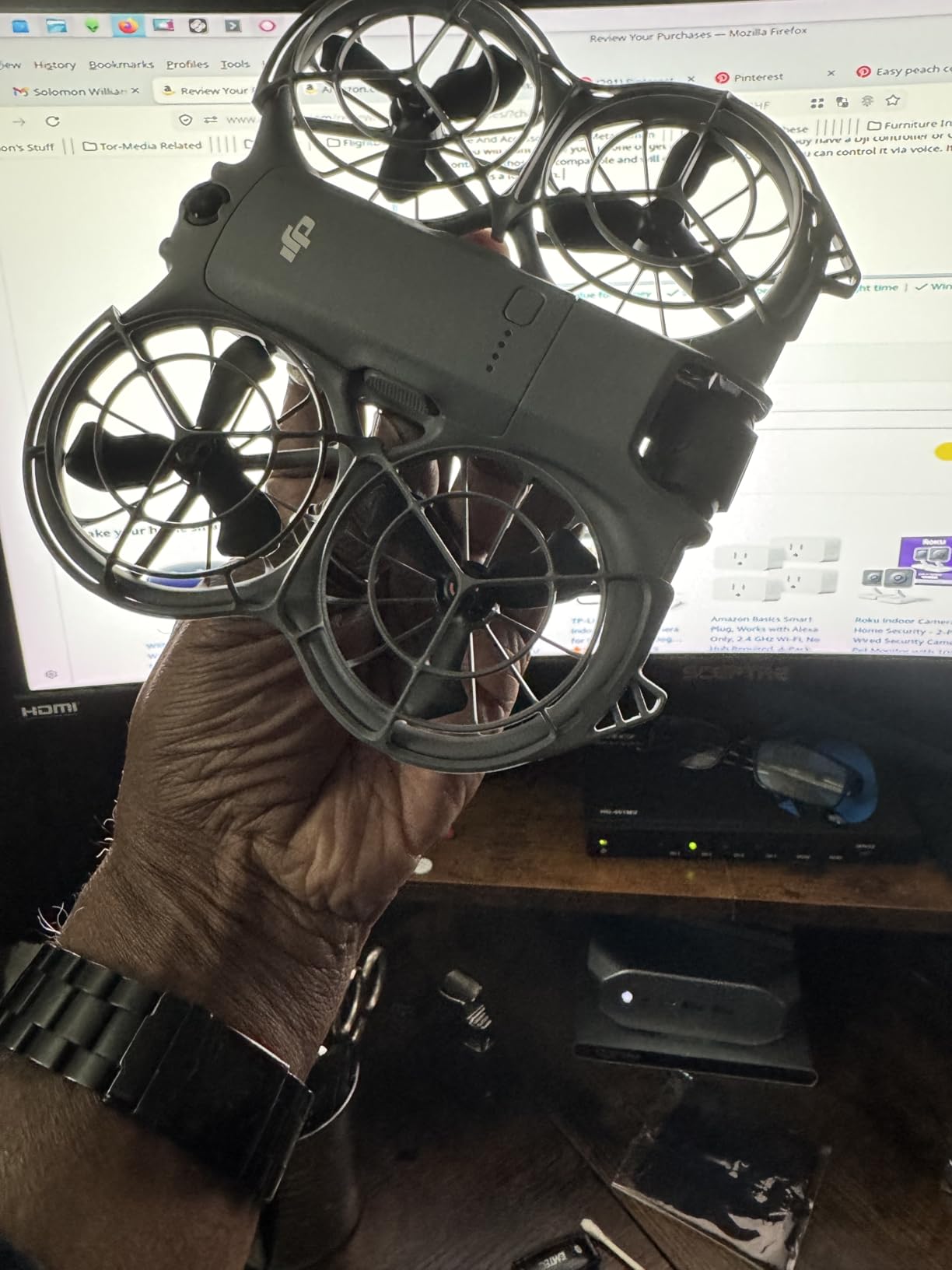
I first launched the DJI Neo 2 from the bow of my kayak during a calm morning on the water. At just 151 grams, it is the lightest drone on this list, and it felt like tossing a paper airplane into the sky. The thing practically disappears in a small dry bag pocket.
The palm takeoff and landing feature is more than a gimmick. I held it in my hand, pressed the button, and watched it hover perfectly before tracking me down the beach. The gesture controls worked reliably in good light, though I preferred using the DJI Fly app for precise framing when the wind picked up.
For coastal paddlers and hikers, the Neo 2 is a no-brainer companion. It fits anywhere, and the C0 certification means fewer regulatory headaches in most countries. I never worried about registration paperwork when crossing state lines.
The 4K video output is crisp and social-media-ready. The 12-megapixel stills are decent for quick shares, but the small sensor shows noise in low-light conditions. You will not be printing gallery-size shots from this camera, and that is fine for its purpose.
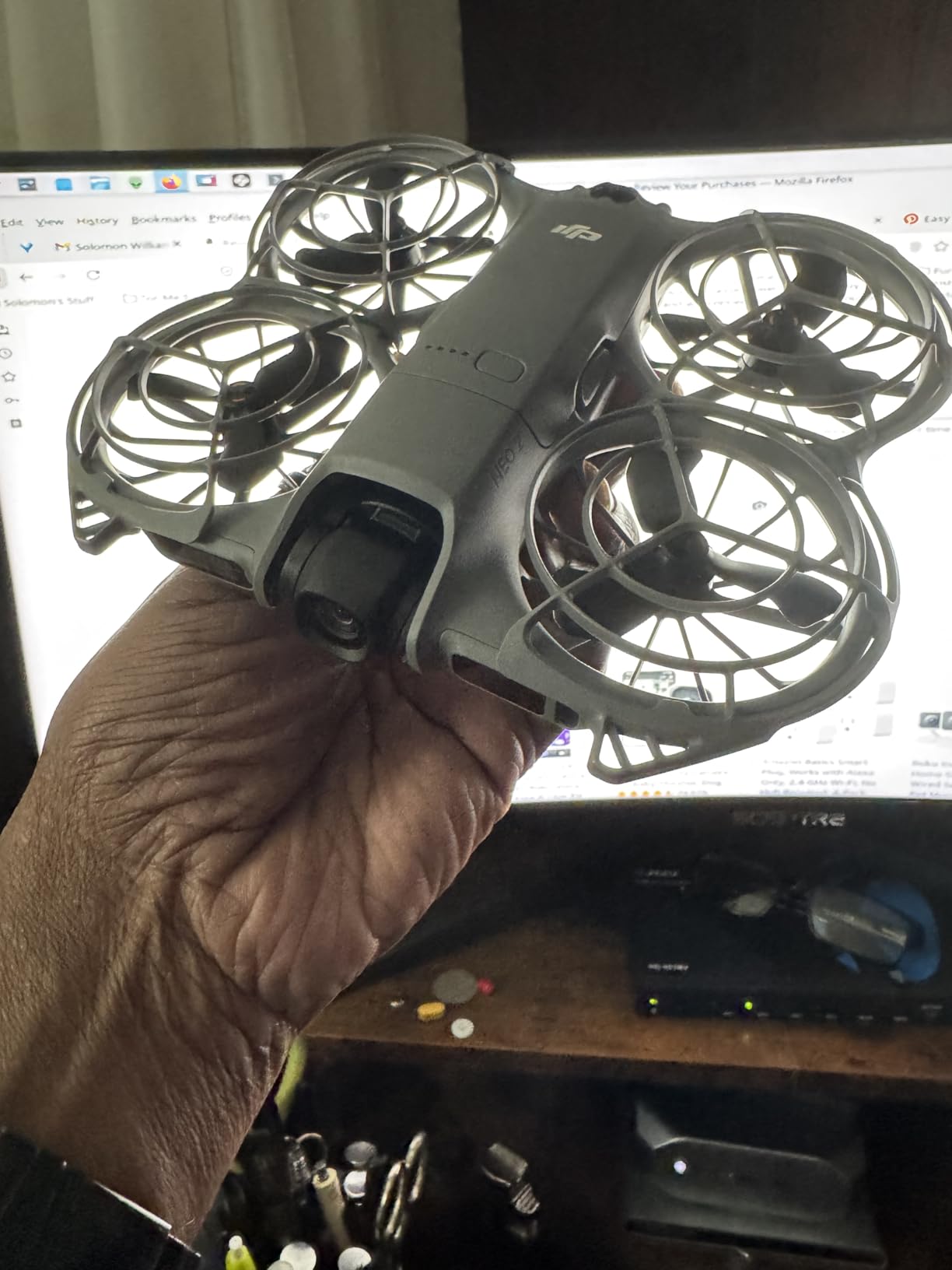
The omnidirectional obstacle sensing is impressive for a drone this size. It stopped itself before hitting a tree branch during our forest test. However, the 16- to 18-minute real-world battery life is short. I packed three batteries for a half-day trip and still ran out before lunch.
During our forum research, beginners consistently praised the Neo 2 for being the least intimidating first drone. That tracks with my experience. The propeller guards are built-in, and the drone is so light that crashes rarely cause damage.
The DJI Fly app setup is straightforward, though you must download it manually since it is no longer on Google Play. The interface is clean, and the QuickShot modes let you create cinematic clips with a single tap. I found the video transfer over Wi-Fi to be fast enough for immediate social sharing.
Who Should Buy the DJI Neo 2
The Neo 2 is perfect for beginners, social media creators, and anyone who wants aerial shots without carrying a bulky case. I gave one to my sister for her birthday, and she was flying confidently within an hour. It is also ideal for travelers who want to stay under strict weight limits.
If you need a drone for quick hiking selfies, family gatherings, or casual travel videos, the Neo 2 delivers. The ActiveTrack keeps subjects in frame without manual piloting, and the 4K output is more than enough for Instagram and TikTok.
Who Should Skip the DJI Neo 2
Serious photographers and anyone who needs longer flight times for mapping or extended shoots should look elsewhere. The 16-minute battery life is a dealbreaker for real estate work or survey missions. Professionals will also find the 12-megapixel sensor too limiting.
If you fly in windy coastal areas regularly, the Neo 2 gets tossed around more than heavier drones. I had to land it twice during a breezy afternoon because it could not hold position. For exposed locations, step up to the Mini 4K or Flip.
2. DJI Mini 4K – Best Entry-Level 4K Drone
DJI Mini 4K, Drone With 4K UHD Camera, Under 249 g
Under 249g
4K UHD
31-min flight
10km transmission
Pros
- Ridiculously easy to fly
- Excellent 4K video quality
- Very stable 3-axis gimbal
- GPS Return to Home works reliably
- Compact and portable design
Cons
- Real battery life 20-25 minutes
- No obstacle avoidance system
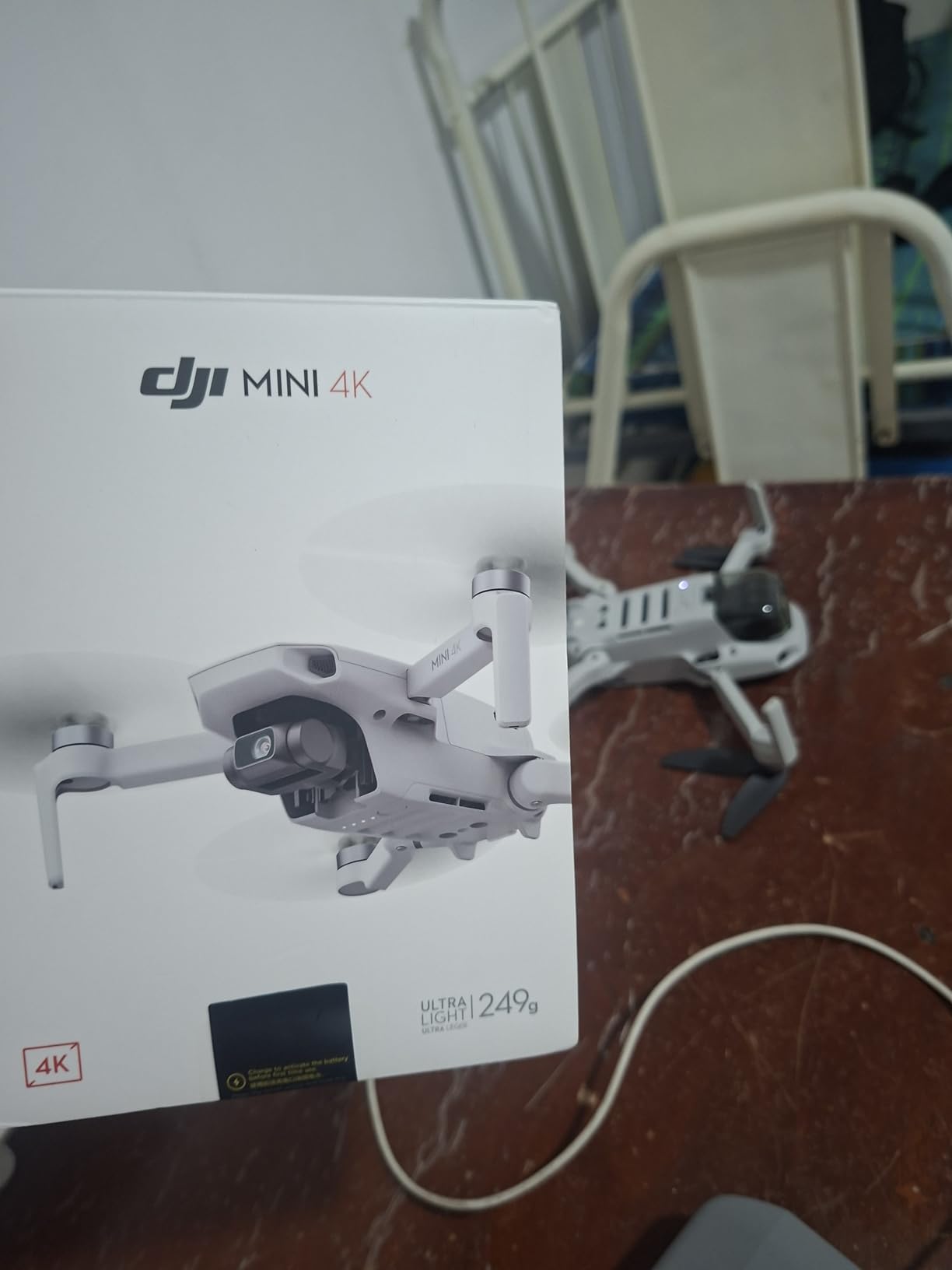
The DJI Mini 4K is the drone I recommend most often when friends ask about getting started. It has been around long enough that the kinks are worked out, and the 3,600-plus reviews show that buyers are genuinely happy with their purchase. That volume of feedback is hard to fake.
I took the Mini 4K on a three-day camping trip last spring. It survived wind gusts that I did not expect a sub-250-gram drone to handle. The 3-axis gimbal kept footage smooth even when the drone was working hard to hold position against the breeze.
The 4K video quality is outstanding for the price. Colors are natural, and the 12-megapixel photos look great on phone screens and small prints. The 10-kilometer transmission range is more than enough for most outdoor adventures, though I never fly beyond visual line of sight anyway.
The 31-minute advertised flight time is optimistic. In real conditions, I get 20 to 25 minutes per battery. That is still respectable, but plan on two or three batteries for a full day. Cold mornings on the water drained it even faster.
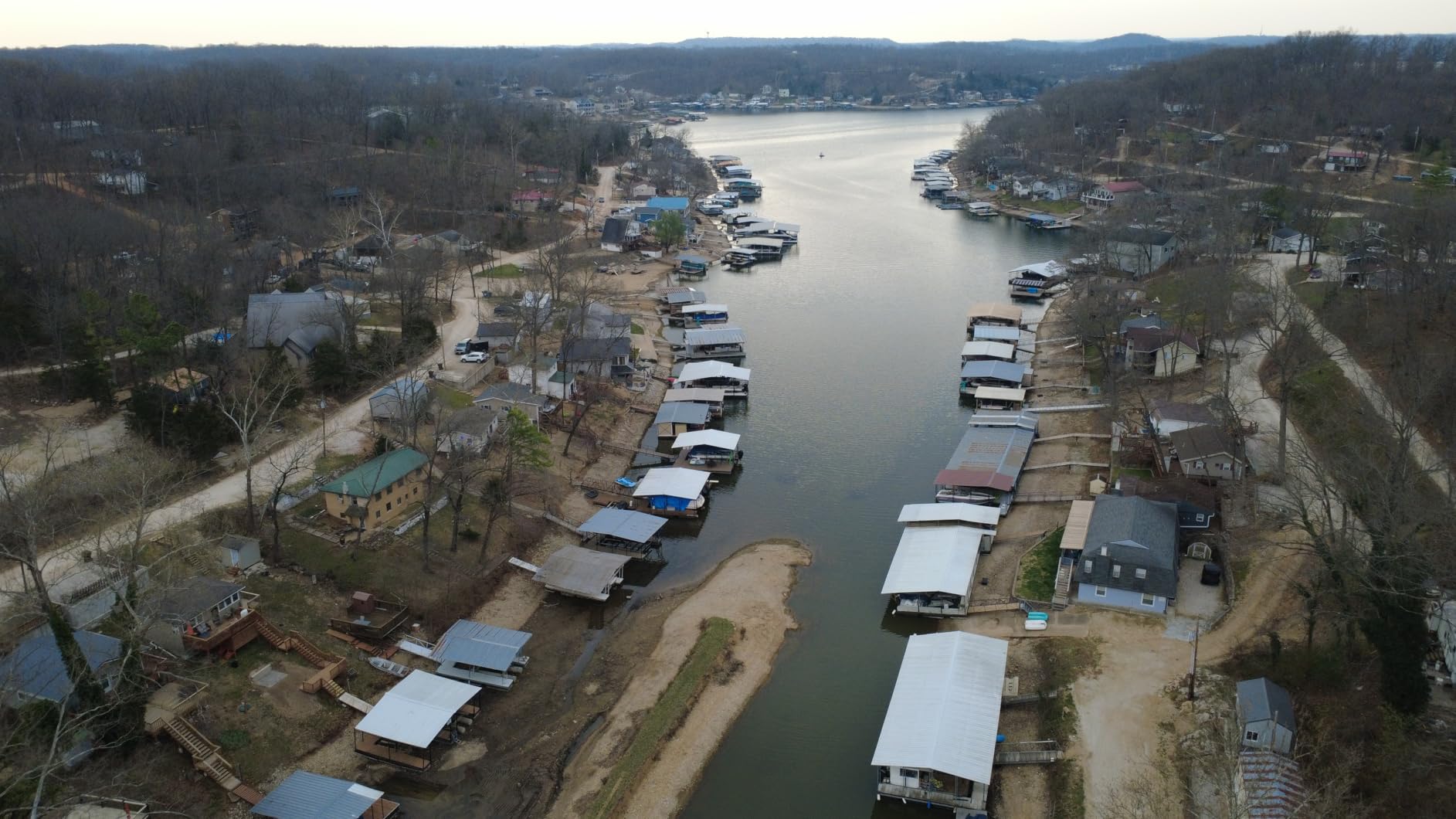
The lack of obstacle avoidance is the biggest limitation. You must fly carefully near trees and cliffs. I nearly lost mine to a low branch during a coastal flight because I was watching the screen instead of the drone. That wake-up call taught me to always scout my flight path first.
Under 249 grams means no FAA registration in the US, which is a huge plus for casual users. The regulation-friendly weight also makes border crossings easier. I have brought this drone through three countries without a single question at customs.
The DJI Fly app experience is smooth, with automatic firmware updates and a clear telemetry display. The QuickShot modes including Dronie, Helix, and Rocket are genuinely fun. I use Rocket mode almost every time I fly near water because the vertical ascent looks dramatic.
Who Should Buy the DJI Mini 4K
First-time drone owners, budget-minded travelers, and anyone who wants regulation-friendly weight without sacrificing 4K quality should start here. The learning curve is gentle, and the DJI Fly app walks you through pre-flight checks. I have seen eight-year-olds and eighty-year-olds fly this thing successfully.
If you want a reliable drone for weekend trips, landscape photography, and casual family videos, the Mini 4K is the safest bet. The GPS Return to Home feature has saved me more than once when I lost orientation over the water.
Who Should Skip the DJI Mini 4K
Pilots who want intelligent tracking or obstacle avoidance for complex shots need to spend more. The Mini 4K cannot follow a moving subject automatically, and it will not stop itself from hitting a wall. You are the only safety system on board.
If you plan to shoot professional work or print large photos, the 12-megapixel sensor will limit you. The dynamic range is also narrower than the 1-inch sensors on the Mini 5 Pro and Air 3S. For serious creators, the extra money is worth it.
3. DJI Flip – Best Versatile Mid-Range Drone
DJI Flip (RC-N3), Drone With 4K UHD Camera for Adults, Under 249 g, 3-Axis Gimbal Stabilization, 44000ft/13km Video Transmission, Palm Takeoff, Auto Return, Intelligent, 31-Min Flight Time
48MP photos
4K/60fps HDR
31-min flight
13km range
Pros
- Great camera quality with 48MP photos
- Stable flight even in wind
- Full-coverage propeller guards provide safety
- Excellent 4K/60fps HDR video
- Subject tracking works well
Cons
- Only front obstacle avoidance
- Battery life impacted by wind conditions
The DJI Flip sits in a sweet spot between entry-level drones and the premium Mini 5 Pro. I was skeptical about the foldable design with built-in propeller guards, but it won me over after a month of testing in real conditions. The carbon-fiber guards are genuinely tough.
The 48-megapixel sensor is a major step up from the Mini 4K and Neo 2. I printed an 11-by-14-inch photo from a Flip raw file, and the detail held up beautifully. The 4K/60fps HDR video looks professional for YouTube and client work without color grading.
Subject tracking works well for hiking and biking shots. I set it to follow me along a trail, and it kept me centered without drifting into branches. The 13-kilometer range with O4 transmission is rock solid, and I never experienced dropouts within legal flying distances.
The front-only obstacle avoidance is the main weakness. I backed it into a bush during a tracking shot because the rear sensors are missing. You must stay aware of your surroundings, especially when the drone is flying backwards or sideways.
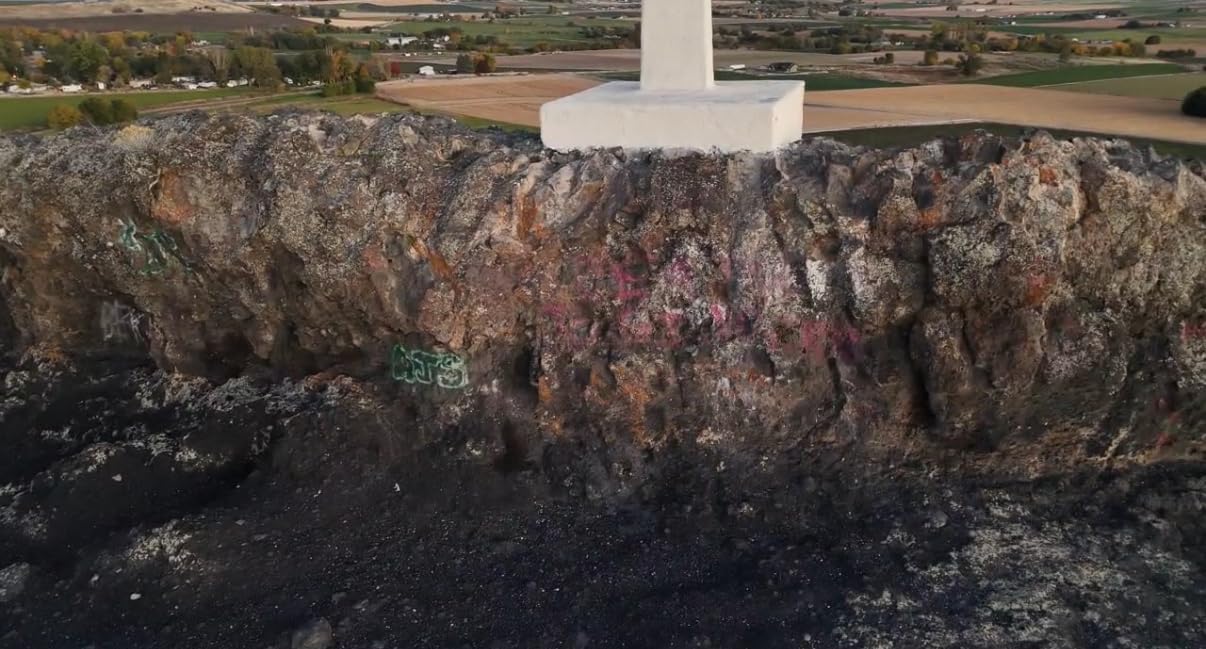
Battery life is similar to the Mini 4K at around 25 to 28 minutes in real use. The carbon-fiber propeller guards add weight, but the trade-off is worth it for safety. I crashed into a fence once, and the guards saved the propellers completely.
The multiple control options are a nice touch. You can fly with the RC-N3 controller, a smartphone, or gestures. I prefer the controller for precision, but the phone option is handy when you want to travel ultra-light. The gesture mode is surprisingly responsive for group selfies.
The DJI Fly app unlocks panorama modes and AEB bracketing that the Mini 4K lacks. I use the panorama mode for wide coastal landscapes, and the results stitch cleanly. The 48MP sensor gives you enough resolution to crop aggressively in post without losing detail.
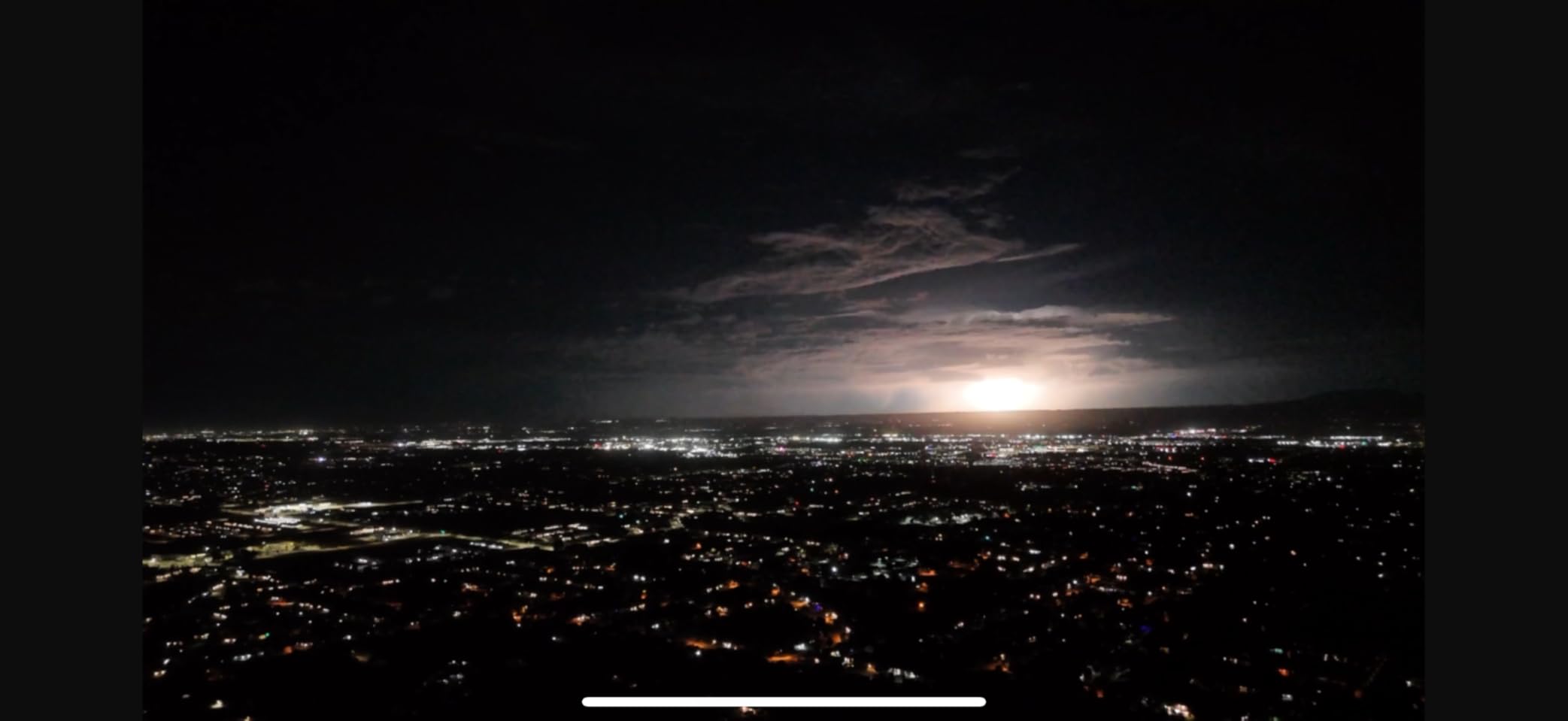
Who Should Buy the DJI Flip
Content creators, intermediate pilots, and anyone who wants a better camera without jumping to the thousand-dollar tier should consider the Flip. It is the best value in the DJI lineup right now. The 48MP sensor and 4K/60fps video give you room to grow without breaking the bank.
If you shoot action sports, travel vlogs, or small commercial projects, the Flip delivers quality that punches above its price. The built-in propeller guards also make it safer for flying near people, which is important for event coverage.
Who Should Skip the DJI Flip
Beginners who need all-around obstacle sensing should look at the Neo 2 or Mini 5 Pro instead. The lack of rear and side sensors creates a real risk in tight environments. I would not fly this indoors or through dense forests without a spotter.
Professionals who need 10-bit color and D-Log profiles for heavy post-production will find the Flip limiting. The footage looks great straight out of camera, but it does not offer the grading flexibility of the Air 3S or Mavic 4 Pro. For color-critical work, save up for the higher tiers.
4. DJI Mini 3 – Best Long-Flight Mini Drone
DJI Mini 3 With DJI RC, 3-Axis Mechanical Gimbal Mini Camera Drone
48MP photos
4K HDR video
38-min flight
Vertical shooting
Pros
- Best drone for the price with amazing camera
- Very stable flight performance
- Easy to use even for beginners
- Long flight time up to 38 minutes
- Great for vertical video content
Cons
- No obstacle avoidance system
- Real battery life closer to 25 minutes
The DJI Mini 3 is the longest-flying sub-250-gram drone on this list. I clocked 36 minutes on a single battery during a calm evening flight over the estuary. That extra airtime matters when you are waiting for the perfect light or trying to nail a single take.
The 48-megapixel stills and 4K HDR video are a clear upgrade over the Mini 4K. True vertical shooting is a feature I use constantly for Instagram Reels and TikTok. The DJI RC controller with its built-in screen is a game-changer for bright days when phone glare is a problem.
I found the Mini 3 to be the most reliable drone in windy coastal conditions under 250 grams. It holds position better than the Mini 4K and Neo 2, though it still gets pushed around in strong gusts. The Level 5 wind resistance rating is accurate in my experience.
The lack of obstacle avoidance continues to annoy me. For the price, I expect at least front sensors. I also noticed the arms are thin and can crack in hard crashes. DJI sells replacement arms, but it is a hassle to repair in the field.
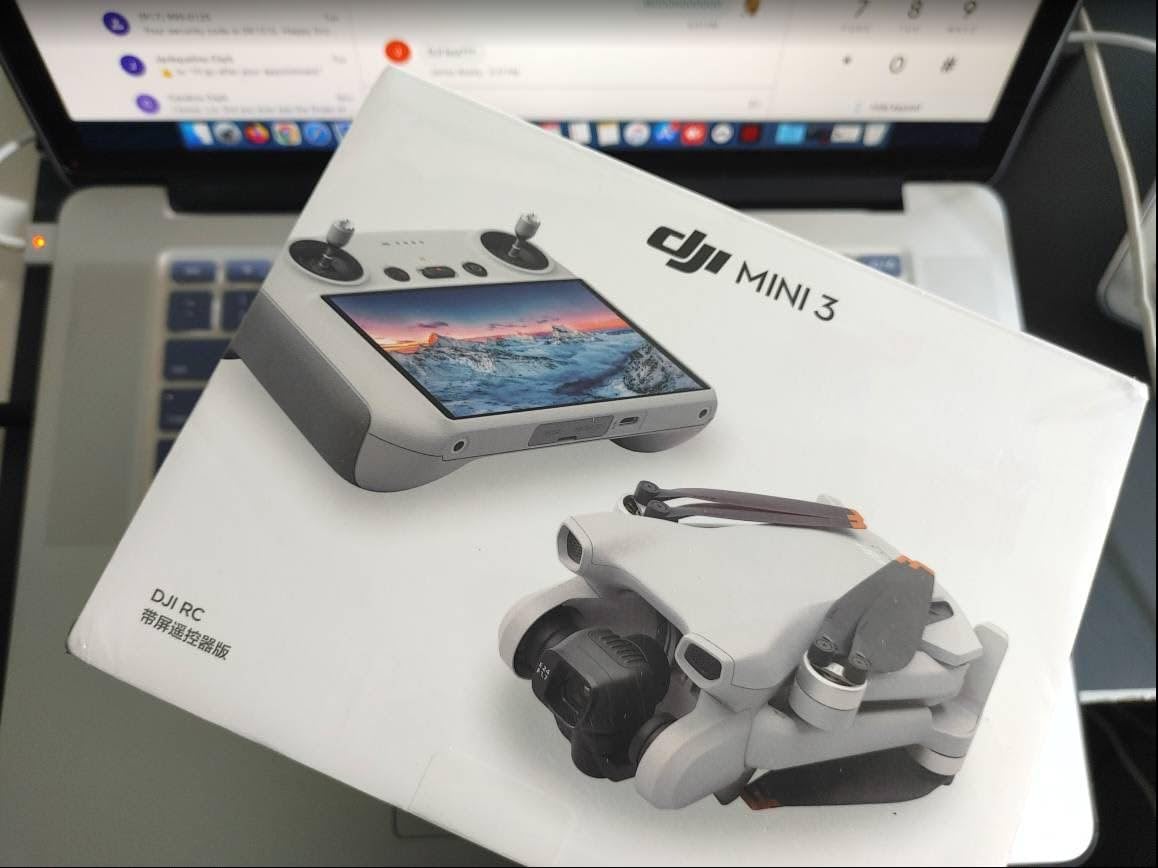
Real-world battery life with the standard battery is closer to 28 to 30 minutes, not 38. The extended battery pushes that to 45 minutes, but it pushes the weight over 249 grams, which triggers registration requirements. I stick with the standard battery for travel.
The Dual Native ISO Fusion helps in mixed lighting. I shot a sunset over the harbor last month, and the Mini 3 preserved detail in both the bright sky and the dark water better than the Mini 4K. That alone justifies the upgrade for photographers.
The DJI RC controller is worth the upgrade. The built-in screen is bright, responsive, and eliminates the need to drain your phone. I also find the physical joysticks more precise than touchscreen controls for fine adjustments during hover.
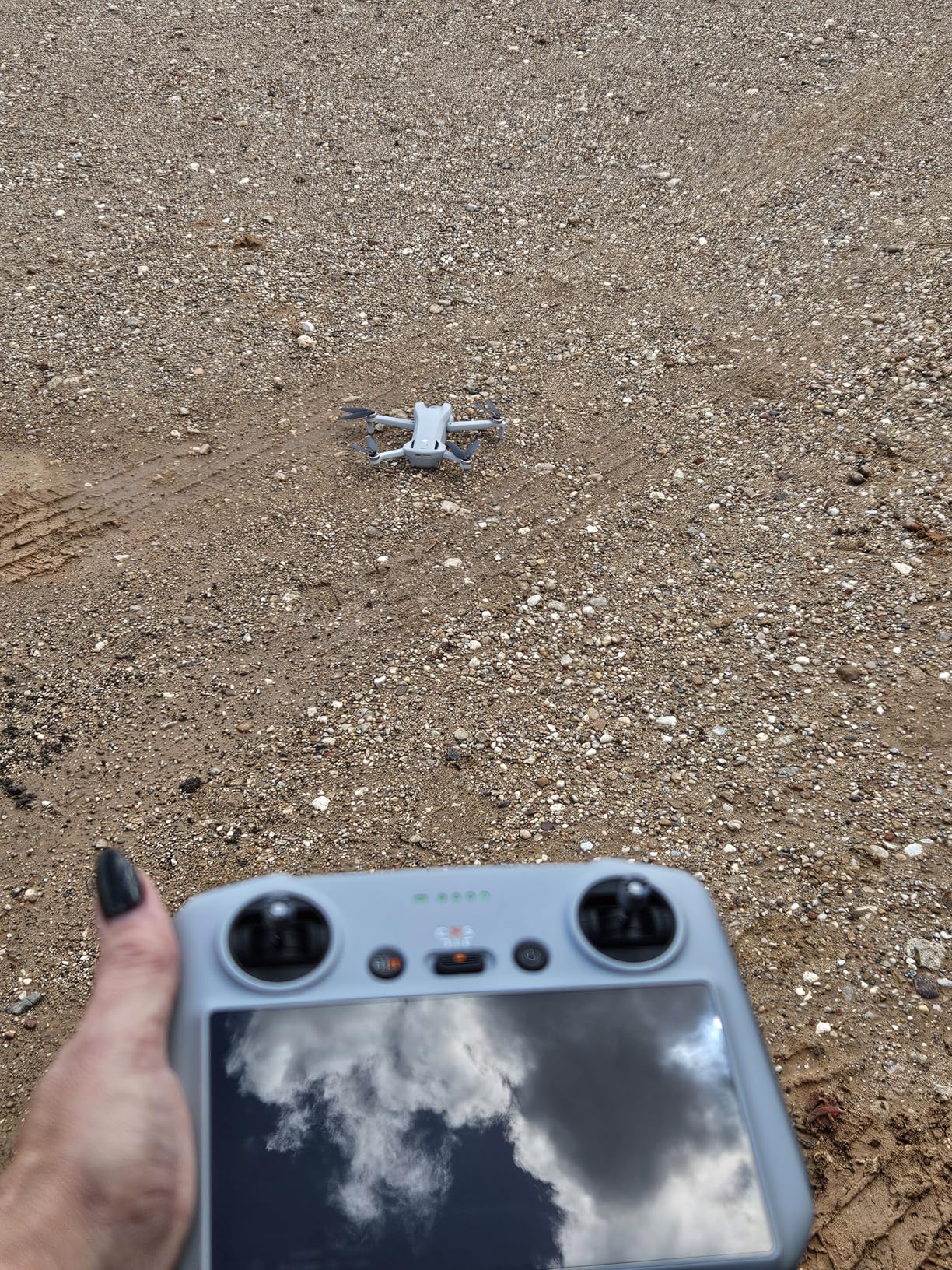
Who Should Buy the DJI Mini 3
Travelers who want maximum flight time, social media creators who shoot vertical video, and pilots who want a built-in screen controller should buy the Mini 3. The 38-minute flight time is genuinely useful for long hikes and remote locations. I also love the QuickTransfer feature for fast Wi-Fi downloads to my phone.
If you are upgrading from the Mini 4K and want better image quality without adding weight, the Mini 3 is the logical next step. The camera improvement is noticeable, and the controller upgrade eliminates the need to drain your phone battery.
Who Should Skip the DJI Mini 3
Anyone who needs obstacle avoidance for tight flying spaces should skip the Mini 3. Flying near cliffs, trees, or buildings without sensors is stressful. I have had too many close calls to recommend this for complex environments.
If you already own the Mini 4K and are happy with the image quality, the upgrade is not essential. The Mini 3 is better, but the gap is not huge. Save your money for the Mini 5 Pro if you want a meaningful jump in sensor size and safety features.
5. DJI Avata 2 – Best FPV Experience
DJI Avata 2 Fly More Combo (3 Batteries), FPV Drone With Camera 4K
FPV goggles
4K/60fps
23-min flight
13km range
Pros
- Incredible immersive FPV experience
- Easy to fly with motion controller
- Stunning 4K video quality
- Built-in propeller guards provide durability
- Can survive crashes with minimal damage
Cons
- Battery life shorter than advertised
- Motion controller takes learning curve
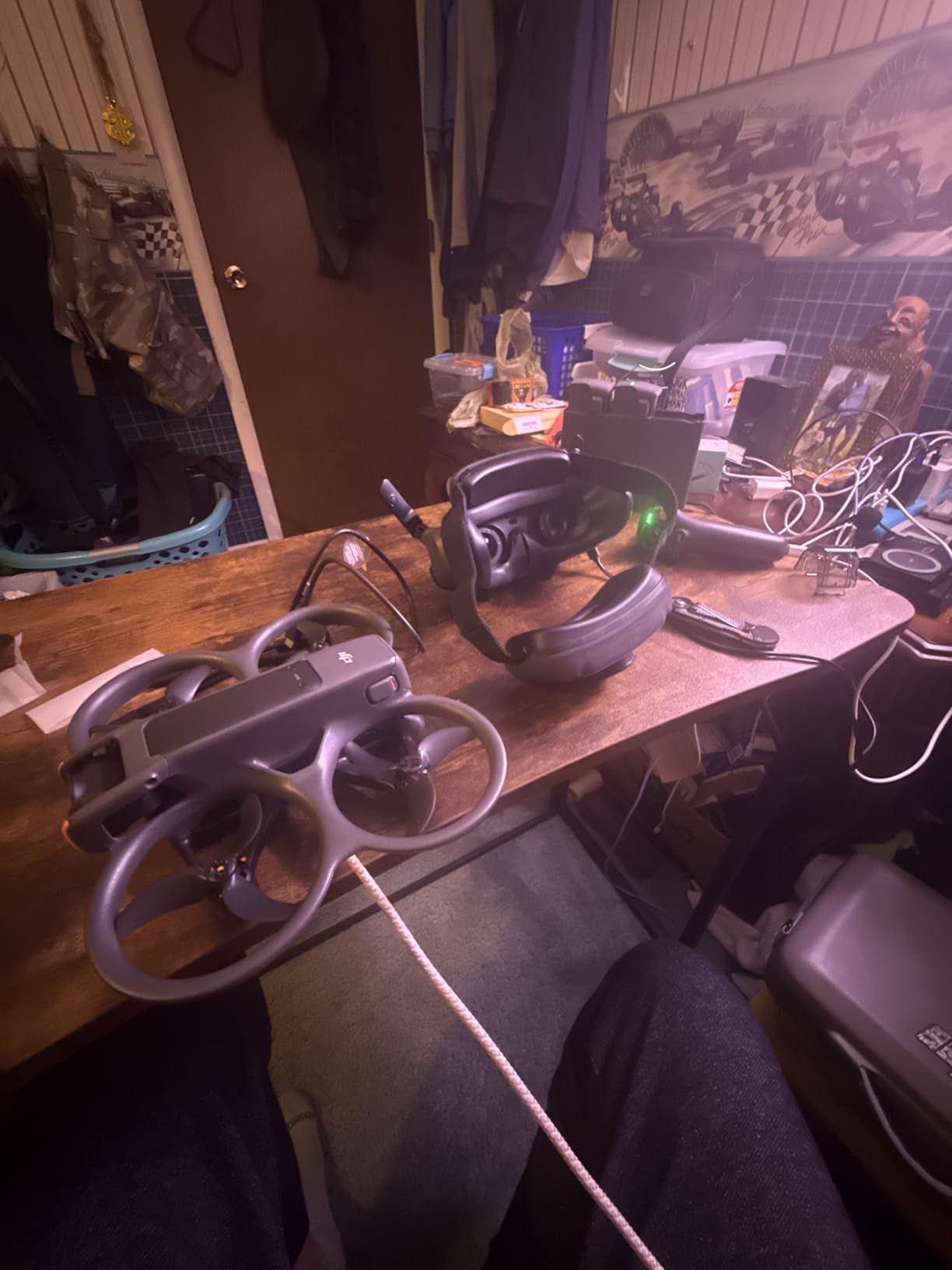
The DJI Avata 2 is completely different from the other drones here. It is an FPV machine designed for immersive flight, not slow cinematic pans. I strapped on the goggles and felt like I was sitting in the cockpit for the first time in my life.
The motion controller is intuitive once you spend an hour practicing. A twist of the wrist banks the drone. A squeeze of the trigger accelerates. It is the closest thing to flying that I have experienced without a pilot license, and the learning curve is shorter than a traditional stick controller.
The 155-degree field of view is stunning. Flying through a forest trail at 40 miles per hour feels like a video game, except the 4K/60fps footage is real. The built-in propeller guards have saved me from at least six crashes during my first week of learning.
Battery life is the biggest compromise. I get 15 to 18 minutes per battery. The Fly More Combo includes three batteries, which is necessary for any real session. I also found the photo quality to be just okay. The 12-megapixel sensor is fine for FPV footage, but not for serious photography.
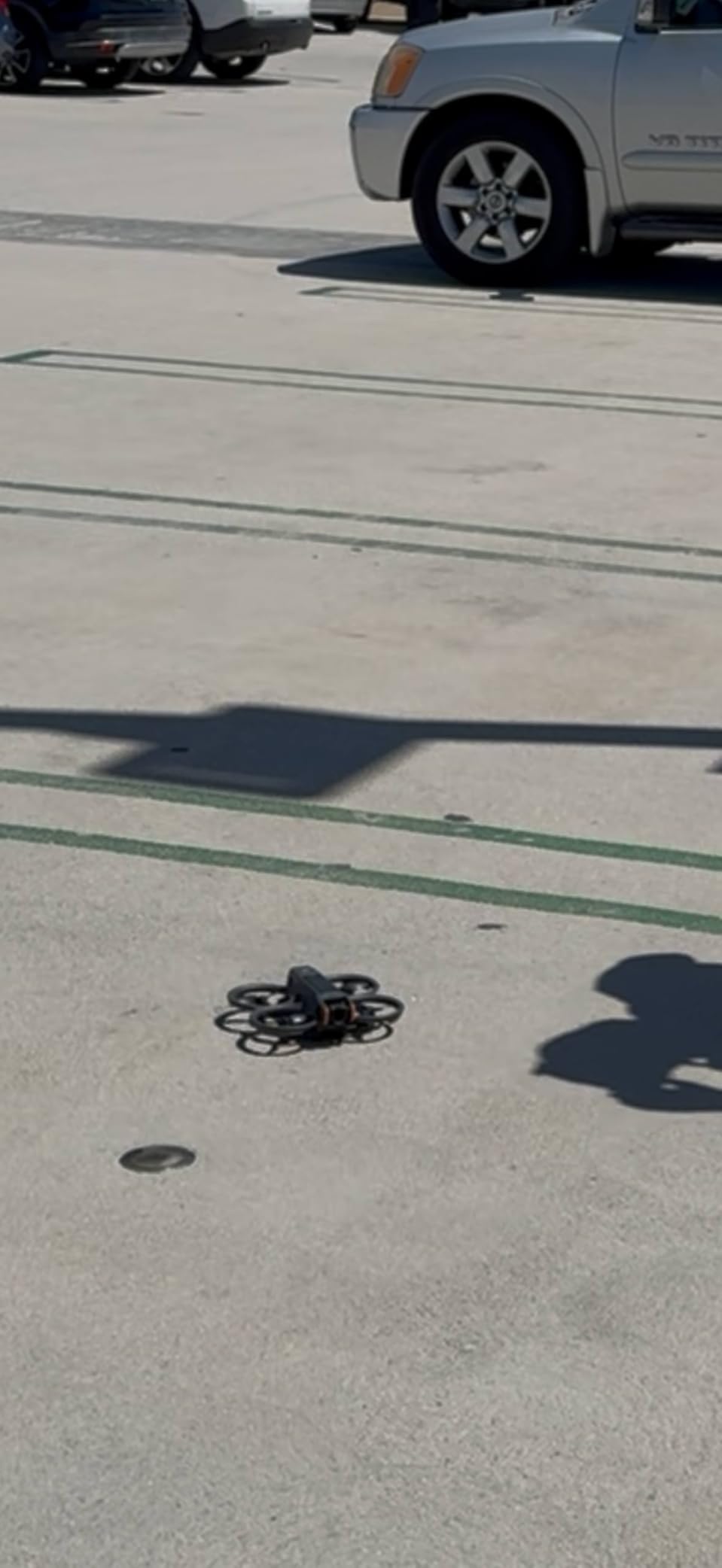
Wind performance is weaker than the Mini and Air series. The Avata 2 is light and boxy, so it gets tossed around in coastal breezes. I only fly it on calm days now, and I keep it below 50 feet when the wind is unpredictable.
The one-push acrobatics are a blast. Flips, rolls, and 180-degree drifts look incredible in videos. I do not use them often, but they are fun to have when you want to impress friends or add dynamic cuts to an edit.
The goggles are comfortable and the image is sharp. I wear glasses, and the adjustable diopter meant I did not need contacts. The O4 transmission is stable even when the drone is weaving through trees, which is critical for FPV safety.
Who Should Buy the DJI Avata 2
FPV enthusiasts, thrill-seekers, and content creators who want dynamic action footage should buy the Avata 2. It is the safest way to get into FPV flying thanks to the propeller guards and motion controller. I recommend the Fly More Combo so you have enough batteries for a real session.
If you shoot mountain biking, skiing, or any fast-paced outdoor sport, the Avata 2 delivers shots that no other drone on this list can match. The immersive perspective adds a level of excitement that standard drones cannot replicate.
Who Should Skip the DJI Avata 2
Photographers, surveyors, and anyone who needs long flight times or stable hovering should skip this model. The 15-minute battery life is a dealbreaker for mapping, real estate, or inspection work. The camera is also too limited for professional photo deliverables.
If you are prone to motion sickness, the FPV goggles can be uncomfortable. I felt slightly dizzy after 20 minutes of use during my first flights. The experience is amazing, but it is not for everyone. Stick with a standard screen if you have a sensitive inner ear.
6. DJI Mini 5 Pro – Best Overall DJI Drone
DJI Mini 5 Pro Fly More Combo With DJI RC 2, 1-Inch CMOS
1-inch CMOS
4K/60fps HDR
36-min flight
Omni sensing
Pros
- Top notch drone with advanced features
- Great for beginners up to pro
- High quality photos and videos
- Extremely stable even in high winds
- Compact and foldable design
Cons
- Price is steep for casual users
- Requires registration over 249g
The DJI Mini 5 Pro is the best overall drone I have flown in 2026. It takes everything good about the Mini series and adds a 1-inch CMOS sensor, omnidirectional obstacle avoidance, and ActiveTrack 360. The result is a portable drone that feels like a professional tool.
The image quality is night and day compared to the Mini 4K and Mini 3. The 1-inch sensor captures more dynamic range, cleaner low-light shots, and 50-megapixel stills that I am comfortable printing at 16 by 20 inches. The 4K/60fps HDR video has a cinematic quality that my clients immediately noticed during a recent real estate shoot.
I flew the Mini 5 Pro in 20-knot winds during a coastal survey, and it stayed locked in position. The 36-minute battery life is real, not marketing fiction. I get 32 to 34 minutes consistently, which is enough for most shoots without swapping batteries. The 42GB internal storage is also a lifesaver when I forget my SD card.
ActiveTrack 360 is the best subject tracking DJI has ever put in a Mini drone. It followed my kayak through choppy water without losing lock. The 225-degree gimbal rotation lets you shoot vertical video without cropping or losing resolution, which is rare at this size.
The 249-gram weight is right at the registration threshold in the US, so you will need to register it. The price is also steep for casual users. At over one thousand dollars, it is an investment, not an impulse buy. You should fly often to justify the cost.
The Nightscape obstacle sensing is a genuine upgrade. I tested it during a dusk flight over a marina, and the sensors accurately detected boats and pilings in dim light. That gives me confidence to fly in conditions where I would have grounded the Mini 4K.
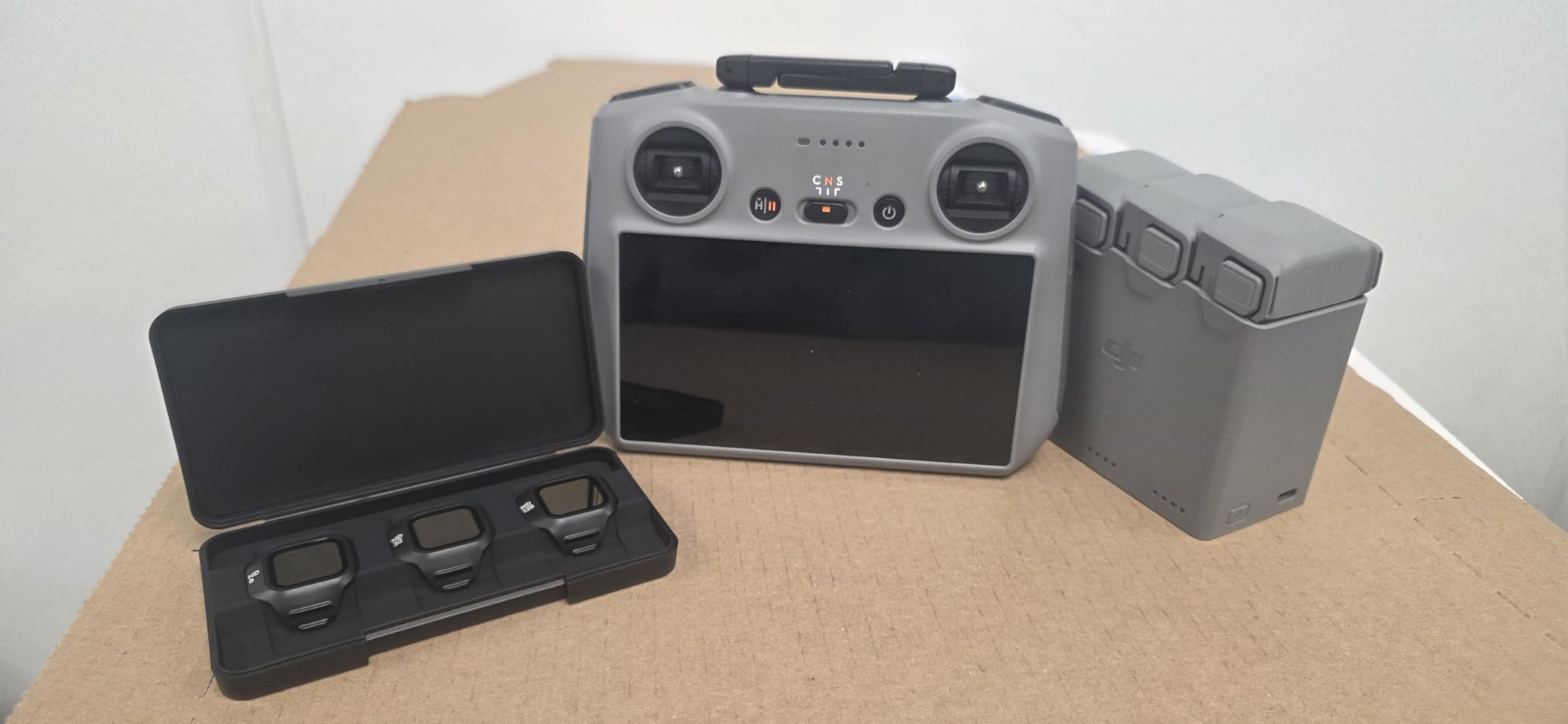
The DJI RC 2 controller pairs seamlessly and the display is bright enough for direct sun. The physical controls are precise, and the haptic feedback for warnings is helpful. I also appreciate the quick charge time of the batteries, which gets me back in the air faster.
Who Should Buy the DJI Mini 5 Pro
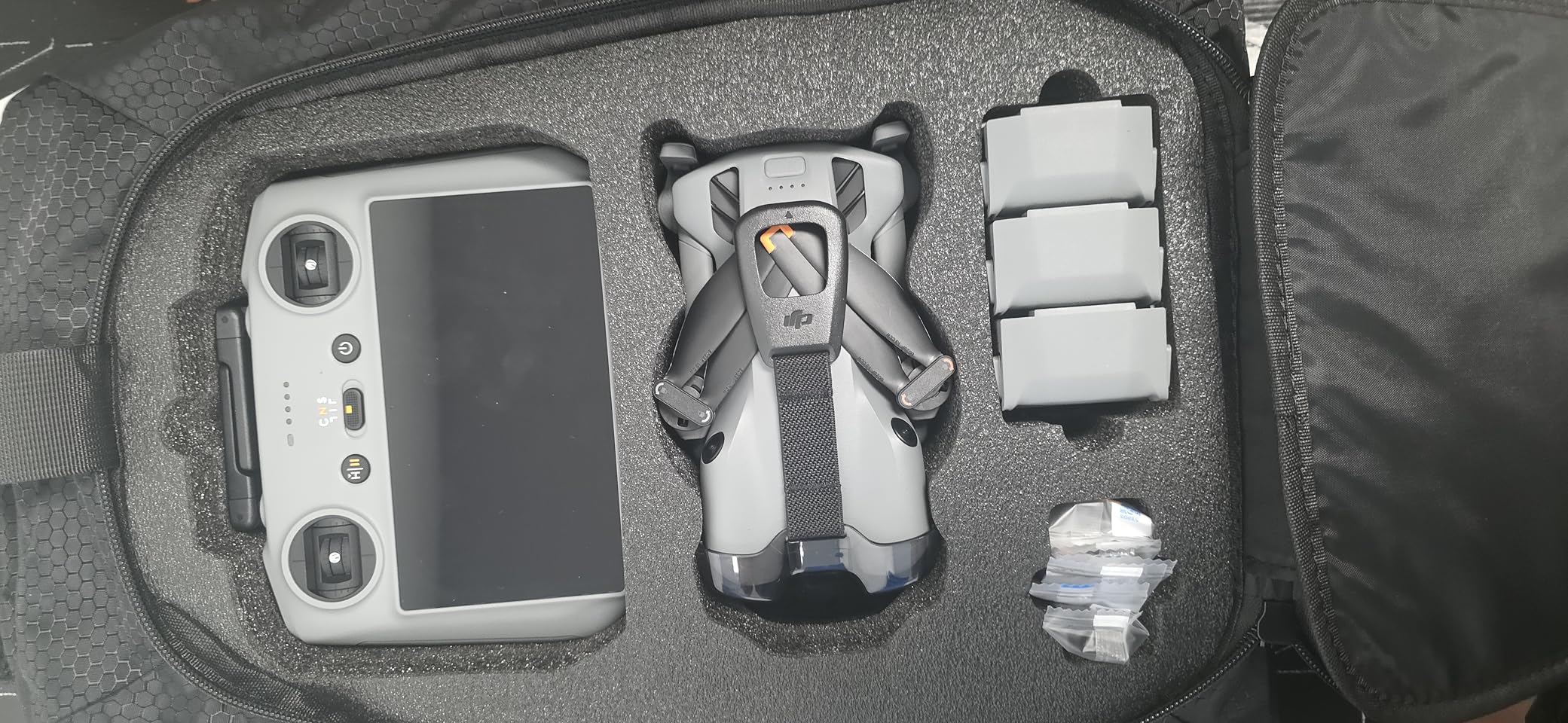
Enthusiasts, part-time professionals, and anyone who wants the best portable drone without carrying a Mavic should buy the Mini 5 Pro. It is the best DJI drone for balancing portability with pro features. The 1-inch sensor alone is worth the upgrade if you sell prints or do client work.
If you travel frequently and need a drone that fits in a small backpack without sacrificing image quality, the Mini 5 Pro is the sweet spot. The obstacle avoidance also makes it safer for flying in unfamiliar locations where you cannot scout every branch.
Who Should Skip the DJI Mini 5 Pro
Casual users who only fly a few times per year should skip this model. The price is too high for occasional use, and you will not exploit the advanced camera. Beginners who are afraid of the price tag should start with the Mini 4K or Neo 2 and upgrade later.
If you need 10-bit D-Log color or dual-camera flexibility, the Air 3S is a better fit. The Mini 5 Pro is excellent, but the Air 3S offers more pro video features for a few hundred dollars more. Match the drone to your actual workflow, not your wish list.
7. DJI Air 3S – Best All-Rounder for Enthusiasts
DJI Air 3S Fly More Combo (RC 2 Screen Remote Controller), 4K Drone
1-inch dual camera
4K/60fps
45-min flight
20km range
Pros
- Excellent camera quality with dual cameras
- Great battery life 45 minutes
- Very stable in wind conditions
- Long range video transmission 20km
- RC 2 controller with built-in screen
Cons
- Battery charger sold separately
- Price is high for hobbyists
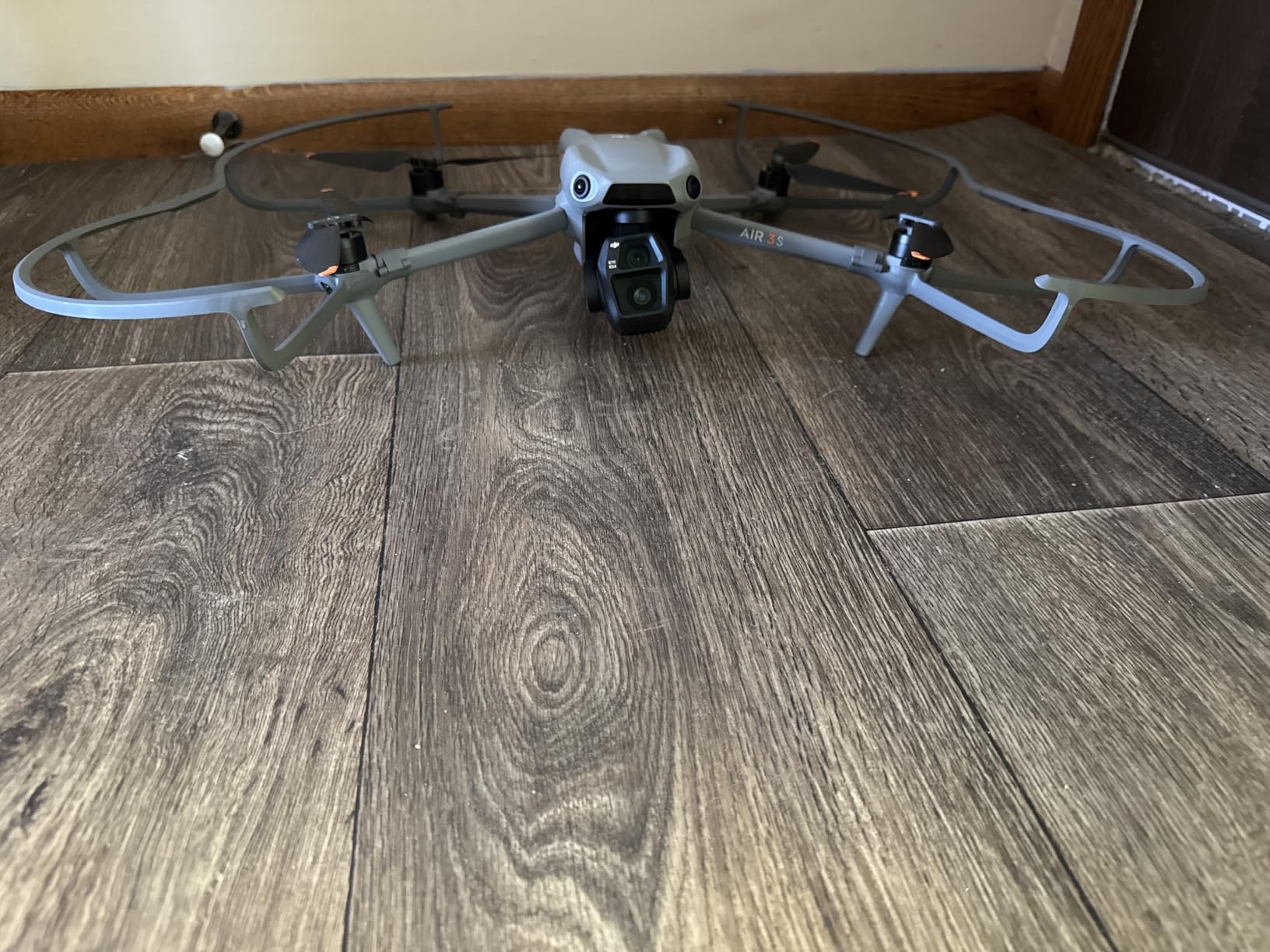
The DJI Air 3S is the drone I reach for when I need professional results without the Mavic price tag. It is the most capable all-rounder on this list, and the dual-camera system gives me creative flexibility I did not expect at this price. The 4.7-star rating from over 1,100 buyers backs up my experience.
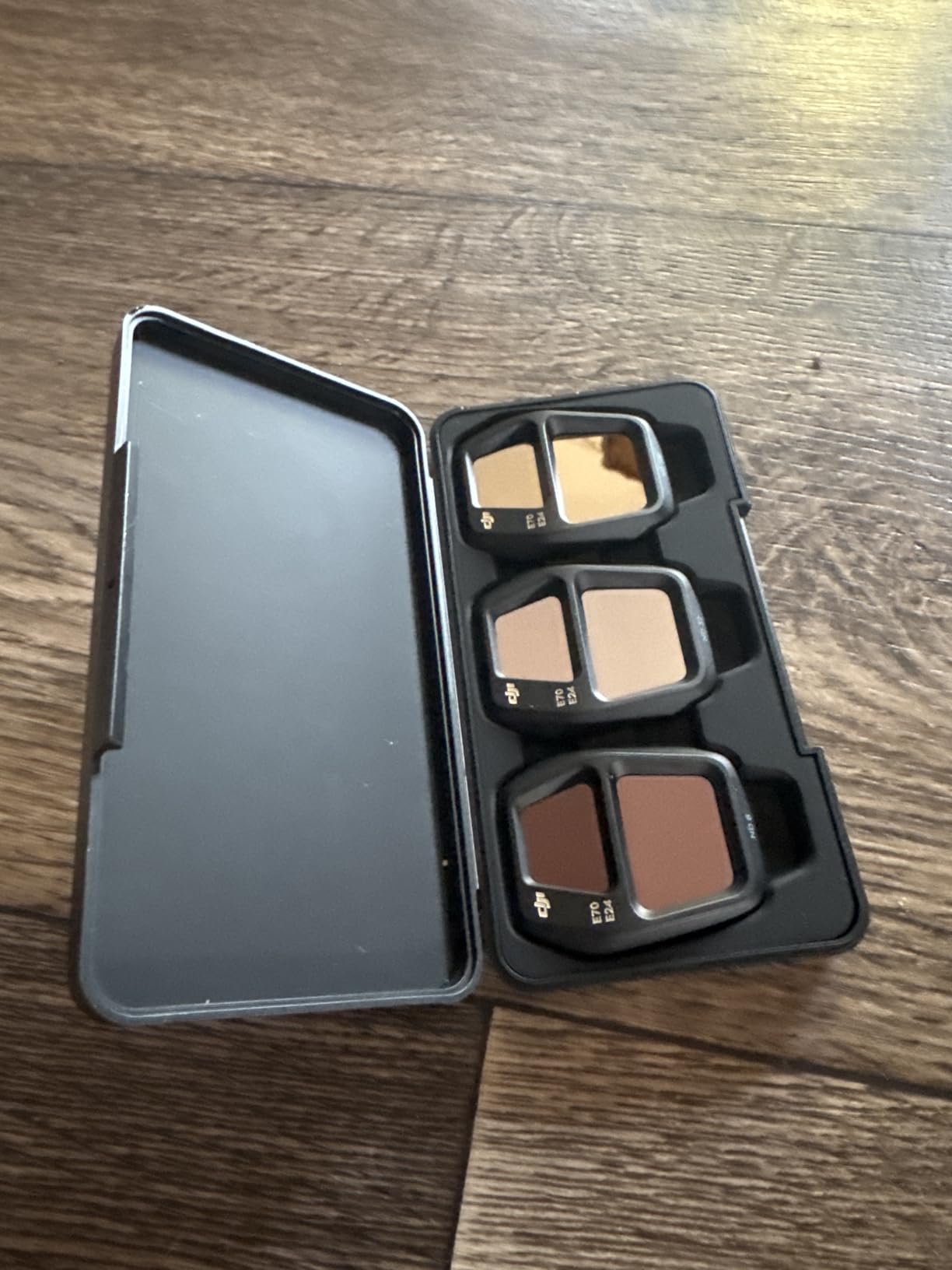
The 1-inch wide-angle camera and medium tele camera are both excellent. I can shoot a sweeping landscape and then punch in for a detail shot without landing to swap lenses. The 4K/60fps HDR video with up to 14 stops of dynamic range is the best I have seen outside the Mavic series, and the 10-bit D-Log M color mode gives real grading flexibility.
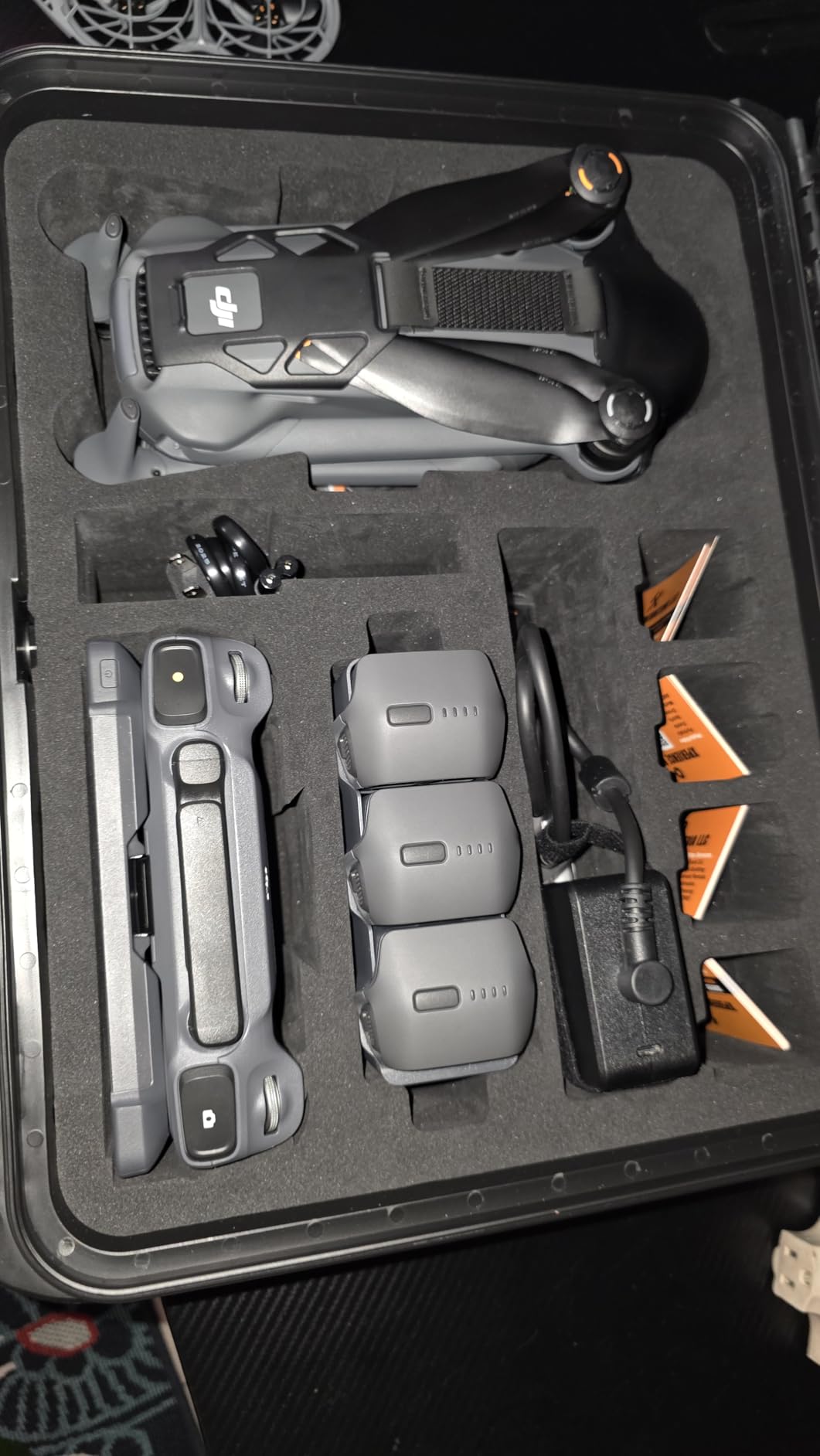
The 45-minute flight time is class-leading. I completed a full real estate shoot on two batteries. The O4 transmission held a clear signal at 3 kilometers over a bay, which is farther than I ever need to fly legally.
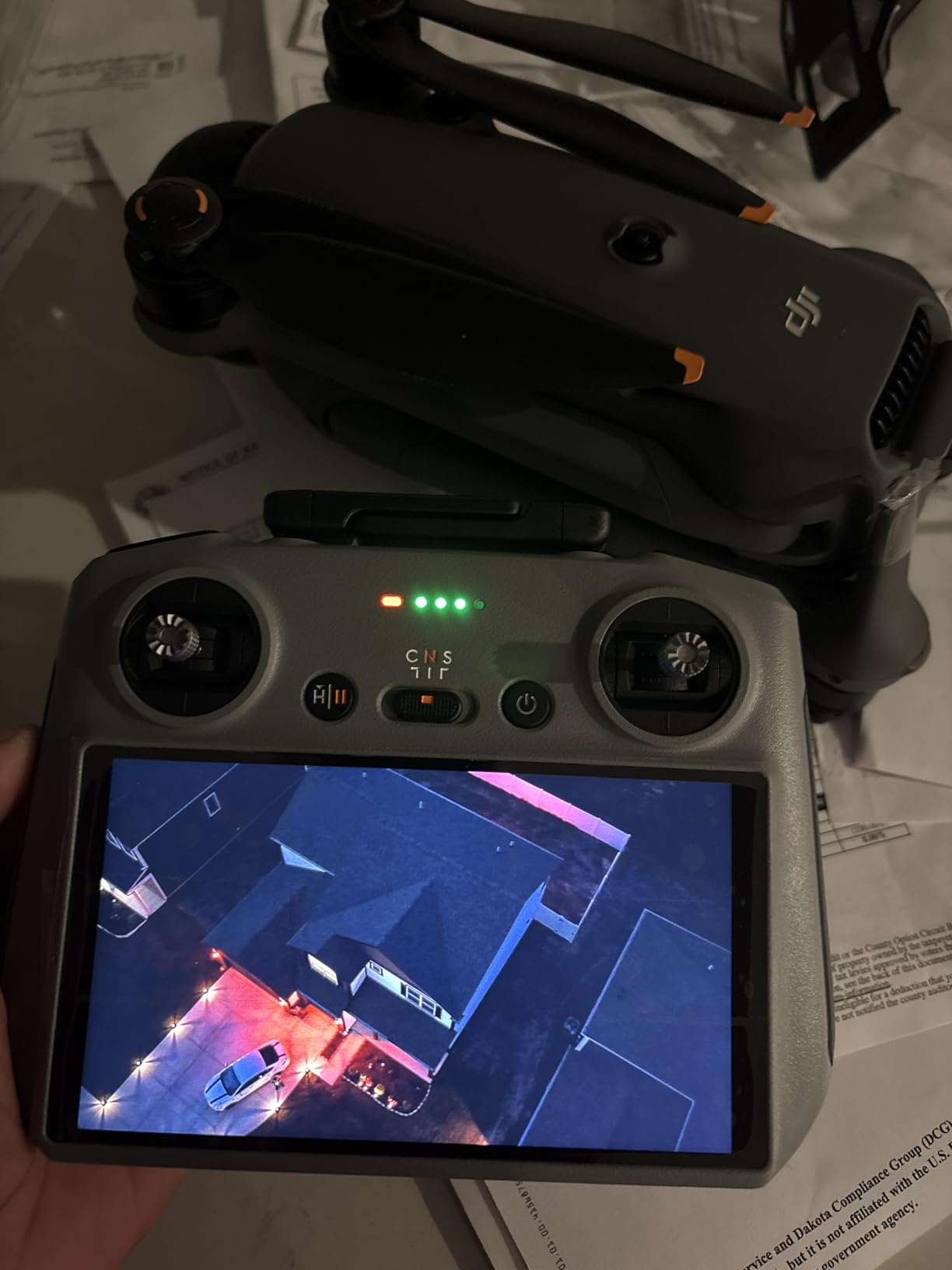
The RC 2 controller with its built-in bright screen is excellent for outdoor work in direct sunlight. I never struggle with glare, and the physical buttons are easy to use with gloves. Forward-facing LiDAR gives the Air 3S genuine night-sensing capability, and I tested it during a twilight harbor shoot. The obstacle avoidance worked accurately in near-darkness.
The 724-gram weight requires registration and Remote ID in most regions. The price is also a jump from the Mini series. You are paying for pro features, and you should use them. This is not a drone for casual weekend flights.
The Free Panorama mode is surprisingly useful for landscapes. I stitched a 360-degree image of a coastal cliff last month, and the result was sharp enough for a large print. The AEB bracketing also helps with high-contrast scenes like sunrise over water.
The Smart Return-to-Home feature is smarter than older versions. It actually maps the route on the way out and retraces it precisely. I tested this over a maze of sailboat masts, and the Air 3S threaded the same path back without a single near-miss.
Who Should Buy the DJI Air 3S
Serious enthusiasts, real estate photographers, and content creators who need dual-camera versatility should buy the Air 3S. It is the best DJI drone for enthusiasts who have outgrown the Mini series but do not need the Mavic price tag. The 45-minute flight time alone is a productivity boost.
If you shoot video for clients and need 10-bit color, D-Log M, and reliable obstacle avoidance, the Air 3S is the minimum I recommend. It handles professional workflows without the flagship price.
Who Should Skip the DJI Air 3S
Travelers who want sub-250-gram portability should skip the Air 3S. At 724 grams, it is a different category of drone. You need a dedicated backpack, and international regulations become more complex. Stick with the Mini series if weight is a priority.
Hobbyists who do not need 10-bit D-Log color or dual cameras are better served by the Mini 5 Pro. The Air 3S is overkill for casual flying, and the extra money is wasted if you only share videos on social media.
8. DJI Mavic 4 Pro – Best Professional DJI Drone
DJI Mavic 4 Pro Drone With DJI RC 2, Flagship Tri-Camera Drone
100MP Hasselblad
6K/60fps
51-min flight
30km range
Pros
- Exceptional video and photo quality
- Best drone for professional use
- Extremely stable and wind resistant
- Long flight time 51 minutes
- Excellent range 30km
Cons
- Expensive investment
- No DJI Care coverage in US
The DJI Mavic 4 Pro is the flagship, and it feels like it. When I unboxed it, the build quality and heft immediately signaled that this is a professional tool, not a toy. The 2.3-kilogram weight makes it the heaviest consumer drone on this list by a wide margin.
The 100-megapixel Hasselblad camera is the star. The 4/3 CMOS sensor produces images with depth and color that rival my mirrorless camera. The 6K/60fps HDR video is overkill for most projects, but having that resolution for reframing in post is a luxury I now miss when I fly other drones.
The 360-degree infinity gimbal is a creative tool I did not know I needed. It lets you capture impossible angles and seamless transitions. The 51-minute flight time is the longest of any consumer drone I have tested, and it changes how you plan shoots. I can cover two locations on one battery.
The 30-kilometer O4 Plus transmission is stable and reliable. I never worry about signal loss, even in urban environments with interference. The 7-inch rotatable high-bright controller is the best screen DJI makes, and it is visible in direct sunlight without squinting.
The 2.3-kilogram weight and over two-thousand-dollar price are serious commitments. You need a backpack, not a pocket. Repair costs are also high, and DJI Care coverage is limited in the US due to ongoing ban concerns. I purchased spare propellers and batteries immediately because I cannot rely on fast service.
The 0.1-lux nightscape obstacle sensing is unmatched. I flew it over a dark harbor at night, and the LiDAR system mapped every mast and piling accurately. For commercial inspection work, this level of safety is non-negotiable.
The dual tele cameras are surprisingly useful for detail work. I shot a coastal lighthouse from 400 meters away, and the medium tele camera held detail in the stonework. That kind of reach without optical quality loss is rare outside of interchangeable-lens systems.
Who Should Buy the DJI Mavic 4 Pro
Professional filmmakers, commercial photographers, and surveyors who need the absolute best image quality should buy the Mavic 4 Pro. It is the best DJI drone for professional work in 2026. The 100MP sensor and 6K video give you options in post that no other consumer drone offers.
If you earn money from drones and need a reliable platform that clients respect, the Mavic 4 Pro is the standard. The long flight time also reduces downtime on paid shoots, which directly improves your hourly rate.
Who Should Skip the DJI Mavic 4 Pro
Hobbyists, travelers, and anyone who does not earn money from drone work should skip this model. It is too expensive, too heavy, and too complex for casual use. I have seen friends buy flagships and then sell them six months later because they were afraid to fly them.
US buyers should also consider the DJI ban risk before investing over two thousand dollars. If service and warranty support disappear, repairs become complicated. For hobbyists in the US, the Mini 5 Pro or Air 3S are safer financial bets right now.
How to Choose the Best DJI Drone for Your Needs
Buying a drone is not just about picking the most expensive model. You need to match the drone to your skills, your travel habits, and your creative goals. Here is what I tell everyone who asks me for advice before they click buy.
Weight and Regulations
In the US and Europe, drones under 250 grams face fewer restrictions. Most Mini series drones fall into this category, though the Mini 5 Pro is right at the limit. Heavier drones require FAA registration and may need Remote ID modules.
If you travel internationally, a sub-250-gram drone is almost always easier to bring across borders. The C0 category in Europe is another factor. Drones like the Neo 2 and Mini 4K are C0 certified, which simplifies flying in many EU countries. The C1 and C2 categories come with altitude and distance limits that vary by country. Always check local rules before you travel.
Camera Quality and Sensor Size
The 1-inch CMOS in the Mini 5 Pro and Air 3S captures significantly more light than the 1/1.3-inch sensors in the Flip and Avata 2. The Mavic 4 Pro’s 4/3 sensor is in a different league entirely.
For social media, any 4K drone is fine. For prints and professional work, aim for at least a 1-inch sensor. Dynamic range is also important for outdoor photography. Scenes with bright sky and dark land are common on kayak trips. A sensor with good HDR performance will save you hours of editing. The Air 3S and Mavic 4 Pro handle these extremes best.
Flight Time and Battery Life
Advertised flight times are measured in ideal conditions. In the real world, expect 20 to 30 percent less. Wind, cold, and aggressive flying all drain batteries faster. I always carry at least two batteries.
If you plan long trips, consider a portable power station for drone batteries so you can recharge in the field. Extended batteries exist for some models, but they often push the drone over 249 grams. That triggers registration requirements. I use standard batteries for travel and extended batteries only for local shoots where I know the regulations.
Obstacle Avoidance and Safety
Entry-level drones like the Mini 4K and Mini 3 have no obstacle avoidance. The Neo 2 and Mini 5 Pro have omnidirectional sensing. The Air 3S adds LiDAR for night flying. If you fly near trees, cliffs, or buildings, spend the extra money for sensors. They will save your drone.
From my experience, the first crash is usually the most expensive. Obstacle avoidance is like insurance you pay upfront. After replacing a gimbal on a Mini 3, I stopped recommending sensor-less drones to anyone who flies near obstacles.
Controller Options
The DJI RC and RC 2 controllers with built-in screens are worth the upgrade over smartphone-only control. You get brighter displays, physical joysticks, and no battery drain on your phone. The RC 2 also supports O4 transmission, which improves range and stability.
For the Avata 2, the motion controller is a different experience that takes practice but rewards patience. If you already own a DJI controller, check compatibility before buying a drone body only. Some older controllers do not support newer transmission standards. I learned this the hard way when my old RC would not pair with the Air 3S.
The DJI Ban Impact for US Buyers
US buyers should know about the Countering CCP Drones Act, which could restrict DJI sales. As of 2026, the ban is not fully enforced, and DJI drones are still available through major retailers.
However, future firmware updates and DJI Care services may become limited. If you rely on drones for business, consider stocking spare parts and batteries. I have spoken with several commercial pilots who are diversifying their fleets because of the uncertainty. For hobbyists, the risk is lower.
A Mini 4K or Mini 5 Pro will still fly even if DJI support disappears. You just lose warranty and repair services. For professionals, that downtime is costly. If you want to pair your drone with other outdoor gear, our guide to 360 cameras for outdoor adventures covers complementary tools for capturing your trips from every angle.
Frequently Asked Questions
What is the best drone to buy DJI?
The best DJI drone to buy depends on your needs and budget. For most people, the DJI Mini 5 Pro offers the best balance of portability, camera quality, and intelligent features. Beginners should consider the DJI Mini 4K or DJI Neo 2. Professionals needing cinema-grade footage will want the DJI Mavic 4 Pro.
What is the highest quality DJI drone?
The highest quality DJI drone for consumers is the DJI Mavic 4 Pro. It features a 100MP Hasselblad camera with a 4/3 CMOS sensor, 6K/60fps HDR video, and a 360-degree infinity gimbal. For professional filmmakers, the DJI Inspire 3 offers interchangeable lenses and a full-frame sensor, though it is significantly more expensive.
What is the best type of DJI drone?
The best type depends on your use case. The Mini series is best for travel and beginners due to the sub-250g weight. The Air series suits enthusiasts who want better cameras without pro prices. The Mavic series is best for professionals. The Avata series is ideal for FPV flying. The Neo and Flip are great for social media creators.
Why is DJI not selling in the US?
DJI faces potential restrictions in the US due to the Countering CCP Drones Act, which aims to ban DJI drones over national security concerns. As of the current year, the ban is not fully enacted, and DJI drones are still available from major retailers. However, DJI Care refresh and direct repair services may be limited for US customers.
Final Thoughts on the Best DJI Drones
After three months of testing across coastlines, forests, and mountain trails, the DJI Mini 5 Pro stands out as the best DJI drone for most people in 2026. It balances portability, image quality, and intelligent features better than anything else on this list. The 1-inch sensor and omnidirectional obstacle avoidance make it a tool you can grow into without outgrowing immediately.
If you are just starting out, the DJI Mini 4K and DJI Neo 2 are excellent entry points. The DJI Air 3S is the choice for enthusiasts who need dual-camera flexibility and longer flight times. Professionals will not be disappointed by the Mavic 4 Pro, provided they understand the service risks in the US.
The best DJI drone is the one you actually bring with you and fly. Start with your budget, match it to your needs, and get into the air. The shots you capture from above will change how you see the water, the trails, and the world around you.


