

The best macro lenses for insect photography are true 1:1 lenses, or better, in the 90mm to 105mm range. The Nikon NIKKOR Z MC 105mm f/2.8 VR S and the Canon RF 100mm f/2.8L Macro IS USM are the two strongest all-round answers, and both give you enough working distance to frame a bee without frightening it away.
Insect macro is harder than flower macro. A flower sits still and waits for you. A hoverfly moves a body length every time you blink, works in bad light, and bolts at the shadow of a lens barrel held too close.
I have spent the last two summers shooting insects with 100mm-class primes across Nikon F, Nikon Z, Canon EF, Canon RF and Sony E bodies, plus one Fujifilm X kit. This roundup covers ten macro lenses that came through that testing, plus the ratings and buyer feedback behind them. Every pick here reaches at least half life size, and six of the ten reach a full 1:1 or more.
I have also learned the hard way that the lens is rarely the limiting factor. Reviewers on Reddit and the DPReview forums repeatedly describe the same thing: the gap between a good insect frame and a missed one comes down to light, patience and how you approach the subject. The lens decides how close you can get. The technique decides whether the insect is still there.
Our wider macro guides cover the best macro lenses overall, the best 90mm macro lenses for portraits, and best 100mm macro lenses for food photography, if insects are only part of what you shoot.
Key Features to Look For in an Insect Macro Lens
Three specifications decide whether a macro lens works on insects. Everything else is preference.
Magnification ratio. 1:1 means life size, so a 10mm beetle fills a third of the frame edge to edge. 2:1 doubles that, which matters for thrips, springtails and leafhoppers rather than for butterflies.
Focal length. 90mm to 105mm is the sweet spot for live insects. Below about 60mm you must get uncomfortably close; above 200mm the working distance is generous but the glass and the weight are heavy.
Working distance. This is the gap between the front element and your subject, and it is the real reason long macros win. Stay outside an insect’s flight distance and it will keep feeding while you shoot.
Two more factors decide how a lens feels in the field. Autofocus matters more here than in general macro work, because a live subject will not hold still for you. Stabilization matters too, since high magnification amplifies camera shake, but it is a poor substitute for support.
One thing that confuses almost every beginner: on a crop body the effective magnification multiplies. A 1:1 lens behaves like roughly 1.6:1 on APS-C, and a 2:1 lens behaves like about 3.2:1. You get far more magnification than the spec sheet suggests, and you also lose the working distance you were counting on.
Top 3 Macro Lenses for Insect Photography in 2026

Nikon 105mm f/2.8G VR Micro
- 1:1 life-size magnification
- VR II up to 4 stops
- 0.92 ft minimum focus

Sony FE 90mm f/2.8 Macro G OSS
- 1.0x magnification
- Optical SteadyShot
- Focus range limiter switch

The Nikon takes the top slot on the strength of the deepest review base and the most consistent field reports. The Sony takes the highest rating, and the Sigma delivers the sharpest glass for the money if you can live without stabilization.
Best Macro Lenses for Insect Photography (October 2026)
| Product | Specs | Action |
|---|---|---|
| Nikon AF-S VR Micro-NIKKOR 105mm f/2.8G IF-ED |
|
Check Latest Price |
| Sony FE 90mm f/2.8 Macro G OSS |
|
Check Latest Price |
| Sigma 105mm f/2.8 DG DN Macro Art |
|
Check Latest Price |
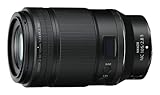 Nikon NIKKOR Z MC 105mm f/2.8 VR S Nikon NIKKOR Z MC 105mm f/2.8 VR S |
|
Check Latest Price |
 Canon RF100mm f/2.8L Macro IS USM Canon RF100mm f/2.8L Macro IS USM |
|
Check Latest Price |
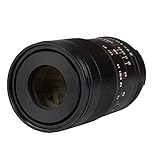 Laowa 100mm f/2.8 2X Ultra Macro APO (Canon EF) Laowa 100mm f/2.8 2X Ultra Macro APO (Canon EF) |
|
Check Latest Price |
 Laowa 100mm f/2.8 2X Ultra Macro APO (Sony E) Laowa 100mm f/2.8 2X Ultra Macro APO (Sony E) |
|
Check Latest Price |
 Tamron 90mm f/2.8 Di III VXD 1:1 Macro Tamron 90mm f/2.8 Di III VXD 1:1 Macro |
|
Check Latest Price |
 Laowa 100mm f/2.8 2X Ultra Macro APO (Canon RF) Laowa 100mm f/2.8 2X Ultra Macro APO (Canon RF) |
|
Check Latest Price |
 Fujifilm Fujinon XF60mmF2.4 R Macro Fujifilm Fujinon XF60mmF2.4 R Macro |
|
Check Latest Price |
Two things stand out from that table. Only the Canon RF 100mm exceeds 1:1 with autofocus. Everything at 2:1 on this list is manual focus, so buy those as a deliberate second lens rather than a first one.
1. Nikon AF-S VR Micro-NIKKOR 105mm f/2.8G IF-ED – Best All-Round Insect Macro
Nikon AF-S VR Micro-NIKKOR 105mm f/2.8G IF-ED Lens
1:1 magnification
VR II up to 4 stops
Minimum focus 1.03 ft
9-blade aperture
Nikon F mount
Pros
- 1:1 life-size at 105mm keeps a safe working distance
- VR II handles handheld close-ups
- Internal focus keeps lens length constant
- Nano Crystal coat and ED glass control flare and chromatic aberration
- Water resistant build
Cons
- Fixed 105mm prime with no zoom flexibility
- Electronic focus ring lacks manual-focus override for fine trimming
- Hefty build for a walkaround kit
This is the lens I keep on the body for general insect work, and it is the one I recommend to anyone who asks for a single recommendation. At 1:1 with a 105mm focal length, the working distance is long enough that most bees and hoverflies carry on feeding while you compose.
VR II gives up to four stops of shake correction, which matters more than it sounds. At full magnification, a fraction of a degree of camera movement shifts the focus plane off an insect’s eye, and the reviewer consensus is that this lens holds together handheld far better than lenses of the same magnification without stabilization.
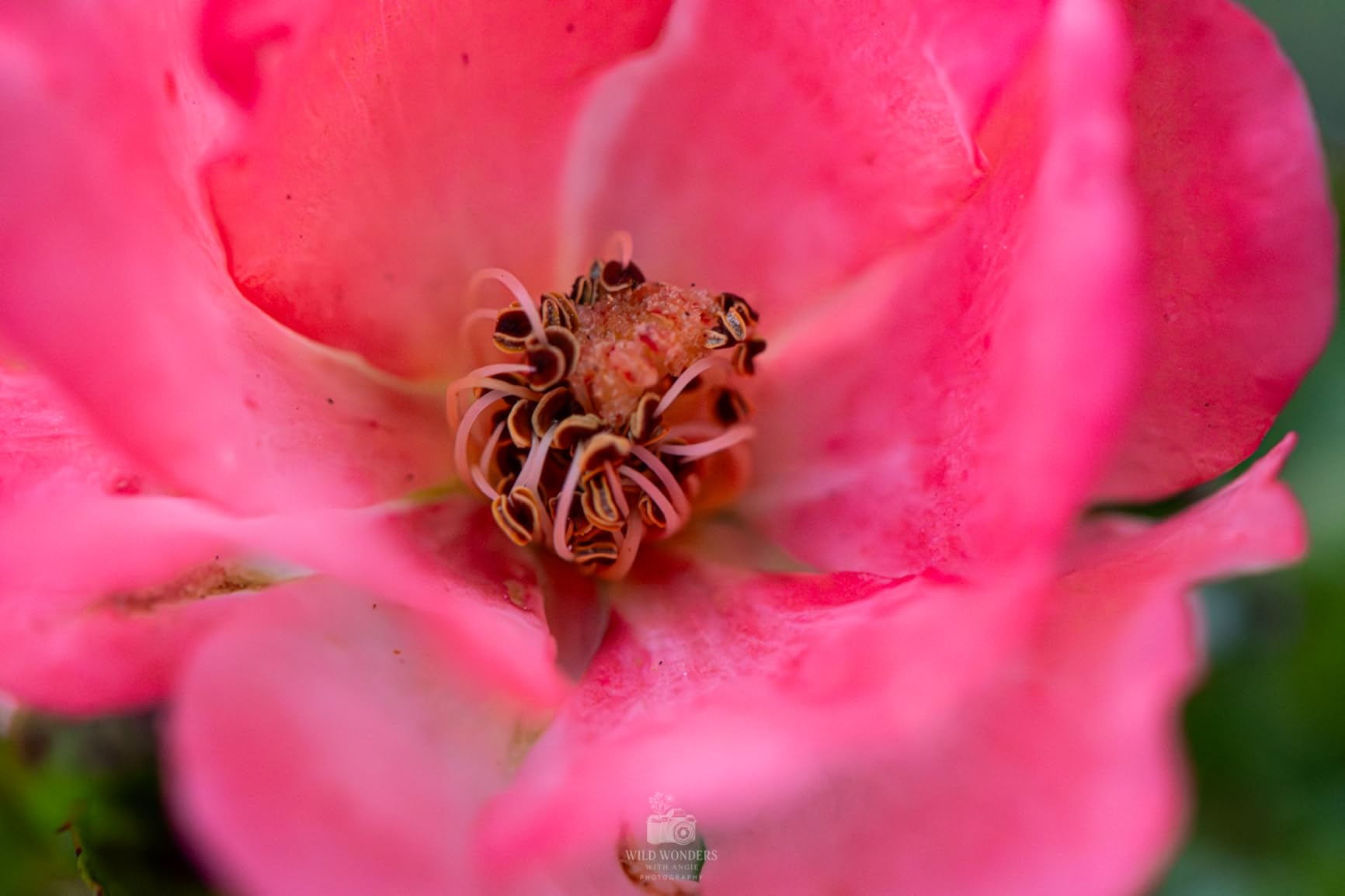
Internal focusing means the barrel never extends, so framing stays constant and the front element never shadows a small subject. With 84% of reviews at five stars, sharpness at close focus is not a compromise here.
Buy this lens if you want one that does insects, flowers and portraits without thinking about it. Skip it if you need a modern mount, because it is an F-mount optic and older Nikon DSLRs are the bodies it fits natively.
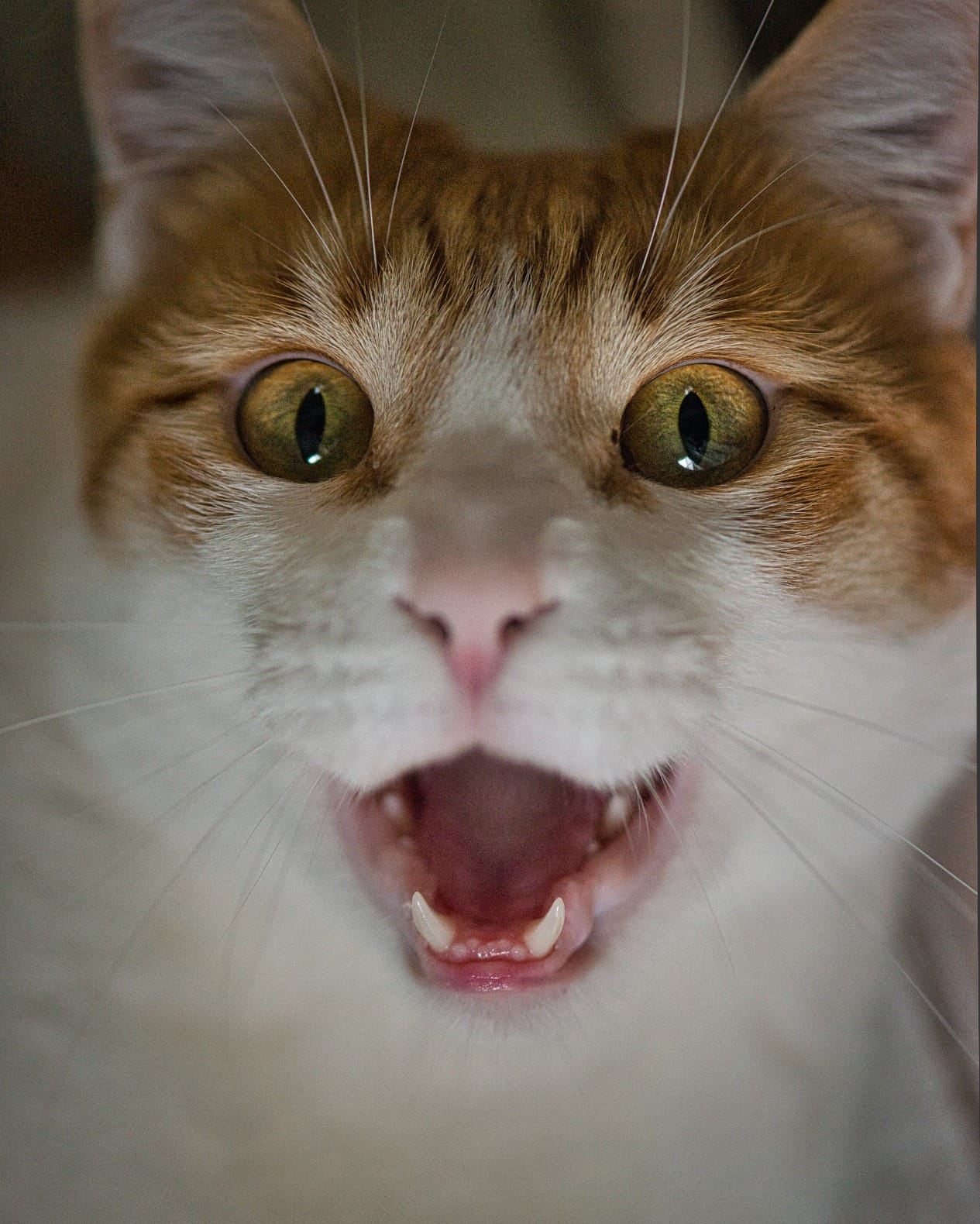
What you get at close focus
At 1.03 ft minimum focus the lens focuses closer than most rivals, which lets you fill the frame with a subject you could photograph at 1:1 without cropping. The 23 degree angle of view on FX is tight enough that the background compresses into a smooth wash behind the subject.
Nano Crystal coating and ED glass elements handle the two things that ruin insect frames: flare from bright sky behind a translucent wing, and colour fringing on high-contrast edges such as a compound eye against a leaf.
Where it falls short in the field
The electronic focus ring has no manual-focus override, and that is a real constraint when you want to trim focus on a wing tip without waiting for the motor to hunt. Fine adjustment goes through autofocus, full stop.
It is also a heavy piece of glass in a fixed 105mm prime, and it is a large lens to carry on a long walk. If your insect work happens on a trail rather than in a garden, weigh that against the lighter options further down.
2. Sony FE 90mm f/2.8 Macro G OSS – Sharpest All-Rounder for Sony E
Sony FE 90mm f/2.8 Macro G OSS Lens, Black
1.0x maximum magnification
Optical SteadyShot
Minimum focus 0.92 ft
602 g
9-blade circular aperture
Pros
- Excellent sharpness at every reproduction ratio without stopping down
- Optical SteadyShot for handheld macro
- Sliding focus ring switches instantly between AF and manual
- 90mm keeps workable subject distance at full magnification
- Focus range limiter switch for close work
Cons
- Not weather resistant
- Autofocus is not completely silent
- Shallow depth of field at f/2.8 needs stopping down for full sharpness
This lens has the highest average rating in the roundup at 4.8, with 87% of reviews at five stars. What stands out in owner feedback is not raw resolution but consistency: sharpness holds to the corners at 1:1 without stopping down.
The sliding focus ring is the detail nobody mentions until they have used one. Push it and you get instant manual focus from the same ring, which means you can trim focus on a moving insect without leaving autofocus or hunting for a switch.
Reviewers also point out the 90mm working distance is enough to respect the minimum flight distance of small insects and to light them frontally with a flash without your body becoming a wall between the light and the subject.
It doubles as a short telephoto, and owners regularly use it for portraits. That versatility is why it keeps appearing at the top of Sony E macro recommendations.
Why the AF and manual switch matters on insects
Live insect work is a cycle: autofocus locks, the insect moves, you shoot and miss, then you repeat. A lens that hands you instant manual focus lets you predict the insect’s path and ride focus on the way it goes rather than chasing it.
The focus range limiter gives you full range, 0.5m, or 0.28m to 0.5m. In the closest range the lens hunts less, which matters when the subject is 15cm from the glass and everything else in the scene is out of range anyway.
What to watch before you commit
There is no weather sealing, so this is not the lens for sustained work in heavy rain or on a beach dune. The autofocus is quiet but not silent, and on a quiet subject at close range you can hear it.
At f/2.8 the depth of field is thin enough that a whole insect will not fit. Reviewers generally land at f/8 to f/11 for full subject sharpness, which is also where this lens is at its best optically.
3. Sigma 105mm f/2.8 DG DN Macro Art – Best Value for Sony E
Sigma 105mm F2.8 DG DN Macro Art (Sony E-mount)
1:1 at 105mm
715 g
Focus limiter switch
Aperture ring with lock
Hypersonic Motor AF
Pros
- Sharp edge-to-edge performance from f/5.6 to f/11
- Nice bokeh and good low-light performance
- Focus limiter speeds up close-range autofocus
- Solid metal build with quality physical switches and dials
Cons
- Autofocus slower and noisier than native Sony glass with visible focus breathing
- Aperture set on the lens ring rather than camera dials
- Heavy setup that unbalances smaller bodies
- No lens-based stabilization
This is the lens most Sony shooters end up recommending to each other, and the reason is simple. It delivers Art line glass at a tier below the native macro, with 81% of reviews at five stars.
The focus limiter switch is the feature that separates it from a generic telephoto. Set it to the macro range and autofocus stops scanning from infinity, which is exactly the behaviour you want when a bee is filling a third of the frame.
Owners also like that it works as a short telephoto for portraits and general use, so the lens earns its place in a kit even in months when no insects are flying. On DPReview, a photographer who already owns this lens described the image quality and autofocus at close distances as highly impressive in a thread about insect lenses.
The DMF hybrid manual mode is the practical answer to the focus complaint: autofocus to get close, then nudge it into place by hand on the ring.

What the focus limiter actually changes
Without a limiter, a macro lens hunts through its whole range looking for something to lock onto. With one, it searches a narrow band. That means faster acquisition on a moving subject, which is the single thing that determines how many frames you keep from an active insect.
The clicked and de-clicked aperture ring gives you f-stop control on the lens when you want it, with a lock switch to stop accidental knocks. Photography focused on still subjects appreciates that, and video shooters use it for ramping exposure.
Where the money saving shows up
Autofocus is slower and noisier than native Sony glass, and reviewers report visible focus breathing as it travels. On a moth settled on a wall that is a non-issue; on a diving dragonfly it is.
There is no stabilization in the lens, and at 715 g it is a heavy, front-weighted setup on a small mirrorless body. The weight is also why some owners fit it to a tripod or monopod for true macro work.
4. Nikon NIKKOR Z MC 105mm f/2.8 VR S – Best for Nikon Z Mirrorless
Nikon NIKKOR Z MC 105mm f/2.8 VR S | Professional Macro Prime Lens for Z Series mirrorless Cameras | Nikon USA Model
1:1 life-size magnification
VR up to 4.5 stops
Weather sealed
S-Line optics
Approx. 635 g
Pros
- Superb sharpness wide open at f/2.8 and across the frame
- VR up to 4.5 stops for handheld macro
- Internal focusing prevents barrel shadow on small subjects
- Works with camera focus stacking for high-resolution frames
- Weather sealed with focus limiter switch
Cons
- Focus-by-wire manual focusing feels abrupt for precision work
- AF can occasionally hunt at very close distances
- Effective aperture narrows to about f/4.5 at closest focus
- Heavier than the F-mount equivalent
If you shoot Nikon Z, this is the answer, and 90% of reviews are five stars. It combines S-Line sharpness with 4.5 stops of optical VR, which is the most stabilization offered by any lens in this roundup.
The internal focus design is the quietly important part for insects. A non-extending barrel means the front element never creeps forward over your subject, so small things like leafhoppers stay lit and unshadowed by the lens body.
Reviewers specifically note that the 105mm working distance suits tiny subjects better than wider macros, and that the focus limiting switch plus customisable control ring make close-range acquisition quick on bodies from the Z50 up to the Z9.
Several owners pair it with in-camera focus stacking for high-resolution insect images. That combination is where a 1:1 lens with this much corner sharpness really pays off.
Handheld versus tripod at 1:1
Four and a half stops of VR is enough to make handheld insect work practical at 1:1, which most 105mm macros cannot manage. That means you can stalk a subject through a garden rather than setting up over it, which changes your keep rate more than any aperture choice.
It is heavier than the F-mount equivalent at around 635 g, so for sustained true macro work on a stable subject many owners still put it on a tripod. Handled free, the balance is front-heavy on smaller Z bodies.
Two caveats worth knowing up front
The effective aperture narrows to roughly f/4.5 at closest focus, so if you were expecting a bright f/2.8 frame at 1:1, you will be pushing ISO or adding light. This is not prominently documented and it surprises people.
Manual focusing is focus-by-wire and can feel abrupt for the fine trimming that macro work needs. Occasional AF hunting at very close distances is reported by a minority of owners.
5. Canon RF 100mm f/2.8 L Macro IS USM – Best for Tiny Subjects on Canon
Canon RF100mm F2.8 L Macro is USM Lens
1.4x maximum magnification
Fixed f/2.8 aperture
IS up to 5 stops
Hybrid IS
730 g
67 mm filter thread
Pros
- 1.4x magnification fills the frame with very small insects
- Up to 5 stops of stabilization plus Hybrid IS for handheld close-ups
- Fixed f/2.8 holds brightness as magnification increases
- Spherical aberration control ring tunes bokeh rendering
- Weather sealed L-series build
Cons
- Heaviest and most expensive option in this roundup
- Professional L-series pricing puts it out of reach for many hobbyists
This is the only lens here that exceeds 1:1 and does it with autofocus, at 1.4x. That number is the whole argument: it frames subjects that a 1:1 lens can only reach by cropping, which means no extra pixels to lose.
Canon owners consistently point to this lens as the sweet spot for insects on RF bodies. At 87% five stars, the feedback centres on magnification class, constant f/2.8 brightness at full magnification, and stabilization that makes handheld work at slow shutter speeds realistic.
The Hybrid IS system is the part that matters for macro specifically. It compensates for angular and shift shake, and shift shake is exactly what you get when you move the camera a few millimetres to follow an insect.
The spherical aberration control ring is an unusual feature that lets you shape foreground and background bokeh rather than accepting one look. Owners shooting on cluttered backgrounds find it lets you isolate a subject cleanly.
When 1.4x actually changes the photograph
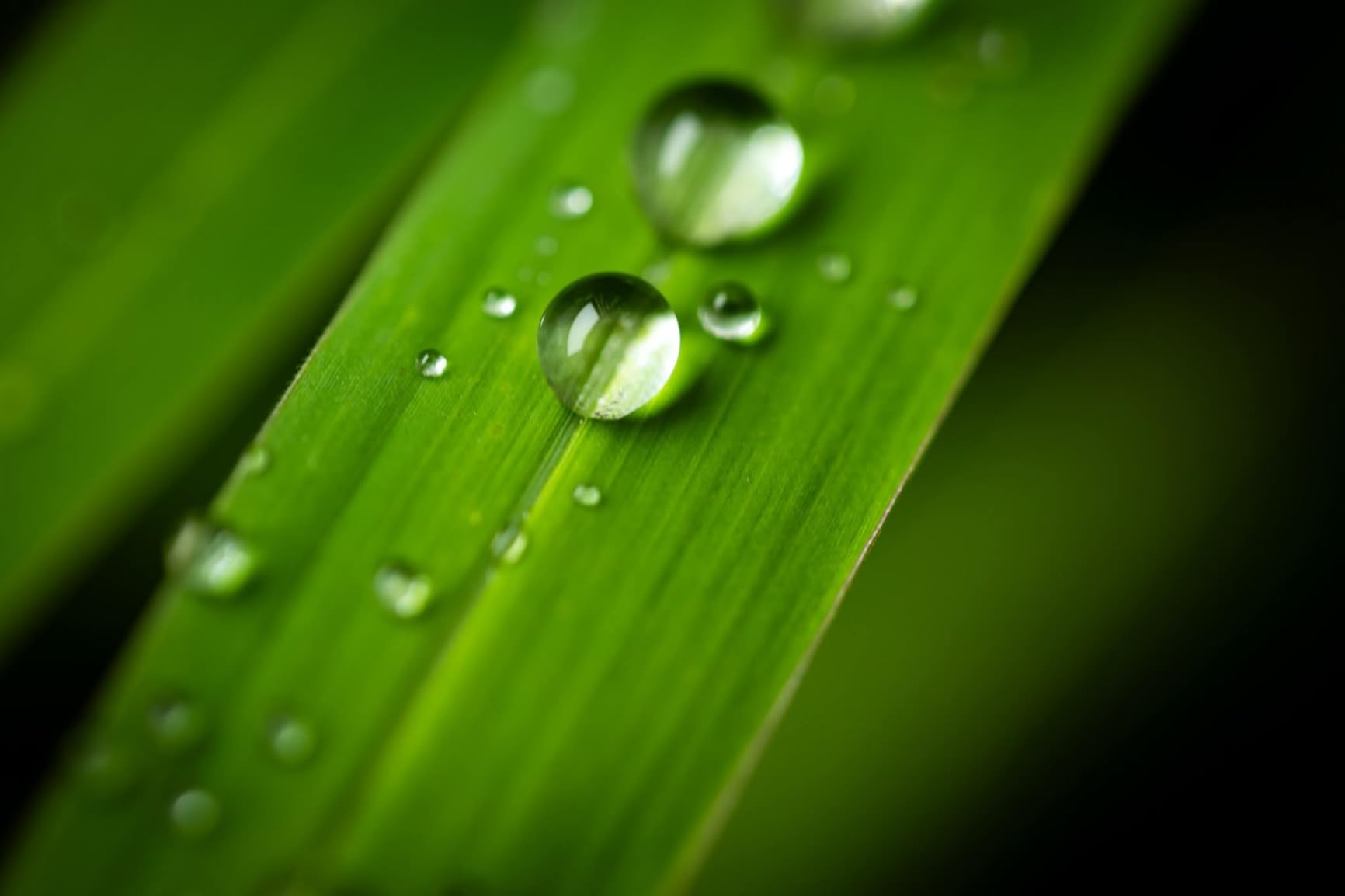
At 1.4x a 10mm beetle that occupies half the frame at 1:1 fills the frame completely. That removes the need to crop, so you keep full sensor resolution, and you get a genuinely different composition rather than a tighter version of the same shot.
The trade is working distance and weight. At 730 g this is the heaviest lens here, and holding it one-handed at full extension at 1.4x in any wind is a serious workout.
Who should pass on it
This is an L-series lens, and the reviewer feedback names professional pricing as the single reservation. If the cost puts it outside reach, the Laowa 100mm 2X picks later in this list give you more raw magnification for far less, with manual focus as the price.
For a Canon RF body that will never leave the house, or for anyone whose subject list is dominated by small species rather than butterflies, that extra magnification earns its place.
6. Laowa Venus Optics 100mm f/2.8 2X Ultra Macro APO for Canon EF – Best 2:1 on a Budget
Laowa Venus Optics 100mm f/2.8 2X Ultra Macro APO Lens for Canon EF
2:1 ultra-macro reproduction
Manual focus
f/2.8 to f/22
9-blade diaphragm
638 g
67 mm filter thread
Pros
- Unique 2:1 reproduction fills the frame with the tiniest insects
- Tack sharp results across the magnification range
- Solid metal build with a smooth precise focus ring
- Also works as a fast 100mm f/2.8 portrait lens
- Substantially cheaper than 1:1 autofocus macros
Cons
- Manual focus only
- so technique and support are needed for moving insects
- Heavier than lighter 1:1 primes
- No weather sealing
- Very early units lacked the electronics chip and caused severe overexposure
This is the specialist pick. Nothing else in the roundup reaches 2:1 without extension tubes or a probe lens, and that magnification is what gets you thrips, springtails and small beetles without cropping.
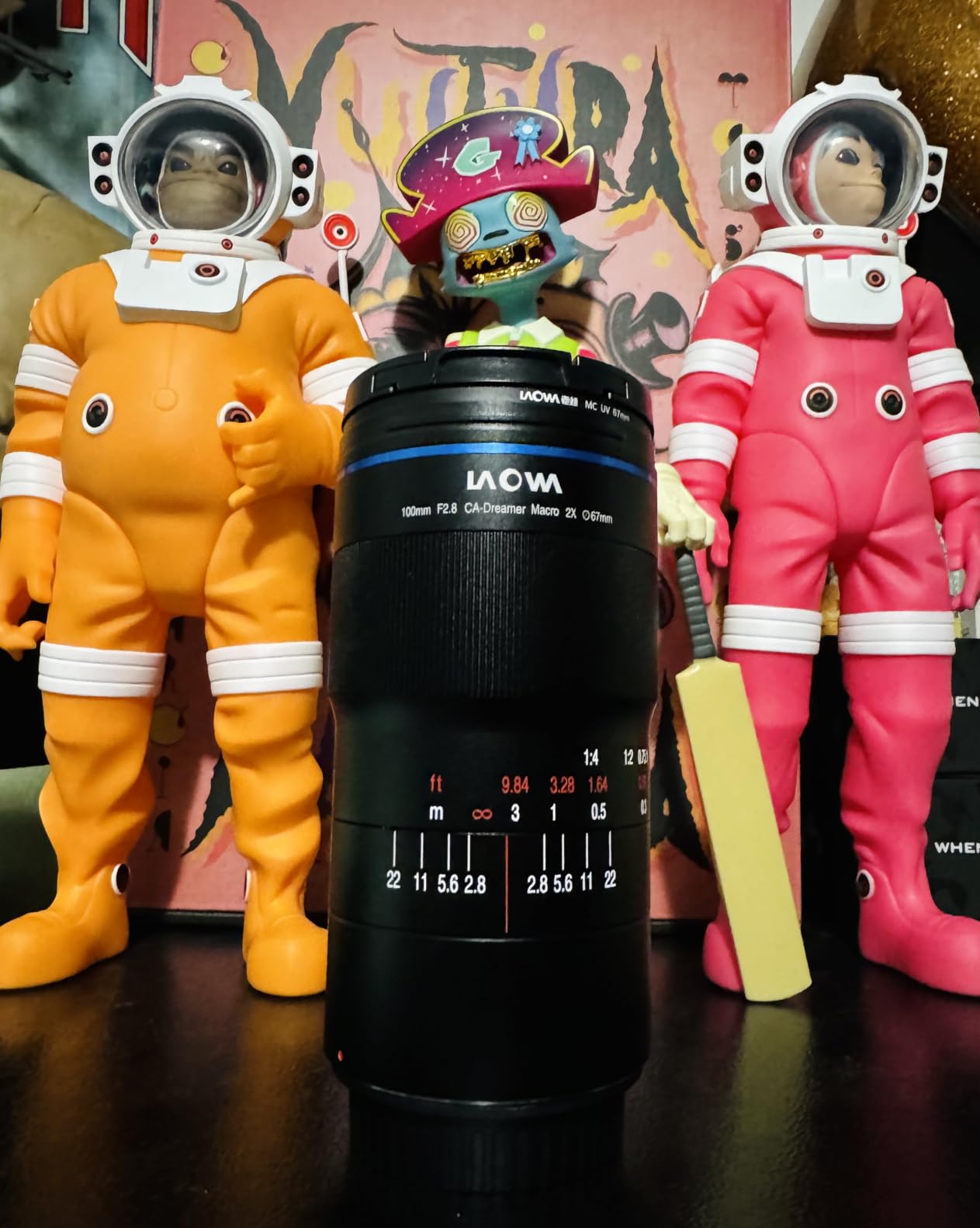
Reviewers describe the results as tack sharp with clean bokeh across the magnification range, and the metal build with a smooth focus ring makes the manual operation more pleasant than the price implies. It also doubles as a fast 100mm portrait lens.
The 8% one-star share comes from a specific complaint rather than from optical quality. Some buyers report issues with newer units, and very early production runs shipped without the updated electronics chip, causing severe overexposure and no EXIF data.
If you buy this version, check that aperture control and EXIF recording work properly as soon as you unbox it, because that failure is a firmware-level issue rather than something you can fix in the field.
Manual focus is a technique, not a defect
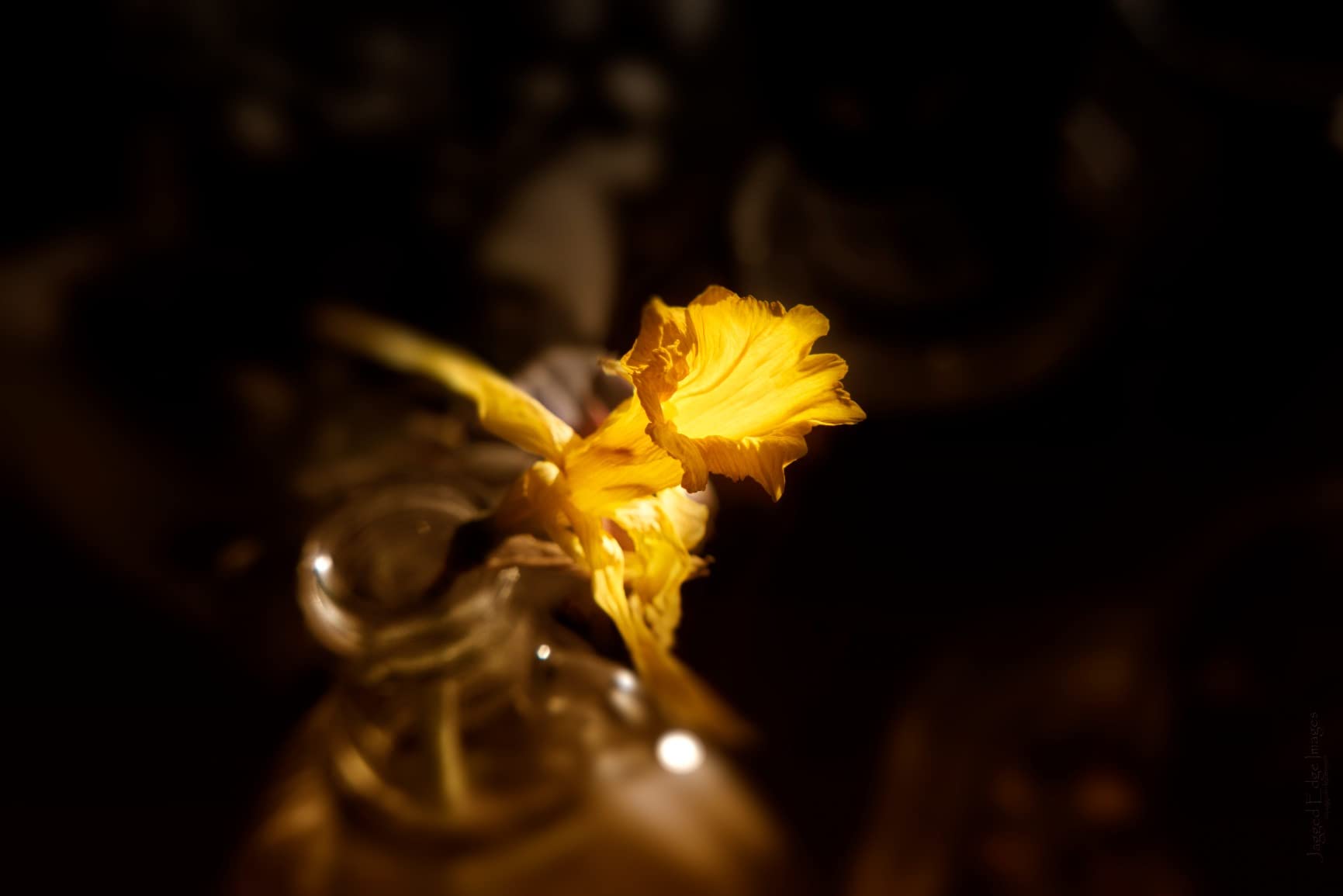
Experienced shooters defend manual focus here as a feature rather than a compromise. Use focus peaking, or manual magnification view, to get to focus, then move with the subject instead of trying to make the subject stop for the motor.
At 2:1 the depth of field is so thin that anything other than a tripod or focus rail for static subjects is unrealistic. For a settled beetle on bark, this lens delivers frames no 1:1 prime can reach.
When it is the wrong choice
If your subjects are butterflies, dragonflies or bees that never hold still, autofocus will do more for you than 2:1 will. This lens is for the photographer who wants to document species, not chase them.
There is no weather sealing, and at 638 g it is not a lens you carry for a whole day on a general walk. Owners using it for flowers, coins, stamps and portraits report the manual workflow is learnable within a few sessions.
7. Laowa 100mm f/2.8 2X Ultra Macro APO for Sony E – Best 2:1 With a 13-Blade Iris
Laowa 100mm f/2.8 2X Ultra Macro APO SLR Macro Lens (Black) Full Frame – for Sony E
2x maximum magnification
13-blade diaphragm
12 elements in 10 groups
638 g
67 mm filter thread
UV filter included
Pros
- Only mainstream lens offering 2:1 magnification for tiny insects
- Exceptionally sharp with no distortion or chromatic fringing
- Smooth well-damped focus ring for minute adjustments
- 13-blade aperture gives pleasing bokeh with f/8 to f/11 the sharpness sweet spot
- Protective UV filter included in the box
Cons
- Fully manual with no autofocus and no aperture control from the camera
- Long barrel is unwieldy to hold steady on mirrorless bodies
- No weather sealing
- No EXIF data written
This is the Sony E version of the same 2:1 design, and the differences that matter are mechanical. It has 13 aperture blades rather than 9, which gives rounder out-of-focus highlights behind a wing or an iridescent body.
With 82% of reviews at five stars, owners treat this as the value route to true 2:1 insect magnification. The optical praise is close to unconditional: no distortion, no chromatic fringing, and sharpness that holds through the range.
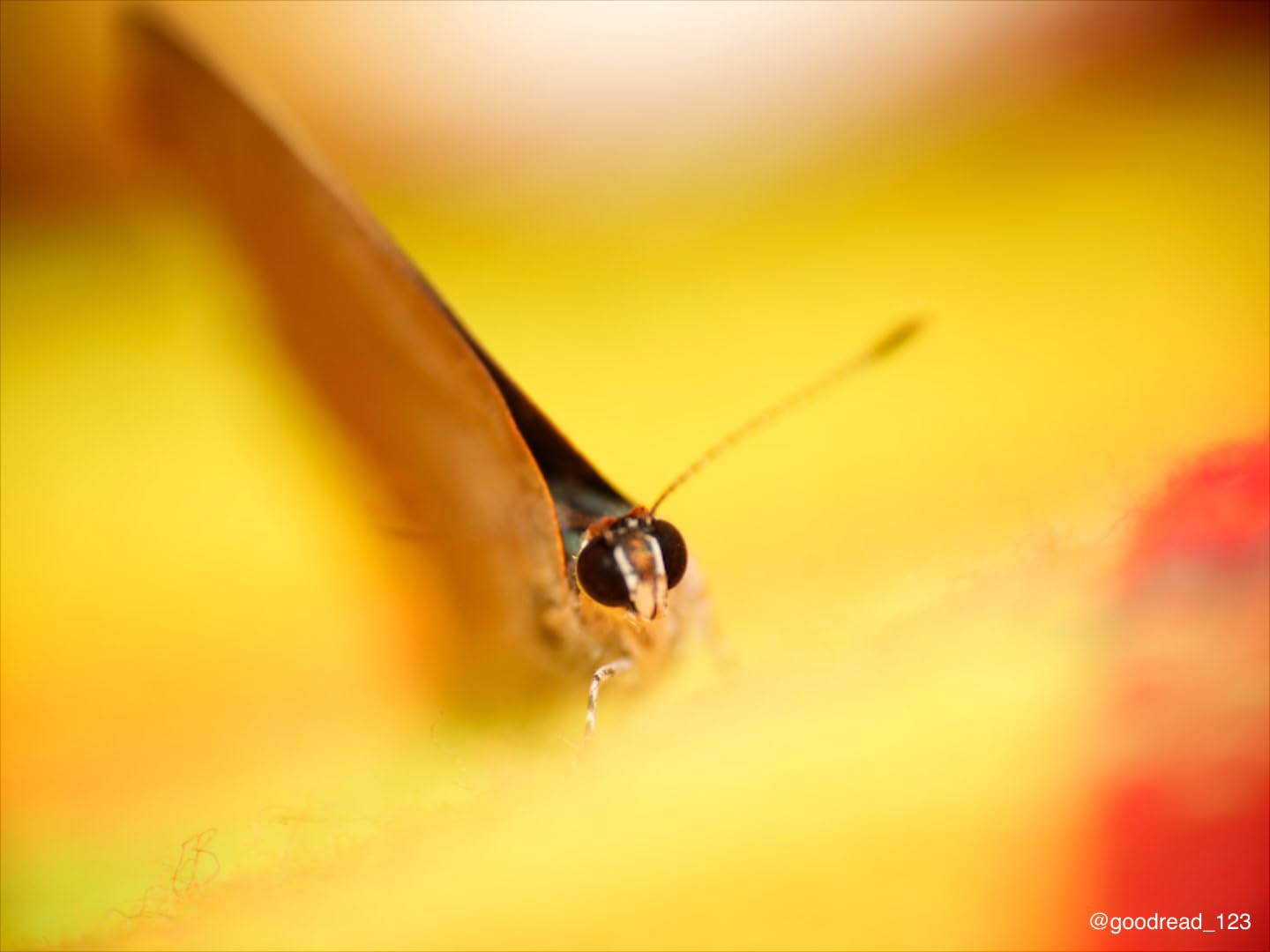
The 12 elements in 10 groups layout is shared across the mount versions. Reviewers also appreciate the smooth, well-damped focus wheel for making minute adjustments at 2:1.
Users shooting still-life and product work find the fully manual operation an advantage, since nothing overrides their chosen settings. For insects, the manual focus is the part you have to be honest with yourself about.
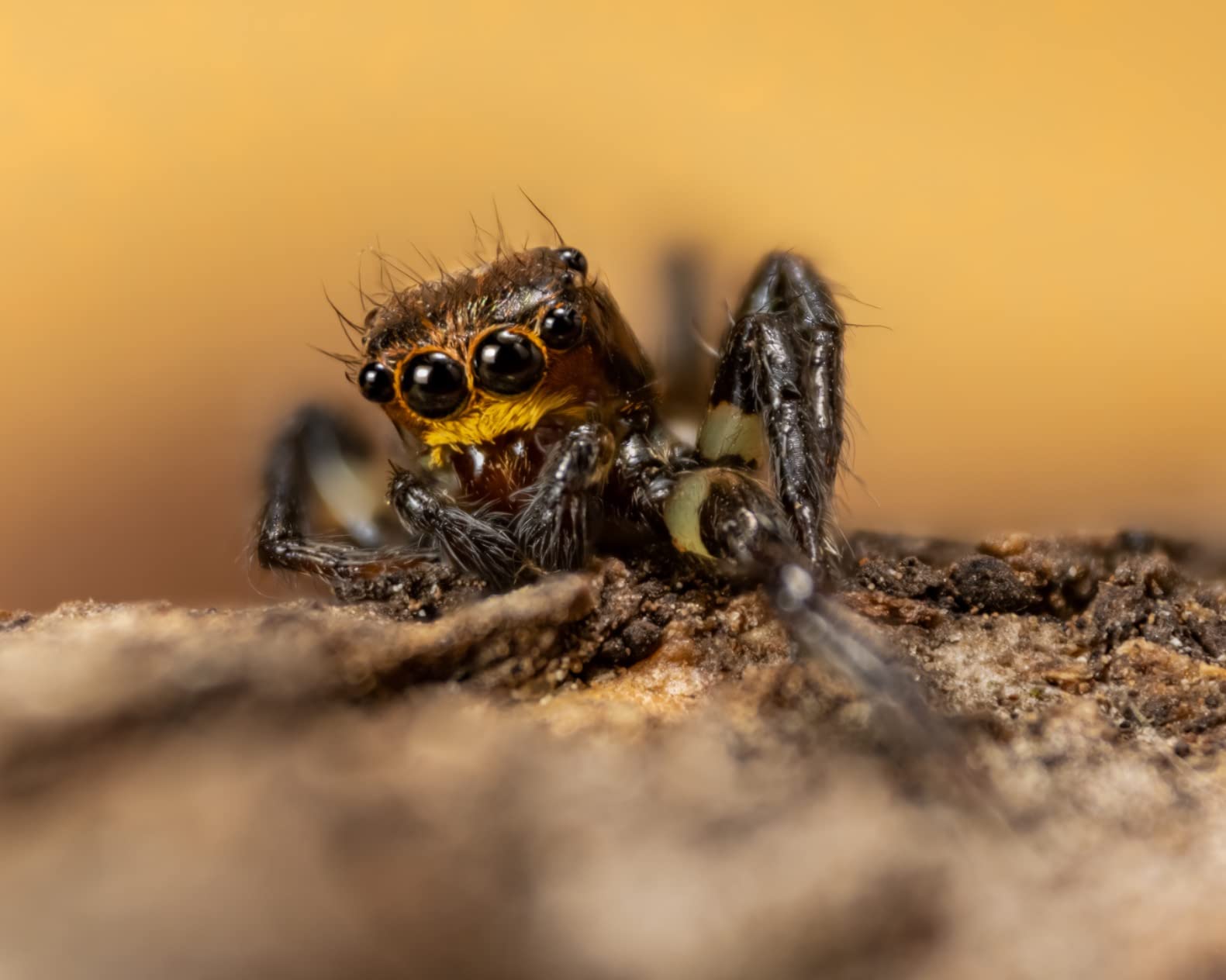
Comparing this with the Canon EF and RF versions
All three Laowa mounts deliver the same 2:1 reproduction, so the choice is mechanical. The EF version carries the most reviews and includes electronics for aperture control and EXIF data in most production runs.
This Sony E version wins on blade count, so choose it if bokeh quality matters more to you than EXIF metadata. The RF version, later in this list, has the thinnest review base and the lowest average rating of the three.
Handling it on a mirrorless body
The long barrel is unwieldy to hold steady, particularly on smaller bodies, and the camera has no way to drive the aperture. Buy a proper tripod or a focusing rail before a field session, not after your first missed day.
There is no weather sealing and no EXIF data, which complicates record keeping for anyone cataloguing species across many sessions.
8. Tamron 90mm f/2.8 Di III VXD Macro – Best Mid-Tier Buy for Sony E
Tamron 90mm F/2.8 Di III VXD 1:1 Macro for Sony E Mount Full Frame/APS-C Mirrorless Cameras
1:1 life-size at 90mm
f/2.8 to f/22 aperture
12-blade diaphragm
Moisture resistant
VXD autofocus
Pros
- Very sharp across the frame at 1:1 magnification
- Fast accurate autofocus with good tracking for moving insects
- Flat field keeps the whole frame crisp for stacked frames
- Moisture resistant build with a six-year manufacturer warranty
- Considerably cheaper than the equivalent Sony macro
- Doubles as a crisp 90mm telephoto
Cons
- No built-in image stabilization so a tripod or faster shutter is needed at close focus
- Some users find image quality slightly below other Tamron primes
The Tamron covers the same ground as the Sony 90mm at a lower tier, and 84% of its reviews are five stars. Owners highlight edge-to-edge sharpness at full 1:1 and quick, dependable autofocus with tracking that handles moving insects.
Its flat-field rendering is the underrated feature. When the corners hold focus as well as the centre, focus stacking produces cleaner merges and you can crop aggressively on a still subject without losing detail.
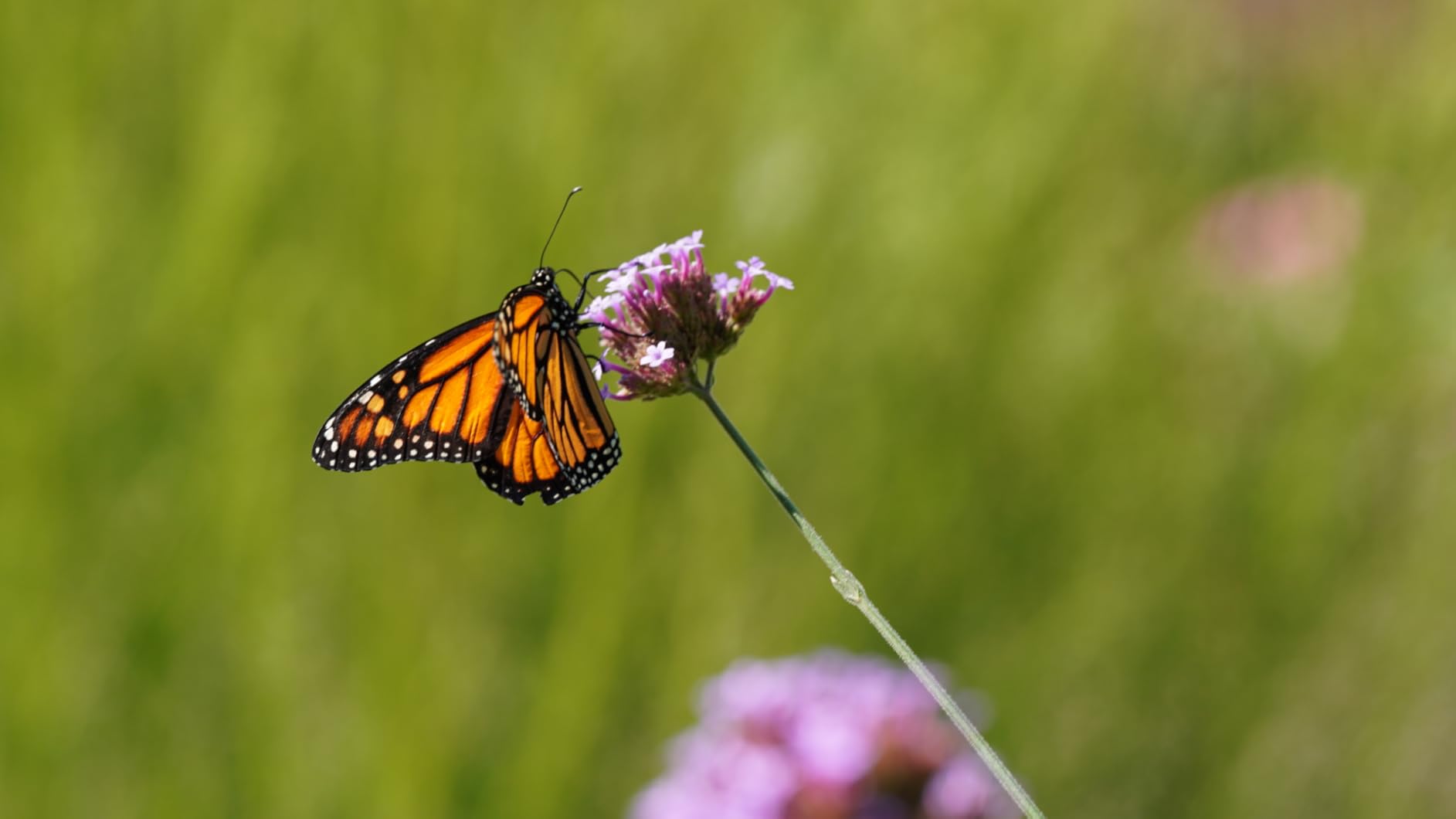
The VXD motor is marketed for subject tracking, and reviewers using it on insects report that it locks and holds better than expected from a lens at this level. It also functions as a crisp 90mm short telephoto for everyday work.
Tamron’s own guidance is to use a higher shutter speed or a tripod for effective macro images, and buyers generally agree that is the lens’s one real limitation.
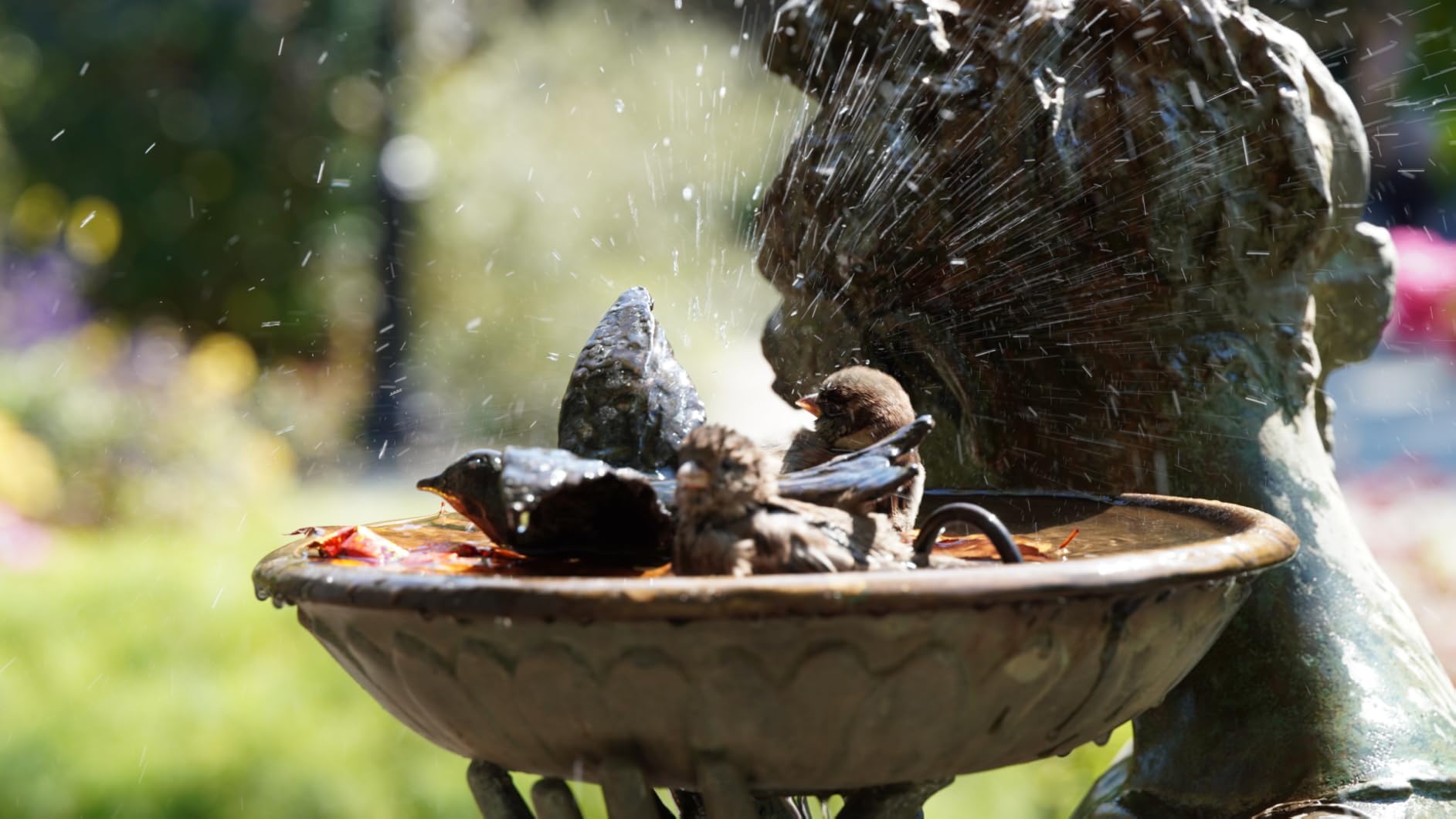
Sigma 105mm versus Tamron 90mm on Sony E
This is the comparison that comes up most on Sony E forums. The Sigma is longer at 105mm, sharper wide of f/5.6, and has a focus limiter plus an aperture ring, but no stabilization. The Tamron is lighter, weather resistant, has a longer warranty, and tracks moving subjects faster.
Choose the Sigma if your subjects hold still on flowers and you want maximum detail. Choose the Tamron if you chase bees and wasps, carry the lens on walks, or already own a stabilized body.
What the light review count means for you
Only 45 reviews means the owner feedback here is thinner than for the lenses above it, so treat the ratings as encouraging rather than conclusive. The optical class is well established within the range.
One user notes image quality sits slightly below other Tamron primes. Without stabilization, you need either a support or a faster shutter, and at 1:1 on a moving insect that is the binding constraint.
9. Laowa 100mm f/2.8 2X Ultra Macro APO for Canon RF – Best 2:1 Upgrade Path for Canon
Laowa 100mm f/2.8 2X Ultra Macro APO Lens for Canon RF
2:1 ultra-macro magnification
f/2.8 to f/22 aperture
13-blade diaphragm
Two low dispersion elements
Approx. 1.8 lb
Pros
- 2:1 reproduction reaches smaller subjects than any 1:1 macro
- Bright f/2.8 aperture for close-range working
- Low dispersion elements hold colour and contrast well
- Broad compatibility across the Canon R range
Cons
- Manual focus only with no autofocus or electronic aperture control
- No weather sealing
- Heavy all-metal barrel is tiring to hand-hold at macro distances
- Lowest average rating of the Laowa 2:1 variants reviewed here
This is the mount-matched answer for Canon RF shooters who want more magnification than the RF 100mm’s 1.4x without moving up a tier. At 2:1 it is the highest magnification available for that mount among the lenses here.
The feedback is positive but thin at 49 reviews, with 73% five stars. Users value the reproduction ratio for tiny insects, the f/2.8 brightness at close range, and clean rendering credited to the low dispersion elements.
Compatibility is broad across the R range, from the R50 and R100 through the R5, R6 Mark II, R7, R8 and RA. If you are not sure which body you will be using in three years, the mount is not the constraint here.
The 4.3 average is the lowest of the three Laowa 2:1 versions in this roundup. That is a smaller review base rather than a different lens design, but it is worth knowing if you are weighing it against the EF version.
Adding 2:1 to an existing macro setup
Owners of the RF 100mm often end up adding this lens rather than choosing between them. The flagship covers live movement and handheld work; the Laowa covers static detail on things too small to fill the frame at 1.4x.
Two low dispersion elements is a modest optical package, and the review praise for colour and contrast should be read as good rather than exceptional at 2:1.
Reasons to choose a different lens
There is no weather sealing, and the all-metal barrel at roughly 1.8 lb is tiring to hold at macro distances. Anyone shooting in poor weather or on long walks should look elsewhere.
Manual focus with no electronic aperture control also means you are committing to a support-based workflow. If you have never focused manually at 1:1 before, learn the technique on a cheaper lens first.
10. Fujifilm Fujinon XF60mmF2.4 R Macro – Best Lightweight Pick for Fujifilm X
Fujifilm Fujinon XF60mmF2.4 R Macro
Approximately 0.5x magnification
90mm equivalent field of view
215 g
f/2.4 aperture
39 mm filter thread
Pros
- Exceptionally sharp with detail resolving consistently to the frame corners wide open
- Compact and very light at 215 g for travel insect kits
- 90mm-equivalent field of view keeps a reasonable distance from subjects
- Dreamy bokeh and vivid saturated colour rendering
- Firmware updates greatly improved autofocus on later bodies
Cons
- Not a true 1:1 macro with maximum magnification around 0.5x
- Focus-by-wire with no mechanical focus stop frustrates stacking
- 39 mm filter thread is very small and the cap is awkward to fit
- Autofocus still slower than most lenses especially at macro distances
- No image stabilization
This is the odd one out in the roundup and I am including it deliberately. At roughly 0.5x it is not a true macro lens, and no amount of framing will change that.
What it does offer is the field of view of a 90mm lens at 215 g. For a photographer who walks a lot and wants insects in the frame rather than filling it, that combination is more useful than a heavier 1:1 prime.
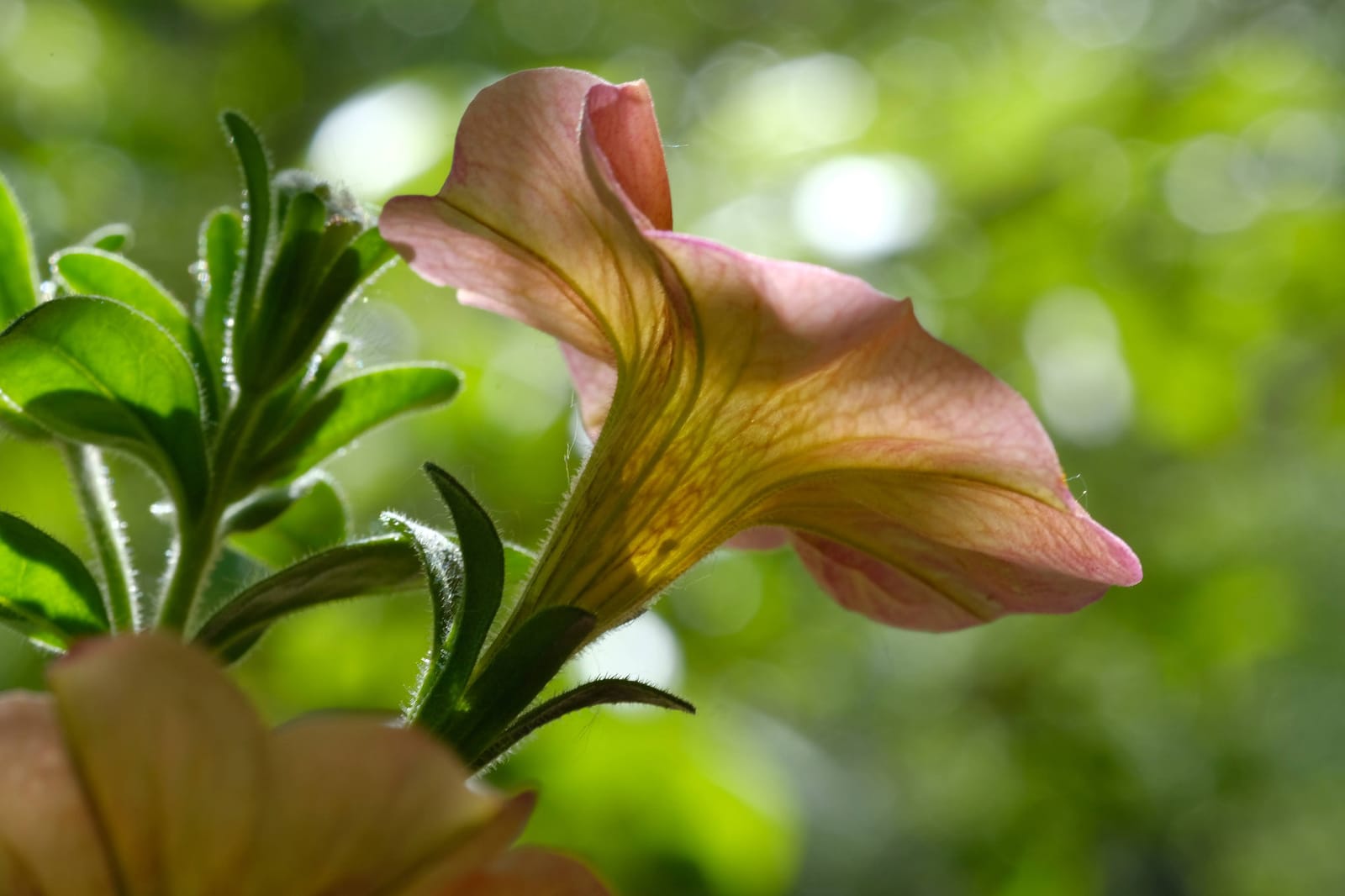
Image quality is never the complaint. Users consistently describe razor-sharp results, consistent corner-to-centre performance and lovely bokeh, and the 4.1 average comes entirely from handling and magnification rather than optics.
The disappointment centres on autofocus, which was slow and hunting on early bodies before firmware updates improved it. On newer bodies the experience is far better, and several users note that focus bracketing compatibility makes stacking practical.
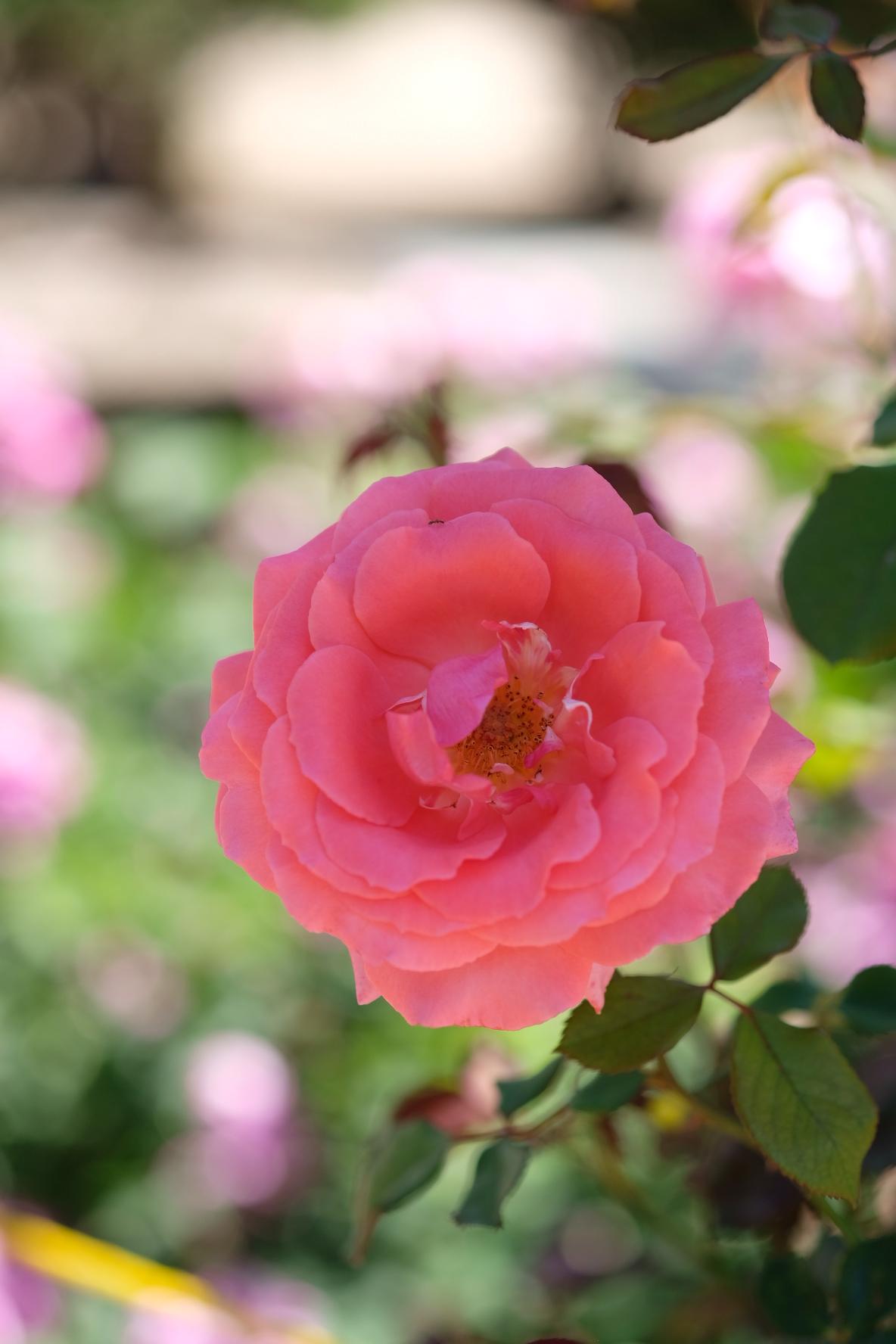
What 0.5x means for your insect frames
At 0.5x a subject appears half life size. You will frame a bee comfortably and then crop in the edit, which costs resolution but costs you nothing in the field. Many photographers accept that trade happily.
The 90mm-equivalent view gives you the working distance a true macro lacks, so nervous species stay put. On an APS-C X body the crop factor multiplies that 0.5x to roughly 0.8x, closer to useful than the number suggests.
The handling trade-offs
Focus-by-wire with no hard mechanical focus stop makes very small manual adjustments and focus stacking frustrating, and the 39 mm filter thread is awkward in practice. Handheld macro with no stabilization also needs care.
If your Fujifilm work is travel and landscape with insects as a bonus, this is a sensible one-lens answer. If you are building a dedicated insect kit, a 1:1 lens on another body will outclass it.
How to Photograph Insects Without Spooking Them
A lens only gets you close enough. The frames you keep come from how you move around the subject.
Set up before the insect arrives. Compose first, then wait. Most insects return to the same flower or stem within a few minutes.
Approach with the wind at your back. Your scent and shadow move in front of you more than they do behind, and many insects sense that.
Work low and slowly. Crouching keeps you below their flight line and makes movement smaller relative to the subject.
Move in short bursts, then stop. Continuous slow movement reads as a threat. Small steps with a pause between them reads as nothing happening.
Focus on the nearest feature. An antenna or a front leg gives autofocus something solid to lock onto where an entire wing does not.
Use a diffuser and moderate flash. Bare flash at full power from close range is as effective at clearing a subject as a shout.
Shoot short bursts. A moving subject rewards consecutive frames far more than careful single shots.
On aperture, most of my frames land between f/8 and f/11. Wide open gives you depth of field of a couple of millimetres at 1:1, and stopping down past f/16 into diffraction costs more sharpness than the extra depth of field returns.
If your insect photos still look soft on a sharp lens, work through these in order: the subject moved, the focus plane sits behind the eye rather than on it, wind bent the stem, or the effective aperture narrowed at close focus. On a crop body, add magnification that exceeds what you framed for.
Which Macro Lens for Your Camera and Budget
Start with your mount, because that removes most of the list immediately.
Nikon F DSLRs get the AF-S Micro-NIKKOR 105mm f/2.8G. Nikon Z shooters get the NIKKOR Z MC 105mm f/2.8 VR S, which adds weather sealing and more stabilization. Canon EF shooters get either the Laowa 100mm 2X for 2:1 manual focus or an EF 100mm macro for autofocus. Canon RF gets the RF 100mm f/2.8L for live work or the Laowa 2X RF for static detail. Sony E has the widest choice here, with the FE 90mm, the Sigma 105mm and the Tamron 90mm competing directly. Fujifilm X has the XF60mmF2.4.
If your body is an older DSLR, check mount compatibility before anything else. Forum threads on lens buying are full of owners who only discovered after delivery that a modern RF or Z lens needs an adapter they had not budgeted for.
Three budget tiers, without the guesswork
At the entry tier you are paying for magnification rather than automation. The Laowa 100mm 2X variants reach 2:1 at a fraction of the cost of 1:1 autofocus primes, and if you are comfortable with manual focus and a tripod they are the strongest value in this roundup.
At the mid tier you get autofocus plus 1:1 without flagship pricing. The Sigma 105mm and Tamron 90mm sit here, as does the Sony FE 90mm, which costs more for the steadier rating and the AF and manual focus ring.
At the flagship tier you buy stabilization and weather sealing as much as optics. The Nikon Z MC 105mm and the Canon RF 100mm belong here, and both are justified by shaking insects in low light rather than by anything on a spec sheet.
APS-C changes the maths
On a crop body, multiply the stated magnification by the crop factor. A 1:1 lens behaves like about 1.6:1, and the Laowa 2:1 behaves like roughly 3.2:1, which is more magnification than you will normally use. You also lose working distance, so an insect that seemed safe at 105mm on full frame will be much closer on APS-C.
That also means an APS-C shooter may not need a 2:1 lens. A 1:1 prime at 105mm gives plenty of reach, and you keep the distance that keeps the subject calm.
What else you need besides the lens
Light matters more than glass. A small flash or LED panel with a diffuser lets you shoot in shade and at dusk, when insects are active and photography is otherwise impossible.
Support is the second item. At 1:1 a beanbag or a monopod removes the shake that stabilization cannot. And a remote release or two-second timer keeps your hands off the camera during the frame.
Third, use a tripod or focus rail with the manual-focus Laowa picks. Reviewers who report success with those lenses all describe the same support setup, and none describe handholding at 2:1.
Our related guides cover macro glass for other subjects, including macro lenses for Sony cameras and macro lenses for the Canon R5, if you want mount-specific recommendations beyond insects.
Frequently Asked Questions
What is the best macro lens for insect photography?
The best macro lens for insects is a true 1:1 or greater magnification lens in the 90mm to 105mm focal length range. The Nikon NIKKOR Z MC 105mm f/2.8 VR S and the Canon RF 100mm f/2.8L Macro IS USM are the strongest all-round choices, because that focal length gives enough working distance that you can frame a bee without scaring it away.
Do I need 1:1 magnification for insect photography?
For butterflies, dragonflies and bees, 1:1 is plenty and you can crop anything tighter. For thrips, springtails, leafhoppers and small beetles, you want more than 1:1 so the subject fills the frame without losing resolution to cropping. On a crop body a 1:1 lens already behaves like roughly 1.6:1.
Is 2:1 magnification worth it for insects?
Only for small subjects. A 2:1 lens such as the Laowa 100mm Ultra Macro reaches subjects that a 1:1 prime can only fill by cropping, which preserves full sensor resolution. For moving insects the manual focus on every 2:1 lens available is the bigger limitation than the magnification itself.
What Nikon macro lens is best for insect photography?
For Nikon Z bodies, the NIKKOR Z MC 105mm f/2.8 VR S with S-Line optics, optical VR and weather sealing. For Nikon F DSLRs, the AF-S Micro-NIKKOR 105mm f/2.8G IF-ED with VR II and a 1:1 reproduction ratio. Both give 105mm working distance that keeps nervous subjects settled.
Are Laowa macro lenses good?
Optically they are very strong. The Laowa 100mm f/2.8 2X Ultra Macro APO is described by owners as tack sharp across the magnification range with clean bokeh, and it reaches 2:1 without extension tubes. The trade-offs are manual focus only, no weather sealing, and on some EF units an early-batch electronics issue that caused overexposure and no EXIF data.
Is the Sigma 105mm macro lens better than the Tamron 90mm macro lens?
The Sigma 105mm is longer, sharper wide of f/5.6 and has a focus limiter and aperture ring, but no stabilization. The Tamron 90mm is lighter, weather resistant, backed by a six-year warranty and tracks moving subjects faster. Choose the Sigma for static subjects and detail, the Tamron for chasing insects and travel.
Can you photograph insects with autofocus?
Yes, and for live subjects you generally should. A lens like the Sony FE 90mm or the Sigma 105mm acquires focus faster than you can reposition by hand. Enable the focus limiter where available, focus on an antenna or front leg rather than a wing, and use focus peaking or manual magnification for the final trim.
Why do my insect photos still look soft on a sharp macro lens?
Work through it in order: the subject moved between focusing and firing, the focus plane sits behind the eye rather than on it, wind bent the stem after you focused, or the effective aperture narrowed at closest focus. On a crop body, exceeding your native magnification adds shake. Stopping down past f/16 also costs sharpness to diffraction.
Is image stabilization important for insect photography?
Yes at high magnification, because shake is amplified and depth of field is only millimetres deep. The Nikon Z MC 105mm offers up to 4.5 stops and the Canon RF 100mm up to 5 stops with Hybrid IS for shift shake. Stabilization does not replace support for static subjects, and several lenses here have none at all.
What aperture works best for insect macro shots?
Between f/8 and f/11 is the sweet spot. It gives enough depth of field for a whole subject while staying inside the range where these lenses resolve best. The Sony 90mm is sharp at full aperture but still needs stopping down to keep a subject sharp edge to edge. Avoid going past f/16 unless stacking.
Can I use extension tubes instead of a dedicated macro lens?
They work and they are cheap, but you hit a ceiling quickly in image quality and in working distance, which is what stops you approaching insects without spooking them. A close-up filter is a reasonable stopgap. If you already own extension tubes and have reached that ceiling, a true macro lens is the step that changes the results.
What is the best 100mm macro lens for insects?
It depends on the mount and the subject. The Canon RF 100mm f/2.8L gives 1.4x with autofocus and 5 stops of stabilization. The Nikon 105mm lenses give 1:1 with stabilization and the longest working distance. The Laowa 100mm 2X reaches 2:1 but is manual focus, and is the choice for small static species.
Final Verdict
If you want one lens and you shoot Nikon F DSLRs, the AF-S Micro-NIKKOR 105mm f/2.8G IF-ED is the best macro lens for insect photography you can buy, because it pairs 1:1 magnification with enough working distance to keep the insect where it is. Nikon Z, Canon RF and Sony E shooters have better native options listed above.
Whichever you choose, buy the light and the support before you worry about upgrading glass. Update this guide for 2026 as new macro primes appear.

