

Panasonic Lumix is one of the few camera brands still designing every body around the filmmaker first. You get internal ProRes, 32-bit float audio, unlimited record times and class-leading in-body image stabilisation, and you get them below the price of the equivalent Sony or Canon cinema hybrid. That is why the question of the best Panasonic cameras for filmmaking keeps coming back: the answer is not one body, it is a shortlist matched to how you actually shoot.
This roundup covers eight LUMIX bodies, from a bundled-lens kit camera to a full-frame body that records RAW internally. We judged every one on the same five criteria: codec flexibility, record limits under real conditions, stabilisation performance, autofocus behaviour on video, and the physical reality of rigging and powering the camera for a full day. Photography specs are mentioned only where they affect a film shoot.
The short version for 2026: the S5IIX is the strongest overall filmmaking body here, the S5 is the cheapest sensible way into full-frame L-mount glass, and the G9II is the small, stabilised Micro Four Thirds workhorse. If you shoot documentaries, events or narrative work, the differences between Micro Four Thirds and full-frame matter less than the codec and the record limit, and we explain that trade-off in full below.
A quick note on heat: Panasonic bodies are marketed as unlimited-recording cameras, and most of them genuinely deliver that in ordinary ambient conditions. Reviewers reporting wedding and event shooters running 90-minute panels and 4-hour conferences without a thermal shutdown confirm the claim in the field. It still bites in specific modes, and we flag exactly where for each camera.
Top 3 Panasonic Cameras for Filmmaking at a Glance in 2026

Panasonic Lumix S5IIX
- 5.8K ProRes internal recording
- RAW over HDMI
- 14+ stop V-Log
- Active cooling for unlimited recording
- 779-point phase hybrid AF
- 740 g

Panasonic Lumix S5
- 4K 60p 10-bit
- 14+ stops of V-Log range
- 6.5-stop Dual I.S. 2
- 14 to 180fps slow motion
- 96MP mode
- 1.6 lb body

Panasonic Lumix G9II
- C4K/4K 10-bit 120p slow motion
- Uncropped 5.7K 60p
- 8.0-stop B.I.S. and 7.5-stop Dual I.S. 2
- First phase-detect AF in the G series
- Real-time LUT
The S5IIX wins the top slot because it is the only body in this group that pairs a phase hybrid autofocus overhaul with internal ProRes, RAW over HDMI and active cooling in a 740 g magnesium alloy shell. Owners describe the AF fix as the single most celebrated upgrade in the body.
The S5 takes the value badge on owner satisfaction rather than features. It is a smaller, simpler camera with 14+ stops of V-Log latitude and 6.5-stop stabilisation, and it costs considerably less than anything else with full-frame glass access.
The G9II is the pick for high-speed work. It records C4K/4K 10-bit at 120p or 100p, runs uncropped 5.7K 60p, and its 8.0-stop body stabilisation is one of the few numbers in this roundup that changes what you can handhold.
Best Panasonic Cameras for Filmmaking (October 2026)
| Product | Specs | Action |
|---|---|---|
| Panasonic Lumix S5IIX |
|
Check Latest Price |
| Panasonic Lumix S5 |
|
Check Latest Price |
 Panasonic Lumix S1II Panasonic Lumix S1II |
|
Check Latest Price |
| Panasonic Lumix G9II |
|
Check Latest Price |
 Panasonic Lumix GH5M2 Panasonic Lumix GH5M2 |
|
Check Latest Price |
 Panasonic Lumix S1RII Panasonic Lumix S1RII |
|
Check Latest Price |
 Panasonic Lumix G85 Panasonic Lumix G85 |
|
Check Latest Price |
 Panasonic Lumix S1 Panasonic Lumix S1 |
|
Check Latest Price |
Read that table by column rather than row. The two formats split cleanly on sensor size, but the video feature list is closer than the sensor sizes suggest, which is the central finding of this roundup.
1. Panasonic Lumix S5IIX: the best Panasonic camera for filmmaking overall
Panasonic LUMIX S5IIX Mirrorless Camera, 24.2MP Full Frame with Phase Hybrid AF, New Active I.S. Technology, 5.8K Pro-Res, RAW Over HDMI, IP Streaming – DC-S5M2XBODY Black
24.2MP full-frame
5.8K ProRes internal
RAW over HDMI
14+ stops V-Log
779-point phase hybrid AF
740 g
Pros
- Phase hybrid AF overhaul fixes Panasonic's historical AF weakness
- Internal ProRes plus RAW over HDMI and SSD recording over USB-C
- Active cooling delivers genuine unlimited recording
- Class-leading in-body stabilisation for handheld work
- 14+ stops of V-Log latitude for grading
Cons
- 24MP resolution is thin for heavy cropping
- Small dim LCD is hard to read without an external monitor
- Battery drains fast in 6K or high frame rate modes
The S5IIX is the camera I would hand to a documentary shooter who wants one body to cover a whole production. It records 5.8K ProRes internally, streams over IP, outputs RAW over HDMI and writes to an external SSD over USB-C, all from a magnesium alloy body that weighs 740 g. That combination of professional I/O and a compact shell is rare.
The autofocus is the reason this body exists in this roundup. Panasonic spent years with a contrast-detect reputation, and the phase hybrid system with subject detection is the fix. Owners consistently single it out as the upgrade that made the camera feel like a different machine for run-and-gun work.
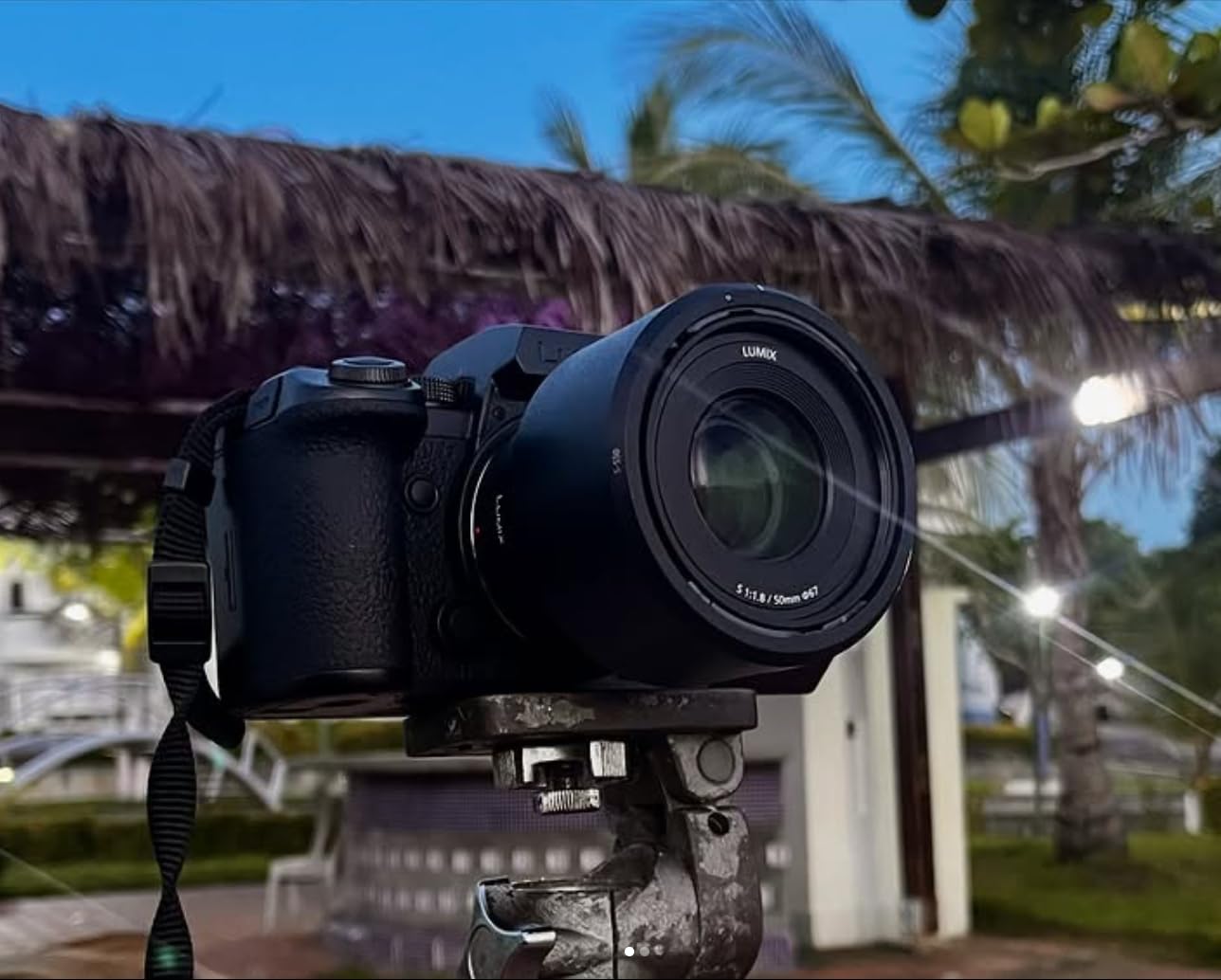
Heat management is the other headline. A small fan and an efficient heat sink sit behind the body, which is what turns the unlimited recording claim from a spec-sheet line into something you can rely on at a four-hour conference. Internal high-bitrate recording on dual UHS-II SD cards is then just a matter of card speed.
Fourteen-plus stops of V-Log/V-Gamut capture give you real grading latitude, and the in-camera photo and video colour grading means a rough cut is possible without a grading suite. Colour straight out of camera is repeatedly described as cinematic, with the usual Panasonic skin tones holding up in mixed lighting.
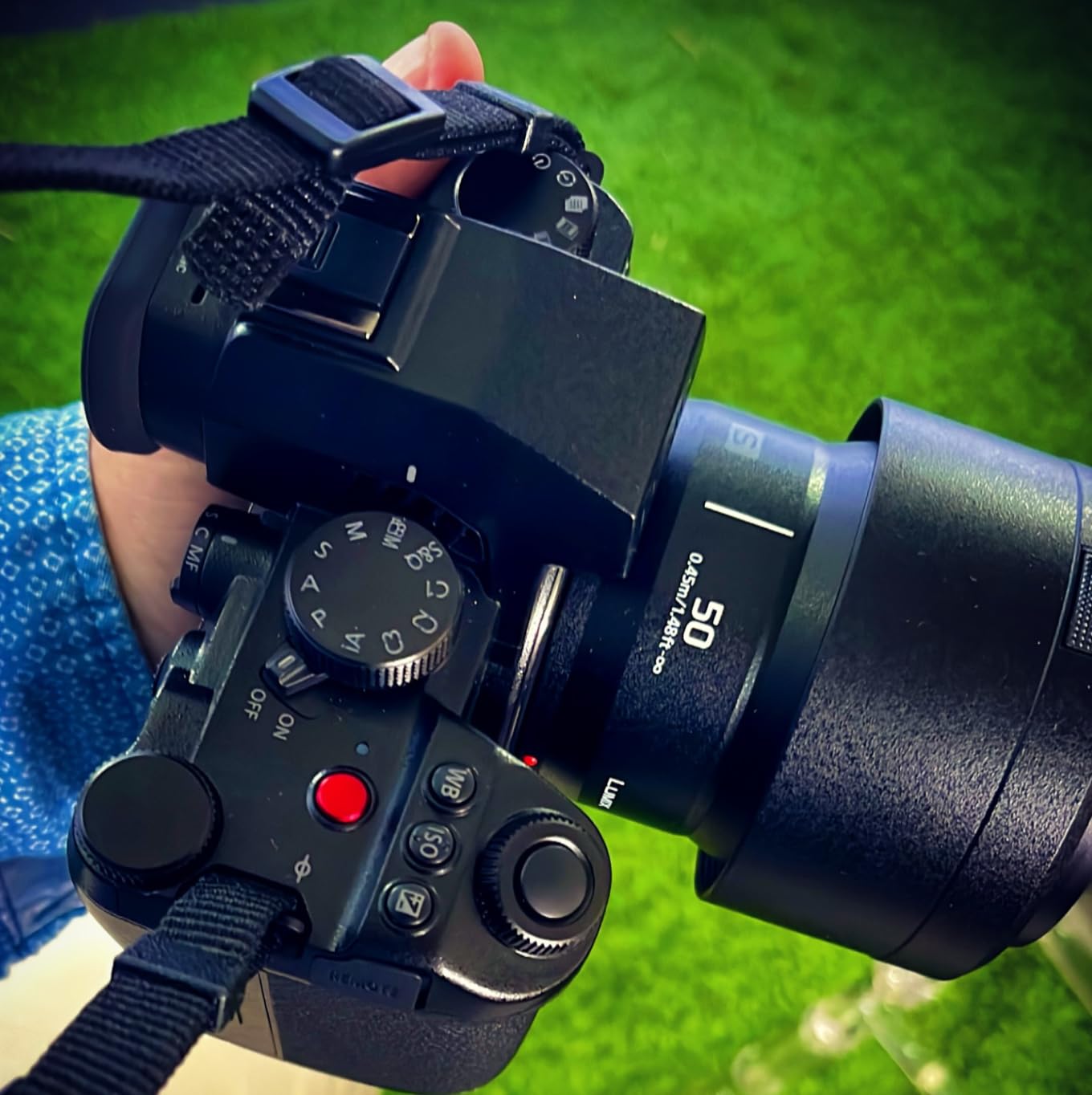
The honest limits are physical. The 3-inch LCD is small and dim, so focus lines and zebras are hard to judge without an external display, and the button labels are reported as hard to read in low light. Button labels that vanish in a dark location is a real problem for a documentary body. Our field monitor picks solve both issues at once.
What the S5IIX does that cheaper bodies cannot
Two things. The first is internal ProRes, which means a given card holds fewer minutes than a compressed codec but the files open in any NLE with no transcode and no colour management surprises. For a director who wants to hand footage to an editor on a different platform, that is a real saving.
The second is RAW over HDMI to an external recorder, which lets you treat a small camera as the front end of a bigger rig. Very few mirrorless bodies do this well. The GH7 owners we found in forum discussion prefer the GH7 for video over the S5IIX for its recording modes and CFexpress slot, which tells you the two live in overlapping territory rather than one clearly beating the other.
Where the S5IIX will frustrate you
Twenty-four megapixels is the trade-off. It is plenty for 4K delivery, but if you plan to crop hard in post, or reframe a 5.8K open gate down to a vertical cut for social, you are working with less headroom than a 44.3MP or 50MP body. The partially stacked S1II exists for that reason.
Battery life is the second frustration. Reviewers report fast drain during intensive 6K or high frame rate recording, so a full shooting day needs a spare battery plan or an external power solution. On the third point, the L-mount lens ecosystem is smaller than Sony E-mount, which nudges the total cost of ownership up when you include glass.
2. Panasonic Lumix S5: the best value route into full-frame filmmaking
Panasonic LUMIX S5 Full Frame Mirrorless Camera, 4K 60P Video Recording with Flip Screen & WiFi, L-Mount, 5-Axis Dual I.S., DC-S5BODY (Black)
24.2MP full-frame
4K 60p 10-bit
FHD 180fps slow motion
14+ stops V-Log
6.5-stop Dual I.S. 2
1.6 lb
Pros
- 14+ stops of V-Log dynamic range for grading flexibility
- 4K 60p 10-bit plus 180fps FHD slow motion
- 5-axis Dual I.S. 2 allows 6.5-stop slower shutter speeds
- Lightweight 1.6 lb body with fully articulating screen
- 96MP High Resolution mode for stills
Cons
- Dated contrast-detect autofocus compared with phase hybrid bodies
- Micro-HDMI port limits some external monitor setups
- No active cooling for long high-bitrate takes
The S5 is the reason a lot of people got into full-frame filmmaking in the first place. It is small, it weighs 1.6 pounds, and it records 4K 60p in 10-bit with 14+ stops of V-Log latitude. Dual native ISO 100 and a 96MP High Resolution mode round out a body that genuinely does the core job.
Slow motion is generous for the money: full HD at 180fps with no crop, plus 4:3 anamorphic support for squeeze frames. If your edit is social-first or your delivery is documentary cuts, having both in one body without extra cost is worth more to a beginner than an extra codec.

Stabilisation is the quiet strength. Dual I.S. 2 pairs sensor-shift with lens optical stabilisation for 6.5 stops, which is the figure community consensus treats as a category-leading advantage for handheld work. Combined with the fully articulating screen, this is a body you can shoot low-angle and handheld without a rig.
Thermal behaviour is the difference from the S5IIX. There is no active cooling here, so long high-bitrate 4K takes can run into thermal limits where the newer body would keep going. For interviews and short takes that never applies; for a long event you should plan around it.
The AF question is the real decision. This is still a contrast-detect system with head, eye, face and body detection, and owners cite the dated AF as the main reservation against the body. It tracks adequately for locked-off and tripod work, and it is noticeably behind phase hybrid when you pan to follow a moving subject.
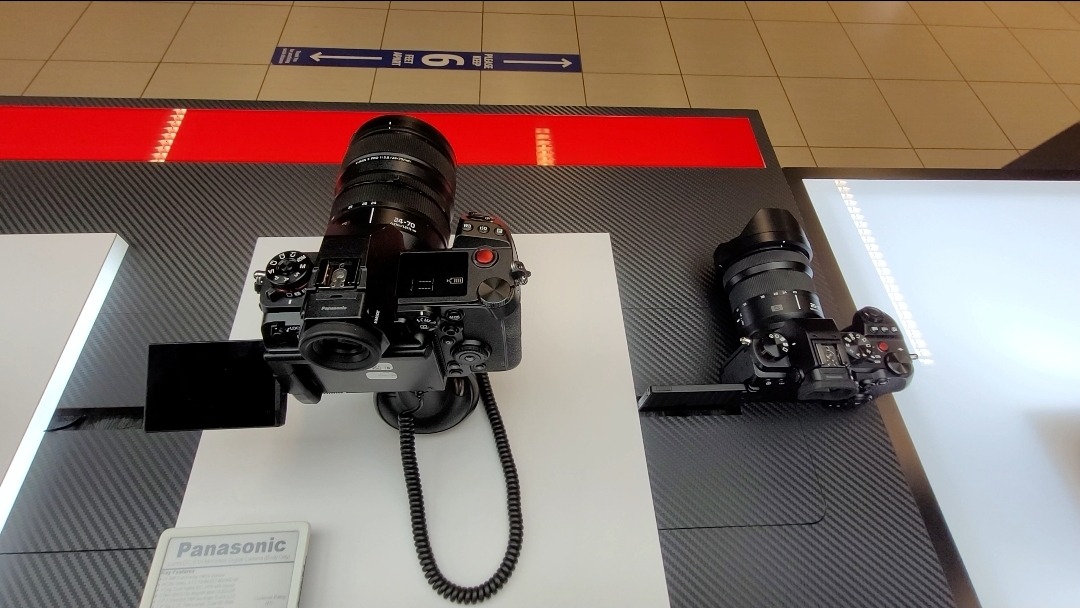
When the S5 is the right camera
Choose it when your work is interview-led, tripod-based or handheld-but-slow. Those are the situations where contrast detect is not the bottleneck, and where 6.5 stops of stabilisation plus a flip screen does the heavy lifting. It is also the body that leaves the most budget for glass, which is where full-frame systems usually get expensive.
Our Panasonic lens guide covers what to pair with it first, and full-frame L-mount primes are where the value argument holds up best.
When to skip the S5
Skip it if your work is run-and-gun with moving subjects, or if you want ProRes internally or RAW over HDMI. Both are absences, not weaknesses, but they are absences on a body competing against newer models that have them. The micro-HDMI port also limits some external monitor and recorder configurations.
No built-in ND is the smaller gripe. Out in daylight you will be managing shutter speed or buying glass, and for a filmmaker running long takes on documentary work that is a workflow cost worth factoring in.
3. Panasonic Lumix S1II: the best Panasonic camera for RAW video capture
Panasonic LUMIX S1II 6K Digital Camera, Mirrorless Full Frame, Hybrid Shooting with 24.1MP, 5.1K 60p Open Gate Video, 15 Stops Dynamic Range, Prores RAW HQ Internal Recording, L-Mount – DC-S1M2, Black
24.1MP partially stacked full-frame
6K Open Gate 30p
ProRes RAW HQ internal
15 stops of dynamic range
8.0-stop 5-axis IBIS
CFexpress Type B and SD
Pros
- Internal ProRes RAW and ProRes RAW HQ remove the need for an external recorder
- Partially stacked sensor gives fast readout with 5.1K 60p Open Gate
- Exceptional in-body stabilisation praised by owners who have tried alternatives
- Dynamic Range Boost with 15 stops for grading latitude
- Smaller and lighter than the S1H it replaces
Cons
- No low-pass filter brings heavier noise in some environments
- More prone to overheating than the S5II in some CFexpress settings
- Noticeable rolling shutter when Dynamic Range Boost is enabled
- S5II cages do not fit and the grip profile differs
The S1II is the technical ceiling of this roundup. A partially stacked 24.1MP sensor reads out fast enough for 6K Open Gate at 30p, 5.1K 60p Open Gate in 3:2, and C4K/4K at 120p. That Open Gate frame is bigger than any of the delivery crops you are likely to need, which is exactly why it matters for reframing.
ProRes RAW HQ recorded internally is the headline. It is a very high bitrate, very large file, and it is the closest a mirrorless body gets to a cinema camera workflow without an external recorder in the chain. Owners consistently describe the codec flexibility as class-leading for the tier.
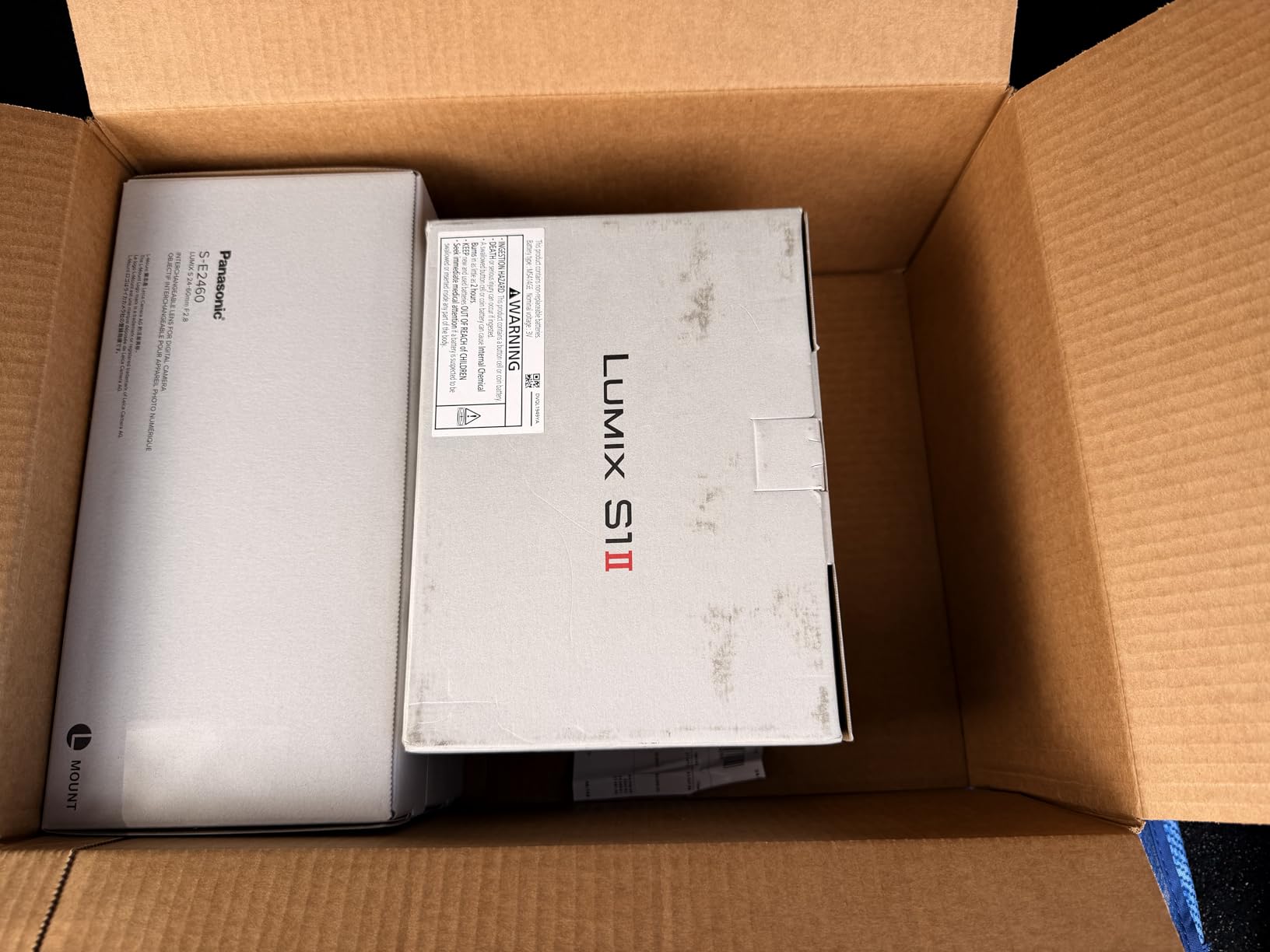
Dynamic Range Boost is a first for the LUMIX S series and gives 15 stops, with smoother gradation in difficult transitions. The trade-off is stated plainly in the reviews: rolling shutter becomes noticeable when it is enabled, so it is a decision you make per shot rather than a default.
Stabilisation is the quiet headline for filmmakers. Eight stops of 5-axis IBIS is repeatedly described as exceptional among alternatives tried, which on a body this heavy matters, since the S1II is smaller and lighter than the S1H while adding autofocus and stabilisation gains.
Card handling is pro: CFexpress Type B alongside SD. High frame rate modes write to the CFexpress card, and that is exactly where reviewers report more heat than the S5II experiences. Above 60 fps in particular, thermal behaviour needs checking before a long take.

Why RAW and open gate matter for editors
V-Log gives you a flat, log image with the same information and a much smaller file. ProRes RAW gives you a debayered image with the maximum latitude the sensor holds, and the file will be enormous. In an edit, the practical difference is grade headroom: a RAW file survives a heavy grade that V-Log would have to invent.
Open Gate changes framing rather than grading. Because you are recording a taller 3:2 frame and cropping inside it, you can pull a 4:5 or 1:1 extract out of a single take without losing sharpness. For a filmmaker cutting a documentary for broadcast and vertical simultaneously, that is the argument for this body.
Where the S1II costs you
Three real drawbacks. The missing low-pass filter brings heavier noise in some environments, which matters more on video than on stills because noise reduction eats fine detail. Cage incompatibility is the ownership cost people complain about most: S5II cages do not fit the S1 II, and the grip profile differs, so a rig investment does not transfer.
The menu system is also flagged as offering many confusing fps, codec and sensor-size choices, which slows down run-and-gun work if you have not memorised it. ARRI Log is a paid upgrade rather than an included profile.
4. Panasonic Lumix G9II: the best Micro Four Thirds camera for solo filmmakers
Panasonic LUMIX G9II Micro Four Thirds Camera, 25.2MP Sensor with Phase Hybrid AF, Powerful Image Stabilization, High-Speed Perfomance and Mobility, Flagship Model of G Series – DC-G9M2BODY
25.2MP Micro Four Thirds
C4K/4K 10-bit 120p slow motion
8.0-stop B.I.S. and 7.5-stop Dual I.S. 2
Uncropped 5.7K 60p
1.5 lb
Pros
- Action-grade stabilisation allowing handheld long exposures in low light
- Phase detection autofocus
- a first for the LUMIX G series
- Video feature set exceeds many full-frame bodies at higher prices
- Lighter than GH-series bodies so it fits smaller gimbals
- Uncropped 5.7K 60p with SSD recording support
Cons
- Micro Four Thirds sensor limits low light and depth of field
- Battery life slightly below average
- Menu system among the most confusing in the range
- Some users report inconsistent focus and lock-on in lower light
The G9II is the smallest complete filmmaking package in this roundup. At 1.5 pounds with a 25.2MP Micro Four Thirds sensor, it fits rigs that a full-frame body simply will not, and owners note it drops into smaller gimbals that the GH6 and GH7 would not suit.
The stabilisation number is the headline. Eight stops of body stabilisation and 7.5 stops of 5-axis Dual I.S. 2 means you can handhold a one-second exposure in low light and still get a clean frame. On a sensor this size, that capability does more for usable footage than a stop of dynamic range.

Phase detection autofocus arrived in the G series with this body, and that resolves the shadow Panasonic’s contrast-detect history cast over its small-sensor cameras. It is the first for the line, and it makes the G9II viable for moving subjects in a way the older G bodies were not.
Video specifications run past what most full-frame bodies offer at far higher prices: C4K/4K 10-bit at 120p or 100p for high frame rate slow motion, uncropped 5.7K 60p, SSD recording, HLG, and a real-time LUT system with Leica Monochrome JPEG LUT support.
Thirteen stops of dynamic range for Micro Four Thirds is strong, and paired with the small sensor the long high-bitrate record times are easier on the card and easier on the body. Real-time LUT is worth calling out for social work: you can bake a look into the file instead of grading later.

When the small sensor is an advantage
Micro Four Thirds gives you a 2x crop factor on any lens, so a 25mm becomes a 50mm equivalent. That reach is why documentary and wildlife shooters gravitate here. It also means your effective depth of field is deeper, so getting the whole scene sharp at once is easier, and the smaller files record longer before the card fills.
The 120p 10-bit mode is the real filmmaker feature. It is a genuine slow-motion capture with log recording, not a cropped upscaled clip, which is what makes it usable for cutaways and inserts rather than just effects shots.
When it is not
Low light. A Micro Four Thirds sensor reaches its usable ceiling well before a full-frame body, and if your work is night interiors or available-light documentary, that is the trade-off you are making. Depth of field control is also the other limit: you cannot isolate a subject as cleanly, because the small sensor keeps more in focus.
Some users also report inconsistent focus and lock-on in lower light, battery life slightly below average, and a deep menu system that is among the most confusing in the range. One owner returned a unit over a real-time LUT contrast issue, so if LUTs are central to your work, test that function first.
5. Panasonic Lumix GH5M2: the best Panasonic camera for unlimited recording
Panasonic LUMIX GH5M2, 20.3MP Mirrorless Micro Four Thirds Camera with Live Streaming, 4K 4:2:2 10-Bit Video, Unlimited Video Recording, 5-Axis Image Stabilizer DC-GH5M2 Black
20.3MP Micro Four Thirds
Unlimited C4K/4K 60p 10-bit
Simultaneous HDMI output
6.5-stop stabilisation
Dual SD UHS-II relay
Freeze-proof to -10 C
Pros
- Unlimited recording in C4K/4K 60p 4:2:0 10-bit without thermal shutdown
- Simultaneous HDMI output during internal 4K 60p recording
- Linear Focus manual assist and faster continuous AF
- Rugged magnesium alloy body freeze-proof to -10 C
- Dual SD slots with relay recording for long shoots
Cons
- Older contrast-detect autofocus is dated for video
- Heavy for its class at 1.6 lb
- Micro-HDMI limits high-end external monitor workflows
- 20.3MP sensor limits stills work
The GH5M2 has the highest owner rating in this group, and the reason is simple: it does not stop recording. Unlimited C4K/4K 60p 4:2:0 10-bit, with a magnesium alloy full die-cast frame, splash and dust resistance and freeze-proofing to -10 degrees Celsius. For event and documentary work that is the whole pitch.
Owners report shooting entire short films on it with image quality holding up against cameras costing several times as much. That is a real pattern in forum discussion: GH5M2 users tend to treat it as a working tool rather than a spec sheet, and they keep it.
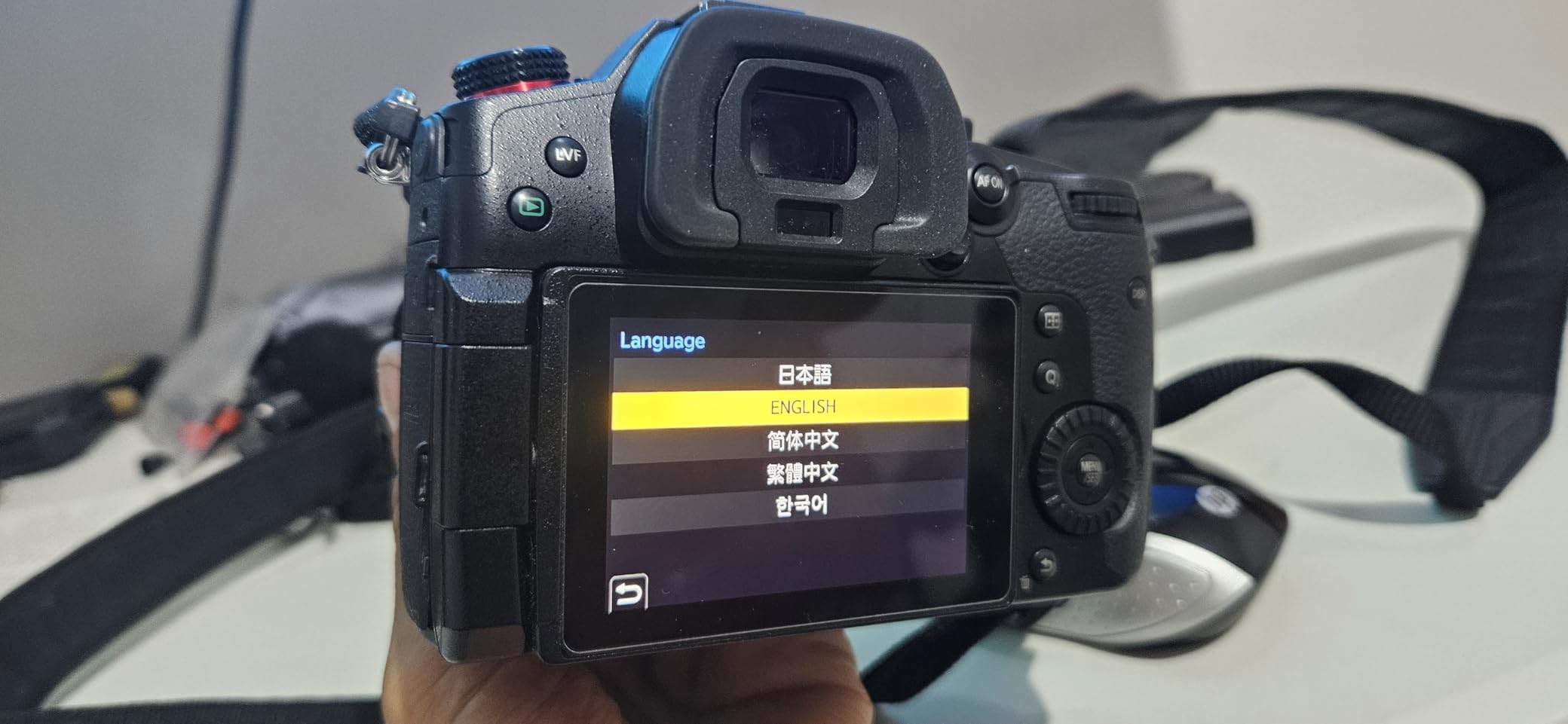
Video assists are better than the numbers suggest. Linear Focus controls focus by squeezing the focus ring through a set distance, which is a genuine speed tool with compatible manual lenses, and continuous AF is faster than the original GH5. Ten-bit 4K 60p removes the old trade-off between UHD resolution and bit depth.
Simultaneous HDMI output during internal 4K 60p recording means you can feed an external monitor or capture a feed without giving up internal recording. For livestreamers the wired and wireless streaming with USB power delivery works untethered, with one owner verifying over an hour to Facebook.
V-LogL plus the photo style presets, including Cinelike D2 and V2 and MonochromeS, reduce grading load. Dual SD UHS-II slots with relay recording mean a conference-length event can roll across cards without a mid-take stop.
Why event shooters keep buying this body
Thermal headroom. Reviews repeatedly describe wedding and event shooters running 90-minute panels and 4-hour conferences with no thermal shutdown. That is not a spec-sheet promise, it is a consistent field report from people whose income depends on the camera not dying.
The second reason is the physical build. A full die-cast magnesium frame rated to -10 degrees Celsius is a camera you can leave in a car and pick up in the cold. The 3-inch tilting LCD with anti-glare coating and high resolution is also easier to monitor outdoors than most.
Where the GH5M2 shows its age
Autofocus first. This is still contrast detect with 225 points, and it is dated for video work where a subject moves toward camera. If your footage is locked-off or on a tripod with manual focus, it is a non-issue; if it is run-and-gun, it is.
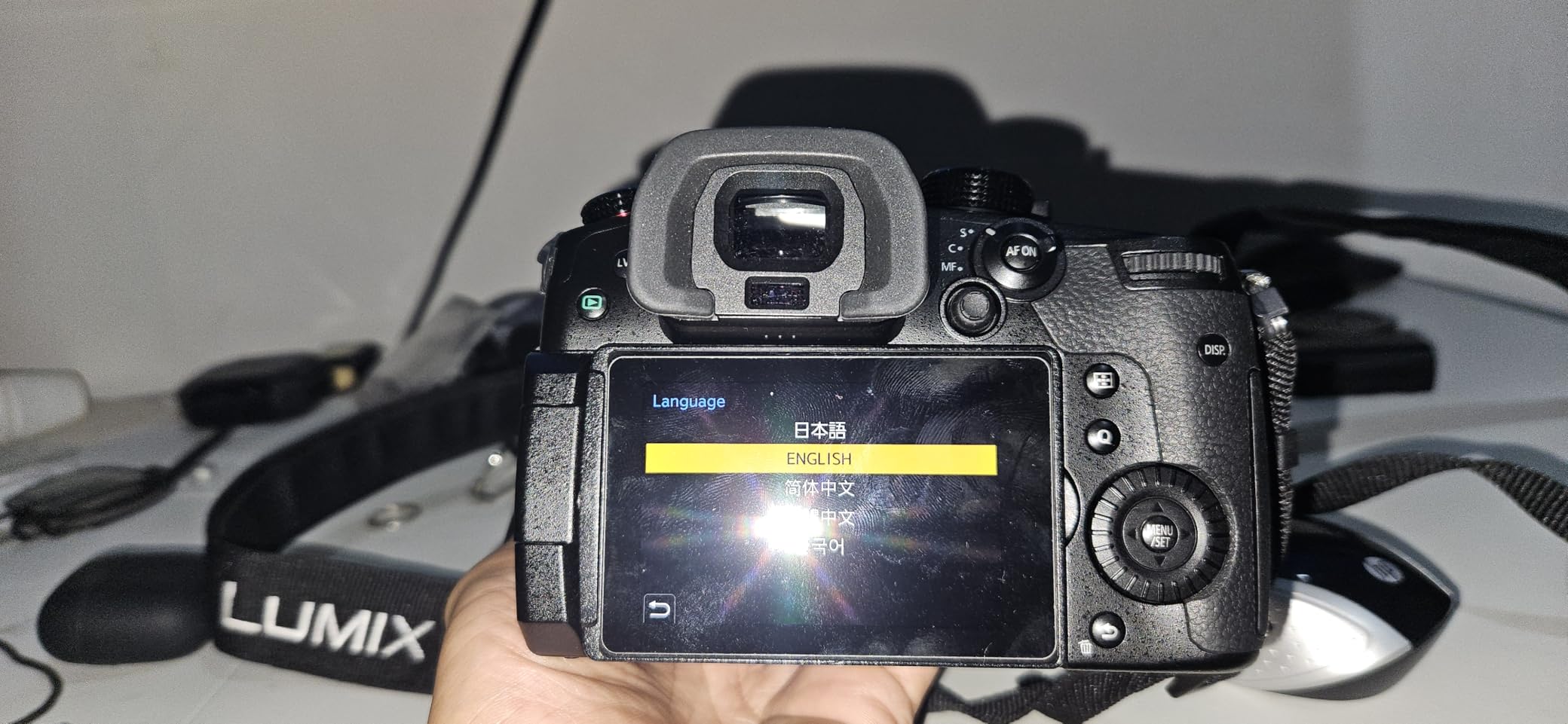
The body is heavy for its class at 1.6 lb, the 20.3MP sensor is old for stills, and the micro-HDMI port limits high-end external monitor workflows. There is also a reported lack of a Spanish language option in some firmware and menu configurations, which matters if you shoot for bilingual crews.
6. Panasonic Lumix S1RII: the best Panasonic camera for 8K resolution
Panasonic LUMIX S1RII Full Frame Mirrorless Digital Camera, Hybrid Model Featuring a 44.3MP Full-Frame Sensor and LUMIX’s First-Ever 8K Digital Camera Video Recording – DC-S1RM2
44.3MP full-frame
First-ever 8K video on a Panasonic body
Phase Hybrid AF with AI recognition
40 fps AFC burst
32-bit float audio
2 lb
Pros
- 44.3MP sensor delivers outstanding detail and lifelike colour
- First-ever 8K video recording in the LUMIX range
- Phase Hybrid AF with AI tracking holds focus through intersecting people
- False Color and LUMIX Camera Flow app are real production aids
- 32-bit float audio option through a microphone adaptor
Cons
- Oversized at 2 lb for run-and-gun video work
- Higher resolution modes are less practical handheld
- Body-only configuration so a lens must be bought separately
- Lowest average rating in this lineup
The S1RII exists because someone asked Panasonic for resolution first. A 44.3MP full-frame sensor paired with the first-ever 8K video recording in the LUMIX line gives you a frame with enormous crop room, and owners describe the colour as lifelike.
Autofocus is the AI-assisted Phase Hybrid system, reviewed as keeping focus through intersecting people, which is exactly the failure mode that ruins street and event footage. Forty frames per second AFC retains full resolution for action work.
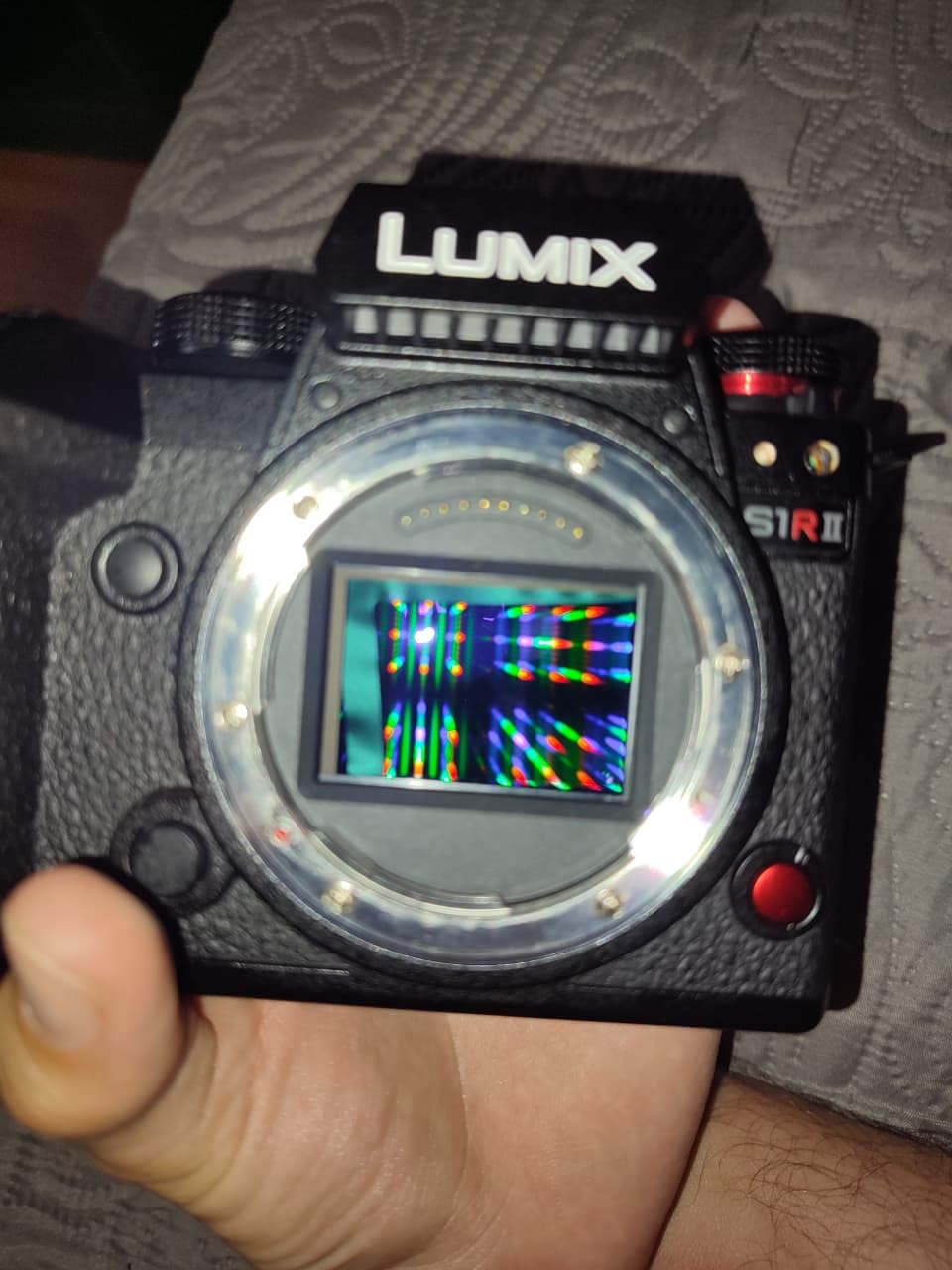
For video production the assists matter more than usual. False Color, waveform and the LUMIX Camera Flow app are the tools you would otherwise build from a monitor, and 32-bit float audio through a separately sold microphone adaptor means you can capture a recoverable audio track directly.
Dynamic range log recording and cinematic slow motion are both supported, and handheld High Resolution mode lets you use the sensor shift for stills without stopping down.
Here is the honest framing: at 2 lb this is the least video-first body in the roundup. Reviewers say so directly, citing size and weight as the reason it is not ideal for run-and-gun. It also carries the lowest average rating of the eight, with a wider spread of reviews and 12% one-star feedback.

When 44.3MP and 8K are worth the weight
When you are cropping. A 44.3MP frame lets you pull a tight shot from a wide master and still deliver 4K with clean edges, which turns one camera position into three. That is a genuine production saving on a documentary or live event where you cannot afford a second body.
EightK video also gives you a full-resolution master to downsample for delivery, which is the same argument made with open gate on the S1II but in a stills-shaped body.
Why most filmmakers skip it
Weight is the reason one user calls the body not ideal for run-and-gun video work given the size and 2 lb weight. A rig that holds this is a rig you do not carry all day, and that changes what you are willing to shoot.
Higher resolution modes are also less practical handheld, and the body-only configuration means a lens has to be purchased separately, which moves the real entry cost up. If you are video-first, the S5IIX or S1II delivers a more coherent package.
7. Panasonic Lumix G85: the best budget Panasonic camera for starting out
Panasonic LUMIX G85 4K Digital Camera, 12-60mm Power O.I.S. Lens, 16 Megapixel Mirrorless Camera, 5 Axis in-Body Dual Image Stabilization, 3-Inch Tilt and Touch LCD, DMC-G85MK (Black)
16MP Micro Four Thirds with no low-pass filter
Bundled 12-60mm Power O.I.S. lens
5-axis Dual I.S.
4K QFHD capture
1.1 lb
Pros
- Bundled 12-60mm Power O.I.S. lens makes it a ready-to-shoot package
- 5-axis Dual I.S. gives clean handheld 4K in low light
- 1.1 lb body is the lightest here
- 4K Photo and 4K Post Focus let you pick focus after the shot
- Largest review base in the group at 750 reviews
Cons
- No microphone input jack on the body
- Single card slot limits redundancy and relay workflows
- Dated autofocus that struggles in low light
- No 10-bit recording option
The G85 is the only body here that arrives ready to shoot, because the 12-60mm f/3.5-5.6 Power O.I.S. lens is in the box. For someone buying their first filmmaking camera, that removes the single largest hidden cost, which is glass.
It is also the most proven. With 750 reviews it has a larger owner history than anything else in this roundup, and that consistency of feedback matters when you are buying something you will learn on rather than something you will spec.

The technical highlights are real within its class. A 16MP Micro Four Thirds sensor with no low-pass filter gives roughly a 10% boost in resolving power over earlier 16MP sensors, 4K QFHD capture is there, and 4K Photo plus 4K Post Focus let you choose the focus point after the take.
5-axis Dual I.S. works in photo and 4K video, and for a lightweight 1.1 lb body that is what makes handheld low light footage viable. Colour temperature is adjustable from 2500K to 10000K in 100K steps, which is a small thing that saves time on interviews.
Thirty frames per second continuous shooting, a tilting touch LCD and an eye-level OLED viewfinder round out a body that feels far more considered than its position in the range suggests.

Where the G85 still earns its place
Two things. The bundled lens means a first short film, a channel or a run of client work can start without a shopping list. And Dual I.S. on a 1.1 lb body is a genuinely stabilised handheld package, which is where most entry-level cameras fall down.
4K Post Focus is quietly the most useful feature here for a beginner. On a static scene you can shoot the take, then pick the sharp face in camera, which turns a failed focus into a usable frame.
What you give up by starting here
There is no microphone input jack on the body. For a filmmaking camera that is a real limitation, and it is the most cited complaint in owner feedback. You are relying on the camera’s built-in mic or a rig-mounted external mic with its own audio path.
A single card slot means no redundancy and no relay recording, which is the wrong architecture for an event. There is no 10-bit option, and the autofocus is dated, particularly in low light, with no modern subject-recognition AF. Treat it as a learning and light-duty camera rather than a documentary body.
8. Panasonic Lumix S1: the best Panasonic camera for rigged documentary work
Panasonic LUMIX S1 Full Frame Mirrorless Camera with 24.2MP MOS High Resolution Sensor, L-Mount Lens Compatible, 4K HDR Video and 3.2” LCD – DC-S1BODY, Black
24.2MP full-frame MOS
4K 60p HDR and unlimited 4K
V-Log with 4:2:2 10-bit via SFU2
5-axis Dual IBIS
Rugged sealed body
3.2-inch articulating LCD
Pros
- Superb in-body stabilisation widely described as best-in-class
- 14+ stop V-Log with 4:2:2 10-bit internal recording
- Rugged tank-like build with the most weather sealing in its class
- Excellent viewfinder resolution and clarity for its rivals
- USB-C power delivery allows all-day shooting from a power bank
- Adapter support for Canon EF
- Nikon F and PL cine lenses
Cons
- No phase-detection autofocus and no AFC for continuous video AF
- Heavy and large body that reduces the portability advantage
- 3.2-inch LCD is not a flip screen
- Limited affordable fast native L-mount lens options
The S1 is the odd one out: an older-generation body that still holds a 4.9 owner rating because it is exceptional at three specific things. Stabilisation is described as best-in-class, the viewfinder is excellent for its class, and the build is genuinely rugged, with dust, splash and freeze resistance.
The video specification is still serious. Four thousand 60p or 50p HDR, unlimited 4K at 24 or 30p, ISO up to 51200, and 14+ stops of V-Log full-gamut capture with 4:2:2 10-bit internal 4K 30 or 24p through the SFU2 upgrade key.
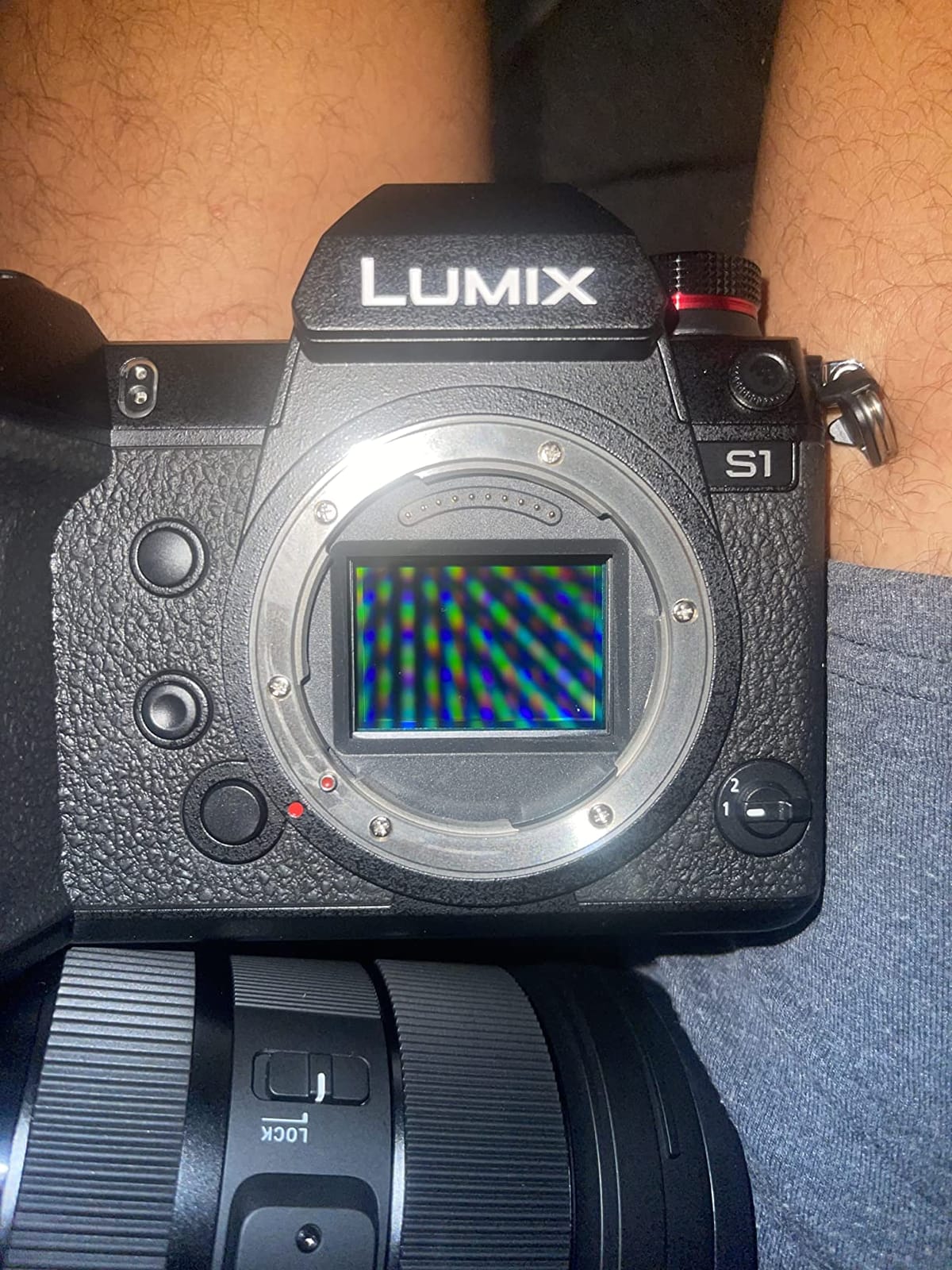
Two details make it a documentary body. USB-C power delivery allows all-day shooting from a power bank, which removes the battery-swap problem on long days. And the adapter support, including Canon EF, Nikon F, medium format, Micro Four Thirds and PL cine lenses with IBIS working through the mount, lets you bring cinema glass without changing the stabilisation behaviour.
The 96MP high-resolution sensor-shift mode with motion correction is a bonus for stills-heavy work like photojournalism. The 400K shutter cycle rating also suggests durability rather than marketing.
Clean low-light footage up to ISO 6400 is on par with the GH5S according to owners, which is a reasonable reference point for a full-frame body of this vintage.
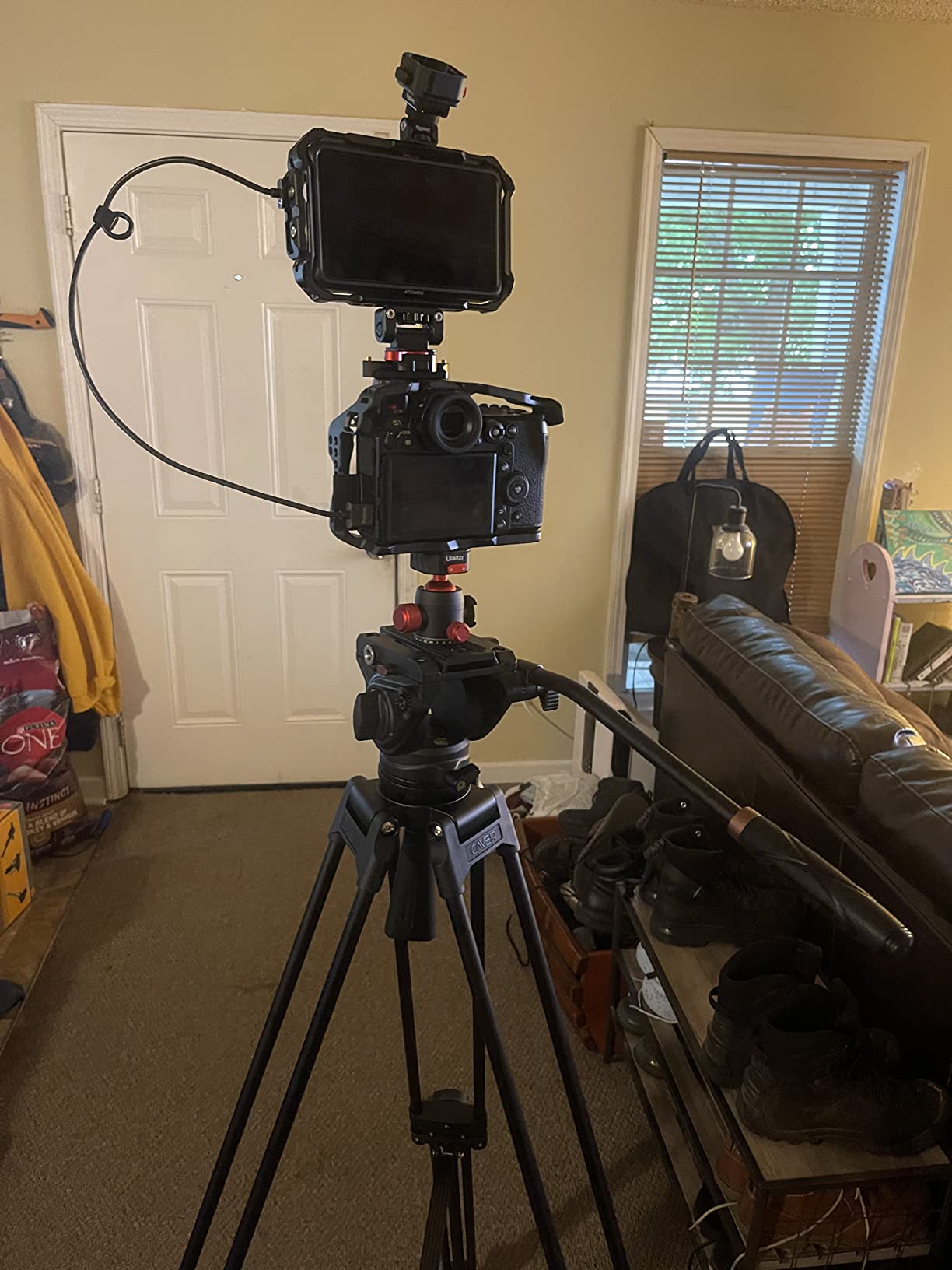
Why this older body still wins 4.9
Because most of what a documentary shooter needs has not changed: stabilisation, weather sealing, unlimited recording, a good viewfinder and power delivery. The community consensus treats Panasonic in-body stabilisation as a category-leading advantage for handheld work, and this body is where that reputation was built.
That rating comes from 18 owners who mostly treat it as a large, rugged full-frame with class-leading IBIS and outstanding V-Log latitude. That is a small review base compared with the G85, and we would treat the sample size honestly.
Where the S1 will stop you
There is no phase detection and no AFC, so continuous autofocus for video is lacking. This is the deal-breaker for anyone who cannot manual focus. For a rigged or tripod documentary workflow with manual glass it is irrelevant; for run-and-gun it rules the body out.
It is also heavy and large enough to reduce the portability advantage over a DSLR, and the 3.2-inch LCD is not a flip screen, which limits low-angle and vlogging positions. There is also a reported blue light cast in low-light V-Log, partially addressed by firmware. Fast affordable native L-mount glass is limited, and third-party options are costly.
How to Choose a Panasonic Lumix Camera for Filmmaking
Choose on codec, record limits, stabilisation, autofocus and total cost of glass. Those five decide whether a camera fits your work; everything else on the spec sheet is negotiable. The eight bodies above score very differently once you line them up that way.
1. Codec: what actually changes in the edit
V-Log records a flat, log image into a compressed codec. The file is small, the record times are long, and you apply a LUT in your NLE to get a picture. Most Lumix bodies ship here.
ProRes records a lightly compressed, high-quality image that most editors consider close to source. The file is far larger, so card and drive costs go up, and the advantage is that the footage opens anywhere with predictable results.
ProRes RAW and ProRes RAW HQ, found on the S1II, record a debayered image with maximum grade latitude. This is what you choose when a director wants to push the image hard in post, and what you skip when you are shooting volume and the edit will not need it.
2. Micro Four Thirds vs full-frame for video
Micro Four Thirds gives a 2x crop factor, deeper depth of field at any given framing, smaller files that record longer before filling a card, and generally easier thermal behaviour on long takes. Full-frame gives roughly a stop of low light advantage, cleaner files when lifted in post, and the ability to isolate a subject with shallow depth of field.
For documentary, event and run-and-gun work, the Micro Four Thirds advantages are often worth more than the low light advantage. For narrative interiors, night exteriors and any shot where you need to hold focus on a moving subject across a deep space, full frame earns its money.
Also weigh glass cost. The Micro Four Thirds lens ecosystem is mature and cheap, though some third-party makers have stopped producing new MFT lenses, which narrows future options. The L-mount has fewer native options than Sony E-mount, which raises total cost of ownership. Our lens guide for Panasonic bodies breaks down what each mount costs to fill.
3. Stabilisation: the reason many people buy Lumix
The bodies here range from 6.5 stops of Dual I.S. 2 on the S5 and GH5M2, through 8.0 stops on the G9II, to 8.0 stops of 5-axis on the S1II and Advanced I.S. on the S1. Community consensus treats Panasonic in-body stabilisation as a category-leading advantage for handheld work, and owners of the S5II and S1II specifically single theirs out.
What that buys you in practice is the ability to shoot at slower shutter speeds without a tripod or gimbal. That means more natural motion blur, fewer stabilised, slightly softened frames, and a camera you can hold rather than build a rig around.
4. Autofocus: which bodies have actually fixed the old problem
Panasonic’s legacy contrast-detect autofocus still shadows buying decisions, and it is worth being explicit about which models fixed it. The S5IIX, S1II, S1RII and G9II all use phase hybrid or phase detection autofocus with subject detection. The S5, GH5M2 and G85 remain contrast-detect.
The S1 has neither phase detection nor AFC, so continuous AF for video is absent entirely. If you cannot manual focus cleanly, do not buy the S1 for moving subjects.
Even with phase hybrid, low light reports are mixed. Users report autofocus unreliability on specific units, particularly S1R II in low light and some G9 II bodies, so if your work is available-light, test before committing.
5. Audio: the detail most roundups skip
Microphone inputs matter more than any other single spec for interviews, and the G85 has no microphone input jack at all. The S1RII offers 32-bit float audio through a separately sold microphone adaptor, and the S1II has 32-bit audio recording capability, which means a blown take on a lapel mic can be rescued in post because the level is captured separately from the signal.
The 32-bit float argument is the strongest case for it. Two XLR inputs through an adaptor, on-camera monitoring and a recoverable level, is professional audio capture from a small body.
6. Anamorphic shooting and desqueeze
Panasonic has an anamorphic identity that almost no competitor matches. The S5 supports 4:3 anamorphic shooting, and squeeze factors matter: 1.33x gives you a cinematic 2.39:1 frame, 1.5x gives you 2.39:1 in a taller 4:3, and 2x is used for specific looks. Bodies with a 3:2 or open gate mode, like the S1II, give you even more vertical room to desqueeze into.
The practical difference in an edit is oval bokeh, horizontal flare, and a face that gets slimmer and taller. If you shoot narrative or music video, an anamorphic Lumix body plus anamorphic glass is a distinct creative route the full-frame competition does not offer this cheaply.
7. Rigging, batteries and the day after
Accessory compatibility is a real ownership cost. S5II cages do not fit the S1 II and the grip profile differs, so rigs are not interchangeable across the S series. Before you buy a cage and top handle, confirm the fit for the exact model.
Battery strategy matters just as much. The S5IIX drains quickly in intensive 6K or high frame rate recording, and battery life on the S1II and S1RII is criticised for long shoot days, pushing users toward V-Mount or battery-grip solutions. USB-C power delivery on the S1 lets you run from a power bank all day, which is the simplest fix. Plan spares or external power for any high-bitrate day.
8. Matching a body to your work
Documentary and run-and-gun: S5IIX for the codec and AF, or G9II for size and stabilisation. Weddings and events: GH5M2 or S5IIX, where the unlimited recording claim is the whole requirement. Livestreaming: GH5M2 or S5IIX, both with wired and wireless IP streaming and USB power delivery.
Travel and vlogging: S5 at 1.6 lb, or S5IIX if you need phase hybrid AF and the flip screen matters less than codecs. Low-light narrative: full-frame, so S1II or S5IIX. Budget start: G85 with the bundled lens. Dedicated cinema work: BS1H-style box bodies handle rigs and live work that mirrorless bodies cannot, though we have not tested one here.
Two things worth naming as caution. First, avoid retired bodies like the original G7 or the first GH5 unless you are buying deliberately and cheaply, because the AF and codec gaps are real. Second, check the current body of user discussion before buying, since firmware changes and camera releases move fast in 2026. Our Panasonic deal roundup is a reasonable place to track what has moved.
Frequently Asked Questions
Which Panasonic camera is best for filming?
The Lumix S5IIX is the best overall Panasonic camera for filming. It records 5.8K ProRes internally, outputs RAW over HDMI, has phase hybrid autofocus with subject detection, and its active cooling delivers genuine unlimited recording. The Lumix S5 is the best value option and the Lumix G9II is the best small Micro Four Thirds body for high-speed and stabilised handheld work.
Is Panasonic Lumix good for filmmaking?
Yes. Panasonic is one of the few camera makers still competing hard for filmmakers. Lumix bodies offer internal ProRes recording on the S1II and S5IIX, 32-bit float audio, unlimited record times and the strongest in-body image stabilisation in the industry, at prices below the equivalent Sony or Canon hybrid bodies.
Which Panasonic Lumix camera is best for cinematic shooting?
For a cinematic look with internal ProRes and maximum grade latitude, the Lumix S1II is the strongest choice, recording ProRes RAW HQ from a partially stacked 24.1MP sensor with 15 stops of dynamic range. The Lumix S5IIX offers most of that workflow at a lower tier, and the GH5M2 and G9II cover Micro Four Thirds shooters who prioritise long record times and stabilisation.
Micro Four Thirds or full-frame L-mount for filmmaking?
Micro Four Thirds gives you a 2x crop factor, deeper depth of field, smaller files that record longer, and easier thermal behaviour. Full-frame L-mount gives roughly a stop of low light advantage and cleaner files when lifted in post. Documentary and event shooters often prefer Micro Four Thirds; night interiors and shallow depth of field work favour full-frame. Weigh the smaller L-mount lens ecosystem before deciding.
Can Panasonic Lumix cameras record without limits?
Most can, in ordinary ambient conditions. The GH5M2 and S5IIX both record unlimited video, and reviewers report wedding and event shooters running 90-minute panels and 4-hour conferences with no thermal shutdown. The S1II can run hotter than the S5II in some high frame rate modes on CFexpress cards, and the S5 has no active cooling, so long high-bitrate takes on those bodies still need checking.
Which older Panasonic camera is still worth buying?
The Lumix GH5M2 holds a 4.9 owner rating for unlimited recording, a freeze-proof magnesium alloy body and simultaneous HDMI output. The Lumix S1 is rated 4.9 as a rugged documentary body with best-in-class stabilisation, but it has no phase detection autofocus and no AFC, so it suits manual-focus workflows. The Lumix G85 has the largest review base at 750 reviews and includes a stabilised lens.
Final Verdict: Which Lumix Should You Buy?
If you shoot documentary or run-and-gun work and want one body that does the job properly, buy the Lumix S5IIX. It is our pick as the best Panasonic camera for filmmaking in 2026 because it is the only body here with phase hybrid autofocus, internal ProRes, RAW over HDMI and active cooling in a 740 g shell.
Match the body to the work after that. Choose the S5 for value on full-frame glass, the S1II when you need ProRes RAW HQ and open gate framing, the G9II for a small stabilised Micro Four Thirds rig, the GH5M2 for unlimited event recording in rough conditions, the S1RII for maximum crop room, the G85 as a bundled first camera, and the S1 for a rigged, manual-focus, weatherproof setup.
Whichever you choose, budget for fast media, glass and power before the body, because that is where L-mount filmmaking costs add up. Our lens picks by model are the sensible next step once you have settled the body.


