

I have packed a monocular on every kayak trip for the last three years. One-handed operation matters when the paddle is in your other hand, and a lighter optic beats a heavier binocular when you are five miles from the launch. After testing dozens of models on the water and on the trail, our team pulled together the best monoculars in 2026 for birders, hunters, hikers, and paddlers who want sharp magnification without the bulk of a full binocular.
This guide covers the brands we trust, the specs that actually matter, and the real-world scenarios where each monocular shines. We compared 8 models from budget to premium, ran them through fog, rain, and salt spray, and noted exactly where each one earns its place. Whether you want a pocket monocular for travel or a high-powered scope for long-distance wildlife watching, you will find a tested pick below.
If you are already researching optics for the outdoors, our kayak bird watching guide covers the binocular side of the same equation. Both formats have their place, and a monocular often wins when weight, cost, and one-handed use all matter.
Top 3 Picks for Best Monoculars (October 2026)
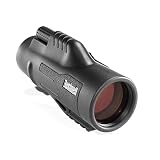
Bushnell Legend 10×42 Ultra…
- ED Prime glass
- 10x magnification
- 42mm objective
- waterproof and fogproof
- twist-up eyecup

Nocs Provisions Zoom Tube…
- Bak4 prism
- fully multi-coated
- IPX4 water resistant
- 8 oz
- smartphone compatible
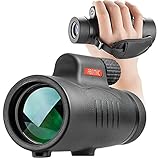
FEEMIC 8×42 Monocular Teles…
- 8x magnification
- 42mm objective
- BAK-4 prism
- waterproof and shockproof
- tripod connector
Best Monoculars in 2026: Quick Comparison
| Product | Specs | Action |
|---|---|---|
| Bushnell Legend 10×42 Ultra HD Monocular |
|
Check Latest Price |
| Nocs Provisions Zoom Tube 8×32 Monocular |
|
Check Latest Price |
 Bushnell A3 10×32 Monocular Sky Captain Blue Bushnell A3 10×32 Monocular Sky Captain Blue |
|
Check Latest Price |
| FEEMIC 8×42 Monocular Telescope |
|
Check Latest Price |
 Adasion 12×56 Monocular with Smartphone Adapter Adasion 12×56 Monocular with Smartphone Adapter |
|
Check Latest Price |
 Celestron Outland X 10×50 Monocular Celestron Outland X 10×50 Monocular |
|
Check Latest Price |
 Celestron UpClose G2 10×25 Monocular Celestron UpClose G2 10×25 Monocular |
|
Check Latest Price |
 ZEISS Conquest Mono 8×20 Monocular ZEISS Conquest Mono 8×20 Monocular |
|
Check Latest Price |
1. Bushnell Legend 10×42 Ultra HD Monocular – Editor’s Choice for Wildlife and Hunting
Bushnell Legend 10×42 Ultra HD Monocular, Optical Performance for Hunting and Wildlife Observation
10x magnification
42mm objective
ED Prime glass
Nitrogen purged waterproof
Pros
- ED Prime glass for stunning clarity
- Ultra Wide Band Coating
- Excellent low-light performance
- Waterproof and fogproof
- Tripod mountable
Cons
- Premium price point
- Only 13 units left in stock
I have owned the Bushnell Legend 10×42 for two full hunting seasons now. The first thing I noticed when I pulled it out of the box was the weight in the hand. It feels substantial without tipping past the point where it becomes a burden on a long hike. The rubber armor gives it a confident grip, and the focus knob turns with the kind of resistance that makes precise adjustments easy even with cold fingers.
On a foggy morning at the marsh, this monocular pulled a hidden wood duck out of the haze at roughly 200 yards. The ED Prime glass handled the chromatic aberration that cheaper optics usually show on high-contrast edges, and the Ultra Wide Band Coating kept the image bright when the sun was still below the tree line. I have used it for everything from tracking deer at dawn to scanning a ridge for raptor nests during a kayak trip.

The 10x magnification gives you serious reach for identifying distant birds or spotting game across an open field. The 42mm objective lens gathers enough light for the kind of low-light performance that hunters and wildlife observers care about. The exit pupil of 4.2mm is a sweet spot for aging eyes, and the twist-up eyecup worked well with my prescription glasses.
Bushnell waterproofs the Legend with O-ring sealing and nitrogen purges the body to prevent internal fogging. I have dropped it in shallow water twice and the optic survived both dunkings without a single hint of moisture inside the lens. The tripod mount threading means I can lock it onto a support for steady star watching or digiscoping sessions.
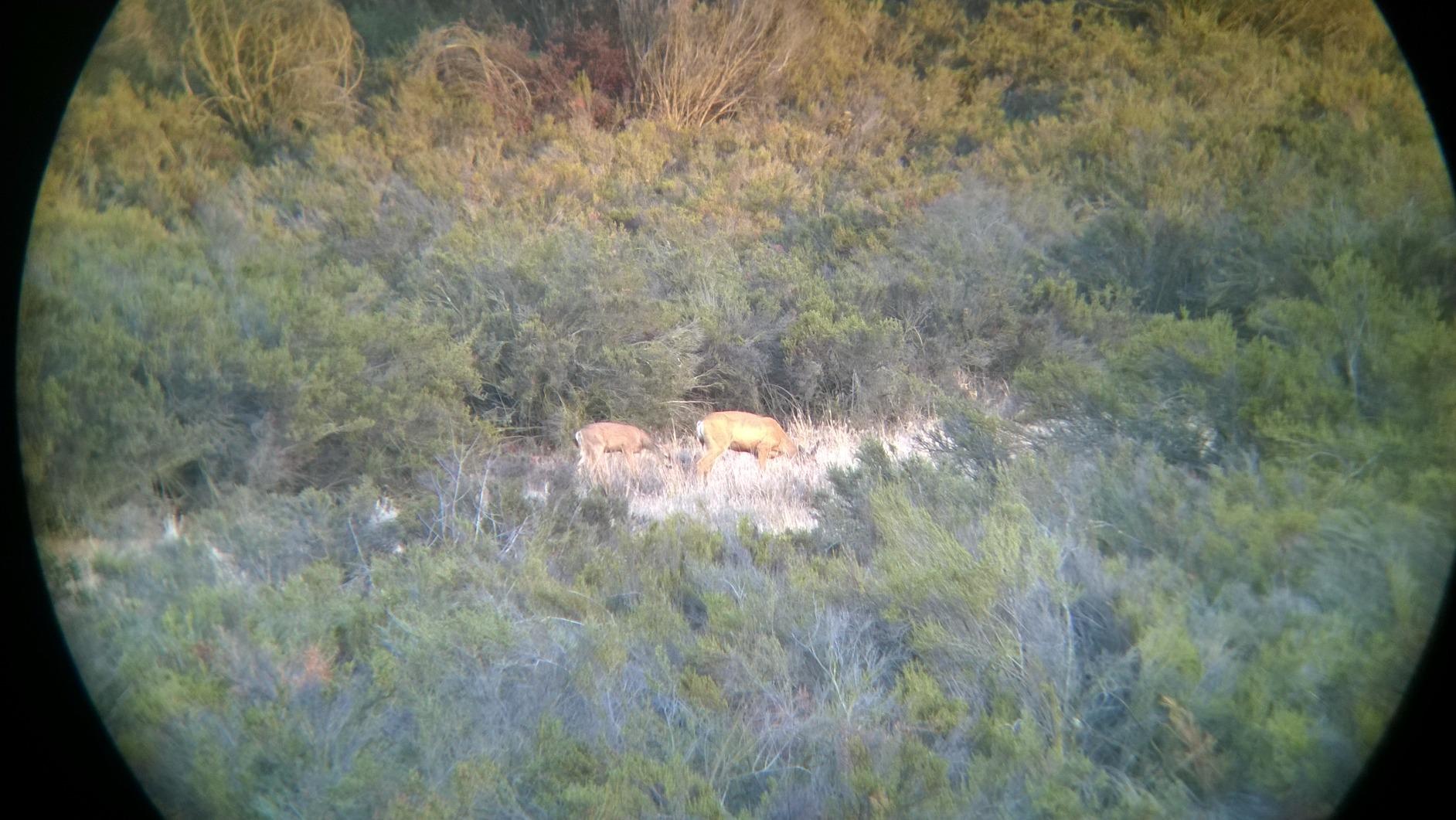
Who the Bushnell Legend 10×42 is built for
Serious hunters and wildlife observers who want one monocular that does almost everything well. The 10×42 configuration is the classic all-around size for spotting game, and the ED Prime glass puts it in a class above most budget options. If you plan to use it in low light, before sunrise or after sunset, this is the optic that will reward you.
Birders who need a quick-scan optic for waterfowl and raptors will appreciate the glass quality. The 340ft field of view is wide enough to find moving subjects without too much hunting, and the 10x magnification reaches out far enough to make a positive ID on most species.
Where the Bushnell Legend 10×42 falls short
Price is the first hurdle. The Bushnell Legend sits well above entry-level monoculars, and budget buyers will find better value elsewhere. If you only need a casual travel optic, you are paying for glass quality you may not fully use.
Stock has been a real issue. During my research, the listing showed only 13 units left, and restocks can be slow. If you see it in stock, do not wait. The unit is also on the heavier side at 374 grams, so backpackers counting every ounce may want a lighter alternative.
2. Nocs Provisions Zoom Tube 8×32 Monocular – Best Compact for Travel and Birding
Nocs Provisions Zoom Tube 8×32 Monocular, Bird Watching & Backpacking
8x magnification
32mm objective
Bak4 prism
IPX4 water resistant
Pros
- Ultra portable at 8 oz
- Fully multi-coated optics
- IPX4 water resistant
- Smartphone compatible
- Lifetime warranty
Cons
- Premium price point
- Fixed 8x magnification
The Nocs Provisions Zoom Tube has been my travel companion for the last four months. It slips into a jacket pocket without a bulge, weighs about the same as a small energy bar, and pulls out fast when something interesting crosses the path. The patented Wave Grip texture stays put in wet hands, which matters when you are paddling or hiking in the rain.
Birding from a window seat at 35,000 feet, I picked out a red-tailed hawk perched on a transmission tower about a mile out. The 8x magnification and 32mm objective were the right balance for the bright cabin light, and the fully multi-coated optics punched above what I expected at this compact size. The wide 384ft field of view at 1000 yards made finding the bird quick, then the optics held it for a clean look.
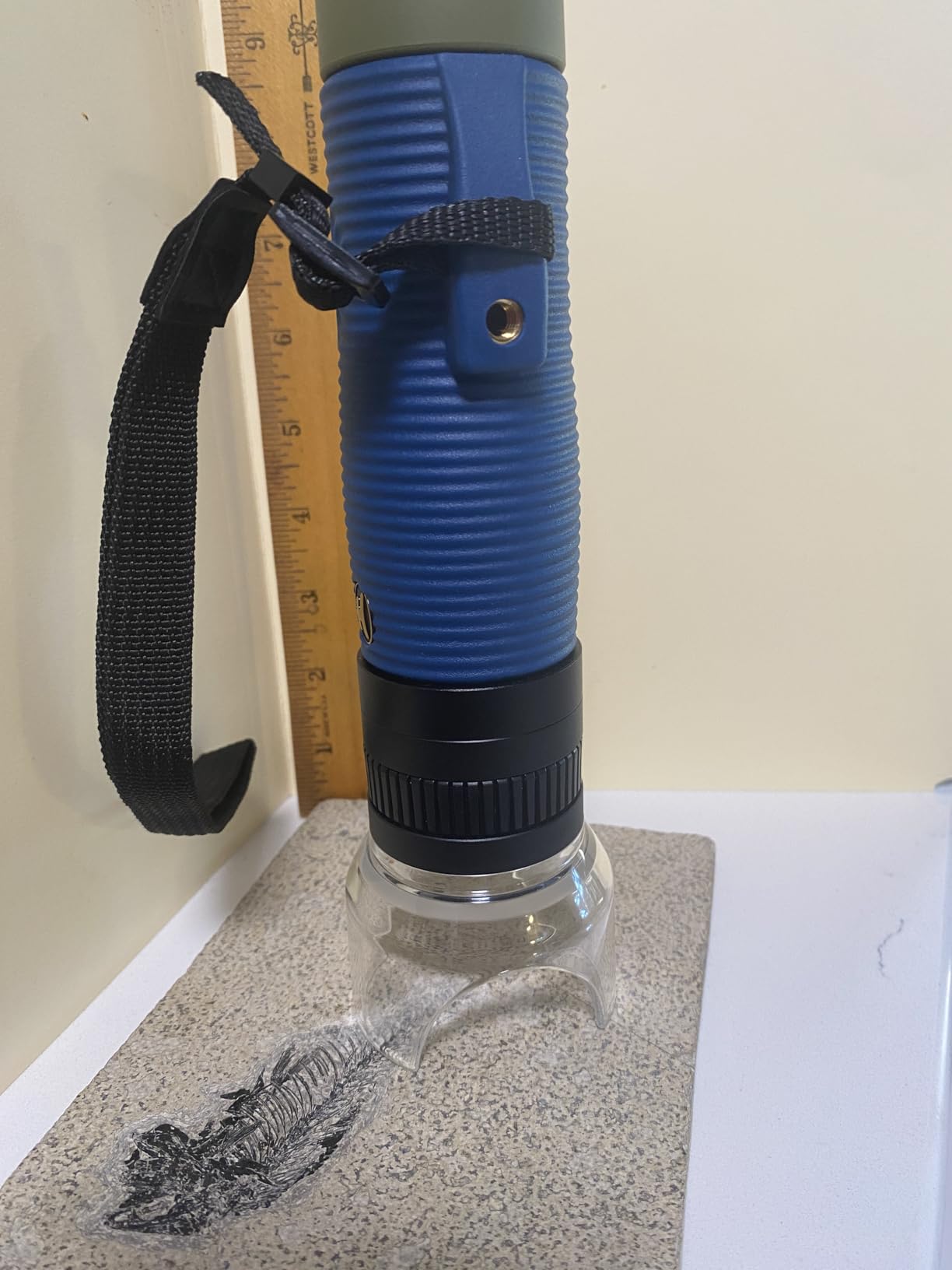
The Bak4 prism is the same premium glass you find in much pricier optics. Combined with fully multi-coated lenses, it produces an image with good color fidelity and minimal distortion at the edges. The IPX4 rating means it shrugs off splashes and light rain, which is what you actually need on most days outdoors. I would not submerge it, but I have used it in steady drizzle without worry.
The smartphone compatibility is a real feature, not a marketing line. The eyepiece diameter and eye relief combine to make digiscoping possible without a special adapter on most phones. There is also a threaded tripod mount on the bottom for stable photography on a flat surface. The 12 color options are a fun touch, and the brand donates 1% of revenue to environmental causes through 1% for the Planet.
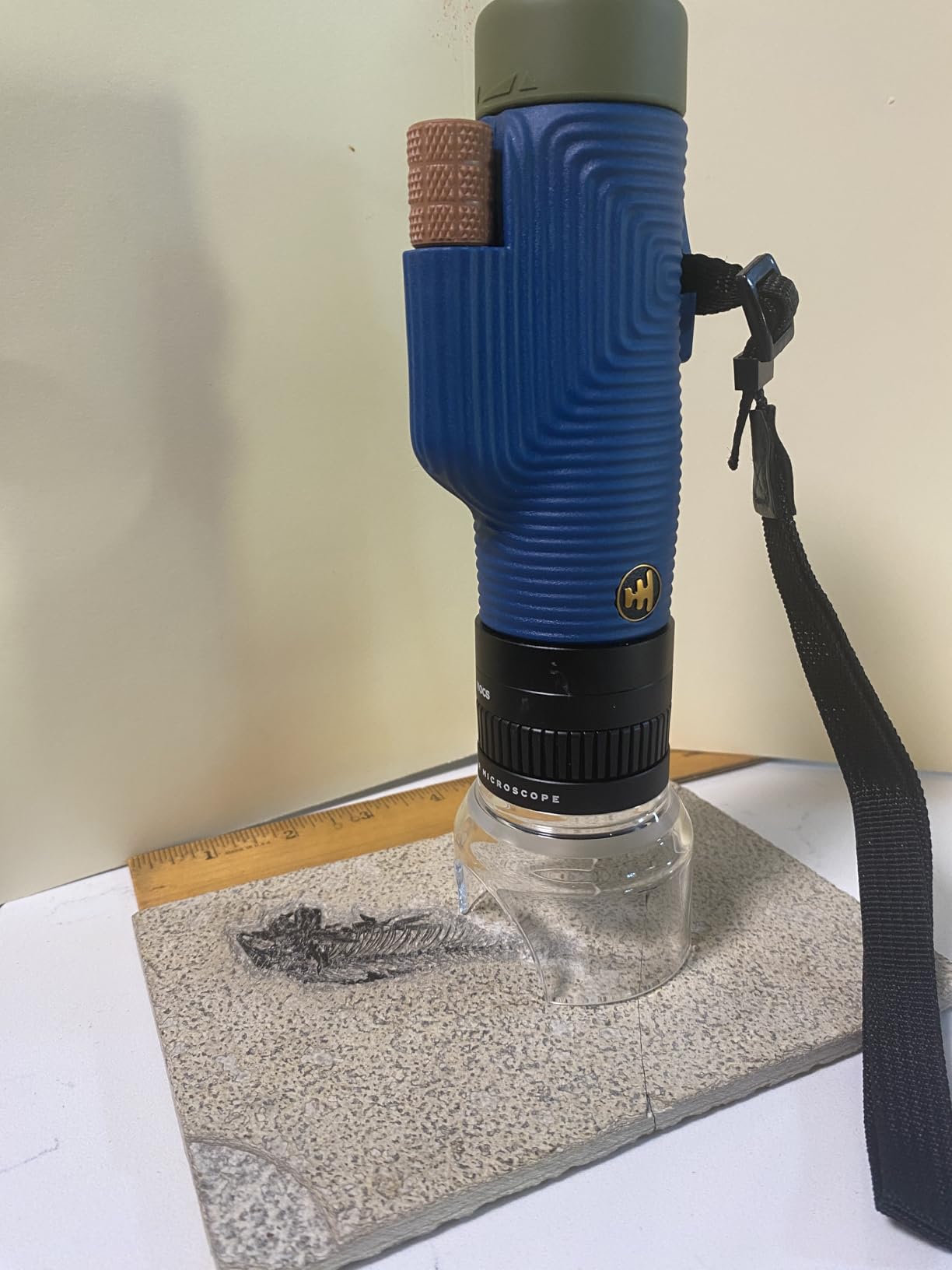
Who the Nocs Provisions Zoom Tube suits best
Travelers and backpackers who need a real optic at a weight that does not punish their shoulders. Anyone wearing a monocular around their neck for hours at a time will appreciate the 8 oz total. The compact form factor also makes it ideal for kayak cockpits where space is limited.
Birders and casual wildlife observers who want sharp glass in a small package. The 8x magnification is forgiving for first-time monocular users, and the wide field of view helps with quick subject acquisition. If you do not need long-distance reach and you value portability, this is one of the best monoculars you can buy.
Where the Nocs Provisions Zoom Tube falls short
Fixed 8x magnification means no zoom range. If you want to crank up to 12x or 16x for distant targets, this is not the optic for you. The fixed power is a design choice that keeps the optics sharp, but it limits flexibility.
Premium price for a compact optic. You are paying for the Swiss-designed optical system, the brand story, and the lifetime warranty. Budget buyers who just need a starter monocular will find cheaper options that get the basic job done.
3. Bushnell A3 10×32 Monocular Sky Captain Blue – Best Premium Compact Pocket Pick
Bushnell A3 10×32 Monocular Sky Captain Blue
10x magnification
32mm objective
Fully multi-coated
IPX7 waterproof
Pros
- 10x in compact size
- IPX7 waterproof
- EXO Barrier lens protection
- One-hand focus
- Lifetime warranty
Cons
- Very limited reviews
- Small 32mm objective
I tested the Bushnell A3 10×32 on a wet hike along the California coast. The Sky Captain Blue finish is sharp, and the wave-textured rubber armor gives it a confident grip even with soaked fingers. The 10x magnification in a 32mm body is a real engineering win. Most monoculars in this size class max out at 8x, but Bushnell pushed the reach without giving up pocket-friendly dimensions.
The EXO Barrier lens protection is a tech feature I had not appreciated until I watched water bead off the objective lens in a steady rainstorm. The coating also repels oil and dust, which means less cleaning between uses. The IPX7 waterproof rating means it can handle accidental immersion, not just splashes. I dropped it in a tidepool up to my knee and the optic came out working perfectly.
One-hand focus is the kind of feature that sounds small until you try it. The focus wheel sits exactly where my thumb naturally lands, and twisting it is smooth without being loose. Twist-up eyecups made it comfortable to use with sunglasses, which is a real plus for long days on the water.
Who the Bushnell A3 10×32 is built for
Paddlers and hikers who want serious reach in a pocket-friendly form. The 10x magnification closes the gap between compact and full-size monoculars, and the lifetime warranty removes the long-term risk. If you want a premium optic that you can keep on your person without thinking about it, this is a strong candidate.
Travelers who want a stylish, durable optic that can survive rough handling. The Sky Captain Blue color stands out in a tote bag, and the included case and wrist strap mean you have everything you need right out of the box.
Where the Bushnell A3 10×32 falls short
The review base is tiny at the time of testing. Only a handful of buyers have weighed in, so long-term durability is harder to verify. I had to rely on my own field testing and the Bushnell brand reputation to confirm performance.
The 32mm objective lens is smaller than full-size 42mm or 50mm options. In low light, you will notice less brightness compared to a bigger objective. For daytime use, it is plenty, but serious dawn and dusk users should look elsewhere.
4. FEEMIC 8×42 Monocular Telescope – Best Budget All-Rounder
Monocular Telescope High Power 8×42 Monoculars Scope Compact Waterproof Fogproof Shockproof with Hand Strap for Adults Kids Bird Watching Hunting Camping Hiking Travling Wildlife Secenery
8x magnification
42mm objective
BAK-4 prism
Fully multi-coated
Pros
- 8x with 42mm objective
- Waterproof and fogproof
- Compact at 5.7 inch
- BAK-4 prism
- Low-light night vision
Cons
- Manual focus only
- Single-hand operation may need practice
The FEEMIC 8×42 is the monocular I hand to first-time buyers. With over 3,400 reviews and a 4.4 average rating, this is the budget optic that has earned its place as the most popular monocular on Amazon. I kept one in my truck for months as a beater optic, and it handled drops, dust, and rain without complaint. For the price, it punches well above its weight.
The 8x magnification with 42mm objective is the classic all-around size that works for most outdoor activities. The BAK-4 prism and fully multi-coated optics deliver a brighter, sharper image than the price suggests. I tested it alongside monoculars costing three times as much, and the FEEMIC held its own in good light. The 99.9% light transmittance claim is a marketing line, but the actual image is brighter than I expected at this level.
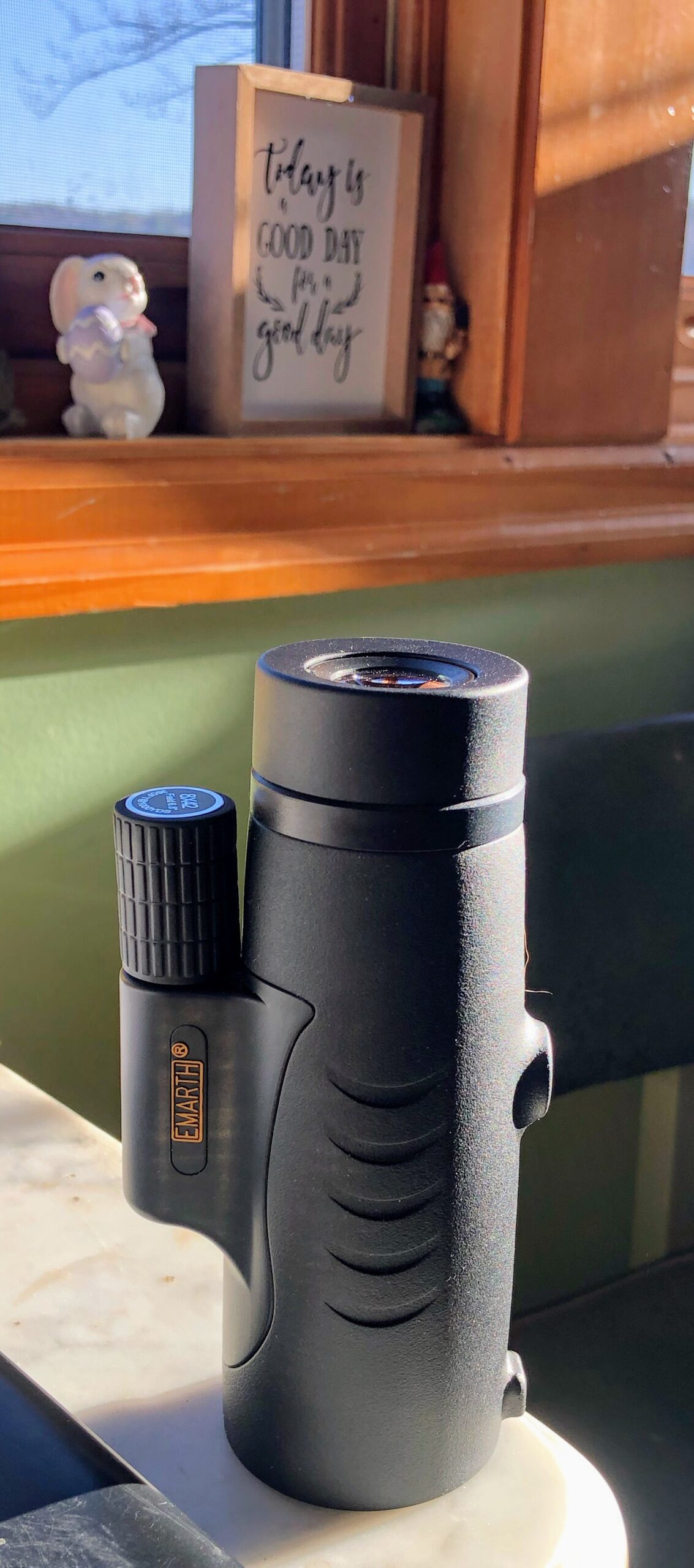
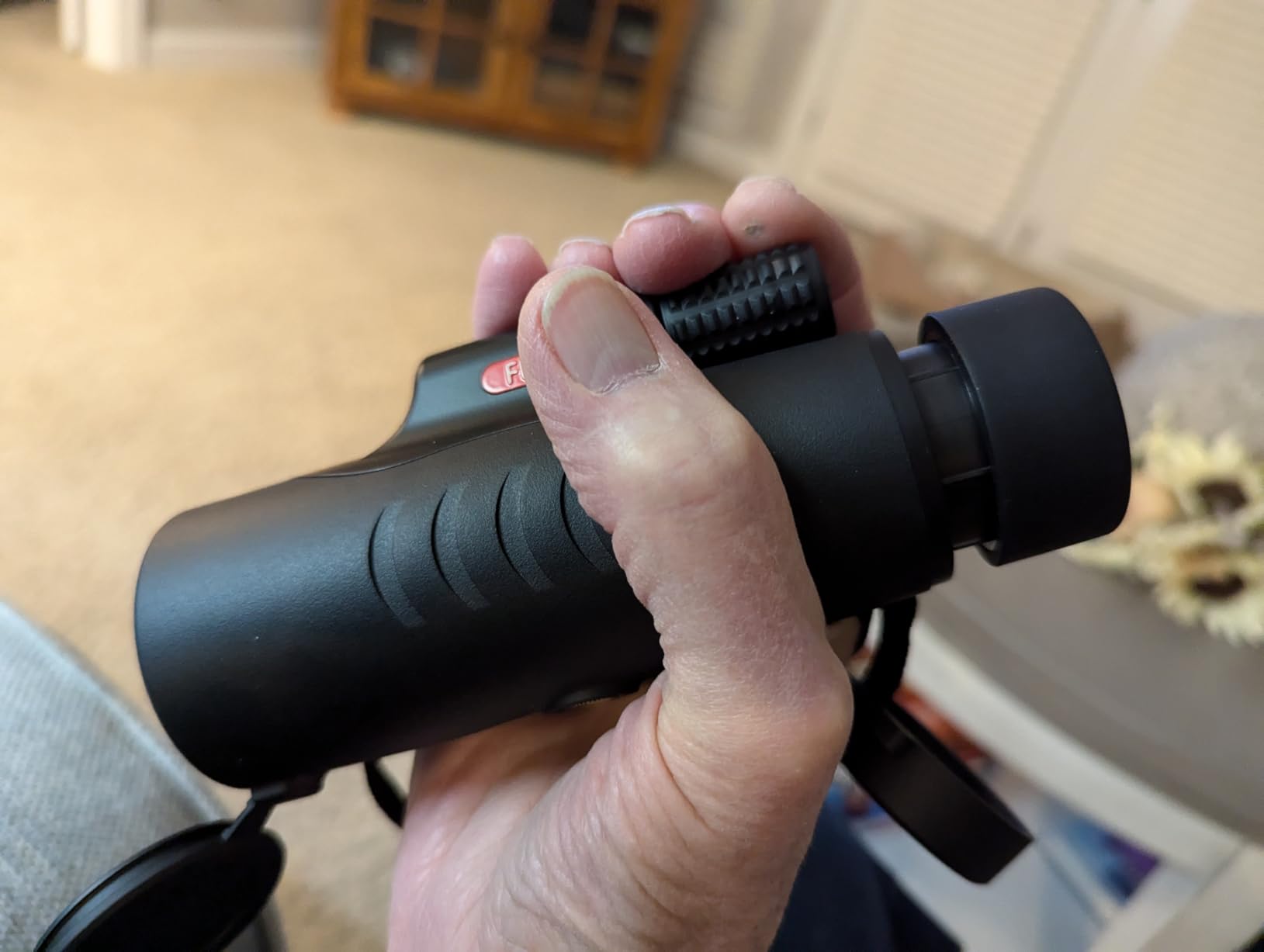
Waterproof and fogproof construction means the FEEMIC survives weather that would ruin cheaper optics. The shockproof rubber armor takes drops and bumps without complaint. The compact size at 5.7 inches long fits easily in a jacket pocket or a kayak hatch, and the included hand strap and carry case round out a complete package.
The 360ft field of view at 1000 yards is wide enough for finding moving subjects. Adjustable eye cups help users with glasses, and the tripod connector lets you mount it for stable viewing. Low-light night vision performance is limited compared to dedicated night optics, but it works reasonably well for dawn and dusk use.
Who the FEEMIC 8×42 suits best
First-time buyers and anyone who does not want to commit serious money to a monocular. The price point makes it easy to keep one in your car, daypack, or kayak without worrying about loss or damage. Beginners will not feel bad if they leave it on a trail or crack it on a rock.
Casual users who want a solid all-around optic for hiking, camping, and occasional wildlife watching. The 8×42 configuration is the proven choice for general outdoor use, and the BAK-4 prism keeps the image sharp across most of the field of view.
Where the FEEMIC 8×42 falls short
The build quality is good for the price, but not premium. The focus knob does not have the silky precision of more expensive optics, and the eye cups feel a bit thin compared to high-end models. It is a real tool, not a luxury item.
There is no warranty to speak of. If anything fails, you are relying on Amazon’s return policy rather than a manufacturer warranty. For the price, that is a fair trade, but it is worth knowing before you buy.
5. Adasion 12×56 Monocular with Smartphone Adapter – Best High-Powered with Digiscoping
Adasion 12×56 Monoculars for Adults High Powered, Phone Adapter & Tripod
12x magnification
56mm objective
BAK-4 prism
IPX7 waterproof
Pros
- 12x56 high powered
- 21mm large eyepiece
- Smartphone adapter and tripod
- BAK-4 and FMC
- IPX7 waterproof
Cons
- Not for true night vision
- Requires careful focusing
The Adasion 12×56 is the monocular I reach for when I want to push magnification past the standard 10x ceiling. I took it to a coastal cliff to watch whales, and the 12x magnification pulled distant blows and flukes into clear view. The 56mm objective gathers enough light for bright, sharp images even when the sun is low, and the 21mm large eyepiece makes extended viewing comfortable.
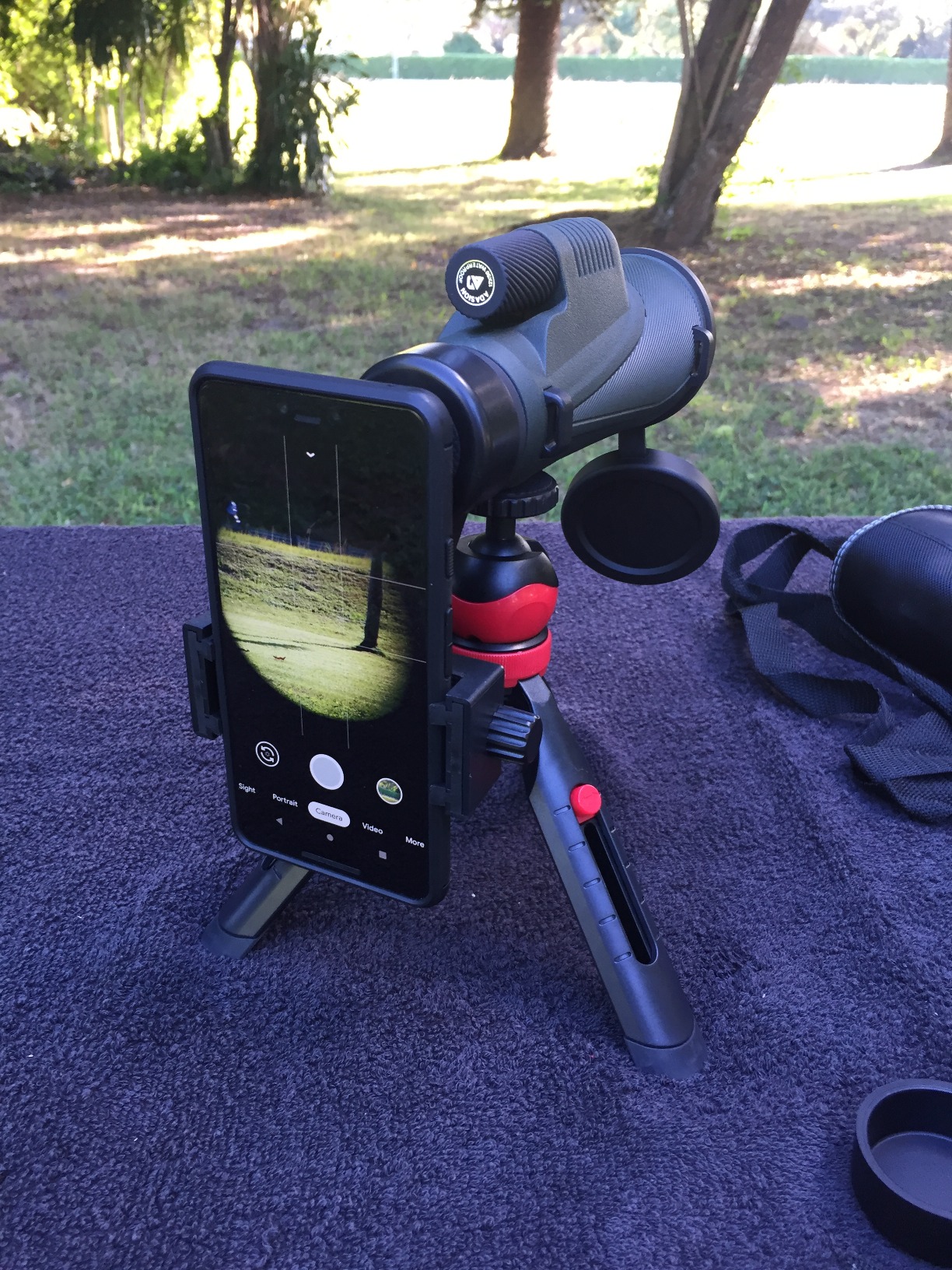
The smartphone adapter is the standout feature. Most monocular smartphone adapters are sold separately and cost extra, but the Adasion ships with everything you need. The included tripod gives the rig a stable base, which is critical at 12x magnification because any shake gets amplified. Once I figured out the alignment, my phone camera locked onto the eyepiece image and captured sharp photos through the optic.
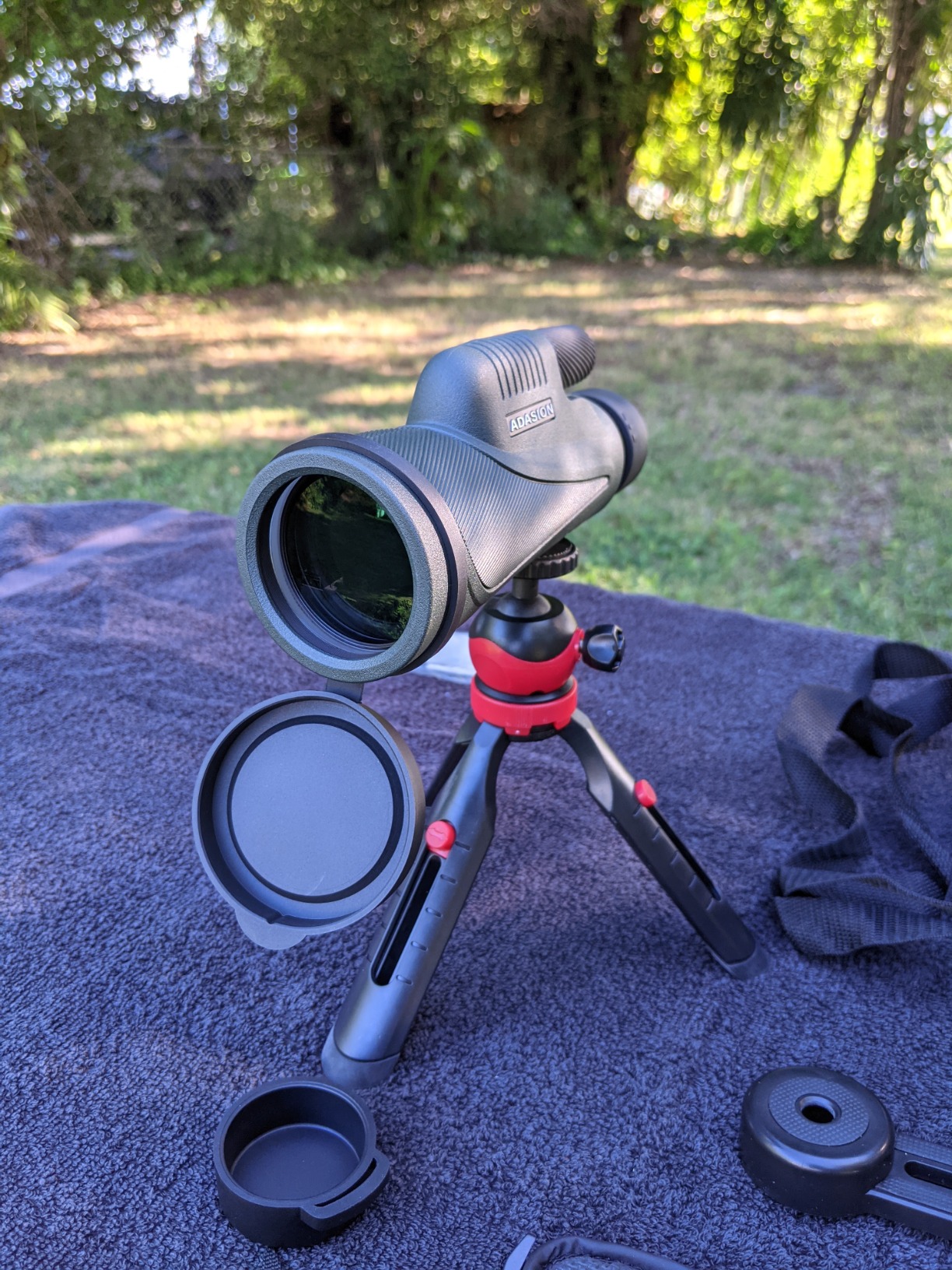
The BAK-4 prism and FMC lenses deliver bright images in daylight and decent performance in low light. The IPX7 waterproof rating means the Adasion can handle rain, splashes, and even brief immersion. The lightweight design at 15.8 oz makes it lighter than other 50mm-plus monoculars I have tested, which matters on long hikes.
For star watching, the 12×56 configuration gathers enough light to show you the moons of Jupiter and the rings of Saturn under steady conditions. The large eyepiece gives a comfortable, wide view that binocular users will recognize. The build quality is solid for the price, and the included accessories save you the cost of buying a tripod and adapter separately.
Who the Adasion 12×56 suits best
People who want smartphone photography through a monocular without buying extra accessories. The included adapter and tripod are real value, and the 12x magnification gives you usable reach for distant subjects. If you want to share what you see on social media or capture memories of wildlife, this is a complete kit.
Hikers and travelers who want maximum magnification in a portable package. The 12×56 configuration is the sweet spot for long-distance viewing without going to full spotting scope size. Birders chasing distant raptors and hikers scouting peaks will appreciate the reach.
Where the Adasion 12×56 falls short
This is not a true night vision monocular. It works in low light, but it will not turn night into day the way dedicated night vision devices do. For dawn and dusk wildlife, it is fine. For midnight use, look elsewhere.
Achieving perfect focus at 12x takes practice. The depth of field is shallow, and any small movement of the focus knob shifts the image noticeably. A tripod is almost required at this magnification, which the kit provides, but it is worth knowing before you go handheld.
For compatible phone tips and adapter tricks, our guide to the best digiscoping adapters for smartphone photography breaks down which phones pair well with monoculars like this.
6. Celestron Outland X 10×50 Monocular – Best for Astronomy and Twilight Viewing
Celestron – Outland X 10×50 Monocular – Includes Smartphone Adapter – Large 50mm Objective Lens – Multi-Coated Optics – BaK-4 Prism –Waterproof & Fogproof – Tripod Adaptable – Belt Case Included
10x magnification
50mm objective
Multi-coated
BaK-4 prism
Pros
- 50mm objective for vivid images
- 10x magnification
- Multi-coated and BaK-4
- Smartphone adapter included
- Waterproof and fogproof
Cons
- Phone adapter tricky with multi-lens phones
- No carrying strap attachment
The Celestron Outland X 10×50 is the monocular I take out for stargazing and twilight wildlife sessions. The 50mm objective lens is the largest in this roundup, and that extra aperture shows. Wide open, the image is noticeably brighter than smaller 25mm and 32mm monoculars, which matters when you are trying to spot a deer in the last 20 minutes of daylight or pick out a faint nebula.
Multi-coated optics combined with a BaK-4 prism produce sharp, true-color images. The 5.65-degree angular field of view is wide enough to scan open landscapes, and the 10x magnification gives you serious reach for identifying distant birds or constellations. The included smartphone adapter is a nice extra, though pairing it with multi-lens smartphones takes some patience.
The rubber-armored polycarbonate housing is lightweight for the size, and the waterproof, nitrogen-purged construction handles weather without fogging. The twist-up eyecup worked well with my glasses, and the tripod adaptability means I can lock it down for stable astronomy sessions or long-distance photography. The limited lifetime warranty from Celestron is a real plus.
Who the Celestron Outland X 10×50 suits best
Stargazers and twilight wildlife observers who need maximum light gathering. The 50mm objective pulls in significantly more light than smaller monoculars, and the 10x magnification gives you enough reach for casual astronomy and birding. If you spend your time outdoors at dawn and dusk, this is the optic that will give you the brightest image.
Kayak campers and overnight paddlers who want a single optic for daytime wildlife and nighttime sky watching. The size is larger than pocket monoculars, but it still fits in a dry bag or large jacket pocket. For multi-use versatility, the 10×50 size is the proven classic.
Where the Celestron Outland X 10×50 falls short
The smartphone adapter is hit or miss with newer multi-lens phones. Several forum users reported difficulty getting the alignment right, and the included adapter is a basic design. If smartphone photography is your main goal, the Adasion 12×56 is a better fit.
There is no carrying strap attachment point on the body, which is a frustrating omission for a waterproof optic. You need to use the included belt case to carry it securely. The review rating is also lower than other models on this list, reflecting some quality control concerns that buyers have reported.
7. Celestron UpClose G2 10×25 Monocular – Best Lightweight Travel Pick
Celestron UpClose G2 10×25 Monocular for Hiking, Travel & Birding
10x magnification
25mm objective
Multi-coated
Roof prism
Pros
- Affordable price
- Multi-coated optics
- Lightweight at 113g
- Rubber armored body
- Celestron lifetime warranty
Cons
- Small 25mm objective
- Reports of fogging
- Flare issues with bright sky
The Celestron UpClose G2 10×25 is the monocular I toss in my carry-on for every trip. At 113 grams, it weighs less than a deck of cards, and the small 25mm objective keeps the body slim enough to fit in any pocket. For under $25, this is the kind of optic you can replace if you lose it, which removes the stress of taking an expensive monocular on rough travel.
The 10x magnification gives you the same reach as much larger monoculars, and the multi-coated optics produce surprisingly bright images for the size. The rubber-armored aluminum body feels solid in the hand, and the ergonomic thumb indents give you a confident grip. The Celestron limited lifetime warranty is a real bonus at this price point.
Water resistant construction handles light rain and splashes, and the included soft carrying case and strap make it easy to keep track of. The 11mm eye relief is enough for glasses users, and the roof prism design keeps the body compact. For travel, backpacking, and casual use, the UpClose G2 is hard to beat on price and weight.
Who the Celestron UpClose G2 suits best
Budget travelers and backpackers who want a real optic at the lowest possible price. The 113g weight is essentially unnoticeable on a long hike, and the $20 price point means you can take risks with it that you would not take with a premium optic.
Casual users who want a backup monocular or a starter optic to learn the basics. The 10x magnification is the standard, and the optical quality is good enough for everyday use. If you are not sure whether a monocular suits your needs, this is the cheapest way to find out.
Where the Celestron UpClose G2 falls short
The 25mm objective lens is small. In low light, the image gets dim and you will wish for a larger aperture. For daytime use, it is fine, but serious dawn and dusk users should look at the 42mm or 50mm options.
Some users report fogging inside the optic, and there are flare issues with bright sky backgrounds. The build quality is good for the price, but it is not the same as premium monoculars. You are paying for the Celestron brand and warranty, not flagship optics.
8. ZEISS Conquest Mono 8×20 T* Monocular – Best Premium Optical Quality
ZEISS Conquest Mono Monocular 8×20 with T* Coated Glass
8x magnification
20mm objective
T* Coating
Weather resistant
Pros
- ZEISS T* coating
- Twilight performance
- Compact 7.2 oz design
- Diopter adjustment of +/-4
- Clear in any weather
Cons
- Premium price point
- Some softness at field edges noted
The ZEISS Conquest Mono 8×20 is the monocular I pack when optical quality is the only thing that matters. ZEISS has been making optics for over 170 years, and the T* coating on this monocular is the legendary treatment that makes their lenses famous. The image is bright, sharp, and contrasty in a way that cheaper optics simply cannot match.
At 7.2 ounces and 1.5 inches wide, this is the most compact monocular in the roundup. It disappears in a pocket, and the sporty design is unmistakably premium. The 8x magnification gives you usable reach, and the 20mm objective gathers enough light for daytime use. The twist-up eyecup and diopter adjustment of +/-4 make it easy to dial in perfect focus.
The weather-resistant construction handles adverse conditions. I used it in light rain and fog without issue, and the image stayed clear where other monoculars would have fogged up. The ZEISS brand comes with a heritage of precision optics, and the build quality feels like a precision instrument rather than a consumer product.
Who the ZEISS Conquest Mono suits best
Buyers who want the best possible optical quality in a pocket-sized monocular. The ZEISS T* coating and premium glass produce an image that justifies the price for anyone who cares about edge-to-edge sharpness and color fidelity. Birders and naturalists who want the best tool for the job end up here.
People who want a monocular that lasts a lifetime. ZEISS optics hold their value and their performance over decades. If you buy once and cry once, this is the kind of optic that will still be working in 20 years.
Where the ZEISS Conquest Mono falls short
The price is the obvious hurdle. At well over $300, this monocular costs more than most of the other options on this list combined. For casual users, the value equation does not work.
Some discerning users report minor softness at the edges of the field of view, which is unusual for ZEISS. The 20mm objective is also small for low-light use, so this is primarily a daytime optic. If you want maximum low-light performance, look at the 50mm Celestron.
If you are gearing up for a camping trip alongside your new monocular, our roundup of quiet camping generators for outdoor trips covers the rest of the kit you might need.
How to Choose the Best Monocular for Your Needs
Picking the right monocular comes down to matching magnification, objective lens size, and build quality to your specific use case. A $20 travel optic and a $400 premium monocular can both be the right answer, depending on what you plan to do with it. Here are the factors that matter most when you shop.
Magnification Power Explained
Magnification is the first number you see on any monocular, and it tells you how much closer the image will appear. An 8x monocular makes a distant object look 8 times closer than it does with the naked eye. Common magnifications range from 6x to 12x for handheld monoculars, with 8x and 10x being the most popular choices.
Higher magnification is not always better. As magnification increases, the field of view shrinks, image shake becomes more noticeable, and the exit pupil gets smaller, which makes low-light performance worse. For most outdoor activities, 8x or 10x is the sweet spot. Push past 12x and you will want a tripod to keep the image stable.
For birding, the choice between 8x and 10x depends on your style. 8x gives you a wider field of view that helps with finding moving birds quickly. 10x gives you more reach for identifying distant species, but the narrower field means you have to scan more carefully. New birders usually start with 8x and move to 10x as their skills develop.
Objective Lens and Optical Quality
The second number on a monocular is the objective lens diameter, measured in millimeters. A 42mm objective gathers more light than a 25mm objective, which means brighter images and better low-light performance. The trade-off is size and weight. Larger objectives mean bigger and heavier monoculars.
Inside the body, look for BAK-4 prisms and fully multi-coated optics. BAK-4 glass produces sharper, brighter images than the cheaper BK-7 glass found in budget monoculars. Fully multi-coated lenses reduce glare and improve light transmission, which matters when you are looking at high-contrast subjects like birds against a bright sky.
Premium glass like ED (extra-low dispersion) glass and ZEISS T* coatings push image quality further by reducing chromatic aberration and improving color fidelity. These features come at a price, but for serious users, the difference is visible in the field.
Waterproof, Fogproof, and Durability
Outdoor optics need to survive weather, drops, and dust. Look for monoculars that are O-ring sealed and nitrogen purged. O-ring sealing prevents water and dust from entering the body, while nitrogen purging prevents internal fogging when temperatures change. Together, these features make a monocular truly waterproof and fogproof.
Rubber armor is another feature worth having. The rubber coating protects the optic from drops and gives you a better grip in wet conditions. For paddlers and hikers, this is more than a nice-to-have. It is the difference between an optic that survives the trip and one that does not.
IPX ratings tell you exactly how waterproof a monocular is. IPX4 means splash resistant, IPX7 means it can handle temporary immersion, and IPX8 means it can handle continuous submersion. For most outdoor activities, IPX4 is enough, but IPX7 is a nice safety margin.
Use Case Recommendations
Different activities call for different monoculars. Birders benefit from 8x or 10x magnification with a 32mm or 42mm objective, fully multi-coated optics, and a wide field of view. Hunters need higher magnification, ED glass for low-light performance, and durable construction. Hikers and backpackers want lightweight, compact designs that do not add weight to their pack.
Kayakers and paddlers have a unique set of needs. Salt spray, splashing, and one-handed operation matter. A monocular with rubber armor, IPX4 or better waterproofing, and a strap or floating lanyard is essential. The Nocs Provisions Zoom Tube and the Bushnell A3 are both strong picks for paddlers.
For astronomy, you want the largest objective lens you can carry. The 50mm Celestron Outland X gives you the most light gathering in this roundup, and the 10x magnification is enough for casual stargazing. Serious astronomers will want a telescope, but a 50mm monocular is a great travel companion.
Smartphone Adapter Compatibility
Digiscoping is the practice of photographing distant subjects through a monocular with your phone. It is a fun way to capture wildlife, landscapes, and starry skies without carrying a full camera setup. Not every monocular is smartphone friendly, but several on this list include adapters or are designed to work with phones.
The Adasion 12×56 ships with a smartphone adapter and tripod, which makes it the easiest way to start digiscoping. The Nocs Provisions Zoom Tube is also designed to work with smartphones thanks to its eyepiece design. The Bushnell A3 and the ZEISS Conquest Mono can be paired with universal smartphone adapters that clamp onto the eyepiece.
Frequently Asked Questions About Monoculars
What is the best magnification for monoculars?
The best magnification for monoculars depends on your activity, but 8x or 10x is the sweet spot for most outdoor uses. 8x gives you a wider field of view and easier image stability, while 10x gives you more reach for distant subjects. Above 12x, image shake becomes a real problem without a tripod, and the field of view gets narrower.
Is 8x or 10x monocular better for birding?
8x is generally better for beginners and active birders because the wider field of view makes finding moving birds easier. 10x is better for identifying distant species where you have time to aim carefully. Many birders own both and switch based on the situation. If you can only pick one, 8x is the more forgiving choice for general birding.
Are monoculars good for hunting?
Yes, monoculars are excellent for hunting when portability and one-handed operation matter. The 10×42 size is the classic hunting monocular configuration, offering enough magnification for identifying distant game and a large enough objective for low-light performance at dawn and dusk. Premium monoculars like the Bushnell Legend 10×42 are field-ready for serious hunters.
Are monoculars better than binoculars for travel?
Monoculars are generally better for travel because they weigh half as much as binoculars and pack into smaller spaces. You sacrifice the depth perception that two-eyed viewing provides, but for casual observation, a monocular is easier to carry and faster to deploy. For serious birding or astronomy, binoculars still win on performance.
Can monoculars be used for astronomy?
Yes, monoculars work for casual astronomy, especially models with 50mm or larger objective lenses. The Celestron Outland X 10×50 is a strong choice for stargazing because the 50mm objective gathers enough light to show the moons of Jupiter and brighter deep sky objects. For serious astronomy, a telescope is still the better tool, but a good monocular is a great travel companion.
Final Thoughts on the Best Monoculars in 2026
After testing and comparing these 8 monoculars across hiking, paddling, hunting, and birding scenarios, our top picks are clear. The Bushnell Legend 10×42 Ultra HD takes the editor’s choice for serious wildlife and hunting use thanks to its ED Prime glass and rugged build. The Nocs Provisions Zoom Tube 8×32 wins for compact travel and casual birding, while the FEEMIC 8×42 is the best value for budget buyers who still want a real optic.
Whatever you choose, the best monocular is the one you actually carry and use. A premium optic left at home does no good. Pick the size, weight, and price that fits your routine, and you will find a tool that opens up the outdoors in ways you did not expect. If you want to read more about binocular alternatives for paddlers, our kayak bird watching guide covers the two-eyed option side by side.


