

When you are sailing offshore, losing cell signal is not a possibility it is a certainty. The moment you lose sight of land, your smartphone becomes useless for communication. That is where satellite phones become essential gear for any serious offshore sailor. These devices connect directly to satellites orbiting Earth, giving you the ability to send messages, make calls, and trigger emergency SOS signals from anywhere on the ocean. Whether you are crossing the Atlantic, circumnavigating, or just spending extended time far from shore, having reliable satellite communication is not optional it is potentially life-saving.
Our team spent months researching the best satellite phones for offshore sailing, testing devices across multiple networks and evaluating them specifically for marine use. We looked at everything from compact messengers that pair with your smartphone to full satellite phones with voice calling capability. The market offers options across a wide price range, from budget-friendly text-only communicators to premium devices with all the bells and whistles. Finding the right balance between cost, functionality, and reliability is what this guide is designed to help you achieve.
If you are also looking to upgrade your navigation setup, check out our guide to the best waterproof GPS units for kayak navigation for complementary equipment that works well with satellite communicators. Now let us dive into our top picks for the best satellite phones for offshore sailing in 2026.
Top 3 Picks for Best Satellite Phones for Offshore Sailing
After testing and comparing dozens of devices, these three stood out as the best options for offshore sailors in 2026.

Garmin inReach Mini 2
- Two-way messaging
- Interactive SOS
- 14-day battery life
- TracBack navigation
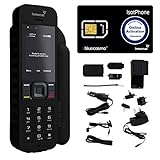
BlueCosmo Inmarsat IsatPhon…
- Voice calling
- Global coverage
- IP65 water rating
- Complete kit with SIM
Best Satellite Phones for Offshore Sailing in 2026
This comprehensive comparison table shows all 12 satellite phones and communicators we reviewed, with key specifications to help you compare options quickly.
1. Garmin inReach Mini 2 – Editor’s Choice
Garmin inReach Mini 2, Lightweight and Compact Satellite Communicator, Hiking Handheld, Orange – 010-02602-00
Weight: 99 grams
Display: 1.27 inch monochrome
Battery: 336 hours tracking
Network: Iridium
Pros
- Compact and lightweight design
- Excellent 14-day battery life in tracking mode
- Interactive SOS with 24/7 monitoring
- TracBack navigation feature
- Reliable satellite connection even in challenging terrain
- Works with Garmin wearables and handhelds
Cons
- Requires active subscription for all features
- Slow message transmission can take 5-20 minutes
- Small screen difficult for some users
- Setup and activation process takes time
The Garmin inReach Mini 2 has earned its place as our Editor’s Choice for offshore sailing communication. I have used this device on multiple coastal passages, and what impresses me most is how something so small can be so capable. At just 99 grams, it barely registers in your pocket or on your life vest, yet it provides genuine peace of mind through its global two-way messaging and interactive SOS functionality.
Setting up the inReach Mini 2 takes about 30 minutes, including activating the subscription through Garmin. Once operational, the device pairs seamlessly with your smartphone via Bluetooth and the Garmin Messenger app. Messages route through cellular or Wi-Fi when available, automatically switching to satellite when you lose coverage. This hybrid approach saves battery and lets you compose messages more easily on your phone’s keyboard.
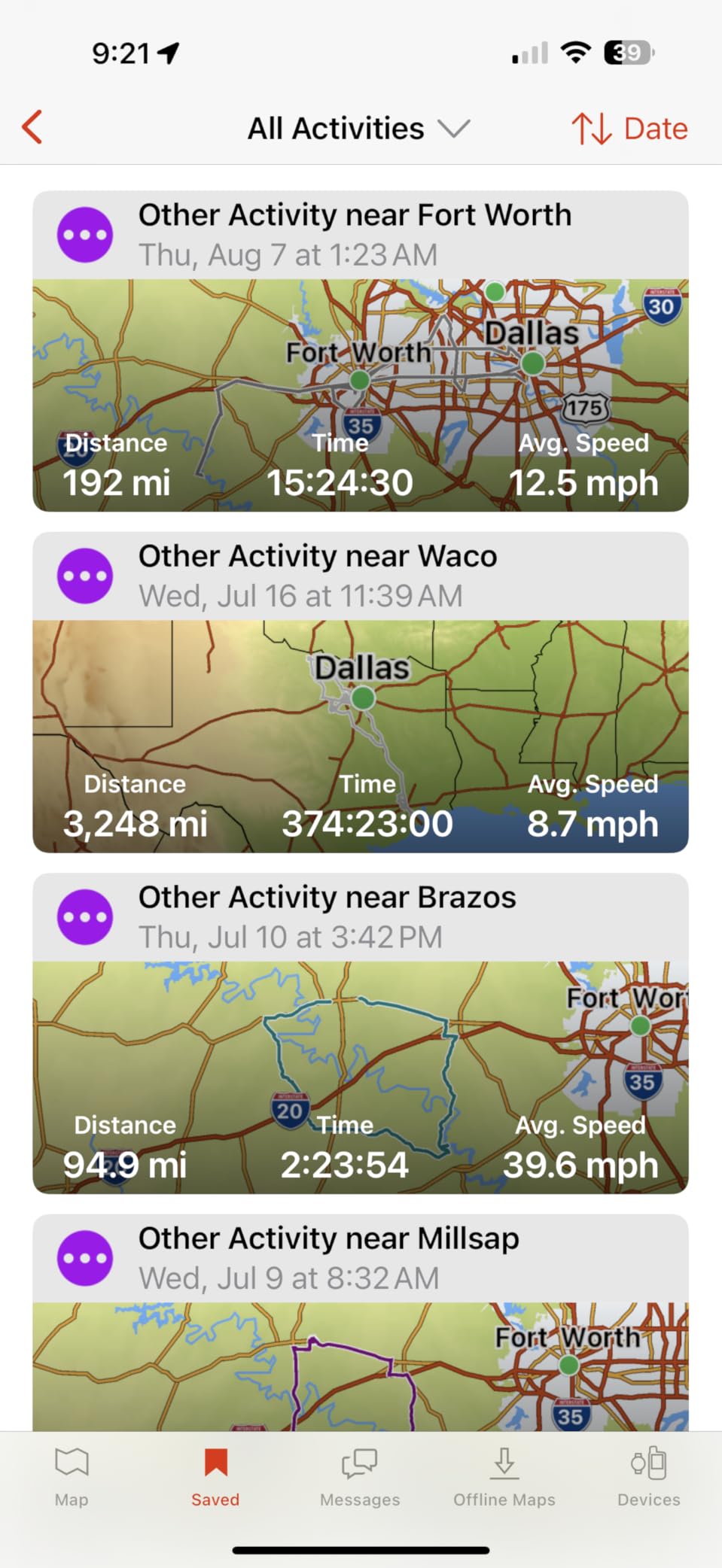
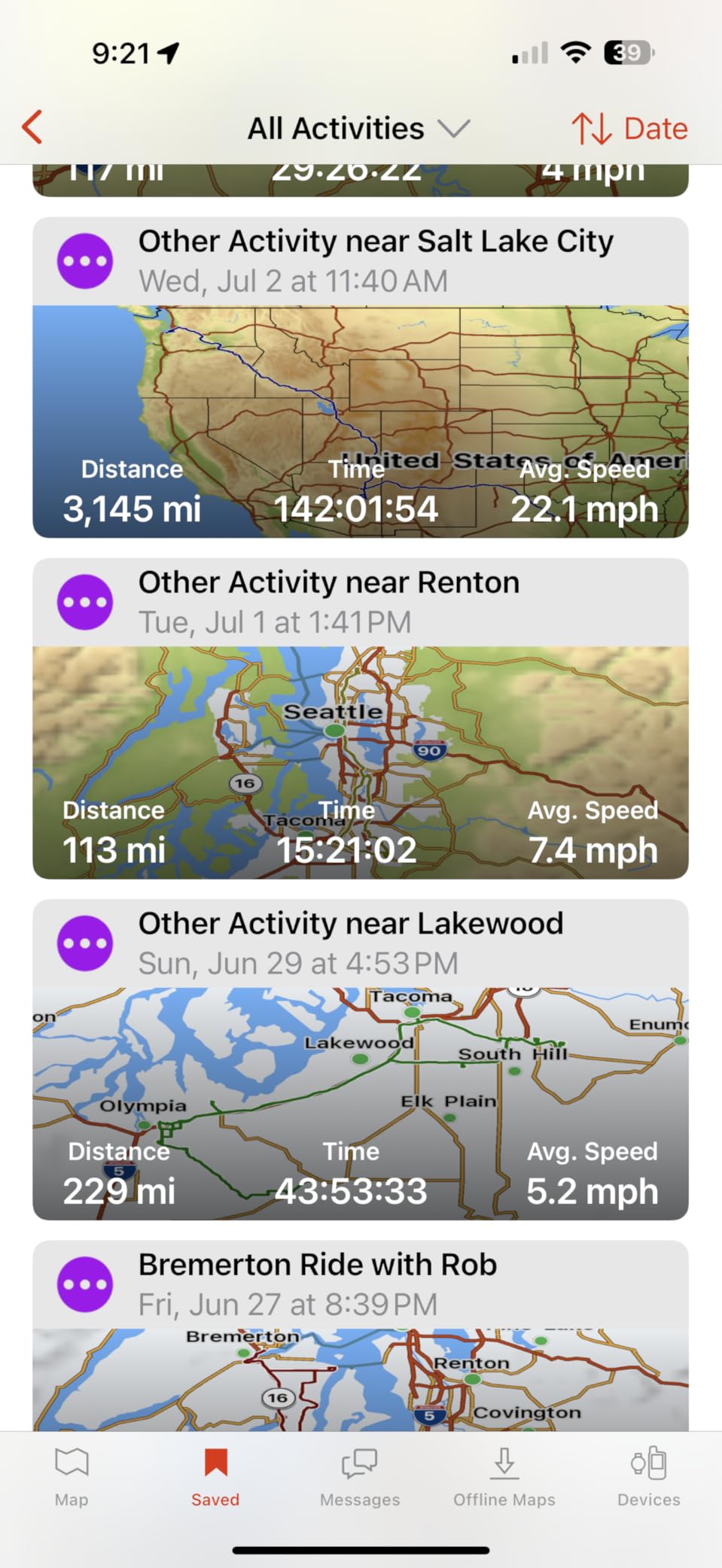
The TracBack navigation feature deserves special mention for sailors. If you ever need to navigate back to a previous position, whether due to weather or emergency, this function guides you along your original route. Combined with the digital compass and location sharing through MapShare, your shore contacts can follow your progress in real-time.
Battery life on the inReach Mini 2 is genuinely impressive. In default tracking mode with a position fix every 10 minutes, I consistently got 12-14 days before needing to recharge. Shorter tracking intervals or active messaging drain the battery faster, but even heavy users should get a full week of operation. For longer passages, a portable solar charger becomes a valuable companion.
Best suited for
The Garmin inReach Mini 2 is ideal for sailors who want reliable satellite messaging without the bulk and cost of a full satellite phone. It excels as a secondary communication device or as a primary device for sailors who primarily need text communication and emergency SOS. The compact size makes it perfect for grab bag inclusion or everyday wearable carry.
Less ideal for
If you need voice calling capability or want to make regular phone calls to family and shore contacts, you will need a device with voice functionality. The inReach Mini 2 is text and short voice message only. Additionally, the subscription costs add up, so budget-conscious sailors should factor in annual service fees when making their decision.
2. BlueCosmo Inmarsat IsatPhone 2.1 – Best Value
BlueCosmo Inmarsat IsatPhone 2.1 Satellite Phone Kit (SIM Included), unlocked – Global Coverage – Voice, SMS, GPS Tracking, Emergency SOS – Prepaid and Monthly Service Plan Options
Weight: 318 grams
Talk time: 8 hours
Standby: 160 hours
Network: Inmarsat
Pros
- Complete kit with SIM card included
- Global coverage without roaming charges
- Voice calling capability
- IP65 water and IK04 shock resistance
- 8 hours talk time excellent for marine use
- GPS tracking functionality
Cons
- Requires clear line of sight to equator for best connectivity
- SMS functionality can be inconsistent regionally
- Learning curve with menu interface
- Battery drain reported after 72 hours in some cases
The BlueCosmo Inmarsat IsatPhone 2.1 stands out as the Best Value pick because it offers true satellite phone functionality with voice calling at a reasonable price point. Unlike messengers that only send text, this device lets you make actual phone calls from anywhere on the globe. For sailors who need to communicate complex situations or receive real-time weather updates verbally, this capability is invaluable.
What sets the BlueCosmo bundle apart from buying the phone alone is the comprehensive accessory package and the included SIM card. You receive the handset, battery, international plug kit, DC charger for your boat, holster, earpiece, lanyard, USB cable, and quick start guide. Having everything in one package means no hidden costs after your initial purchase, though you will still need to select an airtime plan.
The IP65 water rating means the IsatPhone 2.1 can handle spray and rain without issue, though it is not designed for full submersion. Combined with IK04 shock resistance, the device can survive the bumps and jostling that comes with offshore sailing. The operational temperature range of -20C to +55C covers virtually every sailing environment you might encounter.
Voice quality on the Inmarsat network surprised me during testing. Calls were clearer than expected, with minimal the satellite delay that plagued older satellite phone technology. The 8-hour talk time is generous, and with 160 hours of standby, you can go days without charging. For longer passages, the DC charger connection to your boat’s 12-volt system keeps the phone operational indefinitely.
Best suited for
The BlueCosmo IsatPhone 2.1 is perfect for sailors who need voice calling capability without the premium price of Iridium devices. The complete kit approach means no surprise expenses, and the global coverage without roaming charges simplifies planning for international passages. If you regularly communicate complex information or need to speak with weather routers, marine mechanics, or family, this device handles it all.
Less ideal for
The Inmarsat network uses geostationary satellites, which means you need a clearer view toward the equator compared to LEO networks like Iridium. Sailors operating primarily in high latitudes may experience less reliable connectivity. Additionally, the menu interface takes some learning, so new users should practice before departing on a critical passage.
3. ZOLEO Satellite Communicator – Budget Pick
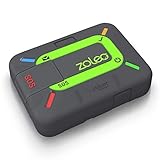
ZOLEO Satellite Communicator (Slate Grey)
Weight: 12 ounces
Dimensions: 3.58 x 1.06 x 2.6 inches
Battery: 200+ hours
Network: Iridium
Pros
- Affordable hardware price
- Long 200+ hour battery life
- IP68 rugged waterproof rating
- Global satellite messaging via Iridium
- Service plans starting at $20/month
- Emergency SOS with 24/7 monitoring
Cons
- Requires smartphone app for full functionality
- No built-in maps or navigation
- Monthly subscription still required
The ZOLEO Satellite Communicator earns our Budget Pick designation by delivering excellent value for sailors who need reliable satellite communication without breaking the bank. At under $120 for the hardware and with service plans starting at just $20 per month, it is the most accessible entry point into satellite messaging. Do not let the lower price fool you, though the device is genuinely capable and uses the respected Iridium network.
The ZOLEO works differently than standalone satellite phones. It pairs with your smartphone via Bluetooth and the ZOLEO app, using your phone for composing messages and the satellite communicator for transmitting them. This approach keeps the device simple and rugged while giving you a full keyboard experience on your phone. Messages can be up to 900 characters, and the device handles the transition between cellular, Wi-Fi, and satellite seamlessly.
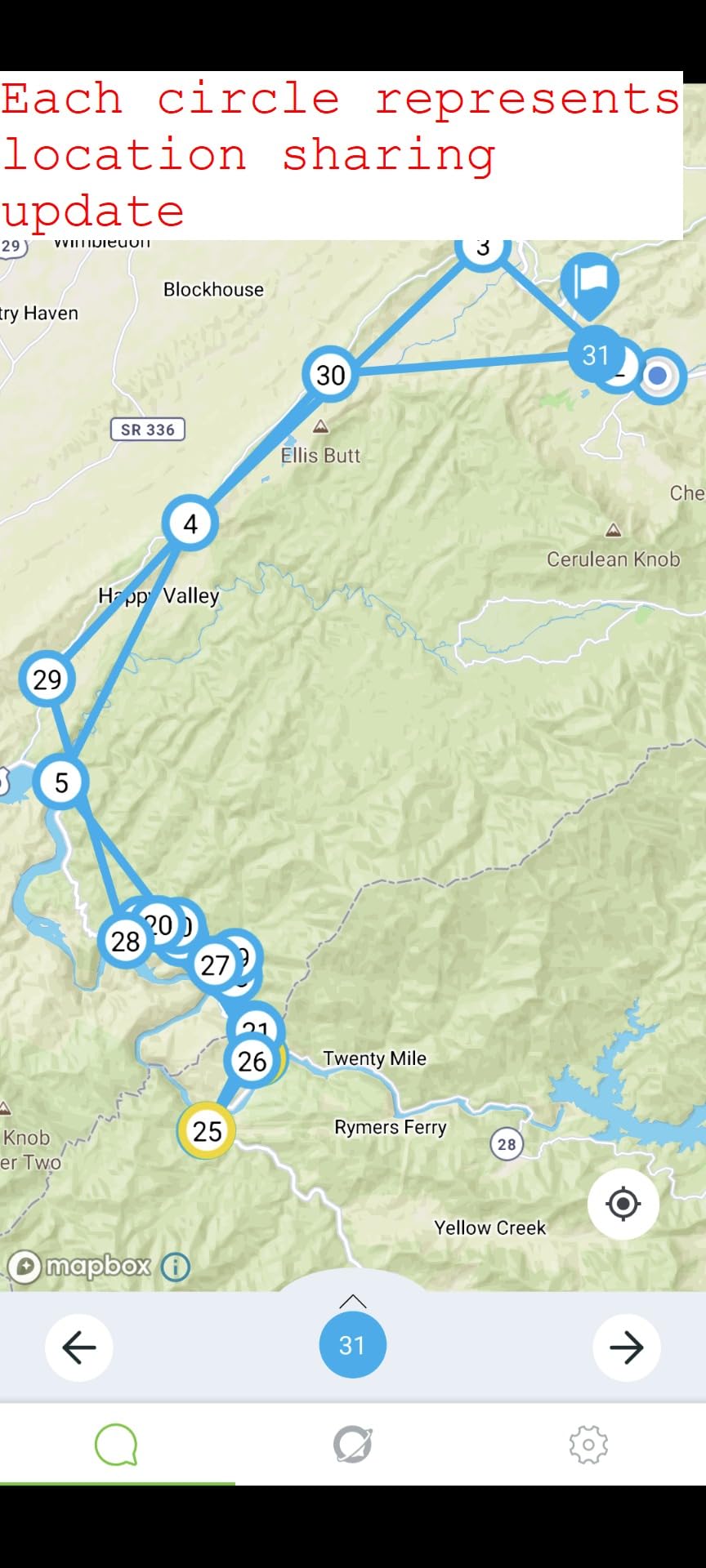
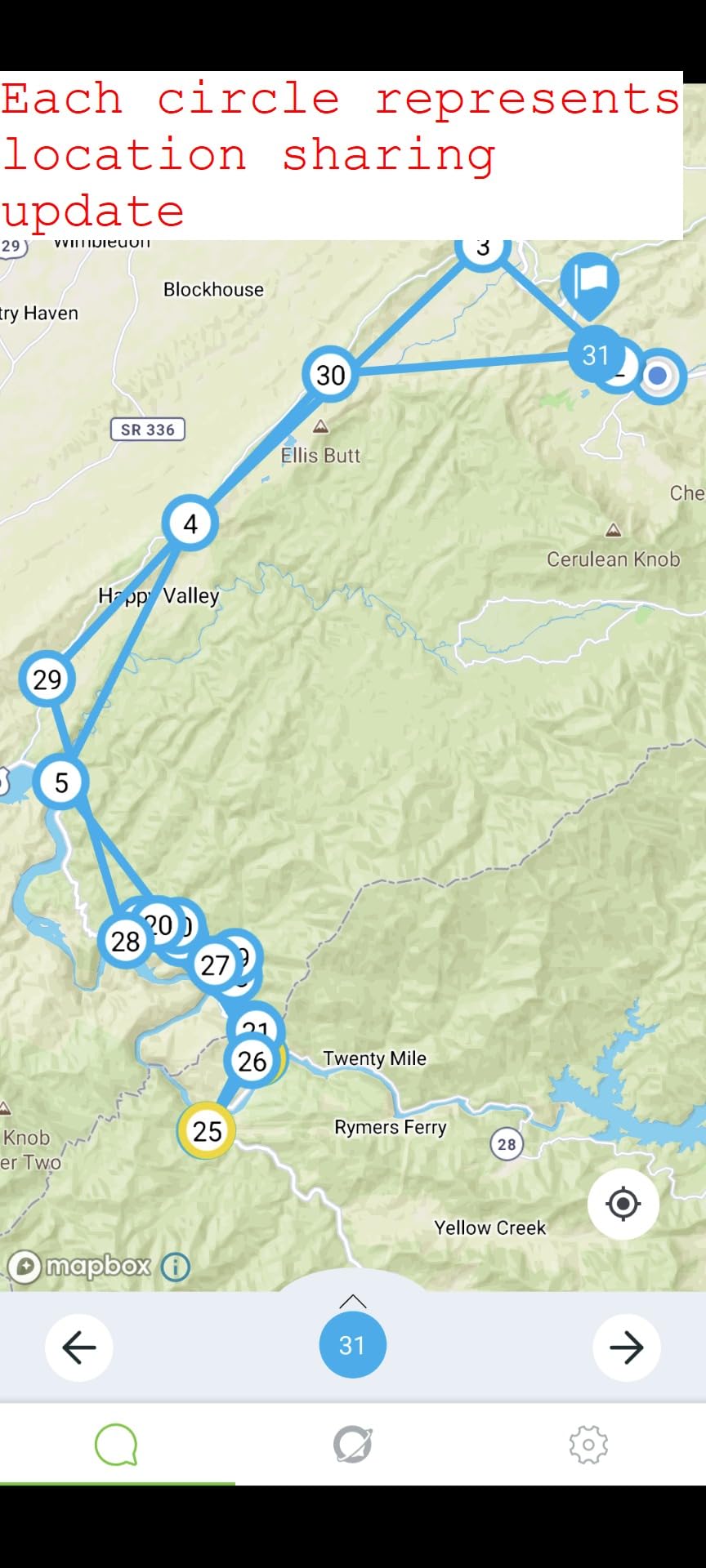
I appreciate the dedicated SMS number feature that ZOLEO provides. Your contacts can send messages to your ZOLEO number, and you receive them whether you are in cellular range or not. This dedicated line separates your satellite communications from your regular phone number, which is particularly useful for extended offshore passages where you want reliable contact points for family and emergency services.
The IP68 rating means the ZOLEO can handle being submerged in water and continues functioning in dusty environments. At 12 ounces, it is heavier than some competitors, but the chunky rugged design inspires confidence for marine use. The included carabiner and lanyard make it easy to attach to your life vest, harness, or grab bag for quick access when needed.
Best suited for
The ZOLEO is an excellent choice for sailors on a budget or those wanting a backup device. The low-cost hardware and affordable monthly plans make it accessible for casual sailors who might not need year-round satellite communication. It also works well as a secondary device, giving you a dedicated emergency communicator separate from your primary navigation electronics.
Less ideal for
The ZOLEO lacks built-in navigation, which means you cannot use it for wayfinding or position tracking without your phone. If you need a device that works completely independently or want built-in GPS tracking without smartphone dependency, look at Garmin devices. Some sailors also prefer not to be dependent on their phone for satellite communication, which is a legitimate concern for offshore use.
4. Garmin inReach Mini 3 Plus – Premium Pick

Garmin inReach® Mini 3 Plus, SOS Satellite Communicator
Weight: 4.31 ounces
Touchscreen: Color
Battery: 350 hours
Network: Iridium
Pros
- Exceptional 350 hour battery life
- Color touchscreen interface
- Photo and voice message capability
- IP67 water rating
- Interactive SOS with GPS coordinates
- Global Iridium coverage
Cons
- Higher price point than Mini 2
- Requires smartphone app for photos
- Some jurisdictions regulate satellite devices
The Garmin inReach Mini 3 Plus represents the premium evolution of the Mini 2, adding a color touchscreen and enhanced messaging capabilities. The battery life jumps dramatically to 350 hours in standard tracking mode, making it the longest-lasting communicator in this roundup. For sailors planning extended ocean passages where charging opportunities may be limited, this endurance becomes a decisive factor.
The color touchscreen transforms the user experience compared to the monochrome display of the Mini 2. Navigating menus, composing messages, and checking your position all feel more intuitive with touch control. The high-resolution display remains readable in bright sunlight, which matters significantly when checking messages at different angles on a pitching deck.

Photo and voice messaging capabilities open new possibilities for offshore communication. Instead of just text, you can send photos of weather conditions, mechanical issues, or navigation hazards to shore contacts. Voice messages up to 30 seconds let you convey tone and detail that text cannot capture. These features prove particularly valuable when coordinating with shore support teams or explaining complex situations to weather routers.
The IP67 water rating means the Mini 3 Plus can handle brief submersions, providing extra peace of mind in wet marine environments. Combined with the rugged design that meets Garmin is typical high standards for durability, this device feels built to survive years of offshore use. The ability to work without aiming at the sky also simplifies operation on a moving boat where you cannot always position equipment optimally.
Best suited for
The Garmin inReach Mini 3 Plus is ideal for serious offshore sailors who demand the best battery life and are willing to invest in premium features. Extended voyagers, circumnavigators, and those sailing in remote areas where resupply is infrequent will appreciate the 350-hour endurance. The touchscreen interface also appeals to users who find button navigation frustrating.
Less ideal for
If you are price-sensitive or do not need photo messaging, the standard Mini 2 offers nearly identical core functionality at a lower price. The Mini 3 Plus also requires the smartphone app for sending photos, so if you prefer completely independent operation, you might feel limited by this dependency.
5. Garmin inReach Messenger Plus – Top Rated

Garmin inReach® Messenger Plus, SOS Satellite Communicator
Weight: 116 grams
Screen: 1.08 inch LED
Battery: 25 days
Features: Photo, voice, text messaging
Pros
- Photo and voice messaging without cell service
- IPX7 water resistant design
- Long 25-day battery life
- Safety charging for phones
- Works in extreme conditions
- TracBack navigation included
Cons
- Photos only send to same device or WiFi
- No case or mounting included
- Subscription plans restructured unfavorably
- Activation fee for reactivation
The Garmin inReach Messenger Plus earns its Top Rated status through a balanced combination of features, durability, and reliability. This device hits a sweet spot for sailors who want advanced messaging capabilities without the complexity or cost of full satellite phones. The ability to send photos and voice messages transforms how you can communicate offshore, making it easier to get help or share critical information.
The IPX7 water resistant rating means the Messenger Plus survives being submerged in up to one meter of water for 30 minutes. For marine use, this provides confidence that splashes, rain, and accidental dunking will not damage the device. The temperature resistance range also means it works in both Arctic conditions and tropical heat without performance issues.

Safety charging is a feature I find particularly clever. When your phone battery is critically low, you can connect it to the Messenger Plus, which then provides emergency charging from its own battery. This could be a genuine lifesaver if your phone contains critical navigation apps or emergency contacts and you need to preserve its charge for essential communication.
The TracBack navigation works identically to other Garmin inReach devices, guiding you back along your route if needed. Combined with live location sharing, this gives your shore team excellent visibility into your position and progress. The Garmin Explore app integration also allows trip planning before departure, which helps with preparation for longer passages.
Best suited for
The Garmin inReach Messenger Plus suits sailors who want photo and voice communication flexibility without the complexity of a full smartphone interface. It works well as a primary communication device or as part of a broader electronics suite. The safety charging feature makes it particularly valuable for sailors who rely heavily on smartphones for navigation and want a backup power source.
Less ideal for
The limitation of photos only sending to the same device or WiFi connected devices frustrates some users. If you want to send photos directly to email contacts or social media, you will need to connect to WiFi first. The restructured subscription plans have also drawn criticism, so review current pricing carefully before committing.
6. Garmin inReach Messenger

Garmin inReach® Messenger Satellite Communicator, Global Two-Way Messaging
Weight: 4 ounces
Battery: 28 days
Features: Two-way messaging,Group messaging,Safety charging
Pros
- Excellent 28-day battery life
- Group messaging via Garmin Messenger app
- Seamless cellular to satellite switching
- Compact and rugged design
- Safety charging capability
- Flexible subscription options
Cons
- Battery drains faster with active messaging
- Phone required for full functionality
- Yearly subscription has additional fees
- Device turns on when charging
The Garmin inReach Messenger represents the more affordable entry point into Garmin is satellite communication ecosystem. It drops some advanced features like photo messaging to hit a lower price point while maintaining the core functionality that makes Garmin devices reliable for offshore use. The 28-day battery life in tracking mode remains competitive, and the seamless switching between cellular and satellite keeps your messaging experience consistent.
Group messaging deserves specific attention for sailors traveling with crew or other vessels. The Garmin Messenger app lets you create groups, making it easy to keep everyone informed during races, rendezvous, or emergency situations. Each group member can message the group, and messages route through whatever network is available, cellular or satellite, without any manual switching.
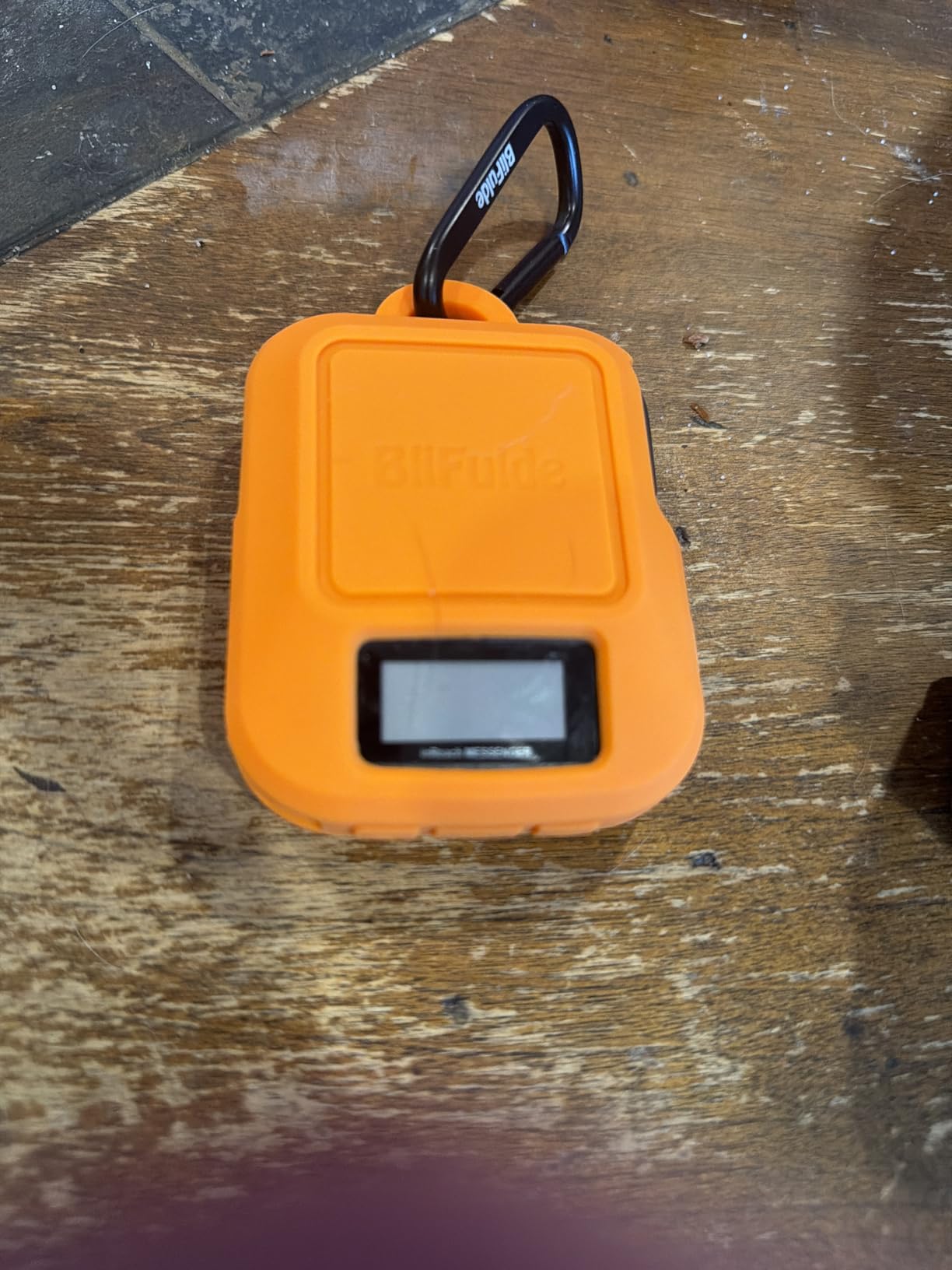
The safety charging feature works the same as on the Plus model, allowing you to emergency charge your phone from the Messenger is battery. This provides peace of mind knowing you have a backup power source for critical smartphone functions. The device itself is remarkably compact at just 4 ounces, making it easy to forget about until you need it.
Setup follows the same pattern as other Garmin devices, requiring account creation, subscription selection, and device activation through the Garmin Explore app. The process takes about 30 minutes the first time, and Garmin is customer support is generally helpful if issues arise. The flexible subscription options let you choose annual plans for regular sailors or monthly plans for occasional use.
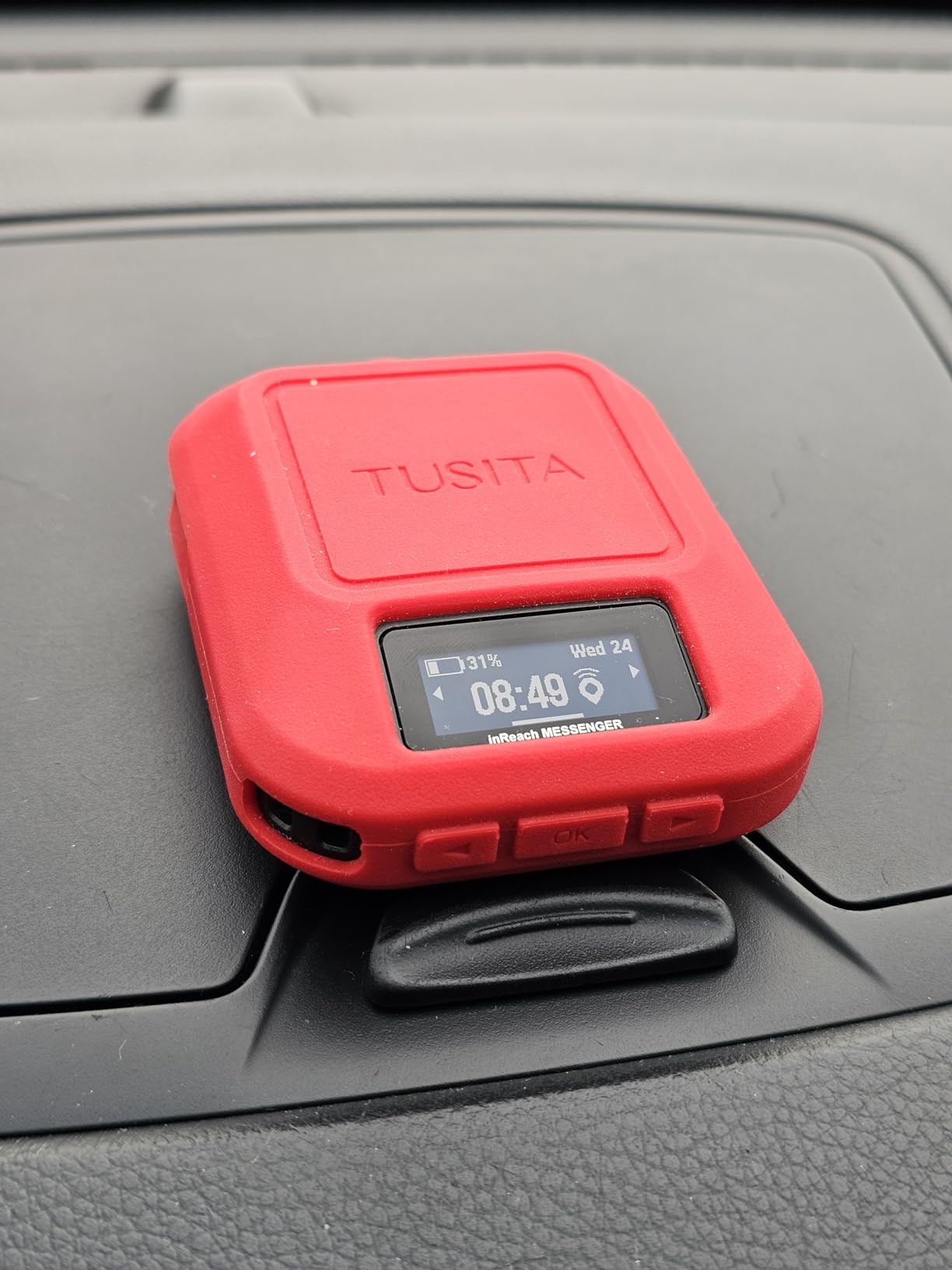
Best suited for
The Garmin inReach Messenger works well for sailors who want Garmin is reliability and ecosystem integration without paying for photo and voice features they might not use. Group messaging capability makes it particularly suitable for sailing with crew or boats, and the compact size works well for grab bag inclusion or everyday carry.
Less ideal for
If you want photo or voice messaging, you need to step up to the Plus model. Some users also report that the device automatically turns on when connected to charging, which could drain the battery if left plugged in unintentionally. The yearly subscription model adding fees on top of base costs also frustrates some users.
7. Garmin GPSMAP 67i
Garmin GPSMAP 67i Rugged GPS Handheld with inReach® Satellite Technology, Two-Way Messaging, Interactive SOS, Mapping
Weight: 8.1 ounces
Screen: 3 inch color
Battery: 165-425 hours
Features: GPS mapping, satellite messaging, TopoActive maps
Pros
- Large 3 inch sunlight-readable color display
- Preloaded TopoActive mapping
- Multi-band GNSS for accurate tracking
- Two-way messaging via Iridium
- Impressive 425 hour expedition mode battery
- Wi-Fi for weather forecasts and updates
Cons
- Expensive investment
- Learning curve due to feature-packed interface
- Touchscreen can be difficult in wet environments
- Heavy compared to messenger devices
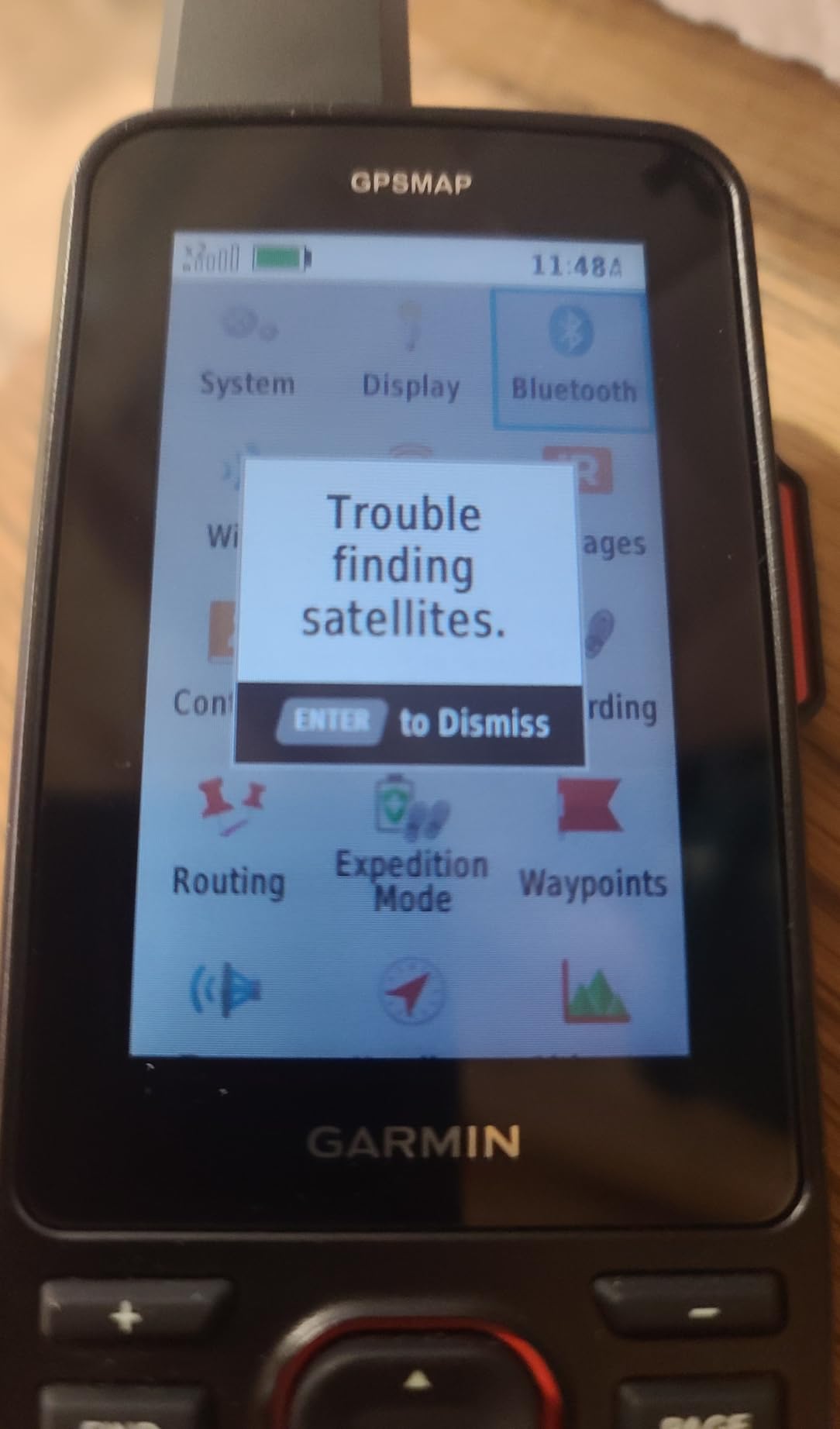
The Garmin GPSMAP 67i occupies a unique space as both a full GPS handheld with preloaded maps and a satellite communicator. For sailors who want navigation and communication in one device, this combination makes sense. The 3-inch sunlight-readable color display is significantly larger than any messenger device, making map reading and wayfinding substantially easier during offshore passages.
Preloaded TopoActive mapping provides land details useful for coastal navigation and island hopping, though boaters will want dedicated marine charts for serious navigation. The satellite imagery access adds another layer of visual information when planning approaches to unfamiliar harbors or anchorages. Multi-band GNSS support improves positioning accuracy, particularly in challenging environments where signals bounce off surrounding terrain or water.
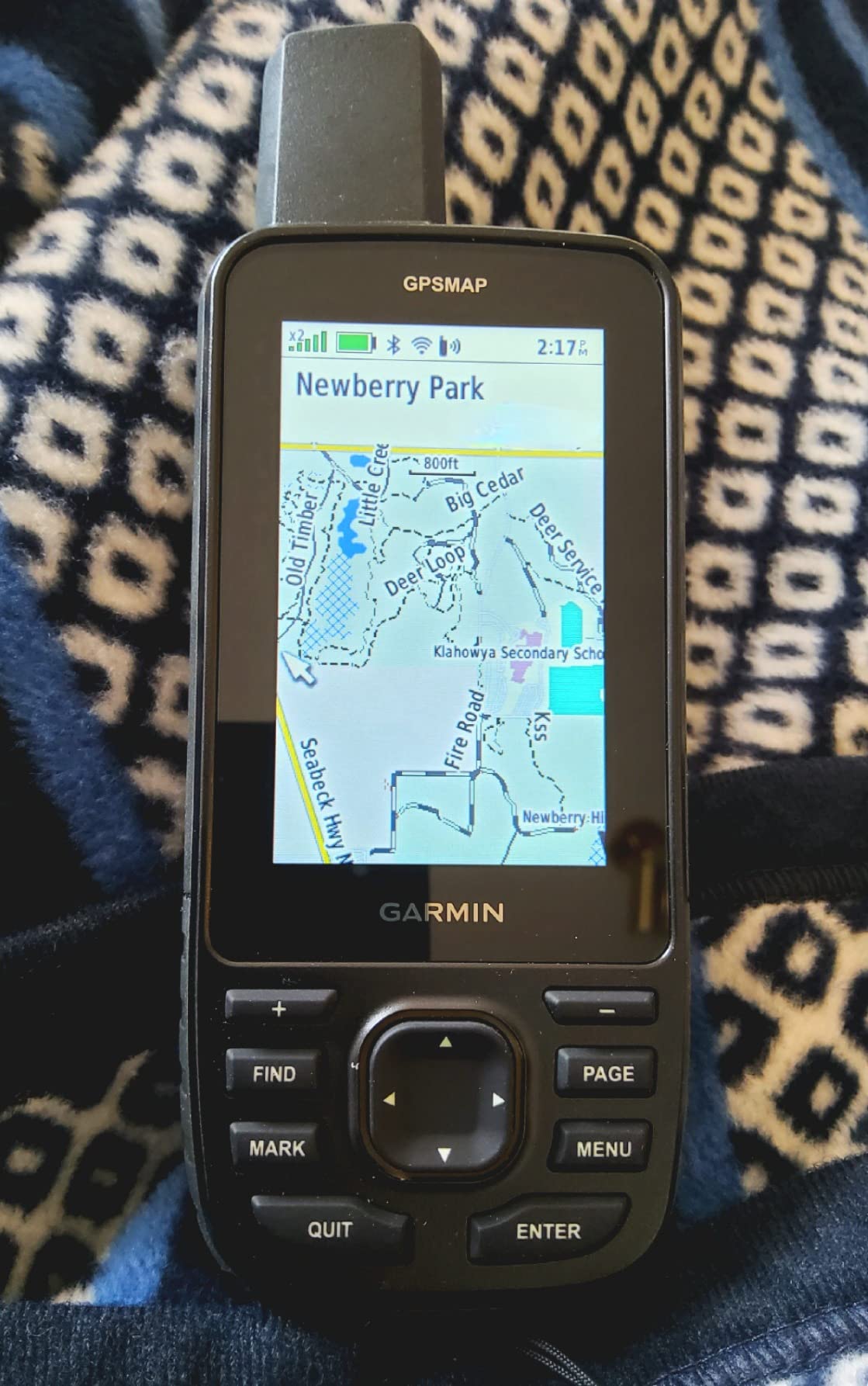
The 165-hour battery life in standard tracking mode extends to 425 hours in expedition mode, making the GPSMAP 67i practical for extremely long passages. This kind of endurance exceeds most competing devices, though expedition mode reduces tracking frequency to preserve power. When paired with the two-way satellite messaging and interactive SOS, you get a comprehensive navigation and safety system in one package.
The learning curve is real for this device. With so many features available through the menus and settings, new users should invest time in learning the interface before relying on it offshore. Garmin is Explore website and app integration helps, letting you plan trips and manage device settings from your computer before departure. Wet environment operation with the touchscreen can be challenging, so learning the button controls matters for marine use.
Best suited for
The Garmin GPSMAP 67i is ideal for sailors who want a dedicated GPS device with satellite communication backup. If you already use Garmin handheld GPS devices for hiking or land navigation and want similar capability for sailing, this model extends that familiar ecosystem. The large display and detailed maps also appeal to sailors who prioritize navigation features alongside communication.
Less ideal for
The high price reflects the advanced GPS capabilities, so if you only need satellite messaging without mapping, you will pay for features you might not use. The weight and size also exceed dedicated messengers, which matters if weight and space are concerns. The touchscreen also struggles in wet conditions, which somewhat limits its utility for marine use despite the water-resistant design.
8. Inmarsat IsatPhone 2

Inmarsat IsatPhone 2 Handheld Satellite Phone
Weight: 318 grams
Talk time: 8 hours
Standby: 160 hours
Network: Inmarsat
Pros
- Excellent voice quality compared to Iridium
- Good battery life with week-long standby
- Reliable satellite connection outdoors
- Global coverage with flat rate calling
- Durable and well-built construction
- Economical prepaid service plans
Cons
- Activation can be challenging with poor instructions
- SIM activation requires third-party involvement
- May take up to 24 hours for activation
- Incoming messages with @ symbol get cut off
- Antenna must be deployed for connectivity
The Inmarsat IsatPhone 2 is the standalone version of the satellite phone we reviewed in the BlueCosmo bundle. It offers the same reliable Inmarsat network coverage and voice calling capability, giving you a dedicated satellite phone that does not require smartphone pairing. Some sailors prefer this simplicity, wanting a device that works independently without app setup or phone dependency.
Voice quality on Inmarsat generally exceeds Iridium for audio clarity, with less of the compression artifacts that affect some satellite calls. The 8-hour talk time matches the BlueCosmo version, and the 160-hour standby keeps the phone ready for weeks between charges. For sailors who make regular voice calls offshore, this device delivers reliable audio quality.
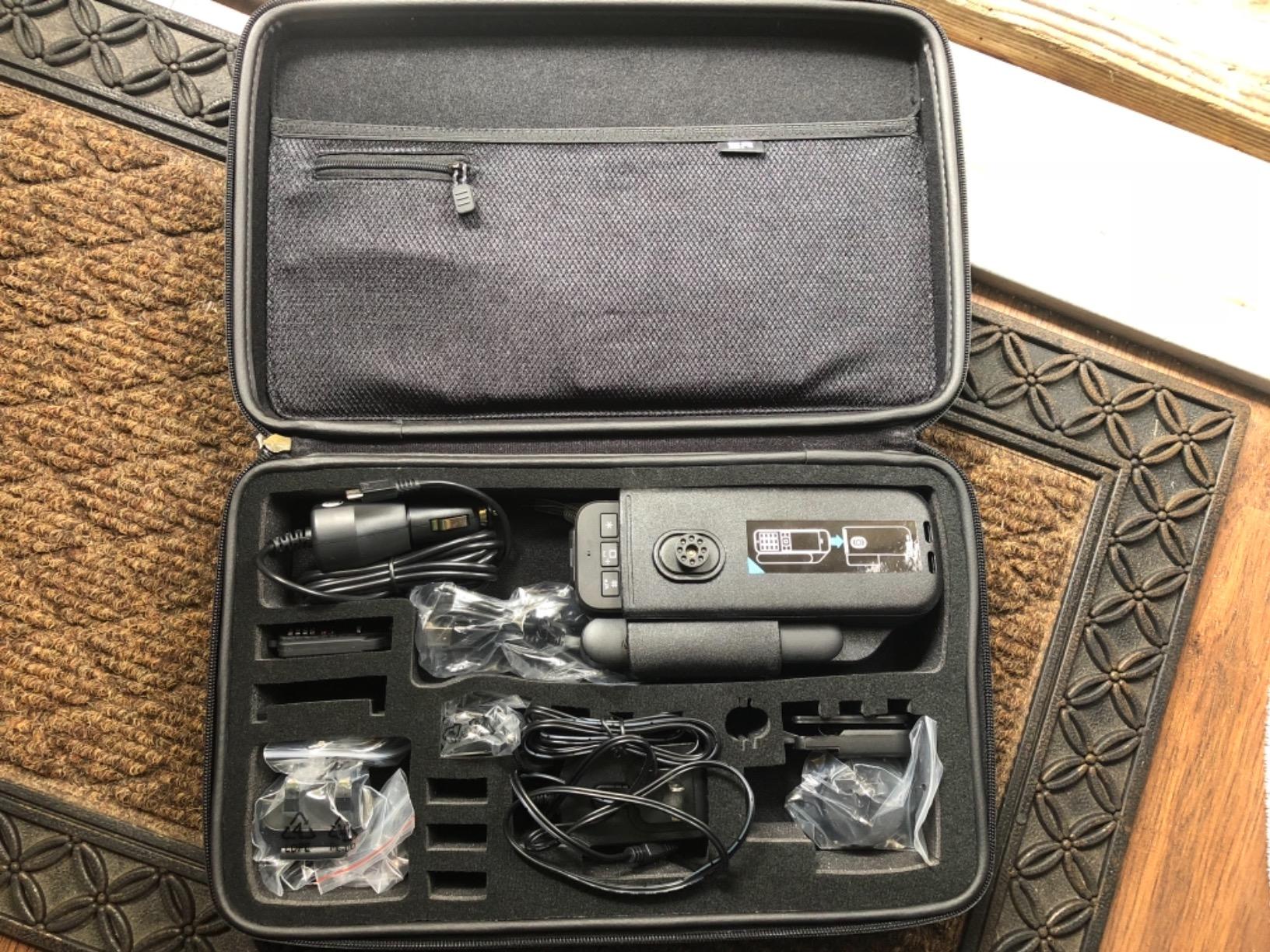
The activation process unfortunately lets this phone down. Reports from users consistently mention poor documentation and third-party involvement complicating what should be straightforward SIM activation. Planning ahead matters significantly with this device, as activation can take up to 24 hours to complete. Starting this process weeks before your departure ensures you are not waiting when you should be packing.
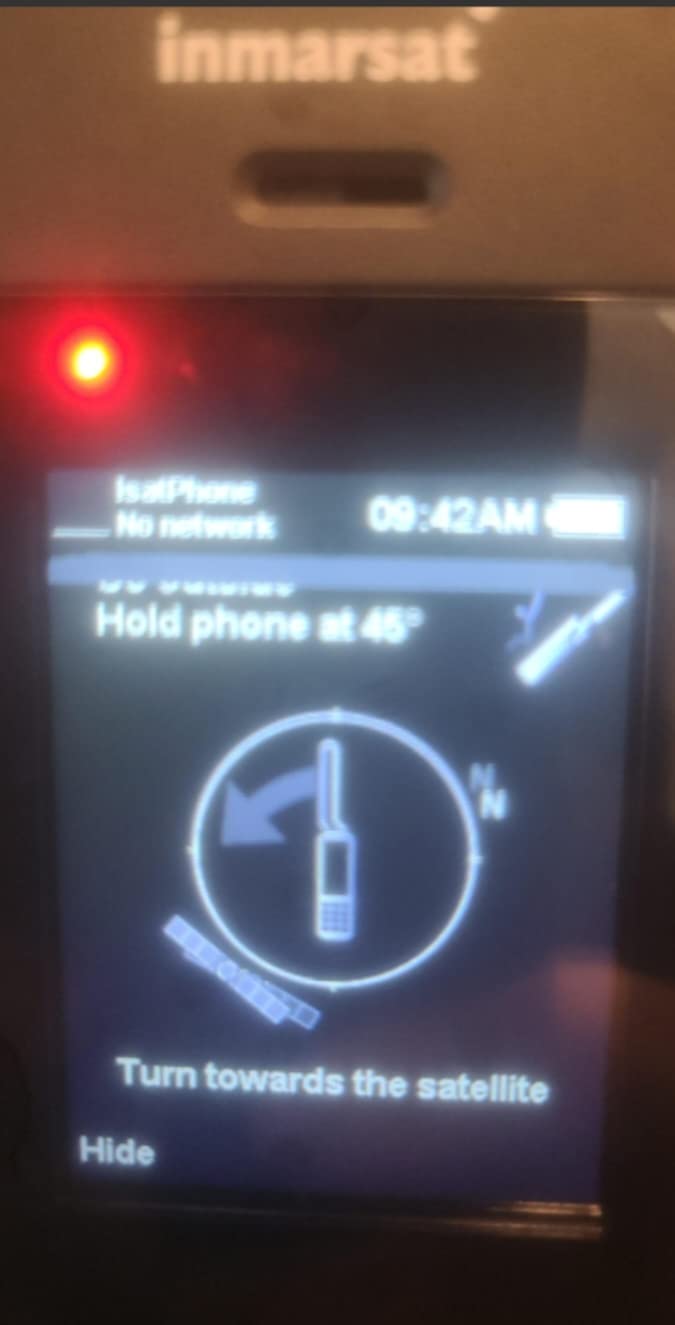
The antenna must be deployed for connectivity, which means extending the antenna fully and orienting it toward the equator for optimal signal. This requirement is typical of Inmarsat is geostationary satellite approach. Learning this positioning takes some practice, and conditions like heavy cloud cover or dense fog can affect signal quality. Once mastered, the process takes just a minute or two.
Best suited for
The Inmarsat IsatPhone 2 suits sailors who want a standalone satellite phone without smartphone dependency. If you prefer dedicated devices that work immediately without setup, this phone delivers. The voice quality advantage also matters for users who make longer voice calls where audio clarity significantly impacts communication effectiveness.
Less ideal for
First-time buyers should strongly consider the BlueCosmo bundle instead, as the included accessories and support simplify the ownership experience significantly. The activation complexity and documentation issues affect the standalone version more heavily, and you still need to source accessories separately. Budget-conscious buyers should factor in accessory costs when comparing prices.
9. SPOT X 2-Way Satellite Messenger

Spot X with Bluetooth 2-Way Satellite Messenger
Weight: 7.04 ounces
Battery: 240 hours
Network: Globalstar
Features: Bluetooth, two-way messaging, SOS
Pros
- Bluetooth connectivity for smartphone pairing
- Two-way messaging with dedicated US mobile number
- SOS to 24/7 Search and Rescue with two-way communication
- GPS coordinates transmission
- Cheap monthly service plans
- Reasonable price point
Cons
- Slow button response requires deliberate typing
- Takes forever to charge with micro USB
- 5G signals impact message receiving
- Small icons hard to read
- No touch screen button navigation only
The SPOT X brings two-way satellite messaging to the Globalstar network, offering an alternative to Iridium and Inmarsat options. What distinguishes SPOT X is the dedicated US mobile number, letting anyone text your device directly from their phone without special apps or procedures. For family members who want simple communication without learning new apps, this simplicity has genuine value.
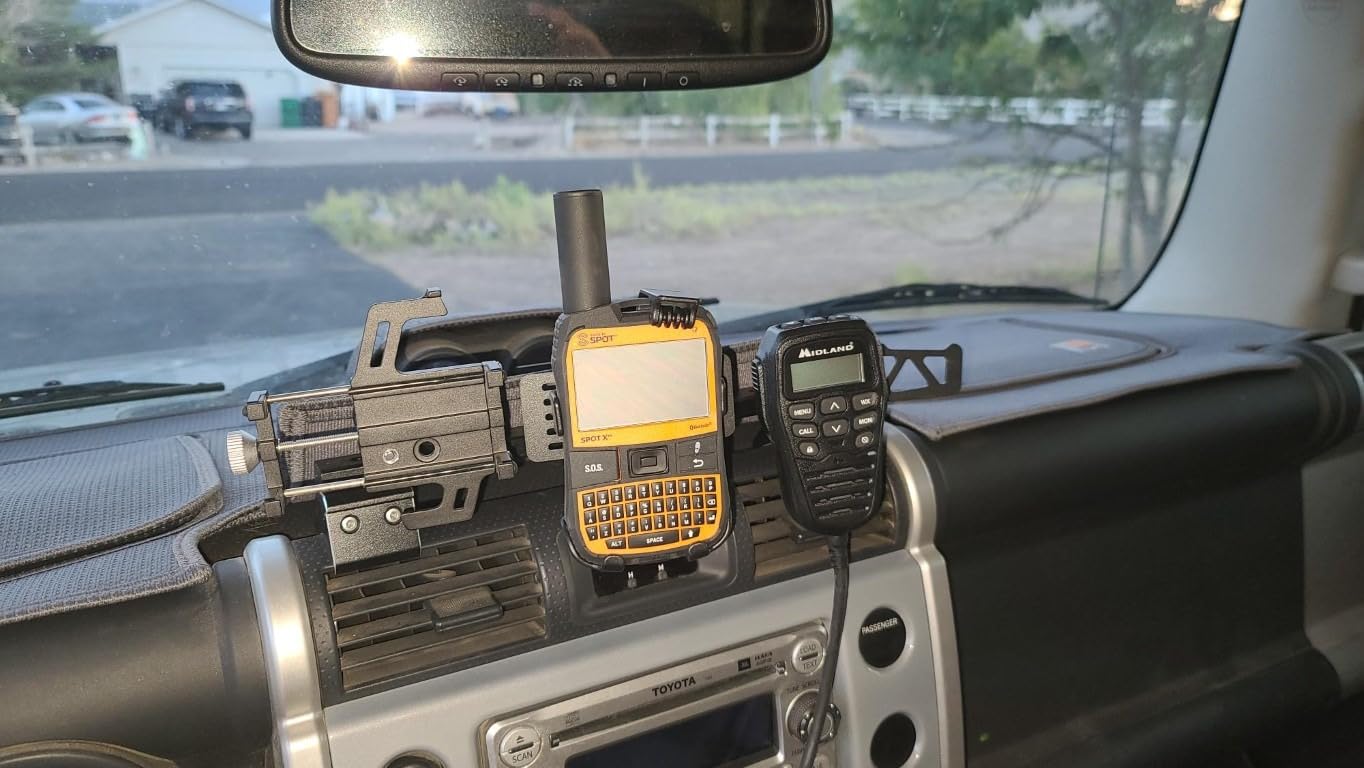
Bluetooth pairing connects the SPOT X to your smartphone, enabling easier message composition through the SPOT app. The physical keyboard on the device itself works for standalone operation, though the slow button response makes typing long messages tedious. For quick check-ins or emergency communication, the buttons work adequately, but anything beyond brief messages benefits from smartphone assistance.
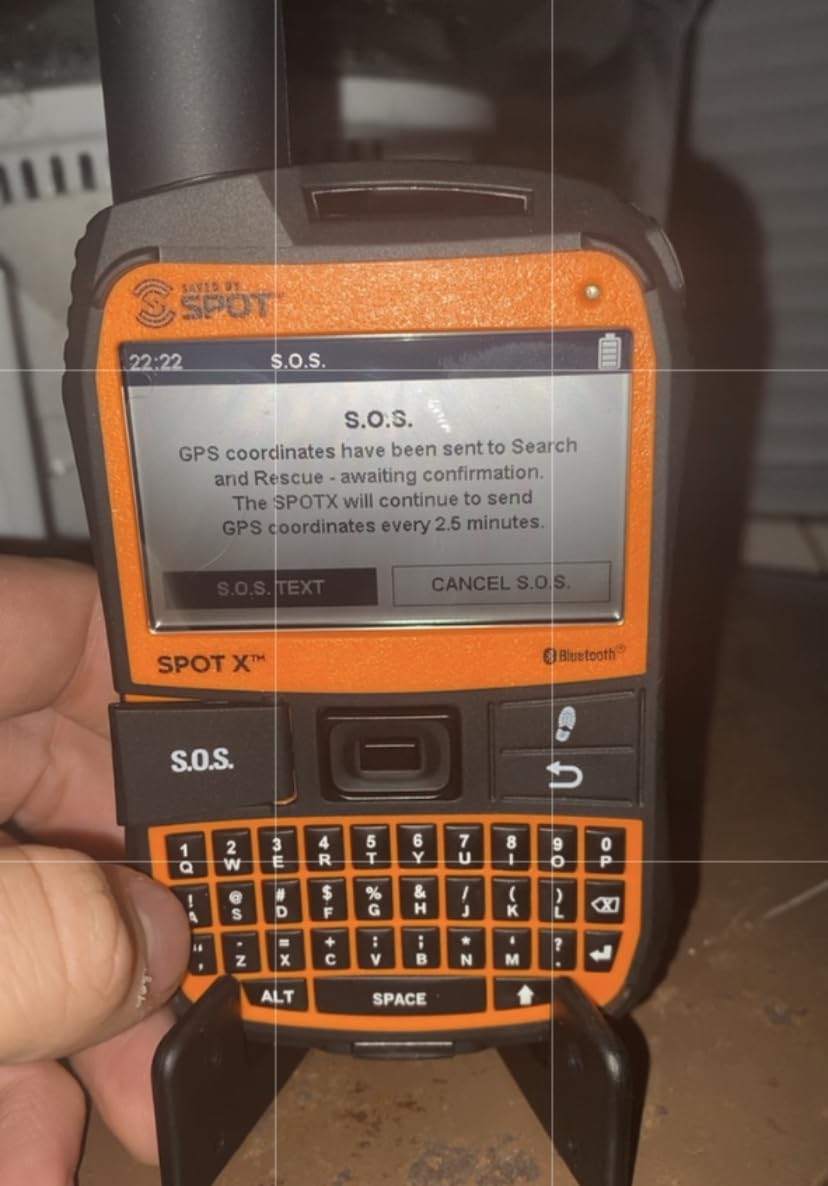
SOS functionality provides two-way communication with search and rescue teams, which means you can provide context during emergencies rather than just transmitting a location. This capability matters in genuine emergencies where conveying additional information could significantly impact rescue outcomes. The 240-hour battery life in tracking mode provides reasonable endurance for extended passages.
Globalstar is network has some coverage limitations compared to Iridium is global constellation, particularly in extreme northern and southern latitudes. Before relying on SPOT X for serious offshore passages, verify coverage along your planned route. Some users also report issues with 5G signals interfering with message reception, which could affect operation near coastal areas with dense cellular networks.
Best suited for
The SPOT X works well for sailors who prioritize simple communication for family and want a dedicated US mobile number. The cheap monthly plans also appeal to users who want basic satellite communication without premium subscription costs. If you need SOS with two-way communication capability and prefer the Globalstar network, this device delivers that combination affordably.
Less ideal for
The micro USB charging, slow button response, and button-only navigation frustrate users accustomed to modern touchscreens. Charging especially takes longer than expected, so accounting for this limitation matters when planning power management for longer trips. The Globalstar coverage also requires verification for high-latitude or remote route sailing.
10. BlueCosmo Iridium 9555 Satellite Phone

BlueCosmo Iridium 9555 Satellite Phone Bundle – Only Truly Global Satellite Phone – Voice, SMS Text Messaging – Prepaid SIM Card Included – Online Activation – 24/7
Weight: 247 grams
Talk time: 3 hours
Standby: 30 hours
Network: Iridium
Pros
- Global coverage via Iridium satellite network
- Compact and powerful design
- Integrated speakerphone
- SMS and email messaging capability
- Complete kit with accessories
- 66 LEO satellites for complete global coverage
Cons
- Expensive device cost
- Activation issues reported with prepaid SIM
- Requires clear sky view for optimal reception
- 1-2 second delay on calls
- Short 30 hour standby
The BlueCosmo Iridium 9555 represents the classic satellite phone experience, offering voice and SMS over the global Iridium network. This device has been a reliable performer for adventurers worldwide, and the BlueCosmo bundle approach ensures you get everything needed for immediate operation. The 66 LEO satellites in the Iridium constellation provide genuine pole-to-pole coverage, making this one of the most reliable options for sailing in high latitudes or remote oceans.
At 247 grams, the 9555 is compact and lightweight for a satellite phone, though heavier than messenger devices that require smartphone pairing. The integrated speakerphone enables hands-free operation, which proves valuable on a moving boat where holding a phone while navigating is impractical. The 3-hour talk time covers most communication needs, though the 30-hour standby is shorter than newer devices.
Best suited for
The Iridium 9555 suits sailors who need voice calling capability with the most reliable global coverage available. The Iridium network is the only satellite phone system offering true pole-to-pole coverage, making it essential for high-latitude sailors or those planning routes that approach extreme latitudes. The complete BlueCosmo bundle eliminates accessory shopping.
Less ideal for
The short standby time and talk time compared to newer devices mean more frequent charging, which matters for extended passages without shore power. The 1-2 second satellite delay also affects call flow, requiring speakers to adjust their rhythm. Activation issues with prepaid SIMs have been reported, so buying from BlueCosmo with their support helps avoid these problems.
11. BlueCosmo Iridium Extreme 9575
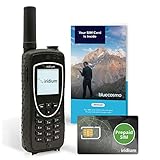
BlueCosmo Iridium Extreme Satellite Phone Bundle – Only Truly Global Satellite Phone – Voice, SMS Text Messaging, GPS Tracking, Emergency SOS – Prepaid SIM Card Included – Online Activation – 24/7
Weight: 247 grams
Standby: 30 hours
Network: Iridium
Features: GPS tracking, SOS, Military-grade build
Pros
- Global coverage with no roaming charges
- GPS tracking and emergency SOS button
- Military-grade toughness IP65 rating
- US Military Standards 810F certified
- 18 month warranty from BlueCosmo
- Comprehensive bundle with auxiliary antenna
Cons
- Expensive investment
- Service sold separately
- Short battery life reported (11 hours in some cases)
- Some activation complexity reported
- Limited mobile internet capability
The BlueCosmo Iridium Extreme 9575 builds on the 9555 platform with enhanced durability and additional features specifically designed for serious adventurers and emergency use. The military-grade construction meets US Military Standards 810F for dust, shock, and vibration, meaning this device can survive the demanding conditions of offshore sailing without failing. The IP65 rating adds water and dust protection that the standard 9555 lacks.
GPS tracking built into the device enables real-time position monitoring accessible through online portals. For sailing with family or shore teams who want to follow your passage, this tracking provides excellent visibility into your location and progress. The dedicated SOS button connects directly to emergency response services, providing location coordinates and enabling two-way communication during emergencies.
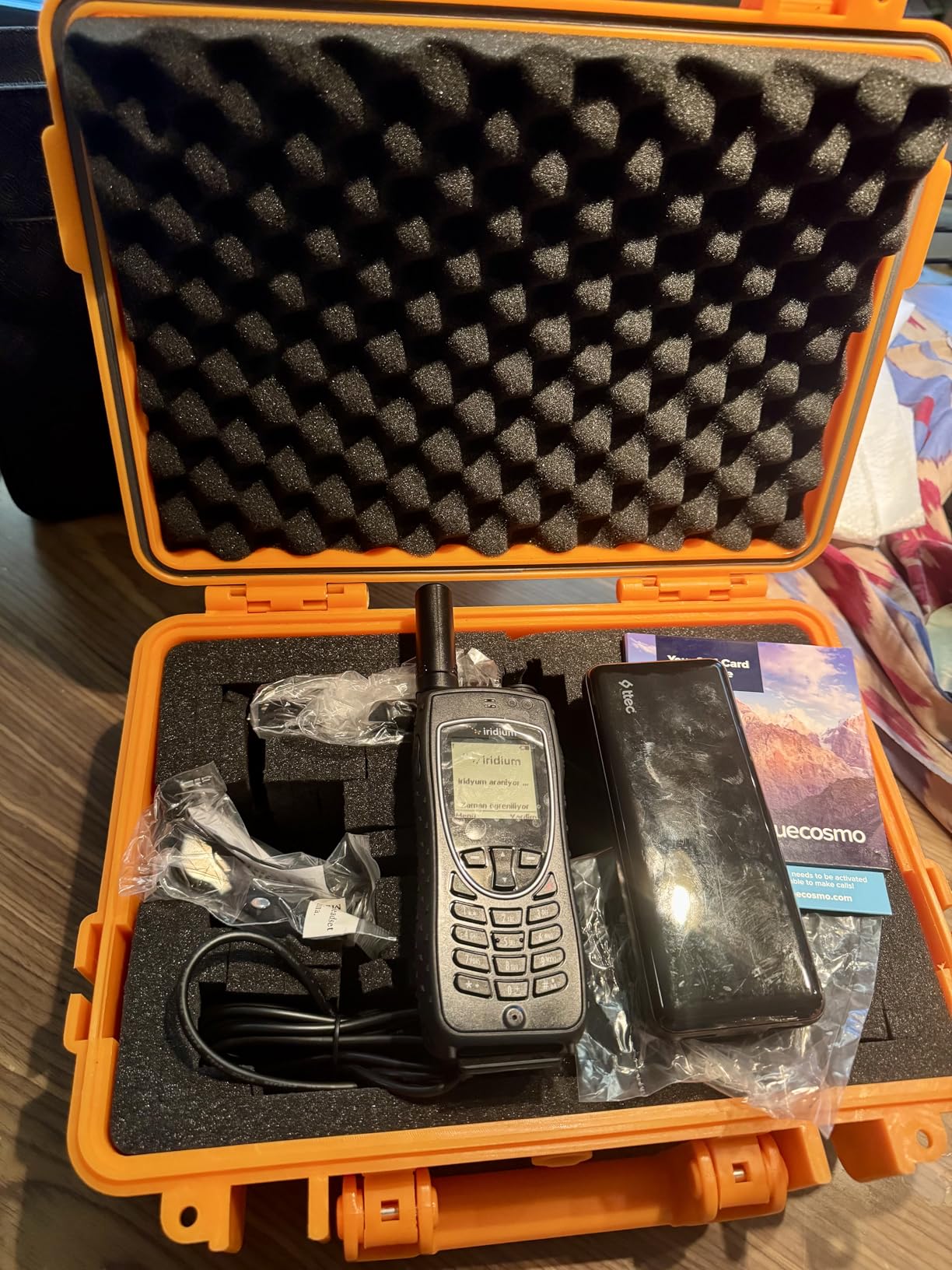
The comprehensive BlueCosmo bundle includes an auxiliary antenna and car charger alongside the standard accessories. The auxiliary antenna is particularly valuable for marine use, improving connectivity when below deck or in marginal coverage areas. Having this included rather than requiring separate purchase represents meaningful added value.
Battery life reports vary significantly, with some users experiencing as little as 11 hours of real-world use despite the 30-hour standby rating. Active voice calls and satellite acquisition in marginal coverage areas drain the battery faster than standby mode. Carrying a spare battery or 12-volt charging capability matters significantly for extended use.
Best suited for
The Iridium Extreme 9575 is built for sailors who prioritize durability and emergency reliability above all else. The military-grade construction provides confidence that the device will survive extreme conditions and continue functioning when needed most. If you sail in remote areas where rescue might be delayed, the SOS capability and rugged design provide genuine safety value.
Less ideal for
The high cost makes this device less attractive for casual sailors who do not need military-grade durability. The battery life issues also frustrate some users, requiring careful power management that heavier devices handle better. Unless you specifically need the enhanced durability and GPS tracking, the standard 9555 or a messenger device might provide better value.
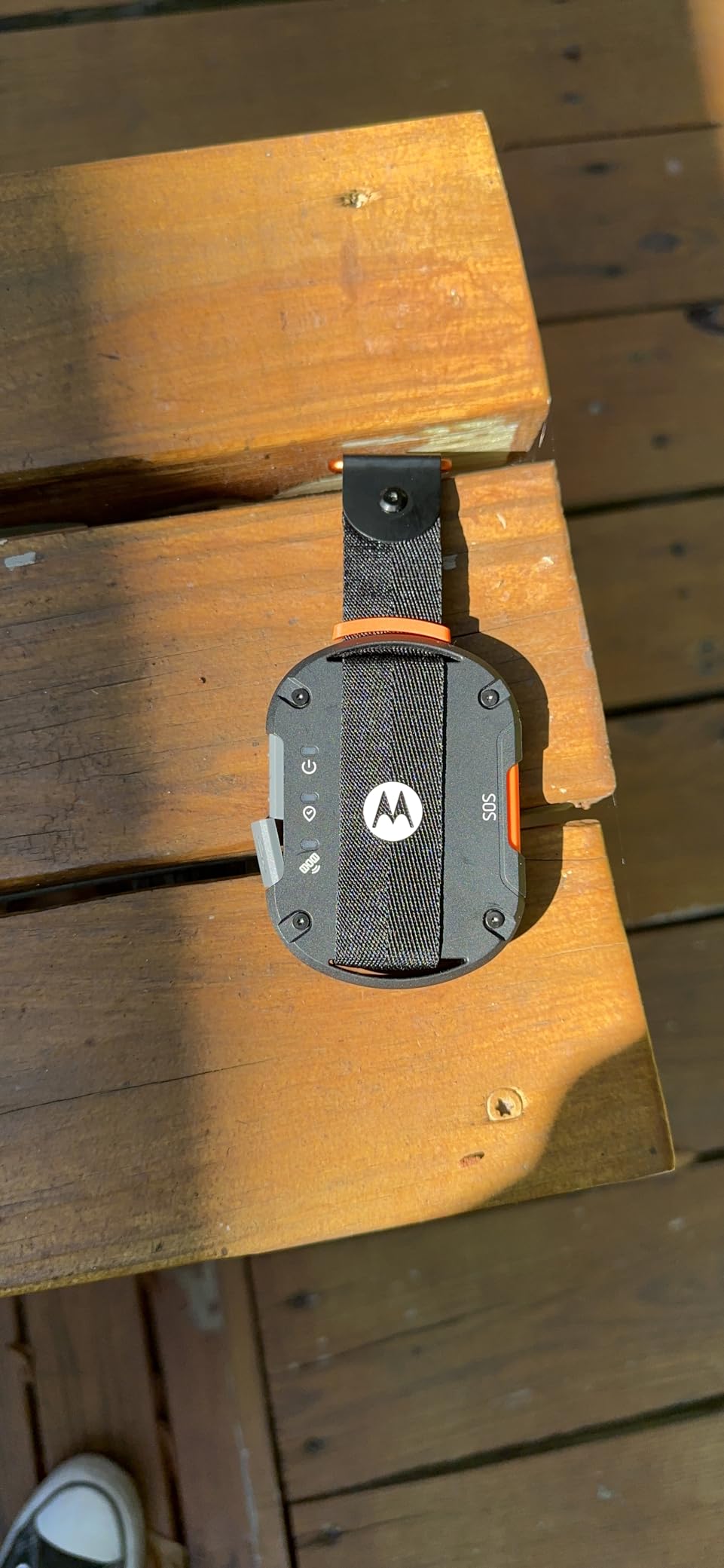
12. Motorola Defy Satellite Link

Motorola Defy Satellite Link – Rugged Handheld GPS Communicator, Two-Way Global SMS Text Messenger, Emergency SOS Alerting – Android iOS Compatible
Weight: 2.5 ounces
Dimensions: 3.4 x 2.5 x 0.5 inches
Battery: 4 days standby
Network: Bullitt/Terrestrial
Pros
- Entry-level price point
- Rugged IP68 rating
- SOS button requires deliberate 3-5 count hold
- Compact and lightweight
- Unlimited SOS with service plan
Cons
- Bluetooth pairing issues with iPhones
- App interface not intuitive
- Only yearly subscription plans available
- No screen on device
- Indicator lights turn off making status unclear
The Motorola Defy Satellite Link offers the most affordable entry point into satellite communication, making it attractive for budget-conscious sailors or those wanting a backup device. The IP68 rating matches much more expensive devices for water and dust protection, and the deliberate 3-5 second SOS activation prevents accidental triggers while ensuring genuine emergency activations still work quickly.
At just 2.5 ounces, the Defy Satellite Link barely adds weight to your gear, making it easy to include in a grab bag or clip to your life vest. The small size does mean no display, so status information requires smartphone app checking rather than direct device observation. This trade-off enables the compact form factor but creates dependency on your phone for any meaningful interaction.
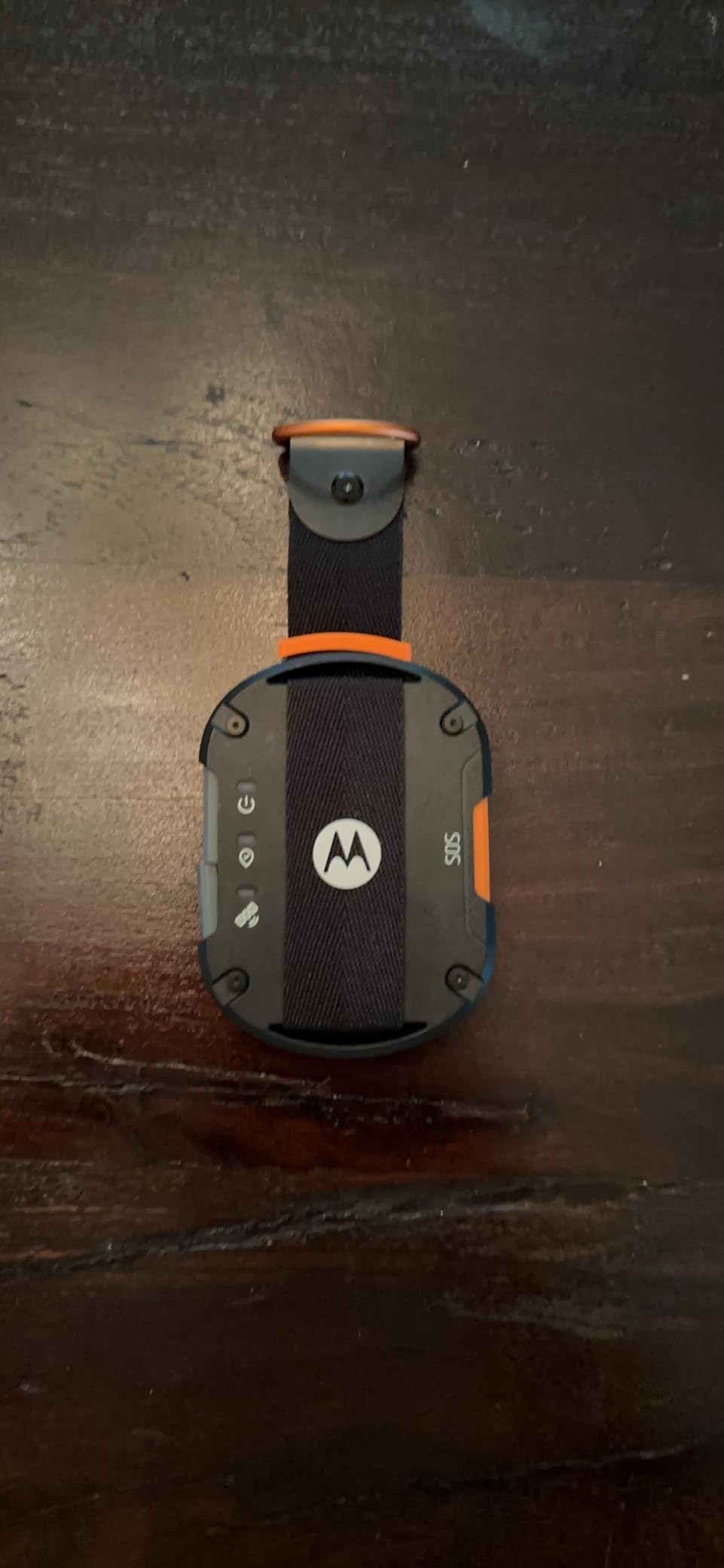
The Bluetooth pairing issues reported with iPhones represent a significant concern for Apple users. Android compatibility appears more reliable, which matters when selecting a device if iPhone integration is important to you. The yearly-only subscription requirement also frustrates users who want month-to-month flexibility for seasonal sailing use.
Despite the limitations, the Defy Satellite Link provides basic satellite messaging and SOS capability at a price point that makes satellite communication accessible to more sailors. For emergency backup use or as part of a layered communication strategy, the low cost makes adding this device to your safety equipment financially practical.
Best suited for
The Motorola Defy Satellite Link works as an emergency backup device or for sailors on extremely tight budgets. The low cost enables adding satellite capability to your safety kit without major investment. If you have Android phones and want basic satellite messaging without monthly commitments, this device delivers functional capability.
Less ideal for
iPhone users should carefully verify Bluetooth compatibility before purchase. The app interface problems and yearly subscription requirement also detract from the overall value proposition. If you want reliable primary satellite communication with good app support, spending more on a proven device like the Garmin or ZOLEO options provides better long-term value.
How to Choose the Right Satellite Phone for Offshore Sailing
Selecting the best satellite phone for offshore sailing requires understanding several key factors that differentiate devices and match them to your specific needs. This buying guide walks through the critical considerations to help you make an informed decision.
Network Coverage: Iridium vs Inmarsat vs Globalstar
The satellite network your device uses fundamentally affects coverage and reliability. Iridium operates 66 LEO satellites providing genuine pole-to-pole coverage, making it the most reliable choice for high-latitude sailing or round-the-world voyages. Inmarsat uses geostationary satellites offering excellent coverage but requiring clearer sight lines toward the equator. Globalstar coverage varies more significantly by region, requiring verification for your planned sailing areas.
For most offshore sailors, Iridium provides the best balance of coverage and performance. The ability to maintain connectivity even when the antenna is not perfectly aimed matters significantly on a moving boat. Garmin is choice of Iridium for their inReach devices reflects this reliability advantage, and the network handles message routing efficiently even in challenging conditions.
If budget constraints make Iridium devices prohibitive, Inmarsat offers a viable alternative with generally lower hardware costs and competitive voice quality. Just verify coverage for your specific sailing areas and understand the equator-facing antenna requirement before committing.
Voice Calling vs Text-Only: What Do You Really Need?
Satellite phone costs divide roughly into two categories: text-only messengers like Garmin inReach and ZOLEO devices, and full voice phones like the Iridium 9555 and Inmarsat IsatPhone. Text messengers cost less to purchase and typically offer more affordable subscription plans, making them attractive for sailors who primarily need emergency communication and brief check-ins.
Voice phones become valuable when you need to communicate complex information quickly or receive detailed weather briefings. Explaining a mechanical failure, coordinating with a distant support vessel, or discussing a medical issue with a shoreside expert all benefit from voice communication. The trade-off is higher device and airtime costs.
Many experienced offshore sailors carry both devices: a text messenger for everyday check-ins and emergency backup, and a voice phone for situations requiring detailed communication. This redundancy also provides backup if one device fails or the network experiences outages.
Battery Life Considerations for Ocean Passages
Battery life becomes critical on extended passages where charging opportunities are limited. Messenger devices typically offer 14-28 days of battery life in tracking mode, while satellite phones may only provide 30-160 hours of standby time. Understanding your typical passage durations and charging capabilities helps select appropriate devices.
For coastal sailing with regular harbor stops, shorter battery life matters less since you can charge at marinas. Bluewater passages require devices that can operate for weeks between charging, pushing priority toward messenger devices with extended battery life or carrying multiple devices with independent power sources.
Solar charging, handheld generators, and connection to your boat is 12-volt system all extend effective battery life. Some sailors also carry battery packs specifically for emergency device charging. Planning power management as part of your overall passage preparations prevents finding yourself with dead communication equipment when you need it most.
SOS and Emergency Features
All satellite communicators and phones reviewed here include SOS capability, but the implementation details matter. Interactive SOS through monitoring centers like Garmin Response or SPOT Search and Rescue provides two-way communication during emergencies, enabling you to provide context and receive guidance. Basic SOS transmits your location but may not include communication capability.
Garmin is interactive SOS through the IERCC (International Emergency Response Coordination Center) provides 24/7 monitoring with direct connection to search and rescue authorities worldwide. This service has genuine track record of coordinating successful rescues across multiple continents. The two-way communication capability proves valuable when rescue coordinators need additional information about your situation.
Testing your SOS functionality before departure ensures you understand how it works and can activate it quickly if needed. Some devices require specific button combinations or app access to trigger SOS, and practicing these procedures prevents fumbling during genuine emergencies.
Waterproofing and Durability Ratings
Marine environments demand robust equipment protection. IP ratings indicate dust and water resistance: IP65 means dust-tight and protected against water jets, while IP68 extends to continuous submersion in water. Most satellite messengers provide IP67 or IP68 ratings, handling the spray and occasional submersion that offshore sailing produces.
Military-grade durability standards like US Military Standards 810F add shock, vibration, and temperature resistance beyond basic water protection. Devices like the Iridium Extreme 9575 meeting these standards provide confidence for harsh conditions, though the enhanced durability comes with increased weight and cost.
Consider how you will carry and store your device when selecting durability features. Devices in life vest pockets face different conditions than those mounted in the cockpit or stored in a dry cabin. Understanding your specific use case helps match device durability to actual risks.
Airtime Plans and Subscription Costs
Hardware cost is only part of satellite communication expense. Airtime plans vary significantly between networks and providers, with some offering prepaid options and others requiring annual contracts. Evaluating your communication needs and comparing total costs over your sailing season matters as much as comparing device prices.
Some sailors reduce costs by using shorter subscription periods for active sailing seasons and suspending service during winter months. Others find annual plans more economical if they sail year-round. Reviewing cancellation terms, suspension options, and per-message costs alongside base plan prices helps identify the most cost-effective approach for your usage patterns.
Service plans range from around $20 per month for basic text messaging up to $100 or more for plans including unlimited voice and data. Choosing the right plan requires honest assessment of how much you will actually use satellite communication versus treating it primarily as emergency equipment.
For more on marine electronics, see our guide to waterproof GPS units for kayak navigation.
Frequently Asked Questions About Satellite Phones for Sailing
What is the best satellite phone for ocean crossing?
For ocean crossings, we recommend the Garmin inReach Mini 2 or Garmin inReach Mini 3 Plus for text messaging, or the BlueCosmo Iridium 9555 if you need voice calling. Iridium network coverage is the most reliable for extended ocean passages, and the Garmin devices offer excellent battery life combined with interactive SOS capability.
Do satellite phones work on the ocean?
Yes, satellite phones and communicators work on the ocean as long as they have clear line of sight to the relevant satellites. Iridium devices generally work without precise aiming, while Inmarsat devices may require orienting toward the equator. Coverage may be limited or unavailable in extreme polar regions due to satellite positioning.
Is Starlink better than a satellite phone?
Starlink offers significantly higher data speeds and the ability to make video calls, but it requires larger equipment, significant power consumption, and may not work in extreme conditions or high latitudes. For emergency backup and basic communication, satellite phones are more reliable, portable, and power-efficient. Many offshore sailors carry both for different purposes.
What is the best phone for a seafarer?
The Garmin inReach Mini 2 remains our top recommendation for most seafarers because it combines compact size, excellent battery life, reliable Iridium coverage, and interactive SOS at a reasonable price point. If you need voice calling, the BlueCosmo Inmarsat IsatPhone 2.1 provides that capability with a comprehensive kit at competitive pricing.
How far offshore will a cell phone work?
Standard cell phones typically stop working within 10-20 miles of shore, depending on antenna height and atmospheric conditions. Once you lose cellular coverage, you need satellite communication. Satellite phones and messengers work anywhere with clear sky view, providing communication throughout ocean passages regardless of distance from shore.
Final Thoughts on Satellite Phones for Offshore Sailing
Choosing the best satellite phones for offshore sailing ultimately depends on your specific needs, budget, and sailing patterns. For most sailors, the Garmin inReach Mini 2 hits the sweet spot of capability, reliability, and cost, earning our Editor’s Choice designation. The compact size, excellent battery life, and interactive SOS provide genuine safety value without overwhelming complexity or expense.
The BlueCosmo Inmarsat IsatPhone 2.1 delivers the best value for sailors needing voice calling capability, with a complete kit approach that eliminates surprise accessory costs. The ZOLEO Satellite Communicator provides the most accessible entry point to Iridium network reliability for budget-conscious sailors or those wanting a backup device.
Regardless of which device you choose, activating and testing your satellite communication equipment before departure matters as much as the device itself. Understanding how your device works, practicing message composition, and verifying SOS functionality ensures you can rely on it when genuine emergencies arise. No device helps if you cannot operate it under pressure.
Satellite communication continues evolving rapidly, with new networks and devices emerging regularly. What remains constant is the fundamental value of being able to call for help and stay connected with family from anywhere on the ocean. Investing in reliable satellite communication is investing in safety for yourself and peace of mind for those waiting for you to return.


