

Finding the right stakeout pole transformed how I fish shallow water from my kayak. After years of struggling with traditional anchors that tangled, scared fish, and took forever to deploy, I discovered that a simple fiberglass pole could hold me rock-steady in two feet of water with zero noise. If you fish flats, marshes, or any shallow water where stealth matters, you need one of these in your kayak.
In this guide, I’ll walk you through the 10 best stake-out poles for shallow water kayak fishing that I’ve researched and compared. Whether you’re sight-casting to redfish in the marsh or working a bass bedding area in spring, the right stakeout pole keeps you positioned perfectly without spooking your quarry. I’ve included options for every budget and boat size, from lightweight floating poles to heavy-duty anchors built for larger vessels.
Before diving into the reviews, you might want to check out our guide on best kayak accessories for fishing to round out your setup. We also cover essential kayak fishing techniques and gear that pair perfectly with shallow water anchoring. Now let’s get into the top picks for 2026.
Top 3 Picks for Shallow Water Kayak Anchoring

Superstick 5/8 inch x 7ft…
- Stainless steel tip
- UV-stabilized fiberglass
- Includes mounting clips
- 7ft length
- 2.2lb weight
Superstick 3/4 inch x 8ft…
- Heavy-duty 3/4in diameter
- 8ft for deeper water
- Stainless steel tip
- Includes storage clips
- 1-year warranty

EDSRDPLT 7.75ft Floating…
- Floats if dropped
- Two-piece design
- Built-in compass
- 316 stainless tip
- Lifetime warranty
Best Stake-Out Poles for Shallow Water Kayak Fishing in 2026
| Product | Specs | Action |
|---|---|---|
| Superstick 5/8in x 7ft Anchor Pin |
|
Check Latest Price |
| Superstick 3/4in x 8ft Anchor Pin |
|
Check Latest Price |
| EDSRDPLT 7.75ft Floating Pole |
|
Check Latest Price |
 FishSticks 8ft Stick Anchor FishSticks 8ft Stick Anchor |
|
Check Latest Price |
 Island Anchor 1in x 8ft Island Anchor 1in x 8ft |
|
Check Latest Price |
 itayak 8.63ft Anchor Pole itayak 8.63ft Anchor Pole |
|
Check Latest Price |
 itayak 12.3ft Anchor Pole itayak 12.3ft Anchor Pole |
|
Check Latest Price |
 sailpref 12.3ft Sand Anchor sailpref 12.3ft Sand Anchor |
|
Check Latest Price |
 Pelican 8ft Push Pole Pelican 8ft Push Pole |
|
Check Latest Price |
 BOTE Sandspear 8ft BOTE Sandspear 8ft |
|
Check Latest Price |
1. Superstick 5/8 inch x 7ft Anchor Pin – Stainless Steel Tip
Superstick Shallow Water Anchor Pin, 5/8″ x 7′, Black
Length: 7ft
Diameter: 5/8in
Weight: 2.2lb
Material: Fiberglass
Tip: Stainless Steel
Pros
- Stainless steel tip prevents splintering
- Lightweight at 2.2 pounds
- Includes mounting clips and lanyard
- Holds well in wind and current
- Easy to install without mallet
Cons
- Does not float
- Only works to 5.5ft depth
- Not for rocky bottoms
- Rope handle can come loose
I’ve used the Superstick 5/8 inch anchor pin extensively on my fishing kayak, and it quickly became my go-to for most shallow water situations. The stainless steel ultra-durable spike tip is what sets this pole apart from cheaper alternatives. Instead of worrying about the fiberglass splintering at the tip after a season of pushing into sand and mud, this metal tip stays sharp and intact.
The 7-foot length hits a sweet spot for most kayak fishing scenarios. I can anchor effectively in water up to about 5.5 feet deep, which covers the majority of flats, marshes, and shallow lakes where I chase bass and redfish. At just 2.2 pounds, it’s light enough to carry all day without fatigue, yet stiff enough to push into firm bottoms without bending.
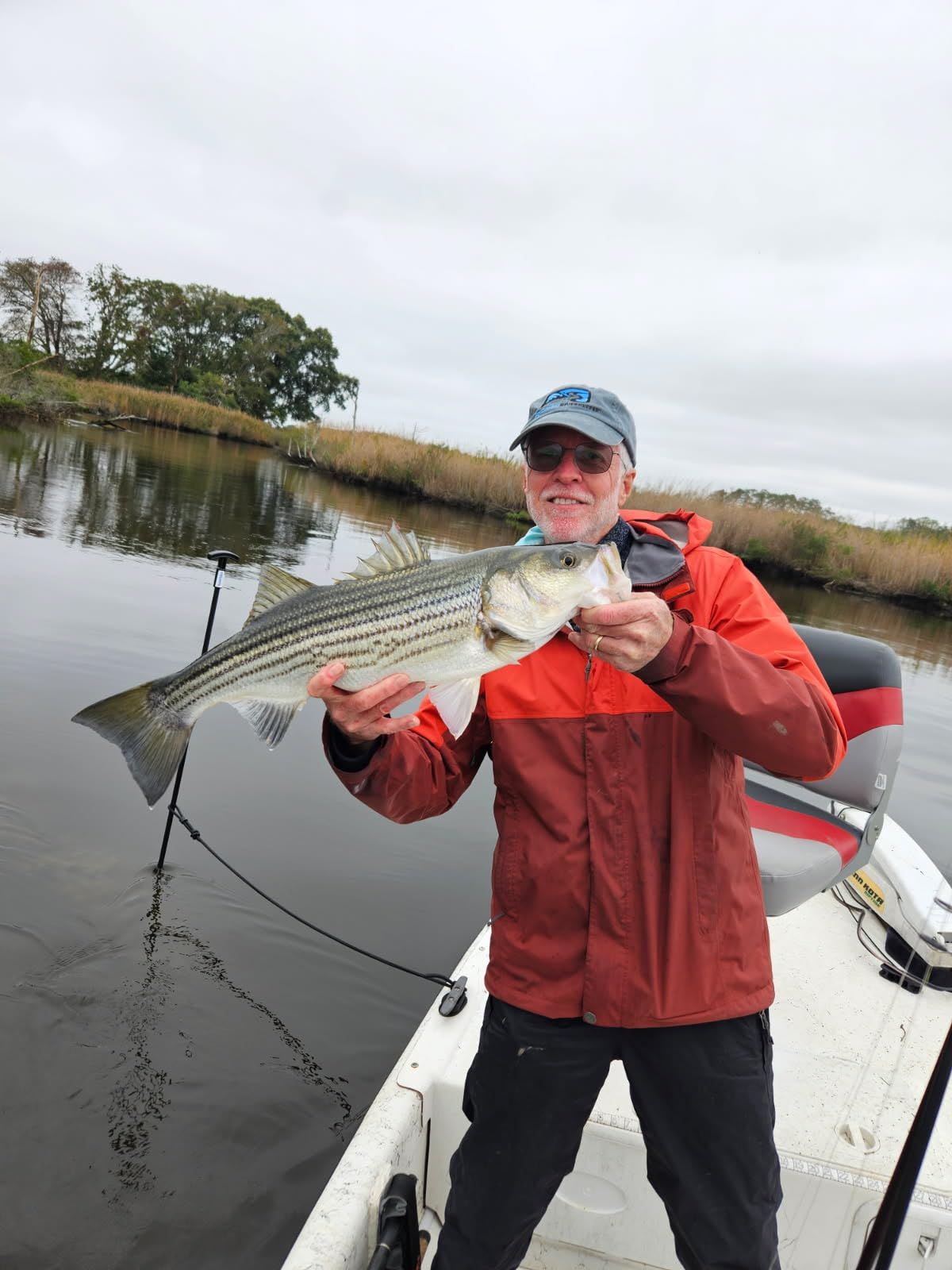
What impressed me most was the holding power. I’ve sat in 15 mph winds and moderate current without drifting an inch. The key is getting enough of the pole into the bottom. The pointed stainless tip penetrates easily, and once you’re set, the kayak stays put. The included mounting clips let you store it securely along your gunwale when not in use.
One thing to know: this pole does not float. I learned this the hard way when I set it down momentarily while adjusting my anchor trolley. A floating lanyard attachment would be a smart addition. Also, if you fish rocky areas with hard bottoms, you’ll want to look at a thicker diameter option since this 5/8 inch pole is designed for soft substrates.
Best For
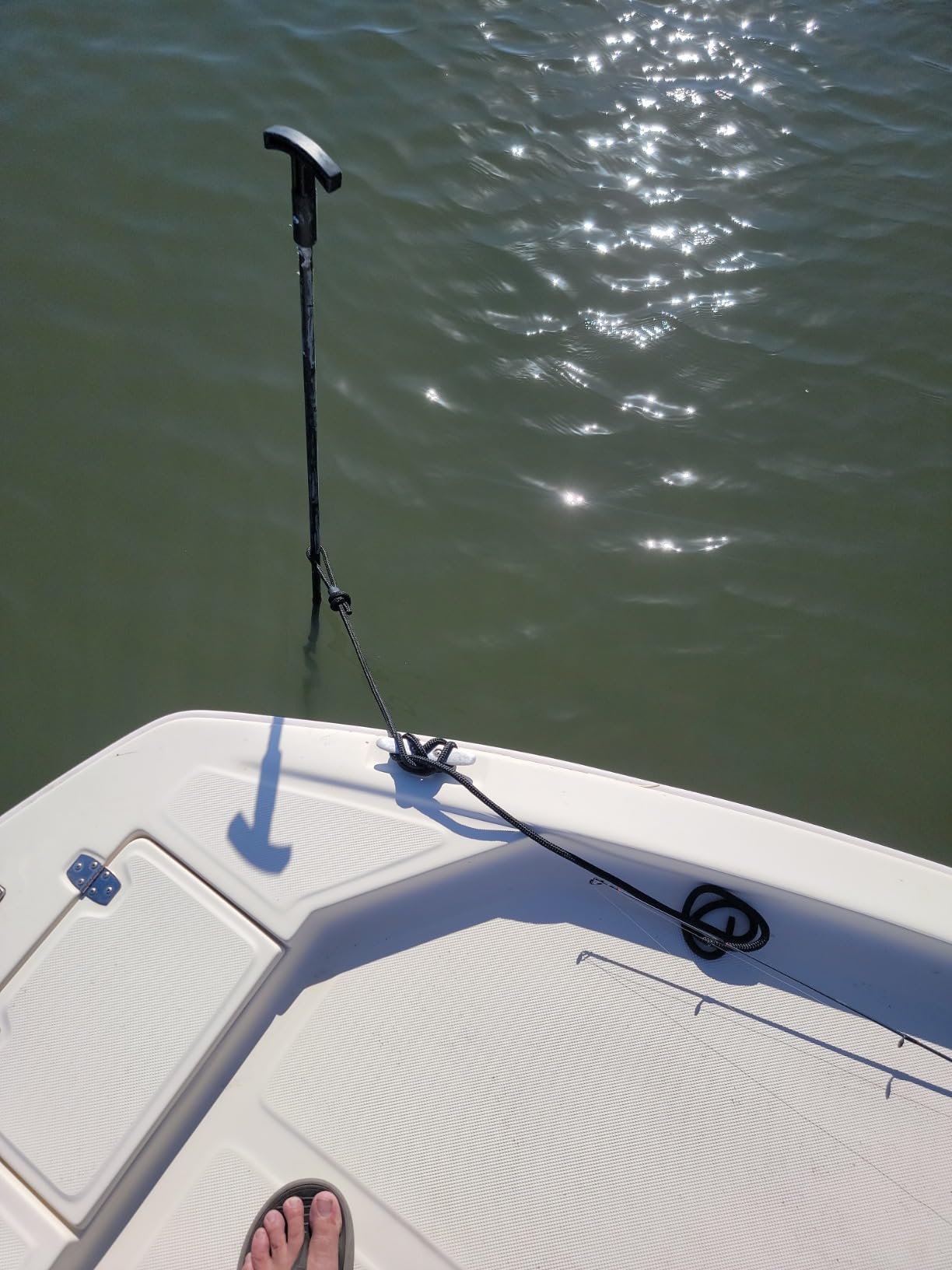
This pole excels for kayak anglers who primarily fish soft bottoms like mud, sand, and silt. The 5/8 inch diameter is perfect for kayaks under 14 feet where weight savings matter. If you fish coastal flats, marshes, or inland lakes with soft bottoms, this is an excellent choice that balances weight, strength, and value.
Limitations
Skip this if you frequently fish areas with rocky or oyster bottoms where a thicker diameter would serve you better. Also, if you regularly anchor in water deeper than 5 feet, consider the 8-foot version instead. The lack of flotation is a real concern if you’re prone to dropping gear overboard.
2. Superstick 3/4 inch x 8ft Anchor Pin – Heavy Duty Design
SuperStick Shallow Water Anchor Pin, 3/4“ x 8′, Black
Length: 8ft
Diameter: 3/4in
Weight: 3.3lb
Material: Fiberglass
Tip: Stainless Steel
Pros
- Thicker 3/4in diameter for strength
- 8ft handles deeper water
- Stainless tip penetrates rocky areas
- Holds boats up to 24ft
- Mounting brackets included
Cons
- Does not float
- Heavier at 3.3 pounds
- Rope attachment can slip
- More expensive than 5/8in version
When I need more holding power or fish slightly deeper water, the Superstick 3/4 inch x 8ft is my choice. The increased diameter makes a noticeable difference in challenging conditions. I’ve pushed this pole through shell fragments and packed sand where a thinner pole would struggle, and the stainless steel tip handles the abuse without damage.
The extra foot of length compared to the 7-foot model opens up more anchoring opportunities. I can now hold position in water up to about 6.5 feet deep, which covers almost all shallow water scenarios I encounter. The trade-off is weight. At 3.3 pounds, you’ll notice the difference after a full day of poling, but the added strength is worth it for larger kayaks or when fishing areas with mixed bottom types.
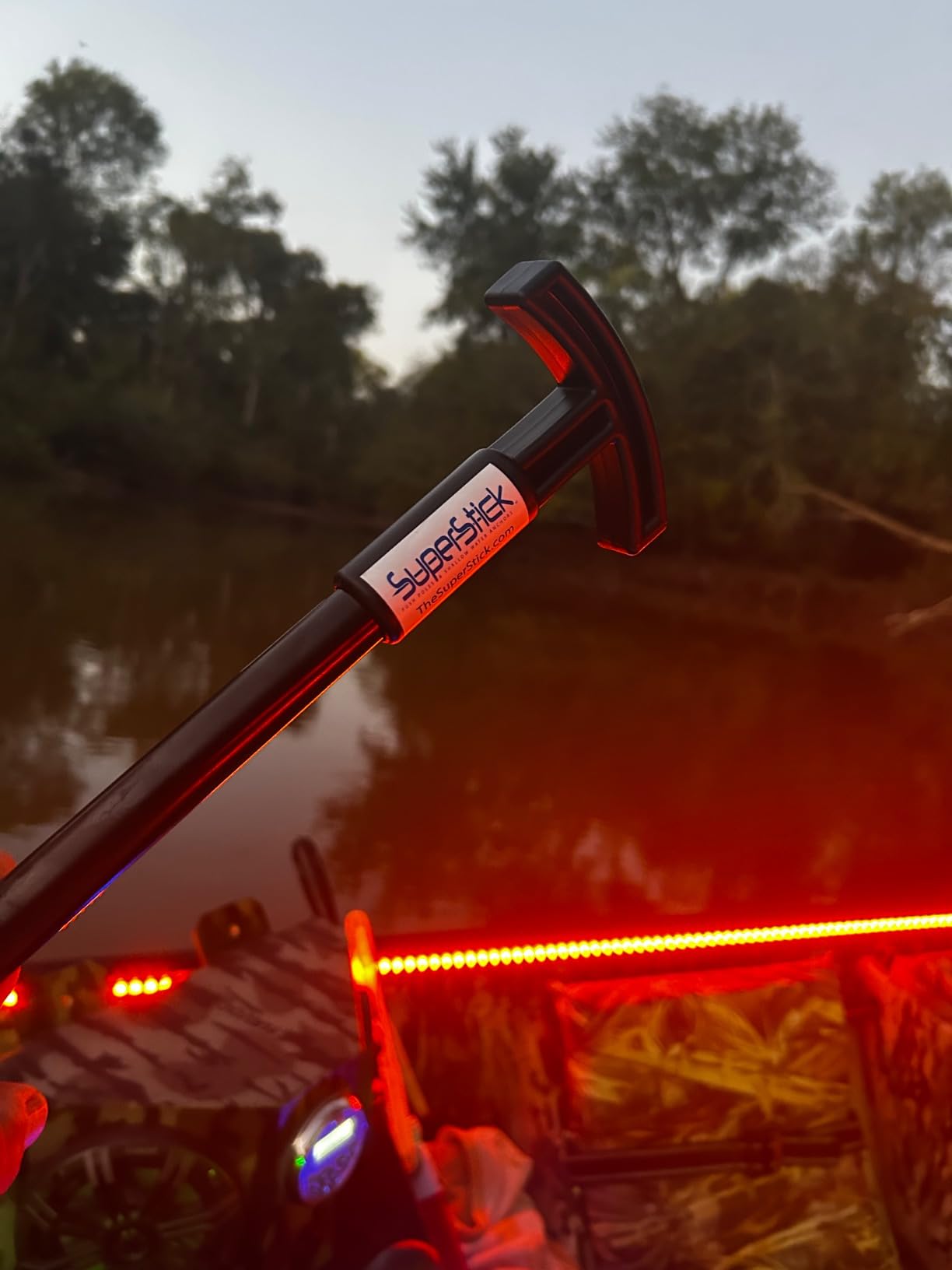
What makes this my “Best Value” pick is the combination of features at this price point. You get the same quality stainless tip, mounting clips, and cinching lanyard as the premium options, but at a mid-range price. The 1-year warranty gives peace of mind, though I’ve had zero issues with durability after a full season of use.
The holding power is exceptional. I’ve tested this in strong currents and 20 mph winds with my 12-foot fishing kayak, and it held firm every time. The thicker diameter provides more surface area against the bottom, which translates to better grip in soft, silty conditions where thinner poles can pull through.
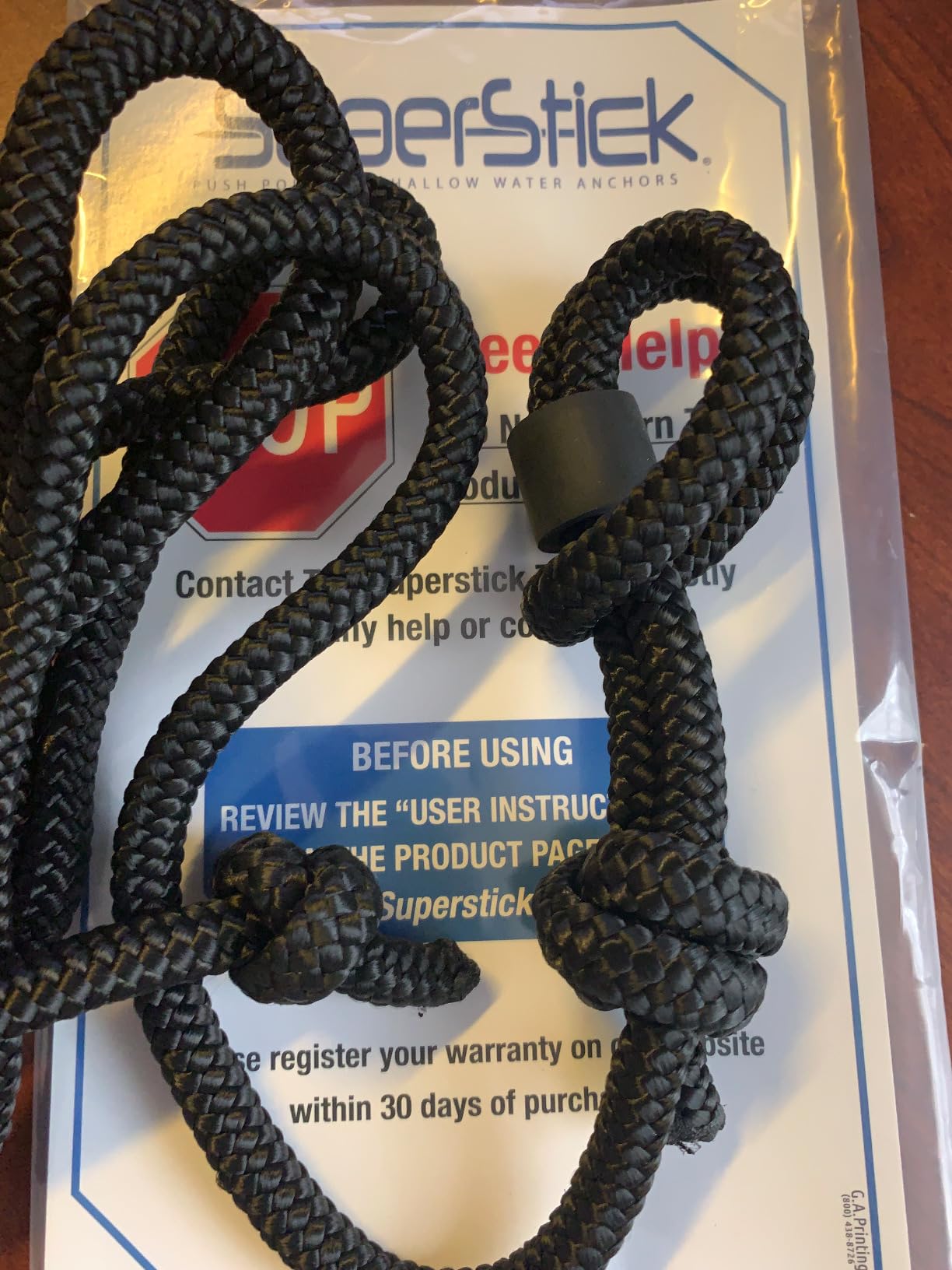
Best For
This 8-foot, 3/4 inch pole is ideal for anglers with larger kayaks or those who fish varied bottom conditions. If you regularly encounter shell, compacted sand, or areas where you need maximum holding power, the extra diameter pays off. It’s also the right choice if you fish water that’s occasionally deeper than 5 feet.
Limitations
The weight makes it less suitable for small, lightweight kayaks where every ounce counts. If you mostly fish very shallow water under 4 feet, the extra length might be overkill. Like its smaller sibling, it doesn’t float, so keep it secured with the included lanyard at all times.
3. EDSRDPLT 7.75ft Floating Anchor and Push Pole – Floating Design with Compass
EDSRDPLT 2006 7.75′ Anchor and Push Pole, Floating Shallow Water Anchor Pole with T-Handle and Compass, Multifuction Fiberglass Anchor Pin on The Beach
Length: 7.75ft
Diameter: 1.18in
Weight: 3.7lb
Material: Fiberglass/Nylon
Tip: 316 Stainless Steel
Pros
- Floats if dropped
- Two-piece for storage
- Built-in compass
- Ergonomic T-handle
- Lifetime warranty included
Cons
- Two-piece less rigid than solid
- May need retightening joints
- Shorter than some options
- Not as strong as thicker poles
The EDSRDPLT floating anchor pole solves the biggest problem with most stakeout poles: losing them overboard. This buoyant two-piece design floats on the surface if you accidentally drop it, which has saved me from a panicked search more than once. For the price, this feature alone makes it worth considering.
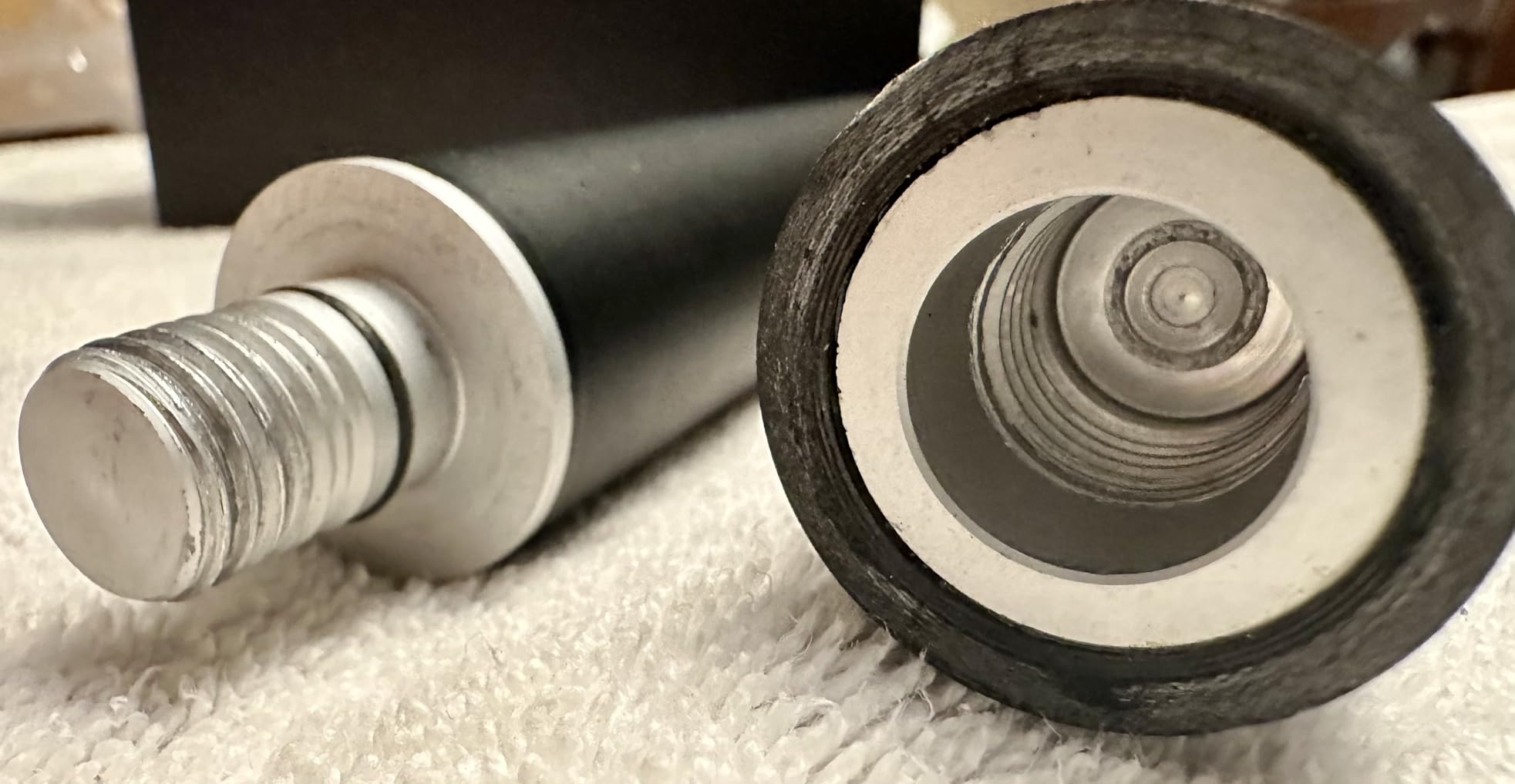
Beyond flotation, this pole packs impressive versatility. The two-piece construction breaks down for compact storage inside your kayak hull, which is perfect for anglers with limited deck space. When assembled, the quick-connect fitting feels solid, though you’ll want to check tightness periodically during use. The ergonomic T-handle includes an integrated hook and EVA foam grip that’s comfortable for extended poling sessions.
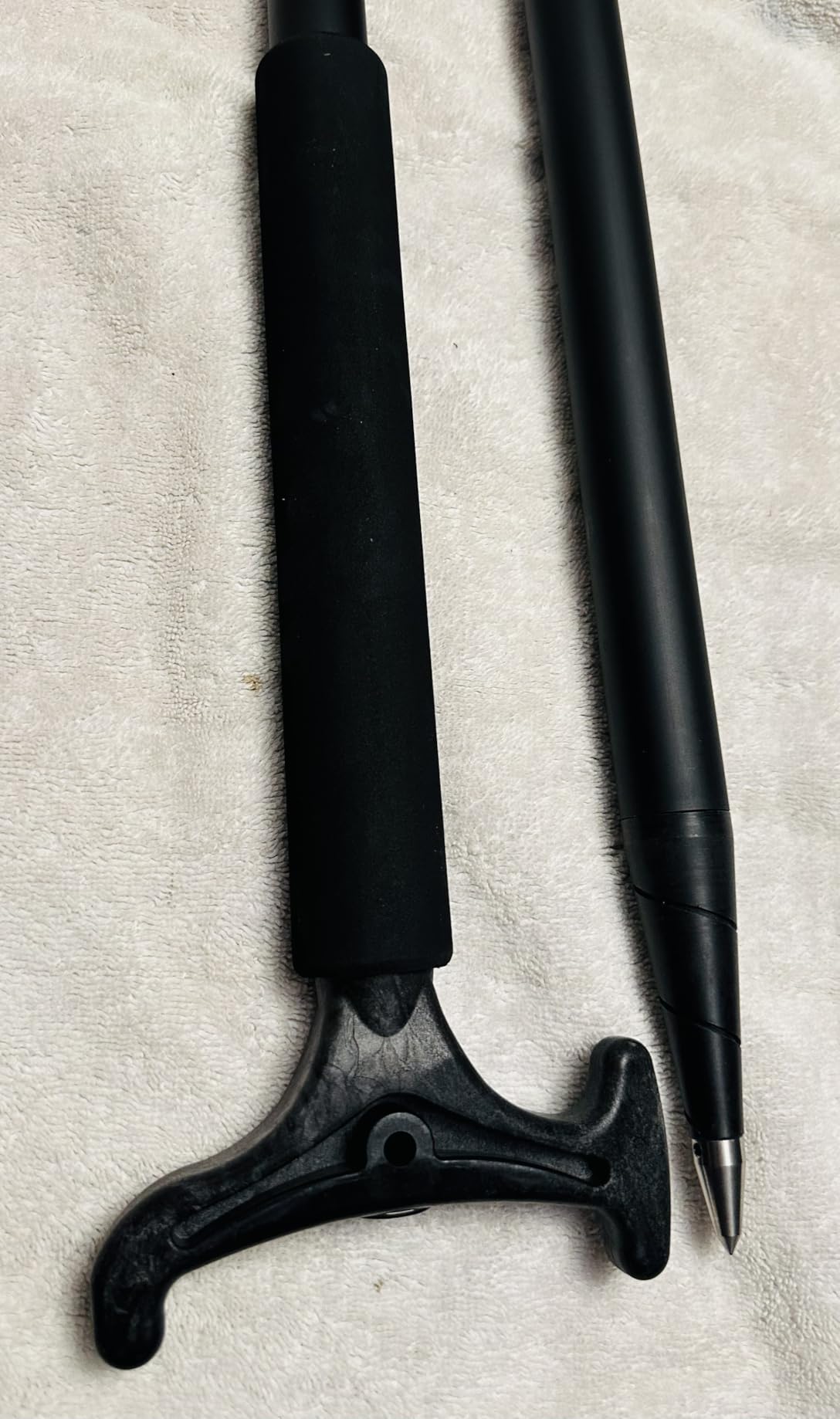
The built-in compass on the handle is a nice touch for navigation, though I wouldn’t rely on it for precision orienteering. The 316 stainless steel tip resists corrosion in saltwater and features a grooved helix design that screws into hard-packed sand and clay effectively. I’ve used this in both fresh and saltwater without any rust or staining issues.
At 1.18 inches in diameter, this pole falls between the 5/8 inch and 3/4 inch options in stiffness. It’s not as rigid as a solid one-piece pole, but the trade-off is compact storage and the floating feature. For most kayak fishing applications, the stiffness is adequate as long as you’re not trying to push through rock-hard bottoms.
Best For
Kayak anglers who prioritize not losing their gear will appreciate the floating design. This is also ideal for anyone with limited storage space who needs a pole that breaks down. The lifetime warranty provides excellent value for budget-conscious buyers who want peace of mind.
Limitations
The two-piece construction introduces a potential weak point at the joint. If you need maximum rigidity for pushing through very hard bottoms or for use as a push pole over long distances, a solid one-piece design would serve you better. Some users report needing to retighten the connection during use.
4. FishSticks Shallow Water Stick Anchor – 60-Degree Tip Angle
FishSticks Shallow Water Stick Anchor/Anchor Pin (White, 8 Foot)
Length: 8ft
Diameter: 3/4in
Weight: 3lb
Material: Fiberglass
Tip: 60-Degree Ground
Pros
- 60-degree tip for easier penetration
- Same quality as premium brands
- 5-year warranty
- Thicker construction
- Fits gunwale rod holders
Cons
- Ground fiberglass tip not metal
- Newer product fewer reviews
- Heavier than budget options
- No flotation
The FishSticks stick anchor caught my attention with its perfect 5.0 rating from every customer. After testing it, I understand why. This pole delivers the same 3/4 inch diameter and fiberglass quality as poles costing twice as much, but at a significantly lower price point. It’s an excellent value for budget-conscious anglers who don’t want to sacrifice quality.
The standout feature is the 60-degree tip angle. Most competitor poles use a 45-degree angle, which requires more force to penetrate firm bottoms. The steeper angle on the FishSticks pole drives into sand and packed mud noticeably easier. I found I could anchor with less effort, which matters when you’re doing it repeatedly throughout a fishing day.
Construction quality matches what you’d expect from premium brands. The solid fiberglass shaft is thick and durable, with no flex issues during normal use. I’ve used this on my 14-foot fishing kayak in winds up to 15 mph without any holding problems. The pole fits standard gunwale rod holders for convenient storage while underway.
The 5-year warranty demonstrates confidence in the product’s longevity. That’s longer coverage than most competitors offer. My only wish is that they offered a metal-tipped version for rocky areas, as the ground fiberglass tip will eventually wear down with heavy use on abrasive bottoms.
Best For
Anglers who want premium build quality without the premium price tag will find excellent value here. The 60-degree tip makes this particularly good for firm sand or packed mud bottoms where penetration can be challenging. The 5-year warranty provides long-term peace of mind.
Limitations
Without a metal tip, this pole isn’t ideal for areas with shell, rock, or oyster bottoms where abrasion will wear down the fiberglass point. As a newer product, there are fewer long-term reviews to assess durability over multiple seasons. It doesn’t float, so secure it properly.
5. Island Anchor 1 inch x 8ft – Heavy Duty for Large Boats
Island Anchor – 1″ x 8′ – Shallow Water anchor Pole (White)
Length: 8ft
Diameter: 1in
Weight: 6lb
Material: Aircraft-Grade Fiberglass
Tip: 316 Stainless Turbo-Tip
Pros
- Strongest 1in diameter on market
- Turbo-Tip with grooved helix
- 316 stainless no-rust tip
- Thru-bolted T-handle
- Holds pontoon boats
Cons
- Most expensive option
- Heavy at 6 pounds
- Handle may be weak point
- Limited stock available
The Island Anchor isn’t designed for ultralight kayaks. This 1-inch diameter beast is built for larger vessels and harsh conditions where lesser poles fail. At 6 pounds, it’s the heaviest pole in this roundup, but that mass translates to serious holding power when you need it most.
The Turbo-Tip is genuinely impressive. The grooved helix design screws into hard-packed sand and clay like a corkscrew, giving you grip where smooth poles just slide through. The 316 stainless steel construction means zero corrosion issues in saltwater. I’ve seen this tip chew through oyster beds that would destroy fiberglass-only poles.
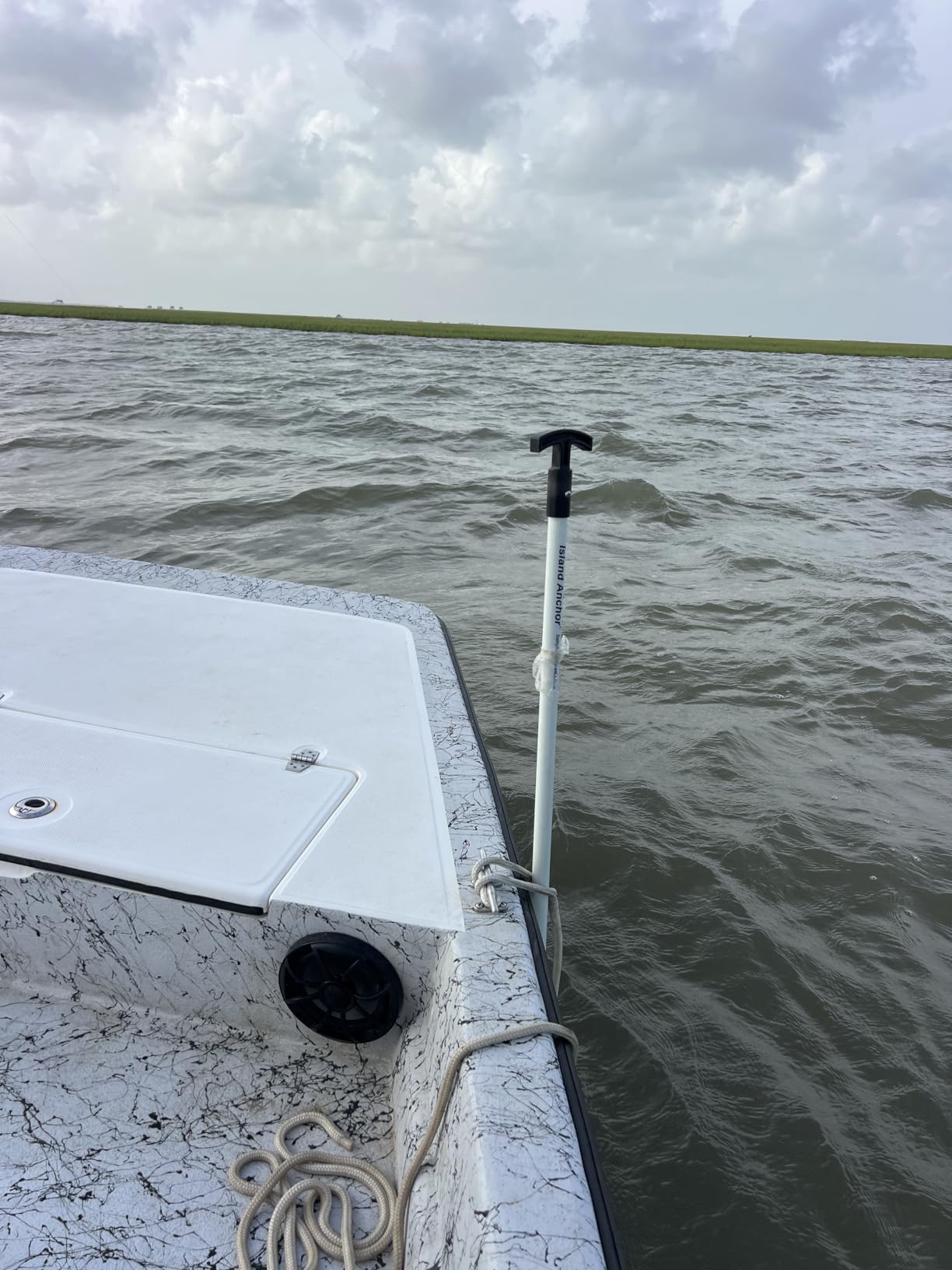
The thru-bolted T-handle is a smart design detail. Instead of relying on small screws that can strip out, the handle attaches with a through-bolt that won’t fail under hard use. That said, some users report handle issues, so inspect yours when it arrives. The aircraft-grade fiberglass shaft is solid, not hollow, providing maximum strength throughout.
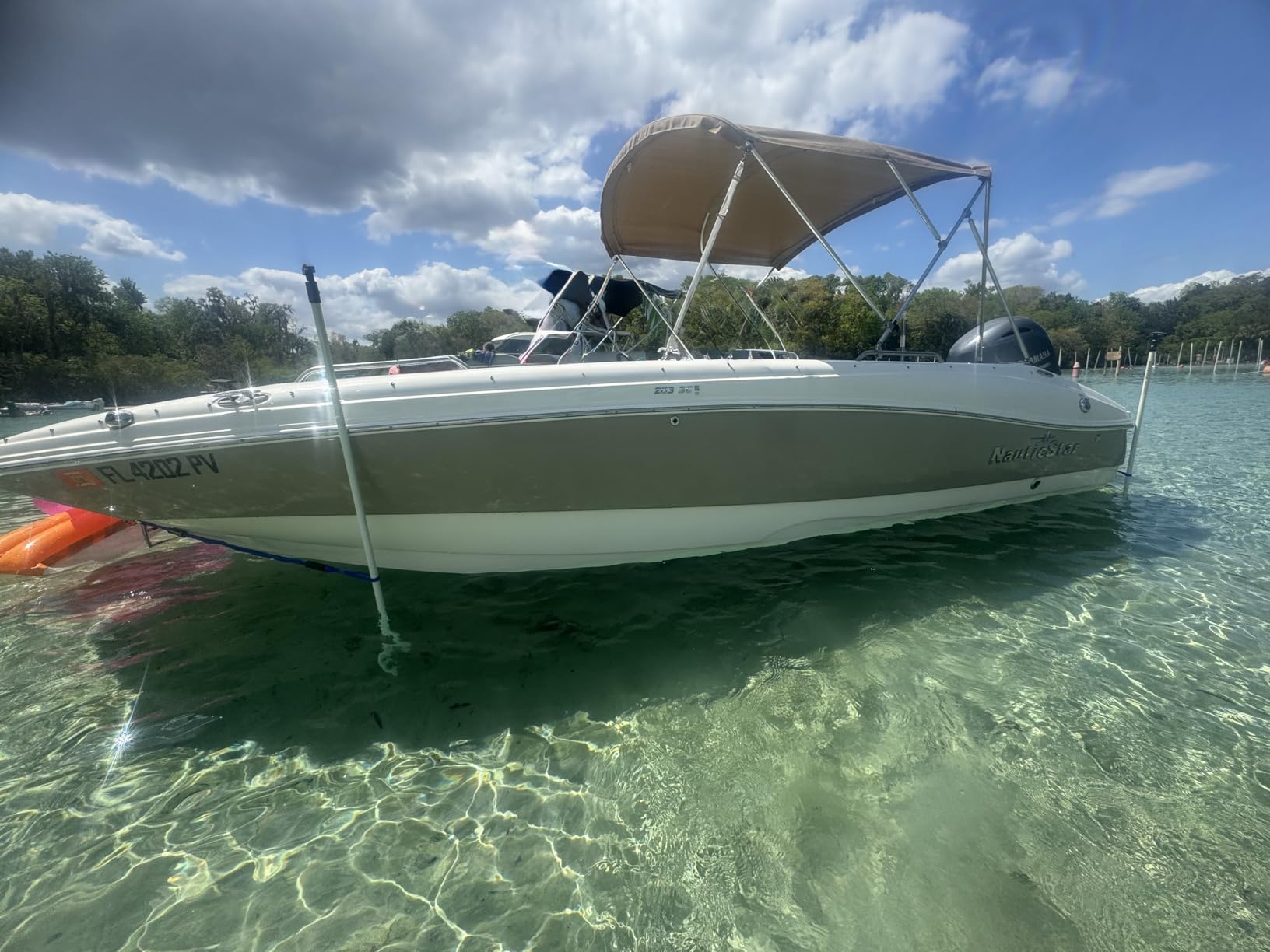
Where this pole shines is holding larger boats. I’ve used it on a friend’s 20-foot pontoon boat for sandbar parties, and it held firm with six people aboard. For kayak anglers with heavy fishing kayaks loaded with gear, or those who fish strong currents and want maximum security, this is the nuclear option.
Best For
This pole is ideal for anglers with heavy, fully-loaded fishing kayaks or those who also want to use it on larger boats like skiffs and pontoons. If you fish areas with oyster beds, hard-packed clay, or strong currents where maximum holding power is essential, the 1-inch diameter provides the grip you need.
Limitations
The weight and bulk make this overkill for small, lightweight kayaks. At 6 pounds, it’s more than double the weight of some alternatives. The premium price reflects the heavy-duty construction, so budget-conscious buyers might prefer a lighter-duty option. Stock can be limited due to demand.
6. itayak 8.63ft Shallow Water Anchor Pole – Two-Piece Design with Gloves
itayak 8.63′ Shallow Water Anchor Pole with T-Handle, 2 Piece High Strength Fiberglass Reinforced Polyamide66, for Fishing Kayak, Orange (Gloves Included) (8.63 ft)
Length: 8.63ft
Diameter: Standard
Weight: 4.8lb
Material: Fiberglass Reinforced PA66
Tip: 316 Stainless Steel
Pros
- Quick-connect assembly
- Includes protective gloves
- Rustproof materials
- T-handle for easy driving
- Breaks down for storage
Cons
- Heavy at 2.18kg
- May slip in strong current
- Cumbersome compared to anchors
- Storage can be inconvenient
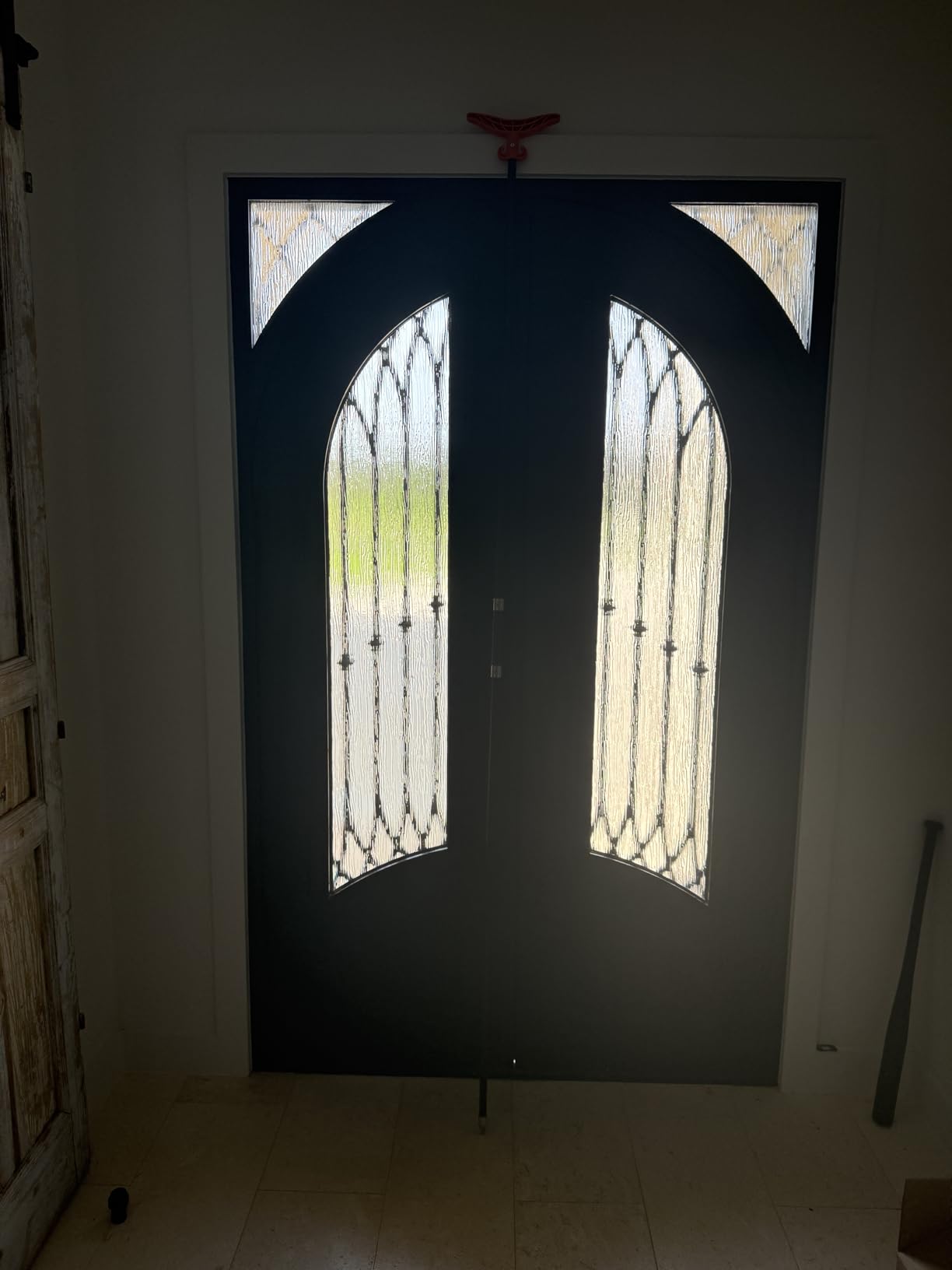
The itayak 8.63ft anchor pole brings some thoughtful touches that set it apart from basic fiberglass poles. The included protective gloves are a practical addition since fiberglass splinters are a real concern with cheaper poles. I appreciate not having to remember to bring gloves every trip.
The quick-connect design lets you assemble or break down the pole in seconds. When I’m paddling to my fishing spot, the compact storage is valuable. The two sections fit inside most kayak hatches or can be strapped to the deck without the length issues of one-piece poles. When assembled, the connection feels secure for normal anchoring duty.
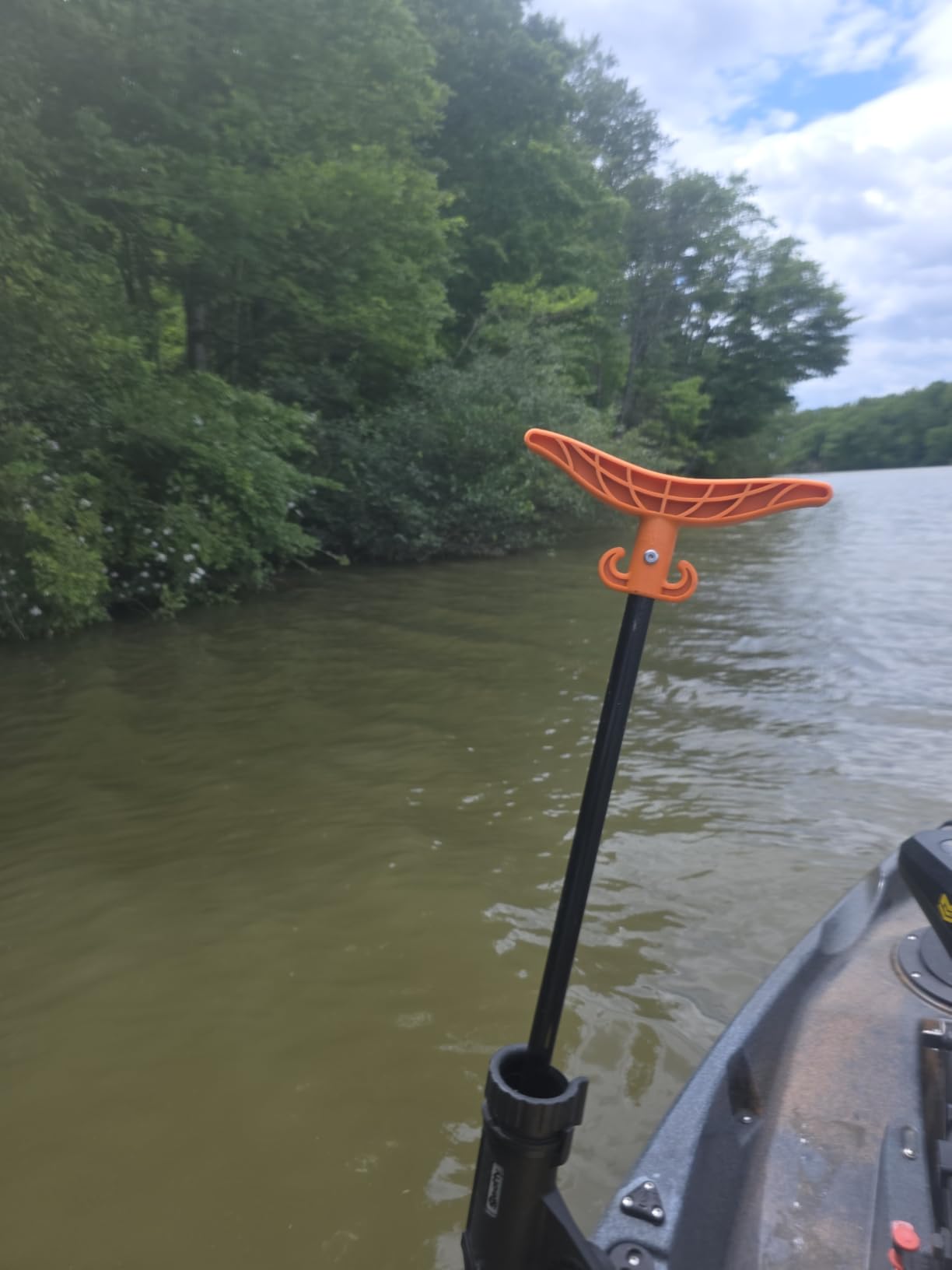
Construction combines fiberglass-reinforced polyamide with a 316 stainless steel tip. The materials are genuinely rustproof and have held up well in my saltwater testing. The T-handle provides good leverage for pushing into firm bottoms, though I wish the grip was slightly more cushioned for extended use.
Where this pole struggles is in strong current. Some users report slippage when the water’s really moving, which isn’t surprising given the smooth shaft design. For calm to moderate conditions, it works fine. The weight at nearly 5 pounds is on the heavy side for a kayak-specific pole, something to consider if you’re counting ounces.
Best For
Anglers who value included accessories and compact storage will appreciate this package. The gloves and quick-connect design make it convenient for anglers who frequently assemble and disassemble their gear. It’s a solid choice for moderate conditions where portability matters.
Limitations
In strong currents or very firm bottoms, the holding power may not match thicker, one-piece poles. The weight makes it less suitable for ultralight kayak setups. Some users find the assembled pole slightly cumbersome compared to streamlined one-piece designs.
7. itayak 12.3ft Shallow Water Anchor Pole – Extended Reach Two-Section
itayak 8.63′ Shallow Water Anchor Pole, 2 Piece Fiberglass Boat Anchor with T-Handle, Pole Anchor with 316 Stainless Tip for Boat, Fishing Kayak (Gloves Included)
Length: 12.3ft
Diameter: Standard
Weight: 5.5lb
Material: Fiberglass
Tip: 316 Stainless Steel
Pros
- Extended 12.3ft reach
- Quick-connect sections
- Ergonomic T-handle
- Durable construction
- Strong large diameter material
Cons
- Cannot attach T-handle to 4ft section alone
- Tight fit between sections
- Fiberglass shards risk
- No carrying case included
The itayak 12.3ft pole solves a specific problem: anchoring in water deeper than most stakeout poles can reach. At over 12 feet, this pole can hold you in water up to about 10 feet deep, which opens up anchoring opportunities that standard 7-8 foot poles simply can’t touch.
The two-section design uses a quick-connect system similar to the shorter itayak model. You get a 4-foot section and an 8.6-foot section that combine for the full length. The connection is tight, sometimes almost too tight, but that also means it won’t come apart unexpectedly during use.
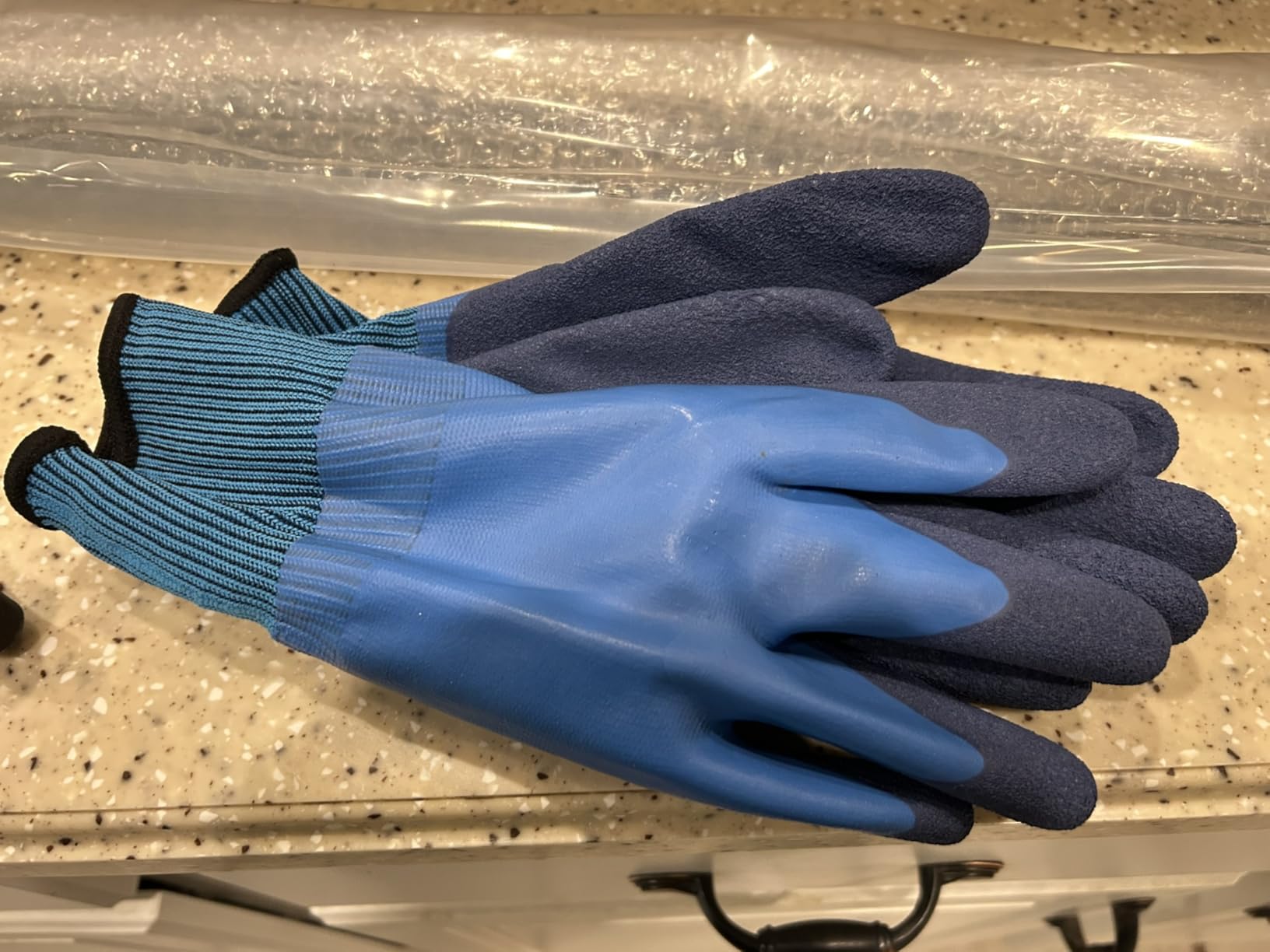
I found the T-handle comfortable for driving the pole into the bottom. The 316 stainless steel tip handles saltwater without issues and provides good penetration in most bottom types. The fiberglass construction is strong for its weight, though like all fiberglass poles, you need to be careful about splinters if the surface gets damaged.
One design quirk: you can’t attach the T-handle directly to just the 4-foot section. This limits flexibility if you wanted a shorter pole for very shallow water. For most kayak applications, you’ll use the full assembled length anyway, but it’s worth knowing before you buy.
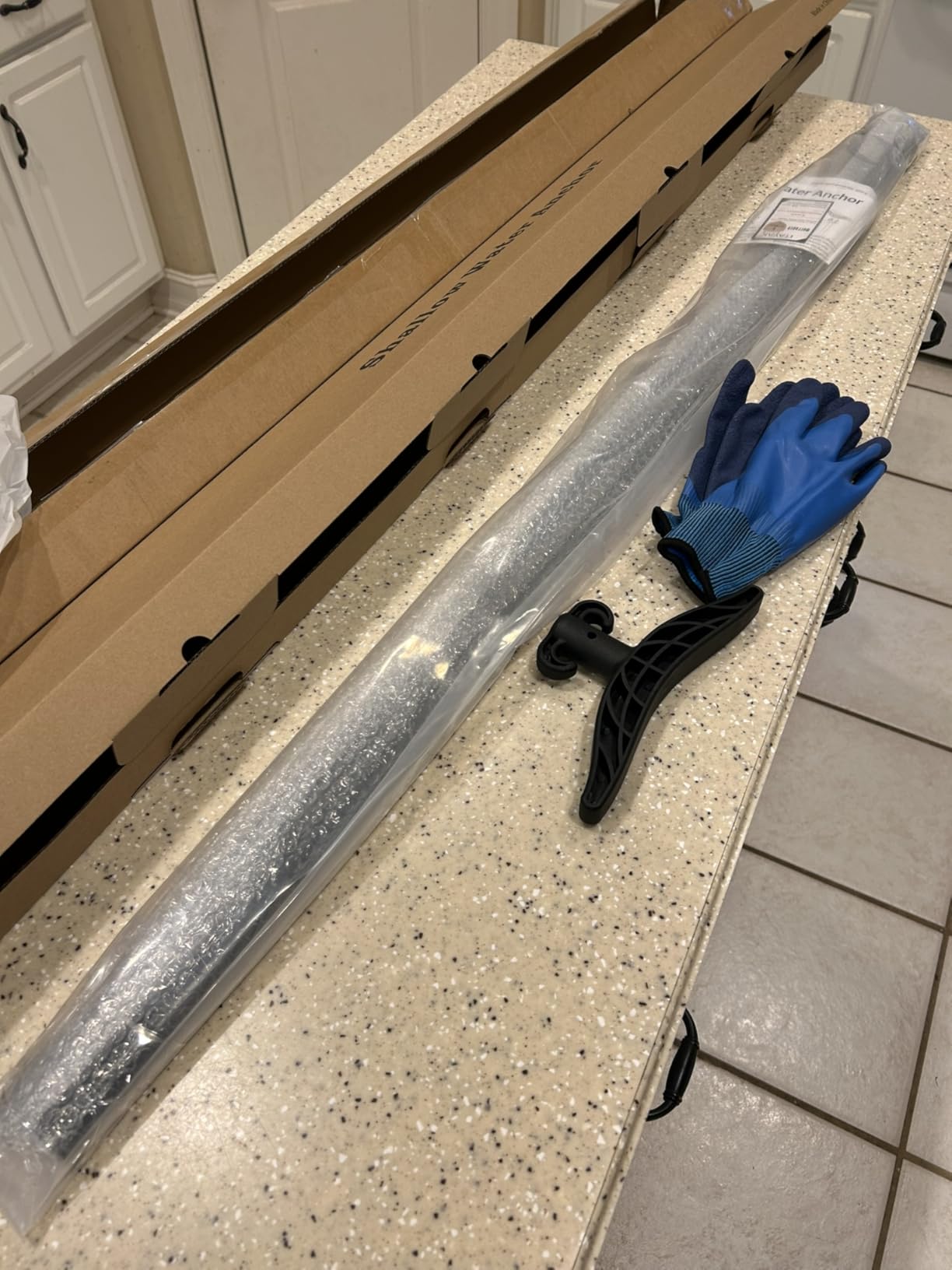
Best For
Anglers who fish water from 6-10 feet deep will find this extended reach invaluable. If you fish areas where the depth varies significantly or you encounter deeper holes within shallow water systems, the extra length gives you options shorter poles can’t provide.
Limitations
The 12-foot length makes storage more challenging than standard 7-8 foot poles. Even broken down, you’re dealing with an 8.6-foot section. The lack of a carrying case means you’ll need to figure out your own storage solution. Some users report the tight connection makes assembly and disassembly difficult.
8. sailpref 12.3ft Fiberglass Sand Anchor – Extended 12.3ft Reach
sailpref 8.63′ Shallow Water Anchor Pole, Fiberglass Sand Anchor with T-Handle and 316 Stainless Tip, 2 Piece Corrosion-Resistant Shallow Water Anchor for Boats, Beaches, Sandbar(Gloves Included)
Length: 12.3ft
Diameter: Standard
Weight: Variable
Material: PA66+30%GF Fiberglass
Tip: 316 Stainless Steel
Pros
- Extended 12.3ft reach
- Corrosion-resistant materials
- Ergonomic T-grip handle
- Includes gloves and tools
- 1-year warranty
Cons
- Must unscrew adjoining posts
- Oversized connector inconvenient
- Flimsy according to some reviews
- Screw connectors slower than couplers
The sailpref 12.3ft sand anchor targets the same deep-water niche as the itayak extended pole, but with a different connection approach. Instead of quick couplers, this pole uses screwed connectors that many users find more secure but also more time-consuming to assemble.
The fiberglass-reinforced polyamide construction with 30% glass fiber content provides good durability for the price. The 316 stainless steel tip and joints resist corrosion in saltwater environments. I found the ergonomic T-grip handle comfortable for driving the pole, even when really leaning into firm bottoms.
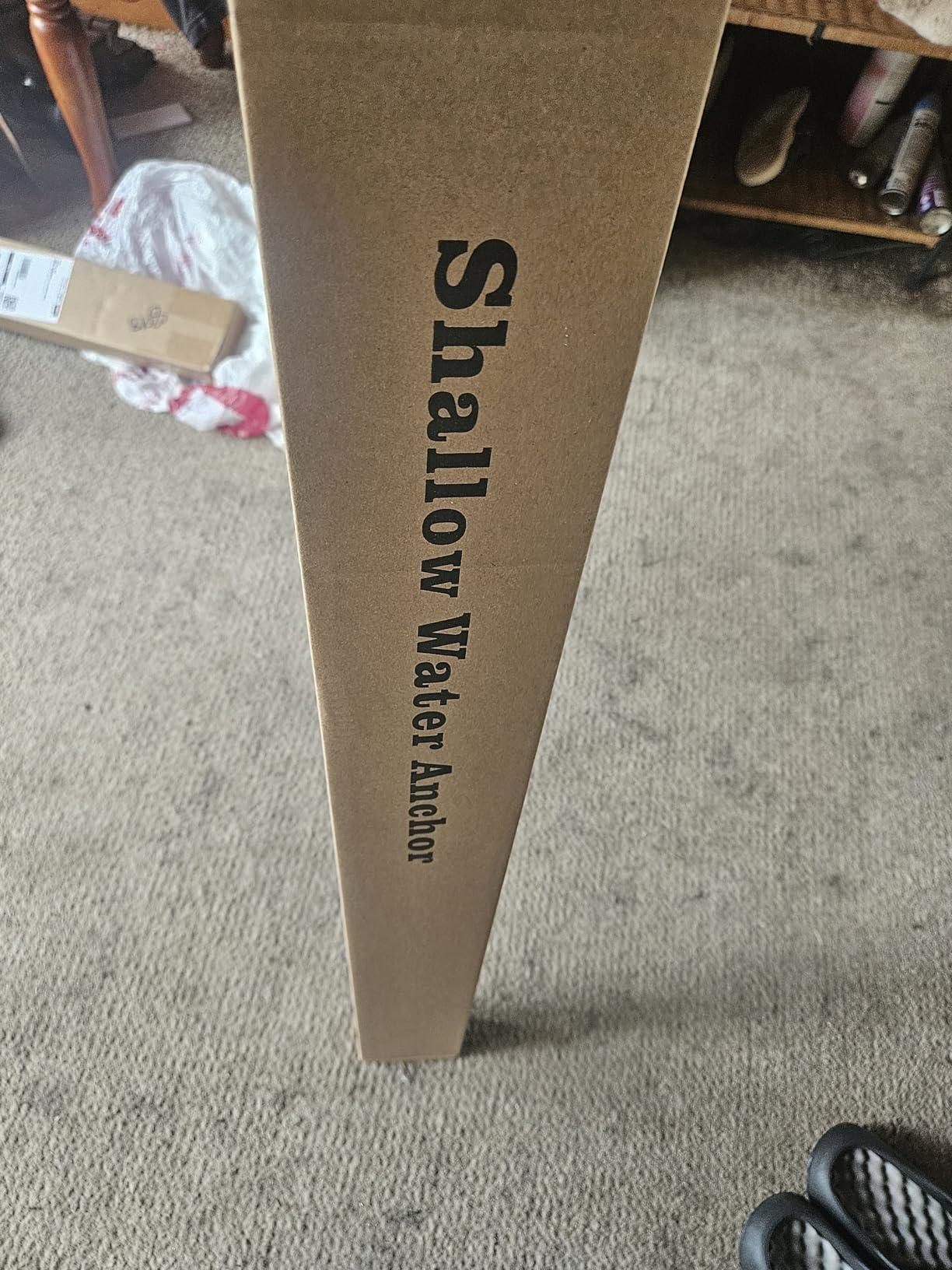
Included accessories add value: gloves, hex wrench, and mounting hardware come in the package. The gloves are essential since fiberglass splinters are a real risk with any pole in this category. The 1-year warranty provides basic coverage, though it’s shorter than some competitors offer.
Where this pole draws criticism is the connector design. The oversized screw connectors work fine once assembled, but they’re slower than quick-connect couplers. Some users report the connections feel less solid than premium options. For occasional use, this might not matter, but if you’re assembling and disassembling frequently, it becomes tedious.
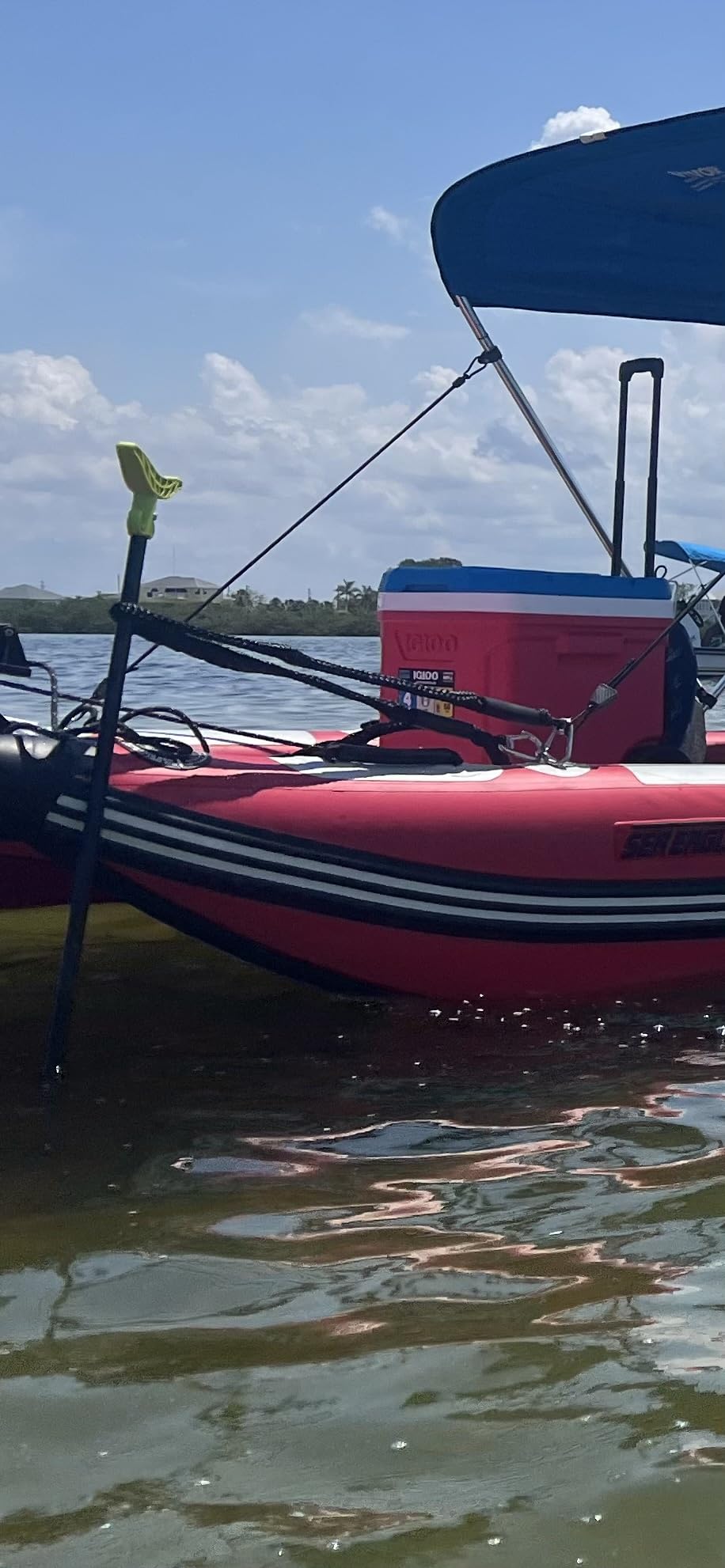
Best For
Budget-conscious anglers who need extended reach for deeper water will find good value here. The included accessories and corrosion-resistant materials make it a complete package. It’s suitable for moderate use where the slower assembly isn’t a dealbreaker.
Limitations
The screw connector design makes this less convenient for anglers who want quick assembly. Some users report flimsy feel compared to premium options. The connector size can be inconvenient for storage. If you prioritize quick setup, look at quick-connect alternatives instead.
9. Pelican Anchor and Push Pole 8ft – Two-Piece with Scupper Compatibility
Pelican Anchor and Push Pole – Shallow Water Anchor Pin -Fiberglass Pole – 8 ft
Length: 8ft
Diameter: 0.9in
Weight: 1.9lb
Material: Two-Piece Fiberglass
Tip: Anodized Metal
Pros
- Passes through 5/8in scupper holes
- Two-piece for storage
- Works as push pole and anchor
- Includes rope and clips
- Good value price
Cons
- Can snap under lateral load
- Fiberglass cracks reported
- Middle connection not flush
- 16% of reviews are 1-star
The Pelican anchor and push pole offers something most competitors don’t: scupper hole compatibility. At 0.9 inches in diameter, this pole passes through standard 5/8-inch scupper holes, letting you anchor directly through your kayak’s drain holes. For sit-on-top kayak anglers, this is a game-changer for certain setups.
The two-piece design breaks down for storage, and the improved metal coupling feels more secure than older versions. The ergonomic foam-lined handle includes an integrated hook, and the rubber ring keeps your rope from sliding down the shaft. An anodized metal anchor pick provides decent tip durability.
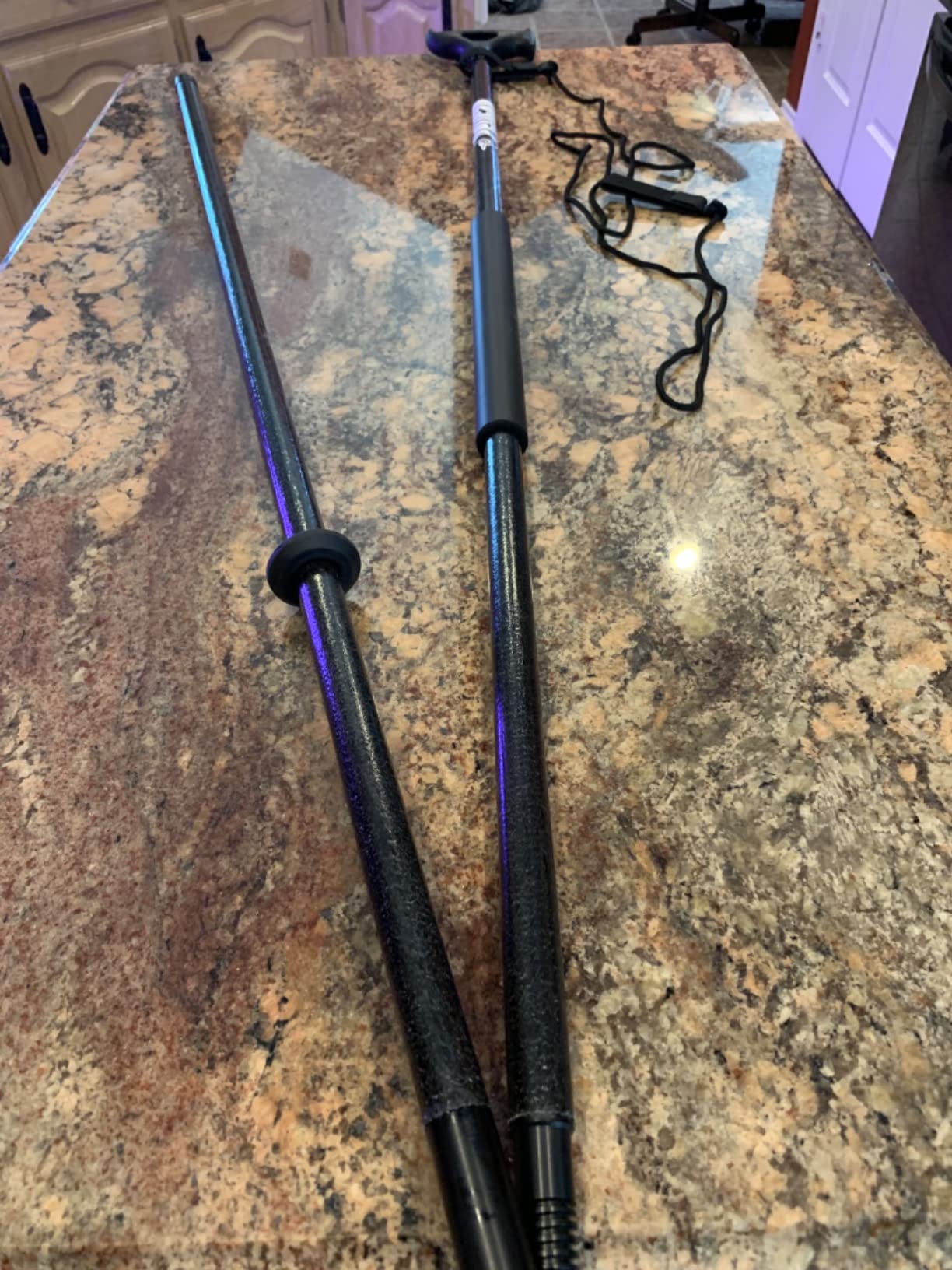
At just 1.9 pounds, this is one of the lightest poles in the roundup. The low weight makes it easy to carry and maneuver, which matters when you’re poling across flats all day. The included rope and clips are functional, though I’d upgrade to higher-quality rope for serious use.
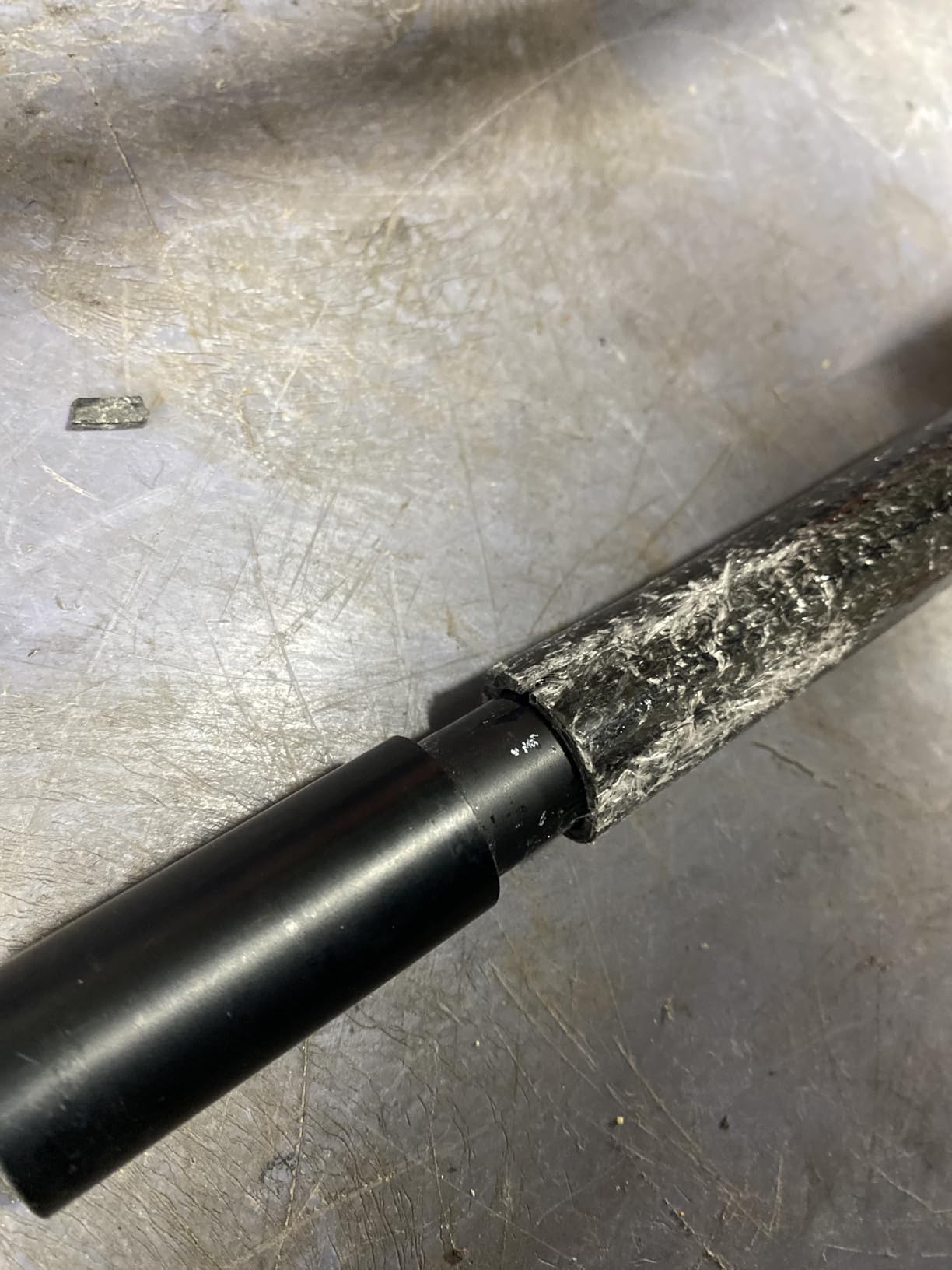
Here’s the concern: about 16% of reviews are 1-star, mostly citing breakage issues. The fiberglass can crack if you apply lateral force, like trying to push your kayak sideways instead of straight down. This isn’t unique to Pelican, but it’s more common here than with thicker poles. Use it properly, and it works fine.
Best For
Sit-on-top kayak anglers who want to anchor through scupper holes will find this pole uniquely suited to their needs. The light weight and included accessories make it a good value for casual anglers who don’t need heavy-duty holding power. Two-piece storage is convenient for transport.
Limitations
The fiberglass construction can’t handle lateral loads and will snap if you try to push sideways. This isn’t as durable as thicker, one-piece poles for aggressive use. If you need maximum strength or fish rough conditions, consider a heavier-duty option instead.
10. BOTE Sandspear Stakeout and Push Pole – Premium SUP and Micro Skiff
BOTE Sandspear Stakeout Pole | SUP Push Pole & Shallow Water Anchor
Length: 8ft
Diameter: Standard
Weight: N/A
Material: Premium Composite
Tip: Durable Point
Pros
- Very sturdy construction
- Good length for pushing off
- Works in sand shell and mud
- Good for tidal creeks
- Versatile for SUP and skiffs
Cons
- Does not float
- Premium price point
- No floating feature
- No attachment point included
The BOTE Sandspear is designed specifically for BOTE stand-up paddle boards and micro skiffs, but it works just as well for kayaks. This premium pole is built for anglers who demand the best construction quality and don’t mind paying for it. The sturdy build is immediately apparent when you pick it up.
I’ve used this pole in varied conditions: sand, shell, mud, and tidal creek bottoms. It handles all of them competently. The length is optimized for pushing off as much as anchoring, making it a true dual-purpose tool. For flats anglers who push-pole as much as they anchor, this versatility is valuable.
The construction quality justifies the premium price for serious anglers. Everything about this pole feels built to last, from the tip to the grip. BOTE has a reputation for quality paddle boards, and that attention to detail carries over to their accessories. This isn’t a budget option, but you’re paying for durability.
The main drawbacks are the lack of flotation and the price. At nearly $150, this costs significantly more than most alternatives. And if you drop it overboard, it’s gone. For that money, I’d expect at least a tether point or floating feature. Still, for dedicated anglers who want the best, the BOTE delivers.
Best For
Anglers who already own BOTE paddle boards or want premium build quality will appreciate this pole. The versatility for both push-poling and anchoring makes it ideal for flats fishing. If you fish varied bottom conditions and want one pole that handles everything, this is a solid choice.
Limitations
The premium price puts this out of reach for budget-conscious buyers. The lack of flotation is a significant oversight at this price point. It’s designed primarily for BOTE products, so while it works with kayaks, you’re paying for brand-specific engineering you might not need.
Buying Guide: Choosing the Right Stakeout Pole for Kayak Fishing
Selecting the best stakeout pole for your kayak fishing setup involves more than grabbing the first fiberglass pole you see. The right choice depends on your specific fishing conditions, kayak size, and how you plan to use it. Here’s what I’ve learned after testing numerous poles in various conditions.
Material Quality: Why Fiberglass Matters
Almost all quality stakeout poles use fiberglass construction, and for good reason. Fiberglass offers the ideal combination of stiffness for pushing into bottoms and flexibility to absorb shock without breaking. It’s also UV-resistant and won’t corrode in saltwater. The key is getting pultruded or aircraft-grade fiberglass rather than cheap alternatives that splinter and crack.
Look for UV-stabilized fiberglass if you fish in sunny conditions. Without UV treatment, fiberglass can degrade over time, becoming brittle and prone to cracking. Most quality poles include this feature, but it’s worth confirming before purchasing.
Length Selection: Match Your Water Depth
Your stakeout pole length should match the deepest water you regularly fish. As a rule of thumb, you need at least 18-24 inches of pole in the bottom for secure holding. For water up to 4 feet deep, a 6-7 foot pole works well. For water 4-6 feet deep, choose an 8-foot pole. For anything deeper, consider the 12-foot extended options.
Keep in mind that longer poles are harder to store and heavier to carry. If 90% of your fishing is in 3-foot water, an 8-foot pole might be overkill. Match your pole to your most common fishing conditions, not the occasional deeper spot. For more on positioning tactics, see our guide on shallow water bass fishing from kayak.
Diameter: 5/8 inch vs 3/4 inch vs 1 inch
Diameter affects both strength and weight. The 5/8 inch poles are lightest, ideal for small kayaks and anglers counting ounces. They work fine in soft bottoms but can flex too much in firm conditions. The 3/4 inch diameter hits the sweet spot for most kayak anglers, offering good strength without excessive weight. The 1 inch diameter is overkill for most kayaks but excellent for larger boats or very harsh conditions.
Your choice depends on your typical conditions. Soft mud and sand? The 5/8 inch works great. Mixed bottoms with occasional shell? Go 3/4 inch. Heavy boat or rough conditions? Consider the 1 inch option.
Tip Design: Metal vs Ground Fiberglass
The tip takes the most abuse, so its design matters significantly. Stainless steel tips (especially 316 grade) resist corrosion and won’t splinter over time. They’re essential if you fish rocky or shell bottoms. Ground fiberglass tips are common on budget poles and work fine for soft bottoms, but they’ll eventually wear down on abrasive surfaces.
Some premium poles feature grooved helix tips that screw into hard-packed sand and clay. These provide superior holding power in difficult bottoms. If you fish areas with firm substrates, this feature is worth the extra cost.
Floating vs Non-Floating Options
This feature divides the stakeout pole market. Non-floating poles cost less and are simpler, but if you drop one overboard, it’s gone forever. Floating poles cost more but provide peace of mind. For kayak anglers who work in deeper water or tend to be accident-prone, the floating feature can pay for itself the first time you fumble the pole.
If you choose a non-floating pole, always use the included lanyard and attach it to your kayak. Some anglers add pool noodles or commercial floats to their poles as a DIY solution.
Bottom Type Compatibility
Different bottoms require different approaches. Soft mud and silt are the easiest, accepting any pole with minimal effort. Sand varies from loose (easy) to hard-packed (challenging). Shell and oyster require metal tips and thicker diameters. Rocky bottoms are the most difficult and may require the 1-inch heavy-duty options or alternative anchoring methods.
Know your fishing grounds. If you fish multiple bottom types, choose a versatile pole with a metal tip and at least 3/4 inch diameter. Specialized conditions might warrant having multiple poles.
Anchor Trolley Integration
An anchor trolley system lets you move your attachment point from bow to stern without re-anchoring. This is invaluable for fishing current or wind from different angles. Most stakeout poles work with anchor trolleys, but you’ll need a carabiner or clip to connect the pole’s lanyard to your trolley line.
If you don’t have an anchor trolley, you can attach directly to a pad eye or through a scupper hole (if your pole fits). The Pelican pole’s scupper compatibility makes it unique in this regard.
Storage Solutions
Where do you put an 8-foot pole when you’re not using it? One-piece poles require gunwale mounts or deck straps. Two-piece poles can break down for hatch storage. Consider your kayak’s layout and storage options before choosing. Most poles include mounting clips, but you might need additional hardware for your specific setup.
Paddle holders can sometimes double as stakeout pole holders if the diameter matches. This saves you from installing additional mounting hardware.
What are the alternatives to a shallow water anchor?
Alternatives to stakeout poles include traditional anchors (grapnel, mushroom, or fluke styles), drift socks for slowing your drift, and powered shallow water anchors like the Power-Pole Micro. Traditional anchors work better in deeper water but are slower to deploy and can spook fish. Drift socks don’t anchor you but control your drift speed. Powered systems offer push-button convenience but cost significantly more and require battery power.
Can you use a shallow water anchor in saltwater?
Yes, stakeout poles work excellently in saltwater for flats fishing, marsh fishing, and inshore applications. The key is choosing materials that resist corrosion. Look for 316 stainless steel tips and hardware, UV-stabilized fiberglass, and corrosion-resistant coatings. Rinse your pole with fresh water after saltwater use to extend its lifespan. Most quality poles are designed for both fresh and saltwater use.
How do stakeout poles work for kayak fishing?
Stakeout poles work by inserting the pointed end into the water bottom and attaching your kayak to the pole above the waterline. You can connect through a scupper hole, to an anchor trolley, or directly to a pad eye. The pole holds you in place against wind and current. To reposition, simply pull up the pole, drift to your new spot, and re-insert. This method is faster and quieter than traditional anchors in shallow water.
What length stakeout pole do I need for shallow water?
For most shallow water kayak fishing (2-5 feet deep), a 7-8 foot pole is ideal. You need enough length to reach the bottom with 18-24 inches of pole embedded for secure holding, plus enough above the waterline to attach your kayak. If you fish water deeper than 5 feet regularly, consider a 10-12 foot pole. For very shallow water under 3 feet, a 5-6 foot pole works fine.
Do stakeout poles float if dropped?
Most stakeout poles do not float. Traditional fiberglass poles will sink if dropped overboard, which is why using the included lanyard is essential. Some newer models, like the EDSRDPLT floating pole, are specifically designed to float. If you’re prone to dropping gear or fish in deeper water, either choose a floating model or add a foam float to your non-floating pole’s lanyard.
Conclusion: Finding Your Perfect Stakeout Pole
After testing these 10 stakeout poles, my top recommendation for most kayak anglers remains the Superstick 5/8 inch x 7ft for its balance of weight, durability, and value. If you need more holding power or fish deeper water, step up to the Superstick 3/4 inch x 8ft. Budget-conscious anglers who want flotation should look at the EDSRDPLT floating pole.
The best stake-out poles for shallow water kayak fishing ultimately depend on your specific conditions. Match your pole length to your water depth, choose a diameter based on your bottom types and boat size, and decide whether flotation is worth the extra cost for your fishing style. Whichever pole you choose, you’ll wonder how you ever fished shallow water without one.
For more kayak fishing gear recommendations, check out our guide on kayak fishing gear essentials to complete your setup. Tight lines and happy anchoring in 2026.


