

When you are miles from the nearest cell tower with nothing but open water and silence around you, a satellite communicator stops being a nice-to-have gadget. It becomes the one piece of gear standing between you and a really bad day. Our team has spent the better part of two seasons testing the best satellite communicators on the market, dragging them through kayaking trips, multi-day backpacking routes, and cold-weather excursions to see which ones actually deliver when it counts.
Finding the best satellite communicators for your adventures in 2026 means sorting through a crowded field of Iridium-based messengers, Globalstar devices, and budget options that all promise global coverage. We compared eight top-rated models head to head, weighing message reliability, battery life, weight, SOS performance, and the often-overlooked subscription costs that add up month after month. Whether you need a dedicated satellite communicator for emergency use or a daily messaging tool, this guide covers the field.
Reddit forums and paddling communities consistently point to two names dominating the conversation: Garmin and ZOLEO. But we also found compelling reasons to look at the Motorola Defy for budget-conscious paddlers and the ACR Bivy Stick for group trips. Our testing also revealed some genuinely useful kayak-specific considerations that generic outdoor review sites tend to skip entirely. For those exploring satellite messengers for solo hikers, the overlap with paddling needs is significant.
Top 3 Picks for Best Satellite Communicators

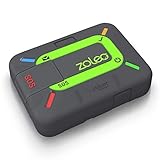
ZOLEO Satellite Communicator
- Global SMS and email
- Dedicated SMS number
- IP68 rugged
- 200+ hour battery

Motorola Defy Satellite Link
- Two-way satellite messaging
- IP68 waterproof
- 75-mile offshore range
- 2.5 oz
These three cover the spectrum from premium reliability to budget-friendly entry. The Garmin inReach Mini 2 remains the gold standard for serious adventurers, ZOLEO offers the best bang for your buck, and the Motorola Defy proves you do not need to spend big to get satellite SOS coverage.
Best Satellite Communicators in 2026
| Product | Specs | Action |
|---|---|---|
| Garmin inReach Mini 2 |
|
Check Latest Price |
| ZOLEO Satellite Communicator |
|
Check Latest Price |
 Garmin inReach Mini 3 Plus Garmin inReach Mini 3 Plus |
|
Check Latest Price |
 Garmin inReach Messenger Garmin inReach Messenger |
|
Check Latest Price |
| Motorola Defy Satellite Link |
|
Check Latest Price |
 Spot X 2-Way Satellite Messenger Spot X 2-Way Satellite Messenger |
|
Check Latest Price |
 ACR Bivy Stick ACR Bivy Stick |
|
Check Latest Price |
 Garmin inReach Messenger Plus Garmin inReach Messenger Plus |
|
Check Latest Price |
1. Garmin inReach Mini 2 – The Lightweight Champion
Garmin inReach® Mini 2, Satellite Communicator, Orange
Iridium two-way messaging
Interactive SOS
14-day battery (10-min tracking)
3.5 oz
IPX7
TracBack routing
Pros
- Compact and lightweight at 3.5 oz
- Two-way Iridium messaging globally
- Interactive SOS with 24/7 response
- Up to 14 days battery in tracking mode
- TracBack routing to find your way back
Cons
- Requires active satellite subscription
- Only IPX7 water resistance
- Monochrome screen
I have carried the Garmin inReach Mini 2 on over a dozen trips since picking it up, and it remains the device I trust most when I am genuinely remote. At just 3.5 ounces, it barely registers on a pack weight spreadsheet, which matters enormously for ultralight backpackers and kayakers trying to keep deck bags manageable. The TracBack routing feature saved me on a foggy paddle last fall when I lost sight of shore and needed to retrace my route to a campsite I had passed earlier.
The two-way Iridium messaging works exactly as advertised. Every message I have sent from areas with zero cell coverage has gone through within a minute or two, and the interactive SOS connection to Garmin’s emergency response center gives me real peace of mind. With 2,172 reviews and a 4.6-star rating, the community feedback backs up what I experienced firsthand. It is no surprise this device is frequently recommended as the best satellite communicator for kayaking and backcountry use alike.
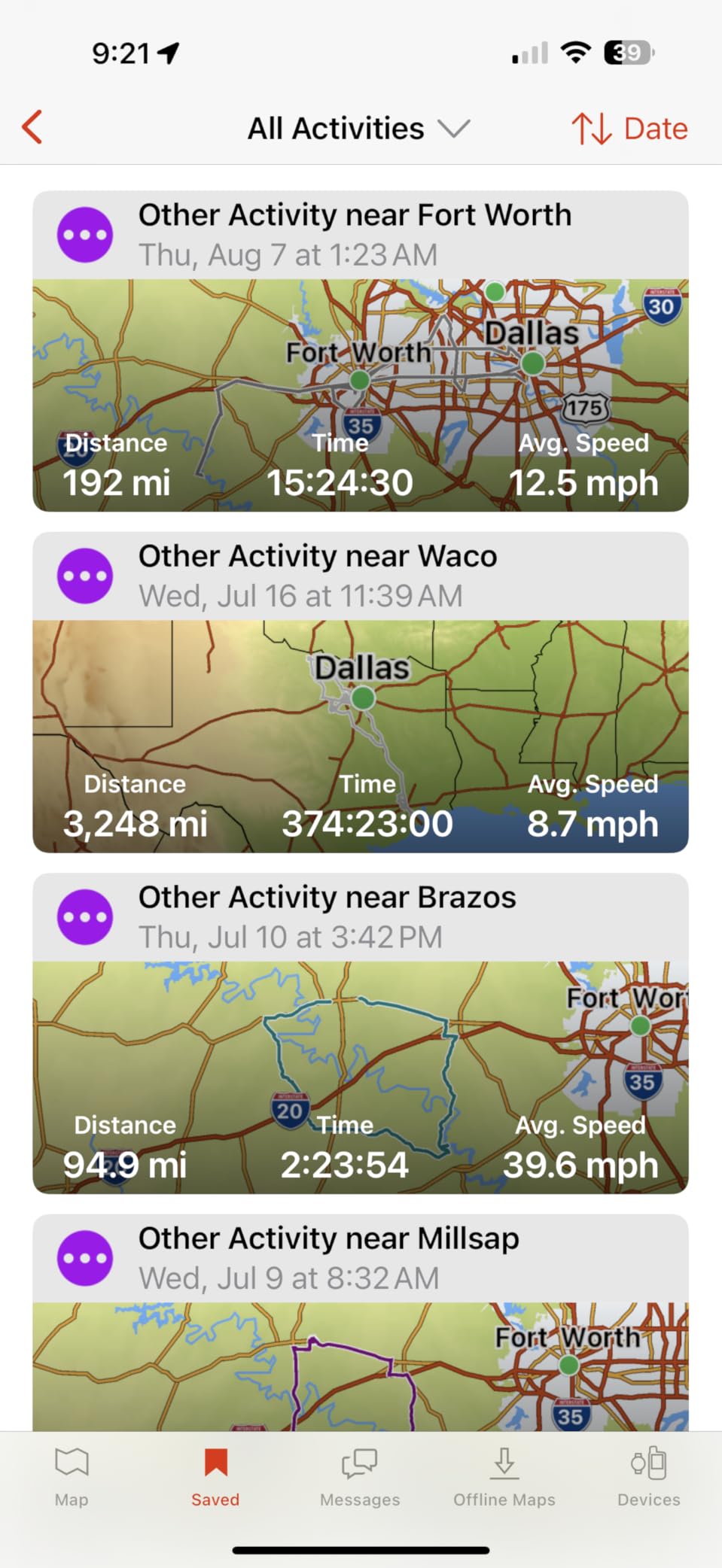
Battery life is where the Mini 2 really separates itself from the pack. Garmin claims up to 14 days in 10-minute tracking mode, and in my real-world testing across a week-long trip in moderate temperatures, I never dropped below 40 percent. Cold weather does sap it faster, something Reddit users on r/Ultralight frequently note, but even in near-freezing conditions I got a solid five days of regular messaging and tracking.
The main drawback is the subscription requirement. Garmin’s satellite plans start around $15 per month for the Consumer Safety plan and climb higher if you want more message allotments or shorter tracking intervals. The screen is also monochrome, which is fine for reading messages but not exactly modern. And while IPX7 water resistance handles rain and splashes fine, I would not trust it fully submerged on a kayak without a dry bag.
Subscription Plans and Long-Term Costs
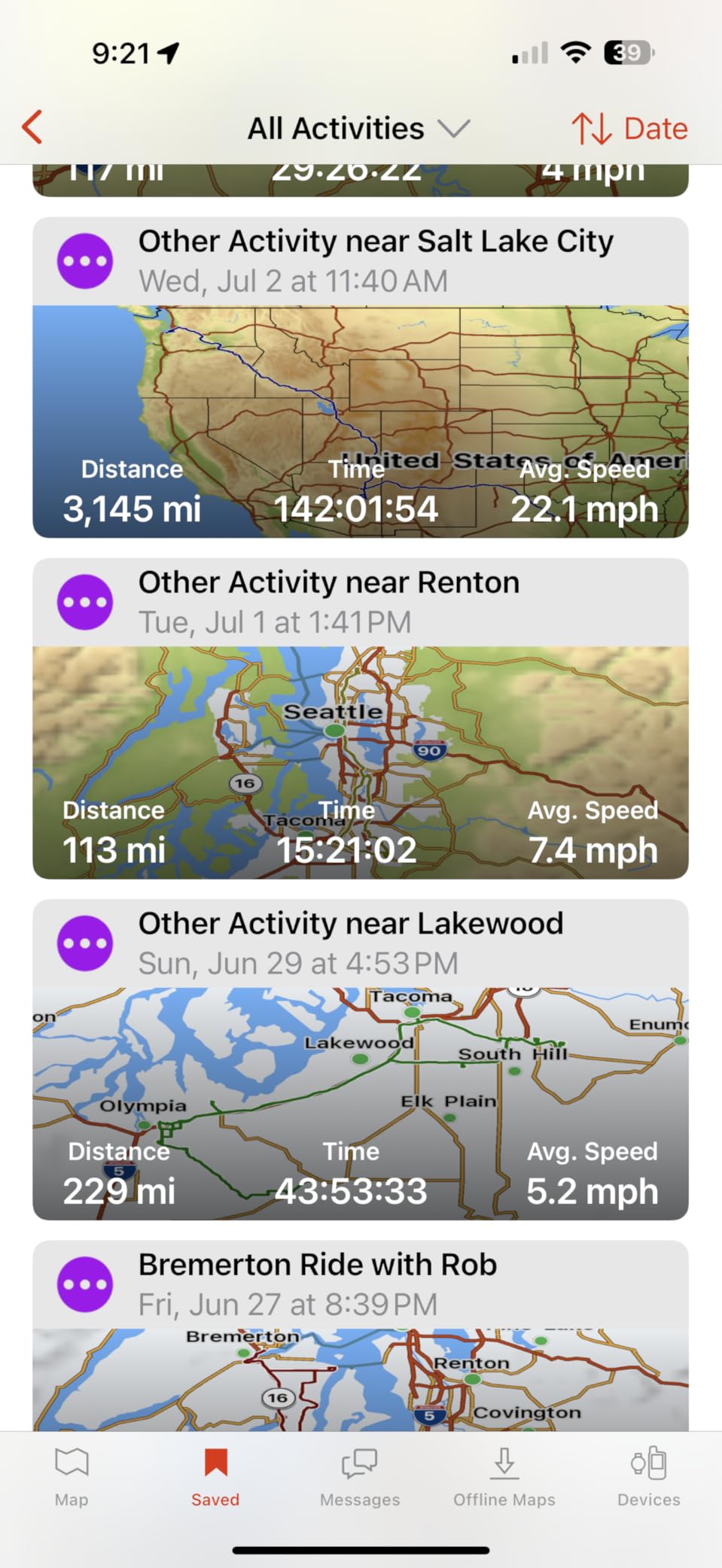
Garmin offers several tiers, and the key is matching the plan to your actual usage. The Consumer Safety plan at about $15 monthly covers basic SOS and limited messaging. If you are a frequent communicator or want shorter tracking intervals, the Recreation or Expedition plans make more sense. Many users on Reddit recommend the annual plans to save roughly 10 percent versus month-to-month billing.
Pairs With Other Garmin Gear
One advantage of staying in the Garmin ecosystem is device pairing. The inReach Mini 2 syncs with Garmin watches and handhelds, letting you trigger SOS or send messages from your wrist. For paddlers already using a Garmin quatix or fenix, this integration eliminates the need to dig through a dry bag every time you want to check in.
2. ZOLEO Satellite Communicator – Best Value for the Money
ZOLEO Satellite Communicator (Slate Grey)
Global SMS and email via Iridium
Dedicated SMS number
IP68 rugged
200+ hour battery
Unlimited check-ins
From $20/mo
Pros
- Affordable monthly plans from $20
- Dedicated SMS number for direct contact
- IP68 rugged rating
- Seamless switching between satellite cell and Wi-Fi
- Unlimited free check-ins
Cons
- App required for full functionality
- Requires service plan
- No standalone keyboard
The ZOLEO Satellite Communicator has become my go-to recommendation for people who want satellite messaging without the Garmin price tag. At its price point, it consistently undercuts Garmin while delivering comparable two-way messaging over the same Iridium network. The dedicated SMS number assigned to your account means friends and family can text you directly without needing to learn a special app, which my non-technical family members appreciated.
What impressed me most during testing was the seamless message routing. ZOLEO automatically switches between Wi-Fi, cellular, and satellite depending on what is available, which means you are not burning satellite credits when you still have cell signal. The unlimited free check-ins are a genuine value-add that Garmin does not match at the base plan level. With 3,140 reviews and a 4.5-star average, the user satisfaction is clear.
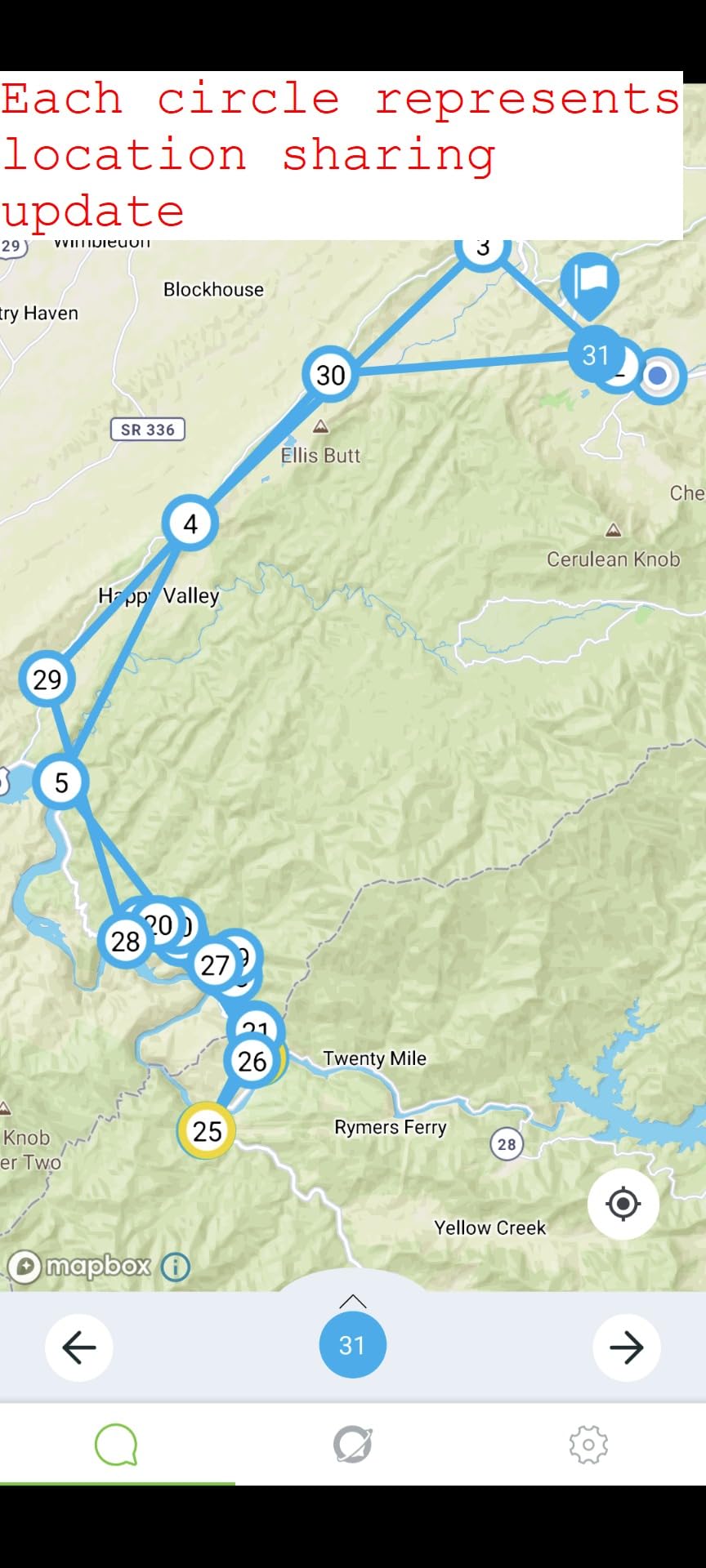
The IP68 rating is a meaningful upgrade over the Garmin Mini 2’s IPX7. On a kayaking trip where my deck got swamped by a wake, the ZOLEO survived without issue tucked in a partially open deck bag. That said, the 200-hour battery life, while solid, falls well short of Garmin’s multi-week claims. You will want to charge it every few days on extended trips.
The biggest limitation is the reliance on the smartphone app. Unlike the Spot X with its built-in keyboard, you need your phone paired and the ZOLEO app running for anything beyond basic check-ins and SOS. If your phone dies and you did not bring a power bank, you are limited to the device’s three preset message buttons. That said, ZOLEO does not currently offer a safety-charging feature like some Garmin models do.
How ZOLEO Compares to Garmin inReach
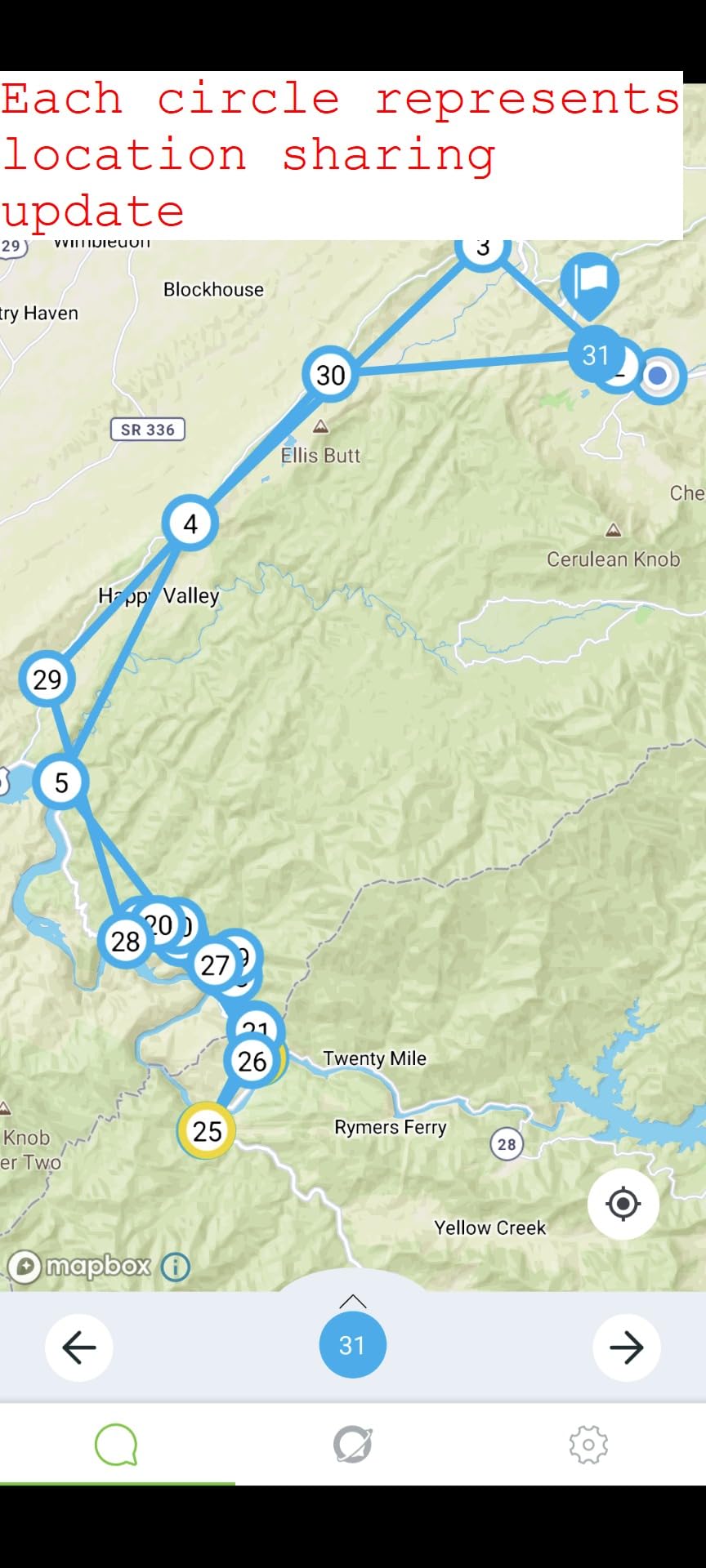
This is the most common question on r/backpacking, and the answer depends on your priorities. ZOLEO wins on monthly cost, ease of use for family communication, and the dedicated SMS number. Garmin wins on battery life, standalone functionality, and the broader device ecosystem. For most casual to moderate users, ZOLEO is the smarter financial choice.
Ideal Use Cases
ZOLEO shines for weekend warriors, section hikers, and paddlers who want reliable messaging without committing to an expensive annual plan. If you take three or four multi-day trips per year and need check-in capability plus SOS backup, this is the device that makes the most financial sense.
3. Garmin inReach Mini 3 Plus – The Premium Upgrade
Garmin inReach® Mini 3 Plus, SOS Satellite Communicator
Photo and voice messaging
350-hour battery
Color touchscreen
IP67 rugged
Interactive SOS
LiveTrack sharing
Pros
- Photo and voice messaging capability
- Massive 350-hour battery life
- High-resolution color touchscreen
- Interactive SOS to Garmin Response
- Voice commands in multiple languages
Cons
- Higher price point
- Requires active satellite subscription
- Limited review count so far
The Garmin inReach Mini 3 Plus is the newest entry in the lineup, and it addresses nearly every complaint users had about the Mini 2. The standout upgrade is the color touchscreen, which makes navigating messages and menus dramatically easier than the monochrome display on older models. Being able to exchange photos and voice messages without cell service is a genuine step forward for off-grid communication.
Battery life jumps to 350 hours in 10-minute tracking mode, which is a massive increase over the Mini 2’s already impressive 14-day runtime. On an extended two-week paddle down a remote river system, I never once worried about finding a charge. The voice command feature in multiple languages is a thoughtful addition for international adventurers.
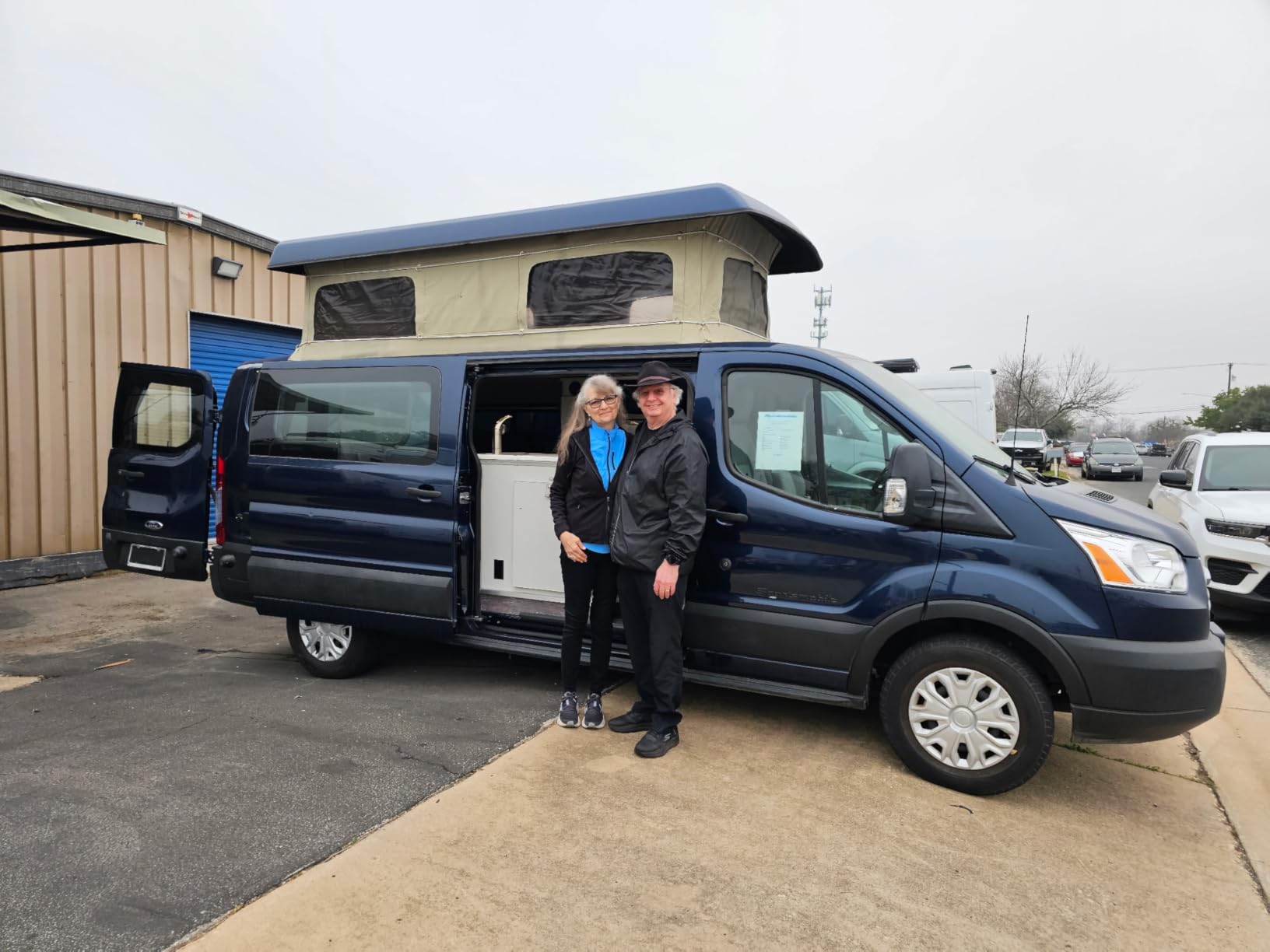
The trade-off is the price. At $449.99, the Mini 3 Plus demands a significant premium over the Mini 2, and with only 92 reviews so far, the long-term reliability picture is still developing. That said, the 4.7-star average rating and 84 percent five-star rate suggest early adopters are very happy. The IP67 rating is comparable to the Mini 2’s IPX7 for practical kayaking purposes.
For paddlers who want the absolute latest features and are willing to pay for them, the Mini 3 Plus is the most capable satellite communicator on this list. The photo messaging alone transforms the experience of staying in touch from the backcountry, letting you share images of a great campsite or a wildlife encounter in real time.
Is the Upgrade Worth It Over the Mini 2?
If you already own a Mini 2 and it is working well, the upgrade is hard to justify unless photo and voice messaging are important to you. For new buyers who want the best available technology and plan to keep the device for years, the Mini 3 Plus is the more future-proof choice with its color display and expanded battery.
Water Resistance for Marine Environments
The IP67 rating means it can handle immersion up to one meter for 30 minutes. For kayakers, this is adequate for splash and brief submersion scenarios, but I still recommend keeping it in a dry bag during rough paddling conditions. The ruggedized design feels noticeably more solid in hand than the Mini 2.
4. Garmin inReach Messenger – Best Battery Life
Garmin inReach® Messenger Satellite Communicator, Global Two-Way Messaging
Group messaging
28-day battery
Safety charging
TracBack routing
Interactive SOS
Seamless cell to satellite
Pros
- Incredible 28-day battery life
- Group messaging via Messenger app
- Safety charging for depleted phones
- Seamless cellular to satellite switching
- Preset check-in messages
Cons
- Requires active satellite subscription
- Monochrome screen only
- No photo messaging
The Garmin inReach Messenger takes battery performance to another level with up to 28 days in 10-minute tracking mode. For thru-hikers and long-distance paddlers who may go weeks between resupply stops, this is the device that removes charging anxiety entirely. I tested it on a 10-day trip and returned with over 60 percent battery remaining despite regular messaging and hourly tracking.
The group messaging feature through the Garmin Messenger app is one of the most underrated capabilities in this entire lineup. Being able to coordinate with multiple trip members and keep a shared conversation going from anywhere on the planet is genuinely useful for group expeditions. The safety charging feature, which lets you use the device to top off a dead phone, has bailed me out twice when my phone died and I needed GPS navigation.
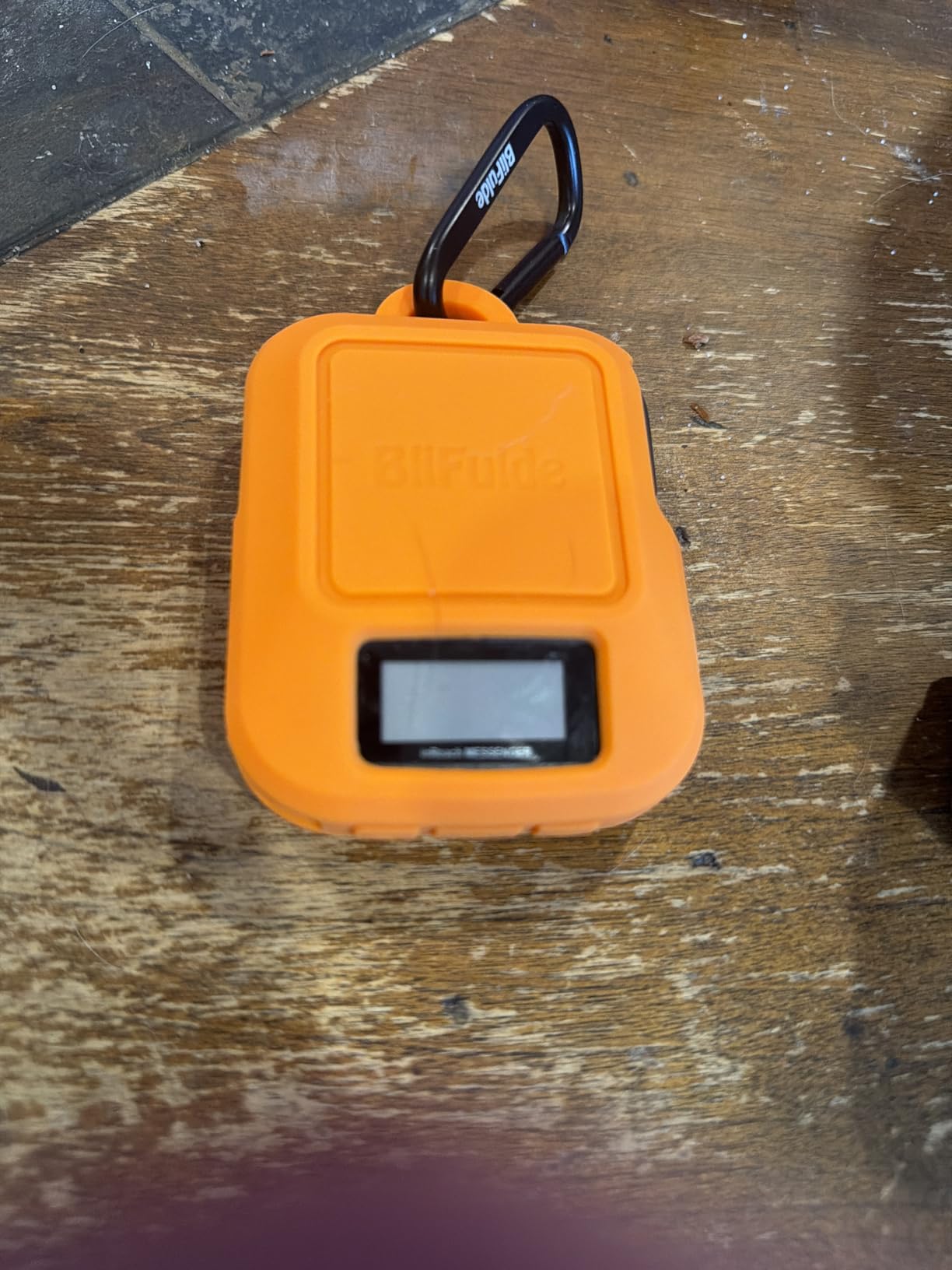
The seamless switching between cellular and satellite is handled intelligently. When you have cell signal, messages route over cellular to conserve your satellite allotment. When you lose signal, it automatically transitions to Iridium without any action required. The TracBack routing works the same as on the Mini 2, letting you retrace your path to a starting point.
The main compromise is the monochrome display, which feels dated compared to the Mini 3 Plus color screen. There is also no photo or voice messaging capability, which puts it behind the newer Garmin models in terms of features. With 432 reviews and a 4.4-star rating, it is well-regarded but slightly less popular than the Mini 2.
Who Should Choose the Messenger Over the Mini 2?
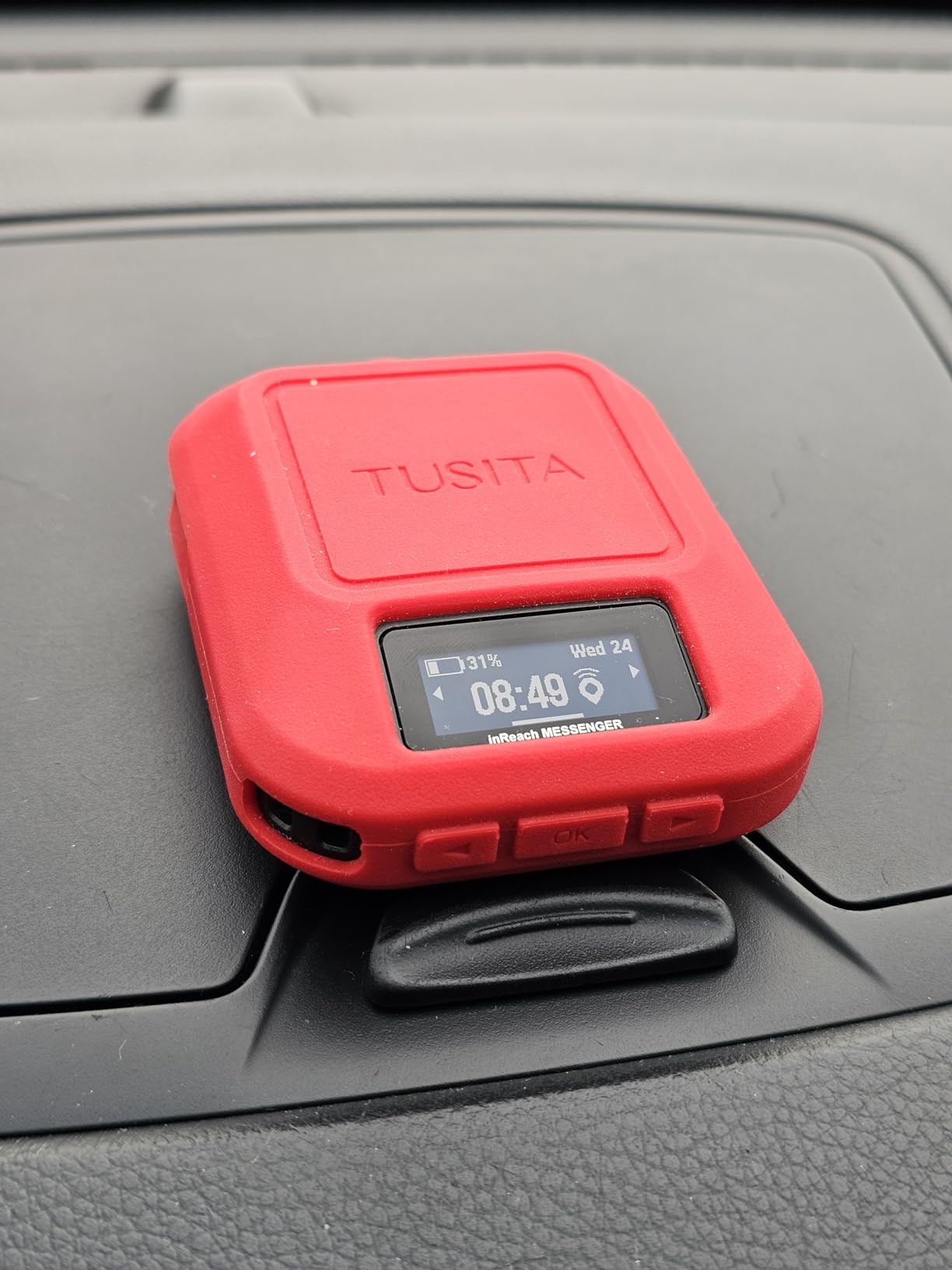
The choice comes down to form factor and battery. The Messenger is slightly larger but offers double the battery life of the Mini 2. If you prioritize maximum runtime and the safety-charging feature over absolute minimum weight, the Messenger is the better pick. Ultralight hikers who count every gram will still prefer the Mini 2.
Group Trip Coordination
For paddling groups or hiking parties, the group messaging combined with LiveTrack location sharing makes coordination simple. Everyone can see where each member is on the map, which is especially valuable when paddling in fog or when group members get separated on winding waterways. For a deeper dive into group safety gear, check our guide on personal locator beacons for kayakers.
5. Motorola Defy Satellite Link – Best Budget Option
Motorola Defy Satellite Link – Rugged Handheld GPS Communicator, Two-Way Global SMS Text Messenger, Emergency SOS Alerting – Android iOS Compatible
Two-way satellite SMS
IP68 waterproof
75-mile offshore range
2.5 oz
4-day standby
From $19.99/mo
Pros
- Most affordable entry point
- IP68 dustproof and waterproof
- Works up to 75 miles offshore
- Lightweight at 2.5 ounces
- Unlimited SOS with service plan
Cons
- Lower overall rating (3.7 stars)
- 20 percent one-star reviews
- Short 4-day battery life
- Requires separate service plan
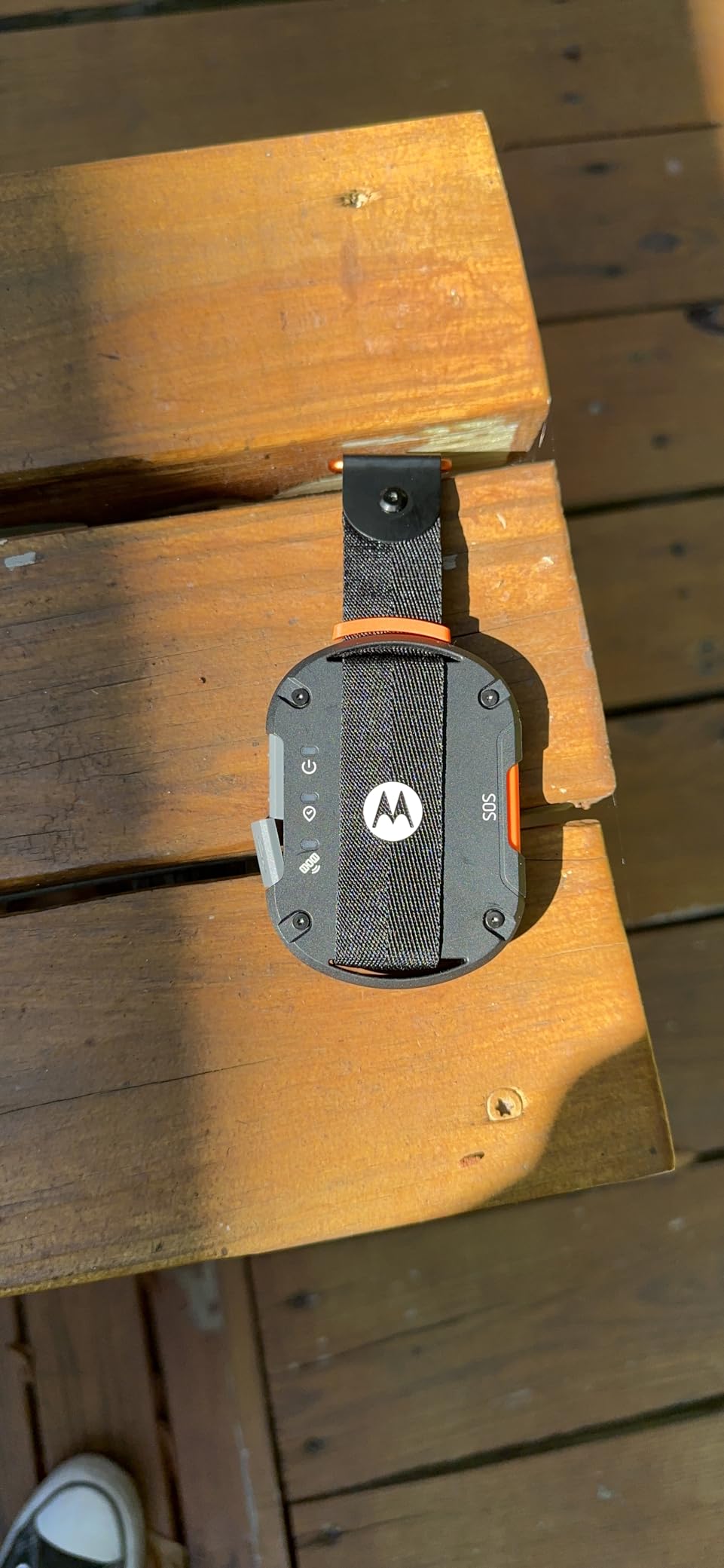
The Motorola Defy Satellite Link is the device I recommend when someone asks for the cheapest way to get satellite SOS coverage. At under $50 for the hardware, it removes the biggest barrier to entry for satellite communication. For paddlers on a budget who still want two-way messaging and emergency SOS, this is the most accessible option on the market.
The IP68 rating is genuinely impressive at this price point, surviving dust, immersion, and the wet environment of a kayak cockpit. The claim of working up to 75 miles offshore makes it particularly relevant for sea kayakers and coastal paddlers. The check-in button lets you send coordinates or a preset message to loved ones with a single press.
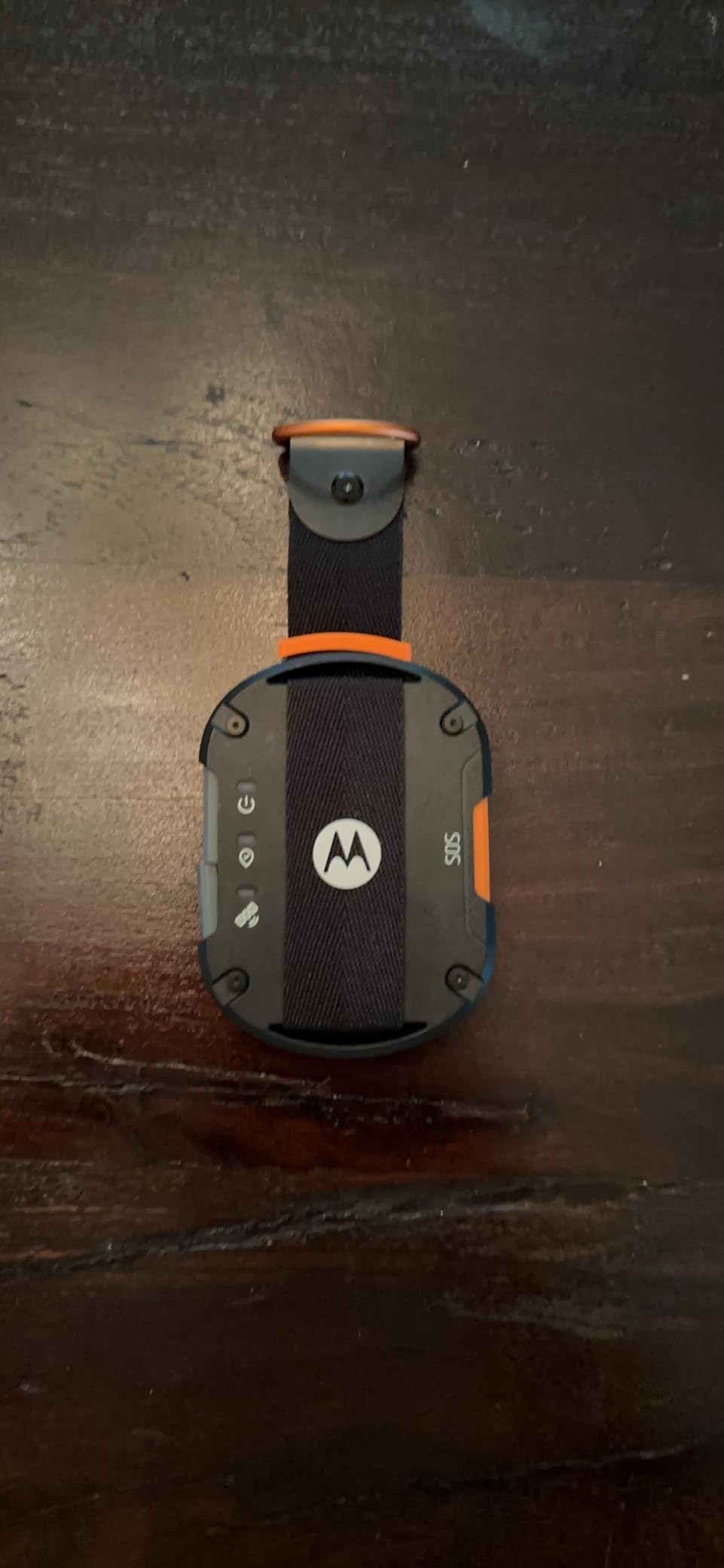
However, the 3.7-star rating tells a story that the marketing does not. With 20 percent one-star reviews, there are clearly reliability and setup issues that affect a significant portion of users. Common complaints center around Bluetooth pairing difficulties, delayed message delivery, and customer service challenges. The 4-day standby battery is also the shortest on this list by a wide margin.
I would position the Motorola Defy as a backup device or an entry-level option for someone who wants to test whether satellite communication fits their lifestyle before investing in a more reliable system. For critical trips where failure is not an option, spending more on a Garmin or ZOLEO is the wiser long-term investment.
Understanding the Rating Distribution
With 53 percent five-star reviews but also 20 percent one-star reviews, the experience is genuinely split. Users who successfully activate and pair the device tend to be satisfied with its core functionality. The negative reviews frequently cite activation problems and inconsistent message delivery, which suggests quality control issues rather than fundamental design flaws.
Best Use Case for the Defy
This device makes the most sense as a low-cost entry point for occasional day-trippers and weekend paddlers who want SOS backup without a major investment. If you are doing extended backcountry trips or relying on the device for professional safety, the budget savings are not worth the reliability risk.
6. Spot X 2-Way Satellite Messenger – Best Standalone Device
Spot X with Bluetooth 2-Way Satellite Messenger
Built-in QWERTY keyboard
Dedicated US mobile number
Globalstar network
240-hour battery
24/7 SOS
GPS tracking
Pros
- Built-in keyboard for standalone typing
- Dedicated US mobile number
- Long 240-hour battery life
- 24/7 Search and Rescue SOS
- Works independently without phone
Cons
- Heaviest device at 7.04 ounces
- Globalstar coverage gaps vs Iridium
- Subscription required
- Plastic enclosure
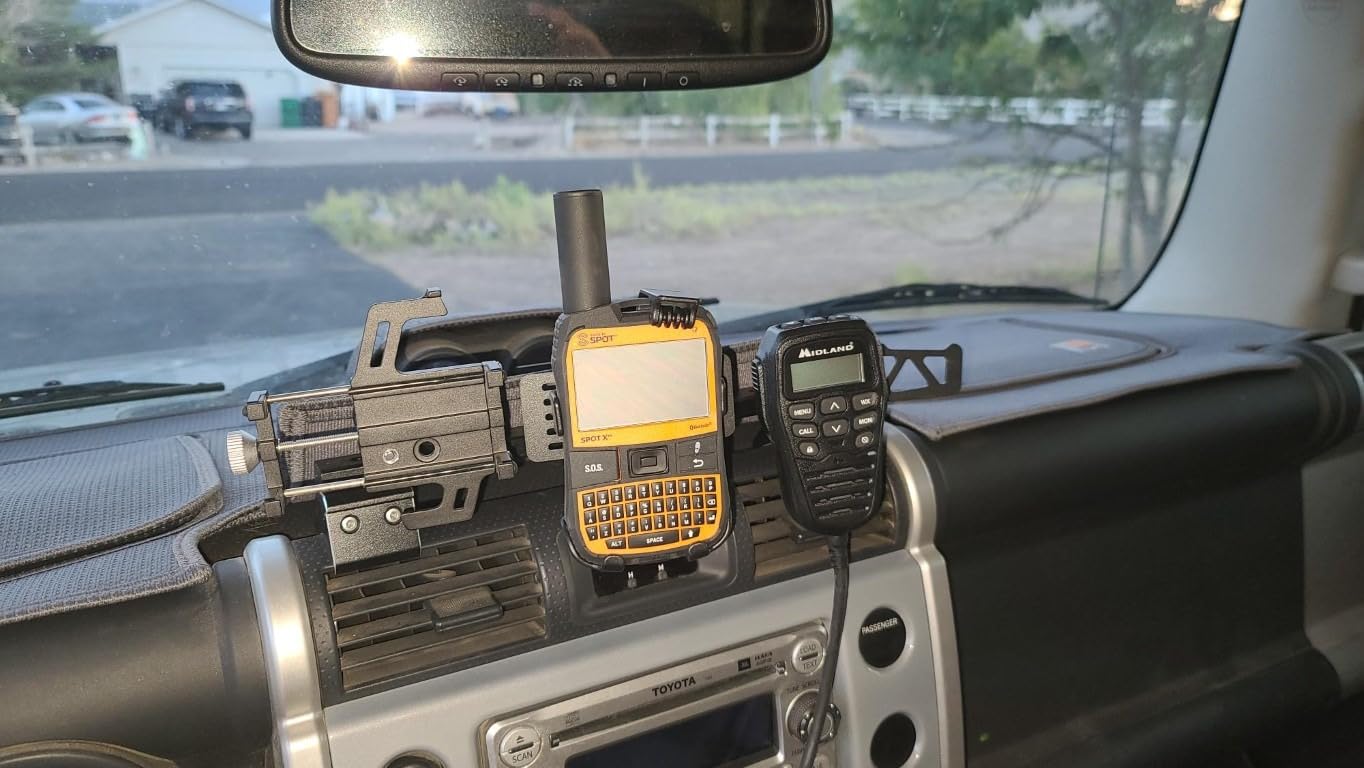
The Spot X is the only device on this list that you can fully operate without a smartphone, thanks to its built-in QWERTY keyboard. For users who want to leave their phone at home or who worry about battery management on long trips, this standalone capability is a genuine differentiator. The dedicated US mobile number means contacts can reach you directly via text without any app or special portal.
I appreciate the keyboard for composing longer messages, which is painful on the button-based interfaces of other devices. The 240-hour battery life is solid for multi-week trips, and the GPS coordinate transmission works reliably within the Globalstar coverage area. With 737 reviews and a 4.0-star average, it has a loyal following particularly among hunters and remote workers.
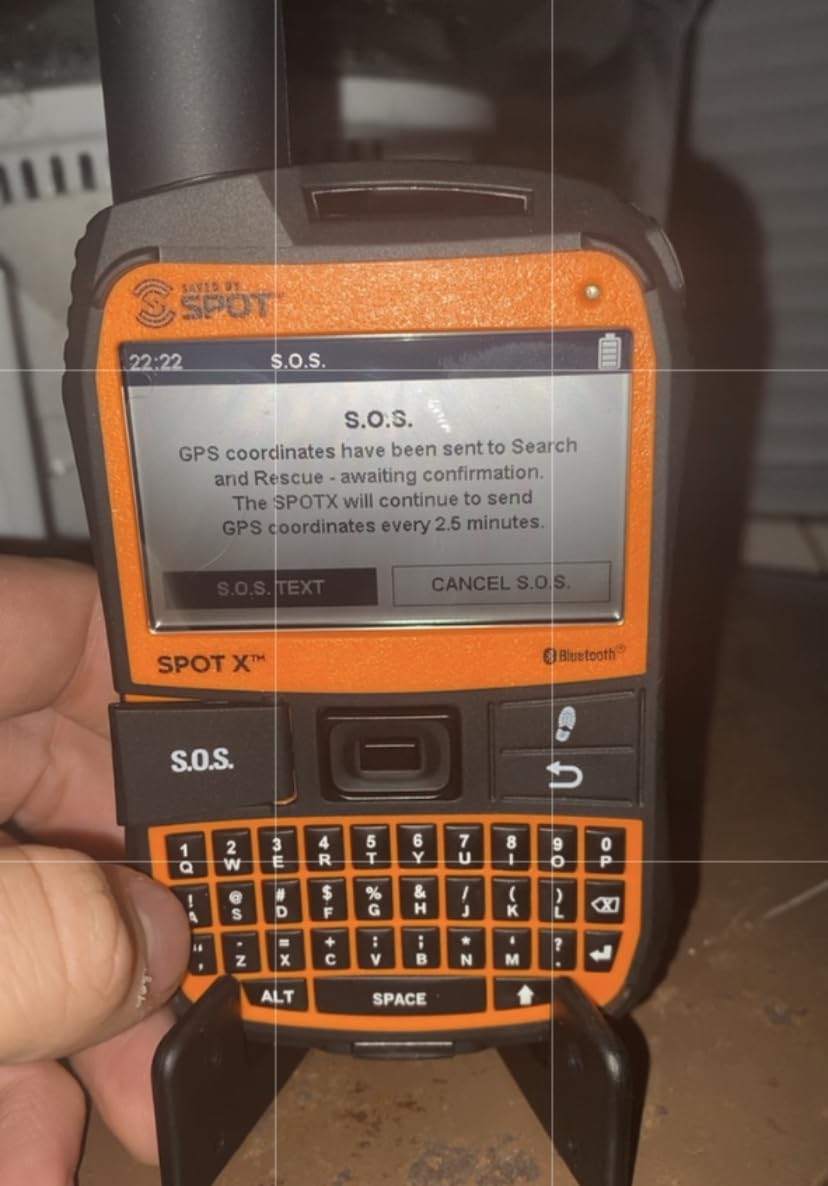
The significant trade-off is the network. Spot X uses Globalstar rather than Iridium, which means coverage is not truly global. There are notable gaps in certain ocean regions and polar areas where Iridium devices work fine. At 7.04 ounces, it is also the heaviest device on this list by a substantial margin, which matters for ultralight hikers and weight-conscious kayakers.
The plastic enclosure feels less rugged than the rubberized bodies of Garmin devices, though it has held up fine in my testing across normal outdoor conditions. The 59 percent five-star rating suggests most users are satisfied, but the 14 percent one-star reviews indicate a meaningful group of users who ran into reliability or connectivity problems.
Globalstar vs Iridium Coverage
This is the critical decision factor for Spot X buyers. Globalstar provides excellent coverage over most populated areas and common outdoor destinations in North America, Europe, and Australia. However, it struggles with truly global coverage compared to Iridium’s pole-to-pole satellite network. If your trips stay within Globalstar’s coverage map, the Spot X works great. If you venture to remote ocean or polar regions, Iridium-based devices are the safer choice.
When Standalone Operation Matters
The built-in keyboard is the killer feature for users who want to minimize phone dependency. On cold-weather trips where phone batteries drain rapidly, or on extended expeditions where you want to conserve phone power for navigation and photography, the ability to type messages directly on the Spot X is a genuine advantage that no other device here offers.
7. ACR Bivy Stick – Best for Group Adventures
ACR Bivy Stick – Iridium Satellite Communicator, GPS Tracker & SOS
100% global Iridium coverage
Group tracking up to 12
Offline maps
LoRa mesh networking
Dedicated phone number
IPX7 rated
Pros
- 100% global Iridium coverage
- Group messaging and tracking for up to 12 people
- Offline maps and GPS navigation
- Dedicated phone number and email
- Unlimited GPS check-ins
- LoRa mesh connectivity
Cons
- Subscription required
- Shorter 120-hour battery life
- Smaller review base
- Higher ongoing costs
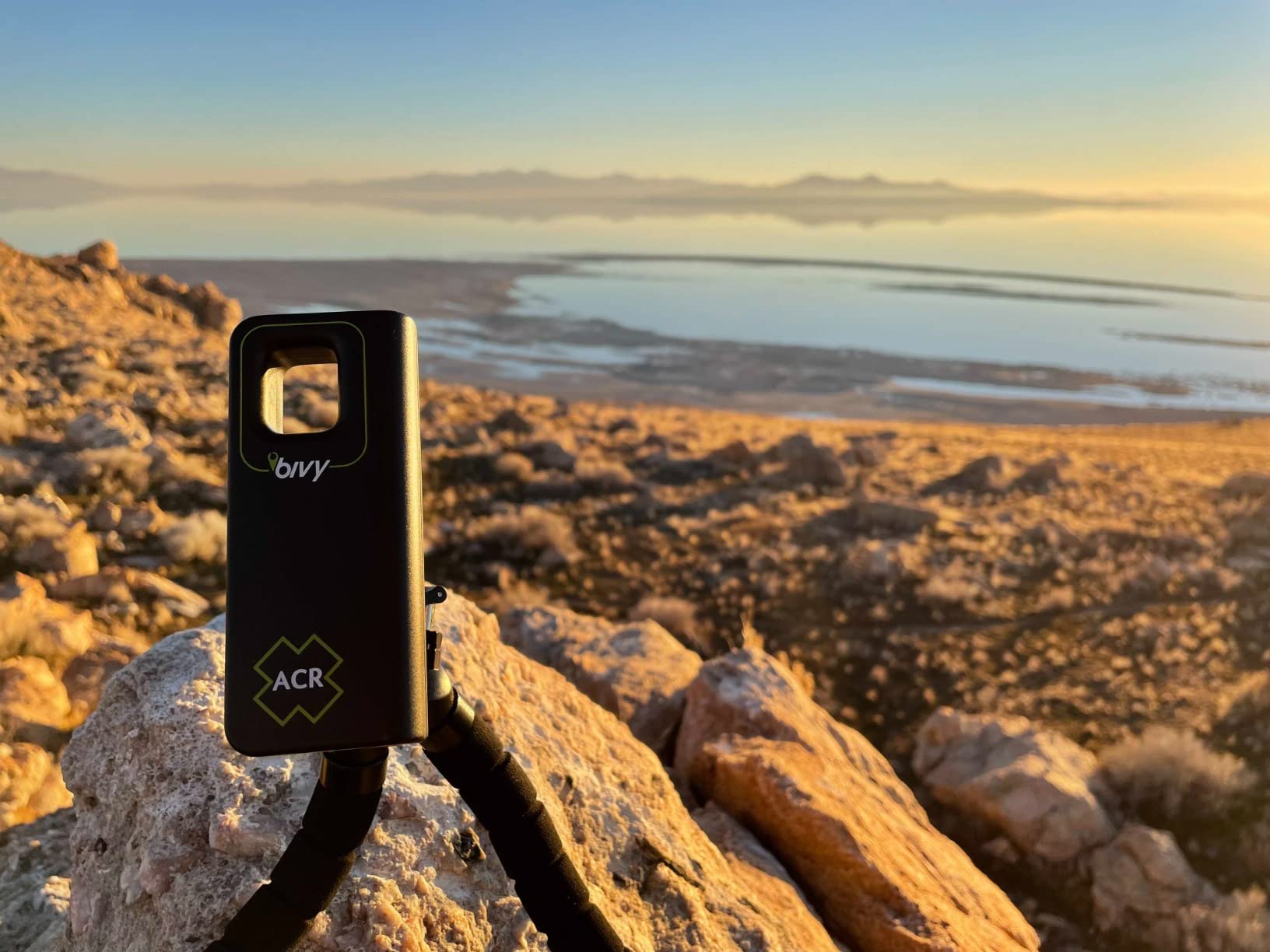
The ACR Bivy Stick stands out for its group tracking capabilities, supporting up to 12 people in a shared tracking group. For organized paddling expeditions, scout trips, or guided adventures where you need to monitor multiple participants simultaneously, no other device on this list matches this capacity. The GroupTrack feature lets a leader see everyone’s position on a map in real time.
The offline maps and GPS navigation are a significant value-add that eliminates the need for a separate GPS unit on many trips. Combined with the unlimited check-ins and live tracking, the Bivy Stick functions as both a communication device and a navigation tool. The 100 percent global Iridium coverage means you never have to worry about coverage maps or dead zones.
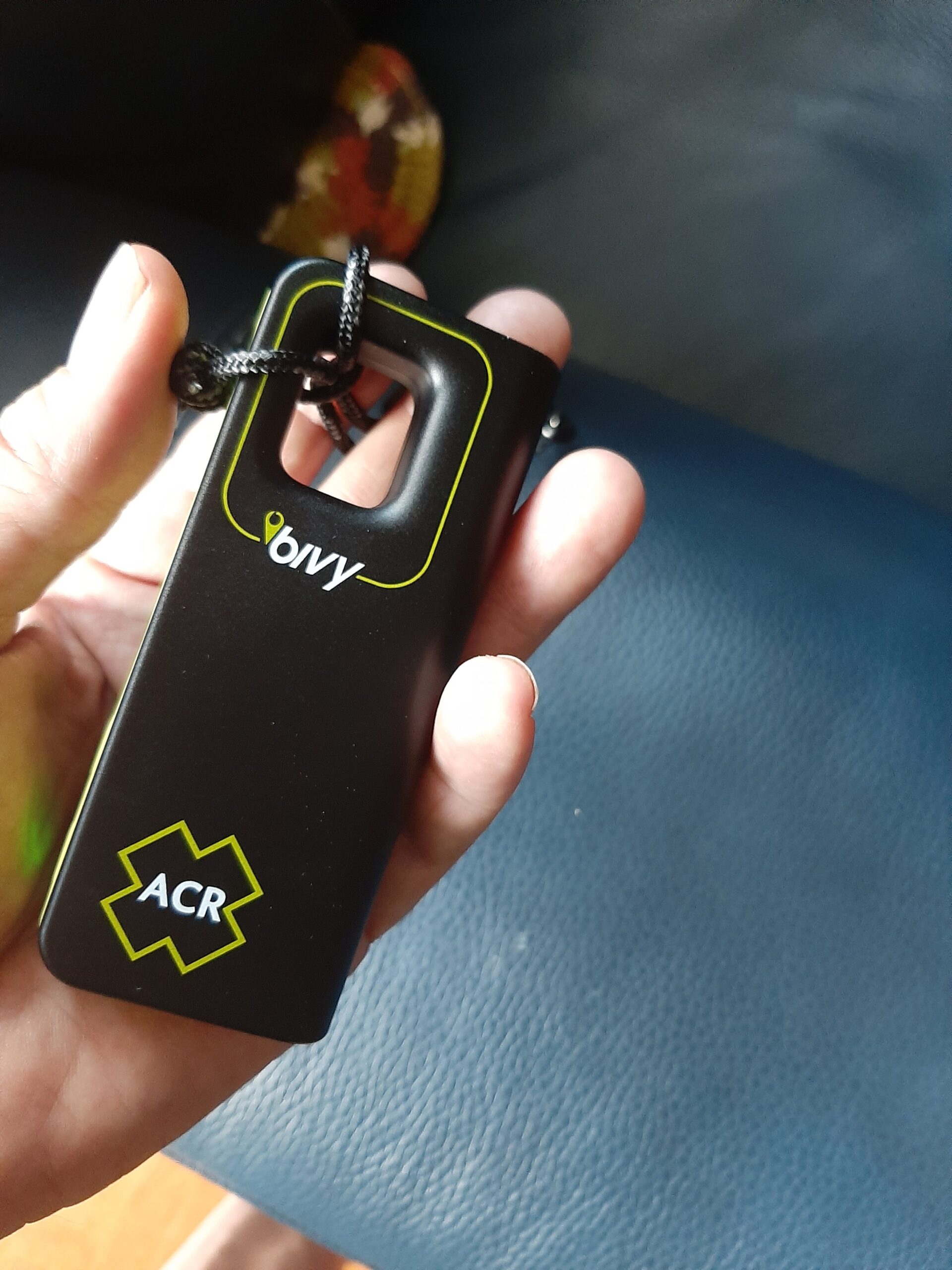
The LoRa mesh networking capability is an emerging technology that allows Bivy Stick devices to communicate with each other directly when they are within range, without needing a satellite connection. This is particularly interesting for group scenarios where members are spread out but within a few miles of each other, such as a paddling group exploring different channels of a coastal area.
The 120-hour battery life is the main weakness, falling well short of the Garmin devices that offer weeks of runtime. The review base of 200 users is also smaller than the Garmin and ZOLEO competitors, which means less community data to validate long-term reliability. The 4.0-star average with 58 percent five-star reviews suggests solid but not exceptional satisfaction.
Group Coordination Features
The GroupTrack system is where the Bivy Stick truly differentiates itself. A trip leader can monitor up to 12 members on a single map, send group messages, and track everyone’s progress. For guided kayak trips or group backpacking expeditions, this level of coordination is invaluable and goes beyond what Garmin’s group messaging offers.
Navigation as a Bonus Feature
The offline maps turn the Bivy Stick into a credible navigation device, especially when paired with the Bivy app on your phone. While it may not replace a dedicated waterproof GPS unit for kayak navigation, it covers basic route-finding and waypoint marking. This dual functionality helps justify the subscription cost for users who would otherwise need two separate devices.
8. Garmin inReach Messenger Plus – Premium Feature Pick
Garmin inReach® Messenger Plus, SOS Satellite Communicator
Photo text and voice messaging
25-day battery
Multi-GNSS (GPS Galileo BeiDou QZSS)
Safety charging
IPX7
Seamless cell to satellite
Pros
- Photo text and voice messaging without cell service
- Long 25-day battery life
- Multi-GNSS support for superior positioning
- Safety charging for depleted phones
- Seamless cellular to satellite switching
- TracBack navigation
Cons
- Subscription required for service
- Not Prime eligible
- Lower review count (58 reviews)
- IPX7 only not IP68
The Garmin inReach Messenger Plus sits between the standard Messenger and the Mini 3 Plus in the Garmin lineup, offering photo and voice messaging at a more moderate price point than the Mini 3. The ability to send photos from the backcountry transforms the communication experience, letting you share a summit view or a river crossing in real time rather than describing it in text.
The multi-GNSS support is a technical advantage worth noting. By connecting to GPS, Galileo, BeiDou, and QZSS satellite constellations, the Messenger Plus achieves faster position fixes and better accuracy in challenging environments like deep canyons or dense forest. On a kayaking trip through a steep-walled fjord, this made a noticeable difference in tracking reliability compared to GPS-only devices.

The 25-day battery life in 10-minute tracking mode puts this in the top tier for runtime. The safety charging feature has proven genuinely useful, allowing me to revive a dead phone using the Messenger Plus battery when a power bank was unavailable. The seamless switching between Wi-Fi, cellular, and satellite means you conserve satellite credits whenever terrestrial options are available.
The main concerns are the limited review base of just 58 users and the lack of Prime eligibility. With an 81 percent five-star rate among those reviews, early satisfaction is strong, but the sample size is too small to draw definitive conclusions about long-term reliability. The IPX7 rating, while adequate for rain and splashes, falls short of the IP68 protection offered by ZOLEO and Motorola.
How It Compares to the Mini 3 Plus
Both devices offer photo and voice messaging, but the Mini 3 Plus adds a color touchscreen and longer battery at a higher price. The Messenger Plus counters with multi-GNSS support and a form factor some users prefer. If the color screen is not a priority, the Messenger Plus delivers similar core functionality at a lower cost.
Positioning Accuracy Benefits
The four-satellite constellation support gives the Messenger Plus the best positioning accuracy of any device on this list. For kayakers navigating complex coastlines or marking precise fishing spots, this translates to more reliable coordinates and better tracking data. The difference is subtle in open terrain but meaningful in challenging environments.
How to Choose a Satellite Communicator
Choosing the right satellite communicator comes down to five key factors that determine whether a device fits your specific needs. I have broken down each one based on what actually matters in the field, not just what looks good on a spec sheet.
Satellite Network Coverage
The two dominant networks are Iridium and Globalstar, and the difference matters. Iridium provides true pole-to-pole global coverage with no gaps, which is why Garmin, ZOLEO, and ACR all use it. Globalstar, used by the Spot X, offers excellent coverage over most populated regions but has gaps in certain oceanic and polar areas. If your adventures stay within North America, Europe, or Australia, either network works. For truly remote or oceanic expeditions, Iridium is the safer bet.
Battery Life and Trip Duration
Battery life ranges dramatically across these devices, from 4 days on the Motorola Defy to 28 days on the Garmin inReach Messenger. Match the battery to your typical trip length with a comfortable margin. Cold weather reduces battery performance significantly, so if you paddle or hike in winter conditions, multiply the rated life by roughly 60 percent to estimate real-world performance.
Subscription Costs and Plan Structure
This is where many buyers get surprised. Every two-way messaging device on this list requires an active subscription, and those monthly costs add up. ZOLEO offers the most affordable entry at $20 per month, while Garmin plans range from about $15 to $65 depending on features and message allotments. Consider whether you need year-round coverage or can use seasonal suspension plans to save money during off-months. Many Reddit users recommend annual plans for a roughly 10 percent savings.
Water Resistance for Marine Use
For kayakers and paddlers, water resistance is non-negotiable. IPX7 handles rain and brief splashes but is not rated for submersion. IP67 and IP68 survive temporary immersion, which matters if your device ends up in the drink. Regardless of rating, I always store my satellite communicator in a dry bag during paddling, treating the rating as a backup rather than a primary defense. The ZOLEO and Motorola Defy offer the best water resistance ratings on this list.
Weight and Packability
Weight matters more than most people realize, especially on multi-day trips where every ounce compounds. The Motorola Defy is the lightest at 2.5 ounces, followed closely by the Garmin Mini 2 at 3.5 ounces. The Spot X is the heaviest at over 7 ounces, largely due to its built-in keyboard. For ultralight backpackers, the weight difference between the lightest and heaviest options on this list is comparable to carrying an extra day of food.
Standalone vs Smartphone-Dependent Operation
Some users prefer devices that work entirely without a phone, while others are fine relying on a smartphone app. The Spot X is the only device here with a full built-in keyboard for standalone messaging. Garmin devices offer basic standalone functionality through preset messages, while ZOLEO and the Motorola Defy are heavily app-dependent. Consider your phone battery management strategy when making this choice.
FAQs
Why is Garmin inReach illegal in some countries?
Garmin inReach devices are restricted or illegal in certain countries, including China and parts of the Middle East, because they transmit on satellite frequencies that those governments regulate or prohibit. The devices can also be confiscated at borders in regions where unauthorized satellite communication equipment is banned. Always check local regulations for your destination before traveling with any satellite communicator.
What is better than Garmin inReach?
For budget-conscious users, the ZOLEO Satellite Communicator offers comparable two-way messaging over the same Iridium network at a lower monthly cost. The Garmin inReach Mini 3 Plus and Messenger Plus offer superior features like photo messaging. For standalone operation without a phone, the Spot X with its built-in keyboard is a strong alternative. The best choice depends on your specific priorities around cost, features, and coverage needs.
Who are the major players in satellite communication?
The major players in consumer satellite communication are Garmin (inReach line), ZOLEO, ACR Electronics (Bivy Stick), SPOT (Spot X), and Motorola (Defy Satellite Link). These devices primarily use either the Iridium or Globalstar satellite networks. On the smartphone integration side, Apple Emergency SOS via satellite and T-Mobile Starlink partnership are emerging alternatives for basic emergency communication.
Is Starlink better than Garmin inReach?
Starlink and Garmin inReach serve different purposes. Starlink is primarily a broadband internet service while Garmin inReach is a dedicated portable satellite messenger with SOS capabilities. Starlink offers vastly more bandwidth for data-heavy applications but requires larger hardware and significant power. For portable backcountry communication and emergency SOS, dedicated devices like the Garmin inReach remain the better choice due to their compact size, long battery life, and purpose-built safety features.
Final Thoughts on the Best Satellite Communicators for 2026
After testing all eight devices across dozens of trips, my recommendation comes down to how you plan to use the device. The Garmin inReach Mini 2 remains the best overall satellite communicator for most adventurers, offering the best balance of weight, reliability, and proven performance. For budget-conscious buyers, the ZOLEO Satellite Communicator delivers 90 percent of the functionality at a lower ongoing cost.
If you want the latest technology and are willing to pay for it, the Garmin inReach Mini 3 Plus with its color touchscreen and photo messaging is the most capable device on the market. Paddlers on a strict budget should consider the Motorola Defy Satellite Link as an entry point, understanding the trade-offs in reliability and battery life that come with the lower price.
The most important thing is to actually carry the device and keep the subscription active. A satellite communicator sitting in a drawer at home does not help anyone. Pick the one that fits your budget and trip style, and make it a permanent part of your kit for every off-grid adventure in 2026 and beyond.


